Houston 2026 World Cup Bid Committee officials will meet with FIFA and US Soccer representatives today (Wednesday March 10) to showcase their plans for hosting the 2026 FIFA World Cup.
“We are excited for the opportunity to engage with FIFA and US Soccer and discuss Houston’s unmatched operational readiness to host World Cup matches in 2026,” said Houston 2026 World Cup Bid Committee president, Chris Canetti.
The virtual meeting will focus the NRG Stadium, where World Cup matches would be held.
“We are fortunate to have such a world-class facility as part of our amazing network of infrastructure. NRG Stadium is a key element to the bid, and we are eager to show how the stadium can seamlessly deliver for FIFA as it has done time-and-time again for other major events,” Canetti said.
The bid team say the city has hosted more large-scale sporting events than any other candidate host city since 2004. The NRG Stadium, home to the Houston Texans and the Houston Livestock & Rodeo Show, has hosted two Super Bowls, two NCAA Final Fours, Copa America Centenario. NRG will host the 2023 Final Four and the 2024 College Football Playoff. It has regularly hosted the Concacaf Gold Cup and matches involving the Mexican National Team. Barcelona, Bayern Munich, Manchester City, Manchester United, and Real Madrid have recently played at NRG Stadium.
As the fourth largest city in the US, with seven million people, Houston would be the biggest US city hosting the 2026 World Cup within the city limits.
The Houston delegation also includes Houston 2026 World Cup Bid Committee chairman, John Arnold, consultant, John Kristick, Mark Miller, general manager of NRG Park, Ryan Walsh, executive director of the Harris County Sports & Convention Corp. – NRG Park, David Fletcher, executive director of Lone Star Sports & Entertainment, and Dan Bergstrom, the director of turf & grounds for BBVA Stadium.
The 2026 FIFA World Cup will be played in 16 cities across the US, Mexico, and Canada. Houston is one of 17 US cities vying to host World Cup matches in 2026. FIFA is expected to select 10 US host cities, with a final decision coming in late 2021.
Blog
-

Houston “ready to host” 2026 FIFA World Cup as officials prepare to meet with FIFA and US Soccer
-
The corona crisis and its effects on the choral world
Around the turn of the year 2019/2020, the first news about the novel coronavirus reached the world. China in particular, but also numerous other countries, found themselves in a difficult situation and everyday life came to a standstill. The virus continued to spread and new infections were reported daily.
The Chinese city of Wuhan was hit hardest at the beginning of the year. But the rapid spread of Covid-19 soon meant that the entire world had to face the pandemic and all the challenges it entailed. This globe-spanning crisis had a profound impact on humanity – and the choral world in particular. We all had to keep our distance – and yet we have moved closer together – even across national borders!
And then there was silence…
The pandemic brought public and private life to a standstill. In many places, a state of emergency was declared and a lockdown imposed. Stores, restaurants and cultural institutions had to close, and schools and workplaces were moved home.
This life at a distance also hit the choirs of this world especially hard. Concerts, festivals and even choir rehearsals had to be cancelled or postponed and stages remained silent. In most countries, choral life has come to a complete standstill and many choirs and choirmasters have lost their financial support and perspective. Li Peizhi, president of the Chinese Choral Association, described the feeling of these drastic impairments of everyday life in an interview as a “train that comes to an abrupt halt”.
In all areas of life and also in choral work, the technical possibilities of our time and global networking with the help of the Internet gained completely new relevance and significance from one moment to the next. The choirs around the globe did not lose confidence and developed ideas to continue to live out their passion for choral music, to maintain their choral community together with their fellow singers, to stay positive and to break new ground in terms of rehearsals – and the silence of the choral world did not last long.
…but not for long
Tim Sharp, a member of the Advisory Board of the World Choir Council, wrote in an interview that “singing not only gives something to the listener, but also to the individual singer. Singing requires us to use our bodies and connects us directly to our emotional lives.
Every single aspect of the singing process is physical. And, while the experience of singing is highly individual, choral singing connects and harmonizes these individual sounds into a community.“
Music is a powerful, courage-giving force that connects people and inspires spirits. In many places around the world, music was played together just as the pandemic began. Neighbourhoods sang together on their balconies, at their windows or on the street and grew closer. This community at a distance, this community in music and song, has also given hope to many people.
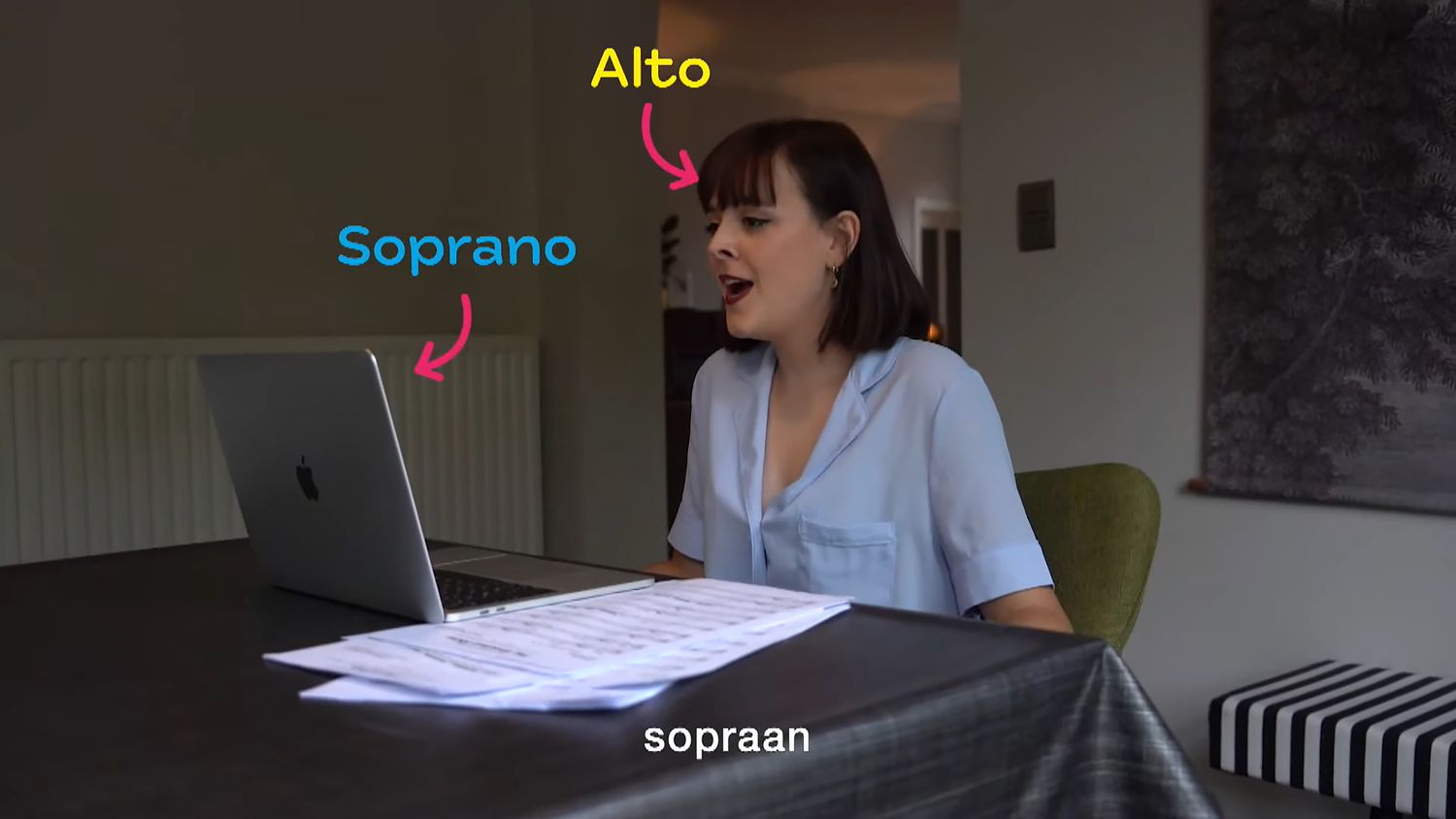
The choirs were particularly limited in their work and could only meet virtually. But they got creative and took advantage of the new technologies: choir rehearsals online, classes at home in the living room, virtual choir projects, video premieres instead of performances in concert halls.
Besides all these creative projects and new approaches to choral work, this time of special challenges has also brought the choral community closer together.
The (choral) world has come closer together
Of course, all these approaches and the virtual choir projects cannot replace the community of the choir and the experience of a live performance, but they have given confidence to the singers of this world. New ways were tried out to continue learning together and to continue singing together.
With the help of workshops, online tutorials or direct exchange in social networks or forums, choirs and choir directors helped and supported each other.
Following INTERKULTUR’s motto “Singing together brings nations together”, many choirs have also used these projects and collaborations to come together virtually with other choirs from all corners of the world.
The new possibilities of technologies were used extensively and became a popular tool to overcome creative self-isolation, which also affected the rehearsal process. Even though synchronous singing and choral rehearsals in large groups are technically impossible or difficult, the digital applications are a good opportunity to maintain social contacts and community.
Li Peizhi, president of the Chinese Choral Association, said in an interview, “I think people, and especially musicians, are using their ability and energy to express and transmit their emotions and their thoughts. [The] projects are wonderful because the message they send out is consistently positive and has made people realize the great power of music.”
This bond and solidarity that has united the choral world in recent months, even if only virtually, will hopefully accompany us in the future and we should continue to cherish it. What will the new normal look like after the pandemic?
The questions that now arise at the beginning of the new year, as vaccinations begin worldwide and (hopefully) with the end of the crisis in sight: What are the lessons we learn from this crisis? What impact will these experiences have on the choral world and how will choral work change?
Russian choral legend Vladimir Minin commented on this in an interview: “Digital technologies are a temporary means, a way out, a tool for information exchange – but nothing more. No technology can convey the living energy of the choir, and the subtle intricacies of the movement of its collective soul.“
Li Peizhi, President of the Chinese Choral Association, has a similar view: “These new forms of singing and online lectures are currently very popular all over the world. I personally think that this is a special countermeasure in a special time to satisfy the strong desire for singing. Choral singing is a fantastic way for people to communicate emotions, but this requires contact and time to rehearse. Therefore, it‘s imperative that we experience the artistic engagement that occurs in actual rehearsals to unleash the full beauty and charm of the choral art.“
Tim Sharp, a member of the Advisory Board of the World Choir Council, hopes “to be able to use these tools when we sing together again. I firmly believe that we will emerge from this time stronger, and we will also have learned how to teach and communicate with new tools that are appropriate for choral music education, performance, composition, and advocacy.”
Digital technologies are good and valuable tools for the current time and they will certainly be able to enrich choir work in certain areas in the future. However, it is also clear for the choral world that the virtual will not be the new normal. What is missing is the interpersonal aspect, the dynamics, the immediate communication with fellow singers – the essence of singing together that we all sorely miss.
We don‘t know what the future will look like, but we are confident that it will be beautiful and, above all, full of singing!
This editorial was written by Franziska Hellwig of INTERKULTUR, the world’s leading organizer of international choir competitions and festivals. For more information visit www.interkultur.com -
Vaccines and streaming will drive live event growth – President, Live Nation Entertainment
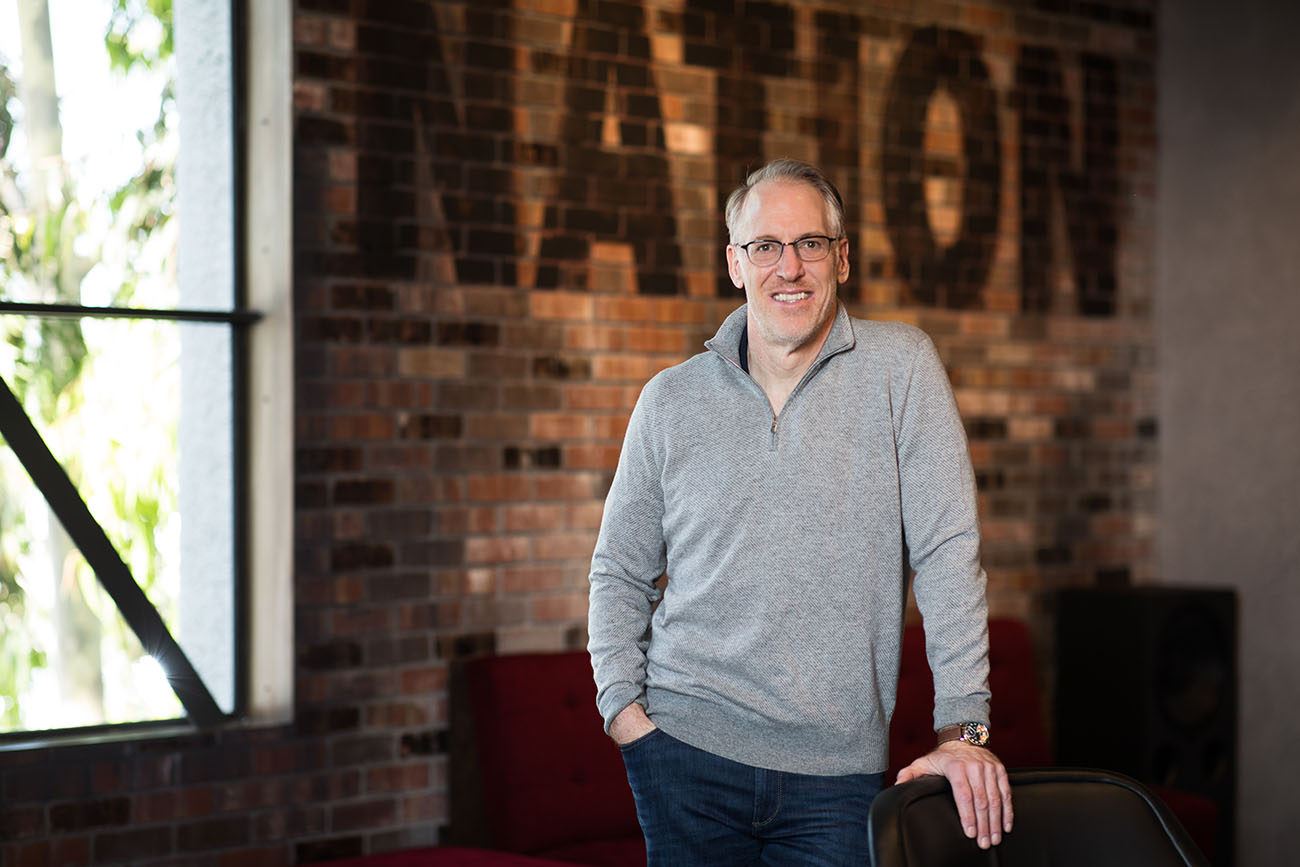
National reopening plans, pent-up customer demand and digitalisation will all contribute to the revival of the live events sector, according to Joe Berchtold, President of Live Entertainment.
The head of the world leading event promoter cited the UK government’s announcement of a roadmap to lifting lockdown in England as a great enabler to reopening the events business.
“The UK is the leading example of what’s working well. They got out fast with the vaccines. They came out with a plan last week,” he told Morgan Stanley’s Technology, Media & Telecom Conference on 4th March.
Subject to the progress of the virus and vaccination, the UK aims to remove all lockdown restrictions in England in a phased approach by 21 June. “Because we have those dates, we can make an informed decision. It has a big impact on consumer side.”
The announcement of the roadmap created a rapid surge in sales of festivals, with Live Nation selling 170,000 tickets in three days, including Creamfields and Reading and Leeds which sold out rapidly.
“We needed a 90-day plan that gives the ecosystem the ability to plan.
“We’re waiting for that in the US, or if not on a state-by-state basis,” he said. “It looks like the south is moving fast. And there are more aggressive plans from some of the big states like California and New York; others are more conservative.”
Fortunately outdoor events, which reopen soonest due to the lower risk of transmission, serve the promoter’s biggest customer base. “The benefit for us is the large volume of fans. our most valuable customers are our fans in amphitheatres and our festivals. That’s the best way for us to economically get moving.”
With pressure building on both the supply and demand side, Live Nation’s post-pandemic strategy is to drive more fans into its ecosystem and monetise more effectively.
“We are looking at an elevated supply and demand as we come out of this. We have a very large pent up supply issue,” he said, highlighting a roster of big name artists who have been unable to tour during the pandemic.
“You have latent demand of people wanting to see artists. 95% of fans want to go as soon as they can – so we’re going to have an accelerated supply and demand dynamic.”
Although Live Nation’s revenues were hit dramatically in 2020, their cost base has also reduced.
“We’ve took $950 million out of our cost base last year, and we’re putting $750 million back in. So that’s making us nimbler and more effective.
The promoter is also looking for new revenue streams.
“We’re looking into streaming. There are fans out there that are not going to be able to go to the show, if it’s not in their city or if it’s sold out, who will buy a stream. We can very efficiently provide our thousands of artists with the option of adding a stream to a show or a tour.
“Most people want to go to the show rather than stream, which reinforces the value of the live proposition. But there are a lot of people who just can’t make it. so it opens the scale of distribution on a global basis. For most artists it will be integrated into touring – an additional element of their live show.”
The pandemic is also accelerating the deployment of digital ticketing. “People will go into the venue on a ticketless basis. This will improve the fan experience and reduce friction. If you reduce friction, you’ll sell more food and beverage and merchandise. That will have direct benefits for the fan, for the venue, it helps us to know and understand our fans, to add value to the sponsors – so the whole system starts to work better.
“Across the whole business, we’re finding ways to do it better.”
Future growth will also be driven beyond the UK and the US. “We’re doing this on a global basis in 40 countries. We have teams in all the markets, taking a market by market approach.
“We are excited about new markets and how they come out of this.”
These comments were made in conversation with Ben Swinburne, Head of U.S. Media Research at Morgan Stanley -
Baltimore-Maryland presents “transformative hosting plans” to FIFA and U.S. Soccer
An Infrastructure Workshop with FIFA and the U.S. Soccer 2026 FIFA World Cup Host City selection delegation gave the Baltimore-Maryland 2026 Bid Committee an opportunity to showcase hosting plans it describes as “transformative”.
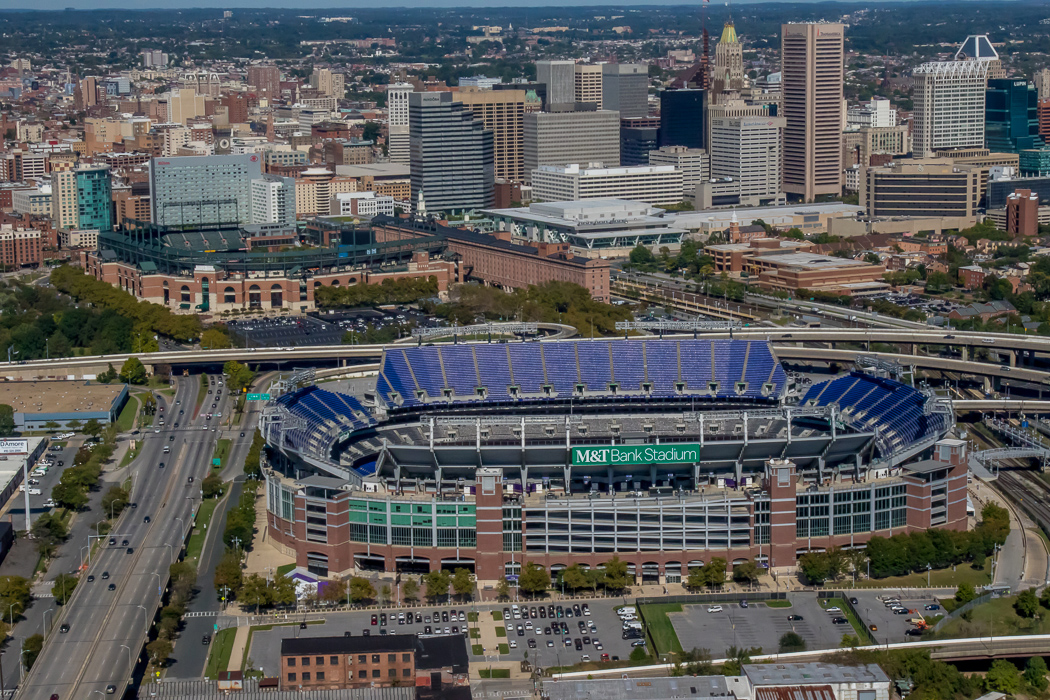
“It was a very positive infrastructure workshop and we’re delighted with the way our campaign is progressing,” said Terrance Hasseltine, President of Baltimore-Maryland 2026 and Executive Director of Maryland Sports Commission. “We were thrilled to present our world-class M&T Bank Stadium and our transformative and compact hosting plans. We are also incredibly proud that our proposed concept offers an unbeatable tournament experience for visiting teams, fans and officials from across the world.
“As a new domestic market for the FIFA World Cup, Baltimore-Maryland is an opportunity for FIFA and U.S. Soccer to capture the attention of more fans and accelerate the overall development of football in the U.S. FIFA World Cup 2026 in Baltimore will provide a great social and economic boost, inspire a new generation of football lovers and create a tangible legacy for all.”
The bid team highlight the stadium’s downtown location, with more than 10,000 hotel rooms within walking distance, and 10-mile proximity to the BWI Marshall International Airport.
The 71,000-capacity venue also benefits from USD $140 million of recent upgrades. The country’s first LEED Gold rated outdoor professional stadium, it equipped with 28,000 sq ft of 4K Ultra HD boards and displays and meets FIFA’s natural grass turf requirements.
Hosting the FIFA World Cup 2026 would accelerate Baltimore-Maryland’s urban development plans, which the bid team say are approved and supported by all levels of city and state government. Baltimore-Maryland plans to boost sporting and recreational activity with more green spaces, sporting facilities and football development initiatives.
“Maryland is united behind our bid to bring the 2026 FIFA World Cup to Baltimore. We are fully committed to Baltimore as a great Host City that offers not only quality venues for competition, but a rich history and love of sport that brings people together,” said Maryland Lt. Governor, Boyd Rutherford.
“Baltimore’s diverse communities, public institutions, and business communities are working hand-in-hand and looking forward to providing teams and fans from all over the world with the best FIFA World Cup experience possible. We appreciate the helpful insights provided by FIFA and U.S. Soccer during today’s workshop.” -
AIPH announces Virtual International Expo Conference on 16 March
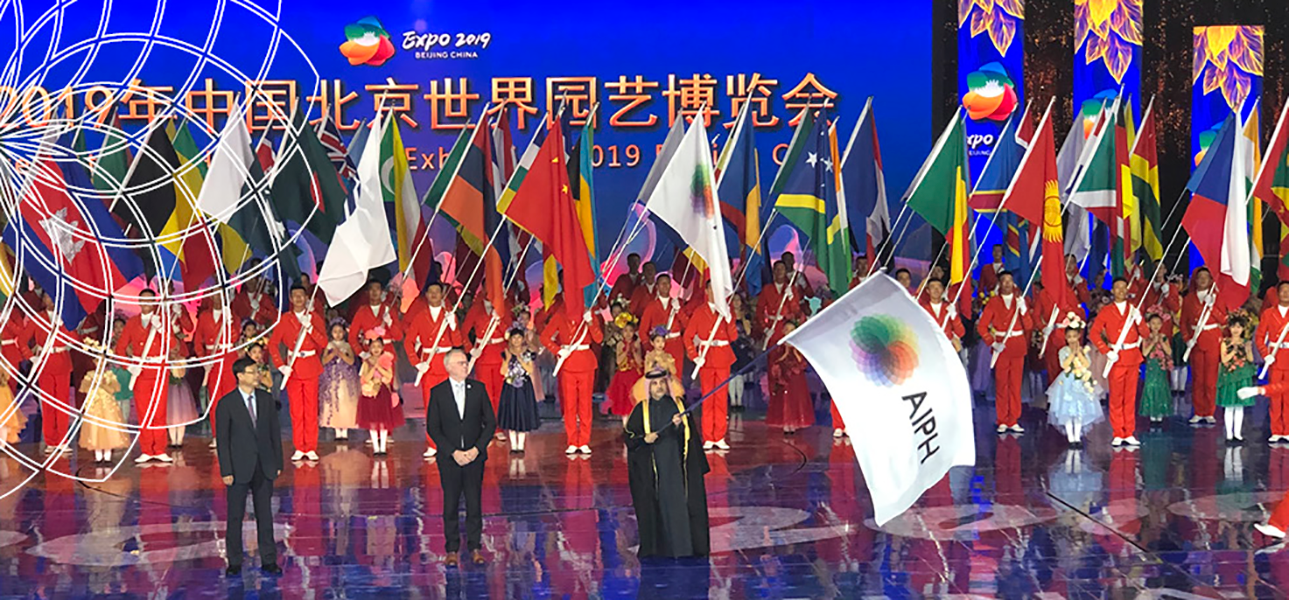
[Source: AIPH] The AIPH Virtual Expo Conference on 16 March presents an excellent opportunity to learn more about hosting or being involved with our major horticultural events and to network with expo organisers, city representatives interested in hosting an expo, urban developers, AIPH members, NGOs, international city and environmental organisations and suppliers to major events.
Millions are spent on developing these international spectacles that can have the ability to stimulate the development of entire cities and transform the international reputation of hosting regions. Each exhibition attracts many international participants and millions of visitors, lasts up to six months, with sites ranging from 25 to 500 hectares in size. Every Expo is carefully regulated, steered, and monitored by AIPH.
The period from now until 2027 already includes AIPH approved expos in China, Turkey, Qatar, the Netherlands, South Korea, and Japan with more to be approved in upcoming meetings. The following Expos will be submitting their progress reports on 16 March.
A1 World Horticultural Expos: The World Horticultural Expos include Expo 2022 Floriade (the Netherlands); Expo 2023 Doha (Qatar) and World Horticultural Exhibition 2027 Yokohama (Japan).
B International Horticultural Exhibitions: The International Horticultural Exhibitions include 2021 Yangzhou (China); Expo 2021 Hatay (Turkey); Expo 2023 Kahramanmara? (Turkey) and Suncheon Bay International Garden Expo (South Korea).
There will also be news about Expos going through the approval process including International Horticultural Exhibition Chengdu 2024 (China) and Expo ?zmir 2026 (Turkey).
There will also be progress news from the organisers of the International Horticultural Show Euroflora 2022.
The ongoing impact of safety measures against coronavirus means that rather than a physical international conference, we shall be using the multi-faceted Hopin platform to host this online international event where delegates from around the world can meeting real-time.
We are very grateful to our Gold Sponsors IGMPR (creators of themed floral and horticultural attractions) and PERA Event (specialising in major event management) for their support of the conference. These companies are also AIPH Preferred Partners. IGMPR Director Ibo Gulsen will be giving a presentation about creating a unique floral event within your Expo.
Registration is free and you will be able to network with delegates and sponsors starting from 7am (GMT), and all from the safety of your home office device.
AIPH extends its appreciation to AGES (Association of Global Event Suppliers), Major Events International, Biophilic Cities and media partners HOST CITY and FloraCulture International magazine.
AIPH Secretary General, Mr Tim Briercliffe, comments, “We are delighted to welcome our Expo organisers and all delegates to the AIPH Expo Conference. AIPH approved expos are beautiful events, which are enjoyed by millions of visitors wherever they are staged. Cities around the world are looking to further develop their green credentials and urban spaces, as well as driving the appreciation and benefits of plants and flowers in the built environment. In addition to seeing the interesting progress of our approved Expos, attendees will be able to network with delegates and learn more about how staging an International Horticultural Expos can bring great benefits to the host city, not just during the Expo itself, but for years to come.” -
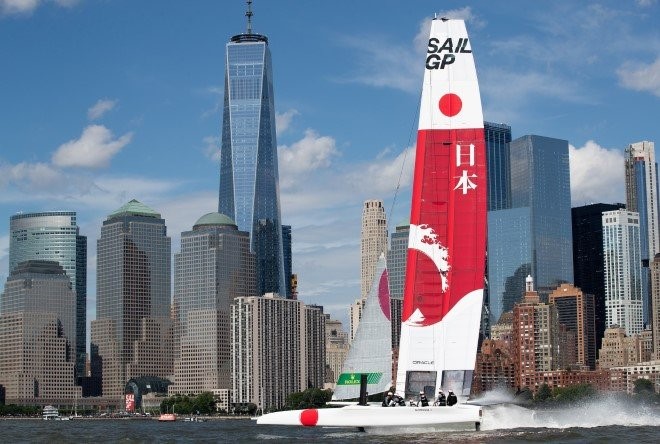
SailGP invites cities to join its Race for the Future
[Source: SailGP] Following the announcement of an expanded event calendar for its second season that opens in less than 50 days and features eight events across three continents, SailGP today opened the bid process for its Season 3 host venues, starting in 2022. SailGP is inviting cities that are committed to creating a better future to be part of its sustainable global racing calendar as the league sets out to champion a world powered by nature.
Responsible for more than 70 percent of the world’s energy-related carbon emissions, cities play a crucial role in the transition to a low-carbon economy. SailGP host cities will share its commitment to a cleaner future and will be pioneering innovative solutions to mitigate climate change.
As the first climate positive sports and entertainment property – removing more carbon than its footprint – SailGP is already leading the way and setting a new standard for major event hosting. From its inception in 2019, SailGP has been measuring, reducing and offsetting its own carbon footprint and has set an ambitious target of 55 percent reduction of its carbon footprint – based on science – by 2025, as well as committing to being fully powered by nature by 2025. The remaining carbon that can not be eliminated is offset via a partnership with One Carbon World, directly supporting renewable energy wind projects around the world.
SailGP became a world first in sport to be certified as carbon neutral (carbon emission report) and achieve both the Carbon Neutral International Standard and join the UN Climate Neutral Now Initiative, reaffirming its commitment to maintain a zero-carbon operational stance.
Further highlighting that SailGP is more than a racing championship, the global league has achieved the international sustainability standard ISO20121 in unprecedented speed ahead of its second season. A legacy born from the London 2012 Olympics, ISO20121 is a robust sustainable event management system developed to an international standard.
Future SailGP host cities must sign the league’s Climate Action Charter and commit to two key impact projects: one on energy powered by nature for the city and a blue carbon project to maintain or restore critical carbon-sequestering shoreline ecosystems to protect the waters in which SailGP racing takes place.
SailGP CEO Sir Russell Coutts said: “We want to use our platform to undertake bold and creative activities that achieve our goal of helping to accelerate the global transition to clean energy. SailGP Season 3 will set a new standard for sport globally though our aspiration to assemble the most sustainable global events calendar in sport. Therefore we are inviting cities that share our passion for the environment and clean energy to become a part of history and host a SailGP event in Season 3 and beyond.”
Beyond positioning themselves as a global leader in sustainability and clean energy – plus the association with a world class climate positive global event – host venues will also benefit from direct economic impact. In its inaugural season, SailGP generated an average impact of $23 million per event and attracted a worldwide broadcast audience of 256 million across five events.
These economic and environmental benefits are matched with community engagement opportunities through SailGP Inspire – the league’s inclusive community, education and outreach initiative – and SailGP’s Race for the Future purpose-driven agenda.
Fiona Morgan, SailGP director of purpose and impact, said: “Our ambition is to be the most sustainable and purpose-driven global sports platform. We believe the power of sport can make a big difference to educate and tackle climate change, and next season will be another step in using our platform to do just that. We want to work with host cities that share our values and commitment to a cleaner and better future, and together – working with like-minded cities and partners – believe we have the power to change the world, one event, one city at a time.”
Each grand prix is a two-day event comprising six races in identical high-speed catamarans, and includes a final match race to determine the winner. Two to three days of training provide additional scope for host venues to maximize activation opportunities.
Building on the foundations set in Seasons 1 and 2, SailGP’s third season will commence in May 2022 and run through March 2023.
Additional details on the bid process can be accessed via Venues@SailGP.com. Cities must express interest no later than April 2021. -
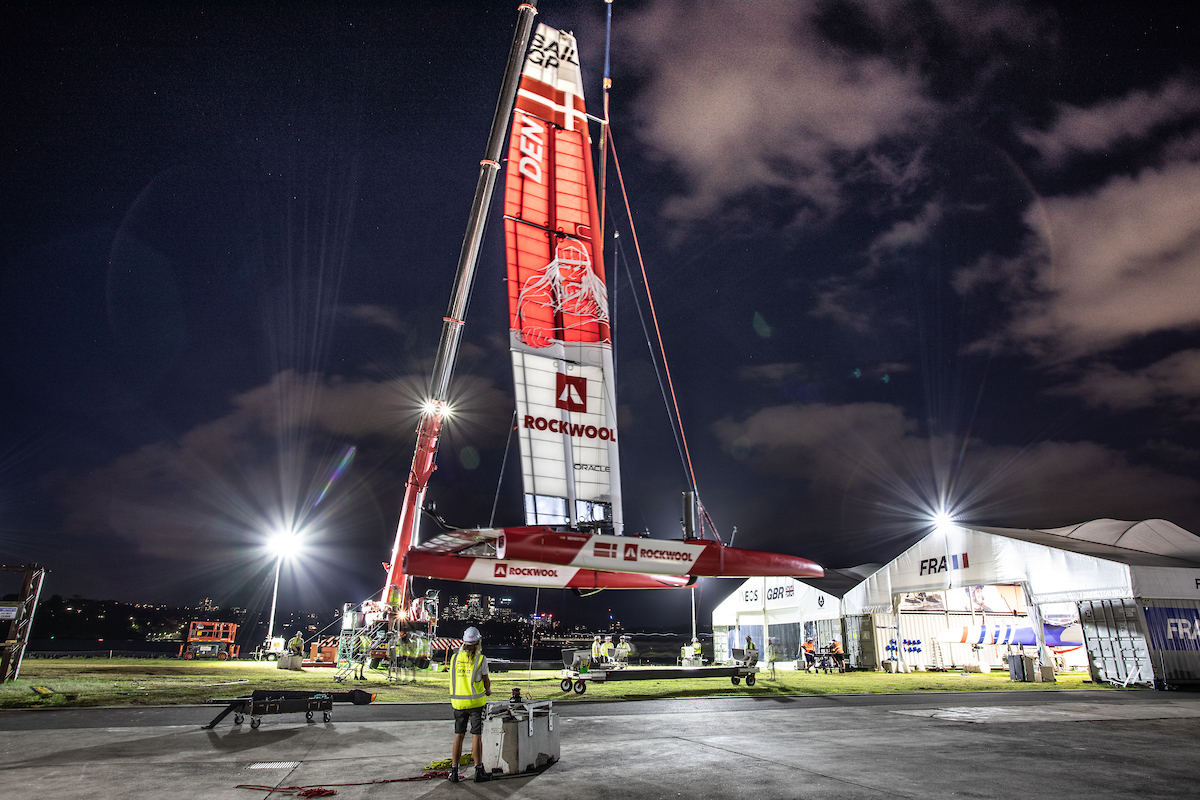
Aggreko partnership helps SailGP become climate positive
Pinnacle sailing league SailGP has partnered with Aggreko, the world-leading provider of mobile modular power, temperature control and energy services, as the championship prepares to become fully powered by clean energy by 2025.
Through the partnership, the delivery of all event operations over the next three seasons will become increasingly sustainable.
SailGP has already achieved the Carbon Neutral International Standard, joined the UN Climate Neutral Now Initiative and met the international sustainability standard ISO20121.
“We are extremely excited to work with Aggreko – a company that shares our belief that innovation and technology is critical to drive the sustainability agenda and transition to a cleaner future, powered by nature,” said Fiona Morgan, Director of Purpose and Impact at SailGP.
“We look forward to working together to test and innovate on solutions to reduce emissions across our global events and share a blueprint of clean events so others can learn and follow.”
Starting next month, SailGP will deploy a hybrid solution from Aggreko that comprises solar power, battery storage and thermal generation. Further into the partnership, Aggreko will work with SailGP to lower emissions further by introducing green grid distribution and alternative fuels such as bio-methanol and hydrogen, as they become available.
Robert Wells, MD at Aggreko Events Services said: “At Aggreko, we greatly admire SailGP’s commitment to sustainability, inclusivity and innovation – values that we proudly share. This partnership brings us one step closer to delivering sustainable sporting events globally, and we are excited that Aggreko continues to demonstrate reliable innovative energy solutions for world class events such as SailGP.”
Aggreko has itself committed to reduce local emissions and diesel usage by 50% and become Net Zero by 2050.
SailGP aims to set new standards for major event delivery as the first climate positive sports and entertainment property.
As part of its Race for the Future purpose-driven agenda, SailGP champions “a better world powered by nature”, with a focus on accelerating a transition to clean energy.
Taking place in some of the world’s most iconic harbours, anticipation is growing for the opening event of SailGP Season 2, with the Bermuda Grand Prix presented by Hamilton Princess kicking off April 24-25. -
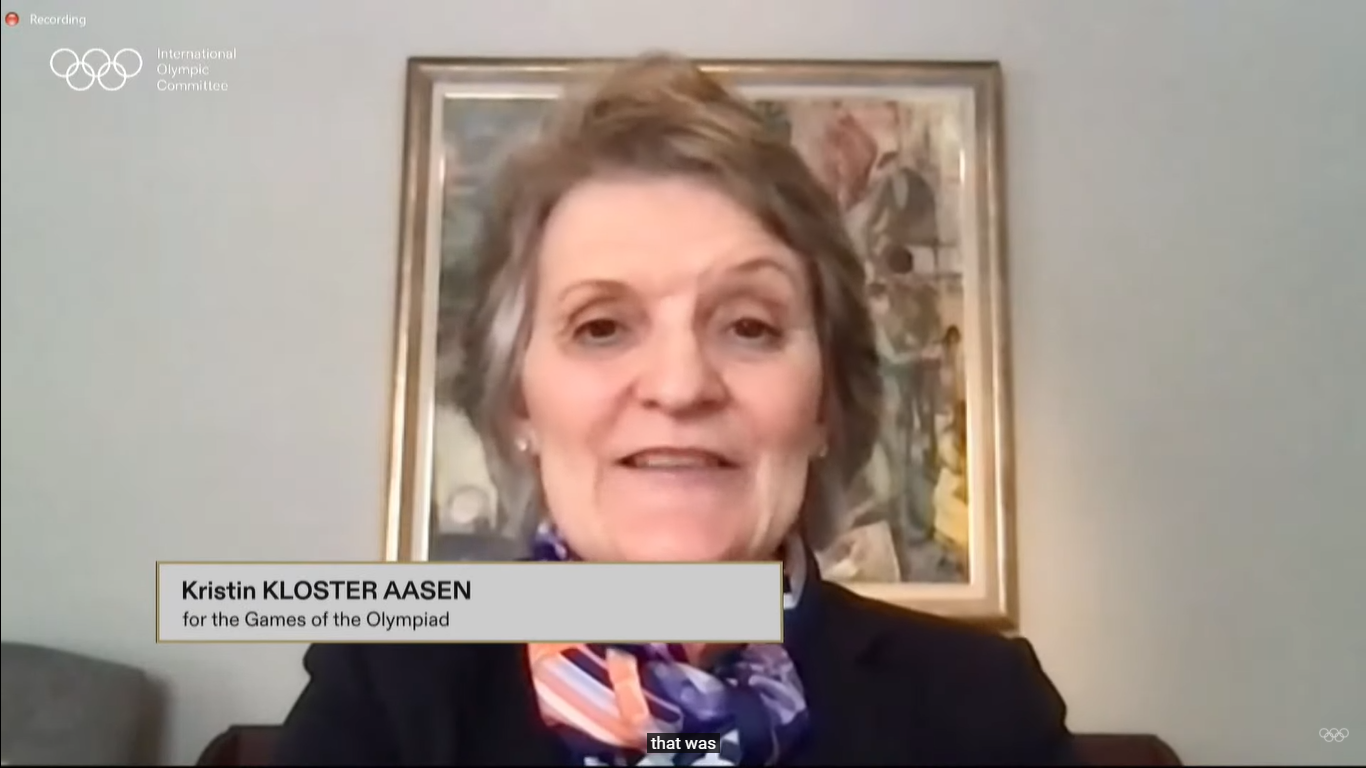
IOC Members caution against awarding Games too far ahead
• Brisbane moved to “targeted dialogue” as the first project to meet feasibility criteria
• This doesn’t mean a host has been elected now
• If targeted dialogue is unsuccessful, “continuous dialogue” with Brisbane and other interested parties could resume
• New approach to selecting hosts enables long term strategic outlook
• Expert advice is to “seize solid existing opportunities” due to impact of Covid crisis
• No double award with 2036 due to uncertain outlook beyond 2032
The IOC progressed Brisbane to the “targeted dialogue” stage of candidature for the 2032 Olympic Games following “expert advice” to “seize solid existing opportunities and secure the future” – but planning even further ahead is not recommended by IOC Members addressing the 137th IOC Session.Joe
Berchtold
President
Live Nation Entertainment, Chair of the Future Hosts Commission for the Summer Games addressed the question of whether to consider a double award for 2032 and 2036, akin to the dual awarding of Paris and Los Angeles.
“The 2024 and 2028 double award was a very different situation for many reasons, not least because it was an election 11 years ahead, while 2036 would represent 15 years before the Games,” she said.
“In addition the Olympic Games will evolve tremendously during this period. The Games are a reflection of society and there is going to be an evolution in national and individual priorities on sustainability, human development and other topics.
“The UN Sustainable Development Goals are expected to be concluded by the early 2030s and there will certainly be new, more ambitious objectives with which the Olympic movement will want to align.
“The Games should also reflect the fast-evolving sports landscape. In addition there can also be many changes to the political landscape over such a long period, which adds to the uncertainty.”
IOC Member and Austrian Olympic Committee President Karl Stoss also highlighted the importance of keeping future Games bids open to other prospective hosts.
“It is great to have a long perspective of our host cities and regions,” he said. “With 2032 Brisbane and Queensland we have a long-term strategy about our hosts of our [Summer Olympic] Games after Tokyo, Paris, Los Angeles and hopefully Brisbane Australia,” he said.
“But it is also our responsibility, and from the perspective of good governance and fairness, not to go too far in the future, because there may be some other interested parties and cities and regions.
“We have a good choice if we do it for 2032, but in the mind of good governance and fairness for all – maybe all other interested cities and regions – we have not to go too far in the future.”
The IOC elected in January 2019 to take a new dialogue-based approach to selecting Olympic hosts.
“The non-committal and confidential nature of the approach, with no financial commitment, benefits both interested parties and the IOC,” said Kloster Aasen.
“It has encouraged interested parties to come to the table to test ideas and concepts and explore a vision or a potential for hosting future games or ask for information.”
The process begins with a phase known as “continuous dialogue”.
“Since there is no submission required in continuous dialogue, as opposed to the past, interested parties spend very little money and benefit from up to date information and expertise from the IOC at no cost to them. They can test plans and assumptions without public debate and see how to best align their Olympic planning with their own development plans for their communities.
“This flexibility also benefits the Olympic movement to have a long-term strategic outlook across editions of the Games.”
Through the new procedure, a candidate’s hosting plan is moved from continuous dialogue to targeted dialogue when it meets certain criteria, as has now happened with Brisbane.
“It became clear that one project, and only one project met all the opportunities we have seen in the public feasibility assessment, and that project was Brisbane.
“Moving to a targeted dialogue means that we are moving a project to a second stage for a detailed development and assessment…. [it] does not mean that we are electing an Olympic host now.
“Once a preferred host has been selected for a particular edition of the games, no other interested party can enter into targeted dialogue for the same Games, unless the first targeted dialogue has been unsuccessfully concluded.”
Brisbane will now develop its plans in more detail.
“If Brisbane delivers, the Executive Board would be in a position to put Brisbane 2032 forward to the Session to a vote. If not, despite best efforts by both parties, the IOC and Brisbane, the Executive Board could advise the Future Host Commission to go back to continuous dialogue with Brisbane and other interested parties.”
Global economic repercussions
The impact of Covid 19 has been felt by National Olympic Committees and interested parties in continuous dialogue. “Many projects were put on hold while governments were concentrating on protecting the health of their cities and trying to shore up their economies,” Kloster Aasen said.
And the impact will be felt for years to come. “Once the health crisis is over, it is going to have global economic repercussions. The world economy is going through an unprecedented crisis. The current health crisis will have wider global consequences especially with respect to the labour market and the risk of increased inequality.
“While the impact of the crisis can be witnessed now, experts forecast that the world economy is likely to be most impacted over the next 5 years, during the period when we would have expected to elect a host for 2032 under the previous candidature system.
“The expert advice that we have been given is that we should seize solid existing opportunities and secure the future for a next generation of athletes who are facing an uncertain future.” -
11th World Choir Games take place in Autumn 2021
[Source: Interkultur] The World Choir Games, also known as the Olympics of Choral Music, will be held exceptionally in October/November. “Extraordinary circumstances require extraordinary measures. Corona will not get our choirs down! The Games will go on!”: the Flemish government and INTERKULTUR decided to postpone the World Choir Games for a second time.
Minister Jambon explains: “Many people have sacrificed a lot and made efforts to get through pandemic last year. Also our thousands of choir singers in Flanders and all their enthusiastic fellow singers from all over the world. We have already had to postpone a fantastic event – the World Choir Games – once. Now, however, the summer period is also coming too soon. Choirs want to be able to rehearse, practice and work together towards the event for a few months, but that is not yet possible. Also, the numbers are still uncertain, even for many foreign choirs.”
However, INTERKULTUR and the Flemish government have come together in the determination to give a perspective to the international singers also in these extraordinary times. With the decision to let the World Choir Games exceptionally take place in autumn, the Flemish government and INTERKULTUR react to the overall positive dynamics around the World Choir Games.
The decision to postpone is a decision about giving perspective, according to Minister-President and Minister of Culture Jan Jambon: “We are delighted that all partners have agreed to a feasible date, so that in 2021 we can still bring this top event to Flanders. It is a bright spot for many passionate singers at home and abroad who have been deprived of their stage for so long. I have felt an enormous urge to make this event happen, even in these special times.”
The health, welfare and safety of the participating choirs, the supporters who travel with them and the many fans and visitors in Flanders are and remain top priority. And although the scale of the event will obviously have to be adjusted, and some parts of the program will have to be reviewed again, all parties involved are welcoming this development as a turning point after a particularly difficult period. It will be a special – rather emotional – moment for everybody that will leave many deeply moved.
INTERKULTUR President Günter Titsch: “After months of restrictions, overcoming the crisis now seems within reach. I am very pleased that together with our partners in Flanders and especially through the personal support of Minister-President Jambon, we have found a good way to let the 11th World Choir Games 2021 take place with the greatest possible security for all participants. This fall we will show to everyone: The international choral world is back and will finally sing on a world stage again!”
The World Choir Games will have an innovative virtual component in addition to the live event. It was also the corona crisis that led to the move to the virtual. Koor&Stem drew up a digital concept for the development of a ‘Virtual Village’ for the World Choir Games. This tool enables all the choirs that are unable to participate in the 11th edition, to still actively participate in the Games. It involves not only streaming of the main events, workshops and concerts, but also international meetings and even competitions!
The Flemish Government, INTERKULTUR and Koor&Stem are ready to work together with the cities of Antwerp and Ghent to make the 11th edition of the World Choir Games from October 30 to November 7, 2021 an unforgettable event! They are convinced that all sponsors and partners will help compose this musical story. Together, they aim for nothing less than the best edition ever in the history of the World Choir Games.
All the details regarding the autumn edition of the World Choir Games 2021 are now available at www.wcg2021.com. -
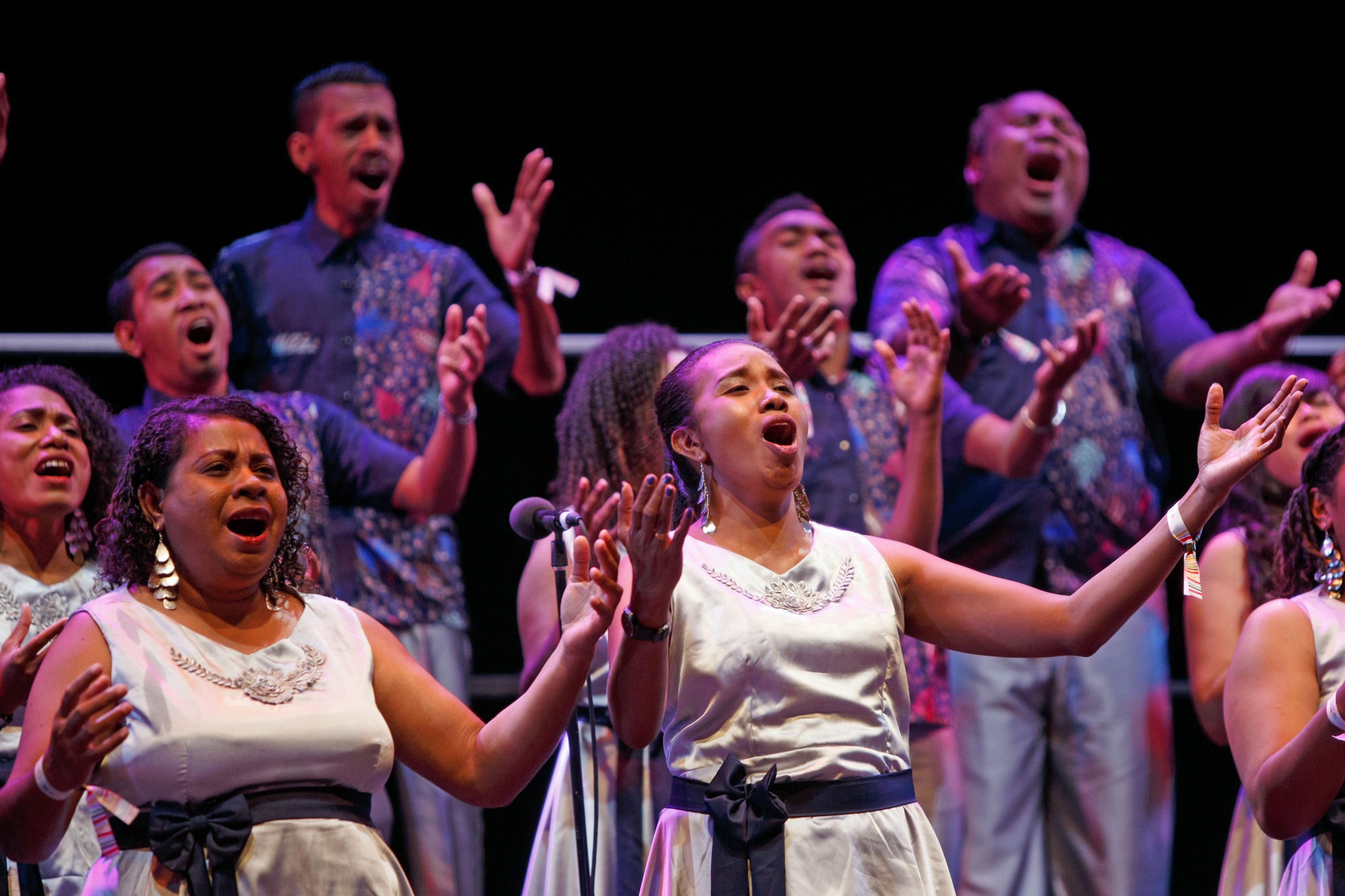
Songs of spirit: singing unites religions
It was “the miracle of Sochi”, back then at the World Choir Games 2016. Afghanistan’s Noor-e Omid choir competed in the world’s largest international choir competition, the so-called Olympics of Choral Music.
During the Taliban regime, religious extremists had censored singing and music in society. It was only after 2001 that Afghanistan’s music scene slowly began to re-emerge and by 2016, the miracle happened: Afghanistan had its first ever polyphonic choir, and it was the country’s first choir to take part in the World Choir Games.
The story left a lasting impression on everyone involved, including the then Artistic Director of the World Choir Games, Prof. Dr. Ralf Eisenbeiß. “In their country, people have not known music for generations, but now these young people somehow heard about the ‘Choir Olympics’, learned sheet music, rehearsed a programme, and fulfilled a lifelong dream by participating in the Games.”
Yet this story is just one of the many “miracles” that happen year after year at INTERKULTUR’s international choral events like the World or European Choir Games. Wherever people of different faiths and cultures come together, a great deal of understanding and tolerance is needed. At INTERKULTUR events, this spirit of acceptance arises naturally – after all, singing together calls for harmony.
And so choirs from countries that are opponents on a political level, such as Iran and Israel, meet in the choir competitions and festivals regularly and peacefully. And different religions connect in a very direct way, as happened at the World Choir Games 2010 in Shaoxing, China, when a German gospel choir visited a Buddhist temple and sang a Christian gospel – to the great joy of everybody on site.
At the European Choir Games 2013 in Graz, Muslim, Hindu, Buddhist and Christian singers appeared together on one stage as one large festival choir and performed Giuseppe Verdi’s Messa da Requiem together.
Such large concerts with hundreds of singers from different countries, cultures and religions have long tradition at the World Choir Games. No one sums up the immense impact better than a singer from Australia who, after taking part in the large festival choir concert of the World Choir Games 2016, said: “Well, this was fantastic, I’ve never been to such a happening before. It shows what you can do, if you invest in culture and if you invest in youth. Much better than buying weapons and guns: invest in culture and music!”
The debate about singing in public in Afghanistan continues today, with a social media campaign recently overturning a ban on teenage girls singing in public.
On the world stage, singers can discover the great diversity and enthusiasm with which people express their different cultures and religions through song. Find out how you can turn your city into such a special stage that brings people from all cultures and religions together here: https://worldofchoirs.com/wcg/
This article was written by Henriette Brockmann of INTERKULTUR.