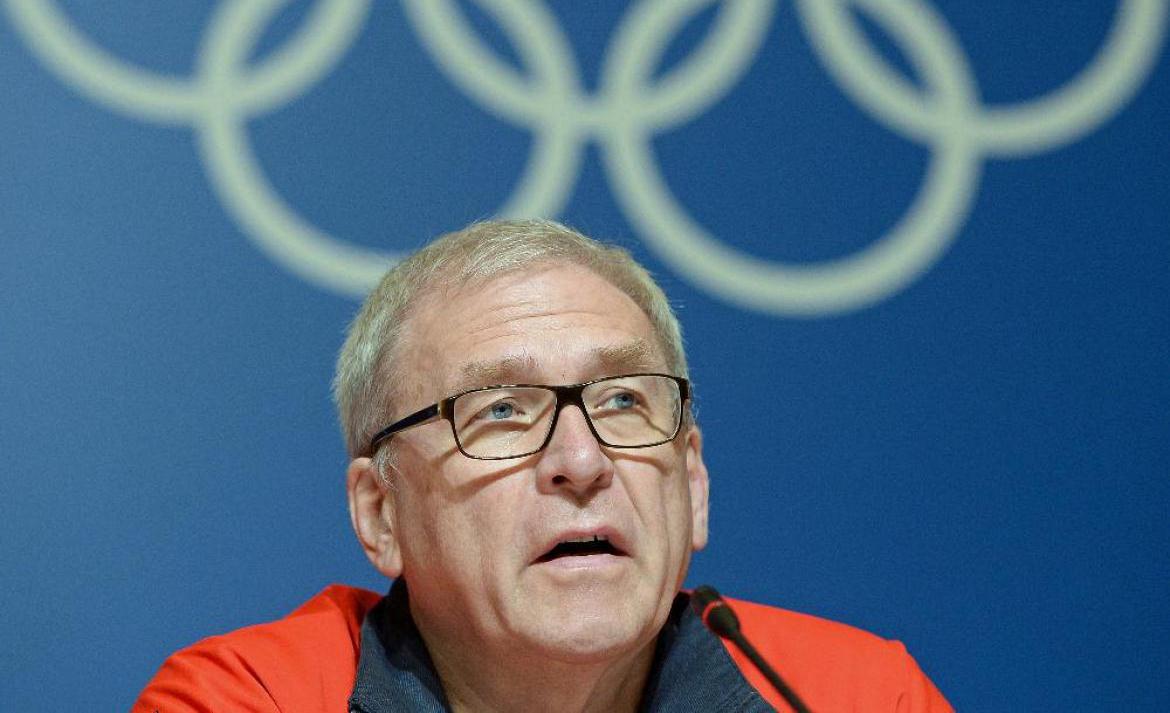
Austria, Germany, Sweden and Switzerland’s NOCs have submitted a paper to the International Olympic Committee (IOC) entitled “Olympic Agenda 2020: The Bid Experience”, which proposes a revolutionary change to the process of selecting host cities of the Olympic Games.
The paper briefly explains why all four nations have retracted bids to host Olympic Games in recent years, and sets out what could be done to make the prospect of bidding again more appealing.
The most bold suggestion is that the IOC Evaluation Commission’s findings should count directly towards the election of the host city. Currently, the host city is elected entirely by secret ballot by IOC members, after they have read the Evaluation Commission’s report, but this report does not directly count – only the votes do.
“The IOC could split the election into two equally weighted parts, one representing the technical evaluation with a ranking of all bid cities, and one representing the vote of the IOC members,” the NOCs’ paper states.
The IOC is currently undergoing a deep and wide review into all areas of its activities, with a major focus on bidding procedure. The findings of the “Agenda 2020” review will not be made public until November 2014 but the early appeal from these influential NOCs is a highly significant move.
All four committees have backed out of Olympic bids in recent years. The Austrian Olympic Committee was considering a bid of Vienna for the 2028 Olympic Games while the German, the Swedish and the Swiss Olympic Committees were looking into the possibility of bidding for the 2022 Olympic Winter Games.
“The striking element welding all four committees together is the fact that all above mentioned bids were not lost in the official bid process, but due to a lack in national or at least regional public or political support,” the paper states.
The NOCs of these established European nations spell out the concerns they have about bidding for the Olympic Games.
“Public and politics seemingly fear the high costs of bidding for and hosting the Games, especially in the aftermath of the increase of costs that was witnessed in Sochi as well as concerns relating to human rights and sustainability,” the NOCs said. “The situation is aggravated by the media picturing mistrust in the IOC.”
Another suggestion from NOCs is that the IOC’s role in financing the Olympic Games should be communicated more clearly to the public, pointing out that “the budget structure is quite confusing for uninvolved citizens.”
The letter is signed by: Dr. Peter Mennel, Secretary General, Austrian Olympic Committee; Dr. Michael Vesper, Director General, German Olympic Sports Confederation; Stefan Lindeberg, President, Swedish Olympic Committee; and Jörg Schild , President, Swiss Olympic Association.
The concerns of the paper are being addressed by the IOC’s Agenda 2020 Working Group on Bidding Procedure, of which Hasan Arat is a member. To find out more, register for HOST CITY: BID TO WIN conference and hear experts including Arat debating this hot topic on 28th October.
Blog
-
NOCs call for overhaul of Olympic city bids
-
Durban and Edmonton pitch for 2022 Commonwealth Games
The South African city of Durban and the Canadian city of Edmonton are the only two cities in contention for the 2022 edition of the Games after a series of cancelled bids.
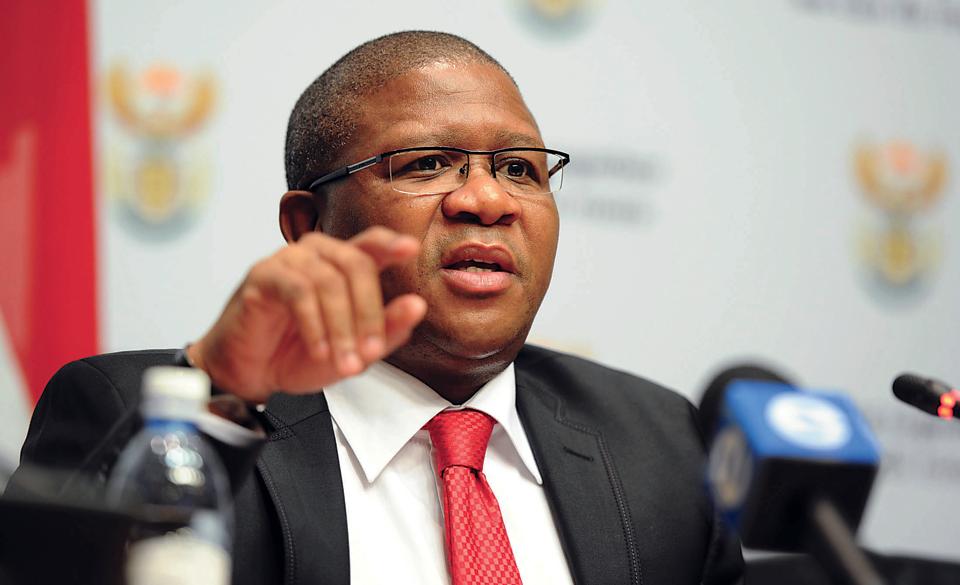
The president of the South African Sports Confederation and Olympic Committee (SASCOC) Gideon Sam presented the bid alongside chief executive Tubby Reddy, the head of sport for the City of Durban Vuzi Mazibuko and South Africa’s minister of sport Fikile Mbalula.
The Durban presentation highlighted the city’s previous hosting successes including the football, rugby and cricket world cups and emphasised Durban’s current sporting facilities, its tourist attractions and the city’s infrastructure capabilities.
A video was screened alongside the presentation and referenced the late Nelson Mandela and his beliefs about the power of sport. It ended by saying: “It’s Africa’s turn to host its sons and daughters for the first time on home soil… in the city where Nelson Mandela chose to cast his first vote. Let Durban be the first African city to host the Commonwealth Games,”
Minister Mbalula vowed his support for the bid and guaranteed the country’s commitment to the Games and called upon the federation to award Africa its first ever Commonwealth Games. “We guarantee the government will play its part in hosting the most successful sporting events in South Africa,” said Mbalula. “The Commonwealth Games to us are important Games in terms of what we seek to achieve collectively over the years. It’s our turn as the African continent.”
Meanwhile, Edmonton’s bid was introduced by Commonwealth Games Canada president Andrew Pipe before chairman of the 2022 bid, Reg Milley, made the presentation. Milley focused his address around learning from the upcoming Games in Glasgow. “We’re in Glasgow to listen. We’re here to learn,” said Milley.
Durban’s bid presentation has already been highly praised by sections of the South African media but the final vote will not be cast until September 2015 when the Commonwealth Games Federation meets in Auckland, New Zealand.
CEO of Glasgow 2014 and incoming CEO of the Commonwealth Games Federation, David Grevemberg will be speaking at the HOST CITY: BID TO WIN conference. To find out more, register for HOST CITY: BID TO WIN on 28th October.
-
Mexico to host archery World Champs and Cup Final
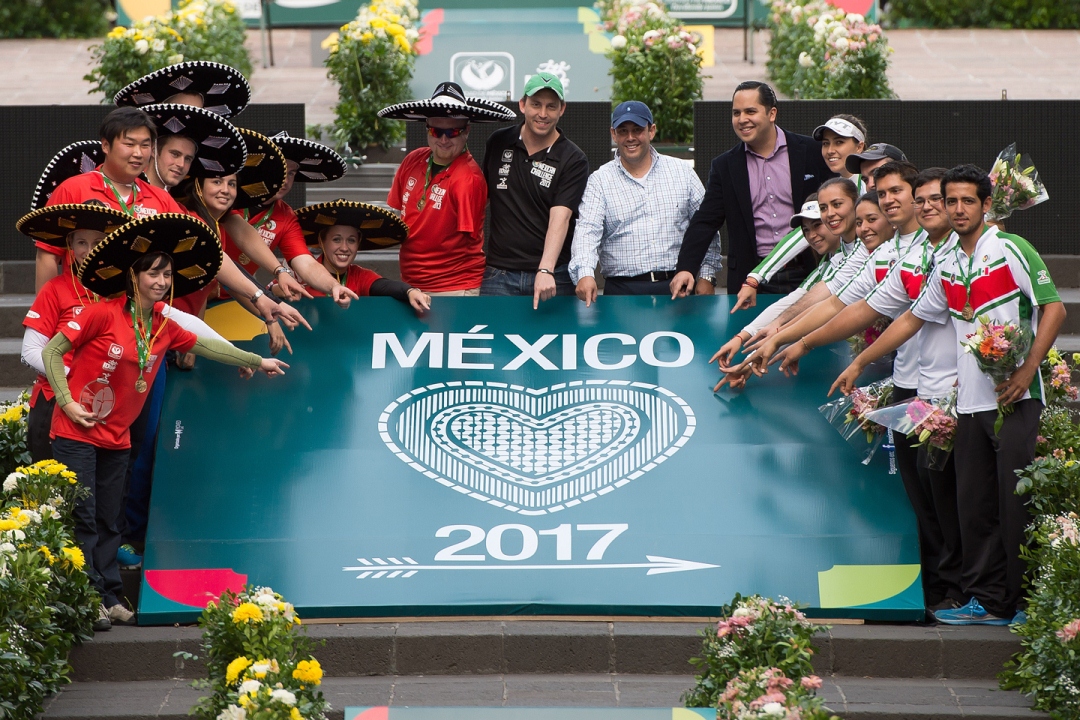
Mexico City has simultaneously been awarded the right to host archery’s two biggest events : the World Cup Final in 2015 and the World Championships in 2017.
Mexico is a fast-growing region for the sport, developing into a key market for international archery following the team’s success at the London 2012 Olympic Games. Mexico was the only nation to put two athletes on the same podium at London 2012, with Aida Roman winning recurve women’s silver and Mariana Avitia winning bronze.
The hosting rights were awarded through a bidding procedure.
“There is a formal bid process, with candidate cities, countries or federations submitting a World Archery-standard bid document and questionnaire, which is usually supported by an additional dossier produced by the LOC,” a spokesperson for World Archery told HOST CITY.
“Our Executive Board votes on its preferred hosts based on this bid documentation.”
Poland and Ukraine had also put in a joint bid for the 2017 World Championships. The World Archery federation was founded in Lviv and a bid is anticipated for future event, particularly as the 2019 World Championships will be the 50th edition.
And for the 2015 World Cup Final, South Korea was the other party interested in hosting rights.
World Archery cited the backing of Mexico City’s Mayor Dr Miguel Angel Mancera, Director of Sport and former athlete Mr Horacio de la Vega, national government and broadcasters as the key players in persuading the World Archery Executive Board to award both events to the same organiser.
“It is a sport on the rise in popularity and participation and there is a significant audience for its international events and athletes within the country,” de la Vega said.
2015 will be the second time that Mexico has hosted the Archery World Cup Final, after hosting the inaugural World Cup Final at the Mayapan Pyramids in 2006, when nearby Merida also hosted the World Archery Youth Championships.
Mexico City hosted the Olympic Games in 1968 and has also hosted the Pan American, Caribbean and Central American Games.
Mexico City promoted its candidature by creating the Mexican Challenge, first held at the end of 2013. The innovative event – produced by Moveo Lab, the sports company that will organise both the newly-awarded tournaments – pitched eight of Mexico’s finest against eight top archers from the rest of the world.
World Archery Secretary General Mr Tom Dielen said “With the Mexican Challenge concept, this organising committee proved that it shares our values of putting athletes at the heart of international archery competition. We are confident it will build on that success with two of World Archery’s flagship tournaments.”
The two tournaments offer very different dynamics. The annual World Cup Final is held over a weekend, features the year’s top 32 athletes and focuses on individual match-play and sports presentation. The final of the 2014 Archery World Cup will be held in the Olympic capital of Lausanne, where World Archery has its headquarters.
The biannual World Championships involve more than 500 archers from 70 nations over ten days. The 2015 World Archery Championships will be hosted in Copenhagen.
For future events, prospective host organisations can contact World Archery directly to see which events are currently open for bidding. -
IOC members back new Agenda 2020 proposals
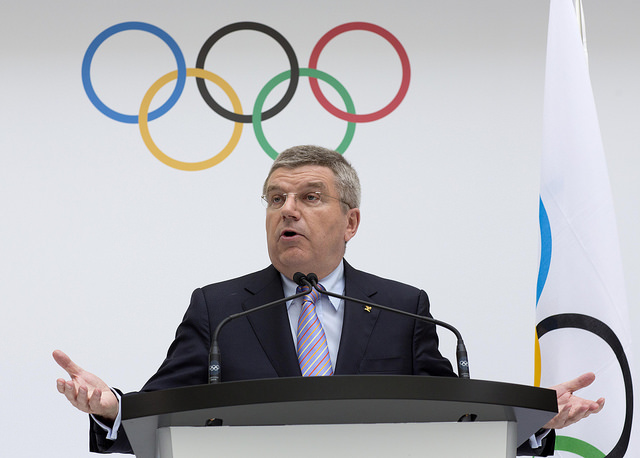
As part of the Olympic Agenda 2020, a “strategic roadmap for the future of the Olympic Movement”, the summit addressed a raft of potential reforms which are set for further deliberation at the Extraordinary IOC Session in December.
A reform to the Olympic Games bidding procedure was one of the proposals discussed at the summit. The alterations, which were broadly supported by the summit, place a new emphasis on the legacy aspects of host city bids and how that can be brought to the population of the city as well as the surrounding area.
Potential hosts would have to exhibit how the Games would be a part of the long-term development plan not only for the city, but for the whole region and would include scrutiny into the social and environmental aspects of the developments. The summit also supported the need for Olympic Movement stakeholders to remain open to adaptation on these issues.
According to the Agenda 2020 proposal the new bidding procedure would also give more flexibility to bid cities but there would be greater emphasis on what the bid process, and the resulting Games, would bring to the host and its citizens from the very beginning of the bid procedure. These reforms reflect a growing trend in the standards set for host city candidates to provide more sustainable and legacy driven bids that take into account the wider ramifications of their event.
Convened by IOC President Thomas Bach, the summit centred on the three major themes of sustainability, credibility and youth, as well as 14 other sub-themes.
As well as proposed changes to the bidding procedures the summit focused on a new methodology to the Olympic Programme. This alternative approach would provide an event-based, rather than a sport-based, composition to the programme, which could lead to a greater range of events than seen previously while continuing to restrict the number of athletes involved.
The establishment of an Olympics Television Channel was also considered, with the notion of promoting the Olympics and its values in between Games, as well as new measures to ensure the protection of clean athletes in conjunction with the World Anti-Doping Agency.
To find out more, register for HOST CITY: BID TO WIN conference on 28th October and get the inside track on Agenda 2020 reforms. -
Arena Group’s export growth hits Sunday Times list
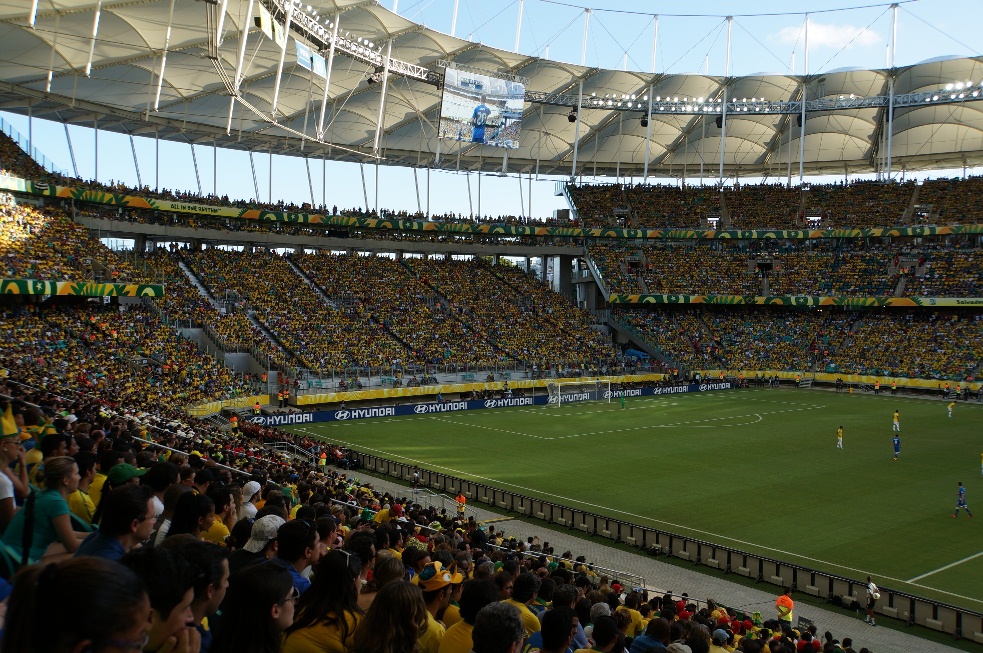
A company that provided took its temporary seating solutions from London 2012 to the Brazil 2014 World Cup is one of the UK’s top exporters, according to research conducted by Richard Branson’s Fast Track agency for the Sunday Times.
Arena Group began showcasing its innovative temporary seating systems in HOST CITY magazine in the run-up to London 2012, where it built the Populous-designed beach volleyball arena and provided seating for the weightlifting, boxing, fencing, table tennis and judo events.
For the Brazil 2014 World Cup, Arena Group supplied two 9,000+ seat demountable grandstands for the Arena do Sao Paulo – the largest temporary structures in Brazil. Through a local partnership, it also installed seats for Salvador’s World Cup stadium.
“The ranking is testament to the vision that we’ve had for the company since long before the London 2012 Olympics; to become a trusted, global provider of event overlay services and the highest quality temporary event infrastructure,” said Greg Lawless, CEO of Arena Group.
“This international growth has been a fundamental part of the group’s strategic plan, and we have made acquisitions which have positioned us to secure contracts for the next generation of major international sporting events.”
Arena Group’s two year average international sales growth reached 54 per cent, with international sales reaching £10.5m in 2012. The company is also the official overlay and temporary structures provider to Glasgow 2014.
HOST CITY has been profiling London 2012’s quiet revolution in the temporary overlay for many years, through interviews with the organising committee and its key suppliers in this area, including Arena Group and Populous.
“We would like to congratulate Arena Group on making the upper reaches of the International Track 200,”said Ben Avison, editor of HOST CITY magazine.
“It has been gratifying to see these temporary seating solutions being taken up by the organisers of the 2014 World Cup and we look forward to seeing this positive trend continue in future sustainable mega events.” -
Blatter warns against discrimination at Russia handover
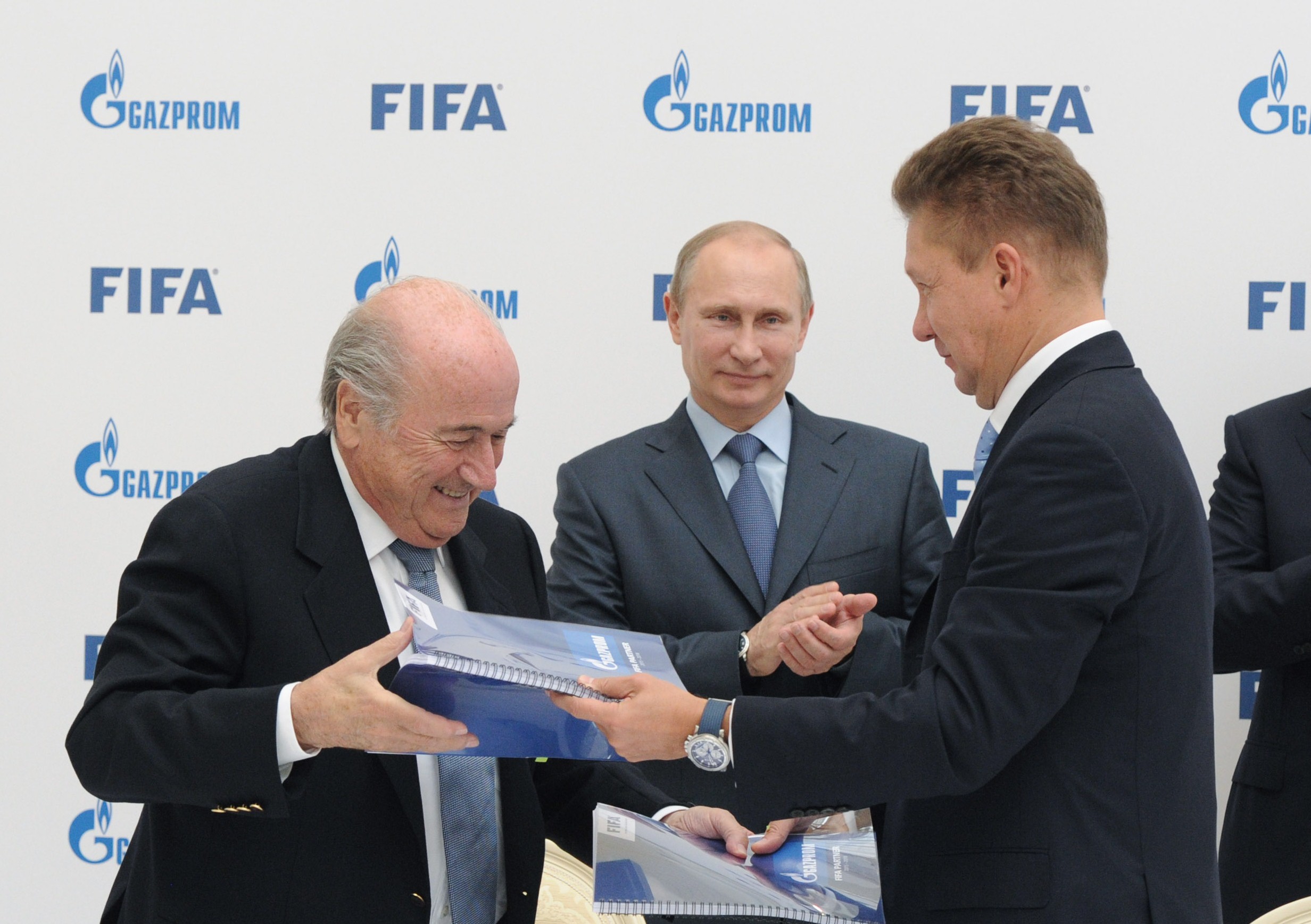
The 2014 FIFA World Cup in Brazil was successful on many fronts, but president Sepp Blatter chose to highlight a “message of togetherness” after handing the tournament over to the next hosts, while president Vladimir Putin of Russia chose to praise the social impact of the World Cup.
“FIFA’s World Cup in Brazil had a very special message to give – a message of togetherness and of connecting people, a message of peace and of anti-discrimination,” said Blatter after the ceremony at the Maracana Stadium on Sunday.
“We have enjoyed a successful World Cup and we will have a legacy in this country. At the same time there is a responsibility for the next host country and I’m confident that Russia will take on this responsibility and also give us a wonderful World Cup to remember in 2018.”
During the ceremony inside the Maracana Stadium Putin said, “I want to congratulate President Rousseff on how the World Cup was organised. Football helps to solve social problems.”
Putin’s decision to focus on the social benefits of hosting the World Cup is notable, given the major protests within Brazilian society that dogged the country as it prepared to host the tournament. Whether hosting the World Cup will act as a catalyst for change in attitudes towards sexuality in Russia remains to be seen.
“Our task is to create the best possible conditions for the coaches, players, experts and fans,” said Putin.
“I am grateful to President Blatter and his colleagues from FIFA for the honour to organise the World Cup. We will do all we can to organise the event on the highest level”.
Russia has its work cut out over the next four years. Seven new venues need to be built but construction is being held up by an auditing process, according to the Moscow Times.
Over the course of 2014 around US$ 23bn is supposed to be spent on large scale infrastructure projects, including the World Cup venues, but only 6 per cent of this had been spent by the start of June.
Russia will be able to take heart from Brazil’s broad hosting successes, despite the scramble to finish venues on time.
”Brazil is very proud for once again having staged the biggest football celebration in the world,” said Brazilian president Dilma Rousseff.
“In the last 30 days the world has been connected to Brazil, celebrating goals with a lot of emotion in the 12 host cities and making this the World Cup of World Cups. I am sure that everyone who came to Brazil, like tourists and delegations, will take back memories of our hospitality and joy, and we Brazilians also have unforgettable memories.
“I wish the Russian people great success in the organisation of the 2018 FIFA World Cup.”
The first major milestone event for Russia 2018 will take place in July 2015 in Saint Petersburg when the qualifying pathway for FIFA’s member associations will be defined at the Preliminary Draw, FIFA said in a statment. -
Respect cultural differences, Qatar 2022 implores
Qatar is looking forward to welcoming in the world in 2022 but international football fans must return this hospitality by respecting the culture of the host nation, a senior organiser told HOST CITY magazine.
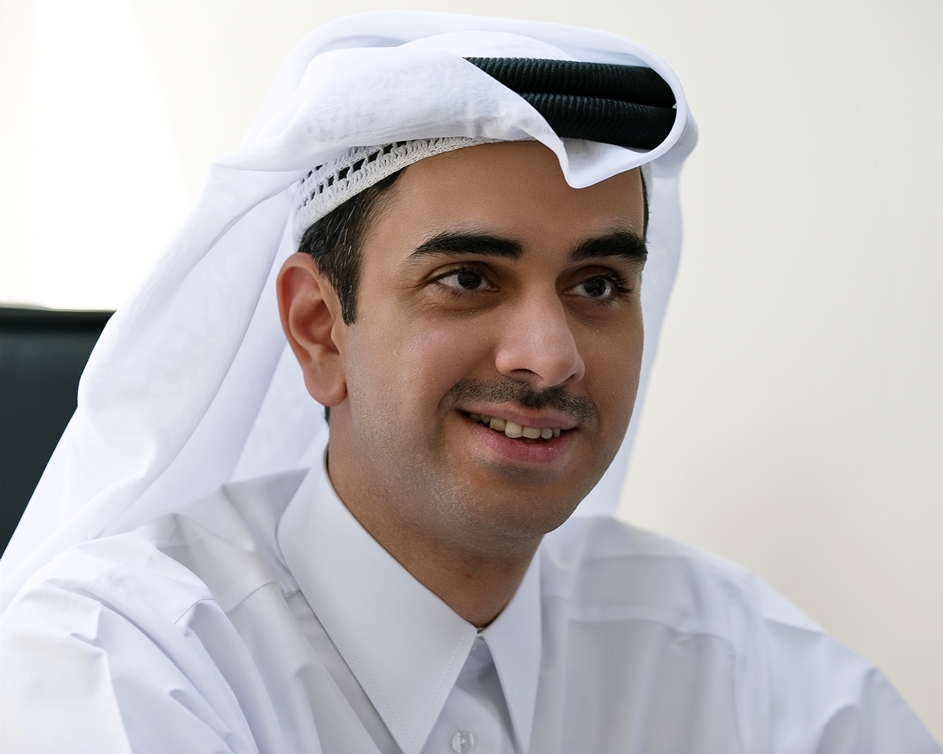
“2022 will be about bringing people together and if people give us a chance, we will prove this will be the World Cup that will change their hearts and minds,” said Yasir Al-Jamal, deputy general secretary of the Qatar 2022 Supreme Committee for Delivery and Legacy.
“Part of our culture has always been about showing people our hospitality. As a country we will be proud to do that and as a region with so much to offer, we will be proud to welcome the world.”
Drinking alcohol will be permitted during the World Cup but public displays of affection will be deemed inappropriate.
“Alcohol or public displays of affection are not part of our culture; however, hospitality most certainly is. In recognizing that, alcohol is available in Qatar and fans will be able to have a drink at the 2022 FIFA World Cup,” said Al-Jamal.
“Everyone has their beliefs and cultures. We welcome and respect that. All we ask is that other people do the same for us.”
In the exclusive interview, Al-Jamal points out that one of Qatar’s primary motivations in hosting the World Cup is to break down preconceptions about the Middle East.
“We always saw the tournament as the opportunity to build bridges between East and West,” he said.
“So often this part of the world is misunderstood. To utilise the power of football to alter people’s perceptions of the Middle East is something to be proud of.”
In the interview, Al-Jamal also discussed the issues of venue sustainability and temperature control.
To read the full interview with Al-Jamal and much more unique, exclusive content, register to receive the next issue of HOST CITY magazine.
-
PyeongChang 2018 appoint chief following abrupt resignation
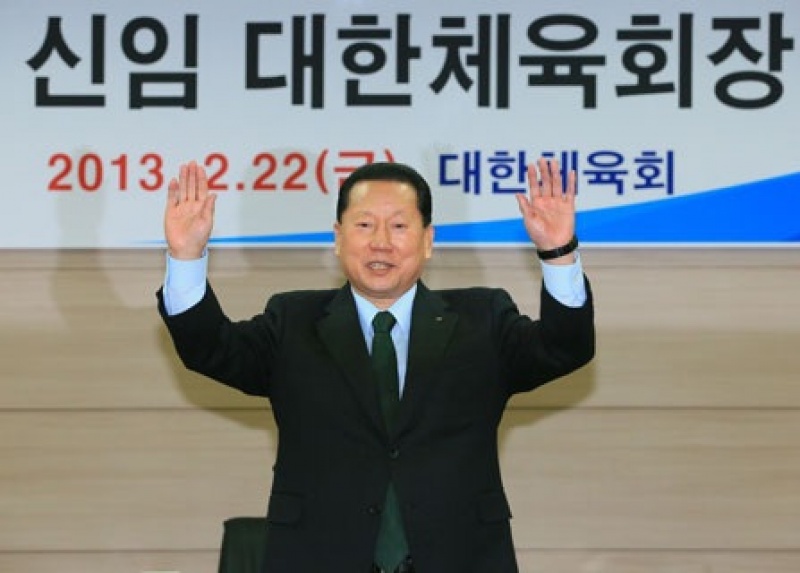
Following the unexpected resignation of PyeongChang 2018 Winter Olympic Organising Committee chief Jin-sun, the committee have appointed one of their six vice-presidents, Jung-haeng, to take charge in the interim. Jung-haeng will be briefed on the progress of the Games preparations on Thursday and will head the organisation until a permanent replacement can be found.
Kim Jin-sun left his post on Monday citing the need for new leadership. It was revealed yesterday that this had followed an investigation by the South Korean Board of Audit and Inspection into the financing and management of the Games, leading to speculation in the South Korean media that Jim-sun’s departure was not voluntary.
Jin-sun resigned in a speech to POCOG, saying: “PyeongChang 2018 is at a turning point for the latter half of its Games preparation, which requires more detailed planning and execution. At this critical juncture, I believe that PyeongChang 2018 needs new leadership and a stronger system that will effectively carry out various Games-related projects. And this is why I decided to resign as President of POCOG.”
Jin-sun was head of PyeongChang’s bidding committee on two failed bids for the 2010 and 2014 Winter Olympics and his position as chief of the 2018 Games was not meant to expire until October 2015
This all follows a troubled few months for the PyeongChang Games which have faced a slew of construction and sponsorship problems as well as the resignation of vice president and secretary general of the organising committee, Moon Dong-hoo, due to health concerns.
In May the IOC urged PyeongChang to focus on venue construction, test events, marketing and Games services due to tight timeframes. Gunilla Lindberg, chair of the IOC coordination commission, said: “The 2018 Games are on the right track but it is clear that much work remains.”
Following the resignation of Kim Jin-sun the IOC released a statement saying: “We have full confidence that these activities will be delivered by the POCOG team in a timely manner and using their existing processes. We continue to work closely with them on their preparations for the Games.”
-
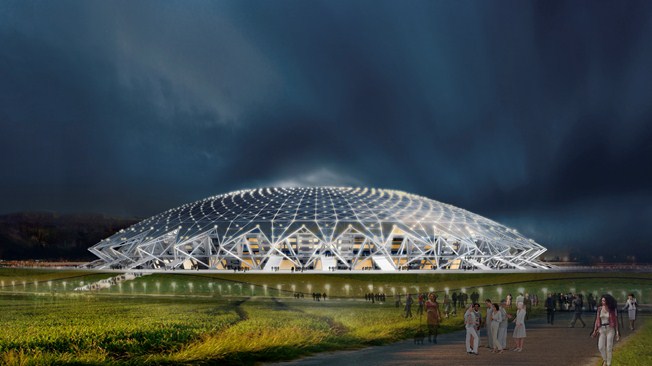
Time a concern as work starts on World Cup stadium
The new stadium in Samara is set to have a capacity of 45,000 and will become the home of local club side Krylia Sovetov following the 2018 World Cup. Construction work on the stadium is expected to be completed in summer 2017 and will be linked to the city and wider region with new local infrastructure development.
Also in attendance at the ceremony was sports minister Vitaly Mutko. “All technical and administrative issues have been resolved and today we are starting to build the stadium” he said. “There are still key questions concerning the city’s development… but first and foremost is the sporting infrastructure that will be built here. Samara is football’s capital on the Volga. We are looking forward to all the necessary conditions being created for footballers and teams, as well as for fans to be welcomed.”
Three of the planned 12 World Cup stadiums are currently completed, with two of them requiring reconfiguration in order to host football games. Whilst the Russian Government is insisting that all the stadiums will be completed on time, previous delays have raised alarm.
Organizing committee head Alexei Sorokin told the Associated Press: ”That is a normal working concern. That does not mean we are lying down calmly and waiting for things to happen. It suggests that we are … attentive to it.”
Whilst some of Russia’s World Cup plans appear to be on time and on budget, delays and rising building material costs are a cause for concern. The St. Petersburg stadium, for example, was due for completion in 2008 but is now unlikely to open before 2016 and at a hugely inflated cost of $1.1 billion.
There have also been a number of concerns over infrastructure spending and logistical challenges associated with holding the World Cup in Russia but officials have maintained that these issues can be resolved on time.
FIFA have said the design work for all the other stadiums is now completed and construction work is expected to begin this autumn.
-
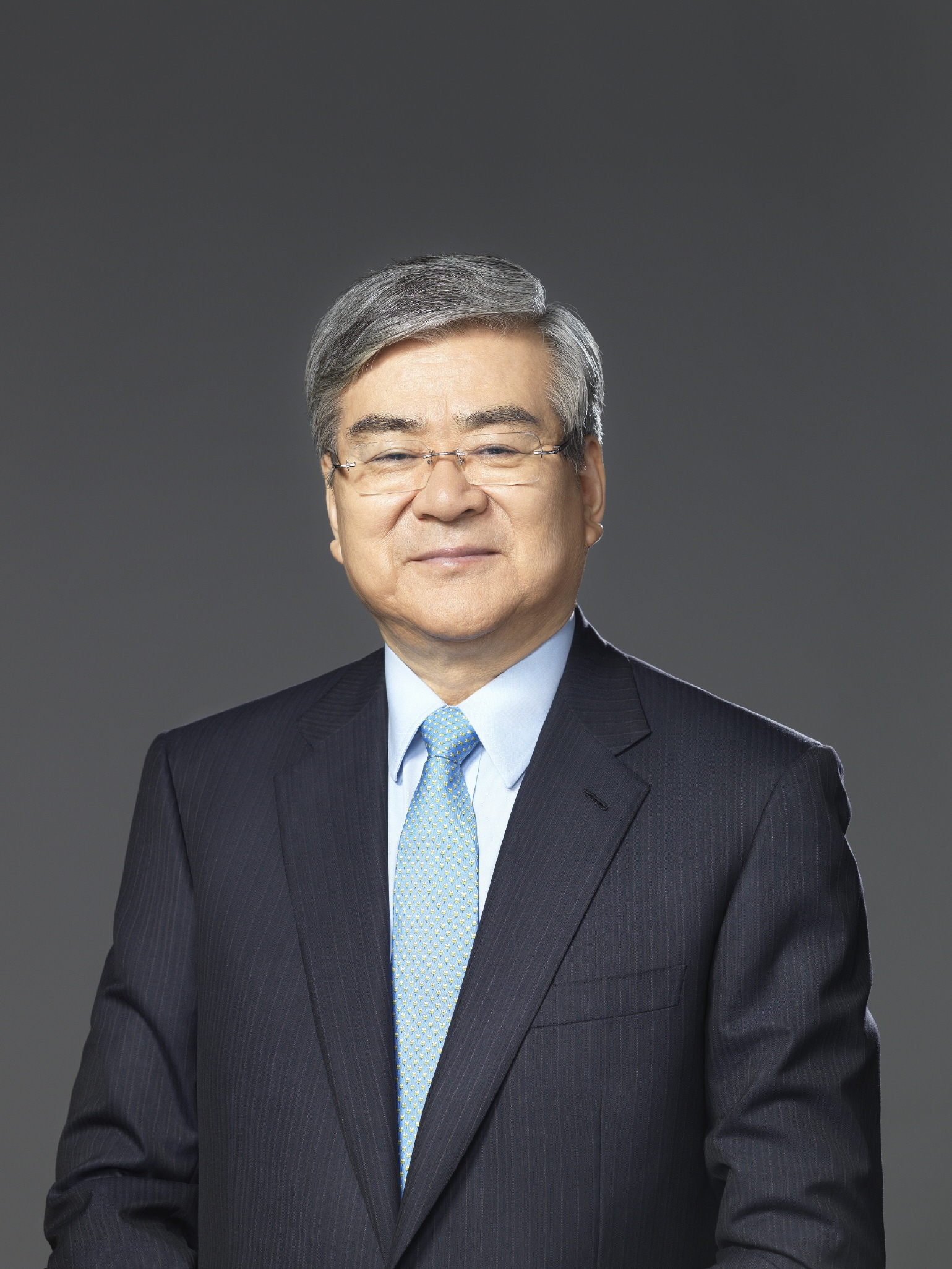
PyeongChang 2018 appoint former bid leader as permanent chief
Cho Yang-ho, chairman and CEO of South Korean conglomerate Hanjin Group and airline Korean Air, led PyeongChang’s bid for the 2018 Games and will be appointed as chief organiser at a general congress of the organising committee in the coming days.
POCOG appointed their vice-president Kim Jung-haeng as an interim leader following Jin-sun’s unexpected departure but have quickly found a new successor.
Yang-ho is the current president of the Korea Table Tennis Association and vice president of the Asian Table Tennis Union but his appointment has been criticised by some because of his lack of experience in sports administration.
Yang-ho said in a statement: “Now that I’ve agreed to take on the job as the chief organizer, I will dedicate myself to ensure a successful Winter Olympics in PyeongChang, relying on my experience as the top bid official.”
“Many people in and outside Korea recommended that I take this position and I also wanted to keep the promise I’d made with the International Olympic Committee to work for a successful Olympics here.”
Yang-ho will come into the job at a troubled point for the Games with results from an investigation by the South Korean Board of Audit and Inspection into the financing and management of the Games still pending.