Blog

  • Agenda, themes and hosts announced for Host City 2025

    Agenda, themes and hosts announced for Host City 2025

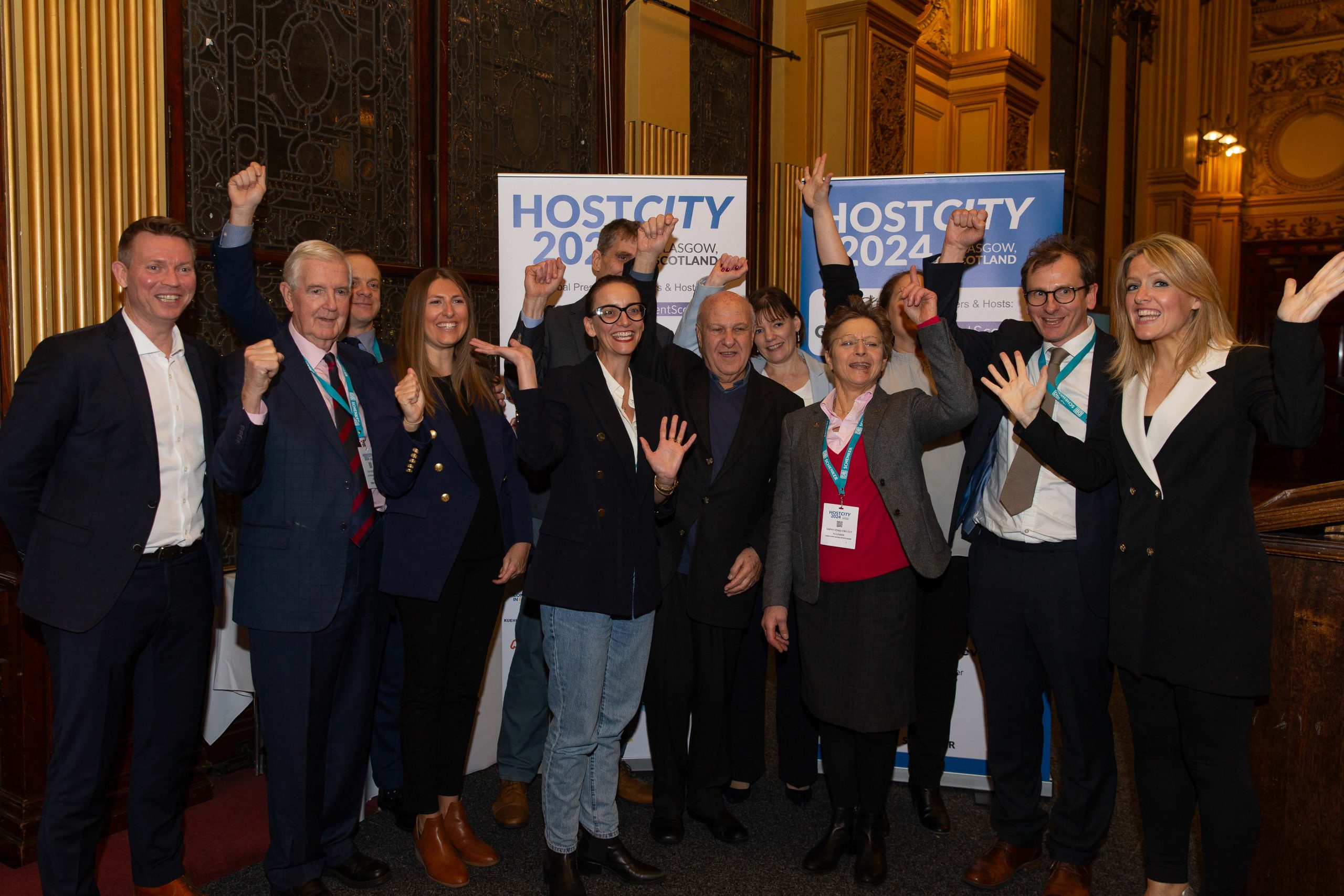
    Host City 2025, the greatest meeting of organisers, hosts and owners of sports, business and cultural events, has revealed the conference theme and agenda topics, and confirmed the Global Presenting Partners and Hosts.
    The conference will centre on the theme “Getting on with the Business of Major Events.” This year’s focus underscores a renewed commitment to the practicalities of hosting and delivering world-class sports, business, and cultural events.
    Taking place with the support of Global Presenting Partners and Hosts Glasgow Life and EventScotland, part of VisitScotland, Host City 2025 will offer a dynamic and diverse program featuring keynotes, interviews, workshops, and panel discussions.
    Keynote Addresses & Q&As will explore critical topics, including:

    The enduring inspiration of major events
    Lessons from organising committees
    The business of sport in the Middle East
    The business of sport in the Americas

    Plenary sessions will address pressing industry trends such as:

    Driving growth in major events
    How AI is transforming major events
    Making major events pay
    The economics of women’s sport
    Private investment in major events
    Digital fanship and engagement
    A decade of sport in the Americas
    Technologies driving event delivery
    Advances in security and ticketing

    Workshops & Case Studies will provide hands-on insights into subjects ranging from:

    Bidding processes and strategies
    Net Zero
    Innovations in AV and broadcasting technology
    New event formats and production innovations
    Tools for managing teams and events
    Data, infrastructure, and transport solutions
    Procurement processes and opportunities
    VR and immersive experiences
    Purpose-led sponsorship and commercialisation strategies
    Ensuring event relevance and long-term impact

    An exhibition featuring event hosts, owners, and suppliers will run alongside the conference.
    Host City 2025 will feature the second Host City Awards, set to take place over an Awards Dinner on 2nd December, recognising excellence in major event hosting and delivery across a range of categories.
    With an expanded agenda and a sharpened focus on industry challenges and innovations, Host City 2025 is an unmissable gathering for leaders shaping the future of major events.
    Host City 2025 conference and exhibition takes place at the Technology & Innovation Centre, Glasgow, Scotland.
    Matthew Astill, CEO of Cavendish Group said: “Host City 2025 will provide our community of major event organisers, owners, hosts and suppliers with deeper and more varied opportunities for learning and business. We thank Glasgow and Scotland for their longstanding support of Host City.”
    Susan Deighan, Chief Executive of Glasgow Life said: “The Host City Conference provides an invaluable platform for global events sector partners to come together to share their experiences and insights on industry issues, and take part in productive discussions and debates about the challenges and opportunities host cities face.
    “The event also provides a fantastic opportunity for the world’s top industry contacts to network and build connections that foster collaboration and mutually beneficial partnerships – which is incredibly important too. So we are really looking forward to welcoming Host City delegates to Glasgow once again in December..”
    Rob Dickson, Director of Industry and Events at VisitScotland, said: “The return of Host City to Glasgow and Scotland reinforces our reputation as a world-leading events destination. The conference and exhibition will provide the ideal platform for delegates from across the sport, cultural and business events landscape to come together and discuss the issues and trends facing the industry. With EventScotland continuing its support of Host City as Global Presenting Partner alongside Glasgow Life, we look forward to once again welcoming delegates from around the globe back to Glasgow this December.” 

  • Shana Ferguson appointed LA28 Chief of Sport and Games Delivery

    Shana Ferguson appointed LA28 Chief of Sport and Games Delivery

    [Source: USA Swimming] USA Swimming has announced that Shana Ferguson is leaving the organization to become the Chief of Sport and Games Delivery of the LA28 Olympic and Paralympic Games. Ferguson joins LA28 from USA Swimming where she served as Chief Operating Officer, Chief Commercial Officer, and most recently as interim CEO. Ferguson is a proven leader in operational strategy and organizational leadership, with more than two decades of experience in sports management. 
     “Shana Ferguson is a uniquely talented leader who has made innumerable contributions to USA Swimming,” said Chris Brearton, USA Swimming Board Chair. “She was instrumental in the success of the 2024 U.S. Olympic Team Trials, onboarding numerous new partners to the Olympic movement, and countless strategic business initiatives, and we are grateful for her commitment to our sport and the success and wellbeing of our athletes. We wish her the best in her next chapter and look forward to working with her at LA28.”
    As the USA Swimming Board continues the search for the organization’s next permanent CEO, the CEO Search Task Force welcomes three new members to help guide a refreshed evaluation of candidates. Board Chair Chris Brearton and former Vice Chair Kathy Fish will join the Task Force, along with Director of Swimming at the University of Texas and former Men’s Olympic Head Coach Bob Bowman. As the search continues, the Board announced that Bob Vincent, former Chair of the USA Swimming Board of Directors, will assume the role of Interim CEO, effective April 1.
    A seasoned professional in athletic administration and proven leader at all levels of swimming governance, Vincent is deeply knowledgeable about all aspects of USA Swimming operations and well-positioned to lead the organization during this important transition period. Vincent brings extensive experience in the sports industry and leadership roles, having served as Chairman of the USA Swimming Board of Directors from 2018 – 2021. Vincent also served as Board Treasurer from 2016 – 2018, is an active USA Swimming official, and a member of the USA Swimming Foundation’s Champions Club. Vincent will resign from his current role on the Board of Directors to assume the Interim CEO position until his planned retirement once a new permanent leader is selected.
    Brearton continued “We are extremely pleased to welcome Bob Vincent as Interim CEO and are thankful for his willingness to take on this service to the organization before his retirement, as we continue our work to support our members and prepare for the Los Angeles 2028 Olympic Games.”
    During Vincent’s time as Interim CEO, he will focus on maintaining momentum for key strategic initiatives and events, including this summer’s World Aquatics Championships in Singapore and the ongoing search process for the next National Team Managing Director.
    “I am honored to step into the role of Interim CEO and help lead USA Swimming at this important moment,” said Bob Vincent. “I have witnessed firsthand the dedication and passion of our athletes, coaches, officials, volunteers, and staff, and I look forward to working closely with each of them while I serve in this role. The organization is poised for continued success, and I am eager to start engaging with the team in this new leadership capacity.”
    “I am thrilled to congratulate Shana Ferguson on her new role as Chief of Sport and Games Delivery for the Los Angeles 2028 Olympic Games,” said Sarah Hirshland, CEO of the United States Olympic and Paralympic Committee. “It’s awesome to see her apply the skills and experiences gained at USA Swimming to this monumental event. This transition showcases her remarkable talent and highlights the importance of knowledge transfer as we build a strong ecosystem of sports professionals in the United States. I also want to express my gratitude to Bob Vincent for his dedicated service to USA Swimming during this pivotal time.”
     

  • CANOC: IOC’s election of Coventry a response to our demand for change

    CANOC: IOC’s election of Coventry a response to our demand for change

    The election of Kirsty Coventry as president of the IOC was instigated by former CANOC President Brian Lewis’ challenge to the IOC in 2018 to elect a woman president, according to the current CANOC President.
    “Coventry’s ascent to the presidency of the IOC is very much a response to CANOC’s Brian Lewis’ appeal at the forum, Olympism In Action, held in Buenos Aires, Argentina, during the Youth Olympics in 2018,” CANOC President Keith Joseph wrote.
    “In a discussion on women in sport, Lewis challenged the IOC and the entire Olympic Movement to elect a woman as the organisation’s next president. To Brian’s credit, it has been realised.”
    In a recent interview with the Trinidad Express, Brian Lewis said: “When I made the statement that the next president should be a female, the room gasped — as if I had said something I ought not to have said. 
    “It is great for the IOC and its history that for the first time ever, a female has been elected to this role. It has taken far too long.”
    Coventry will also be the first IOC president from the Global South.
     
    “IOC needs change, not continuity”
    In an editorial in the Trinidad & Tobago Guardian, Lewis said: “While the election of Coventry can be seen as a significant win for inclusivity and progress, she will have to show that she can rise to the occasion and demonstrate the necessary competence, skill set and leadership.
    “The IOC is at a crossroads. Regardless of the perception that she represents continuity and exchange, rather than the change that the IOC badly needs at this time.”
    Brian Lewis is on the Advisory Board of Host City, where he has helped to shape the conference agenda as part of a diverse group of industry-wide stakeholders.

  • Glasgow Life appoints new Chief Executive

    Glasgow Life appoints new Chief Executive

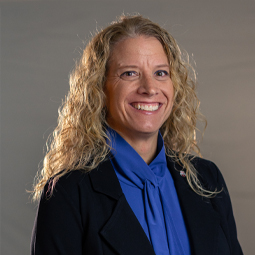
    Glasgow Life, the charity that leads culture and sport in Glasgow, has announced the appointment of Kay Morrison as its new Chief Executive.
    An accomplished leader, Kay brings a track record of strategic vision, partnership development and more than 20 years’ experience working across Scotland’s culture and leisure sector.
    Kay joins Glasgow Life from her role as Chief Executive of South Lanarkshire Leisure and Culture, where she has led the successful transformation of the organisation over the past three years.
    Previously, she was Chief Executive of Falkirk Foundation, the official charity partner of Falkirk Football Club, working to improve the health and wellbeing of local communities through physical activity and education programmes.
    She will take up her new post on Monday 7 July 2025, replacing Susan Deighan who helped create Glasgow Life in 2007 and is retiring after more than 30 years of shaping the delivery of culture, physical activity, tourism, and events in Glasgow on behalf of Glasgow City Council.
    A passionate advocate for inclusion and reducing inequalities, Kay is known for her commitment to enhancing community wellbeing through the power of culture and sport as well as her contribution to developing national policy and direction for the sector.
    Her appointment marks a new chapter for Glasgow Life, as the charity looks to an ambitious future and to helping more people lead richer, healthier, and happier lives through the delivery of world-class cultural, physical activity, and learning programmes and experiences.
    Speaking about her appointment, Kay said: “It’s a privilege to be joining Glasgow Life at such a pivotal moment. As one of Scotland’s most important charities, Glasgow Life offers rich sources of hope, meaning and social connection to the people of Glasgow and visitors to the city.
    “I’m looking forward to working with my talented colleagues and partners to deliver a fair and inclusive future for local communities, and ensuring our vision remains integral to the city’s social and economic wellbeing as well as building on Glasgow’s impressive global profile.”
    Bailie Annette Christie, Chair of Glasgow Life, said: “Kay is an inspiring leader with a deep understanding of the vital role our charity plays across Glasgow’s communities, and her experience, knowledge and networks make her the ideal person to lead Glasgow Life as we look to a positive and ambitious future.
    “On behalf of Glasgow Life’s Board, I congratulate Kay on her appointment and look forward to working with her to ensure our charity remains a force for good at the heart of a thriving, inclusive, accessible, and resilient Glasgow.”
    Susanne Millar, Chief Executive of Glasgow City Council, said: “I’m pleased to welcome Kay into the role of Chief Executive at Glasgow Life and as a valued member of Glasgow City Council’s leadership team. Kay brings a wealth of experience and a clear commitment to Glasgow. Susan Deighan has made an incredible contribution to Glasgow Life and to our city, and I know Kay is ready to build on that success.
    “I look forward to working with Kay, in close collaboration with our city partners, as we continue to deliver on the things that matter most to the people of Glasgow. I also want to thank Susan for her exceptional dedication and wish her a long and happy retirement.”

  • Live events see light through the DARQ

    Live events see light through the DARQ

    From the moment we wake up, technologies bridge our physical life with one that is digital. In a paper published in July 2024, Dr. Matt Frew from the School of Business and Enterprise at the University of the West of Scotland, stated that “emerging DARQ[1]  technologies and an accelerating Metaverse are reshaping the event landscape, birthing a new era of extended reality events.” How DARQ is the future of events?
    These are times of high uncertainty on many fronts, also for the events industry. During the AIPC Academy in Brussels it was one of the key areas for discussion during coffee-breaks and lunches. One thing is very clear however: technology will continue to become more important for the event industry and we will need to understand the change that comes with it.
    Therefore, it is important to take a step back and read papers like the one published by Dr. Frew, as they provide a broader view on event trends, which allows us to focus on what is really important. While the title of his paper seems alarming, the content is far less so. Events indeed reflect wide changes happening in society – including technology – and should be considered as portals of transition. The technology-driven events we see today have little to do with the informal gatherings which are at the start of our industry. At the same time, the very basis has not changed: it is about bringing communities together.
    What is new, however, is the acceleration of technologies, combined with the blend between physical and digital. As a result, communities now gather on a continuous basis in different environments, using different types of technology, including brain-computer interfaces.
    Going forward, it is expected we’ll see more of these “blends”. Take the ABBA Voyage tour as an example, which is basically bringing together large crowds to watch the younger version of the band in the shape of avatars, and with the event experience being extended via followers and influencers to improve reach and turn involvement of the event community into revenue. Over a 12-month period, the show completed 374 performances and attracted 1,097,597 visitors, achieving an occupancy rate of 97.8%. Revenue from ticket sales was £103,665,597. And that’s just the tickets.
    So next to the traditional live events and the cloned hybrid events, we’ll also need to consider extended reality events going forward. The challenge for the event industry will be to fully understand the potential these evolutions can bring and to decide accordingly on the technology investment to be done.
    All of this will of course not happen overnight, but given the speed at which our physical and digital lives become intertwined, this new reality will be there sooner than later, making the debate between “live events” and “digital events” an obsolete one. They will not co-exist – they will become one, allowing for new models of engagement and community building. So the future is definitely not dark.
     

    [1] *(Distributed Ledger Systems, Artificial Intelligence, Virtual, Augmented, Mixed to Extended Reality,
    Quantum Computing)

  • A more ‘compact’ version of major sports events?

    A more ‘compact’ version of major sports events?

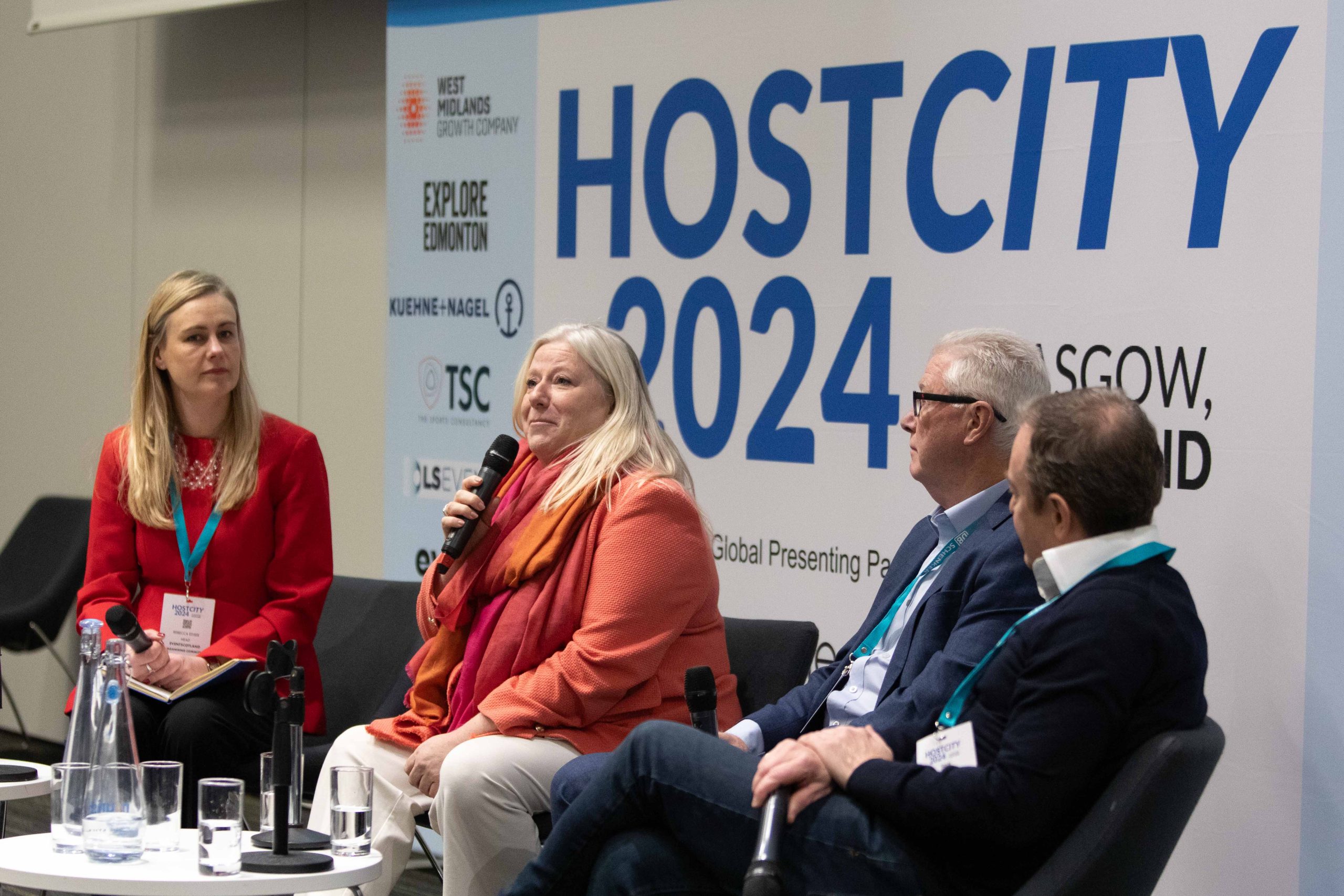
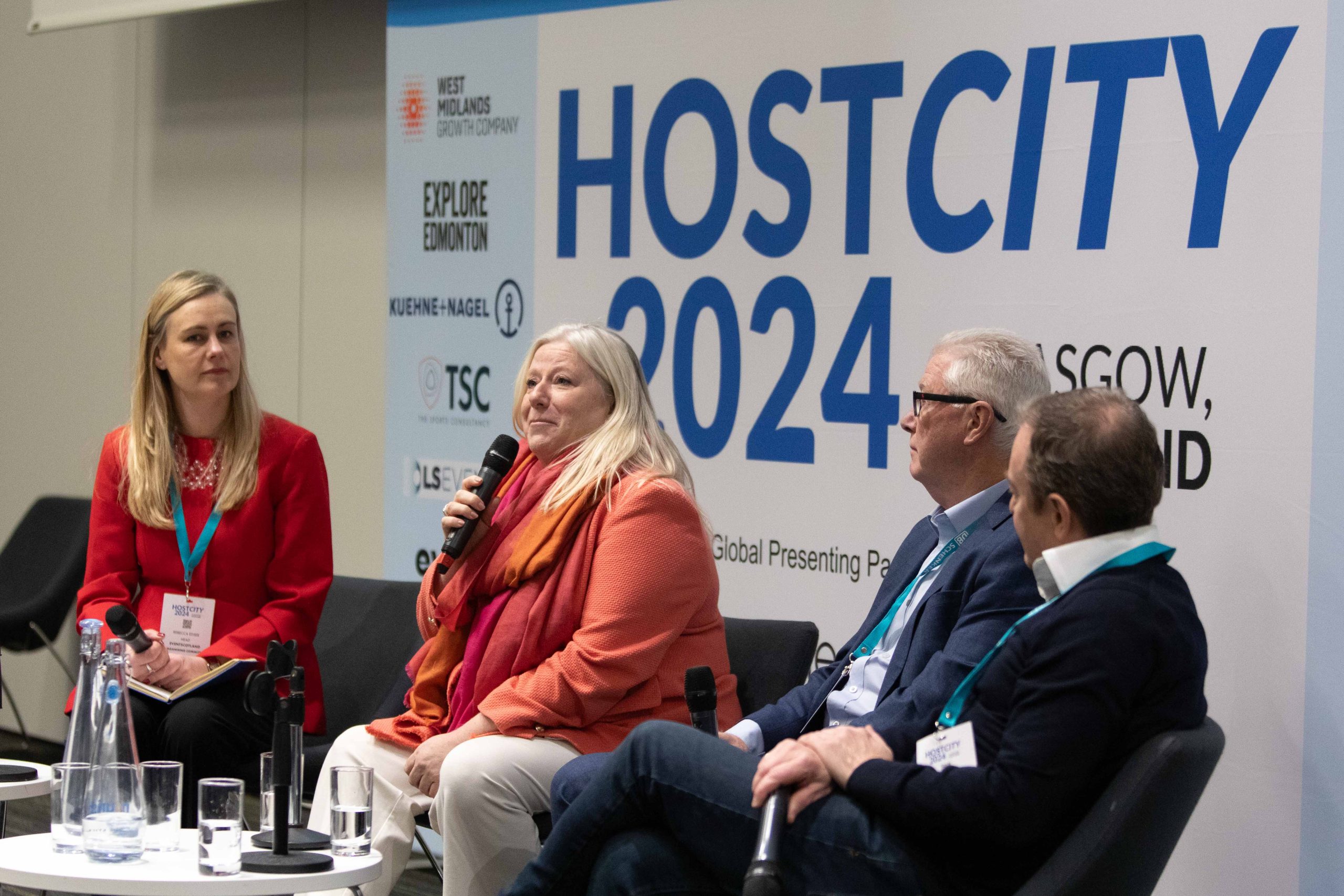
    Host City is an annual conference where experts consider best practices in hosting major sports events. One key topic discussed at Host City 2024 was sustainability. On a panel entitled “Inspiring Action Through Major Events”, the panellists discussed the upcoming 2026 Commonwealth Games in Glasgow – a landmark event that is attempting to redefine the way large-scale international events are delivered, with a strong emphasis on sustainability, social inclusion and the environment. This article considers the points made by the panel in light of recent literature to posit that more compact versions of mega sports events, with a focus on sustainability and engaging local communities, can be more financially viable and still deliver a lasting legacy:

    Towards a newer ‘compact’ version of the Commonwealth Games
    The importance of properly integrating with local communities
    How to strike a balance between local communities and global audience?
    Lessons learned and lessons shared: the importance of knowledge sharing

     
    The panel comprised of:

    Katie Sadlier, Chief Executive of the Commonwealth Games Federation,
    George Black, Chair of Glasgow 2026,
    James McVeigh, Head of Innovation and Marketing, Festivals Edinburgh

     
    Towards a newer ‘compact’ version of the Commonwealth Games
    Katie Sadlier set the tone for the conversation by describing the Commonwealth Games Federation’s strategic rethinking of the Games’ traditional model. Historically, hosting such a worldwide event has been a privilege often reserved for wealthier, major markets with significant infrastructural resources. The expectation in this model is that the city would be all-encompassing, able to carry the full burden of hosting. Sadlier said Glasgow 2026 will mark a new beginning in adopting co-hosting, where the costs will be shared among cities for financial sustainability and inclusion. The new approach envisions not only relaxing the barriers for emerging-market cities in their bids but also falls in line with the greater trend towards sustainable practices. Although Glasgow 2026 will be a single-city host, it will be a stepping stone toward the future. For Glasgow, this represents a serious commitment to devising a leaner, resource-conscious Games with long-term benefits for surrounding communities.
    Sustainable urban development and the utilisation of existing facilities to create lasting benefits for host cities has become a key feature of host city bids since at least London’s 2012 Olympics.[1] However, central to Glasgow 2026’s sustainability agenda is its compact design, which significantly reduces logistical and environmental challenges. George Black elaborated on the innovative approach being adopted, calling it “the most compact Games ever”. ‘Compact’ in this sense means that the plan involves using just four venues, all situated within walking distance of one another. This not only minimizes operational costs but also drastically cuts down on the carbon footprint typically associated with transportation for participants, spectators, and staff. Social and environmental sustainability are interlinked,” Black said. By decreasing the geographic footprint of the event, Glasgow 2026 is also encouraging much more community ownership and involvement.
     
    The importance of properly integrating with local communities
    The Commonwealth Games has faced significant challenges in recent years, with a variety of cities from Australia, Canada and South Africa since 2015 either withdrawing from bidding or hosting the Games. For Victoria, Australia, who withdrew from hosting the 2026 Commonwealth Games in 2023, the primary reason was cost overruns, with initial estimates of AU$2.6 billion surging to over AU$6 billion. Therefore, with an increasingly challenging financial landscape, the argument for slimmed-down games as providing a blueprint for survival has gained significant traction.[2] More compact versions of mega sports events utilise fewer venues and emphasise community ownership. Taks, Chalip, and Green explore how small- and medium-sized sporting events can positively affect local communities by leveraging existing infrastructure and fostering community engagement.[3] Their conceptual framework considers that local residents are more likely to participate in smaller events as spectators, volunteers, or organisers, thereby enhancing social cohesion and a sense of belonging. Adapting a similar framework to support mega sports events such as the Commonwealth Games therefore may prove fruitful.
    James McVeigh, at the Host City panel, similarly advanced the “localism agenda,” and stressed that host cities must look increasingly inward to set their priorities and exploit local strengths. Localism involves using existing venues, reducing the high costs and environmental impacts of building new infrastructure often witnessed in mega sports events. For McVeigh, major events are not solely about attracting international attention or increasing tourism; they are about making a tangible and lasting impact on the communities that host them. Localism means making the aims of the event compatible with the needs and aspirations of the host city. In Glasgow, for example, this engages issues of accessible housing, job creation, and improvements in public transport—things that will make a real difference to the local population. At the same time, however, McVeigh stressed that a locally focused event also needs an international dimension if the Games are to remain inspiring to a worldwide audience.
     
    How to strike a balance between local communities and global audience?
    This is, of course, not an easy balance to strike, and one which will vary dependent on the location and nature of the sporting event. Localism for a larger event will also mean mitigating detrimental impacts to the local population—avoiding a sense that it is being imposed. Infrastructure developments are pertinent to scrutinise in this context. Minimisation of disruption to residents in terms of their housing and ability to pursue their lives may be fundamental, allaying fears of similar negative experiences arising which were reported amongst local residents at Porto Alegre at the 2014 FIFA Men’s World Cup.[4] The current authors argue that engaging local residents from the early planning stages from the local community is vital. This aligns with long standing research, which argues that for urban regeneration efforts to be effective, they must explicitly focus on disadvantaged areas and actively seek community participation.[5]
    All panel members agreed that for events such as the Commonwealth Games to succeed, they should balance local priorities with reaching new audiences and attracting diverse funding. This requires a clear vision and purpose that connects with local stakeholders and a wider network of partners, funders and viewers. McVeigh described this as “communicating inspiration”: how the Games can be a vehicle for social change and community empowerment. This messaging helps attract international sponsors and media attention, whilst fostering a sense of shared ownership among stakeholders at all levels. It is likely that the most successful events of the future will be able to reach a suitable balance whereby a wide spectrum of interests—local, international, commercial and community-based, are adequately engaged.
     
    Lessons learned and lessons shared: the importance of knowledge sharing
    A long-term strategy of Glasgow 2026 is its focus on knowledge sharing. George Black emphasised that strong mechanisms for collecting and publishing data are required, which will be useful for future host cities to benchmark against. Such transparency will not only promote accountability but also align with a key International Association of Event Hosts’ (IAEH) objective: providing opportunities to share best practice from lessons learned. Black highlighted the need for metrics to cover financial expenditures, environmental impacts and community benefits.
    There is little doubt that a leaner model of the Commonwealth Games will require specialised use of metrics and collaboration between stakeholders, as well as a willingness to rethink traditional approaches. Financial sustainability will need creative ideas for sharing costs and generating revenue, whilst still promoting accessibility. The compact design of the event appears efficient but could create limitations in terms of capacity and scalability, meaning that demand will need to be carefully managed.
    Glasgow 2026 will represent a pertinent case study for compact design, sustainability and an application of the localism agenda. Glasgow’s role in collaboration, innovation and inspiration in supporting this version of the Games cannot be underestimated. How Glasgow responds to the challenge of balancing local community needs with the expectations of a global audience will be crucial.
     
    About the authors: Alexander Chrysanthou is Senior Lecturer and Course Leader, BA (Hons) Sports Business and Sports Law at UCFB and Executive Committee Member of the International Association of Event Hosts; Sebastian Poulson is a third-year UCFB Sports Business & Sports Law student.
    This article was first published on www.lawinsport.com
    Reference List
    FT, Glasgow’s slimmed-down Commonwealth Games provides blueprint for survival, 19 September 2024. Glasgow’s slimmed-down Commonwealth Games provides blueprint for survival
    Graeff, B., & Giulianotti, R. (2024). Global sport mega-events and local community impacts: The case of housing and redevelopment in Porto Alegre at the 2014 Men’s World Cup finals in Brazil. Sport in Society, 1–17. Full article: Global sport mega-events and local community impacts: the case of housing and redevelopment in Porto Alegre at the 2014 Men’s World Cup finals in Brazil
    Viehoff, V., & Poynter, G. (Eds.). (2015). Mega-event cities: Urban legacies of global sports Events. Routledge.
    Smith, A. (2012). Events and urban regeneration: The strategic use of events to revitalise cities. Routledge.
    Taks, M., Chalip, L., & Green, B. C. (2015). Impacts and strategic outcomes from non-mega sport events for local communities. European Sport Management Quarterly, 15(1), 1–6. scholar.uwindsor.ca/cgi/viewcontent.cgi?article=1022&context=humankineticspub
     

    [1] Viehoff, V., & Poynter, G. (Eds.). (2015). Mega-event cities: Urban legacies of global sports events. Routledge.

    [2] FT, Glasgow’s slimmed-down Commonwealth Games provides blueprint for survival, 19 September 2024.

    [3] Taks, M., Chalip, L., & Green, B. C. (2015). Impacts and strategic outcomes from non-mega sport events for local communities. European Sport Management Quarterly, 15(1), 1–6.

    [4] Graeff, B., & Giulianotti, R. (2024). Global sport mega-events and local community impacts: The case of housing and redevelopment in Porto Alegre at the 2014 Men’s World Cup finals in Brazil. Sport in Society, 1–17.

    [5] Smith, A. (2012). Events and urban regeneration: The strategic use of events to revitalise cities. Routledge.

    .
  • The Sports Consultancy honoured with King’s Award for Enterprise

    The Sports Consultancy honoured with King’s Award for Enterprise

    [Source: The Sports Consultancy] The Sports Consultancy is proud to announce it has been awarded the highly coveted King’s Award for Enterprise, recognising its exceptional achievements in the international sports industry and its growing impact across the global sports, events and entertainment sectors.
    As one of the world’s leading, independent advisory firms in international sport globally, The Sports Consultancy continues to expand its international presence, most recently with activity in the Middle East and Asia, strengthening its ability to serve a growing portfolio of clients across those regions. The company works with many of the world’s most iconic sports properties, including the NFL, Formula 1 and FIFA, providing strategic, legal and commercial expertise that drives measurable impact and long-term value.
    Founded in 2006, The Sports Consultancy has built a distinctive model rooted in evidence-based thinking and deep sector insight, an approach that continues to differentiate it in a fast-evolving global market. Its work spans the design and delivery of host city strategies, commercial rights management, and legacy-led event planning for rights holders, governments and cities worldwide.
    “We are immensely proud to receive the King’s Award for Enterprise,” said Angus Buchanan, Managing Director and Co-Founder of The Sports Consultancy. “This recognition reflects the passion and rigour our team brings to every project. It’s also a testament to the incredible clients we’re privileged to partner with: organisations that share our belief in the power of sport to create lasting impact.”
    The Sports Consultancy now joins a select group of UK businesses honoured for their outstanding contribution to international growth, innovation and excellence.

  • Host City Awards 2025 raises the bar in celebrating event stars

    Host City Awards 2025 raises the bar in celebrating event stars

    The second Host City Awards will take place in Glasgow, Scotland to celebrate exceptional accomplishments in hosting, delivering and promoting major events.
    The Awards form part of the Host City 2025 conference, hosted at the Technology & Innovation Centre on 2-3 December, with winners announced at the Awards Dinner on the evening of  2 December.
    Event hosts, rights holders and suppliers are encouraged to enter appropriate categories:
    The Best Event Engagement award will recognise destinations that achieved exceptional audience reach and visibility relative to their size, location or resources.
    The Most Sustainable Event award will celebrate events that delivered measurable environmental, social and legacy benefits for their host communities.
    The Outstanding Economic Impact award will honour events that generated significant economic value and long-term financial benefits for their destinations.
    The Best Commercial Strategy award will reward rights holders and organisers who delivered strong financial results and long-term value through innovative monetisation approaches.
    The Strongest Fan Growth award will recognise events that successfully expanded, engaged, and monetised their fan base through effective strategies and platforms.
    The Innovation in Event Technology award will spotlight suppliers who introduced groundbreaking technology that enhanced event performance or audience experience.
    The Best Event Infrastructure Solution award will recognise outstanding contributions to the physical and digital infrastructure that supported safe, efficient, and sustainable event delivery.
    The Excellence in Event Delivery award will honour organisations that played a key role in delivering high-quality event experiences
    The Best Use of AI award will recognise outstanding applications of artificial intelligence that improved the planning, delivery, or commercial success of an event.
    Organisations register to attend the Host City 2025 conference are eligible to enter for free, submitting concise written entries and optional supporting materials.
    The diverse judging panel of highly regarded experts includes Jennifer Arnold, Vice President, U.S. Soccer Foundation; Iain Edmondson, Founder, Legacy Delivery; Sarah Lewis OBE OLY; Brian Lewis, Immediate Past President, Trinidad and Tobago Olympic Committee; Paul Bush, Chair, British Curling; Céline Payelle, Vice-President and General Manager, Events & Experiences, Cirque du Soleil, and more to be announced.
    Matthew Astill, CEO of Cavendish Group, said: “We are very pleased to taking the Host City awards to the next level, following the success of last year’s launch. We look forward to celebrating the achievements of the best and brightest in the global events community in Glasgow.”
    Glasgow Life’s Director of Culture, Tourism and Events. Billy Garrett, said: “We’re delighted that the Host City Conference is returning to Glasgow in 2025. This prestigious annual industry event provides an invaluable platform for international partners in our sector to get together to share experiences and insights, and take part in productive discussions and debates on the key issues, challenges and opportunities that host cities face.
    “So we’re really looking forward to Glasgow hosting Host City once again, and the fantastic opportunities this important event offers attendees to network and build connections that help foster mutually beneficial partnerships to impact business growth.”
    Rob Dickson, Director of Industry and Events at VisitScotland, said: “Events play an important role in our communities, bringing economic benefits, fostering community pride and delivering global recognition. The Host City Awards are an opportunity to recognise and shine a spotlight on the contribution and impact of events, the people who design and deliver them and the innovation they bring.” 

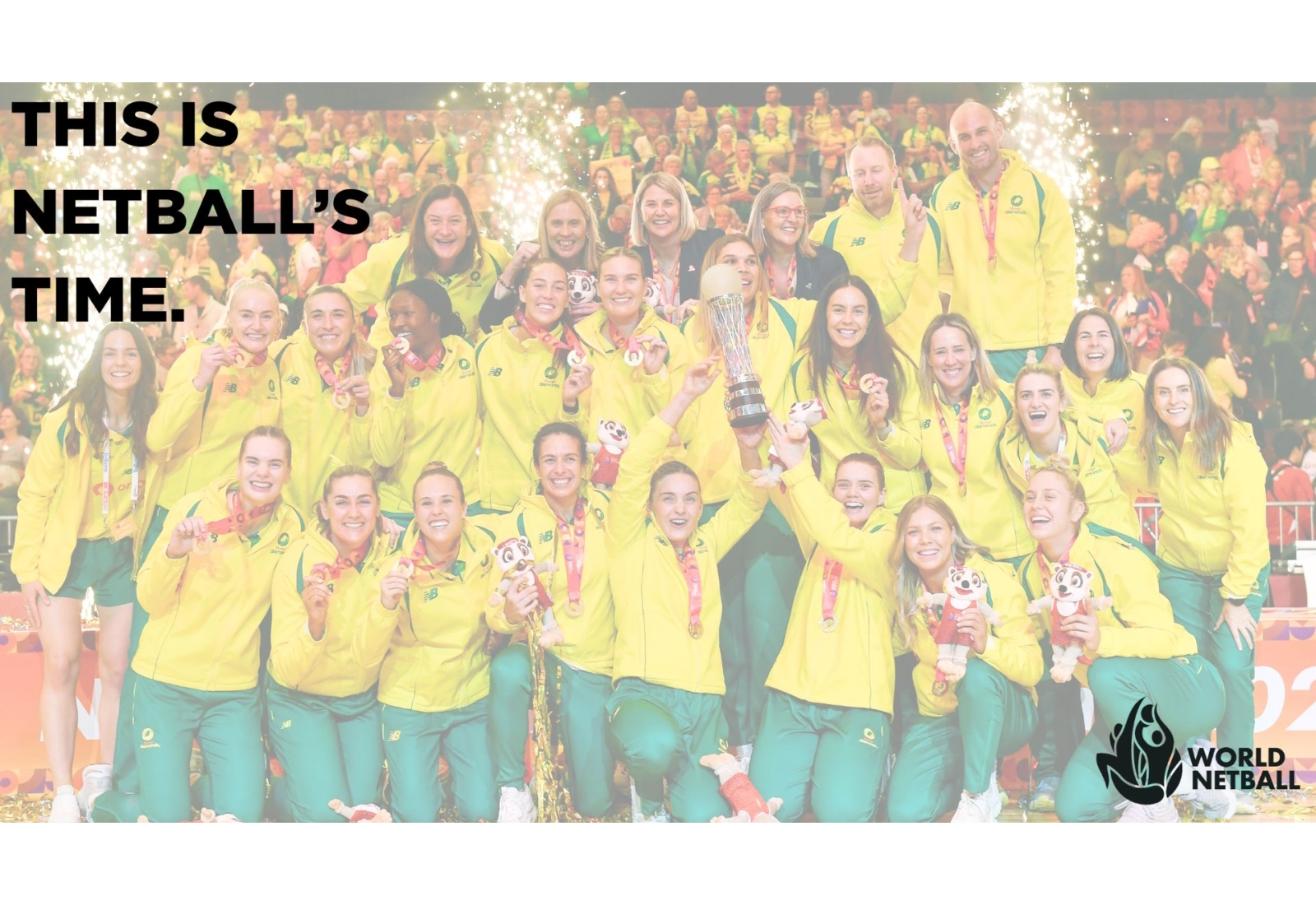
  • World Netball Cup goes biennial amid Games uncertainty

    World Netball Cup goes biennial amid Games uncertainty

    World Netball has unveiled a major strategic overhaul, including a move to host its flagship Netball World Cup every two years instead of four, alongside launching an inaugural men’s counterpart. The decision reflects growing concern over the future role of netball at the Commonwealth Games, despite seven destinations declaring interest in hosting future editions.
    World Netball CEO Fiona Harold said: “International netball has never been more competitive, but the landscape is becoming increasingly complex to navigate.
    “We… absolutely need to be proactive about futureproofing ourselves given the uncertainty around the Commonwealth Games post 2026. These decisions allow us to control our destiny and it’s positive news for everyone. As the International Federation, it is our job to sustain and grow the game over the long term.”
    With reference to the men’s Netball World Cup, Harold added: “Whilst World Netball will always remain proud of the sport’s traditions, we must not be held hostage to them.
    “Our sport is open to all and now feels like the right time to make a clear statement on the men’s game, which is gaining momentum rapidly.
    “The resounding feedback from many stakeholders across the game is that this is a really positive step, especially as we continue to strive and build our case for Olympic Games inclusion.”
    World Netball is in discussion with members and third parties about hosting rights for 2028-2035, with a formal process due to launch “imminently”.
    Netball’s inclusion at the Commonwealth Games became uncertain following the 2021 publication of the Commonwealth Sport 2026-2030 Strategic Roadmap, which reduced compulsory sports to athletics and aquatics, making netball optional. Though the sport is confirmed for Glasgow 2026, World Netball is positioning its own events to compensate for any potential exclusion in subsequent Games.
    Seven countries have officially expressed interest in hosting future Commonwealth Games, with Canada, India, and Nigeria are targeting the centenary 2030 Games, while two others (including New?Zealand) explore 2034 bids. The host for 2030 is due to recommended by late November 2025 at the CGF General Assembly in Glasgow. With the new hosting model favouring cost?efficient events using leaner programmes, netball’s continued presence remains unguaranteed under the flexible model, which could leave the sport in limbo unless individual host nations choose to include it.
    Speaking in April, Commonwealth Sport Director of Games and Assurance Darren Hall said, “Considering the high level of interest in hosting future Commonwealth Games in 2030 and beyond, we will now discuss each submission further and work with each interested Commonwealth Games Association (CGA) and its regional representatives as part of a co-creation and collaboration phase to establish hosting feasibility.
    “During this next five-month period, candidates moving forward in the process will ultimately be required to provide a detailed Games Proposal to Commonwealth Sport. This will be followed by a Commonwealth Sport-led evaluation process culminating in our Executive Board recommending a host to the Membership for approval at the General Assembly in late November 2025 in Glasgow, Scotland.”

  • Shooting and football federations sign good governance partnership

    Shooting and football federations sign good governance partnership

    [Source: IFAF] The International Federation of American Football (IFAF) and International Shooting Sport Federation (ISSF) have signed a Memorandum of Understanding (MoU), formalising a partnership under which the two International Federations (IFs) will collaborate with the primary aim of optimising costs and environmental impacts associated with key areas of governance.
    The wide-ranging agreement, which is thought to be a first of its kind between IFs, reflects a shared commitment to progressive sports governance in line with the priorities of the International Olympic Committee’s (IOC’s) Agenda 2020 + 5.
    Cooperation in the framework of the MoU is already under way, with the two organisations agreeing to co-finance the attendance of legal delegates to the IOC Medical Conference and Prevention of Competition Manipulation Workshop in 2025.
    These areas – medical, safeguarding and integrity – represent a core focus for collaboration under the agreement, which is structured around three pillars:

    Shared Resources, exploring opportunities for co-funding and mutualisation;
    Knowledge transfer, via regular exchange of experience and best practices; and
    Cross-promotion initiatives, seeking to enhance the visibility of both sports and their respective athletes in the build-up to the Olympic Games LA28.

    The two International Federations are respectively among the youngest and most established in the Olympic movement, presenting considerable value in exchange.
    IFAF achieved full IOC recognition in 2023 and was awarded associate membership of the Association of Summer Olympic International Federations (ASOIF) at the organisation’s General Assembly in 2024, following the inclusion of flag football on the sports programme of the Olympic Games LA28. The fast-growing, high-speed version of America’s favourite sport is set to be among the most high-profile attractions at the Games in Los Angeles, where it will enjoy a prime downtown venue and with leading NFL stars recently cleared to compete.
    Shooting sport featured on the programme of the first modern Olympic Games and has been governed internationally by ISSF since its establishment in 1907. The ISSF has ambitious plans to further build on the sport’s popularity in north America, leveraging two competition venues at LA Clays and the Long Beach Convention Center that puts the sport at the centre of the Games plan.
    Pierre Trochet, President of IFAF, said: “We are pleased to strengthen our cooperation with the ISSF – a federation that shares our commitment to exemplary and progressive governance, and is open to innovative approaches to optimising costs and impacts.
    “Pioneering new, smart models of collaboration is a cornerstone of IFAF’s growth strategy, as we have demonstrated through our transformative partnerships with professional leagues. With this MoU, we are extending the same approach to institutional governance, allowing us to drive mutual benefits and efficiencies, and for IFAF – as a young and ambitious federation, determined to implement best practices – to benefit from the wealth of experience held by our established peers.”
    ISSF President, Luciano Rossi, said: “As one of the founder members of the modern Olympic Games in 1896, it is a pleasure to join forces with IFAF, who after many years of dedicated effort has become one of the newest members of the Olympic family. We are looking forward to working together in areas of mutual interest and I am confident that through creative collaboration we can become more efficient individually but also contribute new ideas in support of the Olympic movement.”