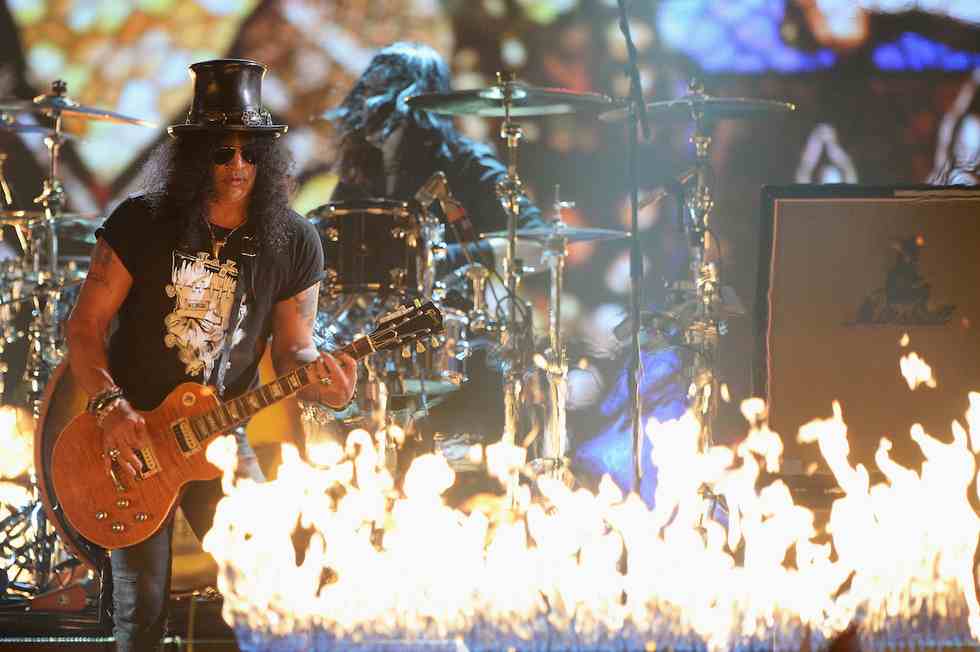
The MTV Europe Music Awards (EMA) is to return to Milan next year, to coincide with the Expo 2015.
The news was announced by event host and rap sensation Nicki Minaj at the 2014 EMA at SSE Hydro in Glasgow on 9th November.
The 2015 edition of MTV’s star-studded awards show will be held at the Mediolanum Forum in Milan on October 25.
Sunday night’s extravaganza was the first time Glasgow had hosted the event, culminating an extraordinary year of events in Glasgow and Scotland that included the Commonwealth Games and the Ryder Cup.
This will be the second time that the major international music awards event will be held in Milan, which played host in 1998, and the third time Italy has hosted the show.
“The 2004 show in Rome was a huge success. Now, we’re looking forward to delivering an even bigger and better experience with the 2015 MTV EMA in partnership with EXPO, bringing thousands of people from around the world to Milan.” said Raffaele Annecchino, Executive Vice President and Managing Director VIMN South Europe, Middle East & Africa.
“We’re thrilled to bring the 2015 MTV EMA to Milan – an iconic city where art, fashion and music collide, and home to the World Expo,” said Bruce Gillmer, Executive Producer of the MTV EMA and Executive Vice President of Music / Talent Programming and Events for event owner Viacom International Media Networks.
“One of the world’s biggest cultural capitals, Milan will undoubtedly set the stage one of the biggest global music events of the year,” he added.
The World Expo is the world’s largest city-based event, after the Olympic Games. The theme of the Milan 2015 Expo is “Feeding the Planet, Energy for Life”.
According to Bob Bakish, president and chief executive of Viacom International Media Networks, the EMAs bring “a noticeable economic boost for the host city every year”.
It has been estimated that Glasgow will have benefited by as much as £10m from hosting the MTV EMA.
Blog
-
Milan to host MTV EMA during 2015 World Expo
-
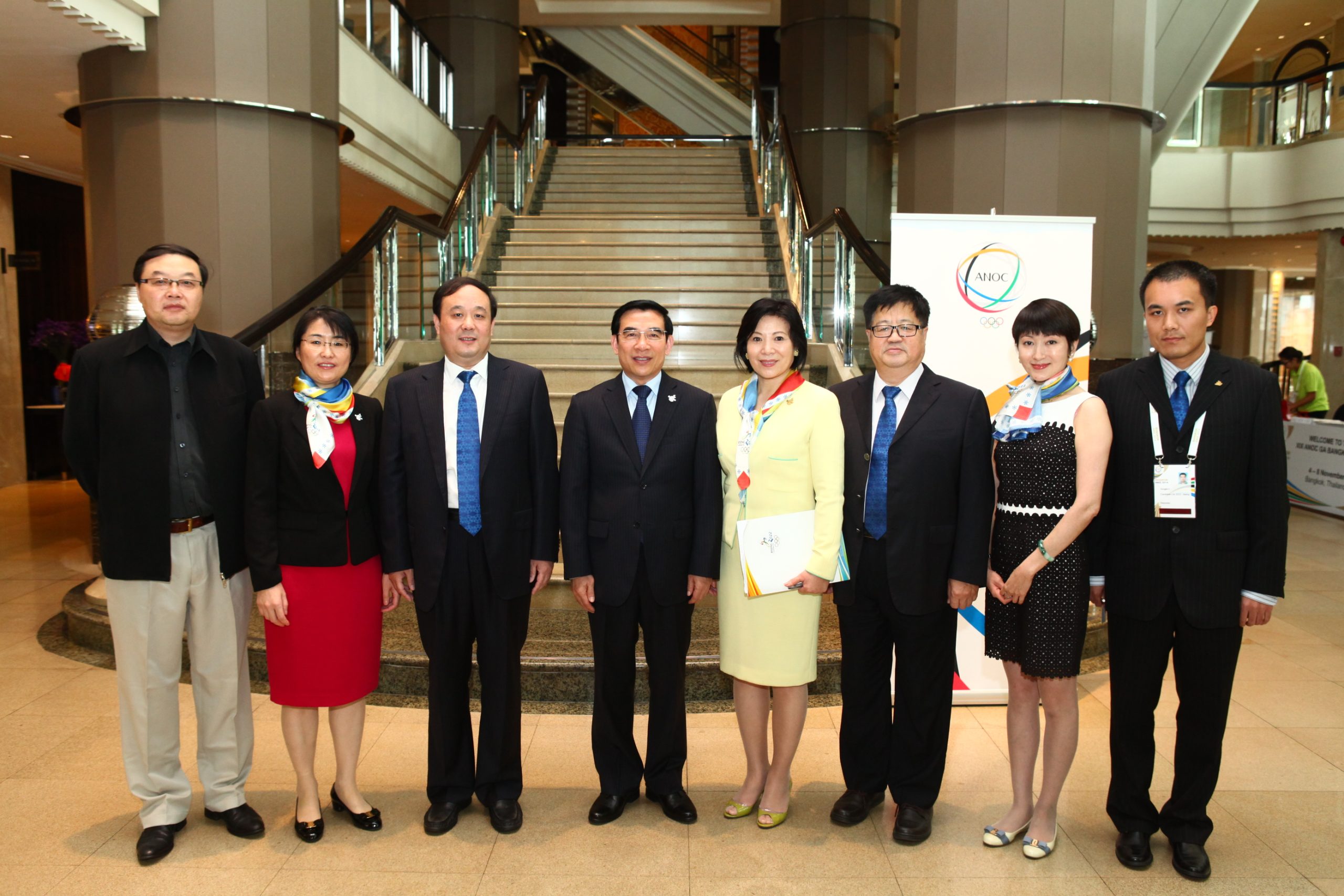
Beijing 2022 delegation arrives in Bangkok for ANOC General Assembly
The Beijing 2022 Bid Committee will do its first official presentation in front of the Olympic family in Bangkok on Friday 7 November.
Building on the legacy of the Beijing 2008 Summer Games, Beijing 2022 aims to deliver an athlete-centred, cost-effective and sustainable Games in order to raise the winter sports culture in China and contribute to the development of the Olympic Movement. -
Tokyo 2020: we must stay close to IOC and IFs
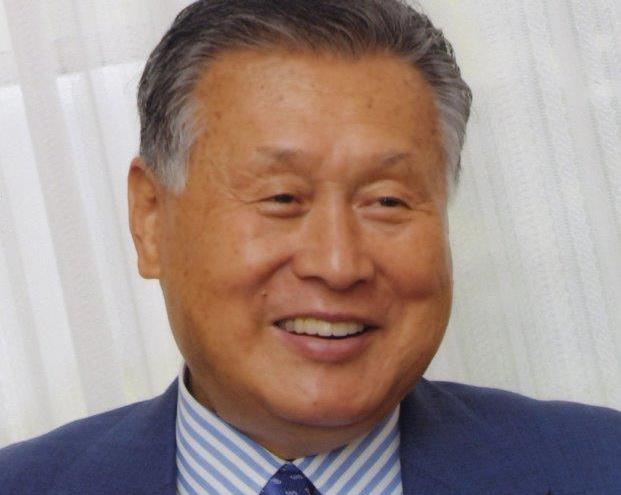
HOST CITY: Congratulations on your appointment as President of Tokyo 2020. How have your previous experiences prepared you to take on the responsibility of organising and delivering the world’s greatest and most complex event?
Mr Yoshiro Mori: Of course, it is a great honour to have been appointed as President of the Tokyo Organising Committee of the Olympic and Paralympic Games. However, I am also keenly aware of the huge responsibilities that come with this position and the many challenges that lie ahead.
As well as having served as Prime Minister of Japan, I have also been engaged in the promotion of sports for many years. I have served as President of the Japan Sports Association, and am currently President of the Japan Rugby Football Union and Vice President of the Rugby World Cup 2019 Organising Committee.
Throughout my long involvement in sport, I have always recognized the importance of forging close working relationships based on mutual trust with a variety of stakeholders both domestically and internationally, and have always endeavoured to put this into practice. It is fullest intention to make the most of my extensive experience, and exert my utmost efforts towards building productive relationships with the International Olympic Committee, the International Paralympic Committee and international sports federations, as well as the wider international sporting community.
HOST CITY: Why do you think Tokyo was selected as the host city for the 2020 Olympic Games?
Mr Yoshiro Mori: The main objective of the presentation given by the Tokyo bid committee at the 125th IOC Session in Buenos Aires last September was to demonstrate to the members of the IOC that the people of Japan had once again realised the power of sport to act as a force for good through their struggles in overcoming the tragic earthquake and tsunami of March 2011, and their strong desire to further promote these values and make a significant contribution to the international community.
I believe that that many IOC members were persuaded by Tokyo’s presentation, and this is a major reason behind Tokyo being elected as the host city for the 2020 Games. Other important factors were Tokyo’s meticulous plans for the successful delivery of the Games, the fact that Tokyo is a safe pair of hands for the Olympic Movement, and the fact that Tokyo has a proven track record of successfully hosting several major international sports tournaments.
Our overarching aim is to deliver a seamless and successful Olympic and Paralympic Games, and to communicate the power and values of sport. In so doing, I hope that we are able to respond to the expectations that the world has towards the Tokyo 2020 Games.
HOST CITY: What is the global significance of Tokyo and Japan hosting the Olympic Games in 2020, as compared to in 1964?
Mr Yoshiro Mori: The 1964 Olympic and Paralympic Games left an immeasurable amount of both tangible and intangible legacies in Japan. Furthermore, a vast majority of these legacies remain in regular use even now, a half century later. The 1964 Games served as a platform for Japan to showcase its economic strength and technological capabilities to the world, and provided Japan with the opportunity to claim its rightful place among the world’s leading industrial nations in the second half of the 20th century.
Now, as we prepare for the 2020 Games, Japan has already reached the status of a ‘mature nation.’ Evidence of this can be seen by the fact that Japan, along with other mature societies, is now working towards realisation of a largely equitable society and is tackling the problem of an increasingly ageing society. I believe that countries around the world are looking to Tokyo and Japan to come up with solutions to the kind of problems faced by mature societies through its hosting of the Olympic and Paralympic Games. From a global perspective, I feel that this is one of the roles expected of Japan by the international community.
HOST CITY: What are the organising committee’s most important priorities for the second half of 2014 and for 2015?
Mr Yoshiro Mori: The most important task facing us for the remainder of 2014 is the formulation of our Games Foundation Plan. The Organising Committee is obligated to submit our finalised Games Foundation Plan to the International Olympic Committee early next year, and we are currently working feverishly on ensuring that the plan is completed on time.
From next year, we will enter the phase of putting our finalised plans into practice. Accordingly, it is essential that we forge close working relationships with the IOC, the IPC, IFs, NOCs and all other stakeholders. We realise that our first priority must be to establish a relationship of trust with all the aforementioned stakeholders.
HOST CITY: Further ahead, which of the functional areas, such as security and transport, do you think will require the most attention?
Mr Yoshiro Mori: The Organising Committee is composed of ten separate bureaus, each with responsibility for a specific function. The bureaus are Administration, Planning and Finance, Engagement, Marketing, International Relations and Sports, Games Preparations and Operations, Security, Telecommunications, Venues, and Coordination for Infrastructure.
Each of these is a vital function, and without even one of them a successful Games would not be possible. Of course, among these functions, it is important that some bear fruit quicker than others, but rather than saying which of the functions is more important, it is perhaps more accurate to say that our greatest responsibility should be to ensure that all functions are acting in unison towards the ultimate objective of delivering a successful Games.
HOST CITY: How do you expect media scrutiny to grow as you get closer to 2020 and how does the organising committee plan to manage the media coverage of Tokyo’s preparations?
Mr Yoshiro Mori: Both the London and Sochi Games drew a huge amount of attention from the international media. I am certain that the Tokyo Games will attract the same amount of media attention, if not more.
The organising committee already has a specialist communications team in place to handle enquiries from both the Japanese and international media, and they are able to respond swiftly to the many requests for interviews we receive from journalists on almost a daily basis. The team also shares information each week with the IOC communications team by teleconference.
In addition, we have also set up a network to maintain regular contact with the communications teams of the Tokyo Metropolitan Government, the Japanese Olympic Committee, the Japanese Paralympic Committee and the Japan Sport Council, and we plan to further expand this collaborative network in the future.
HOST CITY: What role do you see for the many international partners and suppliers that can support Tokyo’s staging of the Games?
Mr Yoshiro Mori: Various types of expertise and technical abilities are essential for hosting the Olympic and Paralympic Games. Of course, it is impossible to include all these areas of expertise in the organising committee. Therefore, it is essential that we avail ourselves of the professional products and services provided by sponsors and suppliers in specialist business fields. One could even say that they are indispensible partners in ensuring the successful delivery of the 2020 Games.
Sponsors and suppliers also play a vital role in helping to create a vibrant atmosphere for the Games. The organising committee will work closely with sponsors and suppliers to further contribute to the Olympic and Paralympic Movement.
HOST CITY: HOST CITY magazine helps event organisers to deliver the best events in the world, by sharing the experience of different host cities. How important is information like this in preparing to host the greatest show on earth?
Mr Yoshiro Mori: Without doubt, the Olympic and Paralympic Games is the most complex sporting event in the world to organise, and preparations require an inordinate amount of time and effort. It is important that we obtain as much expertise and knowhow as possible in the least amount of time.
We have learned much and gained vital experience of previous Games through our participation in the IOC’s Observer Programme and Olympic Games Knowledge Management Programme. However, we also realise that there is still much more we can learn from specialist international media outlets such as HOST CITY magazine.
This interview first appeared in the Autumn issue of HOST CITY magazine. Register here -
A London Expo must benefit all UK, says Tessa Jowell
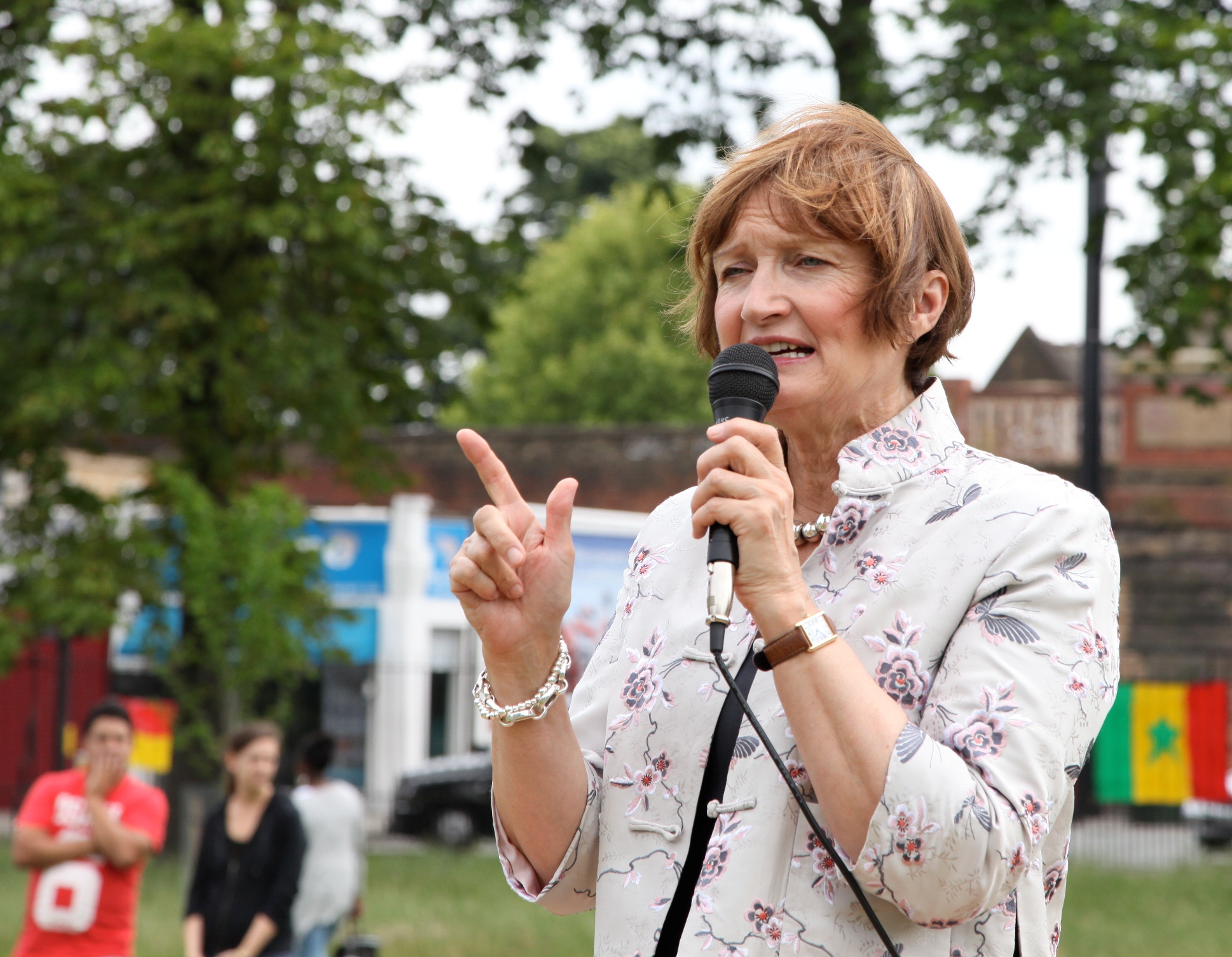
As London’s City Hall weighs up whether to go head to head with Paris and bid for the 2025 World Expo, Tessa Jowell told HOST CITY that the benefit to the nation as a whole should be a key consideration of a bid.
The former Olympics minister Jowell was a major driving force behind London’s successful Games bid and is a popular contender to become the next mayor of London.
Asked whether she thought London should bid for the World Expo in 2025, Jowell told HOST CITY “It’s not a simple yes or no, but yes, we should certainly undertake the feasibility and be very clear about what the benefits are for London and the UK, beyond the duration of the Expo as an event in its own right.
“You look at every aspect of the development and you say ‘how can we spread the benefit; how can we make sure that businesses outside London know about the possibility of tendering for the contracts?’
London 2012 could set the template here, Jowell indicated. “We avoided displacement from the regions to London’s benefit by ensuring that nearly 50 per cent of the contracts were let to businesses around the country, and the whole country derived benefit.
“Before bidding for the Expo, London needs to ask ‘What’s the possibility of diffusing, dispersing events outside the host city?’
“The Olympics is very strict about that; you have to have a host city, but we were able to have training camps around the country, which gave a bit of Olympic excitement and Olympic magic right across the UK.
“It was a Games that was so true to the city that London is – the greatest city in the world, open, diverse, tolerant – that’s what the Games captured so beautifully, and I think that’s why not just Londoners but people from all around the UK took the Games to their hearts.”
Jowell played a crucial role in evaluating the feasibility of London’s Olympic bid and driving the bid forward.
“My role was to turn my personal belief that this would be great for the country into a proposition that had credibility and could be sold to the whole cabinet, every department of government, all the key supporting organisation and then the chancellor of the exchequer and the prime minister,” she told HOST CITY.
“I set a number of tests against which the proposition could be judged. Was it affordable? Could we deliver it? Would there be a legacy? And could we win the bid against Paris, who was the other key contender at the time?”
President Francois Hollande announced Paris’s candidacy for the 2025 World Expo on 4th November, saying “France is capable of great events, major projects,” with French Prime minister Manuel Valls in October describing the World Expo as a “magnificent opportunity for the image of Paris and of France in the world.”
Mayoral race to follow general election
Dame Tessa Jowell confirmed to HOST CITY that she is seriously considering standing for the nomination as Labour’s candidate to be mayor of London after stepping down as MP at general election on 7 May.
“Now is not the moment for a formal declaration because we have a general election to fight and I hope to win, and that’s what I am focussed on,” she told HOST CITY.
“I think you’ve got to take these things in their natural sequence. The general election is the biggest challenge facing us at the moment.”
A recent YouGov poll showed that Tessa Jowell would not only be the most popular candidate among Labour supporters, but also enjoy the strongest cross-party support. -
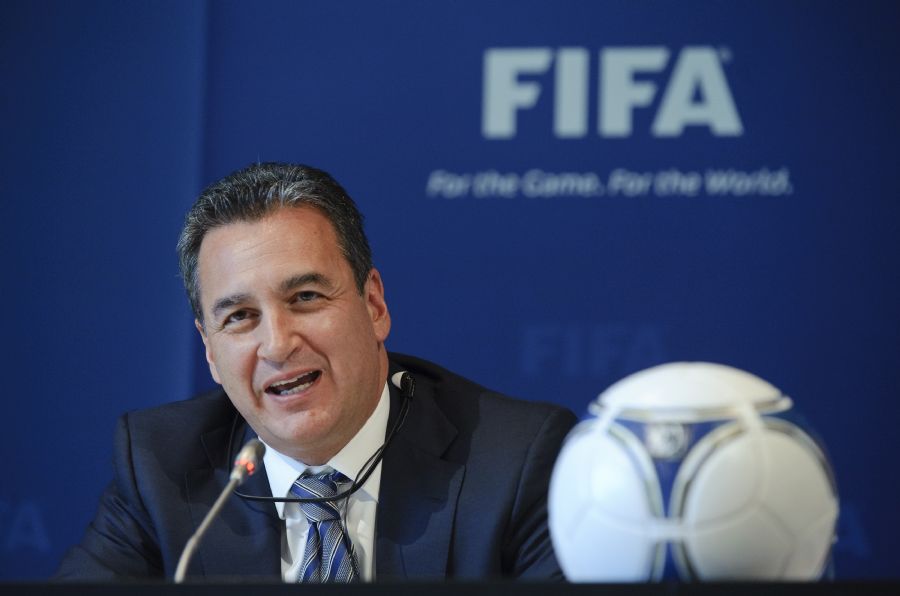
Wrong conclusions on bid report, says FIFA investigator
The findings of FIFA’s long awaited ethics report into the bidding process for the 2018 and 2022 World Cups were announced today (Thursday), with the judge’s summary saying there was limited evidence of improper conduct. However, the investigator who produced the report says the summary misrepresented his facts and made erroneous conclusions.
In his summary, Judge Hans-Joachim Eckert concluded that there was not enough evidence to remove Russia or Qatar’s rights to host the World Cup or reopen the process, saying that any breaches of rules by bidding nations had only a “limited scope”.
Michael Garcia was hired by FIFA 18 months ago to find out the truth about widespread allegations of collusion and bribery in the bidding process that saw Russia and Qatar win the hosting rights to the 2018 and 2022 World Cups respectively.
“Today’s decision by the Chairman of the Adjudicatory Chamber contains numerous materially incomplete and erroneous representations of the facts and conclusions detailed in the Investigatory Chamber’s report,” he said on Thursday. He is now expected to appeal to FIFA’s ethics committee.
In his 42-page summary of Garcia’s 430-page report, Eckert said that concerns over the activities of bidding nations were “limited” and not sufficient cause to question the outcome of the election.
“The effects of these occurrences on the bidding process as a whole were far from reaching any threshold that would require returning to the bidding process, let alone reopening it,” said Eckert.
Contraventions identified in the summary included improprieties in England’s bid campaign, namely incentives to executive committee member Jack Warner.
“England’s response to Mr Warner’s – improper – demands, in, at a minimum, always seeking to satisfy them in some way, damaged the integrity of the ongoing bidding process. Yet, such damage was again of rather limited extent,” said Eckert.
“We cooperated fully with the Ethics Committee’s investigation and continue to believe that a fair and appropriate review will demonstrate the integrity and quality of our bid,” said the Qatar 2022 Supreme Committee for Delivery and Legacy said in a statement.
“FIFA welcomes the fact that a degree of closure has been reached with the chairman of the adjudicatory chamber stating today that ‘the evaluation of the 2018/2022 FIFA World Cup bidding process is closed for the FIFA ethics committee. As such, FIFA looks forward to continuing the preparations for Russia 2018 and Qatar 2022 which are already well underway,” said FIFA’s statement.
-
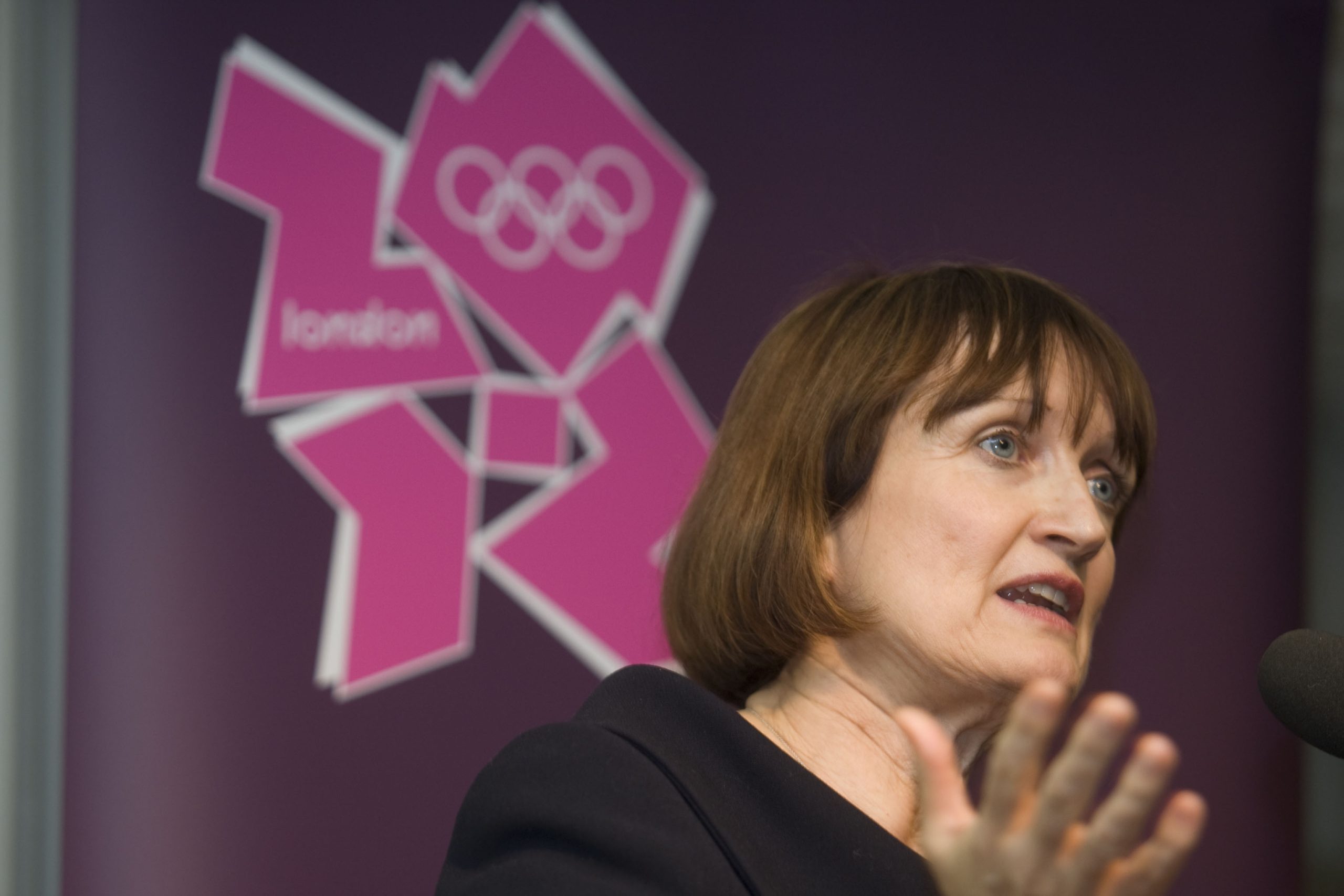
IOC should make culture equal to sports, says Agenda 2020 expert
The first principle of Olympism is to blend sport with culture, but Olympic Games is still not going far enough to raise the profile of cultural events, according to a prominent UK politician and expert advisor to the IOC.
“I think probably the IOC needs to go further in reaffirming the fundamental role that the cultural festival has as part of the Olympic and Paralympic Games,” Dame Tessa Jowell told HOST CITY in an exclusive interview. “So there are three events: there is the Summer Games; the Paralympics and the cultural festival.”
While host cities can and often do put on major cultural events alongside major sporting events, their primary obligation is towards the sporting activities. However, Jowell, who is an expert advisor to the IOC on bidding procedure as part of its Olympic Agenda 2020 review, says that cultural events should take on just as primary a role as sporting activities during the Games.
“I think it’s important that Pierre de Coubertin did see this duality in the Olympic ideal, and it would be a great pity to lose that,” she told HOST CITY.
The founder of the modern Olympic Games, Coubertin envisaged the Games as a “festival of mind and body”.
“At the time of the splendour of Olympia… literature and arts, harmoniously combined with sports, ensured the greatness of Olympic Games. This should be true for the future,” Coubertin wrote.
While early modern Olympic Games featured medals for the arts, the prominence of arts and culture within the event programme faded in the middle of the twentieth century, until recent editions brought a resurgence of interest. London’s “Cultural Festival” drew on some of the world’s greatest cultural leaders and talents to wide-reaching effect.
“We had the most prominent and successful cultural festival ever for the Olympics,” said Jowell, who was also a board member of the London Organising Committee for the Olympic Games. “20 million people had a bit of Olympic experience through the cultural festival.”
The IOC estimated that around half a million people would have experienced Olympic-related cultural events in Sochi in 2014.
Glasgow 2014 put on a huge programme of free cultural events across the city to rival London’s, billed as “Festival 2014”.
The Olympic Charter describes Olympism as “blending sport with culture and education”, but the extent to which culture should feature in the Games is nothing like as rigorously determined like the programme of sports events.
A Host City contract currently includes no obligation to include any specific cultural activities, other than to say that the organising committee “must organize a programme of cultural events.”
-
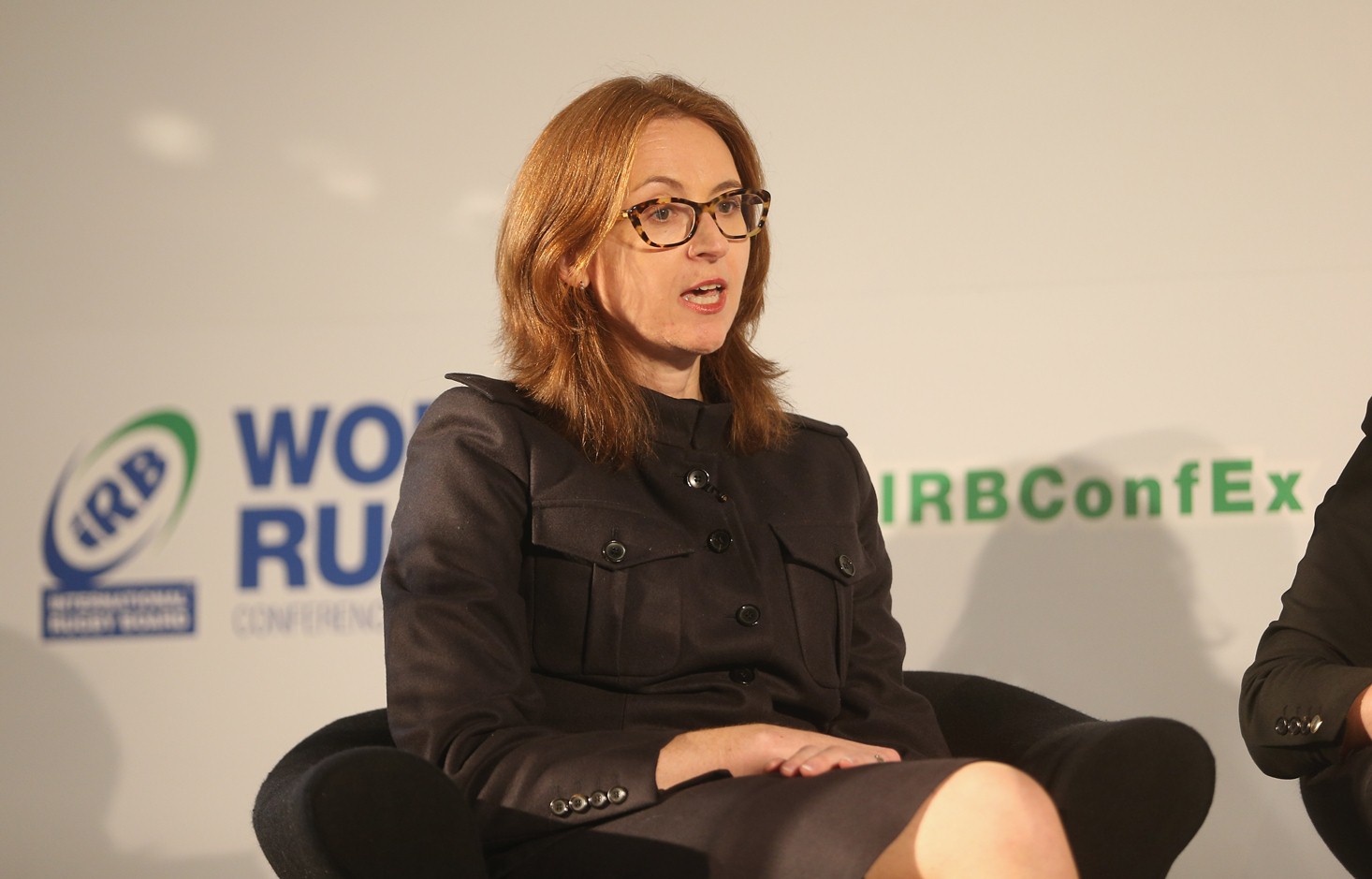
IOC won’t force good governance on sports federations
The IOC announced on Tuesday that, as part of its Agenda 2020 recommendations, all organisations belonging to the Olympic Movement should “accept and comply with the Basic Universal Principles of Good Governance of the Olympic and Sports Movement.”
At the IRB World Rugby Confex in London on Tuesday, HOST CITY asked IOC vice president Sir Craig Reedie about the feasibility of such a wide-reaching project.
“The reason why the IOC tries to impose on every stakeholder in the Olympic movement the Principles of Good Governance is that sport has a constant demand to be autonomous. It wants to be left alone to run its own rules, and the only way that it will ever be able to maintain the request for autonomy is to have good governance,” Reedie explained.
“International Federations are effectively independent contractors, and nobody is suggesting for a minute that you would make that a condition of being a sport in the programme of the Games, but as a matter of relatively easy conviction it is not difficult to persuade an International Federation that they should have the same principles as the IOC has. We would anticipate and hope that International Federations would follow that.”
Agenda 2020 recommends that organisations should be responsible for self-evaluation and sending information through to the IOC.
Asked by HOST CITY if this might create prohibitive administrative costs, Susan Ahern, head of legal and legislative affairs at World Rugby said, “Not expensive if you are used to running your organisation in a fair, balanced and transparent way.
“The IRB may be an International Federation but we have a corporate structure that supports that – you are bound by company law, audits and so on. We have all those elements in place that any corporate would.”
Agenda 2020 recommends that the Principles of Good Governance should be “updated periodically, emphasising the necessity for transparency, integrity and opposition to any form of corruption.”
Ahern said “Certainly it’s an area where you want to continually strive to be as good as you can be, and it’s an area that’s being looked at by the IRB on a constant basis.” -
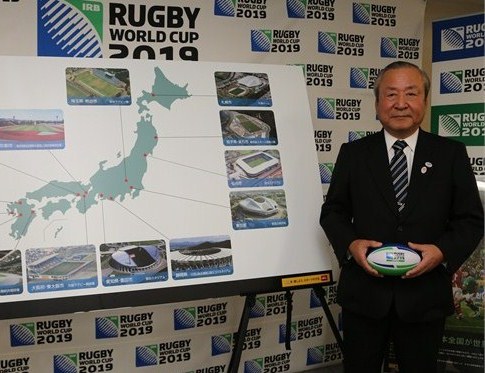
Rugby and Olympic ticket sales will be a challenge for Japan
Hosting two of the world’s three biggest sports events within the space of a year will is not just a practical and logistical challenge for Japan.
The organising committees of both events will rely on robust ticket sales to cover the costs of delivering the events and, according to the CEO of Japan Rugby 2019, the proximity of the two events will make this a big, but achievable, challenge.
The 2015 Rugby World Cup takes place in England and Wales, the birthplace of the sport, and is widely anticipated to be the most commercially successful yet.
Speaking at IRB World Rugby Confex, the CEO of England Rugby 2015 Debbie Jevans anticipated a “positive economic impact on the country.” Alan Gilpin, CEO of Rugby World Cup Ltd said “We are positioned very nicely in that area”.
The 2019 World Cup is also a huge opportunity for Japan. According to Gilpin, local interest in the event is stronger than a Football World Cup would have presented.
But the head of the organising committee expressed concerns that a smaller rugby culture and the Olympic Games in 2020 might both impact negatively on the potential for ticket sales in Japan 2019.
“There are different challenges facing us in Japan,” said Akira Shimazu, CEO of Japan Rugby 2019. “Specific challenges include the fact that Japan is not a rugby heartland, so we might struggle to sell some tickets.
“We are also selling tickets for the Olympic Games at same time, so we want to make sure we are not making people choose between one and the other. Having said that, I am convinced we can fill up those seats.”
Shimazu stressed that the organising committees of both events are working very closely together in Japan, rather than in competition.
Gilpin also pointed out the cost of hosting the Rugby World Cup is not comparable to the Olympic Games. “We are not asking candidates to invest in major infrastructure projects,” he said.
-
IOC woos cities with proposal to pay bid costs
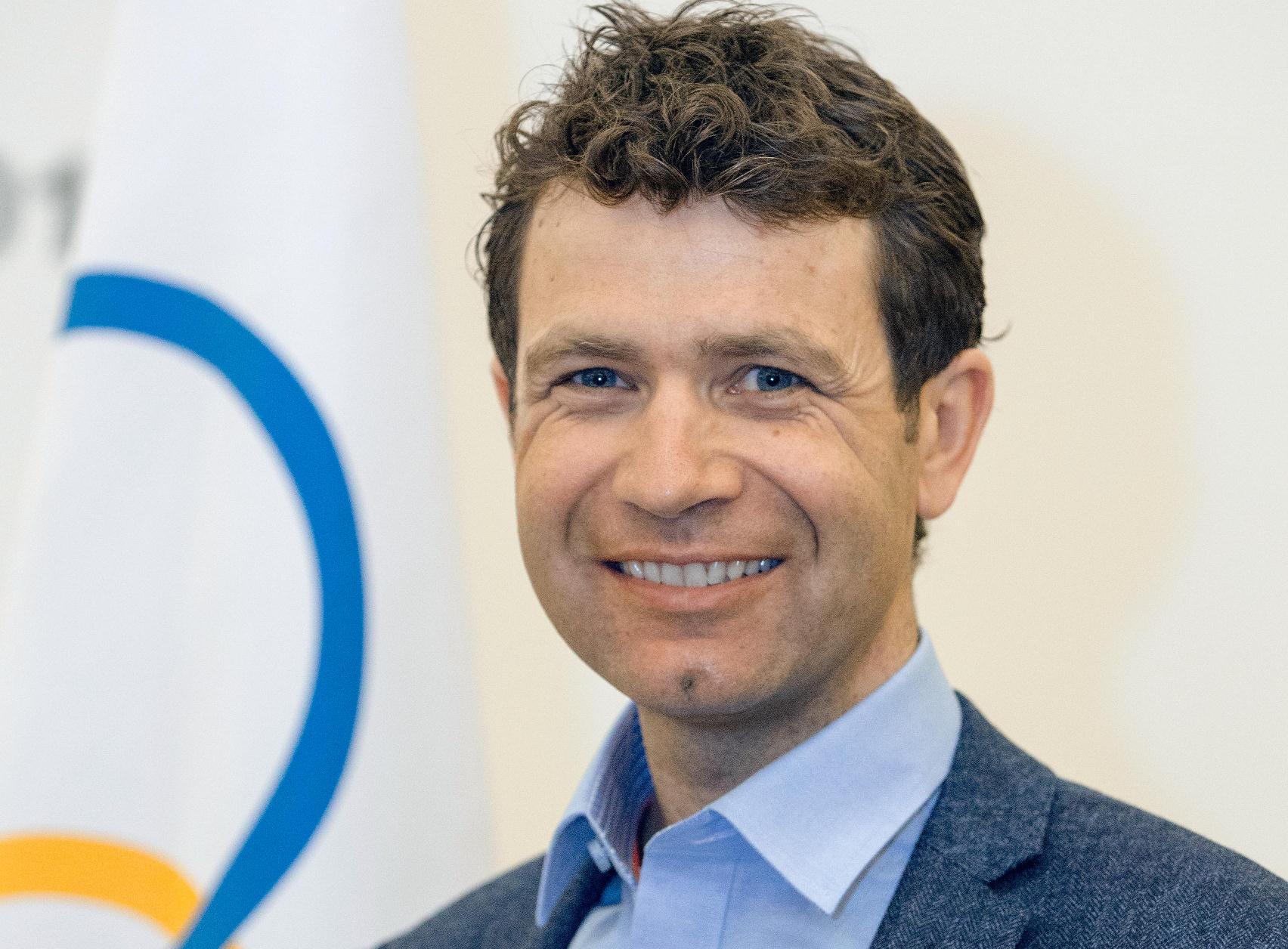
International Olympic Committee (IOC) president Thomas Bach today (Tuesday) revealed 40 recommendations from the Agenda 2020 review of the Olympic Movement, which detail how to reduce costs and increase benefits for countries contemplating hosting the Games.
Agenda 2020 was instigated in 2013, shortly after Bach’s election as IOC president and has since engaged a vast range of people. The review has taken place against a backdrop of Sochi 2014, which was perceived to be an extremely high cost event, and cities pulling out of bidding for the 2022 Winter Olympic Games due to cost concerns.
The first three of the 40 recommendations relate to bidding, including details of how the world’s biggest event owner might financially support bidding cities and develop wider benefits with the host nation.
Under the recommendations, the IOC would cover the travel and accommodation costs for six delegates for candidate city briefings to the IOC, ASOIF, AIOWF and the ANOC General Assembly, plus costs for 12 delegates travelling to the host city election at the IOC Session.
The cost of cities hosting IOC Evaluation Commission visits would also be borne by the IOC. Printed versions of the candidature files would be axed, and consultants and lobbyists working for bidding cities would be monitored and registered by the IOC.
These reductions in bidding cost are, however, tiny in relation to the costs of hosting the Olympic Games. This is why Agenda 2020 proposes “shaping the bidding process as an invitation” – a form of consultation with cities at an early stage, with a focus on cost and benefit.
Under Agenda 2020, the IOC plans to better communicate the difference between the two different budgets related to hosting the Olympic Games: “long-term investment in infrastructure and return on such investment on the one hand, and the operational budget on the other hand,” as well as better communicating the IOC’s contribution to the operational budget.
The IOC seeks to reduce the cost of venue infrastructure for cities by prioritising the use of existing and temporary facilities at this early stage of bid planning.
“The recommendations in Olympic Agenda 2020 are designed to change the bidding process in a positive way,” said Ole Einar Bjørndalen, IOC member for Norway, whose capital city Oslo pulled out of bidding for the 2022 Games in September 2014.
“I think it is important to bring the Olympic Winter Games especially back to their roots, where the organisers are creating genuine winter festivals and where the inhabitants of the host city are as important as the athletes.
It is a step forward that the bidding cities will have the chance to focus on Games that work in the local context – socially, economically and environmentally.”
Olympic Agenda 2020 also opens up the possibility of Olympic Games events being hosted outside the host city – and even outside the host nation, in exceptional circumstances.
“I think it is positive that the IOC will encourage the re-use of venues, temporary venues, and even the use of some venues in other regions and countries. This will lower the costs, which will hopefully make staging the Games more attractive for more countries,”said Bjørndalen.
-
Russia World Cup can change perceptions – Sorokin
HOST CITY: How are preparations going in terms of the stadiums?
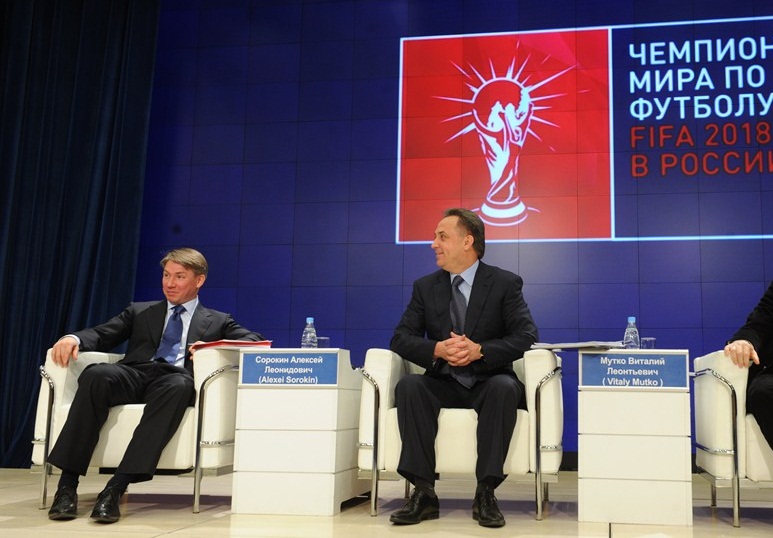
Alexei Sorokin: We’re had two ready for some time, Kazan and Sochi, and of course now we have Moscow Spartak which opened officially and the end of August and then staged its first game shortly afterwards. In the beginning of 2016 the St Petersburg stadium will also be ready. The rest are in different phases of construction.
HOST CITY: Can you tell us about opportunities for international contractors?
Alexei Sorokin: Foreign expertise was used in the design preparations. In some instances there has been a lot of consultancy from companies like Populous (England) and gmp (Germany). There is not a single stadium without some kind of foreign element.
The way we went about choosing was by public tender put out by the specific region. Different companies are being used for different aspects of design, so maybe one company for security, another for usability and so on.
HOST CITY: What about venue sustainability? How will you ensure legacy use for such large venues?
Alexei Sorokin: We don’t think the stadiums are that large. If you consider the population of the country, they are not overwhelmingly large. In some cases they will have demountable tribunes, in others they will stay at 45,000 seats, but the level of interest in football is enough to fill them to 80 per cent if not 100 per cent all the time.
We have strong assurances from the regional authorities that the need for such stadiums is there. The interest in football is of course not equal everywhere you go but that’s normal. There will be no white elephants for sure.
We’ve taken a lot of advice and the stadiums will all be designed in such a way that they are marketable for events other than football. If you look at Kazan, for instance, it will host aquatics in 2016. Every design has taken this concept into account. But we deliberately picked cities where clubs are playing in our Premier League, or at least are close to doing so. Several clubs in Russia jump back and forth. We have picked cities where people really go to watch football.
HOST CITY: But are they cities that can also attract the kind of non-footballing commercial entities?
Alexei Sorokin: The short answer is absolutely. Why do I say that? Because all but two of our cities have a population in excess of one million. There is a major need for a certain level of social life. They need a venue where people can get together.
HOST CITY: What will make 2018 stand out from other World Cups?
Alexei Sorokin: We hope to show a new country and the transition we have made in the last two decades; and to show how diverse Russia really is. We may be united by the same language but the regions are very different.
We certainly hope we can attract people to other regions than just the host cities because they are no less interesting. Some regions are dominated by religious culture or very historic. It will certainly be a discovery.
HOST CITY: Russia’s latest mega event was Sochi, but there was a lot of negative media surrounding so-called “anti-gay” laws. How do plan to avoid such adverse publicity?
Alexei Sorokin: I wouldn’t call it an anti-gay law. It’s a law against propaganda over homosexuality amongst children. I recommend to everyone to read the contents of the law and try to understand it before twisting its nature which is what many have largely done.
HOST CITY: Ever since you launched the bid, Russian football has been unable to eradicate racism. How harmful is this?
Alexei Sorokin: I would acknowledge that we have certain incidents and outbreaks of racism but not a dominating tendency. Many other countries also have incidents. I’m not saying that as a justification because it’s bad wherever it happens.
Our position is very strong. It’s part of our communication strategy, but it is not an overwhelming part of what we are doing in terms of organising the World Cup. But don’t get me wrong: it’s a very important subject to us and we are in constant discussions with the Russian Football Union, coming up with certain measures. We must make it unpopular and indecent to be involved in something like this.
HOST CITY: What are the most important observations you took away from Brazil?
Alexei Sorokin: It mostly lies in the field of atmosphere. The biggest impression for me was the atmosphere they managed to generate. You can’t just manufacture that as an organiser. It has to be natural.
The passion for the game was one of the true sentiments we brought back. We’ll struggle to match that, but every World Cup is different. We’d be wrong to try and copy them. Sometimes copying can be valid in terms of certain organisational patterns but in terms of overall climate, it has to be very distinct from all others.
HOST CITY: Is travelling an issue for you like it was in Brazil?
Alexei Sorokin: I truly don’t think so. You only spend a maximum two hours travelling from Moscow to the farthest venue away. I don’t think it’s that bad.
HOST CITY: What about the scale of the budget which caused such a backlash in Brazil?
Alexei Sorokin: We need to discern between what is spent on development of the various regions and the budget that is spent towards the event itself. In terms of the World Cup, the event budget is within appropriate limits. All the rest of it is about infrastructural development programmes which would have been spent anyway.
I won’t comment on what happened in Brazil but maybe it wasn’t explained enough, which we will try to do. These are investments into the lives of people including things like bringing hospitals that are close to stadiums up to certain standard. The World Cup will use them for a month but the people will use them for years thereafter.
HOST CITY: Everybody knows how tense the relationship is between Russia and the rest of the world right now. What impact could this have on your security plans and the perception of 2018?
Alexei Sorokin: Political situations tend to change. I don’t think it has any impact on our security because it’s always been a priority anyway. The World Cup is perhaps one of the ways of changing certain perceptions. That’s partly why our country decided to go for this. We are occasionally victims of old perceptions. Remember Euro 2012? There were some pretty negative perceptions beforehand but it went off well. The same applied to the Sochi winter Olympics. I wouldn’t spend much time thinking about perceptions.
HOST CITY: Finally, you currently have politicians everywhere calling for sanctions – and even a World Cup boycott – because of the situation in Ukraine. What’s your reaction?
Alexei Sorokin: Honestly the last thing I would do is comment on private opinions. It does not impact our work. Various people may have their opinions about where the World Cup should take place but it’s their opinion. If we paid too much attention to this it would be hard to organise the tournament.
Our focus is the World Cup. It will remain that way for another four years. We don’t feel any threat. We are organising the tournament together with FIFA. We need to keep the principle that was declared many years ago, that sport should be beyond politics.
This article first appeared in the Autumn issue of HOST CITY magazine. Register here.