Tag: Commonwealth Games

  • South Africa not “playing lotto” with Games bids

    South Africa not “playing lotto” with Games bids

    South Africa is certain to bid for the Olympic Games but will not rush into it now Durban is the only bidder for the 2022 Commonwealth Games. 
    Instead, the government and sports authorities are about to start a process of deciding whether it is feasible to bid for the 2024 Olympic Games so soon after Durban 2022.
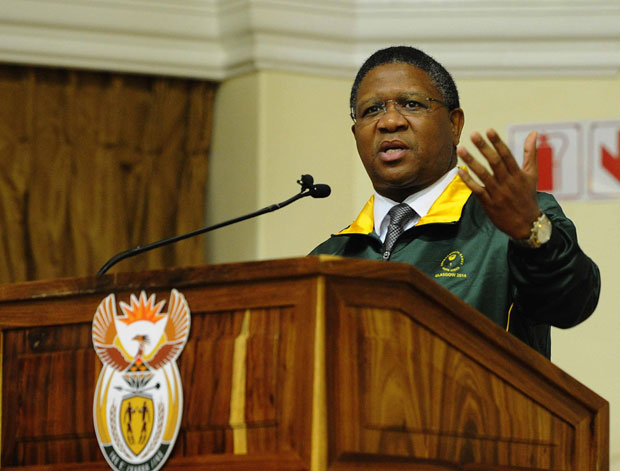
    “The Olympic Games will be the next thing. When? 2024? I don’t know,” said Fikile Mbalula, South Africa’s minister of sport and recreation.
    “We now have the Commonwealth Games, but the fact that we will host [the Olympics] in the future and we will have an appetite is not off the radar,” he told HOST CITY at the launch of Durban’s Commonwealth Games bid in London last week.
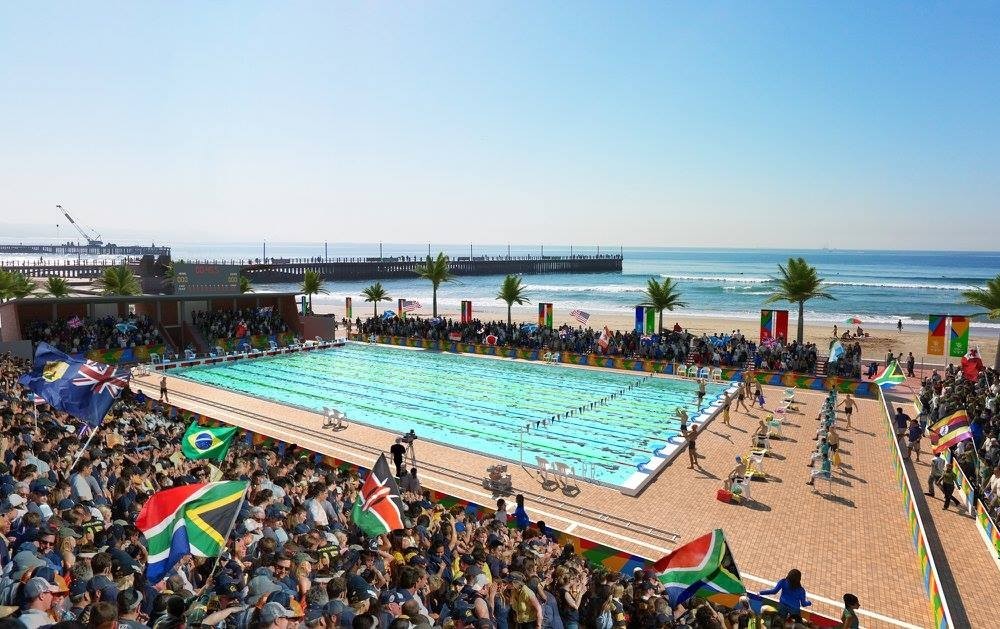
    With Edmonton pulling out of the race to host the 2022 Commonwealth Games, Durban is in pole position to be awarded the hosting rights on 2 September, subject to the Commonwealth Games Federation’s rigorous evaluation process. 
    The deadline for submitting a bid for the 2024 Olympic Games is less than four weeks later.
    Asked if there is a timeframe for announcing whether South Africa will put in a bid for the 2024 Olympic Games, Mbalula said “Not at all. Look, the question is not like thinking on our toes. 
    “We know for a fact that we are here now for the Commonwealth Games and we are not like playing lotto, trying to catch everything at any time and going for the bigger prize.”
    An important part of South Africa’s decision-making will be evaluating whether it would be able to provide the financial guarantees necessary to bid for the Olympic Games two years after the Commonwealth Games. 
    “It might not be the case,” Mbalula said, “like we were not in the position to back Olympics three years ago and we backed off because of the challenges we faced and the fact that we hosted the World Cup. We needed a breather.”
    “We don’t want to do things that we will not be in a position to handle. We can handle the Commonwealth Games now – and if we look in the next two, three, six years to come, if we can handle the Olympics then we will look at that and make a proper evaluation about it.
    “But it’s not like just a knee jerk reaction, because the world wants us to host and therefore we can – it’s not about that.
    “We will do it – it might not be me, there will be somebody in this government that will have that challenge of hosting the Olympics in the future. 
    “And that will be most welcome. It’s a very important mega event that all nations aspire to host, globally.
    “Our bigger prize now is the Commonwealth Games and we are embracing that with both hands.
    “It’s now or never, and this is what we must embrace as a nation and move forward, and give opportunities to young people and those who grew up when South Africa was in total isolation.”
    Any Olympic bid would be launched by the South African Sports Confederation and Olympic Committee (SASCOC). 
    “We as SASCOC and the government have not had any discussions in relation to a possible bid to host the Olympic Games. We would have to first sit down with government and look at what is feasible for the country. As yet these initial discussions have not taken place,” Mark Alexander, CEO of Durban 2022 and SASCOC board member told HOST CITY.
    “Our objective at the moment is to focus on the Commonwealth Games and we totally committed to ensuring that we meet our obligations that we presented to the Commonwealth Games Federation in London.”
     

  • Commonwealth Games transformed to attract aspiring cities

    Commonwealth Games transformed to attract aspiring cities

    The Commonwealth Games Federation (CGF) has launched an ambitious plan called “Transformation 2022” to optimise its sporting movement over the next seven years.
    “Now is the time to be ambitious and bold, as we build on our diverse heritage and forward momentum,” said CGF president HRH Prince Imran. 
    A network of Commonwealth cities is being set up to identify, support and engage with cities that are aspiring to host the Games or develop their sports. 
    The issue of good governance also features in the strategic plan.
    The sports programme for the Commonwealth Games has been reviewed for the next three Games, with the number of optional sports proposed to be reduced by 10 and the number of compulsory sports to go up by six. 
    Sports that are proposed to be dropped from the programme include tennis and sailing, while cricket is set to makes a return in the T20 format.
    “A number of core principles drove the proposals, such as depth and scale of participation in the Commonwealth, legacy (especially with regard to the need for purpose-built venues), equality (including increased opportunities for para-sport athletes) and breadth of competition, maximising opportunities for smaller CGAs to win medals,” a spokesperson for the Commonwealth Games Federation told HOST CITY.
     
    Commonwealth Sports Cities Network
    A core feature of the strategic plan is “to deliver inspirational and innovative Commonwealth Games built on Commonwealth Games and Youth Games, built on friendships and a proud heritage supported by a dynamic Commonwealth sports cities network.”
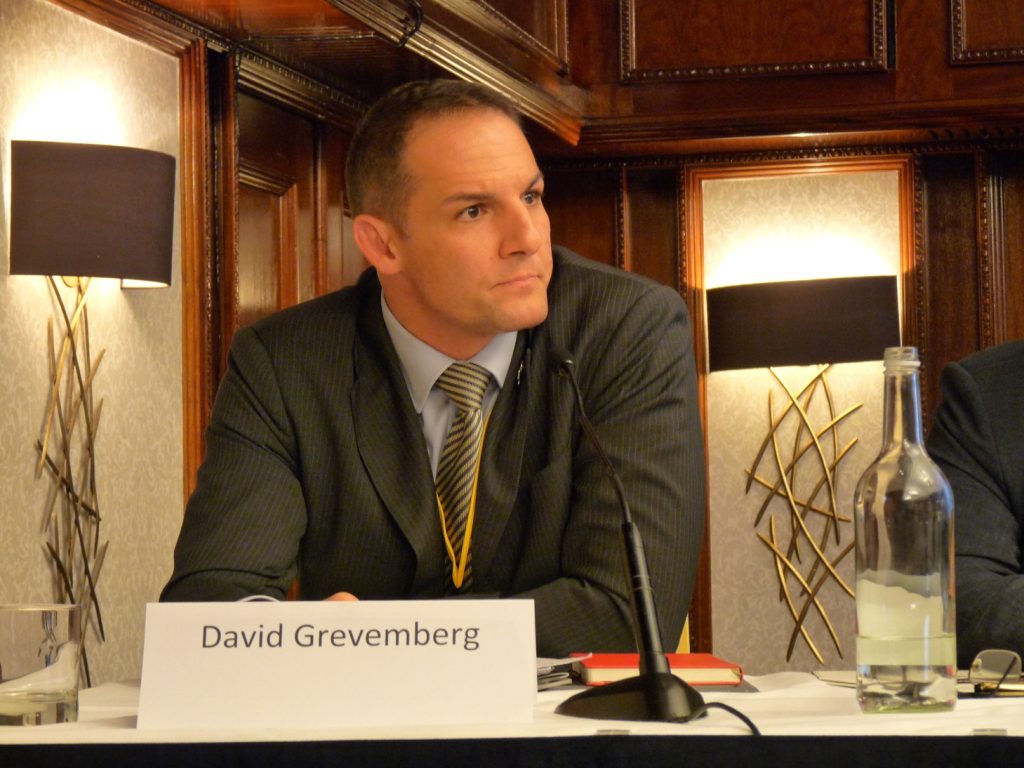
    David Grevemberg, CEO of the Commonwealth Games Federation told HOST CITY: “By 2017 we want to have developed and started to implement a Commonwealth sporting network – to identify, support and engage with cities that are aspiring to host the Games and sport in the Commonwealth.
    “So this notion of using sport as the new ‘shipping lane’ to make communities and nations prosperous, peaceful and happy – in order to do that we need to be able transfer, from a city to city basis, what is working and where challenges lie – whether that’s an emerging market, a regenerative market or a sustained market.
    “There’s a group already in place called the Commonwealth local governments forum that we’ll be looking to partner with in that area.”
     
    Transforming the sports programme
    Previously there were 10 compulsory sports and 20 optional ones. The CGF is now proposing 16 compulsory and 10 optional sports. 
    Under the proposal, 10 of the previously compulsory sports remain compulsory. These are: aquatics (swimming, inc. para swimming); athletics (inc. para athletics); badminton; boxing (men); hockey; lawn bowls (inc. para lawn bowls); netball; rugby sevens (men and women); squash; and weightlifting.
    Six sports that were previously optional have been made compulsory. These are: road cycling; artistic gymnastics; judo; table tennis; triathlon; and wrestling.
    Women’s boxing and women’s rugby, previously optional, have also been made compulsory.
    The biggest changes proposed are to the optional sports, which have been reduced in number significantly. Aquatics (diving), aquatics (open water swimming) aquatics (synchronised swimming), canoeing, rowing, sailing, softball, tennis, tenpin bowling and taekwondo would no longer feature in the Commonwealth Games programme for 2022, 2026, and 2030.
    None of these disciplines set to be removed from the sports programme feature as part of the current Durban 2022 bid proposals.
    T20 cricket, wheelchair basketball, para triathlon and para table tennis are new options on the sports programme.
    Cricket has only featured in the Commonwealth Games once before, when a 50-over format was included at Kuala Lumpur in 1998.
    The introduction of T20 Cricket is an indication that the CGF is promoting sports that are more widely practiced within the Commonwealth nations. 
    “We are proposing a mechanism of being able to attract top athletes, creating a Commonwealth rating system by sport that helps not only to promote great sport in the Commonwealth but also to assess how widely they are practiced in different nations,” Grevemberg told HOST CITY. 
    “We aim to maximise efficiency and effectiveness in our delivery of a world class event with real community relevance that is both affordable and universally appealing.”
    “We feel that stabilising a sustainable sports programme for a period of time, by increasing the number of compulsory sports, helps us to get more efficiencies of scale, by giving us greater certainty in terms of proposing an athletes’ quota system. It allows us to create a more certain product in terms of what we are presenting.” 
    CGF vice president and chair of the CGF sport committee Bruce Robertson said: “The Sports Programme proposals also have important operational benefits, including a higher degree of certainty in athlete numbers and more flexibility in the optional sports programme, which we believe will support future Host Cities and CGAs in their Games planning.”
    The CGF is looking to continue to work with sports not on the Games programme through a new recognised designation of affiliation with the Commonwealth Games Federation for International Federations (IFs). 
    “It’s our intention to work with other IFs on developing sport in the Commonwealth,” said Grevemberg. “The movement is much broader than just the Games.”
    The new proposed sports programme will be voted on at the CGF General Assembly in New Zealand in September.
     

  • Louise Martin: Just believe in yourself and do it

    Louise Martin: Just believe in yourself and do it

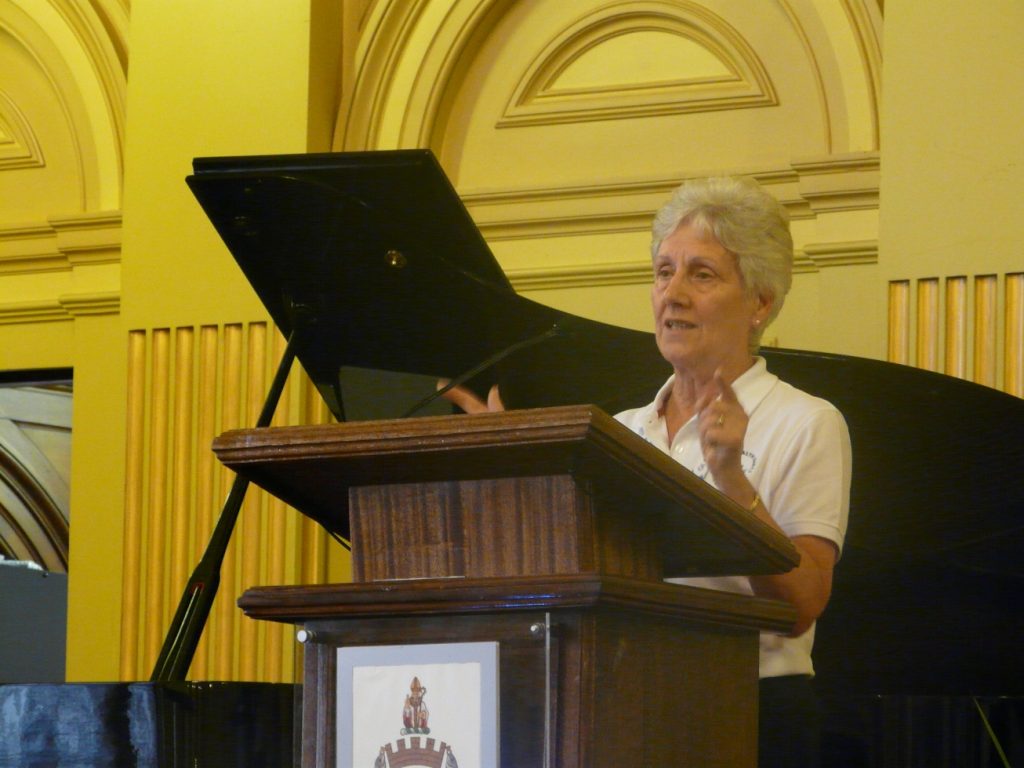
    Having led the bid for Glasgow’s universally-acclaimed Commonwealth Games and served as long-standing Honorary Secretary for the Commonwealth Games Federation, it came as no great surprise – except to her – when the news emerged that she was planning on running for the position of President of the Federation.
    “It was made public much earlier than I was expecting it to come out, because we are not calling for nominations until May,” she told HOST CITY.
    Despite this, she was happy to talk about her motivation.
    “It’s the right time for me now because I have served for four quadrennials on the Federation as the Honorary Secretary.”
    Her decision to stand was driven in part by changes to the Federation, which is being remodelled as a corporate structure with a President and three Vice Presidents. 
    “The Honorary Secretary position ceases to exist, so I had to decide what to do,” she said. 
    “One of the positions would be doing what I have already been doing and having done four quadrennials, it’s time for me to move – and the only way I can move is up.”
    She revealed to HOST CITY that she has long had the ambition to lead the Federation. “It’s something I’ve always thought I would love to do.
    “Having chaired a national sporting agency, sportscotland, with 350 staff and a turnover of millions, I know I can do it. I’ve been chair of Commonwealth Games Scotland and I’m also chair of the Commonwealth Advisory Body on Sport, so I have got experience behind me.
    “The time is right for me to put my hat in the ring.”
    Although she has not yet formalised a manifesto, she was happy to discuss the changes that she has in mind for the federation – particularly in relation to the role of the member associations. 
    “We have to have a proper structure and good governance in place, to make sure that all the associations are more vibrant and more effective. 
    “As far as I am concerned we are all equal; we all have one vote, irrespective of size or wealth. We have to deliver equally, across the board. 
    “One of the things I want to ensure that we do is to communicate more effectively and more openly.”
    With the 2022 Games now faced with just one bidding city, Durban – for which Martin is leading the evaluation commission – the Federation is looking at ways to boost the appeal of its major property.
    The situation is analogous to the issues the IOC grappled with over the last twelve months as it handled its own 2022 Games crisis through the Agenda 2020 review of its bidding procedure. 
    “I certainly want more cities to bid for the Games. We want to make it more appealing and we need to make sure that we keep it affordable,” said Martin.
    “So one of the things we have to do is work very closely with the international federations to ensure that the sports and the events that we deliver are not cost- prohibitive.
    “We’ve got to make sure that the events are accessible for the whole of the Commonwealth and that those bidding cities can deliver a good and successful Games.”
    Although the Commonwealth contains many small countries that can’t aspire to host a
    Commonwealth Games or Commonwealth Youth Games, there are still opportunities to host smaller events. 
    “One of the things we want to try and take control of is to encourage the countries that cannot host either of those to host a Commonwealth Championship in a specific sport that they are good at.”
    As a former athlete, Martin is keen for the Commonwealth Games Federation to boost the development of sport in the Commonwealth. 
    “I want to make sure that Commonwealth sport offers more to athletes and to individuals in communities that we are working with. 
    “I’ve got to ensure that we really make the most of all the opportunities that we have. We are a dynamic sporting movement and we do transform lives through sport.
    “We’ve got so much potential in the Commonwealth; the momentum has started and we’ve got to keep it moving.”
    Much of this momentum comes from Glasgow 2014, which was widely regarded as the greatest Commonwealth Games in history. Having led the bid, Louise Martin describes it as “a dream that took 12 years to come to fruition, and it did in a big way.
    “I can’t believe it’s all over; it’s funny to say that it’s not there anymore, but everybody’s still talking about it. 
    “It set the scene and we delivered exactly the way we wanted to deliver: athlete-centred, sports-led, we kept it small, we kept it the way that we in Scotland are – we didn’t try to emulate anybody.”
    There may be some advice for Durban here. 
    “Never try to be something you aren’t; don’t try and copy. Deliver for yourself; stay true to yourself and your own ambitions and everything will work out. 
    “We proved it can be done, and I would encourage anybody to follow that example. Just believe in yourself and do it.”
    Louise Martin is speaking at HOST CITY 2015 – the leading EU-based meeting of cities and sports, business and cultural events – in Glasgow on 9th and 10th November.
     

  • CGF scrutinises Durban’s African dream

    CGF scrutinises Durban’s African dream

    Durban, the only city bidding for the 2022 Commonwealth Games, is being subjected to full scrutiny as the Evaluation Commission conducts a full technical assessment of the bid this week. 
    “We want to show the rest of the world that even the cities of South Africa can stand side by side with the great cities of the world,” said Gideon Sam, president of the South African Sports Confederation and Olympic Committee (SASCOC).
    “We will see this as an African dream and the coming together of Africa.” 
    Over four days this week, the Evaluation Commission and Bid Committee will visit several venues, analyse and learn more about the technical aspects of the bid and meet with the government and city partners essential to delivering the Games.
    The Commonwealth Games Federation (CGF) Evaluation Commission is chaired by CGF honorary secretary Louise Martin CBE, who also chaired Glasgow’s bid to host the 2014 Commonwealth Games. 
    “As a Commonwealth Sports Movement, we cannot fail to be excited by the prospect of a first Commonwealth Games in Africa, and warmly welcome Durban and South Africa’s bid and congratulate the Durban Bid Team and their local and national partners for all the hard work they have put in so far,” she said.
    “This Evaluation Commission, however, has a very important job to do – to analyse and gain a deeper understanding of the technical aspects of the bid and hear firsthand the plans and strategies that will be put in place to deliver an inspiring and inclusive Games for everyone in seven years time. To borrow the bid team’s slogan, we are Ready to be Inspired.”
    Addressing the Bid Committee at the start of the visit, she said “Our intention is to work with you and support you, to evaluate the current developments and help optimise them in partnership and in preparation for their endorsement by the CGF General Assembly in September.”
    She added that the Commission intends this week “to be the beginning of a candid, collaborative and constructive partnership”. 
    Martin is joined on the Commission by David Grevemberg, CGF chief executive; Andrew Ryan, executive director, the Association of Summer Olympic International Federations (ASOIF); Ian Hooper, director of sport and special projects, Glasgow Life; and Maxwell de Silva, secretary general, Sri Lankan Commonwealth Games Association and National Olympic Committee.
    “We will be working with the Evaluation Commission to clarify and strengthen the city’s bid,” said Mark Alexander, Chairman of the Durban Bid Committee on Monday.
    “We are expecting robust discussion and debate from the Evaluation Commission, but we are confident that our bid is well-grounded, sustainable and will stand up to the most vigorous scrutiny.” 
    Bid Committee CEO Tubby Reddy added: “There is no doubt that we have put up a quality bid which will far exceed the expectations of the CGF. We have been meticulous and sensitive to all the demands from the City as well as from the CGF, and we believe that Durban has produced a world-class bid.
    “Our belief in bringing the Games to Africa remains firm and very optimistic.”
    Durban’s bid will be voted on by all 71 nations and territories of the Commonwealth Games Federation membership at their General Assembly on 2 September 2015. 
    The Evaluation Commission will prepare a Bid Evaluation Report to present to the CGF membership no later than one month before the General Assembly.
     
    Transformation 2022 in Africa
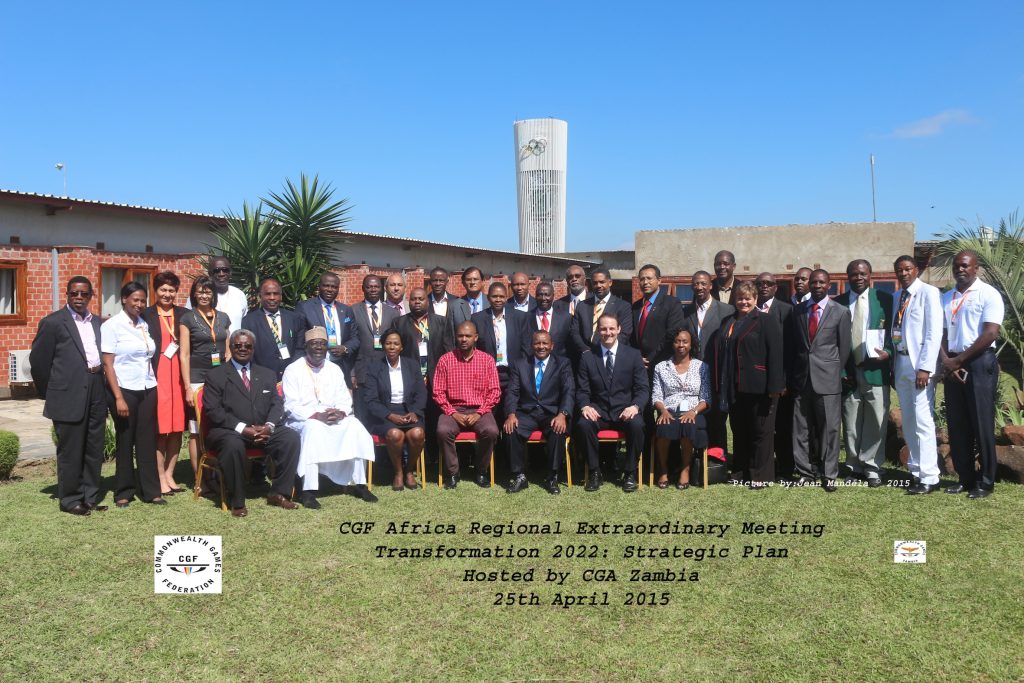
    On the way to Durban, CGF chief executive David Grevemberg visited the IOC’s Sport for Hope Centre in Lusaka, Zambia to meet with 18 Commonwealth Games Associations (CGAs) from African nations as part of a Commonwealth-wide consultation with the CGF membership on Transformation 2022, the Commonwealth Sports Movement’s ambitious agenda for growth and innovation.
    “Transformation 2022 aims to place athletes, and the transformational impact of their achievements and performances on citizens and communities, at the heart of the Federation’s vision. And there is no better place to have such powerful discussions than in the incredible sporting continent of Africa,” said David Grevemberg in Lusaka.
    “This is a defining moment for our African colleagues, as they unite to support the ambitions of Durban and South Africa in their bid to host an inclusive and inspiring Commonwealth Games in 2022. It is also a defining moment for the Commonwealth Sports Movement, as we plan ambitiously for the future and develop and deliver Transformation 2022 in partnership with our members”.
    Welcoming the delegation, Zambia’s Honourable Minister of Youth and Sport, Hon Vincent Mwale MP, said: “African Commonwealth Games Associations have a vital role to play in achieving the Commonwealth Games Federation’s Strategic plan for 2022. 
    “The CGF provides a unique arrangement bringing diverse nations together for a common cause – sport. The Commonwealth Movement embraces unity and humanity, impacting citizens and communities across our region and this is critical to foster mutual collaboration and prosperity through sport.”
     

  • Glasgow to create more volunteering opportunities

    Glasgow to create more volunteering opportunities

    Glasgow City Council on Tuesday revealed plans to provide quality volunteering opportunities, with demand for opportunities is growing in the wake of the 2014 Commonwealth Games.
    The council says its new volunteering policy is “designed to create new volunteering opportunities, recognise the contribution that volunteers make to the city and the added value they bring to the council family”.
    Volunteering opportunities are currently encouraged through services provided by the council and associated organisations, including mentoring and befriending, tutoring, sports coaching, outdoor activity and assisting with events. 
    But the council has discovered that Glasgow’s residents are increasingly seeking volunteering opportunities to allow them to contribute to their community, as a means of social engagement and to increase their experience and employability.
    The volunteer effort was one of the most successful elements of the acclaimed Glasgow 2014 Commonwealth Games. More than 1200 Host City Volunteers and 15,000 Clydesiders were praised for their efforts as well as the cast ceremony volunteers, Queen’s Baton Relay batonbearers and event teams giving up their time and putting in the effort to help deliver the  best ever Games. 
    This has encouraged many people to seek out new volunteering opportunities, but there is currently a gap between the number of people who want to volunteer and the number of quality opportunities being advertised.
    “We have seen a significant increase in public awareness and interest in volunteering in Glasgow, but only a moderate growth in opportunities in which people can get involved,” said David Maxwell, Operation Manager at Volunteer Glasgow.
    “The city’s partners including the council, Glasgow Life and Volunteer Glasgow, are challenging themselves and other organisations across the public, private and voluntary sectors to take the chance of benefiting communities by enabling more people to donate their time, skills and energy in different and inventive ways.”
    The council says it hopes to encourage volunteers to become more involved in their local communities and contribute to the design and delivery of services in their area to better meet the needs of the local community.
    Special effort will be made to recruit volunteers from all backgrounds and be more inclusive – making sure those not usually able to access advertised opportunities will be able to do so. Guidance is expected to be issued on encouraging young people under 16 and asylum seekers to volunteer. 
    Councillor Archie Graham, Depute Leader of Glasgow City Council said: “We want to foster a mutually beneficial relationship with volunteers, where they can bring new skills and perspective to us while fulfilling their volunteering ambitions.
    “This new policy is certainly not about replacing staff with volunteers. These new opportunities will be things that wouldn’t ordinarily have been undertaken if it weren’t for volunteers.
    “It’s about recognising that there is a demand from people who want to volunteer for a whole host of reasons and about helping to fill that gap to benefit the individuals, our local communities and society as a whole.
    “The added bonus is that our organisation will also benefit from the wealth and breadth of views, skills and experience that the volunteers will bring with them.”
    The announcement was made after Volunteer Glasgow held its first Alistair Malloy Inspire Awards in the City Chambers on Monday night and national Volunteers’ Week drew to a close.
    The Inspire Award nominees demonstrate the impact of volunteering in health and social care, housing and homelessness, refugee integration, sport and events, the environment, employability and community development. 
     

  • Papau New Guinea to bid for Commonwealth Games

    Papau New Guinea to bid for Commonwealth Games

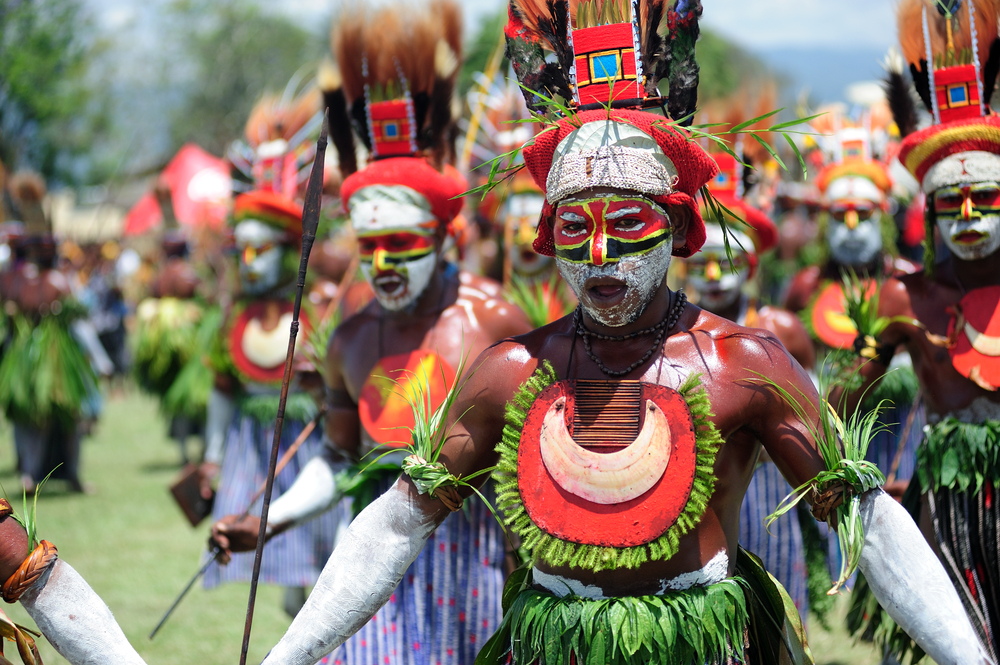
    Papau New Guineau is aiming to host the Commonwealth Games in 2026, the country’s president Vidhya Lakhan announced at the close of the Pacific Games in Port Moresby on Saturday. 
    “Can Papua New Guinea host a Commonwealth Games?” he asked a cheering audience at the closing ceremony, adding “Yes, together we can!”
    The Commonwealth Games is usually hosted in a single city, with only a small number of events hosted outside the city. 
    Lakhan said a bid from Papua New Guinea would involve the rest of the nation more widely than in previous Commonwealth Games.
    “Papua New Guinea must bid to host the 2026 Commonwealth Games here in Port Moresby, and at venues around the country,” he said.
    With the exception of Delhi in 2010 and Kuala Lumpur in 1998, Commonwealth Games have historically been hosted in the cities of the UK, Canada, Australia and New Zealand. 
    The South African city of Durban is set to be awarded the 2022 Commonwealth Games. 
    Under the new leadership of David Grevemberg, the Commonwealth Games Federation is engaging with cities in the wider Commonwealth that are aspiring to host the Games. 
    The Pacific Games is a quadrennial multi-sport event administered by the National Olympic Committees of the islands and territories of the Pacific community. 
    David Grevemberg is speaking about “How Cities and Events Innovate to Thrive” at HOST CITY 2015 on November 9th and 10th in Glasgow.
     

  • CGF backs Durban 2022 subject to finance pledge

    CGF backs Durban 2022 subject to finance pledge

    The Commonwealth Games Federation (CGF) Evaluation Commission has recommended that the CGF General Assembly votes for Durban, the sole bidder for the 2022 Games, on 2 September, but that the Host City contract should not be signed until a “critical” financial guarantee is provided.
    On publication of the CGF Evaluation Commission Report on Monday, commission Chair Louise Martin said “We are 95% there, and very close to the finish line. We thank our colleagues in Durban and South Africa for their passion, ambition and assurances that many of our comments and requirements will be actioned in time for the vote.
    “It is our recommendation that the CGF General Assembly votes to award the 2022 Commonwealth Games to the Host City of Durban, South Africa, but subject to the final and timely delivery of a limited number of outstanding Host City Contract requirements”.
    The report described Durban 2022 as an “attractive proposition for the Commonwealth Games” with “long-term development plans that the Commonwealth Games can actively reinforce… Importantly, Durban presents the opportunity for the Commonwealth Games to be hosted in the continent of Africa for the first time… One of the most powerful propositions presented in the Durban 2022 bid is the opportunity for a far-reaching legacy aligned with existing long term development plans of the South African Government and the City of Durban.”
    However, the report said it was “critical” that a financial guarantee must be in place before a Host City contract is signed.
    “The guarantee covering a potential financial shortfall was not received at the time the Report was finalised, but is expected to be submitted before the General Assembly. This is a critical requirement,” the report stated. 
    “The Bid Committee is continuing to work across the three levels of government to secure the guarantee and has advised that the requirement will be achieved. The Ministerial support enjoyed by the bid is also noted. 
    “However, should this guarantee not be received prior to the CGF General Assembly, it is recommended the signing of the Host City Contract be deferred until the Guarantee is provided.”
    The commission proposed that this must be resolved within 90 days of the General Assembly. 
    The report praised SASCOC’s leaders in gaining “strong engagement from and the support of the three levels of government (city, province and national)”, but said the formation of a cross-government committee is essential. 
    “The critical coordination role anticipated for the proposed (but not currently constituted) Inter-Ministerial Committee needs to be enabled by an effective cross-government delivery coordination entity, with a focus on integration of government and city support for the Games and the assurance of legacy programmes,” the report said.
    “This should be supported by a clearly-defined set of roles and responsibilities for the various government departments, public authorities and other entities that will have a role in the planning and delivery of the Games.”
    The commission proposed that this issue be resolved within 180 days of Durban’s appointment as Host City, along with clarification of “integrated development and financing arrangements to ensure delivery of all venues”.
    The report also laid down requirements concerning the athletes village. “Delivery obligations, land ownership and funding arrangements need to be fully documented to remove any risk for the future Organising Committee… Durban 2022 is required to confirm to the CGF that the Village design principles and standard of amenity required by the CGF will be met… within 180 days of appointment as Host City.” 
    The report also commends and highlights the many positive impacts of Durban’s bid for the Games. 
    “Durban’s vision supports and contributes to South Africa’s 2030 National Development Plan and is rooted in the desire to engage citizens (especially young people), athletes and the Commonwealth,” the CGF said in a press release.
    “The Games concept features a compact venue plan centred around the sporting super-precinct of the Moses Mabhida Stadium and adjacent coastline, providing excellent opportunities for innovative sport presentation and enhanced athlete experience.”
    The report acknowledged that “the CGF should provide more direct and active support for Durban 2022” in line with the CGF’s Transformation 2022 objectives. 
    The CGF resolved to “By Q2 2016, and enshrined in the 2022 Host City Contact, establish a Games Delivery Partnership model that positions the CGF and Host CGAs as delivery partners and supports financial, operational and reputational efficiencies and outcomes”.
     

  • Diving set to stay in the Commonwealth Games

    Diving set to stay in the Commonwealth Games

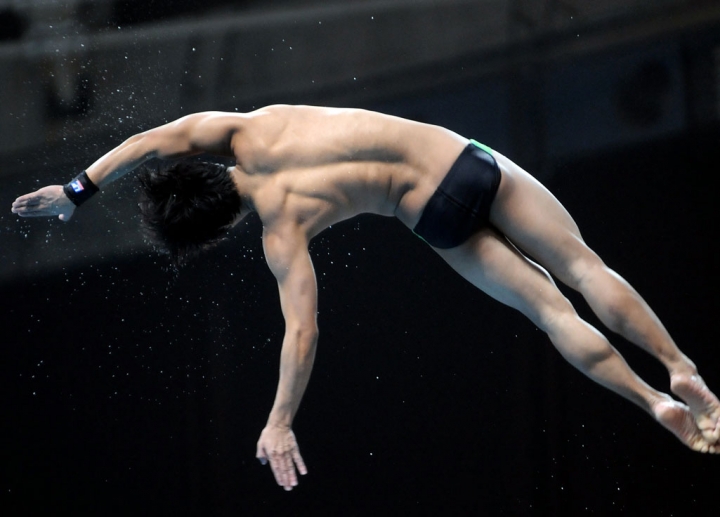
    The Commonwealth Games Federation has proposed that diving, which was due to be removed from the Commonwealth Games sports programme, retain its place as an optional discipline for future events.
    The proposed changes to the sports programme form part of the CGF’s “Transformation 2022” programme of renewal.
    “Are we being inspiring and innovative in our decisions on the sports we have on the programme? Are we driving efficiency and effectiveness to the delivery of this event? Are we looking at affordability and appeal in getting those balances right? Those are the three elements we’re looking at in terms of driving our overall Games proposition to have more inspiring and innovative Games, so the sports on the programme are starting to reflect that,” CGF CEO David Grevemberg told HOST CITY on Wednesday.
    In its first draft of Transformation 2022, the CGF proposed reducing the number of optional sports – including diving – from 20 to 10, while increasing the number of compulsory sports from 16 to 10.
    The latest version, which has been circulated to the Commonwealth Games Associations in advance of the CGF General Assembly, retains diving as an optional discipline.
    “The sports that are on the compulsory programme need to be Commonwealth sports – meaning they need to have the technical engagement, the developmental prioritisation, to promote and enhance their reputation through this partnership and this movement.
    “That’s to make sure the compulsory sports programme reflects the Commonwealth’s greatest athletes but also has the commercial attractiveness across the structure. So we’ve given enough flexibility; we have a strong proposition within the compulsory programme.
    “At the same time you’ve got these optional sports and disciplines. Track cycling is on the programme; it’s popular in the Commonwealth setting, but the cost and affordability of Velodrome and how widely and regularly practiced those sports are in the Commonwealth and to what level…
    “In our last proposition we also included diving, and this will be voted on by the membership in about two and half weeks.”
    Transformation 2022 that will be voted on by the CGF membership in Auckland on 1-2 September, when Durban is set to be confirmed as the host city of the 2022 Commonwealth Games.
    “There are really exciting debates, discussions and deliberations to go through, to make sure we are all aligned around moving that forward,” said Grevemberg.
    David Grevemberg is to speak at HOST CITY 2015 in Glasgow 9-10 November on the session: How Cities and Events Innovate to Thrive. 

  • UNICEF CGF partnership makes Samoa Youth Games even more inclusive

    UNICEF CGF partnership makes Samoa Youth Games even more inclusive

    The Commonwealth Games Federation (CGF) is working with the Commonwealth Secretariat and the United Nations Children’s Fund (UNICEF) to deliver a dynamic and inclusive programme of athlete and public engagement activities at the upcoming Samoa 2015 Commonwealth Youth Games, the CGF announced on UN International Youth Day on Wednesday.
    The new initiatives will help fulfil the Games’ ambition to celebrate high-performance sporting competition, personal development and new Commonwealth friendships made on the level playing field of sport.
    “We’re thrilled to be joining forces with the Commonwealth Secretariat and UNICEF to enable innovative projects at this year’s Commonwealth Youth Games which will engage, inspire and support our young Commonwealth athletes and young Pacific Island hosts,” said CGF Chief Executive David Grevemberg. 
    “In line with our strategic ambitions, we hope the programme will have a lasting impact, recognising our young Commonwealth citizens as essential to achieving sustainable human development.”
    Workshops for young athletes will take place each day throughout the Games, delivered by representatives from the Commonwealth Youth Sport for Development and Peace (CYDSP) working group, a network of young sport and development leaders from across the Commonwealth.
    “The opportunity for participants at the Games to learn more about how sport can be used as a tool for development is another example of the important role the Games movement can play in promoting the Commonwealth and our shared values,” said Oliver Dudfield, Head of Sport for Development and Peace at the Commonwealth Secretariat.
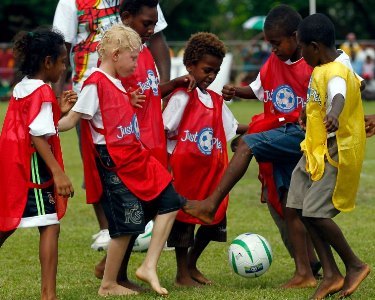
    Alongside the workshops, Just Play fan zones be set up for young locals, visitors, athletes and officials to participate in interactive games and activities.
    Just Play, an Oceania Football Confederation programme, is developed in partnership with UNICEF, the Australian and New Zealand governments, the UEFA Foundation for Children and the Football Federation of Australia.
    “Sport is a powerful development tool to engage children and young people across the world,” said Dr. Karen Allen, UNICEF Pacific representative. 
    “Within the Pacific, since the programme’s inception in 2009, Just Play has attracted more than 200,000 girls and boys to engage in physical activity and learn healthy lifestyle habits and self-confidence. The
    programme also encourages gender equality, promotes social inclusion and reduces anxiety after natural disasters.”.
    The Commonwealth Youth Games will bring together up to 1000 young athletes aged 14-18, who will represent their country and compete for 107 Gold medals in 9 sports on the island nation of Samoa from 5-11 September 2015.
     

  • David Grevemberg shares thoughts pre-CGF General Assembly
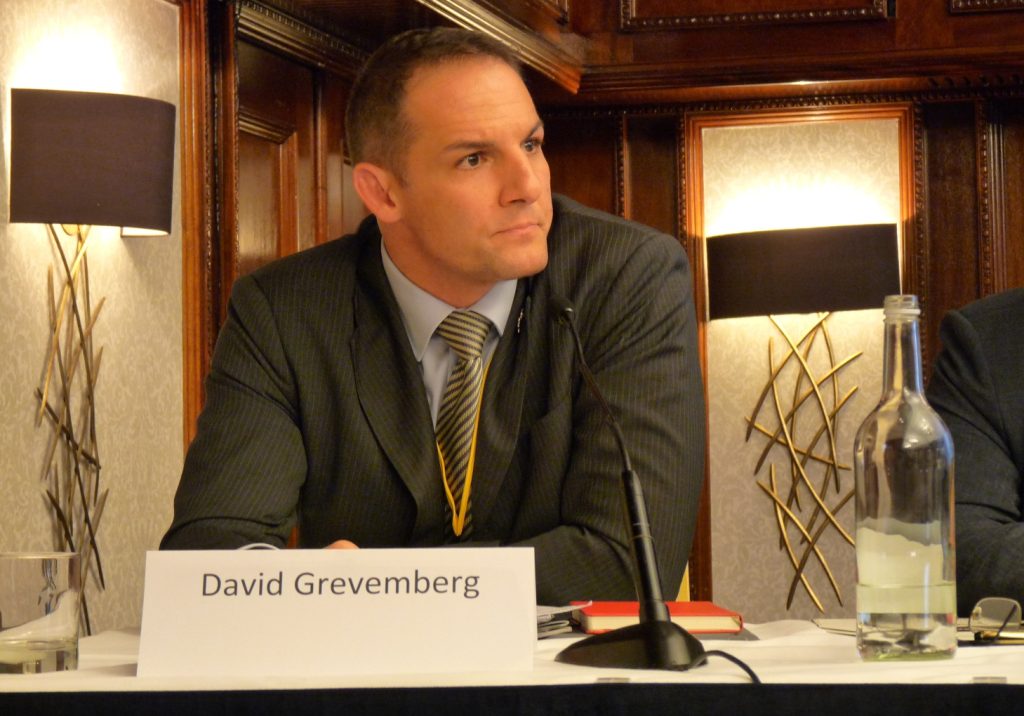
    David Grevemberg shares thoughts pre-CGF General Assembly

    Around one third of the world’s population live in the Commonwealth. Many of these people live in some of the world’s biggest cities, which include emerging mega cities such as Delhi and Lagos, as well as established host cities like London, Sydney, Toronto and Glasgow. 
    The Commonwealth also encompasses two thirds of the world’s small states and island states, embracing the widest range of cultures of any international association of nations.
    The Commonwealth is, in short, incredibly diverse. “Each city, each location is different; it has different strengths and it has different challenges,” David Grevemberg, CEO of the Commonwealth Games Federation (CGF) tells HOST CITY. 
     
    Attainable Games
    The CGF’s aim, declared on its website, is “uniting the world through sport”, which it achieves through the Commonwealth Games. While all 71 Commonwealth nations take part, the majority do not have the scale or technical capability to host the Commonwealth Games.
    The smaller Commonwealth Youth Games presents a more attainable proposition for cities that want to benefit from hosting a CGF event.
    “The structure and approach that the Federation is taking can appeal to emerging markets, to more regenerative markets and sustained markets. We have different cities, all within different phases of their development,” says Grevemberg.
    “I think the Games, whether it’s the Youth Games, a Commonwealth Championship event or a multi-sport event, can play a part in contributing to that journey for cities when approached right.
    “The Commonwealth Youth Games have great agility for local hosts to make of them what they will. Events like this are fantastic opportunities to create opportunities for those smaller states to showcase what’s on offer, and what their challenges, ambitions and aspirations are.”
    The small island states of Samoa and St. Lucia are hosting the Youth Commonwealth Games in 2015 and 2017 respectively.
    “For Samoa and St. Lucia, these are accessible and inclusive events; they will be taking in the local context. They are taking a very agile approach, in terms of providing not only a great competitive experience for the athletes and citizens, but also using the event to have a cultural immersion experience.”
    While sports events do present fantastic opportunities for hosts to showcase their qualities to the world, the question of to what extent they can bring wider benefits to society is becoming ever more pertinent – particularly when it comes to mega events like the Commonwealth Games, which require major investment to deliver.
    “These events, when used with the right time and place and purpose, have the power to be transformational – not just in terms of infrastructure, but also can have economic and social benefits and changes that can build more peaceful, sustainable and prosperous communities,” says Grevemberg. 
    “I think there’s demand now that sport delivers on that proposition and that it claims an order as part of a justification of running these events.”
    “It’s as much about the journey as it is about the destination of hosting these events. It’s about – what are your ambitions, what are your anxieties and how does this event match up with that – and ultimately is it a good business and social proposition?”
     
    Transformation 2022
    Earlier in 2015, the Commonwealth Games Federation suffered from the loss of Edmonton as a candidate city for the 2022 Commonwealth Games during the height of the oil price crisis in February 2015. The CGF, with Grevemberg appointed as CEO following his leadership of Glasgow 2014, embarked on its “Transformation 2022” programme of reform.
    Central to Transformation 2022 is a review of the sports programme. 
    “Are we being inspiring and innovative in our decisions on the sports we have on the programme? Are we driving efficiency and effectiveness to the delivery of this event? Are we looking at affordability and appeal in getting those balances right?
    “Those are the three elements we’re looking at in terms of driving our overall Games proposition to have more inspiring and innovative Games, so the sports on the programme are starting to reflect that,” says Grevemberg.
    In making the Games more appealing to potential hosts, the CGF is setting out to communicate more widely and deeply with its network of cities. 
    “It’s quite important that we remain agile and listen to what our cities and countries are looking for. We have a responsibility now to work with people and the various partners in cities to ensure that we are accountable, that our events are delivering the benefits that they claim they do.”
    The goal is not ultimately to stage sports events, but to use them as a means to improve quality of life.
    “Part of this notion, in terms of the proposition to deliver inspirational Games, is to engage and embrace with the cities; and how to work with cities and use major sports events within the Commonwealth to share and exchange best practice for using sports as a tool to drive prosperity. 
    “That is what drives sustainability, and obviously that nurtures future hosts and the power of sport within the Commonwealth.”
     
    Commonwealth Cities Exchange
    When it comes to best practice, the Commonwealth is blessed with a large number of some of the world’s most successful host cities. 
    “If you look at the cities of the Commonwealth that have hosted major sporting events – not just the Commonwealth Games – and the way that they’ve used sport to hold themselves to account, but also to drive some of those sustainable development agendas, there’s no question that the Commonwealth has a strong pedigree of cities that have lived and learned how to do it: the Manchesters, the Glasgows, the Londons, the Sydneys, the Vancouvers, the Edmontons, the Torontos, the Jo’burgs, the Durbans, Kuala Lumpur, Singapore… the list goes on.
    “You’ve got a lot of really powerful examples of cities – so how do we create Commonwealth exchange with common purpose, not just to celebrate legacy but also to celebrate ambition?
    “The concept is ultimately to share best practice and to help people recognise the power of sport to develop their societies.”
    Fully engaging the CGF’s 71 members, the Commonwealth Games Associations – 54 of which perform a dual role as National Olympic Committees – will be crucial to communicate the benefits of hosting CGF events.
    “There’s a really strong emphasis on working with the CGAs to build their relationships with private, public and third sector – because you really can’t do anything without that alliance. We need to work with them and their local communities to showcase and drive the value of the events. You also have to look at cities as partners.”
    Partnerships with sport’s international federations (IFs) will also be essential for developing sport within the Commonwealth.
    “With each of the IFs we are looking at the technical relationship, the developmental relationship; where can we be innovative and have enhancement on our promotional opportunities; promote that sport and its values within the Commonwealth; and finally other opportunities for us as a trailblazing movement to enhance the reputational prominence of that sport.”
    Grevemberg cites the Glasgow 2014 athletics track at Hampden Park for as a good example of working in partnership with the IAAF. By raising the ground level, the field of play was widened and the existing national stadium was able to house an athletics track for the Commonwealth Games.
    “That created a sustainable solution for athletics in an existing stadium. It minimised cost but created an appealing world class event that wouldn’t leave a white elephant. That was an innovative solution that had enormous reputational benefit.”
     
    Good Governance
    Reputation is crucial for rights holders and the popularity of sports should not be taken for granted. 
    “We, as sports managers and sports administrators and our leadership, need to be conscious that there are lots of competing forces out there and we do live in turbulent times.
    “We need to be agile and respectful, conscious and definitive in the approaches that we are taking to really uphold the values that we promote. That’s ultimately, without being overly evangelical, what we have to lead with. 
    “Otherwise we get overtaken – something else will fill the gap. We need to certainly take the necessary steps to ensure our success in the future.”
    The values of the CGF are “Humanity, Equality and Destiny”, which Grevemberg describes as referring to “people, how we treat people and how we give people the opportunity to realise their full potential.”
    The CGF uses the “medium” of sport to achieve this. 
    “The Transformation 2022 starts to put a narrative around those values, which people can really own and understand how we can put those words on the ground. They line up very effectively with the Commonwealth Charter and the principles of peace, prosperity and human rights.
    “I believe that sport and the work that we do can play a part in building awareness, advocating or taking tangible action to address those pieces. We are exploring ways with the Commonwealth Secretariat and many sport development bodies to see how we can play a big part. 
    “So it’s just having those bold, frank, idealistic, but not naïve, conversations about what can we do with the power of sport to be a force for good.”
     
    HOST CITY 2015
    David Grevemberg spoke at HOST CITY’s first conference in October 2014, on the subject of “Beyond the Bid: Winning for the Future” and HOST CITY is very pleased to welcome him back in November 2015 speaking on the subject of “How Cities and Events Innovate to Thrive”. 
    On HOST CITY’s launch event last year, Grevemberg says: “Enlightening. I think the calibre of people that attended and spoke was excellent; it was excellent to meet so many experts with a shared perspective and shared passion and belief that the hosting of major events is a force for good.
    “I think it’s a great forum to discuss the fact that we are at this crossroads where the integrity of sport, in terms of how sport is managed and run, and what it delivers, is in question right now – that’s the reality. 
    “I think forums like that are important for us as the industry and those that may be interested in becoming part of the industry, to be able to come and exchange views, to debate, deliberate and ultimately design some innovative thoughts about where to we go from here.
    “Every city, every event is different with different opportunities. At the same time, there is best practice out there that can be transferrable.”