Tag: Public Health

  • Prince Feisal of Jordan launches social sport campaign

    Prince Feisal of Jordan launches social sport campaign

    The President of the Jordan Olympic Committee (JOC), HRH Prince Feisal Al Hussein, has launched a national communications initiative to boost sports participation among Jordanians.
    Concerned over the Kingdom of Jordan’s collective health and what it describes as “the continuous threat of our young people falling victim to damaging and anti-social distractions”, the JOC has launched a series of initiatives under the banner of “Living Sport” with the aim of making sport play a part in the lives of all Jordanians.
     “We, in the Olympic Movement, truly believe in the power of sport to make a positive difference, and the Jordan Olympic Committee is taking responsibility, alongside like-minded organisations, in making that difference,” said HRH Prince Feisal Al Hussein, President of the Jordan Olympic Committee.
    The programme was launched on Thursday during celebrations held in Al Hussein Sports City in advance of Olympic Day (23rd June). The JOC was joined by representatives from all 34 sporting federations under its umbrella, as well as 200 school children who took part in activities promoting Living Sport and the Olympic values.
    The programme is set to run indefinitely. “There is no end date to sport making a difference to the lives of our citizens and so Living Sport has no end date,” said Prince Feisal.
    A one-month campaign will be launched every year on Olympic Day to address key health and social issues. Specially created JOC committees will promote sport as universal and without barriers to participation, and organized in an environment-friendly way through green initiatives.
    Living Sport will target six to 11 year olds through an “Ambassador” initiative, steering children away from anti-social distractions by bringing fun into sport.
    Through the JOC News Service, sporting successes will be celebrated, bringing a sense of collective national pride. The JOC is also taking steps to make sport more marketable and attractive to all non-participants, from fans to sponsors. 
    “Living Sport is a long-term programme which will be at the heart of all JOC activity and operations, and which will evolve as needed through time to remain relevant to all that we do,” said Prince Feisal.

  • First six Global Active Cities announced on World Heart Day

    First six Global Active Cities announced on World Heart Day

    Six cities have received the designation of Global Active City. 
    The cities – Buenos Aires, Argentina; Hamburg, Germany; Lillehammer, Norway; Liverpool, UK; Ljubljana, Slovenia; and Richmond, British Columbia, Canada – have worked hard to offer all their residents the opportunity to choose active and healthy lifestyles and improve their well-being. Each city has embraced a management model that motivates people at risk of inactivity-related illnesses to take up regular physical activity and sport.
    In order to receive the Global Active City label, they each had to pass an independent audit with a stringent review of their physical activity and sports strategies and working practices.
    Regular physical activity can contribute to reducing the risk of a number of non-communicable diseases (NCDs), including cardiovascular diseases, cancers, diabetes and chronic respiratory diseases, as well as a number of mental disorders. The Active Well-being Initiative (AWI), an international NGO responsible for the Global Active City label, works with city leaders to help them provide projects and services that engage local residents who have or are likely to develop these NCDs. The World Health Organization (WHO) recommends that adults do a minimum of 150 minutes of moderate activity each week, and children aged five to 17 should do an hour each day.
    Professor David Wood, President of the World Heart Federation, said: “Physical inactivity is a key risk factor for cardiovascular disease, including heart disease and stroke. As part of our World Heart Day My Heart, Your Heart campaign, the World Heart Federation is actively encouraging people across the globe to adopt more active lifestyles for their heart health. The Global Active City programme will be an important initiative as we seek to get the world moving and in particular in tackling the barriers to exercise experienced by some city populations and specific sections of society.”
    The Global Active City Standard was created with input from more than 70 experts in health, sport and social sciences; legacy and sustainability; tourism; and urban planning and management. 
    “Obesity is a disease that has become a global epidemic,” explained Dr Nathalie Farpour-Lambert, President of the European Association for the Study of Obesity (EASO) and one of the standard’s medical experts. “Recent WHO data shows that almost 40% of adults and over 41 million children under the age of five are overweight or are living with obesity, and rates are projected to increase further by 2030. We know that obesity is associated with a higher likelihood of developing related chronic diseases like heart disease.
    “Childhood is the crucial life phase for obesity prevention and for introducing healthy behaviours around nutrition and physical activity that can last a lifetime. The Global Active City model, promoting cities which have succeeded in increasing participation in physical activity and sport, helps us tackle growing levels of inactivity and non-communicable diseases globally, and supports young people and their families in becoming more active, focusing on community well-being for all in a holistic way.”
    The Global Active City programme was founded by Evaleo, a sustainable health association, and TAFISA, The Association For International Sport for All, with the support of the International Olympic Committee (IOC). The first cities will receive their awards from the AWI in the presence of IOC President Thomas Bach, at the Olympism In Action Forum in Buenos Aires, as part of the opening events for the Youth Olympic Games. Buenos Aires’ Global Active City strategy – Ciudad Activa – is one of the many legacies of the Games for the local population.
    Christophe Dubi, IOC Olympic Games Executive Director, said: “The mission of the IOC is to ensure the celebration of the Olympic Games, but also to encourage the regular practice of sport by all people in society. The Global Active City programme is crucial in our vision to increase access to sport for all and provide everyone with the educational and health values of sport, with a focus on young people. We encourage all cities, including past and future Olympic cities, to sign up.”
    The Active Well-being Initiative recommends that cities which want their populations to be more active should start by identifying key stakeholders and available resources, and partnering with local universities, to find which groups are most at risk from inactivity, and least engaged, and how to reach them. The Physical Activity Exchange at Liverpool John Moores University, Liverpool City Council and Liverpool Clinical Commissioning Group were development partners for the Global Active City model.
    Doctor Maurice Smith, Clinical Director from NHS Liverpool CCG, said: “The evidence shows that if you can get a population physically active, you will make huge benefits across a range of areas. In Liverpool, we worked out in 2016 that if we got 100% of the city physically active, each year we would prevent 400 deaths, almost 2,500 cases of diabetes, 140 to 150 hospital admissions for coronary heart disease, 50 cases of breast cancer, and 30-40 cases of colorectal cancers. These benefits far exceed anything you could do medically and certainly exceed all the screening procedures that go on.”
    To find out more about the Global Active City model, visit activewellbeing.org or follow @AWBInitiative
    [Source: Active Well Being Institute]

  • Sports experts focus on maximising athlete performance at HealthAccord 2019

    Sports experts focus on maximising athlete performance at HealthAccord 2019

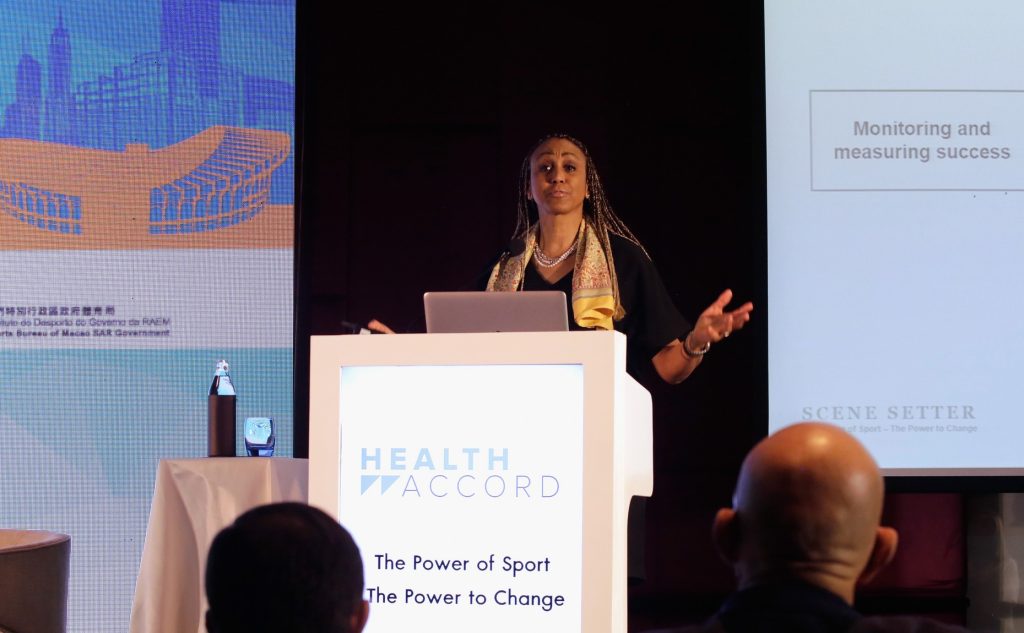
    [Source: SportAccord] SportAccord 2019 is delighted to confirm its HealthAccord conference: The Power of Sport – The Power to Change will take place on Tuesday 7 May 2019 from 09:00-12:30. This follows its successful launch at the SportAccord World Sport & Business Summit in Bangkok, Thailand this year.
    Prof. Margo Mountjoy, Co-Chair for HealthAccord commented on the benefits gained for delegates attending the conference:
    “HealthAccord 2019 is a great opportunity for SportAccord participants to learn from healthcare professionals and technology experts on topics that are relevant for all sports: athlete mental health, nutritional supplements, technological monitoring of athlete injuries and wearable sensors in sport.
    Learning how to enhance your athletes’ health will ultimately result in improvements in sport performance. We are excited to bring the latest evidence in science and technology to Gold Coast to help you improve your game!”
    This year’s action-packed conference will cover a number of topics including a panel session on mental health in relation to athletes and society. The panel will examine innovations, diagnosis and treatment, the links between mental health and activity levels, and the effects on performance and quality of life. Panelists will also share practical tools and takeaways to help international federations tackle issues and break down barriers to treatment.
    Giving her perspective on athlete mental health, panelist Kathy Martin, Senior Director, Athlete Assistance, Women’s Tennis Association said:
    “The HealthAccord conference promises to deliver innovative and practical information for SportAccord attendees. Learn from experts in the field, get tips and takeaways gleaned from work with elite athletes on and off the field of play. Apply these ideas to your own sport to enhance your athletes’ health and performance.
    It is an honour to present at HealthAccord and to be among professionals who desire to help athletes from all disciplines to thrive competitively, physically, mentally and emotionally. Let’s play!”
    Co-Chairs leading the HealthAccord conference programme are: Prof. Fabio Pigozzi, President, FIMS (International Federation of Sports Medicine) & Member of the IOC Medical and Scientific Commission – Medical and Scientific Group; and Prof. Margo Mountjoy, Chair, ASOIF Medical + Scientific Consultative Group, IOC Medical + Scientific Commission-Games Group FINA Bureau.
    Organisations involved in the business of sport who wish to attend HealthAccord should register for the Gold Coast edition which entitles them to join the entire conference programme and take advantage of all the opportunities on offer.
    As part of the Official Schedule, delegates will be able to enjoy over 20 networking events, a popular 3-day Exhibition and Sports Festival taking place in the outstanding Gold Coast Conference and Exhibition Centre situated close to Queensland’s stunning coastline.
    Follow developments and updates via Twitter @sportaccord using #SA2019, or keep up-to-date via LinkedIn and Facebook.

  • A wake-up call for international federations

    A wake-up call for international federations

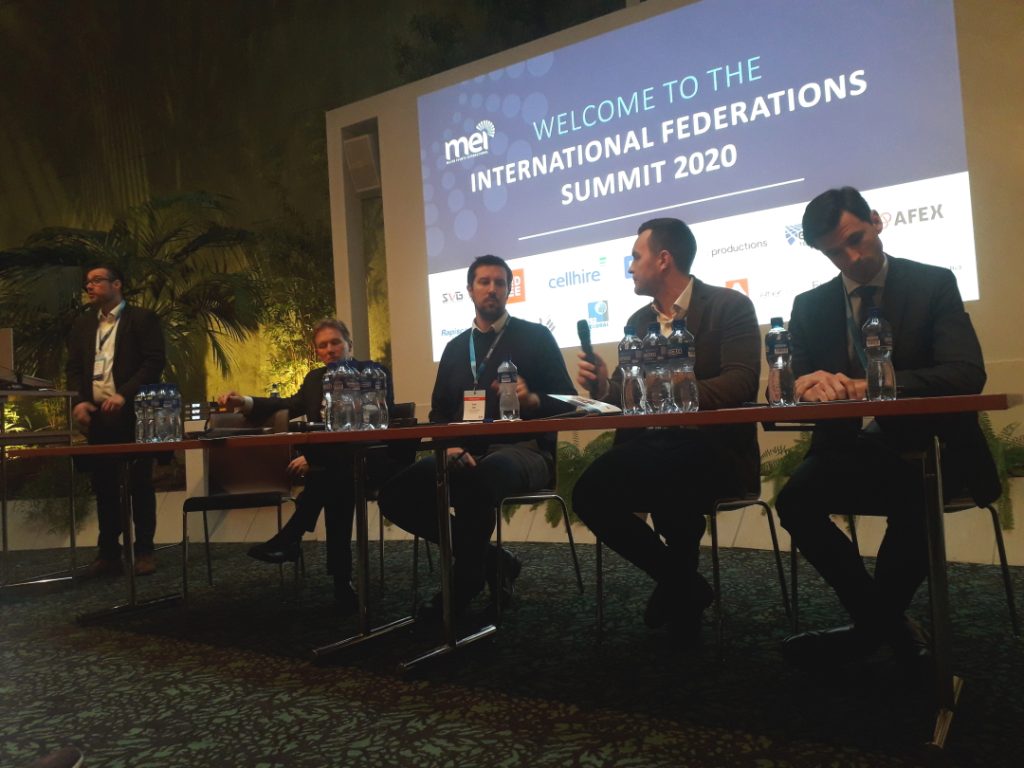
    Featuring on the Olympic programme is still an incomparable way of capturing global attention, but sports will need more than this to hold attention and appeal in today’s crowded market.
    “There is a need for a more entrepreneurial approach from international federations,” said Tom Dielen, Secretary General, World Archery, opening the IF Summit. “Our role is different to private companies. We need to develop sports, not just make money, and there we need to be creative.
    “One highlight per year is not enough. You have to have event experiences for fans.”
    One way of making sports more experiential is to make entertainment a stronger component of the programme. Dielen cites the example of the Superbowl: “After the half time show half the audience left – you wonder if the half time show is the real show!”
    FIBA’s latest format places equal emphasis on entertainment. “3×3 Basketball has urban culture festivals with non-stop music,” said Ignacio Soriano, Head of Events and Partnerships at FIBA.
    This event is open to cities and private promoters as well as national federations, who traditionally lead on hosting championships.
    Sailing is another Olympic sport that is working more creatively with the private sector. World Sailing works with a number of “partner special events” – the Ocean Race, the Americas Cup, Sail GP, World Match Racing Tour, Star Sailors League and J Class.
    “The special events have to sign a charter that links with our sustainability charter,” said Scott Over, commercial director at World Sailing.
    “Sailing has a huge year this year – not just the Olympics, but also the first Offshore World Championships, a sport that may be included in Paris 2024, to be broadcast 24 hours a day for four days.”
    Following the success of Beach Volleyball, which has been in the Games programme since 1996, FIVB launched Snow Volleyball as an opportunity to get into the winter sports market.
    “Beach volleyball is influenced by the elements; we thought we could do that in winter,” said Nicolas Hyett, Technology and Innovation Manager at FIVB.
    Hockey is another sport that has a relatively new format, Hockey5s, created for the Youth Olympic Games in Nanjing in 2014. “New small formats are complementary to traditional ones,” said Hilary Atkinson, Olympic Games Director at FIH.
    Creative event owners also need to increase their reach in new regional markets. Alistair Gosling, CEO of Extreme International said, “Saudi Arabia is just starting to open up, and sports is a massive part of that transformation. Tourism and sport go hand in glove.”
    However, host destinations are increasingly at the mercy of health and environmental issues. “Contingency is the word of the day,” said Dielen. “The Rugby World Cup in Japan last year was a major lesson for federations in what to do when a match is cancelled.”
    Earlier this year, the Melbourne Open qualifying rounds were cancelled due to rain and air quality concerns amid the bushfires.
    “More and more this is a factor. And now of course the coronavirus is causing events to be cancelled or postponed.”
    Since the IF Summit, World Archery have announced that Shanghai will host the Hyundai Archery World Cup Final in the Autumn, instead of the Stage it was scheduled to host in May.
    Dielen said sustainability is another big topic facing event owners, citing the 2020 Youth Olympic Games in Lausanne as a great example of widespread use of public transport. “Although on the second Friday, children from all over the world including Greta Thunberg gave a climate strike, which closed the train station and had a negative impact on carbon footprint.”
    Financial sustainability is also a perennial and growing concern for event owners and organisers – and not just the IOC with its “New Norm” strategy.
    “We took a decision in 2018 to have conversations with venues to see how they can be strategic partnerships – turning it into more of a conversation,” said Matt Evans, Events Manager at World Rowing.  
    Alex Molina of Formula One said ,“We have the privilege of asking cities for a fee. Often this gets political – people say its’s better to spend the money on a hospital. But it attracts tourism, brings exposure to lesser known destinations – and brings economic impact.
    “We have a responsibility to incentivise kids to get into engineering and motorsports. You need to adjust your product to kids – we need to think in terms of entertainment and bring in more music.”
    Esports is competing massively for the attention of the next generation of fans. “We need to make participating actively as cool as esports”, said Atkinson.
    So how can IFs make their events more entertaining, sustainable, global and safe? “Governance is the key to helping with all these things,” said Dielen.

  • Ten truths for the sports industry during the COVID-19 pandemic

    Ten truths for the sports industry during the COVID-19 pandemic

    The coronavirus pandemic is the defining crisis in the modern sports event industry.
    Like me, you will have had the conversations with colleagues, clients and assorted sector experts, where you go in search of precedents. We want to gauge how bad this is, to put some sort of order on the chaos as it unfolds.
    That list probably that starts at the 2007 banking crisis, then 9/11, and on through a catalogue of natural, human and economic disasters until you get to the Second World War.
    So, make no mistake, this is a massive moment, the implications of which we’ll be living with for years, probably decades.
    We are all waiting for the heroes of the medical and science community to do their work and report back. So anyone trying to offer solutions or predict the new normal for the sports market is not to be trusted.
    But here are some things that are true:
    1. Sport is important
    Economically, culturally, socially. Sometimes we take it for granted or argue over attempts to quantify its importance. But even the anti-sport brigade can see and feel the impact of its absence. Its roots in communities are broad and deep.
    2. Host cities are under appreciated
    Most of the early industry conversation has been about the second level impacts on sports rights holders’ relationship with broadcasters and sponsors. Do not forget that government money drives the sports economy.
    The sector’s biggest financial investor is not the media, corporate sponsorship nor the fans who buy the tickets. The single biggest contributor to the sports economy is the public sector, which pays out tens of billions of dollars every year globally, mainly via city and national governments which pay hosting fees and associated costs to put on major events.
    3. The sports event market is oversupplied
    An uncomfortable truth, but there will be a shakeout in the event sector. The calendar will be different. The market will look anew at which events really matter and which are ‘nice to have’.
    4. There will be huge losses
    Across the sports event sector, small and medium sized supply businesses will cease to exist. People will suffer real hardship at every level. We must act as a community to help in any way we can. We are interconnected.
    5. Economics is not fair
    Events that do not deserve to go under will vanish. Others will get lucky and survive, even thrive. Success and failure will be allocated in an inefficient way. We are conditioned to think in narrative stories that suggest a logical chain of cause and effect. But the reality is closer to messy chaos. It always is.
    6. There will be those who suffer more and those who suffer less
    The next few months are an opportunity. That is how capitalism works, it is brutal and simple. As businesses fail their assets will be feasted upon by others. There will be people whose careers will be made over the next few months. Amid the debris there will be some very undervalued events, relationships, rights and brands going for a song.
    7. Radical ideas will become mainstream
    Virtual sports events, esports, remote fans. Some of the stuff we have been talking about as ‘future gazing’ will make commercial sense for the first time.
    8. Governments will make expensive mistakes
    Government money is the engine of the event sector. Those in charge of the public purse will allocate funds to try to help. This process is inexact and unreliable and it will make some of us angry. Who will they choose to bail out, who will they leave alone?
    9. Trust takes time
    Some rights holders enjoy long-term relationships with their host cities, broadcasters and commercial partners that have reaped broad and real mutual benefit for years, even decades. Others are short-term, transactional relationships of convenience.
    10. Number one cannot be repeated enough – sport is important
    In our 14 years as an active player in the sports industry, The Sports Consultancy and TSC Legal have worked throughout some of the biggest shifts the industry has seen, some of which have been seismic in scale. It is true that we’re in new territory and there are few precedents to compare to where we are today.
    Yet our experience has taught us that global sport is a resilient, endlessly creative and supportive community, and we’ll come out of this stronger.

  • COVID-19 barrier face covering launch aims to bring people back into events

    COVID-19 barrier face covering launch aims to bring people back into events

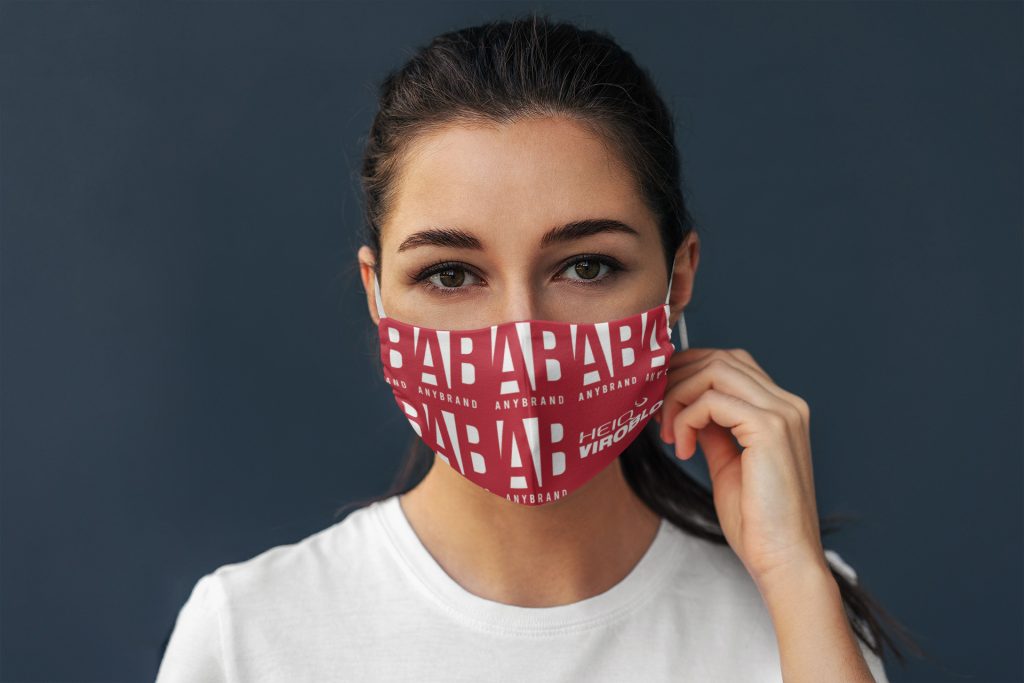
    [Source: AnyBrand] HeiQ Viroblock NPJ03 Swiss based technology has been tested effective against SARS-CoV-2 (Covid-19) in the laboratory and the ISO tested 18184, which is added to the fabric during the final stage of the textile manufacturing process.
    COVID-19 has been shown to spread through air-borne transmission. There is a growing body of scientific evidence that containing the virus at source and point of entry, with a face covering, significantly reduces this risk of contamination. HeiQ Viroblock treated materials destroy viruses on contact, significantly reducing the chance for re-transmission through touch, also increasing the effectiveness of face coverings by a factor of 20.
    AnyBrand founder Colin Graham states:
    “The new every-day problems we face need high tech and sustainable solutions. Partnering with HeiQ allows us to do this with a unique and invaluable edge.” 
    “We don’t have the cure all solution, but we do have a ‘silver bullet’ that could make the all-important difference to minimise the social distancing requirement that has decimated the live events sector.”
    “We believe our brandable face coverings present live events with a better chance of accelerating the reopening of its doors with higher capacity audiences, when used alongside other COVID-19 safety measures.”
    Carlo Centonze, CEO of HeiQ Group, said:?
    “We are pleased to partner with AnyBrand in the UK to develop life-saving products and applications for our technology.” 
    The products are certified as safe and sustainable. All ingredients are cosmetic grade (INCI), bio-based, re-useable, lasting at least 30 gentle washes at 60°C, and recyclable.
    The first face coverings have arrived in the UK this week and AnyBrand is geared up to deliver large quantities of a variety of specifically branded, reusable face coverings within weeks.

  • Olympics 2021: Countdown or Count Out?

    Olympics 2021: Countdown or Count Out?

    In January, Japan set its new single day record for Covid 19 infections and there is polling reported by The Times indicating that 80% of the country’s population are against the Games going ahead. That same newspaper also reports a Japanese government source as saying they are searching for a way out of staging the Games this summer because “the consensus is that it’s too difficult”. Sir Keith Mills, deputy chairman of the London 2012 Games, said earlier this month that it was unlikely the Games would proceed.
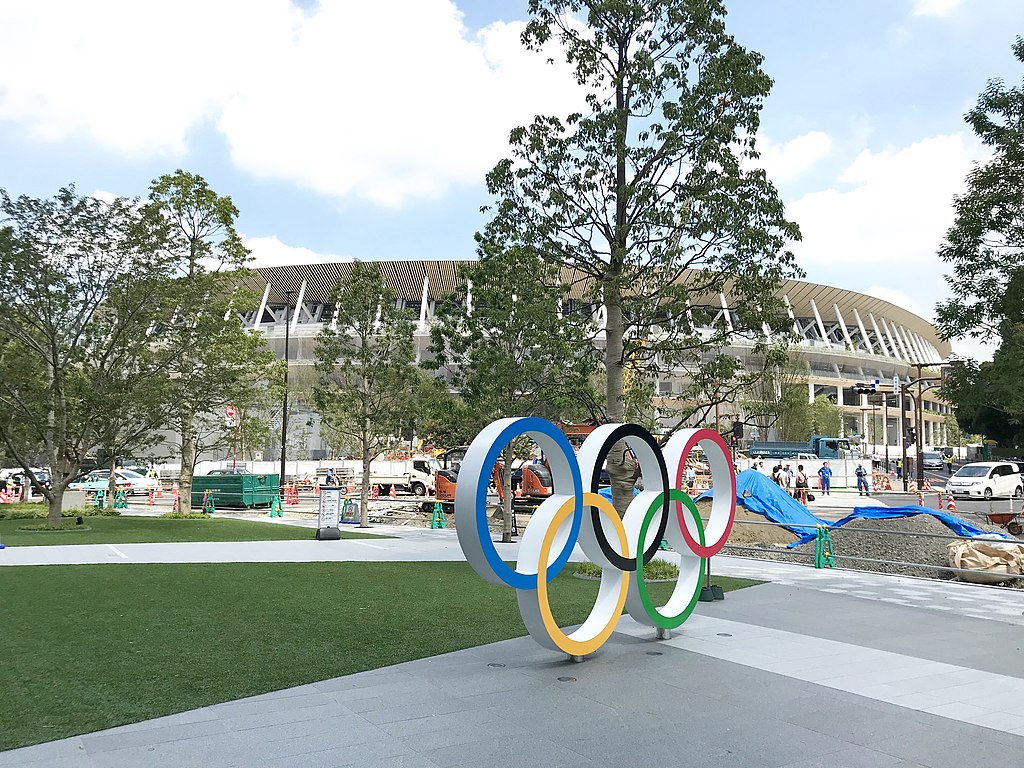
    The official mood music from those actually involved in the Games’ organisation though is much more positive. “Our task is to organise the Games, not to cancel them,” said IOC President, Thomas Bach, earlier this month. “And our task is to make the Olympic dreams of athletes come true. This is why we are working day and night to organise a safe Olympic Games in Tokyo.” So, the focus now appears to be shifting towards how exactly the IOC and the Tokyo organising committee plan to make it happen.
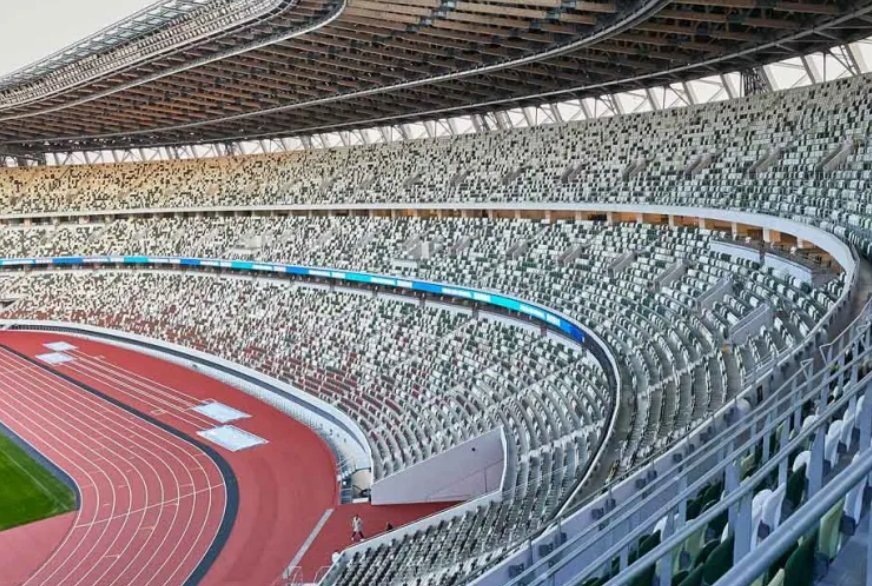
    Next week they will publish their “playbook”, a set of strategies and proposals to explain how they see the Games being held this Summer, safely. While Bach had said back in November 2020 he was “very, very confident” that spectators would be able to attend the Games this Summer, there is a growing acceptance that full stadia are unlikely and that stadia with no fans at all are a distinct possibility. When asked earlier this month whether full crowds would be able to cheer on the athletes in Tokyo, Bach replied, “This I cannot tell you. Because our priority is to ensure a safe Olympic Games and we will do whatever is needed to do that. Everybody would love to have full-capacity stadia and the roaring crowds. But if that is not possible we will respect our principles, safety is our first priority.”
    Other sporting events, from Europe’s leading football leagues and the NBA to the handball World Championships have been successfully staged in the midst of the pandemic. So there is a body of learning regarding event operations for the Olympic organisers to draw on. The truth though is that none of those events really get close to the scale of the Olympics, with over 200 nations represented and over 15,000 athletes taking part. UEFA’s Euro 2020, itself postponed from last Summer, will probably be the closest in terms of scale but is due to finish a mere two weeks before the Olympics begin, by which time the Olympic plans will be fully crystallised.
    Returning to that impending playbook announcement, one can well imagine what measures might be included in there. Social distancing, hygiene and regular testing will be essential pillars. Other possible measures that have been mentioned include a wave system where athletes arrive in the country and depart within a five day window, insistence on a negative Covid 19 test immediately before departure to Japan and, somewhat jarringly, a ban on fans cheering.
    Needless to say, there are financial pressures too, with the Tokyo organising committee expecting around USD 800 million in ticket sales and the Japanese government having invested tens of billions of dollars in the event. To the extent those sums are underwritten by the Japanese government, might there be good reason for them to be in favour of a further rescheduling (very difficult) or, dare we say, cancellation? If the event is cancelled, a report in The Times refers to the possibility of Tokyo putting its hat in back in the ring for the next “available” Games, in 2032.
    The approach in the sports industry to the Covid crisis from where I have been sitting has in most cases been a sensible and practical one. There have been tough conversations and there have been threats but most stakeholders acknowledge that the pandemic was an unforeseen event, blame for which cannot be laid on a single doorstep. So, the necessary pain has in most cases been shared out. To paraphrase the character in Full Metal Jacket played by John Terry – the US actor, rather than Chelsea’s finest – “It’s a huge $#!@ sandwich and we are all going to have to take a bite.”
    My own guess for what it is worth, and it really does have to be a guess at this stage, is that the Games will take place this Summer but with significant restrictions on fans in the stadia, together of course with a host of other virus management measures. If the Games do end up being cancelled, expect the IOC, the organising committee, Japanese government, International Federations and National Olympic Committees, broadcasters, sponsors and athletes all to have their share of an unappetising sandwich.
    This opinion editorial was written by Nick White, Partner, Charles Russell Speechlys. Read more insights at www.charlesrussellspeechlys.com

  • SportAccord Confirms Dr. Tedros Adhanom Ghebreyesus as IF Forum 2021 Keynote Speaker

    SportAccord Confirms Dr. Tedros Adhanom Ghebreyesus as IF Forum 2021 Keynote Speaker

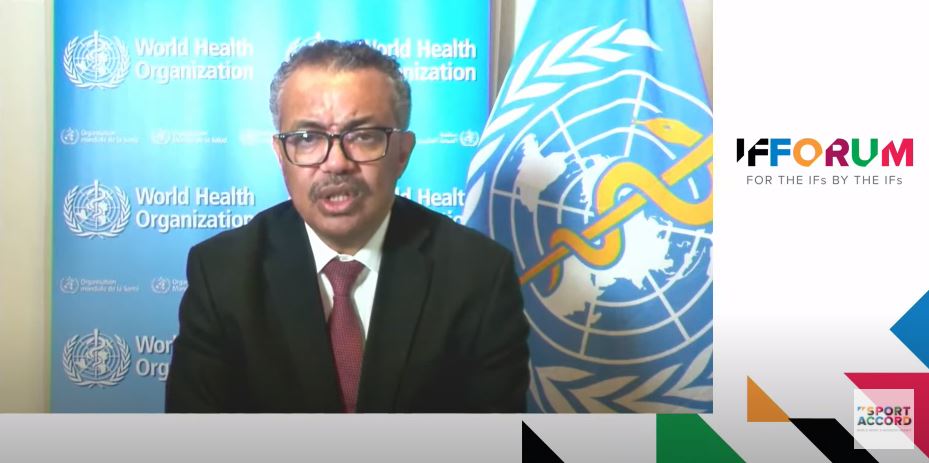
    Dr. Tedros Adhanom Ghebreyesus, who has been a leading figure in the global response to the Covid-19 pandemic, will deliver a Keynote Address on the theme of the conference – ‘Lessons We Are Learning from a Global Crisis and How Sport and Society Can Emerge Stronger’.
    The address will follow welcome remarks by International Olympic Committee (IOC) President Thomas Bach and an opening address by Dr. Raffaele Chiulli, President of SportAccord and GAISF (Global Association of International Sports Federations).
    Having been elected to serve a five-year term at the helm by WHO Member States in 2017, Dr. Tedros Adhanom Ghebreyesus is recognised worldwide as a leading health scholar, researcher and diplomat with first-hand experience in research, operations and leadership in emergency responses to epidemics.
    “We are excited that Dr. Tedros Adhanom Ghebreyesus, who delivered an excellent address at the IF Forum 2020, will return as a Keynote Speaker at the fully virtual IF Forum 2021,” Dr. Raffaele Chiulli said. “Dr. Tedros Adhanom Ghebreyesus will provide a timely perspective on the role sport can play in improving health and welfare across society now and in the future.”
    The 15th edition of the IF Forum will adopt a fully virtual format with expert speakers from across the global sports movement, including representatives of the IOC, umbrella sports associations and individual IFs, as well as sports industry executives.
    Presentations, updates, case studies and panel sessions will be provided on several topics, including ‘Moving Forward, Pivoting and the Lessons We Are Learning’, ‘A Return to Competition and Lessons from the Bubble’, ‘Athlete Mental Health’, ‘Commercial Approaches for IFs in the New Normal’ and ‘The Virtual Experience and its Home within IFs’.
    The invitation-only IF Forum 2021, which will be staged virtually via the Olympic Capital of Lausanne in the Canton of Vaud in Switzerland, will bring together more than 300 leaders from over 125 IFs, plus other virtual delegates and speakers. For further information, click here or download the brochure here.
    Immediately after the closing remarks of the IF Forum, a #SA2021 Virtual Launch Celebration will take place via the same platform for the SportAccord World Sport & Business Summit 2021, less than six months before the event in Ekaterinburg, Russia, from 7-12 November.

  • Vaccination important for communities, not just Olympic athletes – Prof. Erdener

    Vaccination important for communities, not just Olympic athletes – Prof. Erdener

    As Pfizer and BioNTech donate vaccines to athletes and their delegations attending Tokyo 2020, Prof. U?ur Erdener, Chair of the IOC Medical and Scientific Commission highlights the wider value of vaccination globally.
    “We see the importance of vaccination all around the world,” Prof. Erdener said in an IOC release. “We encourage the athletes and Games participants to take the vaccine whenever possible. Vaccination is an important tool to protect not only themselves, but also their communities.”
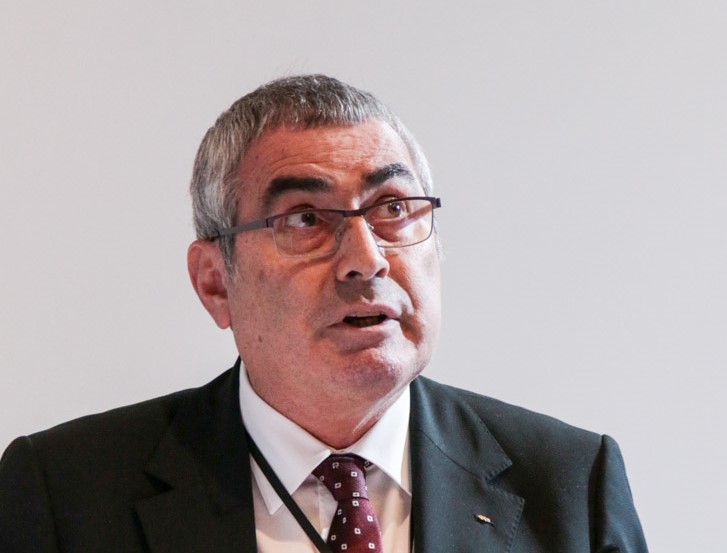
    Prof. Erderner, who is also President of the Turkish National Olympic Committee and President of World Archery, is speaking at Host City Americas, taking place online on 29-30 June.
    Following a meeting with Japanese government, the IOC signed a Memorandum of Understanding (MoU) with Pfizer and BioNTech to donate doses of the companies’ COVID-19 vaccine to Games participants from National Olympic and Paralympic Committees around the world.
    “This donation of the vaccine is another tool in our toolbox of measures to help make the Olympic and Paralympic Games Tokyo 2020 safe and secure for all participants, and to show solidarity with our gracious Japanese hosts,” said IOC President Thomas Bach.
    “We are inviting the athletes and participating delegations of the upcoming Olympic and Paralympic Games to lead by example and accept the vaccine where and when possible. By taking the vaccine, they can send a powerful message that vaccination is not only about personal health, but also about solidarity and consideration of the wellbeing of others in their communities. We would like to thank Pfizer and BioNTech for this very generous donation to support the vaccination of athletes and Games participants ahead of the Olympic and Paralympic Games Tokyo 2020.”
    Any doses delivered by Pfizer and BioNTech under the agreement will not be taken out of existing vaccination programmes but will be in addition to existing quotas and planned deliveries around the world.
    The IOC and the International Paralympic Committee (IPC) are working with the NOCs and National Paralympic Committees (NPCs) to encourage and assist their athletes, officials and Games stakeholders to get vaccinated in their home countries in line with national immunisation guidelines, before they go to Japan.
    The offer to donate the Pfizer-BioNTech COVID-19 to athletes and their delegations participating in the Tokyo 2020 Games came about during a conversation between Albert Bourla, Chairman and Chief Executive Officer, Pfizer, and Suga Yoshihide, Prime Minister of Japan.
    “With hundreds of millions of vaccines already administered, and hundreds of millions more to go, Pfizer is committed, together with BioNTech, to doing all we can to help end this pandemic and help return the world to a sense of normalcy,” said Bourla.
    “The return of the Olympic and Paralympic Games represents a monumental moment of world unity and peace after a gruelling year of isolation and devastation. We are proud to play a role in providing vaccines to athletes and their national Olympic delegations where possible.”
    The IOC has also recently released the second edition of its Playbooks, which give detailed information and guidelines to the various stakeholder groups participating in the Olympic and Paralympic Games Tokyo 2020.

  • IF events and vaccination show Tokyo Games will be safe, says IOC President Bach
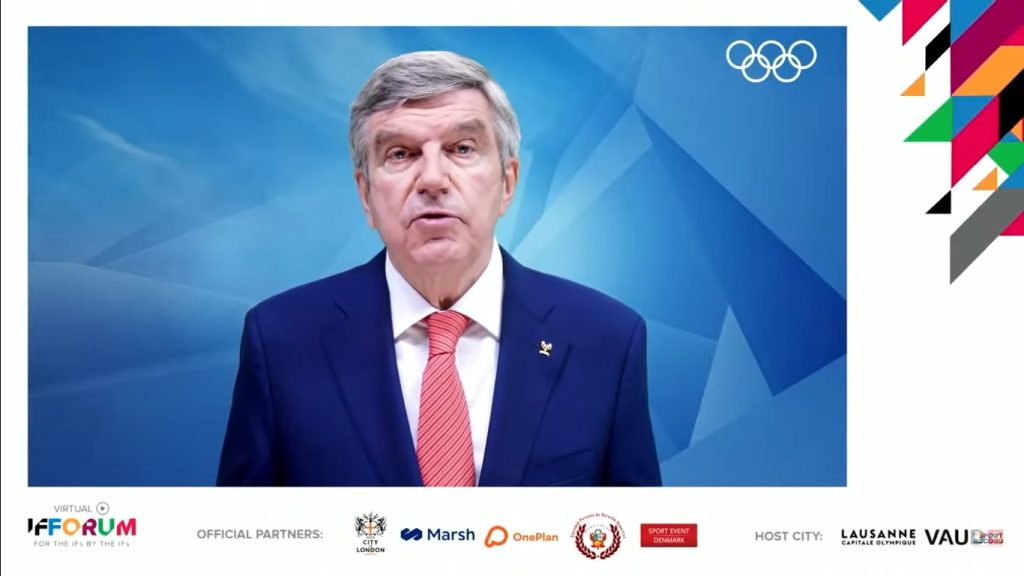
    IF events and vaccination show Tokyo Games will be safe, says IOC President Bach

    With global Covid-19 cases only recently starting to fall from their highest level, and with just 59 days to go to the Olympic Games Tokyo 2020, the safety of participants is a matter of urgent global concern.
    In his address to the SportAccord IF (International Federation) Forum, to which Host City was invited, IOC President Thomas Bach said: “Just like the athletes who are preparing for these Games with so much concentration and focus, we are also getting ready for this final sprint. In this final stretch our top priority continues to remain on organising a safe and secure Olympic Games for everyone – the athletes and all participants as well as our gracious hosts, the Japanese people.
    “This is why, together with all our Japanese partners and friends,  we have put in place comprehensive Covid-19 countermeasures to ensure the athletes of the world can come together in  a safe environment for everyone.”
    He referred to the recently updated Playbooks, which outline the responsibilities of all Games participants and the rules that must be followed.
    “The Playbooks have been developed based on science, taking into account the latest medical expertise – and also built on experience from all of you, the IFs, who since last year have collectively organised more than 120 World Cups and World Championships with the participation of cumulatively more than 51,000 athletes.
    “In doing so, you have demonstrated that sports competitions can be organised safely, even under current restrictions. This is why I’d like to thank all of you for leading the way in this respect. Your collective experience gives all of us confidence in the Olympic Games Tokyo 2020, because you gave proof that large international sports events can be organised successfully whilst safeguarding the health of everyone.
    “And you accomplished this without having access to vaccination, from which we can greatly benefit at the Olympic Games Tokyo 2020.”
    Bach highlighted offers from three vaccine producers to the IOC for Games participants. At least 70 per cent athletes and officials will be vaccinated before the Games, he said.
    “We can only encourage all of you to continue these efforts, because vaccination is not only about protecting yourselves and protecting your athletes – it’s also a demonstration of respect and solidarity with our Japanese hosts.
    “This is why I would like to say thank you to all of you for demonstrating in a great way that, whether in sport or in the many challenges of life, we are always stronger together.
    “This is the lesson we have learned from the coronavirus crisis. We need more solidarity within societies and among societies. This lesson also applies to sports and sports organisations.”
     
    The post-coronavirus world
    “One thing is clear: the post-coronavirus world will need sport and its values,” said Bach. “The important role of sport in society is acknowledged in the meantime by the international community, from the UN to the WHO, the EU and many more. Numerous studies confirm the contribution of sport to promote physical and mental health, education, social inclusion, gender equality and many more.
    “As countries round the world are starting the long journey of recovery, this IF forum sends an important message: sport and athletes everywhere are ready to contribute to rebuild a more human-centred and inclusive society.
    “We at the IOC are happy to have such reliable partnerships with each of you, as we face not only the many challenges of this crisis but also, and even more, the opportunities it presents.
    “So let us seize these opportunities, as we are used to in sport – giving it our best and embracing change.  In this Olympic spirit I wish you fruitful discussions and an excellent IF forum.”