Established broadcasting models in sports and entertainment see rights sold to the highest bidder and fans, more often than not, forced to pay a subscription to access the content they want to enjoy. At a time when consumers are feeling the pinch of the cost of living crisis, fans are faced with the equally unattractive options of paying multiple subscriptions, missing out, or streaming content illegally.
As a result, fans are increasingly finding other ways to consume content in cheaper and more accessible formats, leading to a change in consumption patterns with the rise of short form content, particularly on social media, and an increase in consumption through pirated streams, putting pressure on an already fatigued subscription model.
In response, broadcasters have invested more heavily in top tier sports, where they believe they’ll secure and retain larger audiences. However, this is creating a huge gap between the earning potential of top tier rights holders (e.g. the Premier League) and everyone else. In an attempt to bridge that gap, some rights holders have developed their own OTT subscription models, but this only exacerbates the problem of subscription saturation, leading to less access for fans rather than more.
The solution to this problem is to democratise content distribution and give fans affordable, flexible access to the content they want to see, which in turn will generate fair value for content creators and rights holders across the board.
As an example, a Premier League fan may place a value of £20 on watching a football match, but only £2 on watching a BMX competition, and a BMX fan may place a value of £20 on watching a BMX competition and £2 on a Premier League match. Democratising the distribution of content would enable fans of each sport to access the content they want to see, and lead to a better return for both the BMX rights holder and the Premier League.
In short, democratising the distribution of content can create a system where fans and rights holders win. This is the driving force behind Recast.
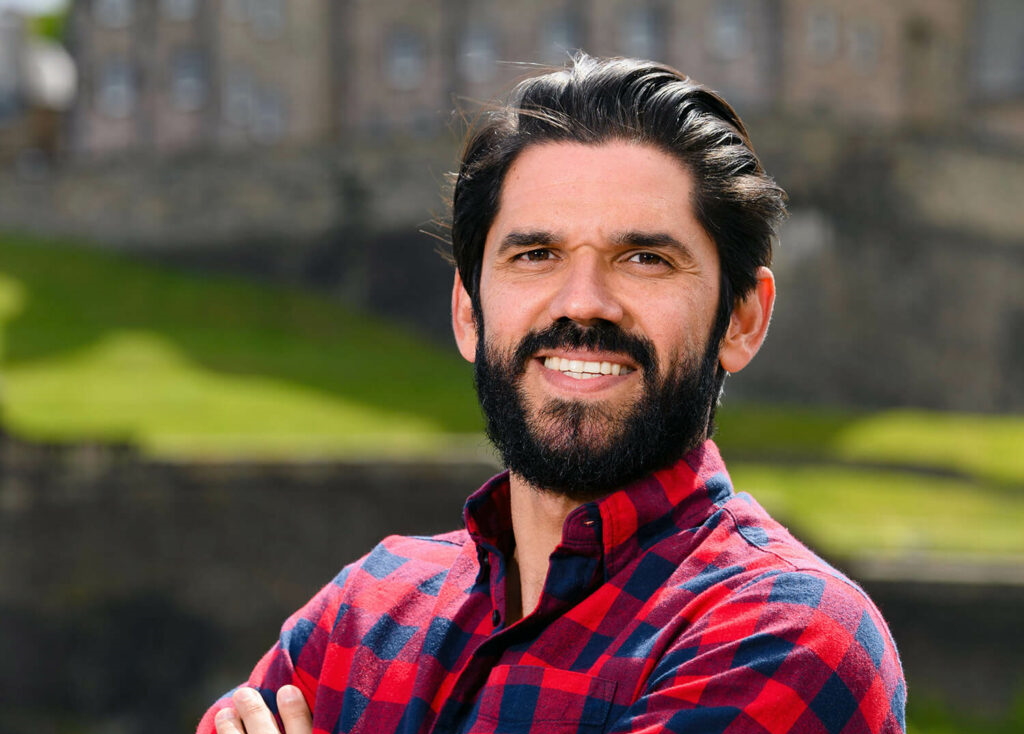
Andy Meikle is the Founder and CEO of Recast, a subscription-free live and on-demand streaming platform powered by microtransactions. Recast gives fans affordable access to the sports and entertainment they love, and pays content creators and rights holders for every view.
Blog
-
In an unequal sports broadcast landscape – it’s time to democratise distribution
-
DB Schenker makes air freight transport greener
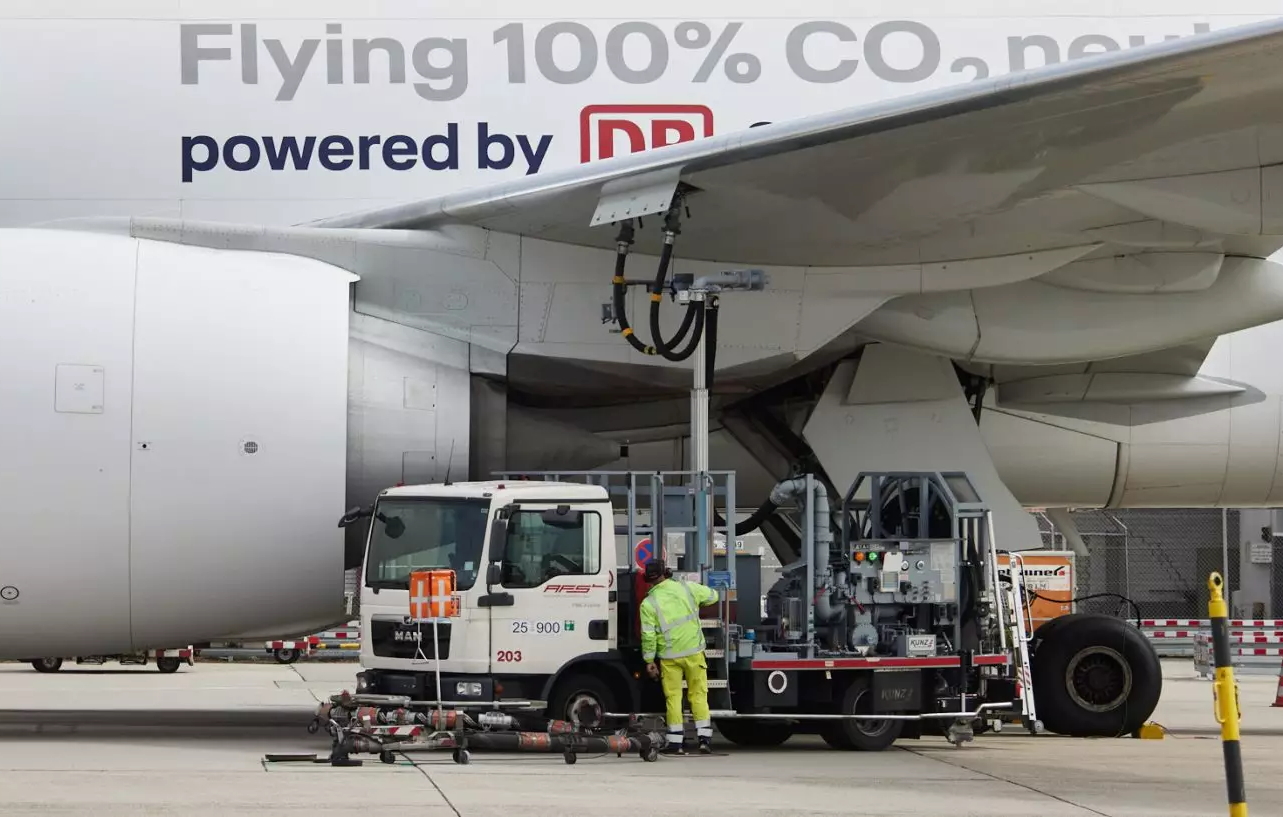
The logistics service provider, DB Schenker, announced the extension of its portfolio of climate-friendlier logistics solutions by opening the next chapter of greener transport in air freight. With immediate effect, customers can choose Sustainable Aviation Fuel (SAF) for their air transport to anywhere in the world and independent of the type of aircraft or airline used. Via virtual allocation of biofuel, it is possible to avoid up to 100 percent of CO2 emissions. The logistics service provider purchased over 11,000 tons of SAF and has avoided more than 33,000 tons of CO2e this year.
“We are very proud of the game-changing pioneer project we started with our trusted partner Lufthansa Cargo. Today, we take the next step by starting a global green air cargo network. We have purchased massive volumes of biofuel to push the decarbonization of our industry. Customers of DB Schenker can now virtually book SAF on all trade lanes to thousands of airports. This new flexibility is a success factor and good for the climate. Every ton of biofuel counts,” said Jochen Thewes, CEO of DB Schenker.
“Reducing the carbon footprint in supply chains is possible not only in a far-distanced future but already today. Yes, sustainability comes with a price. But now the choice is available: No DB Schenker customer needs to use traditional kerosene for their air freight anymore. We hope that this message will give further momentum towards sustainability in aviation. Customers who have tested or are already regularly using our SAF offer are very satisfied,” said Thorsten Meincke, Global Board Member for Air & Ocean Freight at DB Schenker.
SAF fueling greener air freight transport
SAF is a well-tested alternative fuel produced from renewable waste and residue raw materials such as used frying oil. The CO2 released during combustion in the engine is only the CO2 removed from the atmosphere during the photosynthesis phase of the plants employed to produce the oils SAF is refined from. DB Schenker only uses biofuel which is certified palm oil free. Currently, SAF is 3-5 times more expensive than regular fossil-based fuel.
For their ESG reporting, customers deciding to pay the premium for virtual allocation of SAF for an air freight shipment receive certification for the exact amount of greenhouse gases avoided. While the actual physical insertion of SAF might occur on different flights, the climate is protected as the exact CO2 emissions of a flight or shipment with conventional kerosene are avoided. This process is called a virtual application and can also be exercised for upstream emissions originating from the production and transport of the biofuel itself.
The new global offer complements DB Schenker’s unique weekly full charter route between Germany and China, launched in spring 2021 and still the only regular air cargo flight in the world to be fully covered by SAF. Over 150 round-trip flights with Lufthansa Cargo have already avoided more than 40,000 tons of CO2e. Individual SAF agreements with further airline partners, such as a recent purchase of SAF credits by Singapore Airlines, will also continue.
Source: Logistics Matters, the global blog by DB Schenker -

Passing the baton: How the next generation of fans, players and workforces will shape the future of sport
Fans
Traditional sport, it seems, is increasingly struggling to connect with younger generations.
Only 23% of Gen Z describe themselves as passionate sports fans, compared with 42% of millennials, according to a survey assessing sport fandom in America; a significant fall and one that looks set to decline further in the next decade.
An additional survey highlighted that 35% of US parents with children born from 2013-2017 said they lost interest in sports during the pandemic.
In response, sports organisations are rapidly spinning-up digital platforms and personalised products aimed at attracting, retaining, and diversifying their fanbases.
According to YPulse research, 70% of 13-37 year olds say that they don’t need to watch sports events to keep up with what’s going on. Many prefer to watch highlights or bitesize content rather than a full match. We’re also seeing growth in the type of content that audiences enjoy, with a greater variety to watch live or on streaming channels than ever before.
Whilst younger generations’ appetite for watching a full match is declining, content consumption as a whole is increasing, with 30-60 minute streaming platform series and social media content growing in popularity. As a result, there is a rush amongst clubs, leagues and governing bodies to respond to fans’ insatiable demand for content by partnering with OTT platforms to produce docu-series.
Traditional sports formats are also changing to appeal to a wider spectrum of generations and fans. The Hundred (cricket), super tiebreaks (tennis), RugbyX and 3×3 basketball are all examples of the shifts in fan preferences, resulting in new formats and rules being applied to traditional sports. Supplemented by slick digital content and social media engagement, format innovation is targeted at appealing to younger audiences’ preferences and habits.
Stadium experiences are also transforming to meet fan expectations, with technological, sustainability and safety related enhancements at the core. Bringing the live stadium experience closer to those who can’t or won’t attend (with international and sustainable minded audiences) is also becoming an increasing focus for organisations looking to grow their fanbases. Digitally connected stadia and virtual/augmented reality in-home experiences will complement the fan experience, but these must be seamless and deliver real fan value to become truly mainstream and there is much work to be done here.
Players
Around half of Gen Z males in the US spend more time following non-traditional sports than traditional sports. This is challenging ‘traditional’ sports to evolve to attract younger audiences. The introduction of new Olympic sports in Tokyo 2020 and Paris 2024, such as climbing, skateboarding, surfing and breaking, is a direct response to the growth of these sports and aiming to draw younger and more diverse audiences to engage with the Games.
A common denominator of high-growth sports is their more compact and action-packed format when compared with traditional sports. For example, Padel – a form of tennis played in an enclosed space – is the fastest growing sport in the UK with younger players finding it more exciting, sociable and easier to play than tennis.
With participation and player dynamics changing, sports organisations are having to go back to basics to develop core digital capabilities to increase recruitment and retention of grassroots players. Making it easy for people to sign-up, find and book facilities online will be paramount to increasing participation as users expect a frictionless experience.
Workforce
Younger generations are growing up in a ‘purpose-focused’ world, challenging brands to reflect their values such as a commitment to sustainability, equality and inclusion. The race for talent is likely to continue at pace and younger generations in particular will seek out roles in sports organisations that have an authentic purpose and an inclusive working environment.
The race for talent is likely to be particularly competitive for digital experts as new entrants and new innovations enter into the market. Private equity investment is playing an increasingly active role in professional sport and this is likely to soon filter down to grassroots sport, too.
As the commercialisation of sports organisations develops, particularly at a grassroots level, the profile of full-time employees and volunteers within a workforce will also change.
Sports organisations must embrace the change and importantly put themselves in a position where they are agile to respond to the changing demands of the next generation.
The next decade will be crucial in determining the future success and legacy of some sports. Whilst the future consists of many uncertainties and potential challenges, it also will provide great opportunities for the sports industry to take an active role in addressing the next generation’s most pressing concerns: climate change and sustainability, health and wellbeing, and societal issues.
Alice John, head of economic growth and development advisory in Deloitte’s Sports Business Group, spoke on the panel The Future Fan at Host City 2022 -
Global Esports Federation and European Olympic Committees form Strategic Partnership
[Source: Global Esports Federation] The Global Esports Federation confirmed a strategic partnership with the European Olympic Committees (EOC). In line with the growing convergence of sport and esports, this partnership will further amplify the GEF’s efforts to promote, expand and develop esports across Europe. The partnership also forms part of the EOC’s initiatives to explore new ways of engaging with young people across the continent.
Europe represents a large number of countries and cultures – each remarkable and unique, and each with its own National Olympic Committee. This partnership presents a powerful opportunity to connect across borders through the GEF’s #worldconnected community.
“The European Olympic Committees looks forward to this strategic partnership with the Global Esports Federation as we explore the significant growth of esports across our European family. Through this partnership we also focus on promoting sport and the Olympic values, while establishing links with all EOC activities and exploring new forms for fan engagement. Europe is one of the growing regions in the development of esports. The partnership with the GEF will help to evolve, build, and shape our strategy around esports,” said Spyros Capralos, President of the European Olympic Committees.
The GEF and the EOC expect to jointly develop new opportunities to make the connection between sport and esports. The European Games, with the third edition in preparation in Kraków-Ma?opolska, Poland 2023, can be a great example that demonstrates the convergence of sport and esports.
“Together, we are committed to expanding esports, creating new modes of entertainment that engage new audiences, and offering inspiring and innovative formats for esports. The success of the recent Commonwealth Esports Championships at Birmingham 2022, demonstrated these opportunities in service to youth and we are looking forward to adding to this through our partnership with the European Olympic Committees,” said Chris Chan, President of the Global Esports Federation. -

Deloitte: the key forces for change in sport
The sport industry is an instigator of societal growth, as well as significant economic returns. As a result, the future of the industry doesn’t just impact the organisations involved within it; it affects a huge swathe of communities, fans and players around the world.
Here are the trends that we’re expecting:
1. Next generation of players, fans and workforces
Gen Z (1997-2010) and Gen Alpha (2010-2025) will play and consume shorter, more action-packed formats of traditional sports. Organisations will have to innovate via format and rule changes, whilst captivating younger audiences through excellent online content, social media engagement and live experiences.
Impact on the sports industry now: Declining interest in sport from younger generations is forcing organisations to begin their digital transformation to attract, retain and diversify fanbases & player pools.
Impact that we expect to see by 2030: The future customer will dictate what new sports will become mainstream and how existing formats need to evolve. Delivering the right fan experience will continue to be a non-negotiable.
2. Evolving global sports market
The sports industry will continue to grow beyond its current commercial value of $500-600bn. The number of sports seeking to commercialise is increasing at an unprecedented rate and organisations will explore innovative ways to expand their revenue generation models. By 2030, private equity investment will be the major catalyst for change and commercialisation across sports.
Impact on the sports industry now: Sports organisations are looking to commercialise in order to generate how revenue by boosting customer acquisition and retention.
Impact that we expect to see by 2030: Investment in sport will enable organisations to have undertaken transformations, innovate and evolve to become entertainment entities.
3. Pace of digital
Digital innovation continues to yield new ways for people to play, consume and engage with sport. As a result, many ad-hoc initiatives are being driven through technological advancements. Keeping pace with digital is a major challenge and sports organisations must be agile in order to rapidly respond to grow and counteract disruption.
Impact on the sports industry now: Sports organisations are going back to basics as the first step in their digital transformation, by establishing robust foundations with key capabilities that will enable their digital aspirations.
Impact that we expect to see by 2030: Digital will be embedded in all aspects of sport, resulting in numerous use cases. Organisations will need to become data-obsessed and digital first in how they operate.
4. Societal impact
Societal demands are forcing sports organisations to redefine their views on equality, diversity and inclusion. From a participation standpoint, female sport will flourish with the aid of watershed moments like the success of the Women’s Euro 2022 Championship. Societal shifts will also mean that the structure of sports organisations will evolve, with a growing focus on building an inclusive industry for workers, players and fans.
Impact on the sports industry now: Increased focus on societal issues and high-profile incidents has resulted in organisations taking a stance, grasping the potential for sport to act as a catalyst for societal change.
Impact that we expect to see by 2030: Female representation in sport will be higher than ever before. More women will participate, including in traditionally male-dominated sports like football, cricket and rugby. The make-up of sports organisations will also evolve, as organisations will look to be more purpose-driven and be at the heart of broader societal change.
5. Health and wellbeing
Physical health is already a concern for many and this was exacerbated by the pandemic. Moreover, lockdowns highlighted the benefits of exercising and team sports due to the rise in mental health issues. Increased awareness and new sports formats will therefore play a role in boosting interest in sport and participation rates in the future.
Impact on the sports industry now: Health is top of mind, particularly for younger generations post-pandemic. Disease prevention as a priority, increased from 22% to 28% between2020-2021 for both Millennials and Gen Z.
Impact that we expect to see by 2030: Greater health awareness will drive more young people to exercise and play sport.
6. Climate change and sustainability
Climate change and sustainability are impacting consumer and societal expectations, with an emphasis on individuals and institutions taking a more environmentally conscious approach. The sports industry can be the catalyst in responding to and driving initiatives, if it wants to be, due to its ability to transect geographies and cultures.
Impact on the sports industry now: It’s estimated that the sports industry contributes 0.6-0.8% to total global carbon emissions, with a carbon footprint equivalent to Spain.
Impact that we expect to see by 2030: A changing climate will have a serious impact on how, when and where sport can be played. Governing bodies will need to play a leading role in developing policy accordingly.
To receive the full overview of these forces for change, email: UKDeloitteSportsBusinessGroup@deloitte.co.uk -
HRH Prince Feisal Al Hussein chairs FIBA Safeguarding meeting
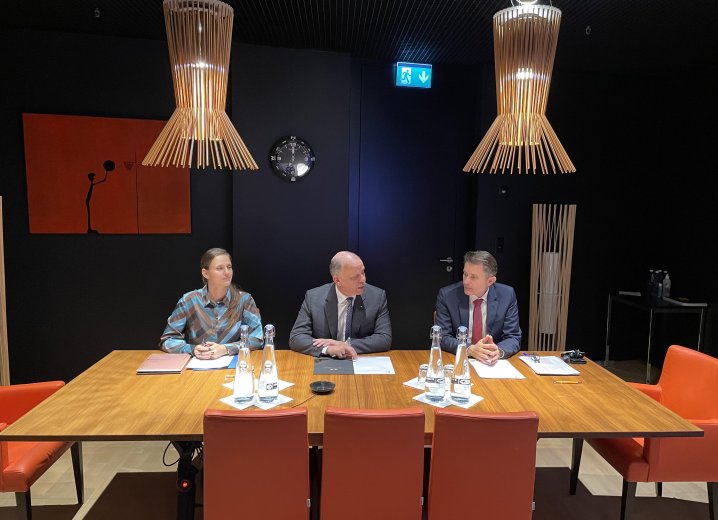
[Source: Jordan Olympic Committee] A major step in FIBA’s efforts to advance its safeguarding and protection approach has been reached today, when the FIBA Safeguarding Council met for a final review of the new Safeguarding Policy. Having gone through extensive reviews by the Council members as well as relevant FIBA internal structures, the draft Policy will be presented for approval at the forthcoming meeting of the FIBA Central Board.
Discussing the significance of this first step, the Council members reiterated the importance this Policy will have in ensuring basketball is being accessed by anyone who wants to take part and enjoy the game: in a fair and equitable safe space, free from all forms of harm and abuse, regardless of playing level.
The Council, the majority of which is composed of independent members, has also looked at the steps that will follow Policy’s adoption later this year. HRH Prince Feisal Al Hussein, Council’s Founding Chairman, said: “FIBA moved fast to finalise its Safeguarding Policy, and is now ready to engage with its stakeholders, promote its safeguarding efforts, and contextualise and adjust practices that will protect not only vulnerable but all players and basketball participants, regardless of who or where they are. It is paramount for our Olympic and sport Movement to adopt such policies and standards, to follow FIBA and other stakeholders in making sure young people in particular are able to thrive while playing safe sport”.
FIBA Secretary General Andreas Zagklis reiterated: “I have been delighted to welcome in the Patrick Baumann House of Basketball this important meeting of FIBA Safeguarding Council. We thank HRH Prince Feisal for leadership and members of this independent Council for their commitment, as we take full advantage of their analysis and recommendations”.
The six additional members of the Safeguarding Council include Slovakia’s four-time Olympian Danka Bartekova, FIBA Americas President Carol Callan, international basketball star Astou Ndour-Fall, Romanian Basketball Federation President and FIBA Executive Committee Member Carmen Tocala, award-winning journalist Alan Abrahamson and FIBA Chief Operating Officer Patrick Mariller. -
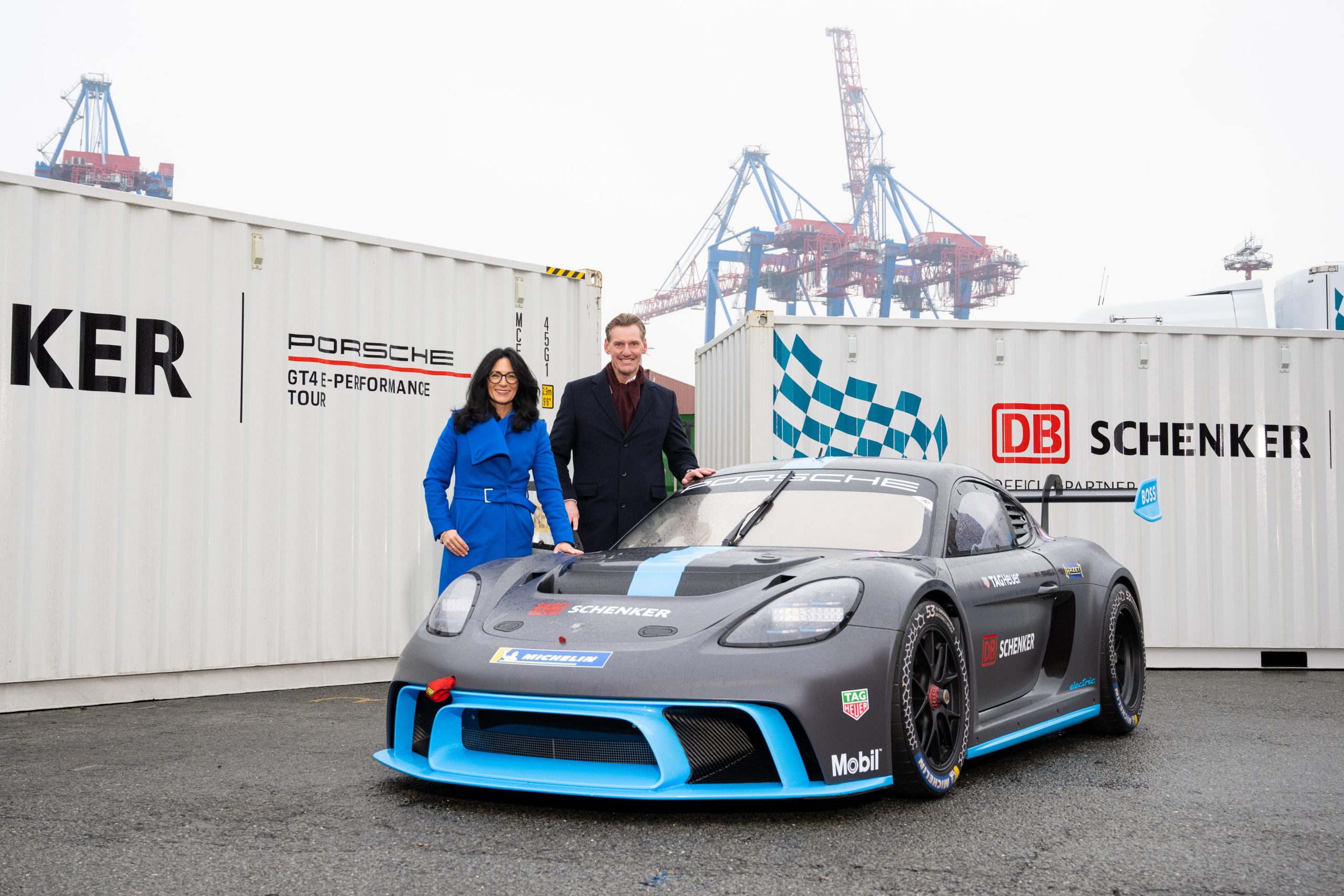
DB Schenker supports Porsche GT4 e-Performance Tour with green logistics
DB Schenker and Porsche Motorsport will take an important step toward climate neutrality by launching a global demonstration tour for the electrically powered GT4 e-Performance race car prototype. DB Schenker has organized a complete sustainable logistics solution for the electric race car’s trip around the world, which will include stops at select racing locations. Among other things, only the most environmentally friendly modes of transport will be used for the tour, which will cover a total of 13,000 kilometres. The GT4 e-Performance Tour will kick off at the end of January with the legendary GP Ice Race in Zell am See in Austria. After that, the electric race cars will be transported in a sustainable manner by ship, rail, and trucks to other events in Europe, the U.S., and Asia.
Both DB Schenker and Porsche have firmly incorporated sustainability aspects into their corporate strategies. For example, the international logistics service provider has set itself the goal of becoming the world’s leading provider of green logistics solutions and is thus the ideal partner for the Porsche GT4 e-Performance Tour.
“This partnership is enabling us to take a major step forward together on the road to green mobility – we’re very much looking forward to addressing this challenge, and we have the right solutions to ensure we’ll be successful,” says DB Schenker CEO Jochen Thewes. “During the tour, we will be able to highlight the progress we’ve made with the development of environmentally friendly transport and logistics solutions around the world.”
The customized logistics solution for the GT4 e-Performance Tour includes environmentally friendly and emission-free rail transport of the concept vehicles, as well as transport with all-electric trucks and ships powered by marine biofuels. The latter mainly consist of fuels made with used cooking oil methyl ester (UCOME). DB Schenker plans to use its position as a partner for the tour to get new target groups interested in green logistics.
“We’re very happy that we were able to get DB Schenker onboard as a partner for our motorsports logistics,” says Barbara Frenkel, member of the Porsche Executive Board, with responsibility for Procurement, and also a co-initiator of the sports car manufacturer’s sustainability strategy.
“Together, we want to generate additional momentum for sustainability and sustainable solutions. Porsche has an ambitious sustainability strategy that we are implementing together with our suppliers. We are now taking steps to make our value chain carbon-neutral on balance by 2030, and this also includes ensuring a carbon-neutral service life on balance for future battery-electric models.”
Prototype for all-electric customer motorsports
The GT4 e-Performance will offer Porsche the possibility to provide customers with a motorsports option with all-electric race cars in the future. The strategy here makes use of the technology components in the IAA Mission R concept car, which Porsche presented in 2021 as a vision for the future, but which the company has now made a reality. The vehicle’s body is made of, among other things, composite materials based on natural fibers. The prototype, which is not for sale, will be presented for fans and potential customer teams around the world to marvel at during the tour. However, the electric race car will also collect valuable data during the tour, which will enable Porsche to gain new knowledge for use in the future – and not only for motorsports.
The global tour will begin with the prestigious GP Ice Race in Zell am See from January 27-29, 2023. After that, it will move on to the U.S., where the innovative concept vehicle will take part in the famous Grand Prix of Long Beach in April, as well as in other races. Then it’s on to the Asia-Pacific region for a series of events in the second half of the year.
DB Schenker’s stated goal: Clean logistics
As a pioneer in the field of innovative logistics solutions, DB Schenker has set itself the goal of becoming the world’s leading provider of green logistics services. The company continuously invests in renewable energy and environmentally friendly products for its customers in order to achieve its ambitious goal of ensuring climate neutrality by 2040. The company also plans to achieve complete sustainability transparency in 2023.
“We believe we have an obligation to continue our pioneering work and move ahead even further in the area of clean logistics – and ensure consistent and transparent communication in this regard as well,” says Thewes.
About DB Schenker
With around 76,100 employees at more than 1,850 locations in over 130 countries, DB Schenker is one of the world’s leading logistics service providers. The company operates land, air, and ocean transportation services, and it also offers comprehensive solutions for logistics and global supply chain management from a single source. DB Schenker is celebrating its 150th anniversary in 2022. The company continuously invests in innovative transport solutions, renewable energy, and environmentally friendly products for its customers in order to achieve its ambitious goal of ensuring climate neutrality by 2040. -

Zwift’s virtual Scotland to launch ahead of the 2023 UCI Cycling Esports World Championships
[Source: Zwift] – Zwift, the global online training platform for cyclists, has confirmed plans for its latest world, Scotland. The all-new map is being built specifically for the UCI Cycling Esports World Championships and will take inspiration from the Scottish landscape and the city of Glasgow, which alongside other venues across Scotland will play host to the inaugural 2023 UCI Cycling World Championships in August next year. The map will first be made available to ride for Zwifters on stage eight of the Tour de Zwift. This special stage will feature the full course branding of the 2023 UCI Cycling Esports World Championships.
The new world will feature three distinct courses designed to animate the new multi-format UCI Cycling Esports World Championships that will take place on 18th February 2023. Designed to further differentiate Cycling Esports as a cycling discipline, and to further improve fan engagement, the event will feature three short and explosive events – The Punch, The Climb and The Podium.
The new Scotland world builds on Zwift’s status as the Official Virtual Fitness Platform of the 2023 UCI Cycling World Championships, taking place in Glasgow and across Scotland from 3 to 13 August 2023.
This is the first time a virtual destination has been created specifically for a cycling esports competition. The virtual world will act as an extension of the host country of the 2023 UCI Cycling World Championships, Scotland, and the City of Glasgow. The virtual world will further serve the purpose-led vision of defining and demonstrating that Scotland is a key cycling destination for reasons, including being a sustainable way to travel, enjoy leisure time, and find the power of the bike to improve both mental and physical health and wellbeing.
Trudy Lindblade, Chief Executive Officer of the 2023 UCI Cycling World Championships, said:?“Having Zwift take inspiration from Glasgow and Scotland’s awe-inspiring scenery to create its next all-new online map will inspire current and would-be cyclists from around the world to immerse themselves in Scotland’s stunning landscapes.
“By joining forces with Zwift and putting Glasgow and Scotland on the world map in an innovative way, will further strengthen our ambition to reach a global and engaged audience to share our vision about the power of the bike being a catalyst for change.”
The City of Glasgow will also play host to nominated participants where five men and five women will be located as they take part in the 2023 UCI Cycling Esports World Championships, bridging the gap between the real-world physical efforts of the riders and the virtual race. The race broadcast will feature the Glasgow event as a key hybrid feature, further improving on format and fan engagement. Details and ticketing for this event are due to be shared in January 2023
Bailie Annette Christie, Chair of Glasgow Life, adds: “It is exciting to see Glasgow portrayed in this way, virtually, as a new location within the Scotland World. This course gives the Zwift community across the globe a feel for our city, iconic locations and terrain. Glasgow is keen to be at the forefront of technological innovation within sport and the growth of esports and online cycling platforms broadens the appeal of sports, such as cycling, to a wider audience and, in this instance, introduces them to regions that they may be inspired to visit in the future.”
More information about the new Scotland World on Zwift will be unveiled in early 2023. -
IOC climate change concerns delay election of 2030 Olympics host
Concerns about the effects of climate change on potential hosts of the Winter Olympics have led the IOC to delay the election of the host of the 2030 Games.
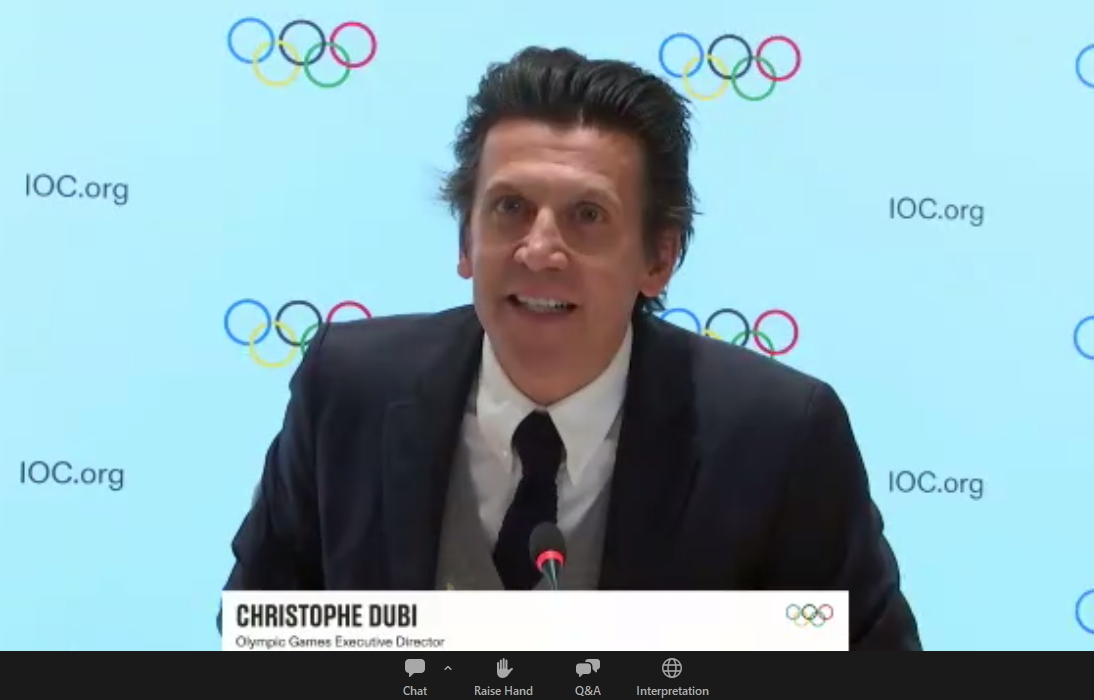
Speaking at a press conference following an update from the Future Host Commission for the Olympic Winter Games at the IOC Executive Board meeting in Lausanne, Christophe Dubi, Olympic Games Executive Director said, “The Commission, building on Agenda 2020, outlined a number of proposals, but also potential uncertainties around hosting the winter Games which could have an impact on future elections.”
Global warming means the IOC could have a smaller pool of potential hosts of Winter Games to choose from.
“We have preliminary results on leading academic research on the impact of climate change which shows a potential reduction in the number of climate-reliable hosts in the future,” said Dubi.
The IOC Executive Board also heard how winter federations have already started to adjust their event calendars and formats.
It was also suggested that the Olympic Winter Game hosting rights might rotate “between a certain pool of cities and regions.”
There was also a conversation about further prioritising existing venues in the host selection criteria. “It is felt that for the future we should target hosts that can display all venues to be existing or temporary.”
Another proposal discussed would require future hosts to “show a minimum average of below zero [degrees Celsius] for snow competition venues at the time of the games over a ten-year period.”
“All these being considered, on the request of the Commission, the IOC Executive Board decided to give the Winter Commission more time to study all these factors and opportunities to make the best possible decisions about future hosting.
“It will enable the Commission to consult deeply with interested parties, IFs, NOCs, the athletes, winter sports industry experts and the IPC – because we are operating over a full month and that needs to be considered in a global warming environment.
“This will give the Commission more time to have a clearer picture and make a sounder decision for 2030.
“This means we are not targeting an election of the host of the Olympic Winter Games 2030 at the 114th Session in 2023,” said Dubi.
“This is in line with the new flexible approach to electing Olympic hosts under which the Executive Board has the authority to determine the timing of the election in the interest of the Olympic Movement.”
The Executive Board also discussed the possibility of awarding the hosting rights to 2030 and 2034 simultaneously to “create stability for the winter sport and the Olympic Winter Games.”
Dubi said “The three interested parties have been informed of those conversations and discussions,” without naming the cities. Sapporo and Salt Lake City are interested parties; Vancouver was out of contention but may be back in the running.
The host selection process is still in the “continuous dialogue” stage, Jacqueline Barrett, Director of Future Olympic Games Hosts at the IOC explained.
“We haven’t opened targeted dialogue yet. So not targeting next year for a session will allow more time to develop these projects before when the commission feels its ready, to open a targeted dialogue.”
The IOC did not confirm the details of the changed timeframe for opening targeted dialogue, and subsequently electing the host city.
“We are not going to push this decision many years down the road. We are still in continuous dialogue which is non-committal and open at this stage,” Barrett said.
“The mandate of the Commission is to ensure that there will always be a healthy pipeline of interest for the future… our door is never closed.
“There was a collective recognition around the table today… there are these concerns about the future of the Winter Games; the future of being able to practice Winter Games in the future – everyone is concerned about this.”
Sarah Lewis OBE OLY, Deputy Secretary General & Chief Operating Officer of FISU, and former Secretary General of FIS, told Host City: “Winter sports are and will increasingly need to adapt to a warming planet. We need to recognize our responsibility to ensure events are hosted in the most sustainable way possible today while having an adaptative, innovative and creative mindset regarding what winter sports will look like in the future. Transition is always painful but innovation and an adaptive, responsible mindset will hopefully enable a dynamic and engaging future for our athletes and all those engaged in winter sports.
“Lake Placid as Organiser of the FISU World University Games in January 2023 has embraced sustainability as a core element of the Games. Alongside the competitions themselves, the Lake Placid World Forum 2023 ‘Save Winter’ will address this topic with leading academics and practitioners. Save Winter is a movement to unite all of us who love winter to work as one to save the season of snow. More than 40 million of us enjoy winter sports and recreation. Save Winter will help ensure we’re doing everything we can to reduce our impact on the planet and enjoy winter as it was meant to be enjoyed. It’s about more than just snow – it’s about keeping winter for generations to come.” -
Playground, the French Events Management Company, joins Citec, the Swiss Engineering Group
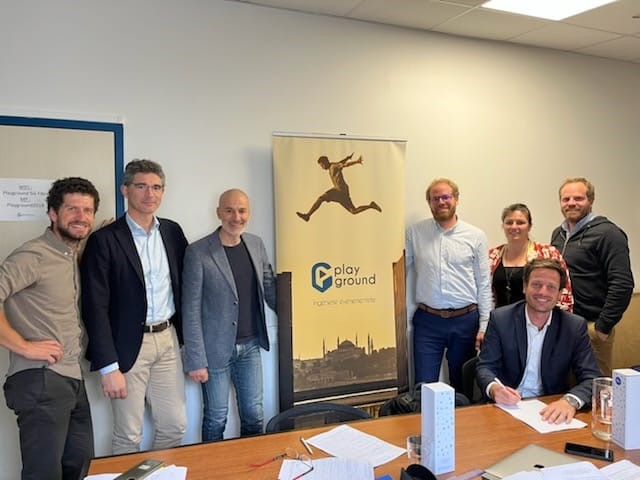
[Source: Citec] The end of 2022 marks the coming together of two key players in the organization of major events. Playground, specialist in the design, planning and operational coordination of sporting events, joins Citec, transport engineering consultancy group, particularly involved in 2024/2026 Olympic Games, 2018 and 2022 Football World Cup, or the European Football Championships since 2008.
Playground is involved in many major events in France such as the 2019 Women’s Football World Cup, Roland-Garros, the 24 Hours of Le Mans, the Torch Relay of Paris 2024 Olympics and Paralympics, and produces its own events such as La Grande Course du Grand Paris, the Montpellier marathon and the Boulogne-Billancourt half-marathon via its General Public Events division.
What are the benefits of this merger for Citec/Playground customers?
Citec and Playground successfully operated on joint projects in the past already, as the Ryder Cup in 2018, among the most participated events worldwide. Both companies now share the same ambition “To globally support event organizers, by offering a complete set of services, from planning to operations” explains Franco Tufo, CEO and founder of the Citec group. This merger enlarges the range of both players’ expertise, so that their client who will now benefit from recognized skills in the areas of accommodation, food&beverage and transport, for the organization of major events.
Continuity, trust, growth
This merger will allow the two companies to develop common and unique offers for organizers of major events, from strategy to the delivery of operations. Citec group will also provide the necessary support to Playground to continue its growth in a serene way, by giving it access to the financial, commercial, and administrative resources of a sustainable human-scale group.
The current management team as well as all of Playground’s employees are not only maintained but reinforced, with the recruitment of new employees to support the requests which have already confirmed the interest in a complete service. Stefano Manelli, Citec Large Events Manager and Franco Tufo, Citec CEO will be the go-between with the Citec group.
“Since the beginning of our collaboration and exchanges, our vision of the future of major sporting events and the human and professional values that drive us have always been in perfect harmony. This merger marks a major turning point in the history of Playground, and we are convinced that this new adventure will be beneficial to all players in the sports movement, in particular our clients, partners and our teams”, adds Yoann Arzur, Playground Managing Director.
After the acquisition of Interface Transport, firm specialized in logistics, in 2018, and shares in IMDM, expert in asset management, in 2021, Citec completes its range of services and continues its growth dynamic in 2022.
About Citec
Founded in 1994, Citec is an independent group of engineers and consultants specialized in the planning, management, development, and regulation of transport. The design of mobility systems for large events is at the heart of Citec activity, with more than 30 major events organized in 15 countries to its credit. Based in Switzerland, the group has a hundred employees in 9 agencies in Switzerland, France, and Italy. The group, 100% owned by its employees, achieved a turnover of CHF 14 million in 2021.
www.citec.ch
About Playground
Playground is an event engineering company supporting organizers in the design, planning and operational coordination of their events, with recognized expertise in accommodation, transport, and catering. Founded in 2017, this company based in Paris and Bordeaux has more than 120 events to its credit.
www.playground-event.fr