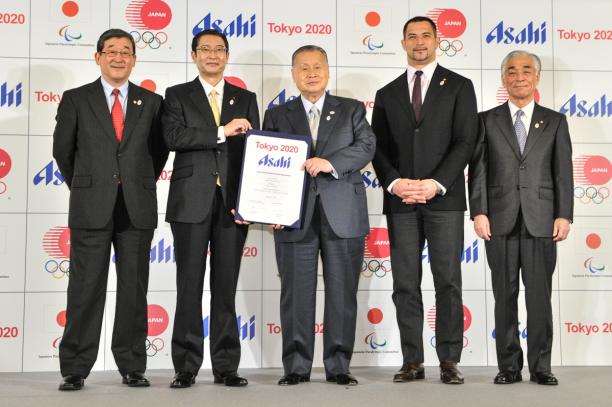
Nippon Telegraph and Telephone (NTT) Corporation and Asahi Breweries have both signed as gold partners of the Tokyo 2020 Olympic and Paralympic Games, within the space of two days.
On Monday, the Tokyo-based NTT Corporation signed as Official Telecommunications Services Partner.
NTT Corporation will provide telecommunications services for hosting the Games.
On Tuesday, Asahi Breweries was announced as the second Gold Partner in the “Beer & Wine” category.
The world’s highest earning telecommunications company, NTT also worked on Japan’s three previous Olympic Games: Tokyo 1964, Sapporo 1972 and Nagano 1998.
“NTT has a long and distinguished history of connecting people across the length and breadth of Japan, and it is my earnest wish that we will be able to work together to further strengthen bonds between people and ensure that we deliver a successful Olympic and Paralympic Games in 2020,” said Tokyo 2020 President Yoshir? Mori.
In today’s world, security is a major function of the telecommunications partner.
“With the rapid evolution of ICT (information and communications technology), the Tokyo 2020 Olympics and Paralympics require telecommunications convenience to be accompanied by safety more than ever before,” NTT said in a statement.
“In addition to helping make the Games’ telecommunications safe, secure, and welcoming, NTT is taking advantage of the Group’s telecommunications related security technologies and its telecommunications service infrastructure inside and outside Japan, endeavouring to act as a ‘value partner’ in providing an unprecedented level of hospitality to the Tokyo 2020 and other relevant organisations, as well as competitors and guests from Japan and overseas.”
The second Gold Partner to sign, Asahi Breweries, is already a Gold Partner of the Japanese Olympic Committee.
“As becoming the Tokyo 2020 Gold Partner (Beer & Wine), we are greatly looking forward to support not just the Japanese national team, but also every single athlete competing in the Games, allowing them to perform beyond their limits, and convey the message of the magnificence of having hopes and dreams to the children who bear the future,” said Akiyoshi Koji, president of Asahi Breweries.
“Asahi Breweries has an excellent slogan, which translates roughly as ‘Let’s share the emotion,’” said Mori.
“This slogan very much echoes the efforts of the Tokyo 2020 Organising Committee to support athletes in their endeavours and to provide a stage where that emotion can be shared.
“During the Games, the whole of Japan will be raising their glasses and cheering on the athletes, and we are looking forward to working closely with Asahi Breweries to share the emotion of the Tokyo 2020 Games.”
The Tokyo 2020 organising committee is reported to be targeting $1.1bn of sponsorship revenue to fund staging the Games, with the top tier gold category said to be valued at $128m. At these prices, Tokyo 2020 could already be 30 per cent of the way towards its sponsorship revenue target.
The domestic sponsors of the organising committee are distinct from the International Olympic Committee’s global TOP sponsorship programme, which also makes a major contribution to hosting the Games while supporting the Olympic movement worldwide and includes Japanese companies Bridgestone and Panasonic.
Blog
-
Tokyo 2020 signs NTT and Asahi as Gold Partners
-
Brazil 2014 World Cup hailed as sustainability benchmark
Sustainability is a relatively new concept to the FIFA World Cup, which has a significant impact on the environment, but last year’s tournament set new standards that will influence other future mega events, FIFA and Brazilian officials said on Tuesday.
“Sustainability is something quite new in the organisation of the FIFA World Cup,” FIFA secretary general Jérôme Valcke said at the launch of a sustainability report on the 2014 World Cup.
“Brazil learned a lot with the FIFA World Cup, Rio learned a lot for Rio 2016, but we also learned a lot and we will implement these learnings in 2018 in Russia in the 11 host cities and 12 stadiums.”
The deputy sports minister of Brazil, Luis Fernandes added “The FIFA World Cup stadiums in Brazil became a benchmark for the world because they have all pursued sustainability certificates.
“Based in this experience, a sustainability certificate has become a requirement by FIFA in the future editions of the World Cup. This is a legacy to Brazil for the world.”
Hosting the FIFA World Cup involves large transportation operations, catering for millions of spectators, managing waste as well as powering and broadcasting the event globally.
“This has inevitably had an impact on both society and the environment in the host country,” said Federico Addiechi, FIFA’s Head of Corporate Social Responsibility.
“To us, sustainability is about how we do things and trying to find a balance between the social, economic and environmental aspects. It is also about minimising risks associated with the event and reducing the negative impact of it, while maximizing the positive one.”
The 2014 World Cup in Brazil took place in 12 stadiums, seven of which were new and five of which were renovated. Eight of the stadiums integrated solar power in their designs.
Nonetheless, preparing for and hosting the 2014 FIFA World Cup is estimated to have produced 2,723,756 tonnes of CO2 equivalent.
“Brazil is a developing country and we identified that the opportunity to host the FIFA World Cup was a historical window to leverage investments in infrastructure and services, which our country needed and still needs,” said Fernandes.
“Brazil today is recognized as a country that, in spite of the scepticism, delivered the FIFA World Cup with excellence and today we have infrastructure that improved the lives of Brazilians.”
The venues were spread over all the major regions of the huge country. The 41,000 capacity Arena Amazonia, for instance, was built in the remote resort of Manaus. There is not a big footballing culture there and the only event since the World Cup to draw a capacity crowd was Boi, a local cultural festival.
“The FIFA World Cup left us memories of great football, but also a great responsibility. Brazil has now 12 modern arenas in all five regions,” said José Maria Marin, chairman of the Brazilian Football Confederaition (CBF) and 2014 local organising committee.
“A challenge, but also an opportunity for clubs and cities to strengthen local football and offer a new entertainment option for the community beyond football matches.”
Despite the challenges of utilising this new infrastructure, FIFA is working in Brazil to continue building even more venues in more regions of the country through a US$100m legacy fund.
“Brazil is already a giant in football, but we still need to develop infrastructure and this will be done by FIFA and CBF through the Legacy Fund,” said Fernandes.
According to FIFA, the main areas to benefit from the fund will be football infrastructure in the states that did not host World Cup matches (60 per cent), grassroots (15 per cent) and women’s football (15 per cent).
“For the Legacy Fund, we agreed it should go to developing women’s football, grassroots and to regions where there were no FIFA World Cup matches,” said Valcke.
“On women’s football, there is potential to do more in Brazil. We work together with CBF so they can establish a dedicated structure for female football through the legacy fund,” said FIFA Director of Member Associations and Development, Thierry Regenass.
“There should be good grassroots programmes. The idea is also to work in partnership with local government and other partners in order to publicise more women’s football and make it sustainable.”
Valcke stressed that the awarding of contracts will be carefully monitored. “FIFA is supporting CBF in order to identify and make sure we are working in the right projects. We have a permanent audit system that monitors our member associations, certifying everything is under clear rules and regulations.
“Not a single pay will be made without FIFA having a look at the way it will be used and making sure we are part of the decision process.”
-
Generations For Peace soars up to 32 in NGO world ranking
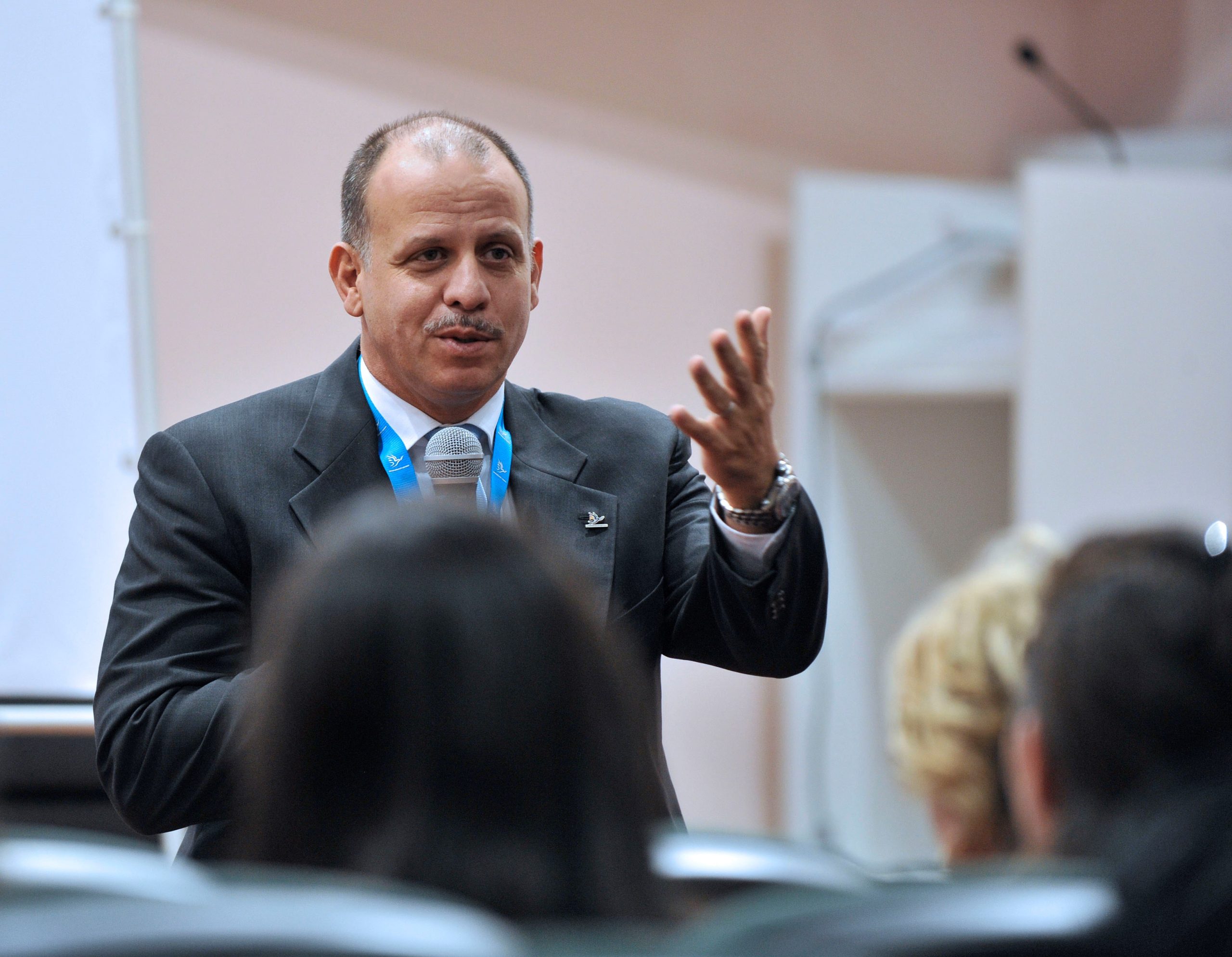
Generations For Peace, a charity that uses sport to promote peace, has been ranked 32nd in the “Top 500 NGOs” list for 2015.
The NGO, founded by IOC member for Jordan Prince Feisal Al Hussein, has climbed 62 places since the last ranking in 2014, making it the second fastest riser on the 2015 list.
The ranking, published by third sector media company Global Geneva, also places Generations For Peace second highest of any peace-building charity on the list.
NGOs are evaluated on their innovation, impact and sustainability.
“Generations For Peace has walked the walk in a very, very short period of time. We were just so impressed,” said Jean-Christophe Nothias, Editor of the ‘Top 500 NGOs’ list.
“Many NGOs previously ranked have gone down the ladder. Generations For Peace has moved up, from #94 to #32; the second-biggest progress of all.
“This ranking recognises Generations For Peace’s management, relative size, expansion and impact, and the overall philosophy of the very local anchoring approach.”
HRH Prince Feisal Al Hussein, Founder and Chairman of Generations For Peace said “I am extremely proud that the impact of our programmes in Jordan and around the world is receiving such global recognition.
“This outstanding ranking has been achieved through the extraordinary dedication of our Generations For Peace volunteers, inspiring and leading change through their efforts to promote peace, tolerance and respect in their own communities. And their success is shared by all our partners who are supporting us every step of the way.”
Generation For Peace also cited its strong relationships with key partners including the Olympic Movement, United Nations agencies (UNICEF and UNESCO), governmental donors including the Norwegian Ministry of Foreign Affairs, the U.S. Department of State and USAID as well as commercial partners like Samsung as a key factor in achieving this ranking.
Since its launch in 2007, Generations For Peace has trained and mentored more than 8,500 volunteer leaders of youth in 50 countries in the Middle East, Africa, Asia, and Europe, with programmes impacting more than 216,000 children, youth and adults.
“Less than eight years after being founded, it is moments like this which help us to recognise how far Generations For Peace has come,” said Sarah Kabbani, Co-Founder and President of Generations For Peace.
“This recognition motivates us all – our staff, our volunteers and our partners – to build on our success and expand our reach to more communities, in response to growing global demand for our programmes.”
-
UEFA choses Slovenia to host Futsal EURO 2018
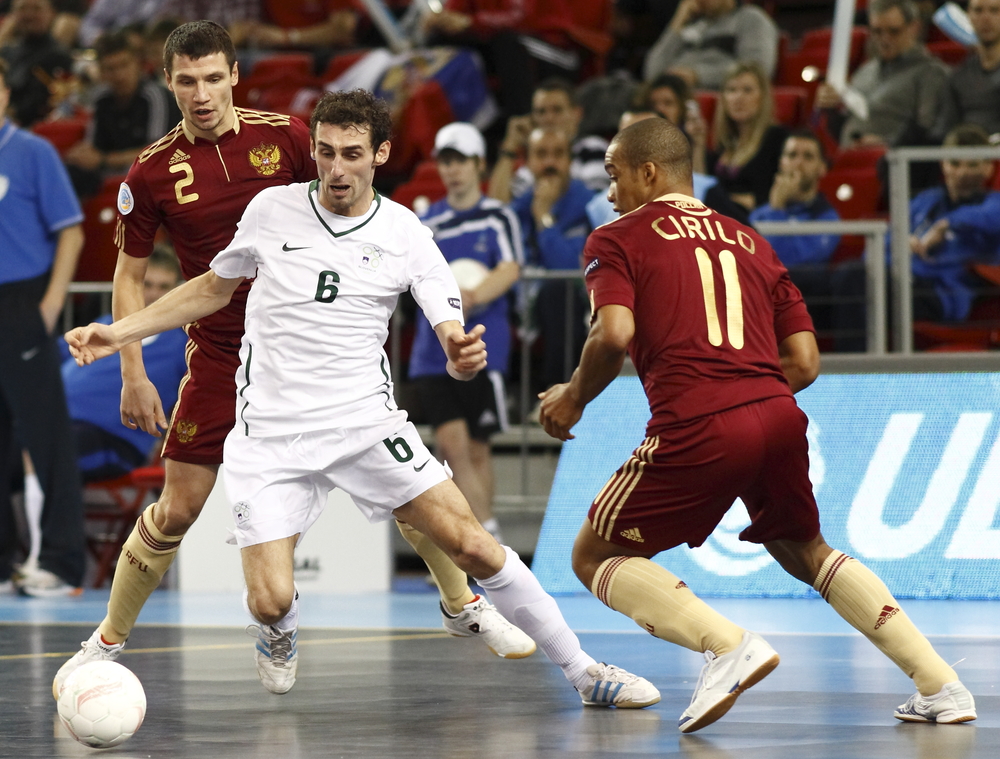
The UEFA Futsal EURO 2018 final tournament will take place in Slovenia, following a decision by the UEFA Executive Committee on Monday in Nyon, Switzerland.
The bid from the Football Association of Slovenia (NZS) was selected ahead of others from FYR Macedonia and Romania.
The venue for the tournament will be the 12,500-capacity Stožice Arena in the Slovenian capital of Ljubljana.
Slovenia hosted the UEFA European Under-17 Championship, but this will be the first time it has hosted the Futsal final tournament organised by Slovenia.
The UEFA Futsal EURO 2016 will take place in Belgrade from 2–13 February next year. Previous hosts of the tournament include Belgium (2014), Croatia (2012), Hungary (2010), Portugal (2007), Czech Republic (2005), Italy (2003), Russia (2001) and Spain (1999).
At the Executive Committee meeting, UEFA also appointed Sporting Clube de Portugal as host of the 2014/15 Futsal Cup finals.
Futsal is a form of five-a-side football played indoors on a hard surface.
Poland was selected to host the 2015–17 UEFA European Under-21 Championship final tournament.
The 2016/17 UEFA European Under-19 Championship final tournament was awarded to Georgia while Finland will host the 2017/18 UEFA European Under-19 Championship final tournament.
Croatia was selected to host the 2016/17 UEFA European Under-17 Championship final tournament, while England will host the 2017/18 UEFA European Under-17 Championship final tournament.
The 2016/17 UEFA European Women’s Under-19 Championship final tournament was awarded to Northern Ireland, while Switzerland will host the 2017/18 UEFA European Women’s Under-19 Championship final tournament.
The Czech Republic was awarded the 2016/17 UEFA European Women’s Under-17 Championship final tournament while the 2017/18 UEFA European Women’s Under-17 Championship final tournament goes to Lithuania.
The UEFA Executive Committee also received what it described as a “positive update” on the preparations for UEFA EURO 2016, which begins 500 days from now.
UEFA EURO 2016 takes place in ten venues across France between 10 June and 10 July 2016. -
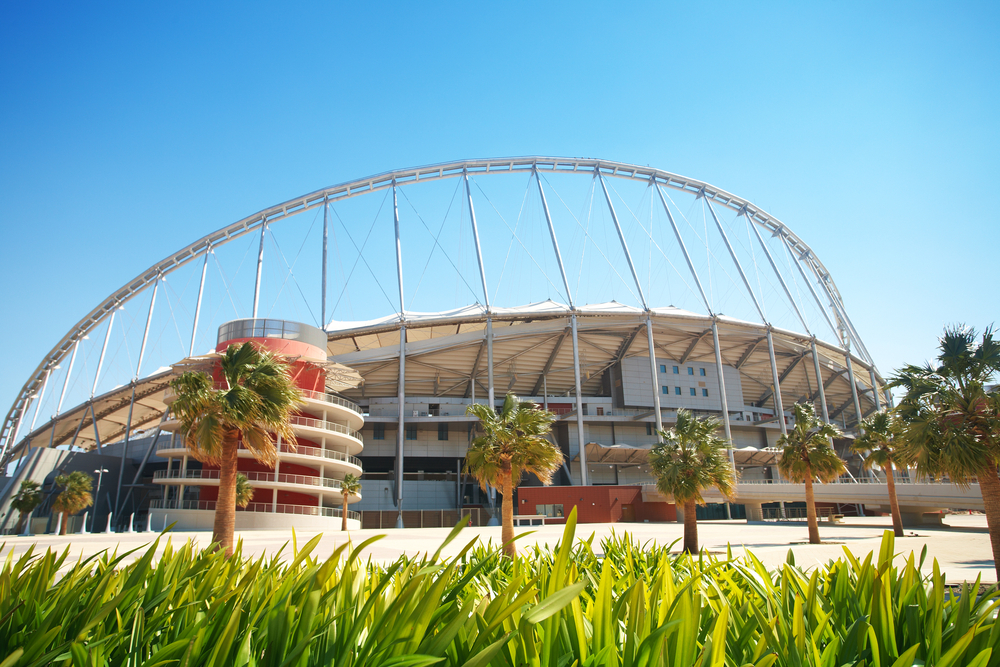
Qatar 2022: We can host World Cup any time of year
The uncertainty surrounding the timings of the 2022 World Cup is set to continue until 24th February and the country is able to host at any time of year, according to the Qatar 2022 Supreme Committee for Delivery and Legacy (SC).
The World Cup traditionally takes place during the northern hemisphere’s summer months, during which the European football leagues take a break.
The Asian Football Confederation (AFC) president Sheikh Salman bin Abraham Al Khalifa of Bahrain’s earlier this week asserted that the World Cup would take place in the winter, preferably November and December 2022, and that “the matter is resolved.”
But Nasser Al-Khater, the executive director of communications and marketing at the Qatar 2022 SC is reported to have said a press conference at the Doha’s Aspire Zone: “Look, first and foremost we are confident of hosting the World Cup anytime of the year.
“It is also no secret that the peak tourism timing is November and December.”
According to Inside World Football, Al Khater said “There is a meeting of the task force on the 24th of February. What we understand is that a final decision will be recommended during that meeting. It’s the last meeting of the task force to discuss a winter or a summer World Cup.”
Qatar’s summer months reach blistering heats of over 50 degrees centigrade and many observers have commented on the risks of hosting football matches in these conditions.
The SC says it has the cooling technology to overcome these challenges.
“We believe the methods and principles [of cooling] are a solution for many countries that will host the World Cup and other events in the future,” Al Khater said.
“Utilising this technology on such a large scale and having to think outside the box, we are really providing optimal climate conditions.”
The SC also told press that Qatar’s venue infrastructure projects are on schedule, with five stadiums under construction and two more set for an imminent design launch.
Al Khater also faced questions about FIFA’s investigations into the manner in which Qatar was elected as World Cup host.
“It’s important to highlight it’s an investigation into the bidding process of 2018/2022, but also into individuals,” he said.
“Everyone coins it as an investigation into Qatar, which is absolutely false and incorrect. We are happy with judge Eckert’s conclusion. At times it was a bit harsh, but, you know this is a World Cup and you will always have criticism and negativity.”
-
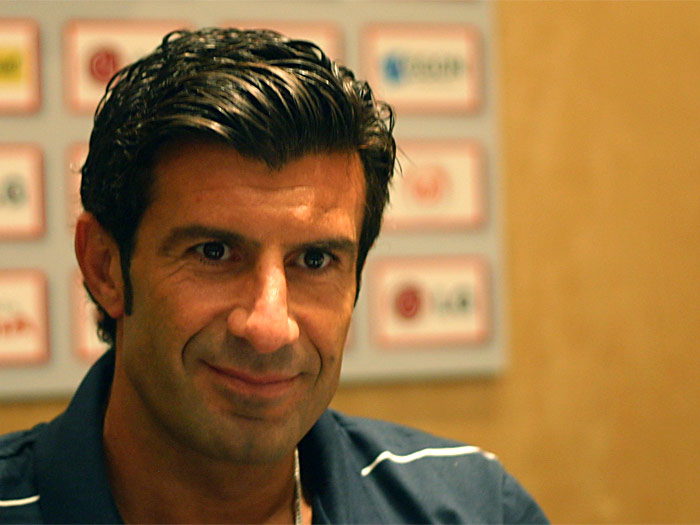
Luis Figo runs for presidency of “deteriorating” FIFA
Luis Figo on Wednesday put himself forward as a candidate for the presidency of FIFA, promising to improve the organisation “deteriorating” image and remove its association with “scandal”.
Announcing his bid with just one day to go before the deadline, Figo joins Prince Ali of Jordan, Jerome Champagne and David Ginola as a challenger to FIFA president Sepp Blatter.
“I look at the reputation of Fifa right now and I don’t like it. Football deserves better.
“In recent weeks, months, and even years, I have seen the image of Fifa deteriorate,” Figo told journalists.
“If you search FIFA on the internet, you see the first word that comes out: ‘scandal.’ Not positive words. It’s that we have to change first and try to improve the image of FIFA. Football deserves much better than this.
“I’ve been talking with so many important people in football – players, managers, president of federations – and they all think that something has to be done.
The brand image of FIFA’s most valuable product, the World Cup, is at risk, Figo said.
“Last year was the World Cup, I was in Brazil and I saw the reaction of all the fans regarding the image of FIFA and I think something has to be changed.
“Change in leadership, governance, transparency and solidarity, so I think it’s the moment for that.”
All candidates will need to show the support of at least five nominating member associations in order to validate their presidential campaigns.
FIFA’s Harold Mayne-Nicholls, who led the evaluation commission for, and questioned the outcome of, the controversial 2018 and 2022 World Cup bidding procedure has said he may also enter the race.
The 42-year old footballing legend played for Barcelona, Real Madrid and Inter Milan, winning FIFA World Player of the Year award in 2001 and the Ballon d’Or in 2000.
FIFA requires presidential candidates to demonstrate that they have worked as “a board member, committee member, referee, assistant referee, coach, trainer [or] any other person responsible for technical, medical or administrative matters in FIFA, a Confederation, Association, League or Club”.
The president will be elected on 29th by FIFA members. Support for incumbent President Blatter is said to be very strong.
-
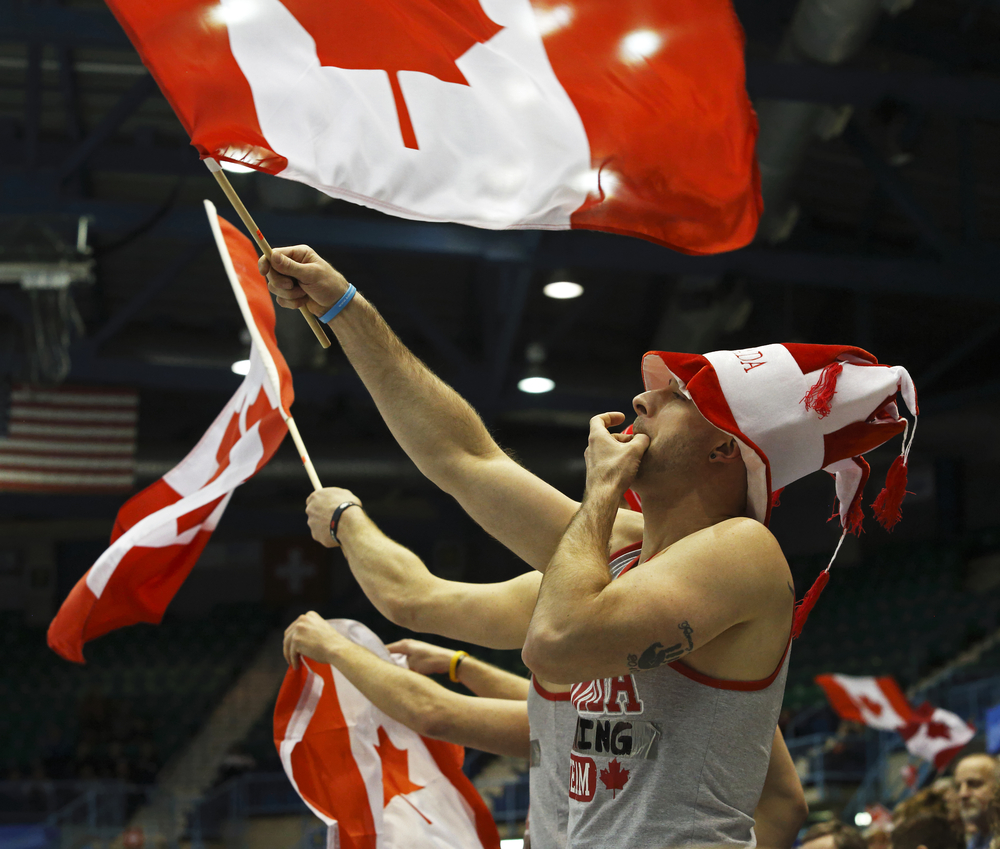
Toronto 2015’s top tickets selling out fast
Toronto’s sports venues are set to be packed out in July, with many of the highest profile events of the Pan American Games selling out fast.
Tickets for the Opening Ceremony have already sold out while the men’s football (soccer) gold medal game is experiencing some of the highest demand.
Other events for which tickets are keenly sought after include the medal rounds for aquatics, track cycling, BMX, canoe/kayak slalom, beach volleyball and equestrian jumping, where few tickets remain available.
Organisers also expect the men’s baseball and basketball gold medal matches to be packed out, with just a few tickets left on sale.
“Tickets to see those memorable medal moments are selling quickly,” said Saäd Rafi, chief executive officer of the Toronto 2015 Pan Am/Parapan Am Games Organizing Committee (TO2015).
275,000 tickets to the Pan Am Games have already been sold to sports fans paying upwards of US$16 per ticket.
“The numbers are beyond our expectations — especially since we haven’t yet announced when Team Canada will be playing, not to mention the countless athletes from across the Americas who are still in the process of qualifying for the Games.
“That said, it was no surprise that the available tickets to our Opening Ceremony, produced by Cirque de Soleil, went fast. It’s sure to be an unforgettable night.”
Other popular events include the athletics track and field 100m finals and 4x100m finals, the rugby sevens finals, the beach and indoor volleyball finals and the closing ceremony, with entertainment provided by Live Nation.
“The Games are a once-in-a-generation chance to see our most elite summer Games athletes compete on home soil and to be part of the high-energy crowd who will be cheering them on and singing our anthem together,” said Rafi.
The sales campaign for the Toronto 2015 Parapan Am Games starts in spring 2015. From 7-15, August, some of the world’s best para-athletes will be competing for their chance to go to the Rio 2016 Paralympic Games.
-
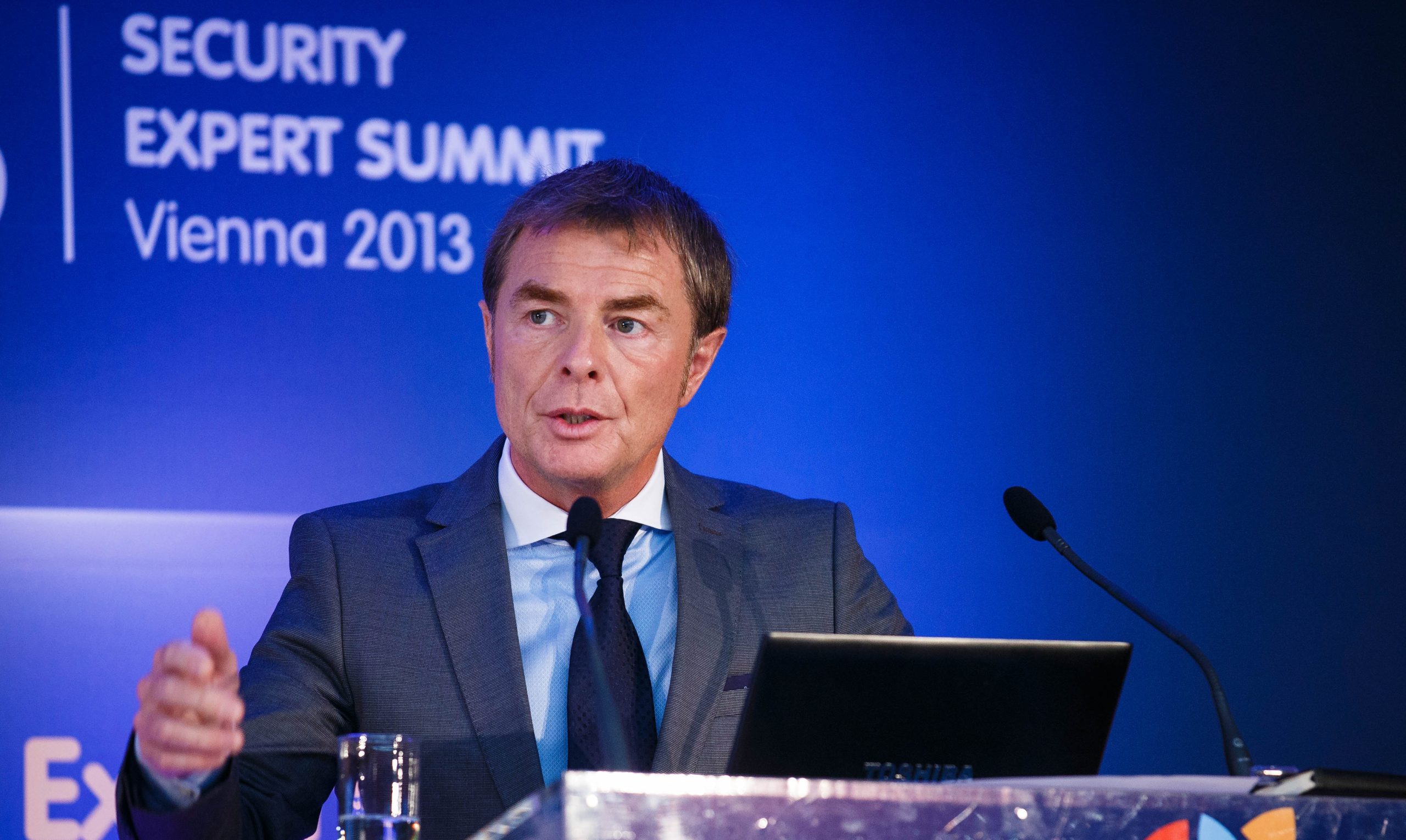
Security threats grow but football does not learn enough – ICSS
New security threats are emerging, but football is failing to take on board the experiences of other major events.
To tackle this growing problem, international standards are needed to train and educate sport safety and major event security managers, according to Helmut Spahn, director general of the International Centre for Sport Security (ICSS).
“Training and educating those who look after our safety and security in sport is a major responsibility for any major event organiser or sport venue operator. However, at the moment, it is clear that many clubs, leagues and associations do not provide enough opportunities for their safety and security managers to learn from other sports and major events,” he told delegates at the European Stadium and Safety Management Association (ESSMA) Summit.
To encourage the development of an international standard in training and educating within the sport safety and security management industry, the ICSS has developed the first International Advanced Studies Programme on Sport Safety and Security Management with SRH University Heidelberg.
“With many new and emerging threats now facing sport, as good practice the ICSS would encourage clubs, leagues and associations across all sports to enrol on courses like this and provide more opportunities for their safety and security workforce to learn about emerging trends and techniques developing within the industry.”
The ESSMA Summit, hosted in Munich on 27th and 28th January 2015, was supported by the European Professional Football Leagues (EPFL), European Club Association (ECA) and the ICSS.
The conference attracted delegates from FC Barcelona, FIFA, Paris Saint-Germain, Real Madrid CF, Arsenal FC, Wembley, Manchester United, Liga de Futbol Profesional, ACF Fiorentina, AS Monaco FC and Dallas Cowboys.
“The challenge of securing major sport events and international venues has never been greater and once again the ICSS has added considerable knowledge and experience to the event, as well as their cutting-edge expertise in sport safety and security. This has been of enormous benefit to our members,” said Dimitri Huygen, managing director of ESSMA.
“The ICSS is continuing to play an important and active role in leading the development of the sport safety and security industry. On behalf of ESSMA, I look forward to continuing our work with the ICSS, as well as other organisations including the ECA and EPFL.” -
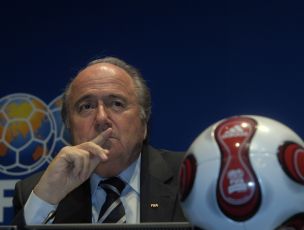
FIFA Election: how Blatter’s challengers compare
The presidents of the world’s 209 Football Associations will elect the president of FIFA at the FIFA Congress on 29 May.
With FIFA’s continental “confederations” holding great sway over voting intentions, and with all of these confederations bar UEFA said to be supporting Sepp Blatter, the incumbent president looks set to secure a historic fifth term.
Candidates must state their intention to run for president on 29 January, with the support of five nominating member associations. Are there any serious challengers in the mix?
Sepp Blatter
Nationality: Swiss
Age: 78
Announced campaign: 26 September, 2014
Core message: Says he is on a mission to complete the reform process initiated in 2011
Strengths: FIFA President since 1998, seeking a fifth term. Retains strong support of the majority of FAs outside Europe. Five of FIFA’s six continental Confederations are said to be backing Blatter: AFC (Asia), CAF (Africa), CONCACAF (North and Central America and Carribean), CONMEBOL (South America) and OFC (Oceania).
Challenges: FIFA enduring external pressures and the emergence of Prince Ali of Jordan as a challenger demonstrates that internal discontent is not limited to Europe.
Jerome Champagne
Nationality: French
Age: 56
Announced campaign: 26 September, 2014
Core message: To remove elitism and global imbalance from the administration of football.
Strengths: Says he is close to gaining the five required nominations.
Challenges: Time is running out and a host of other, more outspoken candidates have emerged.
Prince Ali Bin Al Hussein
Nationality: Jordanian
Age: 39
Announced campaign: 6 January 2015
Core message: Reform of FIFA, increasing transparency.
Strengths: Experience as vice president of FIFA, president of Jordanian Football Association and president of West Asian Football Federation. Has backing of the English FA. The only challenger to Sepp Blatter from outside Europe.
Challenges: Has yet to confirm whether he has the number of nominations required. His message of reform is echoed by those of other candidates who have since entered the race.
David Ginola
Nationality: French
Age: 48
Announced campaign: 16 January 2015
Core message: To restore democracy, transparency and equality to FIFA
Strengths: Has the support of pressure group ChangeFifa but has yet to declare the support of any FAs.
Challenges: Ginola’s campaign is financially supported by bookmaker Paddy Power, yet FIFA rules prohibit candidates “being associated with betting, gambling, lotteries and similar events”.
Michael van Praag
Nationality: Dutch
Age: 67
Announced campaign: 26 January 2015
Core message: To normalise, modernise FIFA and regain public trust. Presenting himself as the only credible opponent to Blatter.
Support: Has the required five nominations, including support from Scotland.
Challenges: Other European candidates offering a message of reform and transparency could split the vote, if they gain the required nominations. Support outside Europe is limited.
Luis Figo
Age: 42
Nationality: Portuguese
Announced campaign: 28 September 2015
Core message: To repair FIFA’s public image.
Support: Has the required 5 nominations.
Challenges: A recently retired footballer, he lacks experience in football administration. -
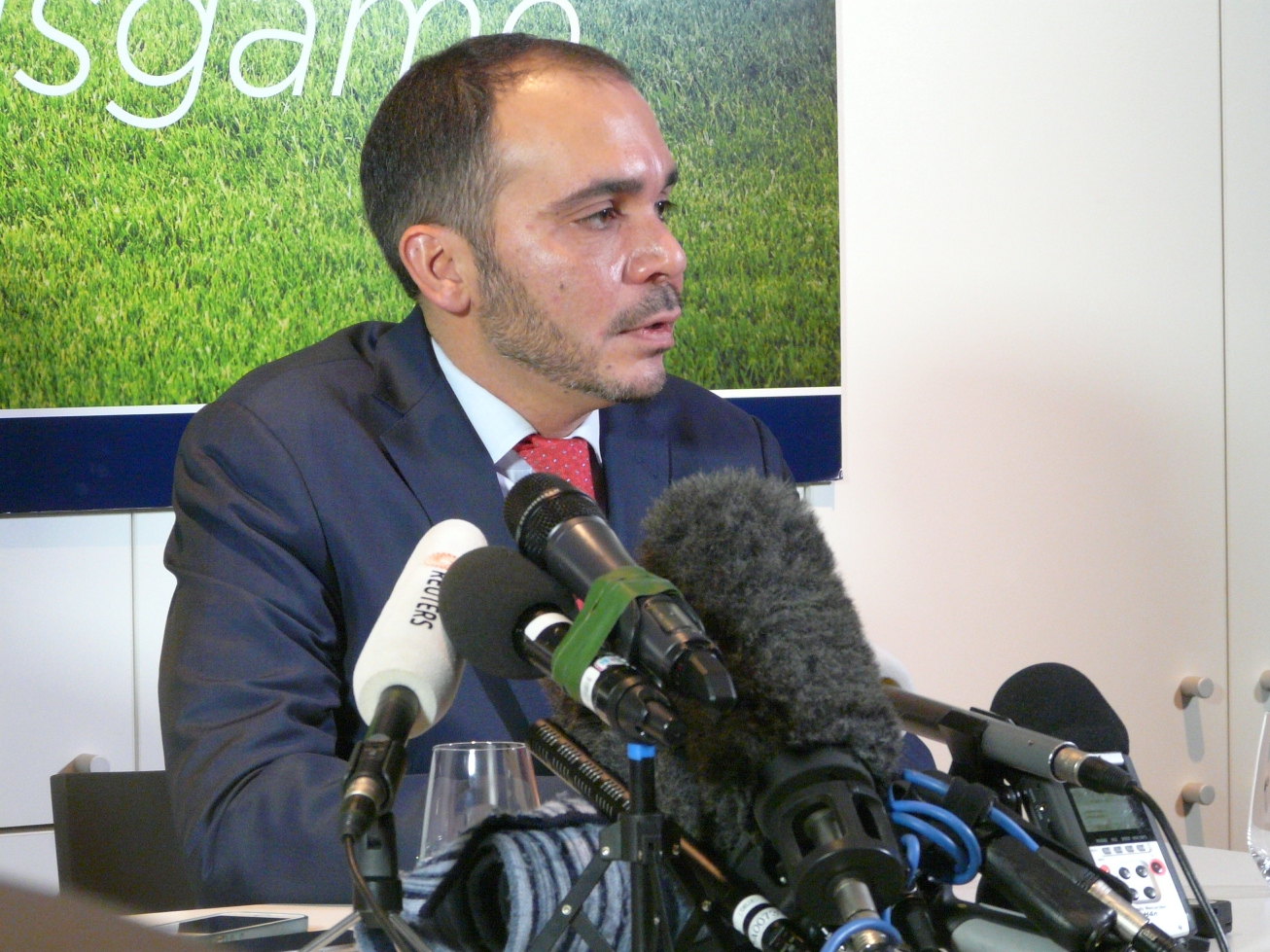
Prince Ali tackles FIFA’s “culture of intimidation”
Presidential candidate HRH Prince Ali Bin Al Hussein of Jordan produced his most vocal attack on the leadership of FIFA on Tuesday, setting out his stall to fix the tarnished reputation of football’s global governing body.
He spoke of a “culture of intimidation” within FIFA, where people can be punished for standing up for principles.
Challenging Sepp Blatter and the other two candidates, Michael van Praag and Luis Figo, to a public debate in the run up to the election, he said he hopes the presidential election will be conducted fairly.
Prince Ali plans to meet soon with van Praag, who he says he admires, and his friend Figo, to discuss strategy and said he would welcome the opportunity to work with them as a team.
He also said he will forsake his seat on FIFA’s Executive Committee if he does not win the election, as he is not prepared to work any longer under the current leadership.
Continental support
Speaking in London to a select group of media including HOST CITY, he revealed the names of the five national football associations from three continents that have nominated him to stand.
“The countries are Belarus, Malta, England, Jordan, USA – and so I’ve very happy with that – and of course Georgia,” he said.
“These nominations are from three different confederations, which I am very happy with.”
It has been widely reported that FIFA’s continental confederations tend to vote as blocs, and that incumbent FIFA president Sepp Blatter has the support of five out of the six confederations.
However, Prince Ali downplayed the power of confederations in the election process. “This is not a question of confederations – this is a national association vote for the presidency of FIFA and I don’t think that any confederation is necessarily united in that respect.
“I don’t think anyone has a ‘stranglehold’ on any confederation; I think it’s up to member associations to decide.”
He also said the calls for reform are widespread. “I don’t think that it’s just in Europe that there are concerns about FIFA. I see that, having been in South America, in Asia and in Africa and I think it’s time now to make that change.”
A “culture of intimidation”
Addressing speculation that the leadership of the Asian Football Confederation, of which Jordan is a member, has not backed his bid, Prince Ali said “There is a culture of intimidation within FIFA but, having said that, this is a candidacy for the whole world.
“This is a world issue and not just about confederations.”
Pressed on what he meant by “intimidation”, he said “In the past if people take a principled stand, they end up being possibly punished for it.”
Observers have suggested that a strategy is underway to challenge Blatter via an early multi-pronged attack that could switch to supporting a single challenger.
However, Prince Ali welcomed the other candidates.
“It’s very good that there is more than one candidate and it’s also emblematic of people’s desire to have a positive future. I look forward to meeting with them as soon as possible.
“Luis Figo is a friend of mine, I know him very well. Michael can Praag is also somebody who I admire and respect a lot, so I would like to sit them down and have a good and honest discussion about how they see things.”
Asked about whether a joint candidacy might even be a possibility, he said: “That does not fall within our statutes, but I would be very welcome to have support and work as a team and with everybody for the future of football.
“We need to be centralised a bit and we need to give everybody a role and we need to come up with a new way of conducting the sport, from the bottom up.”
Building on a his core message of transparency, he said “I would like to see before the election a public debate, including the incumbent, so that everybody knows across the world what our positions are. I’m ready to do it.”
Rebuilding trust
Widespread concern over allegations of corruption in the bidding process for the 2018 and 2022 World Cups has had a negative impact on FIFA, with a number of sponsors having dropped their support in recent months.
“There are many complaints obviously, in particular the reputation of FIFA and where it’s at right now,” he said.
“I am there to rebuild trust in our organisation and that doesn’t include only in our national associations but all stakeholders.”
Asked about how this could be achieved, he said “FIFA needs to include everyone – including yourselves, members of the press.
“You need to have a long-term plan that does not change based on the whims of a president, and based on real decisions that are conducted with all stakeholders in the game – and fix our reputation. That’s the way I’ve always worked.”
Central to the challenges facing FIFA is the controversial way in which Qatar was awarded the 2022 World Cup. Asked if he would consider stripping a country of its hosting rights, he said “First of all I believe that every single association has the right to host the World Cup, regardless of their size and so on.
“Having said that, I was one of the first to ask for the Garcia report to be made public. Because this is a world game and everyone needs to understand what is going on – that is transparency in its essence.
“The problem really lies in how things took place: for example the double bid. We need to know why that happened. If Qatar had another four years to prepare their bid in a proper way, we wouldn’t be in this situation.”
Prince Ali was also drawn into pointing the finger directly at Sepp Blatter for the crisis of trust in FIFA.
“Blatter has been president and definitely the president needs to be held personally responsible for what happens; and if I am president I certainly will take responsibility for all actions at FIFA.
“I have a lot of respect for what he’s done in the past, but if we talk about proper reform I am not confident that I’ve seen it.
“He’s had the chance to do so; we’ve had Mark Peith’s report, which was never in my opinion shown. We’ve also had promises from him that he would not run again – but obviously that was not the case.
“In full honesty and integrity, he should give the chance to others such as myself.”
Presidency or out
Prince Ali also announced his plans to leave the FIFA Executive Committee if he does not become president of FIFA.
“I have been on the Executive Committee for the last four years and I understand what has been going on,” he said.
“I have always tried to reform FIFA as best I can from the inside, but having said that I do believe the way to go ahead is to run for the presidency itself.”
“My total commitment is running for the presidency of FIFA. I’m not going to sit through another four years of what’s been going on and the only way to change it is from the top.”
Despite his core message of a lack of transparency within FIFA’s administration, he remains hopeful that the election process can be conducted fairly and that he can win the election.
“I think I have my reputation, I am where I am and I just hope that things work out in that way, that it’s fair and it’s honest.”
The presidents of FIFA’s member associations will elect their president on May 29th.
“It’s long campaign, so I don’t think anyone should be written off. Globally there is a desire for change and I am committed to that.
“If things are played fair and rightly, things will grow in the appropriate way.”