The Sports Consultancy’s ability to offer commercial services to rights holders has been boosted significantly with the appointment of key figure in Glasgow 2014’s sponsorship programme.
Marc Hope has spent the last four years with Sports Marketing and Management, where he was embedded in the Organising Committee of Glasgow 2014 Commonwealth Games playing a pivotal role on the successful achievement of almost 50 sponsors across three tiers.
He will lead on a significant investment into The Sports Consultancy’s rights marketing business, offering commercial services to rights holder and event clients.
“Rights marketing is a core part of our DNA, it’s where we originated and it will build and augment our strong commercial focus as well as add depth to our commercial and strategic consulting services to government and venue clients,” said co-managing director Angus Buchanan.
“In Marc we have found someone who shares our vision and with whom we can work with to build a prominent rights marketing practice. The results he has achieved in his career to date, most recently in his role selling commercial rights for the Glasgow 2014 Commonwealth Games, firmly establishes Marc as one of the leading practitioners in the industry.”
Before working on Glasgow 2014, Marc spent a decade with Fasttrack, which later became part of CSM, where he led the rights marketing team over a range of Olympic sports and major international events headed by UK Athletics.
Marc landed the multi-year title sponsorship deals for the London Youth Games (LYG), for which he remains vice chairman. He also served as a non-executive board director of GB Taekwondo during their London Olympic cycle 2010-2013, which saw the sport achieve Olympic gold.
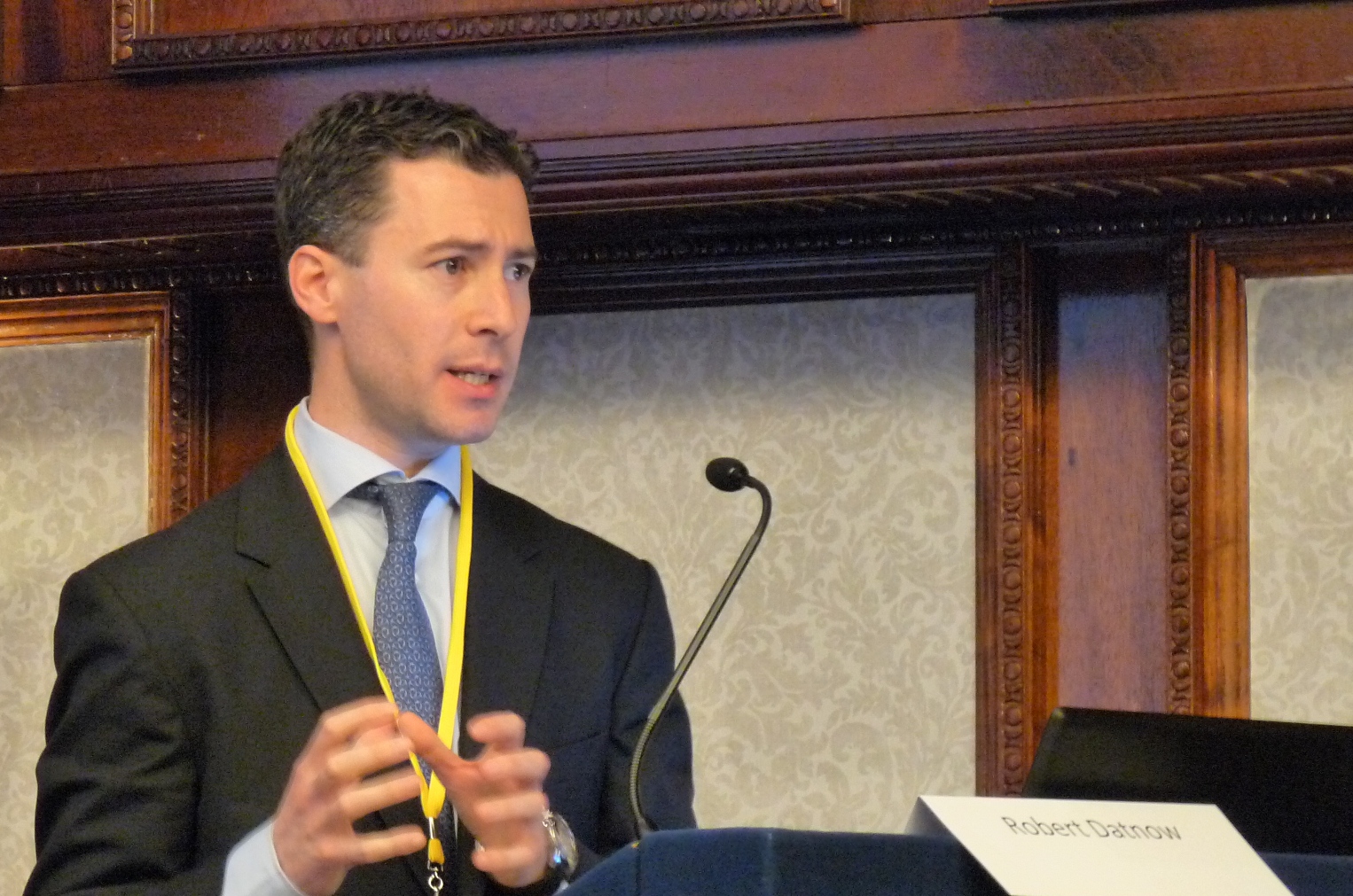
Marc will be working closely with Buchanan and his co-founder Robert Datnow in developing the rights marketing practice.
“I have followed with great interest how Angus and Robert have developed The Sports Consultancy into one of the leading consultancies operating in the sports industry today,” said Hope.
“It is a privilege to join their innovative team and to have the opportunity to build a new rights marketing division harnessing the company’s reputation and contacts along with its existing in-house commercial and legal experience.”
Further appointments of senior brand consultants and rights sales specialists are expected to follow.
Blog
-
The Sports Consultancy hires Glasgow 2014 big hitter
-
Japan’s double mega-event challenge
It seems fitting that Japan, which hosted Asia’s first Olympic Games in 1964, will host the continent’s first Rugby World Cup in 2019, a year before the Olympics return.
Few countries could expect to host two of the world’s biggest sporting events in consecutive years but the Land of the Rising Sun has few equals in getting things done.
When 20 nations begin competing for the Rugby World Cup in September 2019, Japan will have had a decade to prepare since winning the right to host it.
The Tokyo Olympic Games, involving more than 200 countries and 28 sports, will begin on July 24 2020 – just seven years after the host city was announced.
Fujio Mitarai, President of Japan Rugby 2019, expressed delight when his country was awarded the Olympic Games, saying “the two events will work very well together”.
Excitement about the Olympics could encourage more Japanese to watch rugby, while the earlier tournament will provide valuable logistical and security experience.
Such benefits may largely be limited to the Olympic Stadium and surrounding area, however, given the lack of shared venues and difference in scale between the two events.
Rebuilding the Olympic Stadium
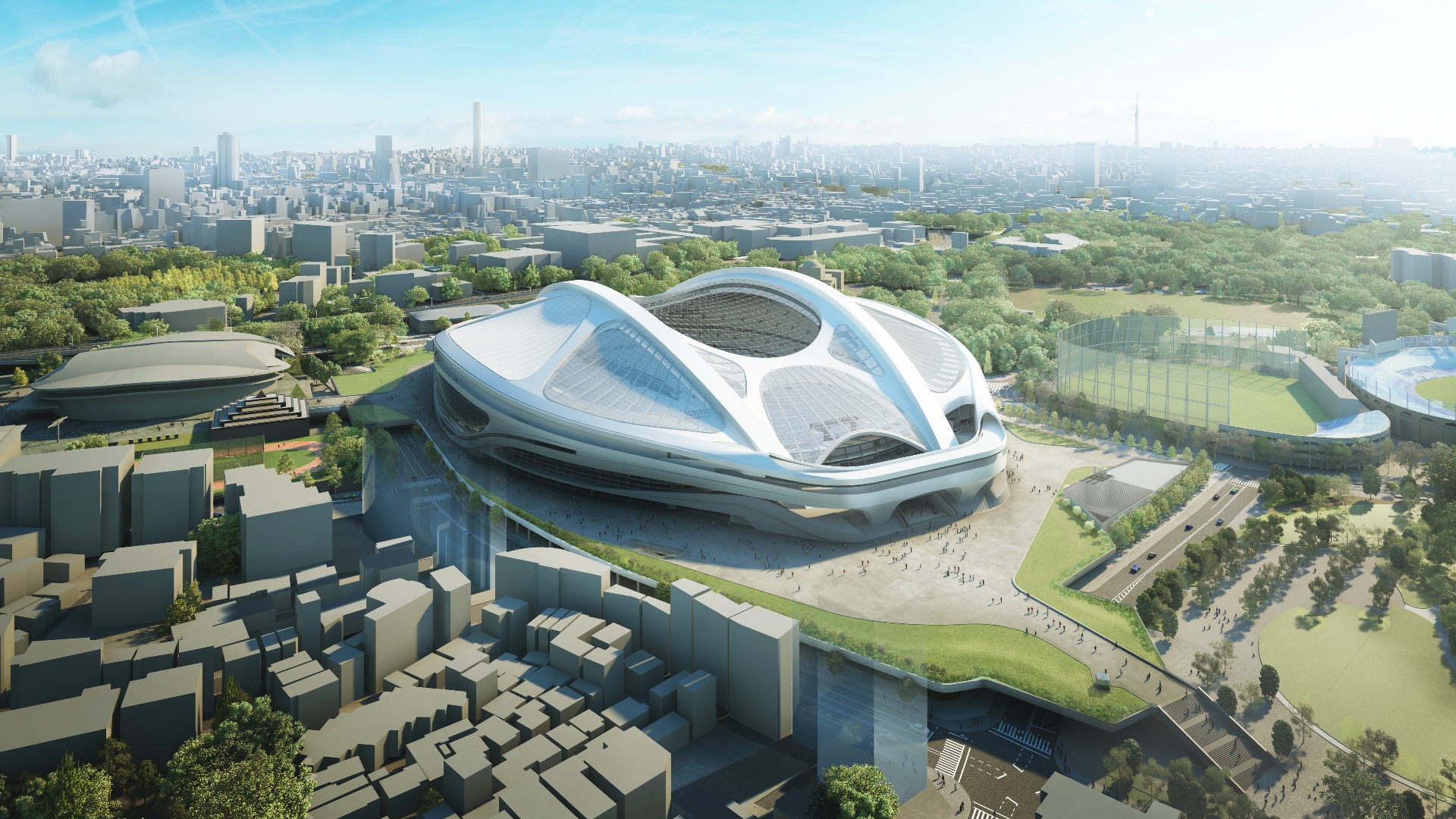
The focal point for the World Cup and the Olympic and Paralympic Games will be the new 80,000-seater Olympic Stadium in Tokyo’s Shinjuku district.
It will be built on the site of the 57,000 capacity Kasumigaoka National Stadium, which hosted the opening and closing ceremonies and track and field at Tokyo 1964, but is due to be demolished in the near future.
British architect Zaha Hadid’s original design has been revised but the Olympic Stadium will still be twice the size of London 2012’s stadium following an estimated $1bn of works. It will feature a retractable, arching 70-metre high roof.
It will host the World Cup’s opening match and final, as well as the opening and closing Olympic ceremonies, athletics, football and rugby sevens.
Both rugby semi-finals in 2019 and the third-place playoff are also likely to be played in it after Yokohama chose not to put forward its International Stadium – venue of the 2002 football World Cup final.
Japan Sport Council will own the stadium, which will be used for international football, national track and field championships, concerts and other cultural events post-2020.
Where will the rugby matches happen?
Most of the other matches at the 2019 tournament will be played in grounds with capacities between 20,000 and 45,000 used by teams in the J.League, Japan’s top football division.
Japan’s World Cup bid said Hong Kong and Singapore would each host some matches, but both cities later withdrew in a blow to the goal of raising rugby’s profile across Asia.
Organisers insist they will still select host cities that can create excitement about the sport from 14 that have applied, ranging from Sapporo in the north to Nagasaki in the south.
The final 10 to 12 confirmed venues will be announced in the first half of 2015.
Other than the Olympic Stadium, the biggest bidding venue is the 50,889 Shizuoka Stadium, home to Jubilo Iwata and Shimizu S-Pulse football clubs.
The smallest, with a proposed capacity of 15,000, is the Kamaishi Unosumai Reconstruction Stadium in an area devastated by the 2011 tsunami.
In addition to Yokohama not bidding, another surprise was authorities in Osaka putting forward the Hanazono Rugby Stadium, Japan’s oldest dedicated rugby ground.
The 30,000-seat venue opened in 1929 and the World Cup could offer an ideal opportunity to refurbish it and raise the capacity.
Games Foundation Plan
In February 2015 the Tokyo 2020 Organising Committee will submit its Games Foundation Plan to the International Olympic Committee (IOC), setting out a detailed vision.
There are 37 proposed competition venues, of which 22 need to be built and 15 already exist (including two needing major refurbishments).
Exactly half those to be built are due to become permanent legacies for the city, while the other 11 are either temporary or can be relocated.
The 1964 Games acted as a catalyst for Japan to make an extraordinarily rapid rise, from a country recovering from the devastation of World War Two to a beacon for development in Asia.
Projects included the T?kaid? Shinkansen bullet train railway line between Osaka and Tokyo, 22 new highways, eight expressways and two subway lines.
Japan’s outstanding transport infrastructure was an important part of its 2020 bid at a time when the IOC may have wanted a ‘safe bet’ amid global economic uncertainty.
While Japan’s economy has its own difficulties, the nation’s developed status and pledge to host an “athlete-focused and compact” Olympics helped it defeat Istanbul in the final round vote.
The successful bid said 28 of Tokyo’s 33 competition venues would be within eight kilometres (5 miles) of the Olympic Village with many situated around Tokyo Bay.
But this pledge was thrown into doubt when the IOC recently urged Tokyo to consider more existing venues outside the capital due to rising labour and construction costs.
Impressively, three of the 1964 venues will once again host some of the world’s leading athletes.
Yoyogi National Stadium, which hosted swimming and basketball in 1964 and sport, concerts and conferences since, will host handball in 2020.
Masato Mizuno, CEO of Tokyo 2020’s bid, described it as “a fabulous venue combining traditional Japanese design with visionary innovation”.
Nippon Budokan, described by organisers as being to Judo “what Wimbledon is to tennis”, will again host Olympic Judo 56 years after it first did.
The Tokyo Metropolitan Gymnasium, situated next to the Olympic Stadium, will see table tennis action in 2020, having staged gymnastics and water polo in 1964.
Beyond the Games
Legacy planning has taken into account the social, developmental and sustainability agenda in the city’s long-term urban plan ‘Tokyo Vision 2020’.
The Olympic Stadium lies in one of four large sports areas being developed under the vision, as does Musashino Forest Sport Centre in western Tokyo.
Due for completion in 2016, its gymnasium will host Modern Pentathlon and after the Games it will stage concerts, cultural events and local sports competitions.
Tokyo residents will also be able to enjoy facilities at the Olympic Aquatics Centre after the Games.
The centre will be remodeled and the number of seats reduced from 20,000 to 5,000 before it is opened to the public. It will still be used for national and international swimming events.
Tokyo Metropolitan Government will own a number of venues, including the Aquatics Centre and Musashino Forest Sport Centre.
While the number of countries, competitors and venues in the Olympics dwarfs any other sporting event, it lags behind the Rugby World Cup in one respect – lasting 17 days, compared to 45 days for the latter.
This article first appeared in the Winter 2014/15 issue of HOST CITY magazine -
How to host the MTV EMA awards
Ben Avison: I was fortunate enough to be in Glasgow for the MTV EMAs – what a fantastic show!
Bruce Gillmer: It was a great show, we are very proud. The city was great too, it was a good partnership – it was a good one for sure, glad you were there.
Ben Avison: What qualities is Viacom looking for in a host city of the MTV EMAs?
Bruce Gillmer: First and foremost, we are attracted to cities that have rich musical heritage and robust music fans – that lights up the scoreboard for us. Cities that are interesting culturally are attractive.
Also a city that’s easy to travel in and out of from a variety of different cities around the world – easy to get to from the US and the UK, not too far off the beaten path.
Something that is of huge importance to us is the presence of a proper venue to stage the event.
Ben Avison: What are the main technical requirements of a venue to host the MTV EMAs?
Bruce Gillmer: The EMAs is quite a big event, so generally speaking we look for an arena that can hold approximately 10,000 fans and VIPs. We prefer a structure that’s on the newer side, maybe built in the last 10 years.
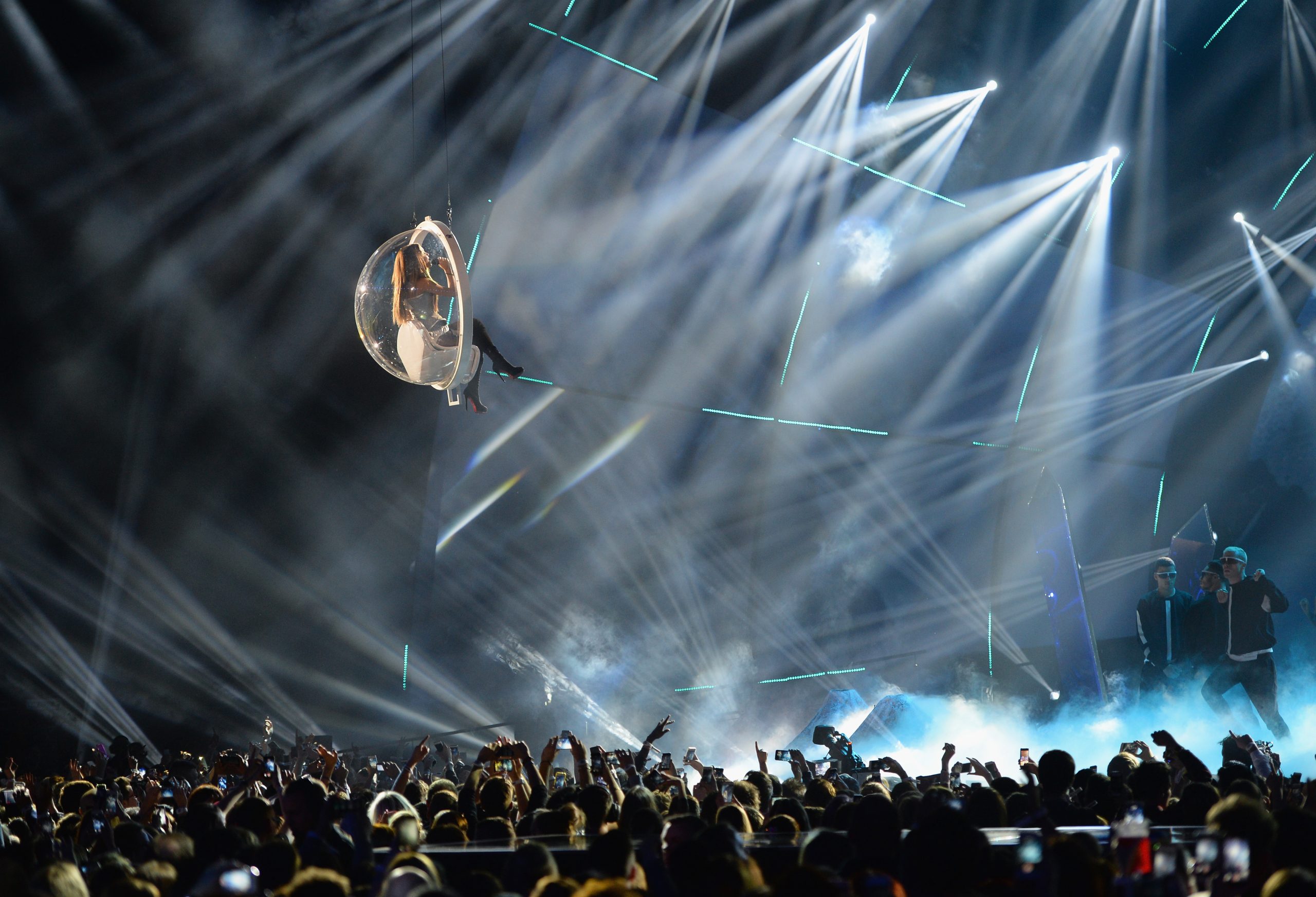
The Hydro this year was incredible. We got tremendous feedback from the artists, fans and VIPs. It was a comfortable environment with very good sightlines, no matter where you are sitting, for taking in the various different staging that we had around the venue.
And then there are all the other ancillary bits – a dressing room area that can support a red carpet pre-show and so on. The newer venues tend to be much more appropriate for an event of this scale.
Ben Avison: How can hosting the MTV EMAs benefit a city?
Bruce Gillmer: There’s the obvious economic boost that an event brings to a city, with several people travelling in from all around the world.
But really we think the value is in the amount of exposure on an international level that the event brings to the host city. There’s all of the pre-show marketing and promo and press, and then the broadcast of the EMAs itself reaches over 160 territories around the world – it’s a massive audience on every platform. In our minds that’s key – it’s the international exposure.
Also, the EMAs is synonymous with being super-relevant. A city that’s hosting the EMAs will be seen as a forward-looking, exciting location.
Ben Avison: What opportunities are there for cities outside Europe to host MTV events?
Bruce Gillmer: We host a variety of events around the world and we’ve got several award shows in addition to the EMAs, starting with the MAMAs, which is the Mother Africa Music Awards that takes place in Africa each year.
In the past it’s been in Lagos but most recently in Durban. The next host will be another exciting city in South Africa that will prove to be most advantageous from a staging production perspective. The other locations were extremely interesting from a cultural standpoint.
We have the VMAJs (Video Music Awards Japan) which is our awards show for MTV Japan, in Tokyo.
We also produce a variety of World Stage events around the world, which is not an awards per se – it’s basically a collection of artists, both international and local. It’s in Malaysia each year; we’ve been to quite a few cities around Mexico; we also host several events throughout Europe. We reach every major cluster of the world with our events.
It’s not just the obvious locations. We go for keen interest from a city or from a partner to go to a certain location, as long as it makes sense from a staging and production perspective and we can get what we need and we’ve got robust audience and excited music fans, then we’ll consider.
Ideas for events sometimes come to us from external partners or cities. In the case of the MAMAs, we staged an event also on South Africa a couple of years ago – the MTV Africa All Stars – where we had a vast array of artists from different genres from all over the continent – just. We also brought Snoop down, which was really cool and there was a lot of interaction between the artists.
So we’ve literally been to every corner of the world.
Ben Avison: How important are the EMAs to the MTV brand?
Bruce Gillmer: We do a vast array of events throughout the year; they are all important and they all serve a purpose and they all quite frankly support our brand and help us keep connected to the audience, which is vital.
The EMAs is really the crowning jewel and it really does personify the MTV brand. It’s always cutting edge; we hope that it’s always funny and fun and irreverent – all these characteristics are part of the DNA for the MTV brand. It’s really our opportunity to bring the brand to life in one glorious evening.
Ben Avison: The next MTV EMAs is in Milan, isn’t it?
Bruce Gillmer: Correct, we’re extremely excited about that. We announced that partnership as we were leaving Glasgow so really looking forward to that experience. The city of Milan really seems to be excited as well and we look forward to it.
Ben Avison: Have you had much interaction with the World Expo people there?
Bruce Gillmer: Not a tremendous amount just yet but I assume as the weeks and months go on we will for sure, because we are tied in and meant to be the exclamation point to the Expo if you like. We always look to bring the fun with us.
This interview first appeared in the Winter 2014/15 issue of HOST CITY magazine -
Qatar 2022 stadium build reaches ground level
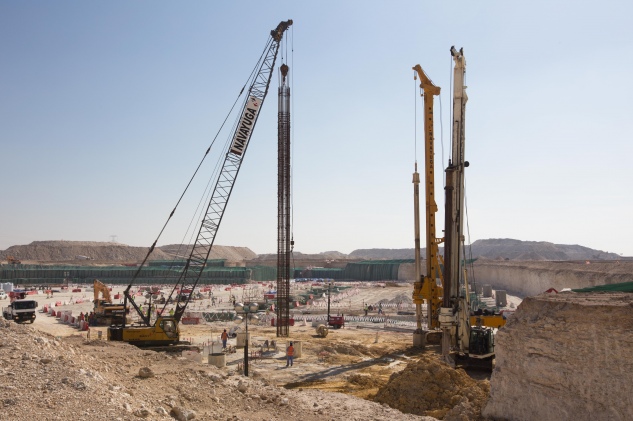
HBK Contracting Company has laid the first concrete above ground at Al Wakrah stadium, the first of five new venues being built to host the 2022 FIFA World Cup in Qatar.
“We have started laying the foundation of 168 m3 of structural concrete in our east slab,” said Abdulla Al-Marri, senior project engineer at the Al Wakrah Precinct.
“This is an important achievement, being the first above-ground casting of concrete at the site which will incorporate the structural elements to begin vertical construction.”
To lay the concrete slab at double the usual speed, HBK is using two pumps that work simultaneously.
The foundations of the stadium will feature 84 concrete piles, measuring 19 m by 1.2 m. Enabling works contractor HBK has poured 55 of these so far, the first pile being cast in December 2014, a year after the designs and location of the first new venue for the 2022 World Cup were made public.
According to the Supreme Committee for Delivery & Legacy, the organisation responsible for hosting the World Cup, a top priority now for the enabling works contractor is to cast the remaining foundations to allow the Main Work Contractor to start building the stadium on these foundations.
The Supreme Committee also identified completing drainage works and excavations around the stadium as a priority for HBK.
According to the Supreme Committee, HBK has completed over one million Lost Time Accident (LTA) free man-hours.
“We observe that all safety measures are in place before works starts and we reward safety practices every month,” said Al-Marri.
The Al Wakrah site is to hold a “safety fair” in March as part of regular safety training across all Supreme Committee sites.
The stadium will have 40,000 seats during the World Cup, with 20,000 seats on the upper tiers to be removed after 2022 and sent to developing countries in need of sporting infrastructure.
The stadium will be the future home of Al Wakrah Sports Club. It will be surrounded by approximately 560,000 m2 (60 ha) of legacy precinct with a new sports centre and community facilities including a park, mosque, school, hotel, wedding hall, vocational training centre and retail outlets.
-
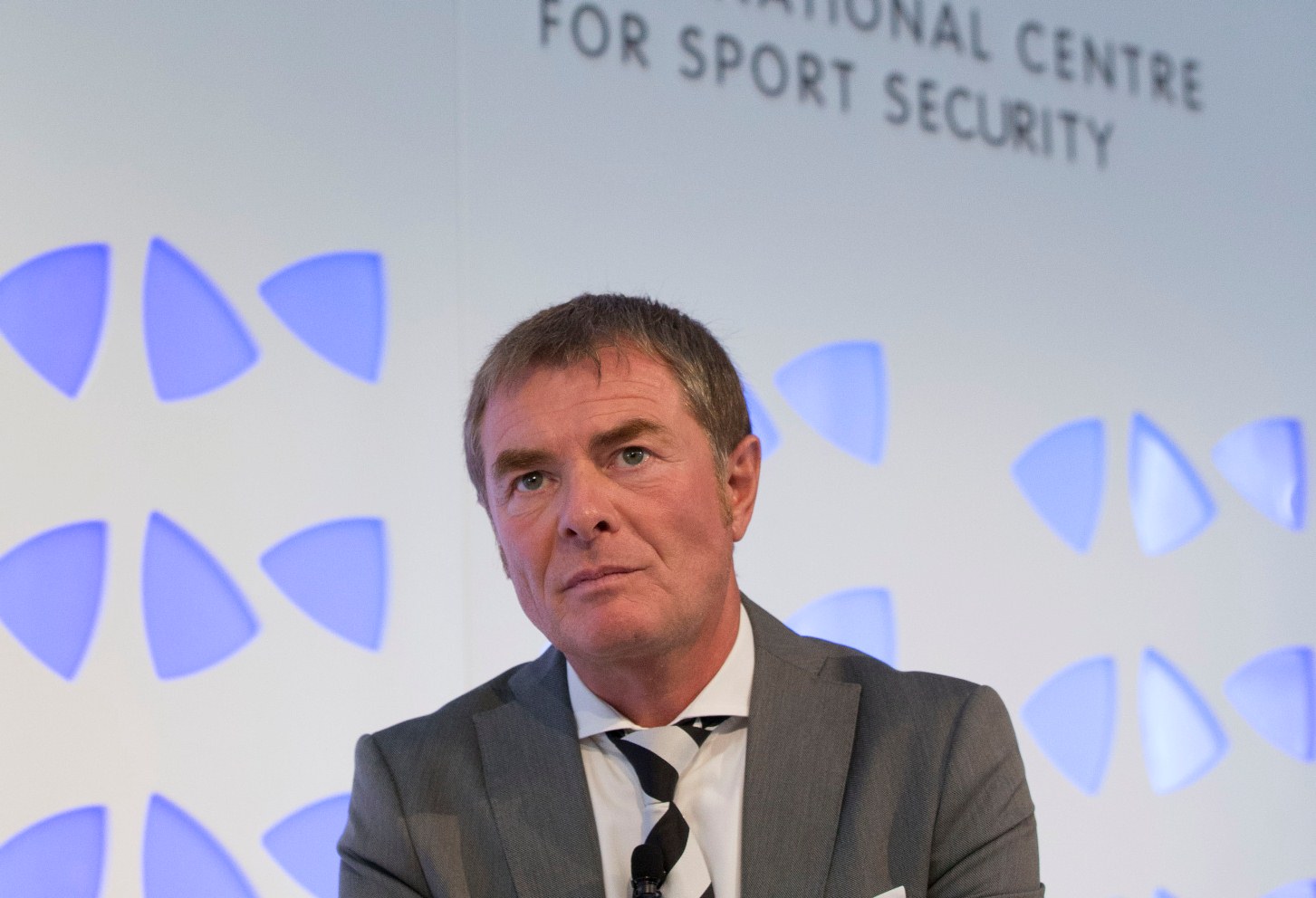
Securing major events has never been more challenging
The challenge of bidding for and hosting major international sport events is one that no city or country should take lightly. Significant time, effort and most importantly, resources, are required to host any major sport event successfully and the need to invest heavily in these precious commodities, even when planning to bid for an event, should not be underestimated.
The IOC’s proposals put forward as part of the ‘Olympic Agenda 2020’ process, as well as the ongoing questions surrounding 2018/2022 FIFA World Cup bidding process, have thrust the issue of how international federations and major events rights holders manage their bid process firmly into the public consciousness.
And as the demand from sponsors and commercial investors to reach out to new markets increases and more events are being created and hosted in more countries, it is clear that the demands of hosting a safe, secure and successful major sport event are growing in scale and complexity.
But what does this mean though for one of the most fundamental areas of hosting a major event – safety and security? As sport enters what is arguably a golden era for innovation and creativity, is the approach to safety and security moving at the same pace? What exactly do cities and countries need to consider when preparing themselves to bid for or host an event?
These are important questions that sport, as well as many cities and countries, have to ask themselves over the next few years and at the ICSS, we have committed ourselves to answer the questions currently being asked about how to effectively safeguard events, as well as identifying new innovative ways to protect them.
When bidding for an event like a FIFA World Cup or Olympic Games, one of the main challenges to safety and security is that the bidding phase usually covers a two year period, with these events normally awarded seven years before the event even takes place.
As a result, this presents a number of challenges when it comes to security. Throughout an event lifecycle, the length of time between bidding and delivery could see one – or even two – changes in government, not to mention significant changes in the threats facing the event or region. And with the lifespan of new technology usually lasting around three years, what may seem ‘innovative’ or new when planning security in the bid phase could be severely outdated by the time the event comes round.
As a result, the changing environment, particularly when it comes to security issues, can have a severe impact on the way major events are planned and budgeted for. Despite many in the industry recognising these challenges, whilst security is considered a fundamental area to host a successful event, all too often safety and security is introduced at the later stages of an event life cycle.
Over any event life cycle, new risks and threats emerge which must be planned and mitigated for at the earliest possible stage into planning competition and non-competition venues, as well as transport and infrastructure around these venues. This is an approach that we apply at the ICSS and strongly advise our partners and clients to incorporate security at the earliest possible stage into their bidding and hosting plan.
For any city or country looking to host an event, it is also essential to ensure a thorough due diligence process when it comes to securing their event and to allow some flexibility in your concept to adapt to any new threats that may emerge. At the same time, it is essential to ensure that proper contingencies are put in place to address the more immediate threats to your event.
One of the other emerging areas that cities and countries should consider is the way social media and digital technology is now used to safeguard major events. Platforms like Facebook and Twitter have not only changed the way people consume sport and communicate with each other at major events but have also revolutionised the way intelligence is gathered and investigations are conducted around an event.
I also expect that over the next few years, the influence of technology on how major events are secured will only become stronger and predict that consumer and retail technology like google glasses, retina scanning and mobile apps will revolutionise the way we interact with security professionals at events.
The challenge of securing major international events has never been greater and the demands of hosting a safe, secure and successful major sport event are growing in scale and complexity.
At the ICSS, we believe first and foremost that safety and security at a major event should be a spectator service, whilst at the same time ensuring maximum security with minimum restrictions to the end user.
We also believe strongly that there is now clear need to develop a more global approach to safeguarding sport and major events and, whilst it is impossible to guarantee 100% security, a well-thought through security concept introduced right from the start of planning can save time, effort, finance and most importantly help to safeguard spectators. -
Luis Figo strikes to break up FIFA’s power
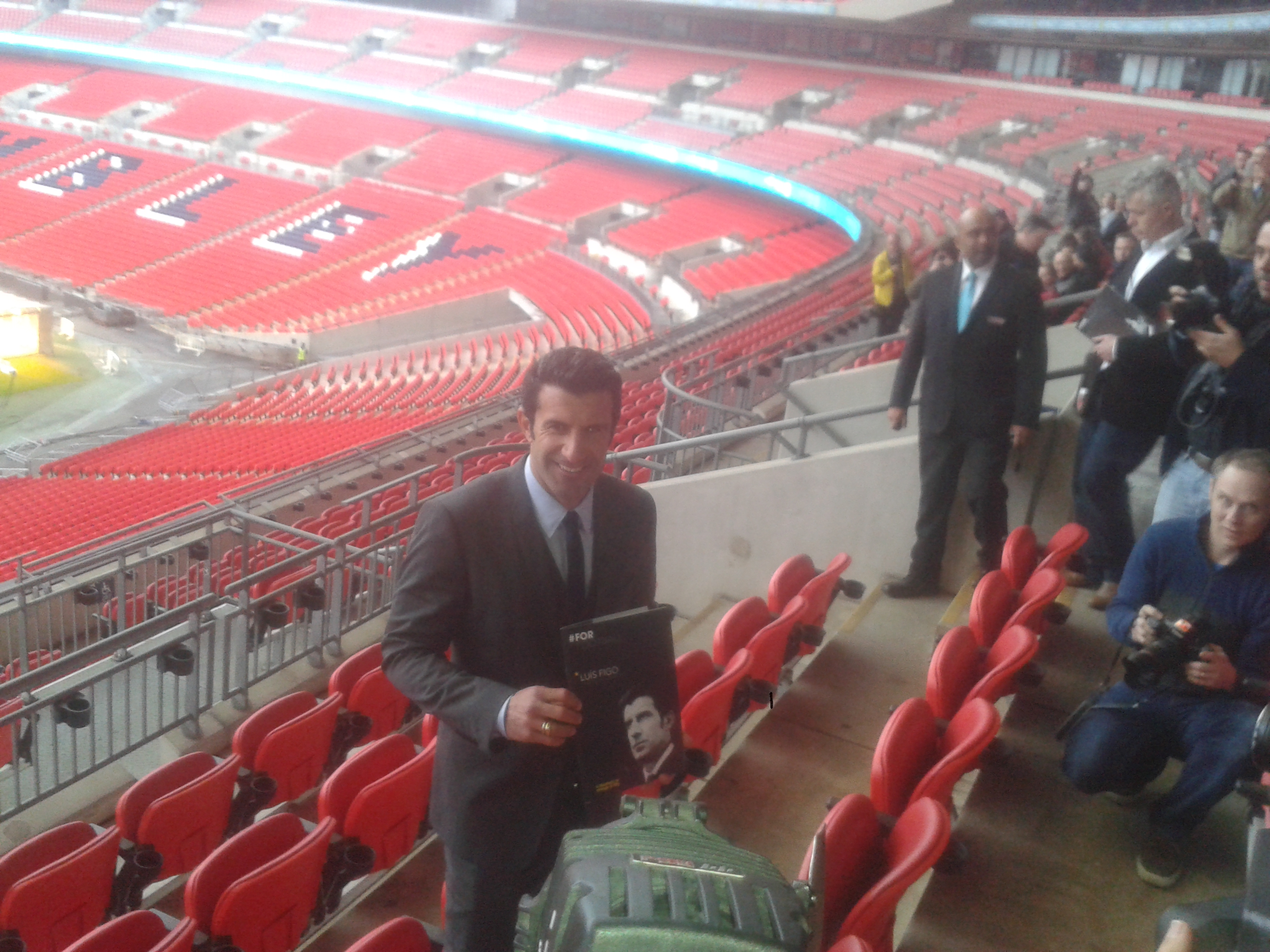
Luis Figo was the first of the candidates for the FIFA presidency to launch his manifesto today, proposing radical changes to an organisation that he says has deteriorated under the current leadership and suffers from a “negative reaction”.
The retired Portuguese footballer pledged to redistribute at least half of FIFA’s funds equally around the world to develop football at the grass roots level.
With the aim of establishing good governance, Figo wants to establish a FIFA Football Council to advise the president and Executive Committee, as well as an independent governance, audit and compliance committee with powers to “control the actions of the president”.
He also announced a proposal to increase the number of members on the Executive Committee, with equal representation from each of the continental confederations.
In a bid to boost the global appeal of his candidacy, he also announced plans to increase the number of non-European teams competing in the World Cup.
Figo’s and FIFA’s funding
Drawing on his own life story, Figo revealed that his campaign is entirely self-funded. “I grew up in working class of Lisbon, playing on streets,” said Figo. “My life changed through the power of football and I am lucky to be an independent man. I don’t owe anyone anything; this means I can serve FIFA in the interest of football, for football.
“Thank God I’ve had a long and successful career. When you retire, you need to have a balance – it’s on a smaller scale than FIFA’s budget but the way I’ve managed my finances shows that I can stand on my own two feet. I have enough money to pay for my candidature.”
Figo plans to redistribute FIFA’s revenues to enable children all over the world to get a chance to become professional footballers.
“I was very lucky and fortunate to play and get training from an early age but I know this opportunity does not exist for many children across the world,” he said.
“This is why I propose radical changes to the way FIFA redistributes its membership payments.
“I want to see at least 50 per cent of FIFA funds spent on grass roots football and to increase the size of the funds available.”
This amounts to US$ 2.5 bn. He also wants to distribute an additional US$1bn directly to the member associations over a four year period.
Currently, the member associations receive less than US$ 4m per four years.
He questioned FIFA’s current approach of setting aside a US$1.5bn reserve pool to cover the possibility of the World Cup being cancelled. “This money is not FIFA money – it is the member associations’,” he said.
“US $5m is enough to cover the operational cost of FIFA.”
This offer of cash may help Figo to gain backing for his campaign from the 205 member associations around the world that elect FIFA’s president on 29th May.
In another bid to boost the appeal of his campaign outside Europe, Figo also said he would like to increase the number of teams competing in the World Cup, without increasing Europe’s participation.
“I believe we should consider proposals to expand the competition to a 40 or even 48-team World Cup,” he said. “Both these options are feasible with an extra three to four days of tournament play.”
Structural changes to restore trust
Central to his campaign is rebuilding trust in FIFA.
“In the last few months and years we’ve come to realise that the FIFA image has deteriorated.
In Brazil, during the most important sport competition the World Cup, I could see protests against the organisation – and this was in a country that loves football deeply.
“I could see the reaction to the president of the organisation – I could see quite a negative reaction. This is not an appropriate image.
“When I started to look at all the news about scandals I decided that something needed to change.”
The changes that Figo proposes are major and structural.
“There must be transparency. My proposal is to change structures, so there will be a wider consultation with members.
“In the different confederations, we will organise meetings between 10 and 15 member associations… and the summaries of those strategic meetings will be distributed and passed on to the board.”
He also announced plans to establish a new FIFA Football Council to advise the FIFA president and the Executive Committee on issues including the calendar and format of events as well as the laws of the game and football development.
This council would have a moderating role over hosting decisions.
“It is also important to maintain decisions within the council in terms of which countries go on to organise the World Cup,” he said.
On the issue of the controversy and investigations surrounding the 2018 and 2022 World Cups, he acknowledged that there are reports of “irregularities that have taken place, reports not made public.”
But indicative of his aim to achieve global appeal, he did not support any of these claims, saying “If there are no irregularities, I don’t think Qatar should be prejudiced [against].”
He also proposes to merge the existing ethics and disciplinary committees to create a new governance, audit and compliance committee.
“For there to be transparency, the governance committee would have to be a fully independent committee from the council and also from the executive committee, and therefore that they could control the actions of the president.
“With these measures defining the different responsibilities and powers of each body, I think we would have the right measures for transparency within the organisation.”
The composition of the Executive Committee would also become a more level playing field with equal representation internationally. Each continental confederation would have one seat per ten member associations, with an additional seat for member associations that have won the World Cup, with a limit of eight seats per confederation.
With six confederations each bringing up to eight members, this would represents a major increase on the current Executive Committee membership of just 27.
Can he win it?
Figo chose to launch his bid in London, with the venue for the press conference switched from Stamford Bridge to Wembley Stadium at 24 hours’ notice.
“London is a global city and Wembley is an emblematic football space. There is no better place to present my ideas to the world,” he said.
Figo’s candidacy was nominated by six European associations. Whether he will be able to gain support from the 205 member associations, the vast majority of whom are said to have unwavering support for the incumbent president Sepp Blatter, remains to be seen.
“Mr Blatter, well I respect him, he has been leading the organisation for many years. He has had many positive achievements for football and for the organisation but a point has reached where change has needed.”
Figo’s other competitors in the presidential race are Prince Ali Bin Al Hussein of Jordan and Michael Van Praag of the Netherlands.
“Looking at the other candidates, we have some good ideas, someone who is in the Executive Committee and who knows how the organisation works internally. Also the Dutch FA president I know and respect very much; he has a lot of experience.”
He denied suggestions that he might step aside to support a single challenger to Blatter.
“My idea is right now is to run to the end, to see as many people as possible regarding the presidency and to convince them with my ideas.
The president of FIFA will be elected at the FIFA Congress on 29th May.
-
Qatar official to meet London cybersecurity experts
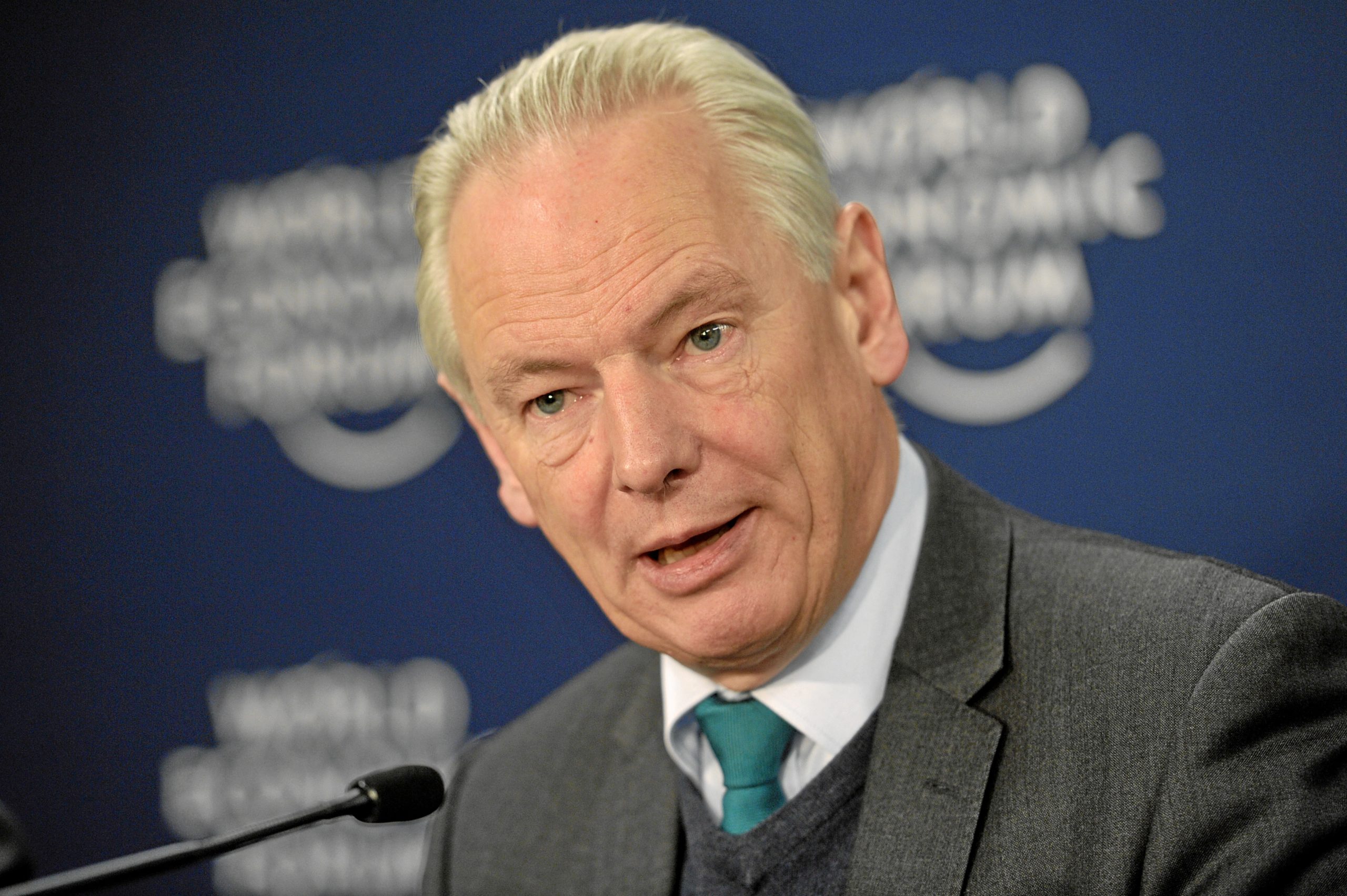
British minister for the Cabinet Office and paymaster general Francis Maude this week met with senior Qatari officials, one of whom is to visit London next week to meet with experts on cybersecurity.
Maude was in Qatar to discuss transparency, “open government” and cybersecurity – a critical issue for the hosts of major events.
“I chaired the cabinet committee in Britain on the 2012 Olympics and cyber security was a big concern,” Maude told the Gulf Times.
“We want to work very closely with the Qatar government in preparing for the 2022 FIFA World Cup. The lessons of how and what we did and all of that, we are very keen to share it with our friends,” he said, adding that Qatar and the UK have “a huge amount of common ground.”
The UK signed a security pact with Qatar last year, under which the two countries security agencies are sharing intelligence.
Information sharing between countries is crucial to maintain the security of data, as the internet transcends national boundaries.
“Governments need to work together in real time, with business and other organisations to share knowledge, information and capability quickly and effectively. Building those close relationships on these matters with our governments is of first importance.”
Bilateral trade between Qatar and the UK is valued at about GB£5.4bn (QAR30bn/US$8.2bn) annually. A British Chamber of Commerce was established in Qatar last month to boost cooperation between Qatari and British small to medium sized enterprises.
“There is a lot of Qatari investment in London and elsewhere in Britain, and we are busy building that up,” said Maude.
“We want Britain to be the best place in the world for companies to do business and we want to work with our friends and colleagues in Qatar for the benefit of both countries.”
-
Baku 2015 to host European Judo Championships
The European Judo Championships, originally set to take place in Glasgow, will now take place as part of Baku European Games in June, following a disagreement between the European Judo Union (EJU) and the British Judo Association (BJA).
Judo is the first European Championships to be integrated with the European Games. The Games now offers the opportunity for athletes to qualify for the Rio 2016 Olympic Games.
Glasgow’s Emirates Arena was due to host the Games on 9-12 April this year but the EJU withdrew the hosting rights from the BJA on 14th February.
This was reportedly due to concerns over a sponsorship agreement that would have seen the Ultimate Fighting Championship promote the European Judo Championships to its audience of mixed martial arts.
“The European Judo Union has come to the realisation that the British Judo Association does not fit the EJU criteria to host the EJU flagship event,” the EJU said in a statement last weekend.
“The BJA had entered into a sponsorship agreement which did not meet the EJU values.”
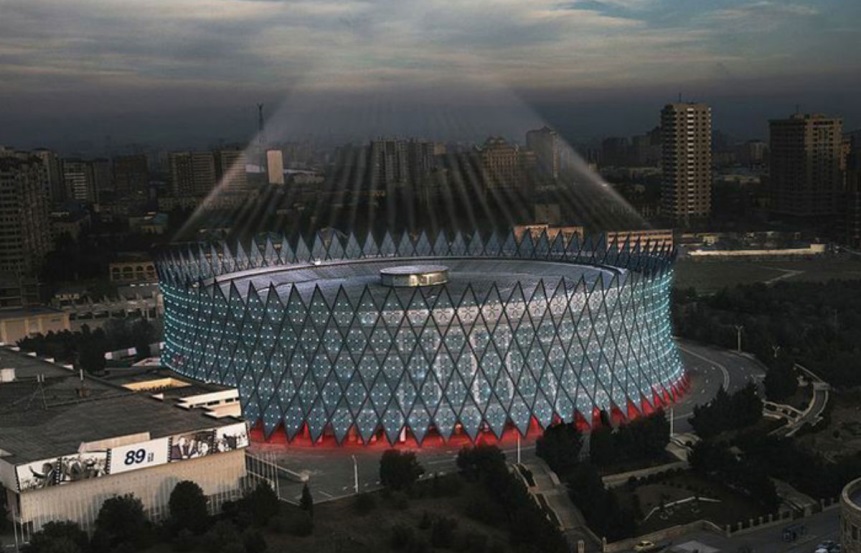
Within the space of a week, a new host city has been allocated. The event has now been incorporated into Baku 2015’s judo competition, to take place during the final four days of the inaugural 2015 European Games, which takes place from 12 to 28 June.
“After the cancellation of the event in Glasgow, our priority was to find a new host as quickly as possible. We have done this and I am very happy with our choice,” said Sergey Soloveychik, President of the EJU.
“Baku 2015 has a world-class judo venue with supporting facilities which will help Europe’s elite judoka reach peak performance in June.
“For all the judo fans who have already bought their tickets for Emirates Arena in Glasgow, they will have an opportunity to get free tickets to the judo venue in Baku.”
The decision to incorporate the European Championships into the Games ensures that Europe’s top judoka will be competing at Baku 2015, as the Championships is a qualifying event for Rio 2016.
“This decision further strengthens the European Games with 12 of the 16 Olympic Sports now offering direct or indirect qualifying opportunities for the 2016 Olympic Games in Rio de Janeiro,” said Azad Rahimov, chief executive officer of Baku 2015 and Azerbaijan’s minister of youth and sport.
Other sports offering qualification opportunities for Rio 2016 are archery, athletics, boxing, cycling, shooting, swimming, table tennis, taekwondo, triathlon, volleyball and wrestling. There are 20 sports in total at the European Games, which is administered by the European Olympic Committees (EOC).
Judo is the first European Championships to be integrated into the European Games.
“The EOC has always intended for European Championships to become part of the European Games and this agreement indicates that our aim is coming true, even earlier than we had anticipated,” said EOC president Patrick Hickey.
“I am sure other sports will follow suit at future editions of the European Games and that the event will become one of the main qualification routes for the Olympic Games.”
Despite the decision to move the EJU Champsionships to Baku, Scotland retains a strong portfolio of events after hosting the acclaimed Commonwealth Games and Ryder Cup in 2014.
In 2015, Scotland is hosting the IPC Swimming World Championships, the World Gymnastics Championships, the World Orienteering Championships and the World Equestrian Championships, as well as seven golf tournaments and the Turner Prize.
“Scotland has a huge amount to offer in terms of its natural assets, its people and its infrastructure,” Paul Bush OBE, chief operating officer of EventScotland told HOST CITY.
-
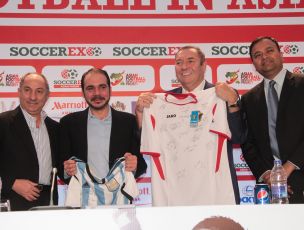
Soccerex postpones Asian Forum to 3 and 4 May
The date of the Soccerex Asian Forum has changed from the 14 to 15 April to the 3 and 4 May, the organisers announced today.
The change was made after the decision by the Confederation of North, Central America and Caribbean Association Football (CONCACAF) to bring forward their congress to April.
“The aim of the Soccerex Asian Forum is to promote the development of football and football business in Asia, through providing a platform for the whole world of football to gather in Jordan. The rescheduling of the CONCACAF Congress meant that it would be very difficult for many of the decision makers from this important region, and the industry worldwide, to attend the Asian Forum,” said Soccerex CEO Duncan Revie.
“We have long enjoyed a good working relationship with CONCACAF and were delighted to welcome a significant CONCACAF delegation, led by President Jeffrey Webb, to two of our events in 2014.
“With this in mind, following discussion with our partners, we have taken the decision to move the Asian Forum to the new dates of the 3 and 4 May 2015.
“The event will still be held at the same fantastic location on the banks of the Dead Sea and will continue to be hosted in conjunction with the Asian Football Development Project”.
Soccerex Asian Forum will now start just two days after the AFC Congress in Bahrain draws to a close. The close proximity of the Congress in both date and location – Jordan is just a short flight from Bahrain – means that a significant AFC presence is expected at the Asian Forum.
For more information contact Soccerex on +44 208 987 5522 or enquiry@soccerex.com
-
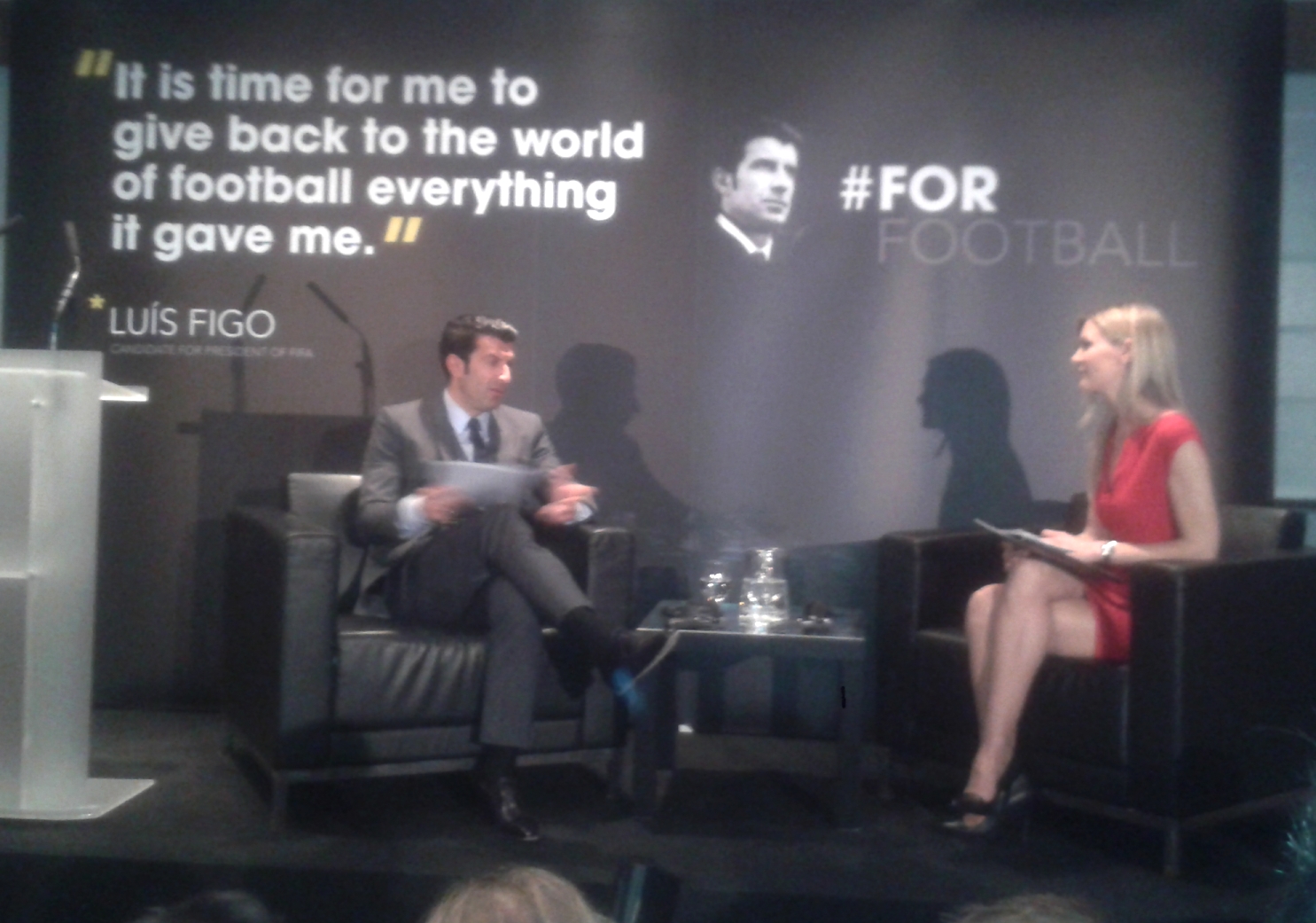
Luis Figo welcomes winter World Cup in Qatar
Luis Figo, the retired Portuguese footballer who is running for the presidency of FIFA, has said that the organisation is right to recommend hosting the World Cup in late November and December 2022 – despite the disruption this would cause to the European football leagues.
“The FIFA Task Force recommendation is the right decision for the World Cup,” he said in a statement.
After a six month consultation process, the FIFA task force recommended earlier today that the 2022 World Cup should take place at the end of the year, to avoid clashing with the Olympic Games, Ramadan and the hottest months of the year.
“It has to be played in the best possible conditions for the fans and players who will enjoy a great World Cup atmosphere, and for Qatar who deserve to be put in the position to organise a great event,” Figo said.
“With good will and a sense of solidarity it is always possible to find the right solutions.”
Figo’s endorsement is in contrast to the reaction of other leading European football administrators. The European Professional Football Leagues and the European Clubs Association had been pressing for the World Cup to take place from 5 May to 4 June and will continue to oppose the proposed date change.
Richard Scudamore, the chief executive of the English Premier League, said “It’s the European leagues and European clubs that are going to suffer the most, so it’s very disappointing.”
While Figo has been outspoken about the need for transparency in FIFA, he is taking a very diplomatic stance on the issue of Qatar’s right to host the World Cup. At the launch of the manifesto for his presidential campaign last week, he acknowledged that there are reports of “irregularities that have taken place, reports not made public” but said “If there are no irregularities, I don’t think Qatar should be prejudiced [against].”