How important is the legacy of large economic investment in cities for major events, and what role can architects play?
This is a fundamental issue for any city that is interested in hosting major events. For such a large investment to secure local support and take advantage of focused global attention, a lasting legacy must be priority number one. Unfortunately, it is all too often an afterthought.
Brought in at the ground level, architects can effectively communicate a long-term vision for cities and local organising committees (LOCs). Through the built form, and through innovative design decisions, both the one-off event and the future legacy can be realised as one coherent journey.
Architects can help develop the best solutions for long-term infrastructure reuse and economic outcomes for a city. Even a sport cluster that is intended to be used for its original purpose can leave a practical legacy if the surrounding support infrastructure improves the wider city region. Likewise, enhancements to the built environment that support a City of Culture event need long-term business planning to make sure that the running of a new collection of large public buildings is self-sustaining.
AFL Architects is putting together a major events whitepaper for just this reason. We want to help LOCs plan wisely for a sustainable legacy when bidding for major events. After all, the single largest cost in most events is the built form. Getting this right – while at the same time preparing for the long-term use post-event – can make or break a city for years to come.
Why should sports, residential, healthcare and other building types be considered together when masterplanning?
Masterplans are the bedrock of any major city development. It goes without saying that the most successful masterplans incorporate appropriate mixes of many building use types around generous public open spaces and good transport links.
AFL’s multi-sector design studio positions us very well for large scale development sites where residential development, for example, may be necessary to underpin the financial viability of a stadium or arena development. Likewise, a community health and wellbeing centre could form a hub for a sustainable masterplan mixed with a new or improved educational facility to provide the long-term community facilities that a city region requires to maintain family life.
How will the Hull Venue help the UK City of Culture to attract cross-sector events and visitors beyond 2017?
The story of Hull Venue’s development is an interesting case study for how architects can influence a long-term legacy. When we were first approached by Hull City Council to design a new multi-purpose events arena as part of its tenure of UK City of Culture, our first question to the council was – why do you want to build a 10,000-seat arena? From a pure business standpoint, we were talking our way out of a larger job! However, our overriding feeling was that the building had to be designed with a solid business plan underpinning the legacy use.
Our second question was – what did multi-purpose truly mean? We wanted to break away from the traditional approach of designing a sports arena that was a second-class venue for alternative uses, so we decided to dig down and create something that was truly multi-purpose.
We brought in experts in venue business planning to create a truly three-dimensional brief. This would take in the appropriate scale of the venue and the ideal mix of event types that Hull would benefit from long term. Essentially, we all agreed that the venue needed to be sized based on the regional catchment and facilities provided that were lacking in the city and wider region.
The outcome of this process was a venue sited right in the city centre with a maximum capacity of 3,500. This would be perfect for its primary use as a live music venue, with the ability to scale down for entertainment shows and smaller events. At the same time, functions such as conferences, exhibitions and banquets requiring only 800 attendees would benefit from the large floor plate that the building would provide.
The design process was a delicate balancing act which we believe has played out well in the final design. Now being constructed and due to open next year, Hull Venue will continue the legacy of Hull 2017, attracting thousands of visitors right into the centre of Hull for years to come.
How do you think your work at the AIMAG will contribute to the ongoing development of Ashgabat and Turkmenistan?
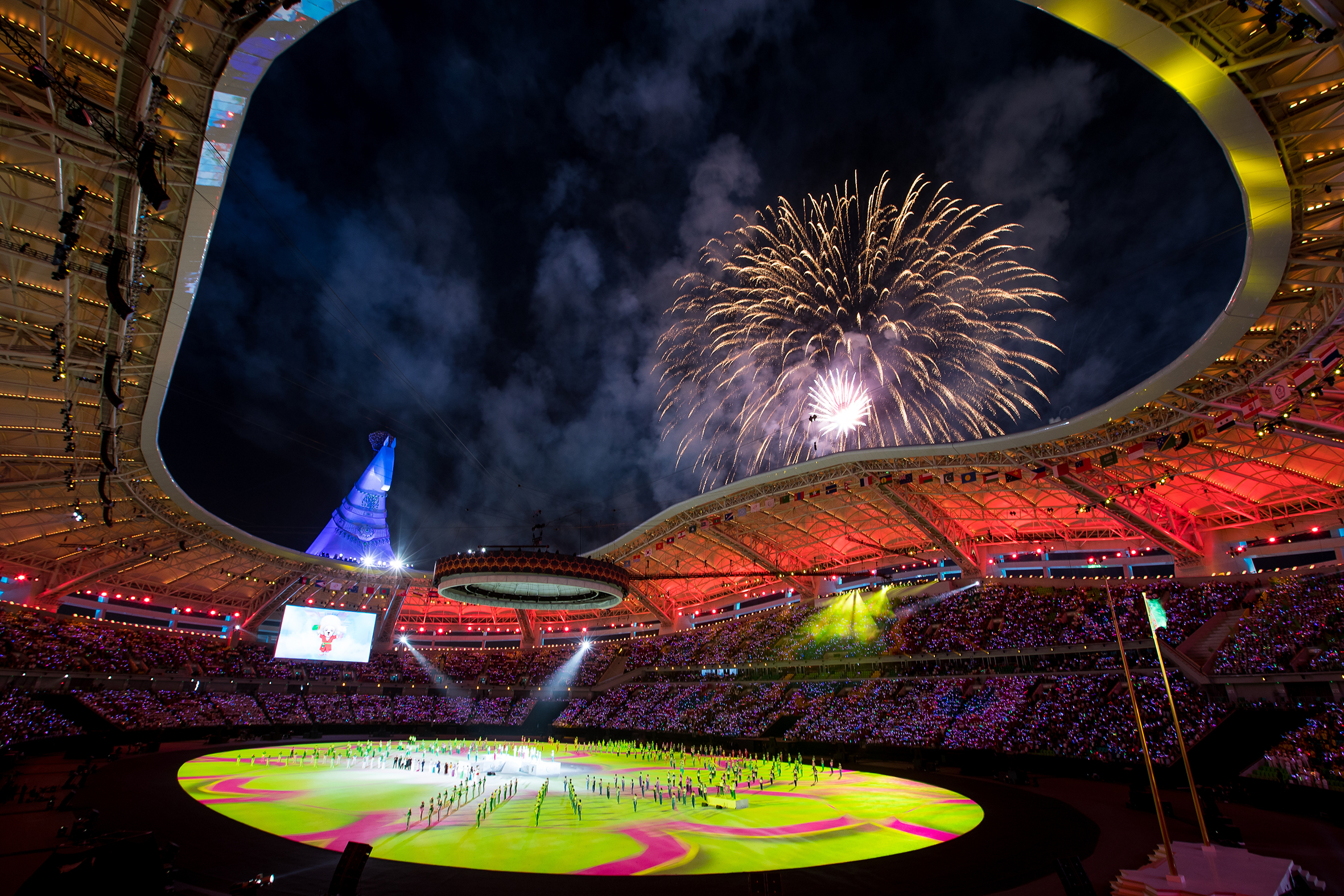
Although the stadium was built to host the opening and closing ceremonies for the Asian Indoor and Martial Arts Games 2017, it needed to also be designed for a sporting legacy as part of the wider Olympic Complex in Ashgabat.
The brief was to be both IAAF and FIFA compliant while being able to host ceremonies and concerts. As these are not directly compatible we took the approach to design for athletics first while optimising for football use and then incorporating other events into the design modes.
Configuring the stadium seating bowl and sports facilities for all these events was a challenging exercise, with conflicting sight lines, c-values and program. The final design optimises all the requirements while minimising seat loss in football, which is a common issue with this type of multipurpose venue. This means that with only minor modifications, this venue could feasibly host a future FIFA Football World Cup group game on top of its existing capabilities to host tournaments such as the IAAF World Athletics Championships.
What are your further ambitions for the major events sector internationally?
As world leaders in delivering truly flexible and adaptable stadiums, arenas and masterplans, we want to create closer collaborations with our clients at the very start of their major event journeys. It is only in this way that cities can realise their visions for a sustainable future.
Above all, we want to create legacies that improve the places where we live and work, optimise costs and above all – deliver a world-class experience.
Marcel Ridyard is speaking at Host City 2017 in Glasgow on 28 and 29 November
Blog
-
How cities can realise their visions for a sustainable future
-
Inside UEFA’s own international organising committee
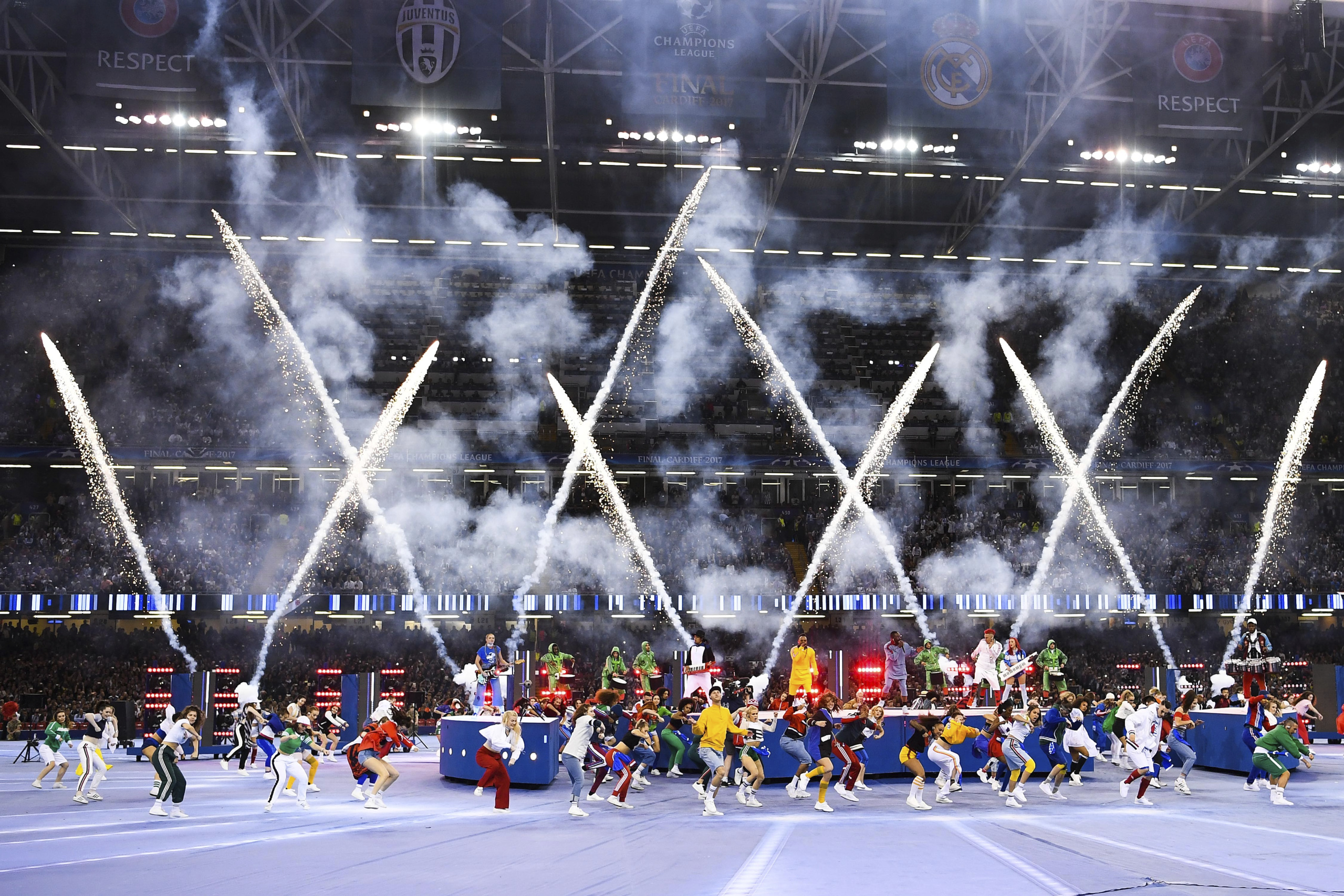
Host City: Events involving multiple host cities are usually delivered by a local organising committee (LOC) in the host nation. What prompted UEFA to bring the organisation of its events in-house instead?
Christian Hirschmueller: UEFA’s approach is built on the understanding that knowledge and experience are critical success factors to deliver UEFA’s events on a very high service level in the most effective and most efficient ways.
Historically, UEFA started to be directly involved in event operations in 2002 for the UEFA EURO 2004 in Portugal. For UEFA EURO 2008 in Austria and Switzerland, the geographical proximity of the hosts still allowed to have a LOC model, with many synergies created between the LOC and UEFA Events SA. It was thus a kind of intermediary step on the process to fully bring operations in-house.
By founding UEFA Events SA – a 100%-owned subsidiary of UEFA – after a very successful UEFA EURO 2008, UEFA was able to keep in-house the knowledge and experience obtained during its two previous major sport events. Furthermore, this knowledge was structured in so-called ‘Competence Centres’, such as Technical Services & Overlay (TECH). With the in-house organisation of the annual UEFA Club Competition Finals as from 2013 onwards, UEFA Events SA has been able to use the knowledge and experience of the Competence Centres across all UEFA competitions and maximise the output in terms of effectiveness and efficiency.
This process which lasted over several years, from the first operational steps in Portugal to the current performance of UEFA Events SA, was initiated, led and implemented by the CEO of UEFA Events SA Martin Kallen.
Host City: Which aspects of event delivery does UEFA outsource most – from operational management and expertise, down to products and services?
Christian Hirschmueller: The daily business in the operational part of UEFA Events SA is to plan and produce UEFA’s events. This means to appoint and contract suppliers, organise the works and coordinate the several activities with all relevant stakeholders. These typically are tasks of companies offering main contractor services which we operate by ourselves.
Regarding operation, this seems one of the main differences between UEFA and other organisers of major sport events: While for other major sports events it might be key to involve a main contractor in order to deliver the event including all the above tasks, UEFA Events SA is covering this part itself and looks for specialised suppliers delivering the services directly.
This leads to a more direct interaction between internal stakeholders and suppliers and contractual relations are thus getting more transparent. Our experience shows that it saves financial resources, time for complex overhead management and reduces miscommunication between all parties due to less interfaces.
Host City: Can you give us an idea of the scale and scope of technical services and overlay required for an event like the European Football Championship?
Christian Hirschmueller: Generally speaking, TECH is responsible to provide and operate technical infrastructure at the stadiums for UEFA’s major sport events as e.g. UEFA EURO, UEFA Champions League Final or UEFA Europa League Final according to all stakeholders needs and agreed service levels.
On the one hand this includes the existing technical infrastructure, such as stadium and grid power systems, the proper functioning of the pitch floodlighting or the operation of sound systems, giant screens and stadium TV system.
On the other hand, this also includes the provision of temporary infrastructure inside and outside the stadium, as the technical and infrastructural needs for such major sports events are higher than existing systems are usually able to cover.
The list of figures and deliverables is long: for UEFA EURO 2016, TECH delivered 24 MW of temporary power systems for TV broadcasting and additional outside facilities with approx. 1,000 km of cables, 17,700 m2 of tent structures with water und air-condition installation, cleaning services for 500,000 m2 and removed 600 tonnes of waste, installed 1,700 TV commentary desks in 10 different venues, provided a total of 800m cable bridges, installed approx. 25,000 cable hooks, 100 camera platforms, 39 TV pitch view studios, implemented the sound system upgrade of 10 stadiums with 1,100 speakers and around 200 individual infrastructural changes in these 10 stadiums.
In addition, TECH was responsible for the health and safety procedures during the set-up and dismantling period with a 4,000-page documentation and 200 on-site briefings, the permission process for technical installations with approx. 15,000-page documentation as well as for the frequency management process with 5,000 frequency applications over all matches.
The TECH planning team was made up of seven people: three in Switzerland and four colleagues in Paris. The overall budget of TECH for UEFA EURO 2016 was EUR 26m.
Host City: For most mega events, the host nation benefits from the opportunity to engage with local suppliers and sponsors to deliver the event. How can hosts of UEFA events benefit if all the procurement and marketing is handled centrally?
Christian Hirschmueller: Let me give you the example of UEFA Technical Services & Overlay (TECH) for UEFA EURO 2016 in France.
All suppliers were chosen in an open and public tender process. Key factors for choosing suppliers are quality of equipment, availability of resources as well as experience for these very specialised fields in major sport event. Once this is given, local/national suppliers are very attractive for us as they have often the advantage of low logistics and accommodation costs. With these parameters, in total more than two thirds of TECH’s budget remained in the host country.
Beside the planning team mentioned above, the 10 TECH venue managers and the 10 TECH venue coordinators were all locals – half of them never participated in major events before, let alone in major sport events. This means that instead of hiring international crews, we developed a training programme and achieved a very successful knowledge transfer. This was mainly possible due to the model of UEFA Events SA and the core team in Nyon relying on the operational experience of several successfully delivered UEFA EURO tournaments.
Host City: In another innovation, UEFA is staging the 2020 European Football Championships in 13 host venues, all in different nations. It must be incredibly complex working in 13 different countries to deliver the event – how is this being managed?
Christian Hirschmueller: It is a project management challenge to organise a consistent UEFA EURO 2020 tournament under consideration of the new format with its multi-country aspect and cultural diversity. The main task is to prepare the stadiums – which are coming from different operational and infrastructural levels – for a EURO tournament operation.
At the beginning, the goal was to create a model that was as simple as possible, manageable, transparent and easy to understand for all stakeholders independent of their individual background.
For this purpose, UEFA Event SA has developed a process that regulates the activities of stakeholders to achieve agreed results together at certain stages, the so called ‘gates’. This process leads to the ‘UEFA Venue Operations Gate-Model’ summarising the process on one A4 page to support a common understanding in order to be ready for the next step in the planning phase.
Host City: What are you most looking forward to about UEFA Euro 2020?
Christian Hirschmueller: The UEFA EURO 2020 will take place from Bilbao to Baku and from Glasgow to Rome. It is a fantastic professional and personal enrichment to meet and cooperate with this large variety of characters and cultures and their different ways of living, during one event.
Host City: Thank you very much and I look forward to hearing you speak at Host City 2017! What are your expectations of this important meeting of cities and events?
Christian Hirschmueller: The Host City 2017 summit is an ideal place to meet and exchange with inspiring people of different branches. I look forward to gathering new aspects and impulses for the work of UEFA Events SA. -
Are you ready to host?
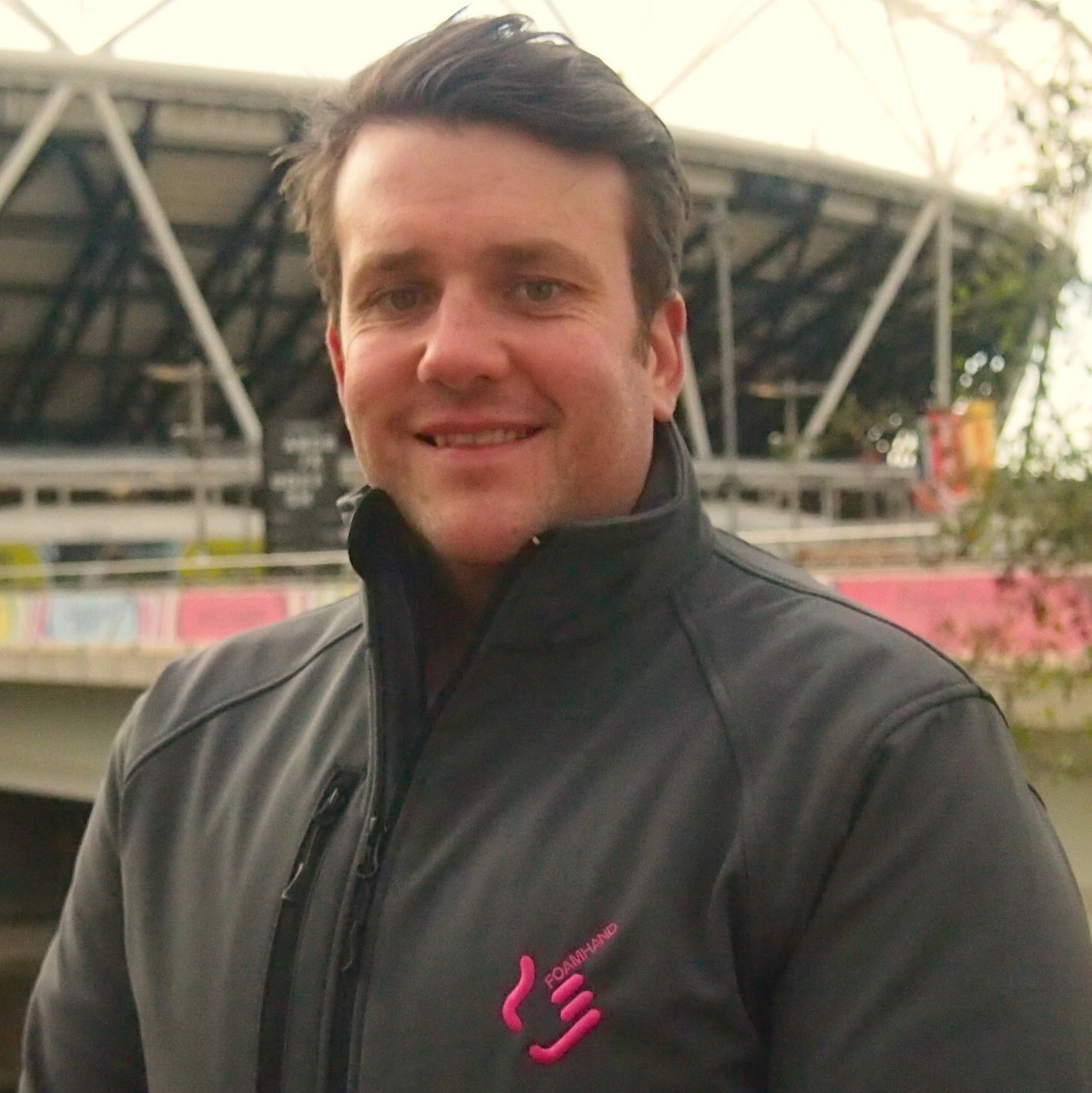
FOAMHAND has a reputation for successfully planning and delivering major event projects on the global stage as seen through recent major events such as the London 2017 IAAF World Championships, Glasgow 2014 Commonwealth Games, America’s Cup Bermuda 2017 and even NFL’s Super Bowl 50. With on-going projects for the next Commonwealth Games host city Gold Coast 2018 and the Winter Olympics in PyeongChang 2018 FOAMHAND are helping to ensure you, your teams, contractors and event partners are ready.
Being Operationally Prepared – Case Study: London 2017
At the start of 2017, FOAMHAND were commissioned by the local organising committee for the World Para Athletics Championships and IAAF World Championships in 2017. Our main objective to review the anticipated event-time operations, facilitate operational readiness desktop exercises, and develop an appropriate Command, Coordination and Communication (C3) architecture that would support the safe running and coordination of the event.
With 24 weeks to go before the event started to receive its first arrivals there was a significant time pressure to ensure functional areas were familiar with their operational plans and were appropriately tested. Our team’s aim was to quickly evaluate the level of preparedness of all functional areas, highlight areas of potential risk and identify opportunities prior to the ‘Summer of World Athletics’.
Adam Down FOAMHAND CEO said “Readiness is not just a box on the organisational chart to give comfort to executives, nor is it something that can be purchased. For teams to ‘be ready’ is a state of preparedness that takes time, effort and commitment from everyone involved.”
Building on our team’s existing relationships with local partners, combined with our international event operations experience, enabled our team to quickly establish a Readiness Road Map for London 2017. The readiness programme provided direction to the functional areas and highlighted the touch points for interoperability, whilst reassuring senior management and financial investors.
As is often the case in major events, time and resource constraints meant that functional areas focus on their own operating plan and fail to discover the reliance placed upon them in other operating plans being developed across the organising committee. This gap becomes far more difficult to bridge the closer you are to the event.
In parallel, the FOAMHAND team was tasked to design and build a trusted Central Operations Management Centre that could support functional area operations and coordinate the Organising Committee event-time delivery. A key challenge balancing the expectations of external partners, many of whom had significant involvement with London 2012 Olympics only five years earlier in the same venue. This balancing act needed to meet the available budget and resources in comparison to the “greatest show on earth” as the Olympics is often referred to. Events smaller in scale but in many cases no less complex do not have the financial flexibility to over-scope facilities as a risk mitigation measure – which is usually central to any business case justification and is regularly discussed in post event lessons learned sessions.
FOAMHAND used their team’s delivery of the Readiness Programme for London 2017 to illustrate the importance of readiness at all levels to the functional areas, showcasing best practice for Venue based workshops and understanding the ‘Client Journeys’. Our readiness desktop exercises provided a platform to evaluate multiple scenarios in a safe environment to support learning, process improvement and ensure plans were deliverable. The most valuable outcome was taking staff and partners on the journey to becoming operationally ready to assist in the creation of what became the Championship Coordination Centre (CCC); a compact but agile C3 centre specifically designed for the event by FOAMHAND. During the event, the CCC was carefully resourced by the right mixture of event professionals, planning oversight, communications specialists, volunteer radio loggists, and all managed by FOAMHAND. The CCC enabled London 2017 to engage and respond to external partners, coordinate its own operations beyond the main venue footprint, and seamlessly integrate with the existing operations of both the London Stadium and the Queen Elizabeth Olympic Park.
Cherry Alexander MBE, Managing Director for London 2017 and Major Events Director for UK Athletics, said: “FOAMHAND were flexible and accommodating of our programme and broader needs. They were able to use their experience to quickly enhance the deliverables and understand our constraints. Their team also had the capability to assist with our response to evolving challenges arising from the recent terror attacks within the UK in the run up to the Championships. This helped to ensure our LOC felt confident and ready to deliver two successful World Championships”.
The World Para Athletics Championships and IAAF World Athletics Championships were held in July and August 2017 at the London Stadium on the Queen Elizabeth Olympic Park. This was the first time both events have been held in the same summer in the same host city. With 20 days of sporting drama and 3,300 athletes from around the globe competing in 245 events and almost 1 million ticket spectators it truly was a ‘Summer of World Athletics’.
City Operations & Precision Planning
FOAMHAND is a global major events consultancy specialising in four critical event planning disciplines with a focus on core themes of integration, seamless spectator journeys and event readiness.
We use specialist online tools to enhance collaboration; and have world class experts in crowd modelling and dynamics. FOAMHAND are currently engaged by the PyeongChang 2018 Winter Olympics and Paralympic Committee to provide crowd flow modelling and management across all competition venues and were engaged by the Rio 2016 Organising Committee to support crowd and transport management operations for the Rio 2016 Opening ceremony.
With offices in the UK, New Zealand and Australia, we work with city planners, event organisers around the world to ensure a safe and enjoyable event for all, offering expert knowledge from our team’s major event experience which is founded on the planning and delivery of over 40 global events over the last decade.
All our team have first-hand experience of event day delivery and use this valuable knowledge to support clients by providing ‘real world’ practical solutions. For an event to be successful for strategic supporters, funders and governments, a city needs to keep working. Our ‘one team, one plan’ approach to event planning considers a broad range of factors, identifies partner agencies and influential stakeholders, and engages them in the process as early as possible. FOAMHAND bring this all together in the run up to a major event with functional area engagement workshops and various readiness activities to ensure confidence is high, teams and functions are integrated, and clients receive the levels of service as planned.
This article was written by FOAMHAND. For further information please visit www.foamhand.com or contact the team on +44 (0) 207 205 4105, info@foamhand.com or @foam_hand -
‘Dark spaces’ in sport club ownership to be analysed in major new global study
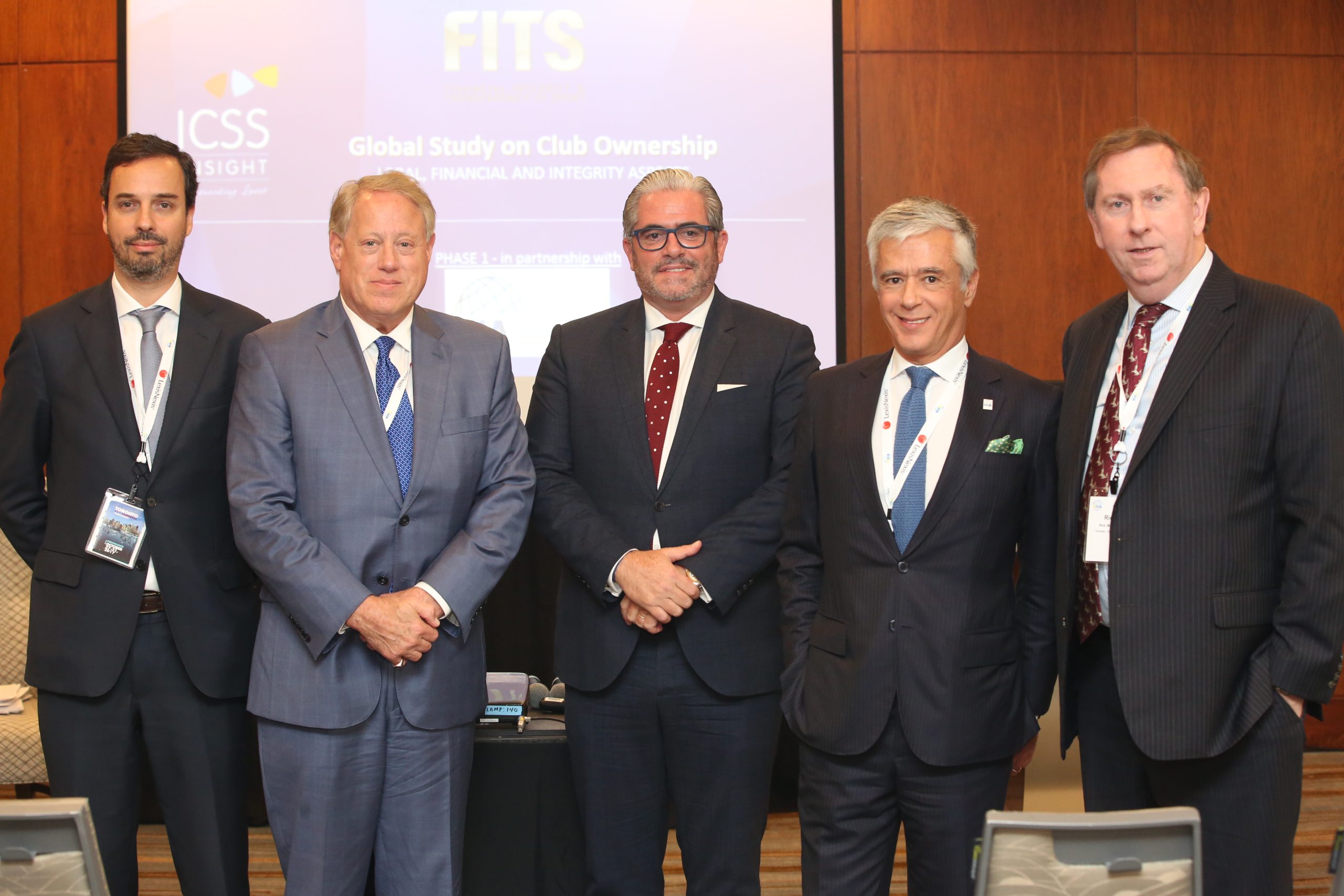
(Source: ICSS) Against the backdrop of growing global concern regarding ownership and investment structures surrounding professional and even amateur sports clubs, leading sport integrity and policy experts ICSS INSIGHT have launched a major independent study into the legal, financial and integrity aspects of sport club ownership.
As a first and crucial step in the project and to develop much-needed research in the area of financial integrity and club ownership in sport, ICSS INSIGHT and the International Association of Lawyers (UIA) have also announced a partnership to work together on the first phase of the major three-part global study.
The first phase of the three-part study will analyse current legislation and regulations in place that apply to club ownership and investment structures in world football.
Over the coming months and as part of its ongoing efforts to champion the highest standards of governance and financial integrity in sport, ICSS INSIGHT will partner with other leading international academics and institutional partners for the second (financial) and third (integrity) phases of The FITS Global Study on the Legal, Financial and Integrity Aspects of Club Ownership.
Results of the first phase of the three-part study will be announced by the ICSS INSIGHT and UIA at the second edition of the FITS FORUM, which is due to take place in spring 2018, with the overall and final results of the FITS study to be finalised at the end of 2018.
The study is part of the Financial Integrity and Transparency in Sport (FITS) Global Project – an initiative launched by ICSS INSIGHT (formerly ICSS EUROPE) in November 2014 to identify and address the emerging threats facing the financial integrity and transparency of sport and bring together stakeholders from all areas of the sports industry to drive long overdue reforms.
Key findings from the first independent report of the Financial Integrity and Transparency in Sport (FITS) Global Project include:Only an estimated 25% of professional football clubs in top leagues around the world produce publically-available financial reports
Only an estimated 40% of national associations are financially viable without the help of FIFA
There are vast and significant ‘dark spaces’ in the finances of football, which must be addressed to protect clubs, players and leagues from the growing threat of organised crime.Speaking in Toronto on 30th October in front of legal experts and international law firms from around the world at the 61st UIA Congress, Emanuel Macedo de Medeiros, ICSS INSIGHT CEO, said:
“Incredible sums of money are being invested in the acquisition of sporting clubs around the world. Investment in sport is welcome, but it must be clean and transparent.
“Whilst there are positive exceptions, there is very little due diligence and effective oversight. The existing regulations are simply too short and too poor to respond efficiently to the mounting challenges posed by a fast growing, globalised, financially sophisticated and increasingly complex industry.
“As the first FITS study highlighted, plenty of ‘dark spaces’ exist in the finances of football and the wider sports industry. This must change if we are to safeguard sport from the growing influences of corrupt and unfit investors, money launderers and organised crime.
“To help drive this positive change, ICSS INSIGHT is launching this major three-part independent study under the banner of the FITS Global Project. On behalf of ICSS INSIGHT, I look forward to working closely with the UIA and all other partners over the coming months to progress the first phase of the study, which will explore the current legal landscape relating to club ownership and investment structures in football.”
Speaking of the new collaboration with ICSS INSIGHT as part of the FITS Global Project, Mr. Pedro Pais de Almeida, President of the UIA (Union Internationale des Avocats), said:
“It is a great honour and responsibility for the UIA to partner with the ICSS INSIGHT and to be at the front line of the preparation of a most awaited and welcome “Global Study on the Legal, Financial and Integrity Aspects of Club Ownership in Football”.
“The UIA have always been in the forefront of integrity and governance issues and our members from all over the world will be pleased to be involved and contribute in the preparation of this important study that will certainly be a strong contribution towards important and urgent changes in a leading global business such as the football industry.
“In addition, it will also be a great opportunity to be involved with all the other partners including universities, financial entities, institutional partners and other.”
For more information about ICSS INSIGHT and integrity products and services the ICSS offers to help safeguard sport, please visit www.theicss.org -
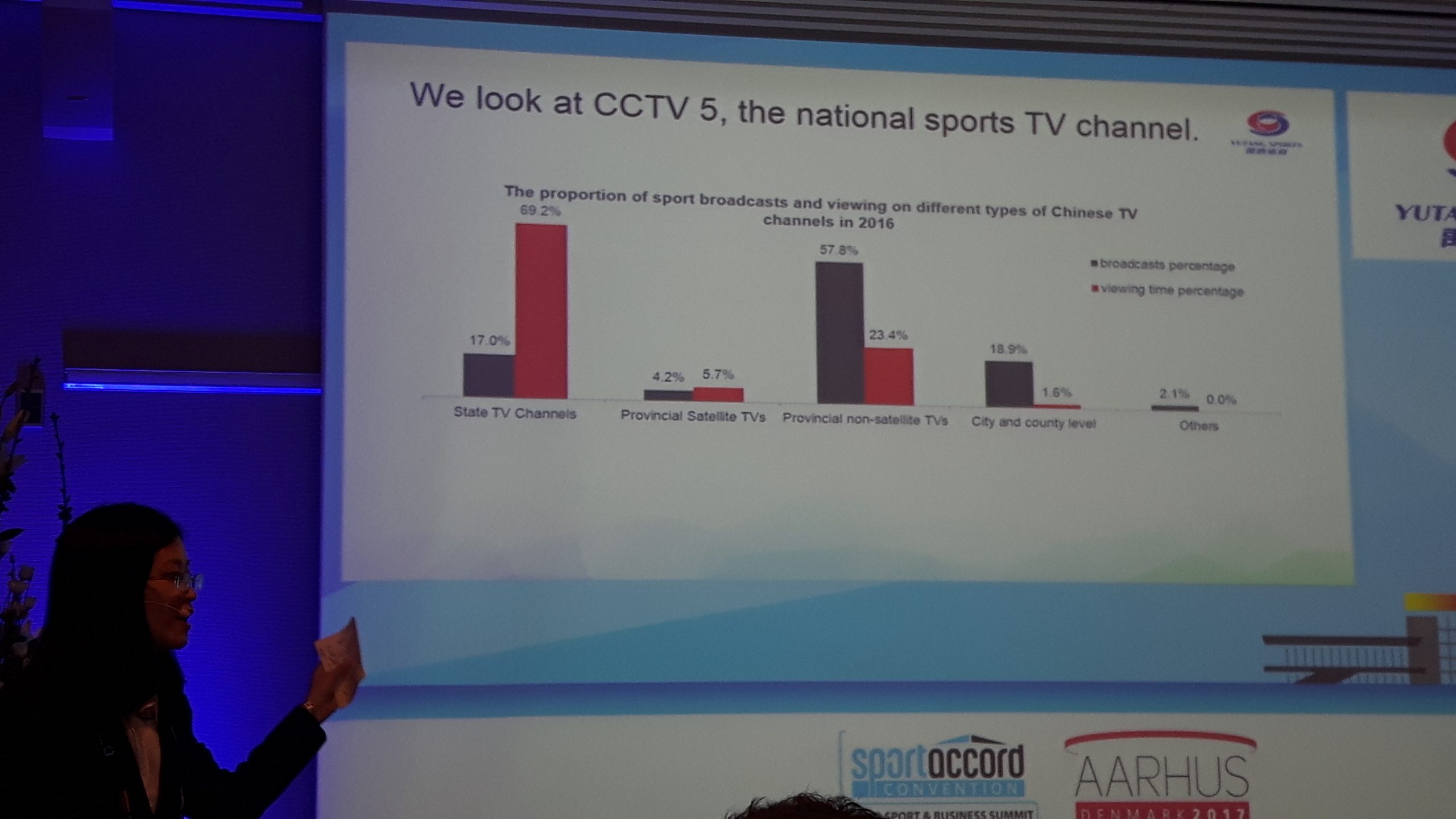
Sportcal and Yutang Sports to host #SAC2018 delegate workshops and share new insights from recent study evidence
[Source: SportAccord Convention] SportAccord Convention is delighted to confirm Sportcal, a world-leading provider of sports marketing intelligence, and Yutang Sports, the premier sports marketing platform in China, will host workshops revealing breaking news and insights from recent studies for delegates attending the SportAccord Convention set to take place from 15 – 20 April 2018 in Bangkok, Thailand.
Selected as Principal media partners for their knowledge and expertise, the following workshops will provide the latest data, analysis and learnings for international sports federations, event hosts and rights holders, as well as any organisation involved in the business of sport.
Sportcal How Sporting Events can be a Driver for Social Change: Social initiatives have become embedded in the organisation of major sporting events. Sport has the power to bring communities together and to drive social change, but how exactly can this be achieved by event hosts?
Through its GSI Event Studies Programme, Sportcal conducted an in-depth analysis of event impacts for event owners and hosts throughout 2017 where twenty world championships and multisport games were studied. The workshop will act as the first annual review of Sportcal’s GSI Event Studies Programme, and is designed to connect event owners, organisers and hosts to enable both knowledge exchange and a discussion on the social impact and cultural engagement generated by sporting events.
Yutang Sports Report on the 2017 Chinese Sports Sponsorship Market and how to achieve Good Partnerships in China. Following an in-depth study due to be published in March 2018, workshop delegates will have the opportunity to hear and discuss key highlights from the report.
The panel will address the characteristics of the Chinese sponsorship industry and how Chinese brands use sports sponsorship to achieve their goals. Delegates will also hear what Chinese brands want to get from the partnerships and their partners. Other highlights will also include what needs should be put in place to educate Chinese brands, as well as what needs sports rights holders and event hosts should consider for brands.
The workshop will also include a keynote delivered by Li Jiang, Executive Director of Yutang Sports. -
Governments and rightsholders must work together to transform communities through event hosting
The reasons behind the evolving event hosting landscape can be debated: better informed government officials; a new point of view from the public; PR-sensitive executives thinking about impact on sponsors – but there is no disputing that a major shift has occurred in the global event hosting landscape. The referendums and political hand-wringing taking place before major event bidding are prime examples of this evolution.
This “new normal” provides a unique opportunity for government and rightsholders to align on mutually-beneficial outcomes, with both sides required to come to the bargaining table with current and accurate data to develop a plan that has meaningful results for the host community.
Government can, and should, take responsibility for the pre-event work. Through online surveys, social listening and in-person attendance at community meetings, government officials can develop a firm understanding of the outcomes a host community would find most useful. This informed perspective will allow government officials to have direct conversations with rightsholders – a critical portion of the conversation that is often not addressed. Rightsholders are often willing to consider working with a government to provide them what they need, but typically, the government simply responds with “what are you offering” instead of leveraging this opportunity to create a meaningful impact. To create a meaningful environment of partnership and collaboration, government officials must approach this moment with specific deliverables the host community seeks.
Government officials should come to the table with key pieces of data in-hand:Preferred sport or cultural activity of your constituents, by neighborhood, would allow government and rightsholders to focus on specific areas of a city that could be more receptive and supportive of hosting the event
Education, arts, and health and wellness needs, by neighborhood, would allow government and rightsholders to consider short-term impact and long-term legacy plans that result in locally meaningful outcomes
Planned infrastructure development would allow government and rightsholders to accurately involve event-necessary works to be integrated into already planned and funded projects
Economic development goals, by neighborhood, would allow government and rightsholders to understand which local businesses can be event partners
Tourism data that explains hotel occupancy, visitors by market, interest and spend, in addition to plans for growth into future marketsThroughout the lead-up to the event, during the event and post-event, rightsholders should evolve beyond event producer to community partner. With the understanding that taking any free minute away from event preparation is difficult, elevating the needs of the host community into the day-to-day decision-making process has many benefits. This mindset has the potential to result in a host community that:
Strives for a positive event experience for participants, staff and partners
Understands and appreciates the event’s tangible and intangible outcomes
Attends the main event and supports ancillary events
Enthusiastically welcomes the event’s returnRightsholders also have the opportunity to significantly increase their positive impact on the host community by organizing their partners, sponsors, participants, fans and investors. Each one of these stakeholder groups has a vested interest in the success of the event, and therefore, has a vested interested in the host community. The greater understanding the rightsholder has of the social responsibility and financial goals of each stakeholder group, the better alignment they can foster with an informed government and interested host community.
This approach may require rightsholders to reconsider which members of their organization have influence in their strategic planning. Specifically, rightsholders will need to examine if the most significant decisions their organization undertakes are weighed fully against commercial and community benefits. The rightsholders that can maximize commercial returns around community-focused decisions are the organizations that are most well-prepared for this moment in time.
Lastly, rightsholders must understand government. There are many factors that influence the government decision-making process and pace. For instance, your event may align with all of the goals of the government, but it may not be an ideal time for a government leader to commit to your event from a political perspective. This is just one example of the difficult and frustrating process of working with government. In these situations, try and help your government partner get to “yes”. If there’s a groundswell of support from the community for hosting your event, then committing to the event just became a lot easier.
Improved and informed dialogue between government and rightsholders has the potential to deliver results to host communities that they find meaningful and transformational, while keeping rightsholders commercially successful. With data-driven insights and measured outcomes at the center of these negotiations, plans and work, this moment of event hosting evolution can result in events driving meaningful transformation in neighborhoods, cities and countries.
About the Author
Mike Hopper has spent his career at the intersection of sports, government and community relations, while working side-by-side with Mike Bloomberg and George Steinbrenner.
Prior to establishing Advance Brand Consulting, Mike held senior positions with SPORTS195, Teneo Consulting, NYC & Company – NYC’s Official Tourism & Marketing Bureau, the New York City Mayor’s Office, and the New York Yankees. He now leads Advance Brand Consulting, which focuses on cultivating the relationship between sports leagues and teams, governments and communities, to ensure each party achieves their goals while understanding the goals of the others.
Mike Hopper spoke at Host City 2015, the largest meeting of sports, business and cultural events. -
Aggreko to power the Glasgow 2018 European Championships
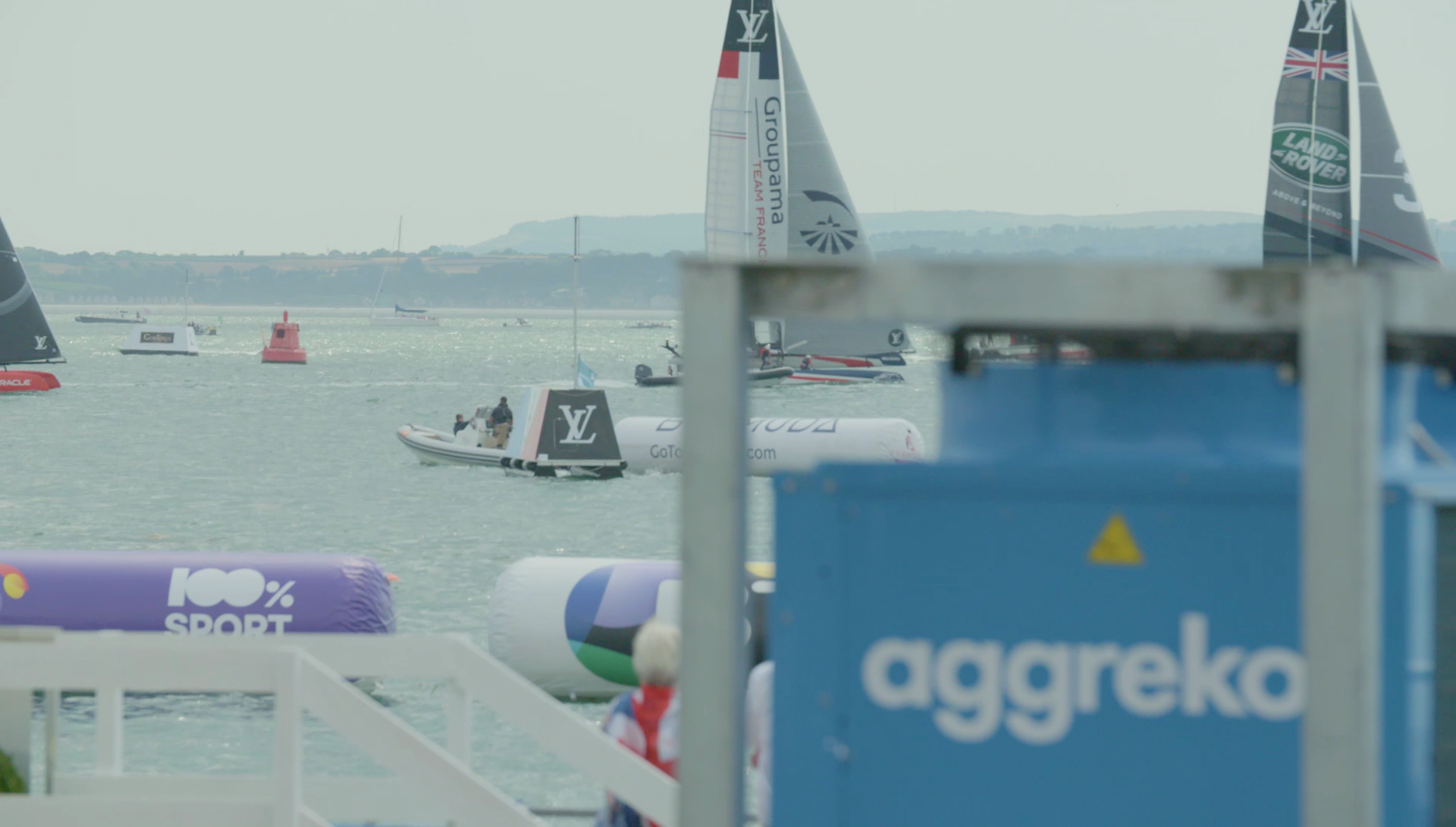
Scotland-based Aggreko has today been announced as OfficialTemporary Power Supporter for the Glasgow 2018 European Championships.
A global leader in mobile, modular power generation, the firm will provide both temporary and continuous prime power across the Championships’ competition and non-competition venues.
Aggreko will provide around 60 generators supplying more than 10 Mega Volt Amp (MVA) of energy, distributed through more than 240 panels and 26 km of cable to ensure the successful delivery of 84 thrilling sessions of sport including Open Water Swimming at Loch Lomond and Mountain Biking at Cathkin Braes.
The firm will also help power Festival 2018 – a dynamic cultural programme which will showcase the best in music, visual art, street art, dance, theatre and digital art across the city, with Glasgow’s iconic George Square at its heart.
Temporary power will be used in conjunction with existing venue infrastructure to meet all of the Championship’s power requirements over the 11-day celebration of sport and culture in August 2018.
Having supplied temporary power to the Glasgow 2014 Commonwealth Games, 2014 Ryder Cup and London 2012 Olympic Games, Aggreko boasts an excellent reputation for powering the biggest global multi-sport events.
2018 will see the firm support PyeongChang Olympic and Paralympic Winter Games and the Gold Coast Commonwealth Games.
Aileen Campbell, Minister for Public Health and Sport, said: “The Glasgow 2018 European Championships provides a fantastic opportunity for Scotland to demonstrate why we have an impeccable reputation for hosting major sporting events. By working with businesses who know exactly what it takes to put on successful international events, we can ensure Glasgow 2018 is a memorable occasion for athletes, officials and fans alike.”
Leader of Glasgow City Council, Councillor Susan Aitken, said: “The latest addition to the Glasgow 2018 sponsor family, Aggreko has helped deliver excellent multi-sport events around the world. Working with a well-known brand with its roots in Scotland will help guarantee the success of the inaugural European Championships.”
Robert Wells, Managing Director, Aggreko Major Events Services, said: “Aggreko is proud to support the first staging of the prestigious Glasgow 2018 European Championships. We look forward to working with the team and Glasgow city to ensure the faultless delivery of power to the Championships. There is no better place to do this than in Scotland.”
In a world first, Glasgow 2018 will bring together some of the continent’s leading sports including the existing European Championships for Aquatics, Cycling, Gymnastics, Rowing and Triathlon with a new Golf Team Championships between 2 – 12 August 2018.
-
“Best attended yet” Host City 2017 looks ahead to major exhibition in 2018
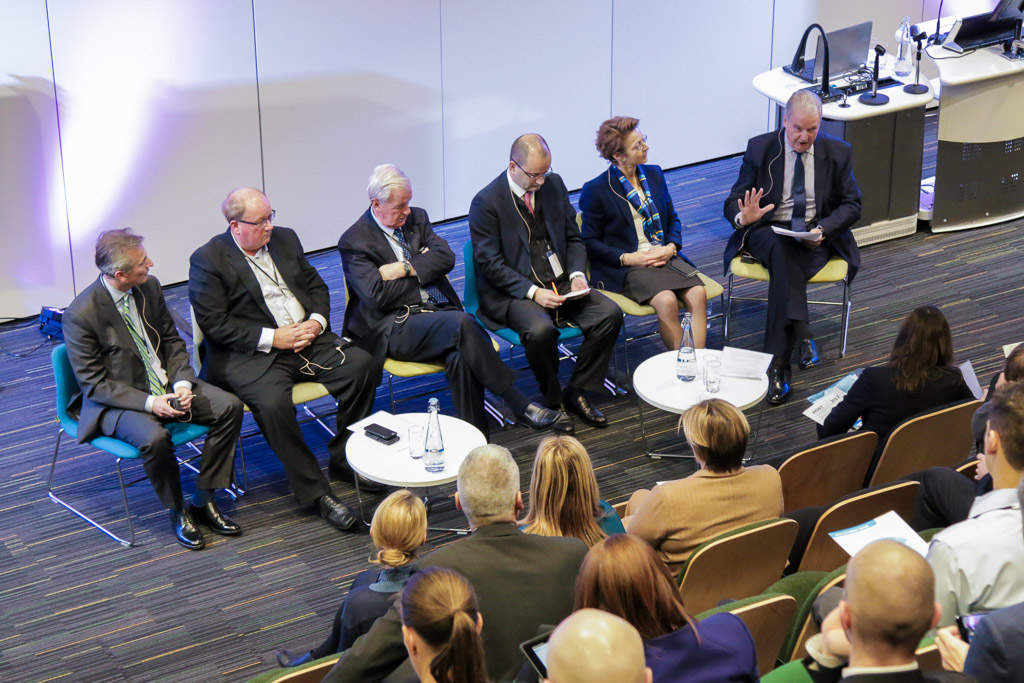
Host City, the world’s largest meeting of cities and sports, business and cultural events, took another major step forward this week, recording its greatest participation yet and with the announcement that the event will be returning to Glasgow in 2018 with a greatly increased exhibition.
More cities, event owners and organisers than ever joined the fourth Host City conference and exhibition in Glasgow to hear VIP speakers from international sports federations, cultural events, large scale congresses and mega event organising committees speak on the theme of “High Impact Events in the Current Climate”.
Attendees included more than 50 city representatives, 30 event owners, 20 organising committees, 15 media and two hundred delegates.
Around the two-day conference, Host City’s sponsors presented the event’s biggest exhibition yet, with a 500 square metre exhibition area filled with 10 large stands from organising committees, sports federations, architects and suppliers.
Host City 2017 was opened by the event’s Chairmen, Paul Bush OBE, Director of Events at VisitScotland and Sir Craig Reedie CBE, IOC Member and President of the World Anti-Doping Agency.
Paul Bush OBE said: “It is great to see so many city representatives, event owners, organising committees and events practitioners in Glasgow for this fantastic conference. While it is an exciting time for the industry with all the technological advancements and the rise in social media allowing events and audiences to be more engaged, it is also a very challenging time. The current security climate, the transparency and governance around the bid process, as well doping and corruption in sport, are all adversely affecting the confidence the public has in bidding for and delivering of major events. This year’s Host City programme has provided the ideal opportunity to tackle these challenges head on and ensure we maintain public support for high impact events around the world.
“That said, I’m delighted Host City will be returning to Glasgow in 2018 and shows the continued positive impact hosting high impact events can have when you have a strong legacy plan in place to build on the success. The return of Host City for a fourth consecutive year is a real endorsement and clearly shows the legacy that’s been built from hosting the 2014 Commonwealth Games and the work Glasgow has done to re-positioned itself as an events and tourism city.”
Sir Craig Reedie said: “Host City 2017’s debate on High Impact Events, with panels and discussions on practically every aspect – the size of the city, safety, technology, entertainment and others – is interesting in the extreme.
“When Host City comes back to Glasgow in 2018 we can expect even more interest and attendance than this year, which is this best attended yet.”
Participants in Host City 2017 included: Christophe Dubi, Olympic Games Executive Director, International Olympic Committee; Patrick Baumann, President, General Association of International Sports Federations; Sarah Lewis, Secretary General, Association of International Olympic Winter Federations; David Grevemberg CBE, Chief Executive, Commonwealth Games Federation; Hiromi Kawamura, Public Relations Secretary, Tokyo 2020; Jooho Kim, Executive Vice President of Games Planning and Operations, PyeongChang 2018; Alexandra Szalay-Bobrovniczky, Deputy Mayor of Budapest and senior figures from non-sports events including Cirque du Soleil and World Expos.
Conference Director Ben Avison said “We are delighted to be returning next November to Glasgow and Scotland, where Host City has developed so rapidly over the last three years. With the incredibly high standard of participation this year, we look forward to a great flourishing of the exhibition space in 2018 around this peerless, world class conference of cities and cross-sector events.”
For further information on the panel sessions and other world class speakers for Host City 2017, please visit: www.hostcity.com -
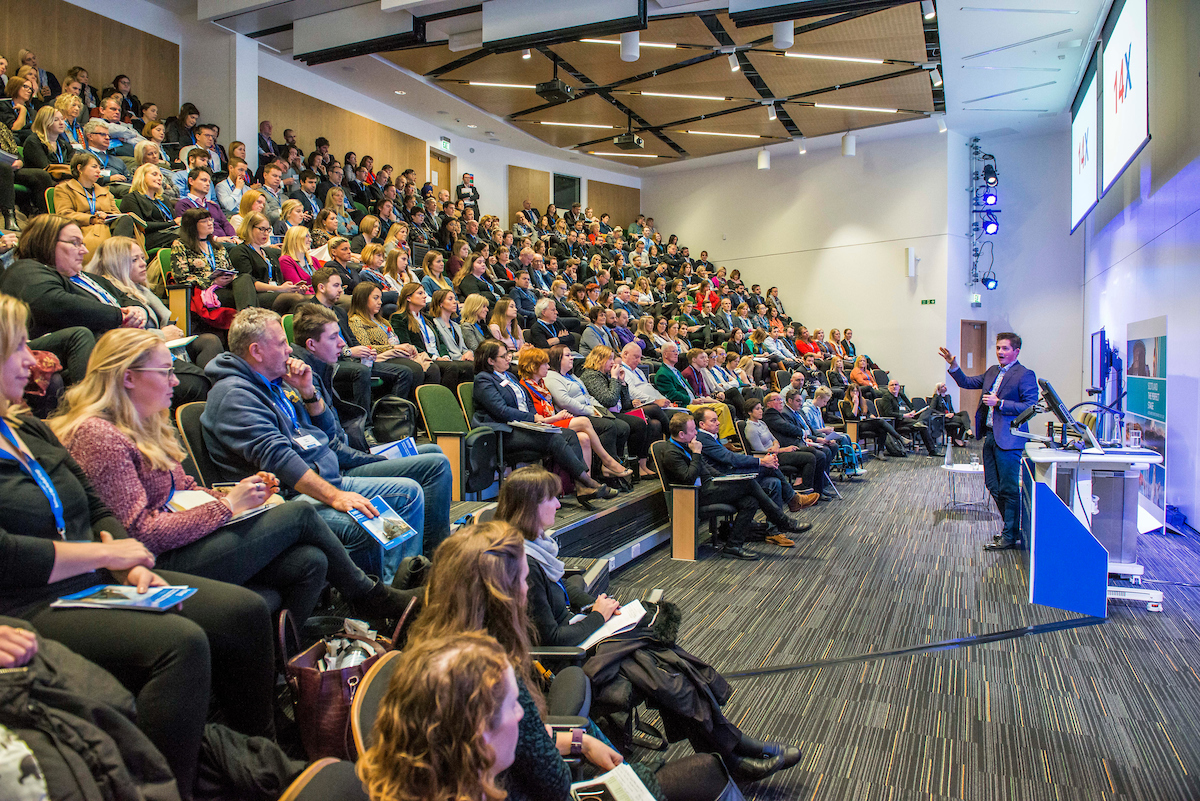
Conference audience learn how ‘experiential obsessed generation’ are the future for Scotland’s events industry
Hosted by sports broadcaster, Eilidh Barbour, and held at Glasgow’s Technology & Innovation Centre, 42 expert speakers and a capacity audience gathered for the flagship industry conference to share best practice and discuss the challenges and opportunities facing Scotland’s events industry.
David Coletto from Abacus Data delivered a timely and thought provoking keynote speech, providing invaluable insight on understanding the future of events through the eyes of a millennial during his presentation ‘Disruption and Generational Change’; part of the opening plenary session, ‘The Changing Audience for Events’.
He gave the 300 strong audience three things to take away from his talk when thinking about millennials around events. Firstly they are a ‘do’ generation not a ‘have’ generation. They prefer experiences over owning goods. Secondly, it’s all about the experience. Millennials want a quality experience that is authentic, natural and value for money. And lastly, they want to be told a story but they want it to be authentic.
He said: “This generation is a product of their environment and they have been shaped with entirely new skill sets, opinions and values. The more you learn about millennials the more you can comprehend and appreciate the significance of the economic, political and social change happening around us.
“The needs of the millennial generation compared to those of previous generations are so different. We are often described as the experiential obsessed generation and it is this generational change that is disrupting so many markets, including the events and festivals sector. With millennials currently representing a quarter of the population in countries across the world, whether it be Scotland, the UK, American or Canada, it is a key market that represents great opportunity for the industry, so understanding the change and harnessing it to your advantage is vital if you want to succeed in attracting and retaining a millennial audience for your event.
“From my perspective, there’s never been a better time to be in the events and festivals business.”
The day’s 11 break-out sessions also provided further opportunities for the industry to delve into the latest trends and issues facing the sector, with EventImpacts, the National Culture Strategy Consultation, Event Tech, Social Media as well as Security, Stewarding and Policing among the popular topics delegates engaged in.
Following the break-out sessions, the delegates came together for the closing plenary session ‘‘Scotland’s Assets & The Perfect Stage’, with five of the industry’s leading professionals discussing the assets that are the cornerstone of the country’s event strategy – our people, our cultural identify and heritage, our natural environment, our built facilities, and our signature events – and providing their perspective on the opportunities and challenges of continuing to deliver a strong portfolio of events that maximise these key assets to ensure sustainable impact and international profile for Scotland.
Building on the success of the previous conference in 2015, the 2017 event provided the industry with a forum to learn, share knowledge and network, allowing event practitioners to remain up-to-date and ensuring Scotland maintains its reputation as a world-leader in event development and delivery.
Paul Bush OBE, VisitScotland’s Director of Events, said: “The National Events Conference has been a great opportunity for our industry to come together and review the progress we’ve made so far with our national events strategy, Scotland the Perfect Stage, as well as discuss the challenges and opportunities we’re currently facing. The level of debate and discussion that has taken place throughout the day has been truly outstanding.
“As an industry we are doing some amazing work, with a great portfolio of annual events as well as continually attracting some of the biggest events in the world from the Commonwealth Games, The Ryder Cup to the MTV Music Awards. Our work is the envy of many, however, as an industry we need to be better at articulating more clearly the wider benefits of events, especially as we face the challenges ahead.”
Immediately following the National Events Conference has been another leading events conference, Host City 2017, the world’s largest meeting of cities and sports, business and cultural events. Also taking place at Glasgow’s Technology & Innovation Centre from 28 to 29 November, attendees included 30 event owners and 20 organising committees as well as 200 delegates.
Using his opening remarks as co-chair of the conference, Paul, further addressed the challenges facing the events and festivals industry but this time on a global scale.
He said: “While it is an exciting time for the industry with all the technological advancements and the rise in social media allowing events and audiences to be more engaged, it is also a very challenging time. The current security climate, the transparency and governance around the bid process, as well doping and corruption in sport, are adversely affecting the confidence the public has in bidding for and delivering of major events. As a global industry we must be willing to tackle it head on if we are to maintain public support for major events around the world.
“This was an area of great debate by the Scottish events industry at the National Events Conference and one I’m sure will be continued by delegates over the two days at Host City 2017.” -
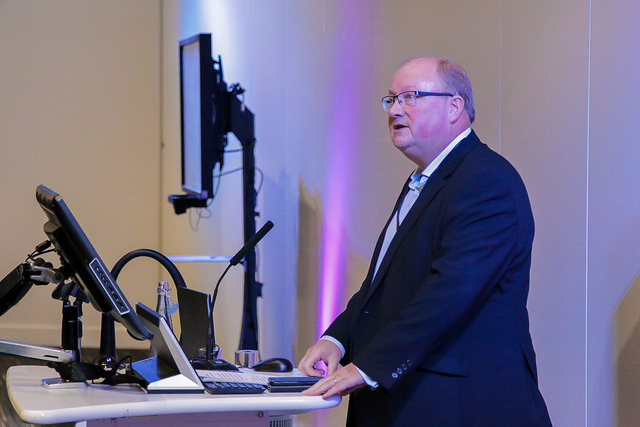
The special DNA of High Impact Events
I’d like to welcome you all to Glasgow and Scotland for Host City 2017.
This is the third consecutive year that Host City has been held in Glasgow and I am delighted to see how it has grown.
EventScotland has a strong heritage with this conference and, with so much happening in Scotland over the coming years; it is fitting to have so many of the world’s foremost event practitioners meeting in this great city ready to discuss high-impact events
International context
Having spent the last few weeks at home recovering from a new hip I have had lots of time to think, reflect and cogitate about the world sporting events landscape.
Unfortunately, several key words and phrases have stood out on more than one occasion:Governance – lack of leadership
Transparency
Athlete welfare
The lack of desire to move with the times
Doping
Corruption
Geo political instability
A fragile world economy
Terrorism
Global warming
Brexit
Lack of bids for Olympics
Bidding confusion over Rugby World Cup 2023to name but a few.
I find all of this very sad and, whilst it may well be a reflection of where we are, the lack of positive dialogue in terms of what high impact events can achieve is woeful.
Challenges
Whilst we have many challenges I genuinely believe that we need to celebrate success much more and ensure that we articulate and communicate to the public, politicians, media and more importantly athletes and fans how important this sector is for the world’s economy.
Take this city, Glasgow. On the back of the 2014 Commonwealth Games, the Hydro entertainment venue is ranked second or third in the world and the local vicinity is a contemporary and vibrant place to work, live and play, supporting 2,500 new jobs with some of the finest restaurants and cafes in Scotland.
I hope that the next two days gives us all the opportunity to both share our wisdom, and also reinvigorate and celebrate all that is great about our global events industry – one that, if we are not careful, is in my view at risk.
We need to articulate the special DNA of High Impact Events:Create moments no one can ever take away
Inspires others to achieve, perform and learn
Create impact across global governments that no other sector can, from a 360-degree perspective such as sport, creativity, health, education, economy, tourism, young people, etc.
And more importantly than ever contributes to the wellbeing of the community, the city, the country and our global wellbeing; and last but not least, makes people smile and have fun!!
Thank you for coming to Scotland and enjoy the conference. I am delighted to announce that we are working with Host City to further grow the event in Glasgow and Scotland next year and see this city as future the home of a world class conference for global event cities and events.
Thank you and enjoy the two days.
Paul Bush OBE is VisitScotland’s Director of Events, leading the EventScotland Team, Business Events and Industry Development. EventScotland takes a strategic lead in the Scottish events industry and is responsible for working with partners to attract, bid for and secure major sporting, cultural and business events.
Over the past decade this has brought some of the world’s biggest event properties to the country, including The Ryder Cup and Commonwealth Games in 2014, World Gymnastics Championships 2015, World Orienteering Championships 2015 the MTV Music Awards on two occasions and future events such as European Championships 2018, Solheim Cup 2019 and Euro 2020 Football.
Having been on the Commonwealth Games Scotland Board for four years as an independent non-executive Director, he was appointed Chairman in May 2015.
Paul was Chef De Mission for The 2006 Scottish Commonwealth Games team of 245 athletes and officials who secured a total of 29 medals. He was awarded an OBE in the 2007 Queen’s New Year Honours List for Services to Commonwealth Sport.
Paul Bush OBE is Chairman of Host City 2017, the largest meeting of cities and sports, business and cultural events, which took place in Glasgow on 27-28 November.