Blog

  • Using major events as a springboard for sustainable urban innovation

    Using major events as a springboard for sustainable urban innovation

    Public scepticism about the value of major events such as the Olympic Games is at an all-time high. A continued era of austerity, economic and political uncertainty means that the parties driving such events have to work even harder to justify their value.
    While this may sound daunting for some, when cities step back and look at the bigger picture they will realise that major events like this are more relevant than they have ever been. They represent the very confidence in our urban futures that we need to pull us through challenging times. They’re expressions of multi-cultural unity, open-mindedness, acceptance and cooperation. Their successful delivery has the power to re-invent the image of a country, accelerate and transform cities at a record-breaking pace.
    To deliver this potential it is imperative that these events are seen as being primarily for the hosts’ and their citizens’ benefit, and align perfectly with their longer-term ambitions. In this context they can be presented to host citizens as accelerants to pre-existing ambitions and expressions of their hosts’ confidence and clarity of purpose.
    Recent Arup-led research conducted for the Cities Alive: Rethinking legacy for host cities report, highlighted three tactics that are likely to have greatest impact in achieving this:

    ‘Urban overlay’: mapping the city’s ambitions and accelerating change through its neighbourhoods and streets. At its heart the approach takes the event as an accelerant in realising a city’s longer-term ambitions. In the same way that overlay design is used to create the ‘look and feel’ of an event, the event itself is used to create the ‘look, feel and function’ of the future city.
    Operational excellence: transforming city management and embedding highly efficient Games time organisational models to increase future resilience
    Cleaner and greener infrastructure: inspiring and accelerating action to tackle climate change by developing hard and soft ‘climate ready’ infrastructure

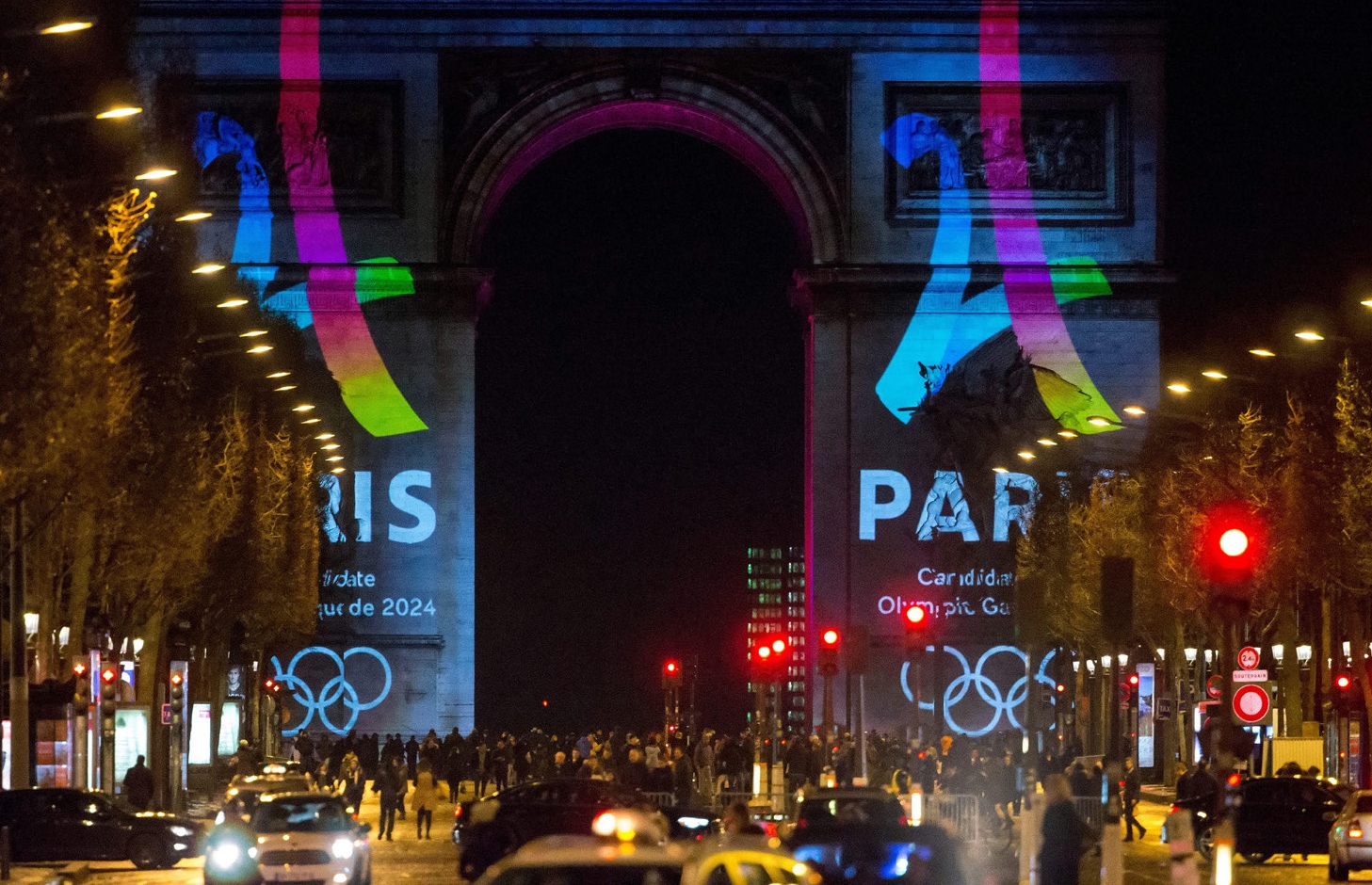
    With eyes turning to Paris and LA as the hosts of the 2024 and 2028 Olympic Games, its time to consider how cities may evolve their approach to hosting, to ensure Games are delivered cost effectively, while leaving a lasting, positive legacy for their communities. 
     
    Closer to the action through virtual reality and live sites
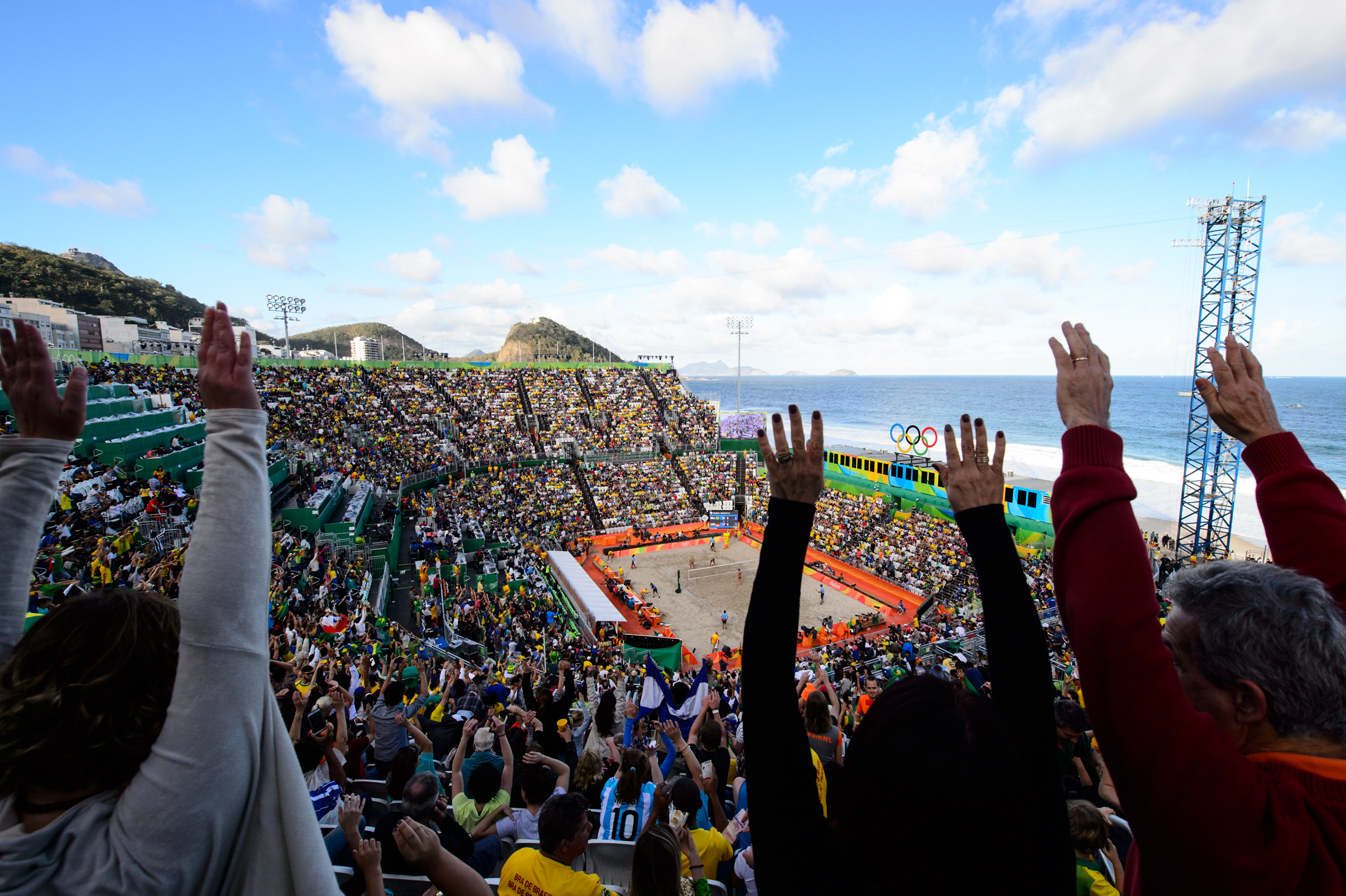
    The London 2012 Live Sites generated real excitement and enabled more people to get into the spirit of the Games. Advances in hand-held technology, virtual reality and streaming media will enable spectators to tune into any number of live sports, get guided tours of venues or experience being at the virtual trackside with their favourite athletes.  Formula-e Motor Racing is a great example, with the use of 360-degree cameras, live streaming of races, almost instant highlights and even the opportunity for fans to ‘vote’ to give their favourite drivers an additional boost of power.  
     
    Flexible, temporary venues
    Most major event venues will be temporary in the future, allowing land to be swiftly released for redevelopment after the Games. More affordable – off-the-shelf or pre-engineered sporting venues will significantly reduce cost. Reduced venue capacities can also bring significant savings, with smaller facilities resulting in fuller capacities and a better atmosphere for fans.
     
    New financial models
    Cities are cautious about bidding for major sporting events, with Boston, Hamburg, Rome and Budapest pulling out of the running for the Olympics and Los Angeles seeking an advance from the International Olympic Committee.  New ‘value’ focussed financial models are emerging, which should be encouraged. Investment in regeneration can drive huge increases in surrounding land values. This model would see a percentage of this increased land value returned and put towards the cost of infrastructure.  Another approach is tax increment financing (TIFs), which diverts future property tax revenues towards upfront infrastructure investment. 
     
    Streamlined transport
    The greatest single risk to the successful legacy of a major event is the potential disruption it can bring to the daily life of a host city.  A combination of new technologies, greater use of data and more effective management will reduce cost, improve experiences for residents and visitors and strengthen the long-term resilience of host cities.  Examples include the idea of ‘logistics hubs’ outside city centres, where deliveries can be consolidated so that they minimise the number of trips required, reduce emissions and congestion and load packages onto smaller, electric vehicles.  London 2012 also saw the adoption of a highly efficient multimodal ‘transport coordination centre’, as well as greater use of travel planning apps. Arup expects most host cities to explore ways of using predictive modelling tools, data analysis, mobile apps and live updates to deliver smooth running transport and logistics. 
     
    Creating a resilient legacy
    Cities should see the Games as a catalyst to help them tackle the major challenges they are facing – such as rising air pollution; energy shortages; housing shortages and an increasing number of extreme weather events.  Rather than focusing on event related sustainability outcomes, such as reducing energy use during sporting events – the report recommends it is used as an opportunity to scale up and accelerate ambitions having a long-term impact. For example, this could involve helping cities establish their own localised energy, cooling and water systems.     
    Large scale sporting events have huge potential to act as change catalysts for cities, helping them to tackle the major challenges facing them – from rising air pollution and carbon reduction, to housing shortages. For too long legacy has been viewed narrowly, with the emphasis on the physical structures left behind. We need to think about how we build institutional muscle power – able to deliver benefits before, during and after the events. The real prize of the games should be the opportunity for cities to scale up and accelerate ambitions that have a long-term impact.
    The above presents a distillation of Arup’s Cities Alive: Rethinking legacy for host cities report.  
  • Young people kick off 200-day countdown to Glasgow 2018

    Young people kick off 200-day countdown to Glasgow 2018

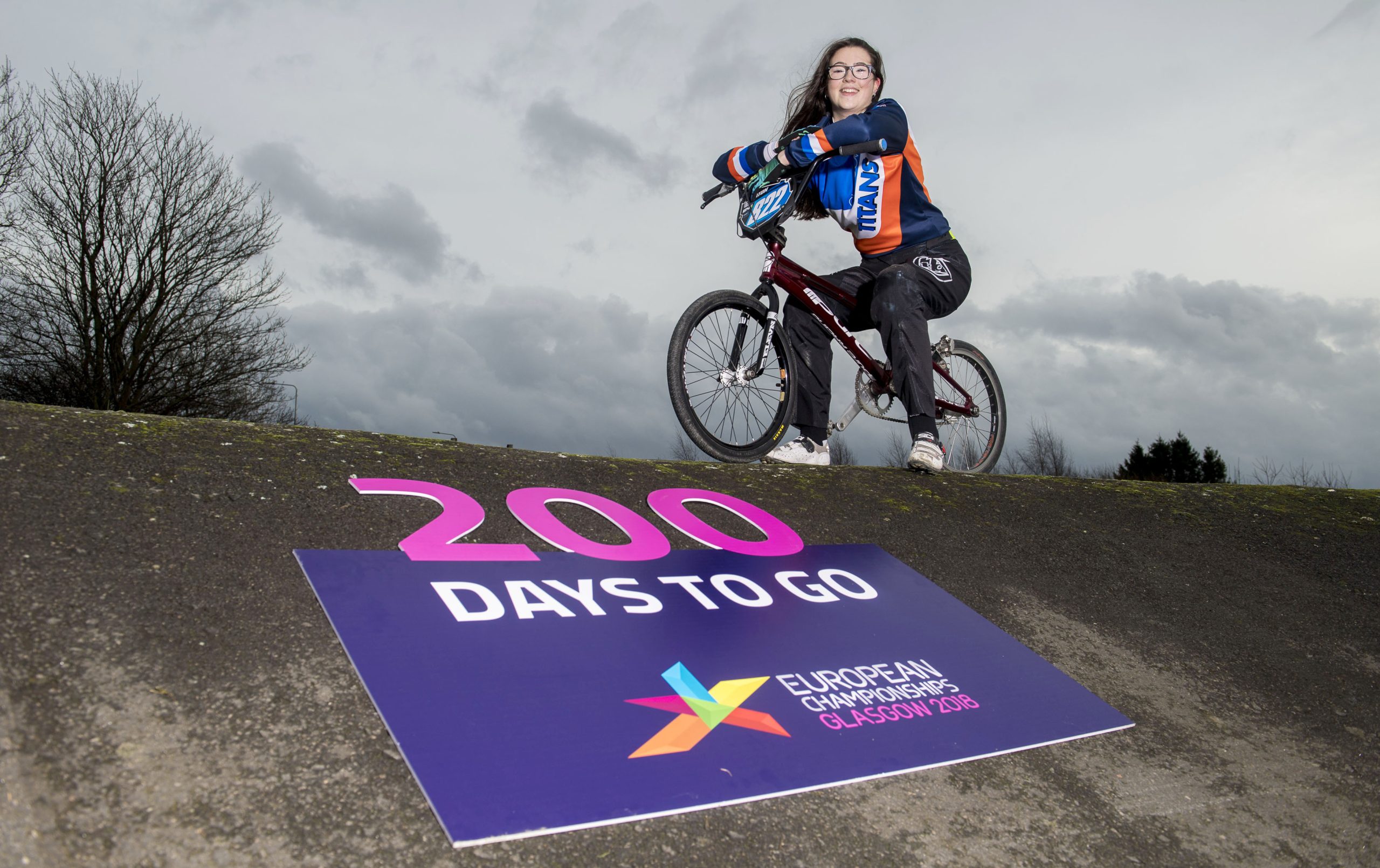
    The biggest sporting event to be staged in Scotland since the Commonwealth Games, the first ever European Championships, gained momentum with a 200 day to go celebration on Sunday 14 January 2018.
    Taking place from 2 to 12 August, Glasgow 2018 will see around 3,000 athletes compete in six sports at 12 venues across Scotland. The new multisport event is set to celebrate the country’s young talent and achievers coinciding with the Year of Young People.
    During a significant year for sport, 12 venues across Scotland will host 84 sessions across six different sports – Aquatics, Cycling, Golf, Gymnastics, Rowing and Triathlon.
    Six ambitious young athletes, representing each of the sports, are looking forward to the spectacular and hope that the profile of Glasgow 2018 will help inspire more young people to get involved in sports.
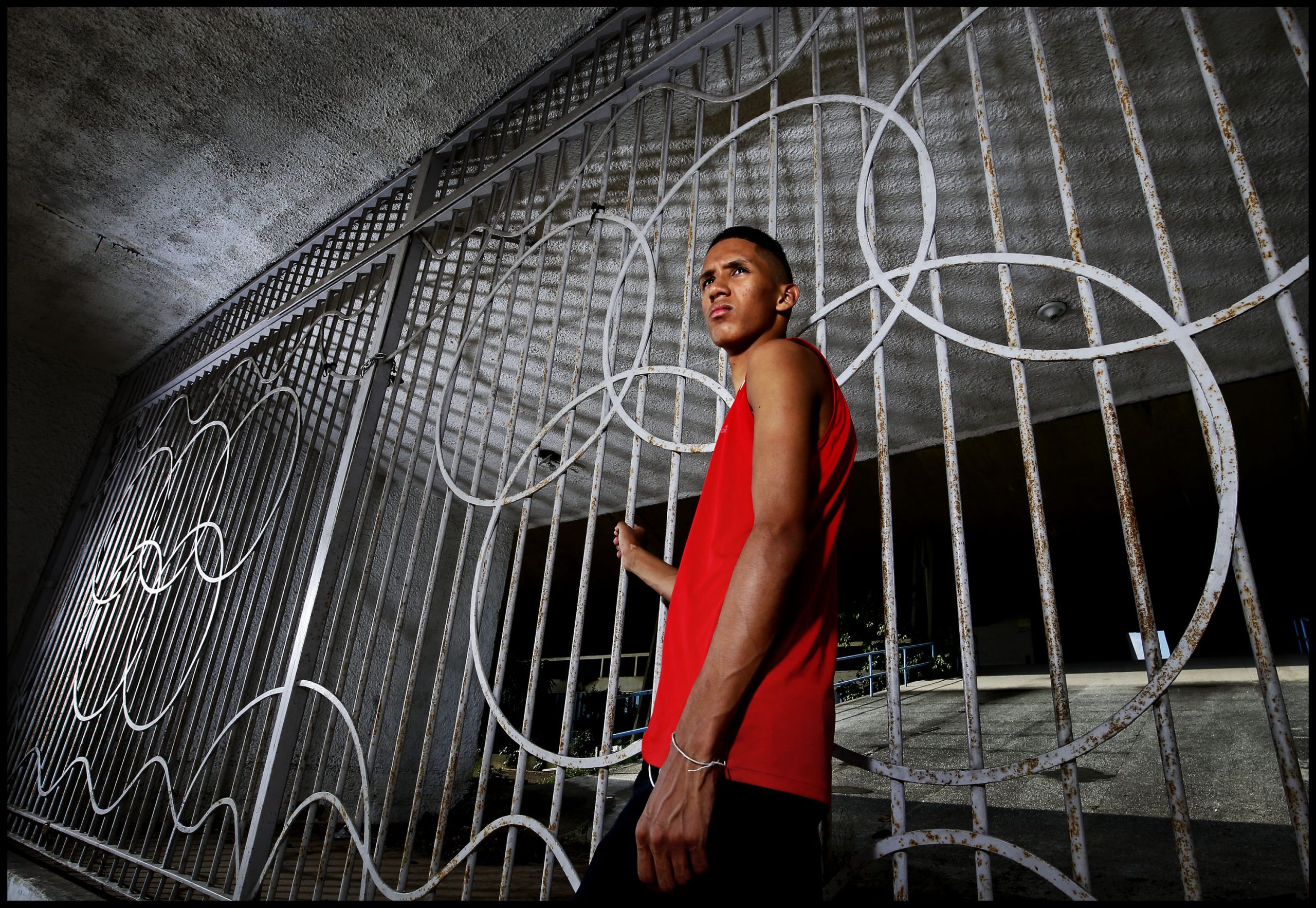
    The rising stars whose sporting ambitions are set to reach new heights in 2018 include 18-year-old Glaswegian BMX racer Mia Paton (pictured) who will benefit from the new Olympic-standard BMX track being built at Knightswood Park, which will host Europe’s best racers during the Championships.
    Fraser Lynes, a 14-year-old gymnast from East Ayrshire who studies and trains at Glasgow School of Sport already has a collection of medals to his name, having represented Scotland in the sport several times, and says the Glasgow 2018 action at the SSE Hydro will help encourage more people into gymnastics and demonstrate the benefits of sport.
    Troon golfing talent Hazel MacGarvie, 19-year-old University of Edinburgh rower Josh Armstrong, 13-year-old diver Danny Mabbott and 18-year old triathlete Iona Miller from Inverclyde are also full of anticipation for Glasgow 2018 and the momentum it will build within each of their sports.
    Cabinet Secretary for Culture, Tourism and External Affairs, Fiona Hyslop said: “2018 marks a milestone year for Scotland. In just 200 days we will make sporting history on the global stage when we host the first ever European Championships and in Scotland’s Year of Young People, celebrate the outstanding spirit and contribution of our young people. The feats of sporting skill and the cultural brilliance showcased at the Championships will inspire the whole country and allow Scotland and its young people to shine on the world stage.”
    Leader of Glasgow City Council, Councillor Susan Aitken, said: “The Glasgow 2018 European Championships promises to be a fantastic platform to inspire, engage and celebrate young people – from sports fans and athletes to artists, performers and volunteers. In 200 days Glasgow and Scotland will come alive with an unforgettable display of sport and culture that is a must-attend, must-watch event for 2018.”
    The first ever European Championships will bring together some of the continent’s leading sports including the existing European Championships for Aquatics, Cycling, Gymnastics, Rowing and Triathlon with a new Golf Team Championships and Athletics hosted in Berlin.
    To be staged every four years, the European Championships will be an 11-day celebration of world-class sport and produce a packed 10-day broadcast schedule, with audiences of up to 1.03 billion.

  • SportAccord Convention World Sport & Business Summit embraces a new name and visual identity

    SportAccord Convention World Sport & Business Summit embraces a new name and visual identity

    The SportAccord Convention World Sport & Business Summit for sporting leaders today confirmed its new brand name ‘SportAccord’ and unveiled a vibrant new logo. Following in the footsteps of SportAccord, the International Federation (IF) Forum also shared its refreshing new logo, proudly displaying its stylish new colours in similar fashion.
    SportAccord and the IF Forum are now part of the renamed legal entity ‘GAISF Services and Events Association’ formerly known as SportAccord Convention. The alignment of names and the new visual identity provides the opportunity to set the scene for future activities of GAISF Services and Events Association. The new structure creates a platform which will continue to serve the needs of the global sports community, the international sports federations and their stakeholders while embracing and creating exciting new opportunities.
    SportAccord stakeholders include: GAISF (Global Association of International Sports Federations), ASOIF (Association of Summer Olympic International Federations), and AIOWF (Association of International Olympic Winter Sports Federations).
     SportAccord and GAISF President Patrick Baumann said: “The new brand identity represents an exciting time for SportAccord and one of opportunity – as the name reflects our organisation’s heritage while allowing for a fresh vibrant look that symbolises its bright future.”
    The new logo design was created by José Miguel Tortajada Aguilar, an international award-winning Barcelona designer whose accolades were achieved as a result of his work for many well-known brands.
    His colourful and striking design complements the logo created for GAISF and makes a powerful impact – the prime purpose of any logo. Designer José Miguel Tortajada Aguilar explained his aim was to create a design which is memorable and practical, ensuring the logo is fit for purpose across any medium or platform. Delegates can look forward to experiencing the new visual identity at the upcoming SportAccord 2018 taking place in Bangkok (15-20 April 2018).

  • “We should speak out more about the benefits of hosting the Games”

    “We should speak out more about the benefits of hosting the Games”

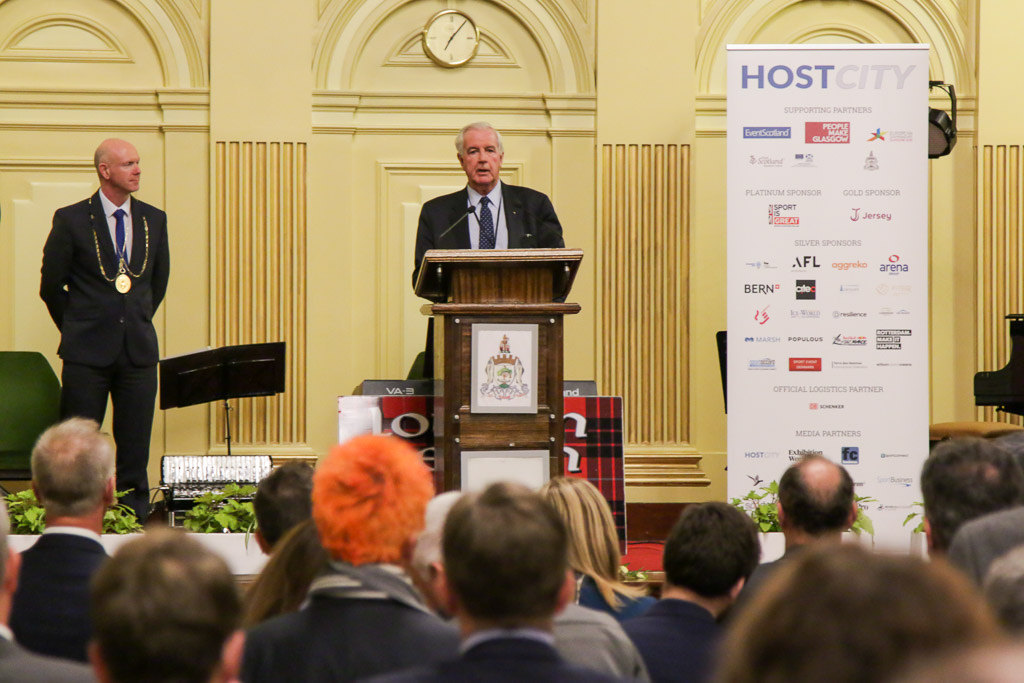
    I have the pleasure of welcoming you all to my host city for the third time – and seeing how this event has developed and grown over the years.
    The overall theme for this year is “High impact events in the current climate” and there are a number of very qualified people to speak about this today and tomorrow – not least my colleagues from the International Olympic Committee in the first two panels.
    The recent change by the IOC to award two summer Olympic Games at the same time to Paris in 2024 and Los Angeles in 2028 certainly covers the phrase “High Impact Events” – and you will hear from two absolute experts in that decision – Patrick Baumann who chaired the IOC Evaluation Commission and Christophe Dubi, the Olympic Games Executive Director. You will also hear from David Grevemberg, who ran the 2014 Commonwealth Games.
    I used to know what I thought was a lot about the IOC bidding process, having served on three Evaluation and two Coordination Commissions – and then bidding twice with Manchester and once with London as we tried to convince the IOC of the joys of our case – and thankfully, one of these efforts worked.
    I have been increasingly concerned that the IOC bidding process seems to be directed at how the process can be made shorter, cheaper and more accommodating. Perhaps we should also be prepared to speak out rather more about the huge benefits of hosting the Games that can be delivered by a well organised combination of political, organisational and sporting skills.
    I am not going to repeat the huge benefits from London 2012 – and echoed in many ways by the Glasgow 2014 Commonwealth Games – where the development of village, infrastructure and sports facilities provide legacy benefits for generations to come. But I was hugely encouraged by a recent report from the Mayor of London in October to the effect that East London – the home of the 2012 Games – is the fastest growing part of London as the “Olympic effect” continues to attract jobs and investment. This report reveals that an extra 110,000 jobs have been created in East London since the Games, more than three times the number forecast in 2012. This boom is expected to continue with an additional 125,000 jobs across the six Olympic Boroughs by 2030.
    This can only be described as high impact and I can only hope that any city or National Olympic Committee thinking of entering the Olympic Bidding race might well look at the London experience, as well as making full use of the revised IOC candidature process to fit the Games into their own long-term planning. Glasgow also has a terrific record of bidding for and organising individual World and European Championships – perhaps most recently World Badminton and World Gymnastics, the best presentation of indoor sport I have ever seen.
    You will all have the opportunity to study the context of this debate over the next day and a half with panels and discussions on practically every aspect – the size of the city, safety, technology, entertainment and many others. It should be interesting in the extreme and I am sure that Glasgow will be listening and paying full attention. And Glasgow should, because Host City is set to come back to Glasgow in 2018 – and expect even more interest and attendance than this year which is the best attended yet.
    Welcome back and enjoy.
    This article is edited from Sir Craig Reedie OBE’s opening address to Host City 2017 in Glasgow on 28th November 2017

  • International Sports Federations prepare to lead the way on sustainability & give planet earth a sporting chance

    International Sports Federations prepare to lead the way on sustainability & give planet earth a sporting chance

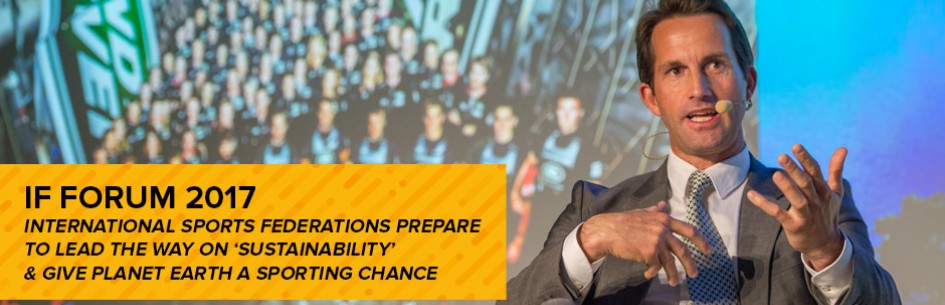
    Given the significant and unstoppable changes being created by global warming as a result of environmental pollution and pollutants originating in human activity, speaker after speaker at the 2017 IF Forum, many of whom represent international sports federations, shared case studies outlining the actions they are taking, and appealed to peers to take advantage of the unique opportunity in sport, to lead the way towards a sustainable agenda – the focus for the conference programme.
    The politics of climate change are shifting. Saving planet earth is more than just a fad and international sports federations can have impact. Delegates heard how new voices and new strategies are taking the lead – and how sport can shift attitudes towards achieving global sustainability. Speakers reinforced the view that sport is in a unique position to raise awareness on many levels, engage fans and global citizens everywhere, as well as empower young volunteers and change-makers, with sustainable initiatives and show how innovations can be impactful.
    The urgency and poignancy of these messages were the subject of 24 presentations and case studies throughout the IF Forum, attended by 109 international sport federations and associate members, as well as 7 observer organisations.
    Inger Andersen, Director General, International Union for Conservation of Nature (IUCN) provided some thought-provoking and motivating insights during her session on sport and biodiversity and the role of the sporting community ending with a passionate plea, “Planet earth is the only place we know as home. If we don’t take action, there is no alternative home for us. Sport has a responsibility and an opportunity to do what it can for sustainability, to secure our future and make planet earth a better place for future generations.”
    Lorenz Isler from Ikea Group gave a candid account during his session on the reactive to proactive ways of handling resources in industry: “As a Sustainability Manager from the IKEA Group I found it very interesting to participate at the IF Forum 2017. Such gatherings are important to discuss challenges and exchange best practices so that we can learn from each other. Climate change and resource scarcity are real, and urgent actions are needed. I am thus positively surprised that this years’ IF Forum was fully dedicated to the topic of sustainability.”
    Hosted by SportAccord Convention, delegates were welcomed by Thomas Bach, President, International Olympic Committee, and Philippe Leuba, State Councillor Department of Economy and Sport, Canton of Vaud.
    Patrick Baumann, President of GAISF and SportAccord Convention gave the opening address. Summing up the IF Forum President Baumann said: “I would like to thank the many expert speakers for making this year’s IF Forum on Sustainability so illuminating, bringing clarity and insight to important issues and highlighting ways in which we can help make a difference.
    “While we have a clear duty to preserve and promote sport for the next generation we have an even greater Duty of Care to our environment to ensure that the world we hold in trust is a great place to live and to play sport.
    “This has been a fascinating, rewarding and useful Forum and I am sure delegates will go back to their Federations inspired and full of new ideas.”
    In conclusion, Raffaele Chiulli, President of ARISF and UIM, and GAISF Vice President shared the following message in his Closing Remarks: “IFs are uniquely placed to promote the conservation on biodiversity and sustainability in sport. It is imperative that we also take a leading role in spreading our message and encouraging all our stakeholders to do more as well.”
    The IF Forum conference programme was a collaboration between the IOC and the stakeholders GAISF, ASOIF, AIOWF, ARISF, AIMS, and Associate Members.
    Panel sessions were led by David Eades, Anchor and Journalist, BBC World who served as Master of Ceremonies for the IF Forum 2017.
    Official Partners included: JLT Specialty, Nielsen Sports, Reno Tahoe Winter Games Coalition; Legacy Partner Sport Event Denmark; and Host City Partners Lausanne and the Canton de Vaud.

  • Cities, organising committees and international sport federations commit in record numbers to the SportAccord Convention 2018 exhibition

    Cities, organising committees and international sport federations commit in record numbers to the SportAccord Convention 2018 exhibition

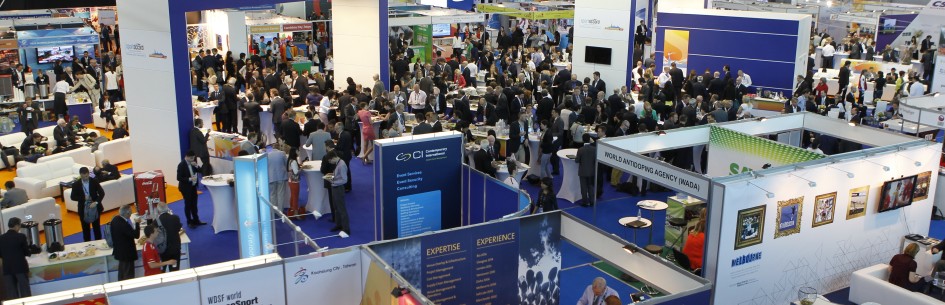
    [Source: SportAccord Convention] With twelve weeks until the SportAccord Convention takes place at the Centara Grand & Bangkok Convention Centre, Thailand from 15 – 20 April 2018, 77% of exhibition floor space has already been snapped up for the upcoming event. The only annual sports business convention where all the international sport federations (IFs) are guaranteed to attend. Exhibitors include international sport federations, organising committees, cities and regions and make up over seventy-five percent of total exhibitors providing organisations involved in the business of sport ample opportunity to connect with these industries.
    Joining SportAccord Convention 2018 as an exhibitor for the seventh time, Andrew Gettig, VP of International – Connor Sport Court said, “It is important for us to continue the momentum gained in Aarhus and previous editions, and position our company at the heart of the SportAccord Convention. We truly believe in its value and see the Convention as a unique platform that allows us to connect with the leaders of Olympic and non-Olympic sport movement, organising committees and host cities in one easy to navigate place.”
    International sport federations, cities, and businesses interested in attending can book an exhibition booth online or discuss their requirements and options with the sales team.
    The venue layout for SportAccord Convention 2018 has been designed to optimise networking opportunities for both exhibitors and delegates with access to the conference auditorium and official meeting rooms via the exhibition area which are all on one level. Exhibitors will also have access to the SAC networking mobile app to contact delegates, arrange meetings, and keep up-to-date with the latest news at the SportAccord Convention.
    Nis Hatt, Managing Director of SportAccord Convention said, “The SportAccord Convention prides itself on providing an event that meets the needs of our partners, exhibitors, and delegates. This year’s exhibition promises to deliver that with dynamic feature area zones, a larger SAC Café including the Speakers Corner and an easy to access conference auditorium, only minutes away from the exhibition.”
    The exhibition area will feature an all-new ‘Relaxing Zone’ for delegates which will incorporate a surprise element guaranteed to rejuvenate delegates. In addition, the exhibition area will also provide a touch of Thai culture with its special ‘Thai Pavilion’ which will include a variety of local Thai attractions.
    Hatt went on to say: “Combine this opportunity to connect with sporting business leaders and the optimised exhibition layout, I am not surprised that our community has once again embraced the SportAccord Convention and that over 2/3’s of the exhibition floor space is already reserved.”
    ‘Enhanced’ booths remain the ‘go-to’ booth for SportAccord Convention with a variety of sizes and configurations still available. Entry-level booths will start at 6m² and include 4 delegate passes (increasing with booth size), graphics, TV, chairs, table, information counter, Wi-Fi, power, lights and carpet).
    Registration for SportAccord Convention 2018 is in full-swing and organisations are encouraged to secure their delegate passes at CHF 2,500. Many delegates and organisations have already committed to attend the SportAccord Convention 2018 and passes are selling out.
    The SportAccord Convention World Sport & Business Summit provides a unique platform for leaders from international federations, cities, and industry to meet and discuss the business of sport. The annual 6-day summit also includes an extensive Conference programme and is host to all the Stakeholder General Assemblies attended by their Members. The SportAccord Convention also offers many other social and networking opportunities as part of its Official Schedule.

  • Mega sporting events and human rights: the key role of host cities

    Mega sporting events and human rights: the key role of host cities

    In the months since Rio hosted the 2016 Olympics and Paralympics, we have seen sport’s international governing bodies, such as the International Olympic Committee, FIFA or UEFA, take some important first steps. Indeed, all three of these governing bodies, as well as the Commonwealth Games Federation, have made progress on the path of integrating Human Rights as a due consideration when rolling out their processes, in particular in connection with mega sporting events.
    For example, EURO 2024, the Paris 2024 Olympics and the 2026 World Cup are all events in which framing documents (such as bidding criteria or host city contracts) must now include an explicit reference to the responsibility of organisers to respect human rights, whilst setting up and delivering the event. Terre des Hommes and its Children Win campaign have worked in coalition with other key civil society organisations to get the sport governing bodies to engage in taking these first steps.
    What do we mean by incorporating human rights into the planning and delivery of mega sporting events? Well, this should imply that when constructing sports infrastructure for the event, workers are duly paid, have decent working schedules and conditions. It should imply that supply chains are free from child labour. Or, when communities and families are evicted and moved to a new location to make way for sporting facilities, that the process should not violate child rights – for example, by ensuring proper access to schools and health centres in the new location.
    It is important to understand that the prevention of human rights and child rights violations, as well as respect of anti-corruption standards, are both key elements when considering the social components of ‘sustainability’. Usually understood in the context of its economic and environmental aspects, social sustainability has begun to gather momentum and importance over the last two years when debating the ‘sustainability’ of sporting events.
    Take a moment to reflect on this. If an event lasting three or four weeks has life-changing consequences for many thousands of people, surely it should be organised in a way that reduces the negative impact to the minimum.
    Therefore these changes on paper, in the documents I have described previously, are vitally important – but, let us be clear, they only constitute the start of the journey. And, one could add, the easiest part of it.
    To have the desired positive impact on the ground, for the affected groups such as workers, children or communities, the new provision in contracts and bidding documents needs to be translated into concrete decisions aiming at identifying the risks in terms of human and child rights, at taking the necessary measures to mitigate such risks, and finally ensuring that victims of potential violations get proper reparation. Stakeholders involved in the organisation of mega sporting events are certainly familiar with such processes of risk assessment and management. What many actors are now requesting from sport governing bodies is that these should be applied in the area of the stakeholders’ responsibility to respect human rights.
    We must engage in dialogue with the governing bodies at a global level in order to bring about these changes. As already mentioned, this is producing results. However, this strategy must be complemented at a national and local level in order to be truly effective. Indeed, it is the host cities and/or the national sport organisations who make the decisions that really change the lives of people impacted by mega sporting events. Thus, having host cities sensitised to the importance of human rights and anti-corruption should be non-negotiable when seeking the effective implementation of such a framework.
    Processes at ground level have already started. The involvement of stakeholders including communities or trade unions are, for example, foreseen in the frame of the Paris 2024 Olympic Games. The same applies in the preparation of the bid for Euro 2024, where cities hosting matches will be required to take into account the new human rights requirements – including labour and child rights – designed by UEFA in its bidding documents of May 2017.
    It is important that the work at global level is reinforced by implementing strategies at national and local level. Initiatives at both levels should be mutually supporting each other.
    The implementation of human rights due diligence by organisers of mega sporting events in particular – and the world of sports in general – is now at an important crossroads. Sport governing bodies have to show that all this is not only about having good intentions and nice words on paper but also thoughtful, concrete and accountable ways of implementation.
    For this reason, there still needs to be a reality check. Local stakeholders such as host cities, national sports federations or impacted communities have an important role to play to make the commitment to human rights due diligence become a reality.
    This article was written by Terre des Hommes for the Winter 2017 edition of Host City magazine

  • Interview: The secrets of FIVB’s global success

    Interview: The secrets of FIVB’s global success

    Host City: Volleyball is extremely popular internationally – but where in the world is it the most popular?
    Mario Medeiros: Both volleyball and beach volleyball have huge appeal in nations all over the world, including China, USA, Brazil, Russia, Japan, Poland, Thailand, Italy, Turkey, Germany, France and many others. If we talk about China, for example, the women’s national volleyball team are current Olympic champions. During the final at Rio 2016, between China and Serbia, China’s main TV channel, CCTV, recorded one of its highest-ever viewer ratings for an Olympic Games event. The IOC data report on the Games also proves volleyball’s popularity in China, noting that more than one billion viewer hours of the total recorded for volleyball at Rio 2016 came from China. And to further highlight the overall popularity of indoor and beach volleyball worldwide, I am happy to confirm that volleyball (indoor and beach combined) was the most popular sport at the Rio 2016 Olympic Games in terms of the accumulated number of viewer hours, reaching more than 2.6 billion hours. This figure is equivalent to every single person in the world (approximately 7.5 billion people) watching 20 minutes of volleyball. This is a huge number! 
    But the popularity of our competitions goes well beyond the Olympic Games. At the 2017 FIVB Beach Volleyball World Championships in Vienna this summer, the stadium was packed every day, where a total of 170,000 spectators came to enjoy the high-class beach volleyball experience. We are also proud of our annual events, for example this year’s World League Group 1 Finals were in Curitiba, Brazil – the home of volleyball – where more than 23,000 fans filled the Arena da Baixada football stadium, which hosted matches during the 2014 FIFA World Cup.
    Volleyball is one of the most-practiced sports in schools and universities in some of our key markets, such as the USA and China. It provides solid values of team spirit and discipline which reflects the professional development and education of each individual in life. At the same time volleyball is a non-contact sport that could be played in different environments by people of different ages. This all contributes to its global popularity.
    Host City: Where do you see the greatest opportunity for future growth and commercial potential?
    Mario Medeiros: Part of what is so exciting for us at the FIVB is that while we have grown significantly over recent years we know there is so much potential for further growth all around the world. In terms of individual countries with huge potential, I would point to China and the USA. Both countries have been responding positively to the new momentum of the FIVB, as we build on our current successes and look to the future with the creation of the New Volleyball League – the new annual competition that we plan to launch next year. Both countries are not only at the top of the world GDP rankings but have strong volleyball teams which we expect to challenge for titles in the future.
    The creation of the New Volleyball League is part of the leadership plan formulated by FIVB President, Dr Ary S. Graça. The plan focuses around the Nucleus Project, the aim of which is to concentrate our vision and investment on the key markets around the world, according to GDP rankings. We believe that these nations are crucial to raising the relevance of volleyball around the world, which will then in turn help smaller volleyball nations through greater funding and opportunities for hosting. 
     
    Host City: What formats of the sport are creating the highest level of interest?
    Mario Medeiros: Of course, each country and National Federation within the FIVB Family has different interests and goals to achieve but we have been pleased to see great interest from our key stakeholders in the New Volleyball League. With this event, we plan to revolutionise our annual national team competitions. The new event will be composed of a two-tier league: The New Volleyball League, made up of 12 core permanent teams and four challenger teams, as well as a secondary Challenger League.
    Participating teams, selected according to a number of criteria including their technical seeding and commercial potential, will play against one another in a round robin format. The New Volleyball League and the Challenger League will feature a promotion and relegation system ensuring volleyball remains one of the most competitive sports in the world for both genders.
    The FIVB for the first time, together with IMG, will regulate content production and distribution to guarantee the highest quality and consistency of the output fans around the world will consume from its events throughout the season. The FIVB will also highlight world class performances from teams and individuals throughout the season.
     
    Host City: How important was the introduction of beach volleyball into the Olympic programme to widening the appeal of volleyball?
    Mario Medeiros: The introduction of beach volleyball into the Olympic programme was a historic turning point for our sport and the Olympic Games. Beach volleyball was introduced in 1996, during the Atlanta Games, and brought to the Olympic Movement a new format of competition, with speed, fashion, fan engagement and sport entertainment. Of course, the initial decision, taken by the IOC Executive Board in September 1993, to include beach volleyball on the Olympic programme provided the opportunity for beach volleyball athletes to pursue their dream of becoming Olympians and, ultimately, Olympic Champions.
    If we look at the numbers from the IOC’s data report regarding the Rio 2016 Olympic Games, 99.9% of all the tickets available for beach volleyball were sold – that number speaks for itself. The great sporting action, spectacular sea front setting and amazing technology and sport presentation created the perfect beach party atmosphere and established beach volleyball as one of the most in-demand sports at Rio 2016.
    The FIVB has a great relationship with the International Olympic Committee, and President Thomas Bach attended this year’s FIVB Beach Volleyball World Championships in Vienna. He was amazed by the atmosphere created by athletes and audience, with the help of cutting-edge technology and sports presentation.
     
    Host City: Asian cities have hosted several FIVB events recently. How would you describe these experiences and what are your expectations of future events in Asia?
    Mario Medeiros: Hosting events in Asia is spectacular for the FIVB. We have a strong fan base on the continent, with impressive ticket sales resulting in packed stadiums and cheering crowds for the FIVB’s most prestigious events, as well as high exposure for our sponsors and relevant TV partners across Asia.
    In August, Nanjing, China hosted the FIVB 2017 Women’s World Grand Prix Group 1 Finals, with six teams showcasing world-class performances over five days of competition. The organization also involved around 2,000 staff and 312 volunteers, but it was a fantastic spectacle. We enjoyed enormous success in ticketing and merchandise sales, but also saw great results in terms of media coverage and TV ratings, as CCTV5 reported consistently high viewing figures on the nationwide-broadcasted matches. Six out of the top ten highest rated shows broadcast on this network during the entire period of the FIVB 2017 Women’s World Grand Prix Group 1 Finals were volleyball matches, including the number one broadcast programme.
    The FIVB continues to invest in technology, innovation and sports presentation. We have introduced the Challenge system as we believe that the match should be decided by athletes and not the referees. The system was introduced to the Olympic Games in 2016 and we had more than 30% successful challenges in both indoor and beach volleyball. With just one point being able to change the podium, the Challenge System brings more credibility and fairness to our sport.
    The FIVB’s new standard for sports presentation moves fan entertainment to engagement, establishing the narrative of the game, as well as educating and engaging the audience. With the help of the extensive sports presentation team, composed of DJs, MCs, announcers, lighting technicians, producers, giant screen operators and others, we would like the audience to celebrate the game with some truly sensory experience through sound effects, loud music, big screens and lights.
    We also want fans to be physically active in the way they celebrate the great moments of the game. We want fans to imitate volleyball actions, like the block or the spike. That’s an important message: move your body and be healthy.
    Asian countries like China, Japan, South Korea and Thailand have been supporting these introductions and are delivering great events with new features in place. A volleyball match has become more than just a game. It has become a show, with spectators being active game participants, like actors on the stage. Therefore, the goal of the FIVB is to work together with the National Federations to deliver successful events across Asia and get fans more involved in sports, educating them throughout the match and ensuring they take home fantastic memories.
     
    This interview was first published in the Winter 2017 edition of Host City magazine.

  • Interview: “Beijing 2022 is a great foundation for sports development in China”

    Interview: “Beijing 2022 is a great foundation for sports development in China”

    Host City: what role can China’s cities play in terms of getting citizens involved in sport?
    Yang Yang: In cities, they are encouraging people to participate in sports. After Beijing won the bid, the education bureau from Beijing launched the policy encouraging every student to participate in one snow sport or ice sport. That has become a very major programme in the education system.
    I live in Shanghai, so I have my skating club and I work with 26 schools. Through this programme their P.E. classes come from Monday to Friday in the morning and afternoon, at which time the club would otherwise be nearly empty. Since Beijing won the bid, that’s the way we are reaching the goal of 300 million people in China to participate.
     
    Host City: How important is sports infrastructure in China reaching this goal?
    Yang Yang: It’s very important that we need infrastructure; we need to build ice rinks, we need to build snow venues, which is on the way.
    I was involved in the bidding committee. At that time, we barely found 13 rinks in Beijing, even including small ones. But now the number is going to be 72 in the next three years. I believe there will one day be more than a hundred rinks in Beijing.
     
    Host City: And is the number of Championship events increasing in China?
    As the host city of the 2022 Olympic Games we will have lots of test events, starting from 2020. Then all kind of winter sports will come to China before the Games. Of course, we also have some traditional events. For example, we have hosted the short track World Cup for 17 years in China – in Harbin and Changchun – and the last five to seven years in Shanghai. We have a Cup of China Figure Skating Grand Prix hosted every year in Beijing as well.
    On top of that the new sports are also coming as well.
     
    Host City: As an Olympic medallist, what do you think Beijing 2022 will do to develop your sport?
    Yang Yang: China has so far won nine gold medals in short speed skating, but this is not enough. We hope Beijing 2022 is an opportunity to increase our standing.
    Beijing 2022 is a great foundation for sports development in China that is market oriented.
     
    This interview took place at WWSE and first appeared in the Winter 2017 edition of Host City magazine

  • Championing the development of snow sports

    Championing the development of snow sports

    “There are two different pathways to develop sport. One is to create successful heroes – athletes like Yang Yang, who you had the honour of interviewing just now – and they will inspire youngsters, kids, the media, sponsors to create a lot of interest in the sport.
    “The other way is mass participation, through activity. We are working on both solutions, both opportunities at FIS. On the one side organising competitions here in China, which will continue right through with the big progression plan to the 2022 Olympic winter games and long afterwards. This is having a great effort from the Chinese sports authorities to build up new champions to have a lot of success. That will inspire more youngsters, activity and participants.
    “On the other side we have developed programmes to get into snow sports. For nearly 10 years the ‘Bring Children to the Snow’ programme has created a lot of interest in China, as well and “Snow Kids” activity and with the annual ‘Snow Day’ since 2012. And now here together with the WWSE in Beijing we will launch the ‘Get Into Snow Sport China’. This is an entrants level course designed to for people to be able to really begin being familiar with snow, learning the basics, enjoying having fun and making friends with snow sports. That’s what it’s all about.
    “We are working with the Chinese Ski Association, with Beijing Sport University, with the institutions here in China and commercial partner Alisports to be able to market a course all over the country and create a lot of interest and really make it happen. So there are two ways; champions and getting kids started who have perhaps never seen snow before.
    “The goal for the next generation is to have many happy and health new sports participants and, we hope, champions at future events.”
     
    New events at Beijing 2022
    “There are many opportunities to include new events. The philosophy of the IOC however is to ensure that the Games remain manageable, that there is not an over-explosion of new facilities required, so that can be many different countries and regions that are capable of hosting the Olympic Winter Games also in the future. So within the six FIS disciplines, we have an excellent blend of traditional sports and young sports and we are able to develop and adapt the disciplines and the events on the programme as society changes, as also the different opportunities – technology, skill, equipment, facilities – and this is exactly what we are doing.
    “For Beijing 2022 we are looking at different opportunities. In ski jumping for example, like “friends from Biathlon”, we have a mixed team event for the ski jumping with ladies and men in one team – it’s part of the World Championships since many years. We are also proposing the inclusion of Nordic combined for ladies, which is also an activity we have within FIS, not yet at Olympic level. It will be on the programme of the Youth Olympic Games in Lausanne in 2020.
    “We are looking to add to the Big Air competition for snowboards, which will be at this fantastic new venue in Shougang in Beijing. Not only snowboard but also to have Ski Big Air, like we have in the World Cup. And, on proposal of Chinese Ski Association and Chinese Olympic Committee, they will also submit a bid to have mixed team aerials.
    “So there are some interesting opportunities across the difference disciplines within FIS that the IOC will be asked to evaluate and to consider if they will bring additional value to the Olympic Winter Games.”
    This article, composed of statements Sarah Lewis OBE made to the press at World Winter Sports Expo in Beijing, first appeared in the Winter 2017 issue of Host City magazine