Global youth entertainment brand Nitro Circus first rose to prominence fifteen years ago thanks to the unbelievably outrageous stunts Travis Pastrana and team captured on film from their home studio. Originally intended for DVD and then for television, it was only a matter of time before Nitro Circus’ must-see content went viral as the internet developed into a multimedia platform. With Travis and friends pushing the limits in the name of fun and adventure, fans inspired by their jaw-dropping exploits quickly began to spread the word about these daring feats on the newly interconnected digital networks coming online at the time.
Then after the Nitro Circus live show debuted in 2010 the phenomenon exploded globally as fans could now post photos and videos of their heroes in person, sharing their first-hand experiences worldwide. Nitro Circus’ Facebook Followers soon numbered in the millions as the tour rolled on across Europe, North America, Asia, Australia and Africa. Currently over 20 million strong, this global community of engaged fans has established Nitro Circus as leaders in the digital space.
Now, as linear television rapidly converges with digital media, Nitro Circus is perfectly positioned at the forefront of this multiplatform, multiscreen future.
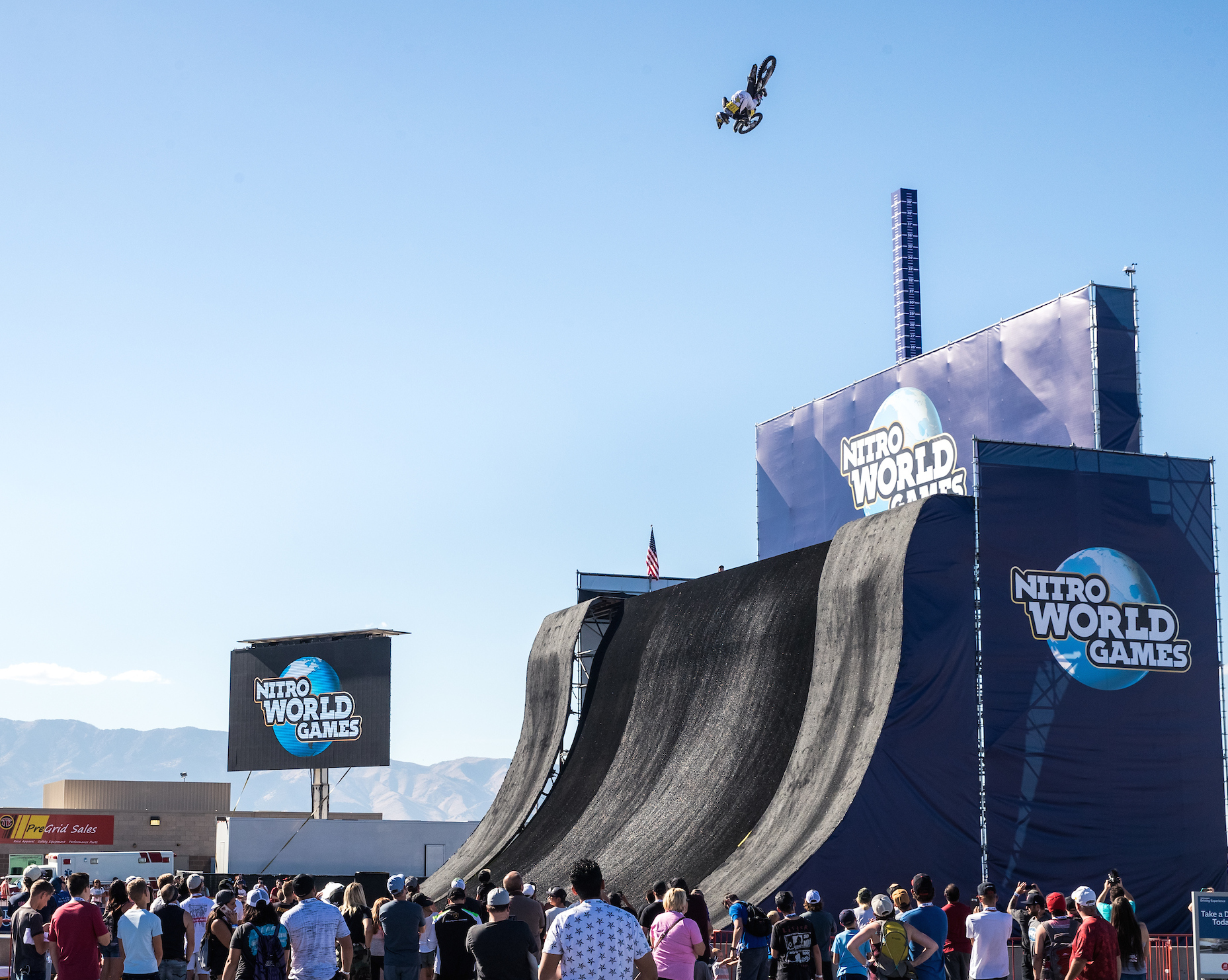
Nitro Circus took a bold step forward in this direction during the 2017 Nitro World Games: by innovatively pairing the live network TV broadcast of the action sports competition with a global Facebook livestream, fans everywhere could witness the game-changing world’s firsts on display from Salt Lake City’s Rice-Eccles Stadium, all in real time and on any device (Facebook had shown the event overseas the year prior, but this was the first time that the livestream was available worldwide).
Fast-forward to the present day, with Nitro World Games expanding and announcing new disciplines held in multiple locations across the planet, and this global reach only continues to grow. Highlights from the recent FMX Best Trick contest alone have gone viral on Facebook, exceeding over two million views to date. So far, Nitro World Games 2018 has generated over 10 million views across six live broadcasts of contests held in Utah and Southern California with more than 44 million impressions in total. Viewership truly spans the globe, with content translated into five different languages. Now, having just announced a partnership with the UK’s Scootfest freestyle scooter festival and with more details about other Nitro World Games events still to come, look for these figures to continue to grow exponentially over the course of the year.
Beyond action sports competition, Nitro Circus Media Productions has created a diverse slate of compelling original content. After co-producing the record-breaking “Evel Live” TV special with HISTORY, Travis Pastrana’s tribute to Evel Knievel was later simultaneously broadcast and livestreamed in Brazil, South America’s largest media market.
Digital series such as “Off the Grid” and “Out and About with the Nitro Circus Crew” showcase the exciting adventures Nitro Circus athletes get into – everything from swimming with sharks in the waters outside South Africa to mountain biking through the badlands of Utah. Taking it a step further, by teaming with partners such as Whistle Sports and Junkin Media, Nitro Circus can maximize its extensive library and find new opportunities for growth and exposure.
From its inception, Nitro Circus has strived to break boundaries and redefine what is possible. With media consumption continuing to evolve, particularly among Millennials, look for the Nitro team to stay on the cutting edge by creating more groundbreaking events and engaging content.
Andy Edwards, President of Nitro Circus is speaking at Host City 2018 on the subject of “Integrated Content Offerings: Connecting audiences, host cities and content through major events”
Blog
-
Nitro Circus soars to new heights
-
IOC must watch the size of the Games
After two successive Olympic bidding contests in which the number of cities in the race fell to just two, the head of the Association of Summer Olympic International Federations (ASOIF) says hard work is needed to make it more appealing to host the Games.
The IOC’s 2022 and 2024 bid races were blighted with cities dropping out – some due to defeats in referendums – resulting in Beijing beating Almaty to win hosting rights for the Winter Olympics and the double awarding of the next two summer Games to Paris and Los Angeles.
Ricci Bitti acknowledged the growing problems in perceptions of Olympic Games costs and a that there is a “trend” for taxpayers’ to withdraw from the prospect of paying the millions and billions of dollars perceived to be necessary to bid for and stage the IOC’s showpiece.
“People don’t get it immediately with a big event. They prefer that public authorities invest in something else,” he said.
“So we have to do a big effort in communication. I joke that we have a very rich product in the Olympic Games – that no one wants. We have to work on that.
“There are three big factors to try to solve this problem. To change the bid procedures… and the IOC is working very hard on that, to work and interact in the invitation phase. Secondly, the vision to reduce the cost of the Games. The president of the IOC has given a target to reduce $1bn in the cost of the summer games, $500,000 for winter.
“The third one is not on the table at the moment but should be in the near future – to monitor the size of the Games. I was in Gold Coast at the Commonwealth Games and you see that the size is more manageable.
“I think the model of the Games has to be considered very soon because the Olympics is getting very big.”
But this will be some way off, following the increase in the number of sports from 28 to 33 for the Tokyo Olympics. While the IOC continues to revamp the Olympic bidding concept, Ricci Bitti and ASOIF are getting down to the business of helping 2020 Games organisers deliver successful sports competitions.
This article, based on an exclusive interview by Host City at SportAccord Convention in Bangkok, was first published in the Summer edition of Host City magazine. -
Olympic hosts Paris and London lead together on sustainability
With the IOC’s coordination commission for Paris giving a ringing endorsement to the city’s Olympic project on their first inspection visit in June, organisers are maximising efforts to use the Games as a platform for major developments at the city, regional and national levels.
Amid reports of rising costs, IOC inspectors’ concerns were alleviated by a joint financing deal between Paris 2024, the city and French government guaranteeing €1.4 billion ($1.63bn) of funding for Olympic-related infrastructure. The agreement provides more certainty for two of the most controversial projects, channelling extra money to build a permanent aquatics centre with a redefined legacy concept and enhancing value for local residents around the Olympic Village site.
The post-Games plan for the aquatics venue will see the region of Seine-Saint-Denis receive nine swimming pools after the Games rather than the five initially planned, to plug a shortage of community sports facilities in the area. While the Olympic Village remains in its originally planned location, residents living nearby will benefit from the undergrounding of power lines, new housing and the creation of new green spaces.
Jean-François Martins, deputy mayor of Paris, says the city and Games officials are delivering on their ambitions thanks to the help of an agreement between the mayors of London and Paris.
“After Brexit [vote in 2016] Mayor Anne Hidalgo and Mayor Sadiq Khan decided not to be competitors but to have really strong relations between London and Paris and to create together, at the heart of Europe, cities that will shine on a worldwide scale,” he told Host City at SportAccord.
“So they decided to work together especially with the Olympics where the learnings, skills and experience of London will be precious for us and maybe as well we can share what we can do 12 years after London and to inspire each other.”
In addition to collaborating to combat societal issues, Hidalgo and Khan are undertaking huge efforts to tackle the global climate crisis. “Both of them are really committed in the fight against climate change… so we are putting the Olympics at the heart of the Paris agreement on climate change which will help us deliver an environmentally-friendly Games,” Martins added.
The two mayors are scheduling a conference in 2019 to discuss climate issues. “I am pretty optimistic about this cooperation,” he said.
Hidalgo is also chair of C40 Cities, which connects 96 cities to take climate action, and represents 700-plus million citizens and one quarter of the global economy. Organisers of the next four Olympics – in Tokyo, Beijing, Paris and Los Angeles – are supporting a new IOC partnership on climate issues inked with the C40 group at the end of June. They are working with interested cities, candidate cities and Olympic hosts to help them reach their sustainability goals.
C40 chair Hidalgo, who also heads Olympic delivery partner SOLIDEO, emphasised that hosting the Olympics “is a unique privilege for any city, and provides an amazing opportunity to accelerate the climate and air quality initiatives that mayors need to implement for the future of their citizens.”
It’s so far, so good for Paris 2024. The IOC coordination commission chair Pierre-Olivier Beckers-Vieujant was gushing with praise after the inspection visit.
“Paris 2024 is delivering on its commitment to host pioneering Olympic Games fully in line with Agenda 2020, the IOC’s strategic roadmap,” he said.
“I have been particularly impressed by the ambition of all of the stakeholders involved in this project to take advantage of the opportunity of the Games to create a springboard for the city, region and nation.”
This article first appeared in the Summer 2018 issue of Host City magazine. Jean-Francois Martins will be speaking on legacy planning for Paris 2024 at Host City 2018 in Glasgow on 20-21 November -
DB Schenker delivers Asian Games 2018 to audiences around the world
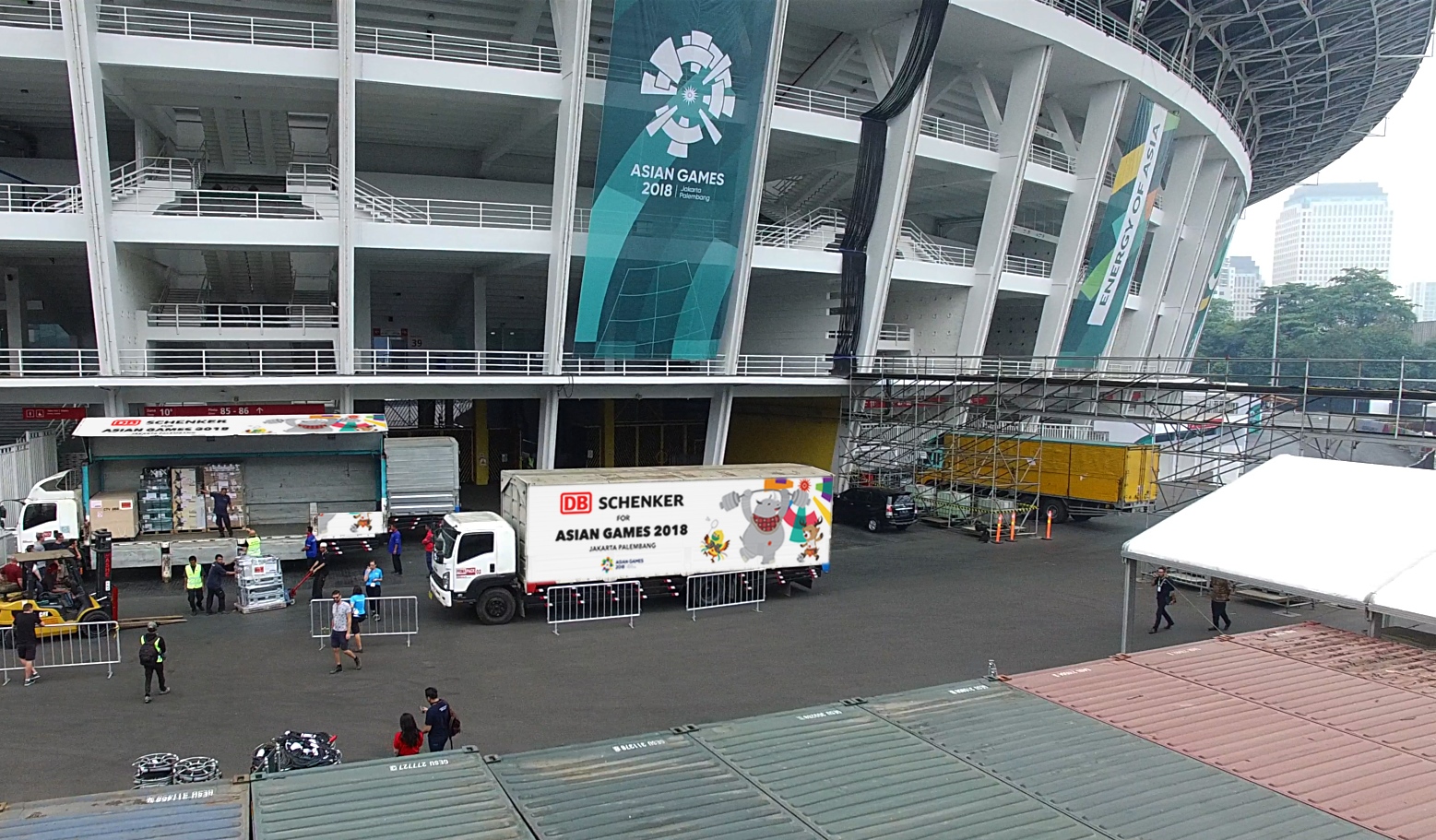
DB Schenker is proud to have been the official logistics provider for the host broadcaster of the Asian Games 2018. Held in Jakarta and Palembang, Indonesia, from 17 August to 2 September, the Asian Games 2018 is the second largest international sporting event after the Olympics. Some 45 nations participated in 463 events – covering 40 sports in various venues between the two cities.
Sports Events Logistics experts at DB Schenker from more around 16 countries worked hard behind the scenes to transport broadcasting and stationary equipment to Indonesia, so that audiences at home around the world could support their country’s athletes live on television during the 2018 Asian Games.
In early 2018, PT Schenker Petrolog Utama (DB Schenker Indonesia) and DB Schenker Sports Events Germany were appointed by the International Games Broadcast Services (IGBS) to handle the temporary importation and re-exportation of broadcasting equipment for the Asian Games in Jakarta and Palembang.
This meant nothing less than taking on the responsibility of ensuring millions of viewers worldwide would be able to enjoy Indonesia’s largest international sports event to date.
The first time Indonesia hosted the event was in 1962, the country and the whole media environment was much different back then. The 2018 Asian Games were originally slated to be hosted by Hanoi, Vietnam, but the country backed out from the appointment after stating concerns over costs.
Our logistical tasks included bringing in all the technical equipment needed for an International Broadcast Centre set up at Jakarta Convention Centre in Senayan, Jakarta, from where the broadcasting signals of the Games were spread across the world – as well as handling the deliveries and pickups for the various broadcasters from each of the participating nations in the 43 venues where competitions were broadcast live.
IGBS were very careful in choosing a good partner to do this. This is equipment coming from four continents, it was more than 2.600 single pieces and cases, all very sensitive electronic appliances and we did the whole thing door-to-door: pick up in the origin country, importation into Indonesia, customs clearance duly and in time, delivery up to broadcasting compound and respectively backwards on the re-export after the Games are finished.
Without a dedicated team working around the clock for months in the preparation and then again months in the execution, this would not have been possible.
With fully chartered cargo airplanes and many other regular scheduled flights that successfully landed between early July and mid-August at Soekarno-Hatta International Airport, the DB Schenker Indonesia team carried several hundred tons of broadcasting equipment owned by IGBS and other independent broadcasting companies from all over the world. This included equipment that had been used for the FIFA World Cup in Russia earlier this year.
Several shipments were also delivered by ocean freight to the Jakarta International Container Terminal. In major international sports events such as the Asian Games, time constraints are a common challenge faced by logistics companies.
Indonesia was very enthusiastic about hosting this event and it was a great success in the end. However, getting there was a wild ride on a rollercoaster of arrangements and back and forth with authorities and regulating bodies. Never had so much broadcasting equipment been brought in and out of the country in such a short period of time, so there was no one with a track record or a blueprint of how to do it. As everyone that has been around in the country for a while can tell, sometimes the simplest endeavour can turn into a most adventurous undertaking and usually, certainties are not part of the equation. Organizing this logistics project went in pretty much the same style: until everything was set up, no one could really tell how it would work out in the end.
But the experience that often in this country, the last minute before a deadline is the most powerful leverage for many things to start moving into the right place, allowed us to maintain the typical faith and calmness that are hard to explain to outsiders.
Once again, Indonesia has proven to the world and each and every one of us that here, everything that is seasoned with the right portion of patience, creativity and endurance, can turn into a success.
DB Schenker is Silver Sponsor of Host City 2018, where Future City Mobility and Event Logistics is one of many exciting agenda topics -
UIPM marks 70 years of modernisation
When the Union Internationale de Pentathlon Moderne (UIPM) was formed on August 3, 1948, the majority of events at the Summer Olympic Games were taking place some 50 kilometres away in London.
At the time, a meeting of 15 national pentathlon federations at the Royal Military Academy in Sandhurst may not have seemed like the epicentre of the action, but the decision taken by that group sowed the seeds of a sporting organism that has been growing and flourishing ever since.
Today, after 70 years of heritage and innovation, the UIPM movement is in many ways unrecognisable from those early beginnings.
Today it is a sprawling sporting organisation with nearly 120 member federations, a 106-year-old core Olympic sport (Modern Pentathlon), five other multi-discipline UIPM Sports and a new urban phenomenon that is rapidly spreading across the cities in all six of the world’s populated continents.
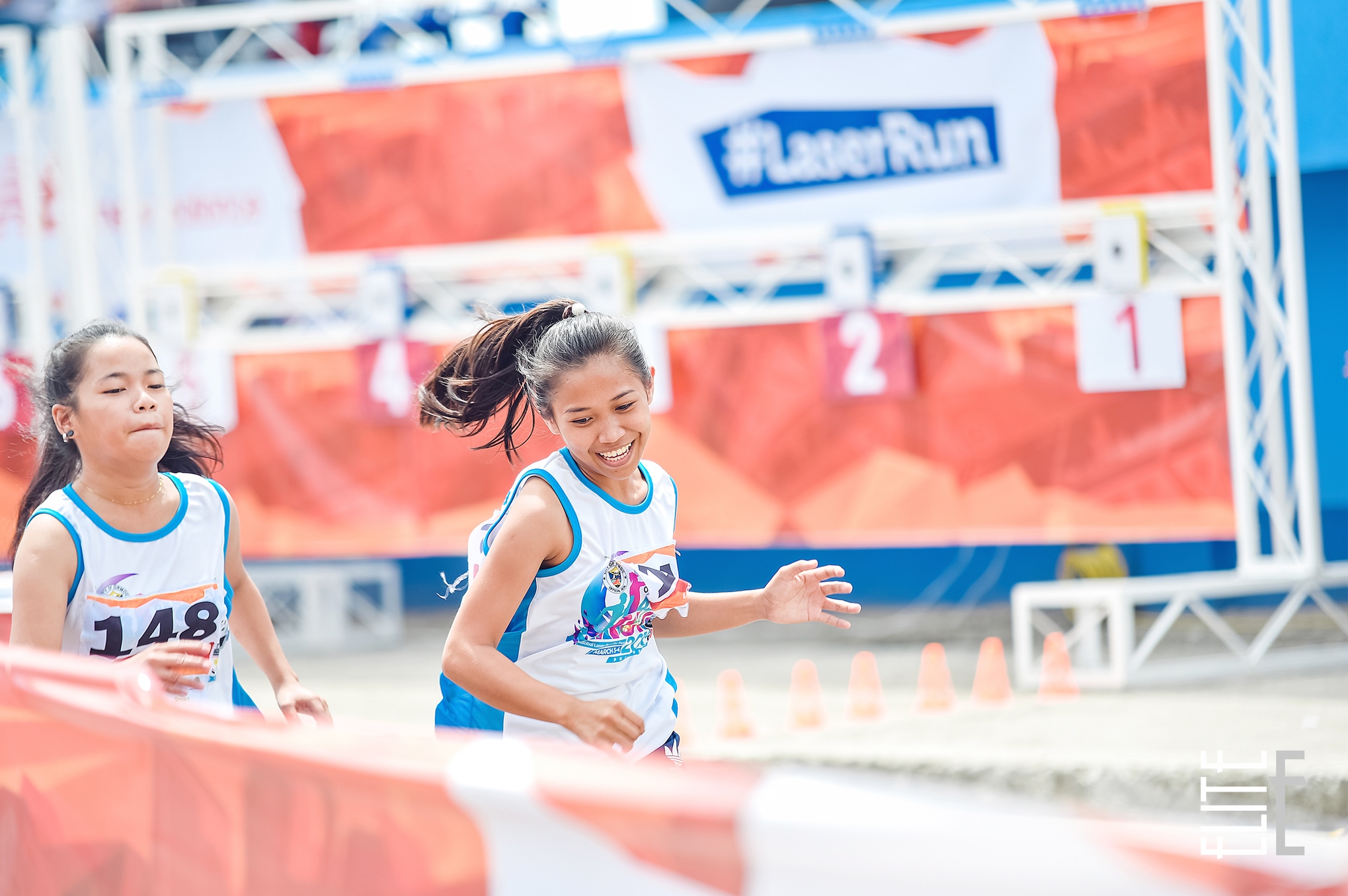
That phenomenon is the UIPM Global Laser-Run City Tour (GLRCT), a concept that delivers an exciting, dynamic and fun competition to participants of all ages and offers them an entry point to UIPM Sports. Who knows, maybe some of the young athletes enjoying the unique combination of running and laser shooting might even become pentathletes one day and reach the Olympic Games.
The GLRCT took place in parks, stadiums and iconic urban venues in 60 cities around the world in 2017. It is currently in the process of visiting about 100 cities throughout 2018.
Laser-Run is the newest sport on the UIPM pyramid. It was conceived as a development sport, aimed at growing participation numbers in the core Olympic sport of Modern Pentathlon, but its simplicity, popularity and marketability have seen it grow an identify of its own.
The growth of that brand has coincided with the evolution of UIPM’s wider visual identity, which aims to communicate the historic pentathlon family values aligned to the dynamic future of UIPM Sports.
A branding review in 2017 led to the creation of two new logos, one for institutional and internal use and the other for external promotional use. The new institutional logo features two original colours that represent the pentathlon environment: yellow (symbolizing dynamic development) and blue (standing for longevity and power). Gender equality is also reflected with the addition of two female pictograms.
Martin Dawe, UIPM Executive Board Member for Marketing, said: “The purpose of this branding review is to make sure our logos are more up to date. It is not a completely new logo but more of an evolution, and it’s about making it more applicable for today’s audience.”
UIPM has planned a series of events and commemorations in celebration of its 70th anniversary, culminating with a special edition of the UIPM Congress in November in Limassol, Cyprus, which will feature a gala dinner with VIP guests from across the Olympic movement.
The role played by those 15 federation delegates in England in 1948 will be fully acknowledged, as well as the work of the many people who have contributed across the past seven decades to the realisation of a dream.
This article first appeared in the Summer issue of Host City magazine. Read the full magazine here -
How is Expo 2020 Dubai “Creating the Future”?
In 2020, Dubai will host the biggest event in the history of the Arab World: the first World Expo ever held in the Middle East, Africa and South Asia (MEASA) region.
Our theme, ‘Connecting Minds, Creating the Future’, is based on the belief that innovation and progress are the result of people and ideas coming together in new and unique ways.
With 25 million visits expected between 20 October, 2020 and 10 April, 2021 and more than 200 participants, including nations, multilateral organisations, businesses and educational institutions, it is not difficult to see how Expo 2020 is ‘Connecting Minds’.
But how are we ‘Creating the Future’? We believe a World Expo should leave a lasting impact on the path of human progress, and we are working to realise this vision across various dimensions.
From the very beginning, Expo 2020 has been committed to building a legacy that is meaningful and sustainable, extending its impact and benefits beyond the UAE to the wider region and the rest of the world. Expo 2020’s long-term approach is based on four pillars: physical, economic, social and reputational.
Integrated community
Expo 2020 will take place on a 4.38 sq km masterplanned site inspired by our core theme. Al Wasl Plaza, which takes its name from the Arabic term for ‘the connection’, is the site’s centrepiece. It connects three Themed Districts, each of which is dedicated to one of our key subthemes: Opportunity, Mobility and Sustainability. A large part of our physical strategy involves the site’s transformation immediately after the World Expo into District 2020 – a highly accessible, well connected and integrated urban development that will continue our mission to Connect, Create and Innovate.
District 2020 will be a world-class integrated community, building on the legacy of Expo 2020 Dubai and supporting the acceleration of Dubai’s development. It has been carefully planned to support the UAE’s future vision by supporting sustainable economic development, moving towards an innovation-driven economy and creating a business environment that directly encourages progress within key growth industries.
It has been designed to offer a new urban experience at the cutting edge of modern working and living, and to promote a collaborative and innovation-driven business ecosystem that encourages a sustainable, healthy and balanced lifestyle. It will include a variety of residential and commercial spaces in a location that will become home to innovation, educational and entertainment facilities, parks, health and leisure amenities, as well as a Conference and Exhibition Centre (CoEx) developed by Dubai World Trade Centre.
It will be one of the most connected places on the planet. Located near Al Maktoum International Airport, the community will be connected to Dubai Metro via a dedicated station and major highways, making it easily accessible from all of the UAE’s air and sea ports.
Permanent presence
District 2020 will reuse 80 per cent of Expo 2020’s built environment and many aspects of the Expo 2020 masterplan have been designed with dual purposes in mind. The Sustainability Pavilion, one of the iconic Expo 2020 signature pavilions, will remain as a world-class Children and Science Centre, continuing its mission to encourage appreciation of science and nature among visitors and residents, particularly youth, for years to come.
While the CoEx will provide 45,000 sqm of exhibition space during the World Expo, this will be increased to 180,000 sqm for District 2020, spurring on Dubai’s evolution as a leading global destination for events, conferences and exhibitions.
Two multinational giants have already committed to establishing a permanent presence within District 2020. Siemens will base its global headquarters for airports, cargo and ports logistics at the site, while Accenture will open a digital hub.
District 2020 will also be home to an array of social and cultural attractions and recreational spaces. It will retain the iconic Al Wasl Plaza, the site’s 150-metre diameter centrepiece, which will feature a 67.5-metre tall domed trellis inspired by Expo 2020’s logo.
Expo 2020 will also spur significant long-term economic growth. Our business-focused tools and outreach programmes are engaging firms of all sizes, including a particular emphasis on small and medium-sized enterprises (SMEs), as we understand they are the backbone of any economy. Our new Online Marketplace also connects businesses and suppliers not only to our partners but also to each other, creating a platform unlike no other in the region.
More than 20,000 companies from 140 countries, including more than 14,100 SMEs, have already registered on the Expo 2020 Dubai e-Sourcing Portal. Last year, more than AED 10.8 billion of Expo construction contracts and AED 411 million of non-construction contracts were awarded. To date, Expo has awarded a total of 3,093 contracts, with more than half going to SMEs, helping them to grow their futures.
By building ties that will remain well beyond 2020, Expo will continue to contribute to new business generation, GDP growth and job creation across the region for generations to come.
Bringing the world together
Expo 2020 will also strengthen the UAE’s reputation on the international stage by demonstrating the country’s capacity to bring the world together. It will not only highlight the UAE as an inclusive, diverse, tolerant, safe and cooperative nation, but also showcase the great potential of the wider region to the rest of the world.
From a social perspective, Expo 2020 is an opportunity to inspire, empower and involve our youth, enabling young people to expand their horizons. It will encourage an understanding of – and an interest in – key drivers of future progress in line with our three subthemes.
The MEASA region boasts a substantial youth population with an enormous wealth of potential. Our youth are the innovators and thought leaders of tomorrow, so we are working to harness and nurture their talent as the new stewards of our planet.
The next World Expo is an immense opportunity to create an integrated ecosystem that will continue to attract businesses, visitors and residents long into the future. It is a festival for all that brings the world together, but its impact will extend far beyond the six months of the event. Expo 2020 is one of many steps along the road to ‘Connecting Minds, Creating the Future’.
This article first appeared in the Summer 2018 issue of Host City magazine -
A triumphant year for Aggreko
Host City: 2018 has been a big year for Aggreko powering major events, starting with the Winter Olympics in PyeongChang – what were the biggest challenges there?
David de Behr: As with any winter event we do, the weather conditions are always the biggest challenge – and with the magnitude of the Olympics, the volume of equipment, processes and people needed to execute promptly are key.
We faced extreme cold temperatures and winds while building up the temporary power services requested to run the Games smoothly in PyeongChang – and this required a lot of endurance from our equipment and a lot of energy from our specialist engineers.
We adapted to meet these challenges head on. We modified all our fuel tanks by adding heat elements, generators were equipped to run in the cold climate and the project team had to plan all operations very tightly to meet the client deadlines.
The endurance level of our people deserves to be recognised; they never lost sight of the objective and their dedication in the face of some incredible obstacles was key to our success.
Host City: Your next project in 2018 was the Commonwealth Games in the Gold Coast – how did this compare as a project for Aggreko?
David de Behr: The Gold Coast Games were special as they were not located within one city but held in a region. Australia has always been very special to Aggreko as it is one of our oldest markets and so it was fantastic to see the synergy between Aggreko Australia and our experienced Major Events team putting together this project.
We worked with a very experienced organising committee (GOLDOC), which had a very clear view on how they wanted to deliver the Games, and the partnership with our experienced project team meant we had a very fluent build up towards the Games.
Using our design program to give financial transparency throughout the contract was appreciated by the organising committee and the rest is history: great Games in a beautiful region with enthusiastic engagement from the public – a job well done!
Host City: The European Championships in Glasgow was a new format of event, combining multiple sports – what were your perceptions of this and how did Aggreko contribute to its success?
David de Behr: Glasgow is and always will be special to Aggreko – our roots and our manufacturing plant are located in Glasgow.
This new format of event coming to our town, and being able to harness a lot of the infrastructure from the 2014 Commonwealth Games, made it a perfect match for us.
We were very impressed by the enthusiasm around the Championships and strongly believe it will grow as an event in the future.
For our teams on the ground it was a pleasant return to the venues we powered in 2014. Working very closely with the organising committee, we were able to tailor and deliver the event within everyone’s expectations.
Host City: After all those multi-sports projects, you also powered the Ryder Cup in France – what are the requirements there?
David de Behr: The difference with the other 2018 events is that the Ryder Cup is a massive single venue event.
It forms part of our long-term relationship with the European Tour. The exciting part this time, unlike our previous involvement with Ryder Cups, was that the 2018 incarnation was held outside of the UK, near Paris.
150 lorries packed full of equipment were delivered to install all temporary power and HVAC systems on the massive site. It was project managed by an English-French Aggreko project team with the first members of our team on the ground in May.
The beauty of such golf tournaments is also the main challenge – the players and public can walk almost everywhere – and so planning and design are key to the success of the event for us.
Another challenge is the seasonal weather – the climate could be very unpredictable and so we had to prepare for all temperature control eventualities. Our temperature control systems are designed to be able to cope with this changing environment.
The outcome was really impressive and the Ryder Cup week was one that many will not forget for a long time!
David de Behr is speaking at Host City 2018 on the topic of “Reimagining Major Event Delivery”. Host City 2018 takes place in Glasgow on 20-21 November -
The benefits of hosting Formula 1
As the 2018 season draws to a close, the focus is already shifting toward improvements for the 2019 season. Since Liberty Media acquired Formula 1 in January 2017, the long-term vision has been clear: to unleash the greatest racing spectacle on the planet.
Formula 1 is in constant perpetual motion of creating, sustaining and retaining major global sporting events, with 21 different host countries across five continents vying to create the most unique race weekend experience for fans.
With a yearly cumulative TV audience of 1.8 billion people, Formula 1 has 506 million global fans and an average race attendance of 200,000 people, creating multiple layers of cultural and economic benefits for a host city. Whilst complimenting the local and national tourism strategy, other benefits include global visibility, positive economic uplift, contributions toward tourism and job creation.
Economic impact
Hosting a Formula 1 race boosts the economy of a host city and country by stimulating consumer spending and creating new opportunities in the secondary and tertiary sectors of the economy.
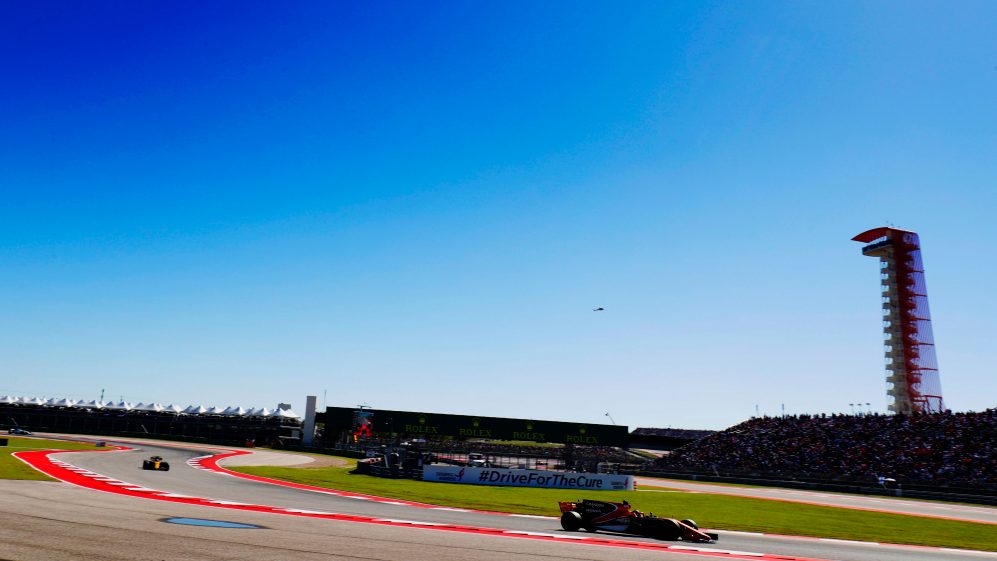
The Formula 1 United States Grand Prix held at The Circuit of the Americas (COTA) has contributed substantially toward the local economy, with total economic impact to the Austin Metro area between 2012 and 2015 valued at $2.8bn.
Similarly, a recent study by PriceWaterhouseCoopers found that the Azerbaijan Grand Prix in Baku created $277.3m of increased economic value in 2016 and 2017.
Increased visibility
With live broadcast to over 200 territories worldwide, Formula 1 excites fans and creates over 635 hours of broadcast footage. A host city is positively positioned in front of a global audience, showcasing them as a destination for major sporting and entertainment events.
Through destination branding, the Mexican Grand Prix has generated over $5.5bn MXN global media exposure and $885m MXN of media value of the Mexico logo.
Tourism
With over 200,000 attendees per race and on average 53 per cent coming from abroad, hosting a Formula 1 race induces tourism and opens up a city to new audiences. Mexico City experienced a 12 per cent increase in hotel occupancy in 4 and 5 star hotels during the Grand Prix and on average the weekend spend per guest is £1,600 (excluding tickets). Since their first Grand Prix in 2008, Singapore has hosted more than 450,000 international visitors, who have contributed around $1.4 billion in incremental tourism receipts.
Job creation
Returning year after year, Formula 1 increases both annual and seasonal employment, whilst creating new jobs across a number of industries. When the Grand Prix heads to Montreal an additional 640 jobs in the Quebec region are created and COTA’s annual activities and operations combined to support 9,100 jobs in the Austin region representing $306 million in annual payroll for Austin-area workers.
Formula 1 is a sport with unique heritage and a proven track record of creating economic benefit and we are excited to be hosting our 1,000th race next year.
Chloe Targett-Adams, Global Director of Promoters and Business Relations at Formula 1 is speaking at Host City 2018 in Glasgow on 20-21 November -
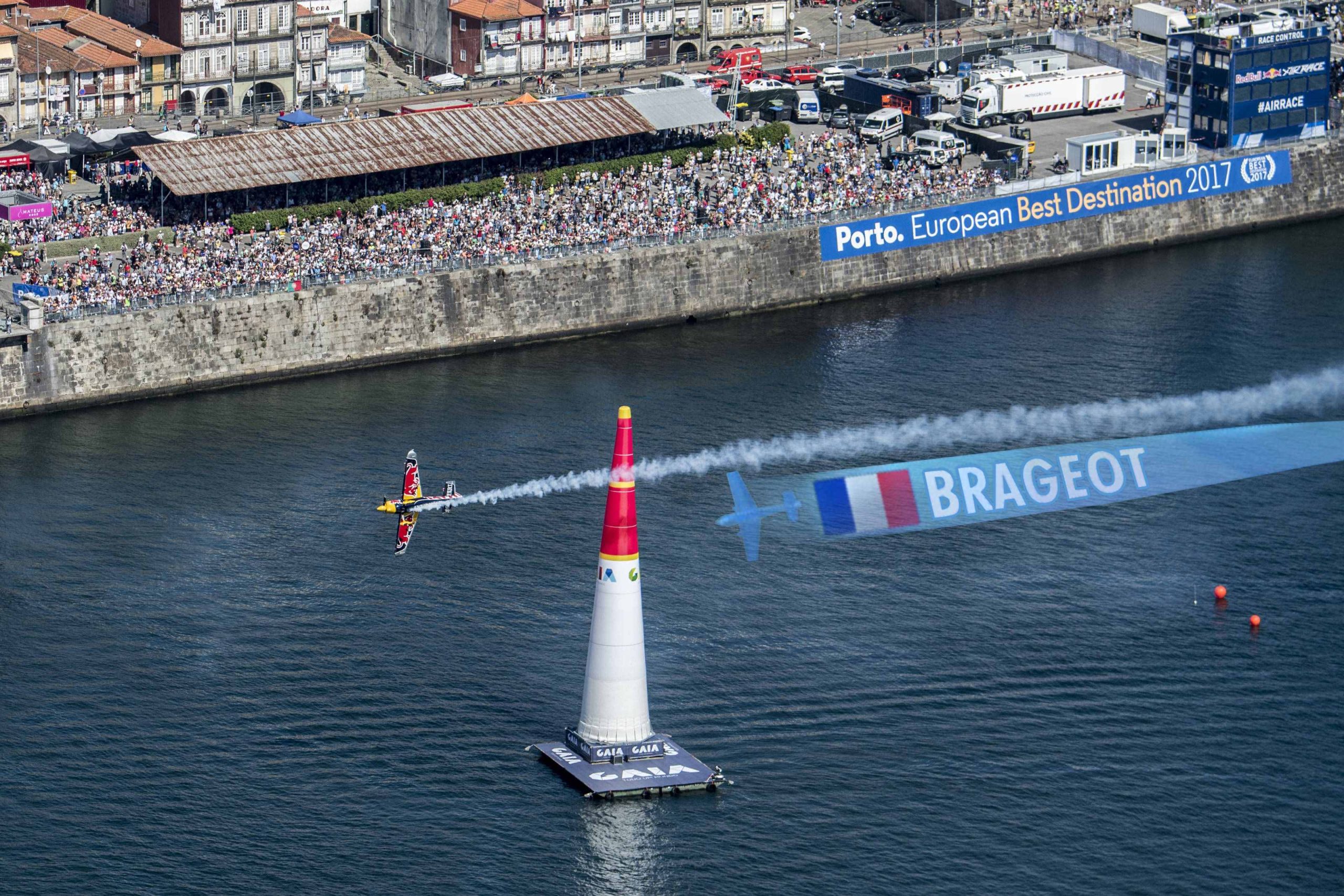
Red Bull Air Race technology brings sport and cities to the public
Since its first race in 2003, the Red Bull Air Race has been on a tireless quest to bring its unique aerial action into the ranks of the world’s most advanced sporting events. Fifteen years later, that mission has been achieved, and the sport’s development keeps advancing by leaps and bounds.
The Red Bull Air Race World Championship uses state-of-the-art technology not only to develop the sport itself – but also to provide an exceptional experience for spectators on the ground and viewers watching worldwide. Already, customization with the latest aviation technology has brought the powerful single-seat raceplanes to an unprecedented level of advancement, while high-tech timing and judging equipment, along with thoughtfully crafted revisions to the race format and rules, make the sport a can’t-look-away event. And the introduction of a second competition category, the Challenger Class, literally brings pilots up to speed, so that they inspire the best from the best when they join the top aviators at the World Championship level.
And then there are the technical innovations that take the sport even closer to the fans. At the forefront of technology, the Red Bull Air Race live TV product has helped the sport reach a massive audience and captivates a constantly expanding fan base around the globe, while mixed reality and virtual reality enable followers to share the experiences of their heroes.
Here are just a few examples of how the Red Bull Air Race has brought a new dimension to motorsport.
The unseen advantage: telemetry
One of the major factors in the technological progression of the Red Bull Air Race is telemetry data. What is telemetry? Very generally, the term refers to automated collection and transmission of data for monitoring purposes. Today, each of the raceplanes is equipped with more than 40 different sensors that report everything from airspeed and G force to critical engine measurements like RPM and fuel flow. This data allows teams to get insights on the best race lines and their own raceplane performance, which in turn inspire new training options and provide the basis for developing raceplane modifications and tactics through the racetrack. Telemetry data also makes judging more precise, enhances safety and, ultimately, improves the race performance of every team, for breathtakingly tight finishes in the riveting aerial showdowns.
Visibility on a major scale: live TV
Telemetry data is also an important contributor to the fascination of watching the race live on TV. Red Bull Air Race TV products reach a huge fan base around the world. Broadcast online and brought to 177 countries via broadcast partners, these TV productions open the motorsport to an ever-increasing base of dedicated fans, as well as new viewers who simultaneously discover the motorsport and the cities that host it from the comfort of their homes. In order to further enlarge these numbers and bring the action closer to audiences than ever, the TV production team utilizes state-of-the-art of technology and works with leading-edge collaborators to constantly develop and improve the viewing experience.
Perhaps the best example of how technology heightens audience engagement with the live TV shows is the Ghost Plane, a product based on telemetry data that has no equivalent in traditional sports broadcasting. While current conditions prohibit having raceplanes in the track simultaneously, the Red Bull Air Race can create that thrilling sensation through the use of a virtual plane – on live TV as well as on jumbo video screens onsite – that allows them to “see” two raceplanes flying head-to-head. The Ghost Plane is an augmented reality product that enhances the real camera picture with computer-generated content, developed specifically for the Red Bull Air Race. A positioning system, mounted in the fuselage of each raceplane, broadcasts the precise position of the aircraft to a ground base station, where an accurate graphic overlay of the flight is created in 3D. Then, when another competitor is racing in the track, the overlay is added, showing the position of the real raceplane and the virtual opponent in the track at any point during the run – in real time. The Ghost Plane was a hit with audiences when first introduced in 2015, and has evolved to be even more compelling in the seasons since.
A next-gen experience: holograms and virtual reality
In addition to developing its own technological prowess, Red Bull Air Race collaborates with leading technology companies, such as Microsoft and Google, to produce technical innovations that draw the fans right into the action to immerse themselves in the sport – even when they are at home. Two examples are the FlightDeck with HoloLens and the Red Bull Air Race LIVE VR experience on Daydream, both based on the live streaming of the data from the raceplanes. Each provides an exciting new viewing angle for understanding the sport, and each features the Red Bull Air Race host cities, meticulously incorporating the unique settings of these appealing global locations into the race environment.
The Flight Deck allows fans to go right inside the race teams’ inner sanctum: This mixed reality app, developed in close collaboration with Microsoft and utilizing its HoloLens that brings holograms into the real world, gives users the chance to stand next to a virtual one-to-one scale Edge 540 raceplane as if they were in the hangar. Moreover, they can explore the rules of the sport in depth – from navigating a chicane to crossing the Finish Gate – and compare pilots in their head-to-head rounds.
The Red Bull Air Race LIVE VR experience uses real-time telemetry data straight from the pilot’s cockpit and re-creates the flight in a 360-degree virtual reality, so viewers can become fully immersed in a race from multiple angles and viewpoints, including the cockpit. Thanks to Google’s Daydream mobile platform for high-quality VR content, the combination of a Daydream View headset and any Daydream-ready smartphone transports viewers right into the racetrack. The VR experience is fuelled by live flight data like latitude, longitude, roll, pitch and airspeed to generate astounding perspectives and a real-dimensional, live visualization of the pilot’s view as the Air Gates and the local landmarks flash by at up to 370kmh, with users able to track the jaw-dropping speed and G Force. Marking a world first in data broadcasting on the platform, fans can dive into not just races that have already taken place (on demand), but also those happening live.
The future of motorsport today: with more to come
The ingenious, rapid-fire technology development of the Red Bull Air Race has brought the sport from audacious beginnings in 2003 to the official World Championship it is today, with 21 countries and an even larger number of cities featured as sensational hosts to its nearly 90 races so far. Whether fans are flocking to global destinations to see the Air Racing stars live, or engrossed by stunning scenes of the race via TV and augmented reality, technical wizardry brings them the future of motorsport today, piquing their interest in the race and everything that surrounds it. With more technical innovation in the works, that engagement is destined to become even broader and deeper with each season.
Erich Wolf, General Manager of Red Bull Air Race GmbH is speaking at Host City 2018 under the conference theme “The Future of Major Events” -
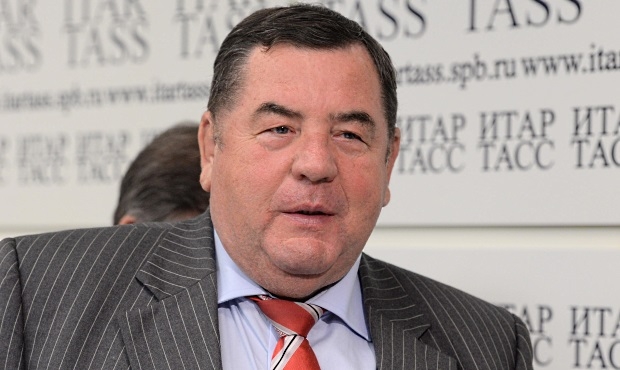
SAMBO’s Olympic goal
Host City: How is SAMBO spreading geographically today from its Soviet origins 80 years ago?
Vasily Shestakov: Nowadays SAMBO is a sport that is spread on five continents with 4.5 million passionate and engaged participants. The sport grew dramatically over the last two decades to encompass 88 full member federations and more than 30 candidate countries. This is the result of extensive interest in martial arts in general, but thanks foremost to the strong commitment of the International SAMBO Federation and its strategy and vision to become the Olympic recognised sport.
Host City: What are your priorities when looking for a host city and how do you go about selecting/attracting a host?
Vasily Shestakov: More than 30 major SAMBO competitions are held annually at the international level under the auspices of FIAS. The FIAS Competition calendar is composed of traditional events, which are historically organised in the same city for a number of years, such as the World Cup in Moscow and the chain of the Presidents Cups, traditionally hosted in the UK.
Moreover, we organise annual World Championships in different age categories in collaboration with our member federations, through the official bidding process opening at least three years before the events. However, we see the importance of exploring further opportunities to engage with host cities directly, as this is an important change in organisation of events globally.
Host City: What are the main benefits of hosting the SAMBO championships?
Vasily Shestakov: International SAMBO events give host cities opportunities related to tourism. The average number of participants in the international events is about 1,000 people, which together with the fans gives us about 3,000 people attending the event. This provides the host city with opportunities to generate income for hotels, restaurants, transport, touristic attractions etc.
Moreover, FIAS is strongly engaged in promoting the sustainable management of its events, with opportunities to build legacy in three pillars: economical, environmental and social. So, for host cities that would like to organise sports events with these values, SAMBO events could be the option.
Host City: How does Sambo differ from other forms of (mixed) martial arts?
Vasily Shestakov: SAMBO is the unique synthesis of various techniques and martial arts from around the world. It is an original system of physical and spiritual education of person, in which many nations of the world recognize their sporting styles and traditions.
Host City: What does the future hold for SAMBO?
Vasily Shestakov: This year marks the 80th anniversary of SAMBO and it is due to be another thrilling year for the sport. Most importantly, we are hoping to continue with the excellent growth we have seen in recent years: making SAMBO more accessible to people all over the world. While SAMBO is still not recognised by the International Olympic Committee, we are very much looking forward to working extensively on our recognition and believe that in a short period we can reach our goal.
Michal Buchel, CEO of FIAS is giving a presentation on “Building recognition and participation” at Host City 2018 in Glasgow on 20-21 November