Tag: Beijing 2022

  • Organising committees combine art, culture and sport on Olympic day

    Organising committees combine art, culture and sport on Olympic day

    [Source: IOC] As the next hosts of the Olympic Games, the organising committees for PyeongChang 2018, Tokyo 2020 and Beijing 2022 each featured celebrations of art, culture and sport for thousands of people on Olympic day.
     
    PyeongChang 2018
    With less than eight months to go until the Olympic Winter Games PyeongChang 2018, the Korean organisers seized on Olympic Day as an opportunity to spread the Olympic values far and near.
    In Gangneung, the PyeongChang 2018 House featured a mascot photo zone, colouring projects and an Olympic torch exhibition. The festivities spilled over into Saturday, with opportunities for children to craft their own clay mascots, while families also tested their Olympic knowledge with interactive quizzes.
    On the other side of the country in Seoul, students from Seoul University formed 70 dance teams at the Seoul Olympic Park and Lotte World Mall to create flash mobs that also featured Soohorang, PyeongChang’s mascot for next February’s Olympic Winter Games.
     
    Tokyo 2020
    While PyeongChang got creative on Olympic Day, Tokyo combined art with action, as students from 12 universities across the city came together for a day of music, dance and cheerleading performances. After watching dynamic routines, members of the audience voted for winners that they felt had achieved their “personal best”, which is one of the mottos of the Olympic Games Tokyo 2020.
    Almost 1,000 students, in association with Tokyo 2020, co-organised the event. With students engaged in the planning and promotion of the festival, the celebration reflected both sport and Japan’s famous youth culture, providing a glimpse of what the world will get to enjoy as part of the Olympic Games Tokyo 2020.
     
    Beijing 2022
    More than 20,000 Chinese people from nine provinces took part in Olympic Day celebrations. The cities jointly launched a variety of activities that promoted the Olympic spirit, including a road race with nearly 2,000 athletes at the National Olympic Sports Centre. Beijing 2022 also organised “Olympic culture camps”, which allowed participants to practise both summer and winter Olympic sports.
     
    Source: www.olympic.org

  • Interview: “Beijing 2022 is a great foundation for sports development in China”

    Interview: “Beijing 2022 is a great foundation for sports development in China”

    Host City: what role can China’s cities play in terms of getting citizens involved in sport?
    Yang Yang: In cities, they are encouraging people to participate in sports. After Beijing won the bid, the education bureau from Beijing launched the policy encouraging every student to participate in one snow sport or ice sport. That has become a very major programme in the education system.
    I live in Shanghai, so I have my skating club and I work with 26 schools. Through this programme their P.E. classes come from Monday to Friday in the morning and afternoon, at which time the club would otherwise be nearly empty. Since Beijing won the bid, that’s the way we are reaching the goal of 300 million people in China to participate.
     
    Host City: How important is sports infrastructure in China reaching this goal?
    Yang Yang: It’s very important that we need infrastructure; we need to build ice rinks, we need to build snow venues, which is on the way.
    I was involved in the bidding committee. At that time, we barely found 13 rinks in Beijing, even including small ones. But now the number is going to be 72 in the next three years. I believe there will one day be more than a hundred rinks in Beijing.
     
    Host City: And is the number of Championship events increasing in China?
    As the host city of the 2022 Olympic Games we will have lots of test events, starting from 2020. Then all kind of winter sports will come to China before the Games. Of course, we also have some traditional events. For example, we have hosted the short track World Cup for 17 years in China – in Harbin and Changchun – and the last five to seven years in Shanghai. We have a Cup of China Figure Skating Grand Prix hosted every year in Beijing as well.
    On top of that the new sports are also coming as well.
     
    Host City: As an Olympic medallist, what do you think Beijing 2022 will do to develop your sport?
    Yang Yang: China has so far won nine gold medals in short speed skating, but this is not enough. We hope Beijing 2022 is an opportunity to increase our standing.
    Beijing 2022 is a great foundation for sports development in China that is market oriented.
     
    This interview took place at WWSE and first appeared in the Winter 2017 edition of Host City magazine

  • Championing the development of snow sports

    Championing the development of snow sports

    “There are two different pathways to develop sport. One is to create successful heroes – athletes like Yang Yang, who you had the honour of interviewing just now – and they will inspire youngsters, kids, the media, sponsors to create a lot of interest in the sport.
    “The other way is mass participation, through activity. We are working on both solutions, both opportunities at FIS. On the one side organising competitions here in China, which will continue right through with the big progression plan to the 2022 Olympic winter games and long afterwards. This is having a great effort from the Chinese sports authorities to build up new champions to have a lot of success. That will inspire more youngsters, activity and participants.
    “On the other side we have developed programmes to get into snow sports. For nearly 10 years the ‘Bring Children to the Snow’ programme has created a lot of interest in China, as well and “Snow Kids” activity and with the annual ‘Snow Day’ since 2012. And now here together with the WWSE in Beijing we will launch the ‘Get Into Snow Sport China’. This is an entrants level course designed to for people to be able to really begin being familiar with snow, learning the basics, enjoying having fun and making friends with snow sports. That’s what it’s all about.
    “We are working with the Chinese Ski Association, with Beijing Sport University, with the institutions here in China and commercial partner Alisports to be able to market a course all over the country and create a lot of interest and really make it happen. So there are two ways; champions and getting kids started who have perhaps never seen snow before.
    “The goal for the next generation is to have many happy and health new sports participants and, we hope, champions at future events.”
     
    New events at Beijing 2022
    “There are many opportunities to include new events. The philosophy of the IOC however is to ensure that the Games remain manageable, that there is not an over-explosion of new facilities required, so that can be many different countries and regions that are capable of hosting the Olympic Winter Games also in the future. So within the six FIS disciplines, we have an excellent blend of traditional sports and young sports and we are able to develop and adapt the disciplines and the events on the programme as society changes, as also the different opportunities – technology, skill, equipment, facilities – and this is exactly what we are doing.
    “For Beijing 2022 we are looking at different opportunities. In ski jumping for example, like “friends from Biathlon”, we have a mixed team event for the ski jumping with ladies and men in one team – it’s part of the World Championships since many years. We are also proposing the inclusion of Nordic combined for ladies, which is also an activity we have within FIS, not yet at Olympic level. It will be on the programme of the Youth Olympic Games in Lausanne in 2020.
    “We are looking to add to the Big Air competition for snowboards, which will be at this fantastic new venue in Shougang in Beijing. Not only snowboard but also to have Ski Big Air, like we have in the World Cup. And, on proposal of Chinese Ski Association and Chinese Olympic Committee, they will also submit a bid to have mixed team aerials.
    “So there are some interesting opportunities across the difference disciplines within FIS that the IOC will be asked to evaluate and to consider if they will bring additional value to the Olympic Winter Games.”
    This article, composed of statements Sarah Lewis OBE made to the press at World Winter Sports Expo in Beijing, first appeared in the Winter 2017 issue of Host City magazine

  • Will Beijing be ready to host the Winter Olympics by 2022?

    Will Beijing be ready to host the Winter Olympics by 2022?

    With PyeongChang 2018 just around the corner, the following Winter Games might seem a long way away – but four years is a short time in the Olympic movement.
    According to the Beijing Organizing Committee for the 2022 Olympic and Paralympic Winter Games, all venues will finished by the end of 2019, in time for test events in 2020.
    The Beijing 2022 Olympic Games will feature 26 venues, all of which are under construction. Some of these are being repurposed after hosting the 2008 Olympic Games. Others, mostly in Yanqing and Zhangjiakou, are being built from scratch.
    Speaking at World Winter Sports Expo in Beijing, Irina Gladkikh, Winter Sports Director, IOC said: “There is a great progress across all areas. The IOC president attended the opening of the China National Games where he took the opportunity to visit several Olympic venues of the 2022 winter Games. And the IOC president was very excited about progress in the venue development.
    “The sport department of the organising committee is working in close collaboration with the IOC sport department and they are doing a fantastic job.
    “We are also delighted to see that the Winter Olympic federations are heavily involved in the Games planning and delivery in the venue development progress, in the test event planning and building a good strong team to deliver the Games. The international federations bring great knowledge and experience and they do share your vision for the great Games, for the great legacy and for the growth of winter sports in China and the global promotion of China as a winter sports destination.”
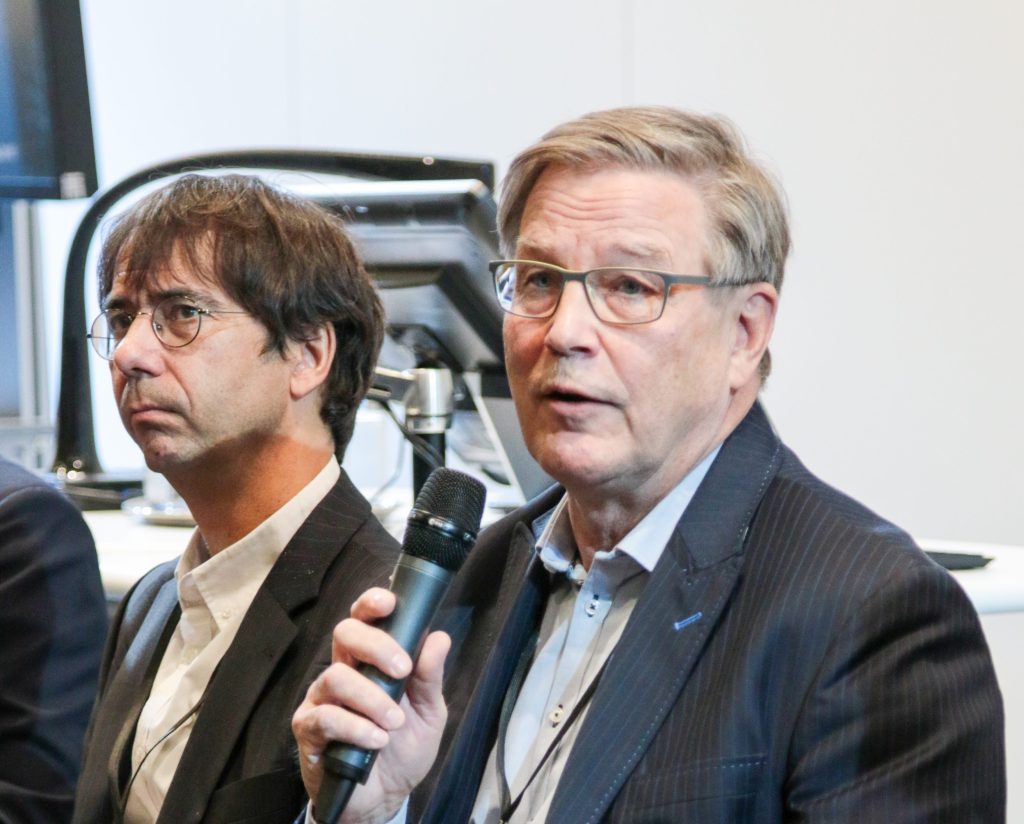
    Risto Nieminen, President, Finnish Olympic Committee and Member of IOC Coordination Commission for Beijing 2022, expressed Beijing’s readiness with an allegory from Canadian Paralympic athlete Chantal Petitclerc, winner of 13 Paralympic gold medals.
    “I was listening to her presentation in Montreal in a Congress in 2012 and she was explaining about her career and told her life story, and her progress to be in the Paralympic Games in Beijing in 2008 where she won five gold medals in wheelchair racing.
    “In the end of her presentation she showed us a video in which she was achieving her greatest victory in the 100m in the Paralympic Games. It was so exciting, because she only won in the last metre. Everyone jumped up from the audience and started applauding.
    “And then she said, thank you for applauding but this is not the reason I came here today to tell my life story. And thanks for the empathy – she was paralysed when she was 13 years old – but that’s what I need either.
    “She said, I came here to tell you to understand that I didn’t win the gold medal in the 16 seconds you just saw – I won it in the 16 years I spent preparing for it. And if you have respect for me, don’t have respect because of the 16 seconds, but because of the 16 years I spent trying to achieve my goal.
    “And I think this is the essence of sport. It’s not about the victory, it’s not about the instant wins – it’s about the pursuit. It’s about giving everything you have and trying your best, and that’s where the respect comes from.
    “We all understand that China will achieve the goals. I know we will build every facility that is needed. But at the same time, we need to be cultivating the winter sports culture behind it, understanding that it’s not the instant victories –  it’s the long-term pursuit, trying your best at building the culture that actually makes the result.
    “My second remark is about the very extraordinary thing we have to understand about winter sports. Snow and ice include a very playful, joyful element. Every time you see a kid in the snow – and that includes me at my age; when I see snow and ice it makes me want to place – every kid wants to play with the snow and ice.
    “That makes winter sports very special, because lots of winter sports are not only about skills but about having fun and playing, and that’s part of the winter sports culture that’s unique. It makes people want to play – it’s very joyful and very playful sport. That makes it a sport for all. That is something that’s very necessary to understand when we are building facilities, that it is sports for all.
    “And it includes the fact that winter sport is always open to new forms of sport. We know that China is very strong in new sports and is open for creating new forms of sport, and that’s very necessary for the development of sport in our society.
    “My third remark comes to the issue of sustainability. When we are building facilities and speeding up building, we have to keep up the sustainable ideology. Every method that we are using must be sustainable and the process of planning must be very sustainable so that we are not building anything that’s not necessary or that has no real use. I know that here for Beijing 2022 we are not building anything that does not have a plan for using it as a sports facility for the future.
    “To conclude, it’s very much about building and cultivating a winter sports culture, involving a joyful element, remembering winter sports is a fun sport for all, and it’s about understanding youth and new sports in a sustainable environment.”
    This comments in this article were made at World Winter Sports Expo in Beijing in September 2017 and first appeared in the Winter issue of Host City magazine.

  • Zhang Jiandong: hosting the Olympic Games twice accelerates Beijing’s development

    Zhang Jiandong: hosting the Olympic Games twice accelerates Beijing’s development

    In 2015, Beijing and Zhangjiakou jointly won the bid for 2022 Winter Olympic Games and Beijing therefore became the first city that will hold both the summer and winter Olympic Games.
    As the biggest, most influential and comprehensive sports event in the world, the Olympic Games has great importance for development. The Olympic legacies have provided resources and momentum for the city’s development.
    In order to continue the success after the 2008 Olympic Games in Beijing, we specifically established Beijing Olympic City Development Association (BODA) and a specific fund to develop of the city and our facilities.
     
    Physical Games legacies
    The broadcasting centre from the 2008 Olympic Games was converted into the China National Convention Centre after the Olympic Games, hosting more than 7,000 conferences including the Belt and Road Forum and the APEC summit. This conference centre is one of the Olympic Games legacies.
    Other facilities like the Bird’s Nest and the Water Cube have become landmarks of Beijing; these places are also hosting other major events. Eight facilities in Beijing will serve as venues for the Winter Olympic Games.
    The Beijing 2008 Olympic Games also brought forward the construction of our metro system. Carrying more than 10 million people every day, it is the city’s biggest transportation system. During the organising of the Beijing 2008 Olympic Games we did a lot to control pollution and traffic; we have made this a long-term effort in Beijing.
    We continue to work on the sustainability of our facilities. We plan to use 25 facilities [in Beijing, Yanqing and Zhangjiakou] for the Winter Olympic Games and are working with other organisations to comprehensively utilise these facilities, both for the Games and for future functions.
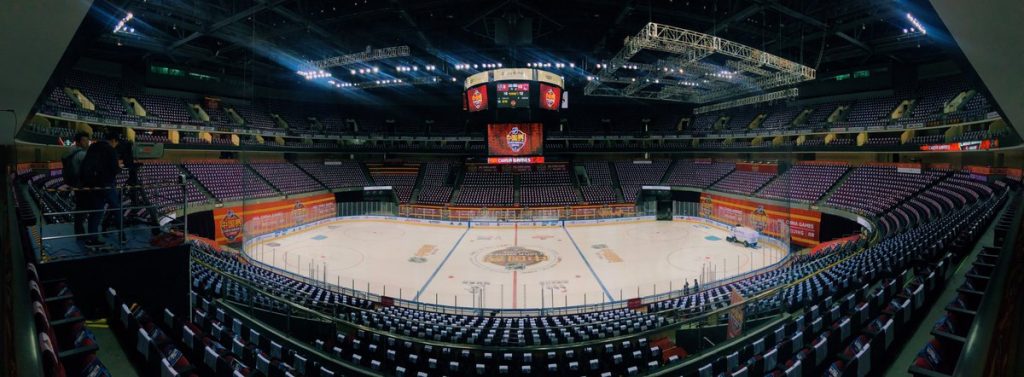
    Our design and construction teams are all engaged in this process of making plans for legacy. For example, the Wukesong Arena can be transformed into the venue for ice hockey from basketball within six hours.
    We will also promote the coordinated development of Beijing, Tianjin and Hebei area. The Winter Olympic Games in Beijing and Zhangjiakou will become very important drivers for economic development in the region. The coordinated development in this region will be closely related to the Olympic Games and they will be mutually beneficial. They will have better transportation and industries will also be boosted.
    We will also work on environmental protection; public services will also be further enhanced and this will be a pilot project for the coordination of this region. More benefit to welfare will be brought to this region and its people.
     
    The Olympic spirit
    The Olympic Games influence people to participate in sports activities as part of the daily routine. In Beijing, people benefited greatly from the spirit of the Olympic Games. More than half of our citizens are frequent participants in sports activities. Our people are constantly improving their health.
    We’ve also got the legacy of talent from the Olympic Games. Beijing 2008 cultivated a large number of high quality organisers of sporting events who have gone one to work on, for example, the 2010 Guangzhou Asian Games; and in 2019 we are hosting the Military World Games and other major international events, all reflecting the talent.
    More than half of our staff for the 2022 Beijing Winter Olympic Games will be from the 2008 summer Olympic Games organising committee.
    We place great importance on legacy, making a very inclusive model for our organising work so that all people can engage in the Olympic Games and share its benefits.
    We will also continue to work on education, volunteering and spreading the Olympic spirit, so that the general public will be more active and healthy in their lifestyle.
    With the leadership of the Chinese government we want to conduct a wonderful and excellent winter Olympic games and fully implement green ideas and cost reduction.
    We pay special attention to winter sports in China. In China, winter sports are mainly concentrated in the northern area. With the Beijing Winter Olympic Games, we hope to ignite the torch of winter sports in China and we try to engage more than 300 million people to participate in winter sports, at the same time trying to cultivate a high professional level and give us a good legacy of winter sports talent.
    We will also endeavour to promote equipment manufacturing in winter sport and create great momentum in this global industry.
    We will also work hard on the cultural legacy. The world will witness the Olympic Games, which will be held during China’s Spring Festival, a very important traditional festival in China. With this integration of Chinese culture and the Olympic Games, we can provide a unique cultural experience for Chinese and global audiences.
    *This article, based on a presentation by Mr Zhang Jiandong at World Winter Sports Expo (WWSE) in Beijing in September 2017, first appeared in the Winter 2017 Issue of Host City magazine. Host City was the only foreign media reporting from WWSE

  • UK Sport targets double-figure medals at Beijing 2022 with £24m investment

    UK Sport targets double-figure medals at Beijing 2022 with £24m investment

    [Source: UK Sport] UK Sport believes the range of medal possibilities for the Beijing Games currently sits between 5-12 Olympic and 7-11 Paralympic medals at the next Winter Games, which if achieved would at the very least sustain success from the PyeongChang Games this year but could also surpass those record-breaking achievements.
    Based on assessed future medal potential, World Class Programme investment will be made into the three Olympic sports of Ski and Snowboard (up to £6.75 million) Skeleton (up to £7.2 million) and Curling (up to £6.35 million) and the Paralympic sport of Para Ski and Snowboard (up to £3.5 million).
    In addition Short Track Speed Skating world champion Elise Christie will be offered innovative new Medal Support Plan investment given her significant and consistent world level success in the PyeongChang cycle. This investment approach has recently been directed to target medal success in the sports of Badminton, Climbing, Karate and Archery in Tokyo 2020. 
    Total National Lottery and taxpayer investment across the four years to Beijing will be around £24 million, compared with the £32 million investment in the PyeongChang Cycle. This will enable support for around 70 athletes who have the potential to win medals at the next or future Games.
    Investment will be able to go further due in part to a planned voluntary integration between the British Ski and Snowboard and British Para Snowsport programmes, which will create efficiencies as well as enabling cutting-edge coaching and innovation to be shared between the squads.
    The funded winter sports have pledged £3.4million of co-funding into their world class programmes, with the bulk of this coming from the booming popularity and commercial success of the Ski and Snowboard sector.
    The application of UK Sport’s investment principles – which prioritises sports with clear future medal potential in order to maximise inspirational returns from public investment – means that the world class programmes of Bobsleigh, Figure Skating, Wheelchair Curling and Short Track Speed Skating will be transitioned off funding with the annual opportunity to make a case for support based on world-class level results if achieved thereafter.
    UK Sport is committed to ensuring that the impact of its decisions on athletes, staff and sports are carefully and sensitively managed, and will therefore be working closely with all sports that will no longer be in receipt of – or in receipt of significantly reduced – investment on an appropriate transition plan for athletes and staff. A transition fund of circa £1.5 million will be available and plans for each sport to access this will be developed in partnership with the relevant home country sports institute. For example, the transition funding could enable athletes to compete through to world championship events in February/March 2019 for which they are already training.
    UK Sport CEO Liz Nicholl said: “After a record-breaking PyeongChang 2018 which saw Team GB and ParalympicsGB hit their Olympic and Paralympic medal targets of 5 and 7 respectively, today marks an important step on the path to Beijing 2022 as we target further inspirational success at the Winter Games.
    “We have been working in partnership with sports for more than a year to develop their Beijing strategies and I would like to thank them all for their professionalism during this process. While UK Sport would like to be able to invest in every Olympic and Paralympic sport our role is to prioritise within agreed resources in order to protect and enhance the medal potential within the system. We believe these strategic investments will deliver medal winning success to inspire the nation once again in Beijing in 2022.
    “We fully understand the huge significance of our decisions and that they will impact on the hopes and dreams of the athletes, coaches and support staff that we are unable to invest in at this time. We are committed to managing this with appropriate care and will be working closely with those affected by these decisions to help support them in their transition.”
    UK Sport has currently put out to public consultation the future funding strategy of elite sport in the country, which will come into effect following the Tokyo Summer Games from April 2021 and which will apply to the 2026 winter investment cycle after Beijing. All members of the public, stakeholders and partners are encouraged to have their say at www.uksport.gov.uk
    Governing bodies being funded through to Beijing 2022 will also be expected to be compliant with the Code for Sports Governance as of October 2018. UK Sport is currently also conducting an options appraisal as to where the World Class Programme for Skeleton will be housed in the Beijing cycle.
    [Source: UK Sport]

  • Prepare for an extraordinary Beijing 2022 Olympic and Paralympic Games

    Prepare for an extraordinary Beijing 2022 Olympic and Paralympic Games

    I am very excited to be invited to participate in Host City Asia and have the opportunity to share the development of sports in China and Asia with fellow experts and industry peers.
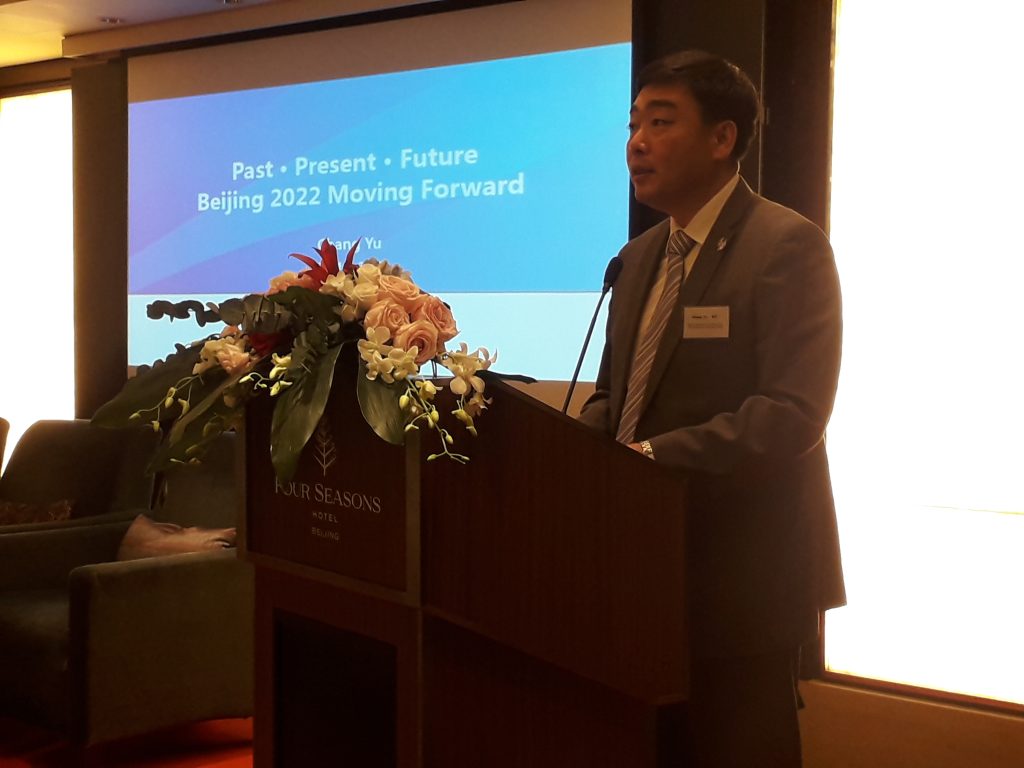
    I believe that everyone is very interested in the preparations for the Beijing Olympic Winter Games in 2022. Today, I address the theme of “Past, Present, and Future” to share the preparations for the Beijing Winter Olympics.
    Chinese President Xi Jinping attached great importance to the preparatory work for the Beijing Olympic Winter Games and pointed out that it is necessary to adhere to the concept of green Olympics, shared Olympic Games, open Olympics, with honesty, and to strive to hold an exciting, extraordinary, and outstanding Olympic Games.
    In 2008, Beijing hosted an unparalleled Olympic Games. In 2022, Beijing will become the first city in the world to host both the Summer Olympics and Winter Olympic Games.
    China has had an enduring bond with the ice and snow sports since ancient times. Firstly, I would like to take everyone back to the past and review one of the origins of the earliest ice and snow movements. Let’s look at two ancient paintings. The first one is “Altaian Rock Paintings”. The Altai region is located in the northern part of Xinjiang and is one of the earliest regions where ice and snow come each year. As early as 10,000 years ago, the ancient Altaians recorded their skis on rock. This is the earliest known ski. After research, the history of this rock painting has been dated to 10,000 to 30,000 years ago. It can be regarded as the most direct evidence of the origin of human skiing history.
    In addition, the Palace Museum’s “Ice Play” is a court painting that represents the history of ice sports in China, from the Qing Dynasty of China more than 300 years ago. From “Ice Play”, we can see that each person performs various difficult moves like figure skating. From “Altay Rock Paintings” to “Ice Play”, we can see that China had its own ice and snow movements long ago. We have a close relationship with ice and snow sports.
    Now Beijing, as the host city for the 2022 Winter Olympics, is making every effort to promote various preparatory work and is striving to organise and host the Beijing Olympic Winter Games. It will showcase the historical and cultural charm of China, the achievements of contemporary construction and development, and show the world an open and confident country image.
     
    Venues and infrastructure construction
    In terms of venues and infrastructure construction, the Beijing Winter Olympics upholds the concept of sustainable development and maximises the use of existing venues for the 2008 Olympic Games. The Beijing Winter Olympic Games includes the three competition areas of Beijing, Yanqing and Zhangjiakou.
    The Beijing competition area holds all ice events. Except for the construction of a new national speed skating hall, all other projects use existing and transformed venues.
    Yanqing Alpine skiing and snowmobile sledding projects have started construction.
    The masterplan for the core area of ??the Zhangjiakou District has been determined. The national winter biathlon circuit and shooting range has started construction. The design for the deepening of the platform for the national ski jump centre has taken shape and the earthwork has been completed. The basic construction of the cross-country ski track has been completed.
    The three divisions are being connected by the Beijing-Zhangjiakou high-speed rail with an average speed of 350 km/h, taking only 20 minutes from Beijing to Yanqing and only 30 minutes from Yanqing to Zhangjiakou.
    The Beijing Olympic Winter Games Organising Committee is now located in an industrial site in the west of Beijing and has become a successful case of the Olympics promoting sustainable urban development. It has won high praise from the international community.
     
    Promotion and cultural activities
    In terms of publicity and promotion and cultural activities, on December 15 last year, the “Winter Dream” logo of the Olympic Winter Games and the Winter Olympics Paralympic Games logo “The Leap” were formally released. It is widely believed at home and abroad that the ideas are novel, rich in meaning and strong in communicating China’s style and cultural charm. More than 100 media at home and abroad participated in the launch ceremony and more than 1,500 articles were published around the logos. The Beijing Olympics Organising Committee’s logo microblog readership exceeded 8.48 million, and the Weibo topic readership exceeded 330 million.
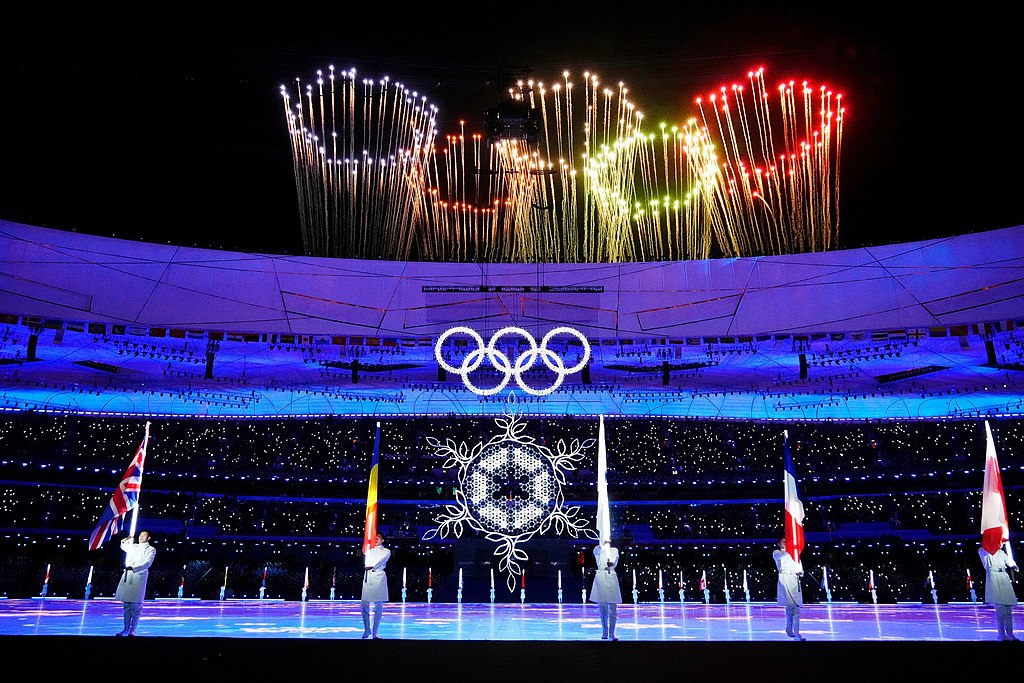
    At the closing ceremony of the PyeongChang Winter Olympic Games on February 25 this year, Beijing took over the Olympic Flag as a host city and presented the world with a wonderful and captivating cultural performance. President Xi Jinping and hundreds of millions of people shared the video with the world. Issued as a sincere invitation to Beijing in 2022, this video was actively watched and discussed by Internet users at home and abroad. Within 24 hours, 720 million views were broadcast on the WeChat social network.
    This event also became the most attended performance in the Olympic history. A total of 130 million Internet users sent invitations to the world via the “Winter Olympics, Me and Stars” voice interaction app and the “Winter Olympics Send Invitation” WeChat H5 page to reach the closing ceremony of the PyeongChang Winter Olympics through the Internet.
    We are also actively using new media to explore the Winter Olympics network promotion.
    A series of micro-videos created by the Beijing Olympic Winter Games Organising Committee has been formally launched under the brand “Winter Premiere”. 11 micro-videos have been released on the official website, microblog platform and related video websites related to the development of the competition area, sports work, market development and cultural events, with cumulative plays of nearly 10 million.
     
    Public participation and Olympic education
    While promoting the Beijing Olympic Winter Games with international events and major events, the Beijing Olympic Winter Games Organising Committee also actively works on the goal of “300 million people participating in the ice and snow sports” proposed by General Secretary Xi Jinping.
    To promote ice and snow sports in the country and popularise the knowledge of ice and snow sports, we launched the “Share Winter Olympics” action plan jointly with central ministries and commissions such as the Ministry of Education, the State General Administration of Sport, and the Central Committee of the Communist Youth League. The national guidance documents such as educational plans, social civilisation plans, youth plans and image publishing plans have been released to the public one after another. We have vigorously promoted “ice and snow in the campus.” As of now, Beijing and Zhangjiakou have named the first batch of 84 primary and secondary snow and ice sports schools, and have held training classes for primary and secondary school ski instructors. Beijing has held two consecutive sessions of middle school students in winter.
    The Games held a series of ice and snow popularisation and promotion activities such as the “My Winter Olympic Dream” National English Junior Reporter Competition, which attracted the attention of young people from both places. We also organised a Beijing Winter Olympics delegation composed of Olympic champions, volunteers, small athletes, community sports enthusiasts and other representatives. We have organised Winter Olympics lectures in institutions, enterprises, communities and schools in Beijing, Zhangjiakou, Heilongjiang and other places. In 2017, the number of direct participation of the Youth Exchange Fun Olympics Experience Camp was 16,000.
    Two snow and ice photo solicitations for professional photographers attracted nearly a thousand professional photographers to participate, recruiting 11,000 high quality images of ice and snow. In addition, in Beijing last year, 40 city-level ice and snow events were created, and 13 districts have created ice and snow activities with special characteristics. In 2017, 500 million people participated in these ice and snow activities.
    In terms of market development work, five companies including Bank of China, Air China, Yili, Anta, and China Unicom have now been identified as official partners, and a trial program for licensed products has been launched. Commemorative stamps have been officially issued, and licensed merchandise sales have enjoyed a good momentum.
     
    The Winter Olympics Beijing Cycle
    After the 2018 PyeongChang Winter Olympics concluded perfectly, we officially entered the Winter Olympics “Beijing Cycle”. In the future, the Beijing Olympic Winter Games Organising Committee will strengthen cooperation with all sectors of the society and go all out to do a good job of various tasks.
    The first is to systematically plan the construction and operational management of venues, to learn from the relevant experiences of the PyeongChang Winter Olympics and Tokyo Olympic Games, to adjust and optimise in time, to study the use of venues ahead of schedule and to promote sustainable development.
    The second is to do a good job of organising the competition, to listen earnestly to the opinions of the International Olympic Committee, the International Paralympic Committee, and the individual sports federations, and learn from the experience of running the host city.
    Third, it is necessary to detail the guaranteed service tasks during the competition and carefully prepare and coordinate efforts in areas such as transportation, medical care, accommodation, catering, and security to ensure that the standards of the three competition areas are consistent and linked.
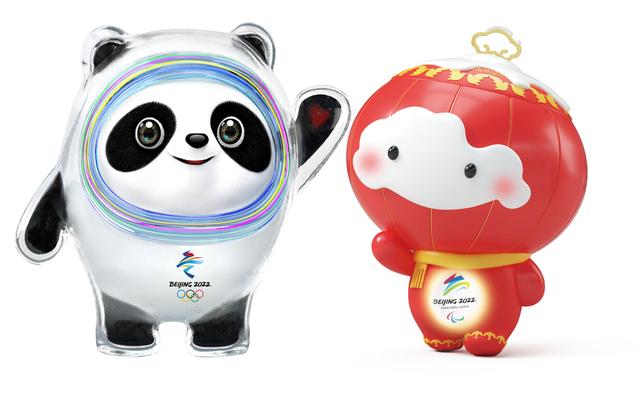
    The fourth is to promote foreign exchange and cooperation in an all-round manner, strengthen ties and cooperation with international organisations, snow and ice-sports powerhouses, and the host city of the previous Olympic Winter Games to promote exchanges in humanities, economics and non-governmental sports organisations. Soon, we will create the Beijing Winter Olympics and Winter Paralympic Games mascots and welcome everyone around the world to participate in the design exchange activities.
    Fifth, we must plan the sustainable development of the Winter Olympic Games and integrate the concept of sustainable development into all aspects of preparatory work.
    There are less than four years to 2022 and I hope that people from all walks of life will care for and support the preparations for the Beijing Olympic Winter Games. The Beijing Olympics Organising Committee looks forward to working together with everyone to create a wonderful and extraordinary event for the world in 2022. Finally, I wish Host City Asia a complete success.
     
    This transcript of Chang Yu’s keynote address at Host City Asia also appears in the Summer issue of Host City magazine

  • Event hosts look beyond the Olympics for “faster, stronger growth” at Host City Asia

    Event hosts look beyond the Olympics for “faster, stronger growth” at Host City Asia

    Host City Asia kicked off with a series of VIP insights from the hosts of the next three Olympic Games: Tokyo, Beijing and Paris.
    The number of cities attending Host City Asia has quadrupled since the launch event, with officials from major Chinese cities including Beijing, Zhangjiakou, Hangzhou, Anshan, Changzhou, Shanxi and Changchun. They were joined by many more hosts destinations from Japan, Australia and Oman to as far away as France, all sharing best practice.
    The cities attending were also treated to finding out about how to host new urban events –like Nitro Circus, Red Bull Air Race and the FISE World Series – to esports and the immense AIPH World Horticultural Expo, which is attracting 16 million visitors to Beijing this year. Leading suppliers like Aggreko joined Tokyo 2020, Beijing 2022 and other major event organising committees to examine how they can make event hosting more efficient together.
    Yunchao GAO, Deputy Secretary General, Beijing Olympic City Development Association (BODA) said: “The Olympic legacy is rooted in the Olympic Movement and is not simply the wealth of the Olympic host cities, but also the achievements and wealth of the entire human civilisation. Let us join hands to set an example of the ‘Dual Olympics’ legacy, propel the Olympic Movement and the sustainable development of the Olympic spirit and create a better future for all!”
    Xiaochun ZHAO, Director-General of Shanxi Provincial Sports Bureau said “By holding the Second National Youth Games, a socially significant event, we can unite people’s hearts, boost morale, promote spiritual civilization and improve the humanistic quality of the people. We can further promote the adjustment of industrial structure in the province.”
    Zhenhua ZONG, Executive Deputy Director, Zhangjiakou City Economic Development Zone said: “The ice and snow industry is an ecological industry, a low-carbon industry and a sunrise industry. The Hebei Provincial Party Committee and the provincial government have made the development of ice and snow industry and sports the key priority the province.”
    Hiromi KAWAMURA, PR Secretary at the Tokyo Organising Committee of the Olympic and Paralympic Games said: “The Tokyo 2020 Games will deliver the most innovative Games and a positive revolution; not only in sport but also throughout various aspects of society; not only during the Games but also during the preparation and after the Games; not only in Tokyo but also across Japan and around the world.”
    Yasunobu NISHIMURA, Deputy Director General of Bureau of Olympic and Paralympic Games Tokyo 2020 Preparation, Tokyo Metropolitan Government said: “The legacy of the Games must be one that befits a mature society and is appropriate for a world-leading megalopolis that continues to grow sustainably. The Tokyo government will seize the opportunity of the 2020 Games to enhance urban functions from both tangible and intangible aspects, so that we grow into an even more attractive city.”

  • Beijing 2022 ticketing solutions to be provided by Alibaba group

    Beijing 2022 ticketing solutions to be provided by Alibaba group

    [Source: IOC] The Beijing 2022 ticketing programme will harness Alibaba’s technological and data expertise, ensuring a fully digitally enabled ticketing programme and modern user experience that allows fans to purchase and redistribute tickets securely. The OCOG will be responsible for the overall planning and delivery of the ticketing programme.
    The appointment of Alibaba has been made with the objective of securing a single provider to deliver ticketing services and operations over several Games editions, reducing costs and the complexity of hosting the Games in line with Olympic Agenda 2020’s recommendations on efficient turnkey solutions. As a result, OCOGs will benefit from the opportunity to have a continuity of service through the provision of established systems and delivery experience, alleviating the need to design, engineer and deliver a solution for each individual Games edition.
    Timo Lumme, Managing Director, IOC Television and Marketing Services, said: “The ticketing solutions provided will drive further innovation at the Olympic Games, enhance the spectator experience and reduce costs for organisers, delivering on the commitments made by Olympic Agenda 2020.”
    Chris Tung, Alibaba’s Chief Marketing Officer, added: “We are proud to extend our partnership with the Olympic Games, beyond e-commerce and cloud, by supporting the Beijing 2022 ticketing programme. We look forward to leveraging our technology to help provide streamlined, digitally-enabled ticket sales services to create a seamless ticketing experience for fans around the world.”
    In addition to existing work with the IOC on the development of its digital strategy and ecosystem, Alibaba’s expertise in engaging Chinese consumers and ownership of Damai, one of China’s largest ticketing platforms, makes it perfectly positioned to become the Beijing 2022 Ticketing Systems and Services Provider.
    The 109 events in seven Olympic winter sports will take place from 4 to 20 February 2022 in the three competition zones of central Beijing, Yanqing and Zhangjiakou.

  • Exclusive: China shows “unparalleled drive and commitment” to Olympics and winter sports
    Exclusive: China shows “unparalleled drive and commitment” to Olympics and winter sports

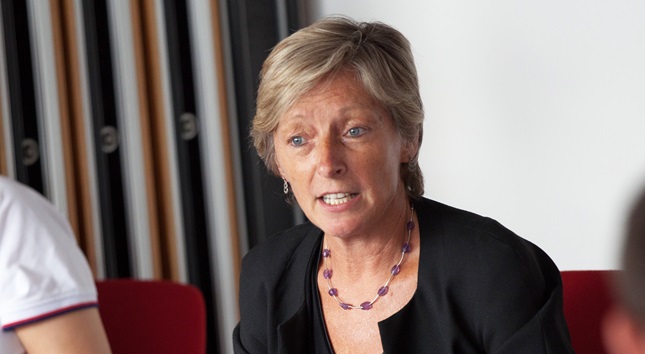
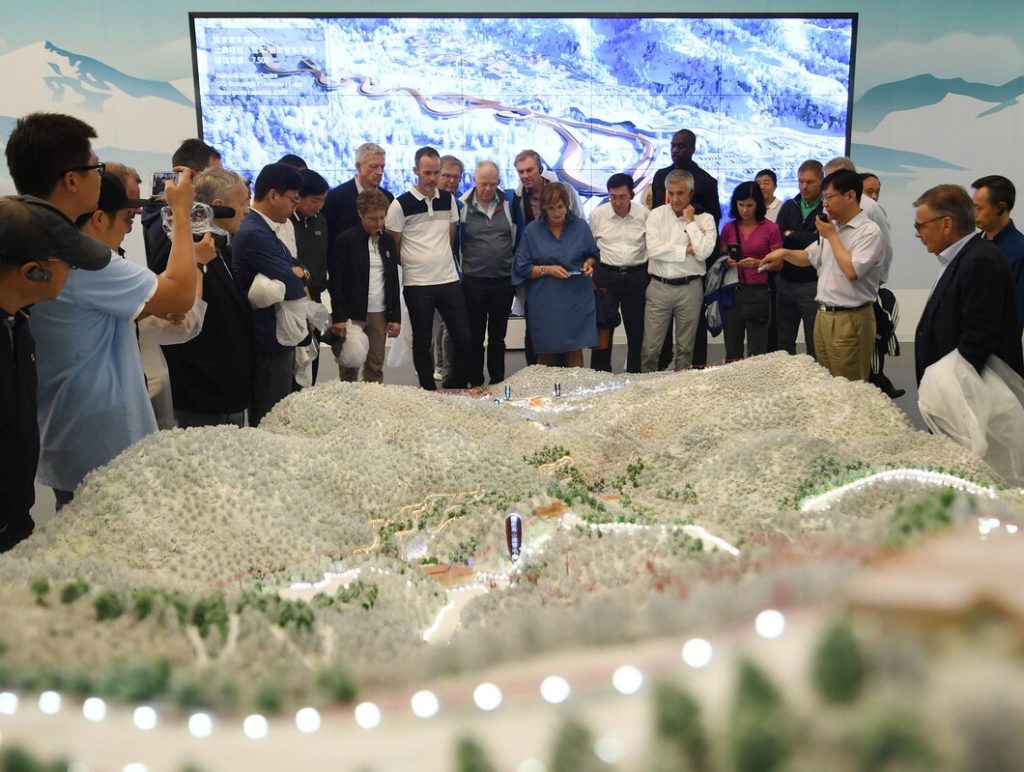
    Sarah Lewis, Secretary General of the International Ski Federation (FIS) updated Host City about developments in China immediately following meetings with the IOC Coordination Commission and Beijing 2022 Olympic Games Organising Committee.
    “The drive and commitment in China is unparalleled, not just to organise outstanding Games, but to develop winter sports as a mainstream sporting activity, recreation and industry,” she told Host City.
    China’s winter sports push has led to a major expansion of sports facilities, with 742 ski resorts and 596 ice rinks by the end of 2018, according to an IOC statement. The Beijing 2022 Organising Committee has cited a 16 per cent year-on-year growth of the winter sports industry in China to USD 53.6 billion in 2018, creating 1.5 million jobs to date.
    The number of events being hosted is growing accordingly, with 8.15 million people taking part in 4,401 district level, municipal and national level winter sports events in Beijing alone during the 2018-2019 season.
    “Beijing 2022 is delivering on its vision to engage 300 million people in winter sports, and we can see real benefits resulting from the various actions that are being undertaken across the country,” IOC Coordination Commission Chair Juan Antonio Samaranch said. “We have heard about some impressive developments that exemplify the vision for winter sports in China in terms of mass participation, elite sport and tourism. This progress is very encouraging for the long-term future of winter sport, both in China and internationally.”
    The first test event for the Beijing 2022 Winter Olympic Games will be the FIS Alpine Skiing World Cup (Downhill & Super G), taking place on 15 and 16 February 2020, as part of a programme of 19 Olympic test events and 5 Paralympic test events. A local organising committee called “Experience Beijing” has been formed for the test events, with venue teams already moving to the Yanqing region and working closely with the FIS to host a successful competition.
    Zhang Jiandong, Vice-Mayor of Beijing and Executive Vice-President of Beijing 2022, said that, with the first test event scheduled for February 2020, Games preparations had entered a new phase, with the focus shifting to operational readiness, and that the Organising Committee would step up work in all areas. “We will work closely with the relevant government offices to promote winter sports and attract more people, especially young people, to take part,” he added.
     
    Strategic cooperation with Sina Sports
    The IOC Coordination Commission visit to Beijing was immediately preceded by the signing of a strategic cooperation between FIS and Sina Sports for the promotion of snow sports in China.
    “Our new partnership with Sina Sports complements the Get Into Snow Sports (GISS)-China programme focusing on beginner level,” Sarah Lewis told Host City.
    The partners will also cooperate on the Sina Alpine Ski Cup mass participation skiing competition series in China, which will be officially endorsed by FIS. A “FIS Destination” will also be installed on Sina’s Weibo media platform, one of the biggest social media platforms in China, featuring coverage of FIS events and promoting FIS activities in China such as Get Into Snow Sports.
    The Sina Alpine Ski Cup, created and initiated two years ago by Sina Sports, has quickly become the largest mass participation ski event in China. It will be the first such Alpine Skiing series to receive official FIS endorsement and will its organisation will be supported by the Chinese Ski Association. FIS anticipates the event will quadruple in size for the upcoming season.
    The Get Into Snow Sports (GISS)-China grass roots beginner courses are being executed through FIS’s educational entity, FIS Academy, and in partnership with the Chinese Ski Association to complement their recreational and ski instructor programmes.
    The FIS media channels on Weibo will feature various coverage of FIS events, promoted by Sina Sports alongside the Sina Alpine Ski Cup.
    The reach and track record of Sina Sports is evidenced by sports events that they have already developed with 3×3 basketball and futsal.
    “Sina Sports is delighted to be entering into this cooperation with FIS and receiving the first-ever mass participation skiing event endorsement from FIS. We are proud to support FIS initiatives in China, including official competition events as well as the Get Into Snow Sports (GISS)-China program, in order to jointly promote winter sports in anticipation of the Beijing 2022 Winter Olympics”, said Sam Li, Head of International Business Strategy for Sina Sports.
     
    Sarah Lewis OBE is speaking at Host City 2019, the largest meeting of cities and sports, business and cultural events, on 26-27 November in Glasgow