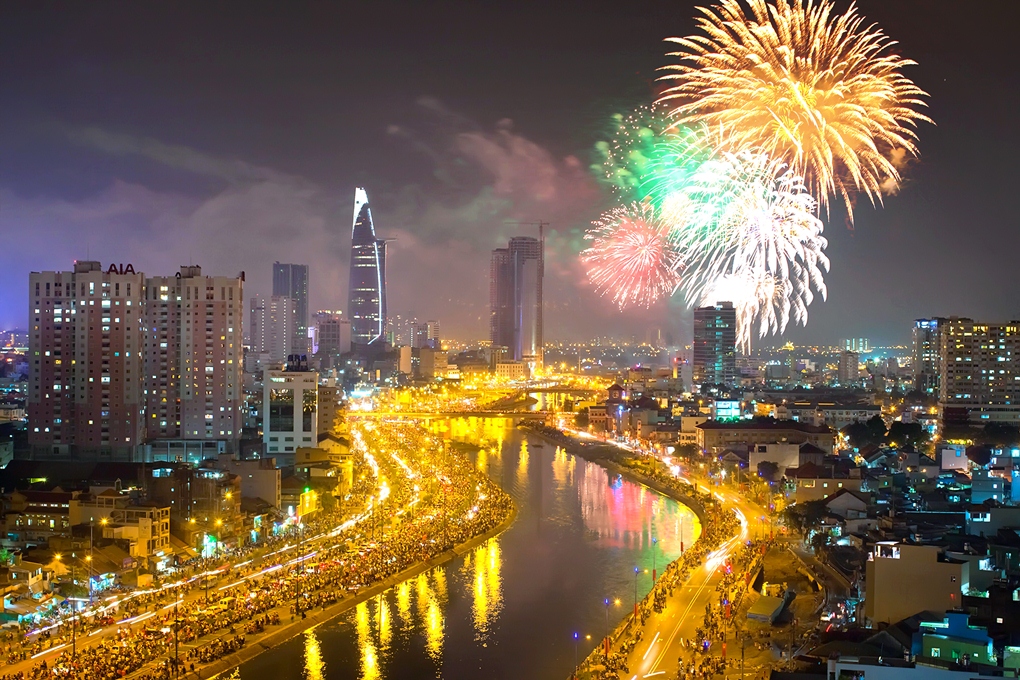
[Source: SportAccord] GAISF has launched the host city selection process for future editions of various world multi-sport events, including the World Urban Games, World Combat Games and World Mind Games.
The world multi-sport events bring the best of sport to host cities, driving global exposure and creating the perfect bridge between elite sport and local communities.
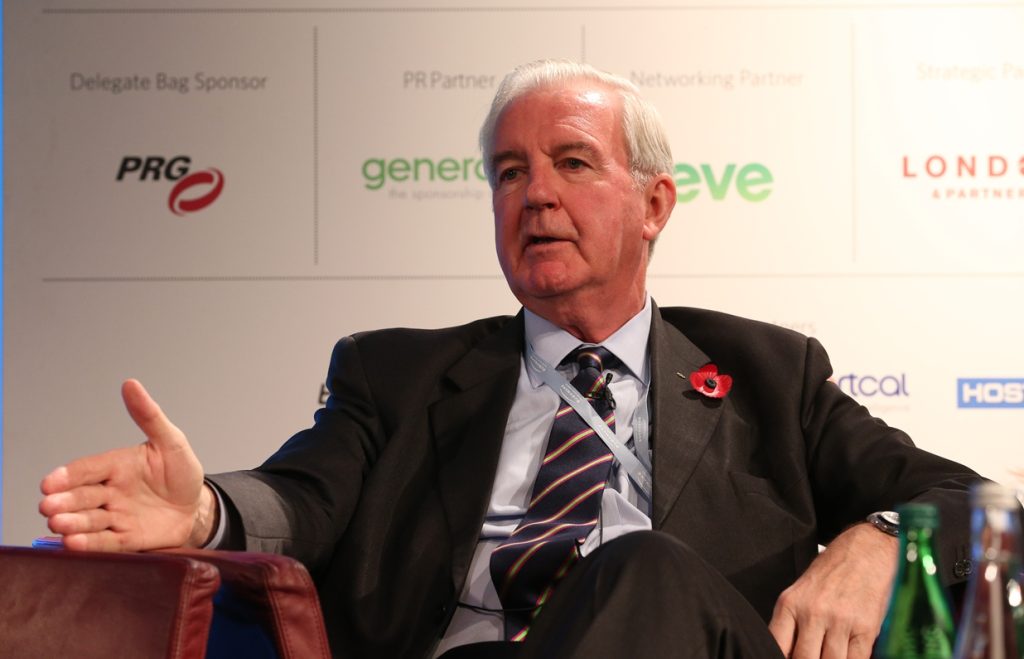
GAISF and SportAccord President Raffaele Chiulli said:
“We are delighted to open the host city selection process for future multi-sport Games. All of these events bring the best of sport to the heart of a city, while engaging with youth communities through inspiring initiatives to encourage greater participation in physical activity.
“We are also excited to be working with SportAccord from an operational perspective on the delivery of these various events. SportAccord has extensive experience in the organisation of world-class events and a thorough understanding of the global sports community and multi-sport event landscape.”
Following the successful inaugural 2019 edition of the GAISF World Urban Games in Budapest, GAISF has scheduled a second edition for 2023. The initial version included BMX freestyle, inline roller freestyle, parkour, breaking, 3×3 basketball and freestyle flying disc, together with laser run and indoor rowing. The World Urban Games places sport at the heart of a family-friendly city-centre festival that also includes music and art.
Meanwhile, Saudi Arabia was recently selected as the next host of the World Combat Games with Riyadh set to become the beating heart of martial arts combat sports in 2023. Finally, the World Mind Games are a multi-sport event centred on the gymnasium of the mind and highlighting the great value of the mind sports.
City representatives who want to learn more should not hesitate to contact GAISF Director and SportAccord Managing Director Nis Hatt at nis.hatt@sportaccord.com.
Tag: Bidding Process
-

GAISF opens host city selection process for various world multi-sport games
-

Kolinda Grabar-Kitarovi? announced as Chair of the Future Host Commission for the Games of the Olympiad
[Source: IOC] An IOC member since 2020, Mrs Grabar-Kitarovi? is a former President of the Republic of Croatia. She will lead the Commission with immediate effect. The previous Chair, Kristin Kloster Aasen, stood down following her election to the Executive Board (EB), because no EB member can serve on the Future Host Commissions (for the Games of the Olympiad and the Olympic Winter Games), to ensure the broader participation of the IOC Session in the selection procedure.
The new approach to electing Olympic hosts is more flexible and collaborative, with the IOC working with potential hosts to optimise their Olympic projects and align them with long-term social and economic development plans for the benefit of their communities. As a result, there is unprecedented interest from numerous parties on different continents in hosting future Olympic and Paralympic Games.
IOC President Thomas Bach said: “The Future Host Commissions have an important role in shaping the future of the Olympic Movement.
“Kolinda Grabar-Kitarovi? will bring rich and diverse skills and experience, including at the very highest levels of government and international relations. As a member of the same Commission, she has already contributed to the successful delivery of the first election under the new approach to choosing Olympic and Paralympic hosts, with the selection of Brisbane 2032,” he added.
Mrs Grabar-Kitarovi? said: “I am grateful for this opportunity to collaborate with potential hosts on Olympic projects, which will help them to achieve their long-term goals for development, public health, sports participation and inclusion.
“I would like to continue to build on the great work begun under Kristin’s leadership. It is an exciting chance to develop innovative ways to steer the Olympic Games into the future and explore the challenges facing upcoming hosts, such as climate change.”
The vacant position on the Future Host Commission for the Games of the Olympiad has been filled by the IOC member and President of World Triathlon, Marisol Casado. -

IOC climate change concerns delay election of 2030 Olympics host
Concerns about the effects of climate change on potential hosts of the Winter Olympics have led the IOC to delay the election of the host of the 2030 Games.
Speaking at a press conference following an update from the Future Host Commission for the Olympic Winter Games at the IOC Executive Board meeting in Lausanne, Christophe Dubi, Olympic Games Executive Director said, “The Commission, building on Agenda 2020, outlined a number of proposals, but also potential uncertainties around hosting the winter Games which could have an impact on future elections.”
Global warming means the IOC could have a smaller pool of potential hosts of Winter Games to choose from.
“We have preliminary results on leading academic research on the impact of climate change which shows a potential reduction in the number of climate-reliable hosts in the future,” said Dubi.
The IOC Executive Board also heard how winter federations have already started to adjust their event calendars and formats.
It was also suggested that the Olympic Winter Game hosting rights might rotate “between a certain pool of cities and regions.”
There was also a conversation about further prioritising existing venues in the host selection criteria. “It is felt that for the future we should target hosts that can display all venues to be existing or temporary.”
Another proposal discussed would require future hosts to “show a minimum average of below zero [degrees Celsius] for snow competition venues at the time of the games over a ten-year period.”
“All these being considered, on the request of the Commission, the IOC Executive Board decided to give the Winter Commission more time to study all these factors and opportunities to make the best possible decisions about future hosting.
“It will enable the Commission to consult deeply with interested parties, IFs, NOCs, the athletes, winter sports industry experts and the IPC – because we are operating over a full month and that needs to be considered in a global warming environment.
“This will give the Commission more time to have a clearer picture and make a sounder decision for 2030.
“This means we are not targeting an election of the host of the Olympic Winter Games 2030 at the 114th Session in 2023,” said Dubi.
“This is in line with the new flexible approach to electing Olympic hosts under which the Executive Board has the authority to determine the timing of the election in the interest of the Olympic Movement.”
The Executive Board also discussed the possibility of awarding the hosting rights to 2030 and 2034 simultaneously to “create stability for the winter sport and the Olympic Winter Games.”
Dubi said “The three interested parties have been informed of those conversations and discussions,” without naming the cities. Sapporo and Salt Lake City are interested parties; Vancouver was out of contention but may be back in the running.
The host selection process is still in the “continuous dialogue” stage, Jacqueline Barrett, Director of Future Olympic Games Hosts at the IOC explained.
“We haven’t opened targeted dialogue yet. So not targeting next year for a session will allow more time to develop these projects before when the commission feels its ready, to open a targeted dialogue.”
The IOC did not confirm the details of the changed timeframe for opening targeted dialogue, and subsequently electing the host city.
“We are not going to push this decision many years down the road. We are still in continuous dialogue which is non-committal and open at this stage,” Barrett said.
“The mandate of the Commission is to ensure that there will always be a healthy pipeline of interest for the future… our door is never closed.
“There was a collective recognition around the table today… there are these concerns about the future of the Winter Games; the future of being able to practice Winter Games in the future – everyone is concerned about this.”
Sarah Lewis OBE OLY, Deputy Secretary General & Chief Operating Officer of FISU, and former Secretary General of FIS, told Host City: “Winter sports are and will increasingly need to adapt to a warming planet. We need to recognize our responsibility to ensure events are hosted in the most sustainable way possible today while having an adaptative, innovative and creative mindset regarding what winter sports will look like in the future. Transition is always painful but innovation and an adaptive, responsible mindset will hopefully enable a dynamic and engaging future for our athletes and all those engaged in winter sports.
“Lake Placid as Organiser of the FISU World University Games in January 2023 has embraced sustainability as a core element of the Games. Alongside the competitions themselves, the Lake Placid World Forum 2023 ‘Save Winter’ will address this topic with leading academics and practitioners. Save Winter is a movement to unite all of us who love winter to work as one to save the season of snow. More than 40 million of us enjoy winter sports and recreation. Save Winter will help ensure we’re doing everything we can to reduce our impact on the planet and enjoy winter as it was meant to be enjoyed. It’s about more than just snow – it’s about keeping winter for generations to come.” -

Exclusive: Prospect of moving Olympics to winter for Qatar “pure speculation at this point” – IOC
Qatar is in formal talks with the International Olympic Committee about the possibility of hosting a future Summer Olympic Games, but the question of moving the event to a different time of year is “pure speculation”, the IOC told Host City.
Qatar is one of eleven prospective hosts in talks with the IOC about future Summer Olympic Games.
Following an IOC Executive Board Meeting in which climate-driven changes to future Winter Games host city selection were discussed, Host City asked the IOC if it would consider allowing a Summer Olympic Games in the winter months to enable a bid from the Middle East.
“This would be pure speculation at this point in time,” the IOC Media Relation office said in an email.
The rules regarding the months in which the Games can take place have not changed in nearly 20 years.
“As per an IOC Executive Board decision in 2003, and as clearly stated in the Future Host Questionnaire for the Olympic Games, the duration of the competitions of the Olympic Games shall not exceed sixteen days and the dates of the Olympic Summer Games shall be chosen within the period: 15 July to 31 August,” the IOC explained.
“The final dates for the holding of the Games, including the number of days of competition and the scheduling of the Opening and Closing Ceremonies of the Games, is decided by the IOC in consultation with the Organising Committee for the Olympic Games (OCOG).”
The National Olympic Committee (NOC) of Qatar is one of 11 NOCs from four continents interested in hosting the Olympic Games, either in Continuous Dialogue or informal exchange with the IOC.
The NOC of Qatar are taking part in Continuous Dialogue with the IOC. “These discussions are not linked to a particular year or edition of the Games and there is no longer a fixed election cycle, as in the past,” the IOC said.
The next Summer Games for which a host has not yet been confirmed is 2036, following Paris 2024, LA 2028 and Brisbane 2032.
The Qatari capital of Doha previously bid for the 2016 Games, under the slogan “Celebrating Change.” This bid did not make it to the Candidature phase, and Qatar turned its attention to a successful bid for the FIFA World Cup, which was moved to take place outside summer months for the first time – although organisers claimed it could have taken place any time of year.
Although the bidding procedure for the Olympic Games has changed significantly since then, further changes would be required to enable the Games to be hosted at a different time of year.
“Since Olympic Agenda 2020 and the subsequent reforms of the New Norm, the IOC has adopted a new, flexible approach to electing Olympic Hosts, which considers carefully the local context and future plans for the region. All potential hosts must demonstrate sustainability and legacy at the heart of their Games proposal, which should align with long term socio-economic development plans for their region or country,” the IOC told Host City. -

BLAST host destinations process underway for 2024 and beyond
[Source: BLAST] Esports entertainment company BLAST has kicked off its formal destination selection process ahead of an exciting calendar of major esports events in 2024 and beyond.
Running from July 2023, BLAST will begin working with interested parties to find suitable locations and partners befitting of a number of exciting event opportunities across their global tournament circuits in a variety of games in 2024.
BLAST has a strong track record of delivering world-class esports arena events that benefit the host destinations, economy and local partners. The tournament organiser has visited a number of other iconic locations in recent years, from London to Copenhagen, Washington, D.C. to Sao Paulo and Madrid to Lisbon – with the main aim of uniting travelling and local fans around the globe through a shared love of esports.
2024 looks to be another exciting year for BLAST’s global arena events, with over five current hosting opportunities of various scales across different events and titles –
including BLAST Premier, the leading tier one Counter-Strike tournament series, and BLAST R6, an exciting global circuit for Tom Clancy’s Rainbow Six Siege with a passionate fanbase.
James Woollard, Head of Commercial Solutions at BLAST, said, “BLAST has built a reputation of delivering world class arena events that produce tangible impacts for the host destination and exciting experiences for fans. Hosts have benefited from economic impacts, esports’ truly global and passionate fanbase, increased international exposure, and premium content and broadcast exposure showcasing the host destination to tens of millions of viewers. With 2024 on the horizon, which is shaping out to be one of our biggest and best years yet, we are looking for further opportunities to create incredible events at leading locations around the world.
“These events will help position host destinations as tech hubs, while providing wider socio-economic benefits, including educational programmes, festival opportunities and commercial partnerships. With thousands of fans expected in-arena, including over 60% on average from outside of the host city, and economic impacts of over €22m for the host economy at previous BLAST events, we are looking forward to working with host city destinations to bring these benefits to their locations while creating engaging esports experiences for fans.” -

The partnerships propelling the esports boom
Host City: How do you see the esports events landscape evolving in the next five years, and what role does BLAST intend to play in shaping that evolution?
James Woollard: The esports events landscape is poised for further growth and evolution over the next five years, driven by the globalisation of the industry and the collaborative creation of new IPs between rights holders and publishers. As a key player in this environment, BLAST is uniquely positioned to shape the future of esports by leveraging its extensive experience and global reach.
With events spanning five continents and 11 countries this year alone, BLAST is at the forefront of bringing world-class esports experiences to diverse audiences worldwide. This global footprint not only highlights the universal appeal of esports but also underscores the importance of localisation and cultural relevance in engaging fans.
The collaboration between rights holders, such as BLAST, cities all over the world and game publishers, such as Valve, Epic Games and Ubisoft, is set to drive the development of innovative and immersive IPs. These partnerships will enhance the quality and variety of esports content, offering fans fresh and exciting experiences in different markets. BLAST’s commitment to fostering these relationships ensures that it remains a catalyst for creativity and growth within the industry.
The increasing interest from host destinations, sponsors, and media is a testament to the booming esports market – we only recently kicked off the 2026 and 2027 host destination process and have already received interest from over 40 cities, which helps showcase this demand and interest in esports events globally. Cities are eager to host major esports events, recognising the economic and cultural benefits they bring. Sponsors are keen to associate their brands with the vibrant and rapidly growing esports community, while media platforms seek to capture the attention of the dedicated and passionate fan base.
BLAST will continue playing a pivotal role in this evolution by setting new standards for event production, expanding its global presence, and driving innovation through strategic partnerships with cities and destinations. By doing so, BLAST will not only contribute to the growth of esports but also help shape a future where esports is celebrated and enjoyed by millions across the globe.
Host City: Could you talk us through the key considerations and criteria you use when evaluating cities or organisations during the bidding process?
James Woollard: When evaluating cities or organisations during the bidding process, we consider several key criteria. We look for locations where there is existing or growing audience demand and interest, ensuring a strong fan base, hype for the event and engagement. City support and involvement are also crucial, as is having world-class venues and infrastructure to host the event, and that can support our production. We also look for destinations that are a good cultural and brand fit for each event, making each one unique, characterful and memorable. Collaboration between destinations, cities and BLAST as the event owner and rights holder is also key.
This approach has set us on course to stage world-class esports arena shows in 2025 in global event powerhouses such as Austin, Boston, Raleigh, London, Birmingham, Lisbon, Monterrey, Singapore, and Brazil as some of the stops on our world tour this year, among other leading (and some still to be announced, watch this space!) destinations.
Host City: When selecting a host city for an event, how much weight is given to factors such as the local esports community, and the potential long-term impact on regional esports growth?
James Woollard: A vibrant local scene, engaged stakeholders, and active grassroots organisations are invaluable, particularly from a sustainability and legacy perspective, allowing us to maximise cumulative impacts. We love partnering with local organisations and the community, as well as the city, to make each event impactful and special.
However, we also relish the opportunity to visit new cities where esports is less established, and our leading events serve as a catalyst, stimulating growth in professional gaming and esports. BLAST events are a powerful stimulus, boasting between $30M to $100M USD of independently assessed economic impacts for hosts depending on the market, as well as a range of other tangible and less tangible benefits.
We aim to both reap the rewards of flourishing esports markets and sow the seeds in new ones.
Host City: Every city and venue is different – what kind of opportunities are there for smaller regions and cities to bid for BLAST events?
James Woollard: BLAST is thrilled to announce an unprecedented number of events and opportunities for prospective host cities, with 16 events planned for 2025, 20 in 2026, and a projected 25+ in 2027. This expansion includes events of all types, shapes, and sizes, offering a variety of opportunities for both repeat and new hosts. From iconic, premium arenas such as the Accor Arena in Paris, Moody Center in Austin, Wembley Arena in London, Etihad Arena in Abu Dhabi, and Singapore Indoor Stadium, to more intimate and unique venues like the MGM Music Hall in Boston, we are equipped to deliver award-winning events and productions tailored to cities and venues of all scales. Our creativity and enthusiasm for challenges drive us to bring new and exciting events to first-time esports hosts, and we promise to be a collaborative and committed partner throughout the process.
We are also deepening and broadening our relationship with leading games publishers, meaning this breadth and depth of esports events and IPs (including some smaller and exclusive events) that we create and can offer to prospective cities will only increase.
Host City: How important is access to new or rapidly developing markets in your assessment of prospective hosts, and how do you balance this against practical and technical requirements?
James Woollard: Access to new or rapidly developing markets such as the US, China, Southeast Asia, India, Brazil, and the Middle East is crucial for the continued growth of the esports industry. These regions present significant opportunities to expand our audience and engage with new communities. However, it is equally important to balance this with practical and technical requirements. We listen closely to the community and our audience to ensure that our events meet our high standards and deliver a breathtaking experience. We relish the challenge of balancing events in fast-growing markets with those in established esports destinations, ensuring each event is both innovative and seamless.
Host City: What initiatives has BLAST implemented—or is planning to implement—to ensure sustainability and innovation in hosting esports events?
James Woollard: At BLAST, we prioritise sustainability by collaborating with local organisations, stakeholders, venues, and production partners. We focus on waste separation, using efficient LED screens, sourcing equipment locally to minimise shipping, and reusing equipment and infrastructure to benefit local schools and institutions.
Our innovation spans various areas, from the new BLAST Premier Counter-Strike format to interactive features on BLAST.tv and forming unique partnerships with global destinations and brands. For our destination partners, we create innovative marketing opportunities, featuring destinations in digital and physical inventory, showcasing host cities to a young global audience, and organising joint launch events, such as the upcoming BLAST.tv CS Major in Austin.
Host City: As well as selecting hosts for your events, the other crucial partners in your events are the publishers – how important are they in assuring a big impact, and how do you go about nurturing and developing these relationships?
James Woollard: Publishers are crucial to the success of esports events. Without leading games that sustain their popularity and a global audience, there wouldn’t be international esports events and sustainable tournament series. BLAST works with and is always deepening its relationship with the biggest and best AAA game publishers in the world from production to commercialisation, such as Epic Games, Valve, Riot Games, and Ubisoft. This creates sustainable, growing, and truly global esports ecosystems in a holistic way.
Since 2017, we have been creating leading esports properties, IPs, and products with and for publishers, adapting and shaping them to the audience’s wants and needs, and ensuring that individual events are tailored to specific markets and international audiences, which is crucial for ongoing relevance.
For cities, this means you can be assured that hosting a BLAST event also means you are hosting a popular esports event in the biggest titles, with the buy-in and support of publishers whose games reach billions of fans across the globe. -

Salt Lake City-Utah 2034 Organising Committee to utilise innovative fundraising programme for Olympic and Paralympic Games
The Organising Committee announced the programme at its headquarters in Salt Lake City on Monday, with 22 “Founding Captains” and “Founding Donors” of Podium34 recognised. Some of these have remained anonymous, while others have chosen to go public.
There are two tiers of participants. The Founding Captains, who have provided a $20 million contribution, and the Founding Donors, who donated between $1-15 million each. For Founding Captains, there is an opportunity to see their support turned into sport and community initiatives that reflect their missions. These can be in areas such as education, youth sports, mental health, arts and culture and community engagement.
Salt Lake City-Utah’s aim is to raise $300 million through the programme, with Podium34 reportedly already making up over $200 million on the date of its launch. Organisers claim this is the “largest-ever philanthropic campaign in support of hosting the Olympic and Paralympic Games”.
“The Games have an extraordinary power to unify,” said Salt Lake City-Utah 2034 President and Executive Chair Fraser Bullock. “This is the first time a host for the Olympic and Paralympic Games has seen anything like this. We are deeply grateful to our donors for making it possible. Their leadership is a vital part of our commitment to host financially successful Games.”
Some of these donors include the non-profit foundations linked to Utah corporations. Among them are Ryan Smith, owner of National Basketball Association team Utah Jazz and National Hockey League side Utah Mammoth. Others include convenience store corporation Maverik, and the Daniels Fund – a foundation founded by cable television executive and former sports team owner Bill Daniels.
International Olympic Committee (IOC) President Kirsty Coventry sent a message of gratitude to the donors, during the Podium34 press announcement.
“To the Utah families and giving organisations of Podium34, thank you.
“You are the heart of this new chapter. Your belief, your vision, and your leadership are powerful elements of the Utah legacy. As Founding Captains and Donors of Podium34, you’re taking the helm of something unprecedented and you’ve chosen to lead, from the very beginning, to fuel the heart of this movement.
“You are sending a powerful message to the world that sport can inspire, that communities can be lifted, and that, together, we can build something greater than ourselves.”
Salt Lake City-Utah was awarded the 2034 Winter Olympic and Paralympic Games in 2024 and formed their Organising Committee in February of this year. The IOC Future Host Commission nominated Salt Lake City-Utah as its preferred candidate in November 2023, before this was approved at the IOC Session in Paris in July 2024.
The 2034 Winter Olympic Games are set to take place from February 10 to 26 2034, followed by the Paralympic Games from March 10 to 19. -

The five factors behind successful mega-event bids
[Source: WePlan] As the world prepares to mark 100 days to the Milano Cortina 2026 Winter Olympic Games, a new study highlights the recurring factors that determine the outcome of major-event candidatures.
Based on lessons from Expo 2030 Riyadh and Milano Cortina 2026, the analysis points to five decisive elements in winning bids: governance clarity, narrative coherence, stakeholder unity, operational viability, and alignment with long-term development plans.
The findings are set out in the first edition of the WePlan Knowledge Paper series, a collection of publications that will explore different phases in the lifecycle of mega-events.
A key feature of this first paper is the USP Positioning Framework, a methodology designed to help bidders identify and validate their true differentiators. The framework addresses a common weakness in candidatures: the tendency to present local strengths as unique without testing them against the priorities of rights-holders or the positioning of competitors.
“Candidatures are no longer judged only on ambition or technical capacity. They are evaluated on credibility, sustainability, and alignment with wider strategies,” said Roberto Daneo, co-founder of WePlan. “With this Knowledge Paper we want to contribute to a more disciplined, transparent, and legacy-oriented approach to winning bids.”
Giorgio Re, co-founder of WePlan, added: “Expo 2030 Riyadh and Milano Cortina 2026 provide valuable examples of how vision and delivery capacity can come together. Our Knowledge Paper series is designed to make these lessons available to future bidders and stakeholders.”
About the Knowledge Paper series
The WePlan Knowledge Paper series will cover the full lifecycle of mega-events in four publications:Winning Mega-Event Candidatures (October 2025)
Transition and Early Stage Planning (January 2026)
Operational Readiness (April 2026)
Event-time and Dissolution (July 2026)Each edition will draw on WePlan’s experience across multiple international projects and propose structured tools to support cities, regions, and organisers in managing the complexity of world-scale events.
The first Knowledge Paper is available for free download on https://www.we-plan.eu/knowledge-papers.