Category: City Development

  • Moving the Games

    Moving the Games

    Between July and September last year, the Olympic and Paralympic Games brought competitions in 26 sports across 34 venues and 10,500 athletes from 204 countries to London. A total workforce of around 200,000 people, including more than 6,000 staff, 70,000 volunteers and 100,000 contractors, were involved in the Games.

    Effective transport had long been recognised as an essential factor for a successful London 2012 Games. Before the Games began, some critics argued that London’s transport system was already strained and would not cope with the extra demands associated with hosting the Olympic and Paralympic Games.

    However, as a result of a comprehensive programme of transport upgrades and detailed planning in advance of the Games, excellent operational performance during the Games, and changes in travel behaviour by regular travellers, transport performed very well and made a vital contribution to the success of the Games.

    Faster, higher, stronger
    Almost GBP 6.5 billion was invested in transport improvements around the Olympic Park and across London, all delivered well before the Games began. The upgrades were well needed: London 2012 saw record attendance at events.

    During the Olympic Games, there were 7.4 million ticketed spectators (6.25 million in London), including 2.8 million spectators at Olympic Park venues alone. The Paralympic Games sold out for the first time in their history, with 2.7 million ticket sales, including 100,000 non-event tickets. Record numbers of spectators also viewed the road events across London and the South East, with a total of 1.8 million estimated to have attended.

    During London 2012 London’s public transport delivered 62 million journeys on London Underground – up 35 per cent on normal levels. Tuesday, 7 August was the busiest day in the Tube’s history, with 4.57 million passengers, while Sunday 5 August saw 78 per cent more passengers than a normal Sunday in 2011. There was a 27 per cent reduction in the impact of service disruption during the Olympic Games, measured in terms of lost customer hours.

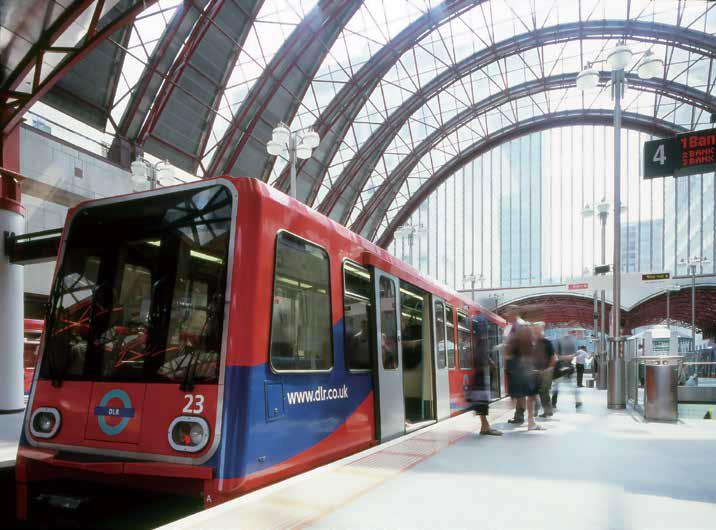
    The Docklands Light Railway (DLR) saw almost 6.9 million journeys over the Olympic Games – up by over 100 per cent on normal levels. Over 500,000 journeys on a single day were made for the first time on Friday 3 August. During both the Olympic and Paralympic Games, reliability on the DLR was 99 per cent.

    London Overground saw around 6.4 million journeys during the Olympic Games – up 26 per cent on normal 2012 levels and up 54 per cent on 2011 levels. Reliability on the London Overground was 98 per cent.

    London Buses carried 92 million passenger trips across the 17 days of the Olympic Games, running 23.2 million km during the Olympic Games, 98 per cent of schedule.

    Traffic flows in central and inner London were down by 16.3 per cent in the AM peak and 9.4 per cent in the PM peak on normal levels during the Olympic Games. Serious and severe disruption was also down by 20 per cent during the Games.

    VIPs go public
    One of the areas that caused the most concern before the Games was the Olympic Route Network (ORN) and the proposed ‘VIP’ lanes or ‘Games lanes’ for athletes and officials. These Games lanes were in effect temporary priority routes to enable athletes and officials to get to the Games swiftly. They were only implemented when and where required and were strictly enforced.

    But because officials and athletes used public transport much more than expected, the flow of Olympic family vehicles were typically 30-40 per cent below LOCOG’s pre-Games predictions. As a result, TfL was able to actively manage the ORN using roadside variable-messaging signs, with around 60 per cent of Games lanes remaining open to general traffic during the Olympic Games and around 70 per cent during the Paralympic Games.

    People power
    The transportation system was not all about vehicular movements. TfL provided a network of new cycling and walking routes, especially in East London; 15,000 free cycle parking spaces at competition venues; a further 1,500 free cycle parking spaces in central London for commuters; and free cycle maintenance at venues for spectators.

    At sites across London, the number of pedestrians counted was 7 per cent higher during the Olympic Games and 18 per cent higher during the Paralympic Games, compared with the same period in 2011. Measurements on bridges over the Thames during the Olympic Games indicated 20 per cent more cyclists and 22 per cent more people on foot, compared with the previous fortnight.

    In central London the figures showed 29 per cent more cyclists, and in east London 62 per cent more cyclists and 158 per cent more pedestrians, indicating large increases in the areas most affected by the Games. Barclays Cycle Hire had 642,000 hires over the Olympic Games – 44 per cent more than the first two weeks of July – and a further 442,000 hires over the Paralympic Games. Over the whole of July, Barclays Cycle Hire saw more than 1 million hires for the first time, while the highest ever daily total of 47,000 hires was achieved on 26 July.
  • Lighting the way

    Lighting the way

    You’ve got tickets for the big game. Like the 25,000 other spectators, you’ve successfully navigated your way through the host city’s traffic and, with just over half an hour left before kick-off, the last thing you want is to lose time finding a parking spot before you find your seats.

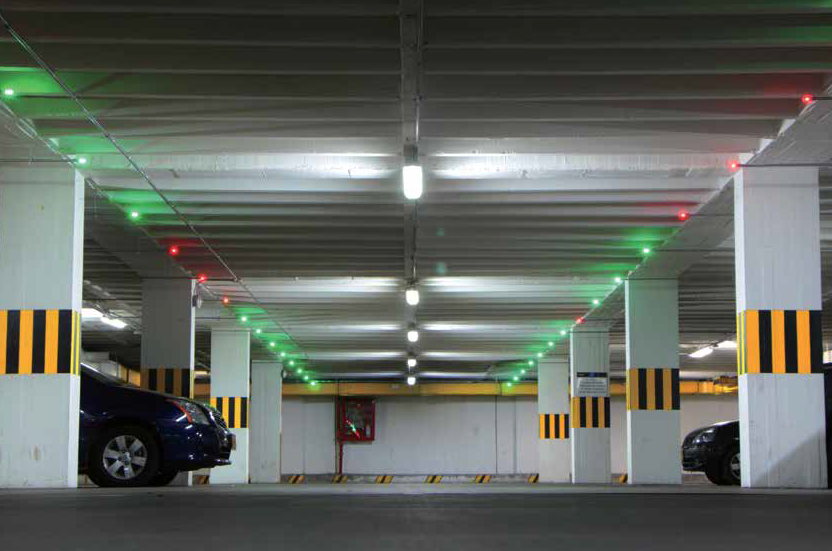
    Thankfully help is at hand, in the form of a parking guidance system that takes the frustration out of parking. With Schick electronic’s Signal-Park system, an ultrasonic sensor detects whether a spot is vacant or occupied. Dynamic LED arrows indicate the way to go, as soon as the customer is faced with a choice of deciding which level, zone, or lane to take.

    “The whole system brings a significant benefit by lowering the operating costs and by providing a bigger profit to parking owners. It results also a gain in customer loyalty,” says Philippe Schick, Director of Schick electronic. The system also incorporates a special device, indicating cars that have overstayed with a special orange LED.

    After establishing itself through 35 years of experience in the European market, Schick electronic went on to install its system in the Middle East and in North America. “All this has led us to enter the very interesting and fast moving Latin American market,” says Schick. “After several installations in Chile, we installed our first parking in Colombia, a shopping centre in Bogotá. It was a very interesting and motivating project in cooperation with our agent in Colombia.”

    Schick electronic’s products are imported to Brazil by its agent Bra-tec, a company located in Fortaleza. “We are really getting to know the amazing Brazilian market. Regarding the major events coming to Brazil, the system is a perfect fit for big structures like airports and stadia.”

    In order to keep the system at the cutting edge of technology, Schick electronic continues to develop the system according to feedback from clients. A web service was top of the list of recent customer demands, so the company devised a remote control option compatible with all smartphones available on the market for more comfortable and practical use for managers of all car parking facilities. It is compatible with TCP/ IP, BACnet protocol and SQL server.

    Another request was for both outdoor surface type and indoor parking guidance system. Because Signal-Park is compatible with other systems, Schick electronic is able to fulfil this by collaborating with partners – while the client only has to deal with one company.

    A survey by the Global Parking Association Leaders found that employing a parking guidance system appears to have the “greatest potential to improve sustainability”.

    “These days, users appreciate spending less time parking and more time in venues. This is why the parking guidance system industry is moving very fast to ease this experience worldwide,” says Schick. A new detection and signalling technology using the latest innovations has been developed within the company and will be publicly launched soon.

    With headquarters and manufacturing facilities in Switzerland, Schick electronic handles 450,000 car places in projects around the world, from small installations in city centres to the largest shopping malls and most demanding customers, such as airports, stadiums with 25,000 parking spaces.

  • Modernising Brazil’s transport infrastructure

    Modernising Brazil’s transport infrastructure

    As the fifth biggest country in the world by both area and population, transport is a huge issue for Brazil. Developments in transport infrastructure have lagged behind the recent acceleration of the country’s economy, but the government is now investing heavily in building networks that will enable economic growth to continue unhindered.

    “Brazil, due to its continental dimensions with its 8.5m sq km in area, needs to integrate its several regions and therefore afford mobility to its population,” says César Borges, Brazil’s Minister of Transport. “This is why we are gathering together public and private resources in partnerships to make sure that we allow better logistics throughout our different transportation modalities, including roads, railways, and waterways, in order to meet the demand that we have and to reduce logistics complexities and costs, and therefore add competiveness to our industries.”

    In the air
    The World Cup in 2014 will feature 12 host cities that straddle this vast expanse of land. Due to the large distances between host cities, large numbers of fans will have to travel by air between games. This is where Brazil faces some of its biggest challenges.

    “We are increasing the number of flights available. We are reinforcing the capacity of Brazilian airlines to offer more seats during the World Cup. And we are ensuring that airports are ready to meet this increased demand during the Games, particularly those in the host cities, to receive passengers quickly to allow for expedited check-in and check-out for all passengers,” says Borges.

    Brazil is in the process of renovating its airports. “There are currently five airports under concession being modernized, including the Galeão Airport in Rio, which I expect to be completed or near completion by 2016.”

    All the other airports are being renovated, expanded, managed, or improved by Infraero, the Brazilian Airport Infrastructure Company, instead of being awarded under concession. “Infraero will open its capital to attract operators from all over the world that can come and bring expertise to Infraero, improving the operation of the airports that Infraero currently works on – either recovering, expanding, or managing their operations.”

    On the road 
    Journeys between some of the host cities will be possible by road. It is only 184 miles from Natal to Recife, for instance. From Rio de Janeiro, it is 266 miles to São Paulo and 269 miles to Belo Horizonte.

    “Brazil already has a very extensive highway network with more than 55,000 km of paved highways in extension. These roads, under the federal government’s responsibility, are in a very good state,” says Borges.

    Duplication – the creation of dual carriageways – is an important area of development. “We have recently awarded about 5,520 km of highway under concession schemes and approximately 5,000 km of highway have already been duplicated. Therefore, mobility through Brazilian highways has its safety and expediency guaranteed during the World Cup.

    “There are 2,500 km of road duplications planned for the near future and we also need new roads in new areas of the country, particularly in the Midwest and the North. We are identifying new highway passages or highway stretches that are attractive for investment, both due to their vehicle movement, to the cargo movement, or to the passenger movement.”

    Railroad revolution
    Today, rail transport in Brazil is virtually non-existent, with just a few routes available. This is all about to change. “We want to have a new, a completely new railroad network for the country that is 11,000 km long, which unless I’m mistaken is something unforeseen in the world,” says Borges.

    The Superior Court of Audits (TCU) is currently evaluating contracts for two major stretches of railway. One is for the Açailândia-Barcarena passage, which would complete a major route called the North-South Railroad. “It will connect the port of Rio Grande in the very deep south of Brazil to the city of Barcarena in the mouth of the Amazon River up in the north – approximately 7,000 km of railroad – which will become a very large spinal cord of a railroad system.”

    The North-South Railroad will intersect with an East-West Railroad. This network will be open access, which means that several operators will be able to use it. “The federal government has taken measures to show that the open access model is the one that will best serve this new infrastructure being built with these largegauge railroads, which will run at 80 km per hour and are very efficient.”

    The primary motivation for the rail network is to enable the transport of materials and commodities. Passenger services are not planned on these routes.

    High speed rail delays
    A high speed rail (HSR) link between Rio de Janeiro and São Paulo was originally planned to be operational in time for the 2014 World Cup. However, the tendering process has not gone according to plan and the line is unlikely to be in service before even the Olympic Games in 2016.

    “We need to build a model that attracts the most bidders possible who want to invest in the sector,” says Borges. “The model we considered this year and proposed for market evaluation only attracted one company, Alstom. And since this one company was under queries or investigations by the Government of Sao Paulo, the federal government decided to refine the model to make sure that it was more attractive to more bidders.

    “The obstacles here for attraction of companies particularly include demonstrating that we have cargo movement and passenger movement demands that are sufficient for a high-speed rail system. We need to demonstrate that we have very high levels of cargo in Campinas, Sao Paulo, and Rio de Janeiro, which are the main city centres or urban centres to be served by the high-speed rail system. These centres have very strong passenger flows and it is certain that only a high-speed rail can prevent the need for building of new airports and new roads to serve these city areas in the future.

    “This is why the Ministry of Transports is working hard to implement a high-speed rail system. And we expect by the end of 2014, after the elections, or by 2015, to begin having our HSR or high-speed rail auctions.

    “We need the high-speed rail model and the federal government believes in implementing the high-speed rail model. It is of course complex and subject to debate, but it is a model that pays for itself due to the passenger demand that it creates. And I am sure that we can implement it. It is a necessary stage in the country’s development path, which we will pursue staunchly.”

    Rio 2016
    Host City asked Borges about whether the success of London 2012 is influencing Rio de Janeiro’s plans for transport networks during the Olympic Games. “As a Minister working closely with the federal government, I can say that I believe Brazil is doing everything to make sure that we make good use of all successful experiences from all Olympic Games organizers throughout the world, including London, which had a very well organized and successful Olympics, to help organize ours,” he said.

    “We have some structural issues, but the city of Rio de Janeiro and the federal government have been working together to ensure that all sectors involved can be correctly contemplated in the organization of the Olympics, and transportation is certainly one of the sectors that deserves the most attention amongst those.”

    “Rio is also doing renovation work to its urban mobility network in general, and to its road network, to allow all of those visiting the Olympic Games to be able to move to and fro appropriately and adequately.”

    Public finance, overseas capital
    Brazil’s transport plans are being realised through a combination of public and private finance. With road and rail plans are all scheduled to be executed within five years, a period of intense investment is underway.

    “The Ministry of Transports is investing about 15 billion reais per year, and that number is growing through the growth exploration programme, or the PAC, as it is called in Portuguese.”

    This programme started in 2007. “Since then, very strong investments have been made in the area and in budget terms, they were decoupled from government expenses – which means that these investments do not influence the country’s primary surplus. We were able to spend and are able to spend on our infrastructure without affecting other areas of the government.”

    The participation of global businesses will be crucial in delivering these projects. “We would like to have participation from international capital in this process. We want to have companies come in who want to join the country and be partners of the federal government, and of the private initiative, including through joint ventures and special representatives. We are planning investments of above 250 billion reais and we want the international private sector as well – logistics operators, large construction companies, and others to come and work here.

    “We already have two Spanish companies in the railroad sector and would like to have more companies work on the road and railroad sectors with Brazil. We already have Chinese companies interested in coming. We have already received authorities from the UK, from the US and from other countries who are interested in investing in these sectors and we are more than open to receive them as partners.

    “We want to make sure that what matters most is that Brazilian logistics can overcome this large period we have had in the past, during which our infrastructure system was neglected and stayed in the last century. We want to bring true 21st century logistics infrastructure to Brazil.”

  • How the Games set London on track

    How the Games set London on track

    Hosting a major sports event inevitably places huge additional strain on a city’s transport network. While this can act as a catalyst to upgrade systems, the long term value of any such investment is always subject to scrutiny. Transport is a major component of the organising city’s capital budget and rightly the focus is on the post-event deliverables.

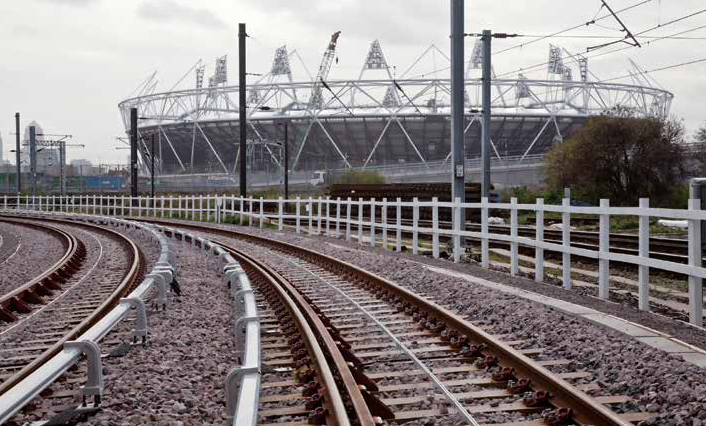
    In the case of London 2012, the transport investment came in at just above USD 10bn. And despite that hefty price tag, Transport for London (TfL) considers this investment to be the main legacy of the Games. Perhaps the most palpable effects are the upgraded Jubilee Line, Docklands Light Rail and Overground, with their extended services and increased capacity.

    However, a report published in February 2013 by the Greater London Authority’s Transport Committee in expressed frustration that infrastructure developed for the Games being underutilised – in particular, Stratford International Station.

    “We want all new transport infrastructure installed for the 2012 Games fully utilised including Stratford International Station. To date, there is little indication that Eurostar or any other international rail operator will use this station in future. Alongside improved use of Stratford International, we want to see long-term changes in rail timetabling,” the GLA report stated.

    Other, less high-profile, legacy transport benefits include the increase in step-free access, additional audio and visual information displays, hearing aid induction loops, wide-aisle gates, tactile paving and additional help points. All delivered for the Games, these are now providing both Londoners and visitors alike a more accessible transport system for the city.

    Aside from investments in infrastructure, hosting the Games brought many lessons about transport management that will be of value to London and other host cities in the future.

    Politicians and commentators have praised London’s transport management during the Games. Hugh Sumner, Director of Transport for the ODA, put the success down to an integrated approach to transport delivery. He said: “By anyone’s measure we delivered”.

    Road and rail operators managed the transport system in realtime during the 2012 Games. They kept travellers informed on a daily basis about the best ways to make journeys to help spread demand more evenly.

    Train operating companies operated more flexible timetables on certain routes so they could alter services at short notice to better suit demand. TfL and Network Rail deployed new measures to respond more quickly to any incidents of disruption. This helped to minimise the impact of any service failures including at key 2012 travel hotspots such as London Bridge.

    On the roads, following lower demand from Games family vehicles than predicted, TfL reduced the extent and hours of operation of the Olympic Route Network (ORN).

    “We want ‘One Team Transport’ to continue,” a spokesman for TfL says. “Transport operators have told us this will happen. They suggest the Transport Co-ordination Centre (TCC) and travel ambassadors could be used for future special events or during periods of disruptions.

    According to TfL, public transport and road networks now operate much more smoothly and efficiently as a result of plans and procedures put in place before the Games. The 2012 active traffic management programme, which resulted in changes to 1,300 traffic signals, was a major driver behind this change.

    However, some issues have been raised about the active traffic management programme. Lobbying group London Councils suggests the implementation was heavy-handed, resulting in significant delays and congestion in some parts of outer London. In addition, London Councils says, TfL failed to consult boroughs before making changes to traffic signals.

    Keep on trucking
    The increased level of freight during the Games was handled by the 2012 freight management programme. At a cost of USD 6m, this established a freight forum, a dedicated freight website and an online freight journey planner. A spokesperson for TfL said “Around 57 per cent of freight operators made adaptations during the 2012 Games, with most reducing their transport activity and retiming deliveries.”

    The freight transport association supports the continuation of these measures and suggests its members could make permanent changes to their usual delivery hours following the 2012 Games. TfL is also keen for the improvements brought by the programme to continue; the spokesperson said “We want long-term changes in the scale and timing of road freight deliveries”.

    One notable operational success during London 2012 was the use of travel ambassadors. Resplendent in their purple uniforms, these volunteers were located at all the major transport hubs, guiding and advising visitors. Such was the positive feedback on their use that London Underground continued their use through the busy festive period four months after the conclusion of the games.

    The volunteers, who have been celebrated along with the Olympic Games Makers since the Games, were on hand to provide travel information at some of the capital’s busiest Tube stations.

    “Our travel ambassadors were heralded as a fantastic success during the Games for the warm welcome they gave to visitors from across the globe and their breadth of knowledge about London’s transport system,” says Nigel Holness, director of operational change and upgrades at London Underground.

    “Our front-line staff work really hard to ensure that customers are given all the information they need to make their journeys quickly and easily, but having some extra help from the travel ambassadors during the busy festive period gave visitors an even better level of service and demonstrates our commitment to providing excellent customer care.”

    Another lesson that was taken to heart from the build-up to and during the Games was that preparation and effective communications can often forestall any travel complications, allowing effective alternatives to be provided. The lessons learned from the Get Ahead of the Games campaign, when it comes to travel demand management and communications, will be implemented in TfL’s future communication strategies.

    There are also plans to build on the extensive use of social media platforms that proved so effective. Behavioural changes like this may well prove to have a wider reaching impact than the investments in infrastructure needed to host the Games

  • Qatar to invest $45bn in tourism beyond World Cup

    Qatar to invest $45bn in tourism beyond World Cup

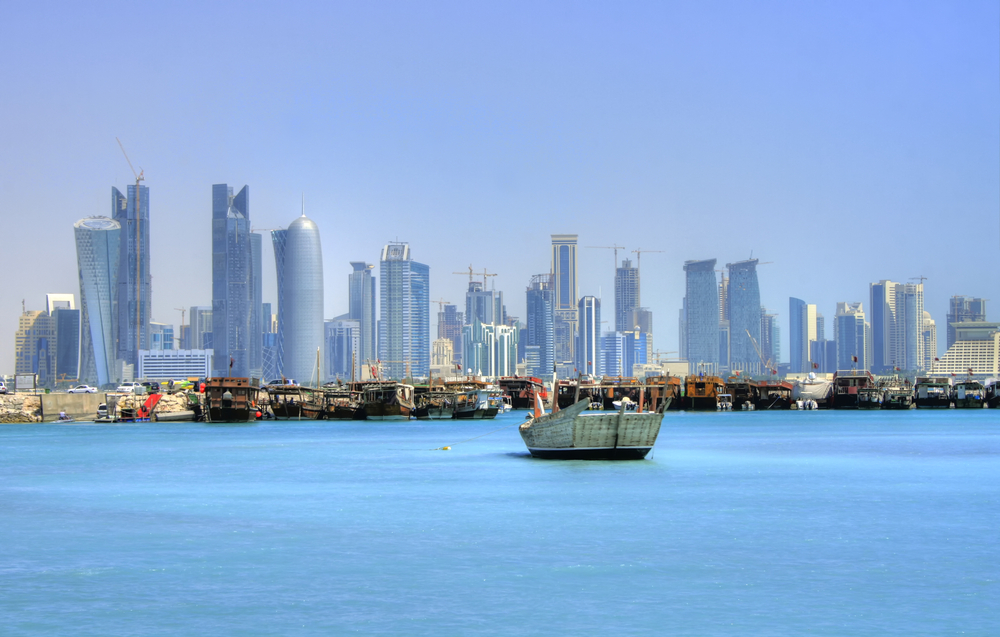
    Qatar aims to almost double tourism’s share of GDP over the next 16 years through investments from government and business. The bold vision was announced at the launch of the Qatar National Tourism Sector Strategy 2030 on Monday.
    “Our aim is to have the tourism industry contribute a total of 5.1 per cent of GDP by 2030, up from 2.6 per cent today,” said Hassan Al Ibrahim, director of strategy at the Qatar Tourism Authority. 
    “USD 40 to 45 billion of investments by the government and the private sector will make this vision a reality.”
    The FIFA World Cup in 2022 will be a phenomenal showcase for Qatar and the country is under pressure to deliver a legacy for the tourism and events sectors.
    “The strategy strives to fully capitalise on Qatar’s tourism potential and represents the aspirations of the Qatari people for the future of their country,” said His Excellency Issa bin Mohammed Al Mohannadi, chairman of the Qatar Tourism Authority.
    The strategy envisions Qatar as “a world class hub with deep cultural roots”, further placing the country on the world tourism map and allowing people from around the world to recognize and appreciate what it has to offer via its unique culture and heritage.
    “Tourism is a vital pillar in Qatar’s development efforts and a key driver of socio-economic growth in the country” said Al Mohannadi.
    1.2 million people visited Qatar in 2012, mainly from Saudi Arabia and other Gulf nations. The tourism authority is seeking to widen the range of markets of origin by setting up eight new satellite offices in key outbound markets, in addition to existing offices in London and Paris. 
    “Our target is to attract 7 million visitors to Qatar from all over the world by 2030,” said Al Ibrahim. 
    With a target of USD 10.7bn to be generated from tourism in 2030, the strategy places much greater emphasis on the private sector in the economy with an increased role for entrepreneurship and SMEs. 
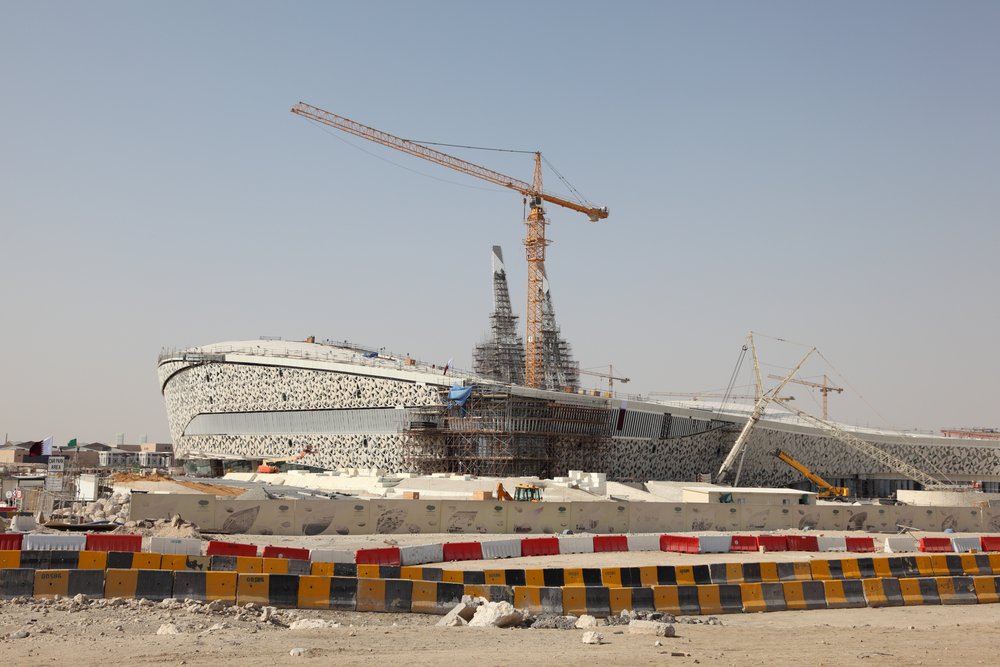
    It is hoped that investments in infrastructure already underway will bring rewards. The new Doha Exhibition and Convention Centre (DECC), described by the tourism authority as a “game-changer for the MICE sector,” is scheduled to open in 2014. Also opening in 2014 is Hamad International Airport, which promises to become an important hub for transit passengers.

  • SportAccord Convention signs Macau as Gold Partner

    SportAccord Convention signs Macau as Gold Partner

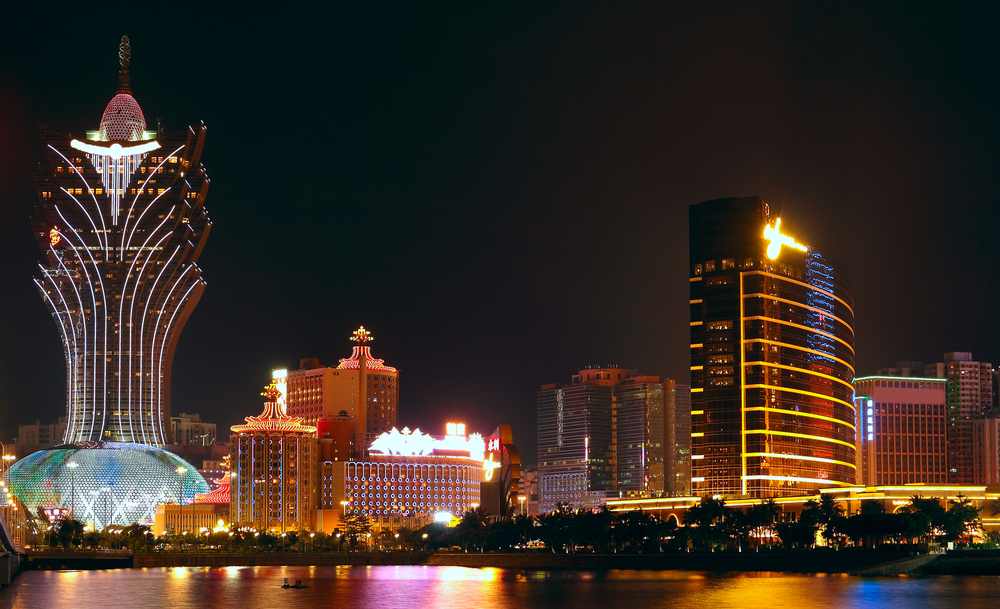
    The Macau Sport Development Board will once again be a Gold Partner of SportAccord Convention for this year’s edition taking place from 6-11 April 2014 at the Susesi Convention Centre in Belek/Antalya, Turkey. It is the seventh consecutive year that Macau’s National Organisation for Sports Development has been a Gold Partner of the Convention.
    “SportAccord Convention is a very important event for us,” said José Tavares, Acting President of Macau Sport Development Board. “It allows us to build relationships with International Sports Federations as well as providing us with a platform to communicate how we are promoting health, activity and well-being in Macau, using sports events as an inspiration for our population.”
    A few weeks after SportAccord Convention, Macau will again host thousands of athletes from home and abroad for the 11th Asian Dragon Boat Championships and the Macau International Dragon Boat Races from 30 May – 2 June 2014.
    “We are pleased to welcome our friends from Macau as Gold Partners once again,” said Nis Hatt, Managing Director of SportAccord Convention. “The Macau Sport Development Board represents Macau not only as a host destination for major events but also promotes the participation of athletes from Macau in major events around the world. In both ways, there is a great fit between their goals and the International Federations and Associations attending our Convention.”
    In its 12th edition this year, SportAccord Convention is a unique opportunity for international sporting leaders to engage with business, and features a dynamic exhibition as well as the annual general meetings of governing bodies of world sport. The event is held in a different location around the world each year.
    Belek/Antalya is a developing sports hub which recently hosted the 2013 World Archery Championships. In addition, the area will welcome in May the 2014 Turkish Airlines Ladies Golf Open which is part of the Ladies European Tour. 
    For more conference information, including a full list of confirmed speakers, visit www.sportaccordconvention.com

  • London 2012 infrastructure boss to address Middle East

    London 2012 infrastructure boss to address Middle East

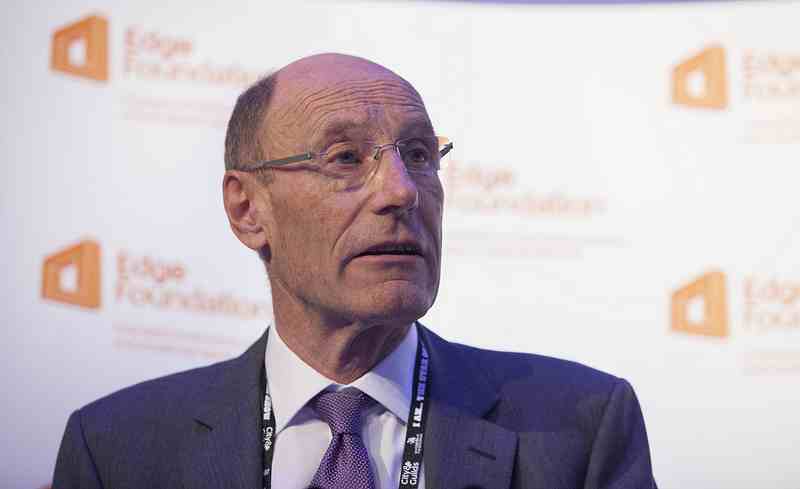
    The UK-based Institution of Civil Engineers (ICE) has announced that its first lecture tour of the Middle East will take place on 13-17 March. Sir John Armitt, Vice President International of ICE and Chairman of the London Olympic Delivery Authority (ODA) is to speak in Abu Dhabi, Doha and Dubai. 
    The series of evening lectures, entitled “Developing Modern Infrastructure”, will specifically address the challenges of planning and executing large-scale infrastructure projects.
    The chairman of the London 2012 ODA and former chief executive of Network Rail, Sir John will share his knowledge and insight into the challenges of planning and delivering large-scale infrastructure projects. 
    The lectures will make particular reference to the London 2012 Olympic Games in the light of the many new and ongoing infrastructure projects in the Middle East, such as World Expo 2020 Dubai, Qatar 2022.
    Sir John will speak in Abu Dhabi at 6:30PM on 13 March, Doha at 6:30PM on 16 March and Dubai at 6PM on 17 March. For more information about these free lectures, contact melanie.hill@ice.org.uk

  • Qatar to spend $50bn on infrastructure in 2014

    Qatar to spend $50bn on infrastructure in 2014

    The Qatari government is set to sign up to $50bn in infrastructure contracts over the course of 2014, according to Sheikh Abdullah bin Saud al-Thani. This represents a massive escalation in construction activity as the 2022 FIFA World Cup draws nearer.
    The contracts will include transport and energy projects. A tender for phase one of the Doha Metro has already been issued, according to unnamed sources speaking to Reuters, with a contract expected to be signed by the end of August. 
    The $50bn figure, announced by Sheikh Al-Thani at the Qatar Projects 2014 show organised by Meed Events, significantly exceeds previous estimates. Speaking a month before the event, Edmund O’ Sullivan, the chairman of Meed Events said contract awards for big infrastructure projects in Qatar in 2014 were “likely to hit $24bn”.
    The recent upturn in spending follows a slow start to the world’s biggest infrastructure project. 
    According to Reuters, state spending rose by just 2.2 per cent in the year up to March 2013, while a government report projects state spending to rise by 11.6 per cent in 2014.
    “Even with Qatar’s means and ambitions, the resources of time, space and human capital are not endless, especially when concentrated on a mere 10 per cent of its soil,” Tilman Engel, managing director of Sport Business Consulting International told HOST CITY. 
    Engel advised and directed the Qatar professional football league from 2007 to 2009, during their process of reorganisation and professionalisation in line with AFC and FIFA directives. “Given the enormity of both the World Cup and the National Vision 2030, it is no day too soon for Qatar to launch the projects key to make both visions work.”
    Infrastructure projects in Qatar accelerated over the course of 2013, overtaking the UAE midway through the year with $12.2bn of contracts awarded, said O’Sullivan. “The bulk… came from the multi-billion-dollar tunnelling packages awarded as part of the Doha metro project.”
    On winning the host city election for the 2022 World Cup in 2010, Qatar stated that it would spend $140bn on civic and sporting infrastructure. This figure was soon upgraded, with a report by Deloitte in September 2013 stating that Qatar plans to spend $140bn over the next five years on transport alone.
    $200bn is due to be spent over the next 10 years on construction. A further $20bn is to be spent on tourism infrastructure to prepare for the influx of football fans, the Deloitte report said. Since then, an investment of $45bn into tourism by 2030 has been announced.

  • Olympic host Tokyo ranked world’s riskiest city

    Olympic host Tokyo ranked world’s riskiest city

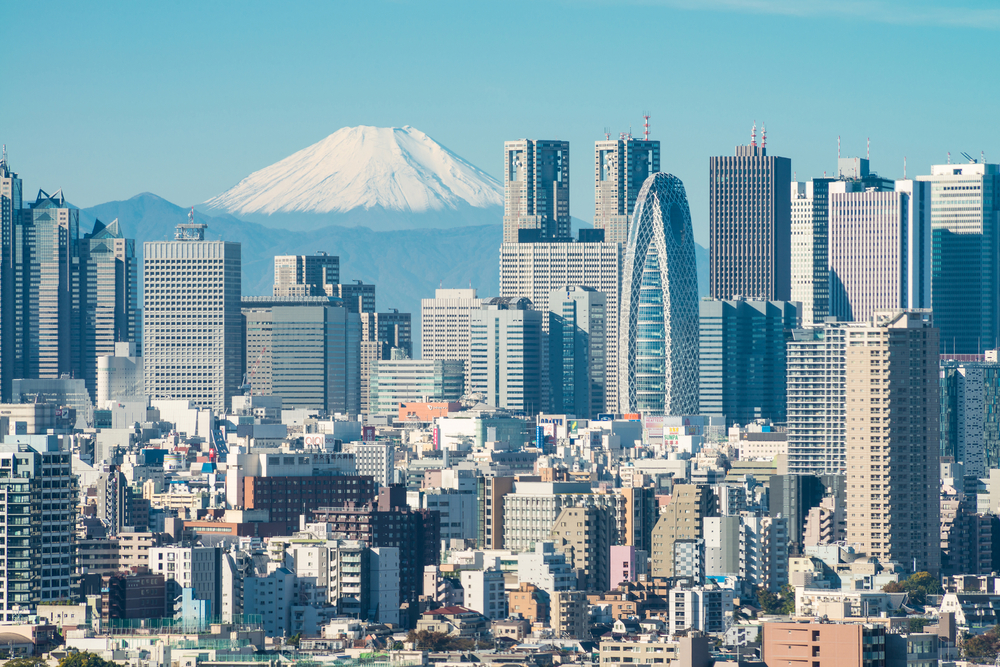
    A ranking of cities under threat from natural disasters, “Mind the Risk” by reinsurance company Swiss Re, has placed Tokyo top of the list. 
    The International Olympic Committee nonetheless told HOST CITY that it stands by the findings of its Evaluation Commission, which highlighted Tokyo’s “well thought-out proposals for the successful planning and delivery of security operations, which would deliver safe and secure Games.”
    Tokyo successfully dispelled safety concerns during its bid to host the 2020 Olympic and Paralympic Games. Speaking to IOC members during the bid presentation in September, Prime Minister Shinzo Abe described Tokyo as “one of the safest cities in the world.”
    The IOC on Wednesday reaffirmed its confidence in Tokyo’s ability to respond to potential seismic events. “It goes without saying that we cannot predict natural disasters, but Tokyo is known for having some of the most comprehensive construction practices to help protect buildings against the effects of earthquakes,” an IOC spokesperson told HOST CITY.
    “The local authorities are also very well prepared to handle these types of emergency situations and we have complete confidence in them, as the Evaluation Commission noted in its report.”
    Matthias Weber, Swiss Re’s Group Chief Underwriting Officer said in the report: “We know from past events that physical prevention measures alone do not suffice to build a resilient city, since damage from the most severe catastrophes cannot be fully averted.
    “An important part of resilience is how well urban societies are able to cope with the financial consequences of a disaster, which includes access to the requisite funding for relief, recovery and reconstruction.”
    HOST CITY also contacted Tokyo 2020, which was unavailable for comment at time of writing.
    Seven of the ten cities found to be at highest risk are in East Asia, due to their combination of high seismic activity and large populations. 
    Los Angeles, which is taking steps towards a highly anticipated bid to host the 2024 Olympic Games, has the seventh largest number of people at risk of natural disaster, according to the Swiss Re report.

  • London Olympic Park opens to the public

    London Olympic Park opens to the public

    The redevelopment of the south section of the Queen Elizabeth Olympic Park is now complete, enabling the park to fully open to the public for the first time since the London 2012 Olympic Games. 
    “In the 18 months since the end of the Games, we have created a magnificent new park for London with beautiful parklands and waterways and world-class sporting facilities,” said Dennis Hone, Chief Executive of the London Legacy Development Corporation, which led the post-Games transformation of the park.
    “We want people to come and enjoy this new destination, whether they are reliving the memories of the golden summer of 2012 or experiencing it for the first time.”
    At 560 acres, or 2.2sq km, the park is the largest to open in London for more than 100 years. Newly landscaped parklands, waterways and an action-packed adventure playground featuring swings, a rope bridge and activity zones have transformed the site.
    Sir John Armitt, chairman of the Olympic Delivery Authority said: “The Olympic Park was a huge hit with spectators in 2012, but now countless thousands more will get a chance to see how it has been transformed for generations to come to use and enjoy – walking, relaxing, seeing the sights, or having a picnic, as well as playing and watching sport in four world-class venues.
    “This, and the work we are doing to complete 2,818 new homes in East Village, is proof that the legacy we all talked so much about is very real.”
    The park also features a new tree-lined promenade with a unique globe lighting system, interactive water fountains, four themed walking trails and miniature gardens that represent different climatic regions including South Africa, the Americas and the Mediterranean.
    The northern section of the park, which began to reopen in July 2013 with concerts and other major events, has already attracted more than a million visitors. The Copper Box Arena, the first former Olympic venue to open to the public, has already had more than 100,000 visitors. The Aquatics Centre, which reopened on 1 March 2014, has already received over 55,000 visitors.
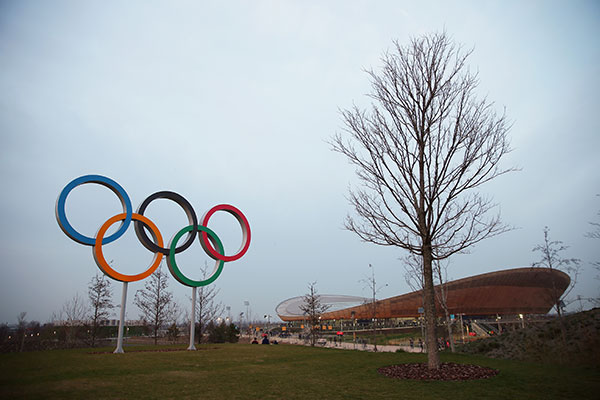
    The Lee Valley VeloPark opened its doors for public use for the first time on 31 March 2014, while the Lee Valley Hockey and Tennis Centre will open in June 2014. 
    Meanwhile, the Olympic Stadium is being transformed into a multi-use venue. A major new arts and cultural centre is also set to be built within the park.
    Planning permission has also been granted for up to 10,000 new homes, including more than 2,800 in the former Olympic Village, which has now been renamed East Village.
    “The opening of Queen Elizabeth Olympic Park is not the end of the transformation story,” said Hone. “We are building a new heart of east London creating jobs, building new homes, and bringing in investment, culture and education with partners like the Victoria and Albert Museum and University College London. It is a truly exciting time for all Londoners and we encourage people to come and see Queen Elizabeth Olympic Park for themselves.”