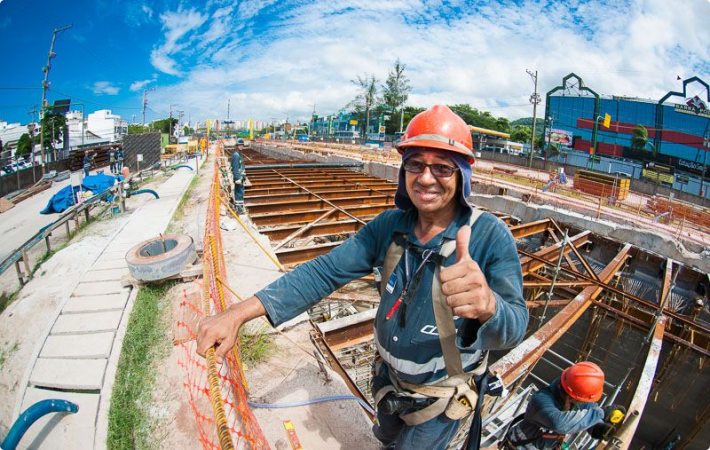
As venue construction finally starts to shift up a gear in Rio, the president of the Rio 2016 organising committee has pointed out that the wider developments in the city will have a bigger impact on Rio than any other Olympic city in history.
Speaking on the two year countdown to the Games, Carlos Nuzman said “The Games will leave a huge legacy for both Rio and Brazil, and are starting to take shape. No other host city will have had such big transformational benefits from the Games as Rio.”
Carlos Nuzman is the latest of many distinguished speakers confirmed to speak at HOST CITY’s Bid to Win conference on 28th October in London, where he will give an exclusive presentation.
The civic developments include a massive facelift of the historic port area, major transport upgrades, sanitation improvements, anti-flood measures as well as new educational facilities. These projects are being accelerated through 27 government initiatives in the areas of infrastructure, the environment and social improvement.
The future of the Olympic sports facilities are also being taken into consideration as part of the legacy plans. The Olympic Park’s three sports halls – the Maria Lenk Aquatic Centre, the Rio Olympic Velodrome and the Olympic Tennis Centre – will remain in use after the Games, collectively forming Brazil’s first Olympic Training Centre (OTC) for high-performance athletes.
The fourth Olympic hall, which will host handball matches during the Games – will be repurposed into four schools. “Converting the Rio 2016 handball arena into four schools after the Games is an excellent example of Rio’s commitment to ensuring the 2016 Games leave tangible benefits for the local community,” said Nuzman.
“The ‘nomadic architecture’ concept defined by our government partners is a first for the Games and we are proud that 2,000 Brazilian schoolchildren will benefit from it for many years to come.”
Transport overhaul
Sports events in 2016 will take place in widely dispersed areas in Rio. The Maracanã stadium is 13km north of Copacabana and Ipanema; the Barra Olympic Park is about 25km west of central Rio; while the Deodoro cluster is in a similarly distant part of town with little in the way of hospitality services.
Barra is already connected to the international airport via the Transcarioca BRT, which was built in time for World Cup, complementing another BRT service to Barra that opened in 2012.
A 32km Transbrasil bus rapid-transit (BRT) scheme will connect Deodoro to central Rio, benefitting 900,000 passengers daily. However, Transbrasil’s tender date has been delayed and work will not start until October at earliest.
A new 26km Transolímpica, due to open in January 2016, will link the competition centres in Barra and Deodoro and is expected to be used by 400,000 people per day.
The major transport upgrades also include the creation of a light rail transit (LRT) service in the city centre and the extension of the underground metro system. A new 16km underground line, Linha 4, is due to open early in 2016, linking central Rio to Barra with a predicted journey time of 34 minutes.
To find out more, attend HOST CITY: Bid to Win (www.bidtowin-hostcity.net) and experience the exclusive update from Rio 2016 President Carlos Nuzman
Category: City Development
-
Rio’s transformation will be best ever – Nuzman
-
New Commonwealth Games CEO to address Bid to Win
HOST CITY Bid to Win conference, which takes place on 28th October 2014, is attracting the most influential figures in major events.
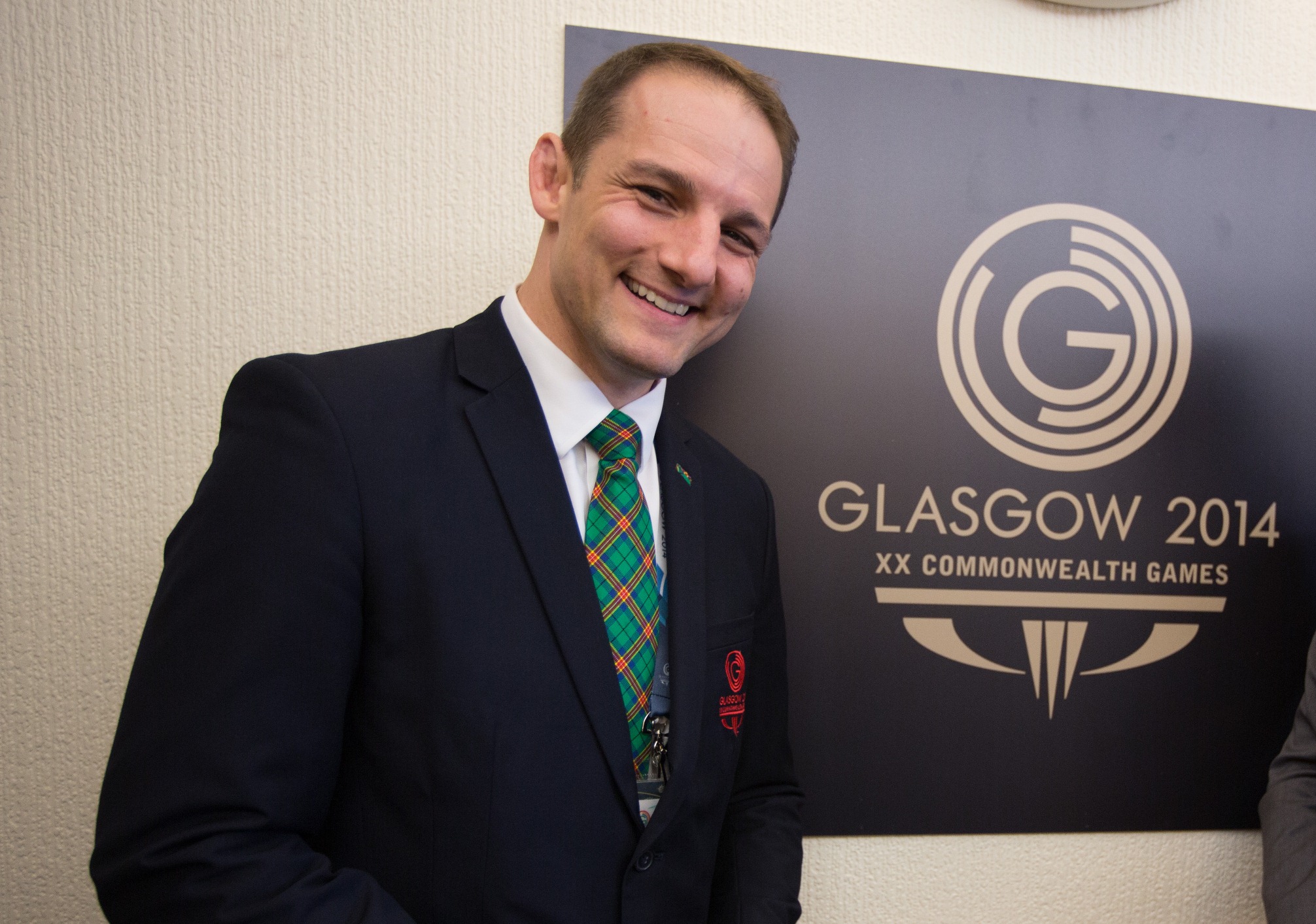
David Grevemberg, who oversaw what was widely hailed as the “greatest Games ever” in Glasgow, is to speak at HOST CITY Bid to Win just six days before he takes on his new role as CEO of the Commonwealth Games Federation.
Grevemberg is set to close the conference with a panel discussion entitled “Beyond the Bid: Winning for the Future,” joined by Wang Wei, vice president of the Beijing Olympic City Development Association, Jordy Joli, CEO of finance at Barcelona City Council and Ali Kiremitcioglu, CEO of Istanbul’s bid to host the 2020 Olympic Games.
The panel will discuss whether the visibility gained from bidding justifies the cost, how to ensuring that event delivery reflects promises made in a bid, and how to use a bid to attract investment that works for the future of the city.
Grevemberg’s appointment as CEO of the Commonwealth Games Federation was announced in June but he had intimated to HOST CITY readers earlier in the year that he was committed to the long term development of the Commonwealth Games as an event property.
“One of the biggest challenges is to continue to make sure that the Games represent quality, quantity and universality,” he told HOST CITY. “As the Commonwealth Games Federation moves forwards and future hosts come down, it’s about really making sure that the Games can manage all of that and perpetuate itself further by ensuring that it is continually relevant.”
Grevemberg joins a long list of distinguished and influential speakers, including Sir Craig Reedie (Vice President, IOC); Jürgen Müller (Head of FIFA World Cup); Wang Wei (Vice Chairman, Beijing Olympic City Development Association); Janez Kocijancic (Vice President, International Ski Federation; Dimitri Kerkentzes, (Chief of Staff, BIE); Panos Protopsaltis (Director of Transport, Baku 2015); ROCK IN RIO; Joe O’Neill (International Business Development Director, ARENA GROUP); Peter Tindemans (Secretary-General, EUROSCIENCE); Ali Kiremitc?ioglu (CEO, Istanbul 2020 Bid Committee); Antonio Fernandez Arimany (DG, International Triathlon Union); Iain Edmondson (Head of Major Events, London & Partners); Jordi Joly, (CEO, Barcelona City Council); Georg Spazier (CEO, Innsbruck Tirol Sports); Emanuel Macedo de Medeiros (CEO, ICSS Europe); Mike Lee OBE (Chairman, VERO); Helen Rowbotham (Director of Consulting, CSM); Robert Datnow (Managing Director, The Sports Consultancy); Lars Haue-Pedersen (Managing Director, TSE Consulting); Ben Avison, (Editorial Director, HOST CITY); Koos Tesselaar (Vice-Chairman, NIBC Bank).
“The momentum around Bid to Win has built up so quickly and we are thrilled to have such a distinguished array of speakers confirmed at this stage,” said Ben Avison, Editorial Director of HOST CITY and Chairman of Bid to Win. -
Olympics can help Tokyo overtake London, says Governor
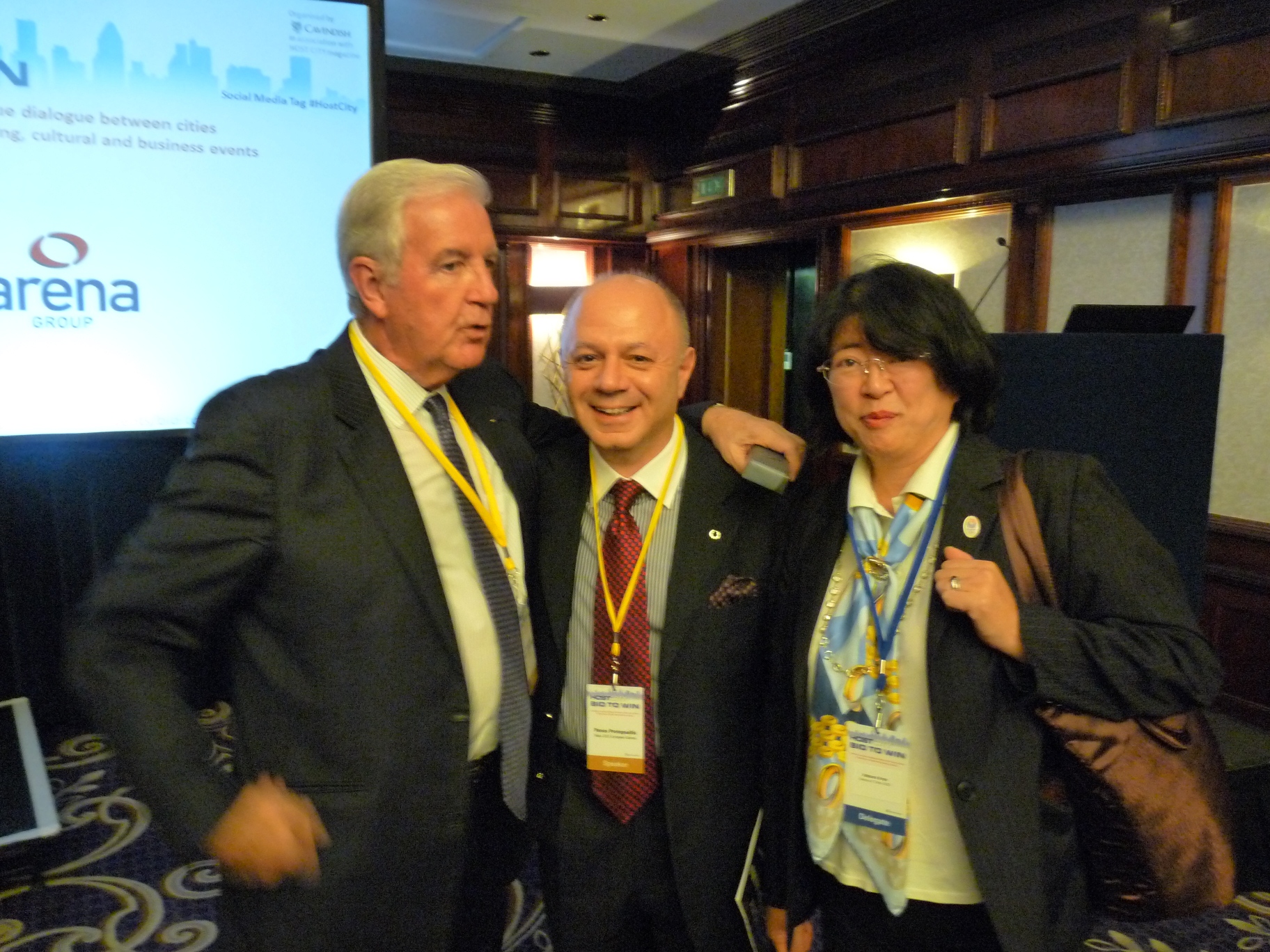
Tokyo Governor Yoichi Masuzoe rounded up his visit to London with an audience at the Royal Institute of International Affairs, where he stated his ambition for Tokyo to use its own Olympic legacy to overtake London. He led a delegation that last week took in a tour of the Olympic Park and a reception at Host City Bid to Win conference.
On arriving in London on the evening of 27th October, Masuzoe met with Sir Craig Reedie – keynote speaker at Host City Bid to Win – and sent a senior representative to a Host City reception. All members of the Tokyo delegation received a copy of Host City’s first Japanese edition, which includes an interview with the President Mori of the Tokyo Organising Committee of the Olympic Games.
The following day the Tokyo delegation visited the Queen Elizabeth Olympic Park, where Masuzoe met with his London counterpart, Boris Johnson.
“This was the first time for us to meet, and we got along very well. Maybe we have a lot in common, except in our hairstyles,” Masuzoe told the Royal Institute of International Affairs.
Masuzoe said that he wants the 2020 Games to be not only the best ever: he wants the Olympic effect to transform Tokyo into a more competitive city than London.
He cited a Japanese think tank, Mori Memorial Foundation, whose Global Power City Index has ranked London top and Tokyo fourth.
He said a major priority is to use the Games to revive the economy, drawing in people, money, and information from around the world and making the Japanese capital “the number-one city in the world” within six years.
The aim is to make Tokyo a global financial centre to rival the City of London and New York’s Wall Street. “I said to Boris, I will be at London. Sorry about that. That’s the reason for my visit.”
He said he and Boris Johnson had agreed to further strengthen the partnership between London and Tokyo cemented by a possible visit by Boris to Tokyo next year.
He said Tokyo wanted to find out how London managed to sustain its economic development in the aftermath of the 2012 Olympic and Paralympic Games.
Masuzoe said he was impressed to see such a packed programme of events in facilities built for the highly successful Games in 2012. He said it was important for the Tokyo Games to leave an equally palpable legacy.
He said the 2012 Games had changed London significantly and Tokyo would also change after 2020. Abenomics started the process of Japan’s economic recovery, said Masuzoe, a positive shift that quickened further after winning the bid to host the 2020 Games.
However, the language barrier has hampered Tokyo’s growth, with a perception that a small number of foreign nationals live in Japan, he said. This would be rectified by increasing the number of multi-lingual signs and improving accommodation and services for the international community. These shortcomings would be addressed, he said, with the aim of making Tokyo a “people-friendly city”.
The Governor also said Tokyo would follow London’s example in creating a festival of culture as well as sport in 2020.
Emissions would also be reduced, he said. “At the 2020 Games we hope to attract attention to the advent of a hydrogen society by providing visitors with a fleet of vehicles running on hydrogen.
“I understand that here the use of bikes increased after the 2012 Games, the so-called Boris bikes. Tokyo would also create a better environment for bicycle use and promote bicycle sharing.”
Reaching out to world cities
Tokyo has also established partnerships with other world cities including Beijing, Berlin, Moscow, New York, Paris and Seoul.
“I plan to build a win-win relationship with cities around the world and thereby strengthen Tokyo’s appeal,” Masuzoe said.
If relations between China and Japan have historically been tense, visitors from Beijing to Tokyo are most welcome in the modern age.
“It is one of the good achievements of my visit to Beijing,” he said. “They buy many things in Ginza department houses and big shops, and they pay much money, and these shops pay much tax to me, and I can use this money to make our Games successful, right?”
This report includes information from Global Travel Industry News
-
Lima mayor: cities will win fight against climate change
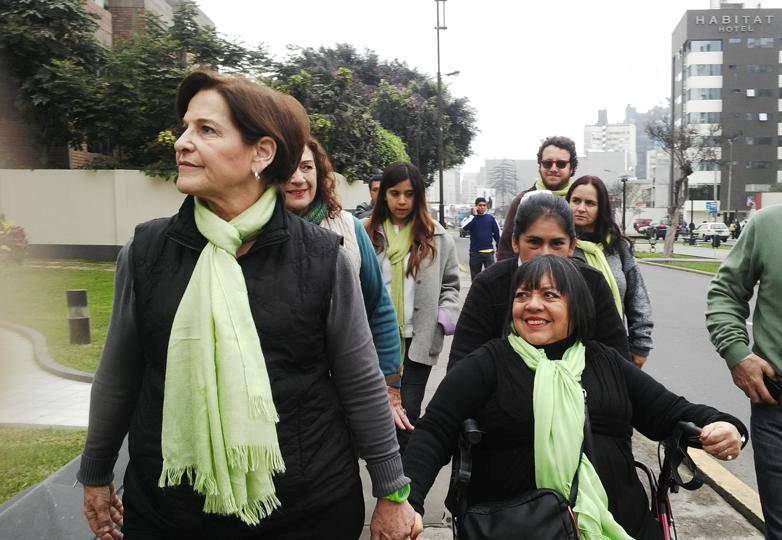
Cities are often seen as the problem rather than the solution when it comes to pollution – particularly in the rapidly developing world. But according to the mayor of Lima, which hosts global climate negotiations next week, cities are where global environmental challenges can be best tackled.
“The challenge of supporting economic growth and tackling climate change will be met in the world’s cities,” said Susana Villarán, mayor of Lima, speaking on the publication of five studies by the Global Commission on the Economy and Climate ahead of the Global Climate Change Conference in Lima.
Lima, one of the fastest growing cities in Latin America with more than seven million inhabitants, is the focus on one of these studies. The city faces substantial increases in energy bills and more greenhouse gas emissions unless action is taken.
The research conducted for the Global Commission shows that, through effective investments in transport, Lima can reduce its carbon emissions by 15 per cent by 2025 while saving citizens US$1.1bn per annum in energy bills. These investments could be paid back in less than three years, building on the improvements already implemented in the city.
“Investing in public transport is good for citizens, good for business and good for the climate,” said Villarán. “This study shows that it is in the economic interest of the city and of its people to build better. Clear leadership is now needed to make this vision a reality.”
Lima is just one of many cities that can use transport upgrades to make a massive change to the world’s climate. According to the Global Commission on the Economy and Climate, better, more efficient transport systems could enable the world’s 724 largest cities to reduce greenhouse gas emissions by up to 1.4 billion tonnes of CO2 a year – greater than the annual emissions of Japan.
Deploying low carbon technologies, such as new building technologies and electric buses, across 30 megacities could create more than 2 million jobs, while avoiding 3 billion tonnes of cumulative greenhouse gas emissions, the Commission says.
Lima is hosting the Pan American Games in 2019, an international mega event that can act as a catalyst for the host city to invest in sustainable urban development.
The Global Commission also cited the World Cup host city of Curitiba in Brazil, which has accommodated a threefold increase in population since the 1960s while achieving per capita greenhouse gas emissions 25 per cent lower and gasoline consumption 30 per cent lower than the national average.
“Over the next two decades, cities will grow by over a billion people and generate two thirds of global economic growth,” said Graham Floater of LSE Cities at the London School of Economics and director of the Global Commission’s cities research.
“If this rapid urban growth is managed badly, we face a world of sprawling, inefficient, polluted cities – and a major climate change risk. But a new breed of cities is emerging with compact, connected development – innovative cities that are more productive, attractive and low carbon.”
The Global Commission highlighted Stockholm for its leadership in reducing emissions by 35% from 1993 to 2010 while its economy grew by 41 per cent. In London, car ownership decreased 6 per cent from 1995 to 2011 as while the city’s economy grew by 40 per cent.
“Mayors and policy-makers adopting low-carbon strategies are making their cities more liveable and more attractive to talent and entrepreneurs, said Ani Dasgupta of the World Resources Institute Ross Center for Sustainable Cities. “The economy and the environment of urban cities go hand-in-hand in creating growth.”
-
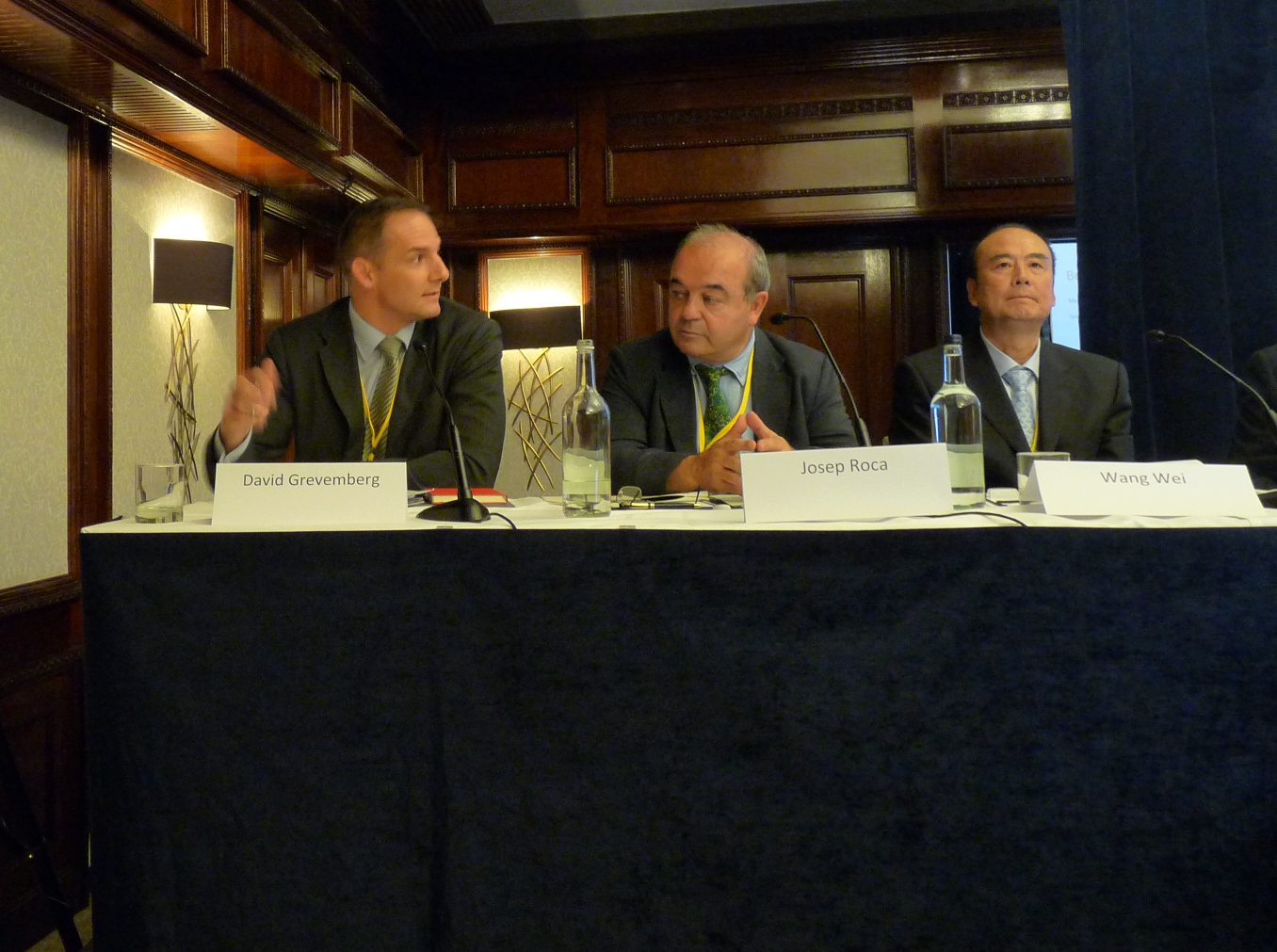
Grevemberg: tell us how Games can develop your city
After steering Glasgow 2014 through its highly successful Commonwealth Games, David Grevemberg is relishing his fresh challenge: running the Commonwealth Games Federation (CGF).
“Like Commonwealth athletes we celebrate our successes and get straight back to the training field pushing every day towards new and ambitious goals. The pace is fast with the focus over the coming months on key milestones for three future Games,” the former wrestler told HOST CITY.
“First up on the starting block in real terms is the Commonwealth Youth Games in Samoa which is in September and is such an important launch pad for the next generation of Commonwealth sporting stars.
“There’s the Gold Coast 2018 team focusing on their core planning phase, then there’s the bidding process for the 2022 Commonwealth Games which is in full swing.”
City stories: 2022 bids
The evaluation process for 2022 is being led by Louise Martin. HOST CITY asked Grevemberg to identify the most important contributions that the candidates for 2022, Durban and Edmonton, could bring to the Games.
“One of the most important things they can each bring to the CGF evaluation process – as well, of course, of demonstrating the technical capabilities – is that real sense of where the Commonwealth Games sits within the past, present and future stories of their city, how the Games fits within the aspirations of their citizens and communities and what further opportunities being a Host City could help them unlock.
“We’re really fortunate to have in both Durban and Edmonton such incredibly dynamic yet different great Commonwealth cities with their own rich stories, distinct aspirations and goals.”
The official Candidate City bid lodgement for the 2022 Commonwealth Games takes place in March next year with the formal announcement of the Host City of the XXII Commonwealth Games made at the CGF General Assembly in Auckland next September.
“I’m really looking forward to hearing the visions and ambitions that are coming forward,” said Grevemberg.
Youth appeal: Gold Coast
As for what the Gold Coast 2018 is doing to build the Commonwealth Games brand further, Grevemberg said: “The Gold Coast team is at an exciting stage in their journey and it’s thrilling to see the next Commonwealth Games taking shape. Gold Coast 2018 will have its own distinct identity, create its own dynamic place in Commonwealth history and will connect new individuals and communities through the positive power of sport.”
Grevemberg is anticipates the Gold Coast having a particularly big impact on youth around the world. “Through sport we have a great opportunity to play an empowering part in realising the potential of young people.
“With 60 per cent of the Commonwealth’s two billion citizens under the age of 30, this is our opportunity to impact positively on the next generation of Commonwealth citizens and leaders and I’m confident that the Gold Coast 2018 Commonwealth Games will deliver a world-class stage on which the elite athletes of the Commonwealth can inspire and engage across nations, territories and communities.”
Why bid for the Games?
Taking to the helm of a federation that owns the rights to one of the world’s biggest event properties at a time when some cities are shying away from hosting mega events, Grevemberg is keen to stress the benefits of bidding for the Games.
“Each Commonwealth Games is itself a great opportunity for cities and communities across the Commonwealth to see for themselves the potential that being a Host City can bring.
He cites Glasgow 2014 as an example. “Prospective host cities can look at Glasgow 2014 and see the potential for social impact hosting a Commonwealth Games can bring, as well as the opportunities a Games offers cities and nations to engage positively with the broader Commonwealth and beyond.
“The Commonwealth Games played a core part in delivering on city and national ambitions for jobs and health, showcasing international excellence in complex event delivery as well as creating a world-class celebration of which the people of Glasgow and Scotland could really feel part of and feel incredibly proud.
“In achieving their goals and delivering the Games, the Glasgow 2014 Games Partners also thought carefully and creatively about infrastructural investment, making deliberate decisions to invest in improving permanent sporting facilities that are both world-class and community-relevant.
“The decision, for example, to overlay a temporary athletics field of play in Hampden Park, Scotland’s national football stadium instead of building a new athletics stadium demonstrated really well how using smart technological solutions could assist in creating sustainable and cost-effective alternatives to building new venues.
“Glasgow 2014 was a turning point for the Commonwealth sports movement. The Games in Glasgow demonstrated what can be achieved when people are united through passion, partnership and common purpose.”
HOST CITY: Bid to Win
During his transition from CEO of Glasgow 2014 to the Commonwealth Games Federation, Grevemberg enjoyed the opportunity to speak at HOST CITY Bid to Win conference.
“Sharing the experiences and ambitions of others is always insightful and energising. Sport creates so many powerful opportunities for innovation, collaboration and partnerships and gatherings such as this play a valuable part in sparking ideas and motivating ambition.
“Partnerships will be a core focus for the CGF and our job now is to harness all of that potential and use it to take Commonwealth sport to a new level.” -
Dubai Expo 2020 appoints local heritage partner
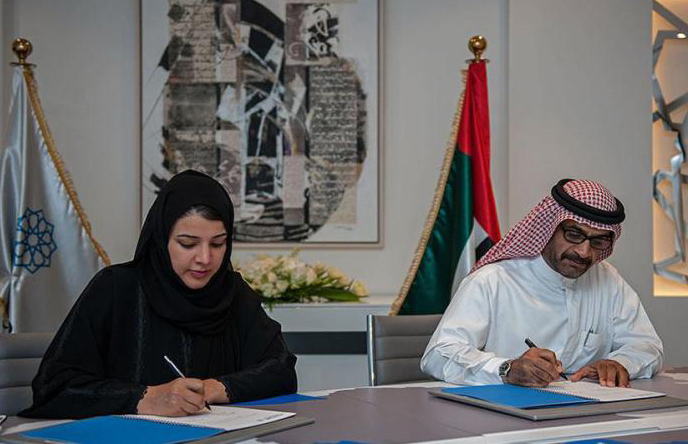
The Higher Organising Committee for Expo 2020 signed an agreement on Tuesday that positions Hamdan Bin Mohammed Heritage Centre as its Heritage Strategic Partner.
Under the partnership, the Centre will organise a wide range of events and activities to promote the UAE’s heritage and culture during Expo 2020, which will be held in Dubai over nearly six months.
“The appointment constitutes an important step in our efforts to promote this international exhibition, add a cultural and heritage dimension to the event and enrich the experience for visitors and exhibitors,” said Her Excellency Reem Al Hashimy, Managing Director of Expo 2020 Higher Committee.
“As a credible and trusted source on UAE national heritage and cultural traditions, the Centre has played a salutary role in preserving the country’s heritage and passing it on from one generation to the next. We are fully confident that the Hamdan Bin Mohammed Heritage Centre will be able to achieve our goals for the Expo 2020, promote this international event effectively and highlight the heritage of our beloved nation in a befitting and honourable way.”
His Excellency Abdullah Hamdan Bin Dalmouk, CEO of Hamdan Bin Mohammed Heritage Centre, said “We look forward to working together with the Higher Organising Committee for Expo 2020 and establish the heritage concepts of the UAE to create a unique experience for all visitors.
Up to 25 million people are expected to visit the Expo, of which 70 per cent are expected to be from overseas.
“The exhibition provides our country an opportunity to show the world its capability for innovation by staging a world-class event that combines state-of-the-art technology with a proud display of our cultural heritage and traditions.”
Expo 2020 will be held in Dubai from 20 October to 10 April 2021 under the slogan “Connecting Minds, Creating the Future”. With three thematic concepts of “Mobility, Sustainability and Opportunity”, the exhibition seeks to nurture new partnerships for future growth and sustainability.
The event coincides with the UAE’s 50th National Day and as Dubai is taking the opportunity to celebrate and promote the host nation.
“We have been able to make huge progress in several areas, foremost among which is building a pool of globally competitive Emirati individuals, consolidating citizens’ sense of belonging to their homeland and strengthening the national identity among the youth, and generally deepening patriotic fervour among people all around the UAE,” said Bin Dalmouk.
Expo 2020 will be the first to be held in the MENASA (Middle East, North Africa and South Asia) region. -
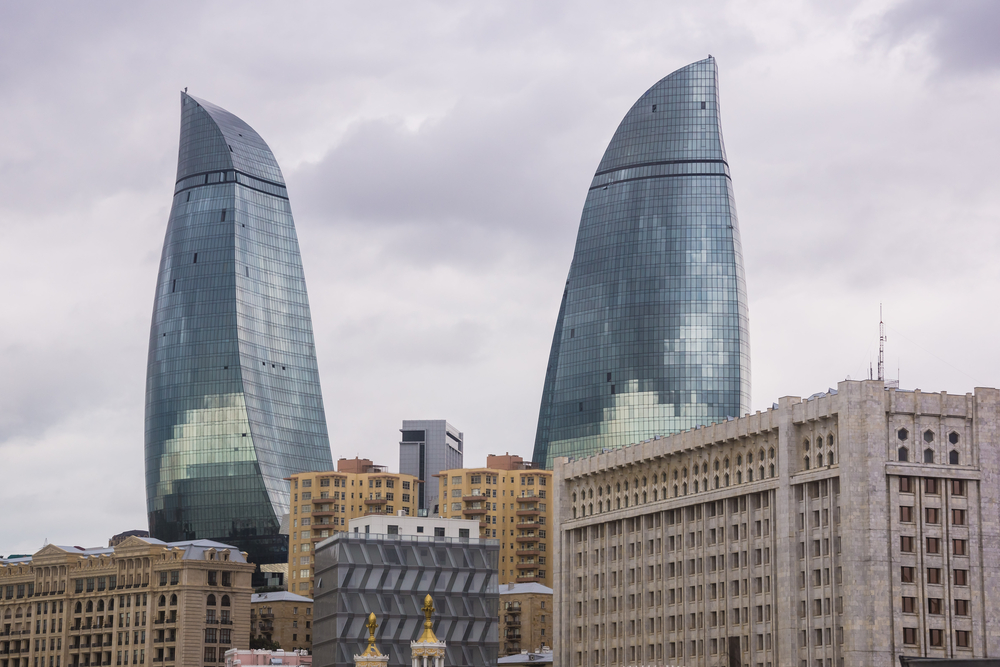
Power networks upgraded for Baku 2015, Aggreko contracted
Aggreko will provide temporary power to the inaugural European Games to be hosted in Baku, Azerbaijan in June 2015, the company informed HOST CITY.
The leading supplier of temporary power and temperature control services will supply 34 MW of power for the opening and closing ceremonies, International Broadcast Centre (IBC) and 13 competition venues.
The announcement comes as Baku’s state energy operator, Bakielektrikshebeke, pledged to upgrade its infrastructure to cope with the demands of hosting the Games.
“Baku will host the first European Games in 2015. This is a historic event for our country, and we are carefully preparing for it,” Tanriverdi Mustafayev Bakielektrikshebeke’s head of press, told local media.
“Old transformers will be replaced with those with large capacity wherever necessary, including stadiums and hotels.”
Power outages were commonplace in Baku until recently and the city still suffers from occasional outages.
“Baku develops year by year, and the number of subscribers increases as well. It means that we should continue increasing the capacity of the power grid. In the past eight years, it increased by 90 percent,” Mustafayev said.
“Recently we have established three substations each with a capacity of 110 kW and nine substations each with a capacity of 35 kW. In general, Bakielektrikshebeke has established 26 substations each with a capacity of 110 kW and 70 substations each with a capacity of 35 kW since 2006.”
The news follows a successful year in the major events sector for Aggreko in 2014, when they provided services to the FIFA World Cup, Glasgow Commonwealth Games and the Ryder Cup.
At the FIFA World Cup in Brazil, Aggreko supplied temperature control services and 50 MW of temporary power for the IBC and 12 stadiums.
The Scottish-headquartered company also provided 103 gensets for the 2014 Commonwealth Games and a further 17 MW of power for the 2014 Ryder Cup.
For London 2012, Aggreko provided 260 MW of power using over 500 gensets. -
CH2M HILL and Mace to build 2020 Expo Dubai site
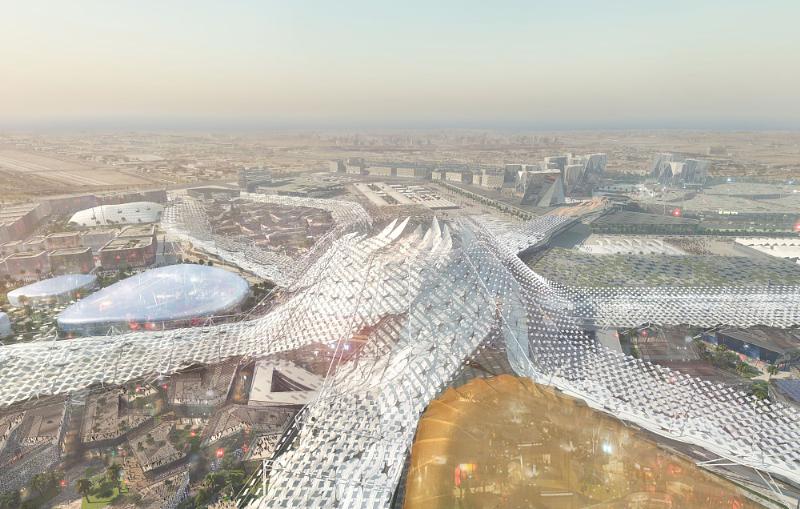
Dubai World Trade Centre (DWTC) has appointed a consortium of CH2M HILL and Mace to deliver the Dubai Trade Centre Jebel Ali development, the site that will host Expo 2020 Dubai and act as focus for events beyond 2021.
In a rigorous procurement process, the joint venture of US firm CH2M HILL and UK-based Mace had to compete with other leading global firms with mega-event experience.
In winning the tender, CH2M HILL-Mace is now responsible for providing full-service consultancy, real estate programme management, design, construction and operations management for the end-to-end development and delivery of Dubai Trade Centre Jebel Ali and the Expo 2020 Dubai site.
Dubai Trade Centre Jebel Ali development is the master district that will host Expo 2020 Dubai within a secure gated area from October 2020 until April 2021.
“In CH2M HILL and Mace we have a proven partner that we feel confident will enable the delivery of a state-of-the-art home for Expo 2020 Dubai,” said Ahmed Al Khatib, Director – Real Estate, DWTC.
The site, designed by architectural firm HOK and engineering company Arup, contains precincts that are being programmed specifically for long term use beyond the Expo.
The Dubai Trade Centre Jebel Ali development is being planned as a new focal point of global business tourism for the region, reinforcing the UAE’s established position as an international destination fostering thought leadership across key sectors for economic development and a business networking hub through trade fairs, mega-events and conferences.
The site is also being planned as an inclusive environment that inspires the region’s young people while fostering cultural learning, cooperation, creativity and business.
The vision of His Highness Sheikh Mohammed bin Rashid Al Maktoum, Vice President and Prime Minister of the UAE and Ruler of Dubai is to create a smart destination for ‘purposeful innovation’, with a core focus on youth and culture to establish Dubai as a global city of the future.
“The success of the development is critically linked to its timely and efficient evolution to the planned legacy of Dubai Trade Centre Jebel Ali, and we look forward to seeing this partnership with CH2M HILL-Mace support DWTC and Dubai in fulfilling this long-term commitment,” said Al Khatib.
CH2M HILL-Mace have previously joined forces on several occasions in the sports and events industries, most recently for the London 2012 Olympic and Paralympic Games.
CH2M HILL has also played a strategic consulting role on Rio 2016. Mace is programme manager for the Qatar Public Works programmes and has provided strategic advice to the organising committee of Astana Expo 2017.
Both companies have a strong presence in the Middle East. In the UAE they have independently delivered major private sector and government projects including Jumeirah Beach Residences, Mall of the Emirates, Business Bay Development, Media City, Silicon Oasis, the Abu Dhabi STEP Programme, ENEC Nuclear Programme and Masdar City.
“As a world leader in programme management, we will bring our track record of delivery excellence, sustainability and innovation to this programme, a benchmark for major events,” said Joseph Danko, senior vice president and operations director, urban programmes at CH2M HILL.
“We are excited to take on this amazing opportunity and contribute to the ever increasing global role of Dubai, its leadership and people.”
-
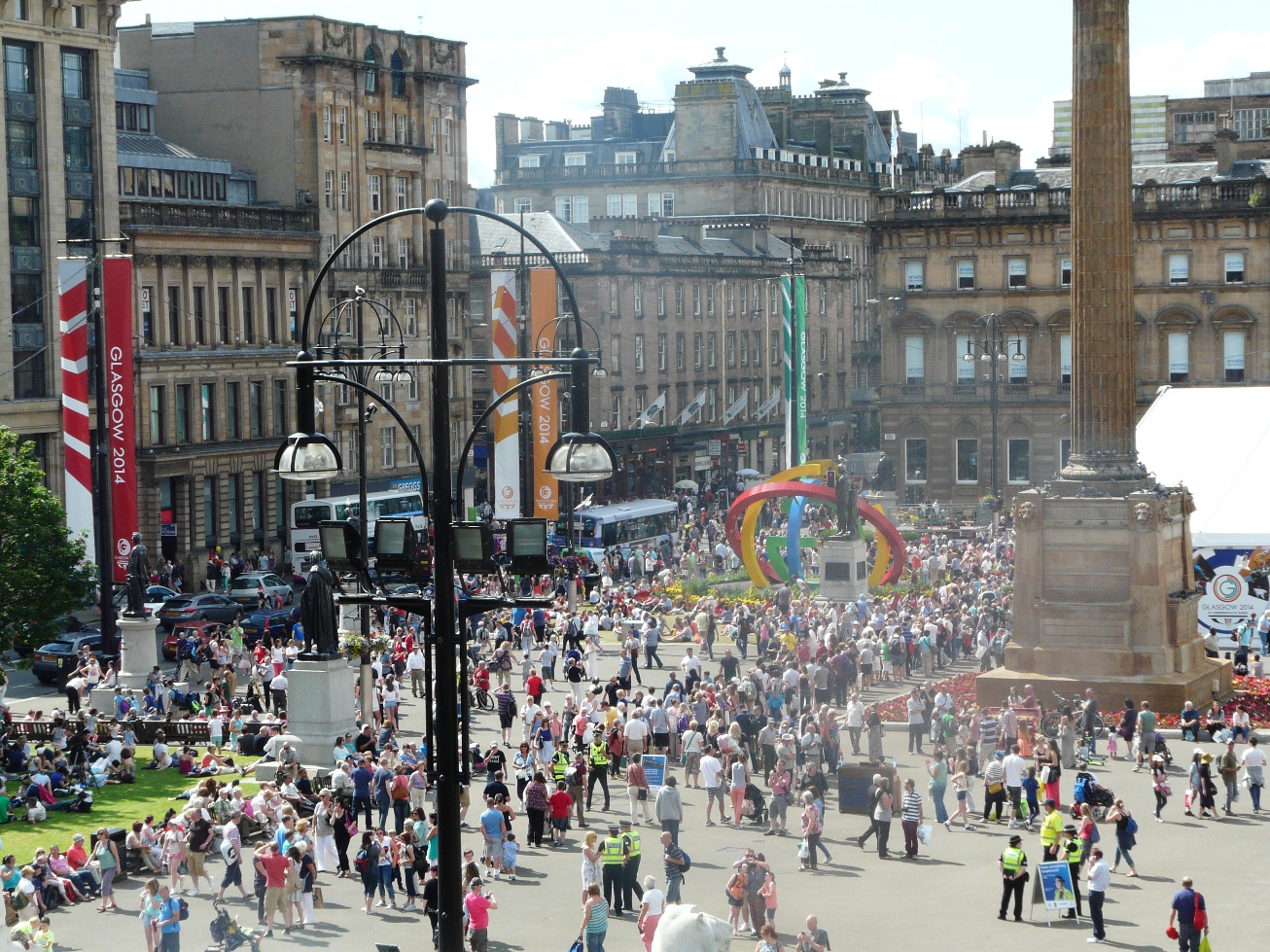
Glasgow 2014 awarded US$1bn of contracts, mostly local
Contracts totalling more than US$1bn (£669m) were awarded in relation to hosting the 2014 Commonwealth Games, Glasgow City Council announced on Friday.
The majority of these “Tier One” contracts were awarded to companies and organisations from Glasgow, which won over US$636 (£423m) of business.
More than three quarters (US$766m, or 510m) of the total value of contracts was awarded to Scottish firms.
As part of regeneration initiatives in Glasgow, Games-related contracts included community benefit clauses that created employment and business opportunities for local people and companies and led to the long-term unemployed and school leavers winning places on high-profile construction projects across the city, the Council said.
“It’s enormously heartening to read these hugely impressive figures about the jobs, apprenticeships and contracts gained by Glasgow people and businesses as a result of our Games,” said councillor Gordon Matheson, Leader of Glasgow City Council.
“We also retain the skills, facilities and enhanced international reputation that ensures we will continue to attract world-class events in the future.
“The world knows that Glasgow delivered the best Commonwealth Games there have ever been. But the Games were always about much more than 11 spectacular days of sport and cultural festival, however wonderful and memorable. What matters most are the lasting benefits for the people of Glasgow.”
In the run-up to the Games, the council and its partners engaged with the city’s communities and businesses through the Get Ready Glasgow programme, advising on Games-time operations and how local firms would maximise the opportunities available.
Glasgow City Council also provided supported for a huge range of organisations working on the Games through one-to-one sessions, specialist seminars and mass ‘Meet the Buyer’ events.
To bid for a Games-related contract, firms and organisations had to register on the Glasgow Business Portal. Over 22,500 registrations were made on Portal, with over 4,400 from Glasgow.
To ensure the long term sustainable legacy of these outcomes, the Glasgow Business Portal merged with the Scottish Government’s Public Contract Scotland (PCS) during November 2014, with the merger providing more efficient service for suppliers by ensuring all opportunities and sub-contracts for public bodies are advertised on one dedicated site.
The city council says it is now seen as a model in awarding public sector contracts. The £1.13bn Glasgow City Region City Deal, signed in August 2014, is viewed as another chance to deliver significant community benefit for Glasgow and the surrounding areas.
The council says its ambitious Commonwealth Apprenticeship Initiative has found Modern Apprenticeship places for almost 3,600 Glasgow school leavers over the past five years.
784 graduates have gained employment through the council’s Commonwealth Graduate Fund, 917 previously unemployed people living in the city have secured jobs through the Commonwealth Jobs Fund, and 321 people found jobs through the Commonwealth Youth Fund.
-
Generations For Peace soars up to 32 in NGO world ranking
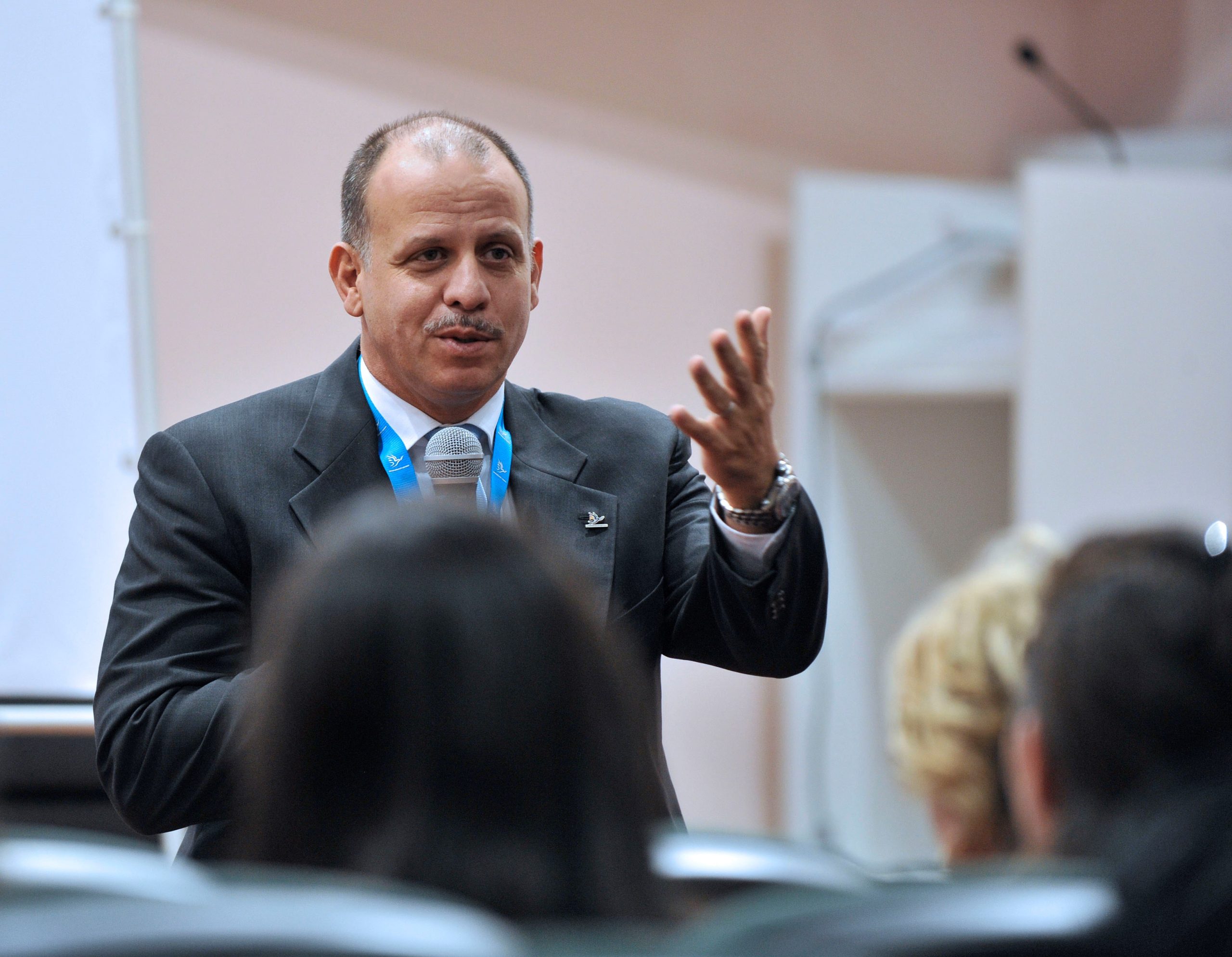
Generations For Peace, a charity that uses sport to promote peace, has been ranked 32nd in the “Top 500 NGOs” list for 2015.
The NGO, founded by IOC member for Jordan Prince Feisal Al Hussein, has climbed 62 places since the last ranking in 2014, making it the second fastest riser on the 2015 list.
The ranking, published by third sector media company Global Geneva, also places Generations For Peace second highest of any peace-building charity on the list.
NGOs are evaluated on their innovation, impact and sustainability.
“Generations For Peace has walked the walk in a very, very short period of time. We were just so impressed,” said Jean-Christophe Nothias, Editor of the ‘Top 500 NGOs’ list.
“Many NGOs previously ranked have gone down the ladder. Generations For Peace has moved up, from #94 to #32; the second-biggest progress of all.
“This ranking recognises Generations For Peace’s management, relative size, expansion and impact, and the overall philosophy of the very local anchoring approach.”
HRH Prince Feisal Al Hussein, Founder and Chairman of Generations For Peace said “I am extremely proud that the impact of our programmes in Jordan and around the world is receiving such global recognition.
“This outstanding ranking has been achieved through the extraordinary dedication of our Generations For Peace volunteers, inspiring and leading change through their efforts to promote peace, tolerance and respect in their own communities. And their success is shared by all our partners who are supporting us every step of the way.”
Generation For Peace also cited its strong relationships with key partners including the Olympic Movement, United Nations agencies (UNICEF and UNESCO), governmental donors including the Norwegian Ministry of Foreign Affairs, the U.S. Department of State and USAID as well as commercial partners like Samsung as a key factor in achieving this ranking.
Since its launch in 2007, Generations For Peace has trained and mentored more than 8,500 volunteer leaders of youth in 50 countries in the Middle East, Africa, Asia, and Europe, with programmes impacting more than 216,000 children, youth and adults.
“Less than eight years after being founded, it is moments like this which help us to recognise how far Generations For Peace has come,” said Sarah Kabbani, Co-Founder and President of Generations For Peace.
“This recognition motivates us all – our staff, our volunteers and our partners – to build on our success and expand our reach to more communities, in response to growing global demand for our programmes.”