[Source: GAISF] GAISF President Ivo Ferriani marked this year’s United Nations (UN) International Youth Day by calling on the global sports community to ensure the world’s youth have a voice in the development and future of sport.
Observed globally, International Youth Day provides an opportunity to celebrate and recognise young people’s voices, actions and initiatives, as well as their meaningful, universal and equitable engagement.
This year’s theme is “Intergenerational Solidarity: Creating a World for All Ages”. As part of strengthening intergenerational solidarity, ensuring that young people have a voice in decision-making mechanisms is vital in bridging generational gaps.
President Ferriani said: “Sport has a key role to play in the physical, mental and social development of young people, so it is key that the global sports community listens to their voice when guiding sport’s global development. By working collaboratively, we can help draw more young people to sport and increase participation to secure sport’s future.
“As an integral part of society, sport can also be a powerful intergenerational activity. At all levels older generations pass on their knowledge to young people, ensuring that younger generations can experience the joy of sport and benefit from an active lifestyle. In a time where solidarity and collaboration are more important than ever, it is vital that we harness sport’s role as a vehicle for promoting social cohesion among all ages.”
Category: City Development
-
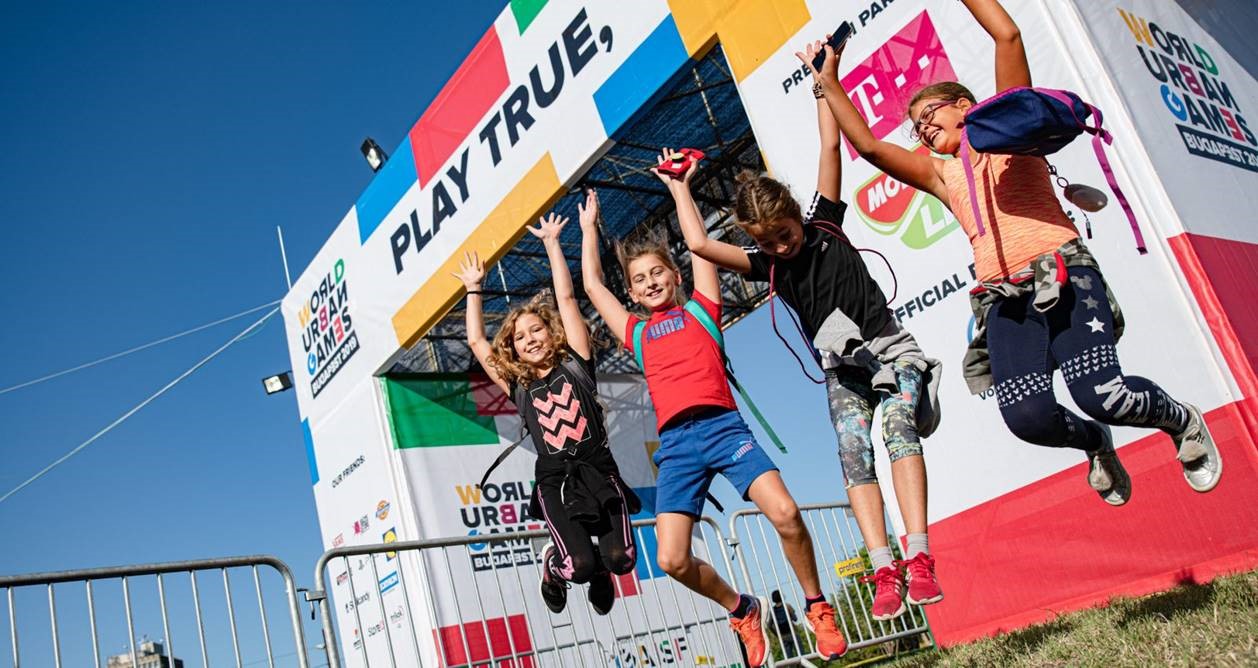
GAISF President Ivo Ferriani: Youth must have a voice in sport’s future
-
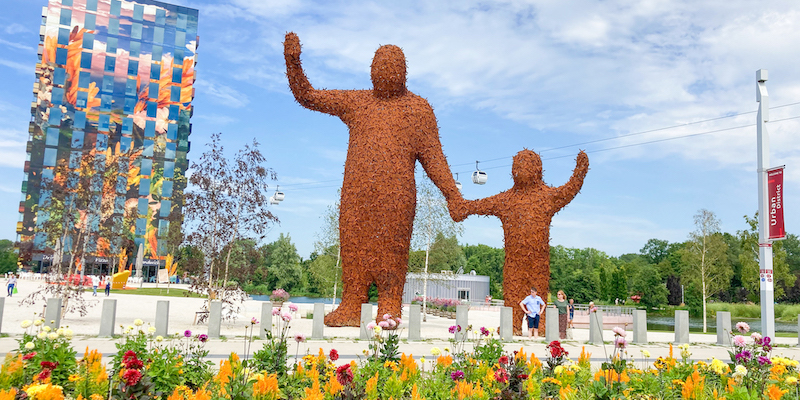
Floriade Expo 2022 Amsterdam-Almere draws to a close
[Source: BIE] Floriade Expo 2022 Amsterdam-Almere has closed its gates, after a lively final weekend marked by concerts, cultural shows and thematic events. Dozens of countries participated in the Horticultural Expo, which for six months showcased ideas solutions and innovations relating to the theme “Growing Green Cities”.
Floriade Expo 2022 – the seventh Horticultural Expo to be hosted by the Netherlands – took place on a 60-hectare site situated on the south side of the Weerwater in the new city of Almere in the province of Flevoland. Organised around an arboretum, a living catalogue of trees, plants and flowers arranged alphabetically, the site featured an array of remarkable structures and landscapes, including a 10,000m2 greenhouse complex, a bio-based bridge, the M. contemporary art installation, and the fully circular Natural Pavilion.
Floriade Expo 2022 brought together countries from around the world, with the participation ranging from Qatar’s ‘Desert Nest’ with 3D-printed dovecots and Belgium’s regenerative garden, to Suriname’s miniature jungle and Japan’s Satoyama landcape inspired pavilion. Alongside National Day celebrations and associated cultural events, the Expo was also host to a wide range of thematic seminars including the Floriade Dialogues, as well as educational programmes and industry events relating to horticulture, agriculture, and sustainable development.
The Secretary General of the Bureau International des Expositions (BIE), Dimitri S. Kerkentzes, indicated: “Addressing the need for cities and towns to be more sustainable and more in touch with nature, Floriade Expo 2022 Amsterdam-Almere has sparked debate and inspired new thinking in how to conceive healthier and environmentally conscious neighbourhoods. The green solutions presented at this Horticultural Expo are a vivid demonstration of the sustainable future that is possible when innovative thinking is put into practice”.
The CEO of the Floriade Expo 2022, Hans Bakker, stated: “Floriade Expo 2022 was characterised by its huge wealth of flowers and plants, but was also all about other ways of appreciating ‘green’, such as the actual ecosystems of trees and plants. Most important of the Expo was the expansion of the consciousness of very many people on the importance of a healthy living and working environment in cities for the future and this is what happened.”
Floriade Expo 2022 now enters its legacy phase, in which the site is set to become a sustainable urban district, ‘Hortus’, shaped by the greenery and values of the Expo. The site’s infrastructure and permanent buildings – including the Flores tower and the ‘green lung’ of the Aeres University buildings – mean the area will rapidly be transformed into a new neighbourhood of Almere.
Horticultural Expos have been recognised by the BIE since 1960 and are aimed at fostering cooperation and the sharing of knowledge and solutions between countries, horticultural producers and agricultural industry by addressing the paramount issues of healthy lifestyles, green economies, sustainable living, education and innovation. The Netherlands hosted the first Horticultural Expo organised under BIE auspices – Floriade Expo 1960 Rotterdam – and has organised subsequent editions, known as ‘Floriade’, in each decade since.
The next Horticultural Expo is being held in Doha, Qatar, under the theme “Green Desert, Better Environment”, between 2 October 2023 and 31 March 2024. -
AIPH World Green City Awards winners revealed
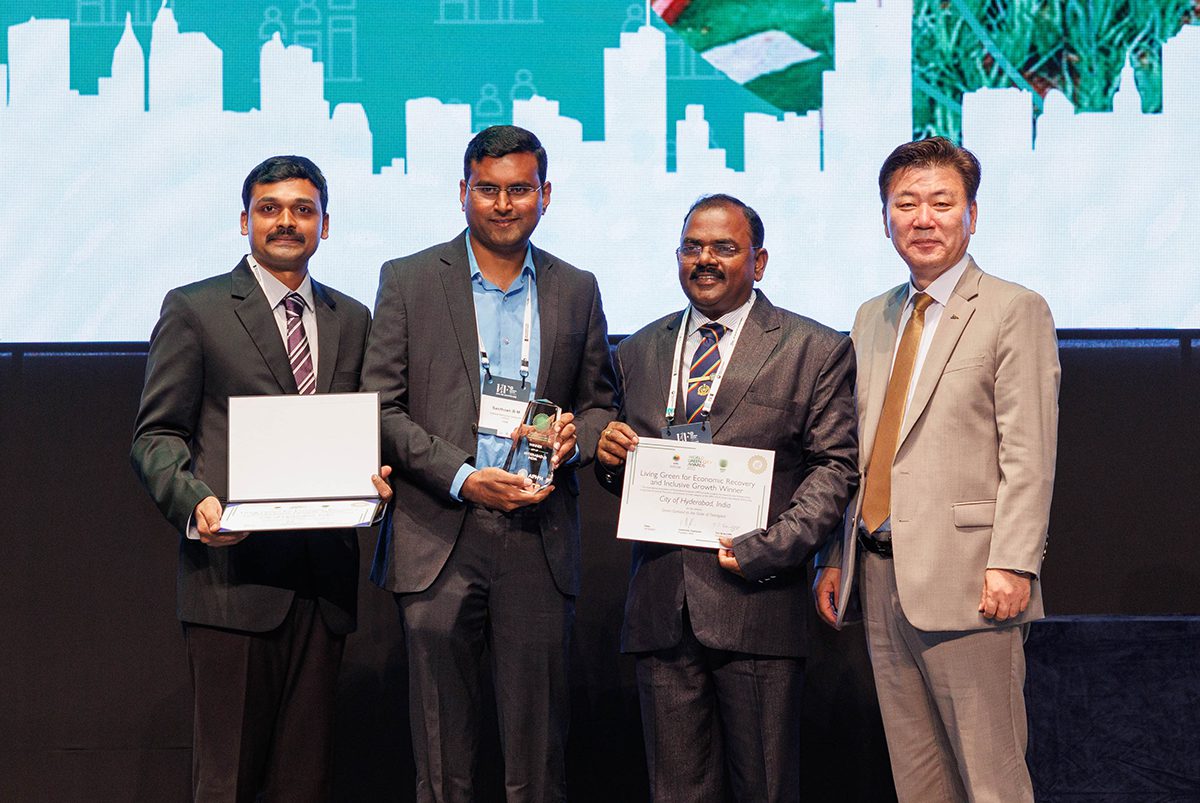
[Source: AIPH] AIPH is proud to announce the Winners of the AIPH World Green City Awards 2022. The announcement of the 6 Category Winners and the Grand Winner was made at a dedicated Awards ceremony which took place at a special gala dinner at the IUCN Leaders Forum in the Self-Governing Province of Jeju, Republic of Korea on 14th October 2022.
The most prestigious award of the Inaugural 2022 edition, the Grand Winner, was presented to the city who was voted by the Jury to demonstrate the highest capacity for influence, replicability, and scope to inspire change in their entry. In making their decision, members of the Jury were invited to consider the following question:
“The AIPH World Green City Awards 2022 enables winning cities achieve greater recognition for their inspiring initiatives – in light of this, which entry do you feel may have the biggest transformational impact?”
It is AIPH’s great honour and privilege to present the award for the Grand Winner of the AIPH World Green City Awards 2022 to: The City of Hyderabad, India for their entry titled “Green Garland to the State of Telangana”
On behalf of the network of partners for the AIPH World Green City Awards 2022, AIPH congratulates the City of Hyderabad for receiving this incredible accolade!
View the case study of the Grand Winner here.
“AIPH celebrates this fantastic achievement for the City of Hyderabad. We are proud to showcase their inspiring urban greening work. With this global recognition, we can confidently say that Hyderabad is a world leader in nature-oriented approaches to city design, form, and function,” says Mr. Tim Briercliffe, Secretary General, AIPH. “The innovation, ambition, and inspiring action demonstrated in the City’s entry leaves a powerful legacy for other cities from around the world to aspire to.”
The Grand Winner was selected from the list of six Category Winners, who each took home the trophies in recognition of their achievement. AIPH and partners proudly present the six Category Winners as follows:
Living Green for Biodiversity: Reverdecer Bogotá, Bogota D.C, Colombia
Living Green for Climate Change: Mexico City’s Environmental and Climate Change Program, Mexico City, Mexico
Living Green for Health and Wellbeing: Transforming degraded land into Urban Micro Parks, City of Fortaleza, Brazil
Living Green for Water: The Phytotechnology Stations at the Montréal Botanical Garden / Space for Life, City of Montreal, Canada
Living Green for Social Cohesion: OASIS Schoolyard Project, City of Paris, France
Living Green for Economic Recovery and Inclusive Growth: Green Garland to the State of Telangana, City of Hyderabad, India
“The AIPH World Green City Awards recognise inspiring leadership and successful action on the key issues that face cities in being sustainable, and delivering for nature, climate and people,” says Dr Bruno Oberle, Director General of IUCN. “The breadth of action being taken by the winners shows the crucial role healthy ecosystems have in providing the solutions that cities need to thrive far into the future.”
All eligible entries were assessed and scored, and the winners selected through a two-stage judging process. Following the first round of judging by the Technical Panel, a list of 18 Finalists was delivered to the world-renowned 2022 Awards Jury. The Jury, in the second stage of judging, was tasked with voting for a winner in each of the six categories, and then selecting the Grand Winner from these six Category winners.
All 18 finalist cities were presented with Highly Commended certificates and six more cities were presented with Certificates of Merit at the Awards ceremony. Case studies from all finalist cities, including the category winners, are available in the AIPH Green City Case Study Library.
This highly anticipated announcement of the 2022 winners, AIPH and partners bring the inaugural edition of the world’s first global Green City awards to a close. The resounding success of the 2022 edition has set the stage for the AIPH World Green City Awards 2024. AIPH and IUCN also announced a new collaboration to support the 2024 Awards at the 2022 ceremony in Jeju. The 2024 edition will see AIPH and the growing network of partners recognise and celebrate the work of an even broader variety of inspiring cities from around the world who are champions for the power of plants and nature.
To express your city’s interest in entering and to be informed when entries open for the AIPH World Green City Awards 2024, click here.
To receive the latest news on the AIPH World Green City Awards and other Green City activities, AIPH invites you to subscribe to the AIPH Global Green City Update here.
Thank you to category sponsors Expo 2021 Hatay and Biblo for their support of the inaugural AIPH World Green City awards.
AIPH is also grateful to the network of partners for their ongoing support – Biophilic Cities, Cities & Health, CitiesWithNature, European Federation of Green Roof & Green Wall Associations (EFB), The Global Taskforce of Local and Regional Governments (GTF), Greener Spaces Better Places, #NatureForAll, Salzburg Global Seminar, The Nature of Cities (TNoC), Trees for Cities, United Cities and Local Governments (UCLG), Urban Biodiversity Hub (UBHub), World Urban Parks, Youth AIPH Announces Winning Cities for the AIPH World Green City Awards 2022. -
Florida’s sports industry provides $146.5bn in economic impact
[Source: Florida Sports Foundation] The Florida Sports Foundation announced its recently commissioned study found the total economic impact of the sports industry on Florida’s economy amounted to $146.5 billion in Fiscal Years 2019-20 and 2020-21.
CLICK HERE for the direct link to the full $146.5 Billion Economic Impact Study.
The report, conducted by the independent research firm Tourism Economics, also showed that the billions injected into the economy by sports supported 978,200 part-time and full-time jobs on an annual basis and generated $13.9 billion in state and local taxes.
“We applaud the Governor for the extensive steps he has taken to ensure Florida has remained open for sports throughout his administration,” said Angela Suggs, President and CEO of the Florida Sports Foundation. “The findings of this report show the wisdom of the Governor’s strategy to prioritize access to golf courses, beaches, hiking trails and other recreational venues.”
Amateur and leisure activities were the largest contributors to Florida’s sports economy over the course of the study. This category, which includes golf, hunting, fishing, and other recreational activities, accounted for $113.6 billion in total economic impact. Within the amateur and leisure activities category, golf was the largest contributor, generating $44.2 billion in impact.
Other highlights of the report include:
• Florida’s sports industry accounted for nearly 28.1 million non-resident visitors to the state, representing 14 percent of all Florida tourism.
• Professional sports accounted for $10.2 billion in economic impact, while college athletics contributed $5.5 billion in impact.
• The efforts of the state’s 36 sports commissions, supported by the Florida Sports Foundation, generated $24.9 billion in total economic impact.
About the Florida Sports Foundation
The Florida Sports Foundation, a 501(C) 3 non-profit corporation, is the official sports promotion and development organization for the State of Florida. It is charged with the promotion and development of professional, amateur, recreational sports, and physical fitness opportunities that produce a thriving Florida sports industry and environment. With a seemingly endless list of sporting ventures and venues, the Florida Sports Foundation strives to promote Florida’s unique sports industry. The Foundation’s staff is dedicated to serving the needs and interests of Florida’s sports community and assists with all questions concerning Florida sporting activities and issues.
To create the thriving sports industry and environment, the Florida Sports Foundation:
• Provides grants to support sporting events that bring out-of-state visitors to Florida;
• Produces and distributes annual golf, fishing and boating, and baseball spring training guides for both in-state and out-of-state tourists; and
• Organizes the annual Sunshine State Games, an Olympic-style festival for Floridians of all ages, and the Florida Senior Games State Championships for senior athletes, age 50 and over.
About Tourism Economics
Tourism Economics is an Oxford Economics company with a singular objective: combine an understanding of the travel sector with proven economic tools to answer the most important questions facing our clients. More than 500 companies, associations, and destination work with Tourism Economics every year as a research partner. We bring decades of experience to every engagement to help our clients make better marketing, investment, and policy decisions. Our team of highly-specialized economists deliver:
• Global travel data-sets with the broadest set of country, city, and state coverage available.
• Travel forecasts that are directly linked to the economic and demographic outlook for origins and destinations
• Policy analysis that informs critical funding, taxation, and travel facilitation decisions
• Market assessments that define market allocation and investment decisions. -
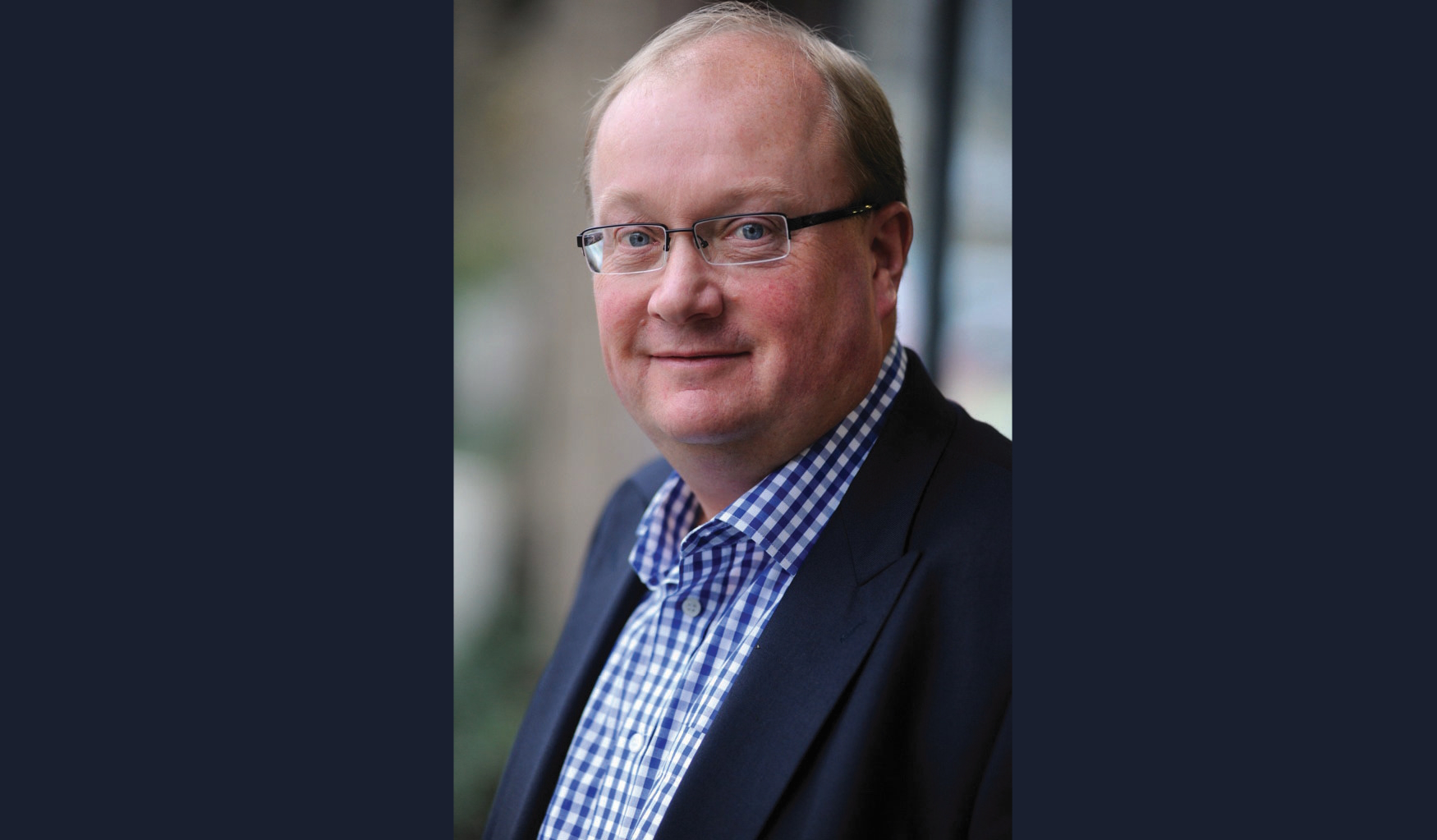
How to be a world-leading destination in a changing events landscape
Host City: The theme of this year’s conference is ‘Driving and reacting to change’. Can you share some thoughts about how the events industry in Scotland is both responding to and proactively evolving in a rapidly changing landscape?
Paul Bush: Following the events of the last few years, we all find ourselves living in a new world that has seen us all having to drive and react to the change brought on by local, national and global events. The impact of Covid, Brexit and the global economic crisis have required us all to respond in different and innovative ways as these events impact on our industry.
The events industry is a dynamic ecosystem where adaptability and external influences are vital for success. We regularly have to respond to emerging trends and challenges, none more so than recently. In addition to the above, we are faced with change across a range of areas including technology, regulatory compliance, commercial revenue streams, funding landscapes, safety and security and consumer expectations. All of these are forcing the need to be more creative, flexible and to make some difficult decisions in some cases.
In Scotland, our national events strategy, Scotland the Perfect Stage, has ensured we have been well placed to respond to this rapidly changing landscape. First published in 2008, it has been the cornerstone of much of the country’s success over the last 20 years, helping us develop into a world leading events destination that has attracted and delivered some of the world’s biggest events alongside supporting our enviable portfolio of annual events and festivals.
Our recent successful hosting of the 2023 UCI Cycling World Championships is just one of the many great examples of this over this time. Awarded to Glasgow and Scotland in 2019, we were the UCI’s choice to host the inaugural event based on the unrivalled success of our events sector at hosting world-class events along with our existing built and natural environment infrastructure that we had been developing for a number of years. Of course, with a mega-event of this scale we had to adapt, be flexible and respond to a range of global and UK challenges but our experience stood us in good stead to ensure we were not overwhelmed by them.
While we continue to face challenges, especially in relation to the events workforce and supply chain, the national events strategy has allowed Scotland to successfully establish a global reputation for excellence in event delivery that is supported by a strong and dynamic events industry that is able to respond to and evolve to the changing events landscape to ensure we continue to produce a world-class portfolio of sporting, cultural and business events.
Host City: There is currently a review of Scotland’s national events strategy ‘Scotland the Perfect Stage’ that will extend its term to the end of 2035. What were some of the key priority areas coming back in terms of response to the public strategy consultation which took place earlier this year?
Paul Bush: The strategy was last updated in 2015 to cover the period between 2015 and 2025. Following the wide-scale global challenges across last few years, now is the right time to review and update the strategy to provide a renewed strategic focus for all involved in any aspect of planning, securing, supporting and delivering events of all sizes in Scotland between 2025 and the end of 2035.
In March, the Scottish Government launched a 14-week public consultation to get views on the strategy. The consultation, which saw 102 responses to the online survey and feedback from more than 220 participants at the regional engagement and sector workshops, highlighted a number of key priority areas including boosting the economy and enhancing wellbeing and community engagement. These were considered to be the most important strategic priorities for events over the next 10 years.
Other priorities include ensuring there is legacy and clear benefits for the local community when hosting mega events as well as maximising skills development opportunities around them. A greater focus on equality, diversity and inclusion was also highlighted, and 61% of respondents also thought the events sector is an attractive place to work so again; this is an area where we need to continue showcasing the benefits of the sector.
Host City: Looking to the future, what does success look like for Scotland in terms of the refreshed strategy?
The national events strategy has already helped Scotland achieve so much. It has been the cornerstone of our success of the last 20 years, helping bring major events from the 2003 and 2014 MTV Europe Music Awards, the 2014 Commonwealth Games and the 2014 Ryder Cup, to the 2019 Solheim Cup, UEFA EURO 2020 and COP26. It has also supported the continued development of a range of annual events including the Edinburgh Festivals, Wigtown Book Festival, The Royal National Mod, and Paisley Halloween.
Looking to the future, success for Scotland in terms of the strategy will be ensuring we have a financially robust and sustainable events sector that delivers both significant economic and social benefits for the country. It will also continue to help showcase Scotland, its values and its assets to a global audience, while also contributing positively to the physical, mental and social health and wellbeing of its people and communities.
Few industries have the impact events do and in Scotland our events programmes drive collaboration, innovation and strong impacts against a wider range of Scottish Government policy areas. The key to continued and future success will be ensuring we better demonstrate the value and impact they bring, especially around sustainability, EDI (equality, diversity and inclusion), and health and wellbeing.
Events also provide a range of employment possibilities, and we therefore must ensure it continues to be an attractive sector to work in that fairly rewards its workforce with regards to pay, conditions, security and opportunities if we are to continue to be the perfect stage for events.
Host City: This is your 11th Host City, what are you looking forward to this year and what can people expect to hear from you?
Paul Bush: First of all, we are delighted to once again be a Global Presenting Partner for this year’s event. It takes a huge effort to attract, secure and plan a two-day conference of this scale so a special thanks to all those involved so far. Host City is always a great opportunity to meet with colleagues from around the world and share learnings and new ideas from the last 12 months, as well as look to the future.
Once again there is a great agenda across the two days with some really interesting topics being covered including AI, monetisation, sustainability, EDI (Equality, Diversity and Inclusion), and event delivery, all of which continue to be at the forefront of our thinking as an industry.
I look forward to seeing everyone in Glasgow at the Technology and Innovation Centre on the 20 to 21 November.
Host City 2023: Register here: https://www.hostcity.com/host-city-2023/register -
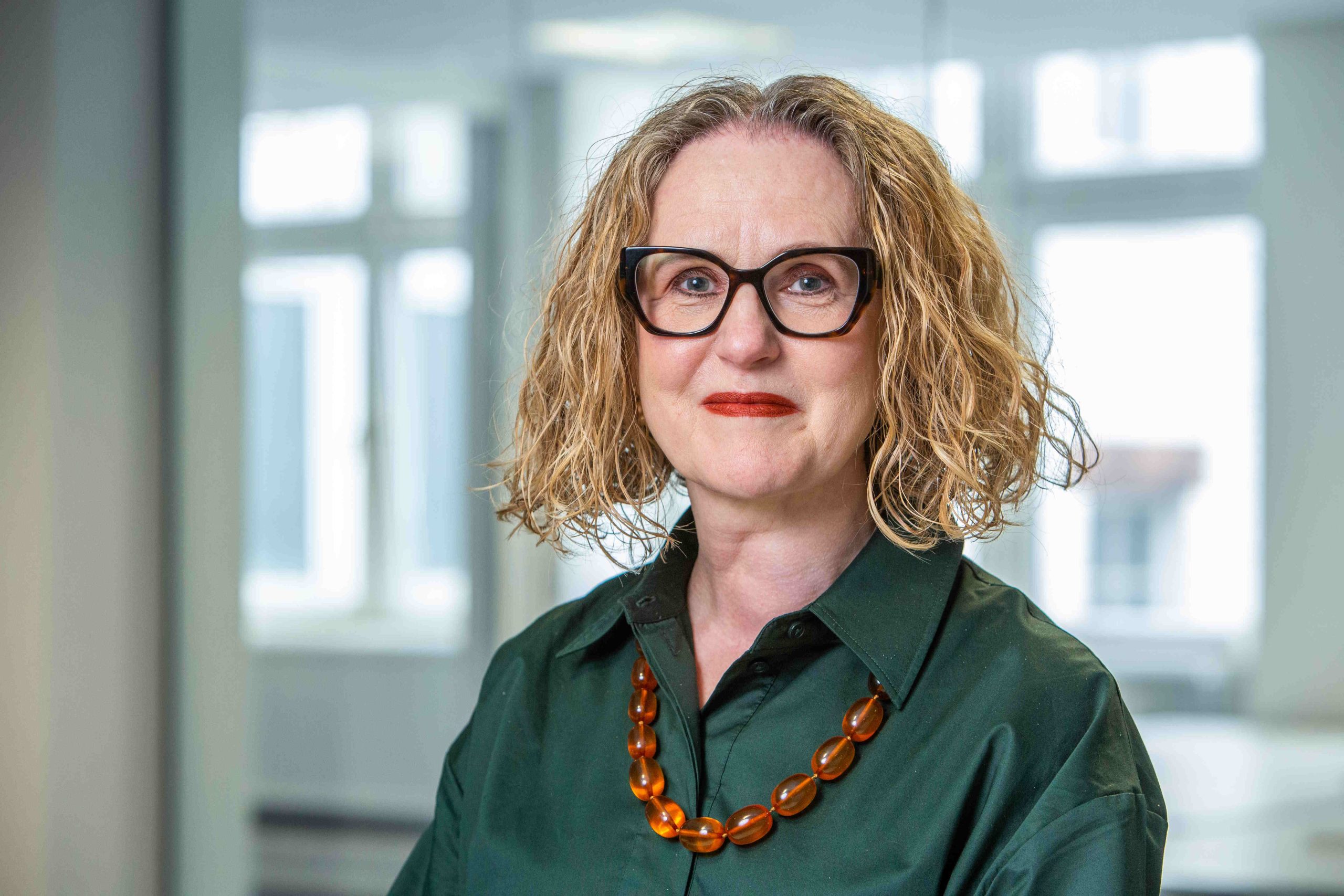
Glasgow: the perfect host city for international events
Host City: The events landscape is increasingly competitive, and in the current financially challenging environment, why does Glasgow continue to host major events?
Susan Deighan: Glasgow has an immensely strong record of delivering some of the world’s biggest events, from the Commonwealth Games to COP26, and, this year, the inaugural UCI World Cycling Championships. These significant world events contribute to the city’s economy and identity and over the last decade Glasgow has cemented its reputation as the perfect location for international events.
Yet every bid is rooted in the local. Each decision to bid for or host a major event rests in Glasgow’s policy ambitions. While traditional economic benefits are still key, increasingly the focus is on creating a tangible, worthwhile legacy for the city and its communities.
We believe that the city’s events programme provides the people of Glasgow with the opportunity to benefit in the longer term, from the enhanced opportunities for participation leading to improved health, and wellbeing outcomes.
Major events can be a catalyst for change in societal behaviours, and aligning with local aims to encourage a healthier and more active population has countless benefits.
Take this summer’s Cycling events and their long-term impact. The city of Glasgow is committed to improving access to cycling for all, to active travel, to volunteering, to becoming a healthier, happier, and more sustainable city. For Glasgow, the UCI Cycling World Championships were an incredible opportunity to change a great city for the better.
As a world-leading festival and events destination, Glasgow is capitalising on major events to generate global exposure, developing, and promoting the city’s enviable international brand, People Make Glasgow. In addition, it is a driver for generating positive social impacts. We have recently recruited our first Social Impacts Development Manager, who is responsible for developing and evidencing positive outcomes for local communities and ensuring this is part of our event planning process.
Host City: The theme of this year’s conference is Driving and Reacting to Change. Is Glasgow an innovative city?
Susan Deighan: As you touched on, Glasgow is operating in an increasingly competitive environment, I think this has encouraged us to draw attention to Glasgow’s USP.
In recent years Glasgow has, in partnership with others, created brand new events. In 2018 Berlin and Glasgow successfully co-hosted the inaugural European Championships. In August, Glasgow was at the centre of the biggest cycling event in the world, when it welcomed the first-ever UCI Cycling World Championships to Scotland.
Glasgow is a trailblazer; some might say a disruptor. From scratch, we have created completely new major events, which have succeeded and have gone on to be hosted elsewhere. We have an enviable reputation for being a successful host city, making Glasgow a stand-out candidate when international sport bodies are considering where to host their event. They can look at our innovative events history and trust Glasgow to deliver confidently and expertly.
Host City: Continuing to consider reacting to change, how might evolving audience attitudes drive change for host cities?
Susan Deighan: Glasgow has welcomed the Host City Conference to our city for nine years. It returns to Glasgow again this year because we use this gathering of leading destinations, rightsholders and organising committees as an opportunity to pose and discuss the tough questions facing our industry.
This year we will focus on driving and reacting to change. I am confident issues such as what is important to Gen Z will be tackled. How will environmental values push major events to drive innovation through sustainability initiatives, which in turn push governments on towards net zero targets.
Glasgow’s approach to this, across the range of events the city hosts, has led to our ranking 8th in the world on the Global Destination Sustainability Index. The ranking positions Glasgow as the first city out with Scandinavia, and the only UK city, to appear in the top ten, maintaining this will be key when hosting future events.
Will the rise of the mega event continue or will joint pan-destination bids like the UK and Ireland’s Euro 2028 become the new norm in international sporting events? Should the historical significance of an event be enough to guarantee its continuation? Continuing to deliver successful events will rest on being brave enough to challenge the status quo.
Given changing tastes, landscapes, and attitudes, we must consider, adapt, and respond to what makes an event relevant to its audiences.
Host City: Equality, diversity and inclusion are increasing buzzwords; has Glasgow made a genuine effort to influence a shift in the events the city has hosted?
A: Yes. I have watched Glasgow flourish by committing wholeheartedly to the transformative power of investing in culture and sport for all. The city has hosted an amazing array of civic events, from the Garden Festival in 1988 and City of Culture in 1990 to the UEFA Champions League Final in 2002 and the opening of the Hydro in 2013, the incredible 2014 Commonwealth Games, the UN Climate Change Conference in 2022 and, this summer, the UCI Cycling World Championships.
This year Glasgow is celebrating soaring up the annual World’s Best Cities Report from 93rd last year to 61st, second in the UK after London, and our role as European Capital of Sport. I think one of the reasons we were the first city to be awarded this accolade for a second time is because we recognise that sport can be an immensely powerful way of bringing diverse communities together. It inspires passion, engagement, and identity like few other things.
At Glasgow Life we believe access and participation are universal rights, which can have profound lifechanging impacts.
For these reasons we are pleased to have worked with UCI to combine all para-cycling events into the main competition programme at this summer’s World Cycling Championships. We support equal prize money for men and women and, personally, I was incredibly proud to watch the elite women’s road race bring eleven days of outstanding competition to a close in Glasgow this summer.
Host City: Looking at evolving sports and formats, what does the future of events in Glasgow look like?
Susan Deighan: 2024 is another significant year as we prepare to be in the international spotlight again with World Athletics and the World Irish Dance Championships.
History and experience continue to deepen my belief that major events have the power to change people’s behaviour at a societal level.
As competition to host events increases from across the globe, and while the financial situation at home remains challenging, it is important we take stock.
In this time of change, Glasgow continues to collaborate with partners and is currently developing a new events strategy. As an innovative host city, with a successful record of reacting to change, Glasgow will respond to the enlightening, exciting and inventive ideas emerging from these discussions, to ensure Glasgow remains at the forefront of event organisers’ go-to cities when deciding on a host city.
Register for Host City 2023 here: https://www.hostcity.com/host-city-2023/register -
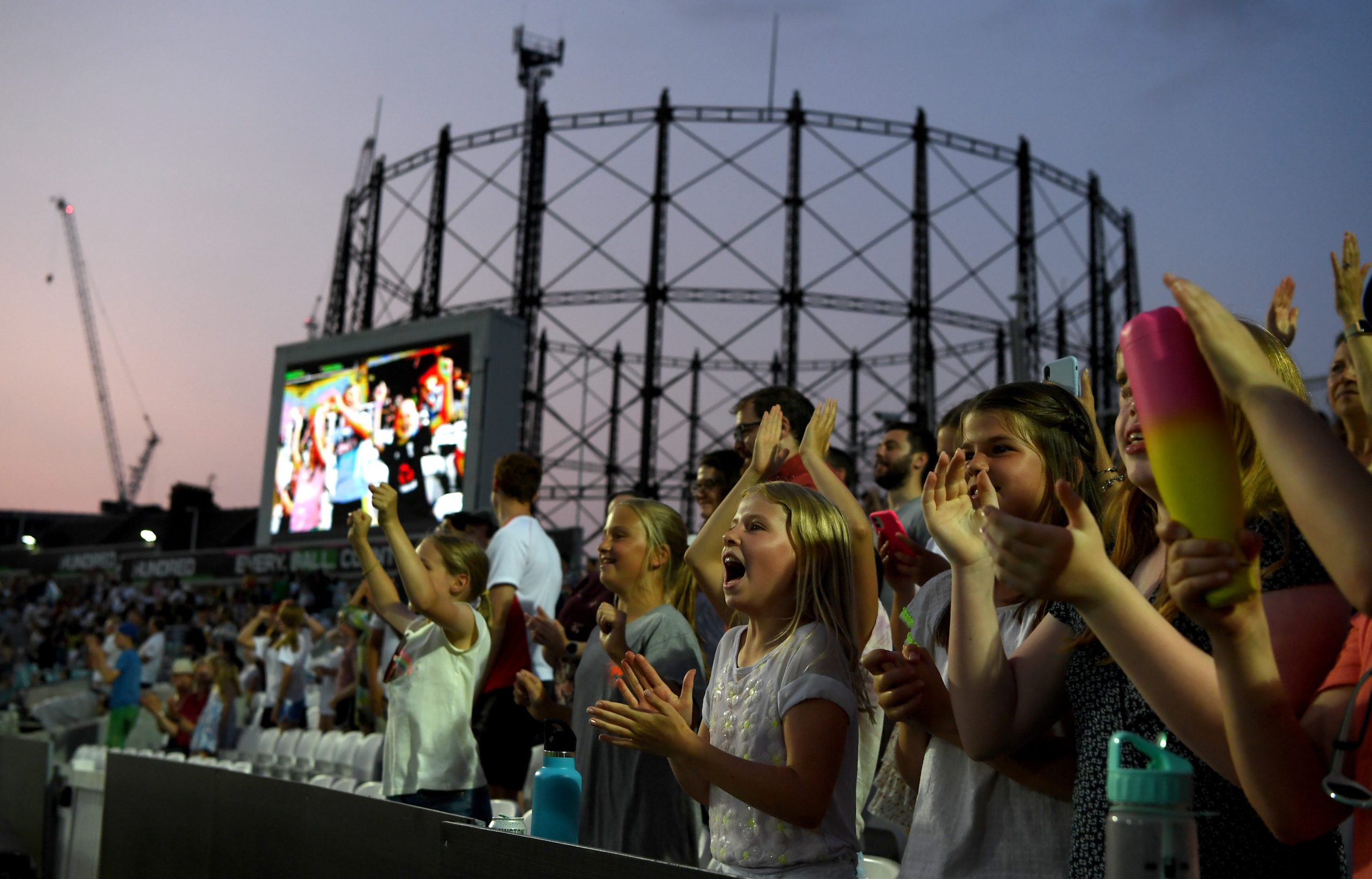
People who became sports fans before 14 are healthier and more sociable, research finds
[Source: Two Circles]: Most sports followers become fans by the age of 14, with those that find sport early more likely to exercise every week, engage in social groups and spend money on sport, according to new analysis from sports marketing agency Two Circles.
Over the past 10 years, the global value of sports rights has grown by 50%, a stratospheric period of growth fuelled by more sports fans in the world than ever before.
With 4bn sports fans by 2032, the global value of sports rights could experience near 50% growth once again over the next decade, with those who know their fans best set to be the biggest benefactors.
To help sports navigate an increasingly competitive landscape Two Circles has conducted a deep-dive analysis into this topic, informed by 1bn+ data records, the 500m+ fans Two Circles speak to daily and listening to 30k+ stories of fan origination and rejection around the world.
Among the key findings are five ‘Foundations for Fan Origination’:
The Made by 14 Principle: A Window into Youthful Enthusiasm
Nearly 50% of sports fans are created by the age of 14 and they are more passionate, engaged, valuable and active as a result. While relatively consistent around the world, UK and Switzerland created fans younger than most, with 57% of fans ‘made by 14’, while India has older new fans, with just 35% ‘made by 14’. However, when it comes to cricket that number rises to nearly 50% – with the majority of each country’s most popular sports attracting fans at a younger age around the world.
Fans made by 14 are also significantly more valuable to the sports they follow. Globally, compared with fans made later in life, they are 24% more likely to declare themselves highly passionate, 98% more likely to consume a sport daily, spend $1.88 for every $1 spent by other sports fans on following sports and 26% more likely to do 150+ minutes of exercise per week.
Sharing Strengthens: Sport Fosters Communities, Both Digital and Real
Being a sports fan is not only about personal connection but is often a communal experience. If no-one in your social network is a highly passionate sports fan, you’re only 12% likely to be highly passionate about that sport. If only one of your social groups shares that interest, the probability doubles from 12% to 24%.
If you are surrounded by a network of highly passionate sports fans that probability leaps to nearly 80%, highlighting the pivotal role that sharing a sports passion can play within immediate peer groups.
Heroes & Teams: Navigating the Evolving Fan Landscape
While team loyalty remains robust, a notable shift has occurred. Generation Z is now almost twice more likely than any other generation to be drawn to sports by individual athletes. This type of following, however, is not at the expense of the formation of team allegiances, with 51% of Gen Z fans identifying as supporters of particular teams, compared to 50% of Millennials and 45% of Gen X fans.
Crucially, the insight indicates that younger generations are declaring their allegiances to teams in equal numbers as before, and team-based fandom has the same impact on behaviour – Gen Z fans are three times more likely to watch a sport live weekly if they support a team. They might come for the athlete, but they stay for the community.
This nuanced dynamic means sports organisations must balance between promoting individual athletes and team identities in order to capture the hearts of young fans.
New Origination, Same Retention: Adapting to Changing Fan Preferences
The emergence of online platforms gaming, sports documentaries, and social media have all changed how sports organisations engage their fans. But watching live television broadcasts is still the key driver, where 40% of all fans begin their relationship with sport.
However, fans created after 2000 have shown a preference for storytelling and on-demand content, marking the shift from the live sports preferences of previous generations.
Despite immersive media like gaming and docuseries being three times more likely to create fans later in life, live and on-demand media will remain key to passionate fandom.
Understanding. Caring. Belonging: The Pillars of Fandom
People don’t just “not like” a sport. They need to understand, care and belong. Simplifying rules, enhancing accessibility, and harnessing a sense of belonging will become the cornerstones of fostering fandom.
Cricket’s The Hundred is cited as a prime example, with a ‘lack of understanding’ seen as a key barrier to the sport. As The Hundred has shown, by breaking down barriers, fandom can be built at younger ages and in more inclusive ways.
Understanding the sport, genuinely caring about outcomes, and providing a platform where fans feel represented and valued are fundamental. Addressing these elements not only nurtures fandom but also bridges the gap for potential fans, creating a vibrant, inclusive sports community which in turn encourages more positive fan behaviour.
Gareth Balch, CEO & Co-Founder, Two Circles said: “We are aspiring to create more sports fans, which will always be worthy of deeper, considered analysis.
“Our mission is to build a better future for the sports industry, and by understanding the profound impact of youthful passion, shared connections, evolving fan preferences, and a sense of belonging, we are shaping a roadmap for sports organisations to foster enduring fandom and flourish in the future.”
For in-depth analysis and a comprehensive overview of the study, click here. -
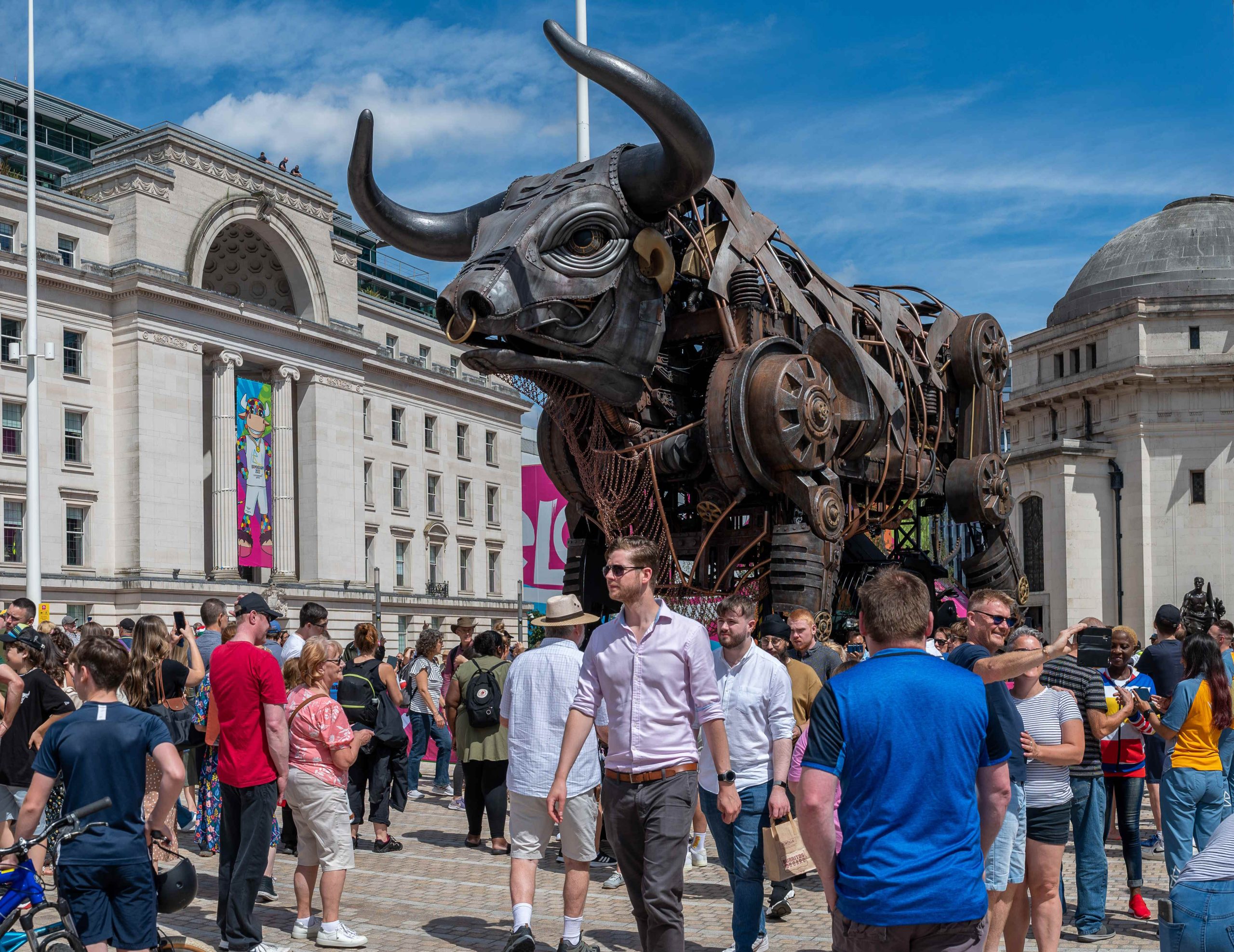
Designing the future of major sporting events in the West Midlands
The economic benefits of hosting major sporting events
When BBC News interviewed an Australian tourist in the heart of Birmingham city centre during the 2022 Commonwealth Games and received the response…
“It is totally different to how I expected it. I expected it to be industrial and horrible buildings. And it is amazing. I didn’t expect it to be so multi-cultural. I’ve loved it.”
…in one soundbite, it perfectly hammered home the importance of hosting major sporting events. They change perceptions, they get people talking about an area, and they encourage visitors to explore and enjoy a destination, and return.
Just as importantly, though, is the fact that big domestic and international major sporting events and championships equal big business for a city and region. You only have to look at a 2021 report ‘The impact of major events on London’s economy’ by London & Partners and Hatch to appreciate the huge benefits that sporting spectacles can bring.
Between 2017-20, England’s capital city hosted 757 events, including 305 sporting events, which brought an injection of £2.51billion into its economy, including £2.27 billion in visitor expenditure on items such as accommodation and food and drink.
Sport overall is a significant player in the UK economy. It contributed £48.9billlion gross value added (GVA) pre-pandemic, accounting for 2.6% of the UK total (source: The Power of Events).
The role of the 2022 Commonwealth Games and the Business and Tourism Programme
The wonderful celebration of sport and culture served up by the Birmingham 2022 Commonwealth Games played a huge role in stimulating the West Midlands’ visitor economy as well as the sports economy and supply chains.
It is not just about sports events and tourism, of course. The success of Birmingham 2022 and the results of the Business and Tourism Programme (BATP) – the first of its kind to be aligned to a Commonwealth Games – demonstrate that there is a much broader impact of hosting major sporting events on business growth, inward investment, jobs and skills.
In the 2022/23 financial year, the West Midlands attracted more foreign direct investment projects than Scotland and Wales combined, and bucked the national trend of a decline in FDI-related jobs.
Soft power
As the post-pandemic race to attract more major sporting events hots up, we are increasingly seeing evidence of ‘soft power’ playing a major part. The notion of a region’s ability to win sporting bids not through coercion or payment, but through the attraction of its culture, initiatives, values and policies, has the potential to boost the UK’s economy by at least £4billion by 2030.
That’s according to EY’s ‘The impact of major sport events: Study of soft power, trade and investment impacts’ report, which used Birmingham 2022 as a case study to highlight the event’s wider benefits for the West Midlands and UK.
The Games showcased “the UK as a leading economy and player within the Commonwealth that is open for business post-Brexit” and promoted “important agendas such as equality and sustainability”. The event also helped to build, leverage and reinforce vital relationships on a regional, national and international scale to “showcase industry and commitment to air quality”, “capitalise on Commonwealth connections”, “generate the feel-good factor seen at London 2012 and Glasgow 2014” and “work with embassies, DIT (now DBT) and VisitBritain (to deliver international tourism)”.
The French novelist Marcel Proust once wrote “The real voyage of discovery consists not in seeking new landscapes but in having new eyes” and hosting the Commonwealth Games has given the West Midlands and its people a new-found confidence and can-do attitude.
We told a story of welcome, inclusion and rebirth, which helped to change our self-perception of what we can achieve. We were – and continue to be – driven by purpose and impact, and are guided by our values to be innovative, youthful, inclusive, diverse and collaborative.
We have always said that last summer’s sporting spectacular must represent a starting point and not the finish line, and we are starting to build from that strong foundation in 2022 to create an exciting decade of opportunity. That means capitalising on the West Midlands’ venues and infrastructure – which, when combined, rival any city region in the world.
These range from shining new venues like Sandwell Aquatics Centre to Birmingham’s Alexander Stadium. The region also boasts iconic sporting settings like The Belfry and Edgbaston Stadium, and world-class arenas such as the NEC, Resorts World Arena and Utilita Arena. Its Premier League and EFL stadiums Molineux, Villa Park, St Andrew’s, The Hawthorns, Coventry Arena and the Bescot Stadium regularly host domestic and international football fixtures.
Across the West Midlands region, not only do we have the infrastructure, we have the passion, knowledge, experience and expertise to welcome and host events of any size or duration, and our efforts are starting to gain recognition.
Having appeared for the first time in the prestigious BCW Ranking of Sports Cities in 2022, Birmingham has improved its ranking to 33rd this year. In a new report by Quantum Consultancy and Durham University Business School, Birmingham is the top English sporting destination for event hosting – highlighting the attention that the city has gained from athletes, fans and sports organisations on a global scale.
The SportAccord summit
Winning the right to host the prestigious SportAccord World Sport & Business Summit at the ICC next April – bringing together senior policy and decision makers from the top tier of world sport – has the potential to increase the West Midlands’ ranking among global major sporting event destinations even higher.
You only have to look at the numbers. We anticipate more than 1,500 international sports leaders and key decision makers to come together for six days in Birmingham and across the West Midlands, and it’s crucial that we put on a show for organisers and delegates.
In the lead up to, during and after hosting the summit, we will have direct access to the unique network of global sporting organisations that SportAccord represents – from the highest levels of the International Olympic Committee (IOC) through to 15,000 individual sporting federations and an estimated 50,000 event properties.
The most successful previous hosts of SportAccord – including the Gold Coast in 2019, which is now set to play a key role in the Brisbane 2032 Olympic and Paralympic Games – have leveraged this network and developed new relationships to build a strong pipeline of future hosting opportunities.
By showcasing the visitor experience for athletes, coaches, teams, spectators and fans – and promoting our great West Midlands venues, connectivity and expertise – we plan to make the maximum impact to provide a springboard for our future. It is an event, which will generate valuable opportunities for towns and cities across our region.
Walsall will seek to build on the town’s status as the home of British Judo by attracting other martial arts governing bodies, while Wolverhampton will aim to add to its rollcall of sporting fixtures, which currently includes boxing, darts and snooker. Solihull’s esports credentials and Sandwell’s state-of-the-art Aquatics Centre will also be on show as our destinations work towards bringing more high-profile sporting events to the region.
The West Midlands’ sporting calendar
To coin a sporting phrase, we have already put points on the board in our efforts to maintain momentum following the 2022 Games and keep the West Midlands in the global sporting spotlight.
We have an enviable platform, on which to build. Our sporting calendar includes the British Basketball League Trophy Finals, the Netball Super League, the All England Open Badminton Championships, Esports and gaming, Horse of the Year Show, World Indoor Athletics, snooker’s Players Championship, European judo and the International Blind Sport Federation (IBSA) World Games. This summer, more than 100,000 fans packed into Edgbaston Stadium for the thrilling first Test of the Ashes.
Looking ahead, the World Trampoline Championships in November, the first Kabaddi World Cup outside Asia in 2025 and the 2026 European Athletics Championships will entice even more sports tourists to enjoy the region’s offer.
If you also include the International Working Group (IWG) World Conference on Women & Sport 2026, and the launch of our £6million major events fund to attract more major events for the West Midlands, then we are already reaping tangible rewards.
The West Midlands is starting to wake up to its massive potential as a major sporting events host. Its distinctive history has already set the pace – from inventing lawn tennis and rugby to the creation of the Football League and forerunner of the modern Olympic Games.
Now, more than a century on, with world-class ‘ready to go’ facilities, multi-billion-pound advances to its infrastructure and a young, diverse population ready to embrace the region’s next big championships, the West Midlands is set to make the cut, step up to the plate and mix it with the established global sporting destination heavyweights. -
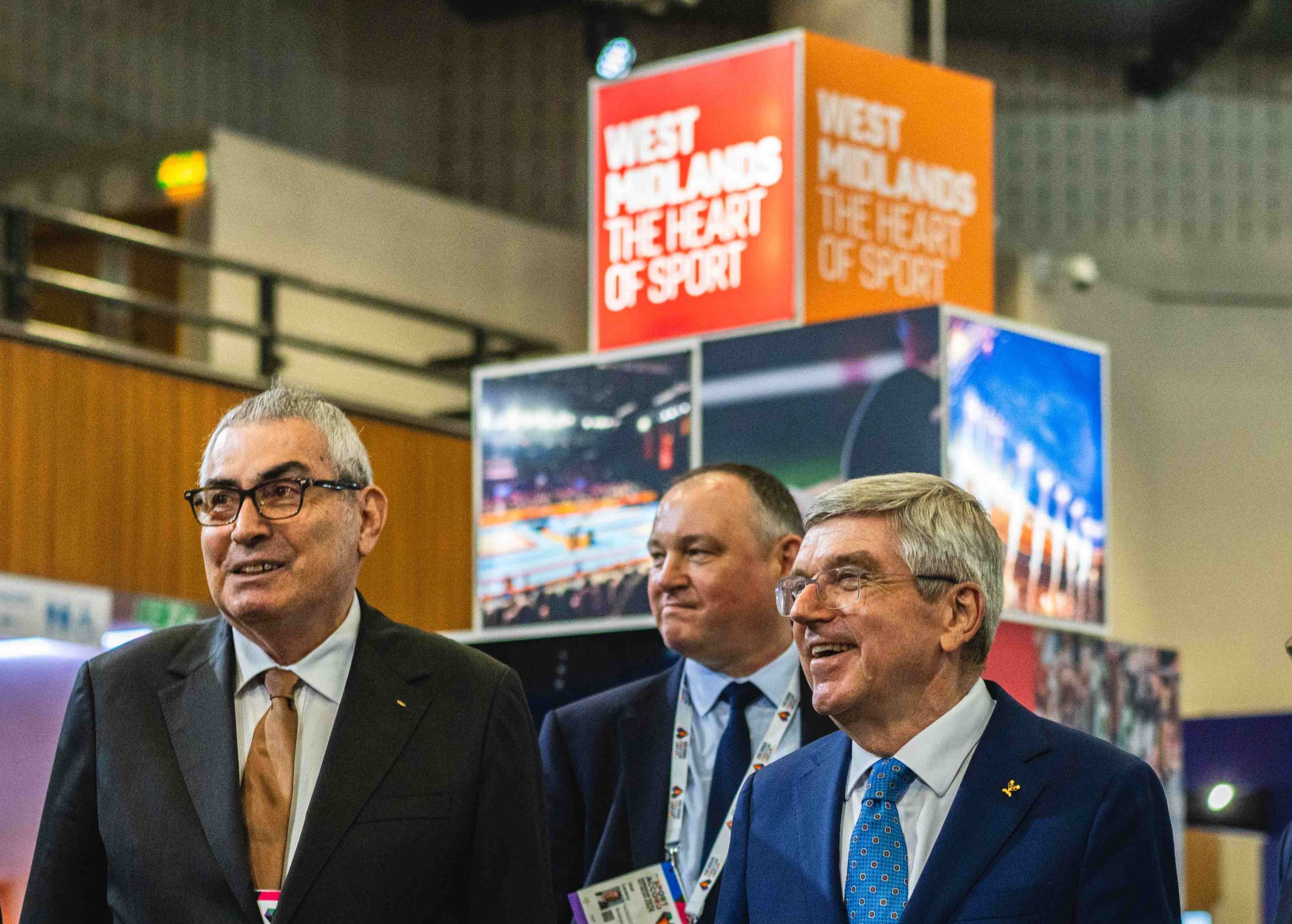
Transforming cities at the heart of sport
Host City: It’s great to be here in Birmingham for SportAccord. How important was hosting the Commonwealth Games for the city and the West Midlands region?
Joel Lavery: We hit the high note with the Commonwealth Games in 2022. The city came alive with sport, and we recognised the power and the impact of an event like the Commonwealth Games. That led us to think about what comes after the Commonwealth Games. We wanted to see if we could attract more events that have purpose, and to know what impact they’re going to have.
Host City: How is hosting SportAccord helping to attract more events?
Joel Lavery: SportAccord is one of the events that sits as part of that portfolio that is being paid for by the underspend of £70 million from the Commonwealth Games and the £6 million invested into the major events fund. What better audience could we have than 1,500 world leaders of sport? And so this week it’s about meeting people and starting off some of those conversations that we hope will lead to us landing a pipeline of opportunities.
Host City: What activities have you got in the pipeline?
Joel Lavery: We’ve talked about the Golden Decade of Sport from the Commonwealth Games. In 2026 we’ll have the European Athletics Championships and alongside that, we’ll have the IWG Women in Sport Global Conference that’s happening in this very same venue in two years. We’ve also got events like the Kabaddi World Cup, the Urban Sports World Championships, Esports and Judo happening.
Tom Wagner made the announcement here that they’ve purchased a large piece of land in the east of Birmingham where there’s going to be a new development, a new Birmingham City stadium and sports quarter. I think that’s an exciting announcement, when we’re talking about the power of sport to transform cities and showcasing the West Midlands’ place at the heart of sport in the UK.
For more information on the West Midlands’ sporting offer, please go to: www.meetbirmingham.com/sportingevents #HeartofSport -
ISSA plays for peace in the Islamic world
At this precarious moment geopolitically around the world, and particularly in the Middle East, sport might just help.
“Sports is a beautiful tool for common understanding,” says Nasser Majali, Secretary General of the Islamic Solidarity Sports Association.
“We view sports as an integration tool – as a peacebuilding tool, and one to build integration between countries and between people. It makes changes in culture, in gender equity and opens up a lot of doors for dialogue and travel.
“Sports is a language. In our membership there are three official languages, Arabic, English and French, and a lot of unofficial languages. But the one thing that brings them together, and they all can talk, is one single language of sports. Everybody knows who wins and loses, and what that person in front of me went through to get there. So it is a unifying language.”
Asked if sports is contributing to the westernisation of the Islamic world, Majali pointed to the power of sports for development in all cultures.
“Sports is a very important tool for development, whether it’s in education and health, in economics. Ask any child today in the world about sports and 90% of the time they’ll talk about sports as something very important in their life. Then when people grow up you will find that a lot of their memories and character development was built around that.”
Transformation phase
The Islamic Solidarity Sports Association (ISSA) was established about 40 years ago, with a membership based on the Organisation of Islamic Cooperation, the umbrella organisation for Muslim countries – not just predominantly Muslim countries but also countries with sizeable Muslim populations like Guyana Uganda, Cameroon.
“The vision and mission of the organisation has been transformed,” says Majali. “It’s going through a transformation phase for us to become to scale more and to go into development of sustainable sports ecosystems within the 57 countries.”
ISSA has five focus areas, starting with sports development. “So that’s developmental programmes and also prioritising sports as a sector in the 57 countries. That goes also to the economic part of sports and the startups and companies’ growth. So it’s a discussion that we have with our National Olympic Committees and then with the governments and leading bodies within the countries to try to push for the sports sector, which sadly, it’s not prioritised in all countries.”
Another major focus area is multi-sports games and events. ISSA has its own Games – the Islamic Solidarity Games – and aims to help members to host other events between Games.
Research and academia is another area. “There are a lot of statistics missing from the 57 countries regarding the sports sector,” says Majali. “We believe it’s our role to become the kind of the Wikipedia of the world of Islam and sports. The whole philosophy behind sports and Islam requires a lot of research.”
The fourth focus area is the integration of Islamic culture and tradition within the global sports movement. “So that’s kind of explaining a lot of things. What happens in Ramadan with athletes – why we shouldn’t have mega sports events happening right in the middle of Ramadan and how would that affect performance? Also, topics related to the right of female athletes to be wearing the hijab in all sports sporting events. Somebody needs to be a voice, so we are taking on that responsibility.”
The last focus area is emergency assistance. Many of ISSA’s member countries are experiencing crises, from the conflicts in Sudan, Palestine to the recent earthquake in Turkey and floods in Libya and many others. “What is very important for us is to be able to mobilise, assist with programming, and lobbying for the sports sector in those countries so that it does not lose its priority when the rebuild starts.”
Working with partners
One of the main ways that ISSA is looking to implement its aims is by working with partners. “We don’t want to reinvent the game. So when we come to talk about gender equity, we’d like to integrate with partners who have worked on that for a long time.
“If we wanted to talk about IFs, we’d like to find a partner or somebody like SportAccord to work with. If the International Olympic Committee is working on Olympic solidarity, we’d like to integrate into that, and with potential partners such as the UN or Save the Children for example.
“Our implementation methodology is to find the partner and scale with them rather than do something from scratch. I hope that that in the next couple of years is reflected in the programmes that we implement.”