The International Triathlon Union (ITU) confirmed the locations of multiple World Championship events on Tuesday, after an ITU Executive Board meeting held in conjunction with the World Triathlon in Yokohama.
“We had a great amount of interest from cities in hosting an ITU event, and received some truly incredible bids for not only triathlon, but also for multisport races,” said ITU President and IOC Member Marisol Casado. “Triathlon has a very bright future with so many spectacular sites secured to host races in the next several years.”
The 2018 ITU World Triathlon Grand Final has been granted to the Gold Coast, which has hosted World Championship races in 1991 and 2009.
The host of the 2018 Commonwealth Games hosted the World Triathlon Series for the first time this year and is expected to welcome the Series again in 2016 and 2017, before both elite and age group athletes compete for World Championship titles in 2018.
“This is a fantastic result for Queensland and triathlon, we are very excited to be able to host the world’s best ITU age group and professional athletes here on the Gold Coast,” said IRONMAN Asia-Pacific CEO Geoff Meyer.
Leeds will now host the World Triathlon Series in 2016, taking the place of World Triathlon London. A cycling superhighway is being built throughout the Yorkshire city, with construction work to take place in Hyde Park in 2016.
“It’s fantastic news that Leeds’ bid has been successful,” said reigning Olympic champion and Leeds resident Alistair Brownlee.
“I am sure the crowds will come out in force to see a major triathlon event in Leeds for the first time, and I’m sure it will be a brilliant event.
Leeds serves as the training grounds for several of the UK’s top triathletes.
In addition to the World Triathlon Series announcements, the ITU Executive Board voted on several multisport championship events.
In 2017, Penticton, Canada will organize the first Multisport World Championships Festival, which will see duathlon, long distance triathlon, aquathlon and cross triathlon championship races organized together during a week-long festival.
This innovative format now allows for athletes to compete in various multisport races, as opposed to electing only one each season.
“We are extremely honoured to be chosen to host the 2017 Multisport World Championships,” said race director Michael Brown. “Penticton has a deep history in triathlon and we look to build on a strong foundation created by this great community. With the support of the city, the Mayor, his council and all of Penticton’s citizens I know we will create a 10-day festival that will live up to all the athletes expectations.”
The Executive Board awarded the 2018 Multisport Festival to Odense, Denmark.
Lake Crackenback, Australia has been announced as the site of the 2016 ITU Cross Triathlon World Championships – the last year that will see each multisport World Championships organized as stand-alone events.
“This is fantastic news for the sport of triathlon in Australia,” said Anne Gripper, CEO of Triathlon Australia.
“To have the world’s best elite and age group athletes competing on the Gold Coast in 2018, as well as in the magnificent Snowy Mountains at Cross Triathlon World Championships in 2016, provides Australian triathletes of all ages with a great incentive to train and compete over the next three years as they strive to wear the green and gold on home soil.”
The ITU also confirmed that it will be suspending its membership of SportAccord, with the International Weightlifting Federation following suit to take the number of Olympic sport federations leaving SportAccord to ten.
ITU said it will shortly release the bidding conditions for the 2016 Triathlon World Cup events, the 2017 World Triathlon Series races, the 2019 World Triathlon Grand Final, and the 2019 Multisport Festival. The full 2016 ITU World Triathlon Series will also be announced soon.
Category: Event Bidding
-
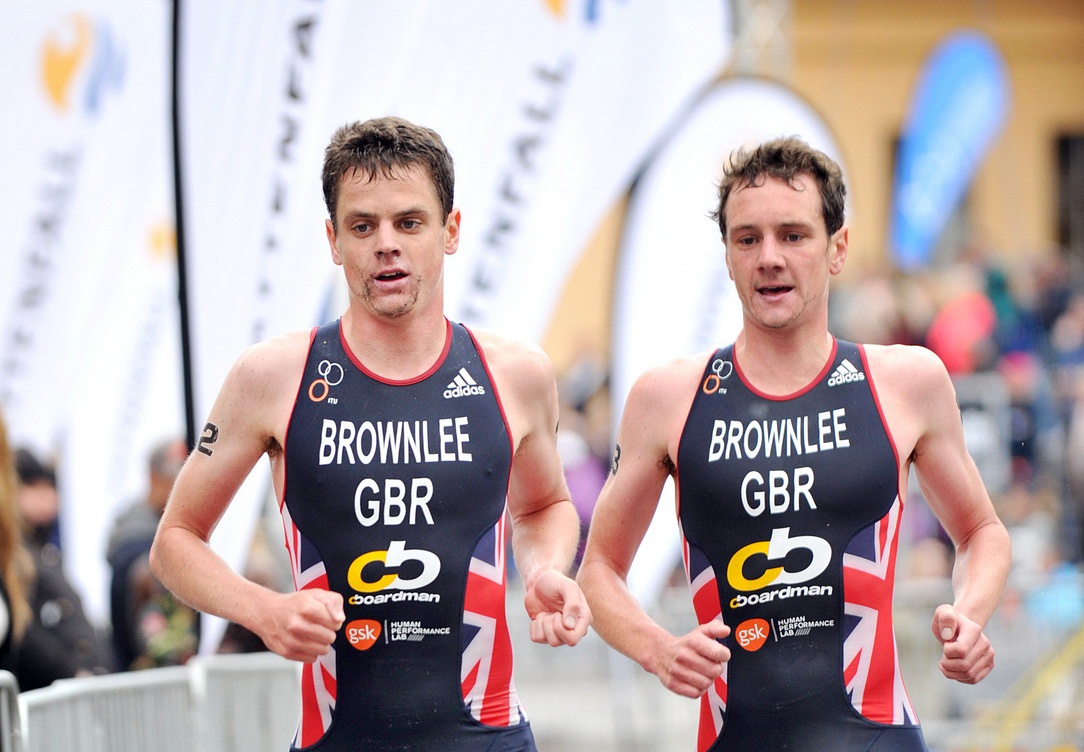
Triathlon World Championship hosts announced
-
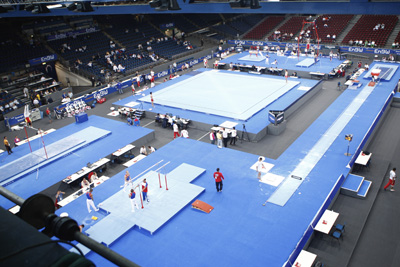
Stuttgart to host 2019 World Artistic Gymnastics Championships
At its council meeting on Saturday, the International Gymnastics Federation (FIG) awarded the hosting rights to the 2019 World Artistic Gymnastics Championships to the German city of Stuttgart.
Stuttgart beat off close competition from Rotterdam in the Netherlands to host the sport’s international flagship event.
The Stuttgart Worlds in 2019 will be a crucial qualifying event for the Tokyo 2020 Olympic Games.
Under the new Olympic qualification system accepted by the FIG Council at the weekend, the top three men’s and women’s teams from the 2018 World Championships will qualify for the 2020 Games. The top nine teams from the 2019 Worlds – not including teams already qualified in 2018 – will also advance to the Games.
Stuttgart and Rotterdam have strong traditions of hosting gymnastics events, both having hosted World Championships twice within the past 30 years: Stuttgart in 1989 and 2007; Rotterdam in 1987 and 2010.
Stuttgart will also be hosting the 2015 Rhythmic World Championships, an Olympic qualifier, in September. The 2015 Artistic World Championships will be hosted in Glasgow in the last week of October.
“Stuttgart is a beautiful town with a sports-loving and sport-experienced audience,” said Stuttgart Mayor Fritz Kuhn, who was present in Melbourne to support his city’s bid before the council’s decision.
We will be a cosmopolitan host in 2019, and welcome the international gymnastics family with us. But this is a close decision. Rotterdam and Stuttgart are absolutely on par in terms of sporting infrastructure.”
-
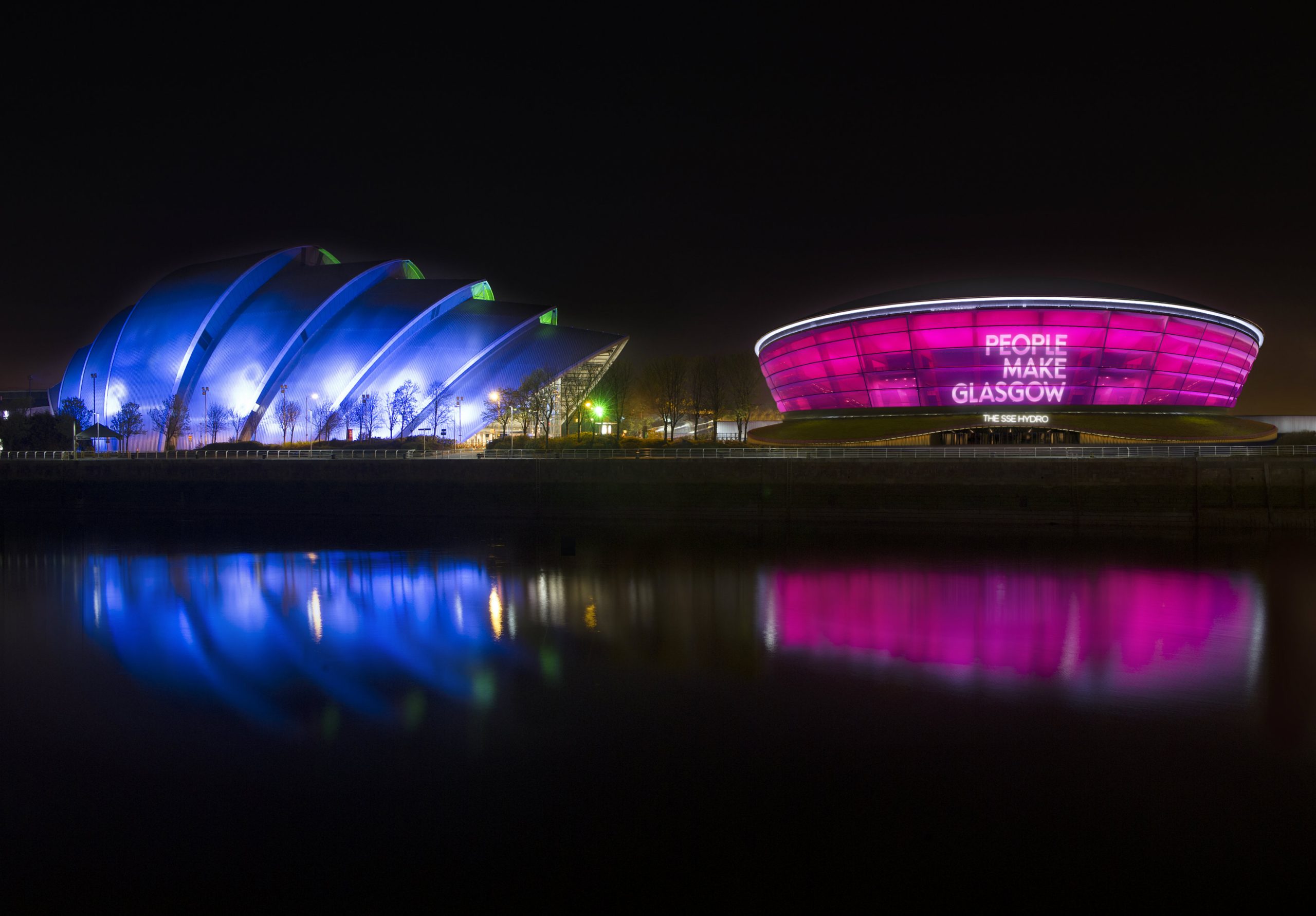
Glasgow generates £230m from major events in 10 years
As Glasgow City Marketing Bureau (GCMB) celebrates its 10th birthday on Friday, the bureau revealed that major events secured, supported or managed by GCMB in collaboration with city partners over the past decade have injected nearly £230 million into Glasgow’s economy; attracting 4.6 million attendances.
During the past 10 years Glasgow has welcomed some of the biggest events and brands in the world to the city, from the Commonwealth Games, UEFA Cup Final and the World Irish Dancing Championships to Olympic football and the torch relay, BBC Radio 1’s Big Weekend and the MTV Europe Music Awards (EMA).
“The decision to bring MTV’s most prestigious international awards show, the EMA, to Glasgow in 2014 was the culmination of several years working with the city,” said Bob Bakish, President and CEO of MTV’s global parent company, Viacom International Media Networks.
“Throughout that time we found Glasgow’s dedicated team to be a fantastic partner to work with – forward-thinking, creative and flexible, with a good understanding of how they can best contribute to the successful staging of major events.”
The legacy of last year’s Commonwealth Games will bring a number of coveted major events to Glasgow in the coming years, extending the city’s world-class sporting and cultural events portfolio until 2020.
These include the 2015 World Gymnastics Championships; 2015 Turner Prize; 2015 British Athletics International; 2016 World Irish Dancing Championships; 2016 Glasgow International Festival of Visual Art; 2018 World Irish Dancing Championships; 2018 European Swimming Championships; 2020 World Men’s Curling Championships and UEFA Euro 2020.
“Glasgow’s continued success in delivering major gymnastics events is attributable to their unique ‘one Glasgow’ approach, which encourages partners, like British Gymnastics, to work in collaboration to deliver successful events, said Jane Allen, CEO of British Gymnastics.
“Glasgow’s willingness to strategically work with British Gymnastics over many years was instrumental in winning the bid to stage the prestigious 2015 World Gymnastics Championships – an Olympic qualification event – in the city later this year.”
Glasgow’s ability to attract the very best major events was further demonstrated recently with the announcement that the city will co-host the inaugural, multi-sport European Sports Championships with Berlin in 2018, following a decision by some of Europe’s top sports to bring together their prestigious European Championships for the first time, including cycling, swimming and athletics.
The event, which will attract a projected TV audience of around 850 million, will see nearly 3,000 athletes travel to Scotland in the summer of 2018 as part of a total delegation of around 8,200 including officials, media and others.
All these events are underpinned by a diverse range of year-round events held in Glasgow – from Celtic Connections, Glasgow Film Festival and Glasgow International Comedy Festival to the Merchant City Festival, Piping Live and the World Pipe Band Championships and more.
Glasgow’s investment of some £300 million in state-of-the-art infrastructure, including the SSE Hydro and the Emirates Arena, has extended the city’s world-class venue offering and capacity.
“In its first year the SSE Hydro delivered an economic impact of £131 million and celebrated being the second busiest arena in the world,” said John Langford, Director of Live Entertainment at The SSE Hydro. “GCMB plays a pivotal role in supporting this success, through the development of world class content and tirelessly spreading the Glasgow gospel!”
A new “Major Events Charter”, launched after the Commonwealth Games, has further strengthened the city’s reputation for winning and delivering major events. This refreshed charter guarantees the provision of exceptional support for major events coming to the city – with Glasgow the only destination in Europe to make this promise to global event organisers.
HOST CITY 2015, the largest meeting of cities and cross-sector events in the EU, is taking place in Glasgow on 9th and 10th November.
“Glasgow is a city with a sense of self belief that oozes confidence. We’ve been through a rite of passage, overcoming industrial decline and reinventing our economy to become a leading example of city regeneration,” said Councillor Gordon Matheson, Leader of Glasgow City Council and Chair of Glasgow City Marketing Bureau.
“A real strength has been the resilience of our tourism sector and, more specifically, our strategy of attracting a diverse portfolio of major sporting and cultural events coupled with significant investment in new world-class venues.
“We have the infrastructure, the skills and expertise, and above all the friendliness, energy and can-do attitude of the people of Glasgow, which makes this city the complete package.
“In an increasingly competitive global events market, Glasgow is now firmly established as a major player with a hugely ambitious events industry and we will continue to punch above our weight for many years to come.”
-
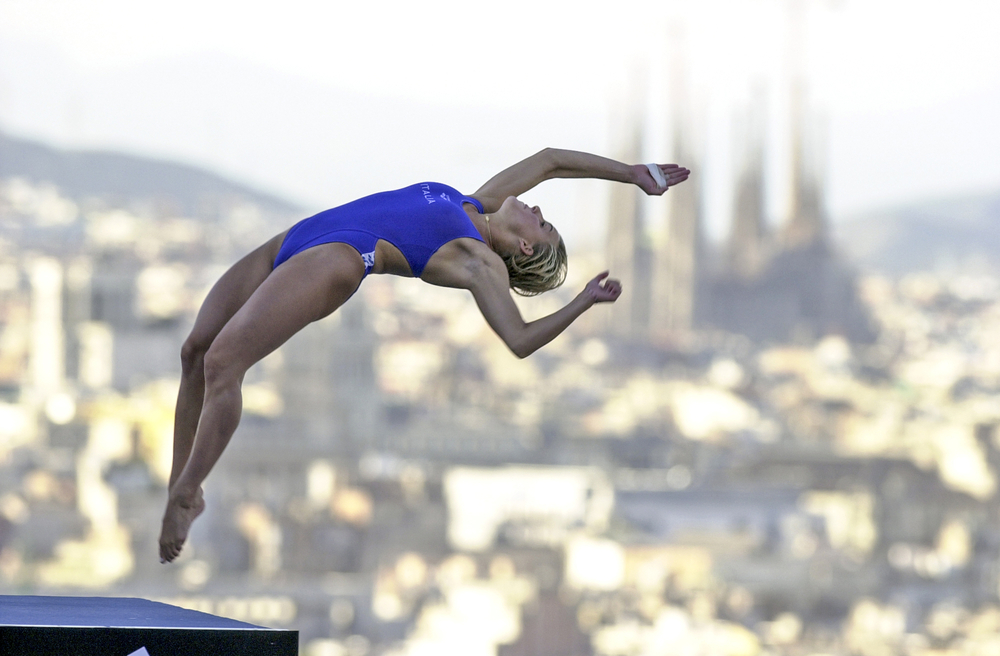
Ten cities interested in FINA 2021 and 2023 World Champs
The bidding process for the 2021 and 2023 FINA World Championships is underway, with ten cities from seven countries across four continents having expressed an interest.
Budapest had originally been selected for the 2021 Games, but its hosting was brought forward to 2017 when Guadalajara, Mexico pulled out of hosting the 2021 edition.
FINA said it has received expressions of interest from Argentina, Australia (Melbourne or Sydney), China (Wuhan or Nanjing), Germany (two potential cities), Japan, Turkey and Qatar to host the showcase aquatics event.
FINA said it is in discussions with each of the potential candidates, providing them with all the necessary information to plan their proposals.
An information meeting will take place on 30 June 2015 for nations and cities that have shown an interest in bidding.
FINA said it hopes to announce the chosen host cities of the 2021 and 2023 FINA World Championships by the end of 2015.
“We are delighted with the strong level of interest from a number of different cities who want to host swimming’s showcase event,” said FINA President, Dr. Julio C. Maglione.
“I believe that they are all attracted by the evidence that the FINA World Championships brings clear economic, social, cultural, tourism and sports impacts to every host city. There is a measurable benefit through better youth and community facilities, through high-performance opportunities, and through showcasing your city to a global audience.”
The FINA World Championships is one of world’s most followed international sport events. A cumulative audience of 4.5 billion watched the 2013 FINA World Championships in Barcelona, Spain, across six platforms.
The 2015 FINA World Championships will take place in Russia for the first time on 24 July to 9 August 2015, in the city of Kazan. 2,200 athletes from a record 188 countries have registered so far.
The next two editions will be held in Budapest, Hungary, in 2017 and in Gwangju, Korea, in 2019.
FINA, the Fédération Internationale de Natation, is the governing body for aquatics worldwide. Its five disciplines – swimming, open water swimming, diving, water polo and synchronised swimming – are all included in the Olympic programme.
-
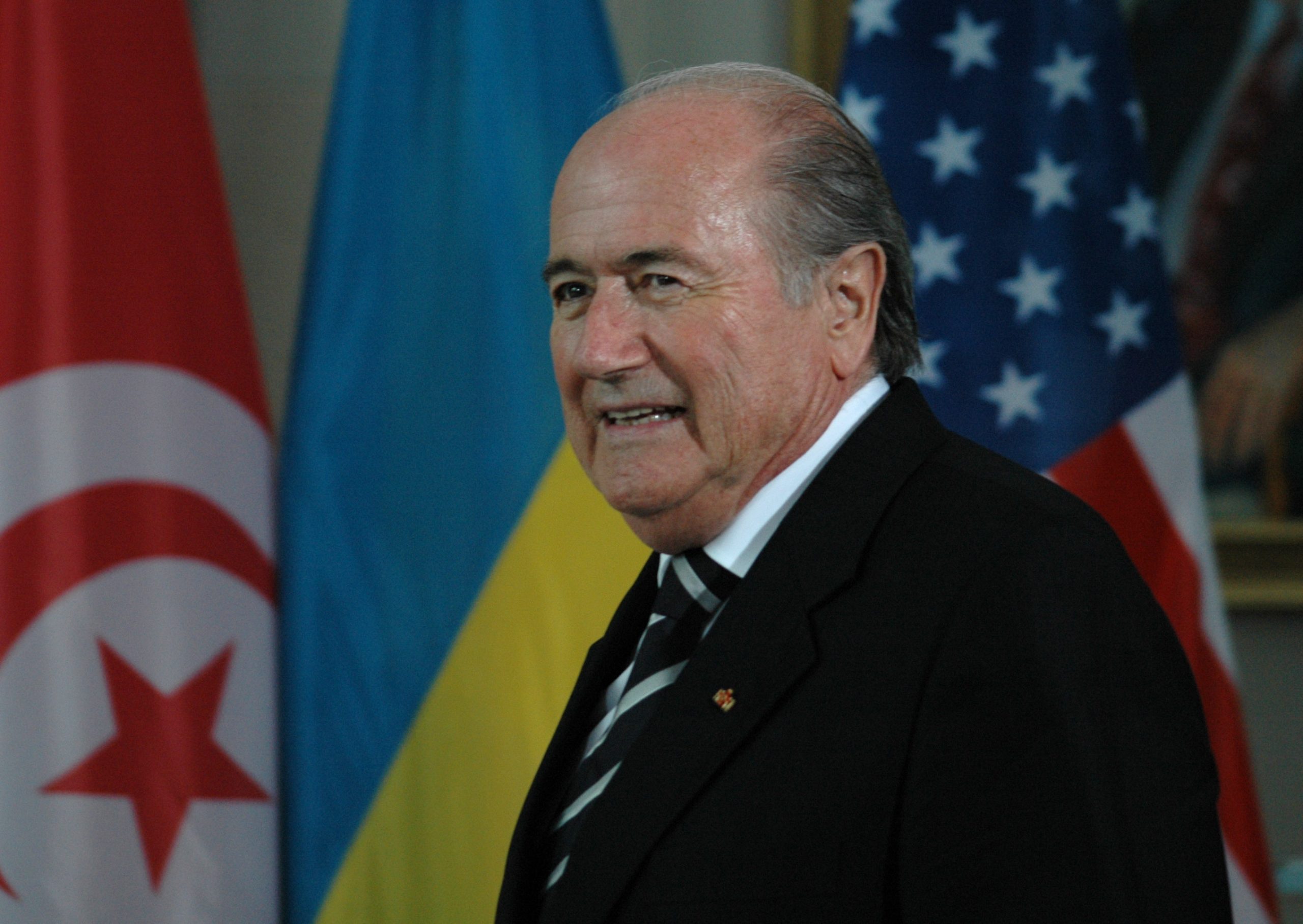
The democratisation of FIFA
Joseph “Sepp” Blatter’s surprise announcement on June 2 that he was resigning as president of FIFA was sensational, not least because it happened just four days after his re-election for a historic fifth term.
Blatter’s rivals for the presidency – Jerome Champagne, Luis Figo, Michel Van Praag and of course Prince Ali, who was the only challenger left standing at the FIFA Congress – all based their campaigns on a common message: the organisation was tainted with allegations of corruption and needed to clean its image.
Blatter, on the other hand, barely uttered a word to the press during the run up to the election – even when investigators raided the Baur au Lac Hotel in Zurich to arrest a number of officials on corruption charges.
In the election, Blatter emerged victorious but storms continued to gather, including allegations that FIFA administered a $10m bribe from South Africa to CONCACAF president Jack Warner. As media reports emerged that Blatter was himself under investigation by FBI and US prosecutors, he announced to the world – at just a couple of hours’ notice – that he was to step aside.
What was perhaps most extraordinary about Blatter’s resignation speech was that he used it as an opportunity to position himself as a reformer at heart, shackled by circumstances. His resignation, he said, was necessary to make way for “structural changes” that he had himself been advocating for many years.
These changes including loosening the grip of the continental confederations through which FIFA’s members are aligned, a reduction in size of the Executive Committee – presumably to give non-ExCo FIFA members greater influence – and capping terms of office.
Whatever you may think of Blatter’s claims to be a democratiser, a process of reform is now inevitable. While it might have taken external events to drive FIFA to the brink, at last it can contemplate the reform it needs.
Football remains the world’s most popular sport and the FIFA World Cup its biggest single sport event. And if democratisation may not be Blatter’s true legacy, FIFA has undeniably embraced all regions of the world under his presidency.
Anything can happen now, depending on the outcome of further investigations, which are by no means focused exclusively on the hosts of the future World Cups. The world waits.
-
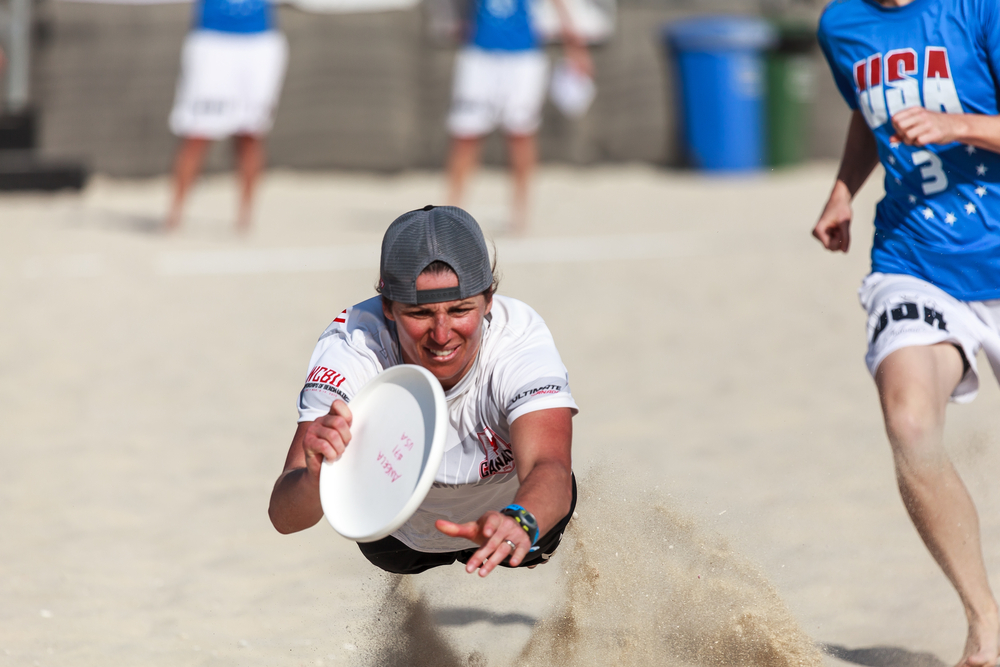
26 sports vie for Olympic inclusion at Tokyo 2020
The organising committee of the Tokyo 2020 Olympic Games revealed on Friday that 26 international federations (IFs) are bidding for inclusion, with sports ranging from American football, baseball and karate to surfing, bridge and flying disc.
Tokyo 2020 said the additional events must “serve as a driving force to promote the Olympic Movement and its values, with a focus on youth appeal,” and “add value to the Games by engaging the Japanese population and new audiences worldwide, reflecting the Tokyo 2020 Games vision.”
Since the IOC’s approval of Olympic Agenda 2020 last December, hosts of the Games are able to propose one or more additional events to add to the sports programme – much like the process employed by the Commonwealth Games Federation.
Applications for the additional events opened on 8th of May with a deadline of 8th June. The long list of 26 applicants was revealed after an Executive Board meeting on Tuesday 12th June.
The applicant IFs represent the following sports: air sports; American football; baseball softball; billiards; bowls; bowling; bridge; chess; dancesport; floorball; flying disc; karate; korfball; netball; orienteering; polo; racquetball; roller sports; climbing; squash; sumo; surfing; tug war; underwater sports; waterski and wakeboard; and wushu.
The applications will now be reviewed by the seven Japanese members of Tokyo 2020’s “Additional Event Programme Panel” and a shortlist will be announced on 22 June 2015.
The shortlisted will then submit further details and make a presentation to the Additional Event Programme Panel, who will then propose its recommendations to the Tokyo 2020 Organising Committee, which will decide on the events to be proposed to the IOC.
The final decision will be made the IOC at its 129th Session in Rio in August 2016. -
IOC suspends recognition of SportAccord
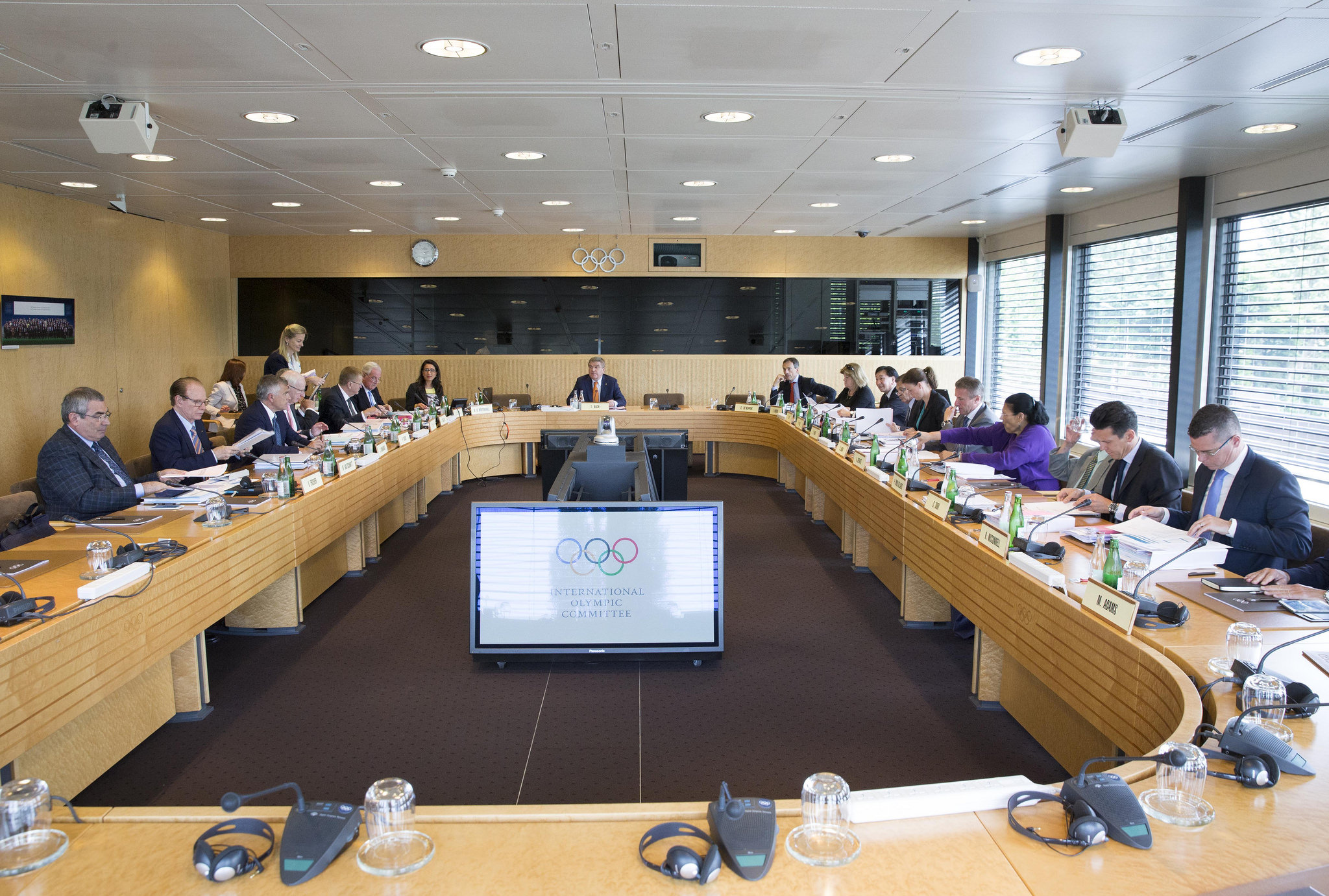
The International Olympic Committee (IOC) suspended its recognition of SportAccord on Sunday, saying it is ready to discuss restructured representation with the organisation’s stakeholders.
The IOC had recognised and worked with SportAccord, the “umbrella group” for Olympic and non-Olympic sports federations, for many years.
Relationships between the two organisations have deteriorated since SportAccord president Marius’ Vizer’s criticism of IOC president Thomas Bach’s Agenda 2020 programme of reform at SportAccord Convention in April.
Many international federations (IFs) of Olympic and non-Olympic sports have since left SportAccord.
Despite Vizer’s resignation last week, the IOC has withdrawn its recognition of SportAccord.
“The IOC will continue its ongoing and direct relationship with the IFs and other members of the Olympic Movement,” the IOC said in a statement issued during an executive board meeting in Lausanne.
“We encourage and support them in all the initiatives being taken to restructure their representation following the serious internal problems of SportAccord.”
“We have been in contact with many of the IFs and their representative bodies in the last days and we have been advised that they want to take some measures in this respect.
“We would like to invite the representatives of different groups to further discuss this issue and to come to an agreement among all stakeholders.
“We will first wait for their deliberations and consultations to conclude, and we are ready to support them and ready to invite the representatives of the different groups, including the Association of Summer Olympic International Federations (ASOIF) and the Association of International Olympic Winter Sports Federations (AIOWF), the Association of Recognised International Sports Federations (ARISF), the Alliance of Independent Members of Sport Accord (AIMS) and the International World Games Association (IWGA), to discuss the restructuring of their agreement for a common approach.”
SportAccord has historically provided support to IFs to ensure the integrity of their sports – a role that the IOC will take up directly during SportAccord’s current circumstances.
“In the meantime, we do not want the clean athletes to suffer in any way from this vacuum. We are offering the IFs concerned all the services and advice in the fight against doping which have been offered so far by SportAccord and financed by the IOC and WADA.
“We will be making the same offer with regard to good governance as well as on match-fixing and related corruption, and the IOC is ready to provide this support directly. We must ensure that there is not a vacuum during this ongoing process.
“Like many members of SportAccord, we are suspending our recognition and we will withhold our funding until these questions are answered and an agreement between the stakeholders has been reached.
“We are awaiting the outcome of the consultations and, when the time is right, we would like to invite these stakeholders here to discuss how services can best be provided in the future to the above-mentioned organisations.”
-
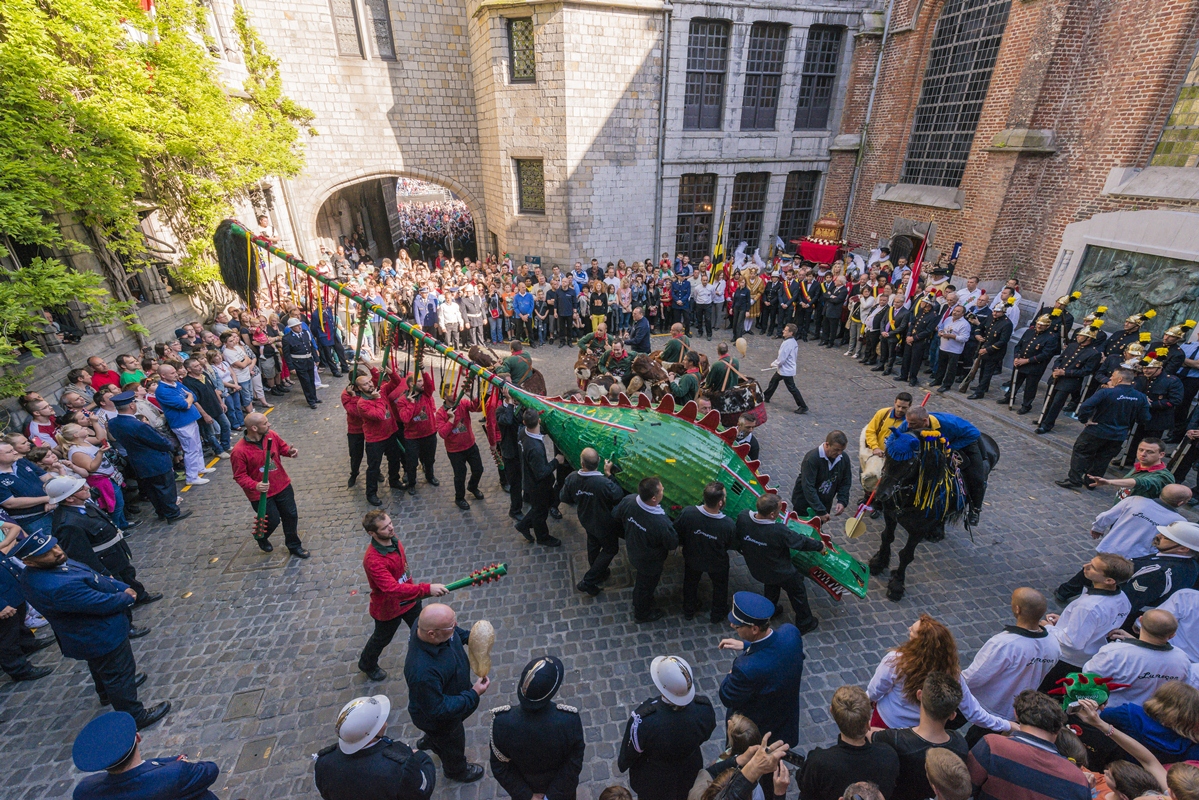
How to be a European Capital of Culture
The European Capitals of Culture programme has grown immeasurably since its launch in 1985.
“We started modestly 30 years ago and now we are typically having cities spend up to EUR 70-100m for a yearly programme being a European Capital of Culture,” says Karel Bartak, Head of the Creative Europe Coordination Unit at DG Education and Culture, European Commission.
“So it is very prestigious from the point of view that there is a huge interest in every country.”
Initiated by Greek culture minister Melina Mercouri and originally called “European City of Culture”, the programme was renamed “European Capitals of Culture” in 1999. Two hosts are now appointed each year, enabling a wider range of destinations to benefit.
“In the past most of the bidding and winning cities were capital or very big cities, but now many of these have already been European Capitals of Culture, so now we are seeing smaller cities bidding and it brings a new and very interesting edge”.
“If you have a smaller place of 100-200,000 inhabitants, the impact is much, much bigger and also much more visible for the city’s inhabitants than if you have a European Capital of Culture in say Paris or Athens.”
In 2013 the medium-sized Slovakian city of Kosice was a European Capital of Culture.
“Everyone who comes from there says the city has been changed beyond recognition by the year, and it has really become a cultural hub including Ukraine, Hungary, Poland and so on,” says Bartak.
“In Umea last year in Sweden it was similar case; and this year the town of Mons in Belgium, which has only 80,000 inhabitants, is having a huge impact and the whole country is celebrating.”
Mons is joined by Pilsen in the Czech Republic as a European Capital of Culture for 2015.
How to bid
The bidding procedure is based on a “Decision” of the European Parliament and the Council of the European Union, which is the legal basis for the selection and monitoring processes.
“This legal basis determines which countries are concerned with European Capital of Culture for the next eighteen years, so we all know well in advance which countries are going to be concerned,” says Bartak.
The country concerned typically issues a call for applications six years in advance of the title year. Interested candidates submit a bid book of 80-100 pages and present it to a panel that pre-selects a shortlist of candidates.
The pre-selected candidates then have another seven to eight months to prepare the final bid.
The panel is now composed of 10 members who are selected by European Commission, Parliament, Council and Committee of the Regions, plus two selected by the governments of bidding country. This international jury of experts is renewed by a third every year.
The process is democratic. “The chairperson, who is always chosen by the jury from among its members, is always trying to have a consensus. But if there is no consensus then there is a vote,” says Bartak.
“It is always tense as the responsibility is huge, cities investing a lot of energy, hope and financial resources in their bid.”
Once selected, the host cities have four years to prepare their programme for the year. During this phase, the Commission convenes monitoring meetings during which the panel give cities advice and guidance and take stock of their preparations.
How are the bids evaluated?
The international jury judges the bid on criteria specified in the Decision of the European Union.
One of these criteria is the European dimension of the programme: how it brings to the fore the cultural diversity in Europe and our common cultural features, how it leads to new or reinforced cultural partnerships and cooperation at EU level. Another is the participation of the citizens and of the various cultural, social and economic stakeholders of the city in the design and implementation of the yearly programme. The jury also looks at sustainability and legacy issues as the project must be embedded into the longer term cultural development strategy of the city.
“They make sure that once the year is over the overall level of cultural life and the investment in culture has long lasting effect, and the level of cultural life stays much higher than it was before the year,” says Bartak.
“Besides that, the jury is looking into the financial sustainability – the composition of the package of money that is available. We are always keen on having a good mix between private and public funding and so on.”
The financial contribution of the European Commission is relatively small.
“The Melina Mercouri prize which is given to each city which has won the title is 1.5m Euros, so it is just a kind of symbolic contribution; otherwise the city has to find the budget. Many hosting cities however use the money coming from the EU Structural Funds.”
Future hosts
The selection process for 2020 European Capitals of Culture is now underway. Ireland and Croatia are currently running their competitions for 2020 and the bidding process is set to change slightly.
“The current situation is that the Commission is monitoring the process, but is not at all interfering in it. This is run by the independent panel, the jury. Until now, the national governments and then the institutions of the EU (European Parliament, Commission and Council) would then take on board the recommendation of the jury,” says Bartak.
“As of the 2020 titles, this will be done differently; the jury will recommend the city to the government concerned, so the institutions of the European Union will be left out of the process – to make it simpler and less bureaucratic.”
The pre-selection process in Croatia was completed in May 2015. “We had nine cities competing and four were preselected. The recommendation for the final selection will happen in January of next year.”
By October, it will be clear which cities in Ireland are competing to host the 2020 European Capital of Culture. “I think all bidding cities have a chance. Each application is judged on its merits,” says Bartak.
Creating a network of cities
There is a great opportunity for the European Commission and its network of European Capitals of Culture to share experiences.
“As previous title-holders, Mons and Pilsen have organised a gathering of previous and future European Capitals of Culture, which was an interesting moment of brainstorming and bringing together their experiences and stories of preparation and implementation.
“We feel that with our thirty years of experience, we have more and more knowledge and advice to give and, with the lessons learned it becomes easier for cities to avoid mistakes made in the past.”
The European Commission will discuss these issues and opportunities in greater detail at HOST CITY 2015 on 9th and 10th November in Glasgow.
To find out more about the bidding process for European Capital of Culture visit http://ec.europa.eu/programmes/creative-europe/actions/documents/ecoc-candidates-guide_en.pdf or register to attend HOST CITY 2015
-
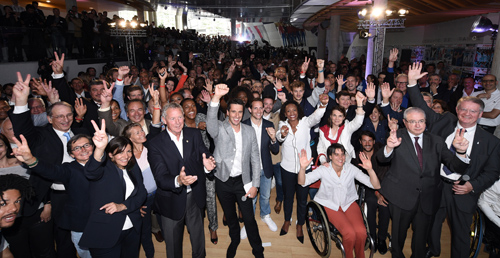
Paris aims for unanimous support for Olympic bid
Paris officially launched its long anticipated bid for the 2024 Games on Tuesday, with a message of strong backing from the state and the public.
The leaders of the bid also said a referendum was unlikely to be required.
In its bid to host the Games, Paris is competing against Boston and Hamburg, which both face public referendums in order to progress their bids, as well as Rome and a likely bid from Budapest and other potential contenders including Baku and Doha.
“We are all very much motivated and enthusiastic to be able to achieve unanimity in this ambition to make Paris an Olympic and Paralympic city in 2024,” said bid committee chairman Bernard Lapasset.
“Bidding for the Games is a unique and exciting project for a country. This is an ambitious project that goes beyond sport, as its reach is global and significant impact at all levels and for the whole country.
“As we move forward with our bid, it is very pleasing to see today that we already have the full support of the city, regional and national governments as well as the CNOSF and the French sports movement – it is wonderful to also receive significant public support and real backing from our athletes.”
Lapasset added that the bid would “excite, unite and enthuse the people of Paris, our entire nation and lovers of Olympic and Paralympic sport all over the world.”
Asked by Le Monde after the launch if there would be a referendum on the bid, Lapasset said “I don’t think there will be one.”
This position was backed up by Etienne Thobois, chief executive of Paris 2024 bid committee who told media: “As of today there is no plan for a referendum at this stage.”
Lapasset and Thobois reportedly both stressed that public consultation will be crucial as the bid progresses.
The bid committee drew attention to France’s current form in hosting major sports events, which includes the World Rowing Championships and the Basketball European Championships in 2015, EURO 2016, the World Handball Championships in 2017 and the Ryder Cup in 2018.
2024 marks the centenary of the last and only time Paris has hosted the Olympic Games, in 1924. The city unsuccessfully bid for the Games in 1992, 2008 and 2012.
But Thobois said “We are looking forward, we are not looking backwards… we are into Agenda 2020, not Agenda 1920.”
The mayor of Paris, Anne Hidalgo, said Paris was “looking forward to an exciting and bold future whilst remaining true to its rich sporting and cultural traditions.
“We aim to highlight the unity and the solidarity of a cosmopolitan city, which I am sure will be one of the key strengths to win.”
The host city of the 2024 Olympic and Paralympic Games will be elected by IOC members in a secret ballot at the body’s 130th Session in the Peruvian capital of Lima in September 2017.
-
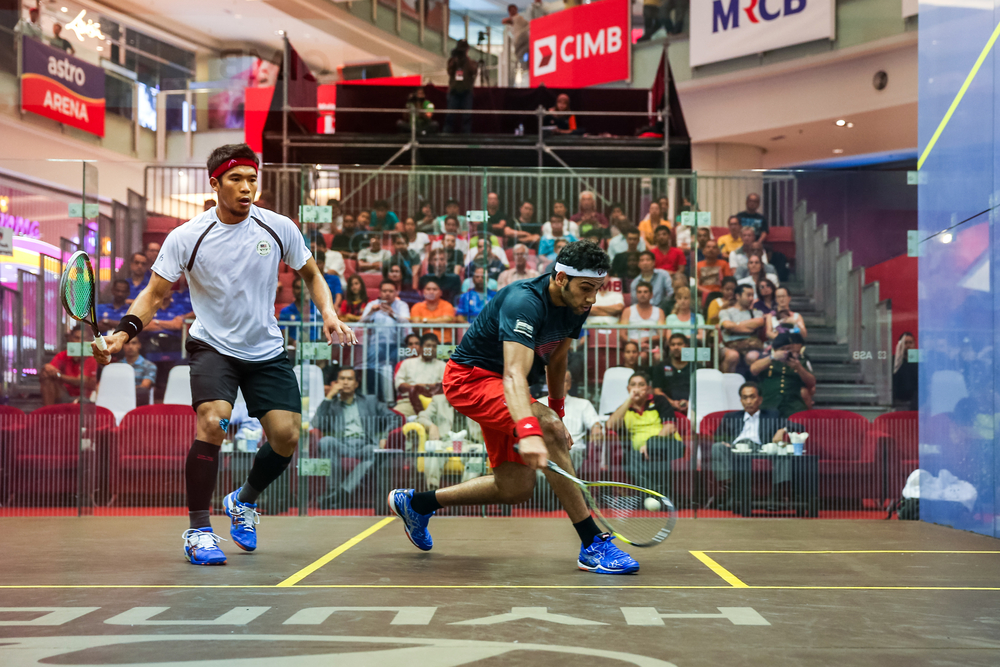
Tokyo 2020 shortlists eight sports for Olympics
Climbing, surfing and roller sports are among eight sports left in contention to feature in the Tokyo 2020 Olympic Games.
The Tokyo 2020 Organising Committee has shortlisted the following IOC-recognised International Federations (IFs) proposing events to be considered for inclusion in the Games: World Baseball Softball Confederation; World Bowling; World Karate Federation; International Roller Sports Federation; International Federation of Sport Climbing; World Squash Federation; International Surfing Association; and the International Wushu Federation.
The organising committee will propose one or more of events proposed by these eight federations. The primary selection criteria are that the additional events must “serve as a driving force to promote the Olympic Movement and its values, with a focus on youth appeal” and “add value to the Games by engaging the Japanese population and new audiences worldwide, reflecting the Tokyo 2020 Games vision.”
The following sports are no longer in contention: air sports; American football; billiards; bowls; bridge; chess; dancesport; floorball; flying disc; korfball; netball; orienteering; polo; racquetball; sumo; tug war; underwater sports; waterski and wakeboard.
In the next phase of the process, the shortlisted federations are invited to submit further details by 22 July 2015. The organising committee will interview the federations in Tokyo on 7-8 August 2015 before make a decision on which event(s) to propose to the IOC in September 2015.
Since the IOC’s approval of Olympic Agenda 2020 last December, hosts of the Games are able to propose one or more events to add to the IOC’s sports programme.
The final decision will be made at the 129th IOC Session in Rio in August 2016.