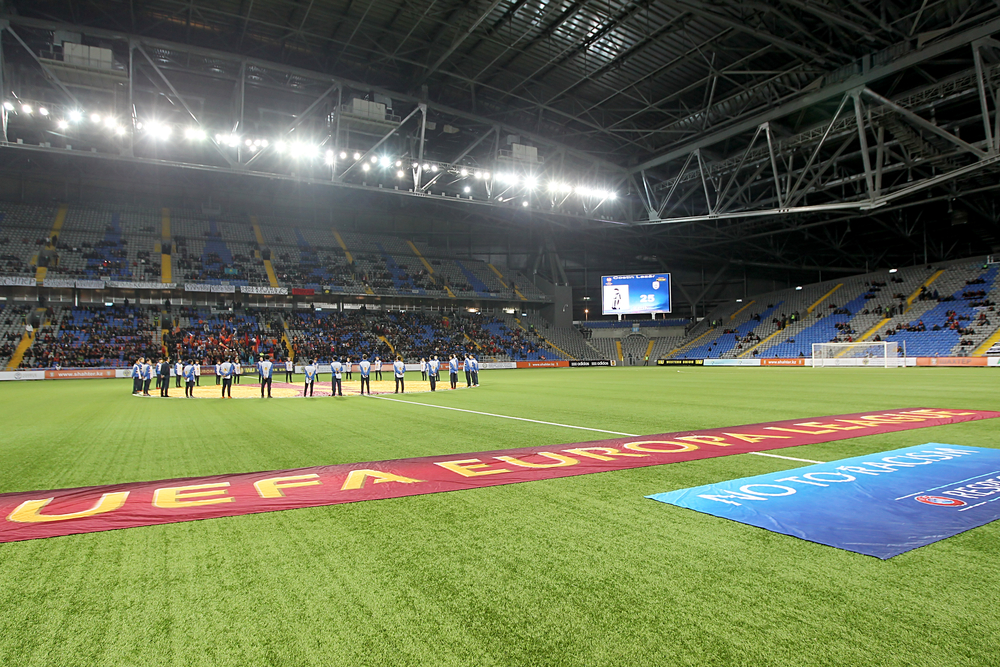
Kazakhstan intends to bid for the 2026 FIFA World, subject to feasibility discussions with the government, the country’s FA president said on Wednesday.
“We are discussing this issue with the government of my country to assess what are our chances,” Kazakhstan FA president Yerlan Kozhagapanov told L’Equipe.
Growing at an average of 5.4 per cent per annum, Kazakhstan’s is the largest economy in Central Asia. Its second largest city, Almaty, is currently bidding to host the 2022 Winter Olympic Games.
“Our country is developing rapidly, our economy is growing, so why not? We want to organise the winter [Olympic] Games in 2022, and we plan to engage in the race for the organisation of the World Cup 2026.”
Kazakhstan is rich in oil but its national team has yet to qualify for a UEFA European Championship, let alone a World Cup.
The criteria for bidding for the 2026 FIFA World Cup will be determined by FIFA’s executive committee on 30 May 2015.
UEFA countries may be excluded from bidding for 2026, as Russia is hosting 2018. Asian countries will not be able to bid for 2026 as it immediately follows Qatar hosting the World Cup in 2022.
If it were to bid for 2026, Kazakhstan would likely be competing against the US, the world’s largest economy which also has a fast growing soccer market.
The host nation of the 2026 World Cup will be elected by 209 FA presidents at the FIFA Congress in Kuala Lumpur in May 2017.
Category: Event Bidding
-
Kazakhstan planning 2026 FIFA World Cup bid
-
Louise Martin: Just believe in yourself and do it
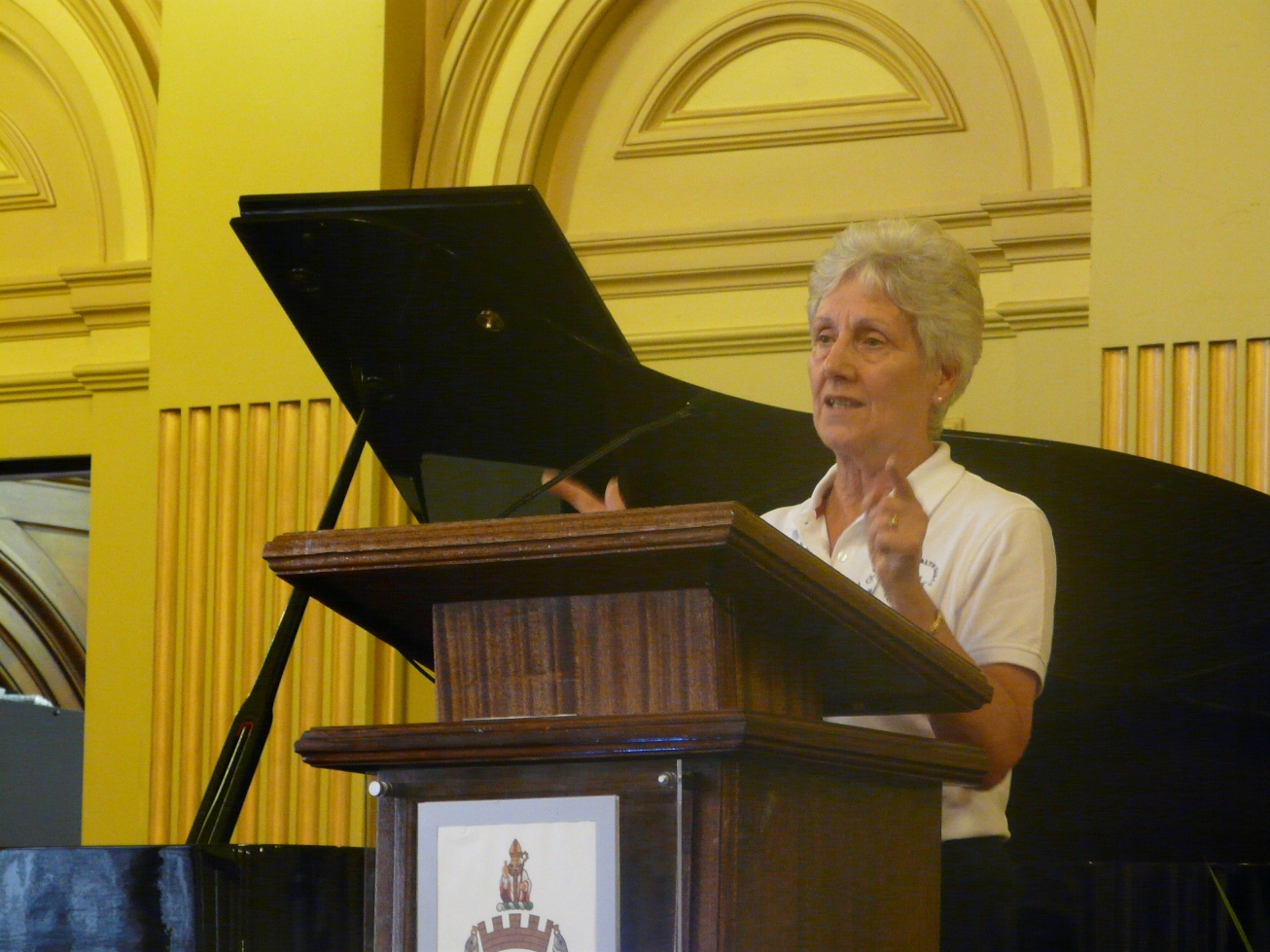
Having led the bid for Glasgow’s universally-acclaimed Commonwealth Games and served as long-standing Honorary Secretary for the Commonwealth Games Federation, it came as no great surprise – except to her – when the news emerged that she was planning on running for the position of President of the Federation.
“It was made public much earlier than I was expecting it to come out, because we are not calling for nominations until May,” she told HOST CITY.
Despite this, she was happy to talk about her motivation.
“It’s the right time for me now because I have served for four quadrennials on the Federation as the Honorary Secretary.”
Her decision to stand was driven in part by changes to the Federation, which is being remodelled as a corporate structure with a President and three Vice Presidents.
“The Honorary Secretary position ceases to exist, so I had to decide what to do,” she said.
“One of the positions would be doing what I have already been doing and having done four quadrennials, it’s time for me to move – and the only way I can move is up.”
She revealed to HOST CITY that she has long had the ambition to lead the Federation. “It’s something I’ve always thought I would love to do.
“Having chaired a national sporting agency, sportscotland, with 350 staff and a turnover of millions, I know I can do it. I’ve been chair of Commonwealth Games Scotland and I’m also chair of the Commonwealth Advisory Body on Sport, so I have got experience behind me.
“The time is right for me to put my hat in the ring.”
Although she has not yet formalised a manifesto, she was happy to discuss the changes that she has in mind for the federation – particularly in relation to the role of the member associations.
“We have to have a proper structure and good governance in place, to make sure that all the associations are more vibrant and more effective.
“As far as I am concerned we are all equal; we all have one vote, irrespective of size or wealth. We have to deliver equally, across the board.
“One of the things I want to ensure that we do is to communicate more effectively and more openly.”
With the 2022 Games now faced with just one bidding city, Durban – for which Martin is leading the evaluation commission – the Federation is looking at ways to boost the appeal of its major property.
The situation is analogous to the issues the IOC grappled with over the last twelve months as it handled its own 2022 Games crisis through the Agenda 2020 review of its bidding procedure.
“I certainly want more cities to bid for the Games. We want to make it more appealing and we need to make sure that we keep it affordable,” said Martin.
“So one of the things we have to do is work very closely with the international federations to ensure that the sports and the events that we deliver are not cost- prohibitive.
“We’ve got to make sure that the events are accessible for the whole of the Commonwealth and that those bidding cities can deliver a good and successful Games.”
Although the Commonwealth contains many small countries that can’t aspire to host a
Commonwealth Games or Commonwealth Youth Games, there are still opportunities to host smaller events.
“One of the things we want to try and take control of is to encourage the countries that cannot host either of those to host a Commonwealth Championship in a specific sport that they are good at.”
As a former athlete, Martin is keen for the Commonwealth Games Federation to boost the development of sport in the Commonwealth.
“I want to make sure that Commonwealth sport offers more to athletes and to individuals in communities that we are working with.
“I’ve got to ensure that we really make the most of all the opportunities that we have. We are a dynamic sporting movement and we do transform lives through sport.
“We’ve got so much potential in the Commonwealth; the momentum has started and we’ve got to keep it moving.”
Much of this momentum comes from Glasgow 2014, which was widely regarded as the greatest Commonwealth Games in history. Having led the bid, Louise Martin describes it as “a dream that took 12 years to come to fruition, and it did in a big way.
“I can’t believe it’s all over; it’s funny to say that it’s not there anymore, but everybody’s still talking about it.
“It set the scene and we delivered exactly the way we wanted to deliver: athlete-centred, sports-led, we kept it small, we kept it the way that we in Scotland are – we didn’t try to emulate anybody.”
There may be some advice for Durban here.
“Never try to be something you aren’t; don’t try and copy. Deliver for yourself; stay true to yourself and your own ambitions and everything will work out.
“We proved it can be done, and I would encourage anybody to follow that example. Just believe in yourself and do it.”
Louise Martin is speaking at HOST CITY 2015 – the leading EU-based meeting of cities and sports, business and cultural events – in Glasgow on 9th and 10th November.
-
IAAF awards Eugene 2021 Champs; EU Athletics slams process
The IAAF awarded its flagship event, the 2021 World Championships, to the US city of Eugene on Wednesday in a surprise move that has provoked condemnation by the governing body of athletics in Europe.
The decision was made at a meeting of the IAAF Council in Beijing, bypassing the usual bidding procedure.
“Although this decision departs from the usual procedure, I am delighted that my Council colleagues understood the enormous opportunity presented to us to access a key market and have taken a decision in the interest of the global development of our sport,” said IAAF president Lamine Diack.
“In granting the championships to Eugene the IAAF Council have made a clear choice on a strategic decision that enables us to take advantage of a unique opportunity that may never arise again, whereby public authorities, the private sector, the national Olympic Committee, NBC and a particularly enthusiastic public are joining forces.”
The news was greeted with surprise and consternation by European Athletics.
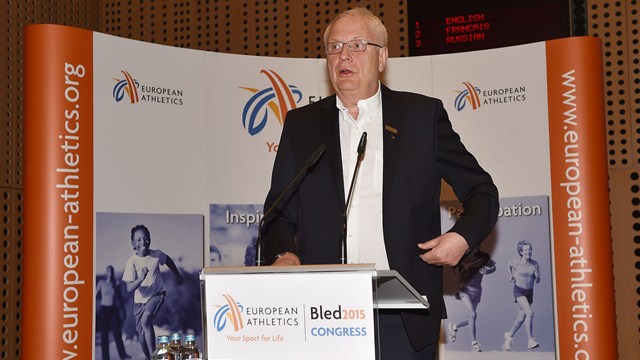
“I would like to congratulate USA Track & Field and Vin Lananna, who has led Eugene’s bid, but I must say I am very surprised by the complete lack of process in the decision the IAAF has taken,” said Svein Arne Hansen, who was elected as president of European Athletics last week.
“The IAAF knew that Gothenburg was a serious candidate for the 2021 World Championships. Swedish Athletics and the city had put in a lot of effort over the years to prepare the bidding application but they have not even been given the chance to bid for the event.
“I have already spoken to Swedish Athletics Federation President Björn Eriksson and he is deeply disappointed about what has happened.
“I completely understand the disappointment of Björn and Göteborg & Co. CEO Camilla Nyman. I know that 2021 was the most important year for the city because it is when they will celebrate their 400th anniversary.
“This type of decision would just not happen within European Athletics as we have a comprehensive bidding process that all candidates must follow.”
Eugene bid for the 2019 Championships and lost out to Doha by just 15 votes to 12 votes, after Doha reportedly promised to raise $37 million for the IAAF from broadcasting and merchandise revenues.
With 2021 going to the USA, this will be the first time a World Championships will be held outside of Europe for two consecutive editions.
“This is, of course, not good for the development of our sport on the continent. European Athletics expects the World Championships to come back to Europe in 2023,” said Hansen.
-
Paris city council approves 2024 Olympic bid
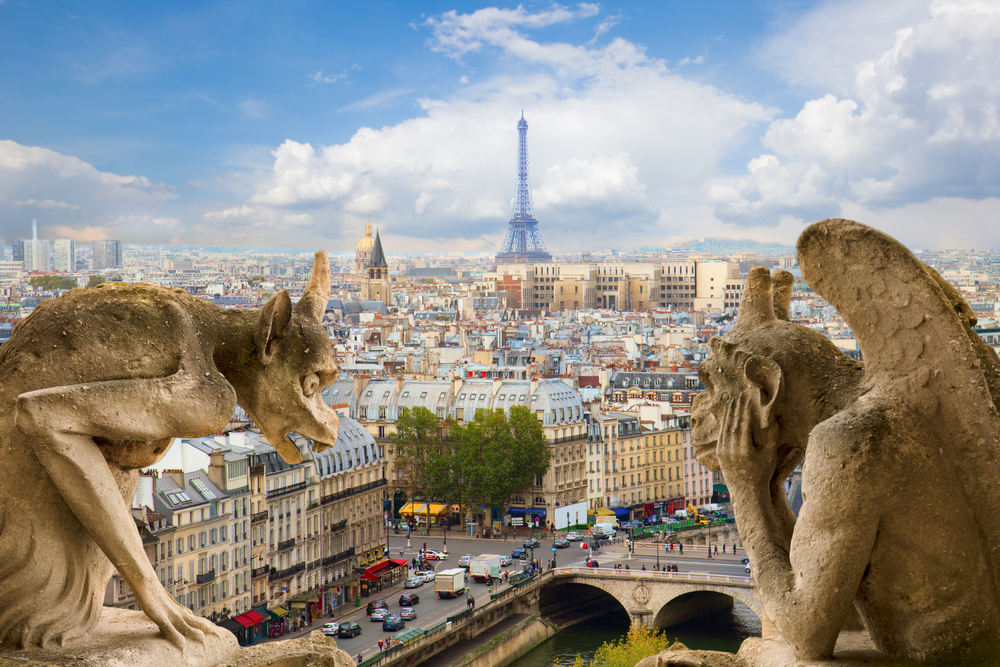
A bid from Paris for the 2024 Olympic Games overcame a significant hurdle today as the city’s councillors voted in its favour.
The next step will be a public consultation before a final decision on the bid will be made in June.
A recent national opinion poll found that 61 per cent of the French public would be in favour of Paris hosting the Games.
“Now we are off on an Olympic adventure,” said Anne Hidalgo, Mayor of Paris.
According to local sources, 163 city councillors voted overwhelmingly in favour of bidding for the 2024 Olympic Games, with support coming from the majority of political parties.
President Francois Hollande, who publically backed the bid in November, is due to meet with IOC president Thomas Bach on in Lausanne on Thursday to discuss Paris’s potential candidacy.
Paris last hosted the Olympic Games in 1924, which would make 2024 a centenary event for the city.
It last bid for the Olympic Games in 2012, which went to London despite Paris being the early favourite.
Bernard Lapasset, vice president of the French National Olympic Committee, presented a report to Hildago and the government on Thursday.
“France has the qualities to win,” he said.
If the public consultation works out in favour of the bid, Paris would join Rome, Hamburg and Boston in a competitive race.
The Indian Olympic Committee is also said to be considering a bid for the 2024 Olympic Games.
Once a city has announced a bid, it can work with the IOC through its new “invitation phase” of the Olympic bidding procedure. The deadline for applying to bid for the Games is September 15th 2015.
-
2024 Olympic bid consultants register welcomed
The International Committee on Thursday launched a Register of Consultants representing cities bidding for the 2024 Olympic Games.
The register was one of the recommendations of Olympic Agenda 2020, the “strategic roadmap for the Olympic Movement” initiated by IOC president Thomas Bach and unanimously approved by IOC members last year.
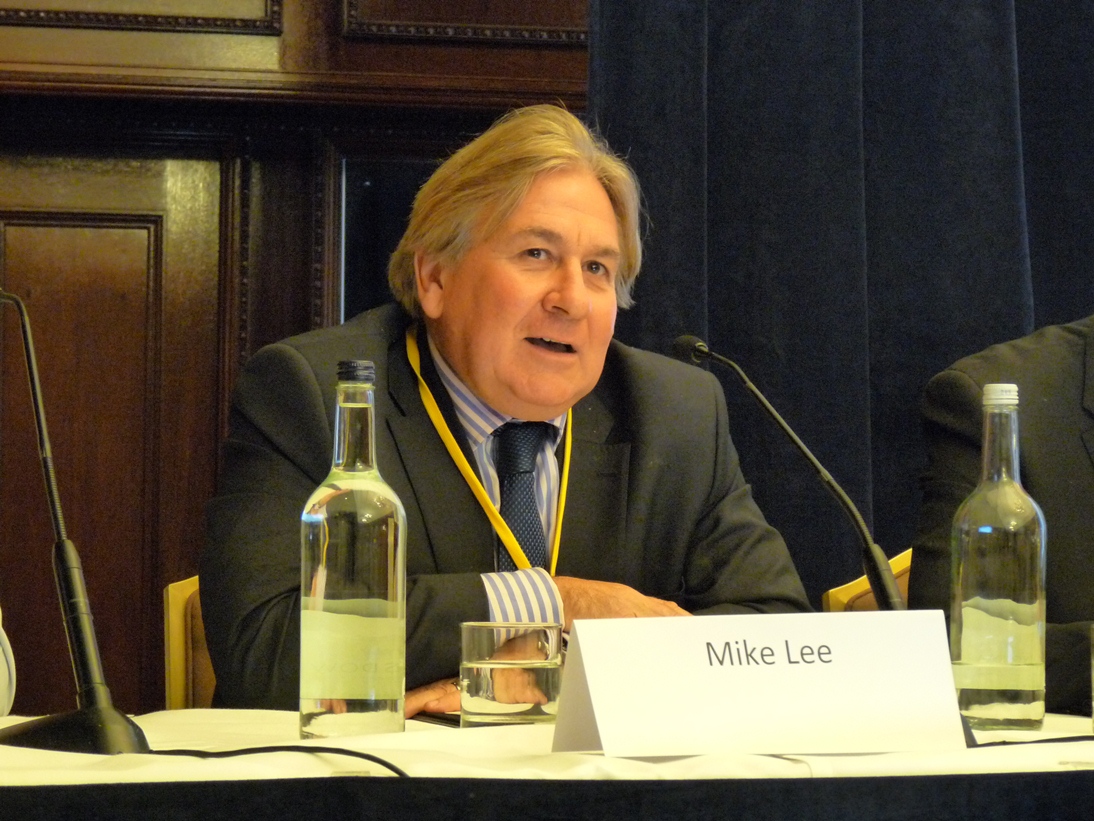
The news was welcomed by Mike Lee OBE, chairman of Vero Communications, who has been involved in a number of successful Olympic bids including London 2012, Rio 2016, PyeongChang 2018 and Buenos Aires 2018.
“I think the idea of a register and codes of ethics and conduct are a very good way forward; we are very pleased to see that.” he told HOST CITY.
“Like others, we will be making an application to be on that register and I think it’s a healthy development and it’s something which the business in sport in general should embrace.
“Certainly you see it in other walks of life – it’s been around in the public affairs industry in many countries, so it’s a good thing and all part of increasing the opening and transparency of the bidding process.”
According to the IOC, all consultants wishing to participate in or support a candidature for the Olympic Games must be entered in the IOC’s Register of Consultants list for the city concerned.
Entry in the Register is a prerequisite for providing any service and/or signing any service contract by the National Olympic Committee (NOC) and/or the city.
The Register and Rules of Conduct form part of Olympic Agenda 2020’s Recommendation 3, which aims to reduce the cost of bidding for the Olympic Games, stating: “The IOC to create and monitor a register of consultants/lobbyists eligible to work for a bid city. Formal acceptance of the IOC Code of Ethics and Code of Conduct by such consultants/lobbyists as a prerequisite for listing in the register.”
The IOC considers a consultant to be any individual or company not linked by an employment contract to the NOC, the city or the bidding committee, and which/who participates in or supports a candidature by providing consultancy or similar services in any way and at any time.
The register will be published on www.olympic.org
-
CGF scrutinises Durban’s African dream
Durban, the only city bidding for the 2022 Commonwealth Games, is being subjected to full scrutiny as the Evaluation Commission conducts a full technical assessment of the bid this week.
“We want to show the rest of the world that even the cities of South Africa can stand side by side with the great cities of the world,” said Gideon Sam, president of the South African Sports Confederation and Olympic Committee (SASCOC).
“We will see this as an African dream and the coming together of Africa.”
Over four days this week, the Evaluation Commission and Bid Committee will visit several venues, analyse and learn more about the technical aspects of the bid and meet with the government and city partners essential to delivering the Games.
The Commonwealth Games Federation (CGF) Evaluation Commission is chaired by CGF honorary secretary Louise Martin CBE, who also chaired Glasgow’s bid to host the 2014 Commonwealth Games.
“As a Commonwealth Sports Movement, we cannot fail to be excited by the prospect of a first Commonwealth Games in Africa, and warmly welcome Durban and South Africa’s bid and congratulate the Durban Bid Team and their local and national partners for all the hard work they have put in so far,” she said.
“This Evaluation Commission, however, has a very important job to do – to analyse and gain a deeper understanding of the technical aspects of the bid and hear firsthand the plans and strategies that will be put in place to deliver an inspiring and inclusive Games for everyone in seven years time. To borrow the bid team’s slogan, we are Ready to be Inspired.”
Addressing the Bid Committee at the start of the visit, she said “Our intention is to work with you and support you, to evaluate the current developments and help optimise them in partnership and in preparation for their endorsement by the CGF General Assembly in September.”
She added that the Commission intends this week “to be the beginning of a candid, collaborative and constructive partnership”.
Martin is joined on the Commission by David Grevemberg, CGF chief executive; Andrew Ryan, executive director, the Association of Summer Olympic International Federations (ASOIF); Ian Hooper, director of sport and special projects, Glasgow Life; and Maxwell de Silva, secretary general, Sri Lankan Commonwealth Games Association and National Olympic Committee.
“We will be working with the Evaluation Commission to clarify and strengthen the city’s bid,” said Mark Alexander, Chairman of the Durban Bid Committee on Monday.
“We are expecting robust discussion and debate from the Evaluation Commission, but we are confident that our bid is well-grounded, sustainable and will stand up to the most vigorous scrutiny.”
Bid Committee CEO Tubby Reddy added: “There is no doubt that we have put up a quality bid which will far exceed the expectations of the CGF. We have been meticulous and sensitive to all the demands from the City as well as from the CGF, and we believe that Durban has produced a world-class bid.
“Our belief in bringing the Games to Africa remains firm and very optimistic.”
Durban’s bid will be voted on by all 71 nations and territories of the Commonwealth Games Federation membership at their General Assembly on 2 September 2015.
The Evaluation Commission will prepare a Bid Evaluation Report to present to the CGF membership no later than one month before the General Assembly.
Transformation 2022 in Africa
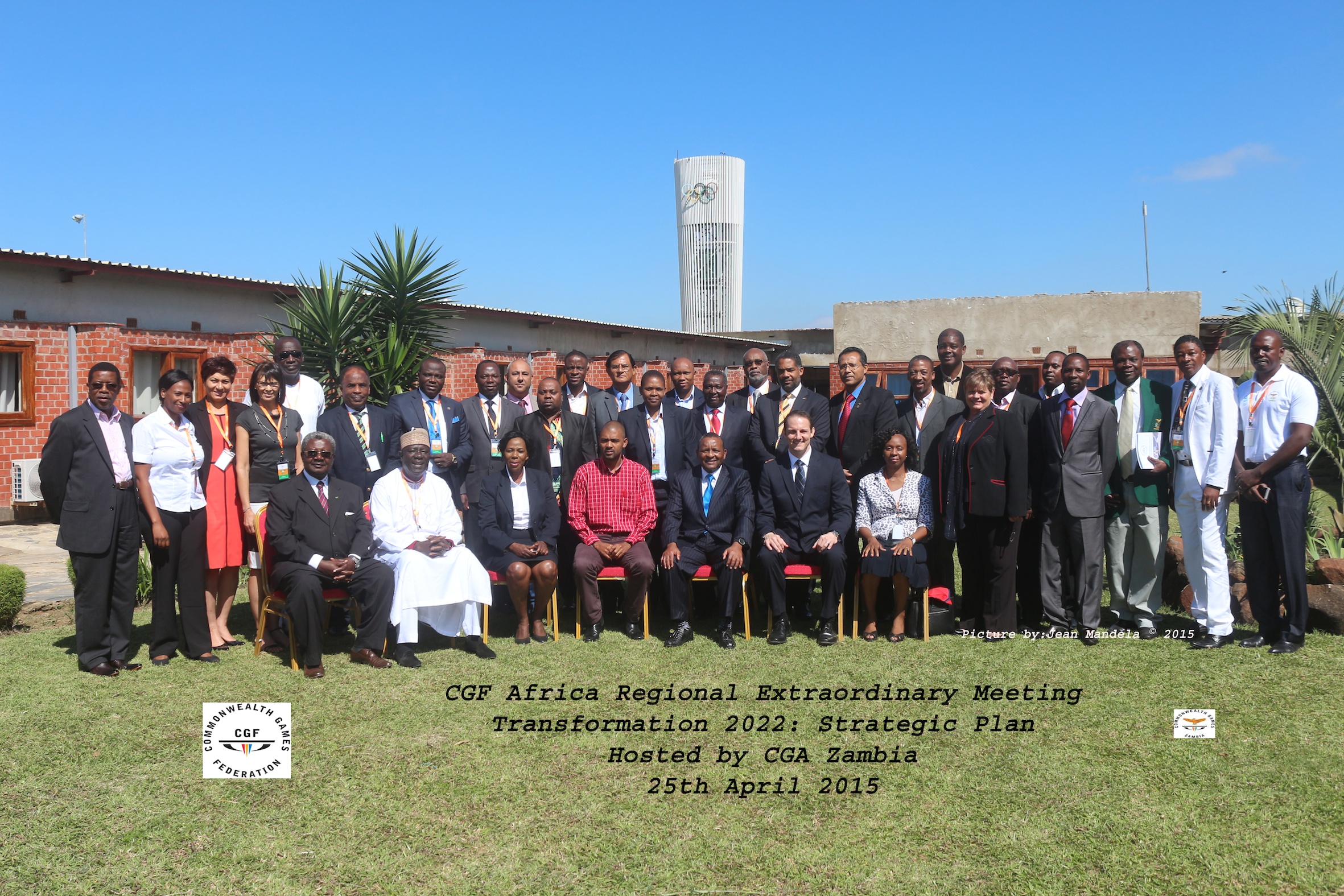
On the way to Durban, CGF chief executive David Grevemberg visited the IOC’s Sport for Hope Centre in Lusaka, Zambia to meet with 18 Commonwealth Games Associations (CGAs) from African nations as part of a Commonwealth-wide consultation with the CGF membership on Transformation 2022, the Commonwealth Sports Movement’s ambitious agenda for growth and innovation.
“Transformation 2022 aims to place athletes, and the transformational impact of their achievements and performances on citizens and communities, at the heart of the Federation’s vision. And there is no better place to have such powerful discussions than in the incredible sporting continent of Africa,” said David Grevemberg in Lusaka.
“This is a defining moment for our African colleagues, as they unite to support the ambitions of Durban and South Africa in their bid to host an inclusive and inspiring Commonwealth Games in 2022. It is also a defining moment for the Commonwealth Sports Movement, as we plan ambitiously for the future and develop and deliver Transformation 2022 in partnership with our members”.
Welcoming the delegation, Zambia’s Honourable Minister of Youth and Sport, Hon Vincent Mwale MP, said: “African Commonwealth Games Associations have a vital role to play in achieving the Commonwealth Games Federation’s Strategic plan for 2022.
“The CGF provides a unique arrangement bringing diverse nations together for a common cause – sport. The Commonwealth Movement embraces unity and humanity, impacting citizens and communities across our region and this is critical to foster mutual collaboration and prosperity through sport.”
-
The next stage for Scotland
2014 was a momentous year for Scotland and major events were at the heart of the excitement. The great success of the “best ever” Commonwealth Games in 2014 was followed by an acclaimed Ryder Cup.
“We’ve been putting Scotland forward as the perfect stage for events for a number of years,” Paul Bush OBE, chief operating officer of EventScotland told HOST CITY magazine. “What came out of last year is that it was a step change for us.”
The successes of 2014 have provided a platform for future hosting successes, building on proven strengths that EventScotland refers to as the “four Cs”: capacity, capability, credibility and confidence.
“Our capacity, in terms of number of volunteers, transport, infrastructure and accommodation, is now recognised around the world,” says Bush. “As for capability, all the events were delivered as the best ever or recognised some of the best.
“Credibility is about reputation; the experience of people coming to our events was high. And the feedback we had from the local population was extremely positive – they didn’t see the events as an impediment; they saw them as something to be proud of.
“And that’s given us the confidence to look bigger and better in the future. The international federations now have great confidence in bringing their events back to Scotland this year.”
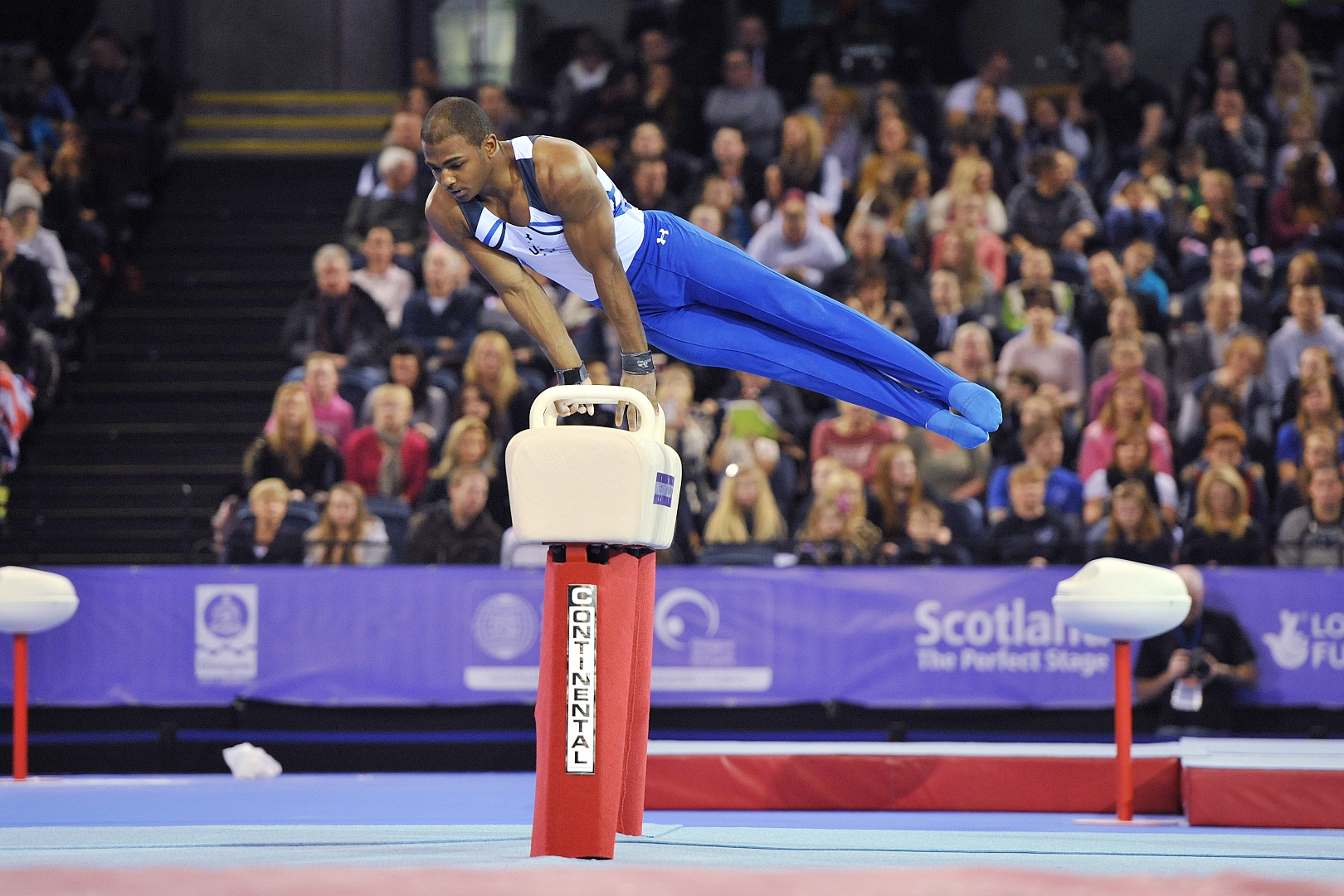
Glasgow is hosting the IPC Swimming World Championships and the World Gymnastics Championships in 2015.
Outside the cities, Scotland is hosting seven golf tournaments back to back this year. The Open Championships takes place in St. Andrews this year while the Women’s British Open takes place in Turnberry in Ayrshire.
The World Orienteering Championships, which has record number of entries already this year, takes place in Speyside, the countryside around Aberdeenshire.
And the UCI Mountain Bike World Cup is taking place in Fort William again in what has become an annual Scottish fixture.
“We’re really cognisant of the fact that we’ve got to spread the benefit as much as we can across the country,” says Bush.
“That’s not always possible because the facilities and the infrastructure are often the driver, but using our natural landscape is really important to us.
The European Eventing Championships, the final qualifying event for Rio 2016, is in the tiny village of Blair Atholl in Perthshire. “The infrastructure that will be needed to put up around that will be huge, and that will really showcase the landscape of that area.”
The 2014 Ryder Cup was hosted on a greenfield site at Gleneagles. Despite the influx of 50,000 people a day, there were no problems in getting people to and from the event – thanks to a transport infrastructure group set up by the Scottish government to look after major events. Initially set up for the Commonwealth Games and the Ryder Cup, this group has since maintained its position within Transport Scotland to ensure the smooth operation of all major events.
Beyond sport
Major cultural events are also an invaluable part of Scotland’s hosting portfolio. Glasgow was the European City of Culture in 1990, hosted the MOBOs in 2009, 2011 and 2013, the MTV Awards in 2014 and is hosting the Turner Prize in 2015.
“Glasgow is recognised as one of the cultural gems of Europe; it has a huge history and heritage within contemporary arts,” says Bush, pointing out that three of the last five Turner Prize winners were educated at the Glasgow School of Art.
“The MTV Awards got to a totally different demographic in terms of young people. MTV communicates through social media –their ticket sales for Glasgow were activated through Facebook, they don’t rely on traditional routes at all.”
Scotland nurtures its own cultural events that are incredibly valuable to the economy. The Edinburgh Festivals bring in around £262m each year, while Hogmanay alone brings in over £30m each year.
“We’ve got some great gems in the cultural portfolio that we want to sustain and grow,” says Bush.
Business events are also an increasingly important feature of Scotland’s event strategy. “Meetings, corporate events, incentives, associations – these have now become part of our portfolio and we are looking to see how the synergies work between these different types of events,” says Bush.
Mass participation is another area where Scotland is keen to grow and diversify. Bush cites the London Prudential Ride and Melbourne’s Ride the Night, which attracted a quarter of a million people into the city centre between dusk and dawn, as examples.
“We are looking at pressing different buttons, accepting the fact that we are not going to get the Ryder Cup or the Commonwealth Games every year, or even every lifetime. “The big thing for us is to ensure that people who come to events become repeat visitors in the future.
“Last year, most people’s perceptions of Glasgow were changed and they realised what a great city it was to come to. A lot of cities have stigmas attached to them. But people thought this is a great city, it’s a really fun place to come to and the people are really welcoming.”
How to become a world class host
So, how can other cities and countries around the world follow this example build themselves into world-leading event destinations?
“The most important thing is you’ve got to have a very clear strategy and you’ve got to stick to that. It’s quite easy to buy events, as certain places in the world have successfully achieved. But you’ve got to work out your USPs, your strategy and your vision.
“You’ve got to invest in good people and you’ve got to give those people the time, the ability and the confidence. In Scotland we started this in 2001 – that’s 14 years ago. “But probably the most important thing in terms of long term success is your ability to deliver and the reputation that comes from that.”
International conventions for the event hosting industry are precious few, but make the most of these, says Bush. “They are really important because they provide that ideal opportunity to get everybody in one place in the world to rekindle those relationships.”
This interview was first published in the Winter 2014/15 Issue of HOST CITY magazine. Since then, Glasgow has been awarded the hosting rights to the new 2018 European Sports Championship.
-
IOC president encourages New Zealand Olympic bid
On his first visit to New Zealand on Tuesday, president Thomas Bach said the IOC is ready to look into a wider range of potential host nations – including New Zealand.
“You cannot restrict the right to host the Olympics to just 20 countries”, he said at a press conference.
“The Olympic Games are universal and we should open doors and windows. If New Zealand is ready to look into it, we are ready.”
He also said the changes brought about by Olympic Agenda 2020 encouraged countries to think about how the Olympic Games could fit into the social, economic, environmental and sporting needs of a country.
Bach was visiting to open the new National Olympic Committee headquarters in Auckland, where he was welcomed with a traditional “powhiri” welcome ceremony.
“Like the Olympic Movement, the welcome ceremony signifies peace, friendship and equality, and it shows how New Zealanders embrace the same values we do of tolerance and understanding through sport”, he said.
He was greeted by IOC Members Barry Maister – who is also tourism director at Destination Marlborough, and Barbara Kendall, who is also vice president of the International Surfing Association.
He also met with Minister for Sport and Health, Dr Jonathan Coleman, as well as members of the National Olympic Committee and national sports federations.
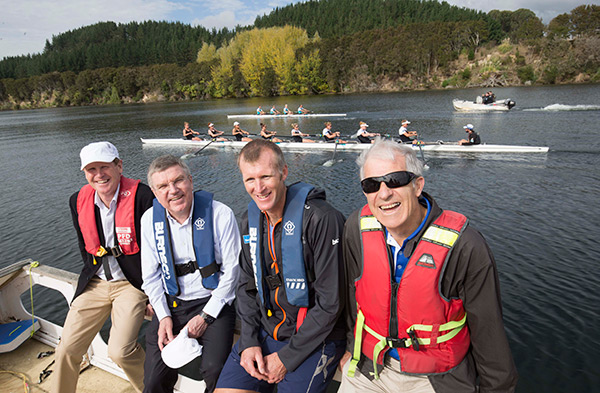
On Wednesday, Bach visited athletes at the Rowing New Zealand High Performance Centre in Cambridge, and after a visit to the local school he went on to the Avantidrome home of New Zealand Cycling, where he met a number of New Zealand Olympic medallists and hopefuls for next year’s Games in Rio de Janeiro.
President Bach discussed discussed Rio 2016, changes to the sports programme and the Olympic Agenda 2020 reforms with a group of 20 New Zealand athletes at the Avantidrome.
-
Portugal to host global Plasticity Forum on pollution
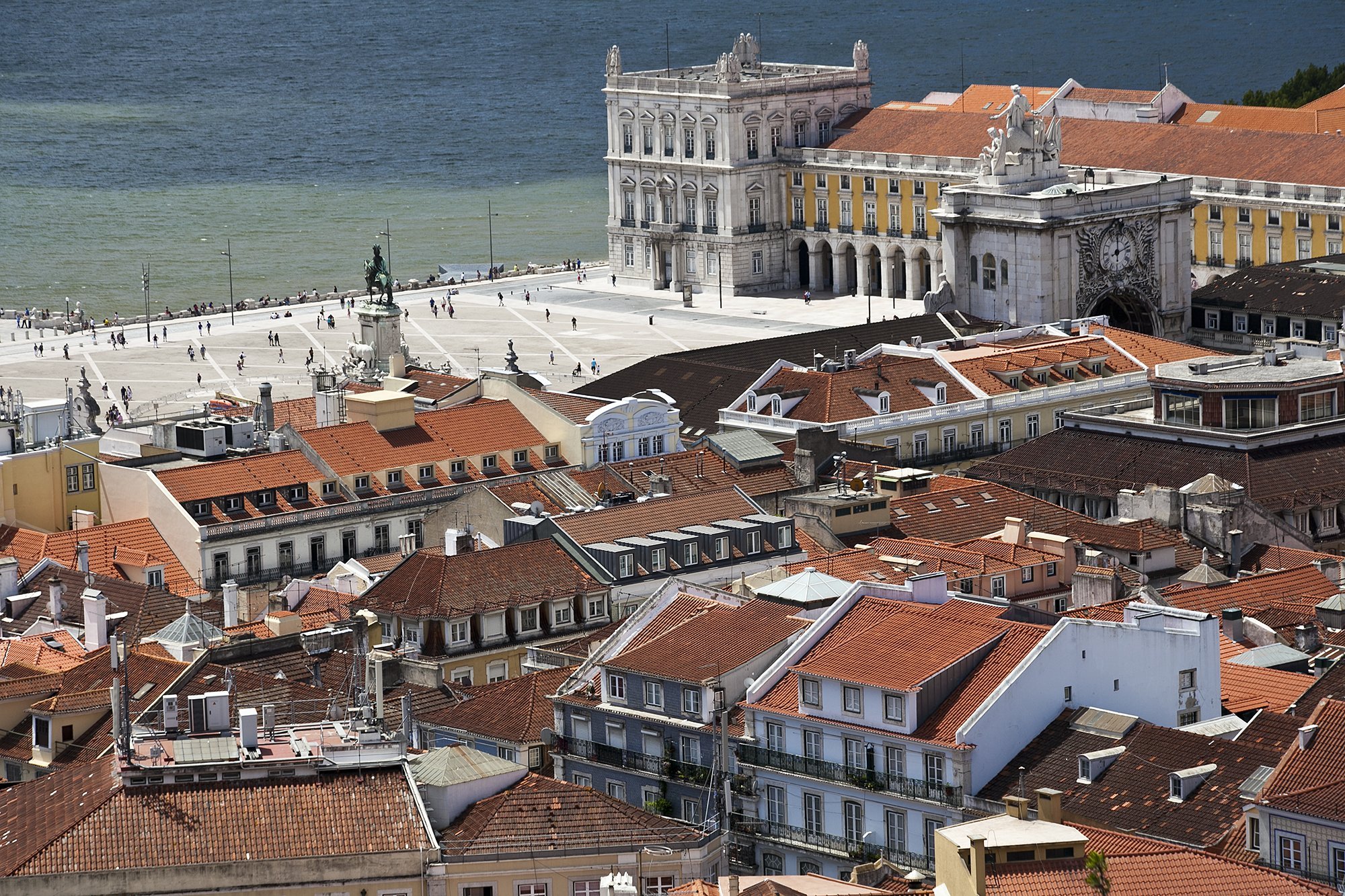
The Plasticity Forum will hold its fourth annual conference on 8 and 9 June in Cascais, on the outskirts of Lisbon, Portugal. The forum will bring together approximately 200 business leaders and experts to discuss innovative solutions to the growing plastic pollution problem facing land and marine environments.
A global event, The Plasticity Forum was launched in Rio de Janeiro, and has since been held in Hong Kong and New York, with the upcoming conference marking its first European event.
The venue for this year’s event will be the Pousada de Cascais – Cidadela Historic Hotel, an old fort facing the Atlantic Ocean that has been converted into a boutique resort. The event will also include a dinner for all attendees at The Presidential Palace in Cascais.
A recent study from the University of Georgia’s College of Engineering found between 4.8 and 12.7 million metric tons of plastic entered the ocean in 2010 from people living within 50 kilometers of the coastline. That year, a total of 275 million metric tons of plastic waste was generated in those 192 coastal countries. Globally, some 280 million tons of plastic is produced annually, yet estimates suggest that only 10 percent is actually recycled.
Capturing this waste stream presents a significant and untapped business opportunity, as does the redesign of packaging and the thought process around waste creation. The Plasticity Forum presents ideas and opens up discussions on how to harness this material in new ways.
“Companies are beginning to realize that environmental sustainability has a positive impact not only on the communities they serve, but also their own bottom line,” said Doug Woodring, founder of Plasticity. “Managing the plastic ecosystem through recycling, reuse and closed-loop methods can make our planet healthier while also creating efficiency in corporate supply chains.”
-
Dublin launches bid for European Capital of Culture 2020
The race to host the European Capital of Culture 2020 shifted up a gear on Saturday, when Dublin announced its bid and Galway revealed a new website for its bid. Limerick, which was City of Culture in 2014, is also in contention.
There are two European Capitals of Culture every year. The bid process starts when the European Commission calls for applications from the relevant national authorities, such as the ministry of culture.
Ireland and Croatia, which joined the EU in 2013, have been designated the hosts of the 2020 edition and the process is underway to select a host city from each of these countries.
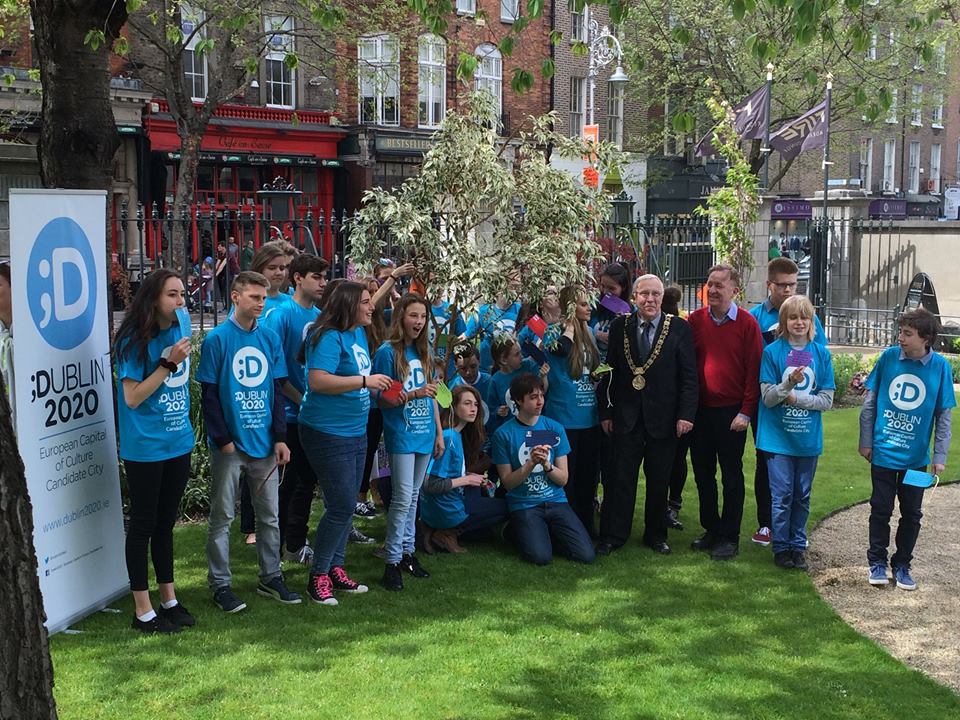
Christy Burke, Lord Mayor of Dublin on Saturday welcomed 28 young Dubliners to present their hopes for Dublin2020 in a “wishing tree ceremony”.
“I am thrilled to join these young visionaries on Europe Day and to officially launch Dublin2020, our bid to be European Capital of Culture in 2020,” he said
“Dubliners are proud Europeans and these young people, who will all be young adults in 2020, are the city’s future.”
The cities will now prepare candidature files that will be judged on six criteria: contribution to the long-term cultural strategy; European dimension; cultural and artistic content; capacity to deliver; outreach; and management.
The title is awarded on the basis of a specific programme over and above the normal cultural activity of a city.
According to the European Commission, the size of a city is not a factor and surrounding areas may be incorporated into bids. Cities with fewer than 25,000 inhabitants have hosted the European Capital of Culture.
The European Commission says success factors are: acting as a catalyst for a step-change in the city, or an area of a city; a measurable increase in the self-esteem of citizens and pride in the city; an increased engagement with the cultural offers of the city, especially with audiences less likely to attend or participate; development of new cultural offers, new skills, new opportunities for artists and cultural organisations; and a greater international understanding and profile, often seen in increased tourism and reputation.
Periodically, a third European Capital of Culture is awarded from a candidate or potential candidate to EU membership. The Serbian city of Novi Sad announced in March that it would make an official application for European Capital of Culture 2020 in autumn 2015.
The host cities of the European Capital of Culture 2020 will be announced next year.