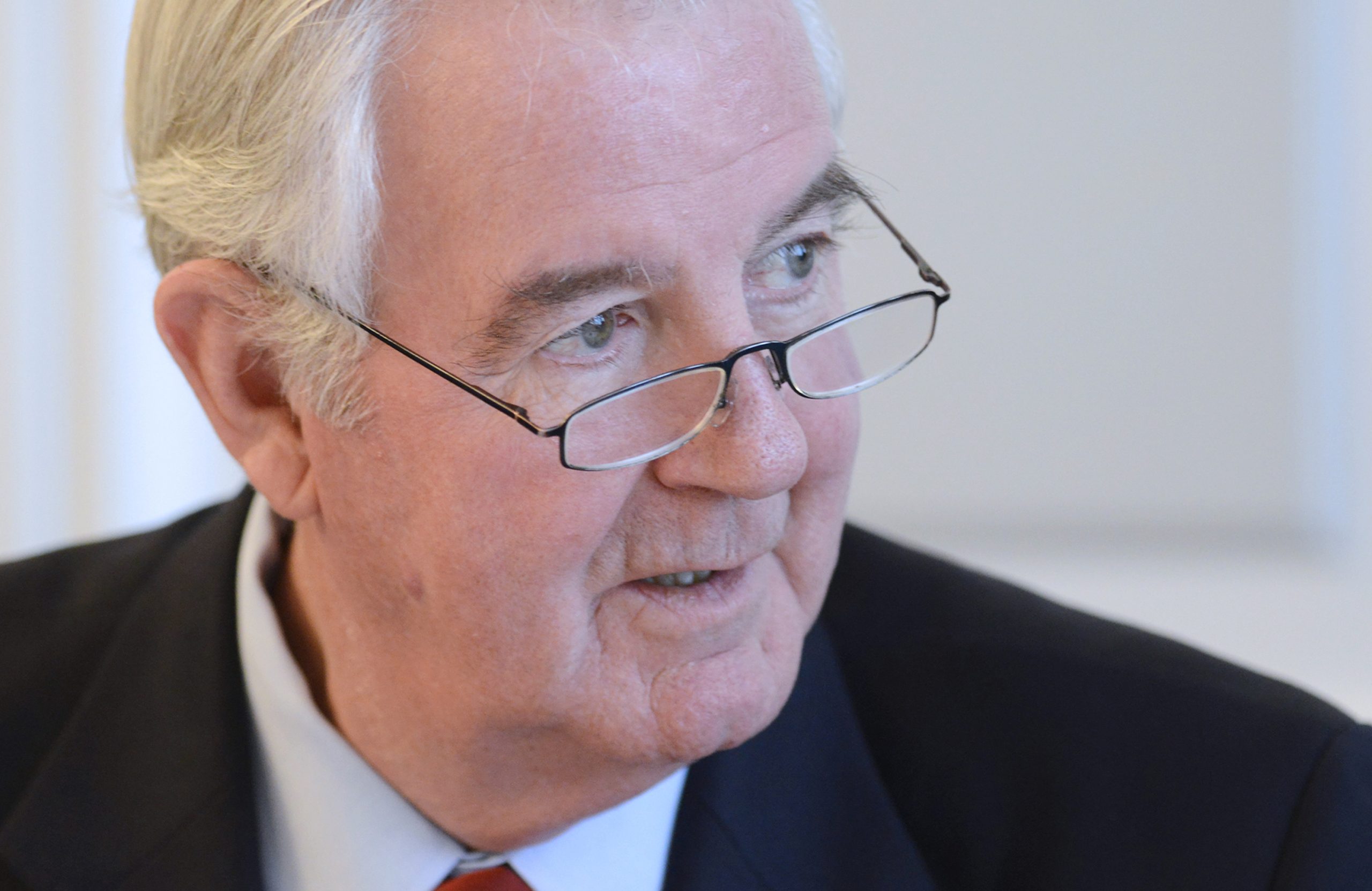
HOST CITY: The IOC must be very pleased with the pool of cities bidding for the 2024 Olympic Games?
Sir Craig Reedie: Yes I think we are. It’s quite interesting that the change in the candidature rules, which came out of the whole reform process called Agenda 2020, seems to have attracted a very considerable field of really good cities.
We are now waiting for further information from Paris, from Hamburg, from Rome, from Budapest and from a North American city – eventually, Los Angeles.
HOST CITY: It must have been a relief when Los Angeles stepped forward – was that anticipated?
Sir Craig Reedie: Yes, I think the USOC have all but admitted that their process might not have worked in the selection of Boston. But, with Boston’s withdrawal, they were fortunate in many ways that the Los Angeles people were so able to come to the party very quickly and in a relatively tight timeframe, because they had a number of things to agree with Los Angeles city before the necessity of putting in a formal bid on the 15th of September.
Los Angeles has an Olympic record – if they win they will be like London, hosting the third time. The city has changed dramatically over the last few years and I am sure they will come forward with a very good bid.
HOST CITY: And the other cities represent a different spread to what we’ve seen in recent bidding procedures.
Sir Craig Reedie: Yes, it’s an interesting mix. Paris is looking to celebrate the 100th anniversary of the 1924 Games in Paris and has clear bidding experience.
Rome hosted outstanding Games in 1960 and there seems to be considerable enthusiasm in Italy and in Rome behind the Rome bid, so they are impressive.
Budapest has come quite late to the party but again a splendid city and Hungary has a terrific Olympic record.
It’s interesting that when the German Olympic Committee decided to choose Hamburg as opposed to Berlin, who I suppose before that decision would have been seen to be favourite, immediately there was strong support from Berlin for the Hamburg choice. So again there seems to be a great deal of unity there.
So it’s a really good field.
HOST CITY: The Olympic bidding process has changed, hasn’t it – after the new invitation phase, we are now straight into the candidature phase.
Sir Craig Reedie: You have to go back a few years to when the system changed from one bidding system into a two phase system – applicant and then candidate. That has now been refined and the big addition has been the invitation phase before a National Olympic Committee decides finally to put a city into the candidature role.
The closing date was 15 September. So for several months before that, cities that were thinking of bidding for the Games, and the National Olympic Committees, came to meet the relevant people in the Olympic Games department and the candidate cities department of the IOC to sit down and work out exactly how the Games would fit into their city; how it would provide legacy; how it would be sustainable; how it would fit into city plans. And the cities were given a great deal of information from the IOC, as it does have a great deal of information from previous bidding processes.
That’s a complete change from the previous process, where the IOC had a very detailed list of requirements and cities bid against that list.
So there is a major change there and I understand that it has been welcomed by the cities, all of whom have been to see the IOC in the invitation phase, and by other cities who went and subsequently decided not to bid but learned a great deal from the exercise and may do so in the future.
And then we come to the candidature phase, which is divided into three parts.
The first part, which runs until June 2016, is the Vision, Games Concept and Strategy and the candidate city’s “bid book” will be submitted electronically. There will be consultation with the IOC throughout and at the end of that first phase the Executive Board will decide whether the cities will move to the second phase, which runs from June to December 2016 and deals with governments, legal matters and venue funding.
Again, the presentations will be made through the IOC with a great deal of assistance and the Executive Board will again make a decision on moving people forward to the third phase, which is Games Delivery, Experience and Venue Legacy and runs from December 2016 through to the selection in September 2017.
So rather than one huge bid book being required at a set date, it’s divided into three sections. There are workshops planned; there are assistances planned to the cities throughout.
HOST CITY: is there any possibility that any of the cities might not proceed beyond each of these particular stages?
Sir Craig Reedie: The whole point of the exercise with the IOC is to help them to get presentations and plans submitted that actually fit not only what the IOC wants for good Games but also what the cities want themselves. There’s an element of skill and discretion needed in doing that; the IOC have to deal with information from one city on a confidential basis and they have to be fair with all five cities. And if they do that, the system will work.
It is not beyond the bounds of possibility that a city could come back and say we’re not taking it any further – I think that’s unlikely in the sense that a lot of work will have gone into this, a lot of discussions have gone on through the invitation phase. And since it’s going on through a stage by stage basis I think it’s highly unlikely that people will withdraw.
The end result of that is that we will have five cities presenting to the Session on the ultimate decision to be taken in Lima in Peru in 2017.
HOST CITY: Five is a very good number of cities.
Sir Craig Reedie: It’s a very good number. I have very warm memories of five cities presenting in 2005 in Singapore.
HOST CITY: And this is all the result of a process of change initiated by IOC President Thomas Bach, which is reflected by the broad theme of the HOST CITY 2015 conference, “Creative Innovation”. Why the need for change in the IOC?
Sir Craig Reedie: I think the principle that Thomas Bach enunciated, to change or change will be forced upon you, is a good one.
People forget that the previous bidding process was certainly the gold standard in sport the world over. If you find that there is a reluctance to bid – and clearly there was an element of that in the 2022 Winter Games situation – then perhaps you should be prepared to do a little bit of out of the box thinking.
And the whole Agenda 2020 process started with two long four or five day meetings of the Executive Board which were effectively a think tank. We ranged all over the place and at the end of the day came up with a coordinated and sensible view of how we wanted to run the Games but also to promote the Olympic movement for the future.
There were some fairly dramatic discussions on the bidding process of the Games. We wanted to make it more inclusive, we wanted to make it more cooperative, we wanted to make it cheaper, we wanted to make it encouraging to more cities to become involved.
In the process of bidding for sporting events, it’s a competitive field. The Olympic Games are the greatest show on earth; it’s important that they maintain this status. It’s important that the athletes regard them as the greatest show on earth and something they really want to take part in.
So therefore a process of change is a perfectly reasonable thing to undertake.
HOST CITY: What are your expectations of HOST CITY 2015 in Glasgow?
Sir Craig Reedie: From my point of view of being involved in HOST CITY 2015, I am delighted that the event is coming to Glasgow, because Glasgow has shown that it is a sporting city with the way it has developed its facilities, the way it ran a major multi-sport event, the Commonwealth Games in 2014, and what it’s been doing since then – not least a couple of hugely successful Davis Cup tennis ties.
So if you look at the excitement that generates locally, and the promotion that it gives the city on a worldwide basis, then I think this indicates that the market out there is a buoyant one.
Cities should be very well prepared to become involved and therefore they should be thinking ahead; they should be innovative – and with a bit of luck they will reap the benefits that Glasgow has.
Category: Event Bidding
-
2024 Olympic bids and the changing Games
-
LA 2024 delighted with Host City 2015 attendance
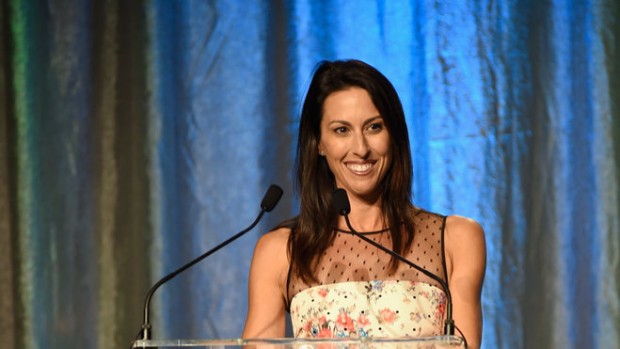
LA 2024 Vice Chair and four-time Olympic swimming champion Janet Evans attended Host City 2015 conference in Glasgow this week, marking the start of a busy period for the LA 2024 Candidature Committee which includes attending the IOC 2024 Candidate City workshops in Lausanne (November 19-20) and the European Olympic Committees (EOC) General Assembly in Prague (November 20-21).
The Host City 2015 conference, which took place in Glasgow on November 9-10, offered Evans, who is also LA 2024 Director of Athlete Relations, the chance to learn from the experiences of a range of leaders from across the Olympic Movement.
LA 2024 Chairman Casey Wasserman said: “We are delighted that Janet is attending the Host City conference in Glasgow with so many Olympic experts present. We are very much in our ‘looking, listening and learning’ phase and these types of events are an invaluable part of this process.
“We will also send a significant LA 2024 delegation to Lausanne for the IOC 2024 Candidate City workshops; which will provide the ideal opportunity to engage and interact with the IOC on the path ahead.
“The EOC General Assembly in Prague represents a further opportunity, after the ANOC General Assembly in Washington, D.C., to consult with the NOC family. Their athletes are at the very heart of the Olympic Movement and IOC President Thomas Bach’s visionary Olympic Agenda 2020. The NOCs have a critical role in preparing and supporting athletes, so it is vital that we consult with them whenever possible.” -
Dubai to host 2019 World Congress of Neurology
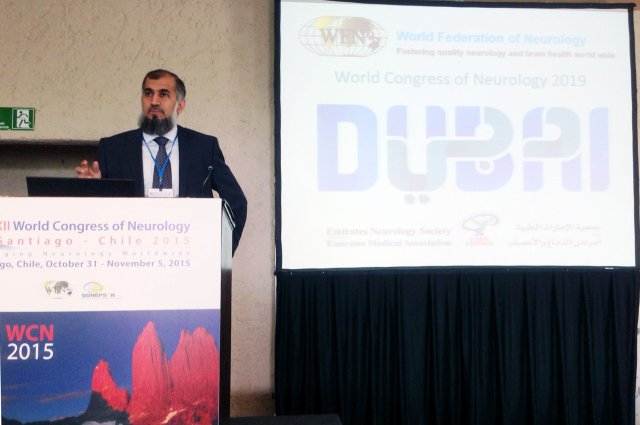
Dubai has won the bid to host the World Congress of Neurology (WCN) in 2019, as the city focuses on business events for its economic development.
The WNC is organised by the World Federation of Neurology, an association of national neurological societies representing 119 neurological societies in all regions of the world.
“Dubai has hosted several international conferences across all fields and is known for its hospitality, excellent infrastructure and world-class facilities,” said HE Humaid Al Qatami, Chairman of the Board and Director-General of the DHA, speaking at the 22nd World Congress of Neurology in Chile in November 2015.
“We look forward to hosting this conference in 2019 and we strongly believe that conferences are a platform that brings together experts from the region and abroad to discuss latest advances in the field.
“Exchange of latest information and know-how is vital for growth and development, particularly in the medical field, which is ever-evolving.”
Business tourism is a large and growing global industry and an important cornerstone of Dubai’s economy.
“Conferences are big business and the number is growing worldwide, with a wider range of cities gaining market share,” said IOC Vice President Sir Craig Reedie in his opening address to Host City 2015, the leading EU-based meeting of cities and sports, business and cultural events.
Previous editions of the WNC have attracted more than 5,000 delegates.
“Presently, in the region, there are 4000 to 5000 neurologists and this conference presents an opportunity to discuss the latest advances and treatment methods in the field,” said Dr Suhail Al Rukn, head of stroke unit at Rashid Hospital and president of Emirates Neurological Society.
“This conference will help foster collaboration and cooperation with neurologists and neurological societies in the region and abroad.”
The next World Congress of Neurology takes place in Kyoto in Japan in 2017.
-
Africa anticipates faster growth in business events
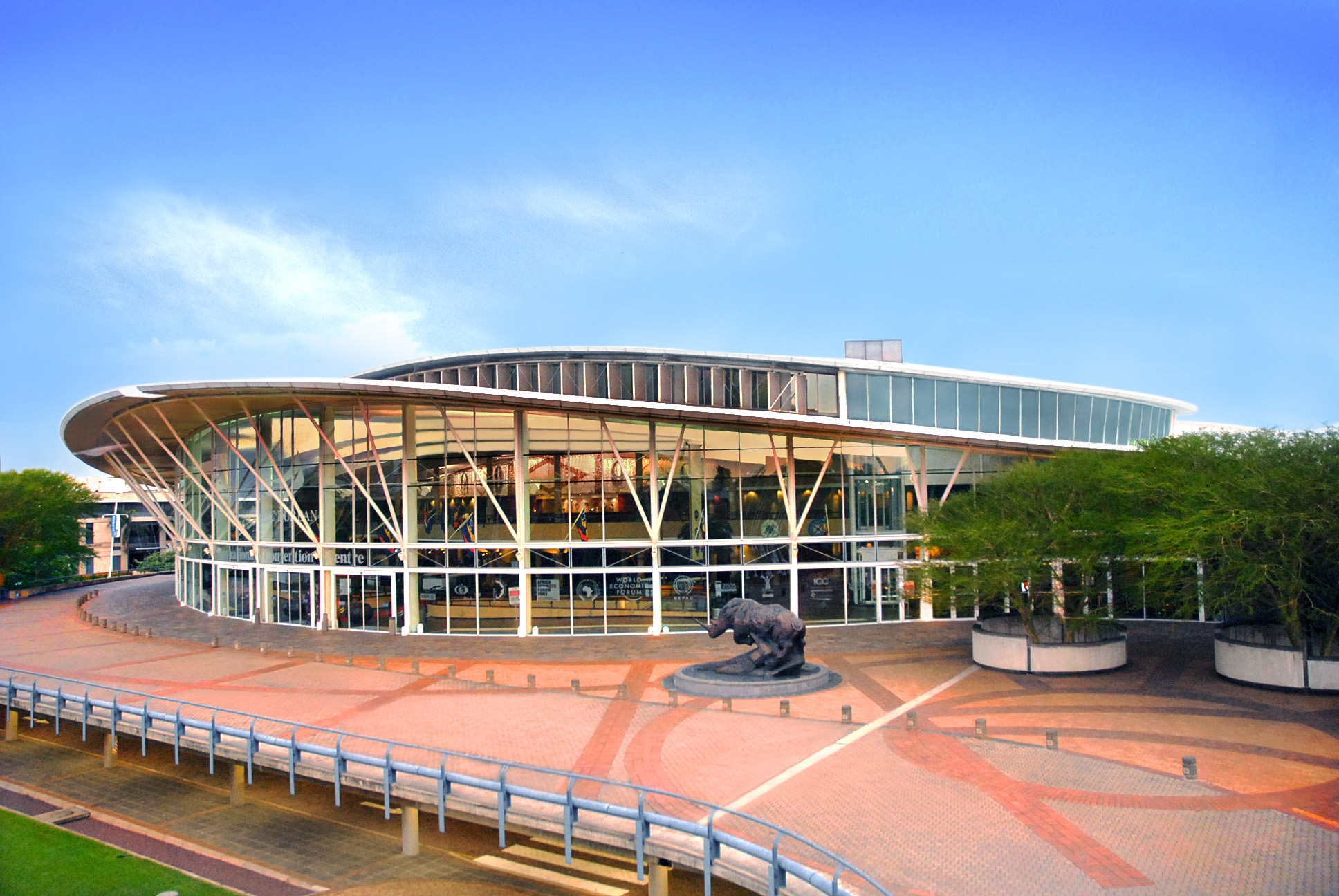
The next decade is set to bring increasingly rapid growth for the meetings, incentives, congresses and exhibitions (MICE) industry in Africa as the continent achieves higher economic growth, according to Derek Hanekom, Minister of Tourism for South Africa.
“The potential of Africa for the MICE industry is exponential,” Hanekom told delegates at ibtm world in Barcelona.
“The tide has turned, we can see that our growth opportunities are now also within the African market. There are 770 registered African Associations on the ICCA database. 178 of these are based in South Africa and 592 on the rest of the continent and 218 regional conferences were registered on the continent in 2014 resulting in 610 events over the last five years. South Africa only hosted 63 of these events in the past 5 years,” said Minister Hanekom.
South Africa hosted 124 international association conferences in 2014, which attracted just below 70,000 industry professionals. Of these 124 conferences, 81% were international rotating events.
Since its inception three years ago, the South Africa National Convention Bureau (SANCB) has successfully bid for 163 business events between 2016 and 2020, which are expected to bring over 150,000 delegates to South Africa and contribute approximately R3.1billion to the economy.
“South Africa offer the business events industry excellent value for money, deliver authentic, memorable and enriching experiences in one of the most captivating, safest and beautiful countries that I am proud to call my home,” said Hanekom.
It was also announced that the European Cities Marketing (ECM) programme has extended its reach to South Africa, hosting an ECM Academy in South Africa just before the 2016 edition of Meetings Africa.
“We are really thrilled to have our first ECM Academy organised in South Africa,” said ECM President Ignasi de Delàs at ibtm world.
“It’s a new landmark in ECM development to host the derived version of our successful ECM Summer School. The ECM Academy is a tailor-made course for partner organisations outside Europe.
“We will do our maximum to guarantee the success of the ECM Academy in Johannesburg by maintaining the highest standard of course content, recruiting the best speakers, and giving the latest examples showcasing the most up-to-date trends in the Meetings Industry.”
-
Good partnerships win, say global event leaders
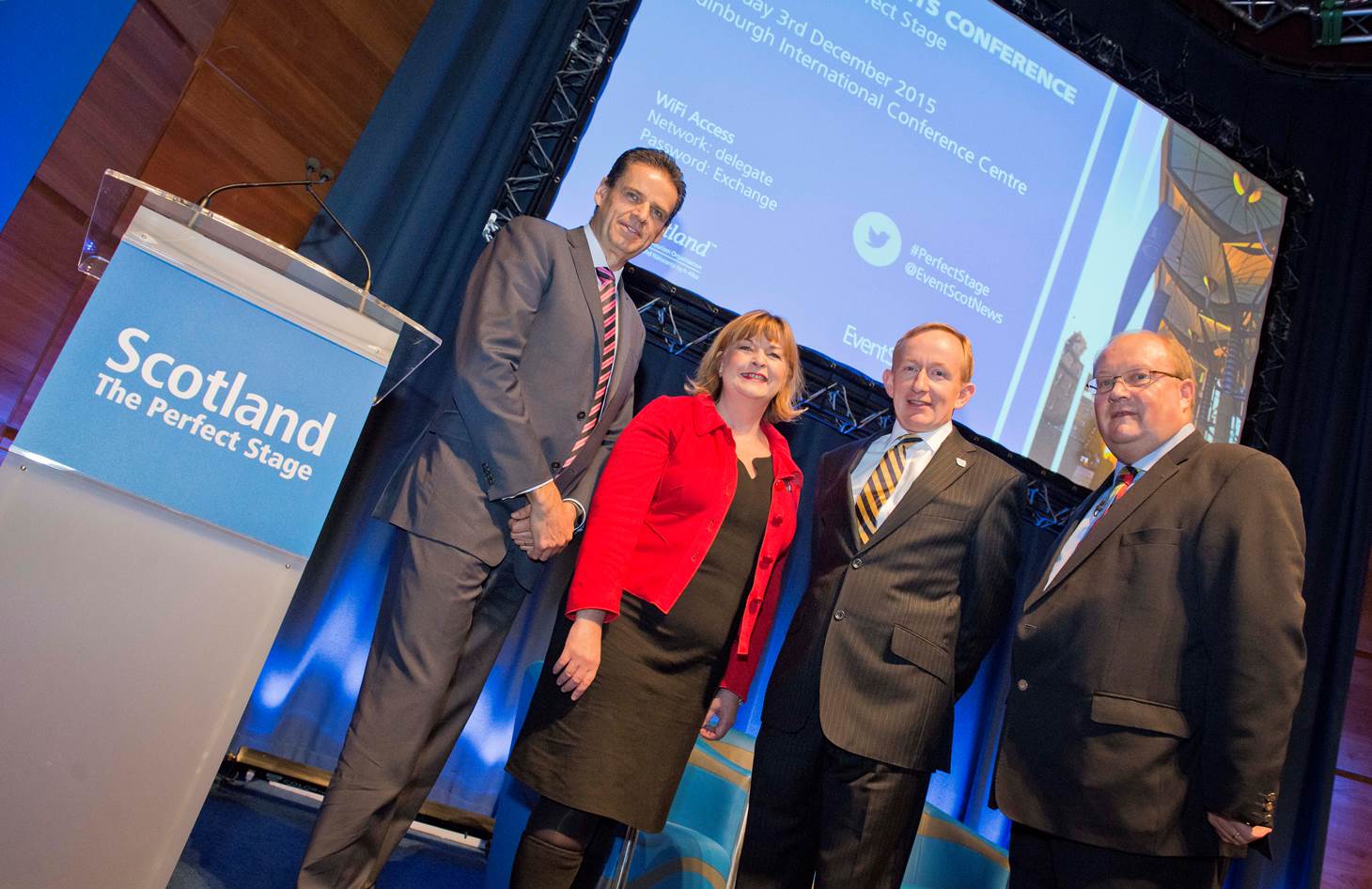
Strong partnerships are the key to delivering a flourishing events and festivals portfolio, according to Brendan McClements, Chief Executive of Australia’s Victorian Major Events Company and Paul Bush OBE, VisitScotland’s Director of Events.
The driving forces of two of the world’s most successful event destinations spoke to Host City at the National Events Conference on 3 December 2015 at the Edinburgh International Conference Centre. The conference focused on “Scotland the Perfect Stage”, the recently refreshed National Events Strategy for 2015-2025.
“You can’t do this by yourself, you need people to help. When I was reading through ‘The Perfect Stage’ strategy it was the first time I’d seen another nation highlight so clearly that we need this as a fundamental component of building success and how to use it to our advantage,” Brendan McClements, Chief Executive of Australia’s Victorian Major Events Company told Host City during the conference.
“Victoria has learned from Scotland’s approach. That’s something that’s helped drive success in Victoria.”
After an unprecedented year for major events in Scotland in 2014, which included the Ryder Cup and Commonwealth Games, the nation is now looking forward to hosting the 2018 European Sports Championships, 2019 Solheim Cup and UEFA EURO 2020.
McClements has been responsible for attracting some of the world’s most prestigious events properties to the state of Victoria, including the 2015 Cricket World Cup, Formula 1 Australian Grand Prix and the incredibly popular artistic and cultural celebration, White Night Melbourne.
In his keynote speech at the conference, McClements emphasised Scotland’s pre-eminent position in encouraging and facilitating the public, private and third sectors to work in unison in the delivery of its events and festivals portfolio, valued at £3.5bn per year to the Scottish economy.
“Major international events, and indeed small-scale events that support local communities, all of which have a number of stakeholders, can only achieve successful outcomes for all parties if everyone buys into the same plan. Sustainable events cannot survive on a command and control model,” he said.
“Events are complicated; you need to build a coalition of people who want to work with you,” he told Host City. “You are talking about governments, councils, local authorities, local services, industry, venues, airports, transport authorities, rights holders and so on,”
Paul Bush OBE, VisitScotland’s Director of Events, explained how partnership working drove one of Scotland’s most recent successful bids, for the 2019 Solheim Cup at Gleneagles.
“We had 23 partners as part of our Solheim Cup bid including local bodies such as Creative Scotland and the Edinburgh International Festival. Bringing these bodies together you really see the value of working together; it’s broken down the silo mentality,” he told Host City.
“It’s brokered by people trusting each other, but ultimately you’ve got to put a system in place that maintains the momentum. It’s really an organic process that needs to become systemic; it needs to maintain its integrity when people leave.”
The Scotland’s First Minister and Victoria’s Premier established a Memorandum of Understanding during the 2014 Commonwealth Games in Glasgow in relation to securing major events.
“We share a lot of things in confidence. They are not a competitor, as they are on the other side of the world, but it’s good to share intelligence about how you work with rights holders and which new cultural products to launch,” Bush told Host City.
Cultural events is a key area where Scotland has inspired Victoria. “The Edinburgh International Festival is outstanding example of what can be achieved in the cultural space. Any city in the world would look at this and think, how can we achieve this,” said McClements.
“It’s certainly informed our thinking of what’s possible. We have an event called White Night that’s drawn on models from all over the world. The Edinburgh experience helped inform what we wanted to do with that event. Edinburgh is the gold standard.”
This strategic, coordinated approach is not exclusive to Scotland and Victoria. Bush cites Copenhagen as a “fantastic example”, and also points to Auckland, London and “pockets in North America”.
Strong international relations can in some cases lead to shared hosting rights. Australia co-hosted the 2015 Cricket World Cup with New Zealand.
“Having multiple hosts is a natural outcome. New Zealand are our siblings, so there is a high level of cooperation.
“Hosting the 2015 Cricket World Cup with New Zealand was no more complicated than any other major event that takes place in two locations. The organising committees made sure there was investment in communications.
“The plan was well coordinated – this was delivered seamlessly, all the way through the public and private sectors. The government piece of the puzzle was well sorted out. Time spent getting that right really paid off for Victoria.”
Victoria hosted a disproportionately large number of big games during the Cricket World Cup, including the opening as well as the final match. 350,000 people attended World Cup matches in Victoria in total, 153,000 of whom were from outside the state and 75,000 from outside the country, resulting in AU$300m of spending in the state.
In 2015 Melbourne also hosted Rugby League State of Origin series, one of Australia’s biggest sporting events. 92,000 people attended, 40,000 of whom were from outside Victoria.
“It’s been an extraordinary fiscal year for Victoria, where you can see and taste the benefits that major events can bring. We’ve set a new benchmark for what major events are capable of,” said McClements.
The National Events Conference was opened by Fiona Hyslop MSP, the Cabinet Secretary for Europe, Culture and External Affairs and Dr Mike Cantlay OBE, Chairman of VisitScotland. Cantlay emphasised the need for continued investments in infrastructure, digital connectivity and air connectivity for Scotland to continue securing and delivering the next generation of events.
The conference also focussed on operating outstanding smaller events, delivering safer events and addressing the opportunities provided to the sector by Scotland’s Year of Innovation, Architecture and Design. Speakers and delegates also discussed potential applications for 3D 360° video displays, gathering and interpreting real-time event insights and the TEDx phenomenon.
The conference followed the hugely successful Host City 2015 in November, which saw global cities, rights holders and experts converge in Glasgow.
-
SportAccord Convention opens Host City application process for 2017 and 2018
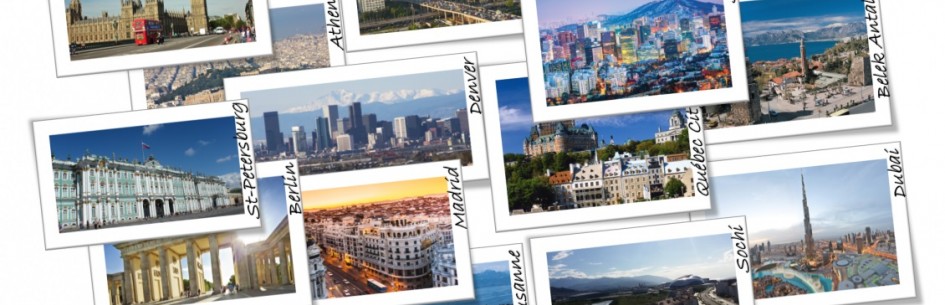
With Lausanne recently confirmed as the location for the next SportAccord Convention, set to take place 17-22 April 2016, the organisation has now officially opened the application process for future host cities of the Convention in 2017 and 2018.
Held in a different city every year, the annual SportAccord Convention is a unique opportunity for key decision-makers from sport and industry to meet, network, and strategically shape global, regional and national agendas. As the premier event connecting sport and industry, approximately 90% of the participants are high-profile leaders, who seek to further the development of sport in an intimate and exclusive environment. In turn, this garners much attention and places cities firmly in the spotlight.
Speaking about the host city opportunity, Mr. Nis Hatt, Managing Director, SportAccord Convention commented:
“The SportAccord Convention is an important event in the sporting calendar for industry, International Sport Federations and organisations worldwide, so the earlier we start the bid process for the involvement of future cities, the better. The Convention provides an ideal platform to get business done – much is achieved in a short space of time – and for many organisations, the same opportunities may not present themselves as easily throughout the year.” Hatt went on to say:
“We are inviting cities to apply to become a host city in 2017 or 2018, and take advantage of the opportunities gained by being involved in this unique event”.
Further information can be found on the website at https://www.sportaccordconvention.com/about/bid-city-information-2017-an… includes the Bid City Application Information Pack, the Host City Bidding and Selection Process, as well as the Bid City Application Form.
The place Where Sport Meets, the SportAccord Convention is an exclusive 6-day event and attended by 2000 delegates. It is host to annual general meetings, a themed conference including City Forum, LawAccord and MediaAccord, as well as a Plenary Conference. An Exhibition is also held within the Official Programme and is represented by industries, sport organisations, government offices, cities, event services, media, and many more. International Sport Federations also take part in the Sports Demo Zone, and the Convention additionally provides a strong cultural and social programme for all participants.
Cities interested in bidding to host the Convention in 2017 or 2018 should contact Nis Hatt, Managing Director, SportAccord Convention, nis.hatt@sportaccordconvention.com to register their interest by Thursday, 28 January 2016.
For media enquiries, please email Jenny Edmondson, Media Relations Officer:
jenny.edmondson@sportaccordconvention.com
-
Lausanne confirmed as Host City for SportAccord Convention 2016
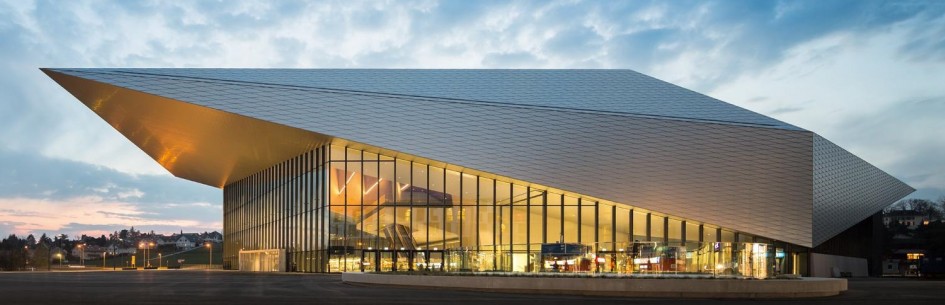
SportAccord Convention is pleased to announce Lausanne as Host City for the 2016 Convention. Returning to the Home of International Sport, the Convention will take place from 17-22 April 2016 at the Swiss Tech Convention Centre which offers state-of-the-art congress facilities.
On becoming Host City to the next SportAccord Convention, Mr. Marc Vuilleumier, Lausanne’s Municipal Councillor in charge of Sport commented: “What a wonderful way to close an exceptional year for the City of Lausanne. 2015 marked the IOC’s Centenary in our city, and last July we became the host of the 2020 Winter Youth Olympic Games. The SportAccord Convention will once again witness the entire world of sport gather here, for the first time since we hosted the second Convention in 2004. Lausanne truly is the “Olympic Capital”, today more than ever!”
With close to 50 sports organisations based in Lausanne and the surrounding region of the Canton of Vaud, including many international sport federations, the city is an idyllic location for this premier event. On hearing the news, Thomas Bach, President, International Olympic Committee (IOC) said: “What better place could SportAccord Convention have chosen to hold its annual event than Lausanne, a city which is made for sport. For a century now, Lausanne has been the IOC’s home. More than thirty international sports federations and sports organisations have also found in Lausanne the ideal setting to develop and strengthen the place of sport in society.”
Held in a different city every year, the annual SportAccord Convention is a unique opportunity for key decision-makers from sport and industry to meet, network, and strategically shape global, regional and national agendas. An exclusive 6-day event comprising 2000 delegates, the Convention is host to annual general meetings of governing bodies, and once again, will welcome a delegation from the International Olympic Committee.
Now in its 14th edition, Francesco Ricci Bitti, President, ASOIF and SportAccord Convention remarked: “We are delighted that Lausanne has taken up the baton once more and will be hosting the next SportAccord Convention. As a major event in the international sporting calendar, Lausanne provides a favourable location for sport and business leaders to meet, given its strong commitment to sport and industry. With the warm hospitality shown to visitors and delegates in 2004, we can expect to deliver a Convention that meets the needs of our Stakeholders, Partners and delegates.”
The Convention comprises: a themed conference including City Forum, LawAccord and MediaAccord, as well as a plenary conference; an exhibition represented by industries, sport organisations, government offices, cities, event services, media, and many more; a Sports Demo Zone; as well as a social and cultural programme.
For further information on the benefits of attending the SportAccord Convention, visit: www.sportaccordconvention.com
For media enquiries, please email Jenny Edmondson, Media Relations Officer: Jenny.edmondson@sportaccordconvention.com -
Host City 2016 to return to Glasgow on 16 and 17 November
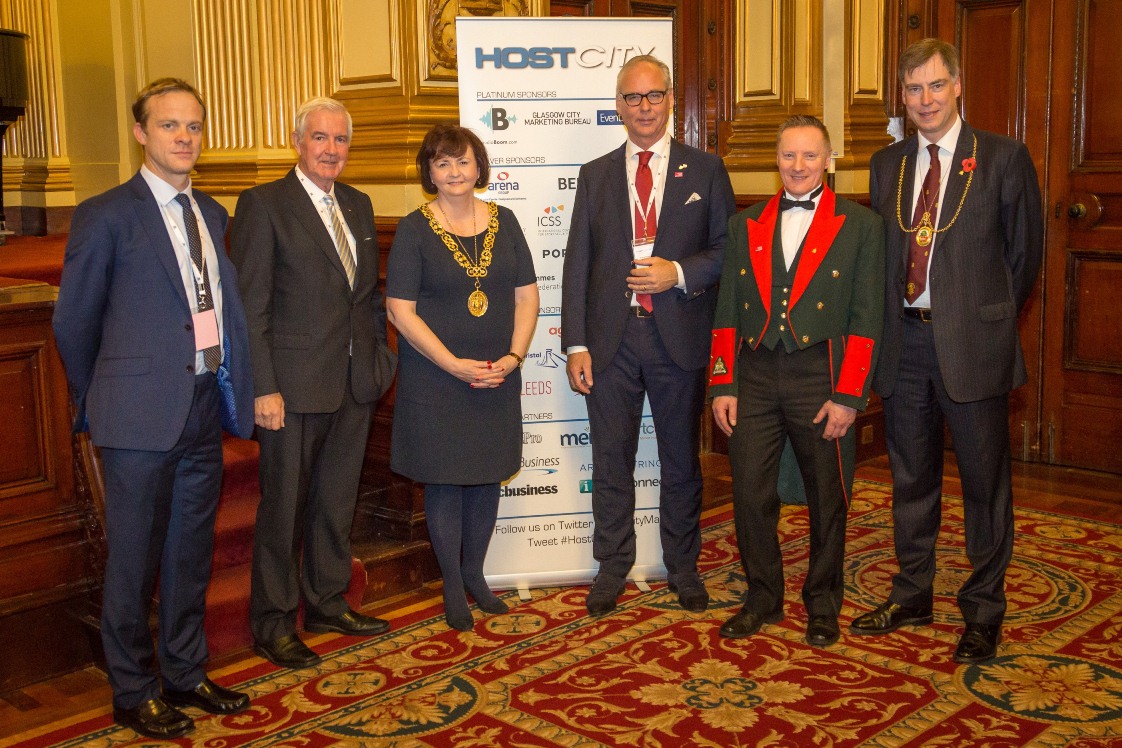
After the hugely successful Host City 2015 event in Glasgow in November, the must-attend conference and exhibition for leaders in event hosting will return to the state-of-the-art Technology and Innovation Centre on 16 and 17 November 2016.
At Host City 2016, cities, event owners and suppliers will exhibit alongside a truly outstanding conference programme in the heart of Glasgow.
As the largest conference and exhibition of cities and cross-sector events, Host City provides a much needed one-stop event where city representatives, destination marketers, event owners and suppliers can all meet.
Host City 2015 was twice the size of the 2014 launch event in London and Host City 2016 is set to double again to reach 500 attendees from cities and destination marketing organisations, cross-sector rights holders and suppliers.
Host City features world class speakers from IOC, CGF, FIFA, sports federations, BIE, EU Capital of Culture, major scientific congresses; city event leaders from Brazil, Canada, China, France, Germany, Italy, Norway, Japan, Qatar, Russia, South Africa, Spain, Sweden, USA and many more.
The conference attracts delegates and exhibitors from cross sector rights holders, together with organising committees, city halls, national Olympic committees, Convention Bureaus and the suppliers that make city events possible.
The event is firmly established as the optimal environment for cities, events owners and suppliers to network with and learn from peers in the business of bidding for and hosting cross-sector events, from mega sports events to live entertainment and congresses.
With a mix of panel discussions, keynote addresses and case studies on how to attract and host secure and engaging sports, business and cultural events. The conference highlights the issues and opportunities facing everyone in the business of city events.
Host City attracts the attention of global media, with coverage from Press Association, Daily Telegraph, Daily Mail, O Globo, Bloomberg, Associated Press, ESPN, Fox Sports, USA Today, Huffington Post, Yahoo, China Sports, Indian Express, Yomiuri Shimbun, Sports Illustrated, Washington Times, MSN, Eurosport, STV, Kyodo News, Sky News, audioBoom and many more. Media partners have included SportCal, Around the Rings, iSportConnect, fcbusiness, SportBusiness, Sports Features, SportsPro.
What attendees said about Host City 2015:
“Thanks again for a conference that was interesting, inspiring, very very well organised and a good opportunity to meet some interesting people” – Alex Koch, Corporate Communications Manager, FIFA
“It was a good platform which is completely new to us; it’s very interesting to meet senior level associations, buyers, suppliers, all areas of the business” – Livio Götz, Market Manager UK & Ireland, Switzerland Convention & Incentive Bureau
“An inspiring event” – Karel Bartak, Head of Culture, European Commission
“I was really impressed by the quality of the event – the speakers, the delegates, the topics and the venue” – Robert Datnow, Managing Director, The Sports Consultancy
“Great conference, well organised and a very good subject area” – Martin Fitchie, Programme Manager, European Sports Championships Management
“A great success” – Bridget McConnell, Chief Executive, Glasgow Life
“The speakers have all been good, the panels have been good and it’s explored a lot of different areas” Hamish Fraser, Group Director, NVT Group
“A good conference with interesting and motivating sessions” – Jon Ola Sand, Executive Supervisor, Eurovision Song Contest, European Broadcast Union
“It was interesting to be here to promote the city of Bern as a host destination for major and small sports and cultural events” – Bernhard Rhyn, Bern Incoming Ltd.
“I found Host City to be very useful for audioBoom as a platinum sponsor for meeting a lot of people who we want to engage with in the sports and event industry” – Marc Webber, Head of Sport, audioBoom
“The quality of the speakers and the content was outstanding” – Mike Hopper, CEO, Advance Brand Consulting
Join the Host City movement
We look forward to welcoming you to Host City 2016, the EU’s leading meeting of cities and sports, business and cultural events, in Glasgow on 16th to 17th November.
For more information on Host City 2016, join the conversation on on Twitter using #HostCity and visit http://www.bidtowin-hostcity.net. For updates on Host City 2016 and much more, keep an eye on www.hostcity.com
-
FIFA explains ban for Qatar and Russia bid inspector
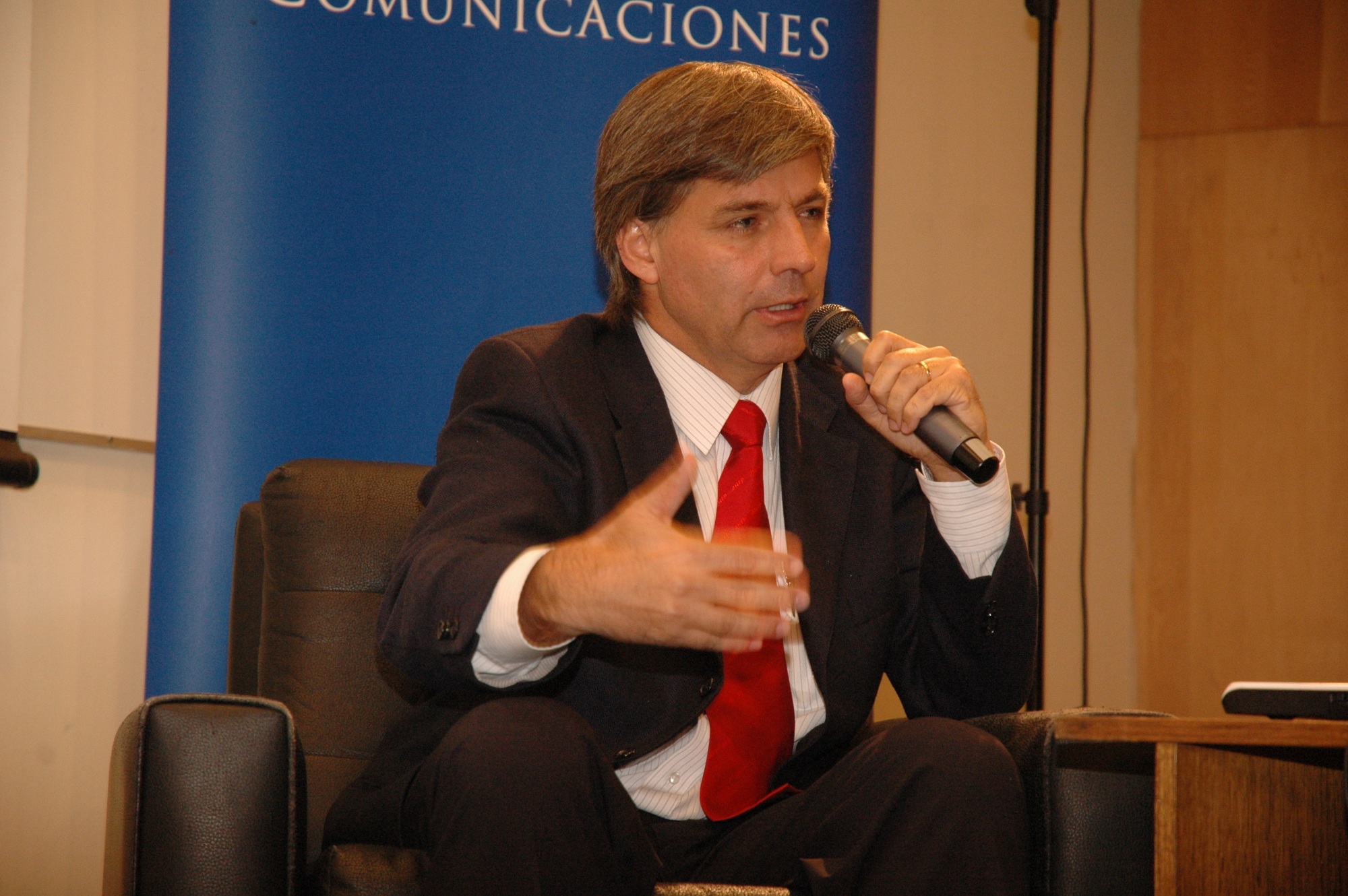
Harold Mayne-Nicholls, who chaired the FIFA Bid Evaluation Group for World Cups in 2018 and 2022, was on Thursday notified by the adjudicatory chamber of FIFA’s independent Ethics Committee of the reasons for his seven-year ban.
The adjudicatory chamber, chaired by Mr Hans-Joachim Eckert, had banned Mayne-Nicholls from taking part in any kind of national and international football-related activity (administrative, sports or any other) for a period of seven years.
The FIFA-led investigation found Mayne-Nicholls guilty of infringing article 13 (General rules of conduct), article 15 (Loyalty), article 19 (Conflicts of interest) and article 20 (Offering and accepting gifts and other benefits) of the FIFA Code of Ethics (FCE).
The adjudicatory chamber described the violation of article 20 as “the most serious breach committed by the official”, contravening a provision that aims at “guaranteeing that the requirement for FIFA – and its bodies and officials – to behave with integrity and neutrality is upheld at all times”.
“Mr Mayne-Nicholls, in his capacity as chairman of the FIFA Bid Evaluation Group for the World Cups in 2018 and 2022, had a special obligation with regard to the integrity and neutrality of his work,” the adjudicatory chamber said.
“Confidence in the work of the Bid Evaluation Group was especially crucial in order for it to properly exercise its powers and duties. After having taken part in an inspection visit to one of the Bid Committees in September 2010, Mr Mayne-Nicholls, at his own initiative, repeatedly asked for personal favours related to the hosting and training of his relatives (a son, nephew and brother-in-law) at an institution linked with that Bid Committee.
“Not only were these requests of a private nature, but they were made only a few days after the visit to the Bid Committee, during the time the Bid Evaluation Group of which Mr Mayne-Nicholls was the chairman was still exercising its duties and prior to the election of the hosts for the 2018 and 2022 FIFA World Cups.
“By making the requests, Mr Mayne-Nicholls did not act in FIFA’s interests and ignored his responsibility as a high-ranking FIFA official, someone who was expected to act with utmost neutrality and integrity, in order to pursue his own personal interests.”
Mayne-Nicholls now has the option to lodge an appeal with the FIFA Appeal Committee.
-
LA2024 selects UCLA for sustainable Olympic Village
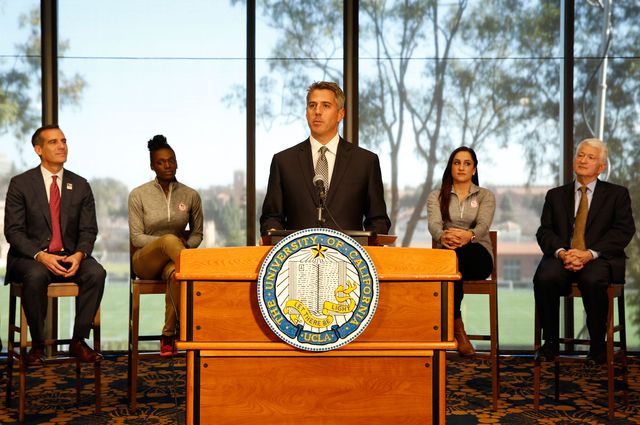
Los Angeles’ bid committee for the 2024 Olympic Games has selected UCLA (University of California, Los Angeles) halls of residence as the proposed site of the Olympic Village.
The Media Village would be housed at the University of Southern California (USC), in the event of Los Angeles winning the bid to host the 2024 Olympic Games.
“LA 2024 is first and foremost focused on the athletes and when we looked across the city at possible accommodations options, it became clear that we can offer the best personalized experience for athletes and other participants through existing facilities at UCLA and USC,” said Gene Sykes, CEO of LA 2024.
“With these excellent residences at USC and UCLA, LA 2024 has developed an innovative Games Plan that aligns closely with Olympic Agenda 2020’s sustainability and fiscal discipline goals.”
Building and finding suitable legacy use for athletes’ villages is a challenge for the organisers of mega sports events.
LA 2024 had previously planned to build a new village for the Games, but with projected costs rising in excess of US$1bn the bid committee has proposed a more sustainable solution.
“We have carefully chosen facilities that are sustainable, fiscally responsible and athlete-friendly,” said Los Angeles Mayor Eric Garcetti.
UCLA will house all eligible athletes and team officials at its residential facilities. All of these facilities are either newly built or recently renovated and incorporate modern design, spacious layouts, social gathering places, and the latest technology and conveniences.
The Olympic Village offers world-class training centres on site, allowing athletes the convenience of training for their events without having to travel outside the Village. The Village already includes the Drake Stadium, a 400-meter track and field venue. Other facilities will include an Olympic-size swimming and diving pools, gym, tennis, basketball, beach volleyball and other recreation and training facilities.
“UCLA’s played a special and unforgettable part in my sporting career. It has always provided me with an environment in which to excel, and now I’m training for Rio 2016 at UCLA’s facilities,” said Dawn Harper-Nelson, Beijing 2008 Olympic gold and London 2012 Olympic silver medalist hurdler and UCLA graduate.
“I have experienced both UCLA’s residences and two Olympic Villages, and UCLA measures up perfectly. I am delighted that athletes from across the world will have the opportunity to experience the university’s best-in-class facilities if LA is selected as host city.”
Members of the media, officials and other stakeholders will be housed at USC, which offers newly renovated accommodations located around its Collegiate Gothic-style campus. USC is constructing a new 15-acre residential and retail village, which will house 2,700, and offers a grocery, drugstore, fitness centre, restaurants and retail stores.
USC’s campus and the new USC Media Village are located in the heart of the Downtown Games Cluster, within walking distance to events held at the Los Angeles Memorial Coliseum, USC Galen Center, Staples Center, Microsoft Theater and the renovated Convention Center.
“As a USC alum, I’m proud that the media, officials and other supporters of the athletes will have the opportunity to call USC’s world-class campus home during the Games,” said Janet Evans, LA 2024 Vice Chair and Director of Athlete Relations.
“USC is already home to thousands of international students and offers housing of the highest possible quality. The proximity of this housing to LA’s sporting venues will transform the media’s Games-time experience, ensuring optimum living and working conditions.”