The International Olympic Committee (IOC) has received candidature files from Los Angeles (USA), Rome (Italy), Budapest (Hungary) and Paris (France) for hosting the Olympic Games 2024 by the Wednesday deadline.
The IOC has hailed the plans, which were submitted in digital-only format for the first time, as showing the potential for unprecedented venue sustainability.
“Following Olympic Agenda 2020, the Candidate Cities are making use of an extremely high percentage of existing and temporary venues, possibly the most ever,” said Jacqueline Barrett, Associate Director Olympic Games/Olympic Candidatures.
Olympic Agenda 2020 is the IOC’s strategic roadmap for the future of the Olympic Movement and the candidature process for the 2024 Games is the first to be launched following its adoption.
The new process encourages cities to present Olympic projects that best match their sports, economic, social and environmental long-term planning needs. It calls for the use of existing facilities where possible, and provides flexibility for the venue concept to meet local sustainability and legacy needs and ambitions.
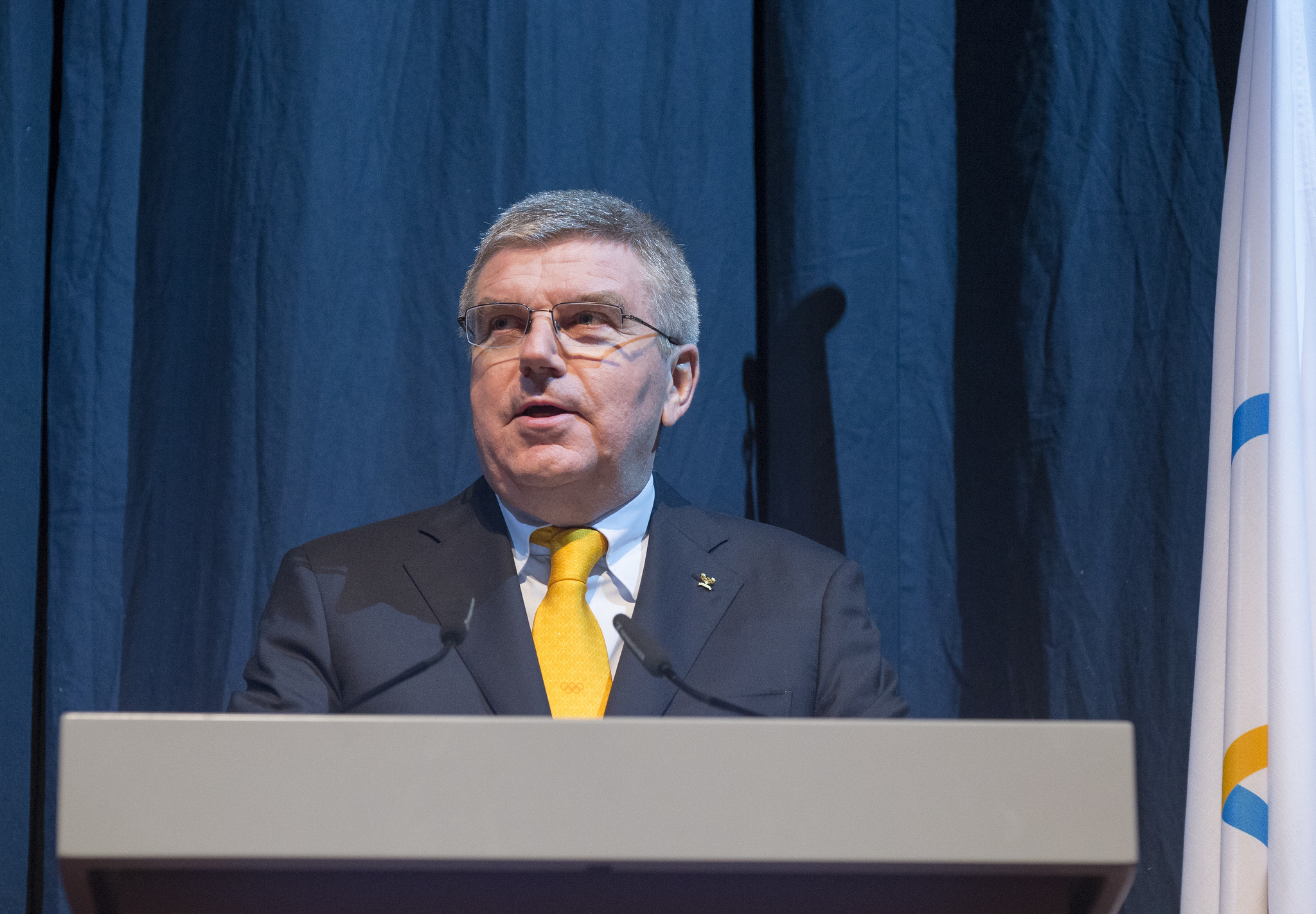
“Los Angeles, Rome, Budapest and Paris are all submitting projects fully in line with Olympic Agenda 2020,” said IOC President Thomas Bach.
“It is impressive to see how they have incorporated the Olympic project into the long-term development plans of their city, region and country. Coming from different starting points, for all four there is a clear focus on sustainable development, legacy and in particular how the facilities are going to be used after the Olympic Games,” said Bach.
“We are delighted to have four extremely strong candidatures and look forward to a fascinating competition.”
The submission of the Candidature Files on “Vision, Games Concept and Strategy” marks the end of the first part of the bidding process.
“The plans received indicate very thoughtful consideration of what the Cities and their people need for the future,” said Barrett.
“The IOC has significantly simplified the Candidature Process, symbolised by the fact that the submissions arrived for the very first time on a USB key only, instead of thousands of pages of paper documents.”
An IOC-appointed working group will now study the files and report to the IOC Executive Board (EB) in June 2016.
The next stage of the Candidature Process will focus on Governance, Legal and Venue Funding, to be submitted by 7 October 2016, followed by a final “Games Delivery, Experience and Venue Legacy” stage due on 3 February 2017.
During Stage 3, an IOC Evaluation Commission will make working visits to each City to study their projects in detail and issue a final report.
The host city of the 2024 Olympic Games will be elected in September 2017 at the IOC Session in Lima, Peru.
Category: Event Bidding
-
IOC welcomes “most sustainable ever” bids for 2024 Games
-
Scotland hosts international sports bodies as European Athletics evaluates Glasgow bid
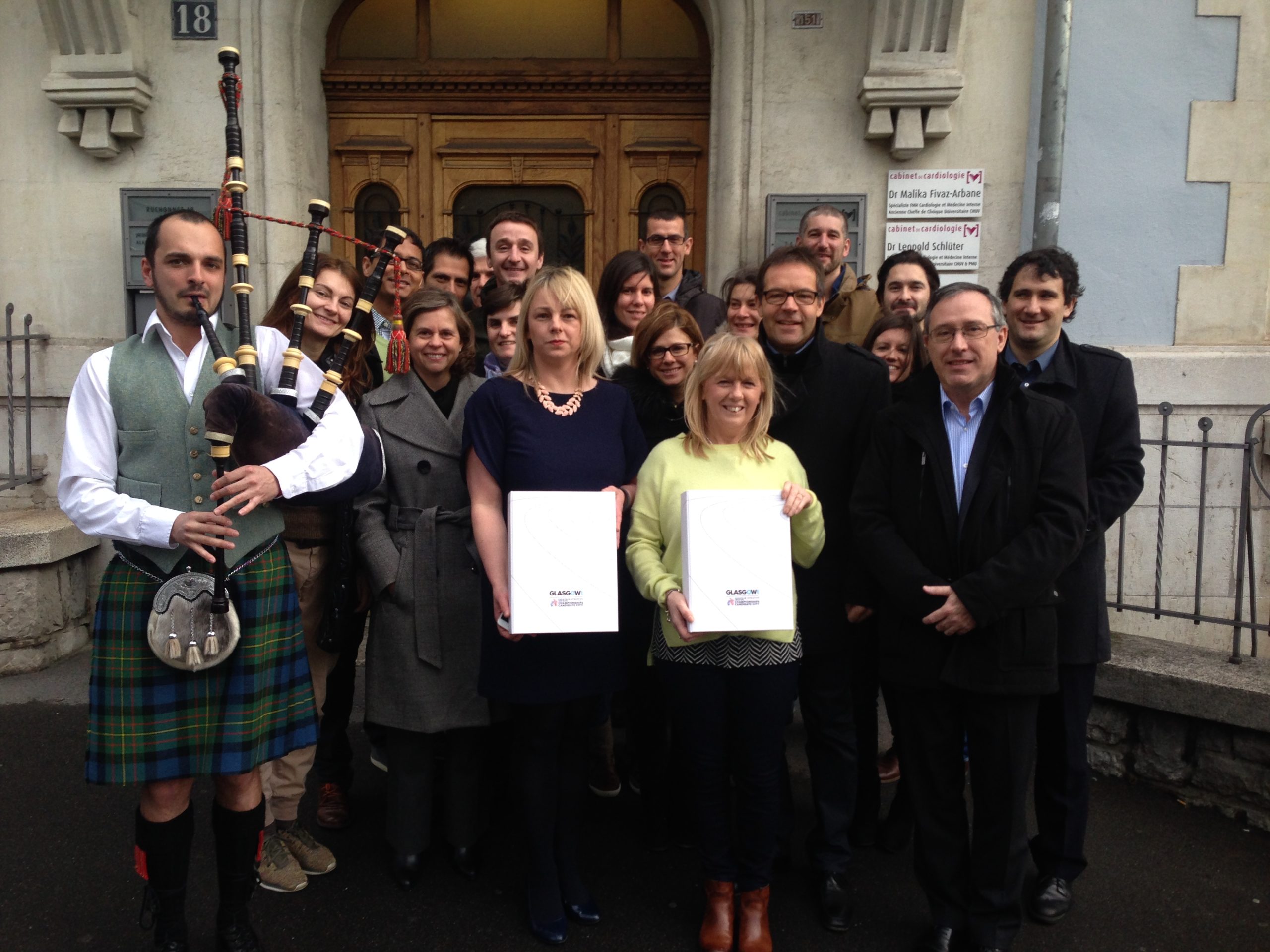
A delegation representing European Athletics arrived in Glasgow on Monday to spend two days in Scotland as part of evaluation visits to cities bidding for the 2019 European Athletics Indoor Championships.
And this is just one of a series of important meetings with international sports bodies scheduled for the year.
Further visits from international federations will take place over the next two to three weeks, an EventScotland spokesperson told Host City, as Scotland continues to bid for and secure the right to stage some of the world’s most prestigious events.
Glasgow is hosting the 2018 European Sports Championship with Berlin. And Glasgow will also welcome the world of sports, business and cultural events to Host City 2016 on 16 and 17 November.
Glasgow is one of four potential hosts of the 2019 Indoor Athletics Championships and, if successful, would be the first Scottish destination for a European Athletics event in 15 years.
The other cities competing to host the 2019 European Athletics Indoor Championships are Apeldoorn (Netherlands), Minsk (Belarus) and Torun (Poland).
Evaluation site visits are underway during February and March, before the Evaluation Commission files a report to the European Athletics Council.
The 2017 European Athletics Indoor Championships will take place in Belgrade, Serbia.
The Council will vote on which city will host the 2019 championships on 23 April at its meeting in Amsterdam after presentations by the bidders that meet the requirements of the evaluation process.
The Evaluation Commission consists of Karel Pilný (Evaluation Chair); Célia Mendes, Marcel Wakim and Bernadette Brun.
“In recent years Glasgow has established itself as one of the world’s top sporting cities thanks to our investment in new facilities and our international sporting events programme,” said Depute Leader of Glasgow City Council and Chair of Glasgow Life, Councillor Archie Graham OBE.
“Athletics has been at the very heart of our rise as a world-leading sporting city. This weekend’s Glasgow Indoor Grand Prix will take the sport to a new level and we hope to build on that success with the 2019 European Athletics Indoor Championships, which would see Europe’s top athletes return to the Emirates Arena. Our aim is to deliver a world-class event with athletes and spectators at its very heart.”
As well as meeting with bid partners, including the Scottish Government, EventScotland, Glasgow City Council, Scottish Athletics and British Athletics, the group toured the Emirates Arena.
The itinerary also includes a visit to proposed training venue Scotstoun Sports Campus, and an assessment of Glasgow’s ability to accommodate hundreds of athletes and, potentially, thousands of tourists.
“This weekend’s 2016 Glasgow Indoor Grand Prix has sold out months in advance, demonstrating the huge support for elite athletics there is within the Scottish public,” said Niels de Vos, Chief Executive of British Athletics.
“I’m delighted that Glasgow City and EventScotland decided to build on the success of the 2014 Commonwealth Games and previous British Athletics events held in the city by bidding to host European Athletics’ flagship indoor event at the Emirates Arena in 2019.”
-
“Blind bidding” adieu?
I listened on recently as a member of the Scottish parliament described the transformation effect sport has had on his city, Glasgow, over the course of his relatively short adulthood. While, as a child, being subjected to pervasive messaging which labelled Scotland’s largest city ‘the sick man of Europe’, he now takes particular delight in the continued regeneration on our west coast.
This renaissance owes much to the foresight and subsequent effort of those who have successfully secured events like the 2014 Commonwealth Games, FIG World Artistic Gymnastics Championships and 2018 European Championships for the city, amongst many others.
Accordingly, the catalyst for this revolution of sorts has been sport. A great love of sport, has, in the words of this MSP, driven and irreversibly altered how his constituents experience the city in which they reside: be it in the evolving cityscape, the upgraded infrastructure or prevalent belief among citizens that Glasgow is, once again, a powerhouse. No longer in an industrial sense, of course, but as the eighth greatest sporting city on earth.
As a slight aside, I would argue that these events have altered the consciousness of the Scottish nation as a whole, not only in a sporting sense. Scotland now recognises that its sons and daughters are capable of shining on the world stage and that our investment in sport has engendered invaluable social impacts, as well as numerous medals and new records.
Aside from partisan praise for Glasgow and Scotland, this anecdote serves a very simple purpose in this wider narrative; it demonstrates the potential created by events governed well.
And as all of those involved in the process of attempting to secure events for their respective municipalities will know, good governance starts from the initiation of the bidding process.
Now, I cite Glasgow as a recent example in which, through rigorous care and procedural best practice, the city has reaped myriad benefits which were successfully sown many years previously. There are many others, however, that do not realise such prosperous outcomes, the reasons for which are both too numerous and complex to discuss herein. The solution for the unpredictable nature of results in an industry where, at least on the pitch/track/court, results are the only thing of any consequence, is, fortunately, less obscure. It is the more transparent governance around the process of event bidding.
Technical evaluations are, in principle, an excellent means towards this end. However, controversy arises when they inform the choice of candidates, rather than underpin their decisions. Of course, factors not taken in to account in the process of a technical evaluation have to be considered, not least political climate. But to those unacquainted with event bidding as it presently stands, the fact that the, apparently, most accomplished bid often loses out in the final reveal, bears further scrutiny. And probably rightly so.
It begs the question over whether there is scope for a standardised stable of tools to be provided to federations and governing bodies to help inform their decisions. Objective criteria, consistently adhered to across all sports and all major events, would help better gauge the competency of competing bids and help to eradicate votes potentially cast on instinctive or misguided judgement.
In support of this line of argument, it has even been reasoned that completed technical evaluations should be published to encourage stricter adherence to their recommendations, or at least to elicit an explanation as to why any departure from the recommendations of a technical evaluation is selected as the chosen course.
Leaving aside any insinuations of wrongdoing, more must also be done to encourage economic transparency in order to eradicate the ramifications experienced by host cities who fail to predict difficulties some way down the line.
At present, a situation often arises where, in an effort to impress, candidates overpromise only to, ultimately, under-deliver. To give one example, the Olympic Games are seemingly beset by a perennial sprint finish, whereby, only aware of shortcomings all-too-late, infrastructure projects are rushed or pared-back by the host city. At best, this erodes confidence in the potentially profound social impacts mega-events should guarantee; at worst, it risks dereliction of duty and gives rise to social unrest.
For those familiar with game theory, the competitive nature of bidding must be of the greatest interest. Lacking definitive criteria to meet, cities and states must simply seek to outshine their nearest competitors. Or, more accurately, seek to outshine what capacity they imagine their nearest competitor may have. The result of this ‘blind bidding’ is a less than ideal outcome for all involved, including the winner.
With more strongly defined and widely publicised benchmarks upon which bids are judged, one can claim with some confidence that capability and credibility, rather cash, will become the foundations upon which successful bids are constructed. The result? Greater likelihood of well-placed investment, improved legacy benefits and less empty stadia as the circus leaves town.
While it is not for me to pass judgement on the current health of global sporting governance, I am more than willing to indicate the current circumstances, while regrettable, present an invaluable opportunity.
In the course of numerous allegations, withdrawal of support and widespread condemnation in recent months, we have learned in no uncertain terms that the forces behind the extraordinary commercial success of sport will no longer endure dubiety. Due to the extent of its own success, all of sport, particularly its governance, is being called to account, and it must reform.
Emboldened by the voice offered by social media and the internet age, the public can no longer be categorised as homogenous factions of brand advocates. Today, the consumer more fluidly elects those it wishes to trust, and brands with a sponsors’ stake in sport will no longer tolerate its flaws.
That being said, it should not be forgotten that, by the same token, the consumer of today is now open to more routes of engagement than ever before thanks to those same technologies. As such, the potential is more people, more enthused by a greater diversity of sporting pursuits. For the general health of the sector, that can only be an exciting prospect. But it can only be realised through change. That change being excellent governance from the ground-up.
And, if we agree with the assertion above that good governance is established from the outset of the bidding process, what better area for us to concentrate those initial efforts towards reform.
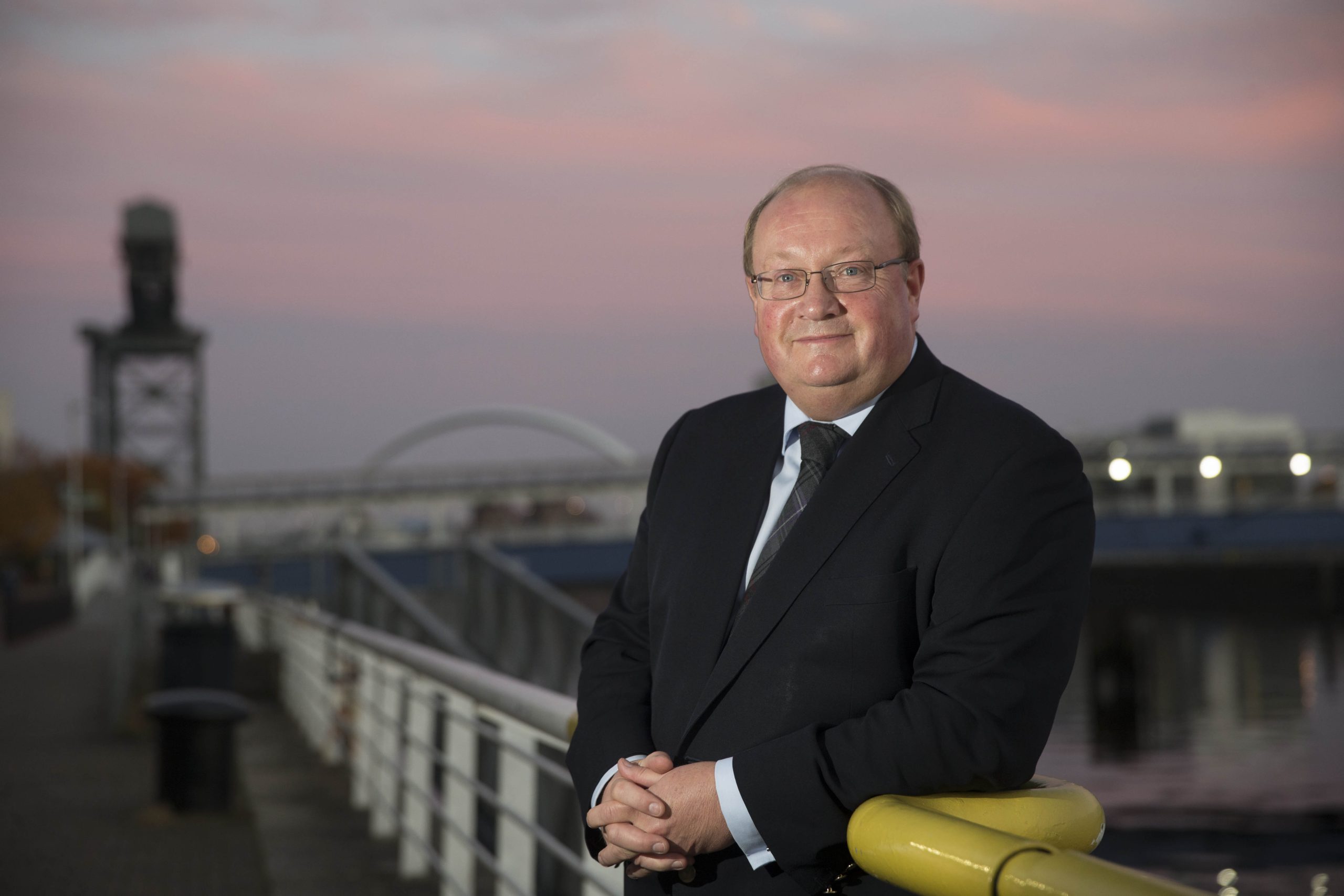
This opinion piece was written by Paul Bush OBE, VisitScotland’s Director of Events and Chairman of Commonwealth Games Scotland -
UK Sport backs GB to win at Rio with million-hour support
The English Institute of Sport, funded by UK Sport, will have provided 950,000 hours of support to more than 1,100 athletes between the London 2012 and Rio 2016 Olympic and Paralympic Games.
This amounts to more than 4,500 hours of support a week over the four year Olympic cycle, in a bid to help Team GB achieve success at the Olympic and Paralympic Games in Brazil.
The English Institute of Sport (EIS) is UK Sport’s science, medicine and technology arm, with 350 experts helping elite athletes improve performance in more than 30 Olympic and Paralympic sports.
UK Sport provided EIS with GB£59,775,973 of funding after London 2012, where the EIS had worked with 86 per cent of the GB athletes who had won a medal. UK Sport and the EIS have worked together to build a world-leading high performance system in a bid to deliver Team GB’s best ever away performance.
“With less than 100 days to go to the Olympics and 120 to go to the Paralympics, our National Lottery funded sports and athletes are in good shape,” said Liz Nicholl, CEO of UK Sport.
“I have every confidence that they, supported by the EIS, will inspire the nation with their performances in Rio this summer.
“The thousands of hours of world class scientific, medical and technological expertise provided by the EIS each week to our Olympic and Paralympic athletes is key to ensuring they are the best prepared British athletes ever.
“The EIS has been the ‘team behind the team’ since 2002, and our high performance system wouldn’t be where it is today without the impact of their talented team of experts.”
EIS services support both the physical and mental health and wellbeing of athletes and coaches with expertise provided across areas including biomechanics, performance analysis, performance lifestyle, performance pathways, performance nutrition, physiology, psychology, physiotherapy, medicine, research & innovation and strength and conditioning.
This support combines to help athletes and coaches across a number of areas including maximising competition performance, recovering from injury, identifying talent, enhancing physical and mental health and wellbeing and transitioning into new careers following retirement from elite sport.
“It is the vision of the EIS to be the world leading institute for sport and through the funding and support provided by UK Sport, our ambitious goal is within reach,” said Nigel Walker, National Director of the EIS.
“The high performance system we have in our country is the envy of many around the world and that is underpinned by our leading practitioners boasting over 1,100 years collective experience across 11 areas of expertise.
“We remain on track for huge success at Rio 2016 and thanks to ongoing support from UK Sport, the Government and National Lottery, planning for Tokyo 2020 is well advanced as we continue to showcase ‘What It Takes To Win’ on a global stage.”
Olympic diving medallist Tom Daley received support from the EIS Psychology team. “If you can handle the pressure cooker environment of an Olympic final psychologically, you have the power to go all the way and win!” he said. “The support I’ve received from the EIS in sports psychology has made me into the diver I am today.”
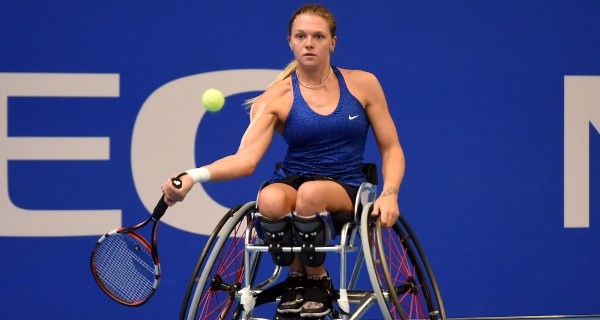
Paralympic wheelchair tennis medallist Jordanne Whiley MBE said: “The EIS leave no stone unturned when it comes to helping athletes prepare for competition. The support they provide both on and off the field of play helps increase confidence and allows me to perform at my very best.”
-
A strategic roadmap for LA’s Olympic bid
As a distance swimmer, Janet Evans broke seven world records and won five Olympic medals. But she is in a different kind of race now, as vice chair and director of athlete relations at LA24 – the bid committee for Los Angeles.
Los Angeles is one of four cities bidding for the 2024 Olympic Games, along with Budapest, Paris and Rome. How these cities interpret Olympic Agenda 2020, the IOC’s “strategic roadmap for the Olympic movement”, will be crucial to their success.
Evans spoke with Host City at SportAccord Convention about how her city’s ambitions are aligned with those of the International Olympic Committee (IOC).
Use what you already have
A primary challenge for cities bidding for and hosting the Olympic Games is to have venues that are used an on-going basis in the city, while also being optimised for Games time.
This is not only a logistical issue but also a financial and reputational one – so much so that the IOC, which holds the rights to the Olympic Games and brand, has placed venue sustainability at the heart of its strategy.
The first of the 40 recommendations of Olympic Agenda 2020 states “The IOC to actively promote the maximum use of existing facilities and the use of temporary and demountable venues.”
Evans says, “It’s interesting that 97 per cent of our venues will be built before 2024 irrespective of our bid. A lot of new venues are already going up for various sporting events within southern California. The only permanent venue we’d have to build would be a new kayak venue.”
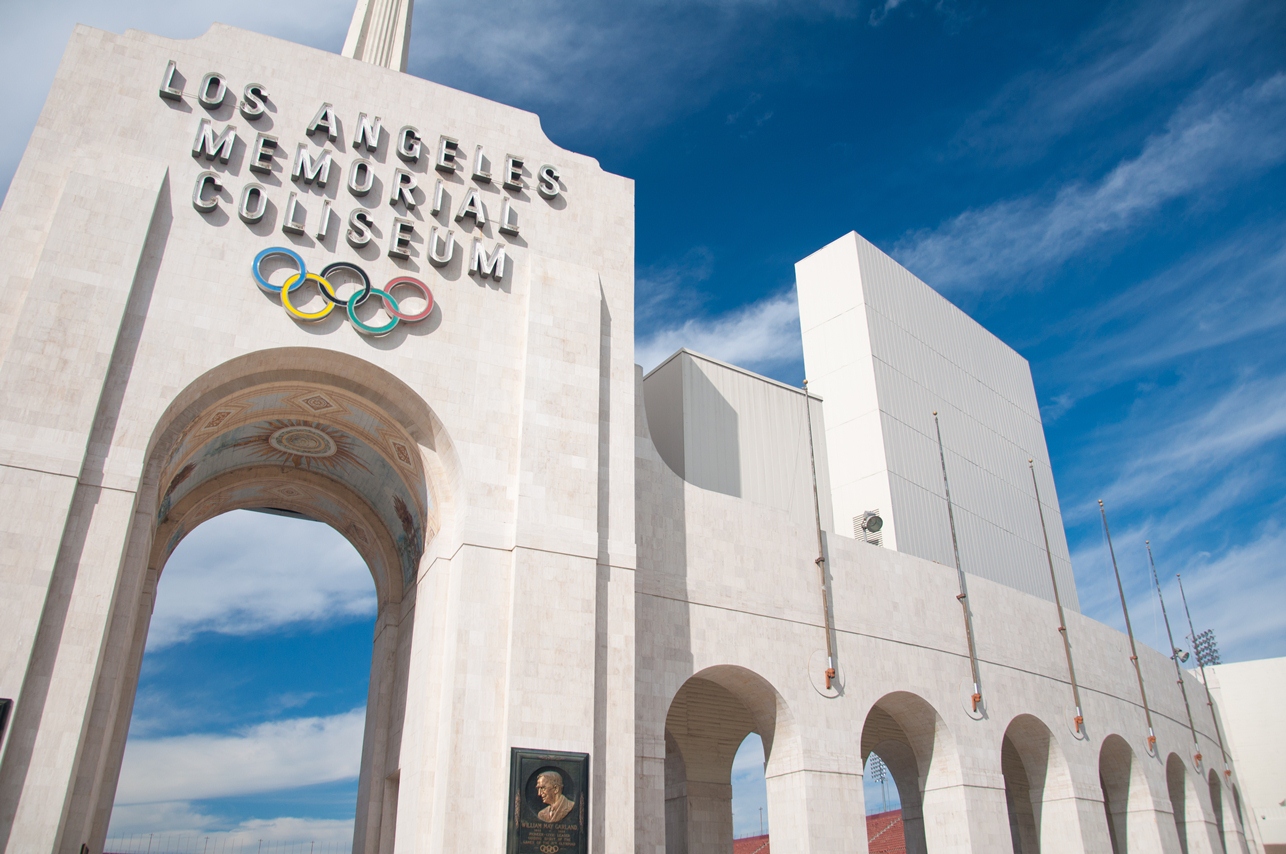
The iconic Los Angeles Memorial Coliseum served as the Olympic Stadium in 1932 and 1984 and would take centre stage again in 2024. Over the years the venue has hosted NFL, Major League Baseball, soccer and entertainment events in addition to regular sporting events staged by its owner, the University of Southern California (USC).
USC Athletics is funding a US$270m renovation of the Coliseum that is planned, Evans says, “irrespective of our bid”. These works are scheduled to take place between 2017 and 2019.
Another big conundrum for host cities is how to accommodate athletes during the Games. As with sports venues, possible solutions include building for legacy use, or using temporary or existing facilities. LA24 has opted for the latter, arranging for USC and the city’s other big university, UCLA, to accommodate athletes on its campus during the Games.
“It’s a great place for athletes as there are a lot of training facilities,” says Evans. “A lot of our athletes in the US come through the university training system so we are very pleased with our choice of UCLA.”
Listen to the IFs
Another challenge faced by Olympic bidding and organising committees is to make sure their venue plans are in line with the priorities of the international federations (IFs) that govern Olympic sports. Many IFs have expressed frustration with the Organising Committee of the Olympic Games (OCOG) for Rio 2016, with construction running behind schedule.
Olympic Agenda 2020 sets out to avoid this happening in future by determining to “enhance the role of the IFs in the planning and delivery of the Olympic competitions, including the study of transferring technical responsibilities from the OCOGs to the IFs.”
Evans says having most of the venues already built enables LA24 to focus on engaging with IFs during the bidding phase; and events like Host City and SportAccord Convention give bidding cities the opportunity to do so.
“It’s wonderful to be here to listen and learn and understand what federations would like to see in a bid and help bring that into our bid and understand things,” says Evans.
Between January and April 2016, Evans and LA24’s sports director Doug Arnot met with all 28 Olympic IFs to ask them about their priorities for their sports. “It was a real listening and learning exercise, so we could go home and take that back to our team and say, here’s what this IF would really like to see.
“And another thing we feel is that if and when we win the Games, since our venues are built, we can spend seven years working not only on venues and upgrades but also on making the athlete experience great. So I think the sustainability of LA and the fact that our venues are built is really powerful.”
Athletes at the heart
Another key aim of Agenda 2020 is to “put the athletes’ experience at the heart of the Olympic Games”. This is the Evans’ main area of focus now – “I know that’s what President Bach wants to see,” she says.
To achieve this, she is tapping into the US’s enviable network of Olympians and Paralympians – not just US natives but also Olympic alumni who have competed for other countries in the Games and now live in the US.
LA24 is running a road show of “Athlete Town Hall” meetings. “We want to ask for the input and advice of athletes. We felt there was no better way to receive that input than to speak to them in person.
“We are looking for opinions and advice and things that we can make better and things that were loved by the athletes.”
The first Athlete Town Hall meeting was in the Miami and Fort Lauderdale area of south Florida in early April. LA24 is to conduct between 12 and 15 of these meetings over the course of 2016 in cities throughout the US.
“We see this as a national bid, not just a bid for the state of California or the city of Los Angeles. It’s a bid from our entire country to bring the summer Games back to the US for the first time since 1996.”
Culture and creativity
Another aim of Agenda 2020 is to achieve a “further blending of sports and culture”. Los Angeles is famed for its entertainment industry, but Evans says this is just one part of the mix.
“I think Los Angeles is in a true renaissance. We have US$88bn of infrastructure going into our new transport system, in our airport; our city is changing everything – it’s vibrant and hip. We have this great accumulation of the entertainment world as well as technology and creativity.
“I believe if we have the honour of hosting the Games there are so many interesting things we could do to help promote sport and bring youth into the Games. Los Angeles is a mecca of creativity, of innovation, of change and I think that’s evident when you come to our city.”
Recent allegations and revelations of doping and bribery in some Olympic sports are a reputational threat to the Games. Asked what LA24 can do to safeguard against these threats, Evans says “I think there’s a lot of joy and positive things that are in this movement. That’s what we all believe in – I believe in the Olympic movement and what it does for future generations and in what athletics can portray to the world.
“We want to bring the positive – I want to find out what the athletes can bring to other people. I want everyone to experience the Olympics for what they really are, which is what I see as the Olympics, which is this great celebration of humanity, peace and friendship and continuity.
“So I think that’s what we need to remember: the Olympics are an incredible movement and I’m just proud to be a small part of it.”
-
Hosting exhibitions brings major socioeconomic impact
The value of hosting major sports events has long been debated, not just by city officials but also by the person on the street. Indeed, perceived public benefit is often what makes a bid sink or swim.
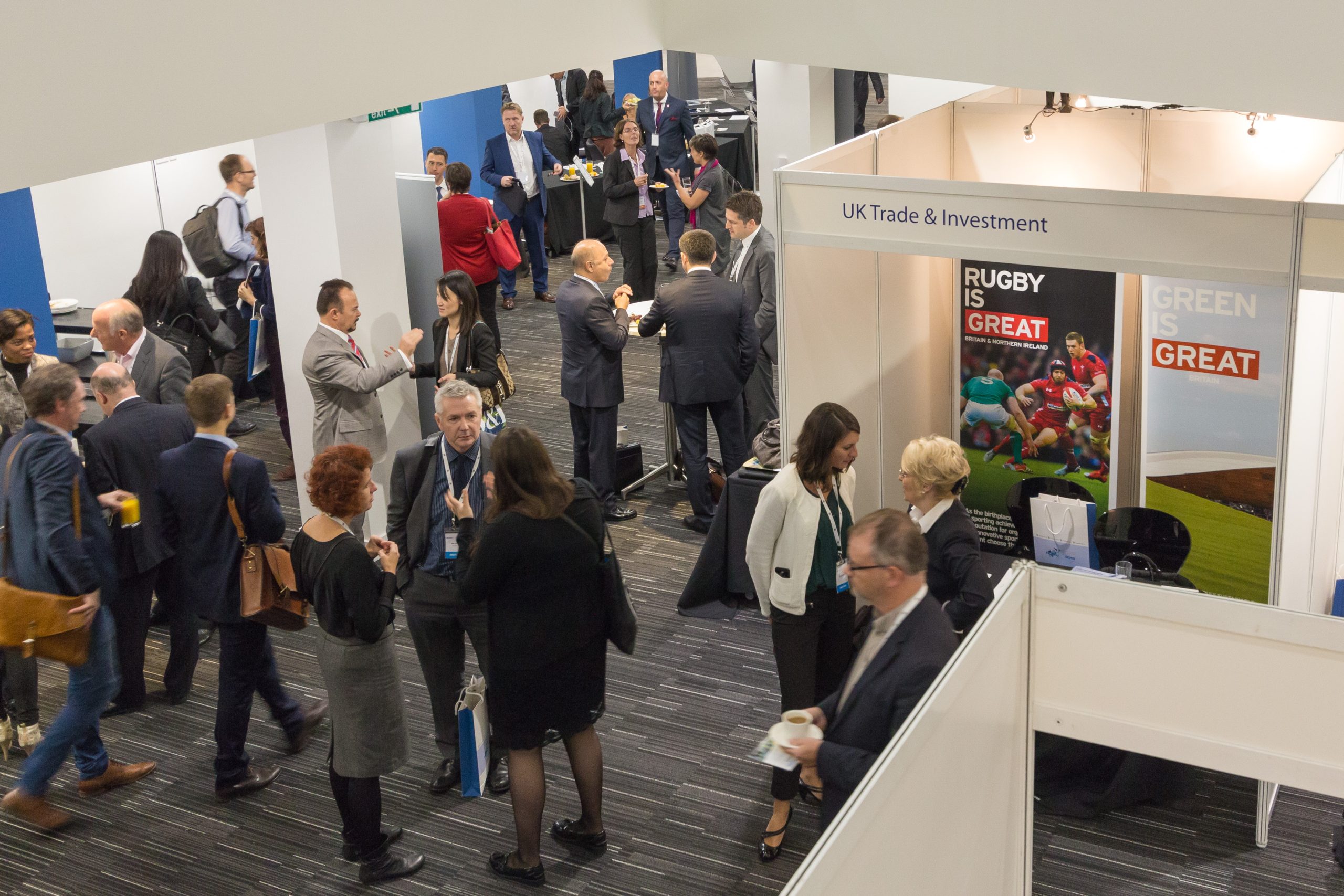
What is much less widely discussed and understood is the impact of hosting exhibitions – the trade fairs of the major industries that serve our daily life.
Launched by UFI (Global Association of the Exhibition Industry) and IAEE (International Association of Exhibitions and Events) the first ever Global Exhibitions Day was held on 8 June 2016 with the aim of raising awareness about the social and economic benefit of hosting exhibitions.
On this day, it was announced that the global exhibition industry is valued at USD 55 billion. Around 4.4 million companies exhibit each year to more than 260 million visitors per year worldwide, boosting trade and globalisation.
The value to the host city extends beyond direct visitor spend. The crucial benefit is this: at a time of breakneck urbanisation worldwide, hosting exhibitions raises a city’s international status and profile. Exhibitions bring thousands of influential individuals and companies into the city. If used as part of a wider strategy of building a brand identity, staging exhibitions is vital in enabling cities to keep ahead of their competitors.
Host City 2016, which takes place on 21 and 22 November in Glasgow, is the largest meeting of cities and sports, business and cultural events. One of many exciting topics to be discussed at Host City 2016 is “Business Events and Economic Development”, featuring speakers from the world’s largest exhibitions, the most dynamic cities and more.
Exhibitions are as valuable to cities as major sports events. At Host City 2016 you will have access to both these markets, as well as cultural and entertainment events – all part of the diverse range of shows through which cities raise their profile on the world stage. I look forward to discussing these opportunities with you there. For more information visit http://www.hostcity.com/events/host-city-2016 -
Arup’s three agendas of event feasibility
Agenda One: Event Delivery
The first agenda is to deliver the Games; that is non-discretionary and something you have to do. The cost is given and it’s mandatory, because it’s the IOC requirements and there’s national pride involved and a number of other considerations.
The cost of this has been remarkably constant over the last 15 years – around US$2.5bn to US$3bn. But that’s covered by income from IOC contributions, local sponsorship, ticket sales and merchandise so there is no net cost.
Agenda Two: Sporting Legacy
The second agenda is leaving a sporting legacy. That is partly mandated by the IOC requirement, but you have some leeway on how you do that. So you have a choice of whether your stadiums and arenas are permanent structures, which always runs the risk of being white elephants, or temporary or demountable structures – or even, according to Agenda 2020, you can move it to another city.
For example, if you don’t have a velodrome you have to deliver one somehow. And if you do it correctly, that can be a legacy – but there are lots of examples of not being a legacy: The Athens 2004 Games is the prime example of white elephants and a complete horror story.
The main issue with this second agenda is that venues should be designed for legacy and enabled for Games. Most people do it the other way round and then there’s a rush to modify it for legacy.
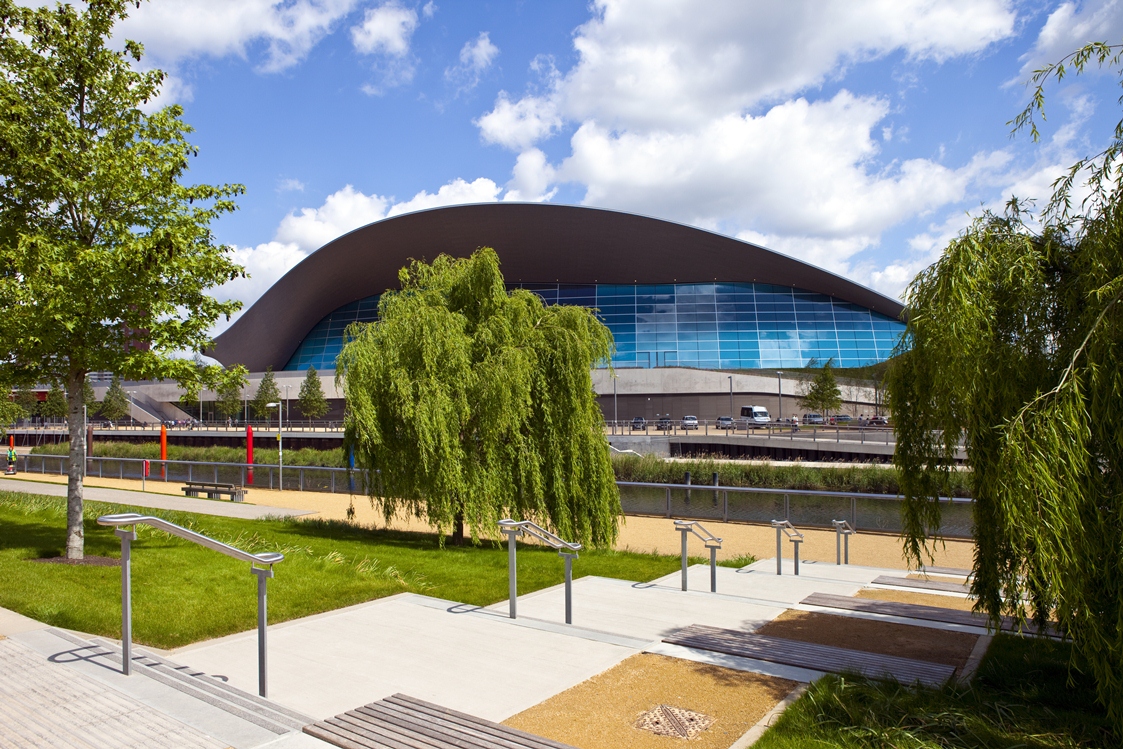
A positive example is the aquatics centre in London; we worked very closely with Zaha Hadid on that. It was designed to be a community swimming pool with 2,500 seats. Temporarily, those wings were built – they looked absolutely awful, but they were functional and it ended up being an Olympic-compliant aquatics centre of 17,500 seats. It was designed for legacy and enabled for the Games temporarily.
Agenda Three: City Legacy
The third agenda is what you want to use the Olympics for and our advice to any city or region that wants to host the Games is that you first have to decide what you are going to use the Olympics for. And if you don’t get that right, you run into a lot of problems about public acceptance of the Olympics as a project.
This is where discretion comes into play. It cost London GB£1.8bn just to make the Olympic park into a building site. London made that call because it wanted to use the Olympics to regenerate part of East London. The city didn’t have to do it; they chose to do it because otherwise it would never happen; it would still be a dump with remnants from the blitz, asbestos, oil and corpses.
A bad example is Sochi. A lot of what happened in Sochi had nothing to do with the Olympics. It cost US$55bn, but only a fraction of that was Olympic costs. They wanted Sochi to be a tourist destination and they also wanted to be able to build for the football World Cup in 2018. So they wanted to use it for something completely different from the Winter Olympics. That was their choice and that has poisoned the bidding process for a number of other cities, including my home town of Oslo where the population got a backlash going against bidding for the 2022 Winter Games.
Our advice to cities or regions who want to stage Olympic Games is to first of all to get the third agenda right, because that is what you need to sell it to the population, to get a yes vote on a possible referendum. It has to be something more tangible than a velodrome.
What we like to do very early in the process is to make the city or region able to make an informed decision whether to bid or not. To do that they need to cost out all the three agendas. What we usually recommend is to do a number of technical and financial feasibility studies, cost-benefit analyses over 20 to 30 years.
One city we have recently worked with is Amsterdam, who will probably not bid for the 2028 Olympic Games. And way back in 2002-2003 we wrote the original feasibility study that made a business case for London to bid for the Games.
Beyond the Bid – Tokyo and Qatar
We also see our role to be the trusted technical advisor for a host city. We like to work in tandem with the communications agencies, because if you give them a free rein you need a lot of engineers and technical consultants to clean things up in the back room.
We have been working for two and half years on Tokyo 2020 for Tokyo Metropolitan Government; we are currently negotiating for a third year. When we started work on Tokyo, we looked at some of the things that they proposed and advised that they weren’t going to work. The stadium was one of those things, and some of the temporary venues they wanted to put on the island out in the bay.
And we have been working for about five years on the 2022 World Cup in Qatar. From our side it’s going well; we have been working on technical assurance of the stadiums: sitting client-side and advising the design consultants based on FIFA compliance and other criteria.
The thing I am a little bit concerned about is that I don’t think they’d gone far enough on planning what they wanted. I think they sold it on the basis of demountable stadiums, so they basically said we are going to build a number of 40,000 seater stadiums and send 20,000 seats off to Africa. It is feasible, but it hasn’t been designed yet. Somebody calculated that you need 178 containers to dispatch the 20,000 seats. Apart from that, everything is deliverable, no doubt about that.
This article is based on a Host City interview with Erik G Andersen, Special Advisor of Arup’s Host Cities Advisory Service. Andersen has worked on 10 Olympic Games over 25 years
-
Berlin to stage 2018 European Para Athletics Championships
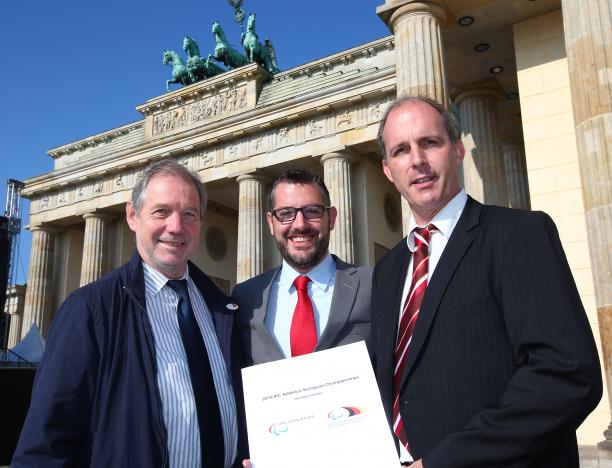
Berlin, Germany, will stage the 2018 European Para Athletics Championships, the sport’s global governing body IPC Athletics has announced. More than 600 athletes from 40 countries are set to compete at the Friedrich Ludwig Jahn Sportpark.
The event will take place between 20-26 August 2018, shortly after the 2018 European Athletics Championships, which takes place in Berlin from 7-12 August 2018 as part of the multi-sport “2018 European Championships” co-hosted with Glasgow from 1-12 August.
The 2018 European Para Athletics Championships will be organised by IPC Athletics, the National Paralympic Committee (NPC) of Germany and Behinderten-und Rehabilitations-Sportband Berlin.
“We are very excited that the 2018 European Para Athletics Championships will be staged in the German capital, a city with an excellent track record for staging major athletics events” said Ryan Montgomery, the IPC’s Director of Summer Sports.
“The Championships will take place with roughly two years to go until the Tokyo 2020 Paralympic Games and will be one of the biggest Para athletics events of the year.
“This venue has successfully staged Grand Prix events for the last four years and has a reputation for delivering fast times and long distances. We have seen a number of world and regional records broken in Berlin over the last few years, and I expect to see many more in 2018 as the performance level of Para athletes continues to increase.
“We look forward to work with NPC of Germany and the Behinderten-und Rehabilitations-Sportband Berlin to deliver a hugely successful event.”
Friedhelm Julius Beucher, President of NPC Germany, said: “We are glad and proud that the German capital will host the next European Championships in 2018 – a competition that will take place exactly between the Rio 2016 and Tokyo 2020 Paralympic Games.
“We are convinced that Berlin will deliver excellent Championships and we hope for a big attention, especially because this competition will begin just after the European Championships for athletes without disabilities. It is our wish that there are many spectators who will certainly be fascinated by Para sport. I am sure that we will have a highlight in Berlin.”
First held in Assen, the Netherlands, in 2003, the European Championships have taken place every two years since 2012. Four years ago, Stadskanaal, the Netherlands, played host before the event moved to Swansea, Great Britain in 2014 and then Grosseto, Italy in 2016. The 2018 Championships in Berlin will be the sixth edition.
“This is a fantastic opportunity for Berlin to host this great event. For all of us, volunteers and staff, this for sure will be an extraordinary time,” said Klaas Brose, Director of Behinderten-und Rehabilitations-Sportband Berlin.
-
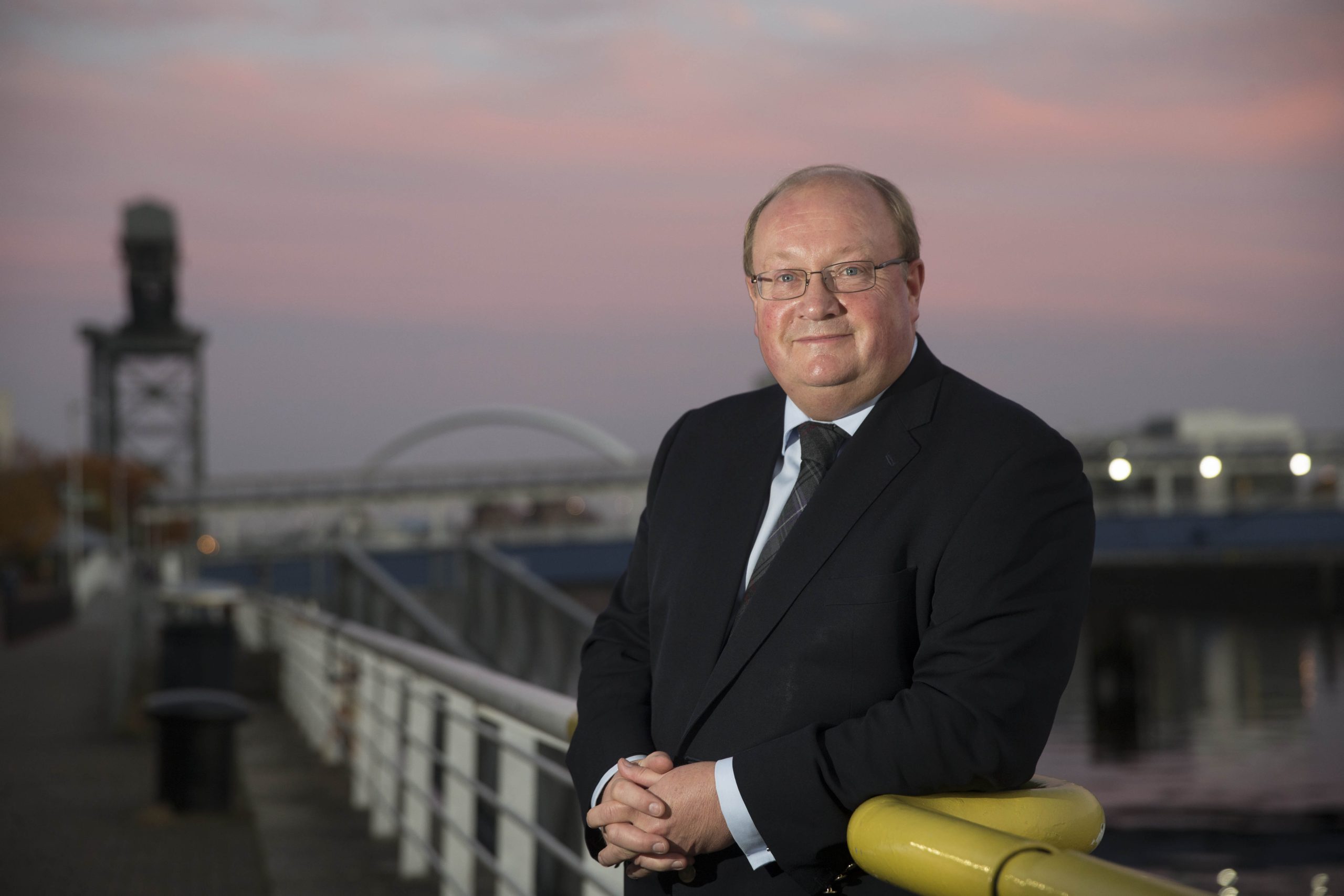
Scotland expects major boost from 2016 Davis Cup
The semi-final of the 2016 Davis Cup by BNP Paribas World Group between will take place at Glasgow’s Emirates Arena from 16-18 September 2016 – and the host nation is upbeat about the benefits the event will bring.
The decision by the Lawn Tennis Association to host the tie between the Aegon GB team and Argentina follows Scotland’s successful hosting of Davis Cup matches last year.
“Scotland was delighted to host the Davis Cup first round and semi-final in 2015 and, on both occasions, the support at The Emirates proved why Scotland is the perfect stage for events of this magnitude,” Paul Bush OBE, VisitScotland’s Director of Events tells Host City.
“I have no doubt that this year’s semi-final against Argentina, which we are supporting through EventScotland’s International Programme, will be no different and expect tennis fans from across the UK and further afield to travel to Glasgow as Great Britain attempts to retain its Davis Cup title.”
The international appeal of the event is particularly attractive proposition for the host nation.
“For Scotland as host nation, and Glasgow at a local level, major occasions such as this are hugely valuable. The sell-out matches in 2015 saw a total attendance of more than 47,000, with a significant proportion of those people, 31% and 42% respectively, travelling from outside of Scotland. We expect similar interest in September’s fixture, meaning, again, Scotland is set to benefit from the associated economic impact that this influx of visitors brings.
“Additionally, for both Scotland and Glasgow, the prospect of staging such an important match means an increase in exposure across all media formats both at home and abroad. In terms of reinforcing Scotland’s capability in staging world-leading events and promoting Scotland as a tourist destination, raising the nation’s profile in this way is critical.”
Tennis, along with cricket golf, basketball and athletics, is attracting more participants. According to statistics released in July by SportScotland, sports participation has risen over the last two years, with sports club membership rising from 706,764 to 768,212 since 2013/14.
Scotland hosting the Davis Cup is set to increase this trend – particularly given that last year’s winners and Scottish brothers Andy and James Murray are currently on top form.
“The timing of the match lends itself to generating further legacy benefits by encouraging more young people to become involved in sport,” says Bush.
“After Andy Murray’s second victory at Wimbledon, Jamie Murray’s continued success as one of the world’s best doubles players and shortly following tennis in the Rio Olympics, we are confident the Davis Cup can further inspire youngsters to take up tennis and become more active. This is vital for the development of the sport in Scotland and in encouraging young Scots to lead healthier lifestyles.”
-
Four cities shortlisted for 2018 Great Exhibition of the North
Four candidates have been shortlisted from nine cities bidding to host the UK’s first Great Exhibition of the North in 2018.
The shortlisted bids from Blackpool, Bradford, Newcastle-Gateshead and Sheffield will be assessed by the Great Exhibition board before a final selection is made by government ministers, with the host city to be announced in the autumn.
The government is contributing GB£5m towards the exhibition and a further GB£15 million into a legacy fund to attract further cultural investment in the North.
Despite the change of government leadership since British voters narrowly elected to leave the European Union, the UK government is fully committed to the Great Exhibition of the North.
“The exhibition, which will run for at least two months, will showcase the great creative, cultural and design sectors across the whole of the North, and boost investment and tourism in the region,” said Matt Hancock, Minister of State for Digital and Culture.
“The Great Exhibition of the North is a unique opportunity to celebrate the creativity of Northern England and I am thrilled we received so many innovative bids.
“British arts and culture are among the finest in the world. I am determined we democratise the arts and celebrate the best in every part of our nation.
“What’s more, cultural investment can bring enormous benefits for communities – it drives regeneration, promotes tourism and increases life chances.
“The shortlisted bids show just what’s on offer and highlight that we have brilliant options for hosting the Great Exhibition of the North. Whichever is successful, this exhibition will leave an important legacy to benefit the whole country.”
The shortlist includes two Yorkshire cities, Bradford and Sheffield, as well as the Lancashire resort of Blackpool and Newcastle-Gateshead in the North East.
The destinations that did not make the shortlist were Halifax (West Yorkshire), Harrogate (North Yorkshire), Scunthorpe (Lincolnshire), St Helens (Lancashire) and Whitehaven (Cumbria).
“The quality of all nine submissions was incredibly strong and I’d like to congratulate the four towns and cities who have made it through to the final shortlist,” said Sir Gary Verity, Chair of the Great Exhibition of the North Board and Chief Executive of Welcome to Yorkshire.
“I and the Great Exhibition Board are very much looking forward to meeting the teams behind the four shortlisted bids to hear their exciting proposals in person. This is an incredible opportunity to really showcase the creativity and culture we have here in the North and I know whoever wins will thoroughly embrace that vision.
“The Department for Culture, Media and Sport will work with the bidders who were not shortlisted to ensure as many people enjoy and benefit from the exhibition as possible.”