By the time the time the athletes on the track hear the starting pistol, the team from DB SCHENKERsportsevents has already completed most of its work. The logistics experts are organisation specialists for major sports events. They begin their preparations long in advance, developing logistics plans for management committees, associations, hospitality firms, sponsors, and service providers.
DB Schenker is the leading name in international sports and events logistics. Its partners come from every sporting discipline – football, winter games, sailing, athletics, motorsport and a lot more besides. Around the globe, DB SCHENKERsportsevents employs some 150 people who put their expertise at their customers’ disposal, combining precision logistics with a passion for sporting pursuits of all stripes.
Always on the ball
In sports terms, 2016 was a superlative year. DB SCHENKERsportsevents toured the planet as it delivered logistics services at the Olympics and Paralympics in Rio, the UEFA EURO tournament in France, and a host of big-name tracks for the Formula One season.
These major events required months of preparations, which covered everything from long-distance planning to on-site services, and which were then followed up by the necessary activities following the events’ conclusion.
An Olympian task
From delivering canoes for the competition itself to champagne for the party afterwards, the German team at DB SCHENKERsportsevents dispatched over 1,030 shipping containers of material to Rio. They contained essential provisions for the Olympic Village, the German national team, the house that served as their residence during the Games, as well as for the opening and closing celebrations and the VIP catering service organised for every stadium.
“As long ago as September 2015, i.e. almost a full year before the Games, one of our team was already in Rio to coordinate and oversee our planning activities on-site,” Christian Schultze, SVP at DB SCHENKERsportsevents.
“The most intense period for us was just before the Games, and then the whole team was involved. The Olympics and Paralympics represent a challenge, but it’s one that we enjoy taking on time and again.”
The Olympic Village has accommodated some 17,000 athletes during the course of the Olympic and Paralympic Games. DB Schenker sent some 940 containers of material to Rio to equip the village, which is often described as the “heart” of the Games. At no other sporting event do so many world-class athletes live in such close proximity, and the village is designed to provide every possible service from accommodation and catering to training facilities and platforms for meetings and events.
Similarly, the German house served as a place where athletes and figures from the worlds of sport, politics, business and the media could congregate. DB SCHENKERsportsevents had 100 per cent responsibility for all logistics activities at the site. As the exclusive logistics partner for the German house at Rio 2016, DB SCHENKERsportsevents planned and performed everything connected with the logistics pertaining to this traditional hub for meetings and mingling at the event.
As the official logistics partner of the Olympic teams from Austria, Norway, Portugal and Switzerland, DB Schenker made use of its respective national offices to make sure that the athletes’ equipment made it to Rio on time. Similarly, DB Schenker staff in China, Japan and South Korea played a role in transporting television equipment from these countries, while employees in Singapore organised the transportation of the Singaporean sailing team’s boats and other equipment.
Following the end of the Rio Olympic and Paralympic Games, the work of DB SCHENKERsportsevents continues. Once the television broadcasts stopped and after the last athletes embarked on their homeward journeys, the logistics specialists spent about two months working on returning and forwarding the items sent to Brazil for the Games.
A race between racing events
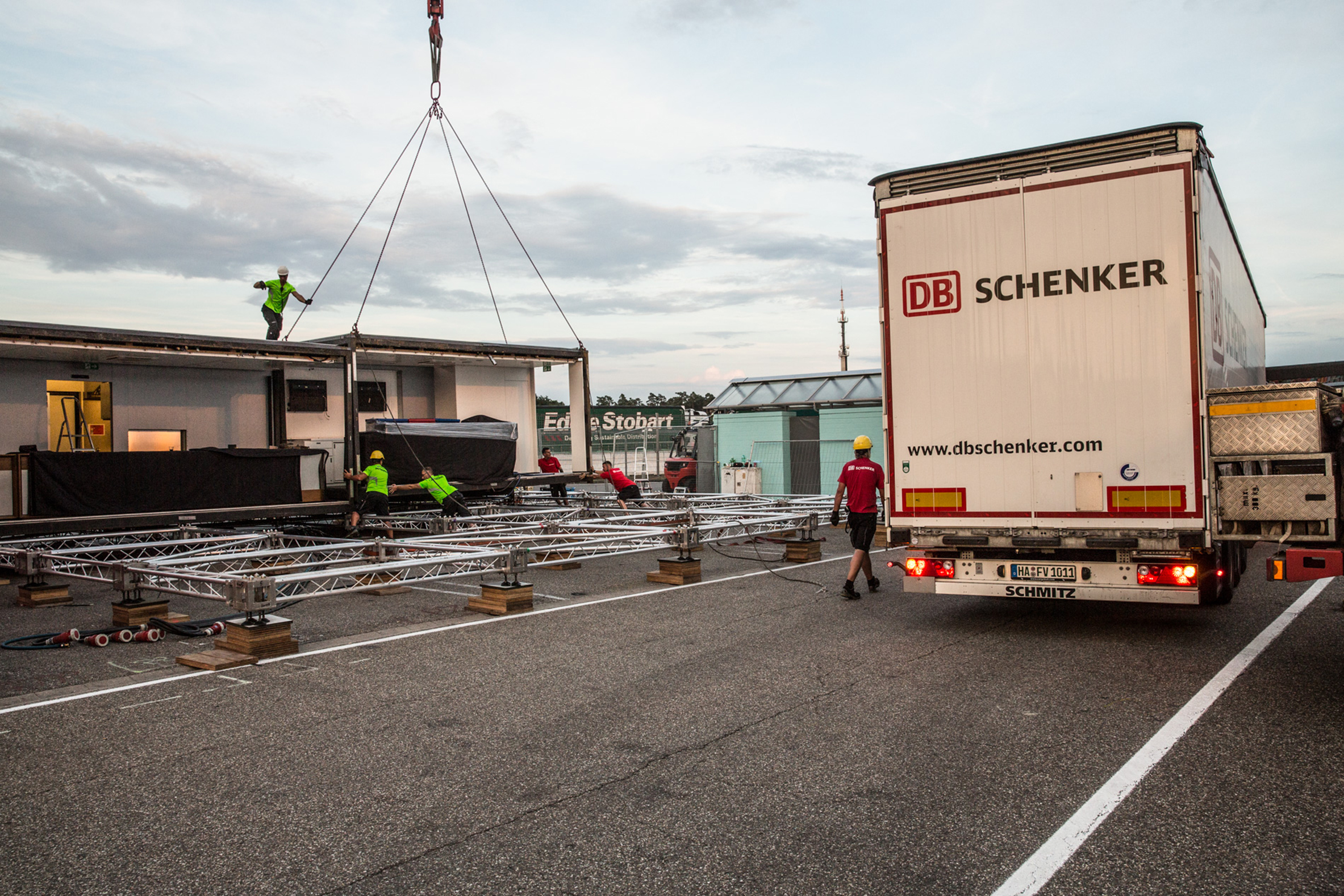
DB SCHENKERsportsevents is also responsible for the pan-European logistics needs of the MERCEDES AMG PETRONAS Formula One™ Team, which relies on the experts for support between Formula One races. Whenever an event is held somewhere in Europe, DB SCHENKERsportsevents is in the thick of things.
Sometimes, races are just one week apart, a week during which the racing team needs to have a new home built for them at their next destination. When the MERCEDES AMG PETRONAS drivers, cars, mechanics and other team members arrive for the new racing challenge, their motorhome needs to be ready and waiting for them.
In other words, everything has to be dismantled, loaded and transported to the next destination in the shortest time possible. It’s the logistics provider’s very own race between races. The moment the equipment arrives, 18 experts set to work in several shifts to complete the motorhome’s construction in around 36 hours. Every step of this process has to run completely according to plan so that the construction team can hand over the keys on time.
Category: Event Management
-
Logistics for winners
-
Thomas Bach: sport is an anchor of stability in a fragile world
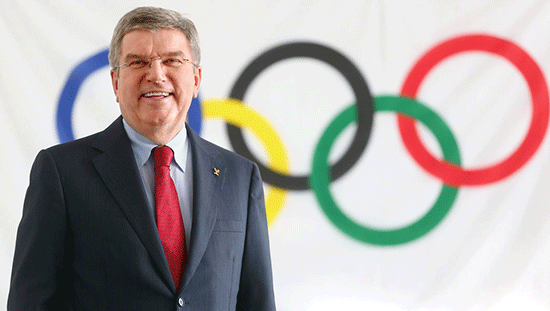
As this Olympic Year 2016 comes to a close, we see that sport is one of the few things with the power to unite all people in an increasingly fragile world. Sport is an anchor of stability for so many people, regardless of background, nationality or belief. For me, this is the underlying reason that explains the success of the Olympic Games Rio 2016. Like no other event in 2016, it brought the entire international community together in celebration, with athletes from all 206 National Olympic Committees as well as the first-ever Refugee Olympic Team. It was a rare moment of unity and solidarity for all humankind. We saw new records, great emotions, fair-play and sportsmanship. The participation of the Refugee Olympic Team sent a strong signal of hope to the millions of refugees in the world. The world’s best athletes set a powerful example that it is possible to engage in peaceful competition. For all these reasons, the Olympic Games Rio 2016 will be remembered as the marvellous Games in the Marvellous City.
This unique power of sport to unite all of humanity is one of the most important things that the Olympic Games can give us in our troubled times. In a world where mistrust and uncertainty are on the rise, sport is a source of joy and inspiration for so many people, giving us hope that our shared humanity is stronger than the forces that want to divide us.
Half the world’s population tuned into Games coverage, making Rio 2016 the most-consumed Olympic Games in history, when one takes into account broadcast and social media. The explosion of social media platforms in recent years meant that more people than ever followed these Olympic Games via social media, with 7.2 billion views of official video content. An international survey has found that these Olympic Games are strongly associated with positive attributes such as “excellence”, “friendship” and “respect”, among many others.
With this global visibility comes responsibility for the world of sport. Because of the unifying power of sport, there are high hopes and even higher expectations for sports organisations from the general public – and rightly so. The role of sport in society is more relevant today than ever before. Consequently, sports organisations everywhere, need to justify the trust that people have placed in sport.
Outside of Rio 2016, we saw the growing relevance of sport in society in a number of different areas during this landmark Olympic year. It began with the very successful Winter Youth Olympic Games Lillehammer 2016, where the spirit and energy of the next generation of young athletes set the tone for the rest of the year. There was unanimous support for the Refugee Olympic Team from the UN Secretary-General, the UN General Assembly and from many heads of state and government. In a further expression of the close cooperation between the IOC and the UN, a resolution with consensus from all the Member States reaffirmed the UN’s recognition of the autonomy of the IOC and the role of sport as an important enabler of sustainable development. The first global conference on faith and sport held at the Vatican at the initiative of Pope Francis brought together the UN Secretary-General and the IOC with faith leaders to discuss the promotion of common values. The launch of the Olympic Channel gave the sports movement a digital platform to spread our messages and values to young people everywhere. Making the magic of the Olympic Games available 365 days a year, 24 hours a day, we already have more than 382 million video views of Olympic Channel content across all of its social media pages.
So as 2016 comes to an end, we have many reasons to celebrate a successful Olympic Year. At the same time, there are no reasons to be complacent.
In sport, the success of today means nothing for tomorrow. As an athlete, I learned that your performance will ultimately be judged by how you rise to the occasion. The success of today only gives you the strength to address the challenges of tomorrow.
This is the same approach that the Olympic Movement will take to tackle the challenges that lie ahead in 2017. There are many challenges on our agenda, so we cannot afford to stand still. We need to rise to the occasion in the New Year.
The most immediate challenge is the shocking findings of the recent McLaren report on doping and manipulation in Russia that have caused damage to the credibility and integrity of sport. Two IOC commissions have been set up to coordinate our response. They will respect the due process and give all sides a fair chance to be heard. Following this, the IOC will take all appropriate measures and sanctions.
We will continue and extend the work of Professor McLaren. Since his mandate did not include a full re-analysis of all samples, we will re-examine all 254 urine samples collected from Russian athletes at the Olympic Winter Games Sochi 2014. We will do the same with all the Russian athletes’ samples from the Olympic Games London 2012. It is only fair for the credibility of the Olympic Games and for peace of mind of the athletes that we take these extra measures.
The latest developments underscore the urgent need for a strengthened, centralised anti-doping system under the leadership of the World Anti-Doping Agency (WADA) that is independent of sports organisations and governments alike. This is why the IOC will continue to call for a more efficient, more transparent and more robust anti-doping system, as unanimously supported by all stakeholders at the most recent Olympic Summit.
Another priority on our agenda is the preparation for the Olympic Winter Games PyeongChang 2018, which will be the first of three consecutive Olympic Games to be held in Asia. The many test events in PyeongChang this winter will be an important milestone on the road to what will be exceptional Olympic Winter Games in 2018.
The implementation of Olympic Agenda 2020 remains an ongoing priority, with more than 90 per cent of the expected deliverables completed or ongoing. The IOC has already implemented all good governance measures that were called for under Olympic Agenda 2020 and we expect other sport organisations to follow this lead. Another major step towards the realisation of Olympic Agenda 2020 will come in 2017 at our Olympism in Action Forum in Lima, Peru, where the role of sport in society will be addressed under the key themes of credibility, sustainability and youth.
Even though Tokyo was selected as Host City for the Olympic Games 2020 before the adoption of Olympic Agenda 2020, it is one of the first organisers to benefit from the new focus on flexibility, feasibility and sustainability. Following these principles has already helped Tokyo 2020 to realise significant overall savings, which we will continue to pursue with the local partners. In fact, the budget of the Organising Committee is privately funded, which means zero cost to the public purse.
With the excellent candidatures of Los Angeles, Budapest and Paris, we can already say with confidence that the world can look forward to outstanding Olympic Games 2024, whichever city is chosen as host. All three cities submitted projects fully in line with Olympic Agenda 2020 of how the Olympic Games can best fit into the long-term vision for the sustainable development of their cities. It is also clear that without the new flexibility under Olympic Agenda 2020, there would be no Candidates Cities at all for the Olympic Games 2024.
On a more long-term perspective, we need to recognise that the current candidature process produces too many losers. Therefore, we need to study ways to reform the candidature process beyond 2024, to ensure that the best host city is selected for the Olympic Games while minimising the losers.
Following the successful launch of the Olympic Channel, our focus must now lie on growing the audience and our reach. In 2017, efforts will concentrate on developing localised versions of the Olympic Channel, offering region- and language-specific content on linear and digital platforms. A significant milestone in this process was just recently announced with the new linear Olympic Channel in the US, set to launch during the second half of 2017.
The success of the Olympic Games Rio 2016 has shown us what it is possible when the world comes together in peace and solidarity as it did at the Olympic Games. So it is with this firmly in mind that we look towards 2017 with a renewed sense of purpose.
Wishing everyone a very happy and prosperous New Year,
Thomas Bach
IOC President
[Source: IOC] -
Major events: overcoming common challenges and meeting criteria
With millions of global spectators, and thousands on location, organisers and hosts of major sporting events are under constant pressure to deliver a successful event on time, on budget and to the highest possible quality.
There is also usually common ground shared between events – from health and safety requirements to energy supply, media management and coordinating local infrastructure. Inevitably, however, the diversity of modern major events means there are always specific challenges to overcome.
In those circumstances, suppliers have to be at their most innovative to satisfy an event’s needs.
Aggreko has been supplying power to major event organisers and hosts for decades and we have encountered our fair share of complexities along the way.
Two of our most consistent strategic requirements are to plan ahead in order to meet high capacity demand (for example during opening ceremonies or at peak viewing times); and being prepared for unexpected power disruptions, particularly if we are working closely with a local electricity grid.
Two increasingly frequent criteria are managing space constraints and reducing noise pollution – these are particular concerns for events in city locations.
Noise levels are now addressed in the very early stages of planning a major event, typically because of the risk of disrupting athletes or performers. In multi-venue events, each location could come with local issues, requiring an organiser to prevent disruption to residents nearby. Every event is different; each requires detailed planning from layout and installation to maintenance and project management.
Some events even promote their community spirit – the city of Glasgow adopted the slogan “people make Glasgow” in the lead up to and during the XX Commonwealth Games, which made it imperative for suppliers like us to ensure the Games worked for residents. No doubt the same will be true when we supply our power solutions for the Gold Coast Games in 2018. Yes, it’s important that the actual events are a success, but it is equally important that our equipment does not interfere with the sound and quality of the production, which includes the customer experience in and around venues.
There are several proven strategies for minimising noise emissions linked to power generation at events. Driving them all has to be a focus on energy efficiency, as an efficient use of power allows us to reduce the actual number and size of generators in situ. When space is limited or your equipment is likely to be close to the action, being efficient can really help to reduce noise emissions.
Noise barriers are another great way to minimise disruption for city centre events, reducing noise levels in areas overlooked by residents and businesses. Under typical installation conditions, our Generator Set Enclosure Barrier, for example, can reduce noise levels by 90% (10dB) for residents on the 6th floor of an overlooking building and by 84% (8dB) on the ground floor.
Golf events like The Ryder Cup are a particular challenge. Not only are they typically set on courses some distance from mainstream infrastructure, but also they require a discreet audience and an even quieter built environment, even at the most critical moments of excitement. As a result, we take further steps to reduce noise during Ryder Cups, as doing so is critical to the event’s integrity and success. At Hazeltine earlier this year we provided 24MW of power to the event using our innovative “Super Silent” generators that produce very low noise emissions (48-55dBA at 50 feet).
Athletes, spectators and local people’s demands must be front of mind at all time, both for organisers and suppliers, in order to protect an event’s reputation. With future investment at stake, a smooth (and quiet) operation is crucial.
-
Chinese Olympic Committee appoints new president
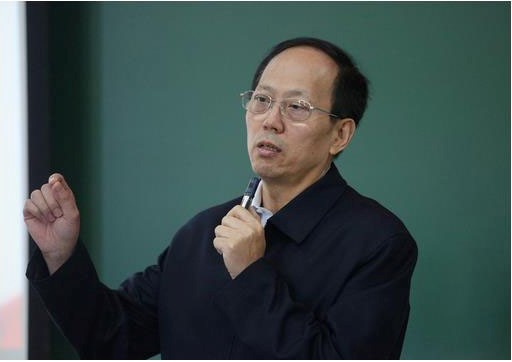
Gou Zhongwen, director of China’s General Administration of Sport, has been named president of the Chinese Olympic Committee (COC).
He succeeds Liu Peng, who has served as president of the COC since 2005 and is now honorary chairman.
The appointments were made at the COC session in Beijing at the end of 2016 and announced by state media agency Xinhua.
In November 2016, the 59-year-old Guo was appointed director of China’s General Administration of Sport following Liu’s retirement from this position at the age of 65. In April 2016 he was appointed deputy secretary of the Communist Party of China’s Beijing municipal committee.
In 2008, Guo was appointed vice-mayor of Beijing in 2008 responsible for education and technology. He also ran the leading group for Beijing’s campus soccer development.
He was deputy head of the Ministry of Industry and Information Technology from 2002.
Under Liu Peng’s leadership, China rose to prominence in several Olympic sports, including table tennis, badminton and diving, at three summer and three winter Olympic Games, topping the medal table at Beijing 2008.
Liu also played a lead role in Beijing’s successful bid to host the 2022 Winter Olympic and Paralympic Games. -
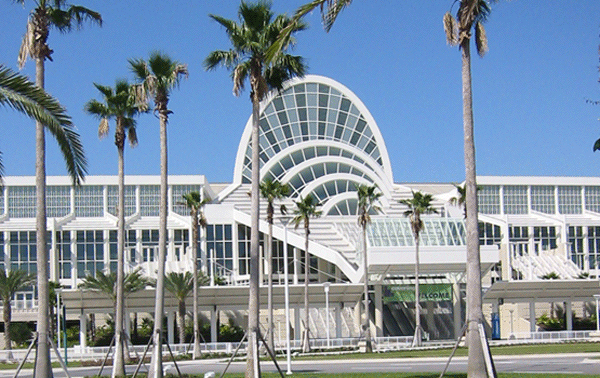
Smart City Networks announces record number of contract closings
With a strong start to the new year, Smart City Networks, the leading event telecommunications and technology services provider for the convention industry, in the US, has announced a record number of contracts achieved at the close of 2016. Since early 2014, the company has been awarded 17 new contracts nationally, which are expected to generate a combined revenue of over US$285 million.
According to Martin A. Rubin, CEO of Smart City Holdings, the scope of the new venue contracts the company has added over the past three years encompasses 135 years of agreements, between initial terms and extension options.
“These contracts exemplify the sophistication and industry knowledge that Smart City brings is second to none,” said Rubin. “These numbers are a testament to the hard work and dedication the Smart City staff puts in every day to serve our local partners and community.”
The exclusive telecommunications and technology company for the Orange County Convention Center (OCCC), Smart City provides technology services to more than 3,000 conventions and meetings annually. Most recently Smart City served as the technology provider for the National Association of Home Builders (NAHB) International Builders’ Show—the world’s largest construction trade show—which was held in Orlando January 10-12, 2017, and is slated to return in 2018 as well. With new homes construction embracing the full impact of the Internet of Things, Smart City’s extensive wireless network infrastructure at the OCCC supported NAHB’s exhibitors in their demonstration of all things IoT in home of the future.
Founded over 30 years ago, Smart City Networks designs, installs and maintains data, voice, electrical and utility platforms, coupled with voice, video and data network engineering, security and monitoring for more than 35 convention and meeting facilities across the U.S., totalling over 17 million square feet of exhibit space.
SOURCE: Smart City Networks -
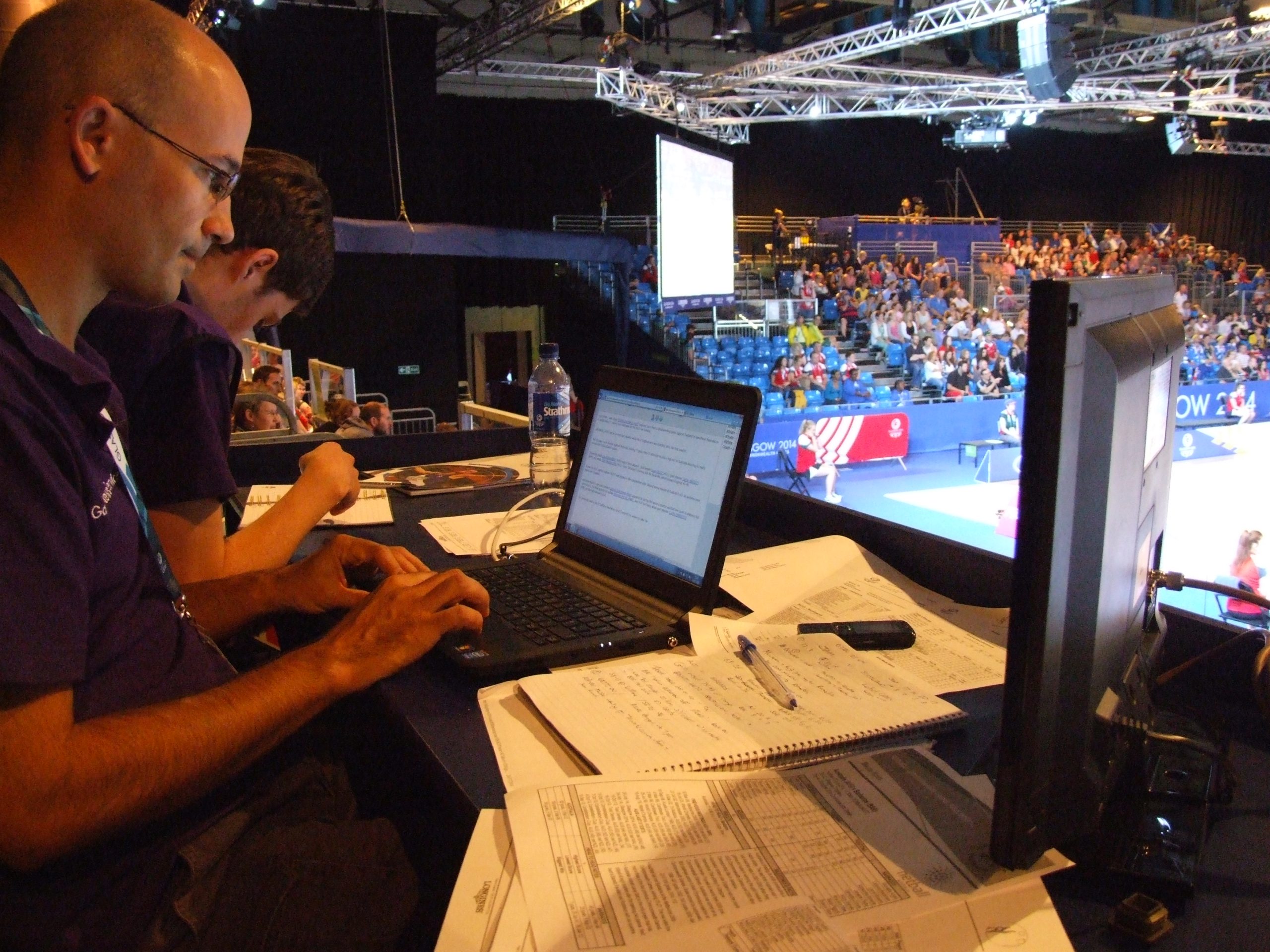
Gracenote Sports: The road to good major event coverage
HOST CITY: What kind of support do organisers need most to manage the huge numbers of press that come to a mega sports event?
Guido Bouw: A well organised event serves as a foundation for positive press coverage. Organisers must focus their attention on all of the different elements that can make or break an event.
From a media perspective, we’ve found journalists benefit greatly from fluid access to the various elements of a major event which enables them to focus on their jobs and deliver quality coverage of the event. This includes access to:The sports event and event venues
Timely information around the event and its participants to support storytelling across multiple platforms including TV, print, online and social media
Real-time communication of the event flow and logisticsAt Gracenote Sports, we have worked at many international multisport events such as the Olympics and smaller single sport events. We offer solutions designed specifically to make life easier for the press, marketing departments and technology partners. This includes timely and accurate sports data and information for media professionals, as well as social media services to maximize exposure for events and drive fan engagement.
At our core, we help drive compelling stories. Whether it is comprehensive background information on the sports and athletes, unique Facts & Figures services or real-time feeds that provide updates, our primary objective is to help media do their jobs by getting them the right information in a timely manner for use in their coverage.
HOST CITY: Event organisers need to maximise good publicity. How can this be achieved?
Guido Bouw: Relevant and timely information is key. The more positive coverage you can generate about the event itself, the more visibility you can create for the host city or region.
News reporters want breaking news, but most other media are writing feature stories that require context – context on a particular competition, athlete or team. Gracenote Sports understands the time constraints that media are under while on editorial deadlines and have developed seamless data feeds to support more in-depth and thoughtful event coverage.
At Gracenote Sports we understand how to tell a good story. That is why we put a premium on distributing timely information to media that can spawn the next story angle or support an existing one. The richness and depth of our unrivalled global sports database, our deep experience working at sports events and expertise in delivering fact-checked information has made Gracenote Sports a trusted partner for many events and federations.
HOST CITY: And what can event organisers do to avoid negative press?
Guido Bouw: As mentioned earlier, a successful event is the foundation for positive press coverage. If the event itself is perceived to have external challenges, the coverage will likely mirror that sentiment. That is precisely why it is critical that organisers focus on the overall success of the event and a seamless experience for media. This includes the proper access required to generate positive news stories. Once event organisers understand that media can serve as the ultimate evangelists for an event, they understand that managing the media with white glove service is just as important as taking care of participating athletes.
They should be treated as a client with top clearance to important access points throughout the event. Minimising disruptions, actively managing their expectations and becoming a resource for information is key.
Additionally, we advise having a highly experienced “information team” on-hand that can effectively address media questions, mitigate issues and manage a potential crisis before it grows into a media storm.
HOST CITY: Major events are a fantastic opportunity to showcase the host city itself. What services are available to bring these kinds of stories to the fore?
Guido Bouw: Hosting a major sporting event can have a positive effect on the profile of the host city and, often times, the broader region. Based on this, it is important that organisers remember the important role media can play in showcasing the host city and plan accordingly.
At the most basic level, this means creating opportunities for media to experience the host city. Be sure to schedule media events at appropriate times and locations so journalists can easily attend. We’ve seen organisers enjoy great success hosting media events and ‘showcase events’ during big competitions in iconic locations. This strategy results in great visuals which can capture the beauty of the host city and result in additional exposure.
We also encourage our customers to create unique experiences that allow media to see the host city more intimately. We have had clients greet incoming media with welcome kits detailing “must-see” local attractions as well as invite key media on facilitated “city tours” to guide their experiences.
HOST CITY: There is a vast amount of data and statistics that can be collected around a major event that would be of use to journalists. What sort of tools are there to make this information available?
Guido Bouw: At Gracenote Sports, we have mastered how to efficiently deliver the most accurate and timely information, including results and statistics, athlete information, flash quotes, press conference highlights, analytics and insights, to the media around the world. We’ve spent over 20 years refining our event and data offerings as well as diversifying the vehicles to distribute information to our customers spanning newsfeeds, APIs, widgets and newsletters.
At the heart of our global operations are the experienced professionals who live and breathe sports data. These individuals – avid sports fans themselves – spend countless hours mining our industry-leading database containing information on 4,500 of the world’s most popular sports leagues and competitions to develop content that adds context and relevance to our customers’ media coverage. In addition, our social media desk specializes in developing custom content around major sports events for popular platforms including Twitter and Facebook to driving direct engagement with fans.
HOST CITY: What can smaller or more niche events do to get in the media as much as possible?
Guido Bouw: This goes back to the first question. An event organiser of any scale should pay close attention to facilitating easy media access to the event. To reiterate, that is access to the event and relevant event venues, the dissemination of timely information around the event and its participants and real-time communication of the event flow and logistics.
The engagement with media shouldn’t begin when they get off of a plane in your city. The engagement should begin well before their arrival when you become a reliable source for relevant statistics, historical context and news coverage leading up to the event. Media are often looking for unique story angles about the history of the event and compelling stories behind the athletes. By serving as a resource to media leading up to, during and after a major sporting event, you can cultivate lasting relationships with journalists and ideally, emotional connections with the host city that could last a lifetime. -
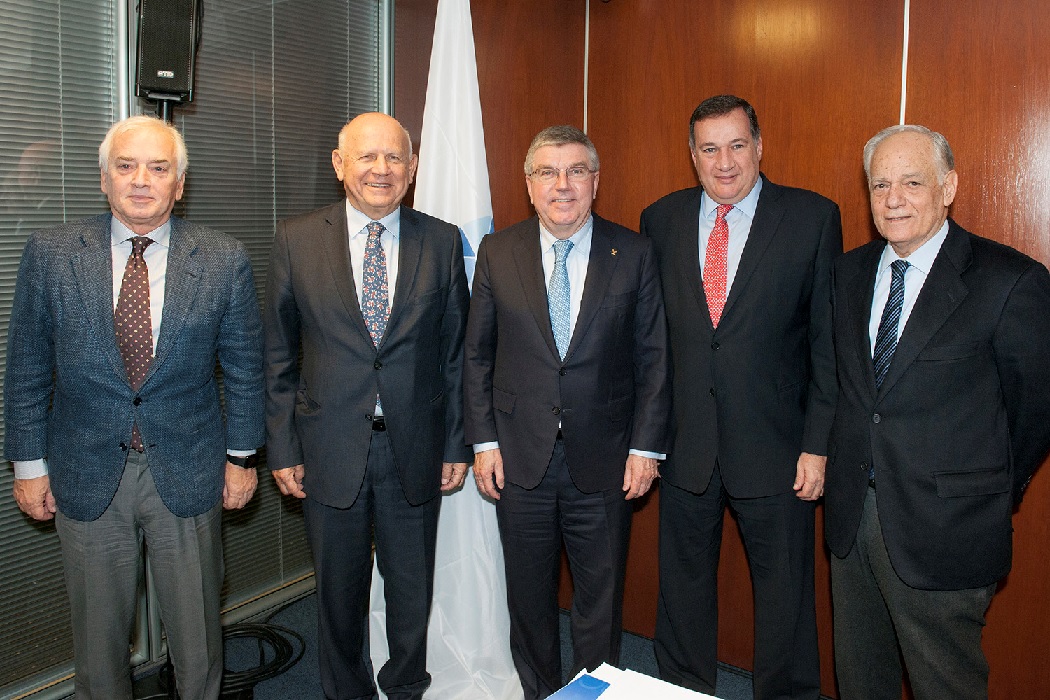
Spyros Capralos to chair Minsk 2019 European Games Coordination Commission
[Source: EOC] The European Olympic Committees (EOC) on 26th January held its first meeting of the year, with IOC President Thomas Bach in attendance. The meeting’s key outcome was the appointment of Spyros Capralos as Chair of the EOC Coordination Commission for the second edition of the European Games in 2019 in Minsk, Belarus.
EOC Acting President Janez Kocijan?i? opened the day’s proceedings in Lausanne by welcoming President Bach and thanking him for his guidance of the Olympic Movement throughout 2016. President Bach then gave an update on the IOC’s latest activities, especially in the area of anti-doping, and answered questions from Executive Committee members.
EOC Acting President Janez Kocijan?i? said: “It was a great honour to have IOC President Bach attend our first meeting of 2017 in the Olympic capital. President Bach provided a full update on all current key issues from across the Olympic Movement and, in response, the EOC Executive Committee expressed our unanimous support for the IOC’s handling of the completed McLaren Report concerning doping in Russia.
“The IOC’s approach on this matter – which was consistent with its approach towards Russia’s participation in the Olympic Games in Rio – respects the rule of law in a fair and objective way and the EOC fully supports this.”
Following President Bach’s departure, the Executive Committee received reports from Secretary General Raffaele Pagnozzi, Treasurer Kikis Lazarides, and European Games Senior Consultant Pierce O’Callaghan.
Capralos’s appointment as Coordination Commission Chair for Minsk 2019 was then confirmed by unanimous approval from Executive Committee members. Capralos, the President of the Hellenic Olympic Committee, is taking on the same role he occupied from 2013-2015 for the inaugural European Games in Baku, Azerbaijan.
On Capralos’s appointment, Kocijan?i? said: “Spyros’s chairing of the Baku 2015 Coordination Commission was very impressive and we are delighted that he is able to continue in this role for Minsk 2019. We are very excited that preparations for the second European Games are gathering speed in Minsk.”
The first Coordination Commission visit to Minsk is expected in the spring.
EOC Coordination Commission Chair for Minsk 2019, Spyros Capralos, said: “I am very happy to be taking on this responsibility once again. The Coordination Commission has a vital role to play in shaping the final concept of the European Games and my work starts with immediate effect. My commission members will make sure that the EOC’s experience of delivering Baku 2015 is passed on to the Minsk 2019 European Games Organising Committee in the best possible way.”
The Executive Committee also received positive progress updates about the upcoming Winter European Youth Olympic Festival in Erzurum, Turkey, which is taking place from 11-18 February.
EOC Acting President Kocijan?i? praised the Turkish Olympic Committee and the Erzurum 2017 Organising Committee for their hard work in staging the event just two years after agreeing that Erzurum would host the event in 2017 rather than in 2019, as had been originally agreed. -
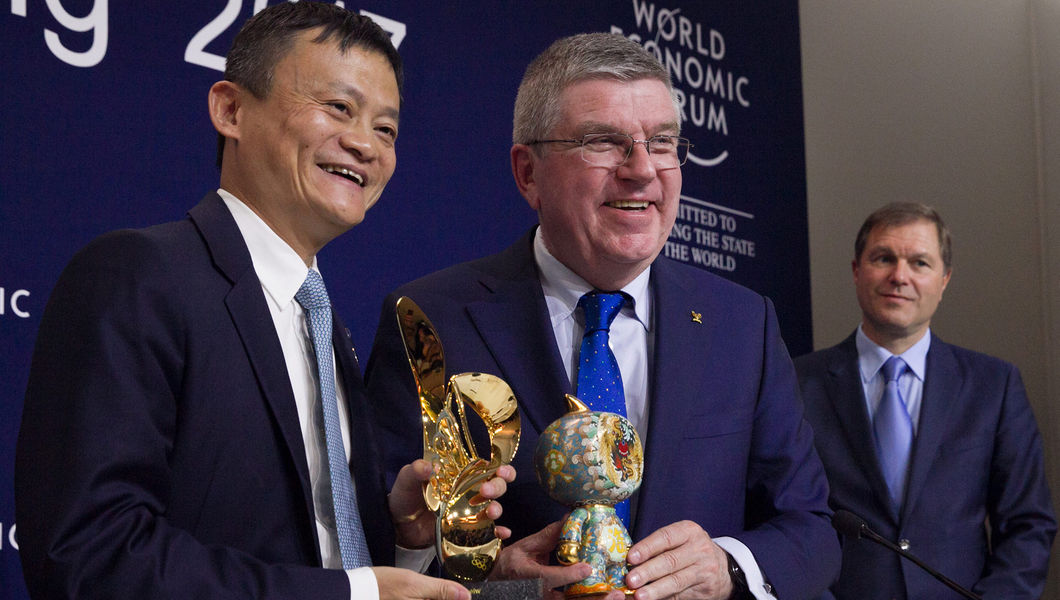
IOC signs Alibaba Group as Worldwide Olympic Partner in Davos
[SOURCE: IOC] The International Olympic Committee (IOC) and Alibaba Group on 19th January jointly announced a long-term partnership through 2028. Joining The Olympic Partner (TOP) worldwide sponsorship programme, Alibaba will become the official “Cloud Services” and “E-Commerce Platform Services” Partner, as well as a Founding Partner of the Olympic Channel.
The partnership was announced at the World Economic Forum in Davos, Switzerland, with IOC President Thomas Bach, Alibaba Group Founder and Executive Chairman Jack Ma and Alibaba Group Chief Executive Officer Daniel Zhang.
Thomas Bach, President of the IOC, said: “In this new digital world, Alibaba is uniquely positioned to help the IOC achieve a variety of key objectives outlined in Olympic Agenda 2020, while positively shaping the future of the Olympic Movement. This is a ground-breaking, innovative alliance, and will help drive efficiencies in the organisation of the Olympic Games through 2028, whilst also supporting the global development of digital opportunities including the Olympic Channel.”
“Alibaba’s partnership with the IOC is built on a foundation of shared values and a common vision for connecting the world and enriching people’s lives,” said Jack Ma, Founder and Executive Chairman of Alibaba Group. “We are proud to support Olympic Agenda 2020, using our innovations and technologies to help evolve the Olympic Games for the digital era.”
Through this partnership, Alibaba’s contributions to the Olympic Movement will include:
Best-in-class cloud computing infrastructure and cloud services to help the Olympic Games operate more efficiently, effectively and securely, including supporting big data analytics requirements;
The creation of a global e-commerce platform for Olympic stakeholders to engage and connect with fans seeking official Olympic licensed products manufactured by the Olympic parties’ official licensees, and selected sports products, on a worldwide basis; and
Leveraging Alibaba’s leading digital media technologies and know-how to develop and customise the Olympic Channel for a Chinese audience.
“Alibaba is proud to empower the International Olympic Committee in a game-changing digital transformation, while moving another step closer toward our goal to serve 2 billion consumers,” said Daniel Zhang, Chief Executive Officer of Alibaba Group. “We will leverage our experience in serving a young user base to help connect more young people to the Olympic Movement, helping to strengthen our brand through this historic partnership.”
Tsunekazu Takeda, the IOC’s Marketing Commission Chair, said: “We are delighted to be working in the long term with Alibaba for the benefit of the Olympic Movement. This strategic partnership underlines the global appeal of the Olympic values and opens an exciting new chapter in this digital age.”
Alibaba is the first company to make a long-term commitment to the IOC through 2028 and the first Chinese company to commit to the Olympic Winter Games Beijing 2022.
Alibaba will support the organisers of each edition of the Olympic Games, and the Olympic Movement around the world. These rights will include advertising and promotional use of Olympic marks and imagery from the Olympic Games as well as marks from the National Olympic Committees.
Alibaba’s global activation rights will include the Olympic Winter Games PyeongChang 2018, the Olympic Games Tokyo 2020, the Olympic Winter Games Beijing 2022 and the Olympic and Olympic Winter Games in 2024, 2026 and 2028 in cities yet to be selected by the IOC. -
European Championships: changing sports for the better
Glasgow’s preparations for the 2018 European Championships are “impressive”
No programming overlaps between sports will be accepted in evenings
Hopes for another outdoor athletics event in Glasgow in the future
Russia “not missed” from athletics until it “follows the rules”
IAAF expected to follow European Athletics’ lead in investigating the credibility of historical records
Two or three potential host cities for 2022 European Championships to be shortlisted on 7th February
Sports must bring top athletes to the 2018 European Championships to stay on the programme for 2022
Further sports may be considered for 2022, particularly those popular in the host city
HOST CITY: The 2018 European Championships is taking place in two cities simultaneously, Berlin and Glasgow. How will live audiences in the cities how will they feel like they are at the same event?
Svein Arne Hansen: They will feel it very well. It is a really good programme that brings all the sports together and this is the same for Glasgow and Berlin.
I am very used to this; I come from a winter sports nation, Norway. Every weekend in the winter, different sports go on throughout the whole day in different places in Europe, but the guys sitting in front of the television don’t really care where it is.
My understanding is, and I feel from the meetings we have had, that Glasgow and Berlin are working very well together and hard together to make this a big success.
HOST CITY: In terms of the European Championships brand, what is being done to make sure that it’s experienced as a single brand?
Svein Arne Hansen: That is what we are working on the final layout now, that is one of the things we will discuss on 7 February and for sure later this year. Because we have to look alike and be the same.
For example, we will have a medal table that will be combined between the two places. Victory ceremonies will be exactly the same in the two places. We are working to have it look as much as the same.
But we must not lose the characteristics of athletics. And I’m sure that the other sports don’t want to lose the characteristics of their sports. I will not be a very popular person if we sold away athletics!
In the future this championship will probably be in one place. But for the moment we are happy to have two such interesting host cities.
I am impressed by Glasgow and the way they are really taking all the sports on board. And of course Glasgow organised the Commonwealth Games in 2014, which was a huge success. Athletics will also come back to Glasgow with the European Indoor Athletics Championships in 2019.
For the moment we are working to try to integrate the two cities so it’s a lookalike for the people sitting in Switzerland, in Norway or here.
HOST CITY: How challenging is it to schedule without programming clashes?
Svein Arne Hansen: It is challenging in one way, but also we have gone into this because we don’t want anything to overlap over the afternoon/evening sessions. That’s a must from European Athletics; that we have no other interference from 6.15PM to 9PM from other sports in those days.
This is a 10-day event we are not accepting any overlap at those times from day one. We have to look after our sport. We are about to solve that now so I don’t think that will be a problem.
The scheduling is going very well. I don’t know how official this is yet, but we are coming out with a very good schedule for each sport and every sport should be recognised.
That’s what we are going to discuss the final layout of the timetable at our next meeting.
HOST CITY: What is your feeling about how the people of Glasgow reacted, responded and embraced the Commonwealth Games in 2014?
Svein Arne Hansen: You see now the fantastic interest there was for that Commonwealth Games. The athletics there was very good. There’s unbelievable interest for athletics in Great Britain.
I really hope in the future some time we can come back with an outdoor event in the summer in Glasgow. I am very impressed by Glasgow, the people, the city and the effort they are doing.
They are always willing to find solutions. They are innovative, are open for ideas, because we have to make changes to our sport.
As IOC President Thomas Bach said a year ago, “you have to change or somebody will change you”. Glasgow is really on to it and taking on this big job with several sports all together and it’s a really massive effort. We are very impressed.
HOST CITY: Athletics has clearly had a difficult time recently and you have been very vocal about the need to clean the sport and its administration.
Svein Arne Hansen: We have difficulties. We have the Russian problem with the state-sponsored doping, which is unbelievable, at least for me, that something like that can happen.
But we saw the fantastic championships in Amsterdam this summer, which sold out the five days and not a single person asked “why are the Russians not here?”. Not a single one asked me that.
It was the same with the Olympics in Rio. OK, they were not there, but nobody really missed them because they had not been following the rules that everybody else has to follow.
HOST CITY: What do you think Russian Athletics thinks about this?
Svein Arne Hansen: They are starting to think along the same lines because they know that they have to change otherwise they will not be coming back.
HOST CITY: And you have established a taskforce to look into the integrity of athletics by investigating European records.
Svein Arne Hansen: Yes, we have put on a group to work on that and it was amazing, the reaction on social media.
This is a very difficult task. The taskforce now has until September/October to come back with proposals we will bring forward to the IAAF.
It’s a challenge, of course. People will feel offended but if we don’t do that, people will say you can’t just let it go on. You have to look into it. Of course some people will be hurt by this, but you can’t make an omelette without breaking the eggs.
HOST CITY: Your suggestion is that the IAAF might follow your lead?
Svein Arne Hansen: I hope so. We will take this decision about European records, but I am sure the IAAF will follow. We have talked to them already and they have been very supportive of this and put one of their best people on the taskforce. So that’s a good sign.
HOST CITY: Another thing that put the IAAF under the spotlight is the host city process for the World Championships.
Svein Arne Hansen: I was not around [on the IAAF Council] then then so I don’t know too much about that. I have heard the same rumours.
HOST CITY: There is an ongoing host city selection process for the 2022 European Championships. Presumably that host will be announced at your board meeting in November?
Svein Arne Hansen: Yes. That’s what we hope.
HOST CITY: Remind me what bids you have on the table?
Svein Arne Hansen: We have a lot, but I can’t say any more. There will probably be a statement after our board meeting on February 7. We plan to come out with participants for the final round. We are looking for two or three cities to be shortlisted.
We also have made a very tough selection for the sports. If they don’t bring their best people to the Championships in 2018 in Glasgow they will not unfortunately be a part of 2022.
We know all the best athletes will be in Berlin. Swimming are saying the same and they know that all the best swimmers will be in Glasgow, all the sports in Glasgow must also come with their best. Glasgow is not investing so much money to have a second-class Championships.
HOST CITY: But all of the seven sports will remain for 2022?
Svein Arne Hansen: It looks like it. But as I said they must bring their best people. It’s also important that they include a sport that is popular for the host city.
HOST CITY: So that suggests there might be some changes?
Svein Arne Hansen: Yes, there might. But we will see. First we have to organise 2018. -
Inaugural SIGA Sport Integrity Forum commits to action not just words
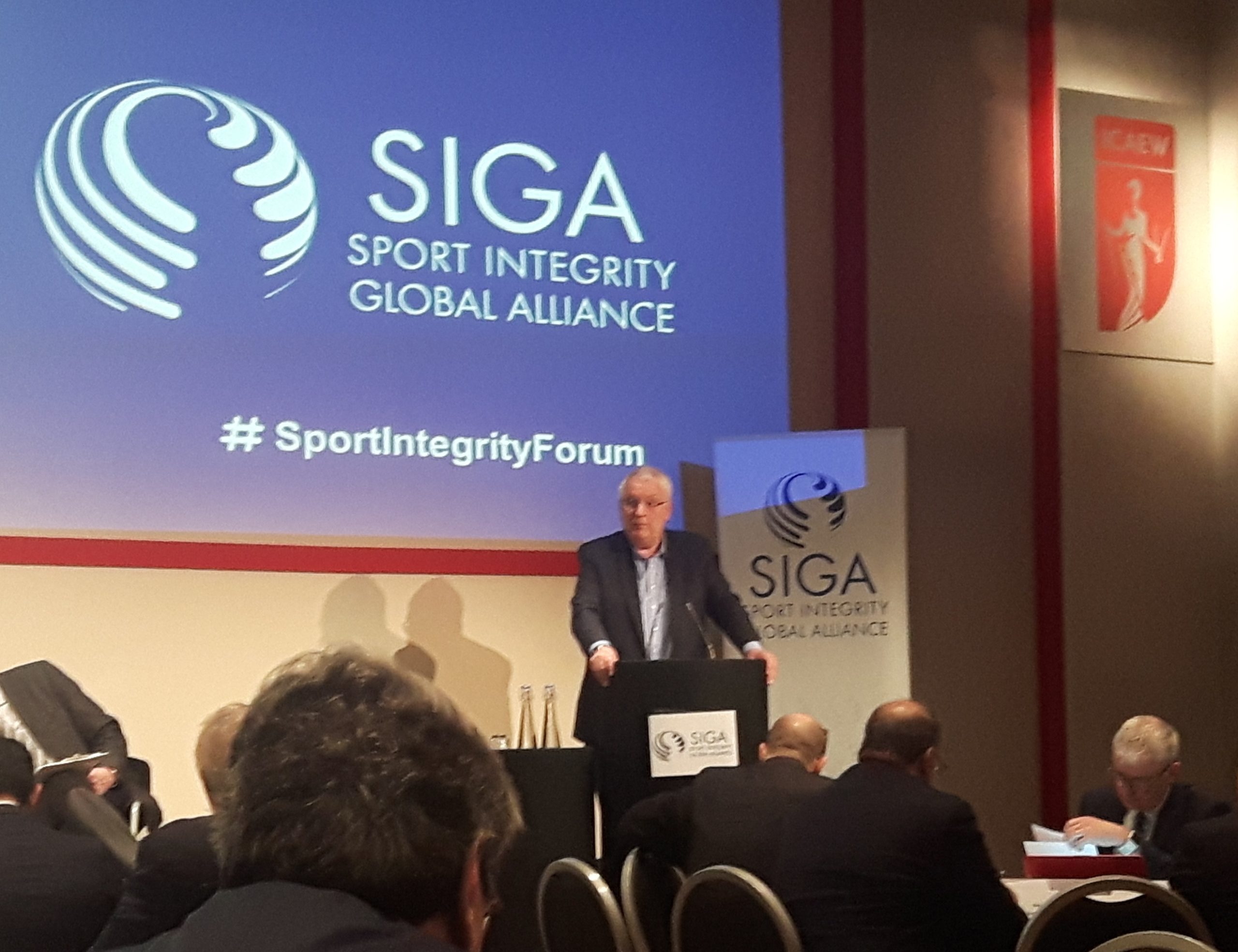
[Source: SIGA] A series of high profile delegates, headed by European Athletics President Svein Arne Hansen, today called for active and sustainable sports governance reform at the inaugural SIGA Sport Integrity Forum.
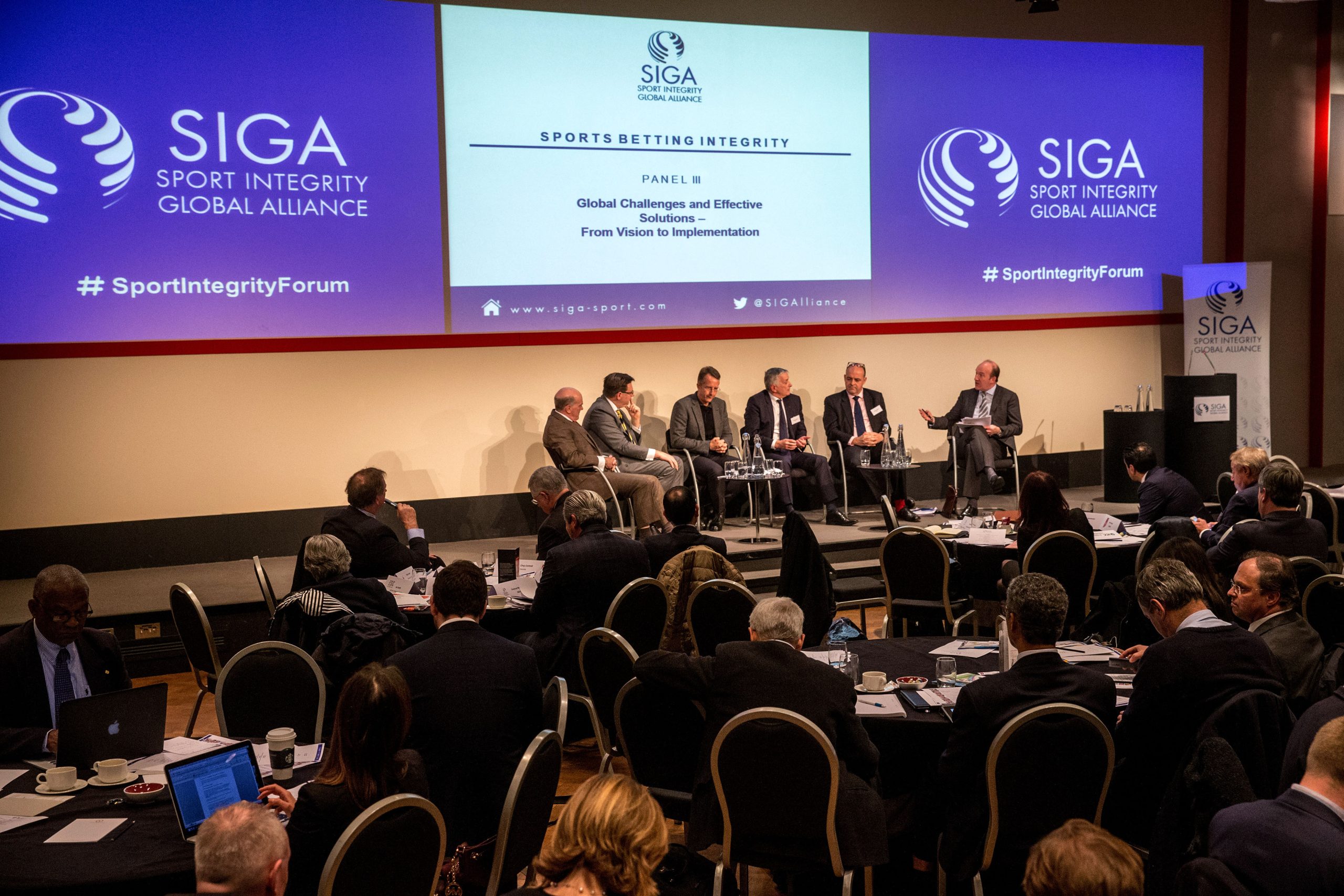
The Forum was held in the historic Chartered Accountants’ Hall – the headquarters of SIGA member, Institute of Chartered Accountants in England and Wales (ICAEW). Representatives from over 100 organisations from the international sports community attended, with high profile delegates from sport (international federations, clubs, leagues, national governing bodies and regional confederations), government, international and regional organisations, civil society and the commercial and professional services sectors.
Hansen began the high-profile Forum with a keynote address in which he described the corruption and doping scandals seen across a number of sports in recent years as “betrayals of sport’s values and of the trust of millions of people, young and old.”
Read Host City’s exclusive interview with Svein Arne Hansen here
He went on to highlight the significant progress that has been made both by the International Association of Athletics Federations (IAAF) and European Athletics in integrity and good governance. Hansen concluded: “I see SIGA as being from the sport movement and that it and European Athletics have common interests. Therefore, I want to wish you all the best with your project and I hope to work with you in the future.”
Hansen also took advantage of his address to reveal that he is asking that in future “we will store the doping control sample for any European record for a minimum of 10 years to allow for retesting when technology improves.”
The Forum’s three panel discussions on good governance in sport, financial integrity and sports betting integrity featured prominent and influential leaders from the world of sport, united in their belief that all of sport’s stakeholders should work in partnership to bring about real and lasting reform.
The debate was geared towards identifying solutions to the problems sport currently faces and the role SIGA can play in supporting organisations implement reform. Speakers included Lars-Christer Olsson (Chairman, EPFL), Nick Bitel (Chair, Sport England), Kimberley Morris (General Manager, FIFA TMS) and Thierry Pujol (CEO, Française des Jeux) among others.
Speaking after the Forum, the SIGA Council said: “The first ever SIGA Sport Integrity Forum has been a great success and a significant step forward. We enjoyed three panels of very high quality with excellent interventions from the audience. But this Forum would not have been such a success without the contribution and efforts of everyone involved. SIGA as an organisation is completely reliant on the expertise and contribution of its members. We are built on the principles of collaboration and partnership as we recognise that real change is only possible if we work together.
“The panel discussions today highlighted the scale of the work that is ahead of us but they also reinforced the need for an organisation like SIGA to act as a bridge and bring together like-minded organisations from across the sports industry. SIGA is here to stay and we are committed to bringing about real change. Today we have shown that we can talk the talk but now we must walk the talk.”
The Forum was concluded by Chairman of the International Cricket Council Anti-Corruption Unit, Sir Ronnie Flanagan, and Caribbean Association of National Olympic Committees (CANOC) President Brian Lewis who expressed their support for SIGA and called on sports organisations to adopt SIGA’s Universal Standards.
Read Host City’s exclusive interview with Svein Arne Hansen here