Host City 2022 takes place on 15-16 November, returning to Glasgow, Scotland with an illustrious line-up of international speakers joining in person.
Register here now to be part of the greatest meeting of cities and sports, business and cultural events.
The conference opens with Keynote Addresses on the conference theme of Face to Face with the New Realities from Paul Bush OBE, Director of Events, VisitScotland and Ivo Ferriani, President, GAISF, SportAccord, AWOIF and IBSF, who are joined on the opening panel by Susan Deighan, Chief Executive, Glasgow Life, Sam Ramsamy, Honorary Member, IOC and Vice President, FINA and David De Behr, Head of Sales, Major Events, Aggreko.
The panel New Event Concepts – Disruption and Synergy stars Beng Choo Low, Secretary General, World Baseball-Softball Confederation, Tine Eriksen Green, Head of Major Events, City of Copenhagen, Prof. Andy Miah, Metaverse Council & Commission Member, Global Esports Federation and Senthil Gopinath, CEO, ICCA and Robbie Clyde, Head of EventScotland.
A panel of experts including Alice John, Head of Economic Growth and Development Advisory, Deloitte’s Sports Business Group, Brendan Williams, Chair of the Athletes Advisory Commission, Commonwealth Games Federation and Mate Bor, Chief of Staff and Senior Advisor to the President, FITEQ Jonathan Coates, Marketing, Communications and Events Manager, ESA (European Sponsorship Association) and Communications Manager, UIPM and Mike Laflin, Director, Total Analysis explore the mindset of The Future Fan, following a Case Study from Antony Warren, Head of Business Development, World Supercross Championship (WSX).
Ian Ward, Leader, Birmingham City Council joins for a speech and Q&A on the delivery and legacy of the Birmingham 2022 Commonwealth Games.
A panel on Partnership Paradigms of Event Hosting and Delivery stars Hilary Atkinson, Director, FIH Pro League & Olympic Games, International Hockey Federation (FIH); Julia Amour, Director, Festivals Edinburgh, Helen Marriage, Director, Artichoke and Jonny Gray, Senior Managing Director, Ankura.
Stefano Manelli, Director, Citec Italy and Transportation Supervisor of Fondazione Milano Cortina 2026 gives an update on preparations for the 2026 Winter Olympic Games.
Yiannis Exarchos, Director, Olympic Channel Services, International Olympic Committee, John Tweardy, Managing Partner – Olympic, Paralympic & Major Events Practice, Deloitte, Joel Lavery, Strategic Lead Major Sporting Events, West Midlands Growth Company and Andy Meikle, Founder and CEO, Recast and Martin Fitchie, Director, Motion Technology Services join forces to Unlock the Power of Technology to Deliver Events to Fans.
A Case Study on the Tour de France Grand Départ Copenhagen Denmark 2022 follows, from Iben Rønholt, Deputy Head of Office, and Tine Eriksen Green, Head of Major Events, City of Copenhagen.
How Events Make a “World Sports Capital” is the topic tackled by Debra Gawrych, Secretary General, International Federation of Sport Climbing, Liese Abili, Vice President of Sports Development at the Florida Sports Foundation, Mathew Ratner, Associate Director, Sports & Entertainment Tourism, Greater Miami Convention & Visitors Bureau Miami, Jennifer Arnold, Vice President, Marketing & Communications, U.S. Soccer Foundation and David Grevemberg CBE, Chief Innovation and Partnerships Offi cer, Centre for Sports and Human Rights.
Day One closes with Keynote Addresses in the City Chambers from Sir Craig Reedie GBE, Honorary Member, International Olympic Committee and Bailee Leòdhas Massie, Glasgow City Council.
Day Two kicks off with a panel on Cities of the Future starring Tim Briercliffe, Secretary General, AIPH – International Association of Horticultural Producers; Maxwell de Silva, Secretary General, National Olympic Committee of Sri Lanka; Carine Saloffe-Coste, Head of Green Spaces and Environment, City of Paris and Andrew Dixon, Director, Culture, Creativity, Place.
David Lappartient, President, Union Cycliste Internationale (UCI) joins Paul Bush OBE for a Q&A with Martin Ross, Global News Editor, SportBusiness on Showcasing the 2023 UCI Cycling World Championships.
Aggreko sponsor the panel Sustainability Solutions in Action, starring Georgina Grenon, Director of Environmental Excellence, Paris 2024 Organising Committee for the Olympic and Paralympic Games, Arlette Anderson, Director of Sustainable Golf, The R&A, David Stubbs, Independent Sustainability Expert and Daniel Cordey, Chairman, Association of Global Event Suppliers.
Khunying Patama Leeswadtrakul, Vice President, Badminton World Federation and IOC Member, Jennifer Arnold, Associate Vice President, Marketing & Communications, U.S. Soccer Foundation, Sarah Lewis OBE OLY, Global Sports Leader and Claire Nelson, CEO, Netball Scotland join Duncan Mackay, Founding Editor of insidethegames.biz for the panel on The Rise of Women’s Sport and Entertainment.
Justifying the Impact and Benefit of Events is the topic for Toni Jorba, Head of Event Operations, World Athletics, Jack Nixon, Strategy Director, Nielsen Sports, Perttu Pesä, Director, Major Events, City of Tampere and Iain Edmondson, Honorary Member, IAEH.
The conference closes on a positive note, with Martin Boyle, CEO, The International Association of Professional Congress Organisers (IAPCO), Jason Ferguson, Chairman, World Professional Billiards and Snooker Association, Gayle Shepherd, Director of People, Projects and Technology, Scottish Event Campus (SEC) and Chris Barrett, Editor, Access All Areas setting out how to Design a Better Events Industry.
Host City 2022 takes place at the Technology & Innovation Centre, Glasgow with the support of Global Presenting Partners and Hosts, EventScotland and Glasgow Life. To register visit https://www.hostcity.com/events/host-city-2022/register and for further information contact ben.avison@hostcity.com.
Notes to Editors
Host City 2022 is supported by EventScotland, Glasgow Life and Glasgow Convention Bureau.
Press can register for free here https://www.hostcity.com/events/host-city-2022/register using the code MEDIAFREE
Category: Event Management
-
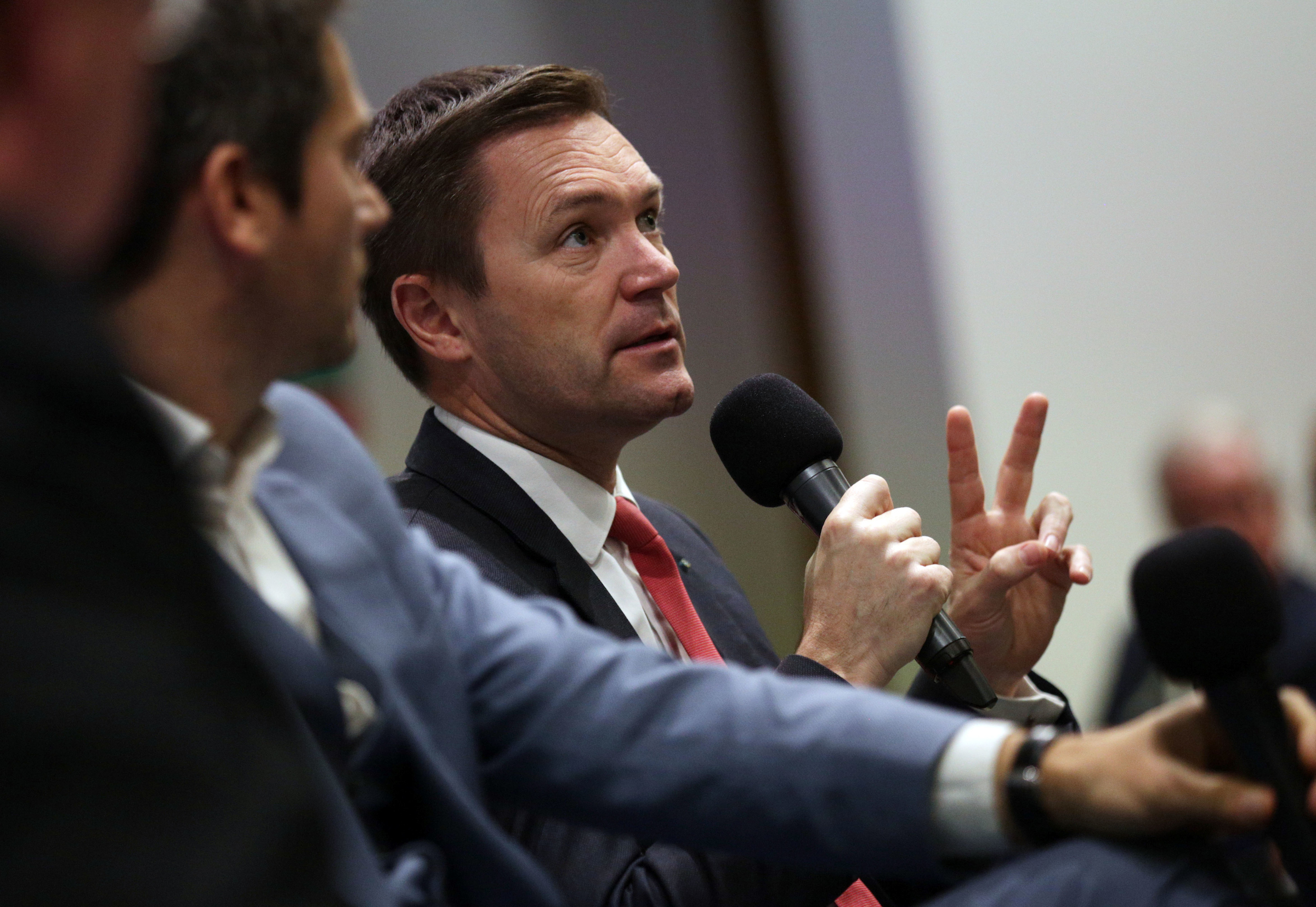
Host City 2022 reveals final speaker line-up in Glasgow, Scotland
-
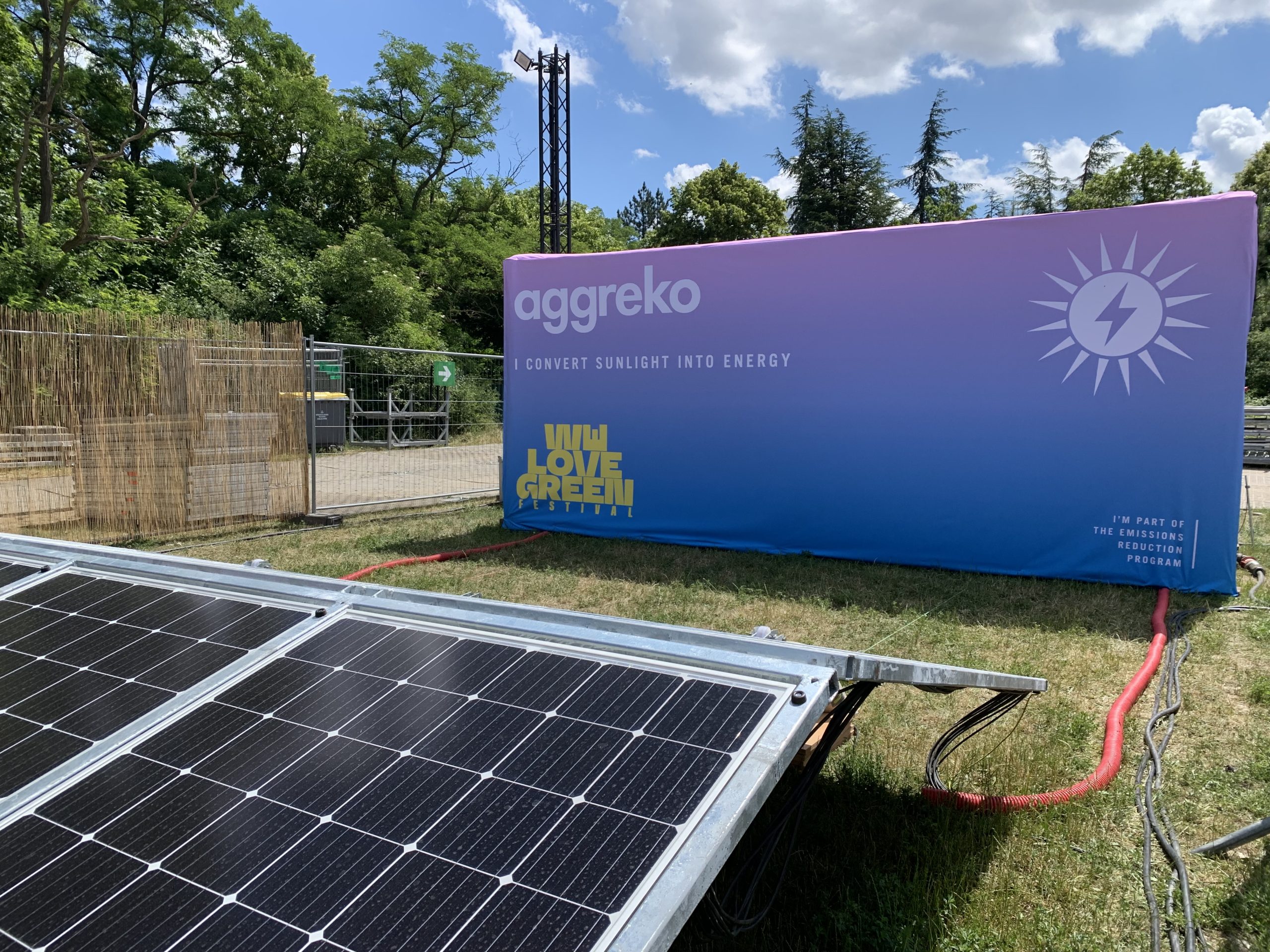
Aggreko: Championing green tech through cost constraints
On November 15-16, Host City 2022 Conference and Exhibition takes place in Glasgow, Scotland with the theme of Face to Face with New Realities. Host City gives world leaders in the events industry an opportunity to educate each other on the innovative technology and solutions that contribute towards a positive long-term impact. As the headline sponsor of Host City 2022, Aggreko is looking forward to sharing their thoughts via their guest speaker David De Behr, Host City advisory board member and Head of Sales Major Events at Aggreko.
2022 was certainly an influential year for Aggreko, with an unrivalled record of accomplishments throughout regional and global events such as The Invictus Games and SailGP to name a few. Whether it be the debut of ground-breaking sustainable technologies or reliable on-time temporary power solutions at some of this year’s biggest events, Aggreko’s teams were hard at work to deliver their renowned specialism in all event operations. De Behr leads the Sales team within Aggreko Event Services, providing power and temperature control solutions to a wide range of events customers.
“There has been visible change in recent years within the sports and entertainment events industry, with technology evolving so fast that it now has a drive to be energy efficient on its own,” De Behr said. “How can we make it a better world and really kick-start sustainable actions?”
Aggreko has been exploring new ways of delivering temporary energy solutions whilst reducing emissions, whether it be through new technological innovations, a range of more sustainable temporary energy equipment or designing energy solutions to be as efficient as possible. “Through the use of new types of equipment that are driven by technology on events, we have now seen a drop in energy demand and the importance shift to the accuracy of energy supply and efficiency.”
At the 2022 Great Britain Sail Grand Prix this July in Plymouth, UK, Aggreko’s challenge was to provide reliable and renewable temporary power solutions across the race weekend that suited the surrounding environment. Aggreko premiered bio-methanol fuel as an energy source for the first time at a live event in the UK, resulting in up to 97% less CO2 emissions compared with diesel.
Aggreko have utilised multiple emission-reducing technologies in 2022 including HVO fuel, hydrogen, battery units and solar power.
“The more battery units and solar panels that you can utilise the better; however, there will always be other constraints that need addressing such as limitation of space, reliability and need for critical power.”
Even though the technology is there, Aggreko use their specialism to select specific power solutions for each event that will adapt to the local environment.
So what are the main challenges of providing sustainable solutions? “New technology costs more money,” De Behr explained. “Unfortunately for now, sustainable solutions will be more expensive than traditional energy solutions and it is going to stay like that for a while. You see this all over the world, everything that is new is more expensive, but the more its produced and the easier it is to access the more the cost is reduced. For the moment our Stage V generators, solar technology, battery units and hydrogen sets are more expensive than traditional energy solutions, so it is a challenge.”
Aggreko have used their years of experience to form a specialist strategy that combines reliable energy supplies with new emission reducing technology. “The first thing we always do is to try to maximise the use of local grid if coming from a renewable source. For a customer, this is the most cost-effective and energy efficient.”
At each event, Aggreko conducts a metric design phase that assess where solar panels, HVO fuel, Stage V generators and battery units can be paired with energy from the grid. Creating a ‘mini sustainable grid’ is the best way to ensure a reduction in carbon emissions without reducing the reliability of energy supply.
“People need to look at their energy consumption in a more focused way. I think we have all grown up and been guilty of putting the thermostat on 21 degrees all year round. On a microscale this is what we have been trying to do with our customers – to look in detail at what they actually need and how we can change the supply chain.”
So what role do hydrogen and battery units play in the future? “I had hoped hydrogen solutions would come around much faster; I have seen it work and it can be fantastic! The technology is ready, but the problem lies with the supply chain. We need to get the car market to jump on hydrogen, which is then going to create demand, sparking investment from the big energy companies around the world.”
Switched on to the future
“The aim is to make people more focused around energy in general, and that will have the greatest impact on sustainability,” said De Behr.
“We have a whole new generation which cares. I really believe in the next five years that people will choose the events they attend based on how sustainable they are.
“Whether it’s a wedding or a private event, a fashion show or a music concert, it will become a must that when we make an offer, we should be able to state exactly how many emissions that event is going to produce.”
Aggreko’s goals for the future are to “keep maximising the ‘green’ grid for the client when it makes economic sense by using our specialist engineering. I think that’s the only way because slowly more of the grid will come from sustainable sources and it’s the fastest way for the customer.”
Batteries, however, are one of the most effective renewable energy solutions being integrated by Aggreko because “any energy wasted can be put back into batteries, or if you have too much energy capacity you can store it within the battery and run from there. In the near future I believe it will be common for domestic houses to have a battery pack; when you have too much energy, you can store it for when you do not have enough sun for your solar panels.”
Aggreko are switched on when it comes to innovating their services and will continue to invest in the assurance of their safety, reliability and sustainability meeting the highest standard at every event. “The company has always been switched on with choosing a direction and as demand grows, we will keep looking for ways to increase temporary energy reliability and discover technologies that leave a positive long-term impact on our planet.” -
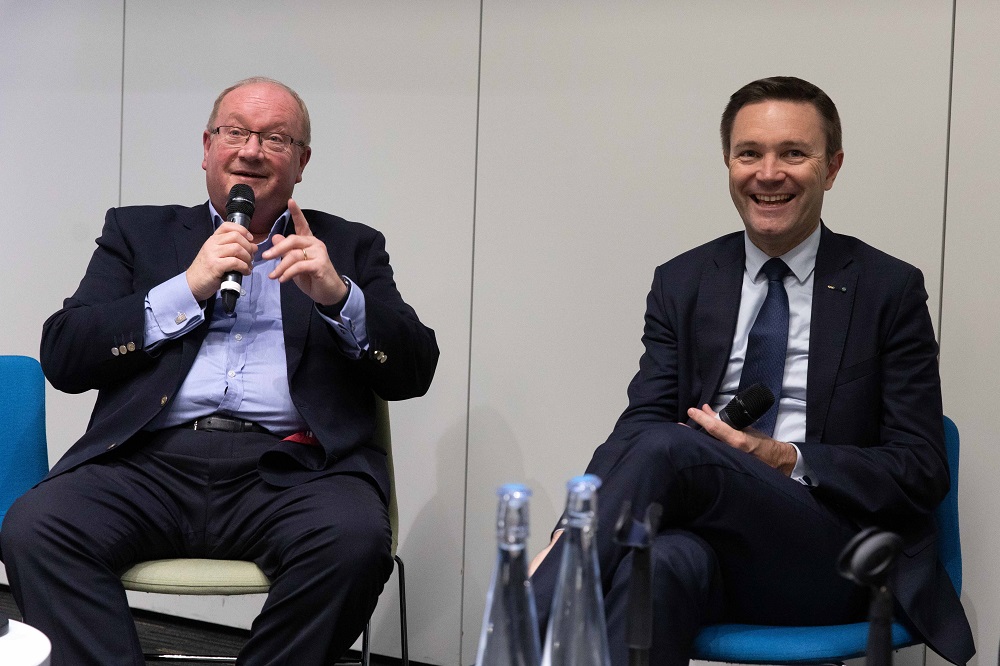
Host City 2022 champions the value of major events
Host City, the greatest meeting of cities and sports, business and cultural events, made a triumphant return to Glasgow after two years online. With the theme of “Face to Face with New Realities”, the conference championed the value of major events against a challenging global landscape.
In his opening address, Paul Bush OBE, Director of Events, VisitScotland touched on a range of themes including community engagement, the creation of Scotland’s Event Industry Advisory Group, sustainability and the ongoing challenges being faced by the sector following the pandemic.
On the subject of digitalisation he said: “Digitalisation in events continues to accelerate – it has changed the way we work, live and do business, and has reshaped the events industry. We are regularly seeing events putting attendees in control of their own experience, with innovation and creativity driving new dynamics and consumer satisfaction.”
Susan Deighan, Chief Executive of Glasgow Life said, “The future of events is extremely positive. Events of all kinds that bring people together have great benefits – but not at any cost.”
In his keynote address, Ivo Ferriani, IOC Member and President of GAISF, SportAccord, AOIWF and IBSF said: “In a cost-of-living crisis, a ticket is a luxury. We need to price events in a way that people can afford.
“We need to find a new balance between online and offline, and we need to do this quickly.
“Sport can be a driver of sustainable development.”
Georgina Grenon, Director of Environmental Excellence, Paris 2024 Organising Committee for the Olympic and Paralympic Games said “If you want sustainability to work, it has to be embedded in processes.” She highlighted how meals at the Games will have half the carbon weight of the average French meal. “Our suppliers are part of the solution.”
Energy supplier Aggreko has made a commitment to reduce its fossil fuel use by 50% by 2030. David De Behr, Head of Sales, Major Events said “We are doing a lot of good things providing green energy, but it has a financial impact.”
Another challenge is the decline in the young fans identifying as being passionate about sport. “Traditional sports need to connect with Gen Z fans,” said Alice John, Head of Economic Growth and Development Advisory at Deloitte’s Sports Business Group.
The drive to create a new fan base is behind the new initiative to replace riding with obstacle in modern pentathlon, said Jonathan Coates, Marketing, Communications and Events Manager at ESA and Communications Manager at UIPM.
Teqball is one of the fastest growing sports, among fans who are increasingly concerned with purpose and values. “The high number of social followers is not something we want to show off,” said Gergely Murányi, Head of Diplomatic Relations at governing body FITEQ. “It means we have a huge responsibility around what we communicate.”
“The number of viewers and audiences for women’s sport events has significantly increased over time,” said Khunying Patama Leeswadtrakul, Vice President, Badminton World Federation and IOC Member. “A greater number of audiences in turn attracts more media coverage, resulting in more financial support for women’s sport.”
“The Olympics is the most challenging event of all,” said Yiannis Exarchos, CEO, Olympic Broadcasting Services and Executive Director, Olympic Channel Services. “With the IOC digital strategy, the vision is to use the Olympic platform to aggregate all information. Our vision is to bring together disparate activities on one Olympic journey.”
The metaverse is already in use in event planning and delivery, Exarchos said. “But the metaverse with live interaction could take five, ten or 15 years. The technology is not there.”
According to John Tweardy, Managing Partner – Olympic, Paralympic & Major Events Practice at Deloitte, this technology is developing rapidly. “LA2028 will have a fully functioning metaverse.”
“The world needs sport more than ever now,” he said. “We’re putting the power and passion of Deloitte into sports, from the digital ambition to the field of play.”
“A lot has been achieved in making online events meaningful, said Andy Miah, Metaverse Council & Commission Member at the Global Esports Federation. “The challenge is now combining those things – integrating the physical and digital is critical.”
For major events to thrive, they need to demonstrate impact. “You have to ask yourself what the event will do for the community,” said Beng Choo Low, Secretary General, World Baseball-Softball Confederation.”
“For the 2026 World Cup, all 16 host cities are working with FIFA to create a lasting legacy for their communities,” said Mathew Ratner, Associate Director, Sports & Entertainment Tourism, Greater Miami Convention & Visitors Bureau Miami. “In Miami, we have proposed working with our local communities’ leaders and the US Soccer Foundation to celebrate the 23rd edition of the World Cup and either create, renovate or reimagine up to 23 spaces throughout the South Florida community that would be accessible to all.”
Ian Ward, Leader of Birmingham City Council said, “I know that hosting the 2022 edition of the Commonwealth Games is just the start for Birmingham” and that the event has ushered in a “golden decade of opportunity for the people, communities and businesses of Birmingham and the wider region.”
Nine years on from hosting the Commonwealth Games, Glasgow and Scotland are hosting the first Cycling World Championships. Presenting the project with Paul Bush, David Lappartient, President, Union Cycliste Internationale (UCI) and IOC Member said “Cycling is unique in that you can showcase the country. That’s key for us, that we showcase not only the race but the country.”
Lappartient applauded Copenhagen’s hosting of the Tour de France Grand Depart. “We had the same number of people watching the time trial on the streets that live in the city,” said Tine Eriksen Green, Head of Major Events, City of Copenhagen.
“How do you unite people? Through music and sport,” said Maxwell de Silva, Secretary General, National Olympic Committee of Sri Lanka. “By working together when you have an event you bring value to the community, we will continue to do that in the Indian subcontinent.”
“Events play a really important role in defining a city,” said Tim Briercliffe, Secretary General, AIPH – International Association of Horticultural Producers. “We are really focused on promoting the green city. Plants have a functional role to play in tackling climate change, and events provide an opportunity to think differently.”
David Stubbs, who was head of sustainability at London 2012, said “Alongside the climate crisis we are seeing a catastrophic loss of biodiversity. Every event can do something to support biodiversity.
“If you don’t get it right, you can lose sponsors.”
Other conference highlights included a presentation on solving the complex transports challenges of the next Winter Olympics from Stefano Manelli, Director of Citec Italy and Transportation Supervisor, Fondazione Milano Cortina 2026 , and a case study on the FIM World Supercross Championship (WSX) from Antony Warren of Supersize Live.
The diverse conference programme also included notable contributions from: Sam Ramsamy, Honorary Member, IOC and VP, FINA; Sir Craig Reedie GBE, Honorary Member, IOC; Debra Gawrych, Secretary General, IFSC; Martin Boyle, CEO, IAPCO; Hilary Atkinson, Director, FIH Pro League & Olympic Games, FIH; Jason Ferguson, Chairman, WPBSA; Brendan Williams, Chair of the Athletes Advisory Commission, CGF; Jennifer Arnold, VP, U.S. Soccer Foundation; Claire Nelson, CEO, Netball Scotland; Julia Amour, Director, Festivals Edinburgh; Helen Marriage, Director, Artichoke; Toni Jorba, Head of Event Operations, World Athletics; Sarah Lewis OBE OLY; Gayle Shepherd, Director of People, Projects and Technology, SEC; Bailee Leòdhas Massie, Glasgow City Council; Liese Abili, VP of Sports Development, Florida Sports Foundation; Joel Lavery, Strategic Lead Major Sporting Events, Birmingham and West Midlands Convention Bureau; Jack Nixon, Strategy Director, Nielsen Sports; Mate Bor, Chief of Staff, FITEQ; Jonny Gray, Senior MD, Ankura; Perttu Pesä, Director, Major Events, City of Tampere and Chair, IAEH; Sandra Wall, Creative industries, Event and Meetings, Norrköping Municipality; Richard Bate, Chief Safety & Sustainability Officer, EBK Grand Prix, Cube International; Jonny Murch, CEO / Founder, Redtorch; Martin Ross, Global News Editor, SportBusiness; Andrew Dixon, Director, Culture, Creativity, Place; Duncan Mackay, Founding Editor, insidethegames.biz; Iain Edmondson, Founder, Legacy Delivery and Honorary Member, IAEH; Chris Barrett, Editor, Access All Areas; Robbie Clyde, Head of EventScotland, VisitScotland; Daniel Cordey, Chairman, Association of Global Event Suppliers; Mike Laflin, CEO & Founder, Global Sustainable Sport; Martin Fitchie, Director, Motion Technology Services; Jack McGill, CEO, QTV and David Grevemberg CBE, Chief Innovation and Partnerships Officer, Centre for Sports and Human Rights.
Other supporting participants included Recast, DB Schenker, Explore Edmonton and and Glasgow Convention Bureau.
Host City 2022 took place at the Technology & Innovation Centre, Glasgow with the support of Hosts and Global Presenting Partners EventScotland and Glasgow Life. For further information contact ben.avison@hostcity.com. -
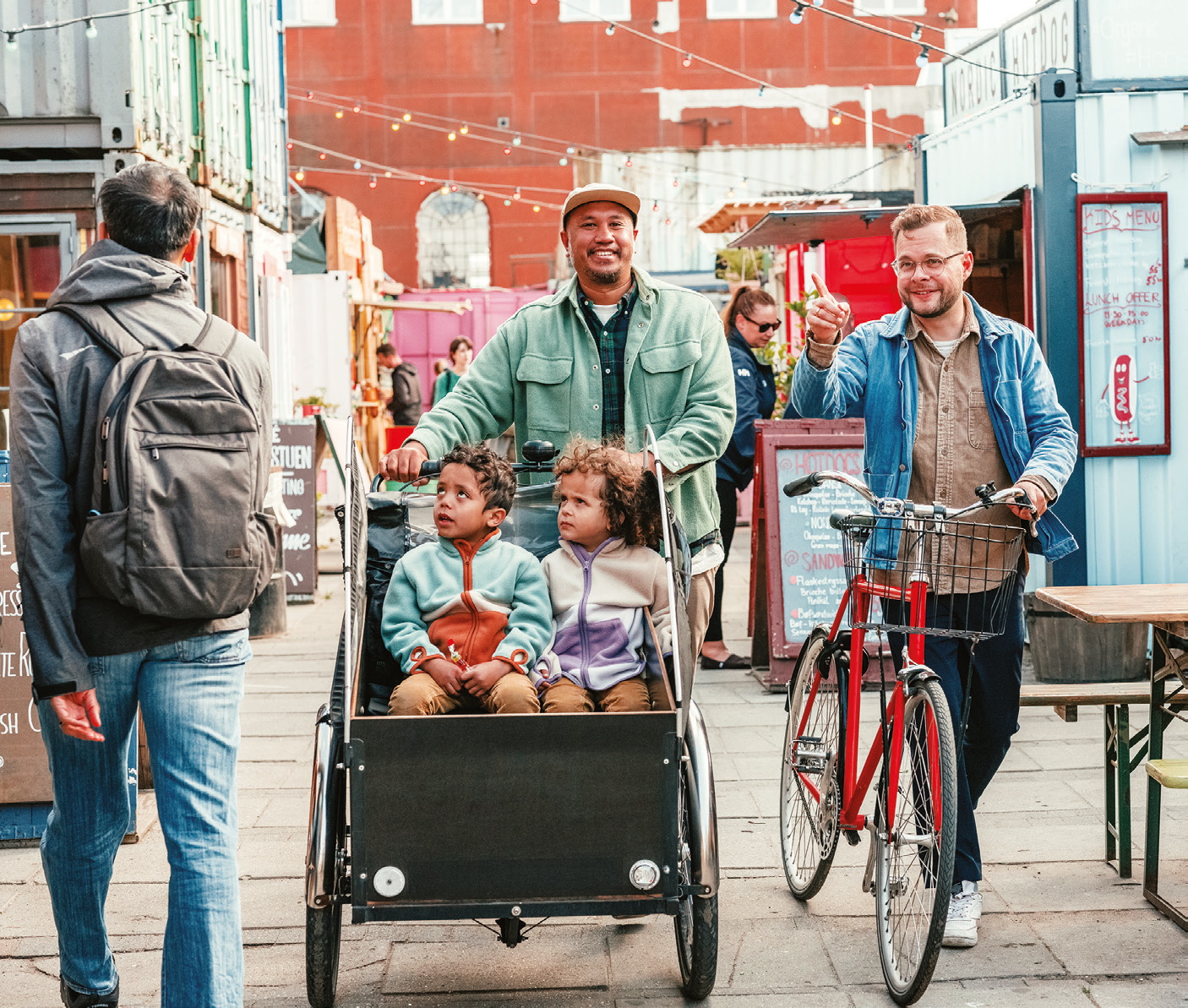
How Copenhagen tributed Tour de France to the everyday bike heroes
The rain is pouring down, the asphalt is wet, yet the crowds seem unfazed as they cheer on Jonas Vingegaard, Tadej Pogacar and the rest of the Tour de France riders blazing through the 13 km time trial cutting corners on Copenhagen’s slippery streets.
This day is a battle amongst the fastest and fiercest riders in the world, but it is not only a celebration of raw power and the cycling elite. It is also a tribute to the everyday cyclists riding their bikes through the same streets, the changing seasons, and the predictably mischievous weather. The people who choose the bike when they go to school, to work or on new adventures exploring the nearly 400 km bike lanes in the Danish capital.
“For us hosting Tour de France – Grand Départ had to be about more than sport,” says Lars Vallentin Christensen, senior manager at Wonderful Copenhagen. “It was also the perfect opportunity to promote cycling and get even more people out of cars and onto bikes, just as we wanted to show the world why it makes sense to invest in bike infrastructure. It is better for the climate, for making cities more liveable and for public health. And Tour de France was a great catalyst to push this agenda.”
This year’s Grand Départ was far from the first time Copenhagen has benefitted from events functioning as a driver for a development. Last year’s EURO2020 had a large program not least focusing on getting girls to play football and to strengthen inclusivity towards the LGBTIQ community within the football clubs. And the overall focus of sport and football being for everyone.
Keep Copenhagen in the yellow jersey of everyday biking
Copenhagen ranks as the most bike friendly city in the world, with around half the population commuting to school and work by bike. The city is connected by beautiful bike bridges and The Guardian just recently described Copenhagen as the first city it had been pleasant to cycle in.
Still, less people choose the bike than just a few years ago and especially the younger generation get around using other means of transportation. An unfortunate development, which is not easily turned around. For Denmark, Tour de France was the perfect opportunity to promote cycling – both to the world and the many polluted, congested cities. But not least to the Danes, to ensure that future generations will continue cycling.
“Hosting major events can do a lot for a city or nation. If the circumstances are in place, and the event is planned well, it can drive huge social, economic, and environmental impact. Moreover, you can demonstrate these objectives for an international audience, not just talk about it,” says Lars Lundov, Chief Executive, Sport Event Denmark.
“We experienced it most recently with the 2022 Grand Depart Tour de France in Copenhagen and across our nation. Enthusiasm and support among the Danes were impressive and largely helped to create a huge success during the five days in Denmark.”
Hosting the Grand Départ in Copenhagen was born out of the idea that the best bike city should welcome the biggest cycle race in the world; celebrating both Wout van Aert and the everyday bike heroes who choose the healthy, green, and non-congesting way to travel the city.
This dual focus on both sport and everyday life carried the essence of the Danish Tour-start and was an easy fit as Danes not only loves cycling as a pastime and mean of transportation, they also have a very strong passion for the Tour de France. As a matter of fact, Danes watch the most Tour de France per capita of any nation. The famous race to Paris is actual more popular in Denmark than in France herself. And these numbers are even from before this year’s extreme popularity with both three stages in Denmark, four Danish stage wins and of course and overall Danish winner.
“The Grand Départ in Copenhagen and Denmark was major spectator success. First the riders were welcomed in Tivoli by like rock stars by cheering fans and when the actual race started, roads were packed to an unseen degree. One actual challenge was, that there were people everywhere making the rider’s options for natural relief more than scarce”, says Vallentin.
Everyone was invited to have a tour experience
In Copenhagen, the focus on both elite and everyday cycling manifested itself with 140 side events counting from 100 days before the race. These included bike races for children, just as new school material was developed; teaching children about Tour de France, cycling as a sport and not least Denmark’s traditions for everyday cycling and how riding a bike is good for both climate and health.
Most notably the entire city was invited to join the Tour de Copenhagen and ride the trails of their sporting heroes on the day after the first stage. As the peloton moved on to Roskilde and stage two, the roads of the time trial course were not reopened for cars until later in the day, with the barriers and city dressing left standing. Allowing the everyday cyclists, a taste of Tour.
The Tour de Copenhagen first unleashed the local cycling clubs to ride the course at full speed, so they could test their abilities against Yves Lampaerts winning time, before a long parade of everyday cyclists, kids and their parents and cargo bikes with elderlies toured the course and had their unique Tour de France experience.
During the three stages in Denmark, Copenhagen also hosted a bike festival close to the route, where families and bike enthusiasts could watch the stages and engage in a variety of cycling oriented activities, making the Grand Départ a true celebration for everyone to partake in.
Year of the bike
On a national scale the final 100 days before the Grand Départ were packed with more than 700 side events all over Denmark, and the ministry of transportation declared 2022 to be the year of the bike, boosting cycling infrastructure with an EUR 400m investment.
These side events included closing down one of Denmark’s major traffic corridors, the Great Belt Bridge, so that it was possible to organise a bike race, allowing normal sport cyclist to cross the 17 km bridge, which was a highlight of Tour de France in Denmark and normally only for cars.
Residents at a hospice near Vejle knitted a giant 600kg yellow jersey, which was raised along the route. Several hospice patients called it therapeutic and said that it was nice to be part of Tour de France in Denmark and leave their mark, even though they wouldn’t live to experience it themselves.
And of course, the strong focus on the male elite couldn’t stand alone, and just month after Mads Pedersen and Magnus Cort had battled the Tour peloton in Denmark, the world’s elite was ones again welcomed to start a race in Copenhagen. This time it was for the Tour of Scandinavia – Battle of the North.
“It was amazing to also welcome the Women’s WorldTour and to see the many spectators who cheered them along. And of course, it was great to see, that just like Jonas Vingegaard brought back the yellow jersey from Paris, Cecilia Uttrup Ludvig took the overall victory in Tour of Scandinavia, highlighting the strength and depth of Danish cycling right now,” says Vallentin.
A grand platform for sharing
For Copenhagen the year event was a very strong platform for sharing some of the city’s best solutions for creating a liveable city, which is pleasant to be in and not least to move around in.
Copenhagen’s bike infrastructure is second to none and for years it has been a priority to put bikes before cars creating an efficient and safe network of routes getting more people on bikes. This focus has been very successful and today the many bikes is the first thing coming to mind, when visitors are asked what they notice in Copenhagen.
Because of the added attention created by Tour de France media from all over the world came to experience the world’s most bike friendly city, thus getting inspired to promote cycling and maybe bring some of our solutions back to London, Rome, and Paris.
“It is part of our part of our mission to inspire the world with green solutions and hosting Tour de France just created the perfect platform for us to share our bike culture. Because really it is not only a culture. Danes has loved cycling for many years, but the deciding factor is to make cycling the best, safest, and fastest way to get around. And in Copenhagen it really is,” says Vallentin.
Having the powerful Tour de France brand and mixing it with public backing and huge grassroot initiative and enthusiasm meant that Denmark was painted yellow, and cycling was celebrated and promoted to an extent the city has not experienced before.
Copenhagen is considering what is next
The last two years Copenhagen has hosted major events like Tour de France, EURO2020, WorldPride and the city is getting excited about next year’s BWF Badminton World Championships, where local hero and the world’s number one, Victor Axelsen, can hopefully replicate Jonas Vingegaard and take the trophy.
After that Copenhagen is back on the bike and ready to host the UCI Track World Championship in 2024 and the UCI BMX World Championship in 2025. On top of this, the Danish Capital has its eyes firmly fixed on the 2025 UEFA Women’s Championship with a joint Nordic bid, and it is also the ambition to follow up on the success of the Tour de France and host the UCI Road World’s 2029
“We are hopeful that the Nordic focus on female sport, gender rights and hosting inclusive events with great outreach programmes, will help sway the European Football Association,” says Vallentin.
This article was contributed by Wonderful Copenhagen -
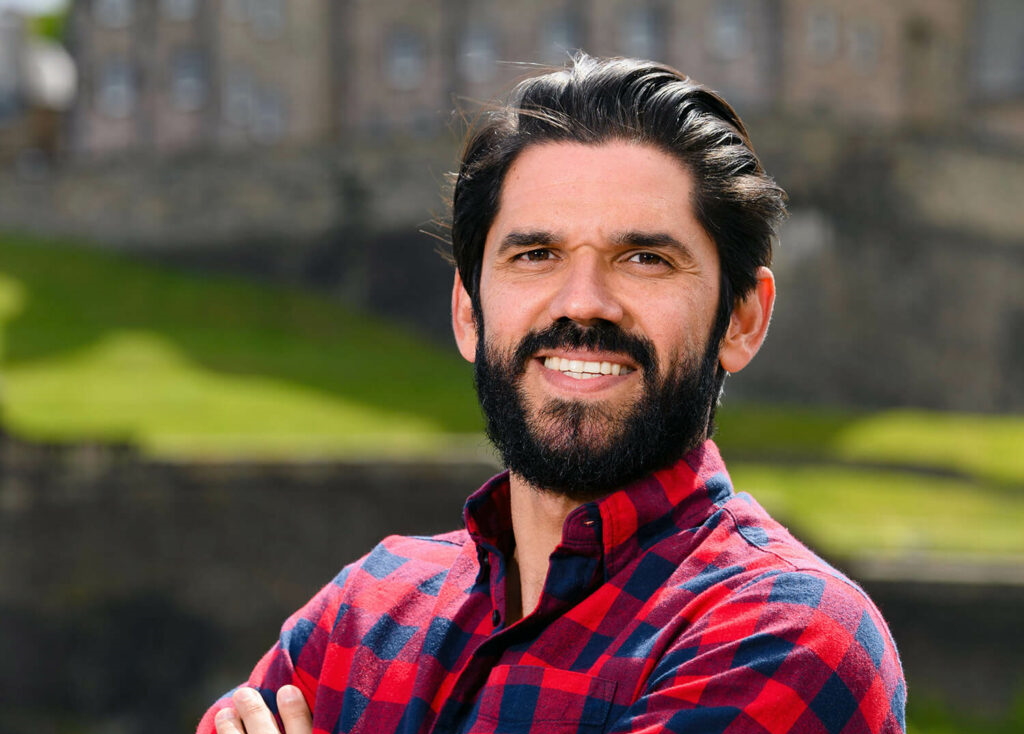
In an unequal sports broadcast landscape – it’s time to democratise distribution
Established broadcasting models in sports and entertainment see rights sold to the highest bidder and fans, more often than not, forced to pay a subscription to access the content they want to enjoy. At a time when consumers are feeling the pinch of the cost of living crisis, fans are faced with the equally unattractive options of paying multiple subscriptions, missing out, or streaming content illegally.
As a result, fans are increasingly finding other ways to consume content in cheaper and more accessible formats, leading to a change in consumption patterns with the rise of short form content, particularly on social media, and an increase in consumption through pirated streams, putting pressure on an already fatigued subscription model.
In response, broadcasters have invested more heavily in top tier sports, where they believe they’ll secure and retain larger audiences. However, this is creating a huge gap between the earning potential of top tier rights holders (e.g. the Premier League) and everyone else. In an attempt to bridge that gap, some rights holders have developed their own OTT subscription models, but this only exacerbates the problem of subscription saturation, leading to less access for fans rather than more.
The solution to this problem is to democratise content distribution and give fans affordable, flexible access to the content they want to see, which in turn will generate fair value for content creators and rights holders across the board.
As an example, a Premier League fan may place a value of £20 on watching a football match, but only £2 on watching a BMX competition, and a BMX fan may place a value of £20 on watching a BMX competition and £2 on a Premier League match. Democratising the distribution of content would enable fans of each sport to access the content they want to see, and lead to a better return for both the BMX rights holder and the Premier League.
In short, democratising the distribution of content can create a system where fans and rights holders win. This is the driving force behind Recast.
Andy Meikle is the Founder and CEO of Recast, a subscription-free live and on-demand streaming platform powered by microtransactions. Recast gives fans affordable access to the sports and entertainment they love, and pays content creators and rights holders for every view. -
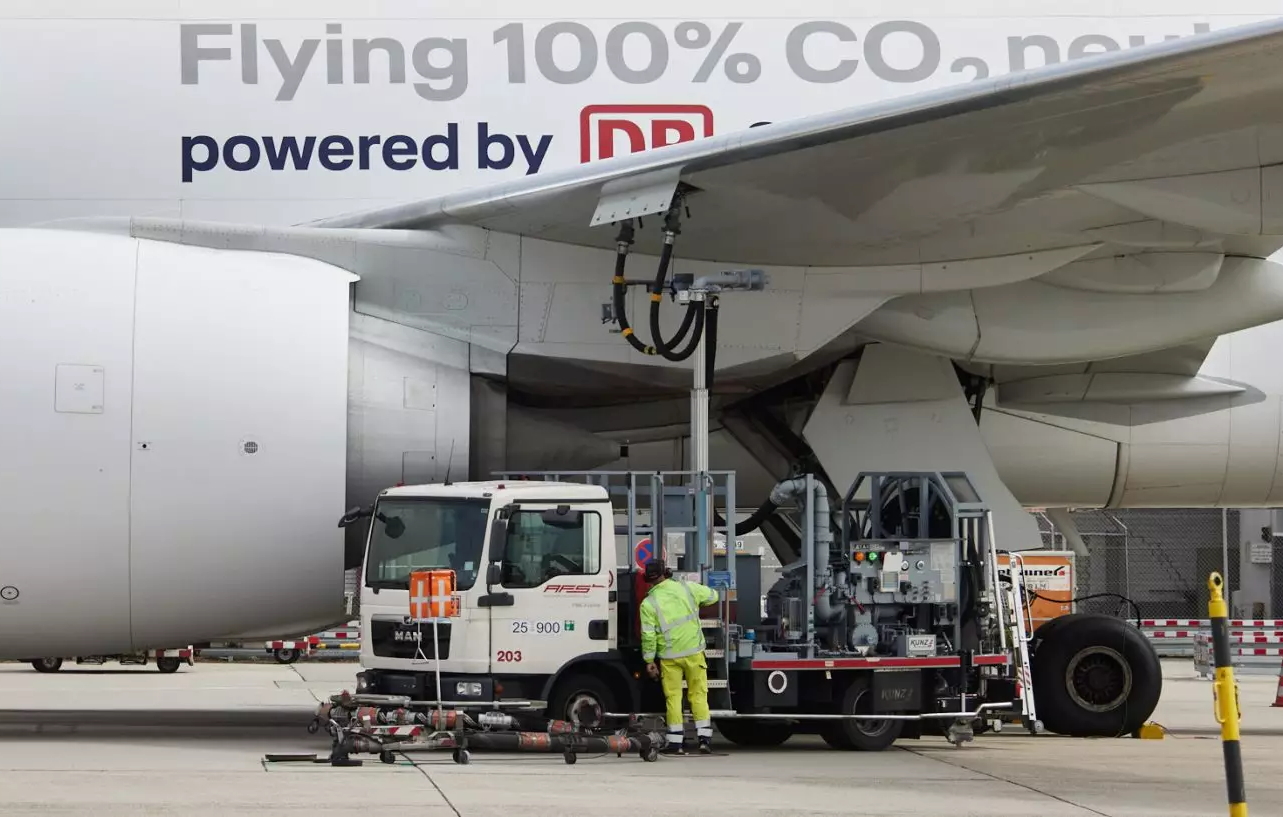
DB Schenker makes air freight transport greener
The logistics service provider, DB Schenker, announced the extension of its portfolio of climate-friendlier logistics solutions by opening the next chapter of greener transport in air freight. With immediate effect, customers can choose Sustainable Aviation Fuel (SAF) for their air transport to anywhere in the world and independent of the type of aircraft or airline used. Via virtual allocation of biofuel, it is possible to avoid up to 100 percent of CO2 emissions. The logistics service provider purchased over 11,000 tons of SAF and has avoided more than 33,000 tons of CO2e this year.
“We are very proud of the game-changing pioneer project we started with our trusted partner Lufthansa Cargo. Today, we take the next step by starting a global green air cargo network. We have purchased massive volumes of biofuel to push the decarbonization of our industry. Customers of DB Schenker can now virtually book SAF on all trade lanes to thousands of airports. This new flexibility is a success factor and good for the climate. Every ton of biofuel counts,” said Jochen Thewes, CEO of DB Schenker.
“Reducing the carbon footprint in supply chains is possible not only in a far-distanced future but already today. Yes, sustainability comes with a price. But now the choice is available: No DB Schenker customer needs to use traditional kerosene for their air freight anymore. We hope that this message will give further momentum towards sustainability in aviation. Customers who have tested or are already regularly using our SAF offer are very satisfied,” said Thorsten Meincke, Global Board Member for Air & Ocean Freight at DB Schenker.
SAF fueling greener air freight transport
SAF is a well-tested alternative fuel produced from renewable waste and residue raw materials such as used frying oil. The CO2 released during combustion in the engine is only the CO2 removed from the atmosphere during the photosynthesis phase of the plants employed to produce the oils SAF is refined from. DB Schenker only uses biofuel which is certified palm oil free. Currently, SAF is 3-5 times more expensive than regular fossil-based fuel.
For their ESG reporting, customers deciding to pay the premium for virtual allocation of SAF for an air freight shipment receive certification for the exact amount of greenhouse gases avoided. While the actual physical insertion of SAF might occur on different flights, the climate is protected as the exact CO2 emissions of a flight or shipment with conventional kerosene are avoided. This process is called a virtual application and can also be exercised for upstream emissions originating from the production and transport of the biofuel itself.
The new global offer complements DB Schenker’s unique weekly full charter route between Germany and China, launched in spring 2021 and still the only regular air cargo flight in the world to be fully covered by SAF. Over 150 round-trip flights with Lufthansa Cargo have already avoided more than 40,000 tons of CO2e. Individual SAF agreements with further airline partners, such as a recent purchase of SAF credits by Singapore Airlines, will also continue.
Source: Logistics Matters, the global blog by DB Schenker -

Passing the baton: How the next generation of fans, players and workforces will shape the future of sport
Fans
Traditional sport, it seems, is increasingly struggling to connect with younger generations.
Only 23% of Gen Z describe themselves as passionate sports fans, compared with 42% of millennials, according to a survey assessing sport fandom in America; a significant fall and one that looks set to decline further in the next decade.
An additional survey highlighted that 35% of US parents with children born from 2013-2017 said they lost interest in sports during the pandemic.
In response, sports organisations are rapidly spinning-up digital platforms and personalised products aimed at attracting, retaining, and diversifying their fanbases.
According to YPulse research, 70% of 13-37 year olds say that they don’t need to watch sports events to keep up with what’s going on. Many prefer to watch highlights or bitesize content rather than a full match. We’re also seeing growth in the type of content that audiences enjoy, with a greater variety to watch live or on streaming channels than ever before.
Whilst younger generations’ appetite for watching a full match is declining, content consumption as a whole is increasing, with 30-60 minute streaming platform series and social media content growing in popularity. As a result, there is a rush amongst clubs, leagues and governing bodies to respond to fans’ insatiable demand for content by partnering with OTT platforms to produce docu-series.
Traditional sports formats are also changing to appeal to a wider spectrum of generations and fans. The Hundred (cricket), super tiebreaks (tennis), RugbyX and 3×3 basketball are all examples of the shifts in fan preferences, resulting in new formats and rules being applied to traditional sports. Supplemented by slick digital content and social media engagement, format innovation is targeted at appealing to younger audiences’ preferences and habits.
Stadium experiences are also transforming to meet fan expectations, with technological, sustainability and safety related enhancements at the core. Bringing the live stadium experience closer to those who can’t or won’t attend (with international and sustainable minded audiences) is also becoming an increasing focus for organisations looking to grow their fanbases. Digitally connected stadia and virtual/augmented reality in-home experiences will complement the fan experience, but these must be seamless and deliver real fan value to become truly mainstream and there is much work to be done here.
Players
Around half of Gen Z males in the US spend more time following non-traditional sports than traditional sports. This is challenging ‘traditional’ sports to evolve to attract younger audiences. The introduction of new Olympic sports in Tokyo 2020 and Paris 2024, such as climbing, skateboarding, surfing and breaking, is a direct response to the growth of these sports and aiming to draw younger and more diverse audiences to engage with the Games.
A common denominator of high-growth sports is their more compact and action-packed format when compared with traditional sports. For example, Padel – a form of tennis played in an enclosed space – is the fastest growing sport in the UK with younger players finding it more exciting, sociable and easier to play than tennis.
With participation and player dynamics changing, sports organisations are having to go back to basics to develop core digital capabilities to increase recruitment and retention of grassroots players. Making it easy for people to sign-up, find and book facilities online will be paramount to increasing participation as users expect a frictionless experience.
Workforce
Younger generations are growing up in a ‘purpose-focused’ world, challenging brands to reflect their values such as a commitment to sustainability, equality and inclusion. The race for talent is likely to continue at pace and younger generations in particular will seek out roles in sports organisations that have an authentic purpose and an inclusive working environment.
The race for talent is likely to be particularly competitive for digital experts as new entrants and new innovations enter into the market. Private equity investment is playing an increasingly active role in professional sport and this is likely to soon filter down to grassroots sport, too.
As the commercialisation of sports organisations develops, particularly at a grassroots level, the profile of full-time employees and volunteers within a workforce will also change.
Sports organisations must embrace the change and importantly put themselves in a position where they are agile to respond to the changing demands of the next generation.
The next decade will be crucial in determining the future success and legacy of some sports. Whilst the future consists of many uncertainties and potential challenges, it also will provide great opportunities for the sports industry to take an active role in addressing the next generation’s most pressing concerns: climate change and sustainability, health and wellbeing, and societal issues.
Alice John, head of economic growth and development advisory in Deloitte’s Sports Business Group, spoke on the panel The Future Fan at Host City 2022 -
Global Esports Federation and European Olympic Committees form Strategic Partnership
[Source: Global Esports Federation] The Global Esports Federation confirmed a strategic partnership with the European Olympic Committees (EOC). In line with the growing convergence of sport and esports, this partnership will further amplify the GEF’s efforts to promote, expand and develop esports across Europe. The partnership also forms part of the EOC’s initiatives to explore new ways of engaging with young people across the continent.
Europe represents a large number of countries and cultures – each remarkable and unique, and each with its own National Olympic Committee. This partnership presents a powerful opportunity to connect across borders through the GEF’s #worldconnected community.
“The European Olympic Committees looks forward to this strategic partnership with the Global Esports Federation as we explore the significant growth of esports across our European family. Through this partnership we also focus on promoting sport and the Olympic values, while establishing links with all EOC activities and exploring new forms for fan engagement. Europe is one of the growing regions in the development of esports. The partnership with the GEF will help to evolve, build, and shape our strategy around esports,” said Spyros Capralos, President of the European Olympic Committees.
The GEF and the EOC expect to jointly develop new opportunities to make the connection between sport and esports. The European Games, with the third edition in preparation in Kraków-Ma?opolska, Poland 2023, can be a great example that demonstrates the convergence of sport and esports.
“Together, we are committed to expanding esports, creating new modes of entertainment that engage new audiences, and offering inspiring and innovative formats for esports. The success of the recent Commonwealth Esports Championships at Birmingham 2022, demonstrated these opportunities in service to youth and we are looking forward to adding to this through our partnership with the European Olympic Committees,” said Chris Chan, President of the Global Esports Federation. -

Deloitte: the key forces for change in sport
The sport industry is an instigator of societal growth, as well as significant economic returns. As a result, the future of the industry doesn’t just impact the organisations involved within it; it affects a huge swathe of communities, fans and players around the world.
Here are the trends that we’re expecting:
1. Next generation of players, fans and workforces
Gen Z (1997-2010) and Gen Alpha (2010-2025) will play and consume shorter, more action-packed formats of traditional sports. Organisations will have to innovate via format and rule changes, whilst captivating younger audiences through excellent online content, social media engagement and live experiences.
Impact on the sports industry now: Declining interest in sport from younger generations is forcing organisations to begin their digital transformation to attract, retain and diversify fanbases & player pools.
Impact that we expect to see by 2030: The future customer will dictate what new sports will become mainstream and how existing formats need to evolve. Delivering the right fan experience will continue to be a non-negotiable.
2. Evolving global sports market
The sports industry will continue to grow beyond its current commercial value of $500-600bn. The number of sports seeking to commercialise is increasing at an unprecedented rate and organisations will explore innovative ways to expand their revenue generation models. By 2030, private equity investment will be the major catalyst for change and commercialisation across sports.
Impact on the sports industry now: Sports organisations are looking to commercialise in order to generate how revenue by boosting customer acquisition and retention.
Impact that we expect to see by 2030: Investment in sport will enable organisations to have undertaken transformations, innovate and evolve to become entertainment entities.
3. Pace of digital
Digital innovation continues to yield new ways for people to play, consume and engage with sport. As a result, many ad-hoc initiatives are being driven through technological advancements. Keeping pace with digital is a major challenge and sports organisations must be agile in order to rapidly respond to grow and counteract disruption.
Impact on the sports industry now: Sports organisations are going back to basics as the first step in their digital transformation, by establishing robust foundations with key capabilities that will enable their digital aspirations.
Impact that we expect to see by 2030: Digital will be embedded in all aspects of sport, resulting in numerous use cases. Organisations will need to become data-obsessed and digital first in how they operate.
4. Societal impact
Societal demands are forcing sports organisations to redefine their views on equality, diversity and inclusion. From a participation standpoint, female sport will flourish with the aid of watershed moments like the success of the Women’s Euro 2022 Championship. Societal shifts will also mean that the structure of sports organisations will evolve, with a growing focus on building an inclusive industry for workers, players and fans.
Impact on the sports industry now: Increased focus on societal issues and high-profile incidents has resulted in organisations taking a stance, grasping the potential for sport to act as a catalyst for societal change.
Impact that we expect to see by 2030: Female representation in sport will be higher than ever before. More women will participate, including in traditionally male-dominated sports like football, cricket and rugby. The make-up of sports organisations will also evolve, as organisations will look to be more purpose-driven and be at the heart of broader societal change.
5. Health and wellbeing
Physical health is already a concern for many and this was exacerbated by the pandemic. Moreover, lockdowns highlighted the benefits of exercising and team sports due to the rise in mental health issues. Increased awareness and new sports formats will therefore play a role in boosting interest in sport and participation rates in the future.
Impact on the sports industry now: Health is top of mind, particularly for younger generations post-pandemic. Disease prevention as a priority, increased from 22% to 28% between2020-2021 for both Millennials and Gen Z.
Impact that we expect to see by 2030: Greater health awareness will drive more young people to exercise and play sport.
6. Climate change and sustainability
Climate change and sustainability are impacting consumer and societal expectations, with an emphasis on individuals and institutions taking a more environmentally conscious approach. The sports industry can be the catalyst in responding to and driving initiatives, if it wants to be, due to its ability to transect geographies and cultures.
Impact on the sports industry now: It’s estimated that the sports industry contributes 0.6-0.8% to total global carbon emissions, with a carbon footprint equivalent to Spain.
Impact that we expect to see by 2030: A changing climate will have a serious impact on how, when and where sport can be played. Governing bodies will need to play a leading role in developing policy accordingly.
To receive the full overview of these forces for change, email: UKDeloitteSportsBusinessGroup@deloitte.co.uk -
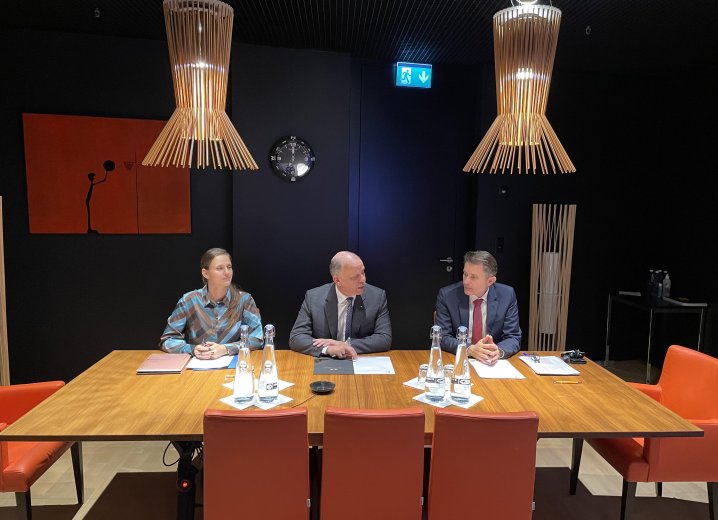
HRH Prince Feisal Al Hussein chairs FIBA Safeguarding meeting
[Source: Jordan Olympic Committee] A major step in FIBA’s efforts to advance its safeguarding and protection approach has been reached today, when the FIBA Safeguarding Council met for a final review of the new Safeguarding Policy. Having gone through extensive reviews by the Council members as well as relevant FIBA internal structures, the draft Policy will be presented for approval at the forthcoming meeting of the FIBA Central Board.
Discussing the significance of this first step, the Council members reiterated the importance this Policy will have in ensuring basketball is being accessed by anyone who wants to take part and enjoy the game: in a fair and equitable safe space, free from all forms of harm and abuse, regardless of playing level.
The Council, the majority of which is composed of independent members, has also looked at the steps that will follow Policy’s adoption later this year. HRH Prince Feisal Al Hussein, Council’s Founding Chairman, said: “FIBA moved fast to finalise its Safeguarding Policy, and is now ready to engage with its stakeholders, promote its safeguarding efforts, and contextualise and adjust practices that will protect not only vulnerable but all players and basketball participants, regardless of who or where they are. It is paramount for our Olympic and sport Movement to adopt such policies and standards, to follow FIBA and other stakeholders in making sure young people in particular are able to thrive while playing safe sport”.
FIBA Secretary General Andreas Zagklis reiterated: “I have been delighted to welcome in the Patrick Baumann House of Basketball this important meeting of FIBA Safeguarding Council. We thank HRH Prince Feisal for leadership and members of this independent Council for their commitment, as we take full advantage of their analysis and recommendations”.
The six additional members of the Safeguarding Council include Slovakia’s four-time Olympian Danka Bartekova, FIBA Americas President Carol Callan, international basketball star Astou Ndour-Fall, Romanian Basketball Federation President and FIBA Executive Committee Member Carmen Tocala, award-winning journalist Alan Abrahamson and FIBA Chief Operating Officer Patrick Mariller.