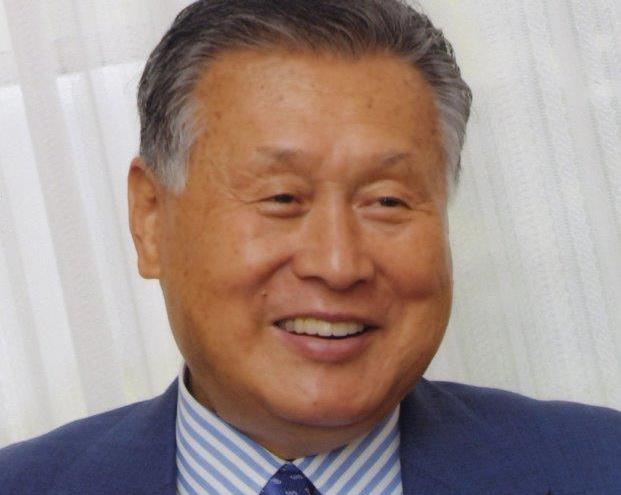
HOST CITY: Congratulations on your appointment as President of Tokyo 2020. How have your previous experiences prepared you to take on the responsibility of organising and delivering the world’s greatest and most complex event?
Mr Yoshiro Mori: Of course, it is a great honour to have been appointed as President of the Tokyo Organising Committee of the Olympic and Paralympic Games. However, I am also keenly aware of the huge responsibilities that come with this position and the many challenges that lie ahead.
As well as having served as Prime Minister of Japan, I have also been engaged in the promotion of sports for many years. I have served as President of the Japan Sports Association, and am currently President of the Japan Rugby Football Union and Vice President of the Rugby World Cup 2019 Organising Committee.
Throughout my long involvement in sport, I have always recognized the importance of forging close working relationships based on mutual trust with a variety of stakeholders both domestically and internationally, and have always endeavoured to put this into practice. It is fullest intention to make the most of my extensive experience, and exert my utmost efforts towards building productive relationships with the International Olympic Committee, the International Paralympic Committee and international sports federations, as well as the wider international sporting community.
HOST CITY: Why do you think Tokyo was selected as the host city for the 2020 Olympic Games?
Mr Yoshiro Mori: The main objective of the presentation given by the Tokyo bid committee at the 125th IOC Session in Buenos Aires last September was to demonstrate to the members of the IOC that the people of Japan had once again realised the power of sport to act as a force for good through their struggles in overcoming the tragic earthquake and tsunami of March 2011, and their strong desire to further promote these values and make a significant contribution to the international community.
I believe that that many IOC members were persuaded by Tokyo’s presentation, and this is a major reason behind Tokyo being elected as the host city for the 2020 Games. Other important factors were Tokyo’s meticulous plans for the successful delivery of the Games, the fact that Tokyo is a safe pair of hands for the Olympic Movement, and the fact that Tokyo has a proven track record of successfully hosting several major international sports tournaments.
Our overarching aim is to deliver a seamless and successful Olympic and Paralympic Games, and to communicate the power and values of sport. In so doing, I hope that we are able to respond to the expectations that the world has towards the Tokyo 2020 Games.
HOST CITY: What is the global significance of Tokyo and Japan hosting the Olympic Games in 2020, as compared to in 1964?
Mr Yoshiro Mori: The 1964 Olympic and Paralympic Games left an immeasurable amount of both tangible and intangible legacies in Japan. Furthermore, a vast majority of these legacies remain in regular use even now, a half century later. The 1964 Games served as a platform for Japan to showcase its economic strength and technological capabilities to the world, and provided Japan with the opportunity to claim its rightful place among the world’s leading industrial nations in the second half of the 20th century.
Now, as we prepare for the 2020 Games, Japan has already reached the status of a ‘mature nation.’ Evidence of this can be seen by the fact that Japan, along with other mature societies, is now working towards realisation of a largely equitable society and is tackling the problem of an increasingly ageing society. I believe that countries around the world are looking to Tokyo and Japan to come up with solutions to the kind of problems faced by mature societies through its hosting of the Olympic and Paralympic Games. From a global perspective, I feel that this is one of the roles expected of Japan by the international community.
HOST CITY: What are the organising committee’s most important priorities for the second half of 2014 and for 2015?
Mr Yoshiro Mori: The most important task facing us for the remainder of 2014 is the formulation of our Games Foundation Plan. The Organising Committee is obligated to submit our finalised Games Foundation Plan to the International Olympic Committee early next year, and we are currently working feverishly on ensuring that the plan is completed on time.
From next year, we will enter the phase of putting our finalised plans into practice. Accordingly, it is essential that we forge close working relationships with the IOC, the IPC, IFs, NOCs and all other stakeholders. We realise that our first priority must be to establish a relationship of trust with all the aforementioned stakeholders.
HOST CITY: Further ahead, which of the functional areas, such as security and transport, do you think will require the most attention?
Mr Yoshiro Mori: The Organising Committee is composed of ten separate bureaus, each with responsibility for a specific function. The bureaus are Administration, Planning and Finance, Engagement, Marketing, International Relations and Sports, Games Preparations and Operations, Security, Telecommunications, Venues, and Coordination for Infrastructure.
Each of these is a vital function, and without even one of them a successful Games would not be possible. Of course, among these functions, it is important that some bear fruit quicker than others, but rather than saying which of the functions is more important, it is perhaps more accurate to say that our greatest responsibility should be to ensure that all functions are acting in unison towards the ultimate objective of delivering a successful Games.
HOST CITY: How do you expect media scrutiny to grow as you get closer to 2020 and how does the organising committee plan to manage the media coverage of Tokyo’s preparations?
Mr Yoshiro Mori: Both the London and Sochi Games drew a huge amount of attention from the international media. I am certain that the Tokyo Games will attract the same amount of media attention, if not more.
The organising committee already has a specialist communications team in place to handle enquiries from both the Japanese and international media, and they are able to respond swiftly to the many requests for interviews we receive from journalists on almost a daily basis. The team also shares information each week with the IOC communications team by teleconference.
In addition, we have also set up a network to maintain regular contact with the communications teams of the Tokyo Metropolitan Government, the Japanese Olympic Committee, the Japanese Paralympic Committee and the Japan Sport Council, and we plan to further expand this collaborative network in the future.
HOST CITY: What role do you see for the many international partners and suppliers that can support Tokyo’s staging of the Games?
Mr Yoshiro Mori: Various types of expertise and technical abilities are essential for hosting the Olympic and Paralympic Games. Of course, it is impossible to include all these areas of expertise in the organising committee. Therefore, it is essential that we avail ourselves of the professional products and services provided by sponsors and suppliers in specialist business fields. One could even say that they are indispensible partners in ensuring the successful delivery of the 2020 Games.
Sponsors and suppliers also play a vital role in helping to create a vibrant atmosphere for the Games. The organising committee will work closely with sponsors and suppliers to further contribute to the Olympic and Paralympic Movement.
HOST CITY: HOST CITY magazine helps event organisers to deliver the best events in the world, by sharing the experience of different host cities. How important is information like this in preparing to host the greatest show on earth?
Mr Yoshiro Mori: Without doubt, the Olympic and Paralympic Games is the most complex sporting event in the world to organise, and preparations require an inordinate amount of time and effort. It is important that we obtain as much expertise and knowhow as possible in the least amount of time.
We have learned much and gained vital experience of previous Games through our participation in the IOC’s Observer Programme and Olympic Games Knowledge Management Programme. However, we also realise that there is still much more we can learn from specialist international media outlets such as HOST CITY magazine.
This interview first appeared in the Autumn issue of HOST CITY magazine. Register here
Category: Event Management
-
Tokyo 2020: we must stay close to IOC and IFs
-
IOC should make culture equal to sports, says Agenda 2020 expert
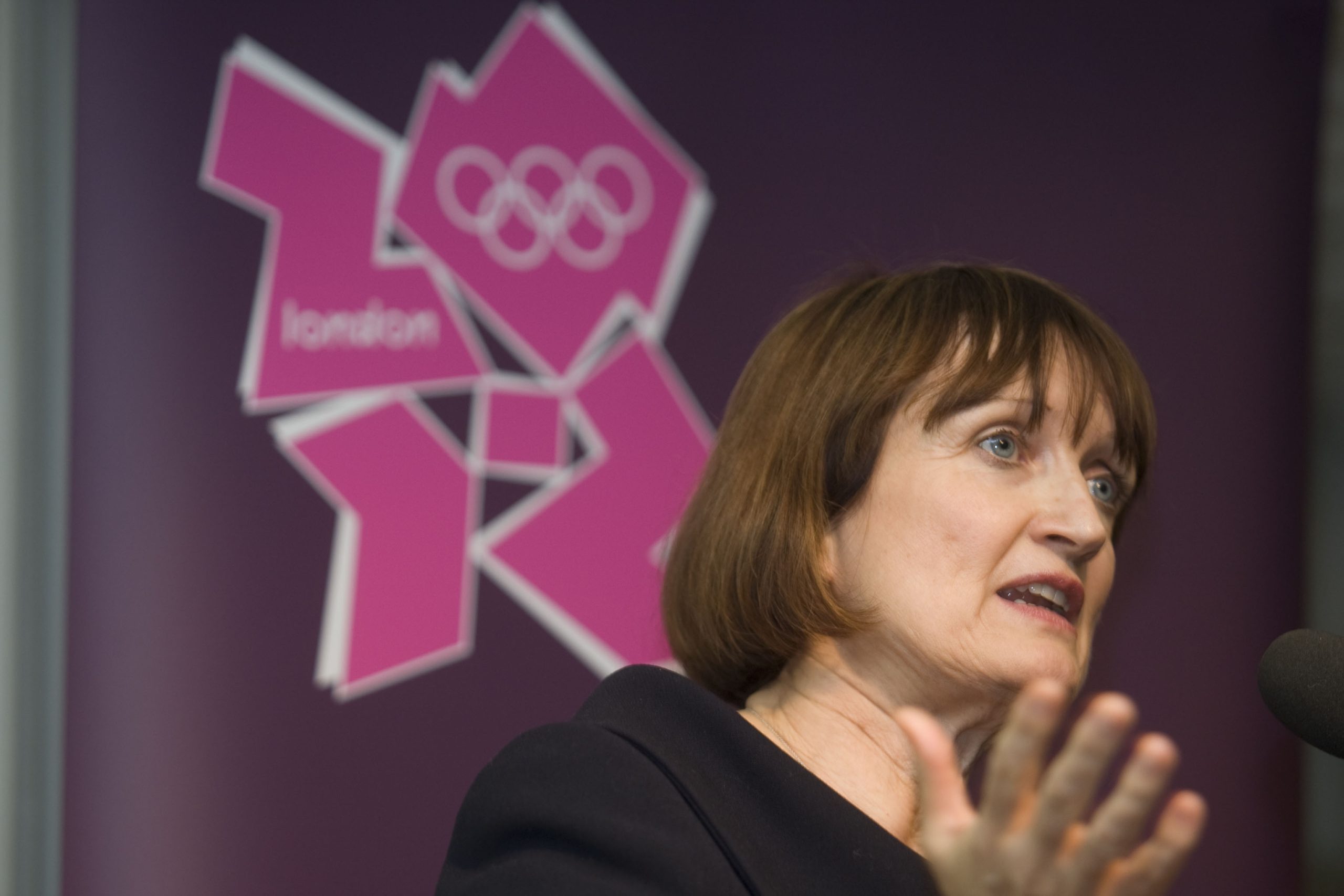
The first principle of Olympism is to blend sport with culture, but Olympic Games is still not going far enough to raise the profile of cultural events, according to a prominent UK politician and expert advisor to the IOC.
“I think probably the IOC needs to go further in reaffirming the fundamental role that the cultural festival has as part of the Olympic and Paralympic Games,” Dame Tessa Jowell told HOST CITY in an exclusive interview. “So there are three events: there is the Summer Games; the Paralympics and the cultural festival.”
While host cities can and often do put on major cultural events alongside major sporting events, their primary obligation is towards the sporting activities. However, Jowell, who is an expert advisor to the IOC on bidding procedure as part of its Olympic Agenda 2020 review, says that cultural events should take on just as primary a role as sporting activities during the Games.
“I think it’s important that Pierre de Coubertin did see this duality in the Olympic ideal, and it would be a great pity to lose that,” she told HOST CITY.
The founder of the modern Olympic Games, Coubertin envisaged the Games as a “festival of mind and body”.
“At the time of the splendour of Olympia… literature and arts, harmoniously combined with sports, ensured the greatness of Olympic Games. This should be true for the future,” Coubertin wrote.
While early modern Olympic Games featured medals for the arts, the prominence of arts and culture within the event programme faded in the middle of the twentieth century, until recent editions brought a resurgence of interest. London’s “Cultural Festival” drew on some of the world’s greatest cultural leaders and talents to wide-reaching effect.
“We had the most prominent and successful cultural festival ever for the Olympics,” said Jowell, who was also a board member of the London Organising Committee for the Olympic Games. “20 million people had a bit of Olympic experience through the cultural festival.”
The IOC estimated that around half a million people would have experienced Olympic-related cultural events in Sochi in 2014.
Glasgow 2014 put on a huge programme of free cultural events across the city to rival London’s, billed as “Festival 2014”.
The Olympic Charter describes Olympism as “blending sport with culture and education”, but the extent to which culture should feature in the Games is nothing like as rigorously determined like the programme of sports events.
A Host City contract currently includes no obligation to include any specific cultural activities, other than to say that the organising committee “must organize a programme of cultural events.”
-
Russia World Cup can change perceptions – Sorokin
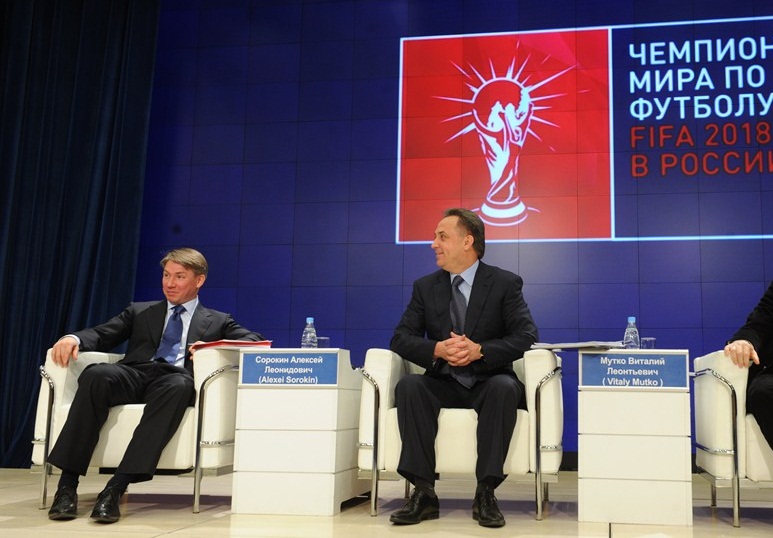
HOST CITY: How are preparations going in terms of the stadiums?
Alexei Sorokin: We’re had two ready for some time, Kazan and Sochi, and of course now we have Moscow Spartak which opened officially and the end of August and then staged its first game shortly afterwards. In the beginning of 2016 the St Petersburg stadium will also be ready. The rest are in different phases of construction.
HOST CITY: Can you tell us about opportunities for international contractors?
Alexei Sorokin: Foreign expertise was used in the design preparations. In some instances there has been a lot of consultancy from companies like Populous (England) and gmp (Germany). There is not a single stadium without some kind of foreign element.
The way we went about choosing was by public tender put out by the specific region. Different companies are being used for different aspects of design, so maybe one company for security, another for usability and so on.
HOST CITY: What about venue sustainability? How will you ensure legacy use for such large venues?
Alexei Sorokin: We don’t think the stadiums are that large. If you consider the population of the country, they are not overwhelmingly large. In some cases they will have demountable tribunes, in others they will stay at 45,000 seats, but the level of interest in football is enough to fill them to 80 per cent if not 100 per cent all the time.
We have strong assurances from the regional authorities that the need for such stadiums is there. The interest in football is of course not equal everywhere you go but that’s normal. There will be no white elephants for sure.
We’ve taken a lot of advice and the stadiums will all be designed in such a way that they are marketable for events other than football. If you look at Kazan, for instance, it will host aquatics in 2016. Every design has taken this concept into account. But we deliberately picked cities where clubs are playing in our Premier League, or at least are close to doing so. Several clubs in Russia jump back and forth. We have picked cities where people really go to watch football.
HOST CITY: But are they cities that can also attract the kind of non-footballing commercial entities?
Alexei Sorokin: The short answer is absolutely. Why do I say that? Because all but two of our cities have a population in excess of one million. There is a major need for a certain level of social life. They need a venue where people can get together.
HOST CITY: What will make 2018 stand out from other World Cups?
Alexei Sorokin: We hope to show a new country and the transition we have made in the last two decades; and to show how diverse Russia really is. We may be united by the same language but the regions are very different.
We certainly hope we can attract people to other regions than just the host cities because they are no less interesting. Some regions are dominated by religious culture or very historic. It will certainly be a discovery.
HOST CITY: Russia’s latest mega event was Sochi, but there was a lot of negative media surrounding so-called “anti-gay” laws. How do plan to avoid such adverse publicity?
Alexei Sorokin: I wouldn’t call it an anti-gay law. It’s a law against propaganda over homosexuality amongst children. I recommend to everyone to read the contents of the law and try to understand it before twisting its nature which is what many have largely done.
HOST CITY: Ever since you launched the bid, Russian football has been unable to eradicate racism. How harmful is this?
Alexei Sorokin: I would acknowledge that we have certain incidents and outbreaks of racism but not a dominating tendency. Many other countries also have incidents. I’m not saying that as a justification because it’s bad wherever it happens.
Our position is very strong. It’s part of our communication strategy, but it is not an overwhelming part of what we are doing in terms of organising the World Cup. But don’t get me wrong: it’s a very important subject to us and we are in constant discussions with the Russian Football Union, coming up with certain measures. We must make it unpopular and indecent to be involved in something like this.
HOST CITY: What are the most important observations you took away from Brazil?
Alexei Sorokin: It mostly lies in the field of atmosphere. The biggest impression for me was the atmosphere they managed to generate. You can’t just manufacture that as an organiser. It has to be natural.
The passion for the game was one of the true sentiments we brought back. We’ll struggle to match that, but every World Cup is different. We’d be wrong to try and copy them. Sometimes copying can be valid in terms of certain organisational patterns but in terms of overall climate, it has to be very distinct from all others.
HOST CITY: Is travelling an issue for you like it was in Brazil?
Alexei Sorokin: I truly don’t think so. You only spend a maximum two hours travelling from Moscow to the farthest venue away. I don’t think it’s that bad.
HOST CITY: What about the scale of the budget which caused such a backlash in Brazil?
Alexei Sorokin: We need to discern between what is spent on development of the various regions and the budget that is spent towards the event itself. In terms of the World Cup, the event budget is within appropriate limits. All the rest of it is about infrastructural development programmes which would have been spent anyway.
I won’t comment on what happened in Brazil but maybe it wasn’t explained enough, which we will try to do. These are investments into the lives of people including things like bringing hospitals that are close to stadiums up to certain standard. The World Cup will use them for a month but the people will use them for years thereafter.
HOST CITY: Everybody knows how tense the relationship is between Russia and the rest of the world right now. What impact could this have on your security plans and the perception of 2018?
Alexei Sorokin: Political situations tend to change. I don’t think it has any impact on our security because it’s always been a priority anyway. The World Cup is perhaps one of the ways of changing certain perceptions. That’s partly why our country decided to go for this. We are occasionally victims of old perceptions. Remember Euro 2012? There were some pretty negative perceptions beforehand but it went off well. The same applied to the Sochi winter Olympics. I wouldn’t spend much time thinking about perceptions.
HOST CITY: Finally, you currently have politicians everywhere calling for sanctions – and even a World Cup boycott – because of the situation in Ukraine. What’s your reaction?
Alexei Sorokin: Honestly the last thing I would do is comment on private opinions. It does not impact our work. Various people may have their opinions about where the World Cup should take place but it’s their opinion. If we paid too much attention to this it would be hard to organise the tournament.
Our focus is the World Cup. It will remain that way for another four years. We don’t feel any threat. We are organising the tournament together with FIFA. We need to keep the principle that was declared many years ago, that sport should be beyond politics.
This article first appeared in the Autumn issue of HOST CITY magazine. Register here. -
IOC won’t force good governance on sports federations
The IOC announced on Tuesday that, as part of its Agenda 2020 recommendations, all organisations belonging to the Olympic Movement should “accept and comply with the Basic Universal Principles of Good Governance of the Olympic and Sports Movement.”
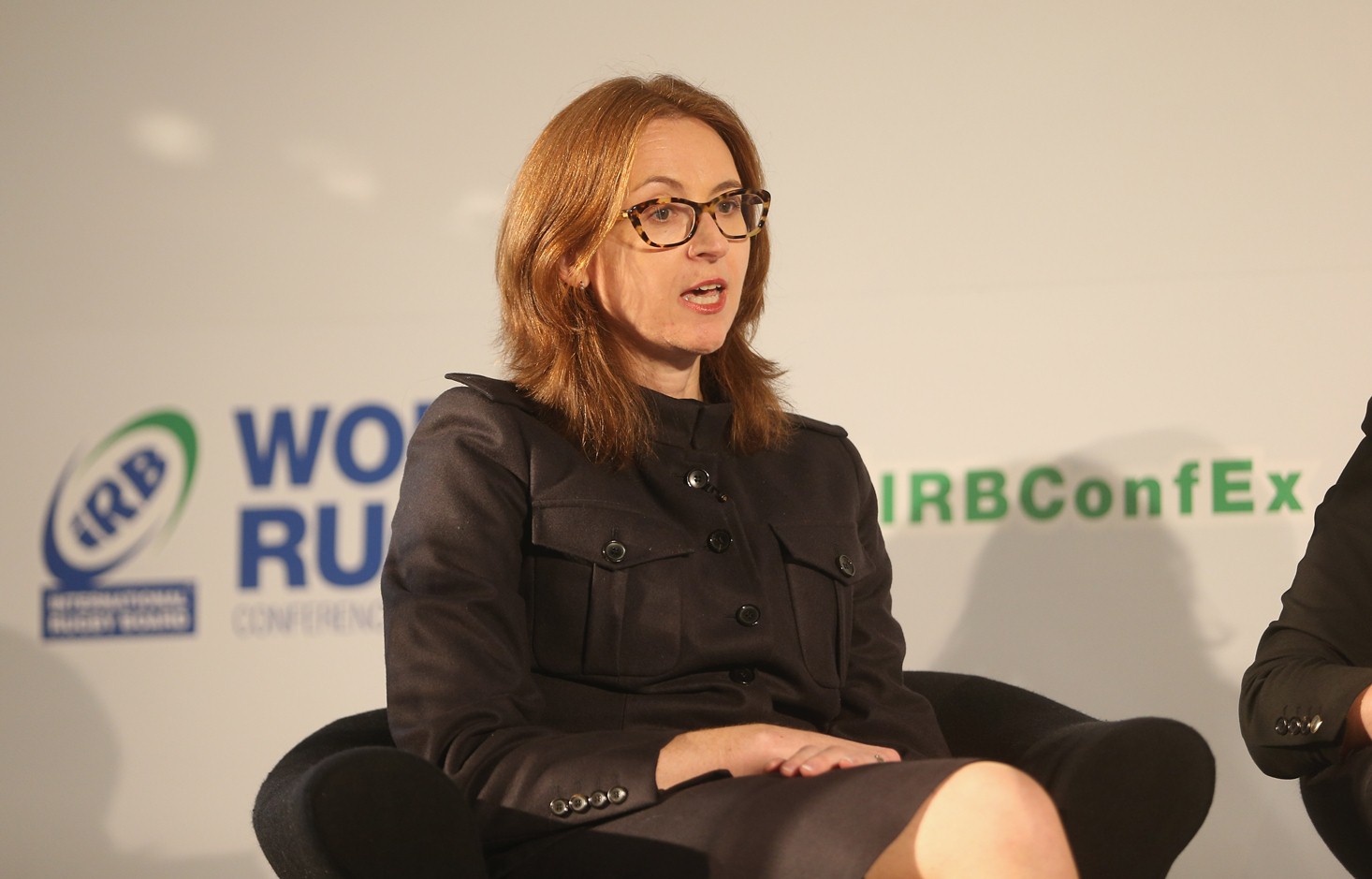
At the IRB World Rugby Confex in London on Tuesday, HOST CITY asked IOC vice president Sir Craig Reedie about the feasibility of such a wide-reaching project.
“The reason why the IOC tries to impose on every stakeholder in the Olympic movement the Principles of Good Governance is that sport has a constant demand to be autonomous. It wants to be left alone to run its own rules, and the only way that it will ever be able to maintain the request for autonomy is to have good governance,” Reedie explained.
“International Federations are effectively independent contractors, and nobody is suggesting for a minute that you would make that a condition of being a sport in the programme of the Games, but as a matter of relatively easy conviction it is not difficult to persuade an International Federation that they should have the same principles as the IOC has. We would anticipate and hope that International Federations would follow that.”
Agenda 2020 recommends that organisations should be responsible for self-evaluation and sending information through to the IOC.
Asked by HOST CITY if this might create prohibitive administrative costs, Susan Ahern, head of legal and legislative affairs at World Rugby said, “Not expensive if you are used to running your organisation in a fair, balanced and transparent way.
“The IRB may be an International Federation but we have a corporate structure that supports that – you are bound by company law, audits and so on. We have all those elements in place that any corporate would.”
Agenda 2020 recommends that the Principles of Good Governance should be “updated periodically, emphasising the necessity for transparency, integrity and opposition to any form of corruption.”
Ahern said “Certainly it’s an area where you want to continually strive to be as good as you can be, and it’s an area that’s being looked at by the IRB on a constant basis.” -
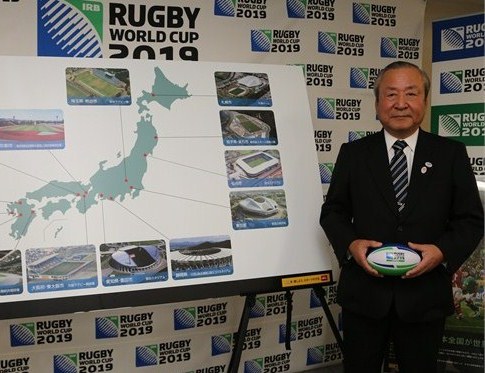
Rugby and Olympic ticket sales will be a challenge for Japan
Hosting two of the world’s three biggest sports events within the space of a year will is not just a practical and logistical challenge for Japan.
The organising committees of both events will rely on robust ticket sales to cover the costs of delivering the events and, according to the CEO of Japan Rugby 2019, the proximity of the two events will make this a big, but achievable, challenge.
The 2015 Rugby World Cup takes place in England and Wales, the birthplace of the sport, and is widely anticipated to be the most commercially successful yet.
Speaking at IRB World Rugby Confex, the CEO of England Rugby 2015 Debbie Jevans anticipated a “positive economic impact on the country.” Alan Gilpin, CEO of Rugby World Cup Ltd said “We are positioned very nicely in that area”.
The 2019 World Cup is also a huge opportunity for Japan. According to Gilpin, local interest in the event is stronger than a Football World Cup would have presented.
But the head of the organising committee expressed concerns that a smaller rugby culture and the Olympic Games in 2020 might both impact negatively on the potential for ticket sales in Japan 2019.
“There are different challenges facing us in Japan,” said Akira Shimazu, CEO of Japan Rugby 2019. “Specific challenges include the fact that Japan is not a rugby heartland, so we might struggle to sell some tickets.
“We are also selling tickets for the Olympic Games at same time, so we want to make sure we are not making people choose between one and the other. Having said that, I am convinced we can fill up those seats.”
Shimazu stressed that the organising committees of both events are working very closely together in Japan, rather than in competition.
Gilpin also pointed out the cost of hosting the Rugby World Cup is not comparable to the Olympic Games. “We are not asking candidates to invest in major infrastructure projects,” he said.
-
How to host the best Games ever
This year’s Glasgow Commonwealth Games was on the receiving end of widespread praise from athletes, the media and sports administrators alike, with Commonwealth Games Federation chief executive Mike Hooper even hailing it as “the standout Games in the history of the movement.”
71 teams and nearly 5,000 athletes took part in the Games, which was held across 13 venues. The Games went off smoothly and was heralded as a success with large attendances at every event and 1.2 million tickets sold.
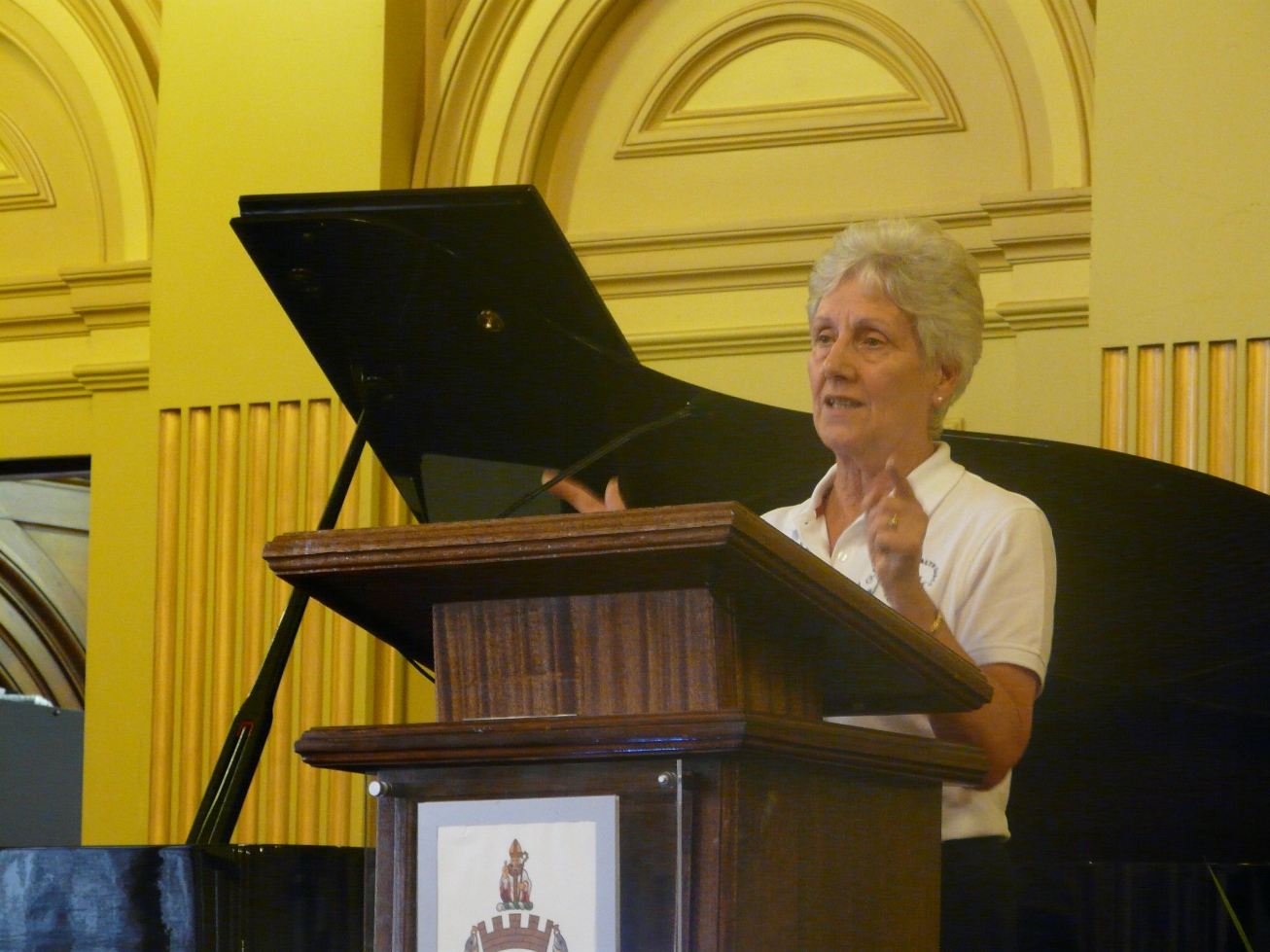
Vice Chair of the Glasgow 2014 Organising Committee, Louise Martin, has been a part of Glasgow 2014 from the very beginning. She was the first woman to be Chair of Commonwealth Games Scotland (CGS) and was awarded the CBE in 2003 for services to the Games.
“It feels absolutely fantastic and to see the fruition from the idea, to the bid, to winning the bid, to where we are now, it’s the journey that we planned meticulously and it’s worked,” she told HOST CITY in Glasgow.
“From the bid phase, which we launched in 2004, to actual delivery, in that time we managed to make sure that every single venue was finished two years prior to today. So in 2012 all our venues were finished, operational and had been used by the general public. So that in itself, to me, is worth its weight in gold.”
The Commonwealth Games has been struggling to attract potential host cities in recent years, with the Commonwealth Games Federation (CGF) calling an emergency meeting in Kuala Lumpur in January as no member country had entered a bid for the 2022 Games just two months prior to the deadline. The extensive list of controversies surrounding the 2010 Delhi Games and the huge cost involved with hosting a Games have been some of the reasons cited for the lack of interest, especially considering the Commonwealth includes some of world’s least economically developed nations.
However, Martin is overwhelmingly positive about the event and believes the way in which Glasgow has been successfully delivered can provide a lesson for future Games and may encourage more nations to become involved with hosting. “One of the reasons we bid for this is that we’re a small country, five million people and we wanted to demonstrate that small countries can host these things and stay in budget,” she says.
“We delivered a phenomenal opening ceremony and we were on budget, really on the target, and it wasn’t over the top. We didn’t have all the stuff flying around the sky; we kept it culturally towards what we are, this fun-loving, cheeky nation. The athletes enjoyed the ceremony, they were central to the whole thing and this is what we wanted to do the whole way through.”
This year’s Games has been almost universally praised and Martin believes this have been down to a mixture of Glasgow’s welcoming atmosphere and the work done by the organising committee to create a slickly run Games with the best facilities. She says: “I just think because it’s in Scotland, it’s the friendly Games and the family Games, we all speak the same language so therefore there are no hidden feelings, where we see people we see friends, we’re all one big happy family.
“The way these 15,000 Clyde-siders have been working and the way the Glasgow public and Scottish public have just taken this to heart as well. It’s a combination of facilities being ready, the people in Glasgow, the workforce: it’s one big jigsaw and its come together.”
The next Commonwealth Games will be held in Gold Coast City, Australia in 2018 whilst the 2022 edition of the Games will be hosted either by the South African city of Durban or the Canadian city of Edmonton. With the announcement of the winning bid less than a year away, both cities have been upping the ante in order to secure the Games.
“My advice would be, know what you want to do, know what you want to deliver, ensure that your plans are absolutely in place and your budget is set before you put your bid in – because once you’ve got your bidding document, it makes it easy in the transition from bidding to the organising committee and then you can start to move and do it very quickly,” says Martin.
Shortly before the start of the Glasgow Games, teams from Durban and Edmonton visited the city to present at the Commonwealth Games Federation General Assembly. Durban put on an in-depth presentation, utilising government ministers and videos referencing the late Nelson Mandela whilst Edmonton took the approach of a simple address by the bid chairman. Edmonton’s lack of presentation led some sections of the media pronouncing Durban as the more serious bid but Martin disagrees.
“Whether they are bullish or not you’ll have to wait and see, it’s what they actually put down on paper and what they actually can produce for the evaluation commission that counts. The city that will be chosen will be the one that can deliver a really, really good Games to the standard that we’re looking for and as far as I’m concerned the standard that’s here: it’s simple, it’s enjoyable, it’s affordable and it’s doable.”
Glasgow 2014 has also made a fine example of how to maximise the host nation’s sporting performance on home soil, an important factor for many host cities. Scotland achieved a record 19 gold medals in Glasgow, placing them fourth on the medals table.
“We’ve left nothing to chance,” says Martin. “We’ve been working with these athletes for the last five years, with all the coaches and all the scientists behind them and each individual athlete has had a special programme, nothing has been left to chance. So the delivery of Team Scotland at the moment has been planned and we have actually achieved what we’ve set out to achieve.”
-
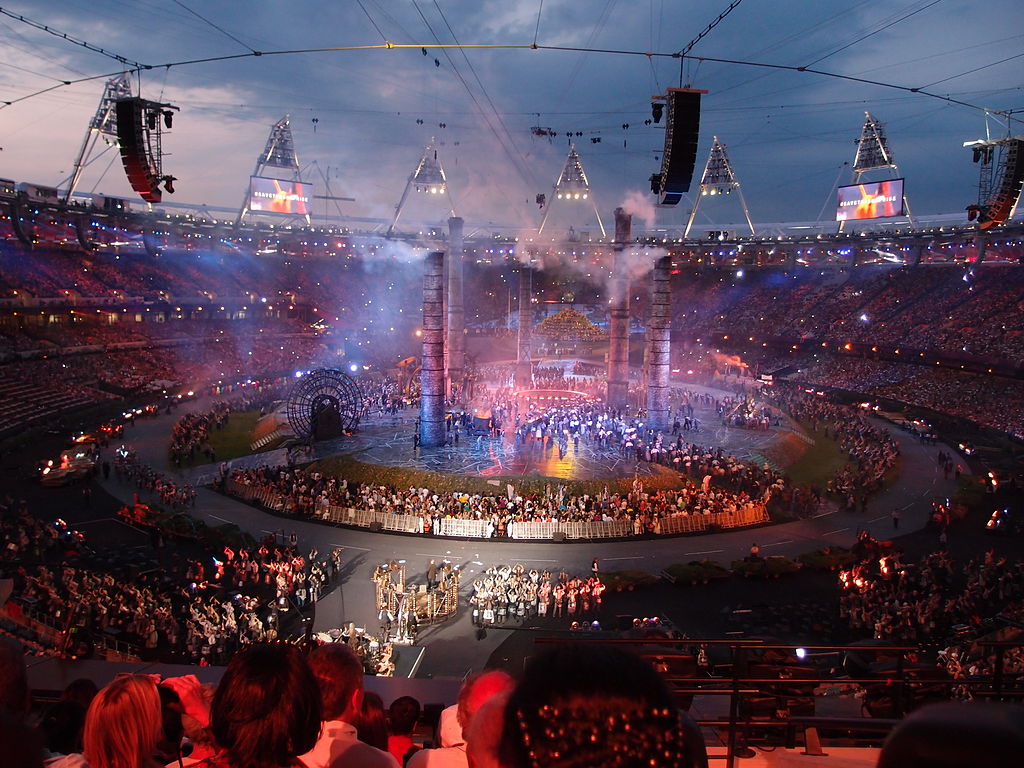
Sochi and London ceremonies team to do LA2015 Games
An LA-based company has won the contract to be the official executive producer of the opening and closing ceremonies of the 2015 Special Olympic World Games, which take place in the city next summer.
The work was awarded through a competitive bidding process on the back of FiveCurrents’ experience working on 12 Olympic Games, four Paralympic Games and nine major multi-sport events over the last 25 years.
“Having produced the Opening Ceremonies of back-to-back Olympic Games, we are looking forward to bringing the world together to celebrate another once-in-a-lifetime moment of international pride right here in our home state and country,” said Scott Givens, president of FiveCurrents.
Most recently, FiveCurrents worked on the Sochi 2014 Olympic Opening and Closing Ceremonies. They were also the production company behind Danny Boyle’s celebrated London 2012 Olympic Opening Ceremony and will also be working on the European Games in Baku next year.
80,000 spectators are expected to attend the Opening Ceremony at the Los Angeles Memorial Coliseum on Saturday, July 25, 2015. The ceremony will be broadcast live and distributed internationally by ESPN, the Official Broadcaster of the 2015 Special Olympics World Games.
The opening ceremony will put the athletes at the centre of the celebrations, with the final leg of the “Law Enforcement Torch Run” culminating in a Parade of Athletes and the lighting of the Special Olympics cauldron.
“We are looking forward to creating the stage that will celebrate the courage, determination and joy of our athletes,” said Patrick McClenahan, President and Chief Executive Officer of LA2015. “With the support of FiveCurrents, we will welcome the world as we cast a spotlight on acceptance and inclusion.”
The 2015 Special Olympics World Games will run from July 25nd until August 2nd. With 7,000 athletes representing 177 countries, the event can claim to be the “largest sports and humanitarian event anywhere in the world in 2015, and the single biggest event in Los Angeles since the 1984 Olympic Games.”
Los Angeles is vying against Boston, San Francisco and Washington DC to become the US Olympic Committee’s candidate for the Olympic Games in 2024, a decision on which is expected to be made early in 2015.
-
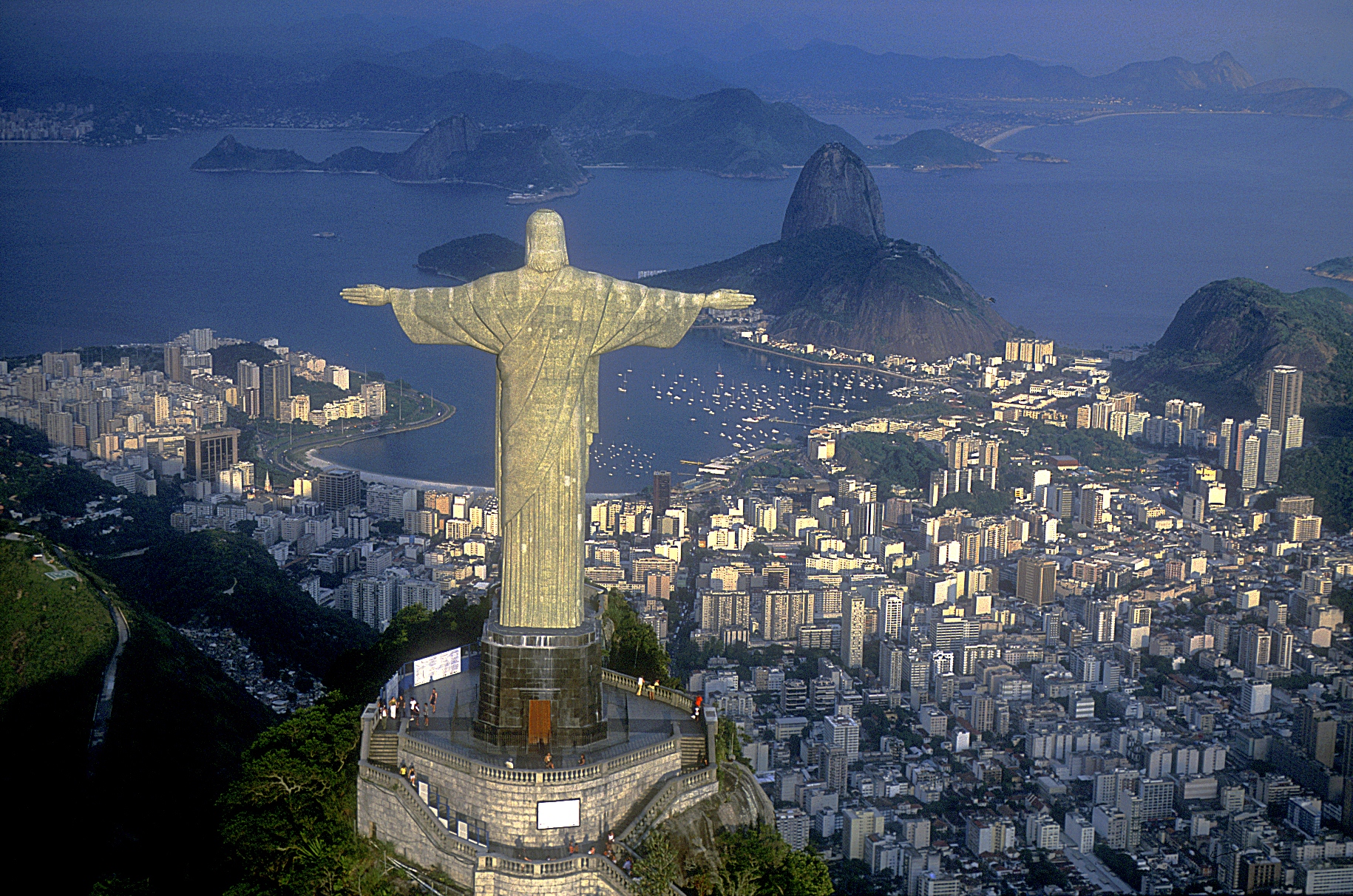
Will the marvellous city live up to its name?
Rio de Janeiro staged seven 2014 World Cup matches including the final, but the spotlight will shine even more brightly on the ‘Cidade Maravilhosa’ when it hosts the Olympic Games in 2016.
Brazil had to overcome delays and doubts before staging a World Cup now destined to be remembered as more successful for the host nation off the pitch than on it.
Now Rio is under pressure after International Olympic Committee (IOC) vice-president John Coates branded its preparations the “worst ever” in April.
The city of Sugarloaf Mountain and Christ the Redeemer promises a spectacular setting but also has a reputation for traffic jams and violent crime.
So, did football’s showpiece event leave a legacy for the first Olympics in South America and what challenges remain?
Games Infrastructure
The renovated 78,838-seater Maracanã Stadium will be used for the opening and closing ceremonies of the Olympics and Paralympics and football matches, including both the men’s and women’s finals.
The Games will take place across four venue clusters:
•The Olympic Park in Barra da Tijuca (widely known as Barra) will host around 60 per cent of events, including track cycling, boxing, tennis, basketball and swimming, and feature the broadcast and press centres. Construction work at the site has recently been extended to 24 hours per day and work on three halls hosting indoor sports only began in August. Work on athletes’ housing in the Olympic Village is more advanced – with 31 17-storey towers already standing – and should be finished by the end of 2015.
•Deodoro, the next biggest cluster, will host 11 events, including equestrian, shooting and rugby sevens, across nine venues in a poor area of Rio. Three venues used in the 2007 Pan-American Games and 2011 World Military Games just need renovations. However, work on a new arena, hockey centre, BMX centre and whitewater stadium only began in July after the IOC warned Deodoro was two years behind schedule and questioned Rio’s social legacy planning. Two temporary structures will also be created – the Rugby and Modern Pentathlon Arena and the Olympic Mountain Bike Park.
•The Maracanã cluster. As well as the football stadium, this includes the João Havelange Olympic Stadium that was built in 2007 for the Pan American Games and will host the athletics. Currently undergoing roof repairs, it is due to close again next year so the capacity can be raised from 45,000 to 60,000.
•Copacabana cluster. A temporary 12,000-seater stadium on Copacabana beach will host beach volleyball. In Flamengo Park, 3,800 spectators in temporary seating will be able to see road cycling and race walking. Nearby, Guanabara Bay will host the sailing, while a temporary 10,000-seat pontoon in Rodrigo de Freitas lagoon will ensure a great atmosphere at the rowing and canoeing finish zone.
Transport rush
While some cities benefited from several World Cup-related urban mobility projects, Rio saw only one – the Transcarioca bus rapid-transit (BRT) scheme connecting Barra to the international airport.
World Cup match ticket-holders were allowed to take the underground to the Maracanã for free and the municipal government declared public holidays for Rio’s three weekday games.
While the arrangements allowed fans to travel without problems, critics say the city came to a halt – something Rio cannot afford over 17 days of the Olympics.
“It appears from the outside that the city functioned well but it was not working as normal,” said Christopher Gaffney, a visiting professor of architecture and urbanism at the Federal University of Niteroi.
The Olympic clusters are considerable distances apart and traffic leaving Rio’s beach zones often slows to a crawl around tunnels through the mountains.
Barra is about 25km west of central Rio, the Maracanã is 13km north of Copacabana and Ipanema, while Deodoro is still more distant from tourist hotspots and hotels.
But four BRT schemes – all terminating in Barra – will help speed traffic by providing express lanes for air-conditioned, articulated buses holding 160 passengers or more.
The first 56km BRT opened in 2012 and the 39km Transcarioca began operating in June – along with a new international airport departures area – and is expected to carry 320,000 people daily and cut journey times by 60 per cent.
The 26km Transolímpica, due to open in January 2016, will link the competition centres in Barra and Deodoro and is expected to be used by 400,000 people per day.
Finally, the 32km Transbrasil will connect Deodoro to central Rio and could benefit 900,000 passengers daily. However, Transbrasil’s tender date has been delayed and although work could begin in October, transport experts question whether it will be ready for the Games.
A new 16km underground line, a light rail transit service and revitalisation of Rio’s port will also ease congestion and benefit visitors.
The underground’s Linha 4, due to open early in 2016, will have six new stations linking Ipanema to Barra, and should carry more than 300,000 people daily.
A ride from Ipanema to Barra will take 15 minutes and central Rio to Barra will take 34 minutes.
Tough tactics
The Ministry of Justice’s Extraordinary Secretariat for the Security of Big Events (SESGE) co-ordinated arrangements for the World Cup and will do so for the Olympics too.
Police averted the threat of large protests close to World Cup venues by establishing security perimeters 2km around the stadium.
The tactic was condemned by civil rights groups and failed to prevent nearly 100 ticketless Chile fans breaking into the Maracanã ahead of a game against Spain.
Police also used tear gas and batons against some demonstrators close to the cordon on the day of the final but the Brazilian government views World Cup security as a success given the fears of greater unrest.
In early August Defence Minister Celso Amorim met top military officials in Brasilia to discuss issues for 2016 such as intelligence, disaster prevention and event access.
Central to security planning has been the establishment of Police Pacification Units (UPPs) since 2008 in favelas previously controlled by drugs gangs.
Around 40 UPPs are now in operation with nearly 10,000 Military Police officers. At least two helicopters will transmit real-time video to a co-ordination centre in Deodoro during the Olympics.
Dignitaries will be driven to events in a fleet of 36 armoured police sports utility vehicles with sirens and GPS systems.
The threat of terrorism is considered low and there are no signs that major political protests are likely, but the security demands for the Olympics are still far greater than on any World Cup city.
World Cup final day saw a record 25,787 security personnel deployed on Rio’s streets but Andrei Rodrigues, special secretary for security and safety at major events, says “several times” that figure will be called upon during the Olympics.
This article was written by Robin Yapp, HOST CITY’s reporter in Brazil, and was first published in the Autumn issue of HOST CITY magazine -
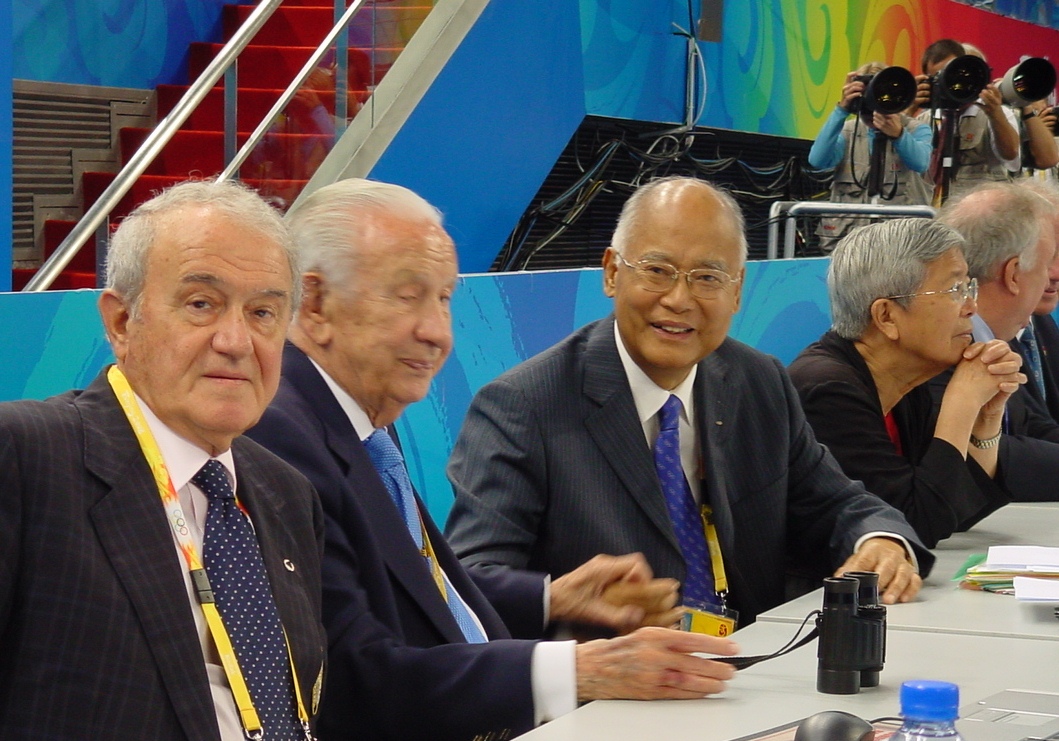
He Zhenliang’s Olympic vision lives on
The Chinese Olympic Committee on Sunday confirmed the passing of IOC Honorary Member He Zhenliang.
An astute politician and diplomat, He played a pivotal role in returning China to the Olympic movement and also attracting the Olympic Games to Beijing. His great achievements earned him the moniker “Mr. Olympics” in China.
“The Olympic Movement has lost one of its most fervent ambassadors,” said IOC president Bach.
Before serving as IOC honorary member, He was IOC member from 1981 until 2010. He also served on the IOC executive board for three four-year periods and as IOC vice president from 1989 to 1993.
“China’s current major-member status in the IOC is inseparable from He’s hard work for decades,” Wei Jizhong, former secretary-general of the Chinese Olympic Committee told China Daily on Sunday.
He played a vital part in helping Beijing win the right to host the Summer Olympic Games as an executive on the Beijing 2000 and 2008 bid committees.
Jizhong recalled He’s disappointment when Beijing missed out on 2000 by just two votes, telling China Daily “He said he felt he had let his country and people down, while in fact he’d done what he could to the utmost.”
The highlight of He’s career came at the 112th IOC session when Beijing’s bid committee won the host city election for 2008 under his leadership.
In an interview with HOST CITY magazine published on the eve of the Olympic Games in 2008, He said: “The Olympic Games will help the world better understand China and vice versa.
“If we can achieve such a goal through the Olympic Games, then the Games will not only leave its mark in the development history of China, in particular it will shine as a significant milestone in our diplomatic history. It will also be a symbolic major event in the history of international relations.”
These goals were certainly achieved, with the Beijing Games showcasing China to the world at a time of unprecedented economic growth.
IOC president Thomas Bach said “He was a man of culture and art. He was a true advocate of the social values of sport and of our Movement and I would like to pay tribute to the passion and energy he deployed over the years to fulfil his mission as an IOC Member in China.
“He also helped our Movement better understand his country, its people and outstanding culture.”
Speaking to HOST CITY in 2008 about the impact of hosting the Games, He acknowledged the improvements to infrastructure and material wealth in Beijing, but said that more valuable benefit was the cultural impact of the humanistic values of Olympism in China.
“The Olympic Games bestows hope and enlightenment to the world,” he told HOST CITY. “We need to make concerted efforts to build a bridge of tolerance, understanding, respect and friendly coexistence across different places, races, religions and ideologies.”
A keen sportsman, Mr He enjoyed swimming, playing table tennis, tennis, football, basketball and golf. A champion of sport and Olympic values in school curricula, He told HOST CITY his long term aspiration was for a greater role for sports within education in China.
He’s other roles within the IOC included Chairman of the Cultural Commission (1995-1999), Chairman (2000-2009) and then Honorary Member (2009-2015) of the Commission for Culture and Olympic Education, Vice-Chairman of the Sport for All Commission (1985-1987), and member of a number of other Commissions including the IOC 2000 reforms.
He served as deputy secretary general of the Chinese Gymnastics Association, secretary general of the Chinese Table Tennis Association, deputy secretary general of the All-China Sports Federation and president of Chinese Olympic Committee.
The Beijing 2022 Olympic Winter Games Bid Committee also mourned He’s passing, praising his contributions to the Olympic Movement in China. The bid committee said it will endeavour to win the right to host the 2022 Games as a tribute to He.
-
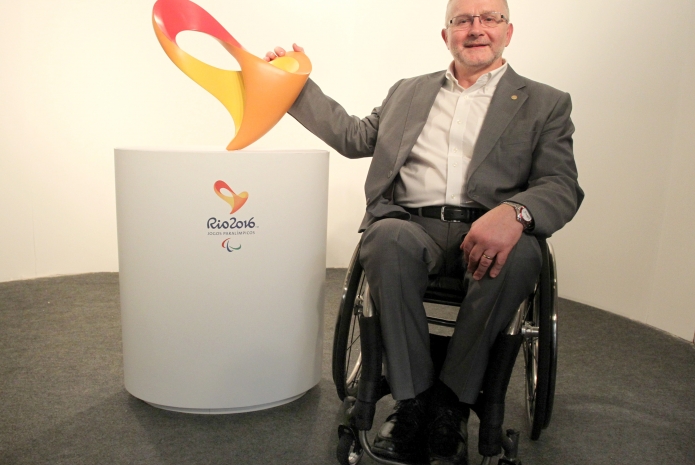
Rio will be ready, says Paralympic president
2014 was full of questions about Rio’s readiness to host the Olympic and Paralympic Games but, according to International Paralympic Committee (IPC) president Sir Philip Craven, people can afford to relax in the knowledge that the city will deliver on time.
“1 January 2015 marks exactly 615 days to go until the Rio 2016 Paralympic Games and I can assure you that my excitement is growing by the day,” Sir Craven said in his annual New Year’s message.
“The Organising Committee has done a great deal of work in 2014, most recently highlighted by the successful launch of the Paralympic mascot Tom. I’m also delighted Rio 2016 has formed a Paralympic Integration Committee which is led by IPC Vice President Andrew Parsons.
“The last full year before the Paralympics is always vital and, in 2015, Rio will be staging a number of test events, as well as the Chef de Mission seminar, as their preparations gear up for the final push.
“People are a little more relaxed now they are seeing the venues grow in size each day and I am fully confident everything will be ready for our Games and that Rio will deliver a truly spectacular event. The atmosphere in Rio will be amazing; the Carioca like to party, and I hope Rio 2016 is one big party for the spectators and for the athletes (once they have competed of course!).”
Rio 2016 is of huge importance to the Paralympic movement.
Speaking on 7 September 2014, two years before the start of the 2016 Paralympic Games, Craven said “Rio 2016 will be South America’s first Paralympic Games opening up a whole new continent to the power of the Paralympic spirit and Paralympic sport.
“I believe the Games can be transformational not just for Rio and Brazil, but the whole of the Americas and the Paralympic Movement.”
Although 2015 is not a Paralympic year, the large number of qualifying championships taking place will make the year one of the IPC’s busiest ever.
“Arguably the biggest and most important sporting event of the year is August’s Toronto 2015 Parapan American Games which will feature 1,600 athletes from 28 countries competing in 15 sports,” said Sir Philip.
“It is vital that Toronto 2015 is a success and that we leverage the event to generate greater awareness of the Paralympic Movement in the Americas ahead of Rio 2016.”
In his address, Sir Philip also cited the Sochi 2014 Paralympic Winter Games as the IPC’s Top Moment of 2014.