Category: Sporting Venues

  • Made for all sports

    Made for all sports

    Launched at FSB Cologne under the title “Made for Sports”, a new range of adhesives from Stauf is the end result of a comprehensive research programme on technology for sports flooring.

    Stauf researched suitable bonding technologies for various sports flooring, for indoor and outdoor use. The focus was on the durability, safety and resilience of composite systems, combining special adhesives and sports flooring.

    In a number of different tests, Stauf’s sports flooring adhesives were subjected to varying thermal and climatic conditions and extreme mechanical stress in order to be optimised accordingly.

    The end result is not a “one-size-fits-all” recipe for sports flooring, but a line of products adapted to suit the specific characteristics and demands of differing indoor and outdoor sports flooring systems. In conjunction with professional technical consulting, Stauf can also match and modify adhesive systems for specific on-site conditions.

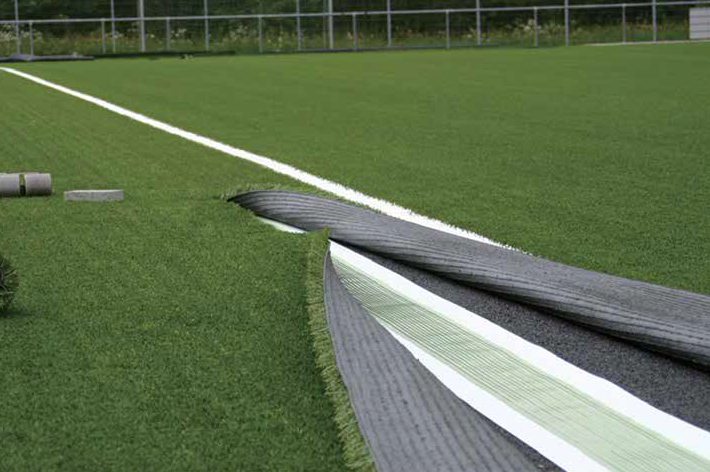
    “Made for Sports” is not without precedent: STAUF synthetic turf bonding has already proven its safety and reliability credentials in leading global stadiums. The company has simply developed a complete range of products based on this successful predecessor.

    The new range comprises adhesive systems and accessories for installing various types of flooring for indoor and outdoor sports facilities and for synthetic turf. Stauf is also extending its product range in the indoor sports sector with special adhesives for impact protection walls and ceiling liners.

    “Very low emission”
    The Siegerland family-owned company sets high standards for all its product developments. As well as quality and lasting reliability, a primary concern for Stauf is protecting health and environment.

    For this reason, most of Stauf’s products are classified as “very low emission” under Emicode (EC I or EC I PLUS) – the trademarkprotected mark for the classification of low emission flooring installation products. The mark is awarded by the Association for the Control of Emissions in Products for Flooring Installation, Adhesives and Building Materials (GEV) for solvent-free, low emission products.

  • Plastic fantastic

    Plastic fantastic

    The German company Melos GmbH is one of the world’s leading producers of coloured synthetic and EPDM rubber granules. Granules from Melos GmbH are used in particular in running tracks in sports stadiums, as fall protection surfaces for children’s playgrounds, as infill granules on artificial turf pitches as well as for non-slip surfacing at swimming pools.

    Breaking records
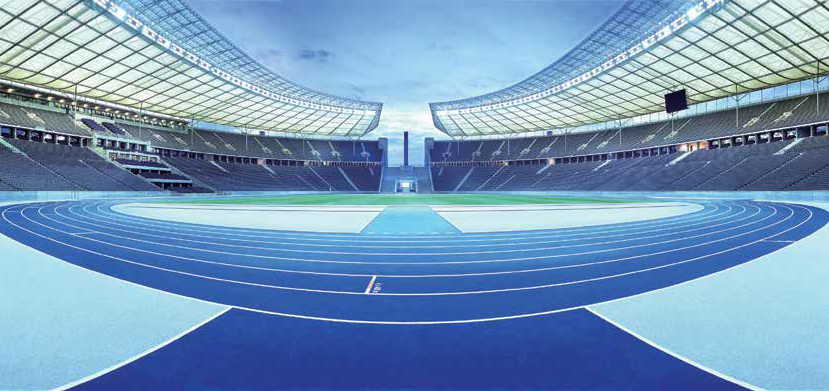
    Melos products have been used in many projects in recent years. The company’s portfolio includes both national and international installations, such as the running track at Berlin’s Olympic Stadium. The granule for this project was developed specially on request in the club colour of the German Bundesliga football + Hertha BSC Berlin, i.e. “Hertha Blue”. The track covers an area of approximately 9,200 m², of which around 5,250 m² is designed in the Hertha blue colour tone and adjacent areas of around 3,950 m² in grey. Around 40 tonnes of EPDM granules were used in the project.

    Melos granules enabled a new world record for then 22-yearold Usain Bolt from Jamaica, who ran the announced world record in the 100 metres discipline on the blue track. His strongest rival, Tyson Gay, got the shock of his life at the 12th IAAF World Championships in Berlin’s Olympic Stadium when Usain Bolt not only set a world record for the 100 m but also for the 200 m. Recording times of 9.58 and 19.19 seconds respectively, the fastest man in the world outran the competition on the blue granules supplied by Melos.

    Arabian light
    In addition to high colour stability, enormous abrasion resistance and strong resistance to weathering, Melos granules also impress with their excellent resistance to UV light. These factors led to Melos granules being chosen for another major project in 2009, when the world’s longest circular horse racecourse, measuring 2,400 m, was constructed in Meydan City, a new district of Dubai.

    Because of the considerable stress the horses endure during the race, it is all the more important that they receive special care beforehand and afterwards. For this reason, coloured EPDM granules from Melos were used to manufacture a floor covering fitted in a tunnel leading to the racecourse.

    To reduce noise, granulated material from Melos was even applied to the tunnel walls and coloured surfaces constructed with Melos granules were installed as a pre-race warm-up area for the thoroughbreds. Adjacent tracks as well as grooming and wash areas for the valuable horses were equipped with the resilient non-slip Melos granules.

    The medium-sized enterprise completed production and shipment of 500 tonnes of granules in just three months from the start of September to the end of November, with different grain sizes being mixed and then installed on site. This posed a real challenge, owing to the special requirement to supply a specially adapted blend of granule colours and properties. As well as a red granule for the outdoor surfaces, a blend made up of special shades of brown, beige and yellow was used for the tunnel and access passage to the arena.

    The state of Qatar also uses Melos for its construction works. The world’s largest installed area of 175,000m² was installed on the “Emir Walkway” as a personal project of the Emir of Qatar. The Emir Walkway is a multi-purpose track that runs 9 km on both sides of a road at a width of 9.75 m on each side. Melos produced and supplied round about 1,000 tonnes of material for this project in a turnaround time of just eleven weeks. Similar to the tunnel leading to the Meydan race court, the walkway was also fitted with a colour blend of granules made up in this case of brown, eggshell and beige.

    Cool head on hot days In addition to the many applications of the granules as floor covering, infill granules from Melos are used as a component of high-quality artificial turf systems for sports including football.

    Melos launched a new granule on the market in 2011, Infill Cool Plus, with the motto “Cool head on hot days”. The new material is based on the proven EPDM material group, but with special components that reduce heat absorption.

    FC Bayern Munich, the German football league championship record holder, opted for Infill Cool Plus in 2011. The Cool Plus effect, which encourages top performances by achieving low surface temperatures on hot summer days, convinced the football club to use the product in its modern training grounds.

    The Cool Plus effect can be demonstrated in a direct comparison with different infill granules. In an experiment conducted with long-term exposure under laboratory conditions, the surface temperature was reduced by 25 per cent by using the light-green Melos Infill Cool Plus, compared with SBR rubber granules.

    Long-term tests of Cool Plus – up to four hours of sunshine simulations in the irradiation chamber – also show reduced heat build-up and lower maximum temperature of the surface. This difference is palpable underfoot for the players and improves playing comfort considerably, as surface temperatures can reach up to 60°C in German summers.

    The in-house laboratory at Melos works continuously to deliver product innovations. Melos recently launched a new product on the market: Infill Bionic Fibre, which provides an economically attractive and sustainable alternative to traditional granules on artificial turf pitches. In comparison with other granules on the market, Infill Bionic Fibre is characterised in particular by its fibrous, irregular and near-natural structure.

    “Our new product is an especially resilient, durable, weatherproof, stable and near-natural infill material”, says Jörg Siekmann, Managing Director of Melos GmbH. “In addition, the material offers players a natural playing experience – almost like on natural turf. Pitch operators benefit from the low maintenance overhead and reduced use of resources.”

    Melos is constantly researching improvements to its infill granules in its in-house laboratory. The focus here is on sport functionality: in addition to the recommendation of the German Football Association (DFB), sports associations and sports physicians also support the view that the use of modern artificial turf pitches protects joints and ensures a high quality of play. The infill granule plays an important role in this respect, offering distinct quality differences that can impact health and playing performance.

    Jörg Siekmann says: “The soft and natural structure of “Infill Bionic Fibre” provides pleasant felling while running, gentler on the skin and increases natural playing performance. Even the DFB has commented positively on rubber-filled synthetic turf surfaces, stressing both the economic and sports-related functional benefits.

    The company has its entire product range reviewed regularly by independent institutes and certified in accordance with current standards in the areas of environment, energy and sustainability. Strict attention is paid in production and development to optimal properties in terms of the environment, utilization and health.

    The infill granules from Melos all feature basic properties such as weather resistance and durability. The quality of the products is reviewed on an ongoing basis and the granules are also ideally adapted with respect to human health and the environment. In terms of sportsrelated functional properties, such as traction and rotation, the players experience a playing performance that is comparable to a good natural grass pitch – but consistently stable under all climatic conditions.
  • The tensile structure’s fitness regime

    The tensile structure’s fitness regime

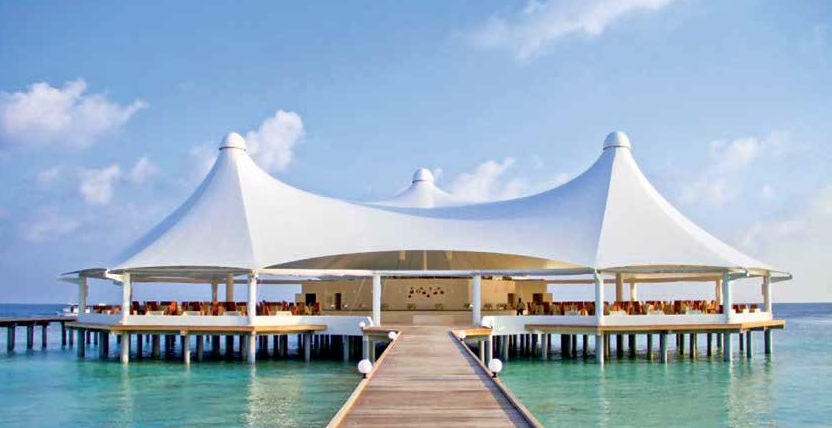
    Imagine your dream tensile structure and you will no doubt envisage a splendidly white, taut, smooth hyperbolic paraboloid. But, without due care, dust, pollution, water, sun and cold can cause your dream structure to become tired and shabby.

    To ensure a long lasting performance, like any other construction, a tensile structure has to be maintained and its shape and tension checked frequently.

    Keeping clean
    Dirt and dust can harm the membrane. In intensely wet environments, extensive mould can leave permanent pigments on the surface.

    Textile architecture should be cleaned according to the recommendations of the manufacturers of the membrane. The recommended physicochemical policies must be adhered to in order to maintain the original quality, without damaging the surface – usually varnished – and so there is no chemical attack
    on the raw materials used in manufacturing.

    Generally, we recommend the use of pH-neutral detergents, shampoos and water applied with a soft brush. Stubborn dirt can be removed with hot, pressurised water.

    Many membrane manufacturers have their own brand of shampoo, or recommended ones. In some parts of the world it can be difficult to get such products due to shipping costs, time of transfer, customs and tax issues. Samples of some soaps and shampoos obtained by common trade in the local market were
    sent to the membrane manufacturer for laboratory testing. Even products specified for use were rejected while others made for other uses were approved.

    As shampoo and water can create a very slippery surface on a geometric tensile structure, officials in charge require specific and appropriate personal protective equipment.

    The scope of product warranties has extended in the general construction industry, and textile architecture is no different. Manufacturers of membranes should ensure that warranty documentation requires the end user to keep up to date with maintenance and proper cleaning. This increases the shelf life, sustainability and good image of the product.

    In case of stubborn stains caused by chafing, fungi, moulds and other physicochemical agents that have changed the original condition, we enter into an area where the manufacturer’s warranty is usually no longer valid. There are solutions on the palliative level that tend to reduce the negative aesthetic impact of these situations. Chlorine and petrochemical products have been used, although prohibited by the manufacturers of the membranes, often with satisfactory results in short-term. In extreme cases there are even attempts to paint the membranes, with rapid deterioration and subsequent bad results.

    Cleaning works of textile architecture should always aim to maintain good appearance and prolong the project`s life, improving the image of the product on the market while acting sustainably and protecting the owner’s investment.

    Keeping in shape
    Textiles should also behave as a shell and maintaining that architectural form is crucial. It is up to the owner to get technical support to assess the physical condition of the work. Specifically, the tightness of the surface should follow the correct characteristics, taking into account the natural loss of strength over the years.

    This is not only for appearance: the behaviour of the structure depends on surface stress. A weak surface stress may lead to extensive flutter under wind condition, membrane fatigue and even collapse.

    Loss of surface tensions fails to ensure the structural rigidity needed to perfect functioning of the membrane and it ceases to act as a shell. Under these conditions the action of wind and other load-generating natural factors can cause flutter and consequent fatigue, preventing proper operation and rupturing
    the tissue in short time.

    By regularly checking and controlling tightness, you guarantee good structural performance and long service life.

    Flexible membranes are generally married to metal brackets and other structures with lower rates of expansion. The interaction between such different materials has always been a sensitive issue in the construction industry.

    To keep tension at levels necessary for proper structural functioning, designers have developed and used a series of mechanical devices, such as tensioning cables and regulating screws that distributing localized stresses and friction. These devices are responsible for the integrity of the normal working tension of each project and are used, in maintenance, to restore the original conditions when necessary.

  • Wembley Stadium strikes unprecedented brand partnership with EE

    Wembley Stadium strikes unprecedented brand partnership with EE

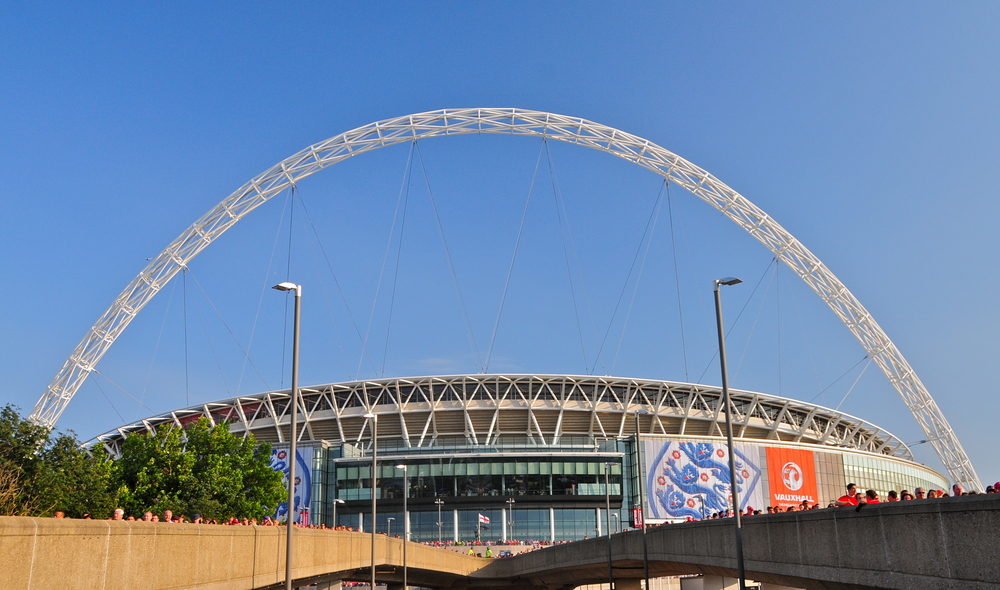
    England’s national stadium announced on Wednesday that advanced British digital communications company EE has become its lead partner.
    The partnership will run for six years, starting with immediate effect. The first event at the EE-sponsored stadium will be the Capital One Cup Final on March 2. 
    This is the first time Wembley – one of the biggest brands in football – has signed a lead brand partner in its 90-year history. The partnership will be represented by a new logo, but the world-renowned name of the stadium will remain unchanged.
    Wembley National Stadium Ltd said the partnership has been agreed on the basis of an ambition to make Wembley the most connected stadium in the world – ensuring it sits alongside the most technologically advanced stadiums across the globe for years to come. 
    Melvin Benn, chairman of Wembley said “As stadia around the world become increasingly more technologically advanced, EE is the perfect partner to assist us in fulfilling that goal, giving event owners and their fans the best possible and unforgettable shared experiences.”
    Wembley will benefit from multi-million pound investment in its technological infrastructure over the course of the six-year partnership to offer visitors the best possible experience. The deal also includes the launch of Wembley’s first bespoke app, which offers fans a dynamic feed of event content as well as stadium and travel information.
    Olaf Swantee, CEO at EE, said “Over the coming months, we will announce an exciting programme of upgrades and innovations to the existing infrastructure at Wembley that will ensure the stadium offers visitors a world class spectator experience for many years to come.”
    Future technological advancements to come from EE over the six-year deal include mobile ticketing solutions, enhanced mobile network access and high speed Wi-Fi available for all. EE customers will benefit from exclusive ticketing and marketing initiatives from late March.
    “I’m delighted that we have secured EE as Wembley Stadium Lead Partner,” said Peter Daire, FA Group head of sponsorship. “We have diligently taken our time, in collaboration with Wasserman, in sourcing a technology brand that shares our enthusiasm and commitment and EE will help to make the Wembley fan experience the best it can be.”
    The partnership adds to Wembley’s existing sponsorship agreements with Carlsberg, Betfred, Walkers, Coca-Cola, Mars and National Express.

  • Brazil World Cup stadium suffers storm damage

    Brazil World Cup stadium suffers storm damage

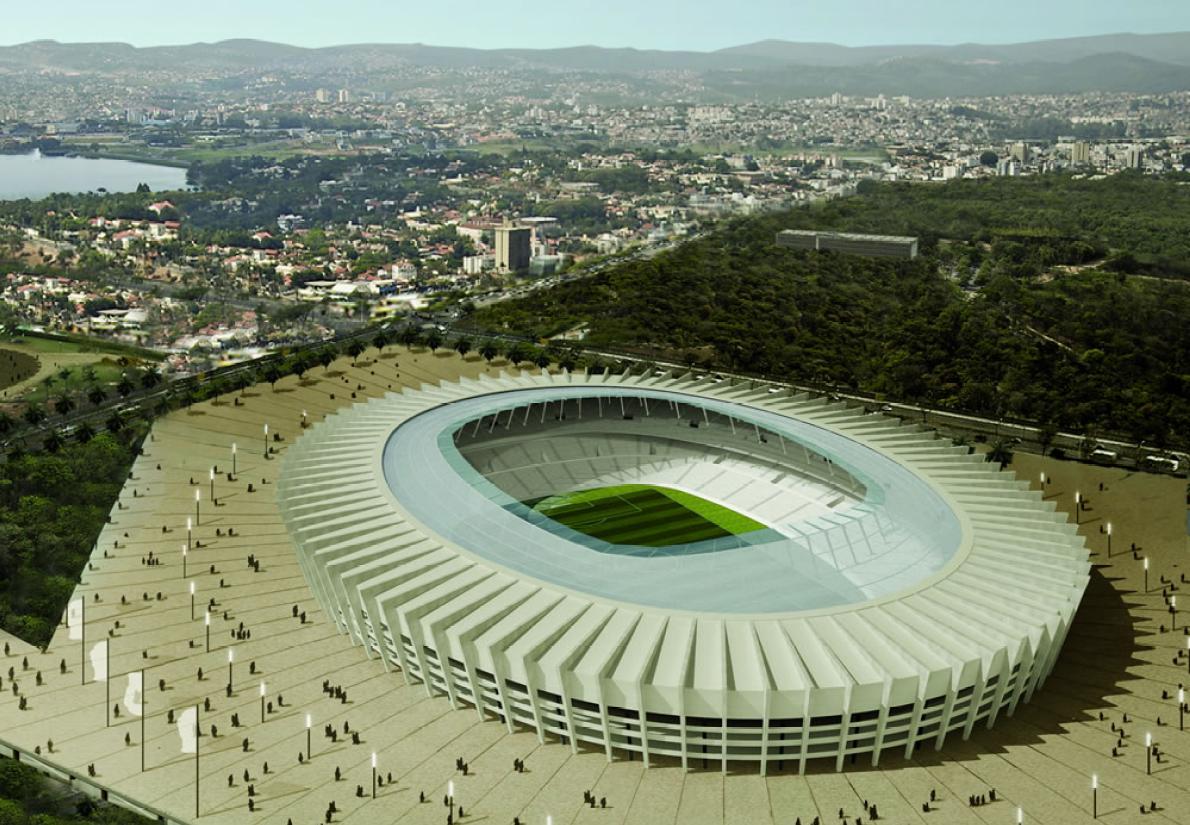
    A seasonal storm in the World Cup host city of Belo Horizonte damaged the Mineirao stadium over the weekend, Xinhua news agency reports.
    Parts of the roof flew onto the pitch of the recently rebuilt stadium in Belo Horizonte just before a state championship match on Saturday.
    Mineirao will host six matches during the 2014 FIFA World Cup and US$300 million have been spent on redeveloping the stadium.
    Video footage published by Brazilian newspaper Folha de S. Paulo showed three metallic plates landing onto the pitch less than one hour before the match, according to Xinhua.
    Such storms are not unusual at this time of year, according to a weather institute in the state of Minas Gerais. More than 10cm of rain had fallen in three hours, with winds of up to 36km per hour.
    The manager of Cruziero football team, which played on Saturday’s match, complained of the standard of the pitch. According to Xinhua, he said “Questions have to be asked. Is this pitch up to FIFA standard? I think the quality needs to be better.”
    Host City invited the Belo Horizonte World Cup Organising Committee to comment on the incident at Mineirao but has yet to receive a response.
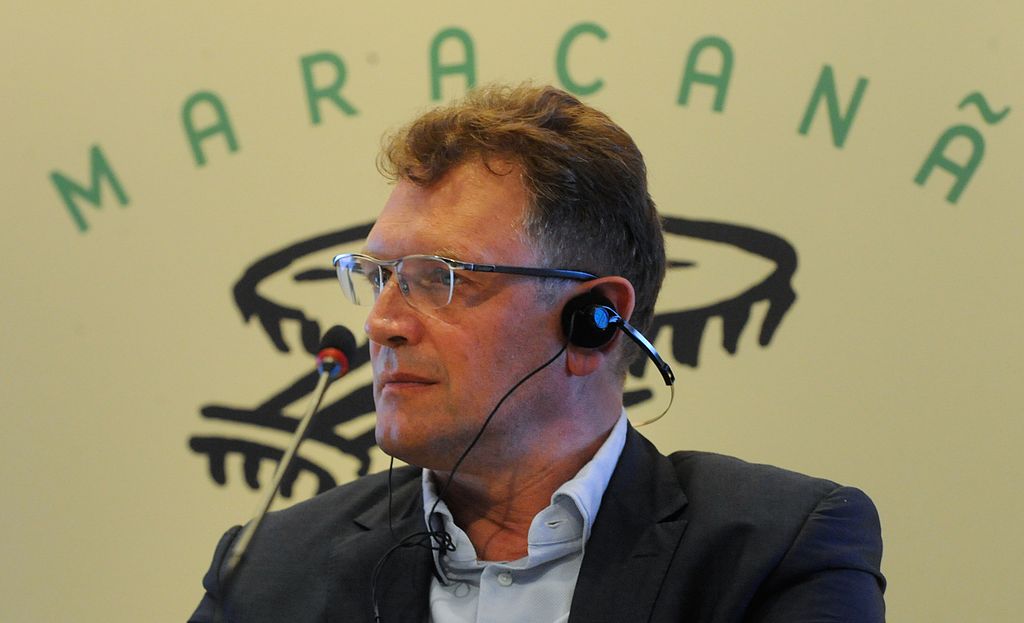
    FIFA Secretary General Jerome Valcke voiced concerns about the readiness of World Cup venues at a press conference at FIFA’s headquarters in Zurich on Saturday.
    “We are almost at 100 days before the first game starts in a stadium in Sao Paulo which is still not ready and won’t be ready until May 15. And as you know another two stadiums [in Curitiba and Manaus] are quite late.
    “For sure, the stadiums are beautiful but now it is a challenge for the organisers. And that is not a criticism. It is just a challenge. We have to find the solutions.”

  • World Cup worries send Valcke on mission to Brazil

    World Cup worries send Valcke on mission to Brazil

    Delays and uncertainty over World Cup stadiums have motivated FIFA secretary general Jerome Valcke to make a special visit to Rio de Janeiro  from 24 to 27 March, bringing an early end to a technical tour of host cities that began on Thursday 20 March.
    “Any envisaged on-site host city visits will be rescheduled to the next tour planned for the end of April,” said FIFA in a statement. 
    Concerned about overlay projects and three unfinished stadiums, Valcke is travelling to Rio de Janeiro for a series of meetings. The visit culminates in a board meeting of the Local Organising Committee (LOC) and media briefing at the Maracana Stadium.
    “This is the last occasion for the organizers to take stock of the operational preparations before the respective FIFA World Cup installations begin to be implemented in all 12 host cities,” said FIFA.
    The LOC is currently taking FIFA’s technical experts on a tour of stadiums in Sao Paulo, Porto Alegre, Curitiba, Cuiaba, Manaus and Natal – the six venues that did not feature in last year’s Confederations Cup. The tour was due to conclude in Natal on 26th March after a visit to Manaus on 24th March, but these two site visits now look set to be postponed to April.
    “This inspection tour will be fundamental to consolidate operational plans and for each area to confirm the operations they have planned over the last few years,” said LOC Stadiums Operations Manager Tiago Paes.
    The tour involves LOC and FIFA representatives from the areas of competition, press operations, broadcasting, protocol, communications, IT, spectator services, security, medical services, transport, catering, volunteers, hospitality and stadiums operations.
    FIFA had originally requested that all venues be finished by December 2013, but three remain under construction. Itaquerao stadium in Sao Paulo and Curitiba’s Arena da Baixada are now unlikely to be finished until the middle of May – just a month before the opening match in Sao Paulo. Cuaiba’s Arena Pantanal is due to open in April. 
    The pitch at Manaus is also undergoing emergency repairs after the turf was damaged by excessive use of fertilizer. Manaus hosts England and Italy’s first World Cup fixture.
    Valcke has reportedly voiced concerns about responsibility for temporary infrastructure. Local newspaper Estado de Sao Paulo said Valcke is concerned that some cities are refusing to pay for temporary items such as security equipment and temporary structures for media, volunteers and sponsors, causing delays to overlay works.

  • Qatar’s annual budget breaks records

    Qatar’s annual budget breaks records

    The Emir of Qatar has approved the country’s biggest ever national budget, with expenditure on infrastructure scheduled to rise faster this year. 
    An unprecedented total annual expenditure of US$60bn, based on projected national revenues of US$62bn, was endorsed on Sunday by Emir Sheikh Tamim bin Hamad Al Thani. The spending plan for the 2014-2015 fiscal year is up 3.7 per cent on the previous year. 
    The increase in expenditure is accounted for by a major ramp-up of infrastructure projects prioritised for national development, which include venues for the 2022 FIFA World Cup.
    The Minister of Finance, His Excellency Ali Sharif Al Emadi, announced that US$24bn has been allocated for key projects. This figure, 16 per cent higher than the US$20bn set aside for such works in the previous fiscal year, represents a major step change in the pace of infrastructure work.
    Al Emadi also stated that spending on key projects would reach US$182.35bn over the next five years.
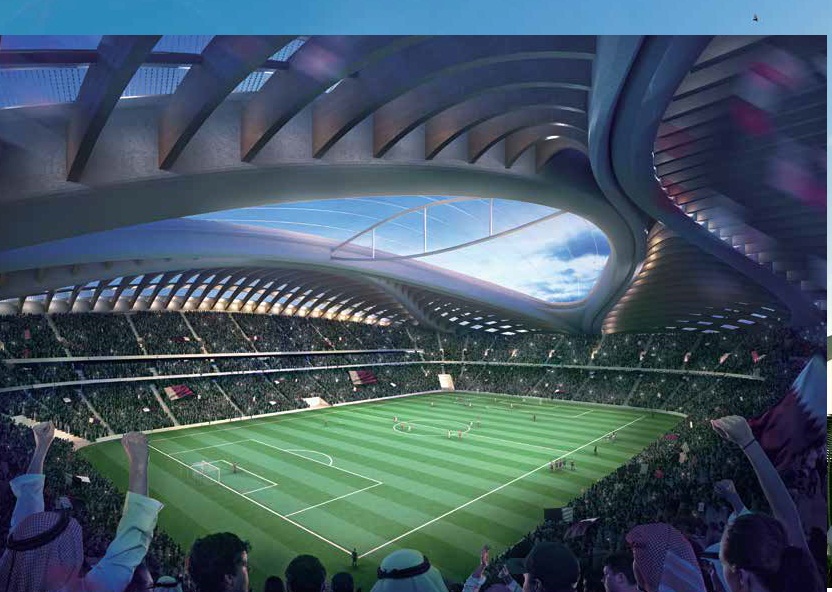
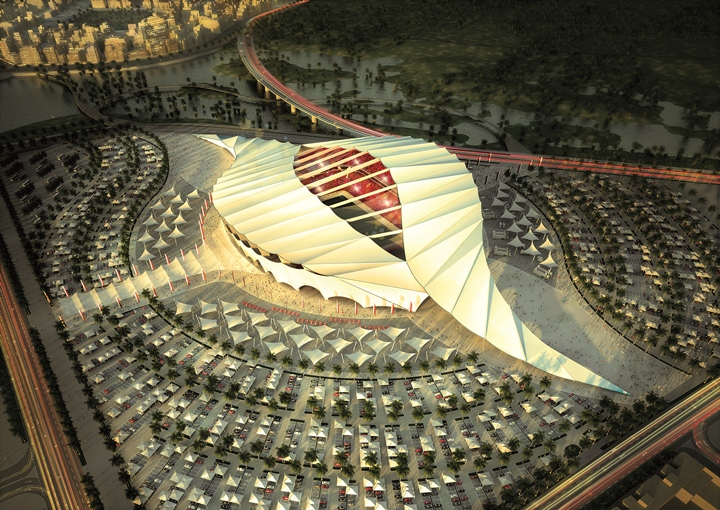
    The investment is necessary to start construction of new stadiums for the 2022 World Cup, with work set to begin on stadiums in Al Khor, Al Rayyan, Al Whakra, Khalifa and Lusail. 
    Other areas of development include education, health and transportation. Qatar’s new airport was originally due to open in December 2012 but is not expected to start operating until the middle of 2014. 

  • Laing O’Rourke to expand over-subscribed Etihad

    Laing O’Rourke to expand over-subscribed Etihad

    Manchester City Football Club announced on Monday that ground engineering work on the Etihad Stadium is to begin immediately, with Laing O’Rourke as the construction partner. 
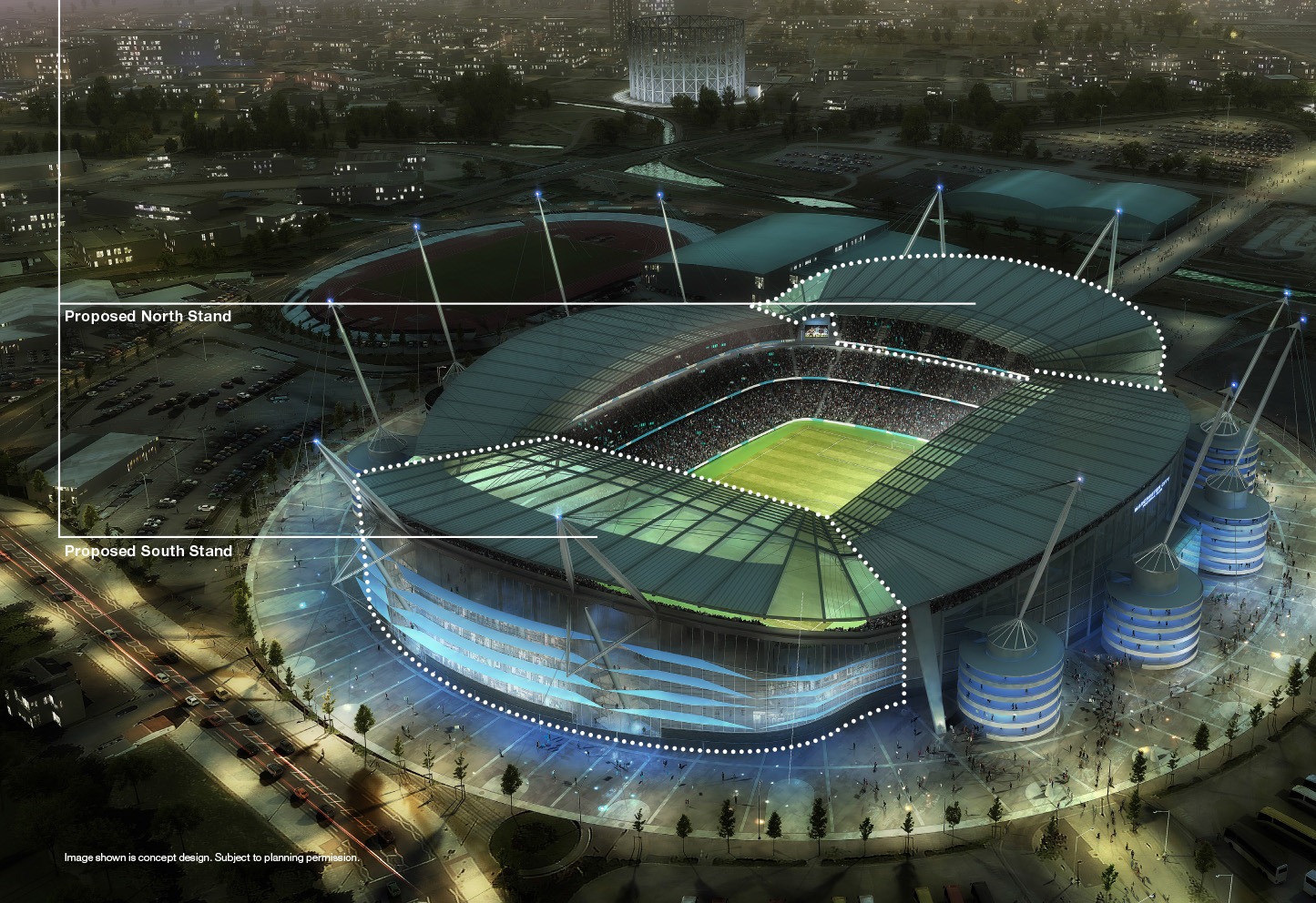
    The stadium, owned by Manchester City Council, was originally designed with 41,000 seats for the 2002 Commonwealth Games by ArupSport and built by Laing Construction. After the Games, the athletics track was removed and the seating reconfigured to 48,000 capacity for its tenants, Manchester City Football Club. 
    The stadium has been redesigned by sport architecture specialists Populous. The phase of expansion that begins on the South Stand this week will see capacity rise to 54,000 by the summer of 2015.
    After hosting matches in the Rugby World Cup, which takes place from 18 September to 31 October 2015, the venue’s North Stand is scheduled for expansion to bring total capacity to 60,000.
    “Manchester City Football Club strives to provide its supporters and visiting fans with one of the best possible matchday experiences in the Premier League and European football,” said Tom Glick, Chief Commercial Officer for Manchester City FC. “The success of this is demonstrated by games being sold out and rising demand from supporters for more season tickets, matchday tickets and premium seating.
    “Expanding the stadium allows us to grow that offering as we constantly work towards excellence for every supporter that visits the Etihad Stadium.”
     
    Minimal disruption
    Realising these ambitious plans through a packed event schedule will be a major challenge. “Our brief from MCFC sought to minimise disruption to supporters during the construction phase of the project,” said Mike Trice, project director at Populous, the architectural firm overseeing the expansion. “Early engagement with Laing O’Rourke as MCFC’s construction partner has allowed us to develop our strategy to limit disturbance to the fans and the ongoing stadium operation.
    “Construction of the upper tier requires new columns to run through the existing structure and concourse areas.  The precise location of these columns was balanced against the size of plant that would be required to sink the foundation piles. Laing were able to quickly evaluate the space and program requirements and the availability of plant whilst we considered the spatial and layout implications.  Through coordination with Laing we have been able to use the same columns to provide temporary support for the existing roof, this will allow it to be kept in place whist the works proceed behind the scenes.”
    Laing O’Rourke, like Populous, worked on a number of venues for the London Olympic and Paralympic Games. Steve Coleby, Leader for Laing O’Rourke’s Construction UK business said: “Our team is known for delivering logistically complex engineering work, combining expertise from across the Laing O’Rourke Group and our specialist businesses.
    “This, along with our use of the latest digital engineering technologies, will help us to deliver efficiently with minimal disruption during match days, concerts and other events hosted throughout the year.”

  • Arena Group reveals scope of Glasgow 2014 overlay works

    Arena Group reveals scope of Glasgow 2014 overlay works

    The official Overlay and Temporary Structures Provider to Glasgow 2014 has revealed that it is working closely with the Organising Committee to design and install more than 230 structures covering an area exceeding 20,800 m2.
    As Glasgow 2014’s Exclusive Temporary Seating Provider, the Arena Seating team has been tasked with delivering every single temporary seat at the Games, around 22,000 in total across 10 venues. The seating team will also be installing camera platforms, wheelchair access platforms, press positions and commentator platforms.
    Dave Withey, sales and marketing director, Arena UK & Europe, said “We’ve been collaborating closely with the Glasgow 2014 overlay team to design temporary solutions which make the most of each venue, providing the space and infrastructure they require, without permanent construction.”
    The temporary infrastructure project that will be finished first is the official merchandise shop in a Glasgow City Centre location. Arena Group will start building this at the beginning of June.
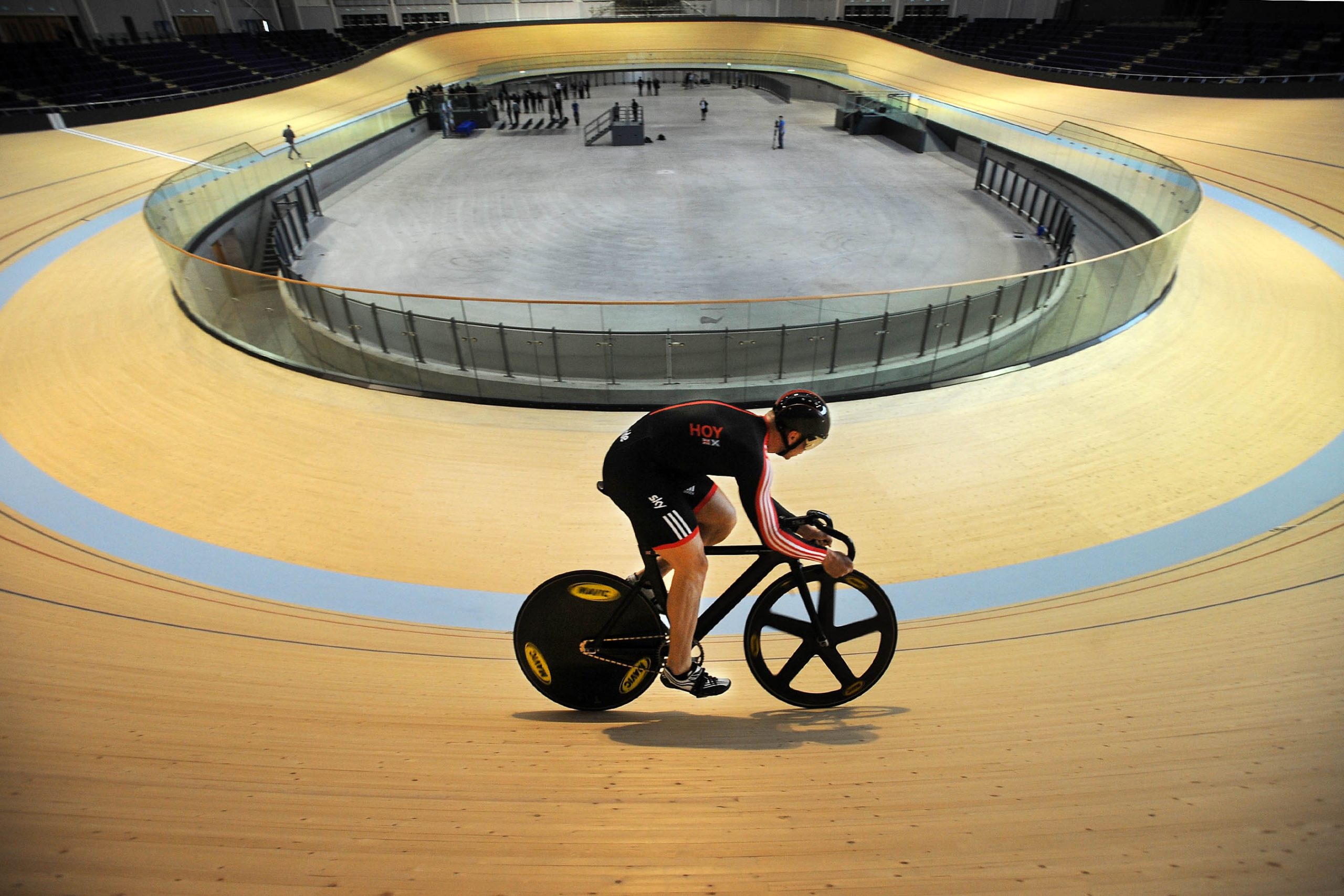
    At the Sir Chris Hoy Velodrome, Arena Group will be supplementing the existing 2,000 seats within the venue with an additional 1,700.  Arena Group will face the challenge of creating perfect sight lines for a challenging sloped field of play, using its trademark “clearview” system.
    Contours will also be a challenge at the new Cathkin Braes Mountain Bike Trails venue, where Arena Group will be providing VIP seating at the finish line and structures for athletes, officials and security, all designed to fit against the slopes of Cathkin Braes and provide stunning views of the city. 
    The clearview system will also be deployed at the Kelvingrove Lawn Bowls Centre, where Arena Group will create a temporary seating stadium and Arena Structures will provide the press, sponsor, security and doping tents.
    At the Scottish Exhibition and Conference Centre Precinct (SECC) Arena Group will work with the venue and Glasgow 2014 supplying the seats for Gymnastics, Boxing, Judo, Netball, Wrestling and Weightlifting/Powerlifting.
    On the East coast, Arena Group is solely responsible for all temporary seating and structures at the Barry Buddon Shooting Range. Edinburgh’s Royal Commonwealth Pool, built for the 1970 Commonwealth Games, will be kitted out with structures for the security, athletes and officials. 
    Scotstoun Sports Campus will host both the Squash and Table Tennis competitions, with Arena Group providing structures to the venue and seating stands for the table tennis and existing squash courts.
    Arena Group will also create temporary grandstands across three courts at the new Glasgow National Hockey Centre and provide grandstands and all supporting tentage for the triathlon events at Strathclyde Loch. 
    For Glasgow’s Tollcross Swimming Pool, Arena Group has created a bespoke temporary seating system carefully designed to the fit the confines of the venue’s mezzanine level.
    “We have a strong legacy of working within the city and neighbouring Edinburgh, and know many of the venues extremely well, such as the SECC where we have a relationship spanning over 20 years. This knowledge and experience has been extremely useful, enabling us to deliver designs quickly and to spec,” said Withey.
    “These designs are now almost finalised and we’re looking forward to being back in Glasgow to start the installation. We’re one step closer to helping deliver one of the best Commonwealth Games in history.”