With more than two years to go until the Rio 2016 Olympic Games begin, 38 per cent of the competition venues are ready for the event, the organsing committee has announced amid widespread concern over construction progress.
Of the 29 permanent venues, 11 are operational, while eight require some renovation work and the other 10 will form part of the sporting legacy that is being constructed in the city. Eight temporary venues will also be used to host competitions.
Construction progress can be seen in the four Rio 2016 competition zones. While work on the Barra Olympic Park advances, with the conclusion of the foundations of Olympic Halls 1, 2 and 3, the Olympic Golf Course site is being irrigated in order to allow grass planting to begin.
At Lagoa Rodrigo de Freitas, the venue for rowing and canoe sprint, depth studies have been completed, while at Flamengo Park, the design of the integrated route for the athletics, road cycling and paracycling courses has started.
“We are advancing in the construction of competition venues for the Rio 2016 Games, with all of the basic and executive projects concluded or in the conclusion phase, and with foundation works in full flow. Even though they may not be highly visible, the preparative groundwork and foundation construction, that occurs underground, are extremely important for the final structure and often account for 20 per cent of the total volume of construction,” said Alexandre Techima, the Rio 2016 Infrastructure Integration Director.
In Deodoro, the tender process for the Games’ second largest venue cluster is underway, with construction scheduled to start in the second half of the year. Three existing competition venues– the National Shooting Centre, National Equestrian Centre and Modern Pentathlon Aquatics Centre – will be renovated, four new venues will become part of the important sporting legacy the Games will leave to the city, and two temporary venues will also be installed. At the same time, the legendary Maracanã Stadium is ready to stage matches at the FIFA World Cup, which kicks off next month.
Bid deadline for Temporary Arena extended
Rio 2016 has extended the deadline for suppliers interested in applying to participate in the project ‘C547 – Temporary Arena with Overlay’.
The bid is aimed at a company “specialized in temporary structures for supplying a Temporary Arena in turnkey mode, including all adjacent temporary structures.”
The new deadline is 24 May 24 2014, 12h Brasilia’s time.
Source: Rio 2016
Category: Sporting Venues
-
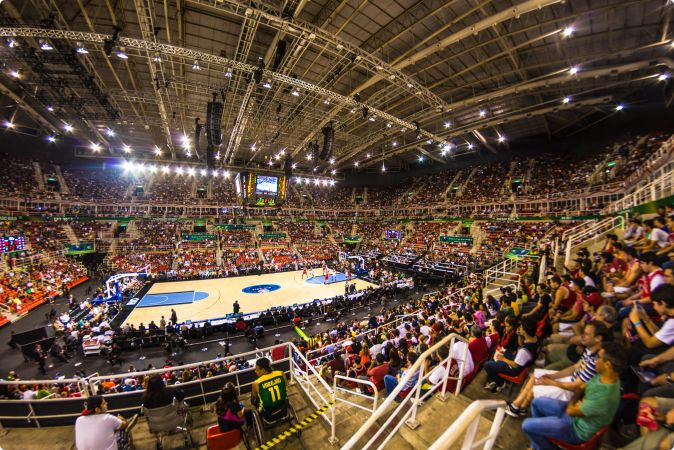
Rio 2016 organisers say 11 venues are ready
-

Qatar World Cup stadiums to be confirmed in 2015
The number of stadiums that will feature in the 2022 World Cup still hangs in the balance and will not be finalised until next year, according to Nasser Al Khater, executive director for marketing at the Supreme Committee for Delivery & Legacy.
It has been widely reported that Qatar plans to drastically scale down its ambitious venue plans for the 2022 World Cup. These reports were sparked by comments made by the Supreme Committee’s senior manager for projects at a conference on 23rd April, who stated that only eight stadiums would be used.
With the Supreme Committee having neither discounted this possibility nor given reasons why cutting back to eight stadiums might be an option, the international sports event community has come up with its own suggestions, with cost control being considered to be a possible motivation.
Addressing such “speculation”, Al Khater said “That’s not true actually.”
Speaking to delegates at Soccerex Asian Forum on Tuesday, he said “In our bid, as FIFA stipulates, we proposed a minimum of 12 and a maximum of 18.”
The minimum number of stadiums required by FIFA is eight and this figure remains a possibility.
“In 2015, will decide alongside FIFA how many need for the World Cup,” he said.
Al Khater was speaking in place of Hasan Al Thawadi, Secretary General of the Supreme Committee for Delivery & Legacy, who was unable to attend the event.
Al Khater also took the opportunity to set the record straight on reports of poor workers’ welfare on World Cup construction projects.
“Contrary to what international media says, there is no single injury or death on World Cup projects,” he said.
“However, from the very beginning we have taken the issue of workers’ welfare very seriously,”
Although civic infrastructure developments are progressing rapidly in Qatar, construction has not started on World Cup sites. Only one of the new stadiums, Al Wakrah, is under construction.
By the end of 2014, five World Cup stadiums will be under construction, Al Khater told delegates. -
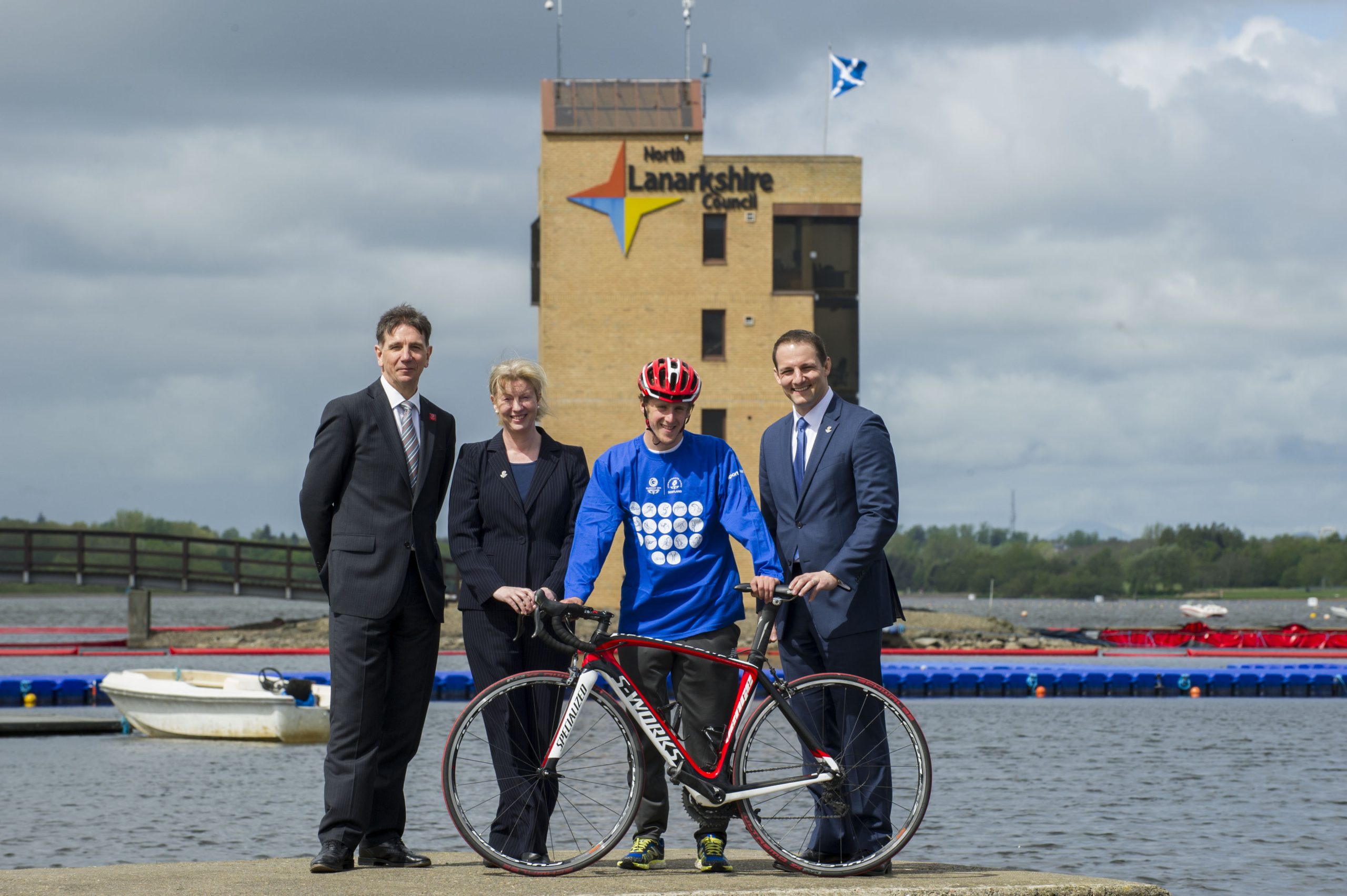
Glasgow 2014 ready to host Triathlon test
Environmental and infrastructure work at Strathclyde Loch, the host venue of the Commonwealth Games Triathlon event, has progressed to the point where Games organisers have announced that it will be ready to test on May 24th.
Glasgow 2014 is preparing the loch to comply with the standards set by the International Triathlon Union. The loch has in the past suffered from high levels of blue-green algae.
To prevent algae blooms from happening during the 2014 Commonwealth Games, a designated swim area has been created, separated from the main loch using a series of engineered physical barriers.
The separated area of water was then treated with Phoslock, a non-toxic phosphorous reducing chemical. This chemical treatment was also used to prepare the Serpentine Loch for the London 2012 Olympic Games Triathlon and Marathon Swim competitions.
In addition to the ongoing water treatment works, roads, paths and venue infrastructure are being upgraded to maintain Strathclyde Park’s status as one of Scotland’s premier watersports centres and a proven world-class Triathlon venue.
“I am truly excited at the prospect of world-class athletes striving for Gold and glory during the Games, which was the driving force for all the work done,” said Glasgow 2014 Chief Executive David Grevemberg.
“We are grateful to all our Partners and stakeholders, including the Scottish Government and North Lanarkshire Council, during a combined effort from all parties to prepare the Loch to international standards.
A company called Sniffer has played a major role in the works. “Sniffer has worked with all the partners to facilitate a practical and cost-effective approach to preparing the loch and wider area for the triathlon events within a tight timeframe,” said Ruth Wolstenholme, Managing Director Sniffer.
“We are very pleased with the progress and are confident that the events will be a great credit to Strathclyde Park and those who have worked to ensure their success.”
The Invitational Triathlon takes place at Strathclyde Country Park on Saturday 24 May. “The event will provide an opportunity to validate our Games Time policies and procedures to ensure we are in a position to deliver the best competition experience during the Glasgow 2014 Triathlon event,” said the Organsing Committee, which is hosting the test event.
During the Games, the Triathlon takes place on July 24 and July 26, with three medal events including the new Mixed Team Relay making its Commonwealth Games debut.
More than 100,000 extra tickets across all 17 sports, including Triathlon as well as both the Opening and Closing Ceremonies, will be available from 10 AM on Monday 12 May on a first-come, first-served basis.
-
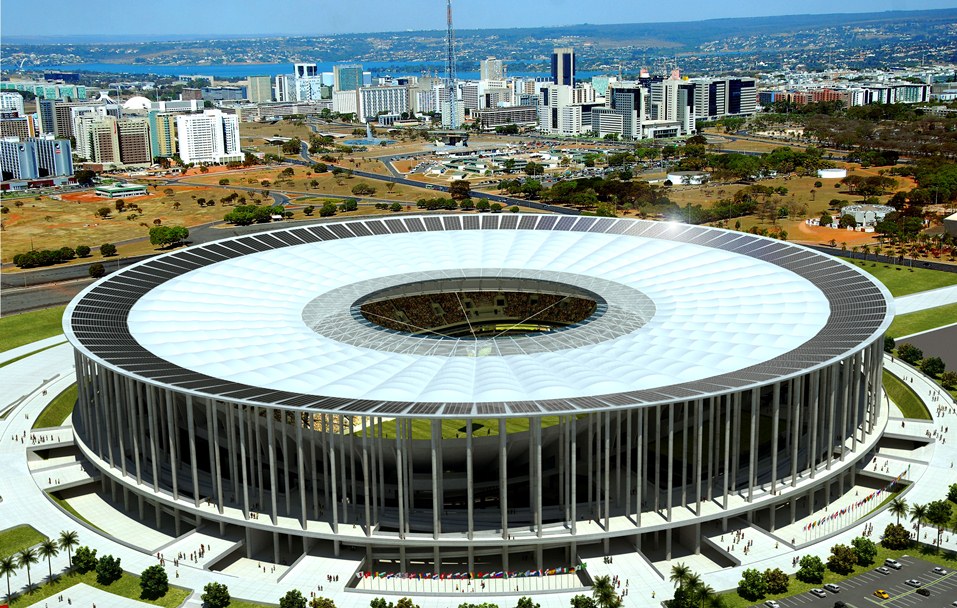
The world’s most sustainable stadiums
Sustainable construction has not historically been a leading concern when developers confront the challenge of erecting an arena from scratch to a pressing deadline. But gradually the green agenda has gained ground in the list of key considerations for hosting sporting events, while some leading clubs have also developed environmental awareness.
The US has been the trailblazer, with many of the biggest names in American sport now belonging to the Green Sports Alliance, a non-profit organisation that helps members enhance their environmental performance.
Founded in 2011 by the Natural Resources Defense Council (NRDC) and Microsoft co-founder Paul Allen’s investment company Vulcan, the alliance now has 125 venues, 105 teams and seven leagues as members.
As identified in the NRDC’s “Game Changer” report, greener stadiums not only benefit the environment and cut utility bills but also have potential to improve community ties, attract corporate sponsors and can boost the local economy.
We can expect even greater commitment to sustainability from big sports clubs globally in the coming years. The current issue of HOST CITY magazine looks at three stadiums that set standards for other developers to aspire to.
1: MetLife Stadium, East Rutherford, New Jersey, US
This is the only stadium in the National Football League (NFL) that is home to more than one club. But the energy savings it has achieved since opening in April 2010 go far beyond the benefits derived from the ground-sharing arrangement between the New York Giants and New York Jets.
Find out more in the current issue of HOST CITY magazine.
2: Estádio Nacional, Brasilia
Few stadiums globally have earned Leadership in Energy and Environmental Design [LEED] awards of any level from the US-based Green Building Council.
Now, this US$640m stadium in Brazil’s capital is ready not only to host seven matches in the World Cup but to seek the highest LEED rating available: platinum.
Find out more in the current issue of HOST CITY magazine.
3: Marlins Park, Miami
The 37,442 capacity stadium became the first in Major League Baseball to achieve LEED gold certification for new construction in 2012, surpassing Miami Marlins’ initial ambition of achieving silver.
Find out more in the current issue of HOST CITY magazine. -
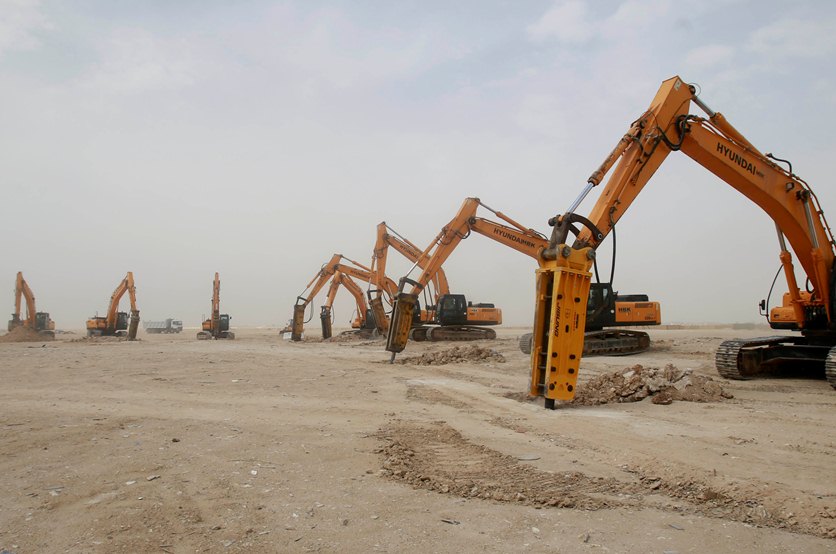
Ground broken for Qatar 2022’s first stadium
Preparations to lay the foundations for Al Wakrah Stadium, the first stadium being built for the Qatar 2022 FIFA World Cup, began on Monday.
Local construction company HBK has started major excavation work on the site, which will enable the foundations to be start being laid in September 2014.
The groundwork is scheduled to be completed by March 2015, with the entire stadium project expected to be finished in 2018.
AECOM is providing design consultancy and construction supervision services on the stadium, which was designed by Zaha Hadid. The preparatory works at Al Wakrah were carried out by AMANA, a Middle Eastern firm with headquarters in United Arab Emirates. The contractor for the main construction phase will be announced at a ceremony in September.
“As a Qatari contractor, the decision to award HBK the contract following a tender process implemented for a number of Qatari contractors with local knowledge and proven capabilities follows the Supreme Commitee’s vision to develop the private sector,” the Supreme Committee said in a statement.
The 40,000 seater stadium will be surrounded by a 560,000 m2 (60-hectare) precinct, which will include a new sports centre and a range of community facilities including a park, mosque, school, hotel, wedding hall, vocational training centre and retail outlets.
The stadium’s modular design will allow 20,000 modular seats to be removed after the World Cup, when they are planned to be donated to countries in need of sporting infrastructure, according to the Supreme Committee.
The contract with HBK contains the Supreme Committee’s new Workers’ Welfare Standards, aimed at protecting the rights of workers through all stages of contracting. “The new Al Wakrah Stadium will contribute to a significant legacy of enhanced workers’ welfare in the country,” said the Committee.
Al Wakrah is one of at least eight stadiums that will form part of the 2022 FIFA World Cup.
By the end of 2014, at least five World Cup stadiums are scheduled to be under construction, with the total number of venues to feature in the tournament to be confirmed by December. Three existing stadiums – Khalifa, Al Gharrafa and Al Rayyan – are to be expanded for the 2022 World Cup.
-
Brazil World Cup produces more solar power than many countries
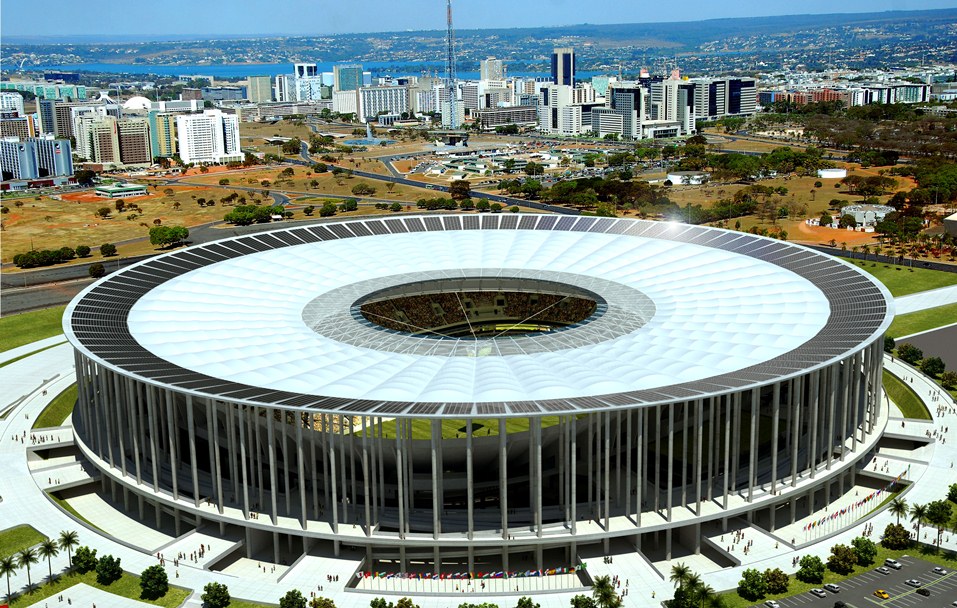
The Estádio Nacional in Brasilia produces more solar energy than 11 countries competing in the 2014 FIFA World Cup, according to a report by UK non-governmental organisation Practical Action.
The solar production of Bosnia-Herzegovina, Croatia, Cameroon, Colombia, Costa Rica, Ecuador, Honduras, Iran, Ivory Coast and Uruguay all fall below the 2.5 MW capability of the stadium in Brazil’s capital.
Ghana’s national solar capacity matches that of the stadium, which will host seven matches during the world’s largest single sport event.
Three other World Cup stadiums also have major solar power installations, the Mineirão in Belo Horizonte producing 1.4MW, the Itaipava Arena in Pernambuco producing 1MW and the rebuilt Maracanã in Rio de Janeiro producing 500KW.
These observations were reported by Practical Action on Wednesday, on the back of their new Poor Peoples’ Energy Outlook report.
Simon Trace, CEO of Practical Action said: “The organisers and FIFA are to be congratulated for making a considerable financial investment and making this the greenest World Cup in history.”
The Estádio Nacional in Brasilia cost US$640m stadium, making it one of the most expensive stadiums in history and starkly contrasting with the economic situation of many of the competing nations.
“It is.. an indictment of the investment in renewable energy in the developing world that there are ten competing countries that do not even produce as much solar energy as a single World Cup stadium,” said Trace.
“Currently more than one billion people live without access to reliable sources of energy. Without that, people cannot develop and there will always be a substantial proportion of the world’s population living in poverty.
“Our report found that the only way of reaching the vast majority of these populations is not via traditional grid-based electrification as found in the west, but via smaller scale, renewable off-grid solutions such as solar, hydro and wind.
“It is therefore vital that we follow the example set by the World Cup organisers and invest heavily in the new technology we are seeing used so well in Brazil.” -
Mondo becomes Glasgow 2014 sponsor
The Organising Committee for the Glasgow 2014 Commonwealth Games announced the appointment of Mondo as the Official Provider of athletic track surface on Wednesday – after the company had already supplied the material for the athletics track surface.
“Not only has Mondo provided the track surface but they are now part of the Glasgow 2014 sponsor family,” a spokesperson for Glasgow 2014 told HOST CITY.
Mondo is also providing specialist sports equipment for the field of play. “As a sponsor, Mondo has been granted exclusive rights to market and associate itself as a sponsor of the Games in connection with athletics sports equipment and track surface manufacture,” the spokesperson said.
Glasgow 2014 declined to comment on the financial terms of the sponsorship or to what extent the value of the sponsorship will offset the cost of laying the track, saying “We cannot comment on the financial arrangements of any sponsorship contracts as this is commercially-sensitive information.”
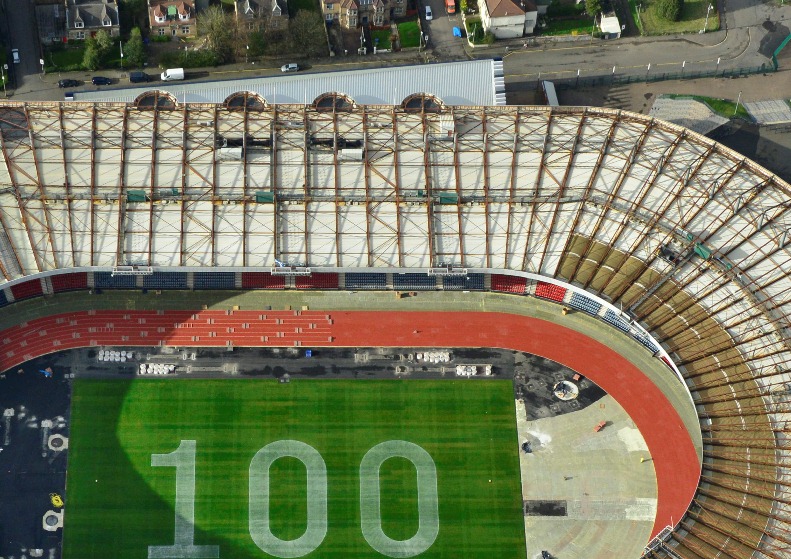
The running track is the top layer of the major transformation that Hampden Park, Scotland’s national football stadium has undergone to become Glasgow 2014’s athletics venue.
A revolutionary solution has raised the stadium surface by almost two metres, gaining the width and length required for the athletics track. The track has been laid in sections, laying 20 sq m rolls one at a time. Around 14,000 sq m of pre-fabricated and pre-tested Mondo material has been laid inside Hampden Park.
Maurizio Stroppiana, Sport&Flooring General Manager at Mondo said “Glasgow has created a venue that is not only an engineering feat but a world-class example of environmental and social responsibility. Mondo is proud to be part of this achievement.”
A further 6,000sqm has been installed at Lesser Hampden, which will be the main warm-up area for athletes prior to competition.
Mondo supplied athletics track surfaces for the 2002 Manchester Commonwealth Games, the 2006 Melbourne Commonwealth Games and the London 2012 Olympic and Paralympic Games.
David Grevemberg, Glasgow 2014 Chief Executive, said “The solution we’re implementing to transform Scotland’s National Stadium is a world-first on such a scale and it’s great to have the quality of track material supplied by Mondo providing a first-class platform for the best athletes of the Commonwealth to shine.”
-
Yaya Toure convinced by Qatar 2022 plans
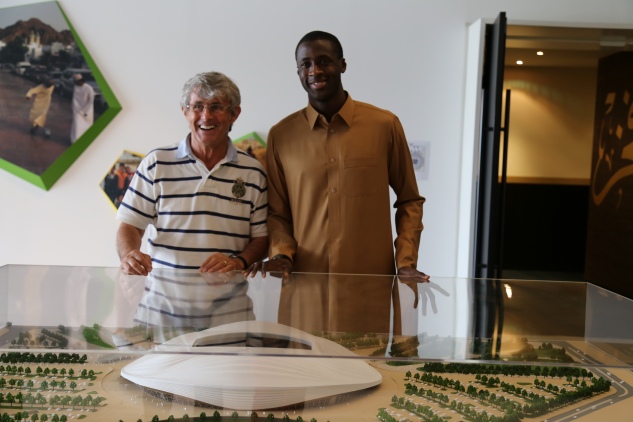
Manchester City star Yaya Toure got more than the hospital treatment he was visiting Doha for this week. The Supreme Committee for Delivery & Legacy made the most of the occasion, showcasing their plans for the 2022 World Cup tournament to the Ivorian midfielder.
“At Manchester City we talk about the World Cup in Qatar, but sometimes only because you hear very negative things,” Toure said. “If I’m honest, I had questions before I came to Qatar, especially about the weather. It is very hot and you ask yourself how it will be possible for players to play in this heat?”
The Supreme Committee welcomed the world-leading midfielder to the Legacy Pavilion – one of the venues that FIFA inspectors visited in 2010 before Qatar won the right to host the tournament. He was shown how stadiums will be cooled in environmentally-friendly ways and how and modular construction techniques will benefit developing countries after the tournament.
“Now that I have seen the plans and watched this amazing presentation, I have the answers. It is amazing,” Toure said.
“I didn’t understand the plans Qatar has. I didn’t know about the cooling technology or anything like this. I am so surprised. It has everything.
“I have played in the World Cup before. I am about to play in another one. I know what you need for this sort of tournament to be successful. Qatar looks like it has the plans to succeed.”
“For sure I will be telling my teammates about these plans because Qatar is planning to have everything. It’s fantastic.
After helping his team to win the English Premier League, Toure went to Doha’s Aspetar Orthopaedic and Sports Medicine Hospital for treatment on a minor injury. He joins the Ivory Coast national team in Dallas, Texas on Thursday to prepare for the 2014 FIFA World Cup.
Toure hopes to still be playing by the time Qatar is hosting. “In 2022 I will be 40 and maybe that’s too old to play at a World Cup. I’m trying to work out how I can be involved because this is the future. It looks amazing.” -
IOC hails Tokyo 2020’s quick start and strong partnership
For the first time, Tokyo last week welcomed the International Olympic Committee’s Coordination Commission, which found that the city was on the right path towards hosting an excellent Olympic Games in 2020.
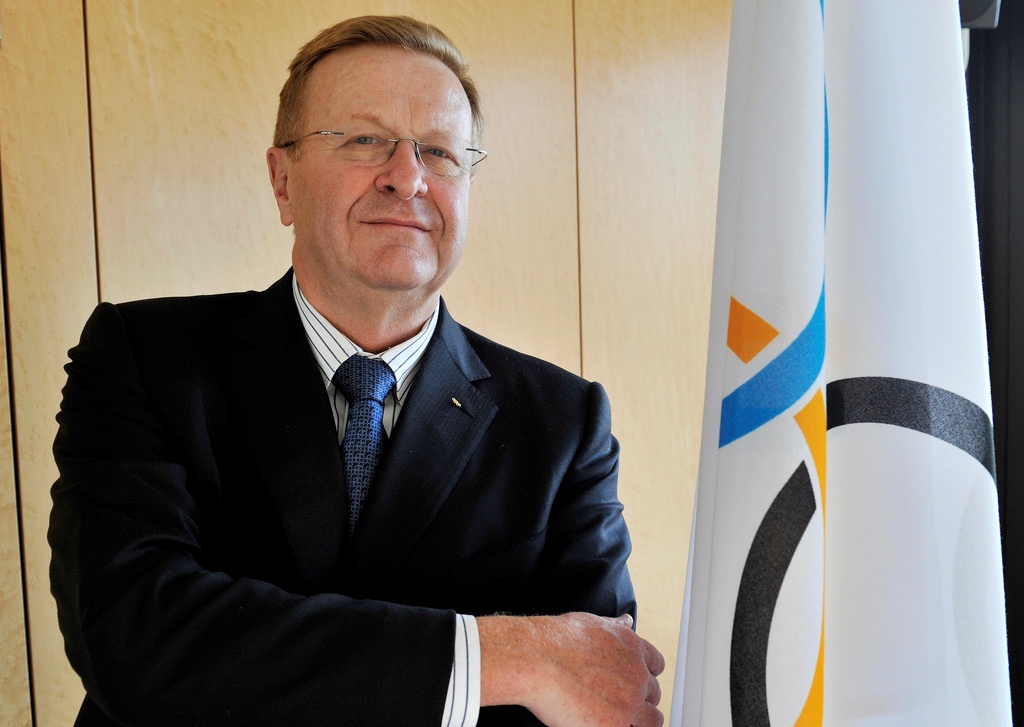
“The Organising Committee and its government partners have got off to a quick start and are putting in place solid foundations for the next six years of preparations,” said John Coates, the chairman the body of experts tasked with assessing and facilitating the city’s progress.
“We are very pleased with Tokyo 2020’s progress under the leadership of President Yoshiro Mori.”
In addition to chairing the Coordination Commission for Tokyo 2020, Coates is on the Coordination Commission for Rio 2016. His praise of Tokyo 2020 is in direct contrast with the concerns he raised over Rio 2016 in recent months.
Where delays have been described as “critical” in Rio, Tokyo is off to a “quick start”. And while Rio 2016 has been criticised for poor communication between different levels of government, Tokyo 2020 has benefited from good coordination within government.
“The close cooperation of all levels of government with Tokyo 2020 was clearly felt by the Commission, particularly following our meeting with Prime Minister Abe and with Governor Masuzoe’s participation in the visit,” said Coates.
“Their support for the Games, as well as the support of many high-profile Japanese personalities through the Tokyo 2020 Advisory Meeting, are greatly appreciated, and will stand the 2020 Games in good stead. Their commitment underlines that Tokyo 2020 is for all Japan, and is encouraging Japanese everywhere to get behind these Games and see how they can engage in helping Tokyo to welcome the world in 2020.”
Yoshiro Mori, President of Tokyo 2020 said “Even though our team consists of members of the sporting community, the Tokyo Metropolitan Government, the national government and various related organisations, I was able to gain a real sense that all members of the Organising Committee were pulling together in the same direction as a truly integrated unit. Over the next six years, the members of the Coordination Commission and the Organising Committee will work together as a united team, all sailing in the same boat towards a shared objective, and I believe we have got off to an excellent start.
“However, the members of the Commission did point out one or two things that need addressing. We will of course be incorporating all the advice we received into our preparations for the Games at the earliest opportunity.”
Venue review
The Commission visited many venues in the “Bay Zone” including the Velodrome, Gymnastic Centre, Tennis Park, Olympic Village, Tokyo Big Sight, Aquatics Centre, Wakasu Olympic Arena and Sea Forest venues. Twelve of Tokyo 2020’s venues are already existing, including four originally built for the 1964 Olympic Games.
The visit took place at a time when Tokyo 2020 has been reviewing the venue plans outlined in its bid, amid widespread speculation about the implications of this review. This review was sparked by the observations of the IOC Evaluation Commission, which monitored the city’s bid for the Games.
In a statement, the IOC said “The review will not affect the core principles of the bid. The objective is to refine the legacy and operational assumptions of Tokyo’s plans. The Tokyo organisers are looking to ensure that their Games leave a sustainable long-term legacy to the host city and its citizens. The review is being carried out in cooperation with all the key national and international stakeholders.
“The legacy vision and objectives are consistent with discussions around Olympic Agenda 2020, a process that will provide an ambitious strategic roadmap for the future of the Olympic Movement.”
Mori said “With regard to the review of our venue plan, I informed the Coordination Commission that, based on such aspects as the kind of legacy we will leave, the impact of the Games on the lives of Tokyo residents and the cost of construction and maintenance of the venues, the Organising Committee will examine all issues closely and collaborate with the IOC, the International Paralympic Committee (IPC), and both domestic and international sports federations, to ensure the success of the Games.”
-
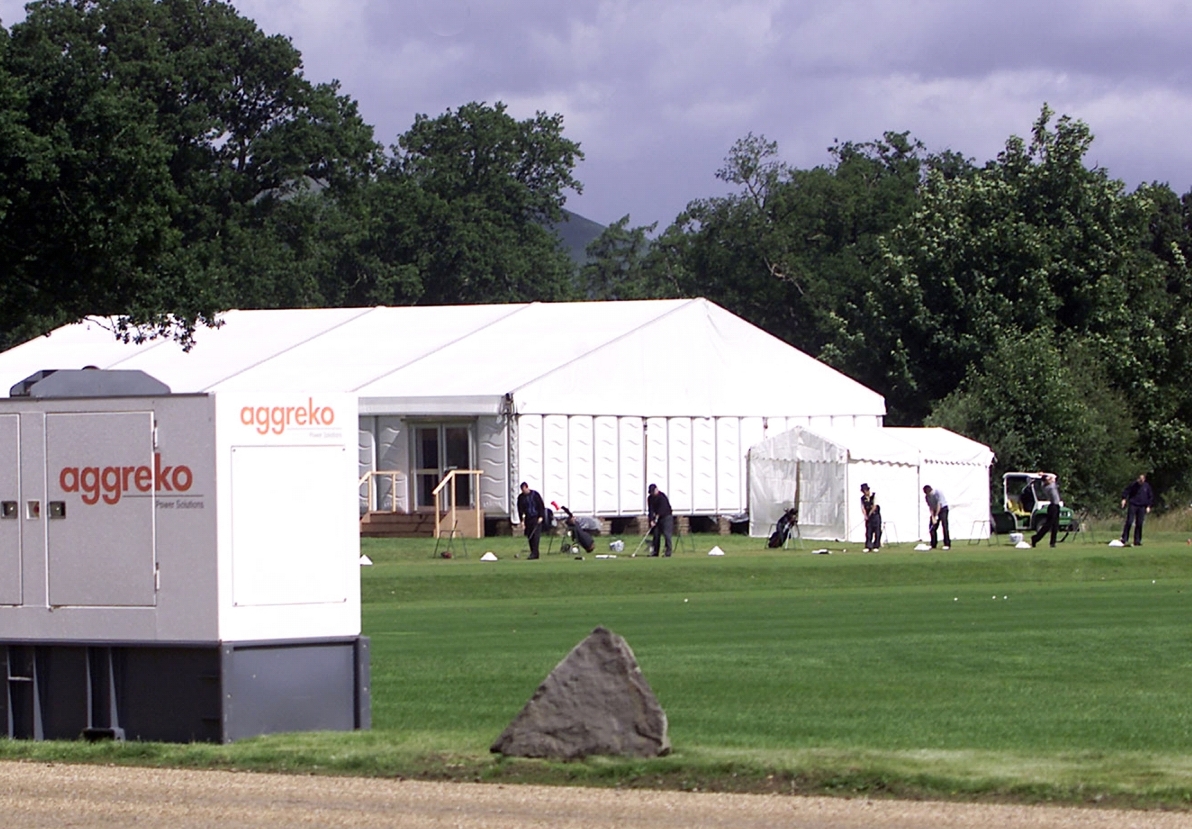
2014 Ryder Cup turns to Aggreko for power
The contract to provide temporary power to the 2014 Ryder Cup has been awarded to Aggreko.
The leading lessor or power and temperature control solutions will provide 17 MW of power and back-up support on location at Gleneagles.
Aggreko will also air-condition the media centre, hospitality units, tented village and other temporary infrastructure.
In total, Aggreko will be helping to power and cool around 40 different major temporary structures at the Gleneagles site.
The 2014 Ryder Cup will deploy Aggreko’s especially quiet TwinPack generators, which will minimise sound emissions from power production in and around the golf course.
An half a billion homes in 183 countries worldwide are expected to watch the event. As technical power is crucial for broadcasting, Aggreko will use around 600 distribution boards to connect and feed power supplies around the course.
“Aggreko has vast experience of providing temporary power and temperature control solutions at golf tournaments,” said Angus Cockburn, interim CEO of Aggreko, which has its headquarters in nearby Glasgow.
“Doing so at The 2014 Ryder Cup, which is on our doorstep and is perhaps higher profile than any previous tournament is a great privilege.”
Other major sports events that Aggreko has provided services for include nine Olympic and Paralympic Games, five FIFA World Cups, four Ryder Cups in Europe and the XX Commonwealth Games.
“Aggreko is yet another global business with firm Scottish roots to join us at The 2014 Ryder Cup,” said Edward Kitson, match director of the 2014 Ryder Cup. “Their expertise and experience at previous sporting events, both at golf tournaments and others with international broadcast power requirements, will be invaluable.”
The 2014 Ryder Cup takes place at The Gleneagles Hotel, Auchterarder, Perthshire, Scotland from 26-28 September, 2014.