HOST CITY: The IOC must be very pleased with the pool of cities bidding for the 2024 Olympic Games?
Sir Craig Reedie: Yes I think we are. It’s quite interesting that the change in the candidature rules, which came out of the whole reform process called Agenda 2020, seems to have attracted a very considerable field of really good cities.
We are now waiting for further information from Paris, from Hamburg, from Rome, from Budapest and from a North American city – eventually, Los Angeles.
HOST CITY: It must have been a relief when Los Angeles stepped forward – was that anticipated?
Sir Craig Reedie: Yes, I think the USOC have all but admitted that their process might not have worked in the selection of Boston. But, with Boston’s withdrawal, they were fortunate in many ways that the Los Angeles people were so able to come to the party very quickly and in a relatively tight timeframe, because they had a number of things to agree with Los Angeles city before the necessity of putting in a formal bid on the 15th of September.
Los Angeles has an Olympic record – if they win they will be like London, hosting the third time. The city has changed dramatically over the last few years and I am sure they will come forward with a very good bid.
HOST CITY: And the other cities represent a different spread to what we’ve seen in recent bidding procedures.
Sir Craig Reedie: Yes, it’s an interesting mix. Paris is looking to celebrate the 100th anniversary of the 1924 Games in Paris and has clear bidding experience.
Rome hosted outstanding Games in 1960 and there seems to be considerable enthusiasm in Italy and in Rome behind the Rome bid, so they are impressive.
Budapest has come quite late to the party but again a splendid city and Hungary has a terrific Olympic record.
It’s interesting that when the German Olympic Committee decided to choose Hamburg as opposed to Berlin, who I suppose before that decision would have been seen to be favourite, immediately there was strong support from Berlin for the Hamburg choice. So again there seems to be a great deal of unity there.
So it’s a really good field.
HOST CITY: The Olympic bidding process has changed, hasn’t it – after the new invitation phase, we are now straight into the candidature phase.
Sir Craig Reedie: You have to go back a few years to when the system changed from one bidding system into a two phase system – applicant and then candidate. That has now been refined and the big addition has been the invitation phase before a National Olympic Committee decides finally to put a city into the candidature role.
The closing date was 15 September. So for several months before that, cities that were thinking of bidding for the Games, and the National Olympic Committees, came to meet the relevant people in the Olympic Games department and the candidate cities department of the IOC to sit down and work out exactly how the Games would fit into their city; how it would provide legacy; how it would be sustainable; how it would fit into city plans. And the cities were given a great deal of information from the IOC, as it does have a great deal of information from previous bidding processes.
That’s a complete change from the previous process, where the IOC had a very detailed list of requirements and cities bid against that list.
So there is a major change there and I understand that it has been welcomed by the cities, all of whom have been to see the IOC in the invitation phase, and by other cities who went and subsequently decided not to bid but learned a great deal from the exercise and may do so in the future.
And then we come to the candidature phase, which is divided into three parts.
The first part, which runs until June 2016, is the Vision, Games Concept and Strategy and the candidate city’s “bid book” will be submitted electronically. There will be consultation with the IOC throughout and at the end of that first phase the Executive Board will decide whether the cities will move to the second phase, which runs from June to December 2016 and deals with governments, legal matters and venue funding.
Again, the presentations will be made through the IOC with a great deal of assistance and the Executive Board will again make a decision on moving people forward to the third phase, which is Games Delivery, Experience and Venue Legacy and runs from December 2016 through to the selection in September 2017.
So rather than one huge bid book being required at a set date, it’s divided into three sections. There are workshops planned; there are assistances planned to the cities throughout.
HOST CITY: is there any possibility that any of the cities might not proceed beyond each of these particular stages?
Sir Craig Reedie: The whole point of the exercise with the IOC is to help them to get presentations and plans submitted that actually fit not only what the IOC wants for good Games but also what the cities want themselves. There’s an element of skill and discretion needed in doing that; the IOC have to deal with information from one city on a confidential basis and they have to be fair with all five cities. And if they do that, the system will work.
It is not beyond the bounds of possibility that a city could come back and say we’re not taking it any further – I think that’s unlikely in the sense that a lot of work will have gone into this, a lot of discussions have gone on through the invitation phase. And since it’s going on through a stage by stage basis I think it’s highly unlikely that people will withdraw.
The end result of that is that we will have five cities presenting to the Session on the ultimate decision to be taken in Lima in Peru in 2017.
HOST CITY: Five is a very good number of cities.
Sir Craig Reedie: It’s a very good number. I have very warm memories of five cities presenting in 2005 in Singapore.
HOST CITY: And this is all the result of a process of change initiated by IOC President Thomas Bach, which is reflected by the broad theme of the HOST CITY 2015 conference, “Creative Innovation”. Why the need for change in the IOC?
Sir Craig Reedie: I think the principle that Thomas Bach enunciated, to change or change will be forced upon you, is a good one.
People forget that the previous bidding process was certainly the gold standard in sport the world over. If you find that there is a reluctance to bid – and clearly there was an element of that in the 2022 Winter Games situation – then perhaps you should be prepared to do a little bit of out of the box thinking.
And the whole Agenda 2020 process started with two long four or five day meetings of the Executive Board which were effectively a think tank. We ranged all over the place and at the end of the day came up with a coordinated and sensible view of how we wanted to run the Games but also to promote the Olympic movement for the future.
There were some fairly dramatic discussions on the bidding process of the Games. We wanted to make it more inclusive, we wanted to make it more cooperative, we wanted to make it cheaper, we wanted to make it encouraging to more cities to become involved.
In the process of bidding for sporting events, it’s a competitive field. The Olympic Games are the greatest show on earth; it’s important that they maintain this status. It’s important that the athletes regard them as the greatest show on earth and something they really want to take part in.
So therefore a process of change is a perfectly reasonable thing to undertake.
HOST CITY: What are your expectations of HOST CITY 2015 in Glasgow?
Sir Craig Reedie: From my point of view of being involved in HOST CITY 2015, I am delighted that the event is coming to Glasgow, because Glasgow has shown that it is a sporting city with the way it has developed its facilities, the way it ran a major multi-sport event, the Commonwealth Games in 2014, and what it’s been doing since then – not least a couple of hugely successful Davis Cup tennis ties.
So if you look at the excitement that generates locally, and the promotion that it gives the city on a worldwide basis, then I think this indicates that the market out there is a buoyant one.
Cities should be very well prepared to become involved and therefore they should be thinking ahead; they should be innovative – and with a bit of luck they will reap the benefits that Glasgow has.
Blog
-
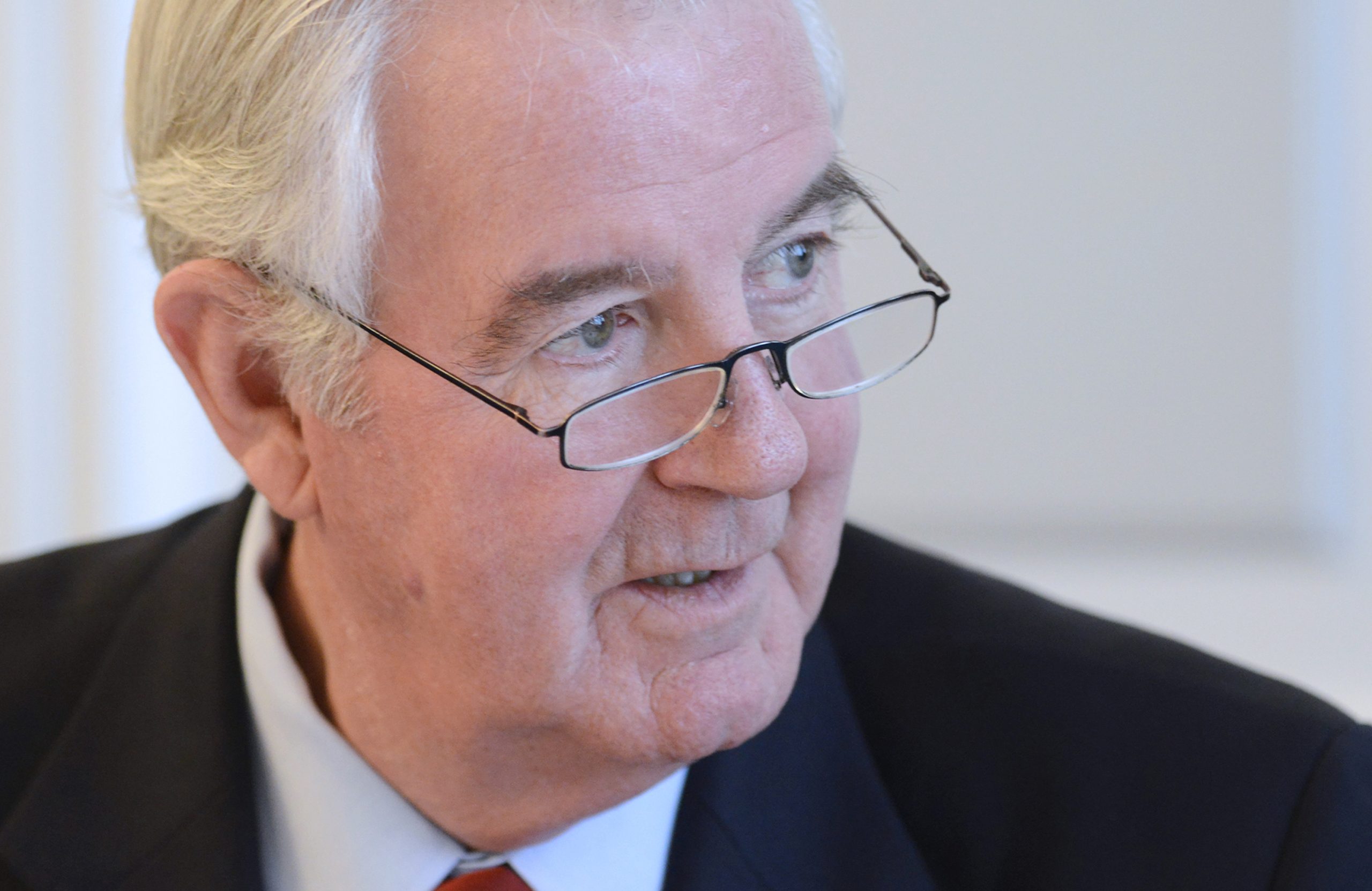
2024 Olympic bids and the changing Games
-
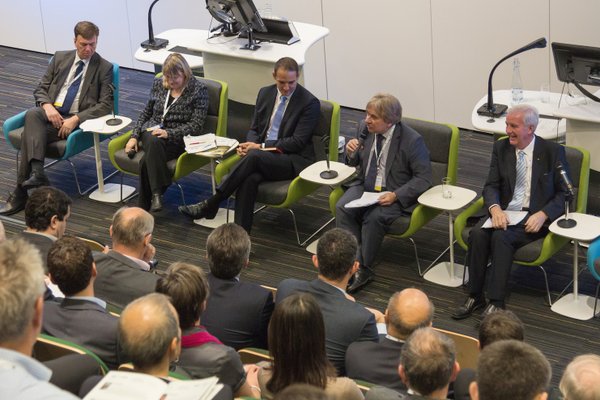
HOST CITY 2015 welcomes leaders of global events to Glasgow
Leading figures from the world of sport governance and major event ownership convened in Glasgow on Monday and Tuesday for the HOST CITY 2015 Exhibition and Conference.
Under this year’s theme of “Creative Innovation Connecting Sports, Business and Cultural Events”, Host City is the foremost EU-based meeting of cities and sports, business and cultural events.
Heading up a list of world-class speakers, Sir Craig Reedie CBE, Vice President, International Olympic Committee (IOC), called for host cities of major sporting events to take their lead from the IOC’s Agenda 2020 reform, which has recently seen the Olympic organisation implement a process of positive change.
In his opening keynote address on creative innovation, Sir Craig Reedie CBE said: “The real innovation [of the Agenda 2020 bid process] is what we choose to call the invitation phase. The aim of this phase is to provide an ongoing dialogue with targeted information tailored to meet the city’s specific needs and their own long-term development plans.
“Cities are assisted to better shape their value propositions, discussing proposals and potential solutions that deliver excellent gains without compromising the field of play for the athletes but also meeting the needs of the city and the region to ensure the Games leave a positive, long-term and sustainable legacy.
David Grevemberg CBE, Chief Executive of the Commonwealth Games Federation and head of the Glasgow 2014 Commonwealth Games, continued this theme on a panel that explored how events and cities can innovate to thrive, by explaining how fresh approaches can enable cities to activate their brands, economy and society.
“What we tried to do [with the Glasgow 2014 Commonwealth Games] was to make sure that every milestone we achieved resonated with accessibility and inclusivity for all,” said Grevemberg.
“That was a narrative that the entire partnership subscribed to and held each other accountable to. That approach was innovative in terms of its responsibility.
“The model we created, certainly for the city of Glasgow, will endure for some time – the innovation of creating a legacy conscious model and approach to delivering major events for a greater cause. How do we promote a more peaceful environment, how do we drive a more sustainable approach within cities and how do we help them prosper. If we can drive these things then we can stay relevant as a Federation and as an event.”
The conference also heard from the European Commission’s Head of Culture Karel Bartak, who provided cities bidding for the European Capital of Culture programme with an invaluable briefing, the organisers of some of Europe’s biggest business conventions including EuroScience and Jaarbeurs, and several city representatives.
Also speaking on day one on the topic of the changing face of sports organisations were influential heads of International Federations including Brian Cookson, President of the Union Cycliste Internationale (UCI), Sarah Lewis, Secretary General of the International Skiing Federation (FIS) and the Association of International Winter Sports Federations and Louise Martin CBE, President of the Commonwealth Games Federation and Chair of sportscotland
Brian Cookson, President of the Union Cycliste Internationale (UCI), said “The practicalities of Agenda 2020 have hit us quite hard, as a sport we’ve been asked to accept some pretty radical changes for Tokyo 2020 for instance, perhaps more radical than any other sport, and that includes looking at moving our venues quite some distance from Tokyo. That’s a work in progress; we’re quite close to a solution on that.
“But I think if anything Agenda 2020 didn’t go far enough – I think we have to keep adapting to change. Change isn’t something that you do once and forget about it, you have to keep adapting, keep evolving and if you don’t, like the dinosaurs, you become extinct and we don’t want to do that.”
Delegates were also provided with an update on the Tokyo 2020 Olympic and Paralympic Games from Hidetoshi Fujisawa, Executive Director of Communication and Engagement, Tokyo 2020.
“It’s been a little more than two years since Tokyo was elected and the enthusiasm and passion for the games remains as clear as ever,” said Fujisawa. “The Tokyo 2020 organising committee has not wasted a second in preparing the delivery of the Games.
“Tokyo 2020’s vision is clear. We believe sport has the power to change the world and our future. The Tokyo 1964 Games completely transformed Japan and the Tokyo 2020 Olympic Games, as the most innovative in history, will bring positive reform to the world by building on three core concepts: achieving personal best, unity in diversity and connecting to tomorrow.”
Additional Host City 2015 conference highlights included a panel session on how events, brands and media organisations use creative marketing to maximise consumer engagement – featuring notable speakers including Simon Clegg CBE, former COO, Baku 2015 European Games and Ali Russell, Director of Media and Strategic Partnerships, Formula E.
Day one of the conference concluded with a panel debate on how to build public support as cities bid for and host major international events. The discussion was led by key voices in international sport, including Alexander Koch, Corporate Communications Manager for FIFA and Paul Bush OBE, Director of Events, Visit Scotland.
Paul Bush, OBE, who was involved in the Glasgow 2014 Commonwealth Games, called into question the decision to rely on referendums to gauge public support:
“I’m not a great fan of public votes around major events, I often think they can get hijacked politically so you have to be quite cautionary about how you engage with the public.
“I do think you have to engage, we did some interesting awareness polls around the 2014 [Commonwealth] Games but in terms of actually having referendums, I’m talking about the Boston [2024] situation or the Hamburg [2024] situation, I think you’ve got to be really careful because you won’t always get the result that you’re looking for.”
Host City 2015 is the leading EU-based meeting of cities and sports, business and cultural events. Under the theme of “Creative Innovation Connecting Cities with Sports, Business and Culture Events” the conference attracted more than 200 of the world’s leading cities, rights holders and suppliers.
For further information on the panel sessions and other top class speakers for Host City 2015, please visit: http://www.bidtowin-hostcity.net
All the Host City 2015 conference keynote addresses and plenary session content be streamed at http://www.bidtowin-hostcity.net/conference-content/audio – provided by sound-sharing platform audioBoom. -
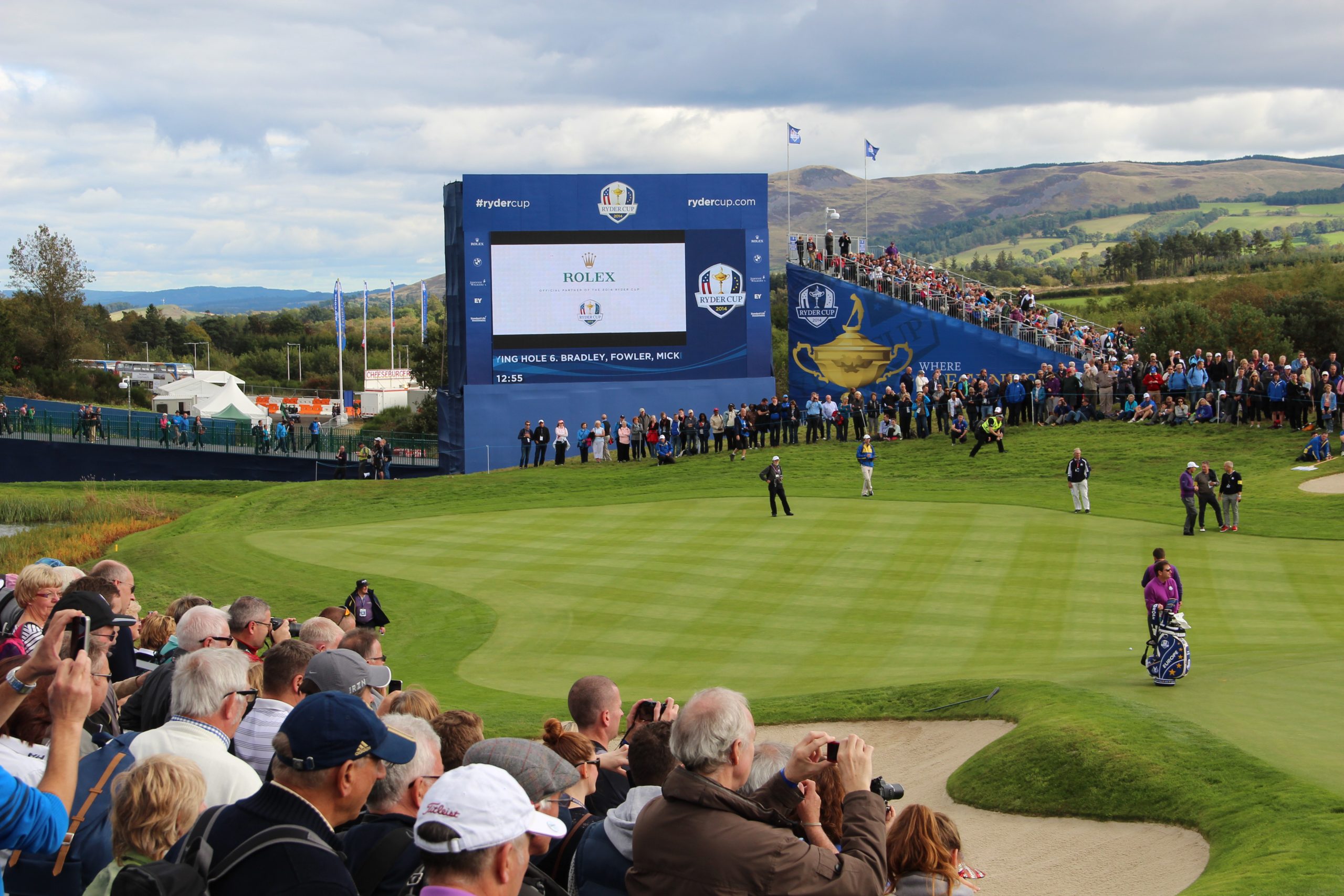
Gymnastics and Golf join 2018 European Sports Championships
Gymnastics and Golf are to join the prestigious line up of leading sports who will stage their European Championships together in 2018 for the first time in their history, the sports’ European associations announced on Friday.
The dates of the inaugural Championships were also confirmed as the 1st to 12th August 2018.
The two new sports join Athletics, Aquatics, Cycling, Rowing and Triathlon, who have decided to come together for the first time for the European Sports Championships which will be staged in the Host Cities of Glasgow and Berlin.
“One of the challenges this project had to face was to create a programme that could offer the best conditions for athletes to express themselves while also creating interest for the main TV networks in Europe. The result of very fruitful discussions allow me to express my satisfaction that Glasgow and Berlin will showcase one of the best events of all time,” said Paolo Barelli, President of the Ligue Européenne de Natation (European Aquatics.
“Each individual European Federation will create a fantastic programme that will maximise interest and LEN is proud to be a pioneering partner of such an ambitious project that will contribute significantly to the development of sport.”
The European Artistic Gymnastics Championships will be staged in Glasgow at the SSE Hydro while the brand new European Golf team championships will take place at Scotland’s prestigious Gleneagles course.
“It is very exciting for Golf Europe to be invited to join some of Europe’s leading sports in the inaugural European Sports Championships, with three new European Golf Team Championships for female, male and mixed teams,” said Keith Waters, The European Tour’s Chief Operating Officer and Director of International Policy.
“This is part of our vision of encouraging all European nations to participate in golf, and it is fitting that Gleneagles will host the first staging of this event, having been the venue for last year’s Ryder Cup, when Europe memorably united through team golf.”
Berlin will host the 2018 European Athletics Championships from the 7th to 12th August, with Glasgow hosting the six other European Championships over the 12 days.
“As one of the key sports, European Athletics has been happy to lead the process in the creation of the principles of good governance for the inaugural European Sports Championships, and we are pleased to move forward with this strong framework in place,” said European Athletics President Svein Arne Hansen.
“We are looking forward to a fantastic European Athletics Championships in Berlin in 2018 as part of this exciting multi-sport concept. We are sure the European Sports Championships will bring additional values and benefits to athletics in Europe and to the Berlin championships.”
The partnership between European Athletics, Aquatics (LEN), Cycling (UEC), Rowing (FISA) and Triathlon (ETU) welcomed European Gymnastics (UEG) and Golf Europe is set to create a major new multi-sport event on the world stage, attracting a projected television audience of around 850 million and an even wider audience via multiple digital platforms.
The newly-formed European Sports Championships 2018 Board 2018 Board also ratified the organisational rules and decision-making processes to ensure strong governance going forward.
This innovative new approach by the governing bodies, who announced their plans earlier this year, brings the existing European Championships together from seven sports in a sustainable format once every four years in order to continue building their prestige, profile and media exposure.
Around 1,500 athletes will compete in Berlin as part of the European Athletics Championships while approximately 3,025 athletes will visit Scotland for the other six events.
All seven Championships will be staged within the agreed date window.
“With all the sports now confirmed for 2018 Glasgow is again ready to show the excellence and innovation with which it can stage world class events on the global stage,” said Councillor Frank McAveety, Leader of Glasgow City Council.
“Major events have become a crucial part of our city’s economy and we can now look forward with tremendous excitement and focus to partnering with this fantastic group of sports to continue to create opportunity and help improve health and well-being outcomes for our citizens.”
The European Broadcasting Union (EBU), the consortium for the continent’s public service free-to-air broadcasters, will be the broadcast partner for the combined championships, which are expected to generate more than 2750 hours of programming across Europe’s biggest broadcasters.
EBU President Jean-Paul Philippot, said: “With seven sports now part of the first edition, the European Sports Championships will be the centrepiece of the sports season in Europe and public service media is proud to participate in the promotion of European sports and its athletes through extensive free-to air coverage across television, digital and radio.”
The Golf event will be staged over 5 days and include men’s team, women’s team and mixed team competition.
Two male and female athletes per nation will participate, with the top 16 European nations included.
The Gymnastics event will include both the Men’s and Women’s Artistic Championships, with around 600 athletes competing in Glasgow over six days.
“We are really excited to be included in the 2018 European Sports Championships as it represents a huge opportunity for Gymnastics to further raise its profile right across Europe,” , said Georges Guelzec, President of European Gymnastics.
“We can also think of no better city than Glasgow to host our 600 competitors who will compete in the men’s and women’s European Artistic Championships.”
Innovative event hosting formats is a key theme of Host City 2015, which takes place in Glasgow on 9th to 10th November. Register your attendance at www.bidtowin-hostcity.net -
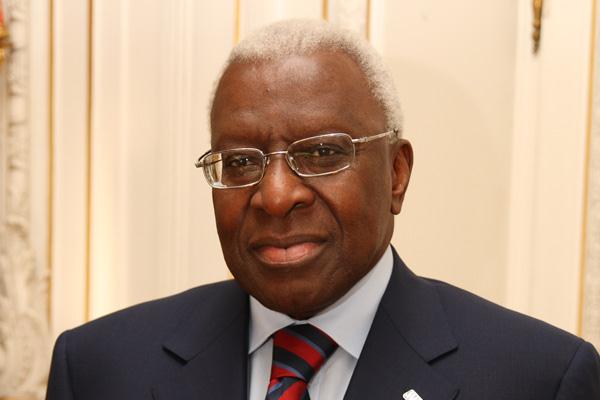
IOC suspends former IAAF president Lamine Diack
The IOC Executive Board on Tuesday suspended the honorary IOC membership of Lamine Diack, former president of the International Association of Athletics Federations (IAAF) following the publication of a World Anti-Doping Report on Monday.
“The Independent Commission’s Report contains a series of findings that will shock and appal athletes and sports fans worldwide, and indeed many issues that highlight very current deficiencies with the anti-doping system in Russia,” said WADA President and IOC Vice President Sir Craig Reedie on Monday, during Host City 2015 conference in Glasgow.
Following the publication of the report, the International Olympic Committee (IOC) said it was “closely monitoring the situation” and expects the IAAF and WADA to “consider all necessary action to be taken to protect the clean athletes and rebuild trust”.
The IOC’s Executive Board on Tuesday confirmed the proposal of the IOC Ethics Commission to provisionally suspend Mr. Lamine Diack, the former President of IAAF, from his honorary membership of the IOC.
In a statement, the IOC said it has asked the IAAF to initiate disciplinary procedures against all athletes, coaches and officials who have participated in the Olympic Games and are accused of doping in the report of the Independent Commission.
“With its zero-tolerance policy against doping, following the conclusion of this procedure, the IOC will take all the necessary measures and sanctions with regard to the withdrawal and reallocation of medals and as the case may be exclusion of coaches and officials from future Olympic Games,” the statement said.
The news follows WADA’s suspension of its accreditation of the Moscow Antidoping Center. The laboratory is now restricted from carrying out any WADA-related anti-doping activities including all analyses of urine and blood samples.
The IOC said it has no reason to question the credibility of the results of the anti-doping tests carried out at the Sochi 2014 Olympic Winter Games, but will retain all the doping samples for ten years and retest samples “in an appropriate way should substantial doubts arise. In any case, the IOC may retest samples once new scientific techniques become available”.
“While the contents of the Report are deeply disturbing, the investigation is hugely positive for the clean athlete as it contains significant recommendations for how WADA and its partners in the anti-doping community can, and must, take swift corrective action to ensure anti-doping programs of the highest order are in place across the board,” said Sir Craig Reedie.
“WADA is fully committed in its role of leading the charge to protect the rights of clean athletes worldwide.”
-
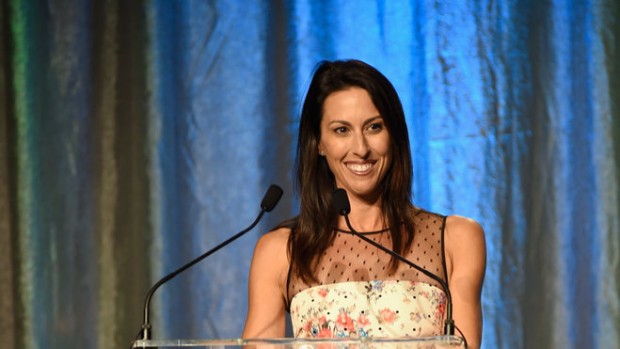
LA 2024 delighted with Host City 2015 attendance
LA 2024 Vice Chair and four-time Olympic swimming champion Janet Evans attended Host City 2015 conference in Glasgow this week, marking the start of a busy period for the LA 2024 Candidature Committee which includes attending the IOC 2024 Candidate City workshops in Lausanne (November 19-20) and the European Olympic Committees (EOC) General Assembly in Prague (November 20-21).
The Host City 2015 conference, which took place in Glasgow on November 9-10, offered Evans, who is also LA 2024 Director of Athlete Relations, the chance to learn from the experiences of a range of leaders from across the Olympic Movement.
LA 2024 Chairman Casey Wasserman said: “We are delighted that Janet is attending the Host City conference in Glasgow with so many Olympic experts present. We are very much in our ‘looking, listening and learning’ phase and these types of events are an invaluable part of this process.
“We will also send a significant LA 2024 delegation to Lausanne for the IOC 2024 Candidate City workshops; which will provide the ideal opportunity to engage and interact with the IOC on the path ahead.
“The EOC General Assembly in Prague represents a further opportunity, after the ANOC General Assembly in Washington, D.C., to consult with the NOC family. Their athletes are at the very heart of the Olympic Movement and IOC President Thomas Bach’s visionary Olympic Agenda 2020. The NOCs have a critical role in preparing and supporting athletes, so it is vital that we consult with them whenever possible.” -
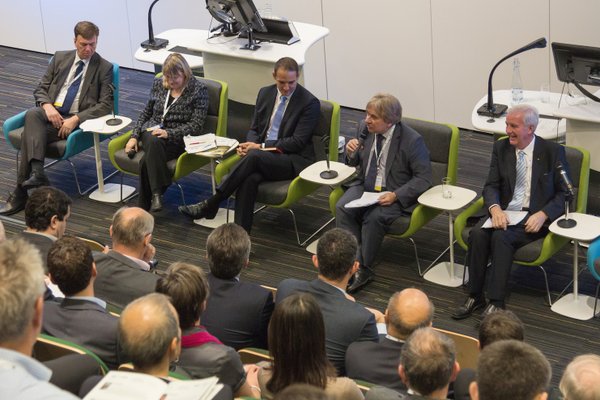
HOST CITY 2015 experts predict rise in multi-city events
HOST CITY 2015 Conference and Exhibition drew to a close in Glasgow on Tuesday following two days of open discussions exploring the challenges and benefits of bidding for and hosting major global events.
Now in its second year, Host City has firmly established itself as the leading EU-based meeting of cities and sports, business and cultural events. Under the theme ‘Creative Innovation’ HOST CITY 2015 brought together a unique collection of city leaders and cross-sector rights holders, event owners, suppliers and world class-speakers in the business of major international events.
High on the agenda on the final day of the conference was the issue of sustainability and how a multi-city approach to hosting could allow events of the future to remain viable and grow by increasing their reach.
Speaking on the UEFA EURO 2020 Championships, Stewart Regan, Chief Executive of the Scottish Football Association, host of four matches within the tournament, said: “As you can imagine it’s a huge logistical exercise – trying to plan for one country and several stadia is a big exercise but imagine doing that across 13 countries.
“Planning the security, planning the logistics of moving sponsors, fans, and broadcasters around Europe – it’s a massive exercise. But the benefits of involving 13 countries, including some of the smaller countries who couldn’t host an event on their own, outweigh the challenges that the logistics present.”
Hampden Park in Glasgow will stage three UEFA Euro 2020 group stage games and one last 16 match.
Paul Bristow, Director of European Sports Championships Management argued that a multi-city approach could have sustainability benefits for future events.
“The key word here is sustainability. We have too many white elephants,” he said.
“We can be smarter in the way that we use existing facilities but at the same time still use major events to promote investment in sustainable new facilities that cities need. And if we can combine existing facilities in cities that will work together in partnership then I think that is a sustainable model.”
Paul Dunphy, Major Events Consultant for SportBusiness Intelligence and former Manager Event Prospecting and Bidding at Auckland Tourism Events & Economic Development said: “I think it is a long-term innovative approach. We had the Cricket World Cup in New Zealand and Australia recently and when you’re a small nation with minimal resources you need to be innovative. The [2015] Cricket World Cup was a great example of how multi-city, multi-national events are the future.”
Also under discussion was the critical question of how transport and security strategies contribute to the success of bidding for and hosting major events, including creating positive post-event legacies for cities. Malcolm Tarbitt, Executive Director – Safety and Security for the International Centre for Sport Security (ICSS), said: “Major sporting events are short-term initiatives that have major long-term impact and they pose a tremendous challenge to host nations in terms of their image, sovereignty and integrity.
“In the past few years the cost of hosting major sporting events has increased astoundingly, including cost of security strategies and operations plans. The threat landscape is ever changing, ever evolving and the responsibility on bidding nations and organising committees is becoming ever greater to determine, manage and defend their security plans and budgets. To mitigate this you need to involve security upfront, as early as possible and apply a holistic and integrated approach to planning.”
Other leading speakers across the two-day conference included: Sir Craig Reedie CBE, Vice President, International Olympic Committee; Louise Martin CBE, President, Commonwealth Games Federation; David Grevemberg CBE, CEO, Commonwealth Games Federation; Brian Cookson OBE, President of the Union Cycliste Internationale (UCI); Sarah Lewis, Secretary General of the International Ski Federation (FIS) and the Association of International Winter Sports Federations; Alexander Koch, Corporate Communications Manager for FIFA; Hidetoshi Fujisawa, Executive Director of Communication and Engagement, Tokyo 2020; Simon Clegg CBE, former COO, Baku 2015 European Games; and Ali Russell, Director of Media and Strategic Partnerships, Formula E.
-
SOS Global joins AGES as new Industry Partner
The Association of Global Event Suppliers (AGES) and SOS Global Express has signed a three year agreement for “Logistics and Transportation” under the AGES Industry Partnership Program.
“SOS Global is honoured to team up with AGES as their Logistics Partner,” said Stephen O’Connell, Vice President of SOS Global.
“Since we started the company in 1986 we have consistently expanded our reach into Global Events and we believe this Partnership is a natural expansion that will benefit all involved.”
With the expertise and support of SOS Global AGES will develop new standards, procedures and other tools to increase efficiency and reduce costs for event logistics.
“It is not just about reliability and costs. Through our partnership we want to explore and find smarter solutions for our industry”, said Daniel Cordey, chairman of AGES.
The Industry Partnership Program is a program created by AGES for leading industrial companies who are directly connected with the business of its members and are willing to support the initiatives of AGES in specific thematic categories. Through knowledge transfer and active involvement by the partners, the IPP shall contribute to the elaboration of new standards and policies for the event suppliers industry. AGES and EY recently signed a partnership for the category “Assurance, Tax and Legal”.
SOS Global Express has provided freight forwarding and logistics for global events from the 1987 NFL Super Bowl and 1988 Olympic Games to the 2014 FIFA World Cup in Brazil, 2014 Sochi Winter Olympic Games, Nanjing Youth Olympic Games and the 2015 FIFA Women’s World Cup in Canada.
Daniel Cordey, who was an executive director of Nüssli Group from 1990 to 2014, is moderating the panel discussion on Innovations in Event Infrastructure at HOST CITY 2015, the leading EU-based meeting of cities and sports, business and cultural events, which takes place in Glasgow on 9th to 10th November.
-
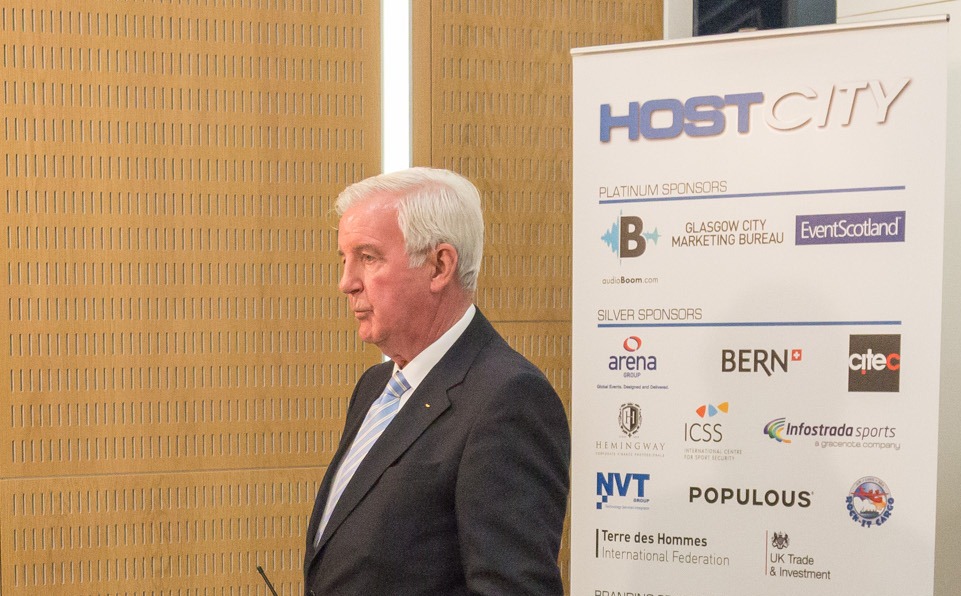
WADA president takes tough action on doping
WADA president and IOC Vice President Sir Craig Reedie CBE on Wednesday asserted he is taking quick and strong action in response to evidence of widespread doping in athletics.
In an editorial published in the Independent, he said “There have been critics of the World Anti-Doping Agency, and critics of me, and first and foremost I don’t want people to think I’m too political or too soft.
“I can categorically state I have not been soft on Russia. It was me as president of WADA that agreed with several national anti-doping organisations to create an independent commission to look into the subject of doping in Russia, the results of which we saw in all its damning detail in Geneva on Monday.”
Speaking to press at Host City 2015 on Monday, Reedie said WADA was responding to calls to be tougher.
“I think the world will want us to be much stricter and aggressive in saying whether people are compliant or not.”
The independent report revealed that officials at a WADA accredited drug testing laboratory in Moscow destroyed 1,417 samples and accepted bribes to cover up positive tests.
“It’s quite clear that that was organised between a laboratory, a national anti-doping association, almost certainly a national athletics association – three different organisations combining to beat the system.”
WADA reacted immediately by provisionally suspending the laboratory’s accreditation.
“We have responsibility for the Russian anti-doping agency and its state of compliance – quite clearly it is not compliant at the moment – we can deal with that.
“As far as the national athletics federation in Russia is concerned, that is the responsibility of the IAAF and their responsibility under the code is to make sure that the national federations are code-compliant. We will clearly work with the IAAF as closely as they want us to and as we are able to resolve this issue.”
Asked by press at Host City 2015 whether the IAAF leadership was able to handle the crisis, he said “I think the allegations of people at the top end of the IAAF are intensely regrettable. They have done the sport in my view great damage.
“This is a newly elected council, a new president. And yes I think the new leadership can do it. It’s not going to be easy and it’s going to involve a great deal of effort, but we will help them as best we can.”
Responding to a question from Host City magazine about whether athletes are in some cases victims, he said: “My experience is that very few drug cheats do it themselves; they almost always have somebody else. So I am very happy with the principle that we deal with the athlete’s entourage; the rules also say that we deal with the athlete.
“But I agree with you; if you coaches and people who are administering drugs to athletes then they are in many ways more guilty than the athletes themselves.”
Reedie told Host City how WADA has become stronger under his leadership.
“We greatly strengthened the new 2015 code by specifically targeting the athletes’ entourage. Secondly we created an offence called ‘prohibited association’, so if an athlete is associating with a known member of the entourage who has been convicted of a doping offence then the athlete shouldn’t be there.
“We have produced a list and that’s now current. If any of the officials mentioned in the Pound report are sanctioned they will immediately be put on that list.”
The next phase of the WADA-commissioned report will investigate allegations beyond Russia.
“Is there a sense that things could get worse before they get better? Quite possibly. We still await further revelations from the commission and, because of its independence, I genuinely have no idea what those revelations will be,” Reedie wrote in the Independent.
“At the end of the day, I think good will come out of evil,” he told press at Host City 2015.
-
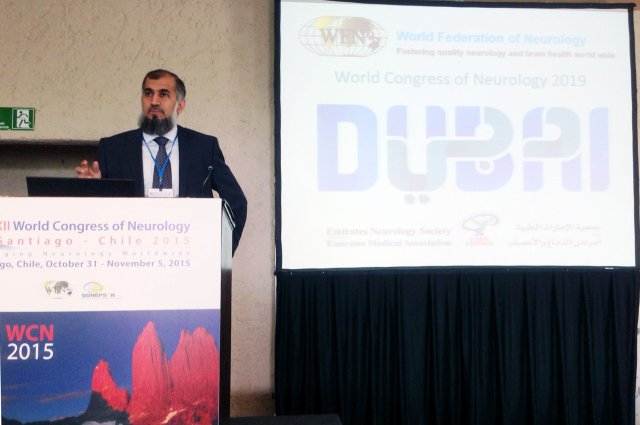
Dubai to host 2019 World Congress of Neurology
Dubai has won the bid to host the World Congress of Neurology (WCN) in 2019, as the city focuses on business events for its economic development.
The WNC is organised by the World Federation of Neurology, an association of national neurological societies representing 119 neurological societies in all regions of the world.
“Dubai has hosted several international conferences across all fields and is known for its hospitality, excellent infrastructure and world-class facilities,” said HE Humaid Al Qatami, Chairman of the Board and Director-General of the DHA, speaking at the 22nd World Congress of Neurology in Chile in November 2015.
“We look forward to hosting this conference in 2019 and we strongly believe that conferences are a platform that brings together experts from the region and abroad to discuss latest advances in the field.
“Exchange of latest information and know-how is vital for growth and development, particularly in the medical field, which is ever-evolving.”
Business tourism is a large and growing global industry and an important cornerstone of Dubai’s economy.
“Conferences are big business and the number is growing worldwide, with a wider range of cities gaining market share,” said IOC Vice President Sir Craig Reedie in his opening address to Host City 2015, the leading EU-based meeting of cities and sports, business and cultural events.
Previous editions of the WNC have attracted more than 5,000 delegates.
“Presently, in the region, there are 4000 to 5000 neurologists and this conference presents an opportunity to discuss the latest advances and treatment methods in the field,” said Dr Suhail Al Rukn, head of stroke unit at Rashid Hospital and president of Emirates Neurological Society.
“This conference will help foster collaboration and cooperation with neurologists and neurological societies in the region and abroad.”
The next World Congress of Neurology takes place in Kyoto in Japan in 2017.
-
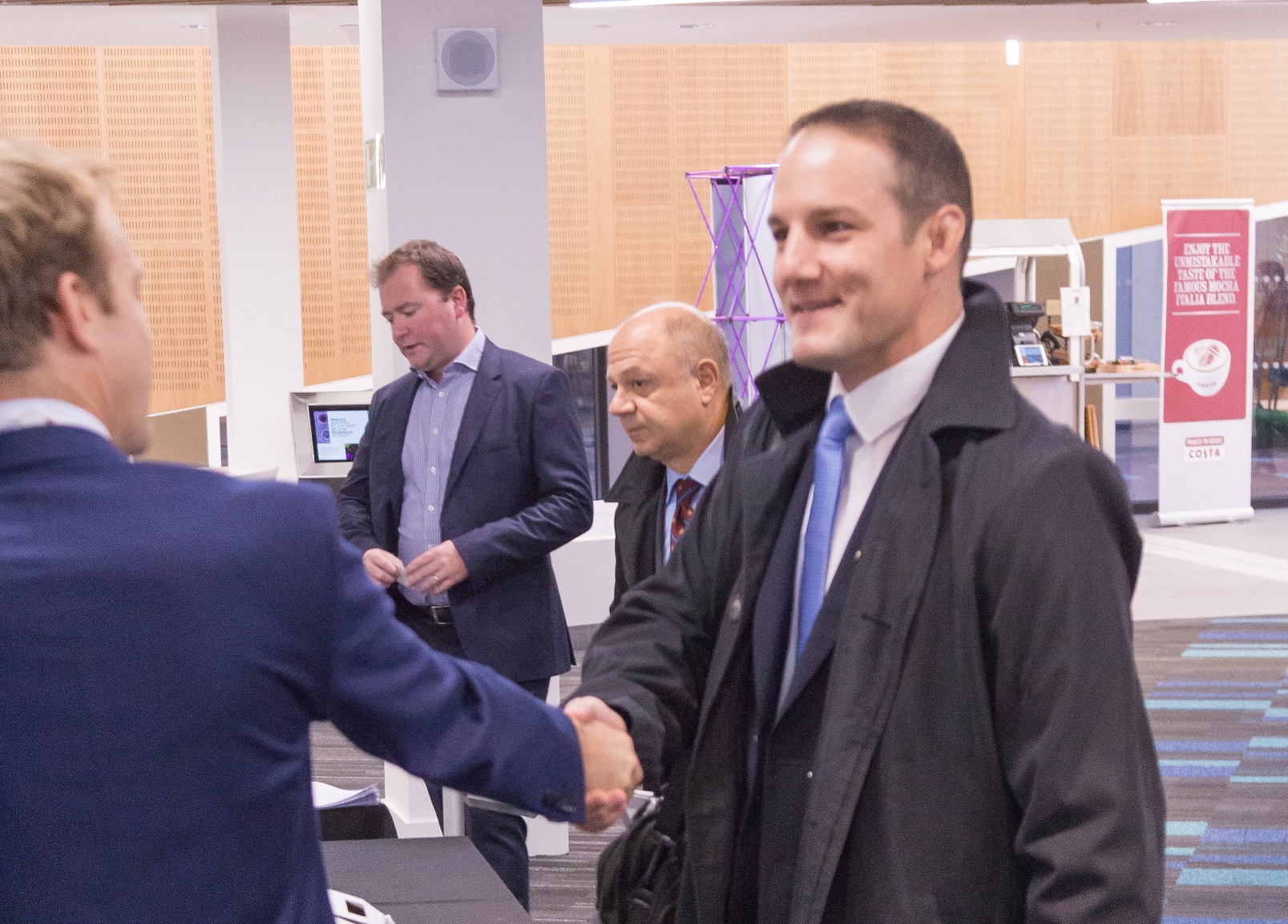
David Grevemberg awarded CBE as Host City 2015 opens
The Commonwealth Games Federation’s Chief Executive Officer, and former Chief Executive of Glasgow 2014 Ltd., David Grevemberg, has been appointed by Her Majesty The Queen as an honorary Commander of the Most Excellent Order of the British Empire (CBE).
The announcement was made by the Commonwealth Games Federation on Monday morning, just before Grevemberg spoke on the opening panel discussion of Host City 2015 conference in Glasgow.
The honour is conferred in recognition of services to the Glasgow 2014 Commonwealth Games.
In a statement issued on Monday morning – just before his arrival at Host City 2015 – Grevemberg said: “The XX Commonwealth Games were a defining moment for Glasgow, Scotland and the Commonwealth Games Movement.
“Whilst it is incredibly humbling to be recognised for my contribution, the successes and impacts of the Games were only made possible by the hard work and support of our partners, participants, staff and citizens.
“I would like to thank Her Majesty for this honour, and look forward to an inspiring, impactful future for the Commonwealth Games Movement, a powerful symbol of the flourishing, modern Commonwealth and its citizens”.
David Grevemberg CBE spoke on the opening panel discussion of Host City 2015 conference on the subject of “How Events and Cities Innovate to Thrive”.
Commonwealth Games Federation President, Louise Martin CBE also spoke at Host City 2015.
“This special honour is testimony to the success and continued legacy of the Best Games Ever, as Glasgow and its people delivered one of the standout performances in Commonwealth sporting history,” she said in the CGF statement.
“I congratulate David on this honour, as we reflect on many happy memories of the Games and move forward with our ambitious plans to deliver Transformation 2022 with our members and stakeholders”.
Born in 1972 in Louisiana, USA, David was a former wrestler, coach and administrator, before taking up post in 1999 as Executive Director of Sport and International Federation Relations at the International Paralympic Committee (IPC), headquartered in Bonn, Germany.
He moved to Scotland to lead the Glasgow 2014 Commonwealth Games Organising Committee in 2009 and still lives near Glasgow with his family. He joined the Commonwealth Games Federation as Chief Executive in November 2014.
The honour is a recognition of the transformational power of Commonwealth sport and its recent positive impact on Glasgow.
Speaking about last year’s HOST CITY conference, Grevemberg said: “I found it enlightening. The calibre of people that attended and spoke was excellent; it was excellent to meet so many experts with a shared perspective and passion and belief that the hosting of major events is a force for good.”