Dear friends of football,
FIFA has faced unprecedented difficulties this year in a crisis that has shaken global football governance to its core. We are now moving through a period of necessary change to protect the future of our organisation.
We maintain that the majority of those working in football governance do so in the right way and for the right reasons, but it has become clear that root-and-branch reform is the only way to deter future wrongdoing and to restore faith in FIFA. For these reasons, this year and the immediate years to come will be among the most important for FIFA since it was founded in 1904.
A new FIFA President will be elected at the Congress in February, offering the opportunity to start a new chapter. It is vital to recognise that this will be only the beginning. We will need to work hard together over the coming years to win back the trust and respect of fans, players, commercial affiliates and all the many millions of participants who make football the world’s most popular sport.
We are confident that the new reform measures approved by the FIFA Executive Committee in December, alongside the separate actions of the Swiss and US authorities, will lay the foundations for a stronger, more transparent and more accountable and more ethical governing body of football.
We call on all of FIFA’s member associations to fully support, implement and abide by the new reforms. The future of FIFA and the global development of football depend on our full commitment to embracing a change in culture from top to bottom, through the following key reform points:
• A clear separation of powers between the political side of global football and the day-to-day financial and business operations of FIFA, such as organising competitions and football development investments, will help to protect our integrity and avoid conflicts of interest. All financial transactions will be monitored by a fully independent body.
• Member associations must mirror the above structure and comply with principles of good governance, such as establishing independent judicial bodies. They will also be accountable for the conduct of their entire team and any third parties that they work with.
• Strict term limits for senior positions within FIFA of three four-year terms will ensure that no single person can wield too much power or influence.
• An explicit commitment in the FIFA Statutes to develop women’s football and to promote the full participation of women at all levels of football governance, including a minimum of one female representative from each region in the new FIFA Council.
• Central integrity checks by an independent body for all appointments to FIFA bodies and senior management.
• Members of the new FIFA Council must be elected by the member associations from each respective region under new FIFA governance regulations and monitored by the new, independent FIFA Review Committee.
• More independent and properly qualified members of key committees such as finance, development, governance and compliance to provide a stronger layer of neutrality and scrutiny.
• More involvement from the football community (players, clubs, leagues, member associations, etc.) in decision making.
• A statutory commitment by FIFA to uphold and protect internationally recognised human rights in all its activities.
There may be further challenges ahead, and it will take time for these reforms to take effect, but our resolve to rebuild FIFA for the better remains steadfast. Our aim is to establish a secure, professional and fully accountable sports organisation by the time of the 2018 FIFA World Cup™ in Russia.
We are confident that this is a realistic target, and we look forward to returning our full focus to FIFA’s primary mission of promoting and developing football everywhere, and for all.
The hundreds of millions of fans, players, coaches and others dedicated to football around the world deserve nothing less from those of us with the incredible responsibility and privilege of governing and guiding global football.
Yours faithfully,
Issa Hayatou Acting FIFA President
Markus Kattner Acting FIFA Secretary General
Blog
-
FIFA acting leaders look to the future
-
FIFA criminal procedures could affect sport long term, says IOC
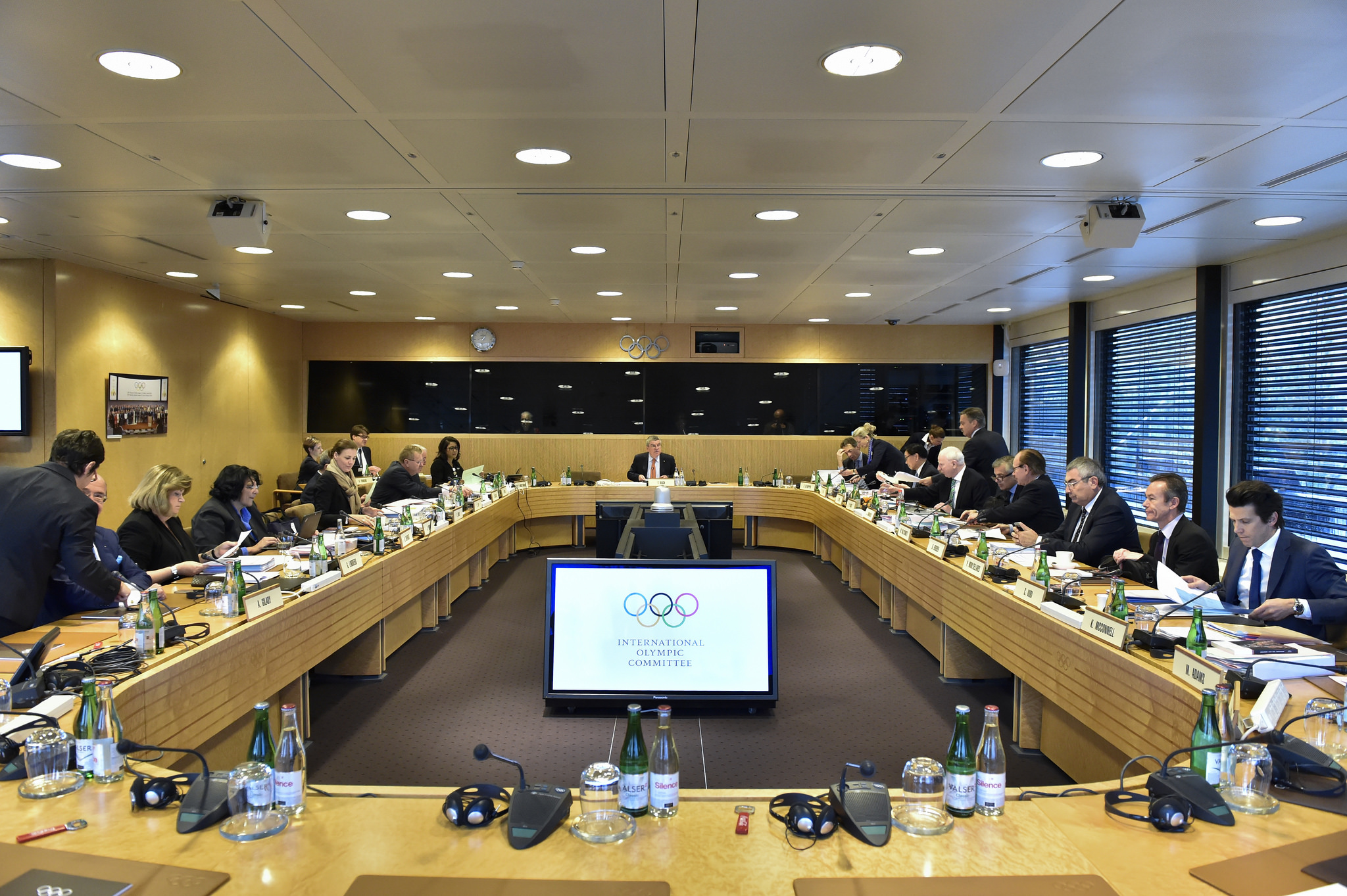
The Executive Board of the International Olympic Committee (IOC) on Thursday adopted a declaration on good governance in sport in response to growing concerns of sports organisations.
In the declaration, the IOC singled out criminal investigations into FIFA as an area of particular concern that “could affect all sport organisations” for up to five years.
In a statement, the IOC said the Executive Board welcomed the FIFA Executive Committee’s proposals for major reforms, which include term limits.
However, the IOC said its Executive Board “remains concerned with regard to the ongoing criminal procedures in the United States and Switzerland, which according to these authorities could last for another five years.
“Since this could continue to overshadow the credibility of FIFA and affect all sport organisations for such a long time, the IOC EB encourages FIFA to take all necessary measures to clarify and resolve all the pending issues as soon as possible by further engaging with the relevant authorities.”
At a meeting in Lausanne, the IOC Executive Board addressed requests from “a number of sports organisations which feel affected by incidents in some sports organisations and are concerned their reputation is being tarnished by generalisation.”
The IOC declaration proposes a number of measures to develop good governance in sport. “Recent incidents have shown that, in the interest of the credibility of all sports organisations immediate action to reinforce good governance is necessary,” the IOC statetment said.
According to the declaration, the basic principles of good governance, including transparent and democratic decision making processes, financial reporting and auditing according to international standards, publication of financial reports and ethics and compliance rules, etc. will be applied during 2016.
The IOC will initiate an independent audit system of its major subventions to IFs, NOCs and Organising Committees for the Olympic Games (OCOGs) with regard to the financial as well as the good governance aspects. With regard to all other activities of IFs, NOCs and OCOGs, Recommendation 27 of Olympic Agenda 2020 should be applied as from 2016. The IOC, recognising the independence and autonomy of the IFs, appreciates their support for this initiative as expressed in the IOC EB meeting and by setting up a working group on sports governance by the Association of Summer Olympic International Federations (ASOIF).
The IOC has also has asked the International Institute for Management Development (IMD) in Lausanne and its Global Board Centre to undertake research into good governance at the IOC itself. A first assessment by IMD was presented to the Executive Board.
The IOC Executive Board also confirmed its zero tolerance policy toward doping, expressing support for the authority and autonomy of WADA while putting forward a number of proposals to the WADA working group.
These include establishing an independent testing and results management entity, under the leadership of WADA. “Sports organisations should transfer their doping control operations to this new organisation and make the funding available initially at the level of the present investment in the fight against doping. This organisation should also co-ordinate the work of the national anti-doping agencies to ensure a streamlined, efficient and worldwide harmonised anti-doping system. Governments, which are 50 per cent partners of WADA, should support this reform alongside the sports movement, both logistically and financially,” the IOC said.
This entity should include a “professional intelligence gathering unit” to “address issues that may affect the compliance of anti-doping organisations and anti-doping laboratories accredited by WADA, at the earliest possible stage. This would help to make all such institutions compliant at all times and in such a way as to protect the clean athletes worldwide to the same level.”
The IOC declaration also determined that sanctions should be pronounced by the Court of Arbitration for Sport (CAS) in a centralised way, which would make the system cost-efficient and lead to harmonisation among all sports and all countries. The current right to appeal such sanctions to a different chamber of the CAS would be fully upheld and guaranteed, the IOC said.
The IOC is aiming to have an independent anti-doping system in place from the 2018 Winter Olympic Games in Pyeongchang.
-
Connecting the interior design community in Asia Pacific
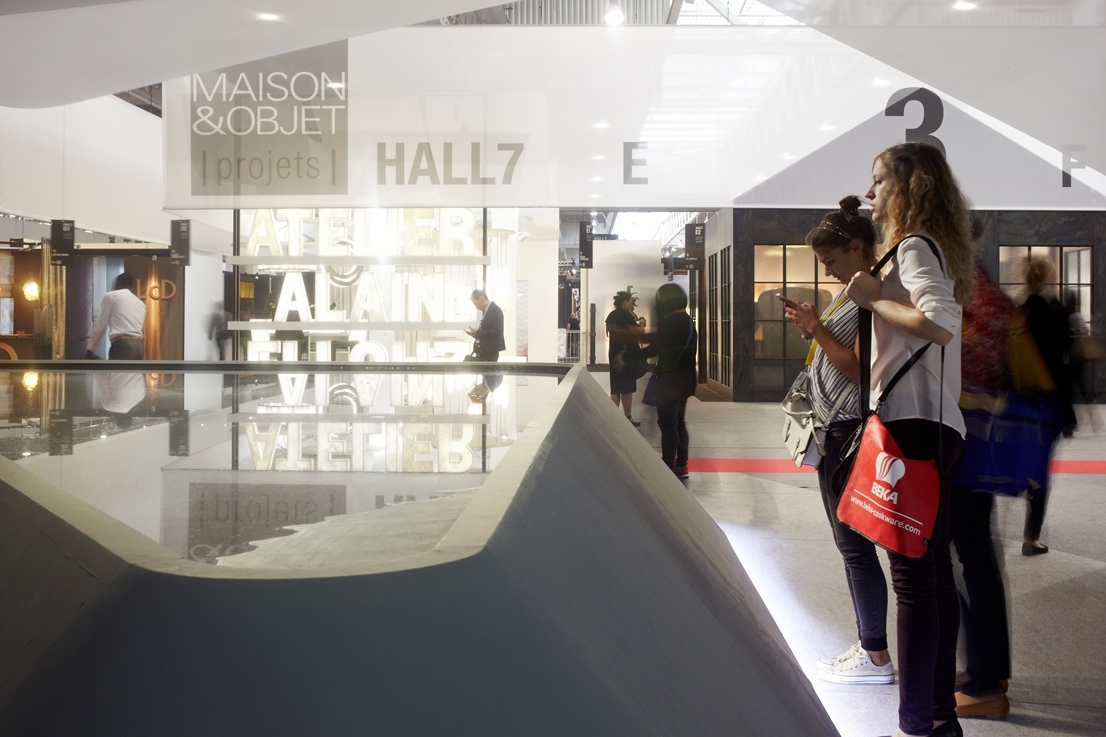
The very best of design in Asia-Pacific will be showcased at the upcoming MAISON&OBJET ASIA (M&O ASIA) from 8 to 11 March 2016 at the Marina Bay Sands Expo and Convention Center in Singapore. In line with the salon’s targeted positioning as a curated platform offering high-end interior design concepts and solutions to property developers, hoteliers, restaurateurs, interior designers, and architects, the works by the 2016 Designer of the Year and the Rising Asian Talents are a reflection of the region’s driving force behind the compelling design scene.
Similarly, the 2016 Interior Design and Lifestyle Summit will feature topics ranging from award-winning hospitality projects, art of living, design thinking, cross-disciplinary collaboration to country-focus discussion. Designer of the Year 2016 From Paris, Singapore to Miami Beach, MAISON&OBJET has created and offered an inter-connected worldwide stage for designers to shine. Every year M&O will present four Designers of the Year: two for M&O PARIS (January and September), one for M&O ASIA, and one for M&O AMERICAS. Designers of the Year are renowned personalities in the world of design creation and innovation, architecture and interior architecture.
M&O ASIA proudly announces André Fu as the 2016 Designer of the Year. One of the world’s most sought-after architects/designers, Fu is the architect behind major luxury hotels such as The Upper House in Hong Kong and the Fullerton Bay Hotel in Singapore, as well as restaurants such as Kioku at the Four Seasons Seoul and Motif in Tokyo. One of his fortes is his ability to marry elements outside of architecture or interior design into a unified whole.
Fu is launching a new brand called André Fu Living (AFL), a lifestyle range that embodies his design philosophy within tangible objects. The first product in the AFL line is a scent called Fargesia, which he created in collaboration with cult perfumer Julian Bedel of Fueguia 1833 Patagonia. At M&O ASIA 2016, Fu will present his bathroom collection for Cooper & Graham. “M&O embraces the spirit of contemporary lifestyle and is a genuine celebration of modern artisanship,” says Fu.
M&O ASIA’s Interior Design & Lifestyle Summit has been also extremely popular among the visitors, with a consistent turnout of around 2,800 attendees in each of the last two editions. Past speakers include Tom Dixon, Kelly Hoppen, Paola Navone, Neri&Hu, Kenneth Cobonpue, Joyce Wang and Kelly Cheng. The 2016 programme will put a strong focus on region-based speakers to provide the audience with an insider perspective on the intricate development of the Asia-Pacific market.
With this in mind, M&O ASIA 2016 has invited major design media including Architecture Media (Australia), Design Anthology (Hong Kong), FORM (Singapore) and Sina.com (China) to moderate talks and discussions with property developers, hoteliers, restaurateurs, interior designers, and architects.
-
A new dawn for UIPM
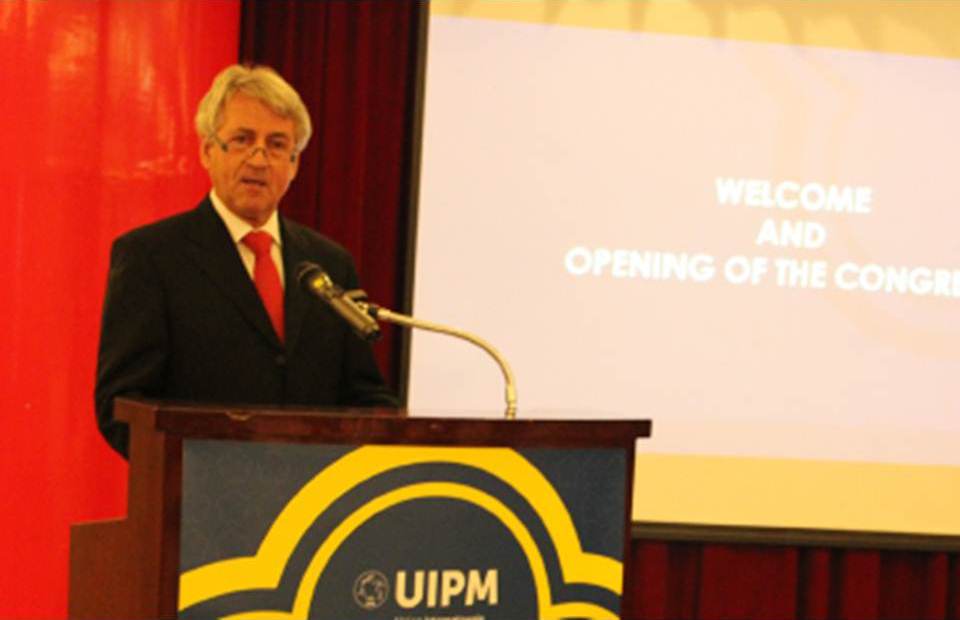
National Federations from around the world voted for significant changes to the governance of Modern Pentathlon at the 67th UIPM Congress (November 7-8) in Taipei.
The Congress approved a number of motions designed to modernise the way the UIPM manages Modern Pentathlon and its sub-sports, including:
• A comprehensive review and update of the entire structure of the UIPM, including changes to simplify and reduce the number of rules on internal organisations
• Changes to the UIPM Biathle/ Triathle competition rules
• Adoption of a code of ethics in line with the latest IOC requirements that provides for a clear and efficient procedure in cases of litigation
• A simplification of election rules for all elective seats within the UIPM.
“This Congress has been a big step forward for development with new member federations joining our global community and new innovations such as Laser Run making our sport even more accessible to the world,” said UIPM president Dr Klaus Schormann.
“The National Federations are very united in focusing on sport, education and the integration of society through sport. UIPM is committed to the IOC Agenda 2020 and to supporting the protection of the clean athletes.”
Expansion was the main theme of the UIPM Congress 2015 as Dr Klaus Schormann, UIPM President, and Shiny Fang, Secretary General, reviewed another year of relentless progress and innovation and looked ahead to a bright future.
“With a strong vision, with a clear understanding that change is a certainty, and with a total commitment by all the family, modern pentathlon can and will be successful in retaining and gaining on its position after the 2020 Olympic Games in Tokyo and, in fact, being considered as an essential part of the Olympic program and one of the International Federations that has adapted itself successfully to the challenges of these times,” said Secretary General Shiny Fang.
“As we continuously improve our structures centrally and in every country, ‘expanding’ our reach is our real next frontier. The right choices in this area will make a huge difference in the lead up to Tokyo 2020, when the IOC will once again review the sports program, and in the long run, also beyond 2020.”
UIPM delegates approved the membership of another six member nations: Bermuda, Afghanistan, Indonesia, Benin, Madagascar and Colombia.
UIPM also became the first International Federation to express its backing for the Declaration of Support for the Olympic Charter, which was signed by Olympians representing all five continents at the inaugural World Olympians Forum organised by the World Olympians Association (WOA), in Moscow, Russia in October.
The two-day conference also revealed the winners of the 2015 UIPM awards and named the venues for numerous future UIPM competitions.
Source: UIPM -
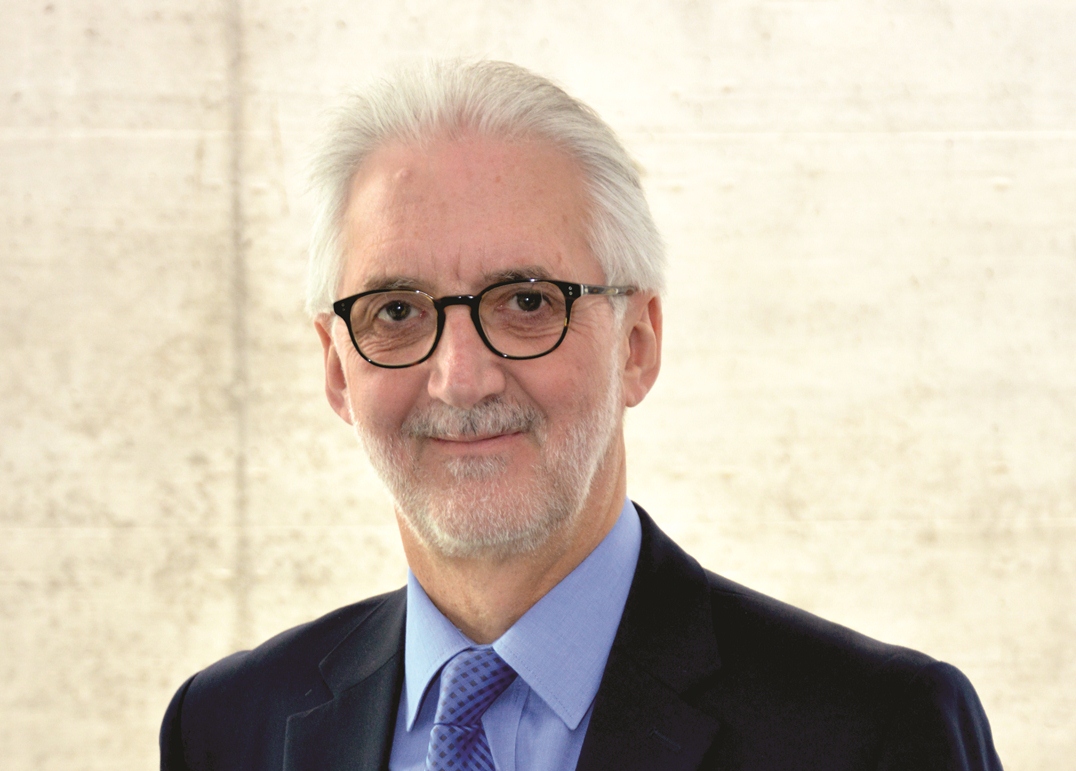
Developing hosts through cycling
One of the beauties of cycling lies in the huge variety of its different disciplines, which cater to athletes of contrasting profiles, attract fans of all ages and backgrounds, and can be hosted by cities of varying sizes and with differing budgets.
Each year, the Union CycIiste Internationale organises UCI World Championships and UCI World Cups across its eight disciplines, which means more than 50 annual cycling events worldwide.
Infrastructure necessary for these different events varies enormously: depending on the discipline, the requirement may simply be a well-equipped sports hall, a downtown urban centre, park, countryside trail, or a mountain. Other disciplines call for more specific infrastructure such as a BMX Supercross track or UCI-approved velodrome. As well as major championships for the professionals, there are mass participation events for amateur riders. The possibilities for hosting a UCI event are plentiful. Even small cities on limited budgets can become hosts of a major international cycling event.
Beyond the excitement and emotions that go hand in hand with hosting a high-level cycling competition, the UCI proposes to help host cities establish a true legacy from the event. This is achieved largely through the development of Cycling for All.
Cycling is more than just a competitive sport: it is also a popular leisure activity and an efficient means of transport. In these roles, the bike can help public authorities face environmental and health challenges by limiting noise, reducing traffic congestion and improving public health.
How hosting a cycling event can motivate a population
Experience has shown that organising a UCI event is an ideal springboard for developing cycling among a region’s population.
For example, to coincide with hosting the 2015 UCI Road World Championships, the city of Richmond (USA), published a Bicycle Master Plan which details a proposed network of improved bike infrastructure throughout the city and includes halving the rate of injury to cyclists by 2025.
Richmond Mayor Dwight C. Jones said: “While hosting the UCI World Championships in itself was a tremendous honour, we’ve always viewed this opportunity as having a lasting impact on the Richmond community.”
For many people considering taking up cycling for their health – and for transport – the sight of elite riders can be one of the triggers for a shift in behaviour. If bike events are incorporated within wider transport and marketing strategies, they can help persuade people to try cycling as an alternative to the car.
The savings from a shift to cycling can be huge. Someone who commutes 5km to work by car could save half a tonne of carbon dioxide per year by shifting to cycling for all those journeys.
Together with the European Cyclists’ Federation (ECF) and the Bicycle Product Suppliers Association (BPSA), the UCI has recently commissioned a report on the impact of a much greater use of cycling in urban areas. Carried out by University of California, Davis (UCD) and the Institute for Transportation and Development Policy (ITDP), the scientific study – a first of its kind – shows that cycling and e-biking can cut energy use and CO2 emissions of urban transport by up to 10% by 2050 compared to current estimations, while saving society trillions of dollars.
We can also look at how an increase in cycling can boost trade. This phenomenon is highlighted in a New York City report entitled “Measuring the Street,” which states that after the construction of a protected bike lane on 9th Avenue, local businesses saw a 49 percent increase in retail sales. On other streets in the borough, the average was only 3 percent.
UCI Bike City Label
To encourage host cities to help their populations shift to a cycling mentality, the UCI has invested in and relaunched the UCI Bike City label from 2016. This will reward bike friendly cities and/or regions to fulfil certain criteria under two key pillars:
•Hosting UCI cycling events
•Investing in cycling for all.
There are three levels of UCI Bike City label, depending on the scope of the development plan.
Level 1: to host at least one UCI World Cup and one UCI World Championships for two different disciplines during a four-year period.
Level 2: to host at least one UCI World Cup and two UCI World Championships for two different disciplines over a four-year period.
Level 3: to host at least one UCI World Cup and one UCI World Championships over a four-year period, plus the UCI Road World Championships within 10 years of these events.
As well as hosting UCI events, cities will need to meet specific targets under the second pillar, Cycling for All. These targets concern:
•Strategy
•Ambition
•Funding
•Protected bike lanes
•Safety for cyclists
•Participation
•Cycle training
•Measuring progress
•Sustainability
Cities will not be alone as they work towards the UCI Bike City label. The UCI will work hand in hand with host cities, helping them develop and benchmark their plans to grow cycling at all levels. They will also share best practices from around the world.
The aim of the UCI Bike City label is three-fold:
•To reward cities that invest in cycling;
•To build long term relationships between the UCI and different cities;
•To inform the wider public about bike friendly cities and/or regions that are suitable for bike tourism.
In return to their investment and commitment, UCI Bike Cities will:
•Be able to use the label on all official documents;
•Be listed on the UCI website;
•Benefit from promotion on the UCI’s social media channels;
•Receive support in securing athletes as ambassadors of their cycling programmes;
•Have access to free advice on advocacy topics;
•Receive VIP tickets for the main UCI events.
The UCI Bike City label will be awarded to cities demonstrating a long-term engagement to cycling at all levels. In partnership with the UCI, our most committed city partners work towards the development of cycling at all levels and in all parts of the world.
-
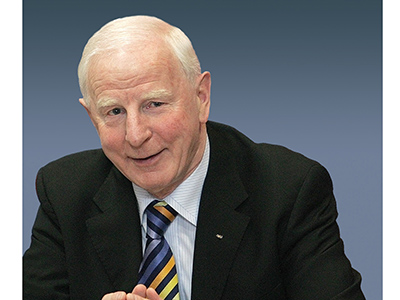
A New Year message from European Olympic Committees president Patrick Hickey
“How do you follow a year like 2015?” is something we will all be asking ourselves at the EOC head office in Rome this week.
My answer is to go back to basics and to revisit the EOC’s primary purpose as an organisation: to focus on the specific needs of Europe’s NOCs.
Last year was of course the year that Europe added the missing fifth ring to the continental games of the world by staging our inaugural European Games in Baku, Azerbaijan. Those wonderful 17 days of Games created more headlines and interest in the work of the European Olympic Committees than any previous initiative or programme in our history. It was a magnificent event and a great milestone for the EOC and the Olympic Committee of Azerbaijan. But it’s important to remember that the work of all 50 of our NOCs and affiliated organisations continued unabated before, during, and after the Games.
In 2015 our NOCs scaled great heights. To highlight a few for example: the NOCs of Austria, Liechtenstein and Georgia all showed expert teamwork, innovation and organisational capacity in staging the 2015 European Youth Olympic Festivals whilst the Czech Olympic Committee staged a hugely professional EOC General Assembly in Prague that exhibited the perfect balance of private support from partners and public support from volunteers. I highlight these examples not for praise above others but to give a small snapshot of the hard work, cooperation and innovative thinking that characterised the activities of all 50 European NOCs in 2015.
Last year, the sports industry as a whole started a process of important and necessary change to its collective governance to make transparency and accountability an absolute priority. These changes were, rightly, front and centre of everyone’s thinking. Yet it’s important to train our eyes to see the enormous amount of great work that was done in the background. This helps remind me why making these changes as soon as possible is so important: because sport is so important to people’s lives. If we govern our organisations better we will attract more participation in what we do, from corporate sponsors, from governments, from fans and from young people.
To ensure the changes take root, it is up to every single person in the sports world to shoulder more responsibility in defending the integrity of sport. It starts with the good governance of sports organisations and the individual honesty of sports administrators, but from here it must run through every strand of the sports world, touch every affiliate, every fan, and every athlete.
I echo Thomas Bach’s words for 2016 when he says “as the role and relevance of sport in society continues to grow, so do the expectations of the public vis-à-vis the integrity of athletes and sports organisations. It is our shared responsibility in the Olympic Movement to provide new answers to new questions.”
2016 is, of course, an Olympic year. And it is incredibly exciting that for the first time ever the Olympic Games will be staged in South America. It shows that the Olympic family is a truly global family and it is a wholly positive milestone for the Olympic Movement.
Europe has staged 30 editions of the summer and winter Games but must fight hard now to maintain its pre-eminence, which is why it is so pleasing to see three of the four 2024 Candidate Cities coming from Europe. In addition, as the most developed sports continent, we have a vital role to play in establishing the models of, not just good governance, but exceptional governance, which the whole Olympic family can benefit from.
I wish you all a great year in sport in 2016.
Patrick Hickey, President of the European Olympic Committees
-
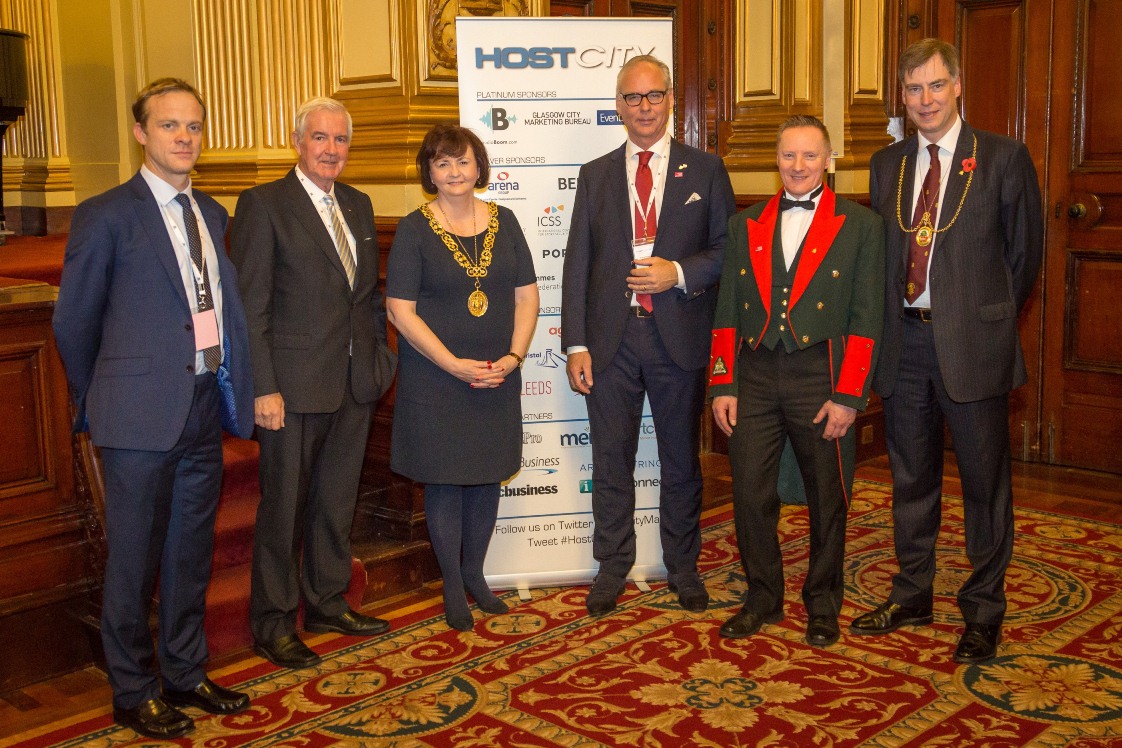
Host City 2016 to return to Glasgow on 16 and 17 November
After the hugely successful Host City 2015 event in Glasgow in November, the must-attend conference and exhibition for leaders in event hosting will return to the state-of-the-art Technology and Innovation Centre on 16 and 17 November 2016.
At Host City 2016, cities, event owners and suppliers will exhibit alongside a truly outstanding conference programme in the heart of Glasgow.
As the largest conference and exhibition of cities and cross-sector events, Host City provides a much needed one-stop event where city representatives, destination marketers, event owners and suppliers can all meet.
Host City 2015 was twice the size of the 2014 launch event in London and Host City 2016 is set to double again to reach 500 attendees from cities and destination marketing organisations, cross-sector rights holders and suppliers.
Host City features world class speakers from IOC, CGF, FIFA, sports federations, BIE, EU Capital of Culture, major scientific congresses; city event leaders from Brazil, Canada, China, France, Germany, Italy, Norway, Japan, Qatar, Russia, South Africa, Spain, Sweden, USA and many more.
The conference attracts delegates and exhibitors from cross sector rights holders, together with organising committees, city halls, national Olympic committees, Convention Bureaus and the suppliers that make city events possible.
The event is firmly established as the optimal environment for cities, events owners and suppliers to network with and learn from peers in the business of bidding for and hosting cross-sector events, from mega sports events to live entertainment and congresses.
With a mix of panel discussions, keynote addresses and case studies on how to attract and host secure and engaging sports, business and cultural events. The conference highlights the issues and opportunities facing everyone in the business of city events.
Host City attracts the attention of global media, with coverage from Press Association, Daily Telegraph, Daily Mail, O Globo, Bloomberg, Associated Press, ESPN, Fox Sports, USA Today, Huffington Post, Yahoo, China Sports, Indian Express, Yomiuri Shimbun, Sports Illustrated, Washington Times, MSN, Eurosport, STV, Kyodo News, Sky News, audioBoom and many more. Media partners have included SportCal, Around the Rings, iSportConnect, fcbusiness, SportBusiness, Sports Features, SportsPro.
What attendees said about Host City 2015:
“Thanks again for a conference that was interesting, inspiring, very very well organised and a good opportunity to meet some interesting people” – Alex Koch, Corporate Communications Manager, FIFA
“It was a good platform which is completely new to us; it’s very interesting to meet senior level associations, buyers, suppliers, all areas of the business” – Livio Götz, Market Manager UK & Ireland, Switzerland Convention & Incentive Bureau
“An inspiring event” – Karel Bartak, Head of Culture, European Commission
“I was really impressed by the quality of the event – the speakers, the delegates, the topics and the venue” – Robert Datnow, Managing Director, The Sports Consultancy
“Great conference, well organised and a very good subject area” – Martin Fitchie, Programme Manager, European Sports Championships Management
“A great success” – Bridget McConnell, Chief Executive, Glasgow Life
“The speakers have all been good, the panels have been good and it’s explored a lot of different areas” Hamish Fraser, Group Director, NVT Group
“A good conference with interesting and motivating sessions” – Jon Ola Sand, Executive Supervisor, Eurovision Song Contest, European Broadcast Union
“It was interesting to be here to promote the city of Bern as a host destination for major and small sports and cultural events” – Bernhard Rhyn, Bern Incoming Ltd.
“I found Host City to be very useful for audioBoom as a platinum sponsor for meeting a lot of people who we want to engage with in the sports and event industry” – Marc Webber, Head of Sport, audioBoom
“The quality of the speakers and the content was outstanding” – Mike Hopper, CEO, Advance Brand Consulting
Join the Host City movement
We look forward to welcoming you to Host City 2016, the EU’s leading meeting of cities and sports, business and cultural events, in Glasgow on 16th to 17th November.
For more information on Host City 2016, join the conversation on on Twitter using #HostCity and visit http://www.bidtowin-hostcity.net. For updates on Host City 2016 and much more, keep an eye on www.hostcity.com
-
European Athletics backs UK call for review of world records
European Athletics President Svein Arne Hansen has announced a number of measures to bring about a “cultural revolution” in athletics.
These initiatives include a review of European records, in line with the UK Athletics proposal that world records should be reset in light of ongoing doping revelations.
“Rebuilding the reputation of athletics is likely to be the biggest job we have ever undertaken,” Hansen wrote in a statement issued to stakeholders.
“Symbolic gestures and cosmetic measures will not be sufficient, this grave and unprecedented situation calls for fundamental reform.”
“We believe a cultural revolution will be required for athletics to rebuild its reputation and bring the sport’s governance to where it needs to be.”
The reform programme includes further development of good governance structures; investing in a new mandatory anti-doping education programme, pushing IAAF and WADA to implement tougher penalties for doping offenses, developing a national anti-doping system of assessment and monitoring, and reviewing the European records, in line with the British Athletics proposal for world records.
“The recent scandals have reopened the discussion about the legitimacy of certain records in our sport. These link us to a past in which neither we nor the public can have full confidence,” said Hansen.
“Over the years different approaches for addressing this question have been proposed but the issue is very complex and so far nothing has happened. It is clear that now the situation is different.
“We will set up a special project team in the coming months to look again at what is best for the sport and possibly a new approach to records in Europe that could be an example for the IAAF and our Member Federations.
“We will also review the lists of all past award winners, like our European Athlete of the Year or our Coaching Awards, to see if action needs to be taken. Whatever changes we make will be clearly explained so that the public can see how European Athletics is coming to terms with the realities of our sport’s past.”
An independent WADA-commissioned report, published during HOST CITY 2015 on 9 November, revealed that officials at a WADA-accredited drug testing laboratory in Moscow destroyed samples and accepted bribes to cover up positive tests.
“Like everyone in athletics, I am gravely concerned and saddened by the recent WADA report on systemic doping in Russia, the serious corruption allegations against some former IAAF officials and the other scandals that seem to surface on a daily basis,” said Hansen.
“Although European Athletics has not been implicated in any way and these issues are not unique to athletics, the public image and reputation of our sport have been tarnished and this, of course, touches all of us.”
Hansen said European Athletics would take work with IAAF to “help Russia come back into the sport on the right terms.”
“Our philosophy will be one of “tough love” – firm, fair and respectful – but our tolerance for doping and any form of corruption must remain at zero.
“We will also support our Member Federations that have ideas to contribute to the discussion about our sport’s future now taking place, for example the ‘Manifesto for Clean Athletics’ published by UK Athletics.”
WADA is due to release another report later this week.
“When the second WADA report is released, we will carefully study it and any recommendations it contains. If immediate comments are called for, we will make them. Then, in light of the report, we will take our time to review the projects and proposals we have put forward and make any adjustments or additions required,” said Hansen.
Hansen endorsed the current leadership of the IAAF. “We have full confidence that IAAF President Sebastian Coe is the right man for the current challenges, and European Athletics will give him the backing and support he needs.”
-
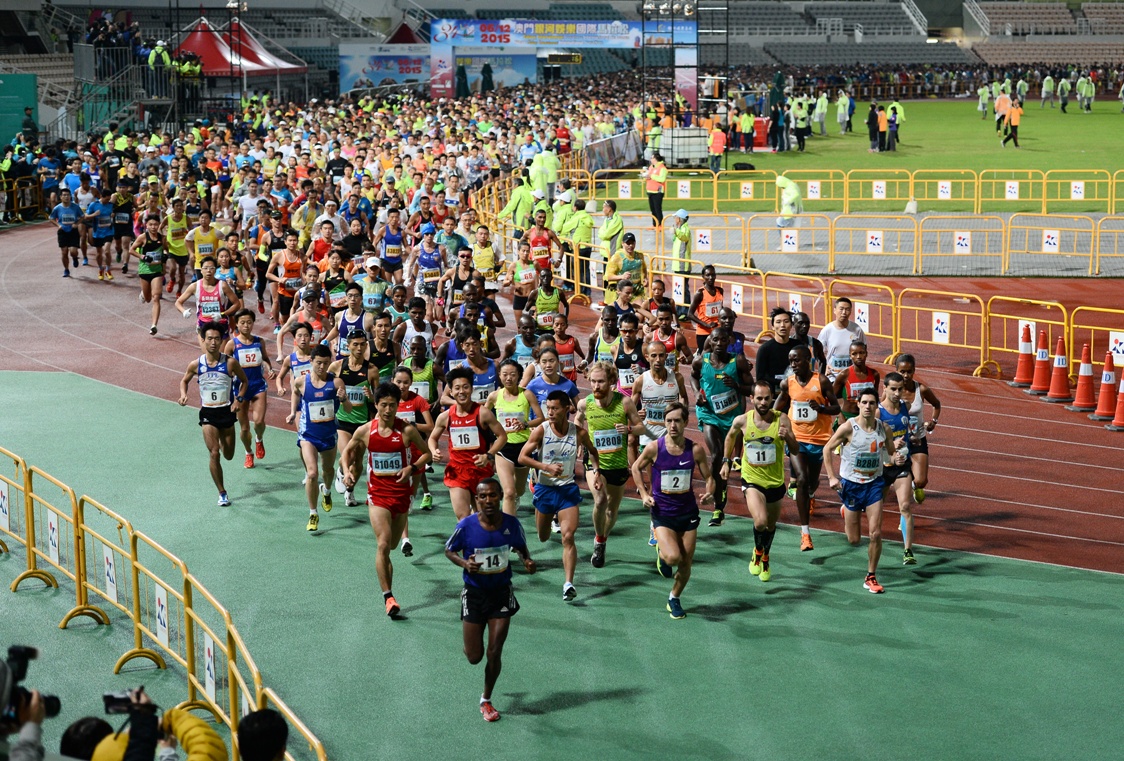
How Macau’s international marathon keeps growing
The Macau International Marathon has been successfully hosted for thirty three years with the aim of developing local sports, strengthening friendship between people from different parts of the world and promoting sport tourism in Macau.
“With a long history rooted in the community of the city, the Macau Galaxy Entertainment International Marathon has become one of the most popular sport events,” said Jose Tavares, President of Macau Sport Development Board of the Macau SAR Government.
“Through continuous enhancement, the event has been attracting long distance runners around the world, which raises the event profile and successfully attracts attention, locally and abroad.”
The 2015 Macau Galaxy Entertainment International Marathon took place on the Sunday 6th December 2015, organised by the Macao Sport Development Board and the General Association of Athletics of Macau.
“As the host of the event, we are dedicated to conduct welI-rounded preparation to welcome each and every participant with warm hospitality, as we believe that ideal conditions will optimise opportunities of better results,” said Tavares.
2015 marked the tenth anniversary of the inscription of the historic centre of Macau on the World Heritage List. The Macau International Marathon once again traversed the UNESCO world heritage site, passing through the A-Ma Temple.
The race started at the Olympic Sports Centre Stadium in Taipa and, for the first time, ran through the Hengqin campus of the University of Macau.
The event coincided with the “Parade through Macau, Latin City”, creating synergistic effects between the marathon, local tourism and culture.
“We are offering diversified programs and festive galas to sincerely welcome marathon lovers from different parts of the world,” said Alexis Tam Chon Weng, Secretary for Social Affairs and Culture of the Macau SAR Government.
“This year’s international marathon will integrate more cultural and tourism elements and provide a diversity of choices and wonderful experiences to participants and tourists.
“This not only demonstrates our friendliness and hospitality, but it also reflects the government’s determination to establish Macau as a ‘World Centre of Tourism and Leisure’.”
Global popularity
The Macau International Marathon continues to grow in size, with participants from 50 countries from around the world participating.
“The number of this year’s marathon runners has reached its new heights and this historical sport of long-distance running has been gaining more and more popularity around the world,” said Alexis Tam Chon Weng, Secretary for Social Affairs and Culture of the Macau SAR Government.
“Marathon, which signifies limits, difficulties and challenges, also stands for endeavour, perseverance and triumph. And all because of the difficulties, people can fully experience the spirits of sportsmanship like righteousness, courage, honour and happiness.”
In 2015, 8,000 athletes from 50 countries and regions participated, up from a quota of 6000 the previous year. The quota for the half marathon was full on the first day of registration while the general marathon was full on the second day of registration. Managing this growth is no small task.
“In order to cater to the needs of the rising number of running lovers, the organising committee has dedicated to create better conditions and overcome difficulties in increasing the registration quota,” said Ma Lao Hang, President of General Association of Athletics of Macau.
“All members from the General Association of Athletics of Macau, race judges and staff are committed to get every aspect of the event well prepared and provide the best conditions for all participants to create remarkable records.”
The Macau Galaxy Entertainment International Marathon is a truly global event, with former winners from Belarus, China, North Korea, Ethiopia, Hong Kong, Italy, Kenya, Poland, Portugal, South Africa, United Kingdom and Zimbabwe.
2015 was a good year for the Ukraine in Macau, with Vitaly Shafar and Olena Shurkhno winning the men’s and women’s general marathon respectively. The total prize money, awarded for the first ten finishing athletes in the different categories, amounts to US$187,000.
“With the number of participants being increased annually, better and better results have been made,” said Ma Lao Hang.
“The Macau International Marathon has always been an annual major event, we will move forward with all the participants to continue the long history of the Macau International Marathon and create legends for the sport development of Macau.”
-
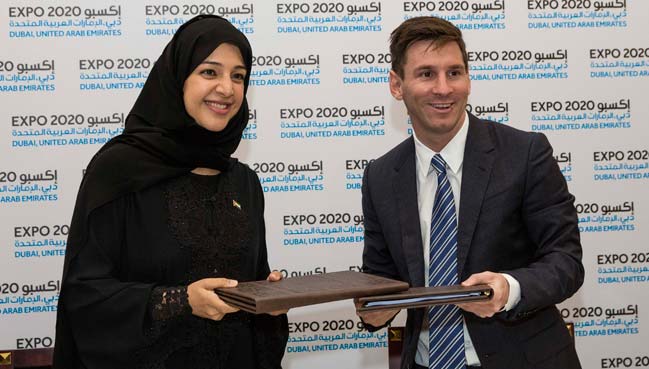
Messi signs with Expo 2020 as Global Ambassador
Multi-award-winning footballer, Lionel Messi has today been announced as the first Global Ambassador for Dubai’s World Expo, taking on an international role as a champion for Expo 2020 Dubai.
Messi, who yesterday won the coveted Ballon D’Or for a record fifth time, is one of the most widely known footballers in the world. With over 80 million followers on social media, and recognition levels above 85%, by international survey respondents, he is one of the most influential players in modern football.
“Expos are all about focusing attention on issues of global interest and global concern to help imagine a better future,” said Her Excellency Reem Al Hashimy, Director General of Expo 2020. “What better way to do this than by recruiting allies among people who are already working towards better future outcomes?”
Expo 2020 is guided by the belief that innovation and progress are the result of people and ideas combining in new ways. Under the theme ‘Connecting Minds Creating the Future’, the international event aims to bring together hundreds of countries and millions of people to celebrate human ingenuity.
“Lionel Messi’s performances on the football pitch bring people together, and as a result his influence reaches far beyond it. He is the ideal person to be our first global ambassador. He overcame youthful health challenges to achieve his dreams of international excellence through hard work; making him an inspiration. He is perfectly placed to reach out to young people around the world, bringing them together to join us as we work towards hosting our World Expo in 2020 ” H.E. Al Hashimy explained.
Expo 2020 Global Ambassadors will be recruited from leading figures in the sports, arts, music, culture and media, as well as international thought leaders in the fields of architecture & design, science & technology, business, economics, education, philanthropy and sustainability.
Ambassadors will travel the world, talking to stakeholders to explore connections between their work and that of Expo 2020, along with potential opportunities for collaboration and engagement.
The organisers of Expo 2020 Dubai will be making further ambassadorial appointments over the coming months.
Source: https://expo2020dubai.ae