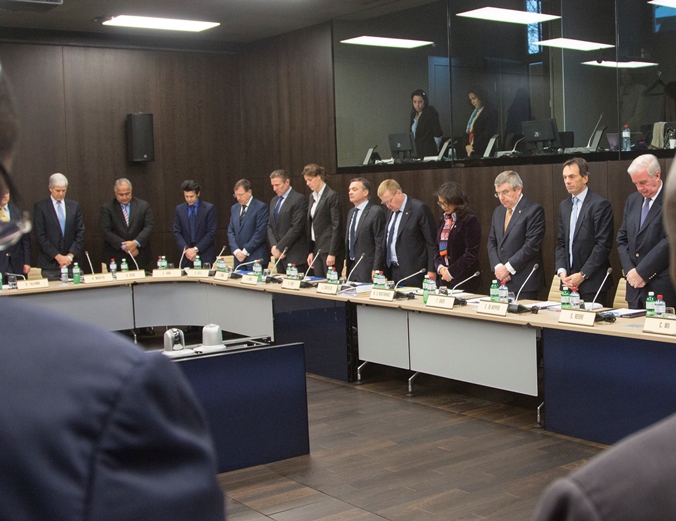
Thomas Bach, the president of the International Olympic Committee announced the membership on Thursday of 14 working groups that will develop “Olympic Agenda 2020” – the IOC’s roadmap for the future of the Olympic Movement.
Agenda 2020 centres on five themes: the uniqueness of the Olympic Games, athletes at the heart of the Olympic Movement, Olympism in action, the IOC’s role and IOC structure and organisation.
Each working group is to be chaired by an IOC member. John Coates, an outspoken critic of Rio’s preparations, is to head up the working group on bidding procedure. Sir Craig Reedie is to lead on good governance and autonomy.
The working groups include athletes and representatives of the International Federations and National Olympic Committees. A number of experts have also been appointed from outside the Olympic Movement, including representatives from leading international non-governmental and business organisations.
The aim of the working groups is to compile and discuss contributions to the Olympic Agenda 2020, which the IOC describes as a “strategic roadmap for the future of the Olympic Movement”. Many contributions to the debate of the future of the Olympic Movement have already been received from the Olympic Family and wider public via a call for feedback via email.
The working groups will first meet in June, close to Olympic Day, and their findings discussed at the Olympic Summit in July and at an Executive Board Meeting on 22-24th October in Lausanne. The resulting proposals for Olympic Agenda 2020 will then be presented to all IOC members for discussion at the IOC Extraordinary Session in Monaco on 8 and 9 December 2014.
The 14 Working Groups are: Bidding Procedure (Chair John D. Coates, AC); Sustainability and Legacy (Chair Prince Sovereign Albert II); Differentiation of the Olympic Games (Chair Sam Ramsamy); Procedure for the composition of the Olympic Programme (Chair Franco Carraro); Olympic Games Management (Chair Mario Pescante); Protecting Clean Athletes (Chair Claudia Bokel); Olympic TV Channel (Chair Thomas Bach); Olympism in action including Youth Strategy; (Chair Gerardo Werthein); Youth Olympic Games (Chair Ser Miang Ng); Culture Policy (Chair Lambis V. Nikolaou); Good governance and autonomy (Chair Craig Reedie); Ethics (Chair Youssoupha Ndiaye); Strategic review of sponsorship, licensing and merchandising (Chair Tsunekazu Takeda); IOC Membership (Chair The Grand Duke Henri of Luxemburg).
The complete list of Working Groups can be viewed here.
Tag: Agenda 2020
-
IOC reveals Agenda 2020 Working Groups
-
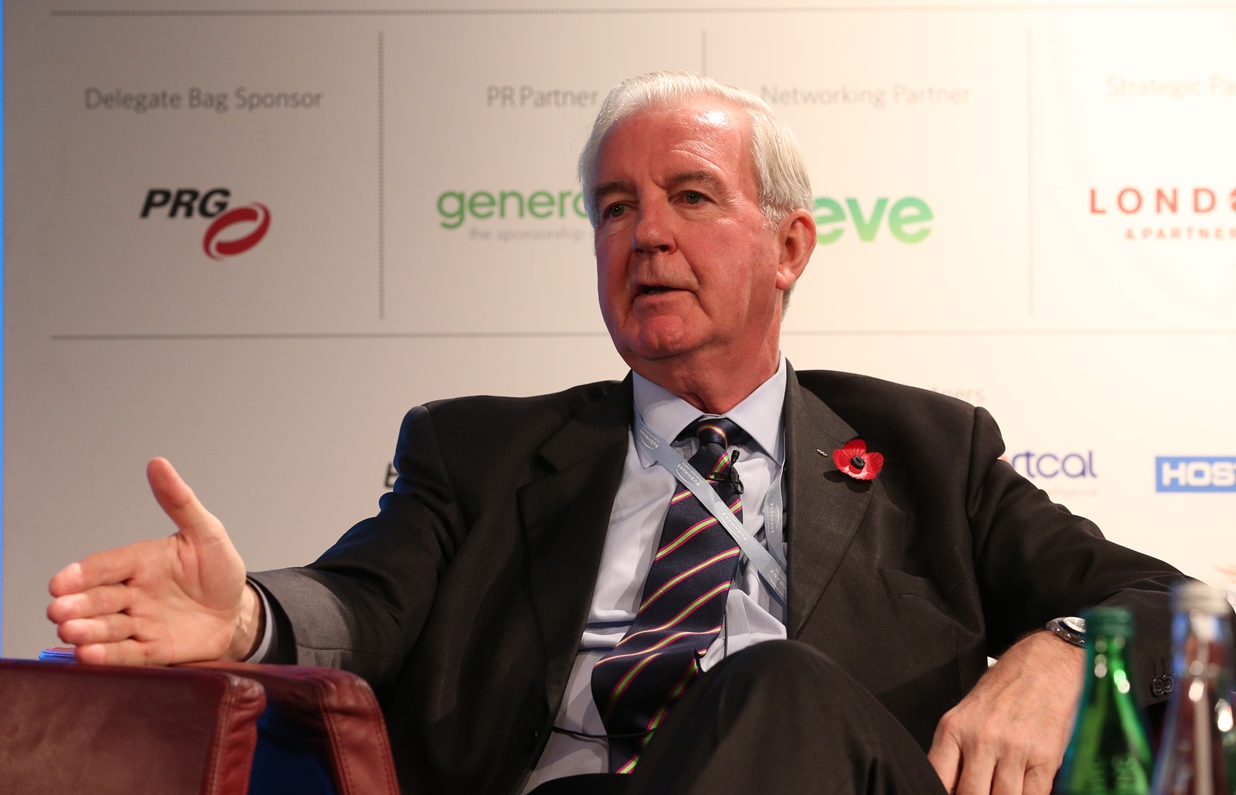
IOC Vice President to speak at HOST CITY: BID TO WIN
After extensive consultation with several senior figures in the business of major events, cities and sports, HOST CITY has identified a demand for a forum that addresses three major concerns:
Cities are often on the fringes of the debate about bidding for and hosting major events
There is a pressing need to create a dialogue between cities and rights holders
The rights holders of sports, business and cultural events don’t have enough opportunities to meet with cities and each otherHOST CITY: BID TO WIN, which takes place in London on 28th October 2014, with a reception on 27th, will satisfy this demand.
Confirmed speakers include: Sir Craig Reedie, Vice-President, IOC; Hasan Arat, Executive Board Member, European Olympic Committee (EOC); Dimitri Kerkentzes, Counsellor and Chief of Staff, BIE, David Grevemberg, CEO designate, Commonwealth Games Federation (CGF), Mike Lee, Chairman, VERO; Peter Tindemans, Secretary-General, EuroScience; Janez Kocijan?i?, Vice President, International Ski Federation and Robert Datnow, Managing Director of The Sports Consultancy.
“Often, the subject of creating and maintaining long-term relationships between the federations and their public sector hosts is not fully explored,” Robert Datnow told HOST CITY.
“So, I am interested to see a conference which focuses equally on the perspective of host cities and rights holders which will I think create an invaluable dialogue on the relationship between the two, outside the context of any particular bid, which spans cultural, entertainment and business events as well as sport, where there are similar themes and much cross-industry best practice to share.”
Topics to be discussed include: Olympic Agenda 2020; evaluating bidding & hosting, insights into successful bids, infrastructure, transport & security strategies; campaigning to win, and winning for the future.
“As a speaker, I am hoping to be able share insights from working with some of the world’s most major events and rights holders, particularly on bid structures, themes and components which rights holders specifically look for from bids,” said Datnow.
“Cities, along with regional and national governments, are often not given the voice they deserve at the major conferences, and often cities do not speak with one voice about the issues of common interest and concern.
“Governments have much to say to rights holders on the subject of bidding for major sporting, cultural and entertainment events, as one of the greatest investors in events and as one of the most major long-term beneficiaries. They also have much in common. Rights holders too have much to learn from serial bidders and hosts of the world’s most major events.”
HOST CITY: BID TO WIN takes place in central London on 28th October, with a networking dinner on 27th October. Visit www.bidtowin-hostcity.net to register -
IOC members back new Agenda 2020 proposals
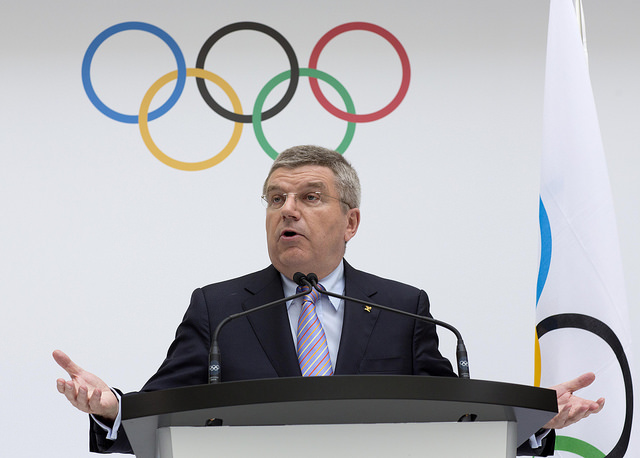
As part of the Olympic Agenda 2020, a “strategic roadmap for the future of the Olympic Movement”, the summit addressed a raft of potential reforms which are set for further deliberation at the Extraordinary IOC Session in December.
A reform to the Olympic Games bidding procedure was one of the proposals discussed at the summit. The alterations, which were broadly supported by the summit, place a new emphasis on the legacy aspects of host city bids and how that can be brought to the population of the city as well as the surrounding area.
Potential hosts would have to exhibit how the Games would be a part of the long-term development plan not only for the city, but for the whole region and would include scrutiny into the social and environmental aspects of the developments. The summit also supported the need for Olympic Movement stakeholders to remain open to adaptation on these issues.
According to the Agenda 2020 proposal the new bidding procedure would also give more flexibility to bid cities but there would be greater emphasis on what the bid process, and the resulting Games, would bring to the host and its citizens from the very beginning of the bid procedure. These reforms reflect a growing trend in the standards set for host city candidates to provide more sustainable and legacy driven bids that take into account the wider ramifications of their event.
Convened by IOC President Thomas Bach, the summit centred on the three major themes of sustainability, credibility and youth, as well as 14 other sub-themes.
As well as proposed changes to the bidding procedures the summit focused on a new methodology to the Olympic Programme. This alternative approach would provide an event-based, rather than a sport-based, composition to the programme, which could lead to a greater range of events than seen previously while continuing to restrict the number of athletes involved.
The establishment of an Olympics Television Channel was also considered, with the notion of promoting the Olympics and its values in between Games, as well as new measures to ensure the protection of clean athletes in conjunction with the World Anti-Doping Agency.
To find out more, register for HOST CITY: BID TO WIN conference on 28th October and get the inside track on Agenda 2020 reforms. -
NOCs call for overhaul of Olympic city bids
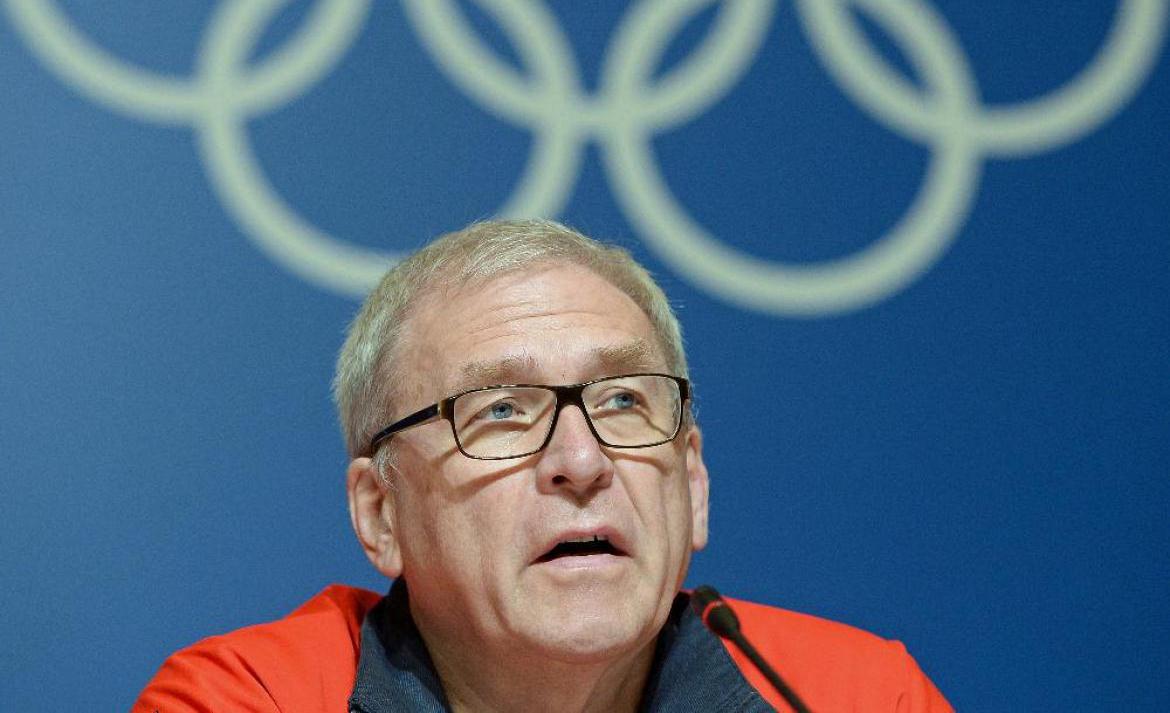
Austria, Germany, Sweden and Switzerland’s NOCs have submitted a paper to the International Olympic Committee (IOC) entitled “Olympic Agenda 2020: The Bid Experience”, which proposes a revolutionary change to the process of selecting host cities of the Olympic Games.
The paper briefly explains why all four nations have retracted bids to host Olympic Games in recent years, and sets out what could be done to make the prospect of bidding again more appealing.
The most bold suggestion is that the IOC Evaluation Commission’s findings should count directly towards the election of the host city. Currently, the host city is elected entirely by secret ballot by IOC members, after they have read the Evaluation Commission’s report, but this report does not directly count – only the votes do.
“The IOC could split the election into two equally weighted parts, one representing the technical evaluation with a ranking of all bid cities, and one representing the vote of the IOC members,” the NOCs’ paper states.
The IOC is currently undergoing a deep and wide review into all areas of its activities, with a major focus on bidding procedure. The findings of the “Agenda 2020” review will not be made public until November 2014 but the early appeal from these influential NOCs is a highly significant move.
All four committees have backed out of Olympic bids in recent years. The Austrian Olympic Committee was considering a bid of Vienna for the 2028 Olympic Games while the German, the Swedish and the Swiss Olympic Committees were looking into the possibility of bidding for the 2022 Olympic Winter Games.
“The striking element welding all four committees together is the fact that all above mentioned bids were not lost in the official bid process, but due to a lack in national or at least regional public or political support,” the paper states.
The NOCs of these established European nations spell out the concerns they have about bidding for the Olympic Games.
“Public and politics seemingly fear the high costs of bidding for and hosting the Games, especially in the aftermath of the increase of costs that was witnessed in Sochi as well as concerns relating to human rights and sustainability,” the NOCs said. “The situation is aggravated by the media picturing mistrust in the IOC.”
Another suggestion from NOCs is that the IOC’s role in financing the Olympic Games should be communicated more clearly to the public, pointing out that “the budget structure is quite confusing for uninvolved citizens.”
The letter is signed by: Dr. Peter Mennel, Secretary General, Austrian Olympic Committee; Dr. Michael Vesper, Director General, German Olympic Sports Confederation; Stefan Lindeberg, President, Swedish Olympic Committee; and Jörg Schild , President, Swiss Olympic Association.
The concerns of the paper are being addressed by the IOC’s Agenda 2020 Working Group on Bidding Procedure, of which Hasan Arat is a member. To find out more, register for HOST CITY: BID TO WIN conference and hear experts including Arat debating this hot topic on 28th October.
-
Olympic bidding procedure must retain human element – Lord Coe
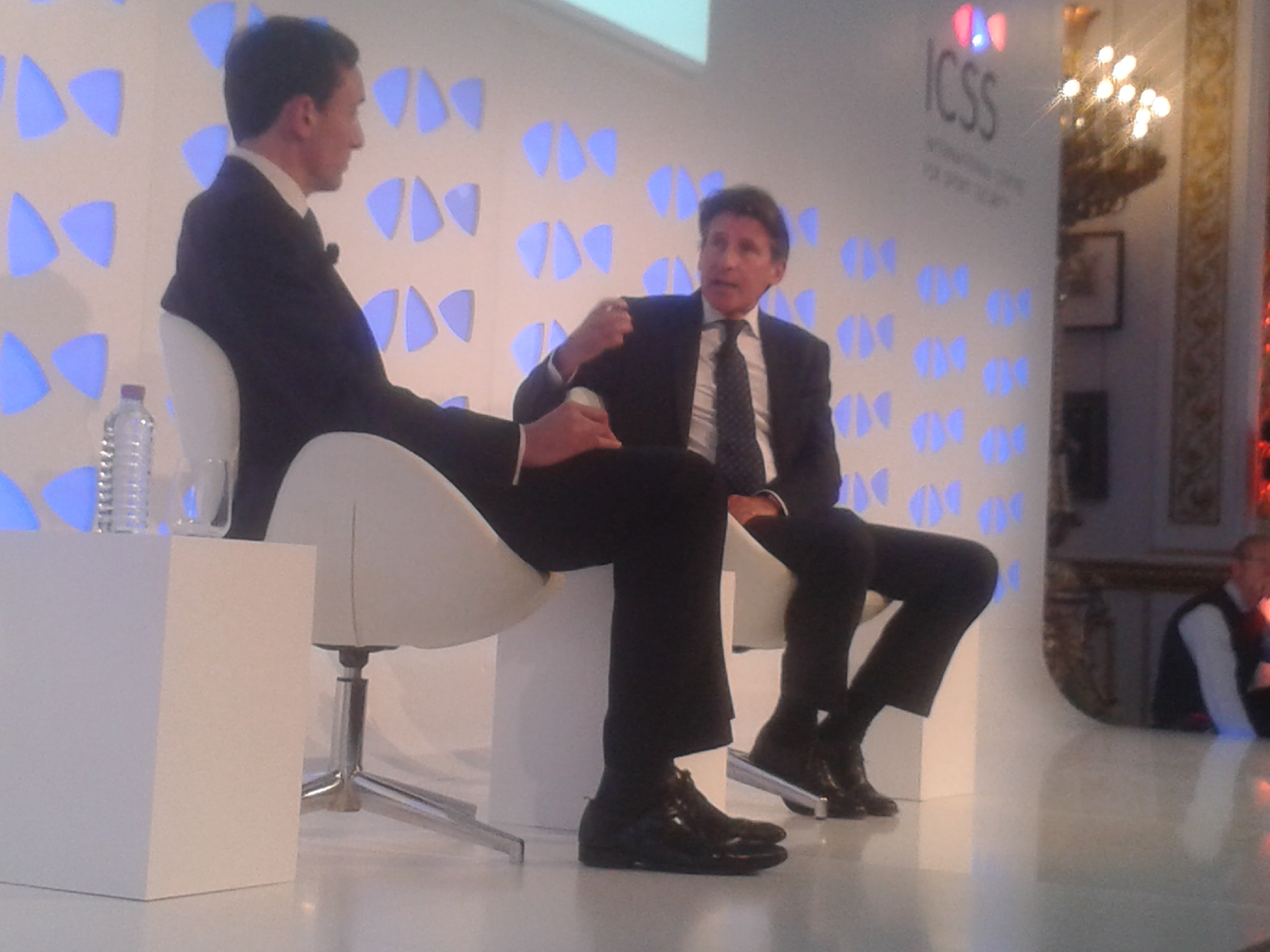
Lord Sebastian Coe said on Tuesday that the bidding procedures for major events such as the Olympic Games must retain the “human element”.
As well as being vice president of the IAAF and a key figure behind London’s successful bid, Lord Coe is a member of the Olympic Agenda 2020 working group that is currently reviewing the bidding procedure for the Olympic Games.
“It’s quite dangerous to think that you can choreograph every moment of a bid,” Lord Coe told delegates at Securing Sport 2014 in London. “For a bid to win and gain acceptance you need personal relationships. They have got to work alongside an organising committee for many years – you need to know that the team that is bidding will also make a good organising team.”
Lord Coe also contributed to the IOC’s last major review, the Olympic Commission 2000 which, he says, “made it very tough for bidding cities” while bringing about positive changes such as managing interaction between IOC members and bidding cities.
“There’s a balance. We have to be careful not to take the human element out. And it’s hard to be told that you can’t just sit down with an IOC member and explain what the transportation or security strategy is.”
Asked about the issue of gifts, Lord Coe affirmed that he had never been offered or accepted any gifts in relation to bidding procedures.
“We all probably understand the difference between a commemorative plate and a calendar and something more substantive. The law of common sense should prevail.”
The review of bidding procedure will be under discussion at HOST CITY Bid to Win on 28th October in London. Register at www.bidtowin-hostcity.net -
IOC seeks more inclusive approach to Olympic bid process
Bach wants the often criticised bidding framework to be transformed into an “invitation for discussions and partnership” as opposed to a generic tender process.
Recent struggles with the selection process for the 2022 winter Olympic Games have cast the current method in an unfavourable light.
Only Beijing, China and the Kazakh city of Almaty remain as candidates after Oslo this month became the latest potential host to drop out the running. Norway’s government opted out of providing the necessary financial support to host the multi-sport showpiece amid concern over prohibitive costs.
Oslo followed Lviv in Ukraine, Krakow in Poland and Stockholm in Sweden by pulling out of the race for the 2022 winter Olympics, while public referendums put paid to bids from Munich in Germany and St Moritz in Switzerland.
At its two-day meeting in Montreux, Switzerland, the IOC executive finalised proposals that its full membership will vote on this December in Monaco.
As quoted by the Associated Press news agency, Bach said: “What we did in the past was send out a paper at a certain point in time saying, ‘If you want to bid for the games, here are the conditions you have to fulfil, so you better tick all the boxes in the questionnaire because otherwise you have no chance.
“In the future, we want to invite potential bidding cities to study how Olympic Games would fit best into their social, sports, economic and ecological environments, then present this plan to us. Then we are ready to discuss and give our advice rather than just judge what has been presented to us.”
One measure rejected under Agenda 2020 was the reinstatement of member visits to candidate cities, which were barred in light of the 1999 vote-buying scandal that marred Salt Lake City’s successful bid for the 2002 winter Olympics.
In other news, Israeli company International Security & Defence Systems (ISDS) claims it has secured the contract to plan and coordinate security arrangements at the Rio 2016 Games under a deal worth $2.2bn (€1.7bn).
ISDS vice-president Ron Shafran told IsraelDefense magazine of the firm’s tie-up with the local organising committee. ISDS has previous Olympic experience at Barcelona 1992 and Sydney 2000, while it also worked on the 2010 Fifa World Cup in South Africa.
IOC Vice President Sir Craig Reedie will discuss bidding procedure with other rights holders and cities at HOST CITY: Bid to Win in London on 28th October. Register at www.bidtowin-hostcity.net -
IOC should make culture equal to sports, says Agenda 2020 expert
The first principle of Olympism is to blend sport with culture, but Olympic Games is still not going far enough to raise the profile of cultural events, according to a prominent UK politician and expert advisor to the IOC.
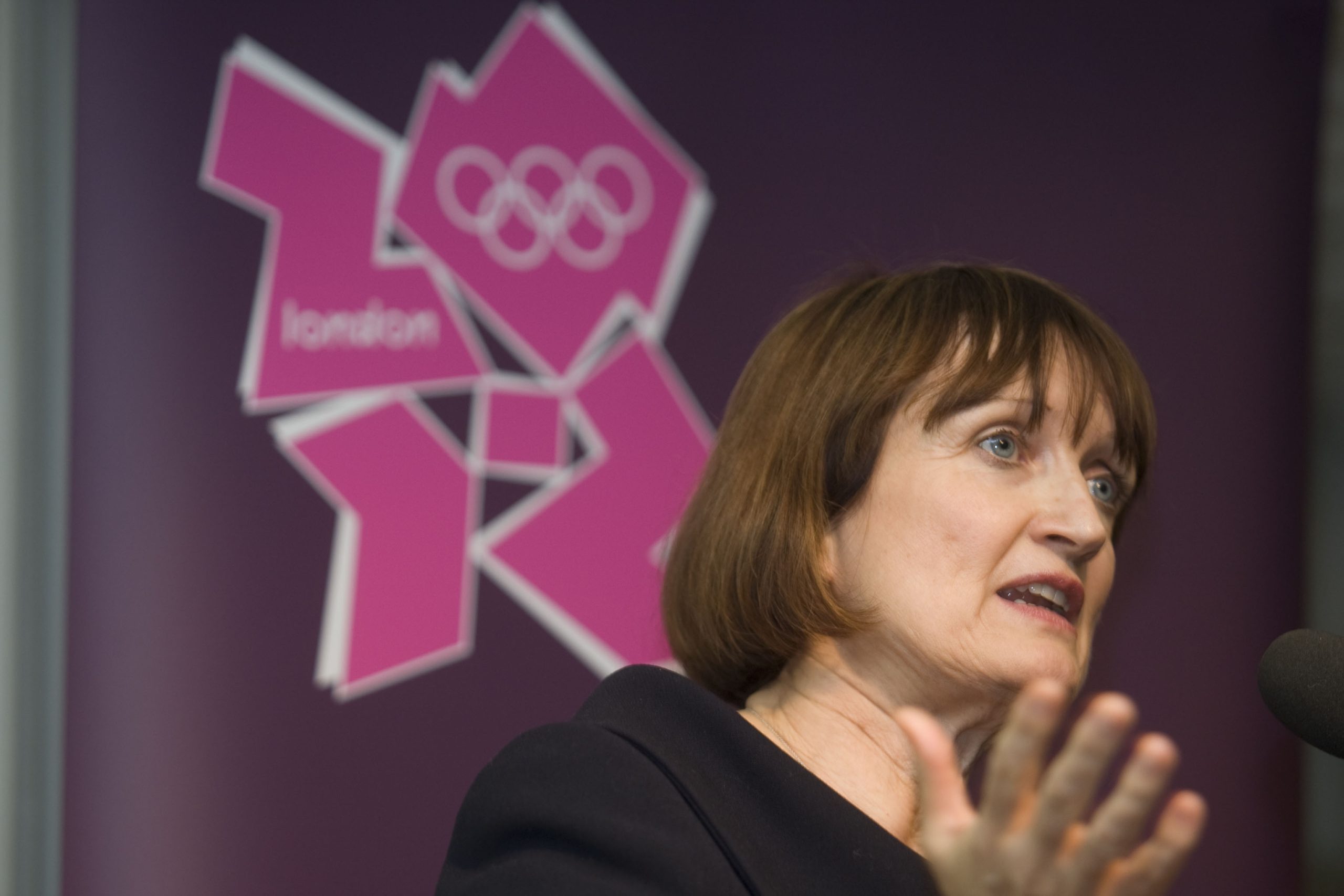
“I think probably the IOC needs to go further in reaffirming the fundamental role that the cultural festival has as part of the Olympic and Paralympic Games,” Dame Tessa Jowell told HOST CITY in an exclusive interview. “So there are three events: there is the Summer Games; the Paralympics and the cultural festival.”
While host cities can and often do put on major cultural events alongside major sporting events, their primary obligation is towards the sporting activities. However, Jowell, who is an expert advisor to the IOC on bidding procedure as part of its Olympic Agenda 2020 review, says that cultural events should take on just as primary a role as sporting activities during the Games.
“I think it’s important that Pierre de Coubertin did see this duality in the Olympic ideal, and it would be a great pity to lose that,” she told HOST CITY.
The founder of the modern Olympic Games, Coubertin envisaged the Games as a “festival of mind and body”.
“At the time of the splendour of Olympia… literature and arts, harmoniously combined with sports, ensured the greatness of Olympic Games. This should be true for the future,” Coubertin wrote.
While early modern Olympic Games featured medals for the arts, the prominence of arts and culture within the event programme faded in the middle of the twentieth century, until recent editions brought a resurgence of interest. London’s “Cultural Festival” drew on some of the world’s greatest cultural leaders and talents to wide-reaching effect.
“We had the most prominent and successful cultural festival ever for the Olympics,” said Jowell, who was also a board member of the London Organising Committee for the Olympic Games. “20 million people had a bit of Olympic experience through the cultural festival.”
The IOC estimated that around half a million people would have experienced Olympic-related cultural events in Sochi in 2014.
Glasgow 2014 put on a huge programme of free cultural events across the city to rival London’s, billed as “Festival 2014”.
The Olympic Charter describes Olympism as “blending sport with culture and education”, but the extent to which culture should feature in the Games is nothing like as rigorously determined like the programme of sports events.
A Host City contract currently includes no obligation to include any specific cultural activities, other than to say that the organising committee “must organize a programme of cultural events.”
-
IOC won’t force good governance on sports federations
The IOC announced on Tuesday that, as part of its Agenda 2020 recommendations, all organisations belonging to the Olympic Movement should “accept and comply with the Basic Universal Principles of Good Governance of the Olympic and Sports Movement.”
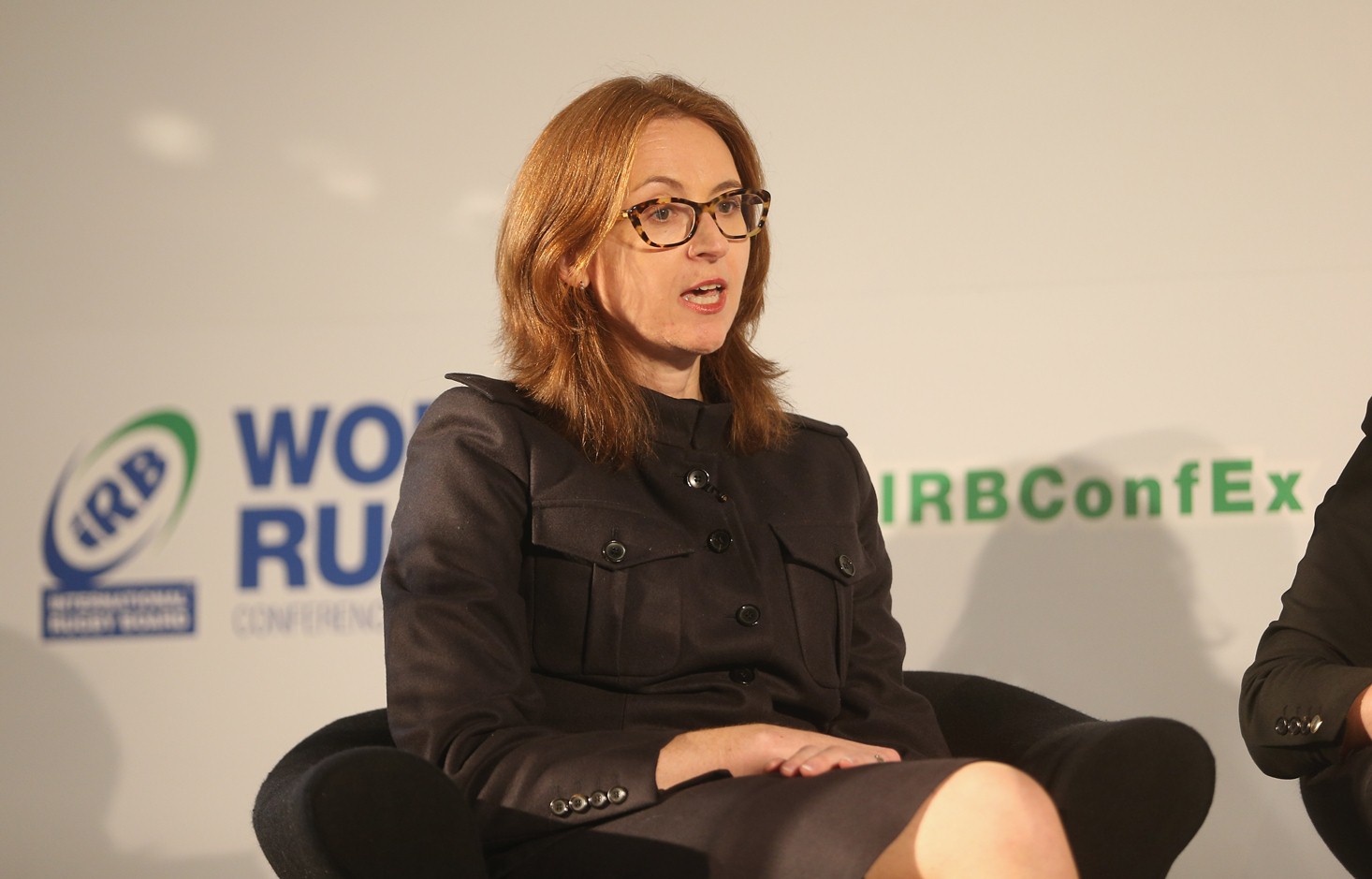
At the IRB World Rugby Confex in London on Tuesday, HOST CITY asked IOC vice president Sir Craig Reedie about the feasibility of such a wide-reaching project.
“The reason why the IOC tries to impose on every stakeholder in the Olympic movement the Principles of Good Governance is that sport has a constant demand to be autonomous. It wants to be left alone to run its own rules, and the only way that it will ever be able to maintain the request for autonomy is to have good governance,” Reedie explained.
“International Federations are effectively independent contractors, and nobody is suggesting for a minute that you would make that a condition of being a sport in the programme of the Games, but as a matter of relatively easy conviction it is not difficult to persuade an International Federation that they should have the same principles as the IOC has. We would anticipate and hope that International Federations would follow that.”
Agenda 2020 recommends that organisations should be responsible for self-evaluation and sending information through to the IOC.
Asked by HOST CITY if this might create prohibitive administrative costs, Susan Ahern, head of legal and legislative affairs at World Rugby said, “Not expensive if you are used to running your organisation in a fair, balanced and transparent way.
“The IRB may be an International Federation but we have a corporate structure that supports that – you are bound by company law, audits and so on. We have all those elements in place that any corporate would.”
Agenda 2020 recommends that the Principles of Good Governance should be “updated periodically, emphasising the necessity for transparency, integrity and opposition to any form of corruption.”
Ahern said “Certainly it’s an area where you want to continually strive to be as good as you can be, and it’s an area that’s being looked at by the IRB on a constant basis.” -
IOC woos cities with proposal to pay bid costs
International Olympic Committee (IOC) president Thomas Bach today (Tuesday) revealed 40 recommendations from the Agenda 2020 review of the Olympic Movement, which detail how to reduce costs and increase benefits for countries contemplating hosting the Games.
Agenda 2020 was instigated in 2013, shortly after Bach’s election as IOC president and has since engaged a vast range of people. The review has taken place against a backdrop of Sochi 2014, which was perceived to be an extremely high cost event, and cities pulling out of bidding for the 2022 Winter Olympic Games due to cost concerns.
The first three of the 40 recommendations relate to bidding, including details of how the world’s biggest event owner might financially support bidding cities and develop wider benefits with the host nation.
Under the recommendations, the IOC would cover the travel and accommodation costs for six delegates for candidate city briefings to the IOC, ASOIF, AIOWF and the ANOC General Assembly, plus costs for 12 delegates travelling to the host city election at the IOC Session.
The cost of cities hosting IOC Evaluation Commission visits would also be borne by the IOC. Printed versions of the candidature files would be axed, and consultants and lobbyists working for bidding cities would be monitored and registered by the IOC.
These reductions in bidding cost are, however, tiny in relation to the costs of hosting the Olympic Games. This is why Agenda 2020 proposes “shaping the bidding process as an invitation” – a form of consultation with cities at an early stage, with a focus on cost and benefit.
Under Agenda 2020, the IOC plans to better communicate the difference between the two different budgets related to hosting the Olympic Games: “long-term investment in infrastructure and return on such investment on the one hand, and the operational budget on the other hand,” as well as better communicating the IOC’s contribution to the operational budget.
The IOC seeks to reduce the cost of venue infrastructure for cities by prioritising the use of existing and temporary facilities at this early stage of bid planning.
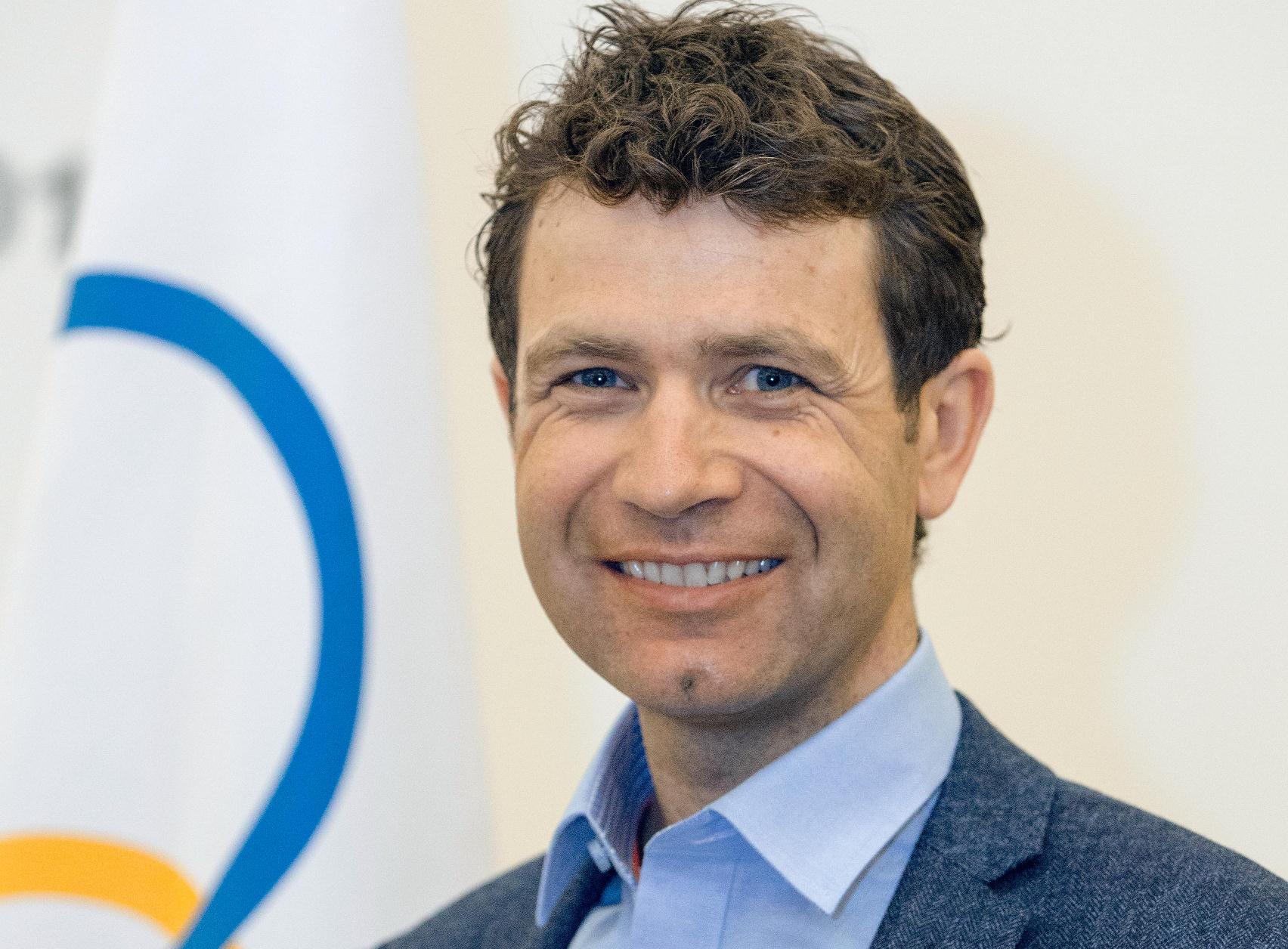
“The recommendations in Olympic Agenda 2020 are designed to change the bidding process in a positive way,” said Ole Einar Bjørndalen, IOC member for Norway, whose capital city Oslo pulled out of bidding for the 2022 Games in September 2014.
“I think it is important to bring the Olympic Winter Games especially back to their roots, where the organisers are creating genuine winter festivals and where the inhabitants of the host city are as important as the athletes.
It is a step forward that the bidding cities will have the chance to focus on Games that work in the local context – socially, economically and environmentally.”
Olympic Agenda 2020 also opens up the possibility of Olympic Games events being hosted outside the host city – and even outside the host nation, in exceptional circumstances.
“I think it is positive that the IOC will encourage the re-use of venues, temporary venues, and even the use of some venues in other regions and countries. This will lower the costs, which will hopefully make staging the Games more attractive for more countries,”said Bjørndalen.
-
2022 Olympic bids shock is a one-off
The drop-out of several European cities bidding for the 2022 Olympic Games has created “shockwaves”, but IOC reforms and stronger communication from cities will enable them build the public support needed to bid for future Games.
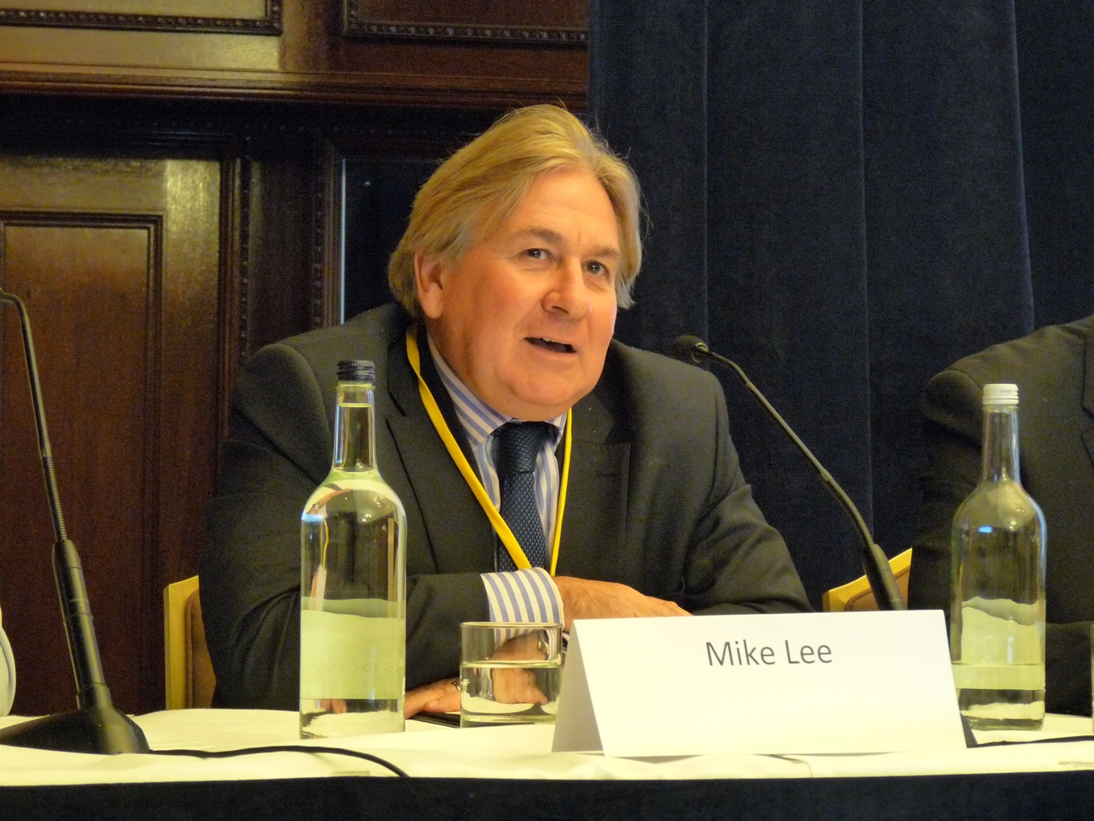
This is the view of Mike Lee, chairman of Vero, who led on the communications strategies for Rio 2016 and London 2012.
“The race for 2022 has sent a few shockwaves around the Olympic movement, so it’s good that the IOC have already been thinking about this for a while under President Bach,” Lee told HOST CITY.
A lack of public support led the European cities of Stockholm, Munich, Krakow and Oslo to withdraw from bidding for the 2022 Winter Games. The perceived cost of hosting, at a time when Sochi was investing billions in hosting the 2014 Winter Games, was a major factor in suppressing public appetite for hosting the Games.
The Olympic Agenda 2020 reforms set in motion by IOC president Thomas Bach are addressing this issue in a number of ways. “A number of the reforms that are being proposed for the bidding process and the way that cities engage with the IOC are all good news,” said Lee.
One important recommendation is the possibility of regional bids, which would allow existing venues in different cities to feature in bids. “There’s definitely going to be a lot more dialogue and flexibility – tailoring, if you wish, the way in which a bid is constructed.”
While these changes from the rights holder are clearly a positive step, city governors will also have a major role to play in building public support for bids.
“You will still need to have support from the relevant levels of government. The lessons from all the recent cycle of bidding is that that remains central. The way you have democratic scrutiny and, in some cases, all the requirements of a referendum – it’s a reminder that you need to build public support.”
The two cities left in the race for 2022 – Beijing and Almaty – do not have a tradition of public referendums. Some observers fear that democratic nations might remain disadvantaged in future bidding cycles.
“This issue of public opinion and political support go hand in hand and you’ve got to pay a lot of attention to it. It’s clearly solvable; otherwise you’d never see bids emerging from democratic countries.”
The timing of polls needs to be considered carefully. “Ideally you want to be able to test public opinion after you’ve had some sort of campaign, because if you have a cold test, don’t be surprised if you have a negative result.
“The London bid would be a very good example. If were depending on the poll in the early days of the London bid, London would never have progressed. It took some time to build the campaign and in the end the polling figures for London were very good, and the national joy came with London winning in Singapore.”
Warning Signals
Rights holders of major events can expect to see a larger number of applicant cities emerging from this bearish period. “It would be wrong to judge the state of the appetite for major events just from the Olympic bidding process for 2022,” says Lee.
“Most mega events do have multiple bidders – people can’t be looking at the willingness of cities to host purely through the prism of the 2022 Winter Games race, because that is a bit of a one-off. But it’s sent off some warning signals and Agenda 2020, from an Olympic perspective, is all a part of responding to that.”