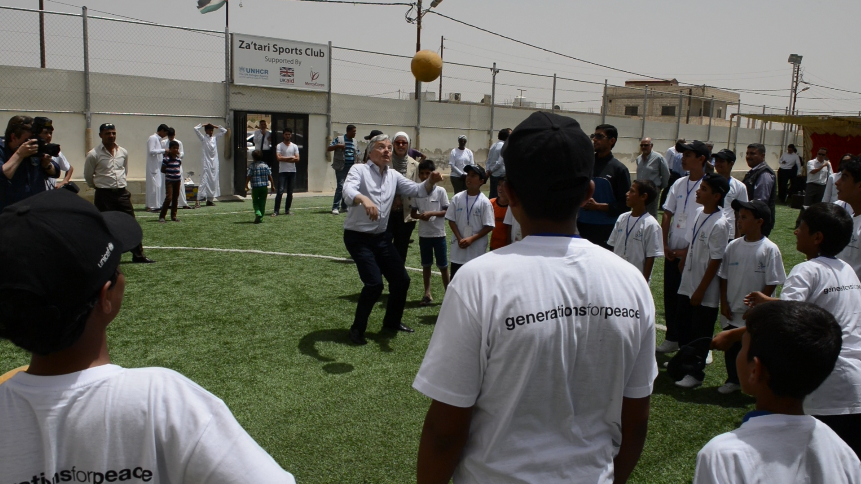
The Belgian Ministry of Foreign Affairs has agreed to work Generations For Peace in a partnership that will boost the impact and sustainability of the NGO’s Jordan Schools Programme, it was announced on Monday.
The partnership will benefit 5,000 young people living in vulnerable refugee host communities in Jordan, Generations for Peace said.
Population pressures and tensions are growing in schools in Jordan’s refugee host communities, due to the intake of a high number of Syrian refugees. The programme focuses on reducing violence and the potential for violence in these schools through sports and art leadership projects.
“This partnership will provide significant support for our Generations For Peace programmes in Jordan at a time when we must continue to reduce the tension and risk of violence among children and young people in schools and communities most in need,” said HRH Prince Feisal Al Hussein, Founder and Chairman of Generations For Peace.
Through the partnership, Generations For Peace Clubs will be created in 12 schools in host communities across Jordan.
Generations For Peace will select and train 100 students who demonstrate commitment and leadership, and equip them with the skills and knowledge they need to begin facilitating sport and art for peace activities in their schools. These young people will also lead on initiatives in their surrounding community that are designed to strengthen social cohesion, resilience and social capital.
“We are delighted to pledge our commitment to this important programme,” said Didier Reynders, Belgium’s Deputy Prime Minister and Minister for Foreign Affairs and European Affairs.
“Our recent visit to see the work of Generations For Peace in Za’atari Village host community demonstrated the power of sport and its ability to break down stereotypes and bring young people from Jordan and Syria together.”
Belgium’s Ambassador to Jordan, Thomas Baekelandt, said “These young people have enormous potential and we are delighted to support them in their role as change-makers who can ensure a brighter future for their communities.”
Category: City Development
-
Belgium backs Generations For Peace refugee youth project
-
UNICEF CGF partnership makes Samoa Youth Games even more inclusive
The Commonwealth Games Federation (CGF) is working with the Commonwealth Secretariat and the United Nations Children’s Fund (UNICEF) to deliver a dynamic and inclusive programme of athlete and public engagement activities at the upcoming Samoa 2015 Commonwealth Youth Games, the CGF announced on UN International Youth Day on Wednesday.
The new initiatives will help fulfil the Games’ ambition to celebrate high-performance sporting competition, personal development and new Commonwealth friendships made on the level playing field of sport.
“We’re thrilled to be joining forces with the Commonwealth Secretariat and UNICEF to enable innovative projects at this year’s Commonwealth Youth Games which will engage, inspire and support our young Commonwealth athletes and young Pacific Island hosts,” said CGF Chief Executive David Grevemberg.
“In line with our strategic ambitions, we hope the programme will have a lasting impact, recognising our young Commonwealth citizens as essential to achieving sustainable human development.”
Workshops for young athletes will take place each day throughout the Games, delivered by representatives from the Commonwealth Youth Sport for Development and Peace (CYDSP) working group, a network of young sport and development leaders from across the Commonwealth.
“The opportunity for participants at the Games to learn more about how sport can be used as a tool for development is another example of the important role the Games movement can play in promoting the Commonwealth and our shared values,” said Oliver Dudfield, Head of Sport for Development and Peace at the Commonwealth Secretariat.
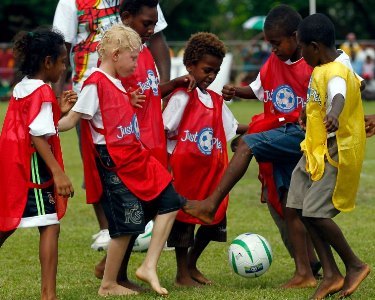
Alongside the workshops, Just Play fan zones be set up for young locals, visitors, athletes and officials to participate in interactive games and activities.
Just Play, an Oceania Football Confederation programme, is developed in partnership with UNICEF, the Australian and New Zealand governments, the UEFA Foundation for Children and the Football Federation of Australia.
“Sport is a powerful development tool to engage children and young people across the world,” said Dr. Karen Allen, UNICEF Pacific representative.
“Within the Pacific, since the programme’s inception in 2009, Just Play has attracted more than 200,000 girls and boys to engage in physical activity and learn healthy lifestyle habits and self-confidence. The
programme also encourages gender equality, promotes social inclusion and reduces anxiety after natural disasters.”.
The Commonwealth Youth Games will bring together up to 1000 young athletes aged 14-18, who will represent their country and compete for 107 Gold medals in 9 sports on the island nation of Samoa from 5-11 September 2015.
-
David Grevemberg shares thoughts pre-CGF General Assembly
Around one third of the world’s population live in the Commonwealth. Many of these people live in some of the world’s biggest cities, which include emerging mega cities such as Delhi and Lagos, as well as established host cities like London, Sydney, Toronto and Glasgow.
The Commonwealth also encompasses two thirds of the world’s small states and island states, embracing the widest range of cultures of any international association of nations.
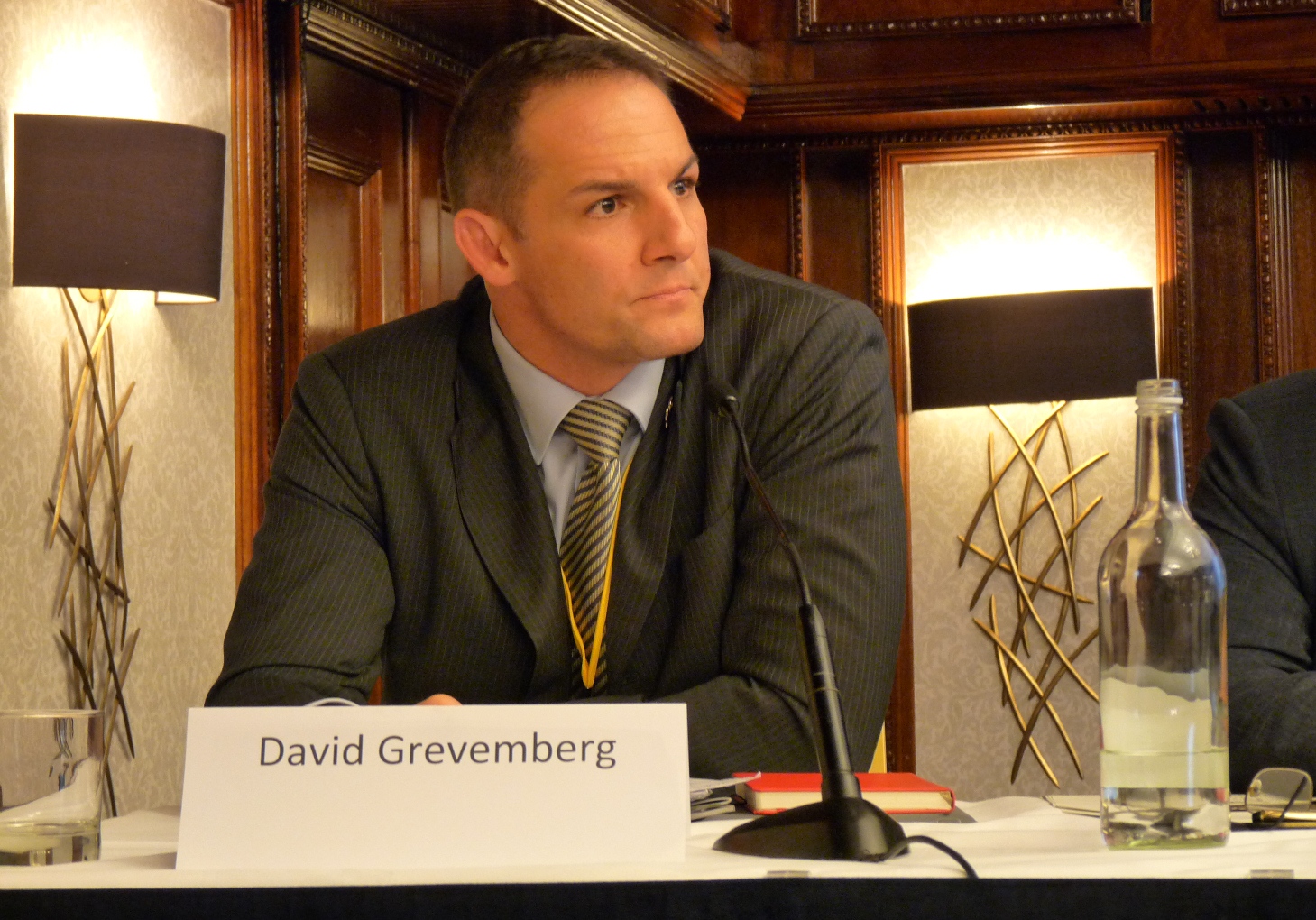
The Commonwealth is, in short, incredibly diverse. “Each city, each location is different; it has different strengths and it has different challenges,” David Grevemberg, CEO of the Commonwealth Games Federation (CGF) tells HOST CITY.
Attainable Games
The CGF’s aim, declared on its website, is “uniting the world through sport”, which it achieves through the Commonwealth Games. While all 71 Commonwealth nations take part, the majority do not have the scale or technical capability to host the Commonwealth Games.
The smaller Commonwealth Youth Games presents a more attainable proposition for cities that want to benefit from hosting a CGF event.
“The structure and approach that the Federation is taking can appeal to emerging markets, to more regenerative markets and sustained markets. We have different cities, all within different phases of their development,” says Grevemberg.
“I think the Games, whether it’s the Youth Games, a Commonwealth Championship event or a multi-sport event, can play a part in contributing to that journey for cities when approached right.
“The Commonwealth Youth Games have great agility for local hosts to make of them what they will. Events like this are fantastic opportunities to create opportunities for those smaller states to showcase what’s on offer, and what their challenges, ambitions and aspirations are.”
The small island states of Samoa and St. Lucia are hosting the Youth Commonwealth Games in 2015 and 2017 respectively.
“For Samoa and St. Lucia, these are accessible and inclusive events; they will be taking in the local context. They are taking a very agile approach, in terms of providing not only a great competitive experience for the athletes and citizens, but also using the event to have a cultural immersion experience.”
While sports events do present fantastic opportunities for hosts to showcase their qualities to the world, the question of to what extent they can bring wider benefits to society is becoming ever more pertinent – particularly when it comes to mega events like the Commonwealth Games, which require major investment to deliver.
“These events, when used with the right time and place and purpose, have the power to be transformational – not just in terms of infrastructure, but also can have economic and social benefits and changes that can build more peaceful, sustainable and prosperous communities,” says Grevemberg.
“I think there’s demand now that sport delivers on that proposition and that it claims an order as part of a justification of running these events.”
“It’s as much about the journey as it is about the destination of hosting these events. It’s about – what are your ambitions, what are your anxieties and how does this event match up with that – and ultimately is it a good business and social proposition?”
Transformation 2022
Earlier in 2015, the Commonwealth Games Federation suffered from the loss of Edmonton as a candidate city for the 2022 Commonwealth Games during the height of the oil price crisis in February 2015. The CGF, with Grevemberg appointed as CEO following his leadership of Glasgow 2014, embarked on its “Transformation 2022” programme of reform.
Central to Transformation 2022 is a review of the sports programme.
“Are we being inspiring and innovative in our decisions on the sports we have on the programme? Are we driving efficiency and effectiveness to the delivery of this event? Are we looking at affordability and appeal in getting those balances right?
“Those are the three elements we’re looking at in terms of driving our overall Games proposition to have more inspiring and innovative Games, so the sports on the programme are starting to reflect that,” says Grevemberg.
In making the Games more appealing to potential hosts, the CGF is setting out to communicate more widely and deeply with its network of cities.
“It’s quite important that we remain agile and listen to what our cities and countries are looking for. We have a responsibility now to work with people and the various partners in cities to ensure that we are accountable, that our events are delivering the benefits that they claim they do.”
The goal is not ultimately to stage sports events, but to use them as a means to improve quality of life.
“Part of this notion, in terms of the proposition to deliver inspirational Games, is to engage and embrace with the cities; and how to work with cities and use major sports events within the Commonwealth to share and exchange best practice for using sports as a tool to drive prosperity.
“That is what drives sustainability, and obviously that nurtures future hosts and the power of sport within the Commonwealth.”
Commonwealth Cities Exchange
When it comes to best practice, the Commonwealth is blessed with a large number of some of the world’s most successful host cities.
“If you look at the cities of the Commonwealth that have hosted major sporting events – not just the Commonwealth Games – and the way that they’ve used sport to hold themselves to account, but also to drive some of those sustainable development agendas, there’s no question that the Commonwealth has a strong pedigree of cities that have lived and learned how to do it: the Manchesters, the Glasgows, the Londons, the Sydneys, the Vancouvers, the Edmontons, the Torontos, the Jo’burgs, the Durbans, Kuala Lumpur, Singapore… the list goes on.
“You’ve got a lot of really powerful examples of cities – so how do we create Commonwealth exchange with common purpose, not just to celebrate legacy but also to celebrate ambition?
“The concept is ultimately to share best practice and to help people recognise the power of sport to develop their societies.”
Fully engaging the CGF’s 71 members, the Commonwealth Games Associations – 54 of which perform a dual role as National Olympic Committees – will be crucial to communicate the benefits of hosting CGF events.
“There’s a really strong emphasis on working with the CGAs to build their relationships with private, public and third sector – because you really can’t do anything without that alliance. We need to work with them and their local communities to showcase and drive the value of the events. You also have to look at cities as partners.”
Partnerships with sport’s international federations (IFs) will also be essential for developing sport within the Commonwealth.
“With each of the IFs we are looking at the technical relationship, the developmental relationship; where can we be innovative and have enhancement on our promotional opportunities; promote that sport and its values within the Commonwealth; and finally other opportunities for us as a trailblazing movement to enhance the reputational prominence of that sport.”
Grevemberg cites the Glasgow 2014 athletics track at Hampden Park for as a good example of working in partnership with the IAAF. By raising the ground level, the field of play was widened and the existing national stadium was able to house an athletics track for the Commonwealth Games.
“That created a sustainable solution for athletics in an existing stadium. It minimised cost but created an appealing world class event that wouldn’t leave a white elephant. That was an innovative solution that had enormous reputational benefit.”
Good Governance
Reputation is crucial for rights holders and the popularity of sports should not be taken for granted.
“We, as sports managers and sports administrators and our leadership, need to be conscious that there are lots of competing forces out there and we do live in turbulent times.
“We need to be agile and respectful, conscious and definitive in the approaches that we are taking to really uphold the values that we promote. That’s ultimately, without being overly evangelical, what we have to lead with.
“Otherwise we get overtaken – something else will fill the gap. We need to certainly take the necessary steps to ensure our success in the future.”
The values of the CGF are “Humanity, Equality and Destiny”, which Grevemberg describes as referring to “people, how we treat people and how we give people the opportunity to realise their full potential.”
The CGF uses the “medium” of sport to achieve this.
“The Transformation 2022 starts to put a narrative around those values, which people can really own and understand how we can put those words on the ground. They line up very effectively with the Commonwealth Charter and the principles of peace, prosperity and human rights.
“I believe that sport and the work that we do can play a part in building awareness, advocating or taking tangible action to address those pieces. We are exploring ways with the Commonwealth Secretariat and many sport development bodies to see how we can play a big part.
“So it’s just having those bold, frank, idealistic, but not naïve, conversations about what can we do with the power of sport to be a force for good.”
HOST CITY 2015
David Grevemberg spoke at HOST CITY’s first conference in October 2014, on the subject of “Beyond the Bid: Winning for the Future” and HOST CITY is very pleased to welcome him back in November 2015 speaking on the subject of “How Cities and Events Innovate to Thrive”.
On HOST CITY’s launch event last year, Grevemberg says: “Enlightening. I think the calibre of people that attended and spoke was excellent; it was excellent to meet so many experts with a shared perspective and shared passion and belief that the hosting of major events is a force for good.
“I think it’s a great forum to discuss the fact that we are at this crossroads where the integrity of sport, in terms of how sport is managed and run, and what it delivers, is in question right now – that’s the reality.
“I think forums like that are important for us as the industry and those that may be interested in becoming part of the industry, to be able to come and exchange views, to debate, deliberate and ultimately design some innovative thoughts about where to we go from here.
“Every city, every event is different with different opportunities. At the same time, there is best practice out there that can be transferrable.”
-

Manchester wins Internet of Things bid
A project in Manchester designed to improve services for citizens has won the “Internet of Things Cities” competition.
The CityVerve Project, which optimises services using the Internet of Things (IoT) technology, received the GB£10m award.
The project, led by Greater Manchester Local Enterprise Partnership, was selected out of 22 entries involving 34 cities across the UK and with a shortlist of six finalists.
UK Digital Economy Minister Ed Vaizey said the Manchester project won because of its “ambition, scale, coordination across the public and private sector, and potential for success.
“The Manchester project will help the UK to be a world leader in the adoption of Internet of Things technologies and inspire others around the world to create smarter cities.
“The Project will bring real benefits to people who live and work across Manchester, one of our Northern Powerhouse cities.”
The CityVerve Project includes plans for talkative bus stops, which let bus operators know when commuters are waiting, and a network of sensors in parks and along commuter routes to encourage people to do more physical activity.
IoT adds sensors and data analysis to equipment like streetlamps, vehicles or home heating equipment. These ‘smart’ improvements enable the delivery of more personal, efficient and flexible products and services.
“The pioneering work Manchester is doing on devolution, finding innovative ways to respond to local needs and priorities, makes us the perfect test bed for this work,” Sir Richard Leese, leader of Manchester City Council said on behalf of the CityVerve consortium.
“Our plans are firmly focussed on creating the conditions for economic growth and helping connect people with the opportunities created – whether that’s helping them to monitor their own health to help avoid preventable illness or giving them improving transport information to help them move around the city more easily.”
The CityVerve project will demonstrate applications of IoT technologies and services in four key areas: healthcare; transport; energy and environment; and culture and community. It aims to provide a replicable model for other cities in the UK and beyond.
IoT is a major area of growth that is set to have a transformative effect on society. A recent report by independent consultants Arup estimates that the global value of the IoT sector will exceed £255 billion a year by 2020.
IoT is one of the four components of RAID, which comprises the disruptive technologies of Robotics, Artificial intelligence, Internet of things and big Data.
To harness the potential of these disruptive innovations, city and business leaders are meeting at the large scale RAID Confex in Utrecht on 31st May and 1st June 2016. To find out more visit www.raidconfex.com
-
Developing hosts through cycling
One of the beauties of cycling lies in the huge variety of its different disciplines, which cater to athletes of contrasting profiles, attract fans of all ages and backgrounds, and can be hosted by cities of varying sizes and with differing budgets.
Each year, the Union CycIiste Internationale organises UCI World Championships and UCI World Cups across its eight disciplines, which means more than 50 annual cycling events worldwide.
Infrastructure necessary for these different events varies enormously: depending on the discipline, the requirement may simply be a well-equipped sports hall, a downtown urban centre, park, countryside trail, or a mountain. Other disciplines call for more specific infrastructure such as a BMX Supercross track or UCI-approved velodrome. As well as major championships for the professionals, there are mass participation events for amateur riders. The possibilities for hosting a UCI event are plentiful. Even small cities on limited budgets can become hosts of a major international cycling event.
Beyond the excitement and emotions that go hand in hand with hosting a high-level cycling competition, the UCI proposes to help host cities establish a true legacy from the event. This is achieved largely through the development of Cycling for All.
Cycling is more than just a competitive sport: it is also a popular leisure activity and an efficient means of transport. In these roles, the bike can help public authorities face environmental and health challenges by limiting noise, reducing traffic congestion and improving public health.
How hosting a cycling event can motivate a population
Experience has shown that organising a UCI event is an ideal springboard for developing cycling among a region’s population.
For example, to coincide with hosting the 2015 UCI Road World Championships, the city of Richmond (USA), published a Bicycle Master Plan which details a proposed network of improved bike infrastructure throughout the city and includes halving the rate of injury to cyclists by 2025.
Richmond Mayor Dwight C. Jones said: “While hosting the UCI World Championships in itself was a tremendous honour, we’ve always viewed this opportunity as having a lasting impact on the Richmond community.”
For many people considering taking up cycling for their health – and for transport – the sight of elite riders can be one of the triggers for a shift in behaviour. If bike events are incorporated within wider transport and marketing strategies, they can help persuade people to try cycling as an alternative to the car.
The savings from a shift to cycling can be huge. Someone who commutes 5km to work by car could save half a tonne of carbon dioxide per year by shifting to cycling for all those journeys.
Together with the European Cyclists’ Federation (ECF) and the Bicycle Product Suppliers Association (BPSA), the UCI has recently commissioned a report on the impact of a much greater use of cycling in urban areas. Carried out by University of California, Davis (UCD) and the Institute for Transportation and Development Policy (ITDP), the scientific study – a first of its kind – shows that cycling and e-biking can cut energy use and CO2 emissions of urban transport by up to 10% by 2050 compared to current estimations, while saving society trillions of dollars.
We can also look at how an increase in cycling can boost trade. This phenomenon is highlighted in a New York City report entitled “Measuring the Street,” which states that after the construction of a protected bike lane on 9th Avenue, local businesses saw a 49 percent increase in retail sales. On other streets in the borough, the average was only 3 percent.
UCI Bike City Label
To encourage host cities to help their populations shift to a cycling mentality, the UCI has invested in and relaunched the UCI Bike City label from 2016. This will reward bike friendly cities and/or regions to fulfil certain criteria under two key pillars:
•Hosting UCI cycling events
•Investing in cycling for all.
There are three levels of UCI Bike City label, depending on the scope of the development plan.
Level 1: to host at least one UCI World Cup and one UCI World Championships for two different disciplines during a four-year period.
Level 2: to host at least one UCI World Cup and two UCI World Championships for two different disciplines over a four-year period.
Level 3: to host at least one UCI World Cup and one UCI World Championships over a four-year period, plus the UCI Road World Championships within 10 years of these events.
As well as hosting UCI events, cities will need to meet specific targets under the second pillar, Cycling for All. These targets concern:
•Strategy
•Ambition
•Funding
•Protected bike lanes
•Safety for cyclists
•Participation
•Cycle training
•Measuring progress
•Sustainability
Cities will not be alone as they work towards the UCI Bike City label. The UCI will work hand in hand with host cities, helping them develop and benchmark their plans to grow cycling at all levels. They will also share best practices from around the world.
The aim of the UCI Bike City label is three-fold:
•To reward cities that invest in cycling;
•To build long term relationships between the UCI and different cities;
•To inform the wider public about bike friendly cities and/or regions that are suitable for bike tourism.
In return to their investment and commitment, UCI Bike Cities will:
•Be able to use the label on all official documents;
•Be listed on the UCI website;
•Benefit from promotion on the UCI’s social media channels;
•Receive support in securing athletes as ambassadors of their cycling programmes;
•Have access to free advice on advocacy topics;
•Receive VIP tickets for the main UCI events.
The UCI Bike City label will be awarded to cities demonstrating a long-term engagement to cycling at all levels. In partnership with the UCI, our most committed city partners work towards the development of cycling at all levels and in all parts of the world.
-
UNICEF boosts Generations For Peace refugee host programme
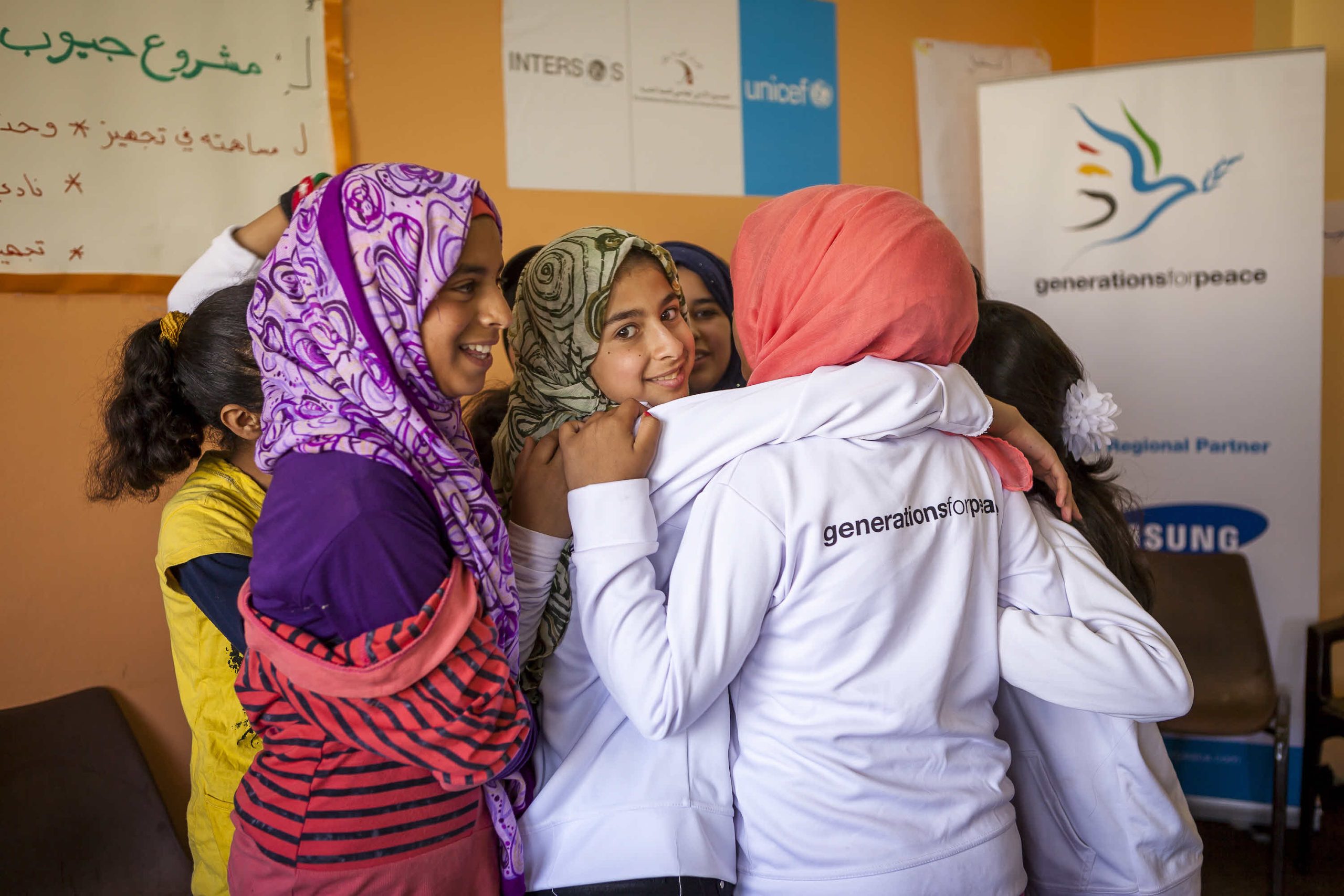
Generations For Peace (GFP) has been awarded additional funding from UNICEF to expand a successful programme engaging volunteer youth leaders to strengthen social cohesion and resilience, and reduce the potential for violence in refugee host communities.
The programme has seen impressive positive impact in 10 communities over the last year. Building on this success, UNICEF is increasing its support, to expand the programme to 16 communities in 2016. To power the expansion, from 9-14 January, 80 Jordanian and Syrian youth leaders completed six days of intensive training, gaining the capacity and confidence to assess local conflict issues, identify a target group, and design, organize, run, and sustain an ongoing series of activities with youth in their communities.
The youth leaders work in Community Development Centres run by the JOHUD, and Youth Centres run by the Higher Council for Youth, in Ajloun, Amman, Irbid, Karak and Mafraq. The Generations For Peace training helps to empower youth leaders as peer educators, as they learn to design and facilitate activities using a unique conflict transformation curriculum. Following the training this month, Generations For Peace will continue to mentor and support the youth leaders as they organize weekly sessions for youth in their communities. A total of 22 weekly sessions helps to ensure that long-term behaviour change and conflict transformation impacts are secured. To expand the positive impact still further, the youth participants and trained volunteers will also design and conduct local community social cohesion initiatives, reaching an even wider audience with what they have learned.
HRH Prince Feisal Al Hussein of Jordan, Founder and Chairman of Generations For Peace, thanked UNICEF, noting: “We are grateful for the support of UNICEF and others who see the positive impacts of our work and are helping us to build on our strengths and successes to benefit the most vulnerable communities in Jordan. Our programmes over the past few years have demonstrated the effectiveness of empowering Jordanian and Syrian youth to lead activities in their own communities to break down stereotypes and barriers, build strong friendships with one another, and manage conflicts without violence.”
Robert Jenkins, UNICEF Country Representative for Jordan, said: “UNICEF is proud to increase our support to the ongoing work of Generations For Peace in improving the lives of children and youth affected by the Syrian refugee crisis in Jordan. In Jordanian communities hosting large numbers of Syrian refugees, youth-led activities that strengthen social cohesion and resilience are critical to ensuring youth can successfully participate and engage in society, and draw upon support networks when facing extreme challenges.”
Omar Alharaki, a volunteer who participated in the training, said: “I have to be an active member in this community; whatever I can offer, I will offer. We have to make sure that our community is a safe place, and this is why I volunteer. I also volunteer so I that can contribute to building a socially conscious generation. Even if we go back to Syria, we will have concepts and principles to take with us, and we will work hard to pass them on from generation to generation.”
Since the conflict in Syria began, more than 633,000 Syrians have registered as refugees in neighbouring Jordan (UNHCR 2015), 52% of whom are youth under the age of 18, and with 82% residing in host communities rather than refugee camps.
The work of Generations For Peace towards improving social cohesion among Jordanian and Syrian youth in host communities is also supported by the Norwegian Ministry of Foreign Affairs, the Inti Raymi Fund, Samsung, Orange, and DHL.
Source: Generations For Peace
-
Cities are in a “battle for growth” – ECM president
Cities are embroiled in increasingly intense competition for branding, with digital and social media having transferred marketing from city officials to citizens, according to the president of European Cities Marketing (ECM).
“City branding is more complex than ever. CTOs (chief technology officers) have lost share of voice in the age of digital and social media. The city belongs to the people,” said ECM president Ignasi de Delàs in the run up to the next ECM meeting on 24-27 February in Madrid.
“And it’s definitely no longer just about the tourists. Cities compete more than ever for private investments, business conferences, world sports events, talents in research and science, film productions, political summits, international students, cruise ships, international headquarters and new airline connections.
“Ultimately, it’s all a battle for job growth, prosperity and quality of life. The winners get a global window and a place in the sun. The losers remain in the shadows among the non-places of globalisation.”
At the ECM Meeting in Madrid, February 24-27, ECM and Madrid Destino will present a parade of thought leading international experts highlighting European and North-American perspectives.
Experienced city brand marketeers will share their most valuable insights and learning for a full two-day conference on the latest trends, the pitfalls and the upsides of a branding discipline undergoing rapid change.
Among key speakers, Fred Dixon, President and CEO of NYC & Company and Robert Govers, Founding Chairman of the International Place Branding Association will provide opening notes with a seemingly joint message: “Leave the branding to the people”.
Copenhagen will discuss how it leaves its marketing voice and buzz to the people, while Nantes will describe how it uses culture to morph an old industrial port to a new global city. Other cities showcased include Munich, Istanbul, Hamburg and Paris, as well as small destinations such as Davos, home of the “The World Economic Forum” and Billund, the hometown of Lego Corp which aspires to be world’s “Capital of Children”.
A day of seminars will be coordinated by Peter Rømer Hansen, Former Executive Vice President – Strategy & Market Communications at Wonderful Copenhagen and actual Founder and CEO of Rømer Agency.
To find out more visit http://www.europeancitiesmarketing.com/ or contact Flavie Baudot, press@europeancitiesmarketing.com, +33 380 56 02 00
-
Smart cities at RAID to share innovation strategies in Utrecht
The inaugural World RAID Congress, taking place at Jaarbeurs in Utrecht, the Netherlands on 31stMay – 1st June 2016, will be the largest cross-sector disruptive innovation event in Europe this year.
RAID stands for Robotics, Artificial Intelligence, Internet-of-Things and Data – the technological mega-trends that are transforming the world today. RAID informs the industry sectors of Energy, Finance, Healthcare and Transport, with a special focus on Cities.
Aimed at cross-sector C-level business and city leaders, RAID is an opportunity to learn from peers and experts about how to cope and innovate in the face of disruptive changes to established business sectors.
Alongside technology providers, city leaders will demonstrate how they are investing in RAID technologies to advance economic and social development.
The format will be one of cross-sector plenary panel discussions with VIP speakers on Day One, followed by dedicated streams for Auto/Transport, Cities, Healthcare, Energy and Financial Services on Day Two.
Dedicated to sustainable development, transport and health
The Cities stream at RAID is set to begin with VIP addresses on “The Challenges and Opportunities of RAID for Cities”.
A panel on “Energy in Transition” will discuss urban utilities for increased efficiency, smart and decentralised grids, RAID and urban renewables.
A session on “Urban Transport” will look at the impact of driverless vehicles and car sharing, the challenges of intercity transport management, AI and Intelligent transport systems for traffic management.
A panel on “Creating Healthier Cities through RAID” will examine how cities can integrate technology and health, while a session on “Urban Development, Security and Investment” will discuss how RAID technologies can make cities safer and economically stronger.
To view the full agenda visit www.raidconfex.com
Join RAID, Europe’s largest cross sector disruptive innovation event
RAID will take place on 31st May – 1st June 2016 at Jaarbeurs, the largest and most accessible venue in the Netherlands, just 20 minutes from Schiphol Airport. The host city of Utrecht is ranked by the European Commission as the most competitive place in the EU to do business.
The event is attracting a minimum of 500 attendees in its first year, with delegations confirmed from UK, China, Germany, France, US, Norway, Sweden and Denmark.
RAID is organised by Cavendish Group, which also stages the International Capital Conference and Host City, in partnership with Jaarbeurs and with strong support from industry organisations in France, the UK, Germany, the Netherlands and China.
Register here for the go-to event for cross-sector disruption and to find out about speaking opportunities contact ben.avison@cavendishgroup.co.uk
-
China’s giant sports investments
China’s economic growth may have cooled down from its double digit rates of recent years but the country’s sports sector is powering ahead, both at home and abroad, with sports identified as a key area of economic development for the coming ten years.
Investing at home
Beijing is set to invest USB 1.5bn in hosting the Olympic Games in 2022, but this is a tiny fraction of the total domestic investments into sport China is set to make over the next decade.
China’s national plans for investing in sport are unprecedented. According to the General Administration of Sports (GAS), the sector in China is set to expand to US$1tr by 2025 – more than the value of the entire global sports industry at present.
While this goal may sound unrealistic, recent figures support such a projection. The GAS says China’s sports sector grew by US$55bn in 2012 to reach US$170bn in 2013. Official estimates suggest that China’s sports sector will expand by US$62bn in 2015. And by 2020, the sports sector is expected to reach US$456bn.
To achieve this sustained growth in sports, the government has recently issued 50 documents setting out a series of measures, focusing on tax incentives, land security, specialized funds, technology and research and development.
China outbound
It’s not just on home turf where China’s ambitions lie. With international reserves far outweighing any other nation, China is investing far and wide – and focusing on sports properties.
In a process dubbed “stadium diplomacy”, China has built and financed the construction of 37 venues in Africa, five in Asia (including Syria), eight in the Caribbean, six in the South Pacific and one in Central America (Costa Rica).
And over the last two years, Chinese investors and firms have bought into football clubs in England, France, the Netherlands, Spain and the Czech Republic.
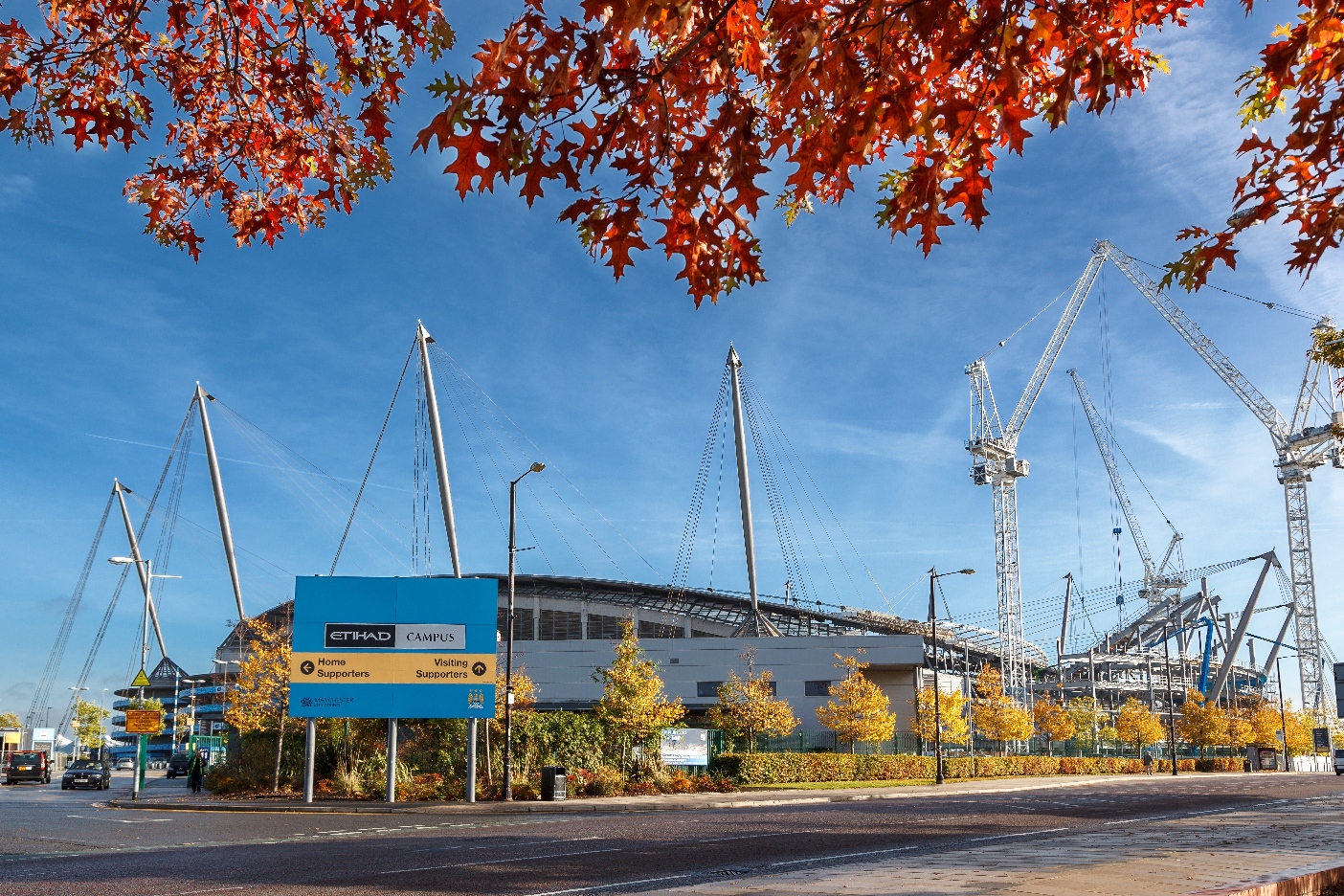
In December 2015 it was announced that a consortium of Chinese investors – CMC (China Media Capital) Holdings and CITIC Capital – was to acquire a 13 per cent stake in City Football Group (CFG)
CFG, the holding company of Manchester City, Melbourne City and New York City football clubs that is wholly owned by Sheikh Mansour’s Abu Dhabi United Group (ADUG), is valued at approximately US$3bn.
CMC Holdings and CITIC Capital’s investment of US$400m in City Football Group demonstrates just how highly China values the power of investing in football overseas.
For football clubs, the opportunity of Chinese investment brings access into China’s rapidly growing sports sector. The Chinese market is a crucial target for global football brands to grow their fan base, not only because of the sheer size of the market but because of the growing interest in football there.
“The deal will create an unprecedented platform for the growth of CFG clubs and companies in China and internationally, borne out of CFG’s ability to provide a wealth of industry expertise and resources to the rapidly developing Chinese football industry,” Manchester City said in a statement.
“The capital from the share acquisition will be used by City Football Group to fund its China growth, further CFG international business expansion opportunities and further develop CFG infrastructure assets.”
China Media Capital, a public equity and venture capital firm investing in sectors including culture, technology, media and entertainment, also secured the US$1.3bn broadcast rights for the Chinese football league in 2014.
World Cup hosting hopes
It’s not just state-owned investors that are capitalising on the global football industry – Chinese private enterprises are also getting in on the act.
Since 2012, Huawei has signed sponsorship agreements with Spain’s Professional Football League (LFP) and club side Atlético Madrid, the Russian national soccer team, German clubs Borussia Dortmund and FC Schalke 04, Premier League side Arsenal FC, French champions Paris Saint-Germain and Dutch Eredivisie giants Ajax, among others.
And in December 2015, FIFA announced China’s Alibaba E-Auto as sponsor of the FIFA Club World Cup – the first new sponsor signed by FIFA in two years.
“We are delighted to welcome Alibaba E-Auto as Presenting Partner of the FIFA Club World Cup and are excited to be working closely with them to embark on a journey to reach fans across the world,” said FIFA Marketing Director Thierry Weil.
“We also hope to benefit from their innovation, and are looking forward to seeing what they can bring to the FIFA Club World Cup over the next eight years.”
The “internet car” brand is owned by Alibaba Group and operated with Shanghai Automotive Industry Cooperation (SAIC).
Daniel Zhang, Alibaba Group CEO said: “Sports is at the intersection of Alibaba Group’s strategic themes of health and happiness, and we look forward to adding new value for participants and consumers in the sports sector through data-driven Internet technology.
“Partnering with a major sporting event with a global audience such as FIFA Club World Cup is also an important part of Alibaba Group’s globalisation strategy for connecting China to the world.”
The partnership is also seen as a means of increase China’s stature within FIFA.
China is not yet a major force when it comes to playing football. The country has only qualified for the FIFA World Cup once, in 2002, and it currently sits at 84th position in the world ranking.
But it is hoped that all this investment into sports will help raise the standard of the game in China. And while the country isn’t yet among the best at playing the game, it certainly has a strong track record of hosting major events and a bid to host the World Cup would be welcomed by FIFA.
The host of the 2026 World Cup is due to be elected at the FIFA Congress in Kuala Lumpur in May 2017. For the first time, all FIFA’s 209 member associations will have a vote, instead of just the Executive Committee members.
The bidding process has not officially begun and bids are unlikely to be announced until the dust begins to settle on FIFA’s process of transition.
FIFA dropped its policy of continental rotation in the bidding phase for the 2018 and 2022 World Cups and the organisation decided not to vote on reintroducing the policy at its Congress in 2015.
If the policy were to be reintroduced, China would be out of the picture until 2030 – assuming Qatar retains its right to host the 2022 World Cup.
But as things stand, a bid from China for the 2026 World Cup is possible and would be strong competition to a bid from the USA. With the coming years set to be a time of renewal for FIFA, taking its flagship event into the world’s largest growth area would no doubt be an appealing prospect for the world’s football leaders.
This article first appeared in the Winter issue of Host City magazine. Register here. -
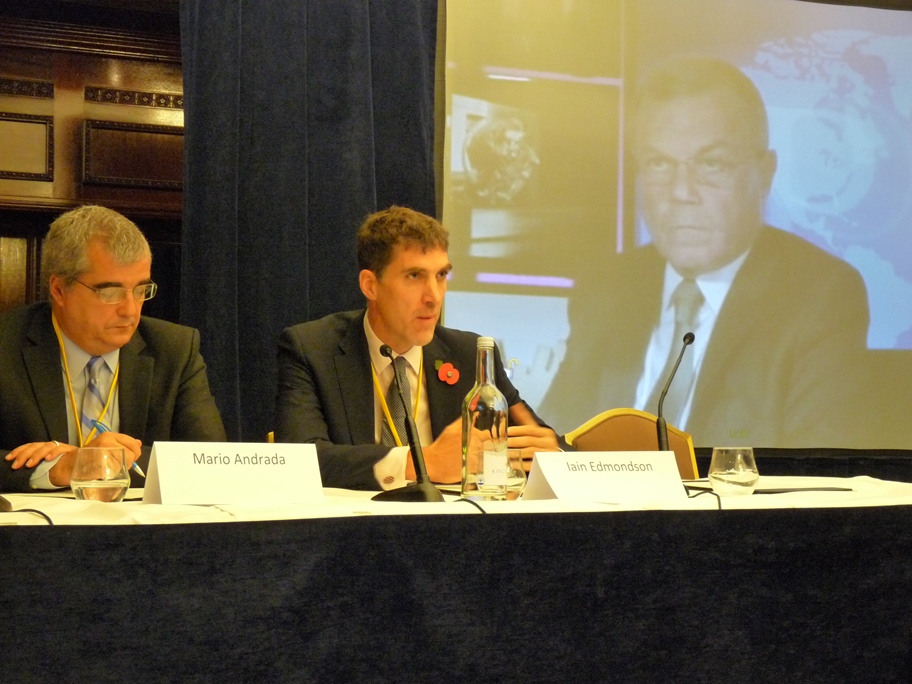
Host City welcomes City Day at SportAccord Convention
Once again, cities will be in the spotlight at this year’s SportAccord Convention with City-to-City and City Forum taking place on Tuesday 19 April at the SwissTech Convention Center, Lausanne. As ‘go-to’ events for delegates, this year’s City Day is no exception, with an excellent line-up of speakers, a content-packed programme assessing the impact of sport, with plenty of opportunity for the audience to be involved.
Starting the day, City-to-City will enable delegates to hit the ground running by providing a platform for free discussion on the needs and challenges faced when looking to host sport events. Led by Iain Edmondson, Head of Major Events at London & Partners, he commented, “Cities like London have come to recognise the value of major events in developing our economy and society. We are always seeking to learn from colleagues around the world and we hope to see representatives from every continent taking part.”
Points for discussion could include: issues relating to the bid process, economic impact, legacy, governmental and private sector support, as well as other matters of concern. City-to-City is attended by representatives from regions, cities and countries, with delegates encouraged to share experiences and lessons learned.
Paul Bush OBE, VisitScotland’s Director of Events commented, “Major events make a vital contribution to the Scottish economy and, in recent years, staging some of the world’s most prestigious events, such as the Commonwealth Games and Ryder Cup, has brought about substantial benefits for the nation.” He went on to say, “Our progress has been greatly aided by knowledge sharing and discussing best practice with other leading event-hosting nations and I look forward to the further opportunity of doing just that during City-to-City and City Forum at the SportAccord Convention.”
The afternoon will begin with City Forum led by Don Schumacher, Executive Director of the National Association of Sports Commissions. The event will provide a series of seminars and panel sessions, addressing the needs and concerns of cities bidding for, as well as hosting, international sporting events.
Speaking of the importance of such an event, Ben Avison, Editorial and Conference Director of Host City for the Cavendish Group commented, “Host City is pleased to support City Forum at the SportAccord Convention. As a media provider, Host City always places cities at the centre of the major event hosting community and we welcome this excellent opportunity for cities to share experiences of hosting sports events.”
The first City Forum session will focus on The Current State of Affairs for cities presented by one of the Principal Media Partners, Sportcal. Delegates will receive an exclusive printed Summary covering some of the highlights from the studies made for the Global Sports Impact (GSI) Reports.
This year’s Event Watch focuses on the Tour de France Grand Départ providing a Netherlands case study on their decision to bid for the Tour start, as well as the results that followed.
The City Forum will also focus on Government and Non-Government Hosting Models with representatives from different countries, discussing the benefits and limitations of various models used by cities, bidding for and hosting sporting events. In the final session, delegates will be able to take part in a Group Project challenge focused on an event-bidding issue.
To find out more about SportAccord Convention, including the 4-day Conference Programme and Official Schedule, or to register for SportAccord Convention, visit: www.sportaccordconvention.com
HOST CITY is the media brand of choice for cities, rights holders, organisers and suppliers in their quest for best practice on hosting major events. First published in 2003 for the organisers of the 2008 Beijing Olympics, HOST CITY now serves all sports, business and cultural events through a quarterly magazine, online news and live events. Contact ben.avison@hostcity.net or visit the website www.hostcity.com
Source: SportAccord Convention