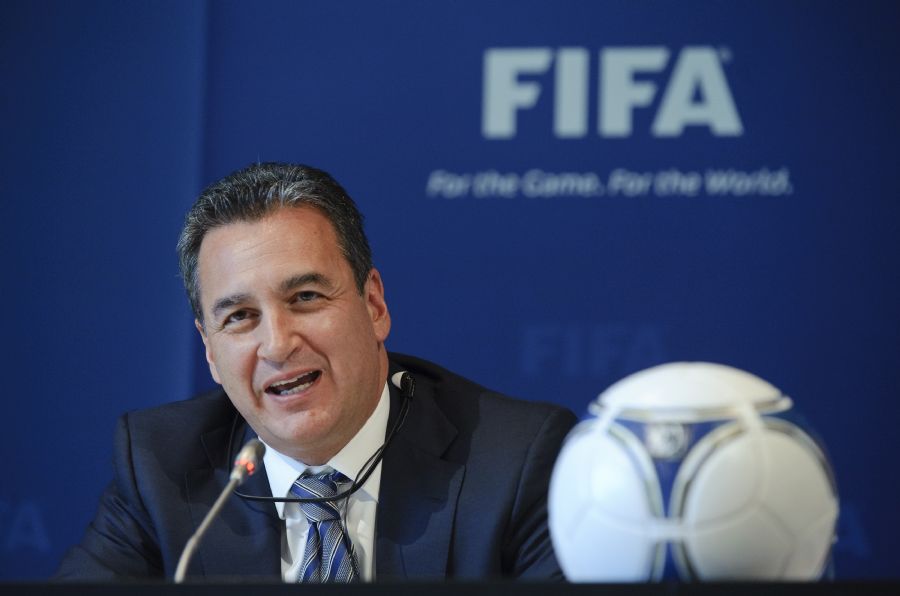
The findings of FIFA’s long awaited ethics report into the bidding process for the 2018 and 2022 World Cups were announced today (Thursday), with the judge’s summary saying there was limited evidence of improper conduct. However, the investigator who produced the report says the summary misrepresented his facts and made erroneous conclusions.
In his summary, Judge Hans-Joachim Eckert concluded that there was not enough evidence to remove Russia or Qatar’s rights to host the World Cup or reopen the process, saying that any breaches of rules by bidding nations had only a “limited scope”.
Michael Garcia was hired by FIFA 18 months ago to find out the truth about widespread allegations of collusion and bribery in the bidding process that saw Russia and Qatar win the hosting rights to the 2018 and 2022 World Cups respectively.
“Today’s decision by the Chairman of the Adjudicatory Chamber contains numerous materially incomplete and erroneous representations of the facts and conclusions detailed in the Investigatory Chamber’s report,” he said on Thursday. He is now expected to appeal to FIFA’s ethics committee.
In his 42-page summary of Garcia’s 430-page report, Eckert said that concerns over the activities of bidding nations were “limited” and not sufficient cause to question the outcome of the election.
“The effects of these occurrences on the bidding process as a whole were far from reaching any threshold that would require returning to the bidding process, let alone reopening it,” said Eckert.
Contraventions identified in the summary included improprieties in England’s bid campaign, namely incentives to executive committee member Jack Warner.
“England’s response to Mr Warner’s – improper – demands, in, at a minimum, always seeking to satisfy them in some way, damaged the integrity of the ongoing bidding process. Yet, such damage was again of rather limited extent,” said Eckert.
“We cooperated fully with the Ethics Committee’s investigation and continue to believe that a fair and appropriate review will demonstrate the integrity and quality of our bid,” said the Qatar 2022 Supreme Committee for Delivery and Legacy said in a statement.
“FIFA welcomes the fact that a degree of closure has been reached with the chairman of the adjudicatory chamber stating today that ‘the evaluation of the 2018/2022 FIFA World Cup bidding process is closed for the FIFA ethics committee. As such, FIFA looks forward to continuing the preparations for Russia 2018 and Qatar 2022 which are already well underway,” said FIFA’s statement.
Category: Event Bidding
-
Wrong conclusions on bid report, says FIFA investigator
-
IOC woos cities with proposal to pay bid costs
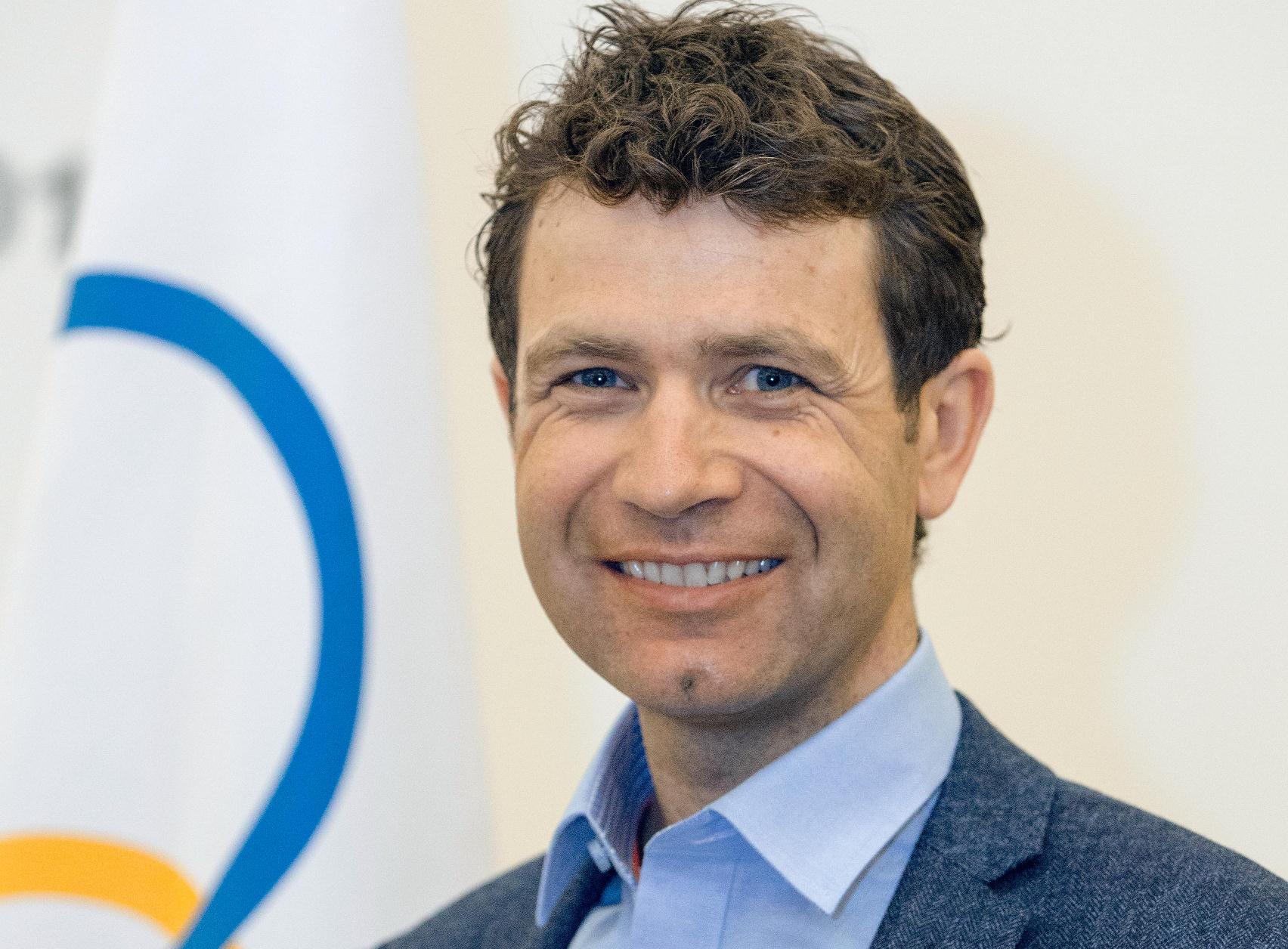
International Olympic Committee (IOC) president Thomas Bach today (Tuesday) revealed 40 recommendations from the Agenda 2020 review of the Olympic Movement, which detail how to reduce costs and increase benefits for countries contemplating hosting the Games.
Agenda 2020 was instigated in 2013, shortly after Bach’s election as IOC president and has since engaged a vast range of people. The review has taken place against a backdrop of Sochi 2014, which was perceived to be an extremely high cost event, and cities pulling out of bidding for the 2022 Winter Olympic Games due to cost concerns.
The first three of the 40 recommendations relate to bidding, including details of how the world’s biggest event owner might financially support bidding cities and develop wider benefits with the host nation.
Under the recommendations, the IOC would cover the travel and accommodation costs for six delegates for candidate city briefings to the IOC, ASOIF, AIOWF and the ANOC General Assembly, plus costs for 12 delegates travelling to the host city election at the IOC Session.
The cost of cities hosting IOC Evaluation Commission visits would also be borne by the IOC. Printed versions of the candidature files would be axed, and consultants and lobbyists working for bidding cities would be monitored and registered by the IOC.
These reductions in bidding cost are, however, tiny in relation to the costs of hosting the Olympic Games. This is why Agenda 2020 proposes “shaping the bidding process as an invitation” – a form of consultation with cities at an early stage, with a focus on cost and benefit.
Under Agenda 2020, the IOC plans to better communicate the difference between the two different budgets related to hosting the Olympic Games: “long-term investment in infrastructure and return on such investment on the one hand, and the operational budget on the other hand,” as well as better communicating the IOC’s contribution to the operational budget.
The IOC seeks to reduce the cost of venue infrastructure for cities by prioritising the use of existing and temporary facilities at this early stage of bid planning.
“The recommendations in Olympic Agenda 2020 are designed to change the bidding process in a positive way,” said Ole Einar Bjørndalen, IOC member for Norway, whose capital city Oslo pulled out of bidding for the 2022 Games in September 2014.
“I think it is important to bring the Olympic Winter Games especially back to their roots, where the organisers are creating genuine winter festivals and where the inhabitants of the host city are as important as the athletes.
It is a step forward that the bidding cities will have the chance to focus on Games that work in the local context – socially, economically and environmentally.”
Olympic Agenda 2020 also opens up the possibility of Olympic Games events being hosted outside the host city – and even outside the host nation, in exceptional circumstances.
“I think it is positive that the IOC will encourage the re-use of venues, temporary venues, and even the use of some venues in other regions and countries. This will lower the costs, which will hopefully make staging the Games more attractive for more countries,”said Bjørndalen.
-
Glasgow to host 2017 Badminton World Championships
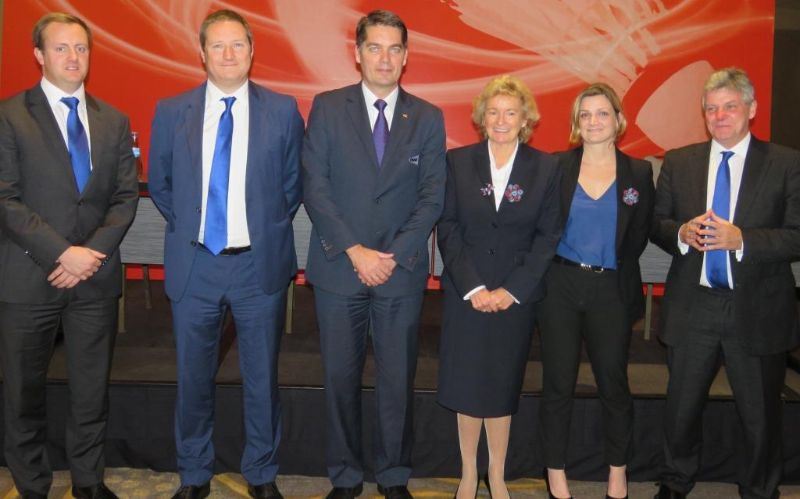
Glasgow was awarded the hosting rights to the 2017 Badminton World Championships at a Badminton World Federation (BWF) meeting in Lima on Friday.
The BWF took the decision to take its most prestigious event to Glasgow after seeing the city’s bid for the 2017 Sudirman Cup. The BWF awarded the Sudirman Cup to the Gold Coast, but was so impressed with Glasgow’s bid that it took the opportunity to present the Scottish city with the hosting rights to the World Championships.
“It was obvious how much work and thought was invested in the bid which Badminton Scotland and Glasgow submitted,” said Poul-Erik Høyer, president of the Badminton World Federation (BWF).
“We were stunned at some of their innovative thinking and the Council felt that, as we still had an option to award the World Championships, we would approach them and determine if they would be interested in hosting the World Championships in 2017.
“I am pleased to say they were extremely enthusiastic about this prospect and therefore we are able to leave Lima happy to have secured two excellent hosts for top BWF tournaments. It’s truly a win-win situation for everyone and most importantly, for badminton.”
Glasgow’s bid was a partnership between BADMINTONscotland, Glasgow Life and EventScotland.
Anne Smillie, Chief Executive of BADMINTONscotland, said “The return of the World Championships to Scotland is a major coup for BADMINTONscotland and our partners, Glasgow City Council and EventScotland.
“We had put together a superb bid for the Sudirman Cup and our presentation was extremely well received, even though we narrowly lost out to Australia. There is little doubt that the quality of our bid played a significant part in the decision to award these Championships to us.
“Securing this event will also provide a huge incentive for our fantastic volunteer team, many of whom were involved in this summer’s Commonwealth Games and will be on duty again next week at the Emirates Arena for the Scottish Open Grand Prix.”
The most prestigious tournament in badminton, the World Championships is the latest major event to be secured for Scotland as a legacy of the 2014 Commonwealth Games and will provide a major platform for the ongoing development of the sport in the coming years.
Councillor Gordon Matheson, Leader of Glasgow City Council, said: “This is fantastic news for Glasgow. Hosting the World Individual Badminton Championships is a brilliant opportunity to reaffirm our position as one of the top sporting cities in the world. It also provides the perfect platform to build on the success of what has been an outstanding summer of sport for Glasgow following the best ever Commonwealth Games.
“Alongside its ever growing portfolio of major events and its world-class sporting facilities, such as the Emirates Arena, Glasgow also offers a wide range of fantastic hotels and restaurants to suit the needs of the visiting players and the many fans who will inevitably follow. We can’t wait to welcome them to our friendly city during the summer of 2017.”
The 2017 Badminton World Championships will take place in the Emirate’s Arena, which is hosting the Scottish Open Grand Prix this week.
Glasgow will host the World Gymnastics Championships and the International Paralympic Committee Swimming World Championships in 2015 and the European Swimming Championships in 2018.
The 2014 Badminton World Championships were staged in Copenhagen. The 2015 event will be held in Jakarta. -
2022 Olympic bids shock is a one-off
The drop-out of several European cities bidding for the 2022 Olympic Games has created “shockwaves”, but IOC reforms and stronger communication from cities will enable them build the public support needed to bid for future Games.
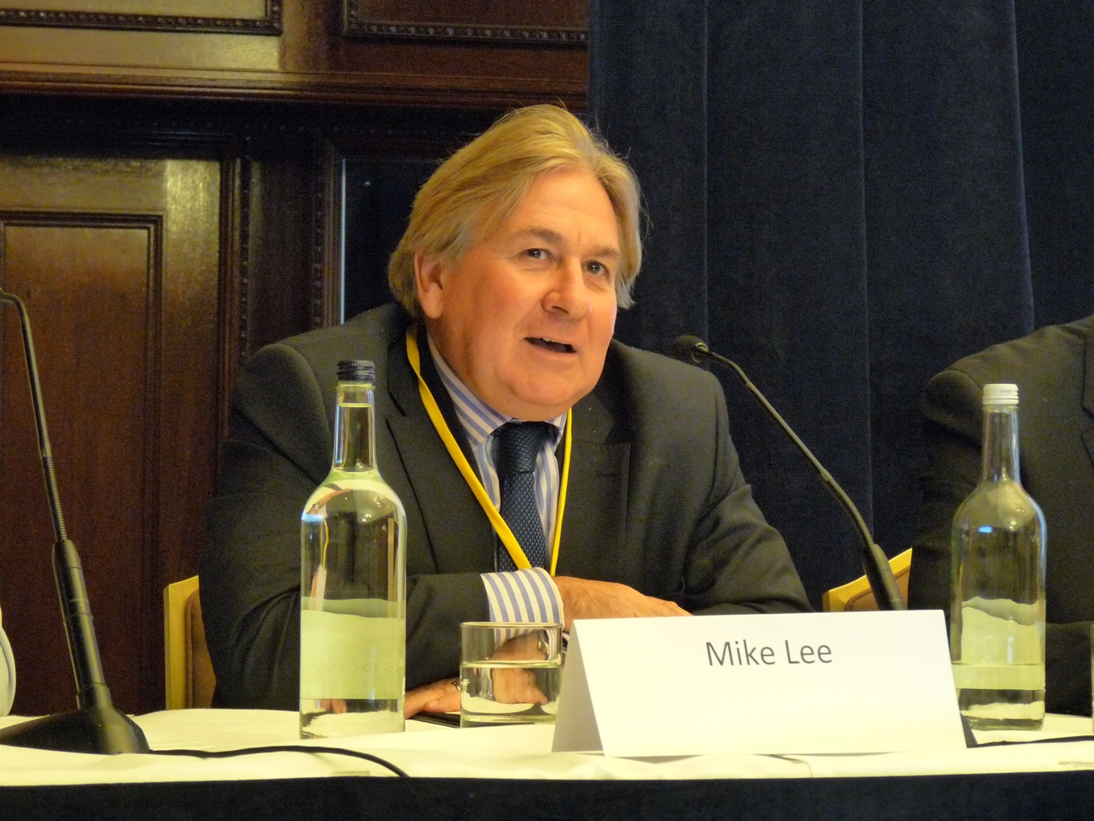
This is the view of Mike Lee, chairman of Vero, who led on the communications strategies for Rio 2016 and London 2012.
“The race for 2022 has sent a few shockwaves around the Olympic movement, so it’s good that the IOC have already been thinking about this for a while under President Bach,” Lee told HOST CITY.
A lack of public support led the European cities of Stockholm, Munich, Krakow and Oslo to withdraw from bidding for the 2022 Winter Games. The perceived cost of hosting, at a time when Sochi was investing billions in hosting the 2014 Winter Games, was a major factor in suppressing public appetite for hosting the Games.
The Olympic Agenda 2020 reforms set in motion by IOC president Thomas Bach are addressing this issue in a number of ways. “A number of the reforms that are being proposed for the bidding process and the way that cities engage with the IOC are all good news,” said Lee.
One important recommendation is the possibility of regional bids, which would allow existing venues in different cities to feature in bids. “There’s definitely going to be a lot more dialogue and flexibility – tailoring, if you wish, the way in which a bid is constructed.”
While these changes from the rights holder are clearly a positive step, city governors will also have a major role to play in building public support for bids.
“You will still need to have support from the relevant levels of government. The lessons from all the recent cycle of bidding is that that remains central. The way you have democratic scrutiny and, in some cases, all the requirements of a referendum – it’s a reminder that you need to build public support.”
The two cities left in the race for 2022 – Beijing and Almaty – do not have a tradition of public referendums. Some observers fear that democratic nations might remain disadvantaged in future bidding cycles.
“This issue of public opinion and political support go hand in hand and you’ve got to pay a lot of attention to it. It’s clearly solvable; otherwise you’d never see bids emerging from democratic countries.”
The timing of polls needs to be considered carefully. “Ideally you want to be able to test public opinion after you’ve had some sort of campaign, because if you have a cold test, don’t be surprised if you have a negative result.
“The London bid would be a very good example. If were depending on the poll in the early days of the London bid, London would never have progressed. It took some time to build the campaign and in the end the polling figures for London were very good, and the national joy came with London winning in Singapore.”
Warning Signals
Rights holders of major events can expect to see a larger number of applicant cities emerging from this bearish period. “It would be wrong to judge the state of the appetite for major events just from the Olympic bidding process for 2022,” says Lee.
“Most mega events do have multiple bidders – people can’t be looking at the willingness of cities to host purely through the prism of the 2022 Winter Games race, because that is a bit of a one-off. But it’s sent off some warning signals and Agenda 2020, from an Olympic perspective, is all a part of responding to that.”
-
Multi-host Olympics allowed as Agenda 2020 approved early
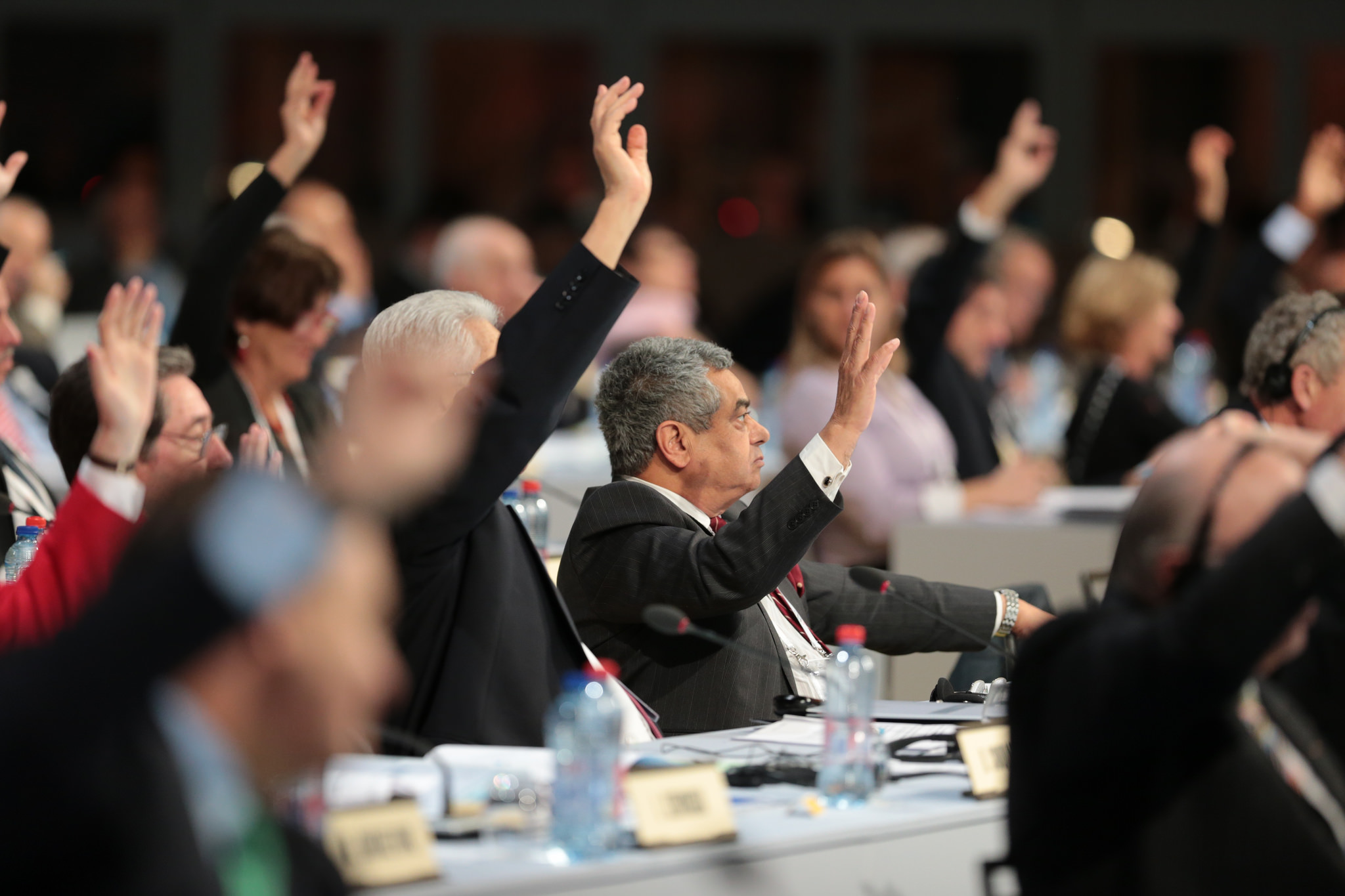
A day ahead of schedule, members of the International Olympic Committee approved all 40 Olympic Agenda 2020 recommendations at the 127th IOC Session in Monaco on Monday.
96 of the IOC’s full membership of 104 were in attendance to vote on the recommendations. IOC president Bach, who instigated Olympic Agenda 2020 shortly after taking to the helm in 2013, praised the members in approving this “strategic roadmap for the Olympic movement”.
Two days had been allowed for the approval process, but all recommendations were approved on Monday, with no votes against and no abstentions. At the close of Monday’s meeting, members gave their unanimous support for the entire set of recommendations in an “en bloc” vote.
“The speed at which Olympic Agenda 2020 was approved showed the great support and determination of the members to make it happen”, president Bach said at a press conference. “It was a very, very positive surprise. But it followed over a year of constructive discussions.”
The changes that will now be put into action include allowing multi-host Games, lowering the cost of bidding for the Games, an age limit on IOC membership and the launch of an Olympic TV channel. Host City contracts will also be made public and will now include clauses on worker’s rights, environmental protection and discrimination on sexuality.
Limiting the age of IOC membership to 70 will have an impact on a number of IOC members. FIFA president Sepp Blatter, for instance, will now have to relinquish his IOC membership in two years’ time.
“Some of the recommendations were not easy for certain members to swallow. Some may have hoped for no recommendation or a different recommendation on a specific issue,” said Bach.
“So it was encouraging that regardless of their individual interests or positions, they were determined to make Olympic Agenda 2020 a success. Speaking of the members, I have a great deal of respect for them to do this.”
The first recommendation approved relates to reducing the cost and boosting the appeal of bidding. Future bids will now be able to incorporate venues in more than one city and potentially than one country.
This would enable countries with suitable venues in more than one city to avoid investing heavily in new sports infrastructure, which is often met with large-scale public opposition.
The changes were also greeted with approval from a contender for the 2022 Olympic Games.
“Since the start of the 2022 Bid process, the Beijing 2022 Bid Committee has been paying close attention to all developments related to the Olympic Agenda 2020 and strongly supports all its recommendations,” said Madame Wang Hui, spokesperson for Beijing’s bid for the 2022 Winter Olympic Games.
“We highly appreciate the IOC’s approach and will work to implement these reforms.”
-
High hopes for Olympic reforms create tough situation for IOC
The unanimous adoption of Olympic Agenda 2020 reforms may have had a galvanising effect internally on the IOC, but influential figures close to the IOC say the project has created high expectations that may prove difficult to fulfil in good time.
“I am very impressed. It’s a true sign of strength, both for the president and for the capability of change,” Sweden’s National Olympic Committee president Stefan Lindeberg said in an exclusive interview with HOST CITY. “But it’s also creating huge expectation for true change.”
The president of Slovenia’s National Olympic Committee and vice president of the International Skiing Federation, Janez Kocijan?i? was at the IOC session on Monday when Agenda 2020 was adopted.
“The main idea, under the very robust pressure of the president, Dr Thomas Bach, was to start the changes. The process of reform is open and I hope it will continue,” he said, speaking to HOST CITY exclusively.
But he also warned that implementing all 40 recommendations of Agenda 2020 will not be easy. “If somebody is too ambitious, it might be that the reforms stop before they really get started.
“I hope it will go further and I believe in the courage of the president and certain people around him that they will continue like that. But there is a lot of work that needs to be done.”
Kocijan?i? and Lindeberg both made valuable contributions as speakers at HOST CITY Bid to Win conference in London in October, where Agenda 2020 proposals were debated in great detail.
Lindeberg was the leader of Sweden’s bid to host the 2022 Olympic Games, which was abandoned due to a lack of political support for the project as the infrastructure costs for hosting Sochi 2014 were perceived to be spiralling out of control.
“The fear among politicians was so massive of taking this perceived risk,” he told HOST CITY.
An important goal of Agenda 2020 is to reduce the cost of hosting the Games and guarantee the sustainability of Games infrastructure – but this will take a decade to achieve, Lindeberg said.
“This is a really tough situation to face for the IOC, because it’s not until 2024 that we can see the full implementation of the new decisions regarding the buildings for the Games.
“They will do what they can to make as much change as possible for 2022 and even for the host city contracts for 2018. Expectations will be very high, so it’s really tough.”
Even aspects of Agenda 2020 that do not relate to physical infrastructure will take time to implement, Lindeberg warned.
“It’s been very positive when you look at the values parts of the Agenda 2020, with inclusion of sexual non-discrimination and workers’ rights. But we need to see results coming up quick so these values will be really shown in upcoming Games, and that’s the tough part.
“Now that the Host City contract is being made public, it’s very important the IOC carry these changes into the contract for 2022. Because if they don’t they will have a problem with credibility.
Neither Lindeberg nor Kocijan?i? were eligible to vote on Agenda 2020 but both stated their full support for the reforms.
“I would have voted for the recommendations, because I believe every process of reform has to be started,” Kocijan?i? told HOST CITY. “Agenda 2020 is a very positive approach because it means the very beginning of reforms. For the time being, I am satisfied with developments.”
HOST CITY contacted the IOC press office for a response to these reactions and a press release was promptly issued, in which president Thomas Bach said: “Following the success of the IOC Session in Monaco and the unanimous endorsement of my fellow IOC members for the Olympic Agenda 2020 recommendations, it is critical that we utilise the momentum and energy we have created throughout the Olympic Movement and start implementing straight away.”
-

NOC leaders call for equal rights in IOC
The unanimous support for the IOC’s Agenda 2020 programme of reform was remarkable, signalling a new era for the modern Olympic Games.
But according to Janez Kocijan?i?, President of Slovenia’s NOC and Vice President of the International Skiing Federation, who was at the IOC Session when Agenda 2020 was adopted a week ago, there was one important stone unturned.
“It is an agenda full of reforms, although in many respects the IOC remains as it was – not only the highest authority of world sport but also a self-electing body,” Kocijan?i? told HOST CITY.
“What some people expected, a greater role of NOCs and sport federations, didn’t happen. Out of 205 recognised NOCs, only one third of them are represented, and that’s not enough.”
The number of International Federations (IFs) represented in IOC membership is also limited, said Kocijan?i?. “There are many representatives of Olympic sports who are not there and who feel a certain discrimination.
“One of the strongest ideas of the international Olympic movement was the fight against discrimination. This should also bring the idea that all sports and all countries should be equal.”
All NOCs are members of the Association of National Olympic Committees (ANOC), which already works closely with the IOC.
“This ANOC structure, which is similar to all other international organisations – the UN, UNESCO, the World Health Organisation and the International Labour Organisation – should step by step be implemented in the IOC, so all countries would be represented. And all the Olympic sports presidents or representatives should be there as well,” said Kocijan?i?.
Rule 16 of the Olympic Charter states that the NOCs and IFs can each have up to 15 IOC members. But Sweden’s National Olympic Committee (NOC) President Stefan Lindeberg says these limits were set a number of years ago and could now be increased.
“This is not a big problem, as I see it now, to move forward in broadening the IOC. ANOC is getting stronger. Together with the IOC, we shape the future.”
Lindeberg led Sweden’s bid to host the 2022 Olympic Games until it was abandoned due to a lack of political support. He then teamed up with the leaders of three other NOCs to publish a paper that exerted a powerful influence on the IOC’s Agenda 2020 discussions.
“The NOCs had a strong voice on Agenda 2020. When we were working with Germany and Switzerland and Austria, we really felt that that had an impact on it, or at least came to the same conclusion that Agenda 2020 did.
“We are big winter nations – if we can’t take the Games, that’s a really big warning bell.”
These interviews were conducted the day after the IOC members voted unanimously to implement Agenda 2020. Kocijan?i? and Lindeberg were also speakers at HOST CITY Bid to Win conference
-
US to choose 2024 Olympic candidate in January
The US has officially confirmed that it is bidding for the 2024 Olympic Games but will not reveal its preferred candidate until January 2015.
Boston, Los Angeles, San Francisco and Washington DC all presented their plans to the US Olympic Committee (USOC) board of directors on Monday, after a six months consultation programme.
“At our request, and because of the preliminary nature of our discussions, the cities have not spoken about their bids publicly in great detail,” said USOC CEO Scott Blackmun.
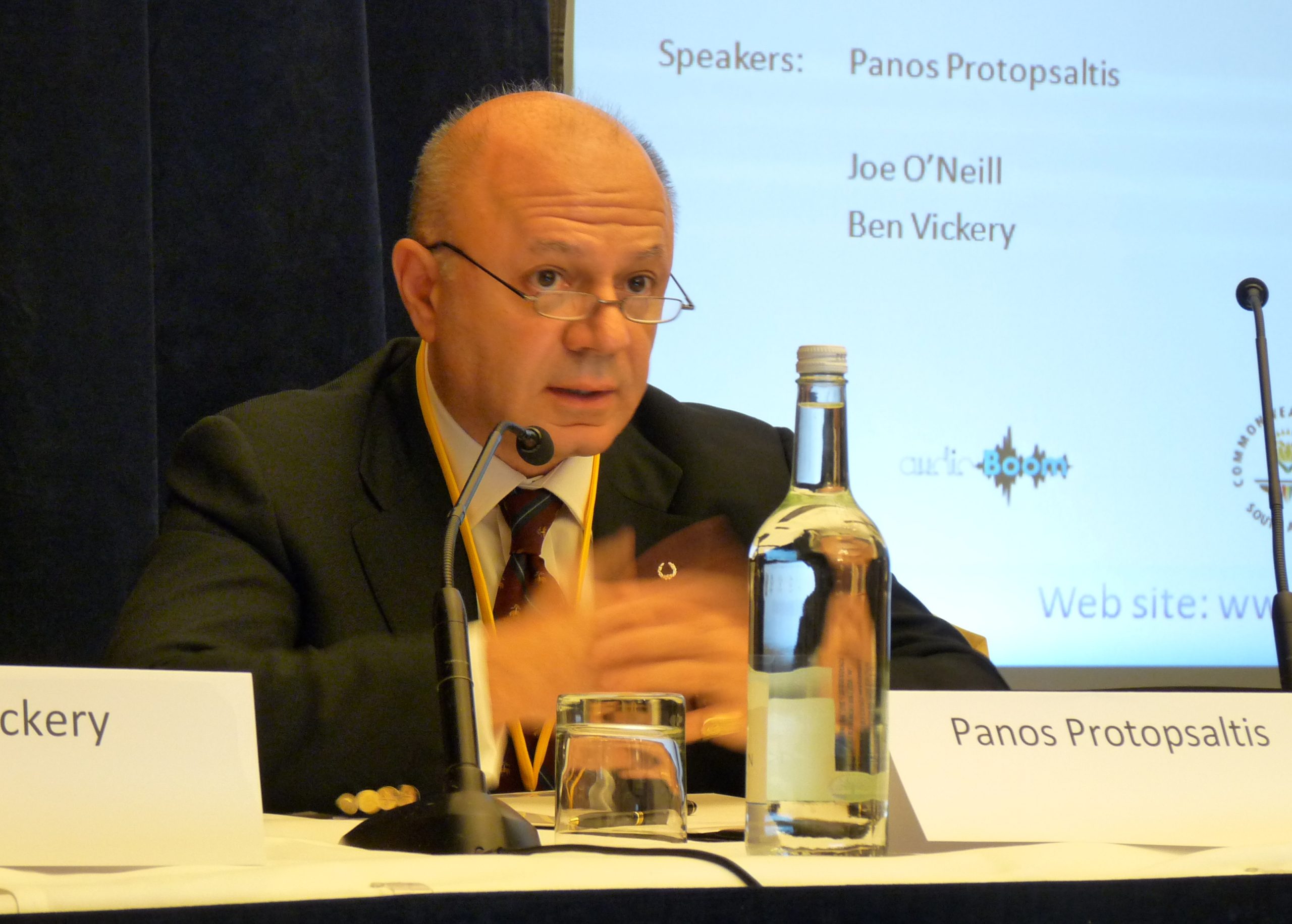
Panos Protopsaltis – speaker at HOST CITY Bid to Win and Olympic transport expert – is advising the USOC throughout the candidate city selection process.
Asked to discuss the relative merits of the candidates, Protopsaltis began by talking enthusiastically about Washington DC. “It is the capital city and all central infrastructures are there – not only transport but technology infrastructures, integrated command and control structures.
“Then you have a city like Boston with an economy which is doing very well in a city that is very small – geographically it is the smallest of the four.
“San Francisco is completely different, and then you have LA which is biggest of them all. They are in the middle of a multi-billion dollar transportation programme, upgrading and expanding urban rail systems – that is a programme they have irrespective of the Games.”
City development plans will form an important part of the evaluation of the candidate cities, Protopsaltis said. “Starting as a foundation, what is your plan for the next five to ten years for the city? What changes in infrastructure are you going to make and why are you going to do it?”
“All four cities have presented plans that are part of the long-term visions for their communities,” said USOC CEO Scott Blackmun.
“At our request, and because of the preliminary nature of our discussions, the cities have not spoken about their bids publicly in great detail. That will be an important part of the process after we make our selection in January.”
The USOC will continue discussion the technical elements required to host the Olympic and Paralympic Games with the candidates in the coming weeks.
“We are excited to announce our plans to put forth a bid for the 2024 Games and look forward to taking the next step of selecting from a group of four world-class cities to present a compelling and successful bid,” said USOC Chairman Larry Probst.
“We’re grateful to the civic and political leaders in each of the four cities for the partnership that’s been demonstrated thus far, and confident that the deliberative process we’ve put in place is going to result in a strong U.S. bid that can truly serve the athletes and the Olympic and Paralympic movements.”
The deadline for submitting a bid to the IOC is 15 September 2015 and the host city will be elected in 2017.
The US last hosted the Summer Olympic Games in 1996 (Altanta). Los Angeles has hosted the Games twice before, in 1932 and 1984, and win for 2024 would make it only the second city after London to host the Games three times.
Earlier in the week, Rome officially announced that it will bid for the 2024 Games. Germany is also expected to enter the race, with Berlin the more widely preferred candidate over the alternative, Hamburg.
Several other cities worldwide have expressed an interest, including Baku, Budapest, Doha, Istanbul and Paris. South Africa is also expected to put forward an applicant city. -
FIFA ethics report to be published
In a dramatic U-turn, the members of FIFA’s executive committee have voted unanimously in favour of making public its report into alleged corruption surrounding the bidding process for the Russia 2018 and Qatar 2022 World Cups.
The full report was written by US lawyer Michael Garcia, but only a controversial summary by his counterpart on the Ethics Committee, Hans-Joachim Eckert, has yet been published.
Garcia dismissed Eckert’s summary as “erroneous and incomplete” and resigned from the Ethics Committee on Wednesday after his appeal was dismissed.
While many contributors to the report have spoken out in favour of publishing it in full, all were promised confidentially and the published report will be redacted for legal reasons – and it will not be published until the conclusion of ongoing investigations into five people connected to the affair.
FIFA vice president Jim Boyce of Great Britain is one of the executives who has spoken in favour of publishing the report, saying “If people have nothing to hide, why are they afraid of something being issued?”
-
IOC: Agenda 2020 reforms apply to Almaty and Beijing
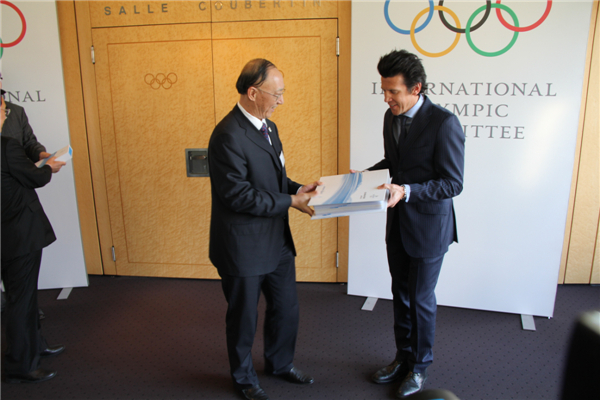
The two candidate cities for the 2022 Winter Olympic Games submitted their candidature files to the International Olympic Committee in Lausanne on Tuesday.
Both candidates, Almaty and Beijing, highlighted how they amended their bids to take into account the Agenda 2020 reforms approved by the IOC in December, with IOC president Thomas Bach confirming the IOC will work with the candidates to apply the reforms.
“Working with the two Candidate Cities, we will apply the first reforms which have been approved by the IOC members very recently in Monaco as part of our Olympic Agenda 2020 roadmap,” said IOC president Bach on Tuesday,
“This will be done through ongoing consultation with the Candidate Cities.”
Developed over the course of 2014, when several European cities pulled out of bidding for the 2022 Winter Games, Agenda 2020 introduces a number of changes to make bidding for and hosting the Games more sustainable, affordable and beneficial for cities.
Almaty and Beijing have retrospectively adjusted their bids to incorporate some of the IOC’s recommendations and reforms.
“Many recommendations of Agenda 2020 were taken into consideration while developing the concept of the 2022 Winter Games,” said Mrs Zauresh Amanzholova, vice mayor of Almaty City.
“We believe our bid is a perfect fit with this new philosophy and brings essential benefits to the Almaty and Kazakhstani people.
“Almaty 2022 can be a catalyst for social, economic and sports growth in the region where winter sports facilities are badly needed.”
Janez Kocijan?i?, vice president of the International Ski Federation was in Monaco for the approval of Agenda 2020. He told HOST CITY “Almaty plan to build their winter sport capacity,” but could not reveal details of the scope or potential cost of the work.
Agenda 2020 promotes the use of existing and temporary infrastructure to reduce infrastructure costs for bidding cities. While both bids require significant infrastructure development, Almaty would need to invest more than Beijing, which incorporates the more developed resort of nearby Zhangjiakou into its candidature.
“Our Candidature File embodies the requirements of the IOC and the philosophy of Olympic Agenda 2020,” said Mr Wang Anshun, president of the Beijing 2022 Olympic Winter Games Bid Committee and mayor of Beijing.
“The important concept of running athlete-centred, economical and sustainable Games will be represented well in our bid and actual organisation of the Games in 2022.”
The successful candidate will receive an estimated US$880m contribution from the IOC, derived from marketing and broadcasting revenues as well as “assistance provided to the Organising Committee by the IOC and related entities”.
For the first time, the Host City Contract will be made public, as recommended by Agenda 2020. The host city will also be bound to the new principle of non-discrimination on sexual orientation.
Kocijan?i? also made comments to HOST CITY that could be interpreted to support the view that Beijing represents the richest potential for the development of winter sports in Asia.
“Europe is where skiing and most winter sports were born and have their home, but regarding the development of the sport it would be very wise to go east.
“Because there are tremendous changes in the modern world – the countries are changing, the social structure, there are more and more people who can afford skiing.”
Asked which country represents the biggest market, he said “Everybody knows China is China… and Kazakhstan is Kazakhstan.”
René Fasel, IOC member and president of the International Ice Hockey Federation went further still, breaking IOC rules by telling local press during a junior championship event in Toronto, “This is a fact, China is a favourite.”
Anything can happen in a bid campaign however and the coming months will be critical for both candidates.
The evaluation commission will inspect Almaty’s sites from 14 to 18 February and Beijing’s from 24 to 28 March and publish their report on www.olympic.org before the briefing for IOC members that will take place from 9 to 10 2015.
The appointment of Russian IOC member Alexander Zhukov as chair of the evaluation commission is interesting, as his country neighbours and has strong ties with both China and Kazakhstan – potentially reducing the cost of the evaluation process without compromising objectivity.
The host city for the 2022 Olympic Winter Games will be elected at the 128th IOC Session in Kuala Lumpur following a final presentation by the cities to the full IOC membership on 31 July.
The IOC has informed candidate cities that they can make their candidature files public, and the candidates will inform HOST CITY if and when this happens.