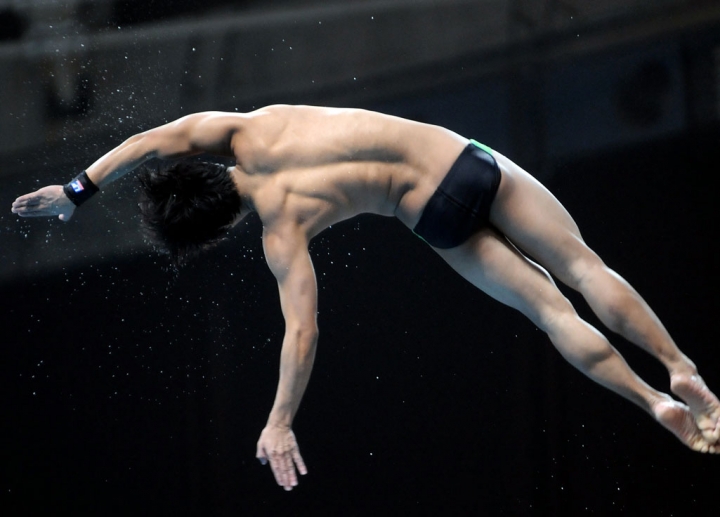
The Commonwealth Games Federation has proposed that diving, which was due to be removed from the Commonwealth Games sports programme, retain its place as an optional discipline for future events.
The proposed changes to the sports programme form part of the CGF’s “Transformation 2022” programme of renewal.
“Are we being inspiring and innovative in our decisions on the sports we have on the programme? Are we driving efficiency and effectiveness to the delivery of this event? Are we looking at affordability and appeal in getting those balances right? Those are the three elements we’re looking at in terms of driving our overall Games proposition to have more inspiring and innovative Games, so the sports on the programme are starting to reflect that,” CGF CEO David Grevemberg told HOST CITY on Wednesday.
In its first draft of Transformation 2022, the CGF proposed reducing the number of optional sports – including diving – from 20 to 10, while increasing the number of compulsory sports from 16 to 10.
The latest version, which has been circulated to the Commonwealth Games Associations in advance of the CGF General Assembly, retains diving as an optional discipline.
“The sports that are on the compulsory programme need to be Commonwealth sports – meaning they need to have the technical engagement, the developmental prioritisation, to promote and enhance their reputation through this partnership and this movement.
“That’s to make sure the compulsory sports programme reflects the Commonwealth’s greatest athletes but also has the commercial attractiveness across the structure. So we’ve given enough flexibility; we have a strong proposition within the compulsory programme.
“At the same time you’ve got these optional sports and disciplines. Track cycling is on the programme; it’s popular in the Commonwealth setting, but the cost and affordability of Velodrome and how widely and regularly practiced those sports are in the Commonwealth and to what level…
“In our last proposition we also included diving, and this will be voted on by the membership in about two and half weeks.”
Transformation 2022 that will be voted on by the CGF membership in Auckland on 1-2 September, when Durban is set to be confirmed as the host city of the 2022 Commonwealth Games.
“There are really exciting debates, discussions and deliberations to go through, to make sure we are all aligned around moving that forward,” said Grevemberg.
David Grevemberg is to speak at HOST CITY 2015 in Glasgow 9-10 November on the session: How Cities and Events Innovate to Thrive.
Category: Event Management
-
Diving set to stay in the Commonwealth Games
-
Seb Coe: presidency gives IAAF chance to renew itself
Sebastian Coe said the IAAF presidential election campaign, through which he received 115 (56 per cent) of the votes of 207 member federations, has created an opportunity for the organisation to renew itself.
Lord Coe will take up the presidency of the International Association of Athletics Federations (IAAF) at the close of the IAAF World Championships in Beijing on 31st August.
The second candidate, Sergey Bubka received 92 votes and was elected as vice president.
“I’m very flattered, very, very honoured to have been elected president,” Coe said at a press conference after the election on Wednesday.
“You have a president that will devote himself full-time to the IAAF. It has been a long and hard campaign but it has given us the chance to pause for breath, the chance to review and renew itself,” added Coe.
The presidential election comes at a time of great pressure for the organisation as it faces allegations of widespread doping within the sport.
On 2 August, the Sunday Times and German broadcaster ARD reported that IAAF data leaked by a whistleblower showed that a third of medals won in endurance events from 2001 to 2012 were awarded to athletes who had recorded “suspicious” blood tests.
The IAAF dismissed the reports as “sensationalist and confusing”, pointing out that the results did not refer to positive tests, but the questions are still being raised of the federation, with the Sunday Times alleging on 16th August that the IAAF blocked publication of the data.
As an Olympic medallist and former chairman of London 2012 and vice president of the IAAF, Sebastian Coe brings a wealth of experience to the organisation’s leadership.
“We have a man who has devoted his life to the sport,” said outgoing president Lamine Diack, who has held the presidency since 1999.
Coe paid tribute to Diack, saying “Lamine has left us with an extraordinarily strong foundation and one aspect of that foundation is that we are a truly global sport. I will do my best to continue from those firm foundations
“In 2001 and 2002, I sought the advice of Lamine Diack about playing a greater role in the sport and in 2003 I became a Council member. In 2007 I sought his advice again before I became a Vice President.
“It has been an apprenticeship that has helped me understand greater the balances and nuances within the sport.
“I want to thank the (member) federations but I also want to thank those that cover and broadcast our sport. We tend to forget that the media is most potent sponsor of our sport; and I will maintain my chairmanship of the media committee.”
A number of new members were elected to the IAAF Council, including European representatives Jose Maria Odriozola (ESP), Bernard Amsalem (FRA), Sylvia Barlag (NED), Mikhail Butov (RUS), Antti Pihlakoski (FIN), and Anna Riccardi (ITA).
“This has been a good day for European athletics,” said Svein Arne Hansen, president of European Athletics.
“I am very pleased for all the European representatives elected to the IAAF Council. I call on them to work hard and cooperate with the members from the rest of the world for the good of our sport.
“There are a lot of urgent issues to address over the coming years, including the integrity of the sport, our competition programme and development.”
-
Formula E and DHL’s green transport drive
Launching a new international event is not easy, especially when you are trying to reduce environmental impact while transporting materials all over the world.
“When we launched the championship we had many, many different challenges. We didn’t have any cars or any cities to race in,” Formula E CEO Alejandro Agag told HOST CITY at London’s Battersea Park at the close of the event’s first season.
“One of the most immediate ones was how we were going to take everything around the world to different venues.”
Formula E was about to put the logistics for the event out to tender when DHL stepped forward. “DHL said don’t do a bidding process, we want to be your partners; we really like the idea which fits very well with our ‘go green’ concept.”
Sabrina Asendorf, DHL’s Head of Sponsorship for Formula 1 & Formula E told HOST CITY “We joined Formula E in 2013, more or less exactly one year before their first race in Beijing took place in September 2014.
“We pretty much bought into a concept that we felt was the right idea and vision at the right time with the right bunch of people. This was a very unique situation, to get involved as a major partner at such an early stage.”
Any rights holder would be pleased to have a major sponsor on board so early in an event’s development. “Of course DHL for us was an amazing partner to have – so we very quickly reached a positive agreement,” said Agag. “We especially liked the approach DHL had to minimise the carbon footprint of logistics.
“Any activity pollutes, and carrying all this equipment around the world does pollute, but there are ways of doing it that pollute less than others. I think really what we liked about the approach DHL was that they had a strategy in mind to minimise the carbon footprint of all the transportation of all the logistical operation of the Formula E Championship.”
The global transportation sector, of which logistics is a part, contributes 23 per cent to greenhouse gas emissions. “With that global footprint, we want to be part of the solution rather than part of the problem,” Asendorf said.
DHL was the first international logistics provider to set a measurable carbon efficiency target, to reduce carbon emissions in its operations by 30 per cent by 2020 compared to 2007. The company is making good progress in terms of achieving that target, according to Asendorf.
DHL also operates one of the largest fleets of trucks in the world and is looking into reducing its environmental impact.
“One of the technologies that we are piloting is electric mobility. This is where we thought Formula E is an interesting concept to support. We see a lot of strong potential for using electric vehicles in the delivery of shipments to the receiver, especially in inner city venues.”
Formula E is forming an alliance of stakeholders from various backgrounds to speed up the development of electric mobility technology.
“This resonated very well with our own targets and objectives in the area of sustainability and got us very excited about Formula E right from the start,” said Asendorf. “We want to make a positive contribution to the quality of life on our planet.”
From a point of view of fulfilling logistical requirements, the partnership has been a great success. “For us it has been fantastic because it really has been on time, everywhere – and it wasn’t easy, because we had a problem that no one else has,” said Agag.
“We transport lithium ion batteries, which are very heavily restricted – especially in air transportation.”
In 2013, when Formula E was still in development, a new aeroplane – the Boeing 787 Dreamliner – had safety problems linked to batteries catching fire, which led to increased restrictions on flying batteries.
“It’s been challenging to transport all this equipment around the world, but DHL has been amazing.”
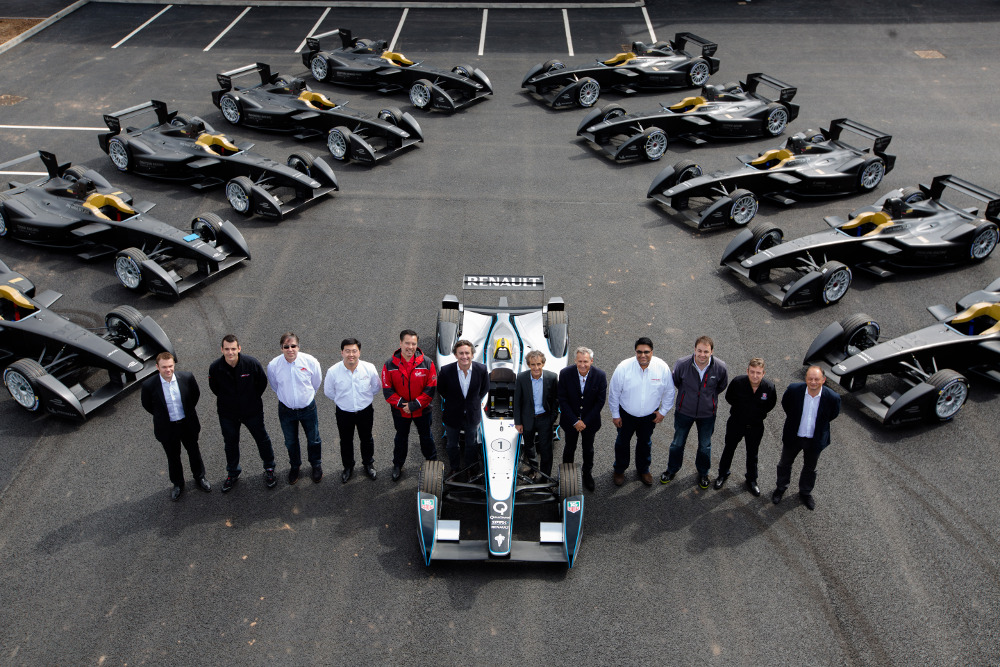
Around 200 tonnes must be transported from one Formula E host city to the next in 10 to 15 containers.
Battersea Park was the end of the road for the 2014/2015 season, after which all the materials for the race are stored at Formula E’s headquarters, a four-hour drive away at Donington Park.
“We are really happy to be in Battersea. It was the best choice for us because there has not been one single traffic jam caused by the Formula E race,” said Agag.
“To be in the heart of London and not have an impact on traffic is a major achievement for us.”
Other circuits presented bigger challenges. DHL’s Motorsport Deputy Managing Director Pierre Luiji Ferrari told HOST CITY “Miami was one of the most difficult, because we are really close to the city. I am sure the residents were not so happy, but it’s just for 24 hours.”
In Moscow, the circuit runs very close to Red Square, requiring roads to be blocked. Formula E is involved in designing the circuits but the ultimate decision is that of the city and transport authorities.
At the FIA World Motor Sport Council in July, Miami dropped from the Formula E calendar for the 2015/2016 season. Paris was added to the circuit, with the other cities confirmed as Putrajaya (Malaysia), Punta del Este (Uruguay), Buenos Aires (Argentina), Long Beach (USA), Berlin (Germany), Moscow (Russia) and London (UK). The host of one race on 16 March 2016 remains unconfirmed, with Mexico City said to be the most likely candidate.
Looking further ahead, Formula E plans to introduce new host cities to the championship.
“We are looking at another race in Asia – and we would like to race in the Middle East,” Agag said. “And we are looking at a race in Switzerland because there is a change in law which means we can race there.”
Cities around the world are expressing an interest in hosting Formula E.
“We have probably over 200 cities that have asked. When you tell them what you have to do, what it’s going to cost you, the implications and so on – then it filters down. There are some cities that really want it and others that are just asking to see how it works.
“Realistically we will add five or six new more races in three of four years.
“We’ve been in discussions with DHL to figure out the logistics; we want to reduce the carbon footprint of the championship and we want to go to new locations.”
Ferrari summed up the appeal of hosting Formula E. “A lot of cities apparently want to have the race because it’s attractive. It’s downtown; it’s zero pollution, no noise – it’s easy to receive in a city.”
And as for how many races DHL could cope with, doubling in size is logistically feasible. “We can do it, no problem. Until you reach 34 it’s possible – after that we have to start considering complications.”
-
Soccerex confirms event partnerships
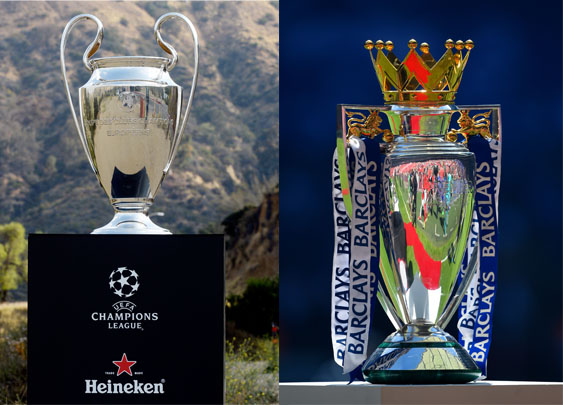
Ahead of the Soccerex Global Convention 2015, Soccerex has confirmed the final line up of event partners and supporters. Brands such as Qatar’s leading communications company Ooredoo, market leader in enterprise application software SAP and leading international media like Eurosport have all signed up for the three day football business event.
The Soccerex Football Festival – 5th – 6th September, the Old Granada Studios– will take place in partnership with Marketing Manchester and with the support of Global Games, Football Freestyle Federation, Urban Cage Soccer and UK Footgolf Association.
The Soccerex Global Convention then kicks off at Manchester Central Convention Complex on 7th September with programmes of conference content, exhibition stands and networking activities over the next three days. The Convention is held in partnership with Marketing Manchester and with the support of international event host partner The Asian Football Development Project (Asian Forum).
Other event partners include global insurance experts, Lockton, and leading sports broadcaster talkSPORT as well as FIFA Master Alumni who will be the academic supporter to the Convention. Major Events International (MEI) will be the commercial supporter of the event.
The Convention is staged with the institutional support of LaLiga, The Football League, French Football Federation, Ligue de Football Professionnel and the European Sponsorship Association (ESA) and can count on the support of international legal experts Pinsent Masons, logistics specialists DB Schenker International, leading global hoteliers, Radisson, world’s leader in visual communications Getty Images, Sports PR, communications and sponsorship activation consultancy Macesport, production distribution company Boulder Creek International, leading international law firm Maples and Calder, LawInSport, industry’s leading international sports business and financial advisory firms APC Sports Consulting Limited , Mobile Media Content, Red Touch Media USA, UK Trade & Investment, Qatar Stars League, Qatar Football association and Football Medical Association.
The Convention will consist of a number of top companies giving in depth insights into the business of football with the likes of Matchvision, Pro Soccer Development, Solive, Tifosy, Social Chain and Triple IT all having presentation slots for what is widely acknowledged as the world’s leading football business event.
Soccerex CEO Duncan Revie commented: “We are very proud to work with our host partners Marketing Manchester and all the different event partners and supporters of the Global Convention. We are very grateful for their immense support, without which we would not be able to deliver the events we do”.
The Soccerex Global Convention kicks off with the Football Festival on 5-6th September, with the conference starting on Monday 7th September. A packed international exhibition and a programme of networking and social events such as the half time networking lounge sponsored by bottoms up beer, social evenings sponsored by Prestige Hospitality, official sales agent for the UEFA Euro 2016 Hospitality programme and the VIP dinner sponsored by Global W Mexico. Another networking social event is “SoccerMatch” which is the platform for the football industry to share ideas, discover new contacts and do business and is sponsored by Yuuzoo. The CSO Zone is playing a bigger part in this year’s Convention and will be sponsored by Terres Des Hommes.
For full information about Soccerex please visit www.soccerex.com/global // call +44 (0)20 8987 5522 // email enquiry@soccerex.com
-
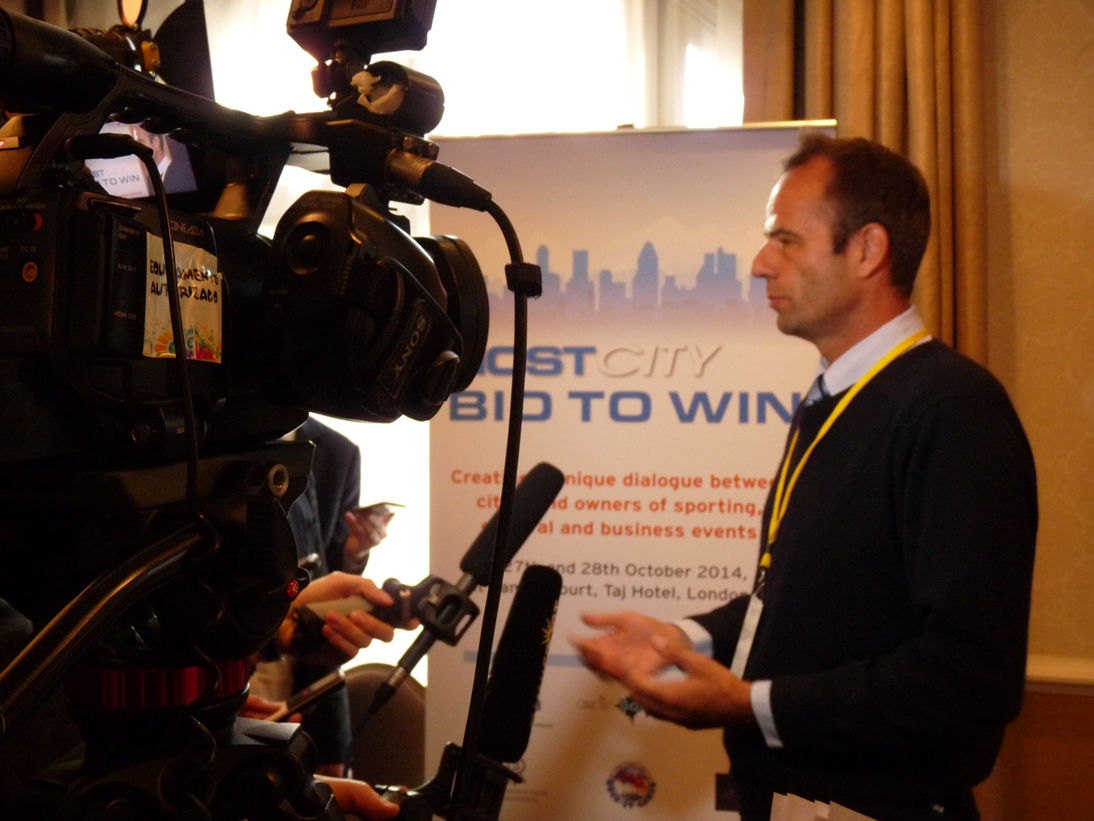
FIFA Reform Committee discussions “intense and fruitful”
The 2016 FIFA Reform Committee finished its first meeting today in Bern and announced that it has made good progress towards putting forward a new “framework” for football’s worldwide governing body.
“The 2016 FIFA Reform Committee has enjoyed intense and fruitful discussions over the last two days. Overall, we have made important steps towards delivering meaningful and lasting reform,” said François Carrard, the committee’s independent chairman.
“During the meeting we also heard from Domenico Scala, the Chairman of the FIFA Audit and Compliance Committee. The Reform Committee discussed a number of areas of importance including overall governance, financial mechanisms and the responsibilities and scope of FIFA’s various bodies.
“I would like to thank my Committee colleagues for their dedication and look forward to working closely with them over the coming months. I will be giving a preliminary update to the FIFA Executive Committee at the end of this month, and following a number of consultations with various stakeholders, including FIFA’s commercial partners, I will announce the make-up of an independent advisory board.”
The next meeting of the 2016 FIFA Reform Committee is scheduled to be held from 16-18 October again in the Swiss capital of Bern, which is one of HOST CITY 2015’s valued sponsors.
“At the next meeting of the Reform Committee we will consolidate these discussions into a tangible framework for future consideration by the relevant bodies,” Carrard said.
HOST CITY spoke with Alex Koch, head of corporate communications at FIFA who was unable to comment further but confirmed that he will be speaking at HOST CITY 2015, the leading EU-based meeting of cities and cross-sector rights holders, on 9th and 10th November in Glasgow.
-
Atos delivers IT infrastructure for PyeongChang 2018
Atos, the Worldwide IT Partner for the Olympic Games, announced on Wednesday that it has delivered the cloud IT infrastructure that will be used for the Pyeongchang 2018 Winter Olympic Games.
The system represents a significant step forward in the digitisation of the Olympic Games as it extends the use of cloud to most applications.
“The delivery of the secure cloud, IT infrastructure to support all Olympic Games from 2018 is a major milestone in our digital transformation,” said Jean-Benoît Gauthier, Technology Director at the International Olympic Committee (IOC).
“Cloud is a perfect fit for the Olympic Games and we are delighted to be working with our long-term Worldwide IT Partner on this important project that will benefit all those who participate in the Games – media, athletes and spectators.”
The new secure cloud IT infrastructure, powered by Atos’ strategic partner EMC, will be used to test and run IT applications used to distribute results to the media worldwide.
The solution will also support the core planning systems used to recruit volunteers, support workforce management, manage the competition schedule and process accreditations for athletes, media and the wider Olympic Family.
The converged infrastructure solution, which uses Atos’ Canopy Enterprise Private Cloud and VCE’s Vblock System, can support other businesses on their journey to cloud.
The system will be first to test the competition schedule and the workforce management systems that will be used by the Pyeongchang 2018 Organising Committee from the end of 2015.
The capacity of the cloud solution can be increased and decreased according to the demands of the different stages of event delivery.
In September 2015, cloud capacity will increase to perform technical testing proving the solution can support the expected demand through the project, and then decrease to support the limited production needs at the early stages of the project.
Around two years before the Games, capacity and bandwidth will be increased again to cover the high level of demand for thousands of volunteer requests as the volunteer portal goes operational.
“The move to the cloud brings many benefits for the Olympic Games. It takes away the need to rebuild an entire infrastructure for each of the Games, which is both timely and costly,” said Patrick Adiba, group chief commercial officer, CEO of major events at Atos.
“It also helps the IT team to react faster and to anticipate new needs and perhaps most importantly, it provides flexibility. As the Olympics does not need to operate at full capacity all the time, a cloud infrastructure will enable computing power to be scaled up and down to meet demand and ensure the best experience for users.”
-
Louise Martin elected Commonwealth Games Federation president
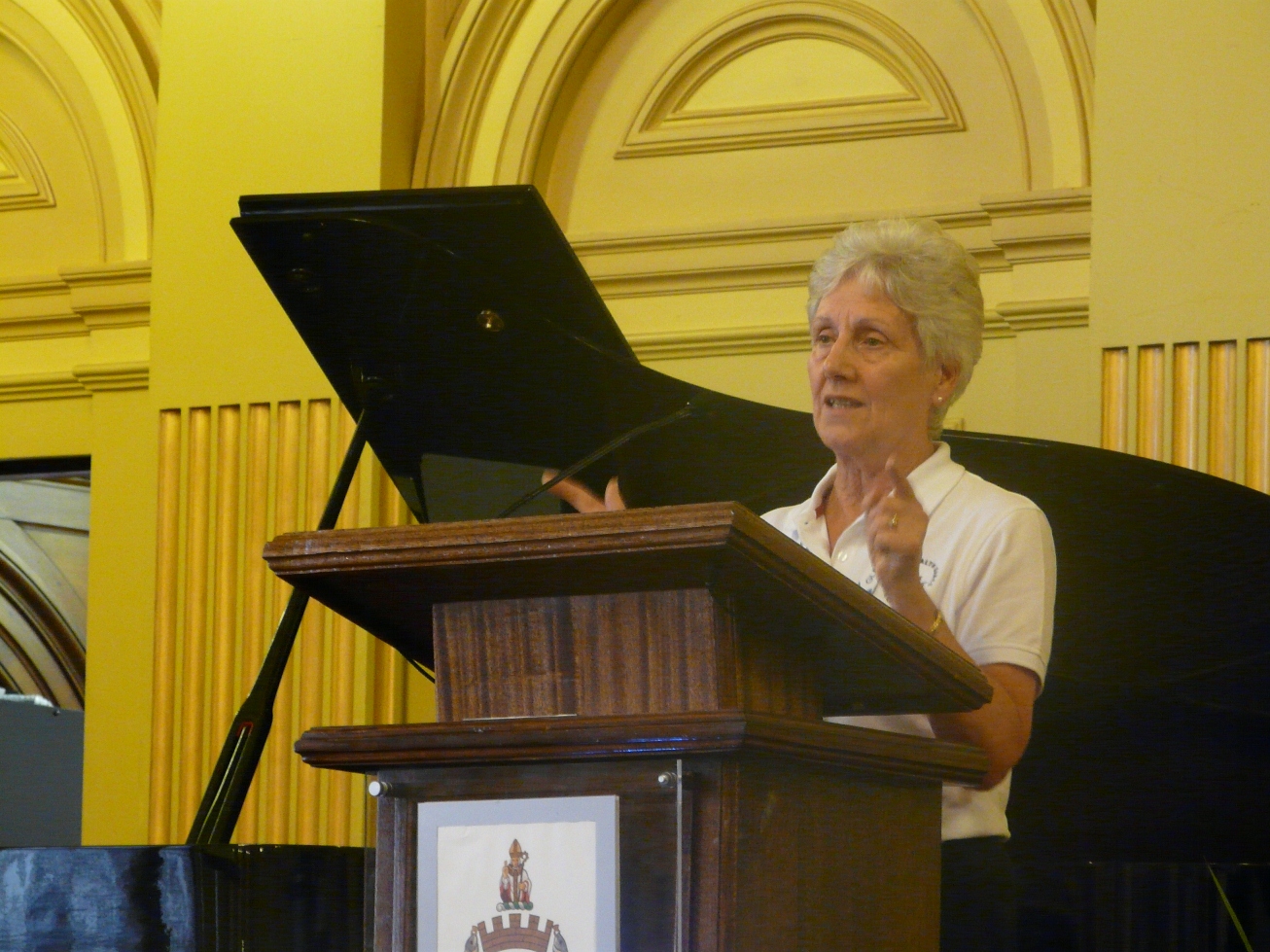
Louise Martin has been elected president of the Commonwealth Games Federation, unseating Prince Imran of Malaysia to become the first woman to hold the position.
As revealed by HOST CITY in March, Martin built her successful campaign on deepening the CGF’s engagement with member associations and potential host cities.
Her manifesto, launched in August, also pledged to increase CGF revenues with the signing of at least four headline sponsors. The CGF had reported a loss of more than GB£3 million in the financial year ending 31st March 2015.
The outcome of the election was far from predictable, although Martin’s pivotal role in bidding for and delivering the Glasgow 2014 Commonwealth Games was a major advantage.
Martin served as CGF honorary secretary for four terms and is also chair of Sportscotland.
Martin is to speak at HOST CITY 2015, the leading meeting of cities and sports, business and cultural events, in Glasgow on 9th and 10th November.
Prince Imran served one term as CGF president and many onlookers expected him to remain in post, despite his controversial attempt to move the organisation’s headquarters to Kuala Lumpur.
“Now is the time to ensure progress is delivered in an open and transparent way and that the views of the CGAs are fully reflected in the running of the CGF,” Martin said.
“I believe that the time is right for a new style of leadership to ensure that together we can fully unlock our potential and deliver on the needs of CGAs and our wider partners, especially in terms of maximising commercial opportunities. If we get this right, we can deliver enhanced revenues to support every CGA as well as Commonwealth sports development through greater investment.
“There is also much more we can do to grow the profile of our great sporting Movement across the world to ensure that its unique identity is valued and our Games attract the best Commonwealth athletes, sponsors and, critically, future host cities. As someone with a proven track record of collaboration and delivery, as well as dedication and passion for our Movement, I believe I am the right person to guide the CGF through the next stage of its Commonwealth journey and unlock the immense potential of our unique sporting Movement.”
The election took place at the CGF General Assembly, where Durban was confirmed as the host city of the 2022 Commonwealth Games.
-
World Expo exclusive: A stage for all the world
To say that hosting a World or International Expo is a major undertaking would be an understatement of the biggest order.
“Whether we are talking about an International Expo or a World Expo, these are three to six month events. They are not the three weeks of the Olympic Games or the four weeks of the World Cup,” Dimitri Kerkentzes, chief of staff at the International Expositions Bureau (BIE) told HOST CITY.
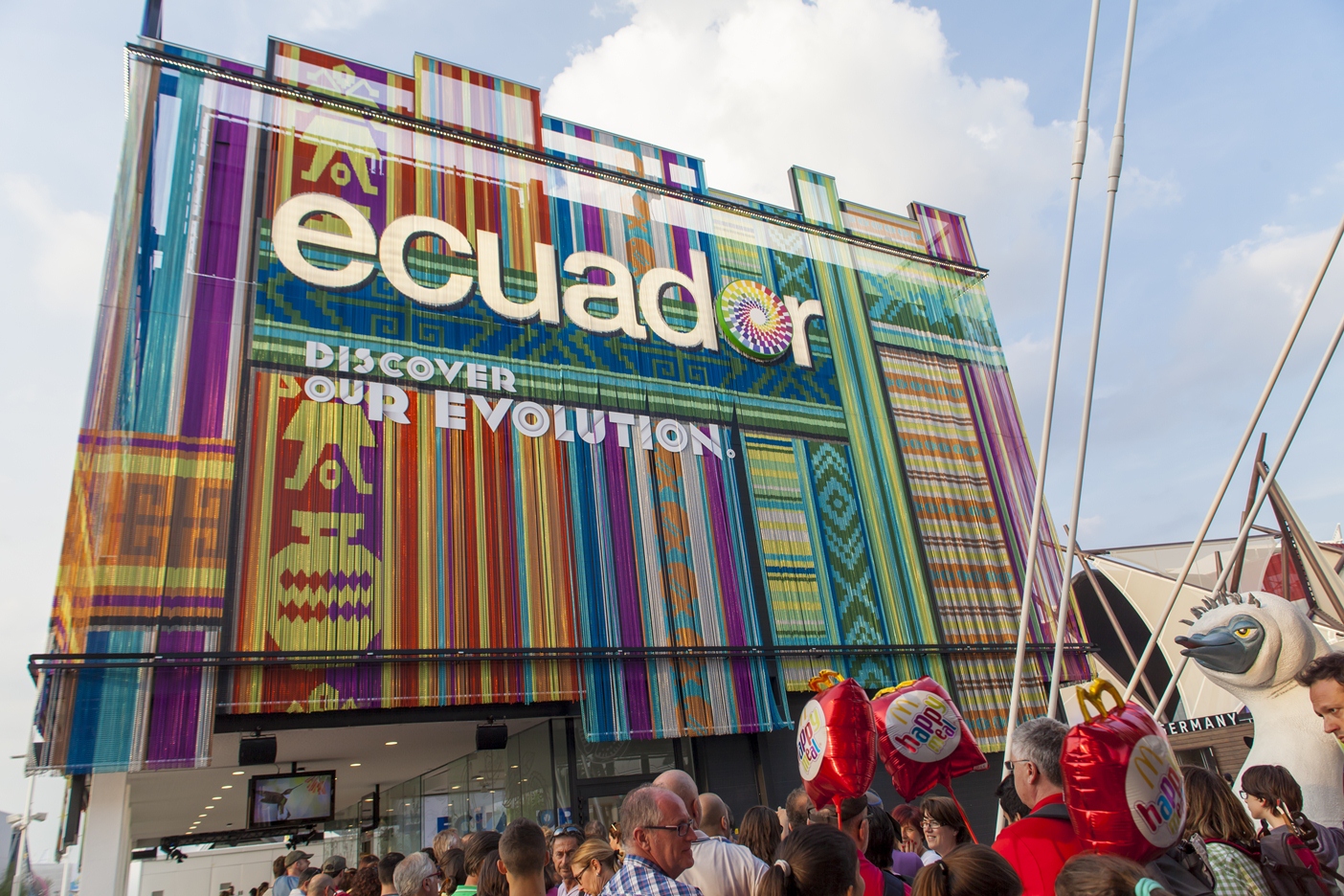
The World Expo Milan 2015, which is running from 1 May through to the end of October, covers a site of 100 hectares with 145 countries participating.
Exhibiting nations install themselves on an Expo site up to a year in advance to build their pavilions, which can take up to a year after the Expo to dismantle.
“Even in the case of a smaller International Expo, we are talking about hosting people for a minimum of six to eight months. So this is quite a feat.”
Emerging destinations
Undeterred by the scale of the project, cities from all over the world continue to vie for the hosting rights. The Kazakh capital Astana is hosting the 2017 International Expo, for which the Belgian city of Liege also applied.
Hosting an event on this scale is a rare opportunity to reaching the global public.
“Whatever the major event is, whether it be cultural or sporting, it’s for them an opening up to the world.
“It’s the president’s point of view that Kazakhstan should be one of the world’s top 30 developed countries within the coming years. And this is an opportunity for them to show what they can accomplish and what they have accomplished.
“You’ve seen a lot of developing countries deciding that they want to invite the world to be present in their cities and it’s one of the best ways for them to achieve this.”
Dubai won the right to host the 2020 World Expo, rising above competition from Izmir in Turkey, Yekaterinburg in Russia and Sao Paulo in Brazil.
Already an international city renowned for as a hub for business, Dubai sees the World Expo as an opportunity to project a new image to the world.
“They are a very particular case where a country, which is basically a desert country, has to be able to deal with modern infrastructure and living requirements – and this is one of the key points where they are trying to brand themselves with the Expo; it’s how not only are they a hub, but they are a sustainable hub.”
Dubai is aiming to attract at least 20 million visitors in 2020 but, says Kerkentzes, achieving this will requires about 70 per cent of visitors to come from overseas.
By way of contrast, the 2010 World Expo in Shanghai attracted 73 million visitors in six months, just seven to eight per cent of whom were overseas visitors.
“The true meaning of an Expo is that the messages and the education is for the global public, not limited to one subsection of global citizens.
“And then you have to be realistic – there are certain Expos where you may have more foreign visitors than you do locals.”
Astana has less than a million inhabitants in a country with a population of around 18 million. “What we expect to see there is – apart from the usual Expo lovers that travel from all over the world – citizens of Kazakhstan and also the neighbouring countries.”
Who’s bidding for Expo 2025?
Milan is on course to hit its target of 20 million visitors and the event is attracting other global cities to bid for future Expos, Kerkentzes says.
“Proof of the fact that the World Expo is useful even in an economic powerhouse of a city like Milan is the fact that for 2025 we already have interest from Paris, from London, from Rotterdam, from Osaka and Johannesburg – so it shows that the case that Milan has been looked at by major European and world cities and they want to perhaps try and do the same themselves in 2025.”
The UK government has said that it will bid but has not yet said which city it will put forward to bid in 2016. The BIE has been contacted by several UK cities.
“The UK showed how good an Olympic Games could be for a city. London is one of the most famous capitals in the world, so why not try and brand other UK cities as well and use an Expo to do it? It’s very logical and it’s something the government will have to take into close consideration and make a final decision on next year.”
Similarly, other cities in France are interested in getting involved in an Expo bid. “It would have to be the government that would decide which would be the bidding cities.”
US cities such as Houston and Silicon Valley have also expressed an interest in hosting an Expo, but as the national government has not paid its BIE membership since 2001 it would need to be successfully lobbied before any bid could be lodged.
“There is a very strong pressure from Minnesota to bid for Expo 2023 and they are working on trying to get the government to re-join the BIE,” says Kerkentzes.
The Canadian government also withdrew from the BIE in 2012. “Canada hosted many Expos in the past and has always participated in Expos. I know that there is very keen interest from the new Mayor to maybe bid for 2025, but he has to work on the internal politics on bringing Canada back.”
The cities expressing an interest in hosting the 2025 World Expo are largely developed, western world cities.
“If you were to receive only developing cities or developing countries, people could criticise, saying Expos are no longer for developed countries and global cities like New York, London and Paris. There are always improvements that can be made in a city and I think an Expo can always help in that.”
Cities can submit a bid for a world Expo nine years before the proposed opening date of the next Expo. The BIE expects bids for 2025 to start arriving in the first and second quarter of 2016, with the voting for the event set to take place either at the end of 2017 or mid-2018.
The bids will be judged on a number of criteria – not just the theme.
“From the BIE, to ensure that Expos remain very high value for the candidates and the hosts, we have to make sure that there are positive impacts from all sides.
“Theme is of course primordial in an Expo; it has to be something of global interest, but we have to make sure all the other points are properly looked at and taken care of.”
“The location is key as well, to make sure that people can get there, that it’s an interesting place to visit and that it can attract tourism that it requires.”
But just as the International Olympic Committee has increased its emphasis on the sustainability and legacy benefit of hosting the Games through its Agenda 2020 programme of reform, the BIE places great emphasis on how hosting an Expo can boost a city’s development plans.
“We have to make sure that the Expo can be of benefit to the host city, that it can help with its branding, it can help with its development – and that what will be left behind after the Expo will be of use to the city and to its citizens.
“I think it’s important to remember that the infrastructure that’s built around these events is not purely for the event itself; it’s infrastructure that’s already foreseen in the development of the city and the country. And whether it’s an Expo, an Olympics or the World Cup, this is just a catalyst to get it done quicker.
“Lessons have been learned. All the organisations responsible for these different mega events are putting them into action now and making sure that, no matter which type of event a city goes for, it will be of benefit to the world but also to the country and the city that’s hosting it.”
With this in mind, the potential rewards of hosting an Expo are great, Kerkentzes says.
“Usually you see from reports after an Expo that the participating countries found the investment has been well spent; that the amount of communication and branding for their own country abroad has helped growth in tourism and in sales.”
Dimitri Kerkentzes is to speak at HOST CITY 2015 on 9th and 10th November on the subject of “How Cities and Events Innovate to Thrive”. -
EU conference addresses child trafficking through sport
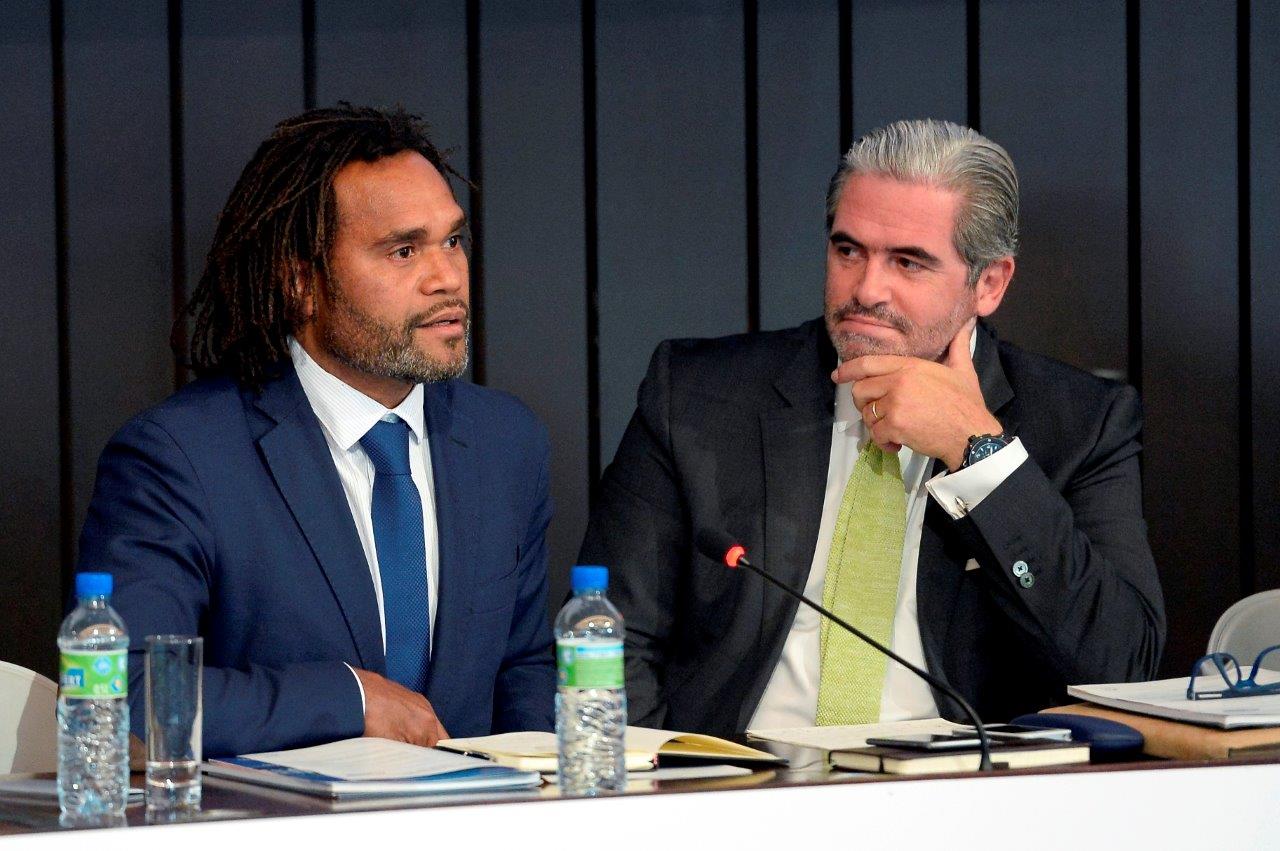
At a conference hosted by ICSS Europe and the European Commission, international experts and leading policy-makers gathered in Brussels on Tuesday to call for sports bodies and governments to act against the trafficking of young people through sport.
The international movement of young athletes has risen dramatically in recent years.
“According to the United Nations, human trafficking is the third largest criminal enterprise in the world. However, trafficking of young athletes through sport, particularly football, is still a taboo in the industry,” said Emanuel Macedo de Medeiros, CEO of ICSS EUROPE.
“As an international organisation working to protect sport, the ICSS is committed to protecting young athletes and raising awareness about the growing issue of child trafficking in sport. Young athletes are not commodities. They are human beings and must be treated as such.
“As a week-long initiative of the European Commission that celebrates sport and physical activity and the positive role it can play in society, the EU Week of Sport was an important platform to raise awareness of the issue and place the topic in the minds of influential decision-makers.”
“Today also reinforces the ICSS’s commitment to safeguarding young people and I would like to encourage governments, law enforcement agencies and other experts in child protection to ensure that clear, practical and effective standards on recruitment, training, education and protection of children and young people are applied across all sports.”
The conference, which took place during the EU Week of Sport, brought together leading figures from sport, child protection and youth development and education.
“There is definitely a link between mobility of young athletes and trafficking. It is important that we put the issue of the child trafficking through sport, particularly from Africa to sports clubs in Europe, on the agenda of leading organisations in government and sport,” said Pascal Reyntjens, Chief of Mission, International Organisation for Migration (IOM) – Belgium & Luxembourg.
“Despite the clear progress made in the protection of minors and young athletes recently, further discussion between sports organisations and other bodies working in this area must take place.”
The conference also highlighted several themes underling the role of sport in education and how it can enhance economic and social development.
“Sport has the aim to bring people together. It is has the power to change the world and to unite people beyond regions, beyond colours. Sport has no borders and is universal,” said football superstar and UEFA Global Ambassador, Christian Karembeu.
“Through sport, we speak the same language. In sport, we have the same rules, the same life and have the same opportunities. Sport is also a powerful tool for integration and inclusion in wider society.
“I am very proud to be here today and have a strong interest in the topics discussed. Education through sport is very important and through it, we can have balance.”
International organisations attending the conference included: the European Commission, the Council of Europe, UNESCO, United Nations, International Labour Organisation, government organisations, UEFA and other representatives from the sport and Olympic movement, as well leading NGOs.
-
IOC allocates US$2m immediately to help refugees
The International Olympic Committee (IOC) has created a two million dollar fund that will be made available to National Olympic Committees (NOCs) for programmes focused on refugees.
“We have all been touched by the terrible news and the heartbreaking stories in the past few days. With this terrible crisis unfolding across the Middle East, Africa and Europe, sport and the Olympic Movement wanted to play its part in bringing humanitarian help to the refugees. We made a quick decision that we needed to take action and to make this fund available immediately,” IOC president Thomas Bach said on Friday.
“We have a long term relationship with the United Nations and with the UNHCR and we draw on their help and expertise. We know through experience that sport can ease the plight of refugees, many of them young people and children, be they in the Middle East, Africa, Europe or in other parts of the world. Our thoughts are with the many refugees risking their lives and the lives of their families to escape danger.”
The fund is made up of one million dollars directly from the IOC and a further one million from Olympic Solidarity, which is an IOC commission that organises assistance for NOCs, particularly those with the greatest needs, by redistributing broadcast rights through programmes offered to all NOCs.
NOCs and other interested parties will be asked to submit projects to the IOC for funding.
“Because of the nature of the crisis the assessment of projects and the distribution of funds will be carried out extremely quickly,” said Bach.
“We are able to work on the ground with our partners in the National Olympic Committees and the expert agencies to get help to where it is needed most urgently.”
The IOC already works with a number of United Nations agencies to help refugees around the world. In April 2014 the two organisations signed a historic agreement aimed at strengthening collaboration.
The IOC has been working with the UNHCR for two decades and has already seen thousands of refugees benefit from sports programmes and equipment donated by the IOC.
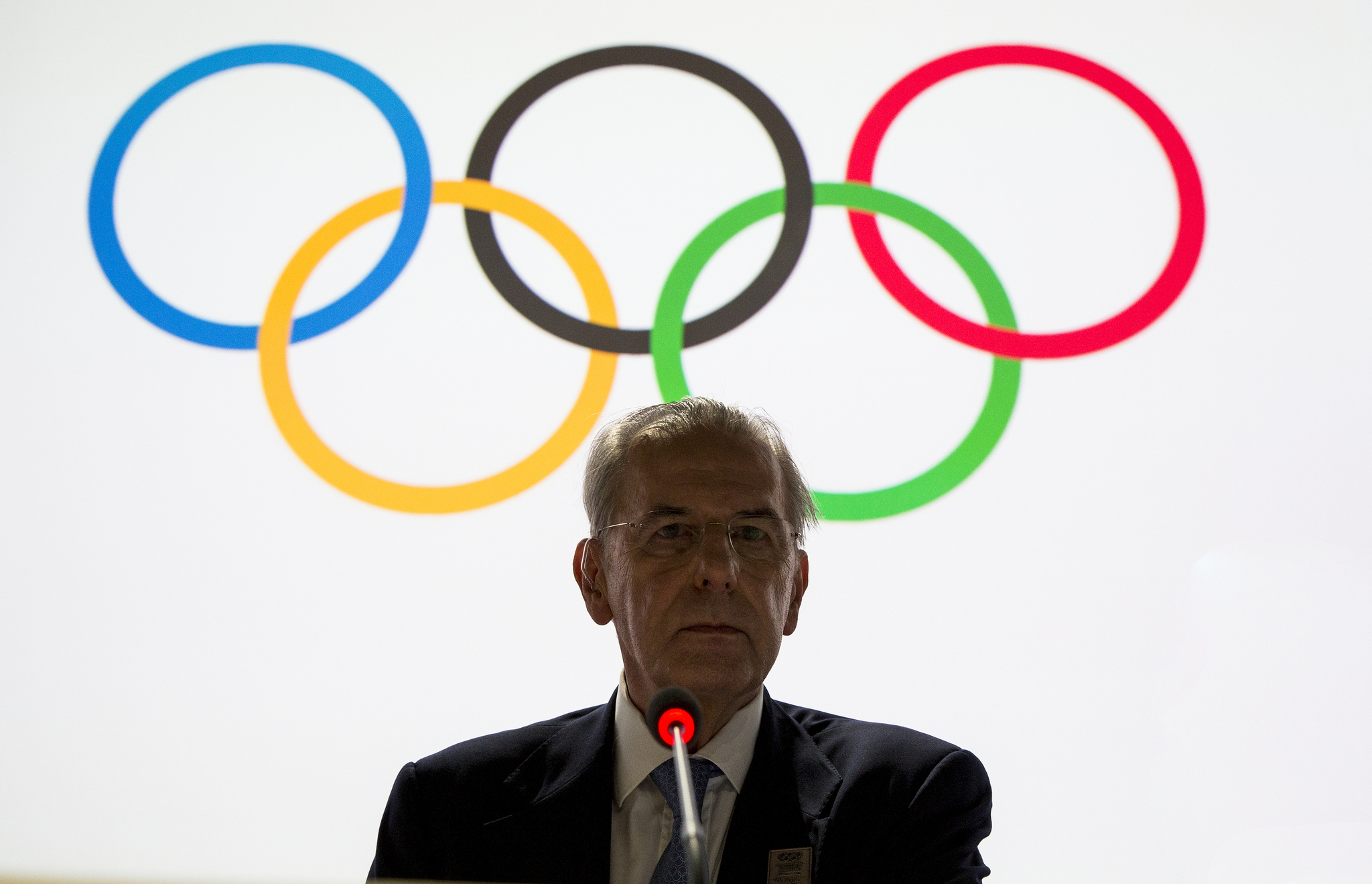
Last year IOC Honorary President Jacques Rogge completed his first mission as Special Envoy of the United Nations (UN) Secretary-General for Youth Refugees and Sport.
With the goal of raising awareness on the conditions of youth refugees and the impact of sport for their well-being, Rogge visited Syrian refugees currently living in the UN camp of Azraq, located in the desert 100 kilometres east of the Jordanian capital, Amman. The camp currently hosts more than 5,000 shelters housing some 18,000 refugees.
Since 2004, the IOC and UNHCR have organised a “Giving is Winning” programme. This global solidarity campaign allows athletes, officials and sponsors of the Olympic Games, National Olympic Committees , International and National Federations, and other Olympic Movement stakeholders to donate tens of thousands of clothing items to help refugees . The campaign has already collected over 170,000 items of clothing, which have reached refugees in 23 countries across Africa, Asia, Latin America and Europe.
In 2013 and 2014, the IOC, Worldwide Olympic Partner Samsung and the UNHCR joined forces to distribute IOC Sports Kits to more than 180,000 internally displaced young people living in refugee camps in 20 countries throughout Asia, Africa and Latin America.