A company that provided took its temporary seating solutions from London 2012 to the Brazil 2014 World Cup is one of the UK’s top exporters, according to research conducted by Richard Branson’s Fast Track agency for the Sunday Times.
Arena Group began showcasing its innovative temporary seating systems in HOST CITY magazine in the run-up to London 2012, where it built the Populous-designed beach volleyball arena and provided seating for the weightlifting, boxing, fencing, table tennis and judo events.
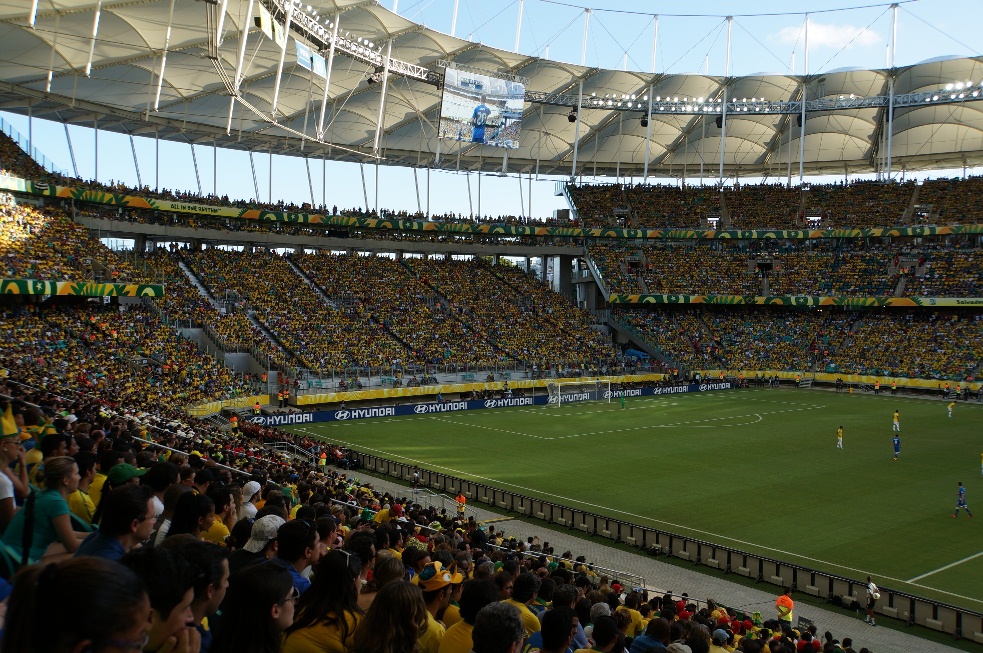
For the Brazil 2014 World Cup, Arena Group supplied two 9,000+ seat demountable grandstands for the Arena do Sao Paulo – the largest temporary structures in Brazil. Through a local partnership, it also installed seats for Salvador’s World Cup stadium.
“The ranking is testament to the vision that we’ve had for the company since long before the London 2012 Olympics; to become a trusted, global provider of event overlay services and the highest quality temporary event infrastructure,” said Greg Lawless, CEO of Arena Group.
“This international growth has been a fundamental part of the group’s strategic plan, and we have made acquisitions which have positioned us to secure contracts for the next generation of major international sporting events.”
Arena Group’s two year average international sales growth reached 54 per cent, with international sales reaching £10.5m in 2012. The company is also the official overlay and temporary structures provider to Glasgow 2014.
HOST CITY has been profiling London 2012’s quiet revolution in the temporary overlay for many years, through interviews with the organising committee and its key suppliers in this area, including Arena Group and Populous.
“We would like to congratulate Arena Group on making the upper reaches of the International Track 200,”said Ben Avison, editor of HOST CITY magazine.
“It has been gratifying to see these temporary seating solutions being taken up by the organisers of the 2014 World Cup and we look forward to seeing this positive trend continue in future sustainable mega events.”
Category: Sporting Venues
-
Arena Group’s export growth hits Sunday Times list
-
Time a concern as work starts on World Cup stadium
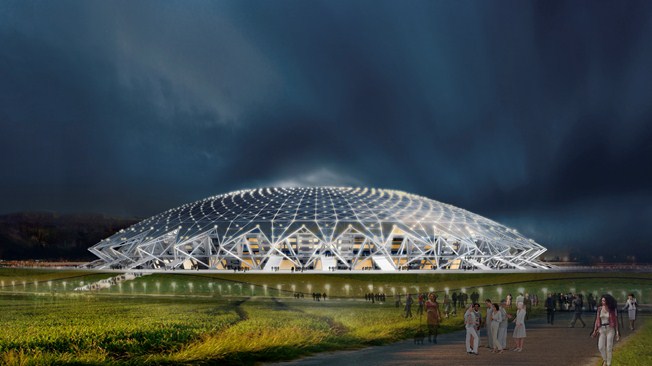
The new stadium in Samara is set to have a capacity of 45,000 and will become the home of local club side Krylia Sovetov following the 2018 World Cup. Construction work on the stadium is expected to be completed in summer 2017 and will be linked to the city and wider region with new local infrastructure development.
Also in attendance at the ceremony was sports minister Vitaly Mutko. “All technical and administrative issues have been resolved and today we are starting to build the stadium” he said. “There are still key questions concerning the city’s development… but first and foremost is the sporting infrastructure that will be built here. Samara is football’s capital on the Volga. We are looking forward to all the necessary conditions being created for footballers and teams, as well as for fans to be welcomed.”
Three of the planned 12 World Cup stadiums are currently completed, with two of them requiring reconfiguration in order to host football games. Whilst the Russian Government is insisting that all the stadiums will be completed on time, previous delays have raised alarm.
Organizing committee head Alexei Sorokin told the Associated Press: ”That is a normal working concern. That does not mean we are lying down calmly and waiting for things to happen. It suggests that we are … attentive to it.”
Whilst some of Russia’s World Cup plans appear to be on time and on budget, delays and rising building material costs are a cause for concern. The St. Petersburg stadium, for example, was due for completion in 2008 but is now unlikely to open before 2016 and at a hugely inflated cost of $1.1 billion.
There have also been a number of concerns over infrastructure spending and logistical challenges associated with holding the World Cup in Russia but officials have maintained that these issues can be resolved on time.
FIFA have said the design work for all the other stadiums is now completed and construction work is expected to begin this autumn.
-
Budget a “real concern” for Rio 2016
The scale of Rio 2016’s infrastructure projects is immense and partnership with experienced suppliers from London 2012 will be crucial for success – but budgets must be carefully monitored.
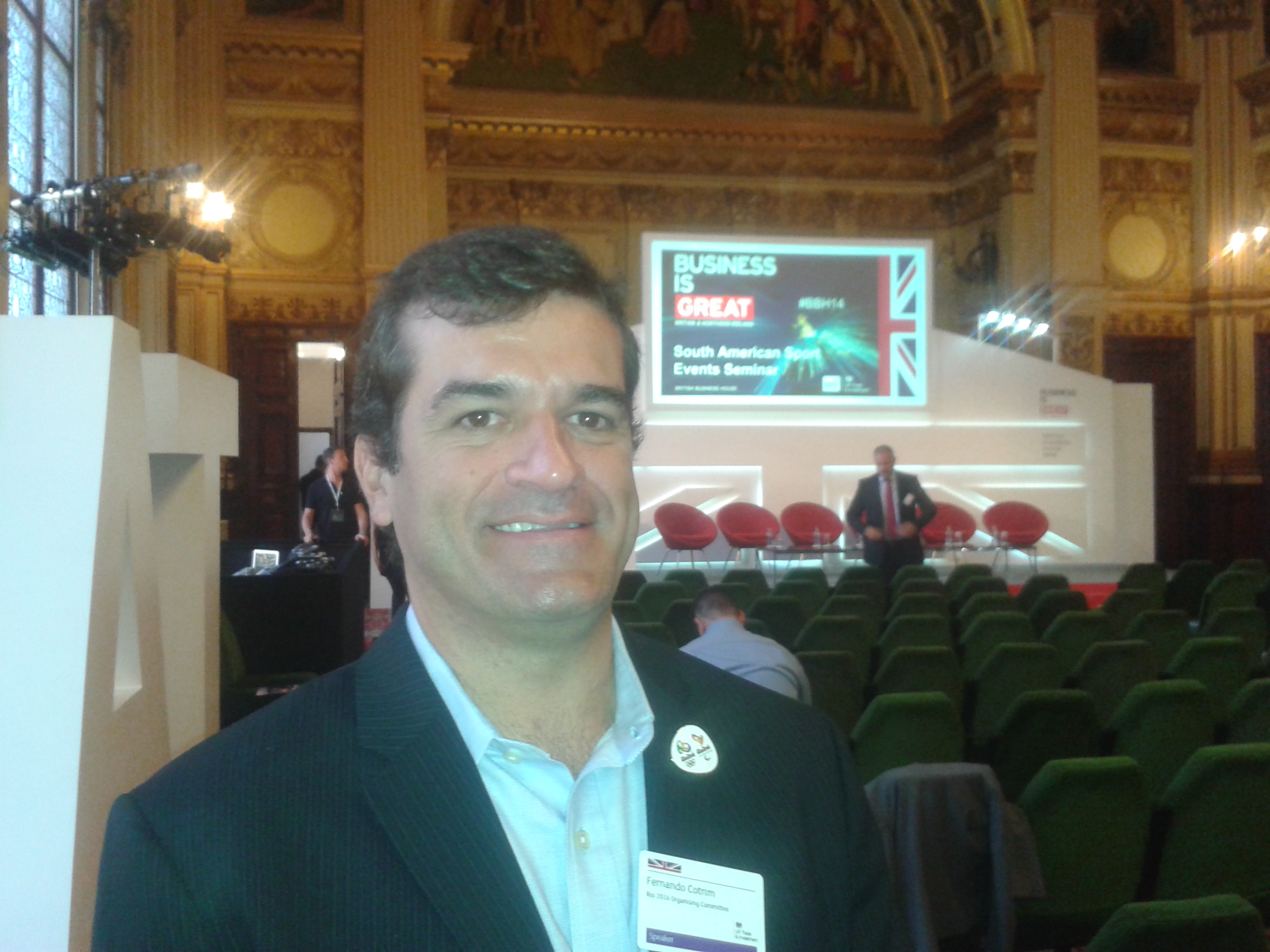
This was the message given by Rio 2016’s head of procurement, Fernando Cotrim, in an exclusive interview with HOST CITY at the South American Sport Events Seminar, organised by UK Trade and Investment during the Commonwealth Games in Glasgow.
“If you consider that you have the greatest combination of needs in terms of materials and services in one event, you can imagine the size of challenge,” Cotrim told HOST CITY. “We are looking for around 2,500 suppliers to be in place for 2016.”
Cotrim’s major area of focus is temporary construction. “The hardest part is to get the right suppliers at the right time and to build a temporary and sustainable supply chain, he said.
“That’s the challenge – the temporary part is the most important.”
London 2012 has set the template of a mega event where the majority of infrastructure is temporary. “We are taking a similar approach. Probably around 60 per cent of constructions will be temporary.”
Not only is the concept similar to London 2012; Rio 2016 is targeting the same companies. “We will use similar suppliers. The ideal for us is to bring the same suppliers but they come to Brazil, partner with local companies and help our country to grow in this business.”
Cotrim cited Arena Group, who provided temporary venues for London 2012 and Glasgow 2014, as an example of a company with expertise in this area. Other notable suppliers include ES Global, also present at the UKTI event.
Asked what his biggest concern was, Cotrim replied “Always to be monitoring – to have the best suppliers and to stay on budget. That’s a real concern. What we’ve learned from other Games is that if you don’t manage the budget you can go to infinity.
“So you have to be very cautious about the budget. We are always seeking innovative solutions, but at the same time low cost and sustainable.”
Rio 2016 has been under fire for severe delays to its construction projects, particularly the Deodoro Park cluster of venues. Cotrim says the tide of opinion is changing in the wake of a largely successful FIFA World Cup.
“What people saw, what the media saw in the World Cup changed this mindset. Deodoro was a concern, but the suppliers are starting to work and so I think this mindset has changed a little bit. The last comment from the IOC is that we have got back on track and we are in a good shape.”
However, the IOC is still keeping a very watchful eye on Rio 2016 projects. IOC Vice President Craig Reedie confirmed to HOST CITY that the IOC’s head of Olympic Games, Gilbert Felli, will be focused 100 per cent on ensuring a successful Games in 2016. -
Gold Coast new venues approved for construction
The Commonwealth Games Federation has approved the final list of venues for the 2018 Commonwealth Games, allowing the next stage of development work to go ahead aided by AU$156 million provided by the Australian Government.
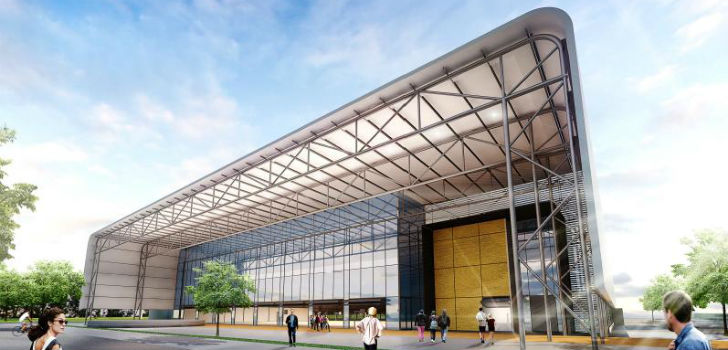
The next phase of construction includes the new 2,500 seat Carrara and Coomera Sport and Leisure Centres.
Some venues are already completed, including the redeveloped Gold Coast Aquatic Centre which Federal Minister for Sport Peter Dutton recently inspected. The Aquatic Centre will host the Pan Pacific Swimming Championships as its first test since the redevelopment work.
“The Queensland Government and Gold Coast City Council have provided a world class facility for this international swim meet,” said Dutton.
“The new and upgraded venues will leave a lasting legacy for the Gold Coast, Queensland and Australia. Not only will the 2018 Games help usher in the next generation of elite Australian athletes, but the new and improved sporting infrastructure will greatly benefit grassroots sporting programmes across Queensland. This will help to encourage higher rates of participation and promote the many benefits sport and physical activity brings.”
The Ministry for Sport believes the 2018 Games will provide a positive legacy for Queensland and the Gold Coast and expects the event will reap long-term benefits for “tourism, business development and improved social outcomes.”
“The 2018 Gold Coast Commonwealth Games will once again showcase Australia to the rest of the world as a first-class sporting destination, with first class venues,” said Dutton.
“After the success of the Glasgow Games, it’s clear that the Commonwealth Games are still viewed in high regard by spectators and athletes and remains an important part of the sporting calendar.”
15 out of 17 sports will be hosted on the Gold Coast, with track cycling and shooting to take place in Brisbane and some preliminary basketball games to be held in nearby towns.
-
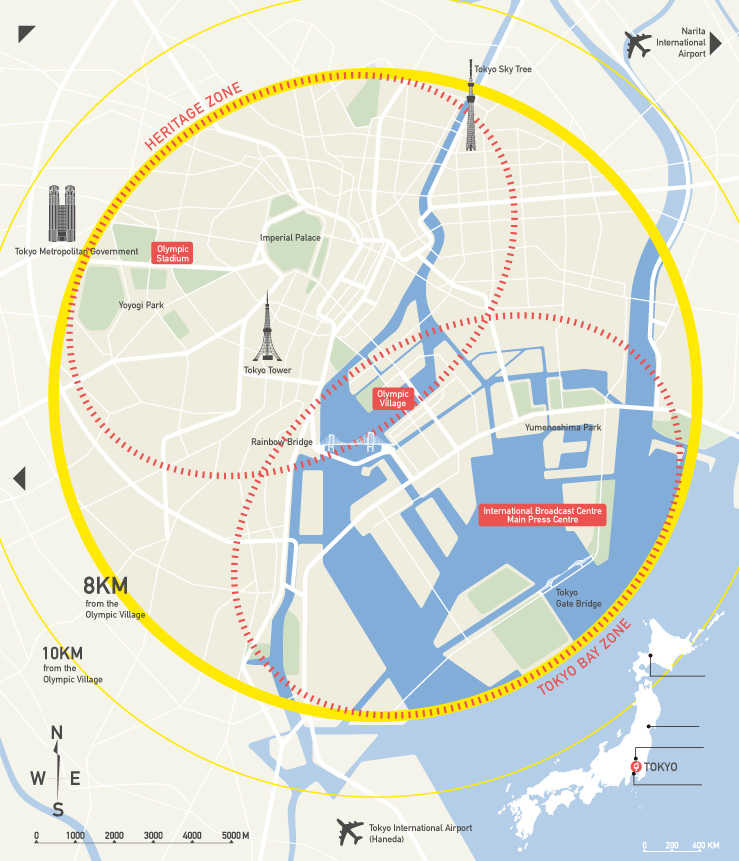
Tokyo 2020 organisers propose venue relocation
The organising committee has informed the IOC of possible revisions to the locations of some of the Games venues and organisers are considering moving certain venues into locations in the Greater Tokyo area, some as far as an hour’s drive from the city centre.
The original Tokyo bid promised a compact Games with the majority of the venues located within a five mile radius of the Olympic village, far more condensed than many recent Games. Only the shooting, modern pentathlon and football events were originally planned to be held outside of the five mile Olympic village zone.
The new plans could see some venues being moved out as far away as the city of Saitama which could result in some considerable transportation headaches. However, organisers have insisted that the revised plans would be made possible with improved transport infrastructure whilst still cutting costs. The IOC has previously praised Tokyo’s venue layout and have been impressed by the city’s progress.
The cost of the Games has been a cause of contention amongst Tokyo’s citizens with protests being held against the new 80,000 seated stadium which will replace the current National Stadium.
Tokyo governor Yoichi Masuzoe has had to defend the new plans and told a press conference at the Foreign Correspondents’ Club of Japan that he has a responsibility to Tokyo taxpayers.
“How can I persuade the taxpayers to pay this kind of money? We are working with the IOC and the various sports federations to make the Games sustainable. Legacy is very important. If you abolish everything after the Games who can accept that?” said Masuzoe.
-
A big year for Populous
Credited with the design of some of the world’s most iconic stadiums, specialist sports architectural firm Populous continues to build upon its impressive record this year.
Populous has worked on nine Olympic Games to date and most recently played a significant role in the Sochi Winter Olympic Games, including the design of the 40,000 capacity Fisht Olympic Stadium and the Arena das Dunas stadium in Natal for the 2014 FIFA World Cup in Brazil. Later this year, the Nanjing Youth Olympic Games and the Incheon Asian Games will be hosted in spaces designed by Populous.
So it comes as little surprise that Populous were awarded the prestigious AJ100 International Practice of the Year award this year, beating seven other global architecture practices in the process. The expert panel mentioned the firm’s work in Sochi and Brazil as particular highlights.
Senior Principal Ben Vickery says “We are delighted to be recognised in this way for designing stadiums and temporary installations for major events around the world. Each country and event is different and Populous has a great deal of experience designing venues and events that relate to the culture of the club, location and host country.”
Populous divide their activities between the design of individual sports facilities and the masterplanning of mega events. Their expertise ranges from supporting the bid for an event, to site masterplans, overlays using temporary installations and world class stadiums. In Sochi, they took on the challenge of designing a masterplan for the Winter Olympic Games in a city that had never previously hosted any major sporting events.
Tom Jones, Principal of the architectural practice, says “In Sochi there was no existing sporting infrastructure. This meant the Winter Park master plan required a much more extensive arrangement of new builds, as well as having all the usual functional requirements in terms of ease of access for spectators, athletes and visiting dignitaries.”
New territories
These masterplan projects have become more frequent for Populous in recent years with the trend of sporting mega events being awarded to areas of the world not previously used to hosting them. With international governing bodies becoming more inclined to take their sporting properties to cities in South America, the Middle East, Eastern Europe and Far East Asia, Populous has had to face a whole new set of challenges and opportunities.
“In some of the territories which lack any sort of significant sporting infrastructure, you need to look at creating the entire infrastructure from the beginning, which is often not needed in cities that are more traditional hosts,” says Jones.
“On the other hand, this does give you the ability to produce a very comprehensive design that includes the transport, venue and residential requirements and assist in a regeneration of a precinct for the long term.”
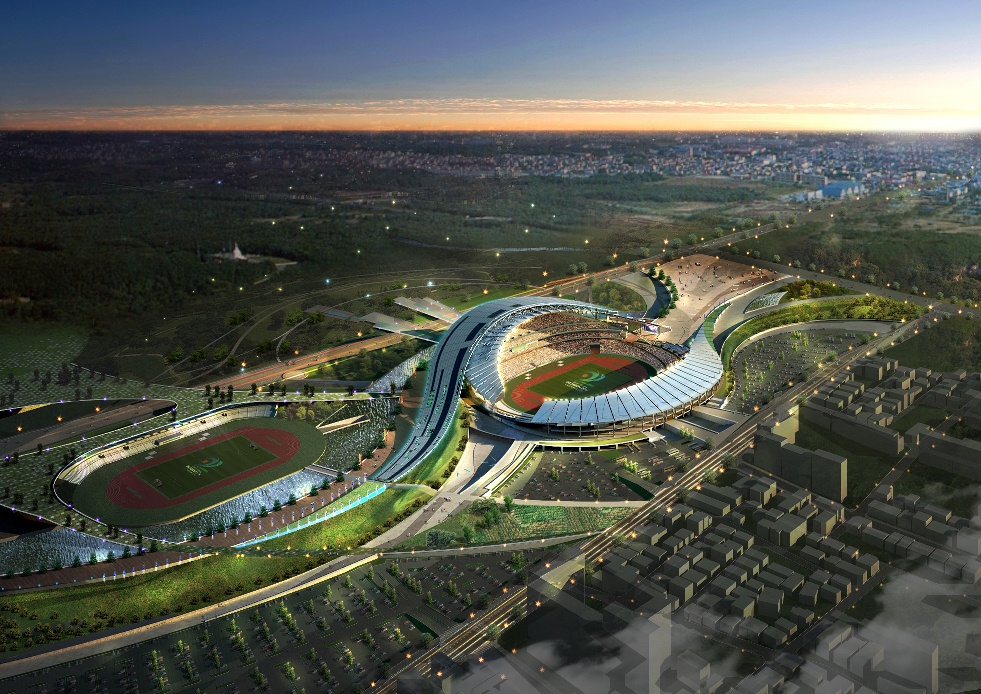
Populous was involved in the design of the Incheon Asiad Main Stadium, which is set to host the opening and closing ceremonies and athletics competitions of the 2014 Asian Games. For the purpose of the Games, the stadium will have a capacity of 61,074, yet this will reduced down to 30,000 post-Games.
“When we look ahead to the legacy we want to ensure that the venues have a long term use and that is where the balance of permanent and temporary design comes into play,” says Jones.
“There needs to be consideration of how much is built initially and the flexibility in the master plan to allow for further phases of development after the event.”
With the Incheon stadium, Populous further developed its innovative modular construction methodology, showcased at London 2012, designing just the west stand as permanent and leaving the other three sides as temporary seating built into the landscaping of park.
“Those temporary seating elements can be very easily and quickly removed, but you’re left with a sculpted landscape bowl that people can still go and sit on and watch events. Therefore, it would be quite easy to scale back up again if you had another major event.”
New or existing; temporary or permanent?
As every city is different, Populous studies each host individually to understand its requirements and formulate the best balance between building new facilities and refurbishing existing venues, as well as the balance between permanent and temporary structures.
“Some states want to construct entirely new venues for major events whilst others might want the balance of permanent and temporary installations. Either way the long term viability and ability for ongoing revenue generation is critical and needs to be judged for each event and location,” says Vickery.
“With the right mix of temporary and permanent venues, an event will be more sustainable: economically, by only constructing venues that will have a long-term life, and environmentally by using less resources for construction. It is the development of new ideas, like these, in venue design that will be the motors of improvements in the design for sports.”
With more major events on the horizon, Populous will be working on them in a variety of capacities. In the case of the Nanjing Youth Olympic Games, much of the sporting facilities are already built, so Populous’ role has been to design a master plan for the residential and transport requirements.
In the case of next year’s inaugural European Games in Baku, Azerbaijan, the firm is working on the overlay (temporary installation) design for two of the venues.
“The European Games is a new event and we have not worked in Baku before, so it is exciting to develop ideas for a new location, building on the experience of designing for the London 2012 Olympics,” says Vickery. -
Arena Seating chosen for English FA’s national centre
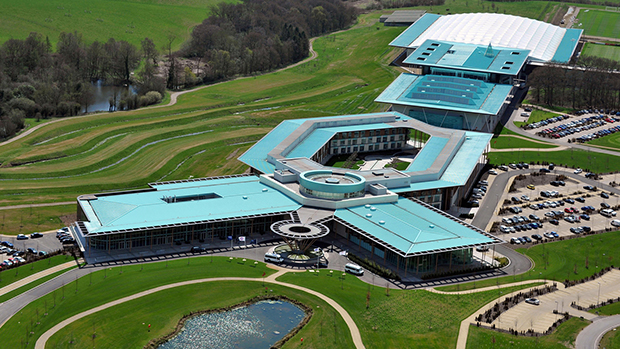
A modular solution from Arena Seating – part of global event supply company Arena Group – has been selected for St George’s Park, the English FA’s national football centre.
Five uncovered demountable grandstands, consisting of four tiers each, will be located along a covered, elevated walkway overlooking the elite training pitch and reconfigured as required by the venue’s event programme.
Speaking at Soccerex Global Convention in Manchester, Dave Withey, Arena UK & Europe’s sales and marketing director, said: “It will essentially be a permanent installation to begin with, but the modular nature of the system means that the grandstands can quickly and easily be reconfigured and moved elsewhere when needed; such as the indoor Futsal hall or any of the 12 outdoor pitches.
“St George’s Park hosts a variety of different events, in various locations across the site, so the ability to do this was a vital part of the FA’s brief. They can then be moved back to the elite training pitch, negating the need for any additional storage facilities.”
The grandstands will be installed on the 15th October by six crew in a single day. Arena Seating will train St George’s Park on how to reconfigure and extend the grandstand for larger events, using Arena’s rental stock.
“There is no need for permanent construction work, making it extremely cost effective,” said Withey. “This is achieved without compromising on spectator comfort and viewing angles, which is very important for a world class facility like this.”
St George’s Park, based in Burton-upon-Trent in Staffordshire, is the preparation ground for all of the England national football teams and home to the FA’s coaching and development work.
Arena Group is exhibiting at Soccerex Global Convention at stand 219. The company will also be exhibiting at HOST CITY: BID TO WIN conference, which takes place in London on 28th October 2014. For more information visit www.bidtowin-hostcity.net -
Rio 2016’s golf course will be ready, states IOC’s Felli
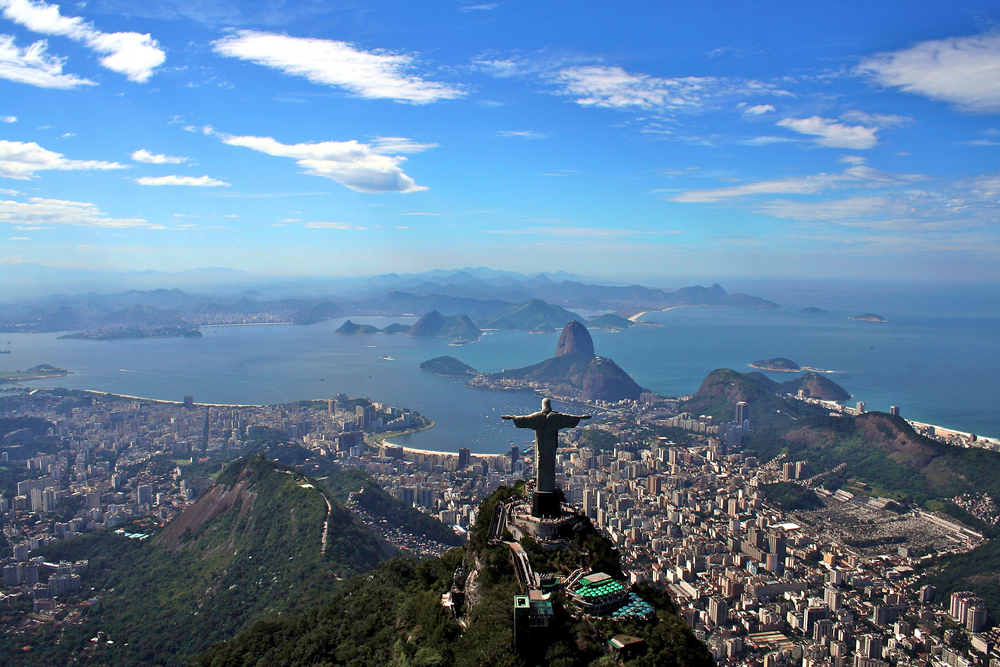
The new golf course that is being developed for Rio 2016 has proved a controversial project owing to its location, speed of development and the fact the city already has a course that has hosted major events.
The course is being developed in a nature reserve located in the Barra da Tijuca area of the city, a suburb that is also well known for its expensive real estate. Plans for the course include the construction of 160 high-end apartments that are selling for as much as $7m (€5.5m).
Judge Eduardo Klasner said in a hearing last week that the defendants – the city and the developer – and the public prosecutor must find a way to protect the nature reserve with construction to be halted if a compromise is not reached.
The prosecutor has requested that a number of holes on the course be altered and has asked the developer to return some of the land to the ecological reserve. Judge Klasner has allowed sodding on the course to continue, but the facility must be completed before the Brazilian summer begins in December, with no imminent ruling on the case expected.
Felli in April was deployed by the IOC as a senior troubleshooter for Rio 2016 and said he is confident the ongoing troubles will not stop a test event from taking place ahead of the Games, either late in 2015 or early in 2016.
“Our understanding today is that we will be ready for the first test event which will be needed to be done for the golf,” Felli told the Associated Press news agency. “We are satisfied on the progress we see today. But we are not playing tomorrow. We know that we are going to play for the test event.”
Carlos Nuzman, head of the Rio 2016 organising committee and president of the Brazilian Olympic Committee, said the matter is now in the hands of the city and Mayor Eduardo Paes. “Golf will be in the Olympics,” Nuzman said. “The city is responsible for the golf course.”
Rio 2016 last week stepped up its preparations for the Olympics by unveiling its ticketing strategy. More than half of the tickets available for the summer Games will be priced at less than R70 (€24/$31). -
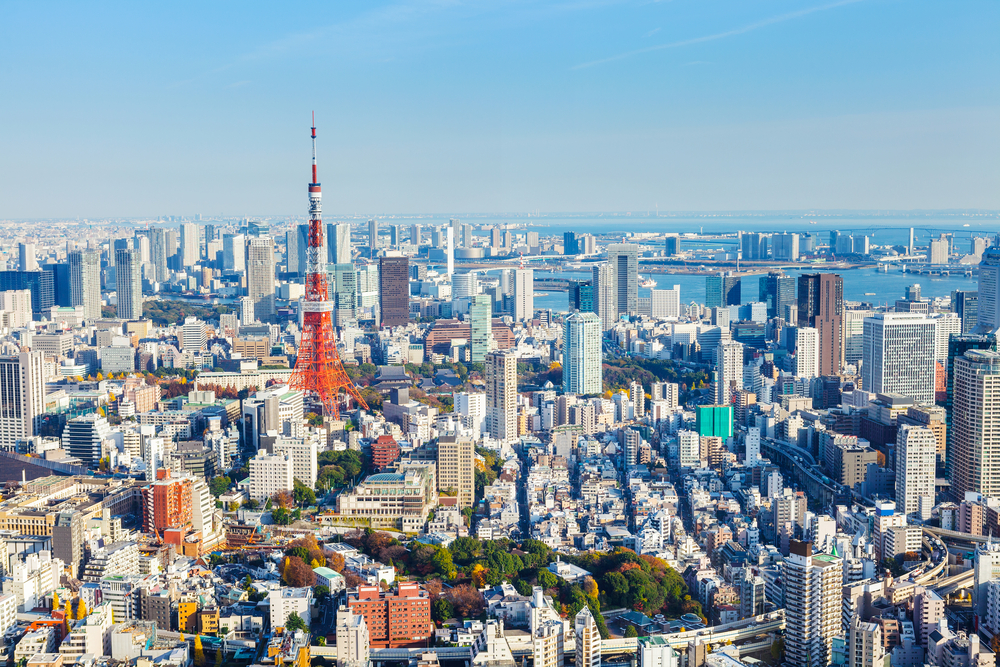
Arup to aid Tokyo 2020 preparations
Arup will provide advice for the Tokyo Metropolitan Government and the Tokyo Organising Committee of the Olympic and Paralympic Games to develop venues and infrastructure for the Games.
Arup’s service for the Tokyo Olympics includes masterplan review and advice for cross-sectorial specialty areas such as transport, security, sustainability and legacy. Jointly with partner consultant AECOM, Arup will also advise on the venue briefs and contribute to the strategy development for overall delivery of design and construction through the preparation stage to the legacy transformation.
“Arup is proud to have played a part in renewing Beijing and London in advance of the Olympics and is looking forward to continuing our contribution to the 2020 Tokyo Games,” Jerome Frost, the Arup director who was head of design and regeneration for the London Olympics, said.
“Through our experience in preparing cities for the Olympics and other international events, the firm has been responsible for much of the urban renewal of the host cities, ensuring the events serve as a catalyst for long-term investment and development.”
The partnership comes with construction work on Tokyo’s Olympic Stadium for the Games being delayed until mid-December at the earliest, according to the Japan Sport Council (JSC).
Under proposals, the city’s current National Stadium will be demolished for a $1.6bn (€1.2bn) 80,000-capacity facility to be built in its place. However, the demolition of the existing arena has faced a raft of delays in light of concerns over construction costs.
The JSC owns the current national stadium but plans have been put back once more due to complaints of irregularities in an earlier round of bids for the demolition project. A mid-December start date would be five months later than work on the stadium was originally slated to begin.
A Tokyo construction firm filed a complaint with the Government Procurement Review Board after a second round of bidding in the summer. The first round failed as all bids submitted were too high.
“There was a complaint about the process and it was recommended to us that we hold another round of bidding,” a JSC official said, according to the Reuters news agency. “We accepted that suggestion.”
A JSC internal investigation has led it to reject claims by workers from the company in question that bids were opened before the final price was set and that a firm other than the lowest bidder secured the job. The Government Procurement Review Board ordered another round of bidding despite reporting no evidence of wrongdoing.
Education Minister Hakubun Shimomura, whose ministry is in charge of Games preparation, admitted to “basic mistakes” being made in the process last month.
He added: “This is extremely regrettable and we are taking it extremely seriously. We are recommending that another round of bidding be held.”
The JSC remains confident of meeting a contraction deadline for the new stadium to host matches when Japan stages the 2019 edition of the IRB Rugby World Cup.
Tokyo 2020 organisers are reviewing the locations of their current venue plans because of concerns over the rising costs of the Games. -
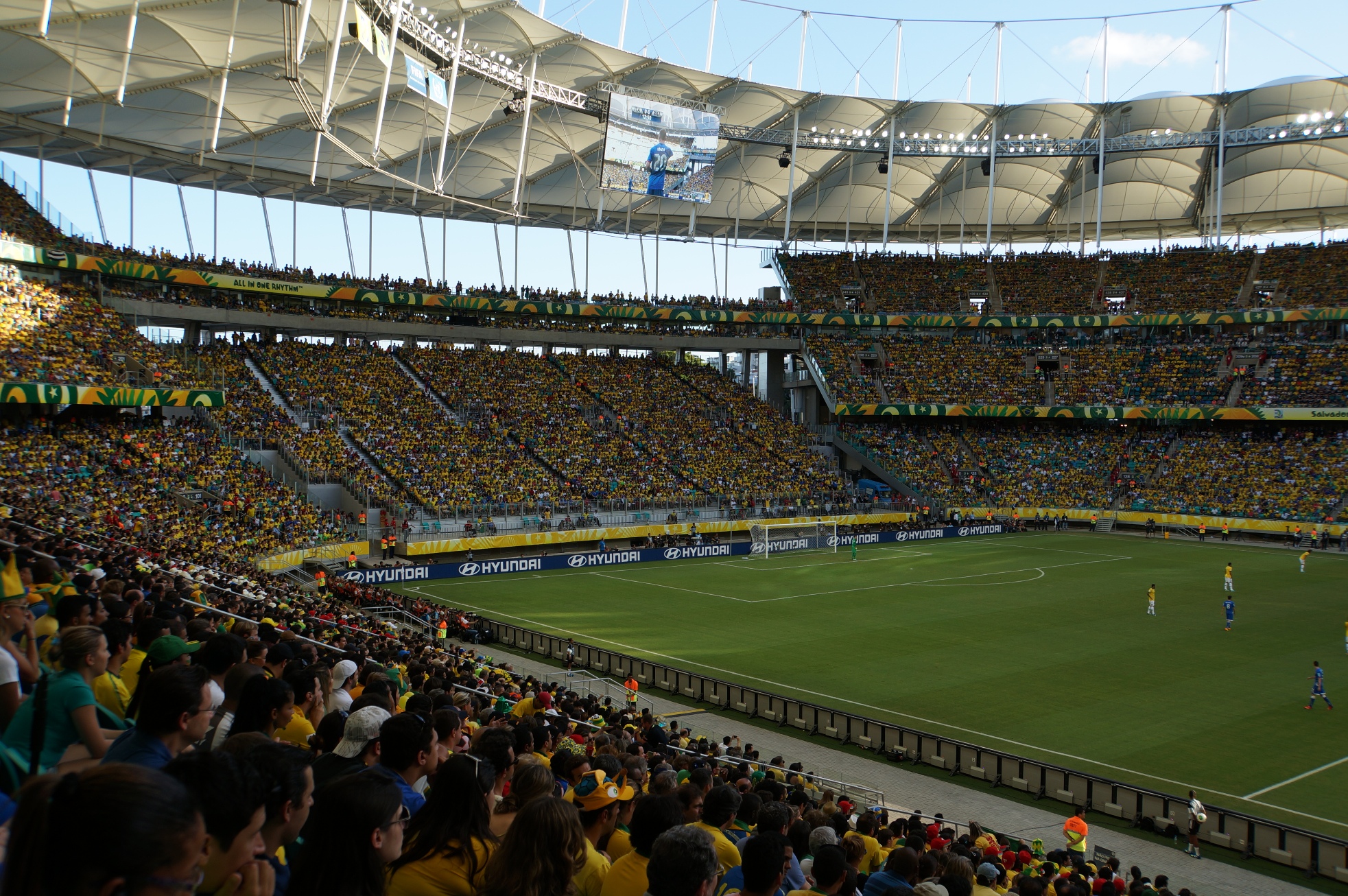
Rio 2016 announces business opportunities
The organising committee of the 2016 Olympic and Paralympic Games in Rio de Janeiro has announced nine tenders.
The work covers a range of specialisms, with application deadlines ranging from November 2014 to February 2015.
Rio 2016 wishes to hire companies in the following fields and timeframes:
IT Outsourcing. Application deadline: 13th November.
Barriers and Fences. Application deadline: 27th November.
Temporary Arena with Overlay. Application deadline: 28th November.
Medical Supplies and Products. Application deadline: 4th December.
Commentators Positions & Tribunes. Application deadline: 4th December.
Venue Hospitality. Application deadline: 4th December.
Stands and Seating. Application deadline: 10th December.
Cleaning and Waste Services. Application deadline: 22nd January 2015.
Waste Services. Application deadline: 21 February 2015.
UK companies interested in bidding should contact fabio.alves@fco.gov.uk