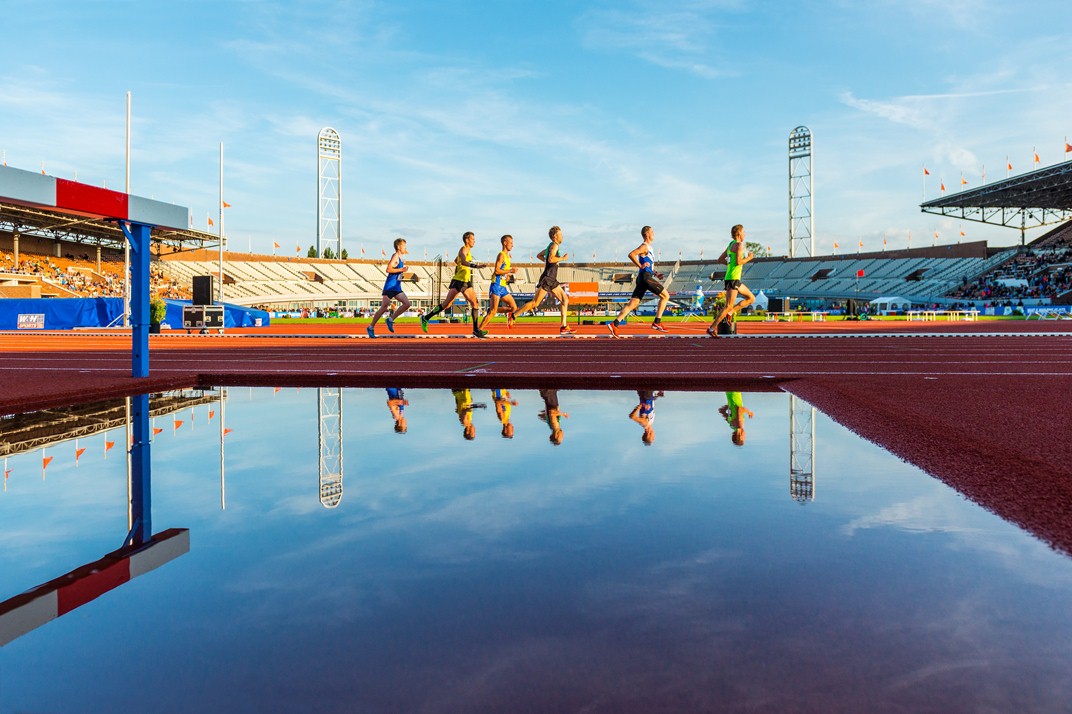
From 6 to 10 July 2016, Amsterdam’s venerable Olympic Stadium will host the 23rd European Athletics Championships – the first time the event has been held in the Netherlands.
Around 1,300 athletes from 50 countries will be there for the launch. As this international sports meeting will be held immediately before the Olympic Games in Rio, the programme has been reduced from the usual 47 disciplines to just 42. The marathons and the walking races will not take place.
The running track was given a new synthetic surface from Polytan in June 2015 in order to prepare the best possible surface for peak performances by all the other track and field athletes. The premium Polytan PUR coating in brick red – a standard Polytan colour – was chosen.
The surface in Amsterdam is 17 mm thick and complies with the requirements of the International Association of Athletics Federations (IAAF), making it suitable for international competitions with officially recognised personal bests and records.
The first “litmus test” for the new synthetic surface from Polytan was the national Dutch Athletics Championships in July 2015 – immediately after its installation – and the important “IAAF Class 1” certification of the stadium.
The facility is unusual in that the water jump for the steeplechase is the outside of the running track. This means that more events can be held simultaneously than is normally the case.
Gold medal for sports architecture
Now a listed monument, the stadium was built in the Stadionbuurt district of Amsterdam for the Summer Olympics in 1928. It was designed by the Dutch architect Jan Wils, who was awarded a gold medal for the building in the art competition held as part of the Games.
Historically speaking, the stadium belongs to the “Amsterdam School” of architecture, the famous Dutch classic Modern style, which is also described as Brick Expressionism.
The competition arena has a closed brick facade on the outside that looks neither dark nor heavy in spite of its large size. This is down to the varied division of the external envelope – a characteristic feature of this architectural style.
In contrast to the facade, the only thing visible inside the stadium is the reinforced concrete frame in the style of the architecture of Frank Lloyd Wright, which was popular at the time.
A narrow tower on which the first ever Olympic flame was set alight marks the main entrance. It was and still is the ground’s emblem.
Restoration to glory
The stadium was heavily used in the decades following the Olympic Games – it was the home ground of the well-known football club Ajax Amsterdam for a long time, for instance. It deteriorated visibly during the 1990s, however, until expensive renovations breathed new life into it from 1996 onwards.
The stadium was restored as far as possible to its original condition, with the demolition of a grandstand extension dating back to 1937. Numerous sporting and cultural events are held there now and it is the base of Amsterdam athletics club Phanos.
Polytan PUR – the faster surface
By opting for the Polytan PUR sports surface, the organisers in Amsterdam decided on a water-impermeable, extremely durable solid synthetic surface consisting of a continuous blend of PUR and elastic rubber granules all the way from the base to the top layer. Polytan employees used the in-situ construction method to install it directly on site.
Not only does the solid structure make the surface extremely durable, it also greatly enhances the tread elasticity of athletes and thus their acceleration. The track is significantly faster than conventional multi-layered synthetic surfaces. In addition, the top layer of the sports surface is interspersed with EPDM granules, which means that it is suitable for sports shoes with spikes.
This article was contributed by Polytan. For more information visit www.polytan.com
Category: Sporting Venues
-
Olympic Stadium gets new surface
-
Turf technology put to test in Rio
The stage for hockey’s most anticipated competition is set. Four men’s and four women’s national teams gathered at the Deodoro Olympic Park, in Rio de Janeiro, from November 24th through the 28th for the test event called “Aquece Rio” – the most important technical rehearsal for the Rio 2016 Olympic Games.
The Dow Chemical Company is contributing with its resins to ensure a world?class, high?performing surface for the Olympic hockey tournament in Rio. Dow is a Worldwide Olympic Partner and the Official Chemistry Partner of the Olympic Games.
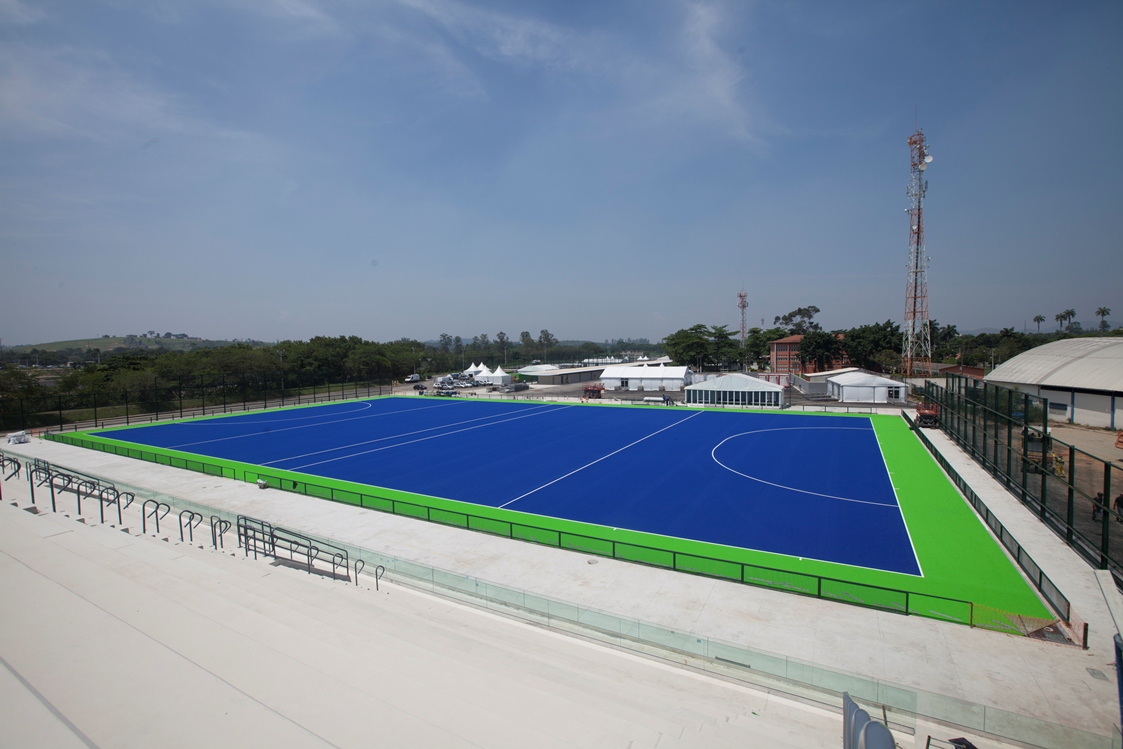
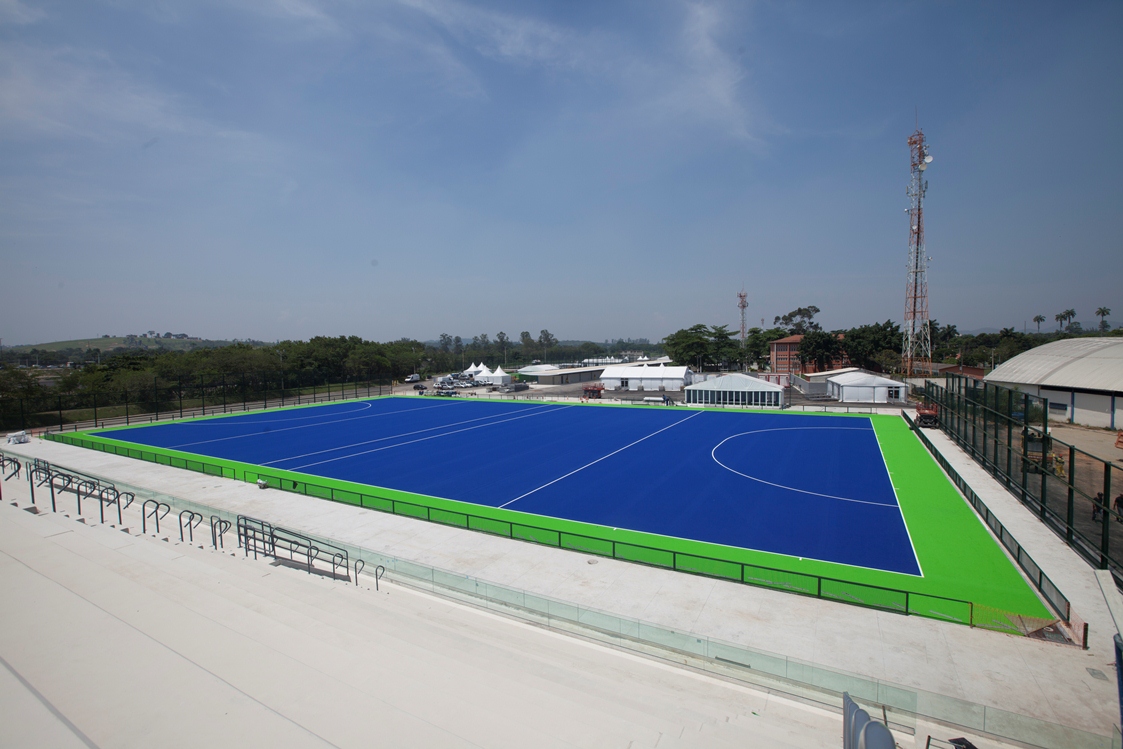
The warm-up also marked the unveiling of an important component of Rio 2016’s “Look of the Games” visual identity: the colours of the field?of?play, a much?anticipated feature since the success of London 2012’s Riverbank Arena and its eye?catching blue and pink pitch.
For Rio, the Rio 2016 Organizing Committee and the International Hockey Federation (FIH) decided for a blue pitch with green sidelines – a colour pattern that matches Rio 2016’s visual identity and reflects the vivid spirit of the first?ever Brazilian Olympic Games.
World?class playing conditions
Rio 2016’s hockey competition will be played on an innovative synthetic turf system which uses Dow’s linear low density “DOWLEX” Polyethylene Resins in the yarn component as well as Dow’s polyurethanes technologies. The system is designed to deliver enhanced durability for increased pitch life, and a higher?performing and consistent field?of?play throughout the busy Olympic competition schedule.
Colourability is a key attribute of the yarn component, enabling customised aesthetics and design for the playing surface.
The playing performance and quality of the pitch were a primary concern when developing the hockey turf system for Rio 2016. The tufted samples were inspected by the Rio 2016’s Venues Management and Look of the Games teams, as well as the FIH and the Olympic Broadcast Service (OBS), to ensure the selected colours met the specific requirements for players, officials, spectators and broadcasters alike.
“We are thrilled that Dow’s solutions and experience in supplying materials for world?class playing surfaces are setting the stage for one of the world’s most anticipated competitions in Rio,” said Nathan Wiker, global marketing director for Dow Packaging & Specialty Plastics.
“Hockey is a fast game. The colours of the pitch will allow the spectators in the stadium and on television to follow the action more clearly because of the deeper contrast between the ball and the pitch.”
The Olympic hockey competition is scheduled to take place at the Olympic Hockey Centre in the Deodoro Olympic Park from August 6 to 19, 2016. It will feature the 12 best men and women’s teams from around the globe. The complex will include two competition pitches and one warm?up area.
This article was contributed by Dow. For more information on their artificial turf at the Rio 2016 Olympic Games, visit www.dow.com/artificialturfsolutions/rio -
2018 World Cup breaks new ground with SIS Pitches reinforced turf
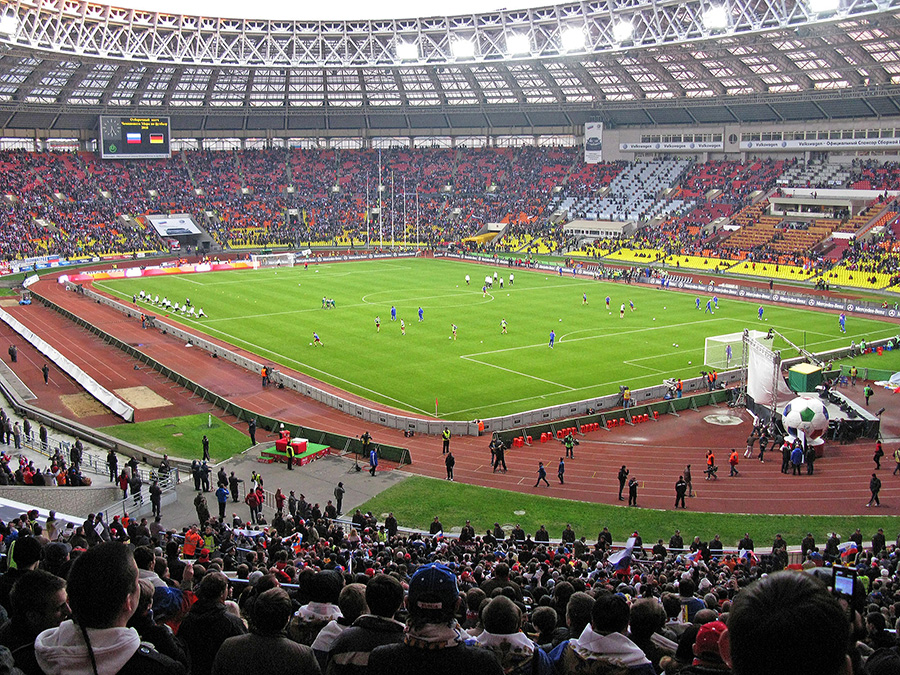
The FIFA World Cup final will be played on a surface incorporating artificial grass for the first time ever, after Russia 2018 organisers selected an innovative surface called SISGRASS from SIS Pitches.
A surface of 95 per cent natural grass impregnated with more than 150 miles of specially developed synthetic yarn will be installed at Moscow’s historic Luzhniki Stadium.
The pitch is scheduled to be ready in time for the Confederations Cup in May 2017.
SIS Pitches said its SISGRASS surface offers a safer, softer surface that protects players from injury, but with three times the playing time of natural grass alone.
“It’s the first time a World Cup final has been played on anything but all-natural grass and it’s like a dream for us as a company and a community,” said SIS CEO George Mullan.
“We have come so far to get this system to the pinnacle of world sport.”
The patented system was created after SIS Pitches approached Dutch engineers to design a ‘giant sewing machine on tracks’. This machine crawls across a pitch, implanting, or ‘stitching’, more than 240 million precise lengths of two-tone green synthetic yarn 180mm deep into the sub-surface.
“We didn’t want to simply improve on existing machinery. We chose a challenge to create the perfect hybrid pitch of natural and synthetic grass and start from scratch,” said Mr Mullan.
“It strengthens the structure of the natural grass, making it stronger and more resistant to damage which means more games can be played on a pitch. It also drains more effectively. For a busy tournament like the World Cup it is perfect.
“At the same time it is player-friendly. Our polyethylene construction actually gives it a softer feel, with more consistency and greater traction than natural grass alone. That reduces injury risk and the bounce and roll is always even, so the players love all these features,” adds Mr Mullan.
SIS Pitches says the durable surface is also visually indistinguishable from natural grass.
“TV Companies also love it because the surface stays looking beautiful at all times,” said Ilyas Kobal, SIS division managing director.
“It was a long tender process but in the end our advantages meant even the local Russian companies could not match us.”
SIS Pitches had to convince the FA, FIFA and a host of international testing bodies that its new system worked better than alternatives. This involved stringent accelerated wear trials by rigorous independent testing consultants STRI.
In these trials the new surface beat unreinforced grass for damage resistance, traction, grass cover and sheer strength, SIS said, claiming that the surface can be used three times longer in all weathers without damage and can be laid in just one week.
Construction work to transform Luzhniki Stadium is underway, due for completion in early 2017. A system of undersoil aeration, drainage, irrigation and heating is being installed to allow the pitch to be used all year. A custom designed rootzone will be laid, stitched with yarn and then seeded to be ready in time for the Confederations Cup.
During the 2018 World Cup the stadium will host the opening and final matches. SIS Pitches has also signed a two-year deal to maintain the pitch after the World Cup, when Luzhniki will be the home of the Russian national team.
Since its launch in summer 2015, SISGRASS has also been selected for Chelsea, Besiktas, Hull City FC and the English FA’s centre of excellence at St. George’s Park.
-
How Nussli created Bern’s temporary theatre
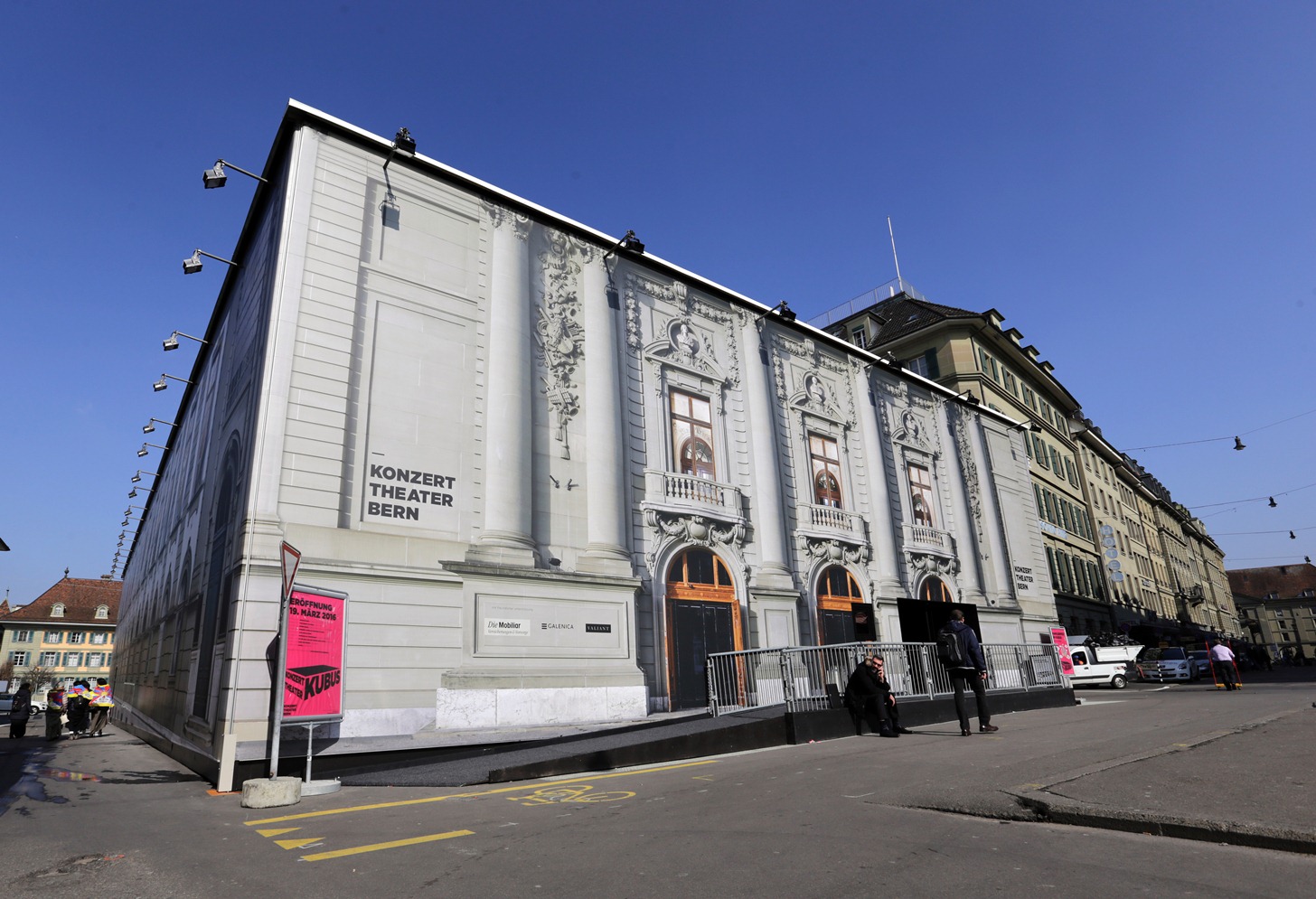
Theatre lovers in Bern are being offered something very special. Performances for the 2016 season take place not in the usual venerable municipal theatre, but in the middle of Bern’s Old Town. NUSSLI has installed a temporary theatre cube, with a historical appearance, in record time on Waisenhausplatz.
The theatre opened on March 19 with a programme of exciting, impassioned and fascinating performances that runs until October 2016.
“If the restoration work at the municipal theatre is delayed again, we can easily leave the cube standing for another season during the winter or even adjust the building to changing needs at a later date,” says NUSSLI Project Manager, Christian Frei.
For a year and a half, Frei and his team worked on the development of the system with which the halls can be constructed within a very short time, even at the most unusual locations, in any size and with column-free spans of up to 40m.
Efficient and Easy to Build
Frei was often on site during construction on Waisenhausplatz and lent a hand time and again, because the assembly of the modular hall system is almost as thrilling as its unlimited applications.
At the very beginning, the assembly crew installs the external structure with the flexible NUSSLI construction system. Then, they completely assemble the roof structure, including the sound and lighting fixtures, on the ground at a comfortable working height within the designated construction area. Finally, the entire roof structure is moved to its final height.
This construction method reduces the required installation space to a minimum and enables installation even on sensitive ground while increasing the safety of the crew. All the streets around the cube on Bern’s Waisenhausplatz were able to remain open to traffic throughout the construction, and the crane-free assembly did not stress the underlying parking garage structure in any way.
Central Location Opens up Possibilities
The idea of bringing the theatre cube to the audience instead of bringing the audience to an existing provisional arrangement opens up new possibilities for the Bern Theatre.
The program was therefore put together with a conscious effort to include events which reflect the central position in the public square and appeal to various interests. So, a tango milonga, a public viewing of the European Football Championship and a James Bond evening are scheduled in addition to ballet, opera and drama.
The modular hall system offers some important advantages, especially for construction projects in public places, on sensitive ground, or with limited access. The construction system requires no foundations, there is significantly less point loading than with construction using conventional steel supports, and the total load is evenly distributed over the entire ground surface.
Because Waisenhausplatz sits directly atop a parking garage which is subject to special static requirements, there were no problems for the theatre cube despite its 1000sq m size and 200-ton weight. No heavy crane equipment is needed, especially for assembly work in modular hall system.
“We could have set the theatre cube up on the Pilatus or on a golf course,” laughs Project Manager Frei. “That would work.”
Plan Today, Build Tomorrow
The planning of the Bern Theatre cube with 480 seats, catering, backstage and technical areas as well as a cloakroom took less than a year.
“A month after the first truck rolled out with its material, the cube was already cladded, equipped, and ready to go,” recounts Christian Frei.
He is looking forward to the reactions after the first performance, but adds quite calmly: “If the theatre organisation still wants modifications, it can be quickly and easily adjusted. The walls of the cube are also made of system material. They have just the exact thickness so that the entire installation can be accommodated in them and still remain easily accessible.”
Plans for the next projects with the modular hall system are already underway. Besides other theatre constructions, NUSSLI is planning a double-decker bridge for the IndyCar race in Boston in September. A bridge that has it all, because it crosses over the racetrack to the South Boston waterfront and will be equipped as a VIP lounge.
The sophisticated structure consists entirely of system material. Therefore, it is possible to start construction one day after approval of the construction concept on the part of the client or the authorities – which is unparalleled.
This article was written by NUSSLI
-
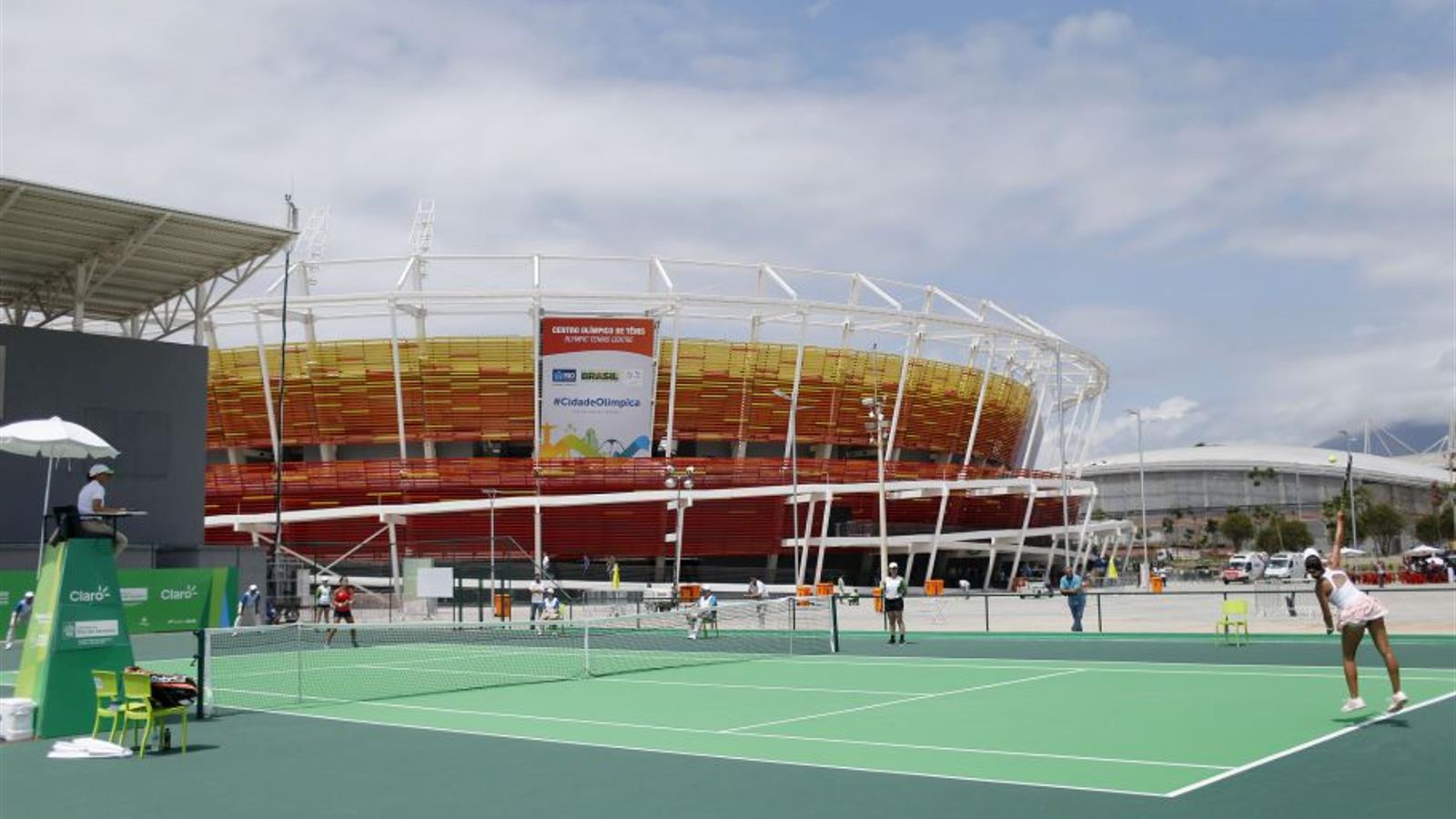
Rio set to repeat London’s legacy success, says AECOM
With just two months to go until the opening ceremony of the Rio 2016 Olympic and Paralympic Games, the host city is “on the cusp” of reaping the same legacy benefits enjoyed by London, according to AECOM, the company behind both cities’ Olympic masterplans.
“Despite Brazil’s current economic and political challenges, the guiding principle has always been for the Games to serve Rio and boost its development, improving the quality of life for all its citizens,” said Bill Hanway, Global Sports Leader at AECOM.
Rio is aiming to stage the world’s best value Olympic Games by reducing public cost through partnership with the private sector, and by delivering a simple and sustainable venue plan that applies many of the legacy planning strategies of the London 2012 Games.
According to the IOC, 75 per cent of capital expenditure relating to London’s preparations for hosting the 2012 Olympic Games was invested in transport and utilities infrastructure, land and water clean-up, public open spaces, new homes, and permanent sports and leisure facilities.
A similar approach has been adopted in Rio. The Games is boosting the development of public transport, with Linha 4 of the metro to Barra, the site of the Olympic Park, due to be completed just in time for the Games.
Power and data facilities installed to cater for 20,000 journalists from the international media will make the Olympic Park one of the best connected districts in Rio.
“The Games are a catalyst for changing not only the city, but the aspirations of future generations. As with London, our approach is to take a long-term view that sees the Games as a milestone in the ongoing legacy programme,” said Hanway.
“The Games and the success of the event are the primary focus, but also serve as a driver for the future. It’s an opportunity to invest in underdeveloped areas and significantly upgrade transport and infrastructure. Rio is now on the cusp of reaping the legacy benefits.”
Parallel lines: Games and legacy masterplanning
For the London 2012 Games, AECOM delivered masterplanning, landscape architecture, engineering and sustainability services. Working closely with its partners at Rio’s Municipal Olympic Company (EOM), AECOM has reprised these roles in Rio with additional responsibility for the preliminary design of the Barra Olympic Park’s sports arenas and detailed design of the International Broadcast Centre.
AECOM’s masterplan for Rio covers a 20-year period, with three distinct phases: preparation for the event; a transitional phase; and the long-term legacy. All phases were planned in parallel to smooth the transition between modes. AECOM points to the layout of roads and the capacity of utilities in the Barra Park, which were designed to cater for the planned residential, educational, commercial and sporting legacy.
The deconstruction and repurposing of temporary structures will take between five and seven years to complete after the Games. And in the legacy phase, more than three-quarters of the site will become a new neighbourhood.
Just under a quarter of the Barra site will be occupied by permanent sports facilities, which in legacy mode will provide elite training facilities for the Brazilian Olympic team as well as a sports high school for future Olympians.
AECOM delivered preliminary designs for six new sports venues: the new velodrome, Olympic Aquatics Stadium and Tennis Centre, as well as three adjoining Carioca Arenas that will host basketball, judo, taekwondo and wrestling competitions.
The velodrome will remain a cycling venue, the tennis centre will be adapted to host tournaments, and the Carioca Arenas will become a Sports Academy School and multi-sport training facility. The Olympic Aquatics Stadium will be rebuilt as two smaller community pools.
AECOM was also tasked with delivering the strategy for reusable, temporary structures that could be moved and rebuilt as community facilities and schools after the Games.
Venues including the Handball Arena and Olympic Aquatics Stadium employ efficient, highly standardised designs based on modular, stacked and repeated bolted steel structures to ease dismantling and reassembly. This “nomadic architecture” approach will allow the Handball Arena to be transformed after the Games into four new primary schools across the city.
AECOM also provided full architectural services for the International Broadcast Centre, which meets strict environmental and sustainability standards while also fulfilling broadcasters’ needs in terms of power and data connectivity, acoustics and temperature control.
The Olympic Park is designed for more than 150,000 spectators to move safely and freely on peak days during the Games. After the Games, the focus will switch to turning the site into parkland, with AECOM’s landscape design strategy transforming large spectator areas into a new linear park for the community.
-

Wembley opens augmented reality stadium tour
Stadium tours reached a new level on 18 July with the opening of the “Wembley connected by EE” tour.
The ever-popular tour of England’s national stadium is now enhanced by the EE SmartGuide – a bespoke connected device given to each tour participant. 360 video and augmented reality delivered via the EE SmartGuide’s iBeacon technology allow audiences to relive key sporting and music moments whilst exploring the iconic ground.
“The partnership between EE and Wembley Stadium has been focused on bringing the best connectivity to the best stadium and our investment in the Wembley tour marks another major step in enhancing live stadium events with the power of technology,” said Mat Sears, Director of Communications at EE.
“The revamped tech-enhanced tour will further cement the stadium’s position as one of the most connected in the world.”
Tour participants receive stats, imagery and video on the handset at select locations within the stadium to enhance the tour experience. These include the crossbar from the 1966 World Cup Final, the players’ changing room and the press room. A 360 degree video feature will overlay footage of live events in the stadium bowl to bring Wembley and its history to life.
“From England’s glorious World Cup victory in 1966, Ed Sheeran’s three night sold out residency, to the on-going tradition of The Emirates FA Cup Final – Wembley Stadium has been home to some of the greatest moments in both football and entertainment”, said Julie Harrington, FA Operations Director.
“We’re thrilled to be launching a brand new Wembley Stadium Tour in partnership with EE to uncover these historical moments and offer a behind-the-scenes experience at the most famous stadium in the world.
With the addition of the new EE SmartGuide, we can now offer a truly immersive and multisensory experience to visitors. This innovative technology will enhance the tour experience and bring the history of the stadium to life, whilst the continued presence of our tour guides will to offer a personal touch and charm as visitors explore the stadium. We hope that the improved tour experience will ensure that Wembley Stadium remains a must-see London attraction.”
Gordon Banks, OBE, attending the launch of the tour, said: “It is incredible to see the evolution of the home of English football. The stadium is hugely impressive and this latest move from EE is the next step in bringing technology closer to live sport. For me, it’s incredible to see some of my favourite memories being enjoyed by so many as part of the Wembley Tour.”
-
Handball Arena will be made into schools in Rio
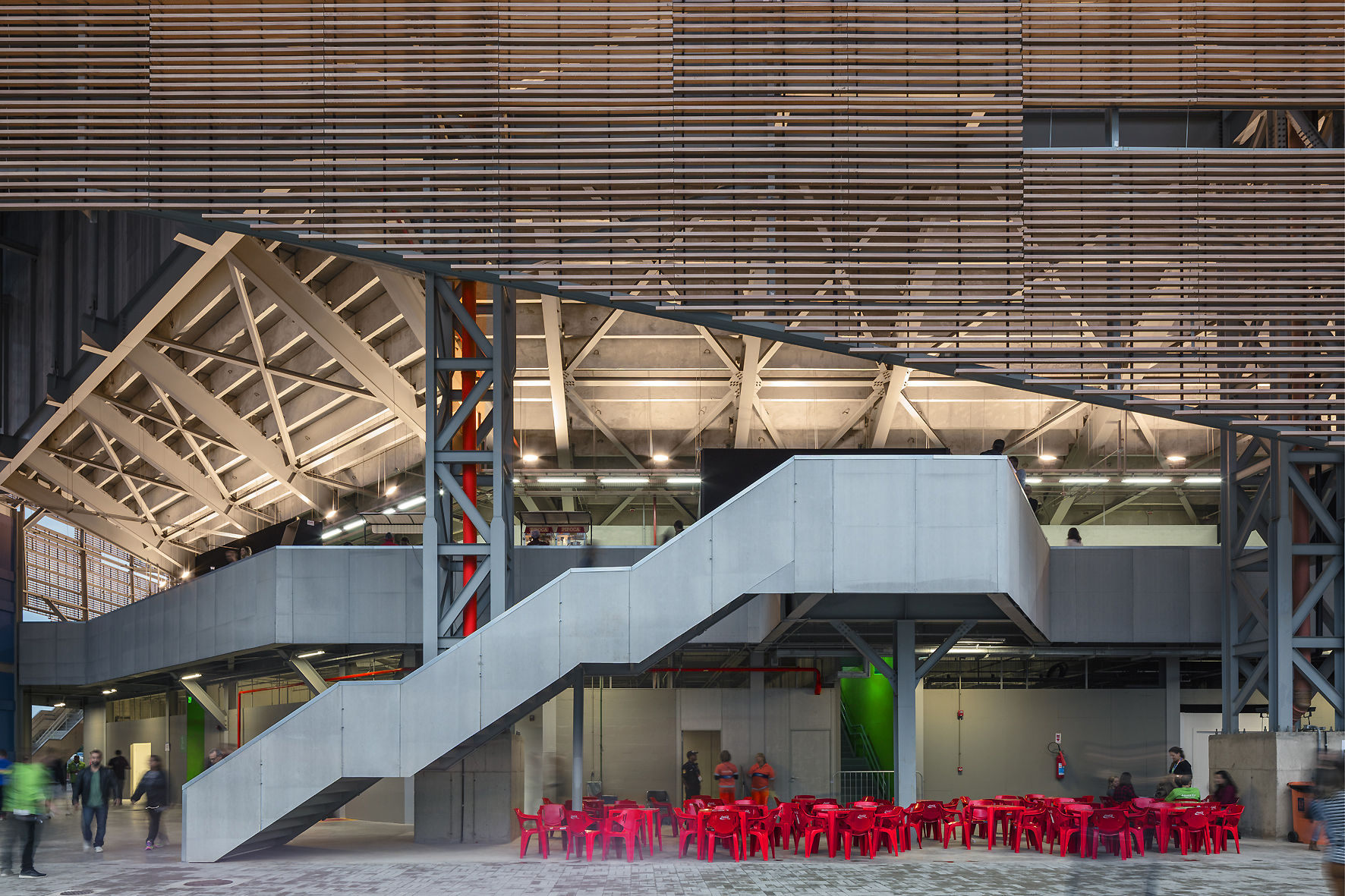
During the Rio 2016 Olympic and Paralympic Games the Future Arena will host the handball events and be packed with 12,000 spectators. When the Games are over its structure will be dismantled and used in the construction of four state schools for two thousand children in the city of Rio de Janeiro.
Three schools will be constructed in Barra da Tijuca and one in Maracanã – each accommodating 500 students – as part of a US$77m legacy project.
The brief for the handball arena was to build something that would contribute to the city of Rio beyond the 2016 Olympic Games. A first for the Olympics, the venue will make use of an innovative technique called “nomadic architecture”, thus ensuring that even a temporary structure can leave a lasting legacy.
The arena will be dismantled and the components transported to four separate locations to be rebuilt into state schools. The main elements that will be reused are the roof, rainscreen cladding, main structural steel elements and disabled ramps, which will form the shells of the four schools. The open nature of the rainscreen and external ramp that create the distinctive architecture of the arena will be recognisable in the new schools.
UK-based firm AndArchitects led by Rio-based practice Lopes, Santos & Ferreira Gomes provided the design for the handball arena. AndArchitects’ experience with six temporary buildings at London 2012 helped them jointly win the bid for this ground-breaking project.
Careful thought was given to what materials and systems of construction would allow this transition with minimal wasted material. The schools were designed simultaneously with the arena. The grid for the floor plates and the roof were all designed from the outset for both buildings so that the panels on the façade and on the floor and roof could be easily relocated in order for the modules to work for both buildings.
After the Games, once the arena has been converted into schools, the students will be reminded of their schools’ role in the Olympic Games. One idea that is being reviewed is that the names of the stars of the Brazilian team are engraved onto the cladding of the building and these names will remain on the walls of the classroom to inspire students.
-
Event structures for the marathon experience
Marathons in cities such as Valencia, Berlin, Frankfurt, New York, Linz and Vienna are major attractions and a mainstay in many a runner’s calendar. Organisers make these sporting events highly memorable, with flexible infrastructure enabling athletes and spectators to take in the most scenic and historical attractions alongside a programme of entertainment.
In the Divina Pastora Marathon, taking place in the Spanish city of Valencia each November, competitors run the final 200 meters on the water for an unforgettable home stretch, cheered on by spectators. This experience is made possible by NUSSLI laying down 2,000 sq m of running track in the water in front of the Museum in the Ciudad de las Artes y las Ciencias.
There are also event structures for spectators, including a grandstand with 1,000 seats, plus platforms for VIPs and the media and a stage for concerts and shows — all built in the water.
Public races are a great way of enabling a large number of people to truly experience a city or region. In Linz, more than 100,000 fans cheered competitors on last April. In New York it is estimated that there are more than two million spectators each year.
In order to offer competitors and spectators the most engaging experience possible, organisers not only choose routes with breath-taking scenery but also provide an entertainment programme.
Vienna City Marathon
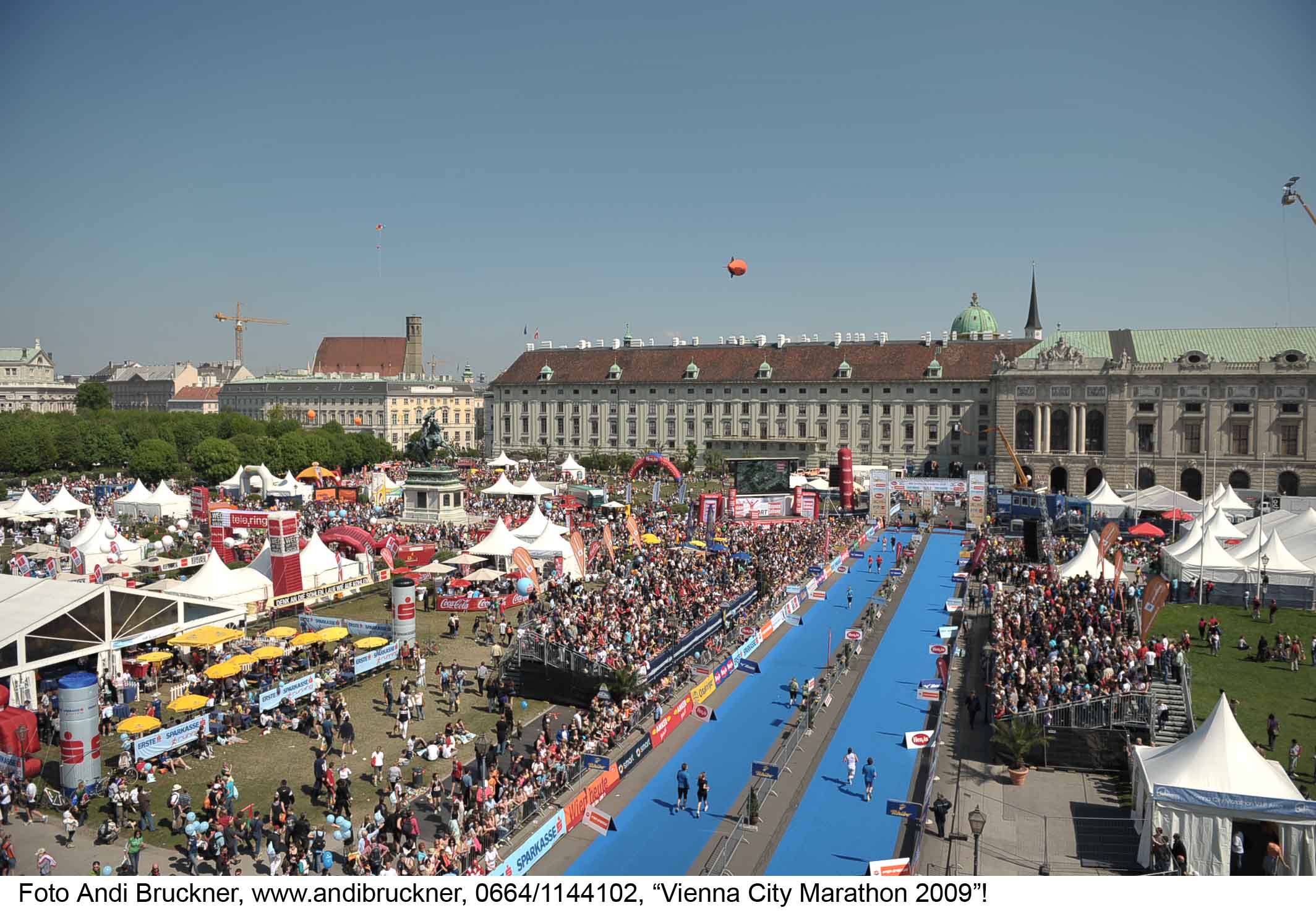
Vienna’s impressive marathon route takes runners past UN skyscrapers, over the Danube and through the Prater Park – all to the sound of waltzes by Strauss. Spectators get to experience everything up close, thanks to three 500-person standing grandstands set up by NUSSLI along the running route.
In last year’s Vienna City Marathon there were also special sponsor structures. These included a roofed 4 m high 72 sq m platform on which sponsor OMV provided guests with catering and a great view of the race; and Coca Cola’s 6 m high and 4 by 4 m wide tower surrounded by a winding staircase.
NUSSLI developed a flexible, high-quality system for branding the facades of these and other sponsor structures. Giant images displayed advertising messages on the sides of the structures. Printed sheets of mesh fabric were stretched over piping rails and looked great even up close.
The difficulty was not getting event structures to look good, but being able to build them in the first place. Since 2016, the finish area has been located directly on the Ringstrasse between the town hall and the Burgtheater in Vienna’s city centre. The Ringstrasse is one of Vienna’s busiest streets with car and bicycle lanes, as well as several lines for trams that pass by every minute.
“The assembly team had to build up to a distance of 20 cm from the street trams. Full concentration and attentiveness were required at all times,” Gerfried Salzer, the NUSSLI project manager says.
“Furthermore, it also meant that we could only set up from behind, where we had very little space to manoeuvre due to the tents, containers, equipment, and toilet installations.”
A stadium for the triathlon
Beautiful surroundings attract more participants, which is why triathlons often take place in areas with spectacular scenery.
The DATEV Challenge in Roth, Bavaria, Germany is the biggest long-distance triathlon in the world. The challenge of a 3.8 km swim, 180 km bicycle race, and a 42.2 km run drew 5,300 competitors and attracted 200,000 spectators last year. The best finished in less than eight hours.
Once again, there was a wide range of entertainment programmes for athletes and spectators.
NUSSLI builds a complete stadium each year for the shows before and after the triathlon, and for the finish area itself. Called the Rother Triathlon Park, it houses 3,000 seats for spectators and the media, a stage, a big screen, sound, light, and camera towers, and a catering area.
This is where shows, concerts, and prize presentations take place. It is also the athletes’ final goal. Last year, there were a thousand participants and more than a quarter of a million enthusiastic fans.
This article, written by Nussli, appeared in the Spring 2016 issue of Host City magazine. -
Turn your track into a coaching assistant
A precision data logging system for track and field athletes that facilitates daily training diagnostics without costly technical installations – that’s Polytan SmarTracks, the new addition to the Polytan product range.
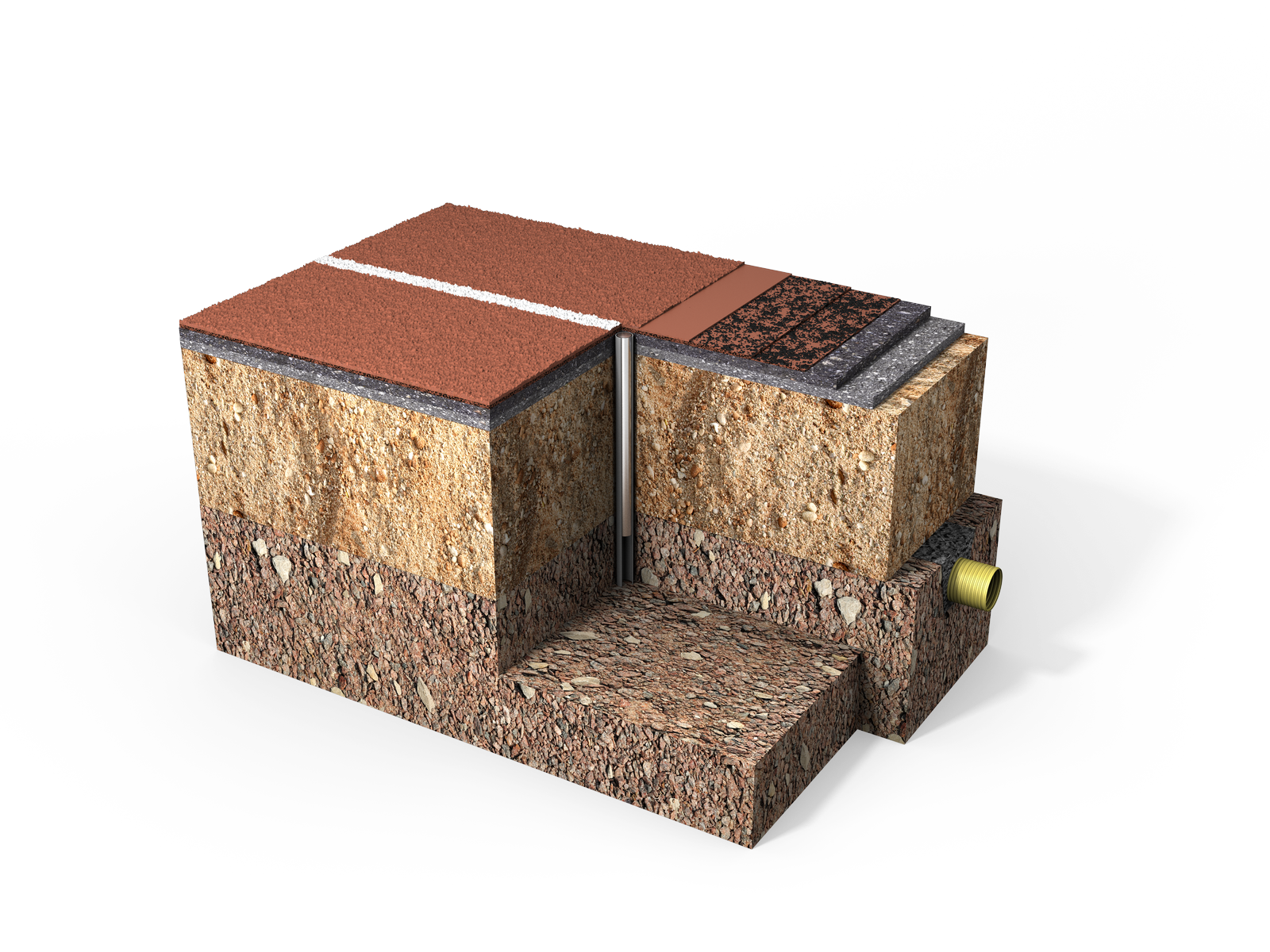
The system consists in the interplay of three components: magnetic timing gates built invisibly into the track; a waist-belt with sensor; and tried-and-tested analysis software.
Not only can this special technology be used to record the movement data of several athletes simultaneously, its diagnostic capabilities also go far beyond simple time measurement.
In conjunction with the fast and optimally cushioned Polytan synthetic sports surface, the sophisticated sensor technology lays the foundation for optimal training conditions in all performance classes, from school and recreational sports to elite sports.
The technology has been developed by humotion, a company specialising in the capture and analysis of human movement data. The easy-to-operate data logging system is suitable for all outdoor synthetic surfaces from Polytan and can also be retrospectively incorporated into existing athletics facilities with ease.
Its use in sports halls is currently in the development phase as components made of iron and steel may interfere with the magnetic field of timing gates in certain circumstances. The properties of the subsoil should also be tested prior to outdoor installation for the same reason.
Compared with other time recording systems such as photoelectric sensors, GPS analysis and video analysis, the winning features of Polytan SmarTracks are low measuring tolerances, full protection against vandalism, a complete lack of dependence on weather conditions and no time-consuming setup and dismantling of technical equipment.
Polytan provides “Professional”, “Performance”, “Basic”, “Sprint” and “School” standard facility concepts in order to simplify training diagnostics, although individual training plans can of course also be taken into account.
The Polytan SmarTracks solution gives clubs and organisations an opportunity to provide professional training conditions – and thus make their sports facilities more attractive to members and sponsors. The advantages for coaches and athletes are twofold: a comprehensive training analysis with a diagnostic procedure but without the need for a diagnostician, and the ability to compare their performance with that of other athletes in competition conditions.
The movement data are captured by the timing gates in the ground and the sensor, which weighs just 24 g, worn on the body. Speed, step length, step frequency and jump height are recorded as well as running time. This is made possible by humotion’s highly developed sensor technology with three-dimensional data capture, which actually consists of a number of intelligent individual sensors rather than a single one.
Two round magnetic elements (600 mm long and 25 mm thick) are sunk into the ground at intervals of 1.0-1.30 m to form a timing gate. The upper end of the magnetic elements lies no more than 25 mm beneath the upper edge of the synthetic surface. One track needs two magnetic elements, two tracks need three, three tracks four and so on. Polytan recommends a minimum distance of 3 m between the photoelectric sensors in the running direction.
Versatility in action
The first reference project with SmarTracks technology was implemented in Osnabrück in August 2008. A system on the site of the Westfälische Wilhelms-Universität Münster has likewise been in daily use for a few years.
Andreas Klose, who is a research associate at the Institute of Sport Sciences at WWU Münster, a physiotherapist and a high-jumper, says of his experience with the facility: “For me, Polytan SmarTracks has proven its worth in everyday use. The technology does not depend on the weather; it is versatile and can be activated in no time at all. The small and manageable sensor delivers all the data I need in order to diagnose performance as a basis for training recommendations. I also use the system to log my own performances.”
The third athletics facility with Polytan SmarTracks is due for completion at the training ground of the TSV GutsMuths Berlin 1861 e.V. sports club in early 2016. Like the one in Münster, it has magnetic timing gates built into the fast and optimally cushioned Polytan M sports surface. The fourth one is planned for Hamburg.
This article appeared in the Spring 2016 issue of Host City magazine -
The chemistry behind the Rio 2016 Olympics
As the world convenes in Brazil for the excitement of the Rio 2016 Olympic Games, The Dow Chemical Company (NYSE: Dow), the Official Chemistry Company of the Olympic Games and Official Carbon Partner of Rio 2016, is proud to provide innovative, science-based solutions for one of the most respected and prestigious global events. Celebrating 60 years of presence in the region, Dow is involved in more than 20 projects connected to the Games, spanning from field-of-play technologies to venue construction, transportation, city infrastructure, and carbon mitigation.
“With our knowledge and broad portfolio of solutions, Dow is demonstrating how science can power the world of sports,” said Louis A. Vega, Dow global vice president of Olympic & Sports Solutions. “Our technologies are present in all key competition clusters for the Rio 2016 Games, as well as the city’s extended infrastructure. As the Official Chemistry Company of the Olympic Games, we are able to address the needs of organizers, athletes, media and spectators in order to help make the Rio 2016 Games a success.”
With solutions incorporated throughout numerous Olympic venues, Dow is proud to mark 60 years of operation in Brazil and further expand its business in a highly strategic and important region.
Field-of-Play TechnologiesRio 2016’s hockey competition at the Deodoro Park is being played on a high performance innovative synthetic turf system which uses DOWLEX™ linear low density polyethylene resins in the yarns as well as Dow’s polyurethanes technologies for the backing of the carpet.
Dow Plastic resins were utilized in the pipes from the draining and irrigation system underneath the natural grass pitch of Maracanã stadium, venue of the Opening and Closing ceremonies and key football matches. Additionally, Dow technologies were used in flooring applications and waterproofing systems for concrete and metal structures within the stadium.Athletes’ Village
Construction chemicals and paints formulated with coating technologies from Dow were used in buildings in the Athletes’ Village to provide beautiful, long-lasting protection and finishing.
The 28 modular water tanks will help provide a reliable water supply system for athletes, coaches, officials and referees participating in the Games were manufactured with resins from Dow’s Propylene Glycol.
More sustainable waterborne acrylic epoxy road markings were applied on bike lanes inside and around the Village in the neighborhood of Barra da Tijuca, as well as at the iconic Copacabana beach.
Athletes from 200+ countries competing in Rio will sleep on comfortable, mattresses made with polyurethane technology from Dow.Olympic Park
Dow Wire and Cable technologies provide protection and durability to the energy and data cables installed at venues including the Olympic Tennis Centre, Olympic Aquatics Stadium and the Main Press Centre/International Broadcast Centre (MPC/IBC) complex, where media tell the stories of Rio 2016 to billions of fans.
The IBC building also features Dow technologies in the Exterior Insulation and Finishing Systems (EIFS) panels of the building façade. This innovative system enabled completion of the façade in 30 days, while standard technologies take up to six months to be installed.Infrastructure solutions in and around Rio
The roof at the city’s novel Museum of Tomorrow (Museu do Amanhã) is protected with 100% acrylic resin to provide waterproofing and exterior durability to this iconic structure. In addition, the reflective roof helps keep the building up to five degrees cooler.
Flooring solutions and polyurethane insulation panels from Dow were utilized in the major renovation that took place at Viracopos International Airport in Campinas, São Paulo, one of the main cargo transportation hubs for the Games.
On the most important road connecting Rio to São Paulo, Rodovia Presidente Dutra, road marking solutions based on Dow’s FASTRACK™ coatings technologies provide reliable pavement markings.
DLP™ and WALOCEL™ solutions for adhesive mortar were utilized in some of Rio’s new hotels, as well as in the Olympic Park and Athletes’ Village.“From infrastructure solutions to an innovative carbon mitigation program, we are excited to showcase our technologies in Brazil and share our successes with our customers and partners on a global stage,” said Fabian Gil, president of Dow Latin America. “Rio 2016 marks the 60th anniversary of Dow Brazil and also inaugurates a new chapter of meaningful collaborations and business success for the Company across the region.”
This article was contributed by Dow. For more information on their artificial turf at the Rio 2016 Olympic Games, visit www.dow.com/artificialturfsolutions/rio