If the Rio Olympics has shown us anything, it’s that visitors, guests and delegates are looking for fully immersive and inspiring ‘experiences’ – they’re no longer just interested in attending ‘events’. The London 2012 Games, where we had the honour of building the Athletes’ Dining Hall and the Olympic Hospitality Centre, inspired a generation of event professionals to deliver globally renowned experiences. The most recent games in Rio have only added to that desire.
Our job is to deliver thrilling event spaces, which give visitors a truly memorable experience that will stay with them for a very long time. This is certainly something we have enjoyed working on with our partners at some of the UK’s and Europe’s major events, ranging from the RHS Chelsea Flower Show, the Ryder Cup, Mobile World Congress, Barcelona Open Tennis and the opening of the APM Terminal Maasvlakte 2 in the Port of Rotterdam.
Awe-inspiring venues
The RHS Chelsea Flower Show is a major international event in the horticultural calendar, drawing 165,000 visitors over the course of the show. Every year 100 exhibitors from around the world create show-stopping displays in the Great Pavilion, the Show’s centrepiece built by De Boer – creating an unforgettable yet completely functional exhibition facility.
In 2000, we were tasked with creating a horticultural palace to replace the much-loved Great Marquee, which had been used at RHS Chelsea Flower Show since the 1950s and likely to be the biggest visual change in the Show’s history. In 2016, we celebrated our 16th consecutive year supplying the Great Pavilion, which uses our iconic Delta structure to provide more space and light.
At its tallest, the Great Pavilion reaches 13 m high spanning the Royal Hospital’s obelisk. . The structure also uses state-of-the-art technology to ensure that floral exhibits stay at peak condition including 205 mesh roof panels and 5m ‘butcher’ doors to control air circulation and regulate inside humidity.
After winning the contract earlier in 2016, De Boer also created the Ranelagh Restaurant at RHS Chelsea Flower Show, providing 2,800 sq m of hospitality space using its signature Premier and Anova Vista structures. The Ranelagh Restaurant tapped into the traditional garden party experience and featured a decked terrace, allowing guests some respite from the Show whilst listening to music from the specially created bandstand in the Ranelagh Gardens.
Every element of the RHS Chelsea Flower Show from airy first impressions of the Great Pavilion; to the magnificent exhibits; and the garden party-inspired Ranelagh Restaurant, have all been designed to create an awe-inspiring experience for exhibitors and visitors.
At the heart of the action
The Ryder Cup, is one of the world’s largest sporting events and organised by PGA of America and Ryder Cup Europe, is described as ‘the greatest golf show on earth.’ In 2014, it was held at the Gleneagles resort in Perth and Kinross, Scotland. Organisers worked tirelessly alongside their suppliers, including De Boer, to ensure that participants and spectators enjoyed the ‘best ever staging of a Ryder Cup by media, public and organisers alike.’
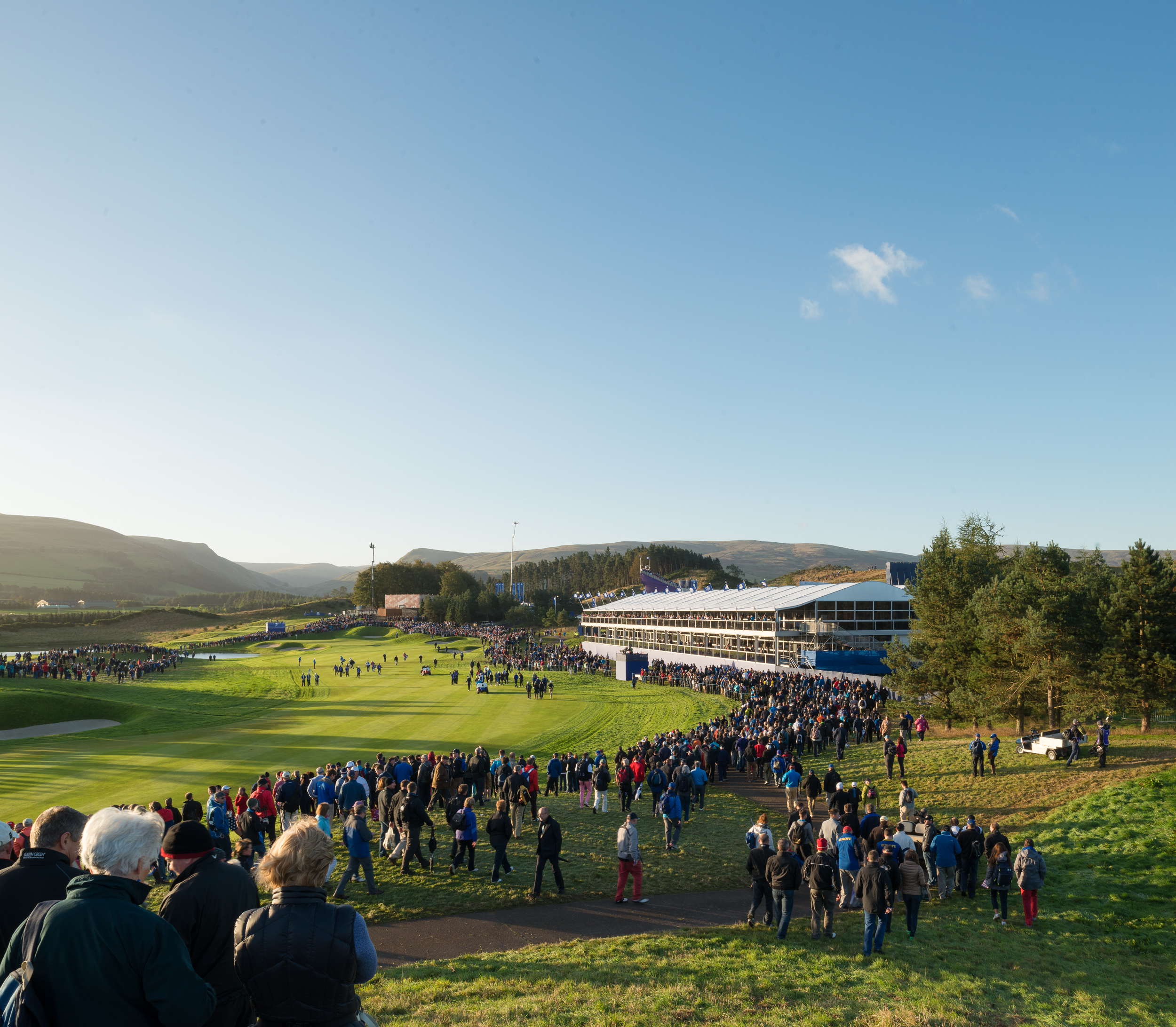
De Boer supplied approximately 20,000 sq m of temporary accommodation including the Ryder Cup Tented Village, which housed retailers and food service outlets including the Champagne and Seafood Restaurant, the enormous Ryder Cup Striding Man Bar and various interactive facilities for visitors to get involved with. The Village was also divided into three distinct areas; the Public Catering Pavilion, Tay Club Hospitality Pavilion and the Merchandise Pavilion. All of the these structures were shoehorned into a space normally occupied by the Driving Range, so there was a very tight build schedule to adhere to in order to minimise the lost practice facility for golfers.
On the second hole, De Boer built a new structure especially for the event: the curved roof Anova Vista Double Decker, to house the Tweed Club hospitality pavilion. By using innovative curved roof technology, we created a 5m integrated canopy, which spanned the terrace overlooking the 2nd hole from tee to green. Combining this with our ground floor structure, the Premier, this produced the ideal space for spectator sport. It doubled the usual capacity of the structure whilst ensuring unrestricted views, and catapulting guests into the heart of the action.
As a result of the impeccable planning from Ryder Cup organisers and their strong supplier bonds, a report from Sheffield Hallam University’s Sport Industry Research Centre (SIRC) has since backed up claims of Scotland hosting the “best ever” Ryder Cup. The report found high levels of spectator satisfaction with their Ryder Cup experiences (92 per cent), with 71 per cent of those attending reporting their experiences as excellent.
Inspiring innovation
It is my belief that innovation lies at the heart of internationally acclaimed events and exhibitions and it is our responsibility, as suppliers, to constantly deliver creative and innovative solutions to enhance the user experience.
At the 2016 Mobile World Congress in Barcelona, one of the largest conventions in the world, we teamed up with the Congress organisers to provide absolutely perfect acoustics and mobile communications – an absolute expectation from exhibitors and guests. In addition, with seven different auditoria, each offering simultaneous presentations, it was essential that each one was soundproof.
Developed by De Boer’s Research and Development division alongside French specialists, we used an ‘Acoustic Barrier Mat’ system throughout the Congress to absorb sound. The Barrier Mat system prevents sound bouncing between hard surfaces and reduces sound reflection meaning that all our structures benefited from improved sound quality. Noise between interiors and exteriors was also heavily reduced, meaning that the seven auditoria benefited from more comfortable sound levels.
Exhilarating Experiences
Ultimately, it is the exhilarating experiences that guests will remember, like the spectacular automated show that launched the opening of the new APM Terminal Maasvlakte 2 in the Port of Rotterdam – the most advanced shipping terminal in the world.
Working alongside BIND, our team based in the Netherlands built a floating theatre for the opening. The robotic terminal was opened by King Willem-Alexandar and international guests were treated to an extraordinary show watched from the floating theatre that featured 16 large lit up video screens mounted on containers that moved through the terminal.
Similarly our Spanish team built a glamorous two storey structure to house the hospitality pavilion at the Real Club de Tennis Barcelona, Spain’s oldest tennis club, for the Barcelona Open Banc Sadadell championships. The ATP World Tour 500 clay-court tournament is one of the most important events in Spanish tennis and on the Barcelona social calendar.
De Boer designed the hospitality pavilion and splendid interiors for the upscale restaurant on the first floor and the village lounge on the ground floor, both with a sophisticated atmosphere that reflected the overall tone of the championships. Tennis fans enjoyed varied cuisine, glittering parties and concerts that lasted until dawn.
In today’s competitive events industry, only the very best events will stand out from the crowd and leave a lasting impression on visitors, organisers and exhibitors. It is our responsibility, as suppliers, to develop new innovative solutions that continue to enhance events and deliver world class experiences – it’s time to #getinspired.
Category: Sporting Venues
-
De Boer: It’s time to #GetInspired
-
Nussli: Bringing winter sports to the city
The events attract sports fans, families, partygoers, and even people who don’t like winter sports at all. Cities can usher in the winter early with enormous Big Air ramps and ice tracks made of temporary structures – even at temperatures way above zero.
Building the perfect Crashed Ice track
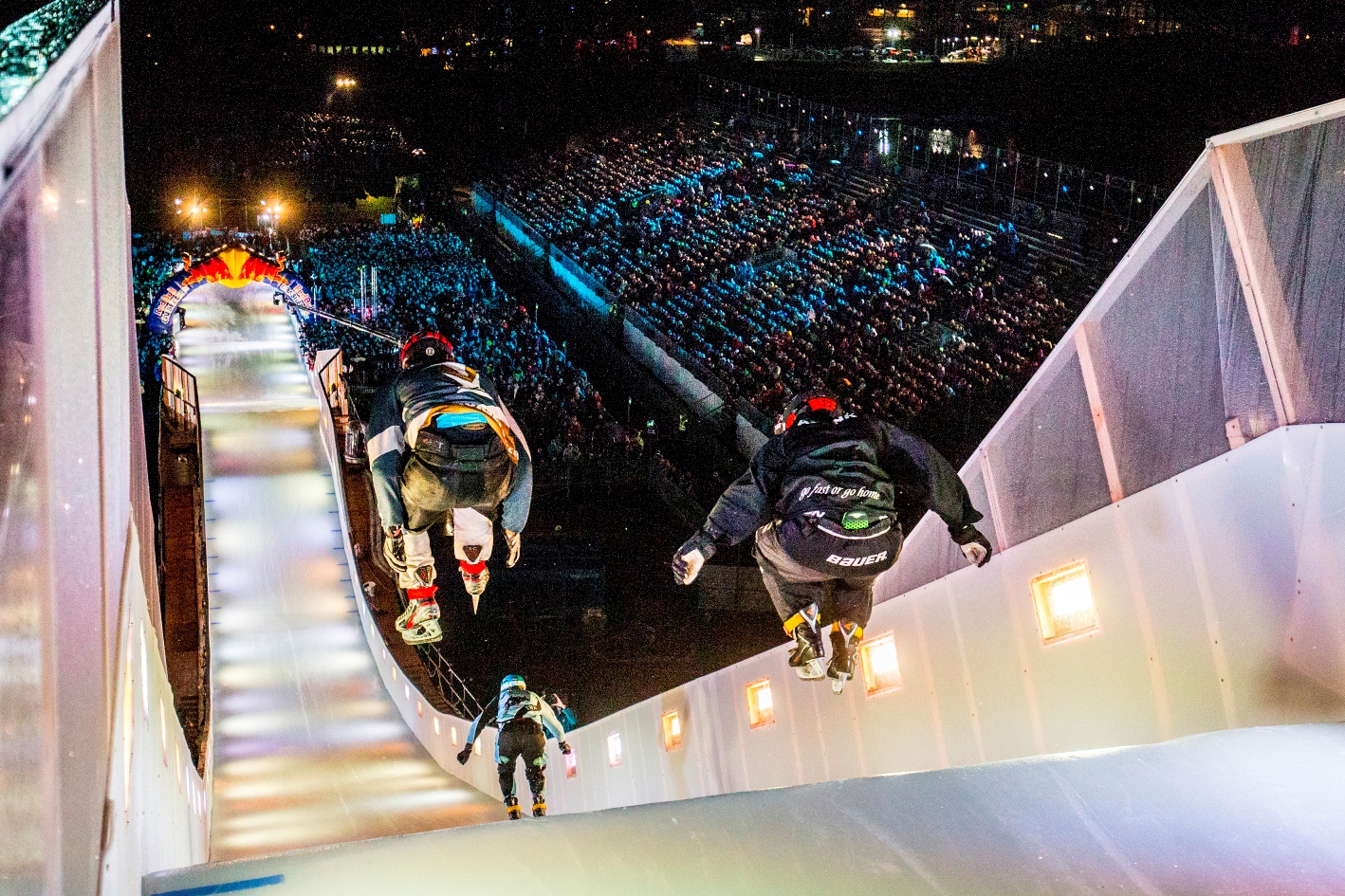
The Olympic Park in Munich hosted the Ice Cross Downhill World Championship for the third time in January 2016. At 400m, the ice piste was the longest ever built. In addition, there was a height difference of 55m, challenging chicanes and obstacles – a real test of skill not just for the daring athletes but also for the builders of the ice channel.
Using system material, wooden ribs and planks, the NUSSLI project team built the substructure for the piste from the Olympic Mountain down to the Olympic Lake – but the track didn’t end there. 4,000 sq m of building area, the finish line, and the grandstands had to be constructed to stand in the water.
The team had already built the track in Lausanne two years ago, so they knew exactly what to pay attention to, in order to build the perfect ice channel. The most important thing for athletes – and therefore every track planner – is a track that is as smooth as possible.
To do this, the assembly team used bent wooden ribs that were cut precisely using a CNC (computer numeric control) machine, mounted on the track base, and then covered with wooden boards. This meticulous work, which was accurate to the inch, allowed the construction of a completely even run for high velocities.
A young sport with a fast-growing fan base
In winter 2001, daredevil athletes wearing ice skates raced down icy pistes in Stockholm for the very first time. Around hairpin bends, through steep passages, and over bumps, the ice skaters raced towards the finish line in groups of three or four along the run, which was up to 600 meters long.
Ever since, the event has offered the audience a great deal of action and an exciting spectacle. The athletes appear captivated by the thrill and the speed of this new type of sport, which is a combination of ice hockey, boardercross and inline downhill. The sport became so popular within such a short time that championships have been held annually since 2010.
A wintry carnival atmosphere
Events such as Crashed Ice Championships that usually offer additional entertainment programs consisting of parties and shows are very popular and attract a mixed audience. Their temporary nature also holds a certain appeal, and their location in the middle of the city allows visitors to attend without long travel times.
By bringing the magic of winter into the city, host cities can project an image of dynamism, without the need to be dedicated to a single type of event or to make long-term investments in buildings.
The first event doesn’t necessarily have to include a 400 meter ice channel. Big Air ramps for snowboarders and freeskiers are constantly being built in cities at unusual locations.
The best athletes of the snowboard and freeski scene, as well as the best BMX and FMX riders, meet up year after year at the Freestyle on the Landiwiese in Zurich,. Against the backdrop of Lake Zurich and in a location easily accessible both by public and private transportation, the freestyle event presented the biggest names for the Big Air ramp and the BMX/FMX scene. Via a lift, athletes reached the starting point at the top of the structure made of system material.
Big Air 2016 in Mönchengladbach
Big Air is a fitting name for something with a height of 35 m and a length of 77 m. NUSSLI had previously built the very same structure in Graz for the Nokia FIS World Cup on the roof of an underground parking garage, on the Erasmus Bridge in Rotterdam, in the Palau Sant Jordi arena in Barcelona, at Tempelhof Airport in Berlin, at the Kniaz Aleksander/Batenberg Square in the centre of Sofia and at Battersea Power Station in London.
However, these already impressive dimensions will be surpassed at Mönchengladbach in Germany. A 49 m high and 120 m long ski jump will be installed by NUSSLI for the event in December. 800 cubic m of snow will be necessary to prepare the Big Air ramp.
130 of the best international snow sports athletes have already confirmed their participation. This event is their ticket to qualifying for the 2018 Winter Olympics in Pyeongchang, South Korea. Of course, the party zone will also be a part of the event, where four DJs will be working up the crowd to a fever pitch as the athletes make their jumps and flips. -

Populous: Design that makes a difference
Temporary event and infrastructure design is increasingly becoming recognised as the most cost effective and sustainable solution for organising committees and venue managers planning to host major international sporting events.
As temporary systems become increasingly sophisticated and trusted to provide world-class competition standards, the methods of integration and appropriate use are continuously evolving to match the complexity of the design ambition. The flexibility capacity added to a venue, and the embodied efficiency of a tailored business solution, can lead to year-round use and increased profitability. As a result, the potential for temporary works should be considered in the first stages of any event bid planning process.
Legacy strategy
From the outset of the design process, we consider the way in which the venue will be used in future phases at the very heart of the project. Event design in this way can be considered the first stage of construction.
The legacy strategy guides how the temporary venue begins to take its place on site. Certain services such as technology spaces and broadcast facilities can be embedded entirely into the permanent infrastructure, while other components such as seating bowls and ground works can be partially retained to maintain future expansion capabilities. Other areas are configured using components such as tents, canopies, cabins and fences that can be removed in their entirety, packed up and used at another event.
Enhancing character
The first step in creating an appropriate design that perfectly suits the event is to consider all aspects of the character and spirit of the occasion, and to react to it with built forms that frame and enhance that character rather than imposing a design upon it. The result is designs which respond to the way in which the event is watched and experienced, and can help to enhance that feeling amongst the spectators.
At London 2012, loud music and constant cheering played a huge part in creating the atmosphere for a number of sports; in these venues we worked hard to bring the spectators as close to the action as possible so as to spur the athletes on. By contrast, in other arenas silence was requested during the competition and applause came only on the completion of a performance. The explosive eruption of applause, within enclosed and intimate seating bowls following a tense silence, had a drama of its very own.
Of course, some sports had a completely unique character, such as the party nature of the beach volleyball tournament. At London 2012 and at Baku 2015, dancers would emerge between matches in cheerleader style and energise the audience. Though an elite sport was being played, putting on a spectacular show was also a key part of this event.
Invisible by design
The careful layout of each constituent element of the functional areas, their juxtapositions and arrangements, enables efficient venue operations and easy orientation.
A critical aspect of operational design is knowing and understanding how to separate the public-facing areas from the back of house facilities. Security systems, crowd management planning and all-accessible integration are crucial to the staging of any event, but each must be designed to integrate as seamlessly as possible, to have the smallest visual impact.
The most challenging, yet rewarding piece of our work, is to understand and choreograph all the thousands of moving elements into one organised celebration of sport, without anyone noticing all of the work behind the scenes.
Spectator experience
Naturally, different sports encourage different behaviors in spectator movement. From the arrival profile of fans, the frequency and method of occupying the spectator plazas, all the way through to the way they time their departure, successful temporary overlay design is all dependent on the nature of the event. In designing for and predicting spectator movements, we can collaborate with transport consultants early on in the process in order to use existing transport systems to their optimum level, and design to support it.
Although the same quality of experience is required in whichever location an event is being held, the way in which it is designed and operates can take on the flavour of its host country. In London 2012 the design of the Olympic Park areas were inspired by the theme of the English garden and street parties, with these iconic British community celebration motifs enlivening the spectator plazas. And as we saw recently in Rio, a carnival atmosphere influenced the entire Olympic and Paralympic event, informing all elements of the design and the event identity.
With the makeup and traditions of fans varying greatly across different sports, cultures and parts of the world, there is a fantastic opportunity for the host country to inject its own local flare, showcasing and making the most of local products, industry and youth programs.
Lasting influence
With the unanimous approval of Olympic Agenda 2020 in 2014, it is clear that the Olympic Movement is fully behind the considered use of existing and temporary venues wherever possible, with the goal of reducing costs, improving sustainability and allowing the hosting of global events to become accessible to a greater number of nations and communities.
This design approach is becoming increasingly desired for events at all levels, and the opportunities that event and overlay design affords for regeneration, activation and innovative design can have a lasting influence on everyone who is drawn together around these spectacular occasions.
Sooad Islam spoke at Host City 2016 on the panel “Making Event Infrastructure More Sustainable”. Listen on audioBoom -
Nüssli’s third Red Bull Crashed ice track built in Marseille
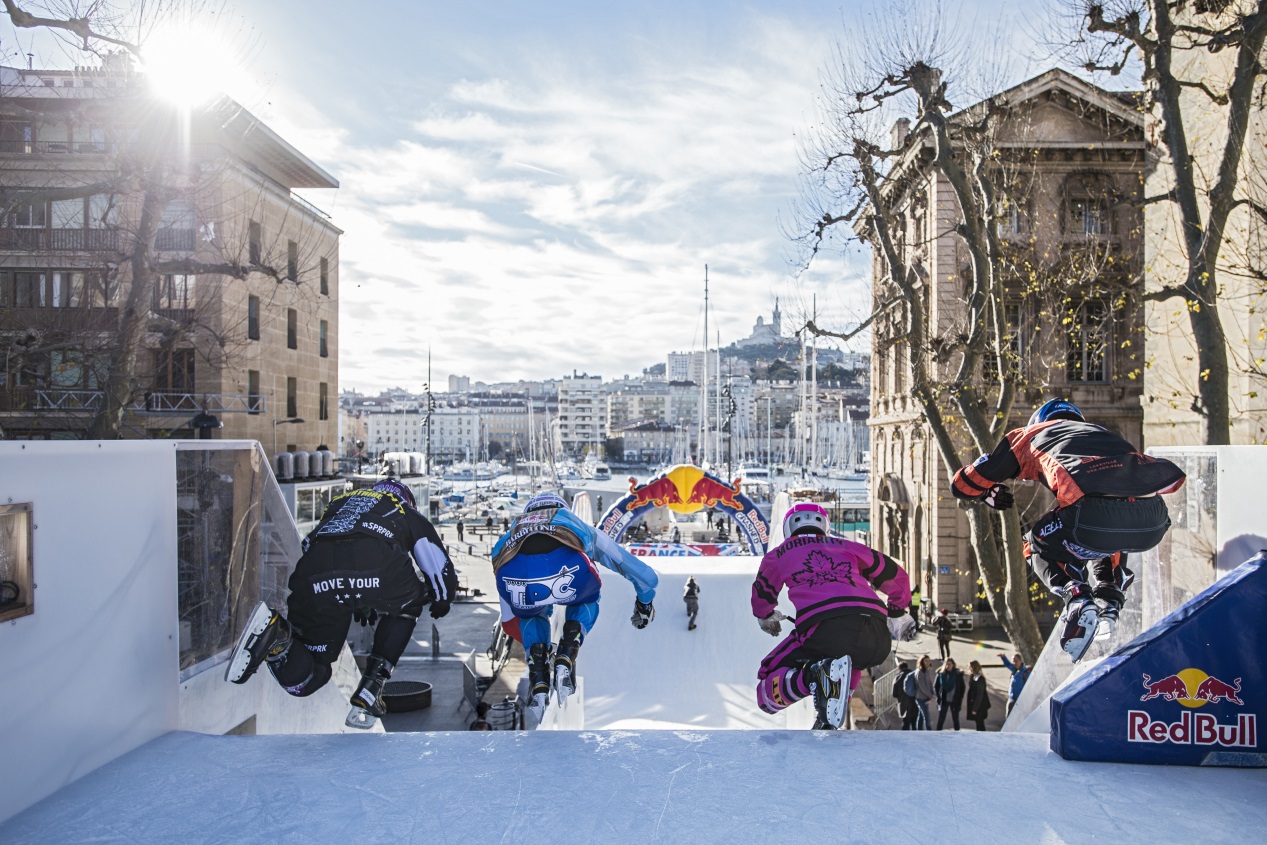
The French port city of Marseille hosted the Red Bull Crashed Ice speed skating event on January 14 and 15, 2017.
Nüssli rose to the challenge of creating Crashed Ice race track in the middle of the city, drawing on their experience of having delivered tracks for the event in Munich and Lausanne.
The race began with four skaters on the track, which began at the terrace of the Intercontinental hotel and finished in front of the Marseille City Hall.
The aim is to compete with the other skaters with the greatest speed, and finish the extreme track with sharp turns, high vertical drops, and other hazards as quick as possible. The athletes make daredevil jumps and reach speeds of up to 80 km/h.
Nüssli was commissioned for the construction of a 340 m long ramp, which included elevation differences of up to 26 m, as well as the assembly of four lighting towers, a podium, and nine television platforms.
Assembling the structure in the middle of the city was often complicated in terms of loading and unloading, Nüssli said.
View the event Movie on Red Bull TV. -
Aggreko sponsors UK Pavilion at Expo 2017 Astana
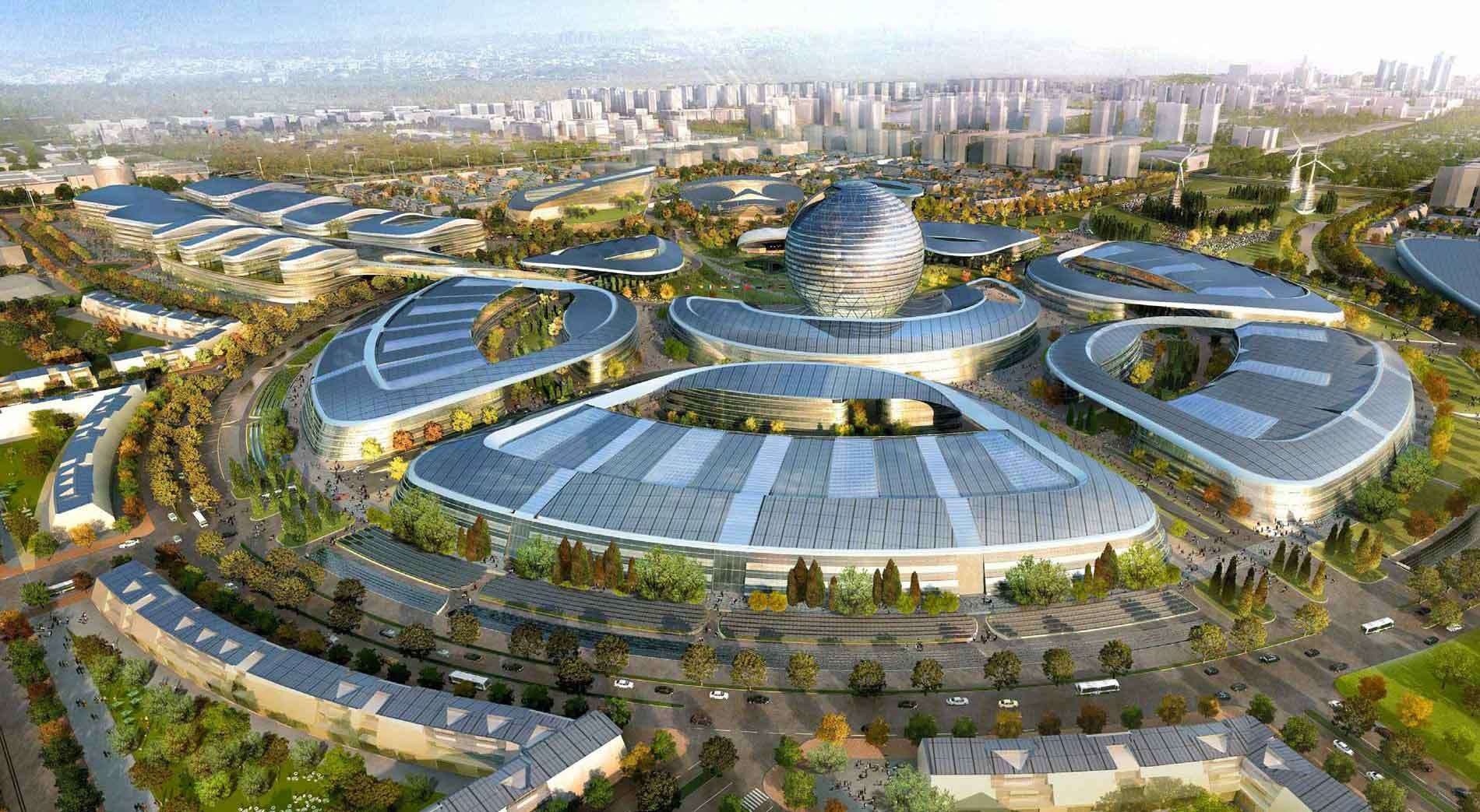
UK-based power generation company Aggreko plc announced on 26th January that it will join Shell and Vitol as sponsors of the UK Pavilion at Expo 2017 in Astana, Kazakhstan.
Under the theme of Future Energy, Expo 2017 will bring together representation from more than 100 countries, along with international organisations and the private sector to demonstrate the latest developments in renewable energy and sustainable society.
“Kazakhstan is a strategic growth market for Aggreko so Expo 2017 is a great opportunity to showcase our expertise within a truly international event focused on the development of future energy solutions. Our innovative power generation systems are a great enabler to support the evolution towards a more diverse and sustainable energy generation mix,” said Chris Weston, Chief Executive, Aggreko plc.
Department for International Trade Minister, Greg Hands, said: “The UK has the expertise to lead the way in securing stable, cleaner future energy supplies. The UK Pavilion at Astana Expo 2017 will help demonstrate that leadership and as an internationally recognised innovator with strong ties to the region, Aggreko is an ideal sponsor to help make this happen.”
Aggreko’s range of power generation applications helps to facilitate a smoother transition towards increased renewable penetration in national grid networks. This includes balancing renewables via flexible, mobile generation to supplement renewable generation, the commissioning of large scale renewables projects, generating power from flare-gas and providing power through solar hybrid technology.
Expo 2017 takes place between June 10 and September 10. -
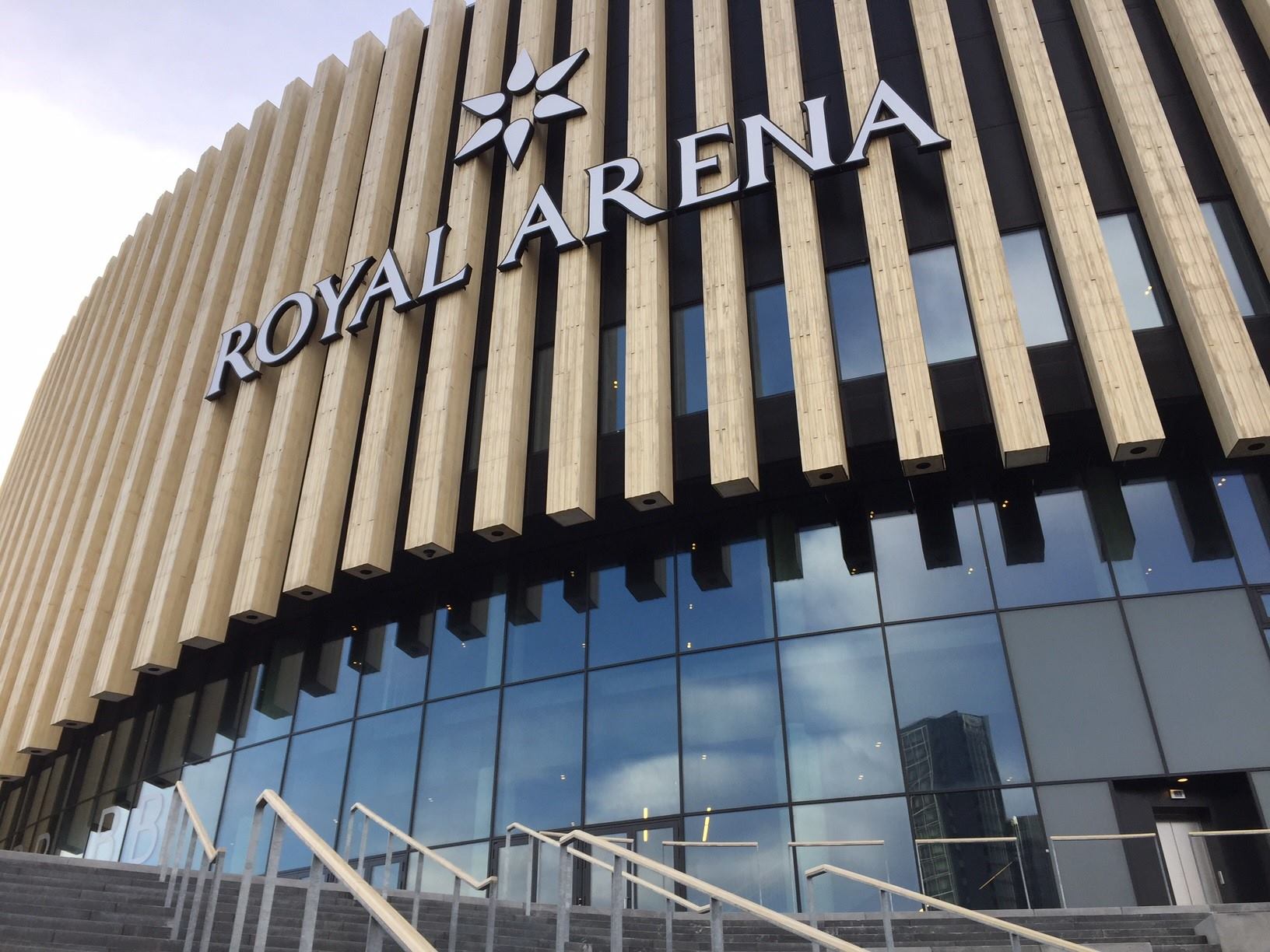
Royal Arena opens for business in Copenhagen
Copenhagen’s new €134 million Royal Arena has officially opened with a sell-out concert by legendary band Metallica.
Located in Ørestaden and near to Copenhagen Airport, the Royal Arena has a capacity of 12,500 people at sporting events, the same amount for theatre-style conference settings and 16,000 concert guests. It is also adjustable to create a smaller arena down to 3,500 people and expects between 60-80 event days per year.
Copenhagen Lord Mayor Frank Jensen said: “I’m pleased that the Danish capital is to have an arena so that Copenhagen can hold its own against cities such as London, Berlin, Stockholm and Hamburg. It will give space for many exciting events for Copenhageners and guests.
“The arena will also attract growth to Copenhagen and the greater Copenhagen region as well as even more investment in Orestad.”
Following Metallica’s debut performance, acts like The Weeknd, Rod Stewart, John Mayer and Cirque du Soleil are scheduled for 2017. The venue’s first major sporting event, the European Short Course Swimming Championships, will take place in December this year.
The European Short Course Championships will see 800 contestants from 40 different countries and an expected audience of 30,000 during the five days of the championship. The IIHF Ice Hockey World Championship 2018 has also chosen the Royal Arena as its venue.
Carl Christian Ebbesen, major of Culture & Leisure, Copenhagen, added: “The Royal Arena has given us the opportunity to bid on culture and sports events, that we previously lacked the right physical space to host.
“I am pleased that we could get a major event, such as the European Swimming Championships to Copenhagen. Now we can show the rest of the world, what Denmark really has to offer.”
-
Main contractor named for Al Thumama 2022 FIFA World Cup stadium in Doha
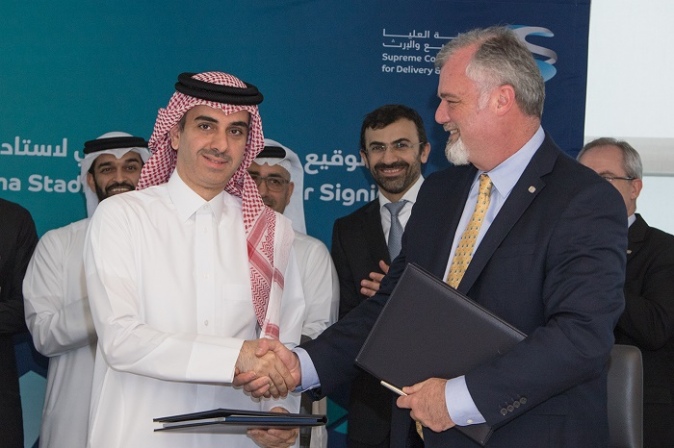
The Supreme Committee for Delivery & Legacy (SC), the organisation responsible for delivering the stadiums and infrastructure required for the 2022 FIFA World Cup, has announced the main contractor for the stadium being built in Doha’s Al Thumama district.
Qatari construction giant AlJaber Engineer LLC and leading Turkish construction firm, Tekfen Construction, were confirmed as joint-venture partners.
Arab Engineering Bureau, the oldest architectural and engineering consulting firm in Qatar, was confirmed in 2015 as the Design & Construction Supervision Consultant for the 40,000-seater stadium.
Al Thumama – a proposed venue for the 2022 FIFA World Cup Qatar – is the seventh stadium for which the main construction contract has been awarded. The venue, located just minutes from Hamad International Airport and in the centre of the urban development of Qatar’s capital Doha, is scheduled for completion by 2020 and will host FIFA World Cup matches up to the quarter-final stage.
SC Secretary General, Hassan Al Thawadi, said: “We are delighted to award the main contract to AlJaber Engineering and Tekfen as a joint-venture. The stadium in Al Thumama is located in one of the most rapidly developing areas of Doha. Once ready, the stadium and its surrounding precinct will not only become one of the capital’s central sporting arenas, but will also serve the local community as a central community destination.
“I am confident that the signing of Al Jaber Engineering and Tekfen Construction, one of the leading construction companies in Turkey, will deliver an outstanding, legacy-oriented stadium for a historic tournament.”
The stadium is located in an area of 515,400 square metres that already comprises four outdoor training pitches and office facilities currently used by the Qatar Football Association Technical Committee. The stadium will have a reduced capacity of 20,000 seats in its post tournament legacy mode as part of the SC’s modular stadium legacy plans.
Eng. Hilal Al-Kuwari, technical delivery office chairman at the SC, said: “We’re pleased to bring together two firms as reputable as AlJaber and Tekfen to deliver such an important project for the SC and Qatar. The awarding of this contract represents another important project milestone, coming at a significant time as Qatar and the SC move beyond the half-way point in its World Cup journey. The appointment of a local company in this joint venture also demonstrates our commitment to ensuring the economic legacy for Qatar, post 2022.”
Construction began in Al Thumama in mid-2016, with TiME Qatar as the project managers. Most recently levelling and grading works were completed by Boom Construction. The stadium design will be launched in 2017.
In 2016, main works were awarded to Al Rayyan Stadium and Qatar Foundation Stadium and Lusail Stadium, which joined Khalifa International Stadium, Al Bayt Stadium in Al Khor City and Al Wakrah Stadium in construction main works stage. Ras Abu Aboud Stadium will award the main contract in the second quarter of 2017.
All contracts on the stadium in Al Thumama incorporate the SC’s Workers’ Welfare Standards. Contractual enforcement of these standards and a rigorous four-tier auditing system guarantees international best practice on the stadium.
-
How Lee Valley inspires generations
Lee Valley Regional Park is a unique 10,000 acre destination for sport, leisure and nature, stretching 26 miles from the banks of the River Thames in east London into the counties Essex and Hertfordshire.
There are almost 7 million visits to the Regional Park each year, with people taking part in a variety of activities; from sport in inspirational world class venues to enjoying open spaces that are home to a variety of British wildlife.
The park, which is run by Lee Valley Regional Park Authority, was created by a 1967 Act of Parliament for the “development, preservation and management for recreation, sport, entertainment and the enjoyment of leisure” for the people of London, Essex and Hertfordshire.
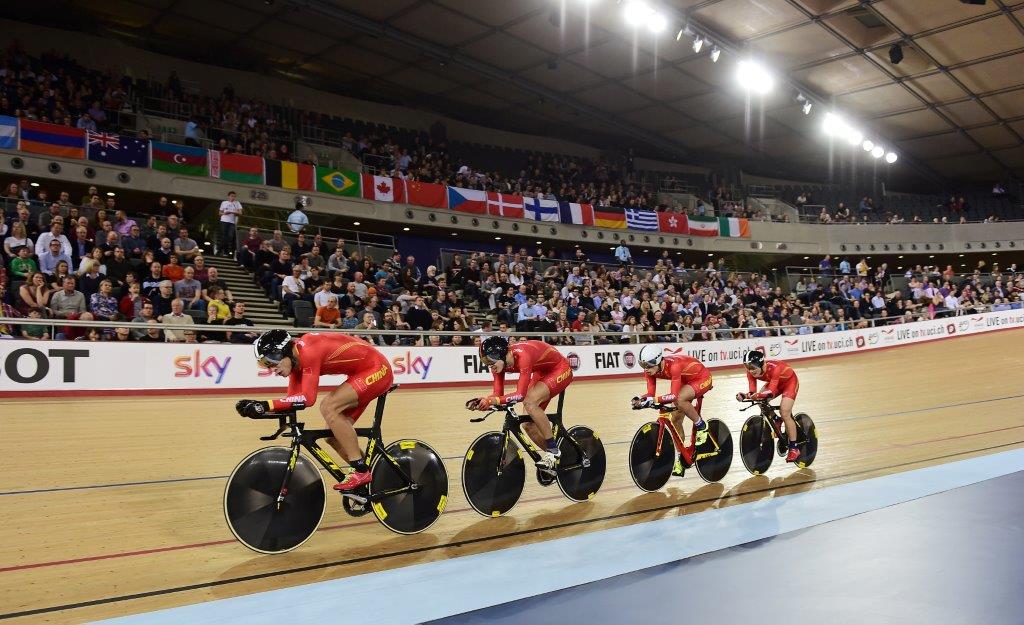
Large scale sports venues have always been part of the Regional Park and today the Authority owns three London 2012 Olympic venues. Two of these are located on Queen Elizabeth Olympic Park: Lee Valley VeloPark, which offers the four Olympic cycling disciplines; track in the iconic London 2012 velodrome, BMX on a modified version of the Olympic track, road on a one mile circuit and mountain biking on a set of graded trails; and Lee Valley Hockey and Tennis Centre which has two state-of-the art hockey pitches and four indoor and six outdoor tennis courts. The third, Lee Valley White Water Centre is 10 miles north of Queen Elizabeth Olympic Park. It staged the London 2012 Canoe Slalom competition and has two separate white water courses for training, rafting and paddling activities as well as cafes, viewing areas and meeting rooms.
The Authority raises 65 per cent of its £29 million gross budget from commercial and other operations while the remainder comes from a levy on households in London, Essex and Hertfordshire – around 88 pence per person annually. It has many years’ experience of running sports venues that are community focused and commercially driven, where comprehensive community programmes are run alongside income generating activities and elite competitions. This same business model has been adopted at its three London 2012 venues, which offer a range of events and programmes for all abilities.
“Our venues have brought some of the world’s top sporting events to London, providing great entertainment and excitement and allowing Londoners and sports fans from across the UK to experience the very best in sporting competition,” says Shaun Dawson, Chief Executive of Lee Valley Regional Park Authority.
“The hosting of major international events is a central 2012 legacy objective which sees these venues continue to inspire future generations.”
Established venues that predate the Games include Lee Valley Riding Centre, which specialises in catering for disabled riders, children and a range of horse enthusiasts, and Lee Valley Ice Centre – one of the UK’s leading ice rinks which attracts 300,000 visits a year.
Hosting grassroots and elite
Since opening, the Authority’s three London 2012 venues have staged 17 top international level sporting events. They also hosted more than a quarter of the Every Road to Rio London events, which brought the world’s leading athletes to the capital.
In June 2015, eight times Olympic medallist Sir Bradley Wiggins broke the one hour world track record in Lee Valley VeloPark’s velodrome before a sell-out crowd of 6,000. In March 2016, the venue hosted the UCI Track Cycling World Championships and also regularly hosts the Revolution Series, Britain’s top commercial track cycling competition.
Lee Valley Hockey and Tennis Centre has staged the Champions Trophy in June 2016 between the best 10 men’s and women’s teams. In 2015 it staged the Unibet EuroHockey Championships, which was the sport’s biggest event of the year.
In September 2015, Lee Valley White Water Centre was home to the ICF Canoe Slalom World Championships, the largest international canoeing event outside of the Olympic Games.
These major events dovetail with extensive activities – more than 80% of programming – which is reserved for community, clubs and school groups, a key part of the Authority’s Olympic legacy drive. More than 5,000 children from over 400 schools from across London and further afield have enjoyed free paddling, tennis, hockey and cycling in these inspirational London 2012 venues thanks to the Authority’s Schools Festival outreach programme.
Events already secured for 2017 include Revolution Cycling Champions League, Six Day London and cycling events of the London Youth Games, Europe’s largest youth sports festival comprising 30 different sports.
In June, Lee Valley Hockey and Tennis Centre will stage the Men’s World Hockey League with some of the sport’s leading international men’s teams. In November it will host the NEC Wheelchair Tennis Masters for the fourth time, with the top eight seeded international men’s and women’s players playing for the title. -
New esports arena opens in downtown Las Vegas
Las Vegas’ huge array of entertainment options has a new addition: a facility solely for esports tournaments and events.
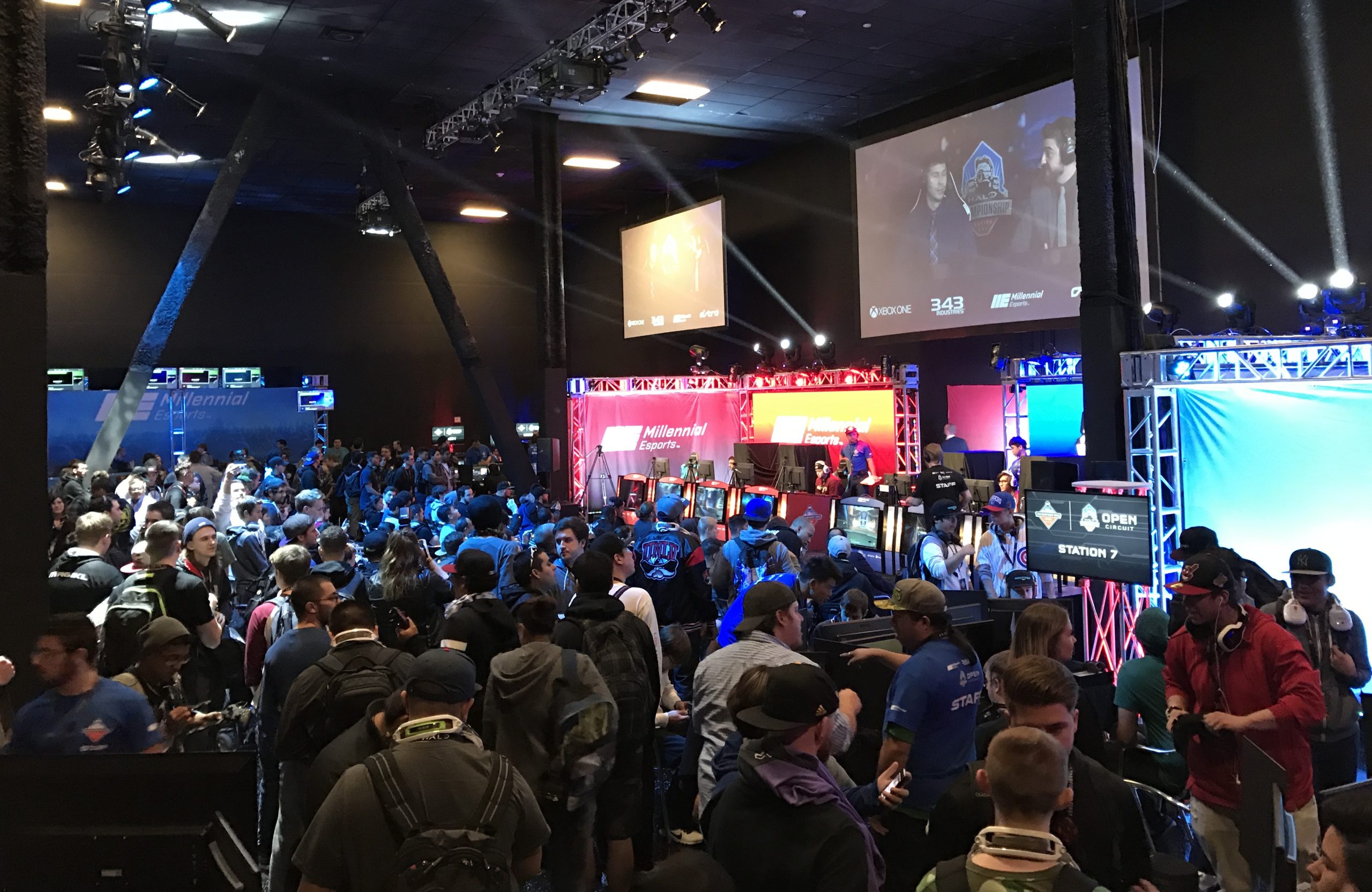
Called “thE Arena”, it has been created in downtown Las Vegas at the Neonopolis by Millennial Esports Corp – a company that owns and operates some of the leading mobile apps in esports.
The 15,000-square foot studio and arena will be Nevada’s first permanent esports centre and is wired for live streaming and casting, hosting players and facilitating tournaments 24 hours a day, 365 days a year. It will seat up to 500 people and feature a state-of-the-art main stage with built-in broadcast capacity and DJ booths.
Speaking to Host City ahead of thE Arena’s opening on March 3, Millennial Esports Corp CEO Alex Igelman said: “We are extremely excited to have been pioneers in the design, planning and construction of the first permanent esports facility in Nevada.”
The opening will be marked with a Millennial Esports Halo World Championship Open at the venue. Custom-made gaming stations will occupy centre stage with theatre-like seating and VIP areas. Audio and visual components include an LED video wall with advanced lighting and sound plus cinema projectors.
Three years in the making, Igelman explained how the venue concept was devised. “It was in November of 2014,” he said. “I still remember the day. I was meeting with my colleague Chad Larsson and one of the original investors.
“I told them the future of this industry was in Las Vegas and that we had to build an area and studio there. At first both of them were skeptical, but when I laid out the overall vision they both warmed up to the concept.
“The feedback from the esports community has been unbelievable. We have received many unsolicited emails congratulating and thanking us for building thE Arena from local, national and international esport fans and community members. We are truly overwhelmed by the response.”
In 2016 a report published by SuperData Research revealed that the global esports industry captured a record 213 million viewers and generated $892 million dollars in revenue. -
UK government helps sports sector go for gold in exporting expertise
On Thursday 16 March the UK’s sports industry is teaming up with the Department for International Trade (DIT) to take advantage of future global sporting events, taking the success and expertise of the London 2012 Games overseas.
DIT’s annual Global Sports Projects Conference, in London, offers UK companies advice and shared insight into working overseas on sporting projects, and gives tips on best practice, potential pitfalls and the support available.
The UK has long established a worldwide reputation for organising first-class sporting events across the country and overseas. These events have helped to boost economic growth and in 2015, the sport sector contributed £35 billion to the UK economy, increasing by 2.2 per cent since 2014.
International Trade Minister Mark Garnier said: “From Wimbledon to the Grand National, the United Kingdom is renowned for its love of sport and we can use our first-class expertise to help deliver of some of the world’s most exciting major sporting events.
“It’s an open goal for UK companies as there is a global demand for UK goods and services across the sporting world. My department is committed to helping businesses realise their exporting potential and we even want more companies to take full advantage of the opportunities that open up to them.”
The UK has a major sports legacy and the London 2012 Olympic and Paralympic Games is widely recognised as one of the most successful Games in history. By 2020, it’s expected to have contributed between £28 billion and £41 billion to the UK economy.
Since 2012 the UK has successfully staged more than 70 major sporting events including the Glasgow 2014 Commonwealth Games and World Track Championships in 2016. The UK also hosted the most economically successful Rugby World Cup ever in 2015.
Last summer, DIT also directly helped over 40 companies secure business in excess of £150 million for Rio 2016. Looking ahead to future events, the UK has also secured the right to host over 20 Olympic and Paralympic events at European or World level, including 15 World and European Championships.
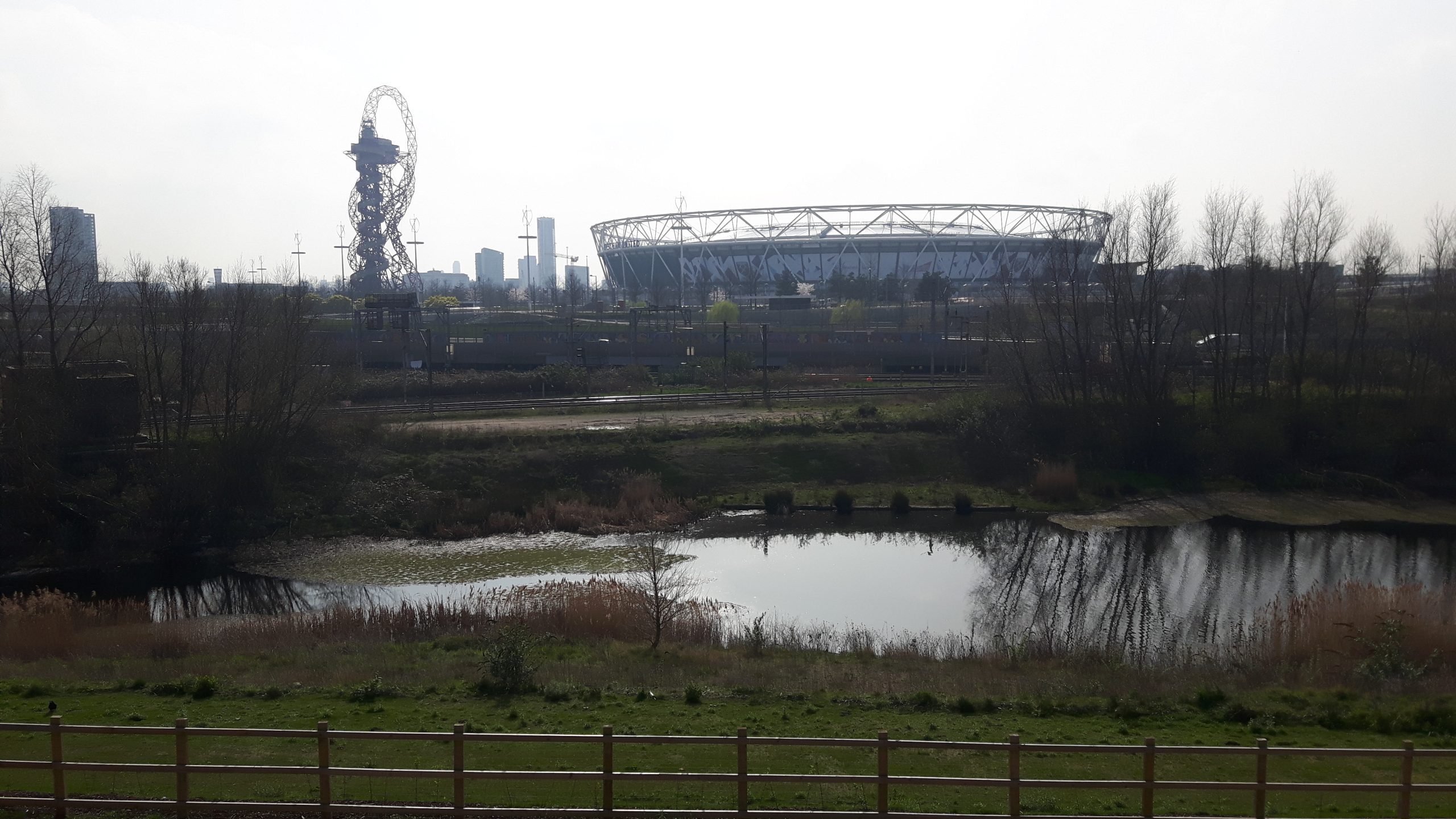
The Global Sports Projects Conference takes place at Plexal on the Queen Elizabeth Olympic Park where more than 140 businesses are expected to attend to hear about their exporting opportunities.
It’s a day of panel discussions, presentations and networking; with DIT offering specialist advice to helping UK companies export to their respective markets.
Businesses will be given expert help to capitalise on export opportunities for major sporting events like the Japan 2019 Rugby World Cup and the Tokyo 2020 Olympic & Paralympic Games and the growing football sector in China and India.