When the International Olympic Committee (IOC) approved Agenda 2020, its “strategic roadmap for the Olympic Movement” in 2014, the most evidently urgent issue was to boost the appeal of hosting the Olympic Games. Four European cities had pulled out of bidding for the 2022 Winter Olympic Games, leaving Almaty and Beijing as candidates.
The first three of Agenda 2020’s “20+20” recommendations focussed on reforming the bidding process. These changes have been quickly implemented and the results are evident in the strong field of cities bidding for the 2024 Olympic Games.
But Agenda 2020 is about much more than this, focusing on areas such as sustainability, blending sport and culture, launching an Olympic TV channel, engaging with communities – and an issue that has become extremely pressing for the Olympic Movement in recent months: the protection of clean athletes.
Sir Craig Reedie, in his dual roles as Vice President of the International Olympic Committee and President of the World Anti-Doping Agency, spoke exclusively to Host City about the challenges and opportunities ahead for the Olympic Movement and how the IOC is implementing Agenda 2020.
HOST CITY: How is the IOC encouraging organising committees to boost sustainability and reduce the cost of event delivery?
Sir Craig Reedie: Sustainability covers a wide range of operations. It effectively started under Agenda 2020 with the first two or three proposals, which were to shape the bidding process as an invitation; and then evaluating the cities, assessing key opportunities and risks; reduce the cost of bidding; and then to include sustainability in all aspects of the Olympic Games and the Olympic movement.
By framing the Games bidding process under the invitation, we get the opportunity to speak to a National Olympic Committee which wants to submit a city, and the city itself, right at the start of the programme. We can set out quite clearly that we wish them to consider a sustainability strategy, to develop a plan and to integrate and implement sustainability measures that cover the economic side, the social side and the environmental sphere in all stages of the project. And so far I have to say that seems to be working.
The Winter Games are sometimes a bit more complicated than Summer Games, because by the very nature of Winter Games there are some indoor facilities that are very sports specific – for example long track speed skating. A lot of work needs to be done by organising committees and candidate cities to make sure that what they build is sustainable after the Games.
For a summer Games it’s probably a little bit easier, because the facilities that have been built can frequently be used for more than one sport or more than one purpose. It’s certainly an integral part of the Agenda 2020 process and it’s underway.
We certainly wish to reduce the cost of bidding and that is clearly underway at the moment for the 2024 bidding process. The cities have far fewer presentations to make and they work very closely with the IOC. There are three specific stages and we are just at the beginning of stage one.
We want what is built to be sustainable; we don’t want any white elephants and we want cities to plan all that carefully all the way through.
HOST CITY: Looking ahead to Tokyo 2020 do you have confidence that their stadium will be a sustainable solution?
Sir Craig Reedie: Yes, they looked hard at the original plans for the main stadium primarily on the basis of cost and they have come back, as far as I can see, with a revised and more cost effective plan.
It’s more sustainable and it will be finished earlier, which is a good thing so you can fit that stadium with all the bits and pieces that are necessary for an Olympic Games; you’ve got not just sport taking part there but you’ve got major ceremonies.
Most recently there was a report from Tokyo on the whole sustainability structure and that gives me some confidence that what we wanted to happen is actually happening.
HOST CITY: A USD 20m fund was set aside to protect clean athletes through Agenda 2020. In the light of recent revelations in athletics, is this enough or are further measures necessary?
Sir Craig Reedie: The US$20m fund is clearly working. It was split into two parts. The first was US$10m for advanced anti-doping research; it was made available to WADA provided we got governments to match the US$10m. We managed to collect about US$6.5m, so we have received or are in the process of receiving US$6.5m of the original ten. So there is a new fund of about US$13m which WADA is dealing with.
The remaining US$3.5m, which was not matched by governments, is being invested by the IOC itself; and we clearly cooperate on the applications we get for that scientific research to make sure we don’t do the same thing. That process is working extremely well.
The second US$10m under the heading “protecting clean athletes” wasn’t anti-doping – it was for any forms of manipulation and corruption. Clearly that’s been in the media recently with accusations about wrongdoing in tennis several years ago, and the tennis authorities are clearly looking at that.
The IOC have invested some of that US$10m in an intelligence gathering system to which almost all the International Federations have signed up. So that process is underway as well.
HOST CITY: It must be very costly looking into and investigating the integrity of all the Olympic Sports combined. Is working with the International Federations (IFs) a way forward there?
Sir Craig Reedie: They are an integral part of the Olympic movement. The IOC itself, the IFs and the NOCs are the three pillars of the movement, so we are structured to deal with the IFs. Certainly in the anti-doping field, from WADA’s point of view, we work closely with all the IFs.
There is a debate at the moment about the creation of a new independent testing agency to take away the perceived conflict that IFs might have, who are supposed to develop and organise their sport, and at the same time to police their sport. The more we speak to people the more the feeling there is that this is a good idea and it might well happen.
So this is a major project, the whole anti-doping effort is a major effort and quite clearly there are major problems in sport of manipulation and corruption and the IOC are well aware of that and effectively putting their money where their mouth is.
HOST CITY: What’s the outlook for Russia’s involvement in Rio?
Sir Craig Reedie: Well, from the WADA perspective our job is, having removed the accreditation of the Moscow laboratory because it was criticised in the independent commission report, and having declared the Russian anti-doping agency to be non-compliant, our job is to deal with both of these situations so that the accreditation of the laboratory can be renewed and above all that the Russian anti-doping agency becomes compliant again.
Our job is not to do this so that people can take part in the Rio Games; our job is to assist Russia in becoming compliant again. It’s other people who decide whether they go to Rio. The one national federation at the moment that is suspended is the Russian athletics federation; it’s the responsibility of the IAAF to make sure that that particular national federation is compliant with all aspects of the world anti-doping code – plus other conditions that it has applied – these will all have to purified before they can be declared compliant and by definition then available to come to the Rio Games. There is a lot of work to be done.
HOST CITY: How will the IOC itself continue to show leadership in the good governance of its own affairs?
Sir Craig Reedie: As leaders of the Olympic movement, we start with ourselves. We now produce a very comprehensive and detailed annual report which is very transparent; it tells everybody everything we are doing, it tells what people are paid, and tells everybody that we produce the accounts under the international financial reporting system – even though that’s not a legal obligation on us.
We have imposed time limits on membership, time limits on periods that you can stay on committees. So we’ve looked very hard at our own governance.
We also speak regularly to the associations of international federations and encourage them to do the same – and many of them do.
As far as National Olympic Committees are concerned, they again are given guidelines – there are basic standard of good governance with which we expect them to comply. At the moment they self-monitor, but we try to ensure that across the whole movement high standards of good governance will apply.
HOST CITY: How will the Olympic movement engage with society and communities in the future?
In many cases the reform process was a serious think-tank. We did look very carefully at, and have a recommendation on, how we deal with communities.
The first one that is being worked on is to create a virtual hub for our athletes and we are quite a long way down the line in doing that.
We’re looking at doing the same for volunteers; we’re looking at ways we can engage the general public. Much of this is social media and how we can improve our website and how we can encourage people to keep in touch with us. We need to have a very clear policy ourselves on how we engage with young people – all of that work is underway.
We’re also going to develop, at no little expense, a television programme called the Olympic Channel, which is going to be a digital programme in its initial form that can then spread into being a full television programme if needs be at a later date, and if countries want it. That will allow us to inform, educate, hopefully excite, entertain and amuse millions and millions of people. All of that is quite an exciting prospect as we move forward.
HOST CITY: It’s interesting that it’s going digital first, because the majority of young people are now watching more on the internet than on traditional television.
Sir Craig Reedie: Yes, I suspect that that piece of statistical information was warmly welcomed in the offices of the digital channel in Madrid.
HOST CITY: Why is it so important to further strengthen the blending of sport and culture at the Olympic Games and in-between?
Sir Craig Reedie: At the end of the day it’s one of the absolutely defining characteristics of the Olympic movement and the Olympic Games – that there is this clear mix, this blend of sport and culture.
We’re trying to develop that; we’re looking at creating an Olympic Laurel award to celebrate any outstanding contribution to Olympism through culture, education, development and peace. We are looking to develop an Olympic House, to welcome the general public to engage in a dialogue with the Olympic movement.
There’s a programme called artists in residence which is being examined; that’s a very specific cultural connection. We’re looking at a curators committee composed of various global cultural players.
We also try as best we can to take the Olympic Museum out on the road: for example, specific Olympic Museums created in host cities at times of the Games. I think that’s quite an exciting project; it’s one of the projects I’m trying to develop, as I think it’s part of our heritage and it’s something we should celebrate.
HOST CITY: How is Agenda 2020 being implemented within the IOC?
Sir Craig Reedie: The whole Agenda 2020 process appears to have been warmly welcomed and we now work on it regularly at the Executive Board meetings. We look at the implementation plan to see what else we have to do; so it’s not just been a question of thinking through what we want to do, putting it down on paper and then hoping that it happens. There is a specific and detailed implementation plan that we look at on a very regular basis.
A lot of this will fall, in several years’ time, into our new headquarters in Lausanne, so everybody working for the IOC in Lausanne works under one roof. It’s a huge investment in the Olympic movement, it’s a huge investment in sport and it’s also a huge investment in Lausanne – particularly when you look at the way we’ve made a similar investment in the complete remodelling of the Olympic Museum. So we hope to be good citizens.
The IOC Executive Board will meet in Lausanne on 1 to 3 March 2016 to discuss the implementation of Olympic Agenda 2020
Blog
-
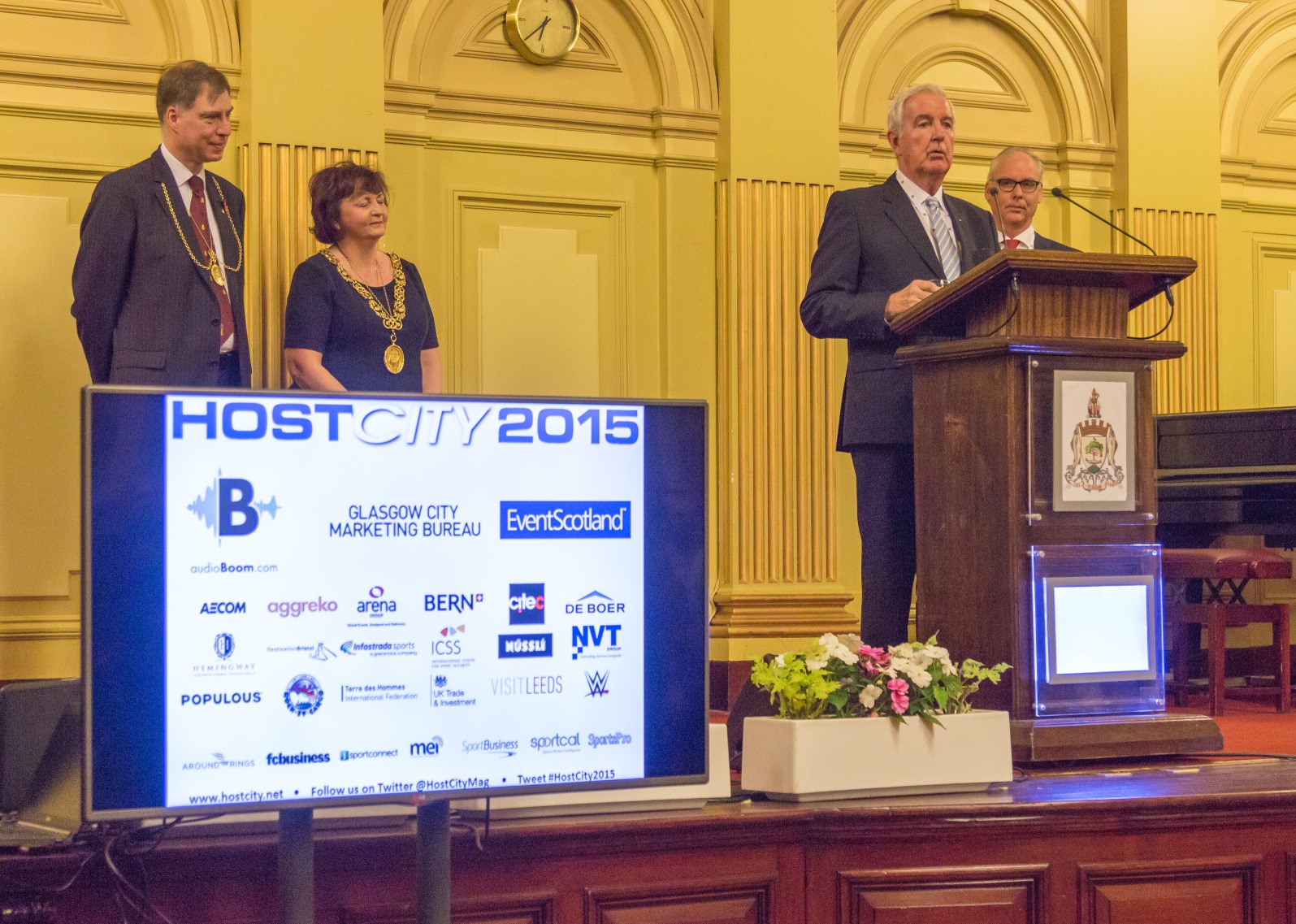
Exclusive: IOC VP Sir Craig Reedie on realising Agenda 2020 and clean sport
-
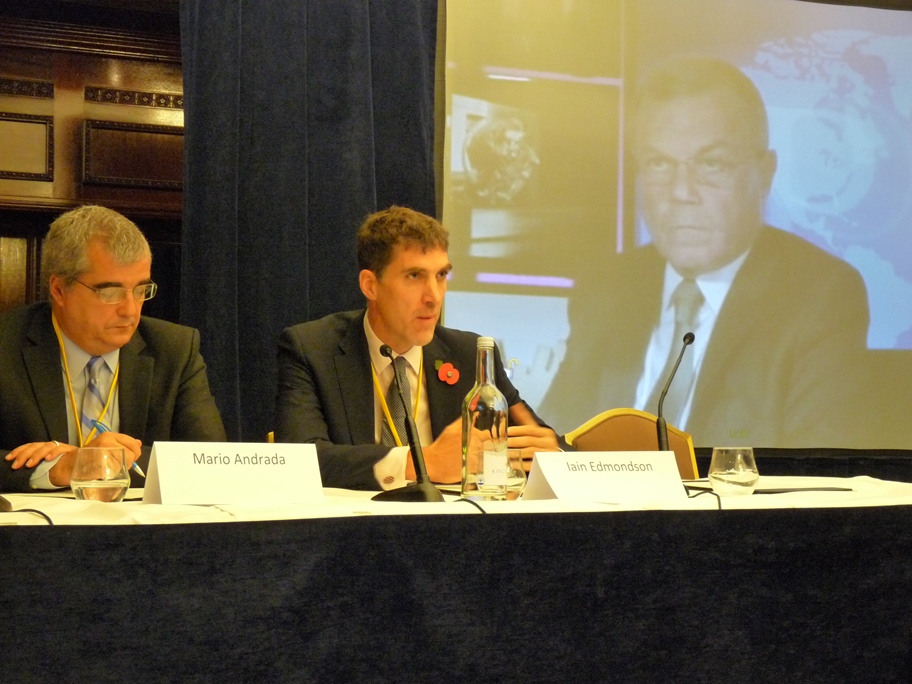
Host City welcomes City Day at SportAccord Convention
Once again, cities will be in the spotlight at this year’s SportAccord Convention with City-to-City and City Forum taking place on Tuesday 19 April at the SwissTech Convention Center, Lausanne. As ‘go-to’ events for delegates, this year’s City Day is no exception, with an excellent line-up of speakers, a content-packed programme assessing the impact of sport, with plenty of opportunity for the audience to be involved.
Starting the day, City-to-City will enable delegates to hit the ground running by providing a platform for free discussion on the needs and challenges faced when looking to host sport events. Led by Iain Edmondson, Head of Major Events at London & Partners, he commented, “Cities like London have come to recognise the value of major events in developing our economy and society. We are always seeking to learn from colleagues around the world and we hope to see representatives from every continent taking part.”
Points for discussion could include: issues relating to the bid process, economic impact, legacy, governmental and private sector support, as well as other matters of concern. City-to-City is attended by representatives from regions, cities and countries, with delegates encouraged to share experiences and lessons learned.
Paul Bush OBE, VisitScotland’s Director of Events commented, “Major events make a vital contribution to the Scottish economy and, in recent years, staging some of the world’s most prestigious events, such as the Commonwealth Games and Ryder Cup, has brought about substantial benefits for the nation.” He went on to say, “Our progress has been greatly aided by knowledge sharing and discussing best practice with other leading event-hosting nations and I look forward to the further opportunity of doing just that during City-to-City and City Forum at the SportAccord Convention.”
The afternoon will begin with City Forum led by Don Schumacher, Executive Director of the National Association of Sports Commissions. The event will provide a series of seminars and panel sessions, addressing the needs and concerns of cities bidding for, as well as hosting, international sporting events.
Speaking of the importance of such an event, Ben Avison, Editorial and Conference Director of Host City for the Cavendish Group commented, “Host City is pleased to support City Forum at the SportAccord Convention. As a media provider, Host City always places cities at the centre of the major event hosting community and we welcome this excellent opportunity for cities to share experiences of hosting sports events.”
The first City Forum session will focus on The Current State of Affairs for cities presented by one of the Principal Media Partners, Sportcal. Delegates will receive an exclusive printed Summary covering some of the highlights from the studies made for the Global Sports Impact (GSI) Reports.
This year’s Event Watch focuses on the Tour de France Grand Départ providing a Netherlands case study on their decision to bid for the Tour start, as well as the results that followed.
The City Forum will also focus on Government and Non-Government Hosting Models with representatives from different countries, discussing the benefits and limitations of various models used by cities, bidding for and hosting sporting events. In the final session, delegates will be able to take part in a Group Project challenge focused on an event-bidding issue.
To find out more about SportAccord Convention, including the 4-day Conference Programme and Official Schedule, or to register for SportAccord Convention, visit: www.sportaccordconvention.com
HOST CITY is the media brand of choice for cities, rights holders, organisers and suppliers in their quest for best practice on hosting major events. First published in 2003 for the organisers of the 2008 Beijing Olympics, HOST CITY now serves all sports, business and cultural events through a quarterly magazine, online news and live events. Contact ben.avison@hostcity.net or visit the website www.hostcity.com
Source: SportAccord Convention
-
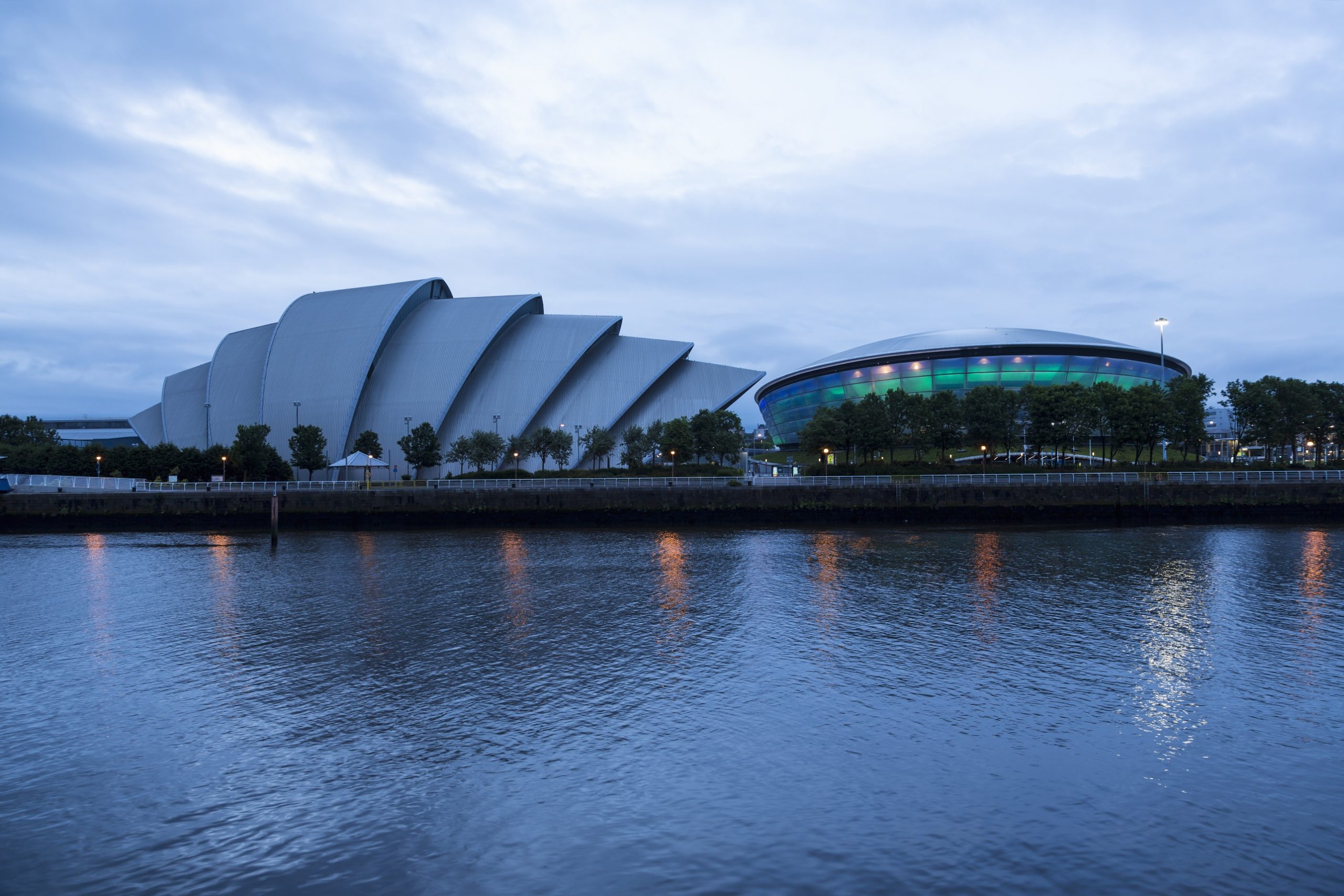
Glasgow becomes the hub of ITS this June
Glasgow will be hosting the largest annual event of ITS professionals in Europe during the first week of June. In addition to the picturesque scenery, world class architecture and a vibrant nightlife and shopping scene, the city will be bustling with over 2,500 ITS professionals coming from around the continent to meet, discuss, and learn from each other.
Glasgow has a rich and varied background in ITS, being one of the very first to deploy several intelligent transport solutions and has since been constantly developing these solutions year after year in hope of becoming one of the smartest cities in Europe today. Over decades, Glasgow has transformed itself into a smarter, safer, and more environmentally friendly city with smart street lights able to record pollution levels or below the surface road sensors detecting traffic flow.
What better destination for the European ITS community get together?
Whether you come from a background of policy, research or business, or consider yourself an amateur transport enthusiast, we invite you to join us in Glasgow 6 to 9 June for the 11th ITS European Congress. The theme of this year’s Congress is “Delivering Future Cities Now”; with focus on increasing connectivity, bringing new services to users and improving communication, in a sustainable way.
After a highly successful call for papers the European Program Committee met in Brussels at the beginning of March to finalise this year’s Congress programme. The selected papers have been organised into over 100 sessions in accordance with the 5 key topics ranging from automation through sustainability and environmental impact to satellite services and user centric service initiatives.
“The Congress is designed to provide insight into the real life ITS solutions of today and showcase the ideas of tomorrow with an interactive and wide array of programmes and activities”, Didier Gorteman, Director of Congress and Chair of the European Programme Committee, explained. “In addition to the session discussions, demonstrations will give participants the chance to experience technological advancements first-hand while the exhibition will provide the opportunity to stumble on some of the ingenious ideas revolutionising transport today”, he continued.
The growing list of exciting events include a Mayor Summit on Wednesday 8 June, where leaders of European cities big and small can discuss and share knowledge on deploying ITS solutions in urban environments. Building on the success of previous years, a special student programme is also under way where the organisers are preparing events appealing to the younger generation in addition to offering special discounted rates for students.
For those looking for a more hands-on experience, several technical visits are planned on 7 and 8 June including a visit to the Glasgow Operations Centre (GOC), a state-of-the-art integrated traffic and public safety management control room; a tour of the Traffic Scotland National Control Centre (TSNCC); and the United Kingdom’s largest bus depot.
Glasgow will surely match up to one of the most anticipated social highlights of the Congress with a gala dinner held in the Kelvingrove Art Gallery & Museum. In addition to a spectacular dinner and entertainment, visitors will have a chance to visit the extensive collection of over 8000 objects providing a rich insight into the history and arts of Scotland.
The 11th European ITS Congress 2016 is organised by ERTICO – ITS Europe in partnership with the European Commission, and hosted by Glasgow City Council and Transport Scotland. Visit Scotland, the Scottish Exhibition and Conference Centre (SECC), ITS United Kingdom and the Glasgow City Marketing Bureau strongly support the event.
Registrations are now open, with exceptional early bird rates until 18 April!
-
“Blind bidding” adieu?
I listened on recently as a member of the Scottish parliament described the transformation effect sport has had on his city, Glasgow, over the course of his relatively short adulthood. While, as a child, being subjected to pervasive messaging which labelled Scotland’s largest city ‘the sick man of Europe’, he now takes particular delight in the continued regeneration on our west coast.
This renaissance owes much to the foresight and subsequent effort of those who have successfully secured events like the 2014 Commonwealth Games, FIG World Artistic Gymnastics Championships and 2018 European Championships for the city, amongst many others.
Accordingly, the catalyst for this revolution of sorts has been sport. A great love of sport, has, in the words of this MSP, driven and irreversibly altered how his constituents experience the city in which they reside: be it in the evolving cityscape, the upgraded infrastructure or prevalent belief among citizens that Glasgow is, once again, a powerhouse. No longer in an industrial sense, of course, but as the eighth greatest sporting city on earth.
As a slight aside, I would argue that these events have altered the consciousness of the Scottish nation as a whole, not only in a sporting sense. Scotland now recognises that its sons and daughters are capable of shining on the world stage and that our investment in sport has engendered invaluable social impacts, as well as numerous medals and new records.
Aside from partisan praise for Glasgow and Scotland, this anecdote serves a very simple purpose in this wider narrative; it demonstrates the potential created by events governed well.
And as all of those involved in the process of attempting to secure events for their respective municipalities will know, good governance starts from the initiation of the bidding process.
Now, I cite Glasgow as a recent example in which, through rigorous care and procedural best practice, the city has reaped myriad benefits which were successfully sown many years previously. There are many others, however, that do not realise such prosperous outcomes, the reasons for which are both too numerous and complex to discuss herein. The solution for the unpredictable nature of results in an industry where, at least on the pitch/track/court, results are the only thing of any consequence, is, fortunately, less obscure. It is the more transparent governance around the process of event bidding.
Technical evaluations are, in principle, an excellent means towards this end. However, controversy arises when they inform the choice of candidates, rather than underpin their decisions. Of course, factors not taken in to account in the process of a technical evaluation have to be considered, not least political climate. But to those unacquainted with event bidding as it presently stands, the fact that the, apparently, most accomplished bid often loses out in the final reveal, bears further scrutiny. And probably rightly so.
It begs the question over whether there is scope for a standardised stable of tools to be provided to federations and governing bodies to help inform their decisions. Objective criteria, consistently adhered to across all sports and all major events, would help better gauge the competency of competing bids and help to eradicate votes potentially cast on instinctive or misguided judgement.
In support of this line of argument, it has even been reasoned that completed technical evaluations should be published to encourage stricter adherence to their recommendations, or at least to elicit an explanation as to why any departure from the recommendations of a technical evaluation is selected as the chosen course.
Leaving aside any insinuations of wrongdoing, more must also be done to encourage economic transparency in order to eradicate the ramifications experienced by host cities who fail to predict difficulties some way down the line.
At present, a situation often arises where, in an effort to impress, candidates overpromise only to, ultimately, under-deliver. To give one example, the Olympic Games are seemingly beset by a perennial sprint finish, whereby, only aware of shortcomings all-too-late, infrastructure projects are rushed or pared-back by the host city. At best, this erodes confidence in the potentially profound social impacts mega-events should guarantee; at worst, it risks dereliction of duty and gives rise to social unrest.
For those familiar with game theory, the competitive nature of bidding must be of the greatest interest. Lacking definitive criteria to meet, cities and states must simply seek to outshine their nearest competitors. Or, more accurately, seek to outshine what capacity they imagine their nearest competitor may have. The result of this ‘blind bidding’ is a less than ideal outcome for all involved, including the winner.
With more strongly defined and widely publicised benchmarks upon which bids are judged, one can claim with some confidence that capability and credibility, rather cash, will become the foundations upon which successful bids are constructed. The result? Greater likelihood of well-placed investment, improved legacy benefits and less empty stadia as the circus leaves town.
While it is not for me to pass judgement on the current health of global sporting governance, I am more than willing to indicate the current circumstances, while regrettable, present an invaluable opportunity.
In the course of numerous allegations, withdrawal of support and widespread condemnation in recent months, we have learned in no uncertain terms that the forces behind the extraordinary commercial success of sport will no longer endure dubiety. Due to the extent of its own success, all of sport, particularly its governance, is being called to account, and it must reform.
Emboldened by the voice offered by social media and the internet age, the public can no longer be categorised as homogenous factions of brand advocates. Today, the consumer more fluidly elects those it wishes to trust, and brands with a sponsors’ stake in sport will no longer tolerate its flaws.
That being said, it should not be forgotten that, by the same token, the consumer of today is now open to more routes of engagement than ever before thanks to those same technologies. As such, the potential is more people, more enthused by a greater diversity of sporting pursuits. For the general health of the sector, that can only be an exciting prospect. But it can only be realised through change. That change being excellent governance from the ground-up.
And, if we agree with the assertion above that good governance is established from the outset of the bidding process, what better area for us to concentrate those initial efforts towards reform.
This opinion piece was written by Paul Bush OBE, VisitScotland’s Director of Events and Chairman of Commonwealth Games Scotland -
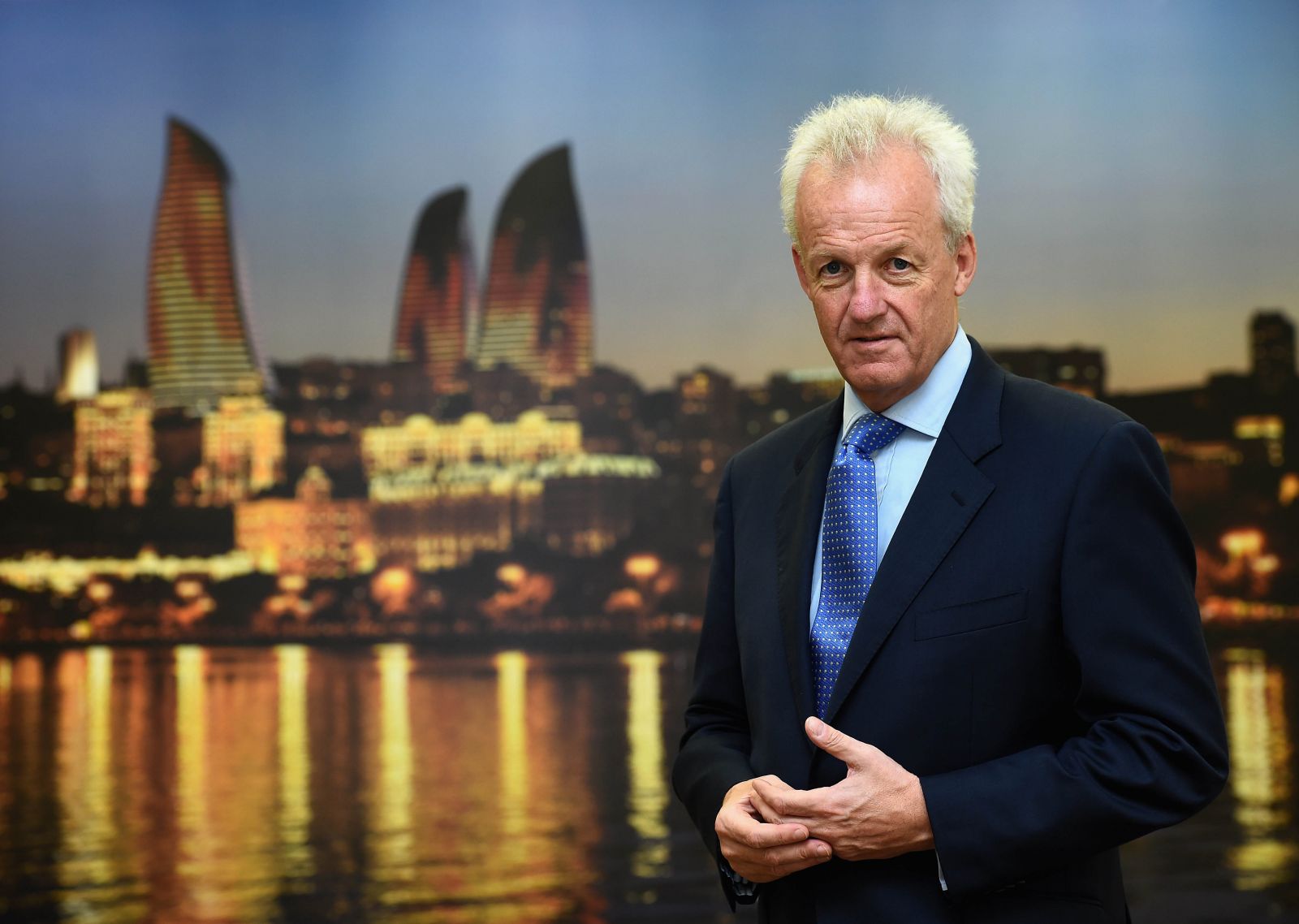
Simon Clegg excited to join Dubai Expo 2020 as COO
Dubai Expo 2020 has appointed Simon Clegg as Chief Operating Officer, the title he also held for the Baku 2015 European Games.
As a speaker at Host City 2015 in November, Clegg shared his experiences of organising the inaugural European Games in Baku.
He led a team of 2,500 full time staff, supported by 12,000 volunteers, to deliver a mega event in an unprecedented compressed time frame and broadcast to an estimated 832 million households.
This is the first time Clegg has been appointed to run a major non-sports event.
“I am very excited about joining the team at Expo 2020,” said Clegg.
“The vision and ambition of the project will make it a stunning experience for the expected 25 million visitors, 70% of whom will come from overseas.
“Within each country’s pavilion visitors will be able to experience the rich diversity and culture that makes up our planet as well as seeing the latest technological developments around each of our chosen themes.
“Dubai is already one of the world’s greatest tourist destinations and its position will be further cemented through the hosting of this truly global event”
Clegg’s previous roles include managing Team GB at Beijing in 2008 – its most successful Olympic Games in a century – and leading the campaign to persuade the British government and Mayor of London to bid to host the 2012 Olympic Games. He was subsequently appointed a board member of the London 2012 Olympic Games bid and Organising Committees.
“I am delighted to have someone of Simon’s caliber, leadership skills and considerable management experience of large global events join our team,” said Expo 2020 Director General and UAE Minister of State for International Cooperation, Her Excellency Reem Al-Hashimy.
“His management and commercial skills will strengthen our team and help ensure the successful delivery of our 1,082 acre site. I look forward to working with him on this hugely important event for Dubai, the UAE and the entire region.”
-
How Big Data can improve urban life
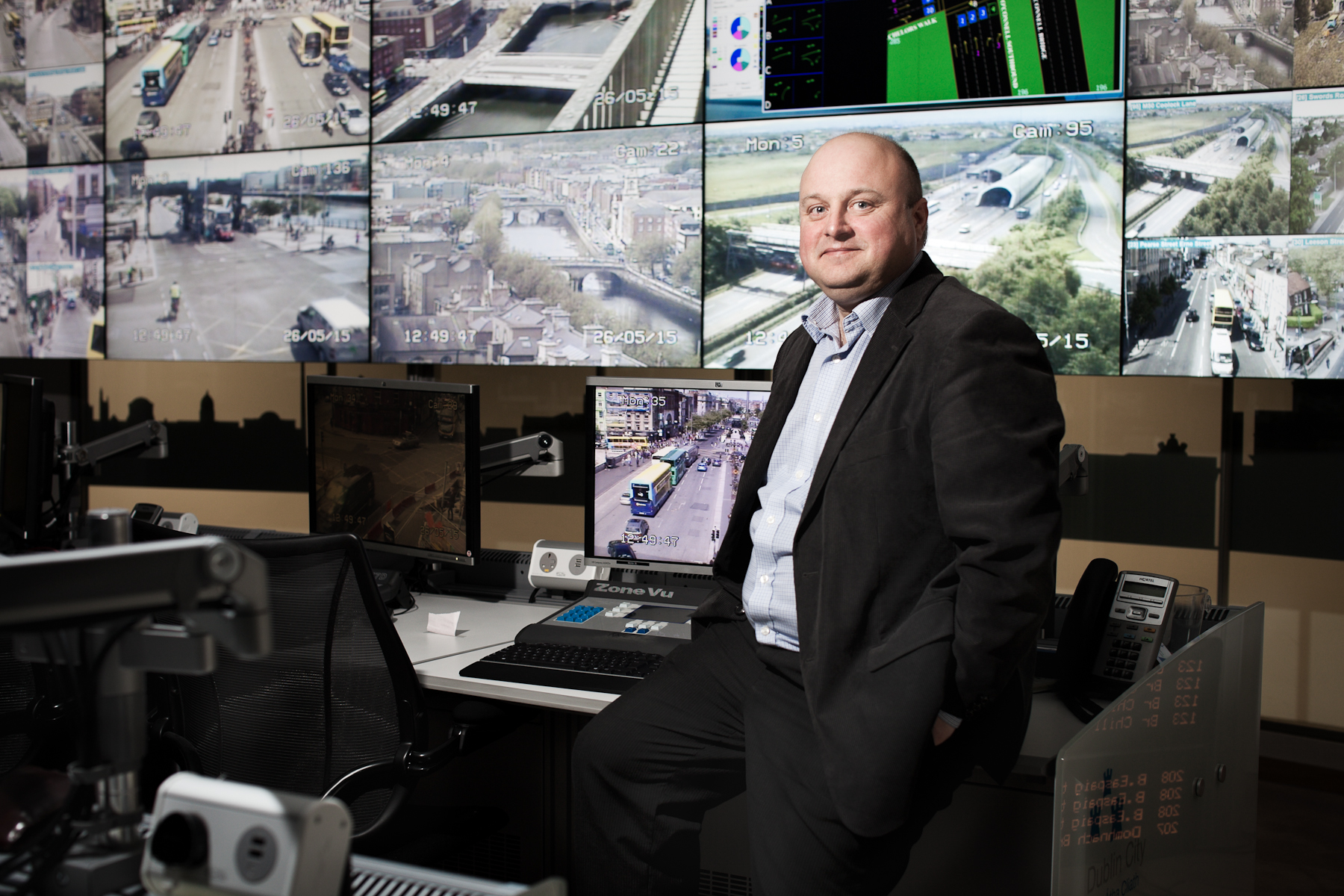
Modern cities generate a flood of data, and much of it is public. Transport companies know how their trains, buses and cars are travelling. Payment systems monitor the availability of parking spaces. CCTVs provide real-time video links. Environmental sensors track air and water quality.
There’s even big data on garbage: networked compactor bins use sensors to monitor waste levels and allow collection routes to be optimised.
Two years ago, Rob Kitchin, a professor at the National Institute of Regional and Spatial Analysis at Ireland’s Maynooth University launched a novel app, the Dublin Dashboard. This publishes sensor-readings about the city, providing citizens, public sector workers and companies with real-time information, time-series indicator data and interactive maps about all aspects of Ireland’s capital. The data sets are compiled on an ongoing basis by the Irish Central Statistics Office and Eurostat.
Kitchin has built an easy to use interactive website featuring maps, graphs and apps. The data available covers a variety of areas, from transport, housing and planning to the environment, emergency services and health.
With a few clicks, Dubliners can check the tides, temperature, shipping, river levels, oxygen and pollution levels, ambient noise, road traffic, parking spaces – even available bike-shares. Camera feeds yield images. Maps break down city population by topics like gender and density.
“And all the data is open,” Kitchin says. “Everybody can go and build their own apps off this, or they can just look at it.”
Although the Dublin Dashboard obviously useful – and fun – there is a serious side too, translating into what Kitchin calls new forms of governance.
Cities around the world are demonstrating how it works. Atlanta has a purpose-built dashboard room, where city government meets weekly to assess metrics. Rio de Janeiro built an “urban operations centre” with data streams from 30 government agencies, to try to manage the potential chaos of the World Cup in 2014 and the Olympic Games happening there this year.
Many cities have litter bins with sensors to signal when they’re full – meaning the garbage trucks can plot more efficient pick-up routes.
Kitchin’s Big Data even helps with policing. Based on perfectly reasonable evidence – neighbourhood crime statistics, social media connections, for example – a person may seem statistically likely to commit a crime. With that information, the police or social workers can be pro-active and offer help or warnings.
The problem, says Kitchin, is that “you don’t have evidence that this person has committed a crime … but you’re already treating them as a criminal.”
Of course, this information torrent often can turn into a dangerous flood. It can lead managers, distracted by all the data, to focus on the wrong problems – what Kitchin calls “technological solutionism.” For instance, he says, with more data “you might be able to better manage homelessness, but you’re not going to stop people becoming homeless.”
The Big Data flood also poses privacy challenges. In January of this year, Kitchin published a new report on the issue. Entitled “Getting smarter about smart cities: Improving data privacy and data security”, it argues that the “haphazard” approach to the development of networked technologies for so-called “smart cities” cannot be allowed to continue without taking proper account of privacy challenges.
“Never before has so much information about people – their characteristics, their location and movements, and their activities – been generated. These data can be put to many good uses, but they also raise a number of issues with respect to data privacy, data protection, and data security,” the report says.
But the report also cautions against becoming “overly focused” on the negative concerns and harms lest they stifle innovation. While the concerns relating to smart cities are “significant”, we need to remain mindful of their potential benefits in producing “more efficient, productive, sustainable, resilient, transparent, fair and equitable cities”.
Kitchin recommends the establishment of advisory boards and governance and ethics committees to oversee such smart city projects. An emergency response team should also be appointed to tackle cybersecurity incidents, where data was hacked or compromised.
“I advocate a much more systematic approach that aims to gain the benefits smart-city technologies offer, whilst minimising the potential risks,” he says.
In coming years, Kitchin plans to extend the scope of the Dublin Dashboard project to include other data and information such as maps of social media.
This article was written by William Echikson -
Rio can deliver great Games, with hard work – IOC
The International Olympic Committee (IOC) has backed Rio de Janeiro to deliver a successful Olympic Games in August.
At the close of its final Coordination Commission visit to the host city, the IOC said the Rio 2016 organising committee is set to resolve “thousands of details” to produce a “great Games”.
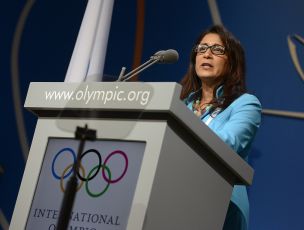
“As we enter the final 114 days until the opening of the Olympic Games Rio 2016, and despite the complex political and economic context, we are confident that Brazil and the Brazilians are on track to deliver successful Olympic Games with an outstanding legacy,” said IOC Coordination Commission Chair Nawal El Moutawakel.
“The last stretch is always the hardest. During the operational phase that we are entering now, there are thousands of details still to manage, and their timely resolution will make the difference between average Games and great Games. The Rio 2016 team is ready to rise to this challenge and deliver Olympic and Paralympic Games that will reflect Brazilians’ warmth, hospitality and passion for sports. We believe that Rio 2016 will make the host nation proud.”
Preparations for the Rio 2016 Olympic Games, which begin on 5 August 2016, have been beset by organisational problems that have threatened to derail the massive project.
But in a statement, the IOC said many of the venues are now finished, with the venues 98% complete overall; that 33 test events had been successfully completed with positive feedback from the competing athletes; and that popular backing for the Games remains strong, with over 70% support in Rio de Janeiro – demonstrating that the majority of local citizens see the Games as a positive element in the development of their city and country.
Brazil’s economy was booming when Rio was awarded the Games, but the country is now in the grip of recession.
“Thanks to the solidarity and support from the IOC, International Federations, and National Olympic Committees during this difficult time for Brazil, we will be ready,” said Rio 2016 President Carlos Arthur Nuzman.
“We will not be complacent in the last mile. We know that we still have important elements to finalise before the Opening Ceremony on 5 August. We are working hard with all of our partners on each of these points and we are more confident than ever that Brazilians will deliver great Games.”
The IOC cited a number of lasting benefits that will result from Rio hosting the Games, such as improved public transport, better waste management, better city operations, job training, state-of-the-art sports facilities and new schools.
“The strong support from the local authorities, as well as the partnership and solidarity shown by the IOC, International Federations, National Olympic Committees, and other Olympic partners, in line with Olympic Agenda 2020, has been invaluable to the Rio organisers, as they finalise their preparations. I’d like to thank all of those involved for their hard work and dedication to this project,” said El Moutawakel.
-
London’s light fantastic
London’s first Lumiere light festival closed on Sunday 17th January at 10.30pm, having transformed the city’s streets and buildings with 30 spectacular artworks. First estimates put the numbers of visitors at over 1 million attending the festival over four evenings.
Developed by creative producers Artichoke and supported by the Mayor of London, Lumiere London turned King’s Cross and London’s West End, including Leicester Square, Piccadilly, Regent Street, St James’s and Carnaby into a magical pedestrian playground and encouraged Londoners and tourists alike to explore the heart of the capital and view it in a new light.
“I am thrilled by the success of Lumiere London, which has brought a wonderful burst of imagination, colour and creativity to our city’s streets in the middle of cold, dark January. It could not have happened without the input and support of the many businesses and agencies who helped to make it happen,” said the Mayor of London Boris Johnson.
“We have been astounded by the crowds, which exceeded all our expectations and brought a boost to the West End and King’s Cross and are delighted by the response, not just from Londoners, but visitors from around the world.”
Lumiere was created by Artichoke in Durham in 2009, and has been recommissioned by Durham County Council every two years since then. In 2013, Artichoke also produced Lumiere in Derry~Londonderry UK City of Culture, commissioned by Culture Company 2013. In November 2015, the festival returned to Durham for the fourth time, attracting an estimated 200,000 visitors to the city.
“It’s been an unprecedented four nights for London and the turnout has been extraordinary,” said Helen Marriage, Director of Artichoke.
“Over a million people came to experience something truly magical and unusual: this great world city turned into a temporary pedestrian playground.
“While the success of the festival did mean that contingency measures had to be put into place occasionally to help keep the crowds moving, the atmosphere has always been amazing. This festival has been about more than seeing the art. It’s about people sharing public space and re-discovering the city’.”
Over 200 volunteers from across the capital were recruited to support the festival through Team London, the Mayor’s volunteering programme for London.
Business boost
The festival is said to have brought a significant year-on-year uplift in food and beverage sales to businesses in London’s West End and King’s Cross, with anecdotal reports of double digit growth from restaurants, cafes and bars.
With founding support from Atom Bank, Bloomberg Philanthropies, Heart of London Business Alliance, London & Partners and King’s Cross, plus additional support from a host of partners and sponsors, including Westminster City Council, Lumiere London presented installations by 30 international artists, at some of the city’s most iconic locations.
The creative power of Lumiere was accompanied by a boost to business in the city. Karen Baines, Heart of London Business Alliance representing over 500 businesses and 100 property owners in Leicester Square, Piccadilly and St James’s said “The atmosphere in Leicester Square, Piccadilly and St James’s has been absolutely electric with footfall increasing by 18% year on year on Thursday and Friday from 6pm to 11pm, as visitors flocked from far and wide to see our globally renowned cultural landmarks transformed.
“Our vibrant evening economy saw a significant boost with West End restaurants, cafes and bars reporting double digit growth in sales as visitors made the most of what was on offer to make it a night out and an evening to remember.”
How London came to life
Audiences from across the world were enthralled by artworks including a glowing tropical garden filled with giant plants in Leicester Square Gardens and a technicolour animation featuring the faces of some of the UK’s best-loved TV and film stars, projected onto BAFTA, 195 Piccadilly. At Oxford Circus, which was closed to traffic during the festival, people lay on their backs gazing up at 1.8 London, Janet Echelman’s beautifully illuminated aerial sculpture strung between buildings at Oxford Circus.
Along Regent Street, pedestrianised for the event, crowds gathered to see Elephantastic!, a 3D, larger-than-life projected elephant stomping through the Air Street arch, while in St James’s visitors gazed at the ethereal Les Voyageurs – sculpted human forms flying high above the buildings. At Westminster Abbey, audiences stood mesmerized by The Light of the Spirit, a digital painting by French artist Patrice Warrener, who had bathed the Abbey’s West Gate in an electric riot of colour.
In Carnaby, on Broadwick Street, visitors gathered around Julian Opie’s animated LED monolith – Shaida Walking. The piece has been commissioned as a permanent installation and will be illuminated during the day as well as at night.
Aquarium, Benedetto Bufalino & Benoit Deseille’s iconic red telephone box filled with exotic fish at Grosvenor Square, was a firm festival favourite, drawing audiences to the leafy garden square in Mayfair. The square was also a temporary home to Elaine Buckholtz’s abstract digital painting, which uses light and music to re-imagine Van Gogh’s painting All Night Café.
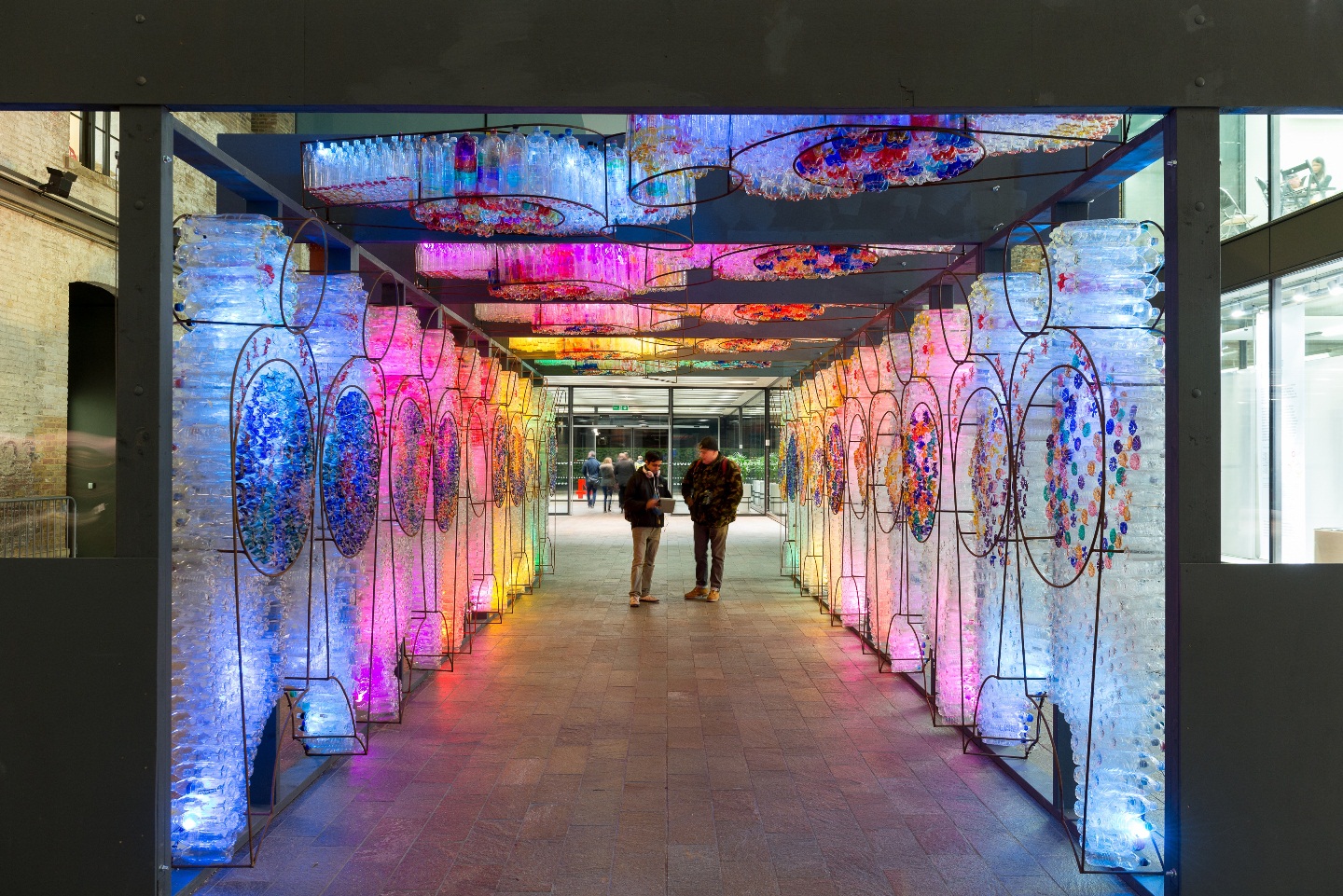
Hundreds of Londoners of all ages played their part in the festival: from donating a recycled plastic bottle to the glowing Plastic Islands installation by Luzinterruptus in the Trafalgar Square fountains, to appearing on film in the spectacular Circus of Light projected onto the Granary Building at King’s Cross. 500 children also took part in workshops at schools in the area to help make Joining the Dots and Litre of Light, both also at King’s Cross.
Founding Partner Bloomberg Philanthropies and Artichoke also hosted a sold-out Lumiere London Symposium, “The Heart and Soul of the City”. Speakers including Lumiere London artists, cultural pioneers and leading policy makers, shared their visions for the public realm, and how artists and communities can transform it. -
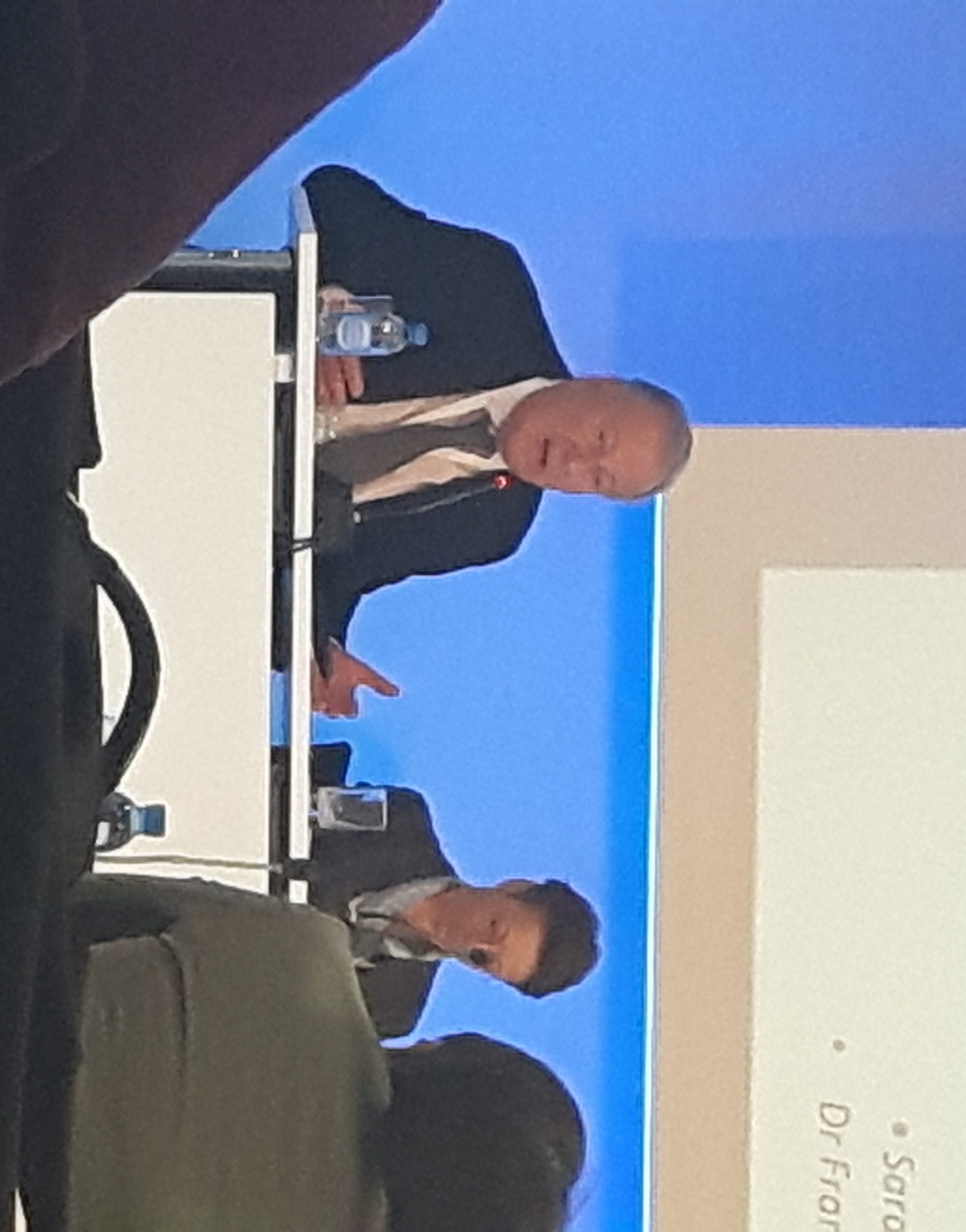
FIFA still needs to change culture, says reform chair
Appointing a new president and amending statutes are important steps for FIFA but a change of culture will be essential for significant transformation, the independent chairman of the 2016 FIFA reform committee Dr François Carrard told HOST CITY.
“By passing the reform of its statutes at the Congress in February in Zurich, I think FIFA has achieved a very important step towards substantial reform. In my opinion, together with the election of the new president, this it is to be considered as the starting point of a reform process,” Carrard told HOST CITY at SportAccord Convention in Lausanne.
“But I think it’s a starting point also for what is essential in my opinion, which is a change of culture.”
Carrard also spoke on a panel with FIS Secretary General Sarah Lewis at the LawAccord conference during SportAccord Convention, where he shared his experiences of working with FIFA throughout criminal investigations.
“I have been observing from inside in the last months the ‘schizophrenic’ work of the various institutions involved in the FIFA scandals. There were the internal institutions – I started working under president Blatter, when I wanted to report to him the police were there, then I had Ayatou, then I finished with Infantino.”
HOST CITY asked Carrard if he believed FIFA members had voted the right way in electing UEFA secretary general Gianni Infantino as president.
“As independent chairman I haven’t been involved deeply in FIFA organisational structures before, but my personal experience of president Infantino is such that he is the right man,” he told HOST CITY.
“I think with a new leadership, with adjusted statutes, the path is now there to achieve but any reform process takes time.
“You cannot expect that in a couple of months you solve everything. But at least now the door is open for progress.”
-
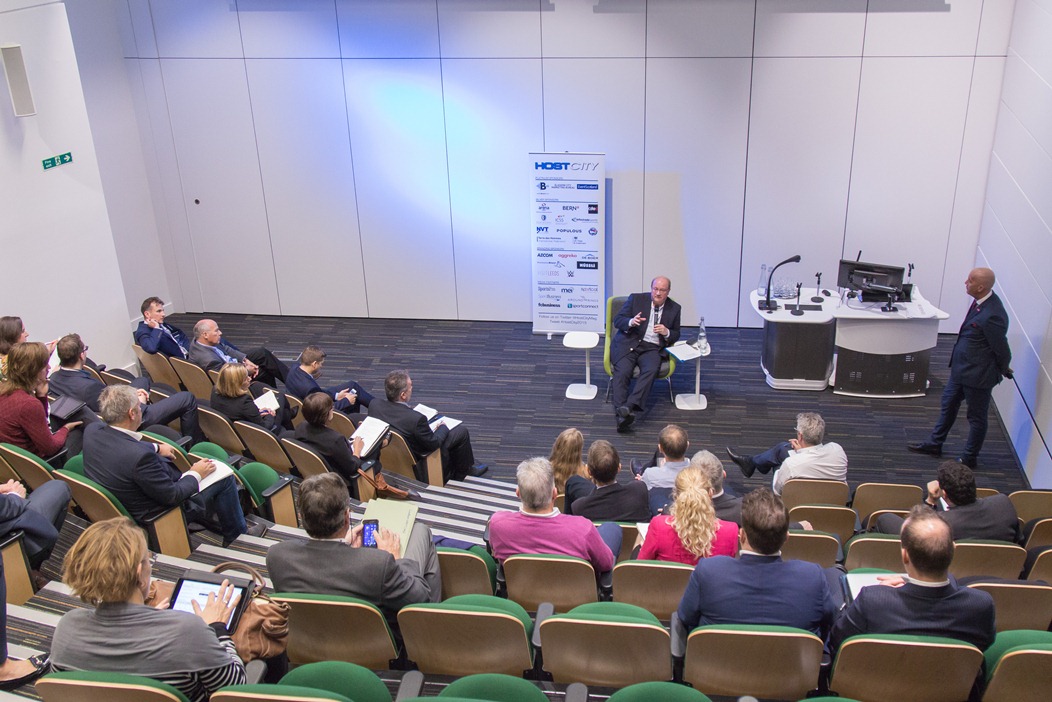
Event hosts – masters of their own destiny
International sports governing bodies are now more than a hundred years old, many having emerged in response to the rise of international sporting events: FIFA was established in 1904 and the IAAF in 1912, for example.
World Expos began in London in 1851 and their international governing body, the BIE, was established in 1928. New governing bodies continue to be established today as event properties emerge – the International Tent Pegging Federation, for example, was founded in 2013.
Sports event rights holders have many opportunities to share experiences, through a number of different membership organisations. But a unifying body for the host cities themselves has been lacking. While many event properties (the Olympic Games and the FIFA World Cup for example) have their own knowledge sharing procedures for organising committees, there has been no publicly recognised organisation in place to support and regulate cities in their perennial quest to benefit from hosting major events.
Some stakeholders involved in attracting and hosting events have their own international networks: the Association of National Olympic Committees (ANOC); the International Congress and Convention Association (ICCA); and European Cities Marketing, for Destination Marketing Organisations (DMOs) – but the city halls themselves are not yet fully connected.
This is in the process of changing. City meetings have started to take place at all the significant sector gatherings. The City Roundtable at Host City 2015, chaired by Paul Bush Direcor of Events for VisitScotland, saw a very large group of city officials sharing experiences. Host City is also pleased to have supported the “City Day” at SportAccord Convention.
Event hosts have now publicly agreed to form a self-determining international association, a process Host City continues to fully support. Host City 2016, taking place in Glasgow on the 16 and 17 November, will be the next important gathering of cities and all types of events – not just sport, but business, culture and entertainment. We look forward to sharing experiences with you in the marketplace.