The stage for hockey’s most anticipated competition is set. Four men’s and four women’s national teams gathered at the Deodoro Olympic Park, in Rio de Janeiro, from November 24th through the 28th for the test event called “Aquece Rio” – the most important technical rehearsal for the Rio 2016 Olympic Games.
The Dow Chemical Company is contributing with its resins to ensure a world?class, high?performing surface for the Olympic hockey tournament in Rio. Dow is a Worldwide Olympic Partner and the Official Chemistry Partner of the Olympic Games.
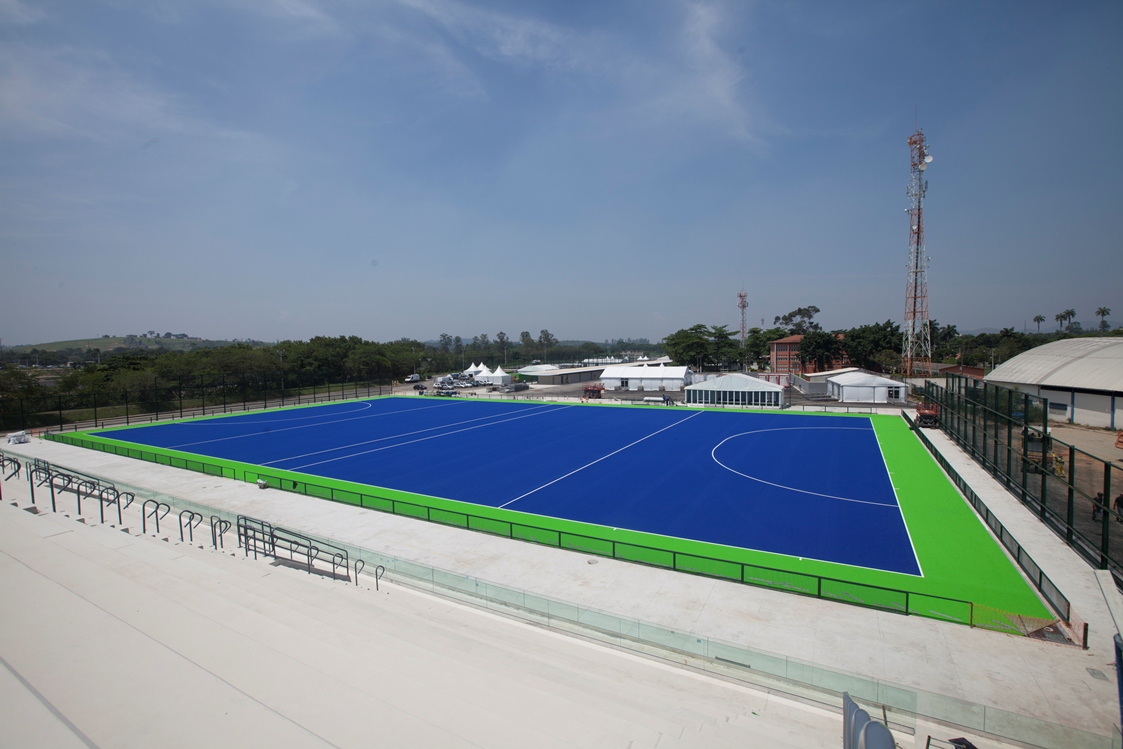
The warm-up also marked the unveiling of an important component of Rio 2016’s “Look of the Games” visual identity: the colours of the field?of?play, a much?anticipated feature since the success of London 2012’s Riverbank Arena and its eye?catching blue and pink pitch.
For Rio, the Rio 2016 Organizing Committee and the International Hockey Federation (FIH) decided for a blue pitch with green sidelines – a colour pattern that matches Rio 2016’s visual identity and reflects the vivid spirit of the first?ever Brazilian Olympic Games.
World?class playing conditions
Rio 2016’s hockey competition will be played on an innovative synthetic turf system which uses Dow’s linear low density “DOWLEX” Polyethylene Resins in the yarn component as well as Dow’s polyurethanes technologies. The system is designed to deliver enhanced durability for increased pitch life, and a higher?performing and consistent field?of?play throughout the busy Olympic competition schedule.
Colourability is a key attribute of the yarn component, enabling customised aesthetics and design for the playing surface.
The playing performance and quality of the pitch were a primary concern when developing the hockey turf system for Rio 2016. The tufted samples were inspected by the Rio 2016’s Venues Management and Look of the Games teams, as well as the FIH and the Olympic Broadcast Service (OBS), to ensure the selected colours met the specific requirements for players, officials, spectators and broadcasters alike.
“We are thrilled that Dow’s solutions and experience in supplying materials for world?class playing surfaces are setting the stage for one of the world’s most anticipated competitions in Rio,” said Nathan Wiker, global marketing director for Dow Packaging & Specialty Plastics.
“Hockey is a fast game. The colours of the pitch will allow the spectators in the stadium and on television to follow the action more clearly because of the deeper contrast between the ball and the pitch.”
The Olympic hockey competition is scheduled to take place at the Olympic Hockey Centre in the Deodoro Olympic Park from August 6 to 19, 2016. It will feature the 12 best men and women’s teams from around the globe. The complex will include two competition pitches and one warm?up area.
This article was contributed by Dow. For more information on their artificial turf at the Rio 2016 Olympic Games, visit www.dow.com/artificialturfsolutions/rio
Blog
-
Turf technology put to test in Rio
-
How Macau’s international marathon keeps growing
The Macau International Marathon has been successfully hosted for thirty three years with the aim of developing local sports, strengthening friendship between people from different parts of the world and promoting sport tourism in Macau.
“With a long history rooted in the community of the city, the Macau Galaxy Entertainment International Marathon has become one of the most popular sport events,” said Jose Tavares, President of Macau Sport Development Board of the Macau SAR Government.
“Through continuous enhancement, the event has been attracting long distance runners around the world, which raises the event profile and successfully attracts attention, locally and abroad.”
The 2015 Macau Galaxy Entertainment International Marathon took place on the Sunday 6th December 2015, organised by the Macao Sport Development Board and the General Association of Athletics of Macau.
“As the host of the event, we are dedicated to conduct welI-rounded preparation to welcome each and every participant with warm hospitality, as we believe that ideal conditions will optimise opportunities of better results,” said Tavares.
2015 marked the tenth anniversary of the inscription of the historic centre of Macau on the World Heritage List. The Macau International Marathon once again traversed the UNESCO world heritage site, passing through the A-Ma Temple.
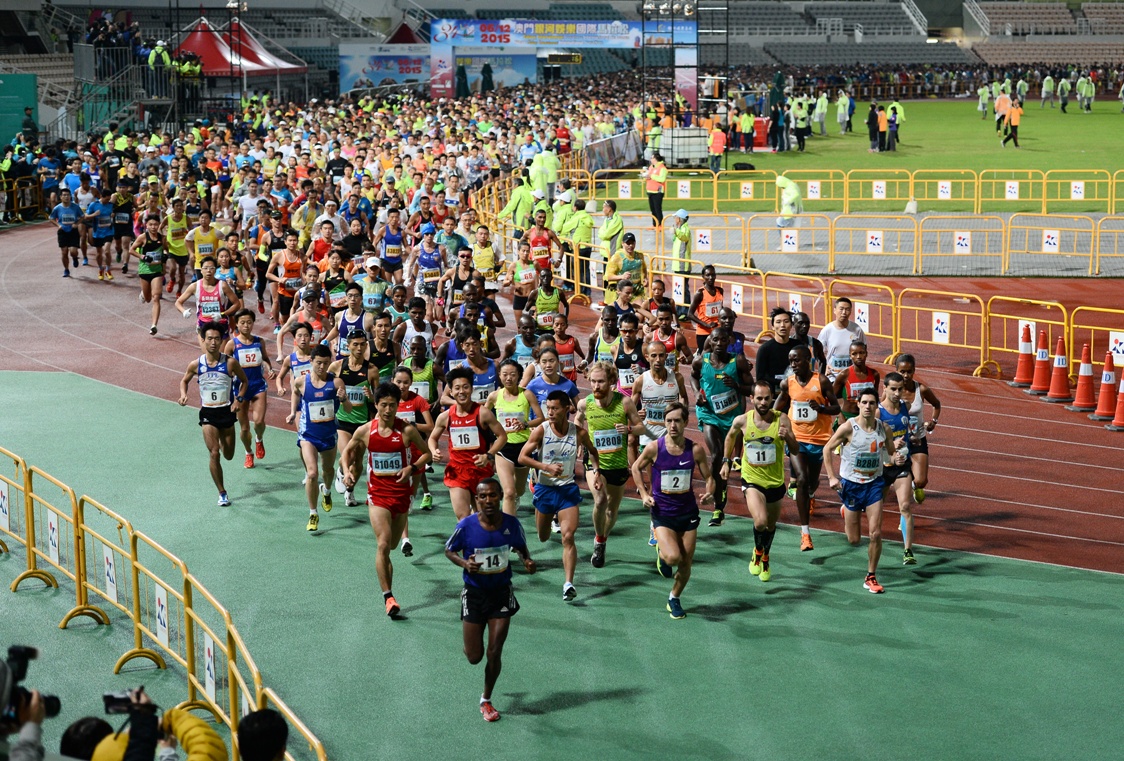
The race started at the Olympic Sports Centre Stadium in Taipa and, for the first time, ran through the Hengqin campus of the University of Macau.
The event coincided with the “Parade through Macau, Latin City”, creating synergistic effects between the marathon, local tourism and culture.
“We are offering diversified programs and festive galas to sincerely welcome marathon lovers from different parts of the world,” said Alexis Tam Chon Weng, Secretary for Social Affairs and Culture of the Macau SAR Government.
“This year’s international marathon will integrate more cultural and tourism elements and provide a diversity of choices and wonderful experiences to participants and tourists.
“This not only demonstrates our friendliness and hospitality, but it also reflects the government’s determination to establish Macau as a ‘World Centre of Tourism and Leisure’.”
Global popularity
The Macau International Marathon continues to grow in size, with participants from 50 countries from around the world participating.
“The number of this year’s marathon runners has reached its new heights and this historical sport of long-distance running has been gaining more and more popularity around the world,” said Alexis Tam Chon Weng, Secretary for Social Affairs and Culture of the Macau SAR Government.
“Marathon, which signifies limits, difficulties and challenges, also stands for endeavour, perseverance and triumph. And all because of the difficulties, people can fully experience the spirits of sportsmanship like righteousness, courage, honour and happiness.”
In 2015, 8,000 athletes from 50 countries and regions participated, up from a quota of 6000 the previous year. The quota for the half marathon was full on the first day of registration while the general marathon was full on the second day of registration. Managing this growth is no small task.
“In order to cater to the needs of the rising number of running lovers, the organising committee has dedicated to create better conditions and overcome difficulties in increasing the registration quota,” said Ma Lao Hang, President of General Association of Athletics of Macau.
“All members from the General Association of Athletics of Macau, race judges and staff are committed to get every aspect of the event well prepared and provide the best conditions for all participants to create remarkable records.”
The Macau Galaxy Entertainment International Marathon is a truly global event, with former winners from Belarus, China, North Korea, Ethiopia, Hong Kong, Italy, Kenya, Poland, Portugal, South Africa, United Kingdom and Zimbabwe.
2015 was a good year for the Ukraine in Macau, with Vitaly Shafar and Olena Shurkhno winning the men’s and women’s general marathon respectively. The total prize money, awarded for the first ten finishing athletes in the different categories, amounts to US$187,000.
“With the number of participants being increased annually, better and better results have been made,” said Ma Lao Hang.
“The Macau International Marathon has always been an annual major event, we will move forward with all the participants to continue the long history of the Macau International Marathon and create legends for the sport development of Macau.”
-
FIFA explains ban for Qatar and Russia bid inspector
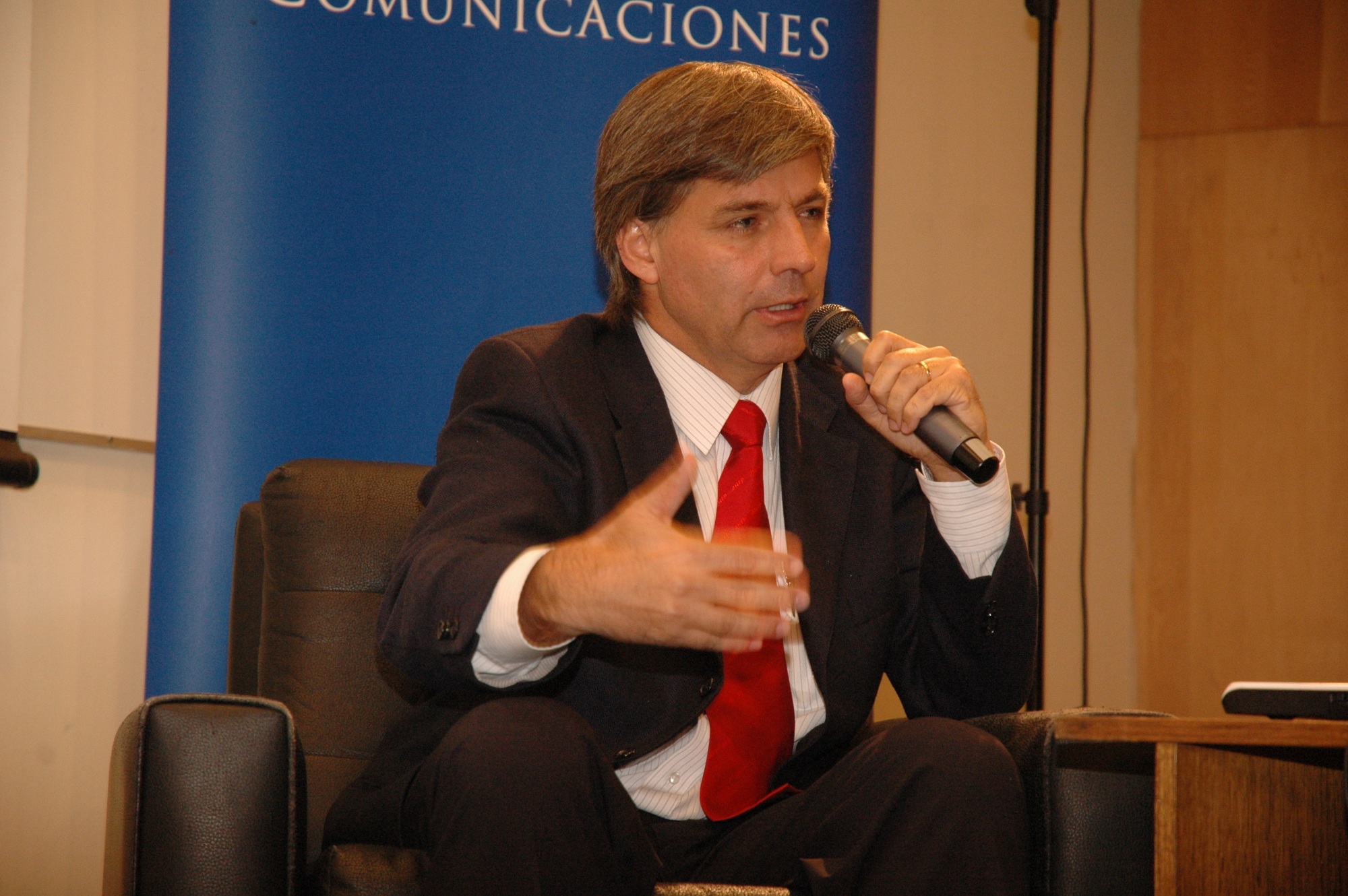
Harold Mayne-Nicholls, who chaired the FIFA Bid Evaluation Group for World Cups in 2018 and 2022, was on Thursday notified by the adjudicatory chamber of FIFA’s independent Ethics Committee of the reasons for his seven-year ban.
The adjudicatory chamber, chaired by Mr Hans-Joachim Eckert, had banned Mayne-Nicholls from taking part in any kind of national and international football-related activity (administrative, sports or any other) for a period of seven years.
The FIFA-led investigation found Mayne-Nicholls guilty of infringing article 13 (General rules of conduct), article 15 (Loyalty), article 19 (Conflicts of interest) and article 20 (Offering and accepting gifts and other benefits) of the FIFA Code of Ethics (FCE).
The adjudicatory chamber described the violation of article 20 as “the most serious breach committed by the official”, contravening a provision that aims at “guaranteeing that the requirement for FIFA – and its bodies and officials – to behave with integrity and neutrality is upheld at all times”.
“Mr Mayne-Nicholls, in his capacity as chairman of the FIFA Bid Evaluation Group for the World Cups in 2018 and 2022, had a special obligation with regard to the integrity and neutrality of his work,” the adjudicatory chamber said.
“Confidence in the work of the Bid Evaluation Group was especially crucial in order for it to properly exercise its powers and duties. After having taken part in an inspection visit to one of the Bid Committees in September 2010, Mr Mayne-Nicholls, at his own initiative, repeatedly asked for personal favours related to the hosting and training of his relatives (a son, nephew and brother-in-law) at an institution linked with that Bid Committee.
“Not only were these requests of a private nature, but they were made only a few days after the visit to the Bid Committee, during the time the Bid Evaluation Group of which Mr Mayne-Nicholls was the chairman was still exercising its duties and prior to the election of the hosts for the 2018 and 2022 FIFA World Cups.
“By making the requests, Mr Mayne-Nicholls did not act in FIFA’s interests and ignored his responsibility as a high-ranking FIFA official, someone who was expected to act with utmost neutrality and integrity, in order to pursue his own personal interests.”
Mayne-Nicholls now has the option to lodge an appeal with the FIFA Appeal Committee.
-
IOC’s Gilbert Felli to speak at AGES 2016 event
A number of high profile figures have confirmed to speak at the Association of Global Event Management (AGES) 2016 annual event, which takes place in St. Augustine, Florida, USA on 29 February and 1 March.
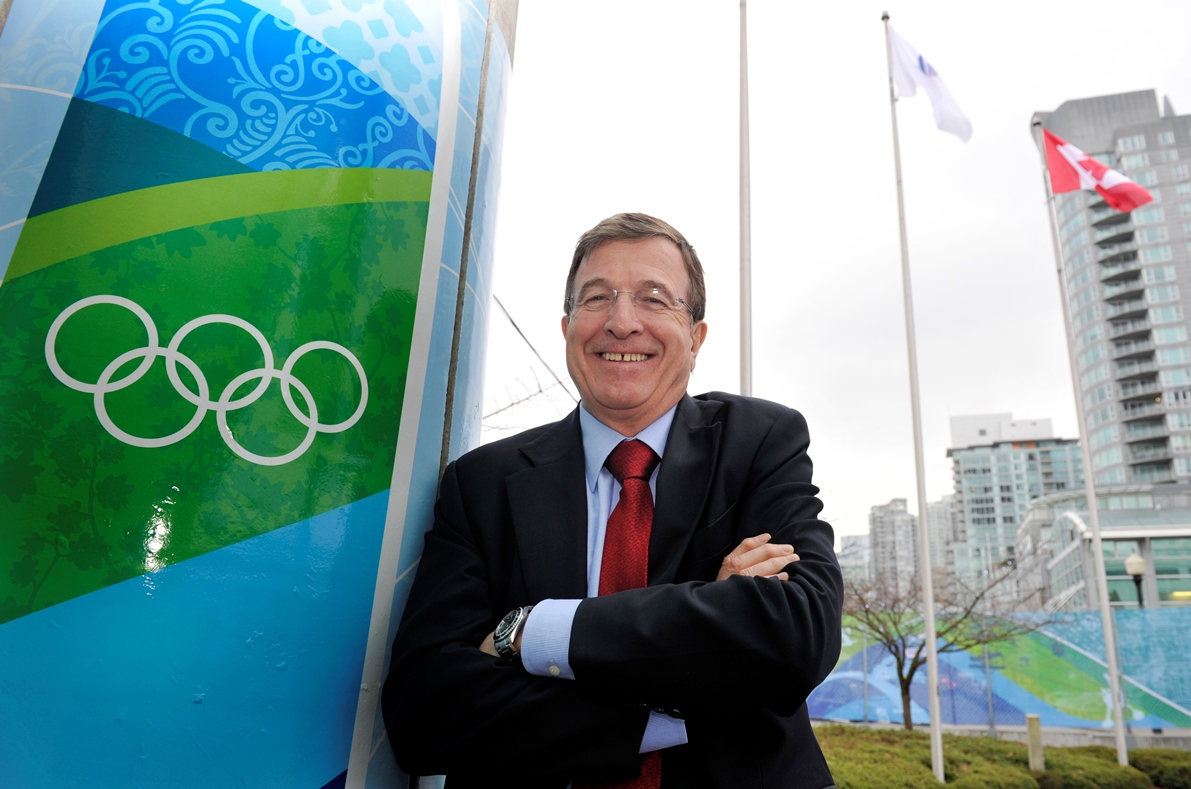
Internationally recognised figures speaking at the conference on day one of the event include: Gilbert Felli, IOC’s Senior Olympic Games Advisor;
Jerry Anderson, founder and Senior Principal of Populous; John Baker, VP Games Overlay and Broadcast Integration, Toronto 2015, José Quiñones González, President of the Peruvian Olympic Committee and Member of the board COPAL 2019 (Pan Am and ParaPan Am Games 2019, Lima) and Patrick D. Sandusky, Chief External Affairs Officer, United States Olympic Committee.
AGES has also announced that former Olympic Games Executive Director Gilbert Felli is now an Honorary Member of AGES.
According to AGES, a large majority of its members, associate members and partners have confirmed their presence at our event.
AGES also announced that its membership is growing, with two new members joining recently: Pro Construction, a market leader in Poland and that delivers event infrastructure works at international level, and Unitec Systems, a leading event supplier in Korea specialising in seating.
The AGES 2016 event is hosted by CAT ES, an AGES member and leading supplier of temporary power.
The second day of the event will include presentations from AGES partners EY and SOS Global, as well as working group activities.
One working group is developing a state-of-the art contract template for the delivery of overlay works while another is elaborating a table showing temporary import and export provisions for all major large events until 2020.
AGES members ES Global, GL events, Nüssli and MTD have delegated experts to these working groups. AGES says it will focus on finding suitable industry partners in the area of technology and sustainability in 2016.
For more information visit www.ages.international -
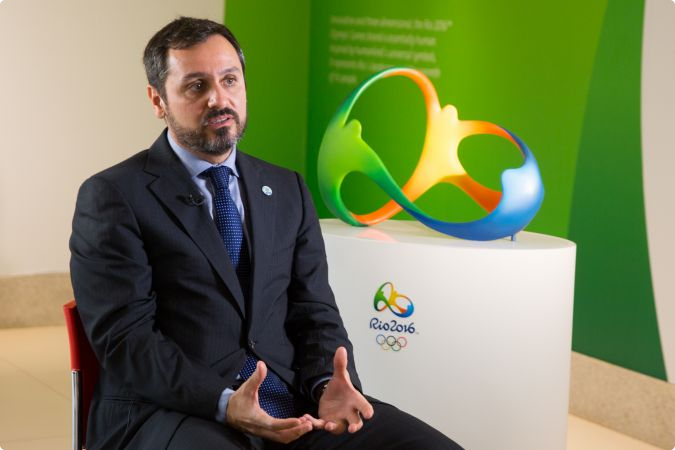
“Brazil is prepared,” promises Rio 2016 security chief
The challenges for guaranteeing safety at the Rio 2016 Olympic and Paralympic Games, the biggest sporting event on the planet, are plentiful, with around 15,000 athletes representing 206 countries and the majority of action concentrated in just one city.
However, certain aspects receive special attention from the Brazilian Federal Government, as revealed by Andrei Rodrigues, special safety secretary at the Ministry for Justice for major events.
“We have implemented the Integrated Anti-Terrorism Centre, a specific body of police, law enforcement and intelligence, to increase the exchange of information, training and knowledge,” he told rio2016.com. “Police from several countries are working with us, mutual cooperation between countries is vital.”
In 2015, Brazil sent around 100 police officers abroad to learn about the best practices at large international events, including the Boston and Berlin marathons, the IAAF World Athletics Championships in Beijing, the Baku 2015 European Games, the Tour de France and the UN General Assembly.
“We’re going to bring 10,000 officers from the National Force to Rio. And we’ll have almost 5,000 federal police officers from other parts of Brazil,” he said.
Rodrigues is in charge of a body of over 47,000 Brazilian security professionals who will work intensely during August and September. Added to this will be 38,000 members of the armed services, meaning the security operations around the Rio 2016 Games will be the largest in Brazilian history. Thus, Rodrigues maintains full confidence in Rio de Janeiro remaining free from terrorist attacks.
“Brazil is prepared. We have hosted a series of events which have not taken place in any other place, which has allowed us to advance and progress with each step taken”
The vision of the Brazilian Government also involves efforts to make Rio de Janeiro safer as a whole, not only the areas surrounding the Olympic venues. “We cannot think about staging the Games if the city as a whole isn’t safe,” said Rodrigues. “A very large effort is underway to maintain safety on a daily basis.”
With attention focused on Rio de Janeiro, the government promises to be attentive to security in other cities and regions (and not only the football co-host cities).
“There will probably be an increase in tourism in other places. The Games will signify reinforcement in security, wherever that may be,” Rodrigues said.
Source: rio2016.com
-
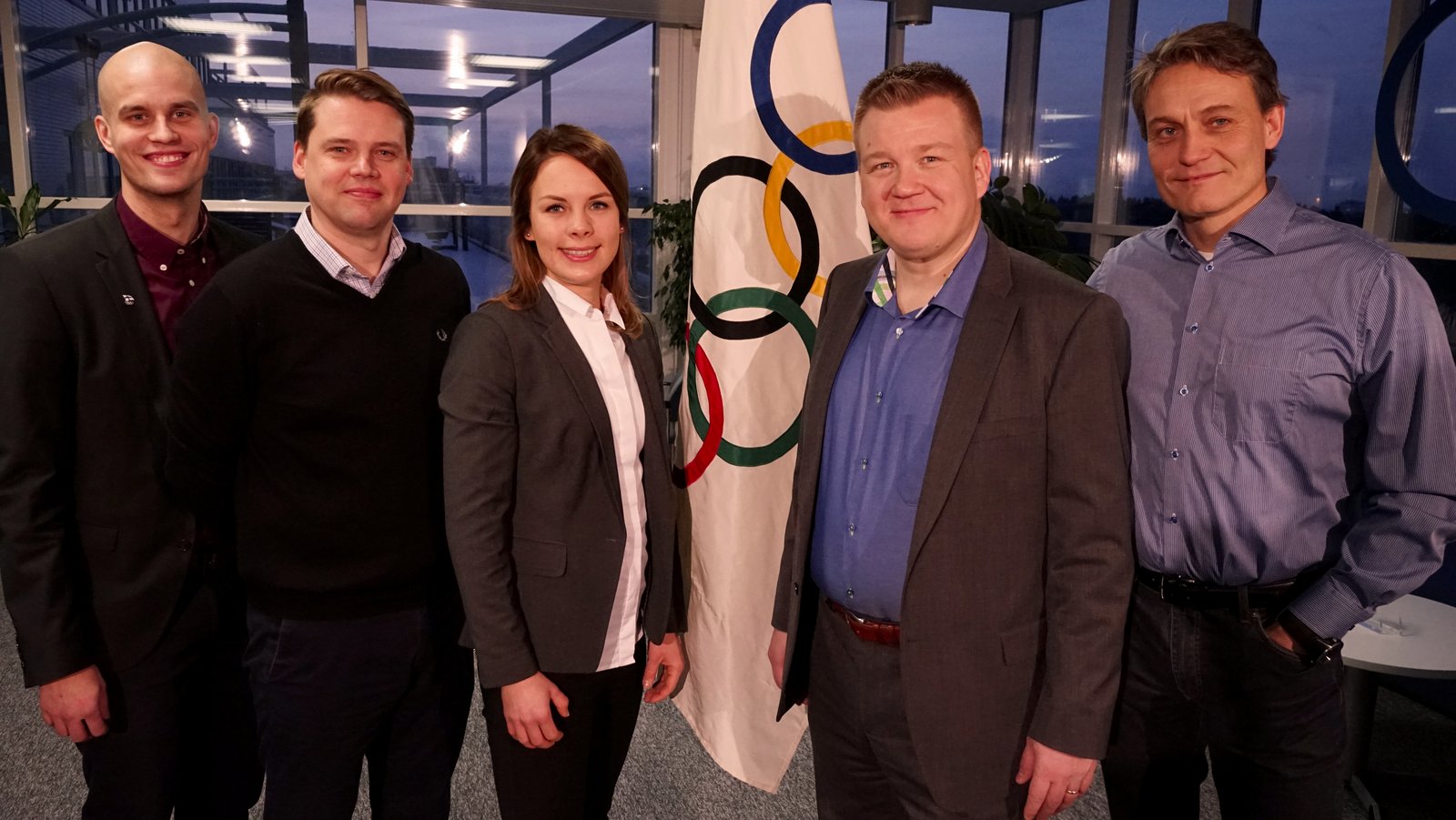
Atos signs contract with Finnish Olympic Committee
Atos, the Worldwide IT Partner of the Olympic Games since 1989, has signed a contract with the Finnish Olympic Committee (FOC) that includes IT services, sponsorship of local triathlete and joint marketing initiatives until 2018.
The Olympic Games is one of the world’s biggest IT-projects, its scope bringing special challenges to IT management systems and infrastructure. Atos has been a key technology provider for the Olympic Movement since 1989, when it provided services to the Barcelona 1992 Organising Committee, and is now delivering IT for the upcoming Rio 2016 and PyeongChang 2018 Olympic Games.
“It’s great to see how the international player Atos implements the IT during the Olympic Games in Rio. We will utilize this know-how also in Finland in our own IT-projects of the Finnish Olympic team,” said Ville Köngäs, Client Manager at the Finnish Olympic Committee.
“We pursue to reach a point where our own performance in IT-related issues will raise into a totally new level enabled by Atos.”
As part of the cooperation, audiences will be able to follow the sporting life and competition preparations of ITU Long Distance Triathlon World Championship silver-medalist Kaisa Lehtonen through social media channels. She will also participate in the upcoming Olympic events.
“It is great to be part of the cooperation with the Finnish Olympic Committee and Atos,” said Lehoten.
“Through the cooperation I can see from a vantage point the big role technology has also on our athletes’ work; and on the other hand let people follow my daily life as an athlete.
“The cooperation enables me to prepare determinedly to the upcoming competitions and helps me on my way to be part of the ultimate top of the world athletes.”
Atos provides consulting & systems integration services, managed services & BPO, cloud operations, big data & cyber-security solutions, as well as transactional services through Worldline, the European leader in the payments and transactional services industry.
The Group works with clients across a number of other business sectors including defence, financial services, health, manufacturing, media, utilities, public sector, retail, telecommunications and transportation.
Harri Saikkonen, Managing Director of Atos in Finland said “It is fantastic to start a local cooperation with the Finnish Olympic Committee. Being successful in sports and business has many common elements. Gold-medal achievements and succeeding in international arenas requires from companies an unconditional work ethic, at the same level as top athletes when preparing for competitions.
“Like FOC fosters the blue-and-white performance of the athletes, we at Atos commit ourselves to empower the performance of Finnish companies into internationally -
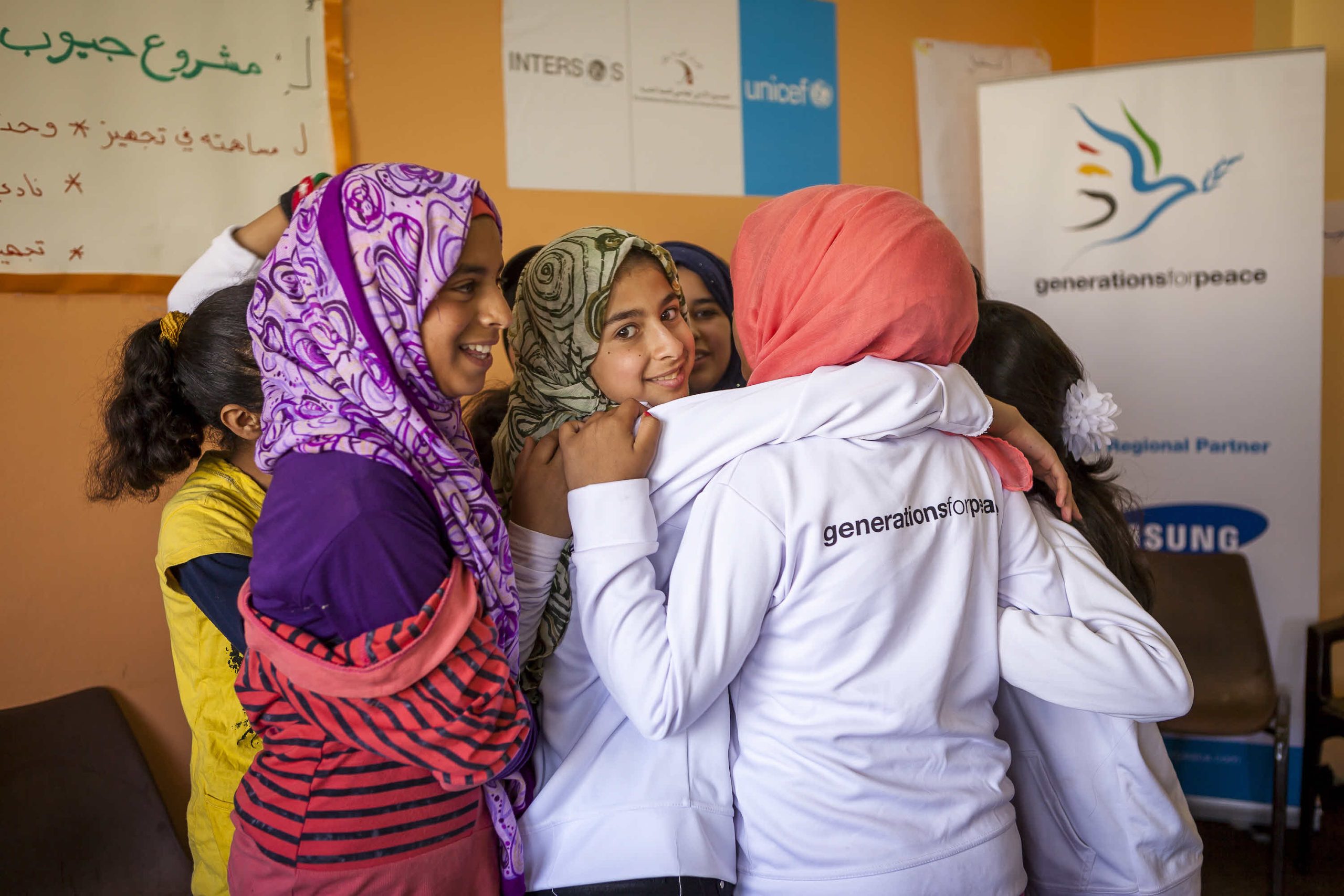
UNICEF boosts Generations For Peace refugee host programme
Generations For Peace (GFP) has been awarded additional funding from UNICEF to expand a successful programme engaging volunteer youth leaders to strengthen social cohesion and resilience, and reduce the potential for violence in refugee host communities.
The programme has seen impressive positive impact in 10 communities over the last year. Building on this success, UNICEF is increasing its support, to expand the programme to 16 communities in 2016. To power the expansion, from 9-14 January, 80 Jordanian and Syrian youth leaders completed six days of intensive training, gaining the capacity and confidence to assess local conflict issues, identify a target group, and design, organize, run, and sustain an ongoing series of activities with youth in their communities.
The youth leaders work in Community Development Centres run by the JOHUD, and Youth Centres run by the Higher Council for Youth, in Ajloun, Amman, Irbid, Karak and Mafraq. The Generations For Peace training helps to empower youth leaders as peer educators, as they learn to design and facilitate activities using a unique conflict transformation curriculum. Following the training this month, Generations For Peace will continue to mentor and support the youth leaders as they organize weekly sessions for youth in their communities. A total of 22 weekly sessions helps to ensure that long-term behaviour change and conflict transformation impacts are secured. To expand the positive impact still further, the youth participants and trained volunteers will also design and conduct local community social cohesion initiatives, reaching an even wider audience with what they have learned.
HRH Prince Feisal Al Hussein of Jordan, Founder and Chairman of Generations For Peace, thanked UNICEF, noting: “We are grateful for the support of UNICEF and others who see the positive impacts of our work and are helping us to build on our strengths and successes to benefit the most vulnerable communities in Jordan. Our programmes over the past few years have demonstrated the effectiveness of empowering Jordanian and Syrian youth to lead activities in their own communities to break down stereotypes and barriers, build strong friendships with one another, and manage conflicts without violence.”
Robert Jenkins, UNICEF Country Representative for Jordan, said: “UNICEF is proud to increase our support to the ongoing work of Generations For Peace in improving the lives of children and youth affected by the Syrian refugee crisis in Jordan. In Jordanian communities hosting large numbers of Syrian refugees, youth-led activities that strengthen social cohesion and resilience are critical to ensuring youth can successfully participate and engage in society, and draw upon support networks when facing extreme challenges.”
Omar Alharaki, a volunteer who participated in the training, said: “I have to be an active member in this community; whatever I can offer, I will offer. We have to make sure that our community is a safe place, and this is why I volunteer. I also volunteer so I that can contribute to building a socially conscious generation. Even if we go back to Syria, we will have concepts and principles to take with us, and we will work hard to pass them on from generation to generation.”
Since the conflict in Syria began, more than 633,000 Syrians have registered as refugees in neighbouring Jordan (UNHCR 2015), 52% of whom are youth under the age of 18, and with 82% residing in host communities rather than refugee camps.
The work of Generations For Peace towards improving social cohesion among Jordanian and Syrian youth in host communities is also supported by the Norwegian Ministry of Foreign Affairs, the Inti Raymi Fund, Samsung, Orange, and DHL.
Source: Generations For Peace
-
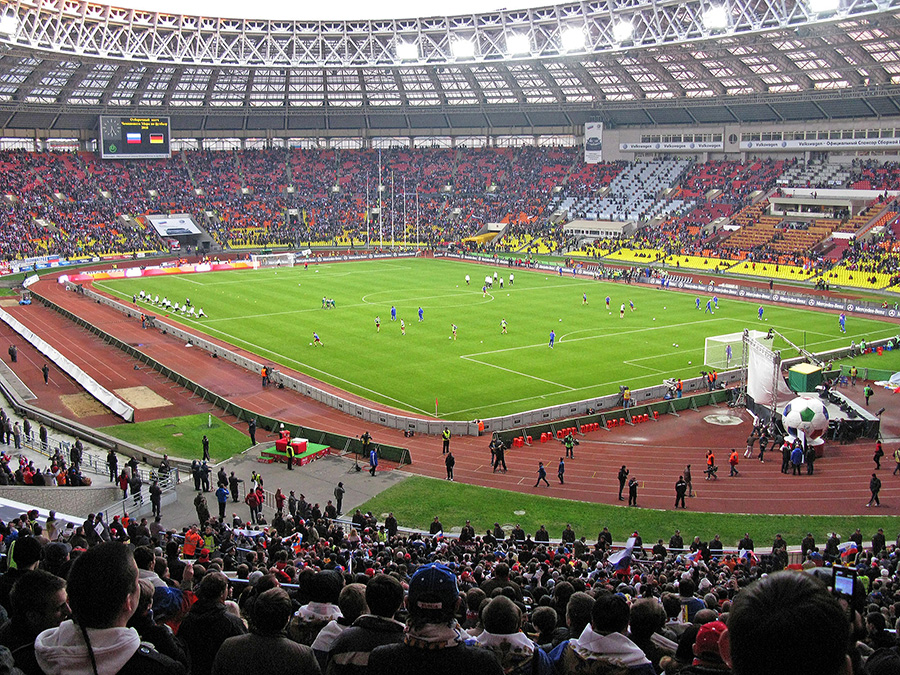
2018 World Cup breaks new ground with SIS Pitches reinforced turf
The FIFA World Cup final will be played on a surface incorporating artificial grass for the first time ever, after Russia 2018 organisers selected an innovative surface called SISGRASS from SIS Pitches.
A surface of 95 per cent natural grass impregnated with more than 150 miles of specially developed synthetic yarn will be installed at Moscow’s historic Luzhniki Stadium.
The pitch is scheduled to be ready in time for the Confederations Cup in May 2017.
SIS Pitches said its SISGRASS surface offers a safer, softer surface that protects players from injury, but with three times the playing time of natural grass alone.
“It’s the first time a World Cup final has been played on anything but all-natural grass and it’s like a dream for us as a company and a community,” said SIS CEO George Mullan.
“We have come so far to get this system to the pinnacle of world sport.”
The patented system was created after SIS Pitches approached Dutch engineers to design a ‘giant sewing machine on tracks’. This machine crawls across a pitch, implanting, or ‘stitching’, more than 240 million precise lengths of two-tone green synthetic yarn 180mm deep into the sub-surface.
“We didn’t want to simply improve on existing machinery. We chose a challenge to create the perfect hybrid pitch of natural and synthetic grass and start from scratch,” said Mr Mullan.
“It strengthens the structure of the natural grass, making it stronger and more resistant to damage which means more games can be played on a pitch. It also drains more effectively. For a busy tournament like the World Cup it is perfect.
“At the same time it is player-friendly. Our polyethylene construction actually gives it a softer feel, with more consistency and greater traction than natural grass alone. That reduces injury risk and the bounce and roll is always even, so the players love all these features,” adds Mr Mullan.
SIS Pitches says the durable surface is also visually indistinguishable from natural grass.
“TV Companies also love it because the surface stays looking beautiful at all times,” said Ilyas Kobal, SIS division managing director.
“It was a long tender process but in the end our advantages meant even the local Russian companies could not match us.”
SIS Pitches had to convince the FA, FIFA and a host of international testing bodies that its new system worked better than alternatives. This involved stringent accelerated wear trials by rigorous independent testing consultants STRI.
In these trials the new surface beat unreinforced grass for damage resistance, traction, grass cover and sheer strength, SIS said, claiming that the surface can be used three times longer in all weathers without damage and can be laid in just one week.
Construction work to transform Luzhniki Stadium is underway, due for completion in early 2017. A system of undersoil aeration, drainage, irrigation and heating is being installed to allow the pitch to be used all year. A custom designed rootzone will be laid, stitched with yarn and then seeded to be ready in time for the Confederations Cup.
During the 2018 World Cup the stadium will host the opening and final matches. SIS Pitches has also signed a two-year deal to maintain the pitch after the World Cup, when Luzhniki will be the home of the Russian national team.
Since its launch in summer 2015, SISGRASS has also been selected for Chelsea, Besiktas, Hull City FC and the English FA’s centre of excellence at St. George’s Park.
-
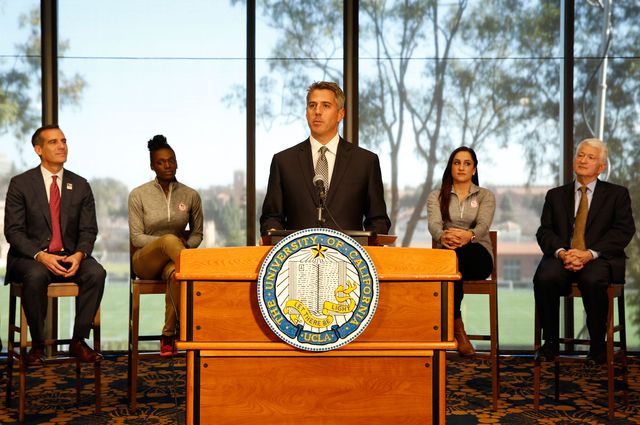
LA2024 selects UCLA for sustainable Olympic Village
Los Angeles’ bid committee for the 2024 Olympic Games has selected UCLA (University of California, Los Angeles) halls of residence as the proposed site of the Olympic Village.
The Media Village would be housed at the University of Southern California (USC), in the event of Los Angeles winning the bid to host the 2024 Olympic Games.
“LA 2024 is first and foremost focused on the athletes and when we looked across the city at possible accommodations options, it became clear that we can offer the best personalized experience for athletes and other participants through existing facilities at UCLA and USC,” said Gene Sykes, CEO of LA 2024.
“With these excellent residences at USC and UCLA, LA 2024 has developed an innovative Games Plan that aligns closely with Olympic Agenda 2020’s sustainability and fiscal discipline goals.”
Building and finding suitable legacy use for athletes’ villages is a challenge for the organisers of mega sports events.
LA 2024 had previously planned to build a new village for the Games, but with projected costs rising in excess of US$1bn the bid committee has proposed a more sustainable solution.
“We have carefully chosen facilities that are sustainable, fiscally responsible and athlete-friendly,” said Los Angeles Mayor Eric Garcetti.
UCLA will house all eligible athletes and team officials at its residential facilities. All of these facilities are either newly built or recently renovated and incorporate modern design, spacious layouts, social gathering places, and the latest technology and conveniences.
The Olympic Village offers world-class training centres on site, allowing athletes the convenience of training for their events without having to travel outside the Village. The Village already includes the Drake Stadium, a 400-meter track and field venue. Other facilities will include an Olympic-size swimming and diving pools, gym, tennis, basketball, beach volleyball and other recreation and training facilities.
“UCLA’s played a special and unforgettable part in my sporting career. It has always provided me with an environment in which to excel, and now I’m training for Rio 2016 at UCLA’s facilities,” said Dawn Harper-Nelson, Beijing 2008 Olympic gold and London 2012 Olympic silver medalist hurdler and UCLA graduate.
“I have experienced both UCLA’s residences and two Olympic Villages, and UCLA measures up perfectly. I am delighted that athletes from across the world will have the opportunity to experience the university’s best-in-class facilities if LA is selected as host city.”
Members of the media, officials and other stakeholders will be housed at USC, which offers newly renovated accommodations located around its Collegiate Gothic-style campus. USC is constructing a new 15-acre residential and retail village, which will house 2,700, and offers a grocery, drugstore, fitness centre, restaurants and retail stores.
USC’s campus and the new USC Media Village are located in the heart of the Downtown Games Cluster, within walking distance to events held at the Los Angeles Memorial Coliseum, USC Galen Center, Staples Center, Microsoft Theater and the renovated Convention Center.
“As a USC alum, I’m proud that the media, officials and other supporters of the athletes will have the opportunity to call USC’s world-class campus home during the Games,” said Janet Evans, LA 2024 Vice Chair and Director of Athlete Relations.
“USC is already home to thousands of international students and offers housing of the highest possible quality. The proximity of this housing to LA’s sporting venues will transform the media’s Games-time experience, ensuring optimum living and working conditions.” -
Commonwealth Games partners with ICSS to promote good governance
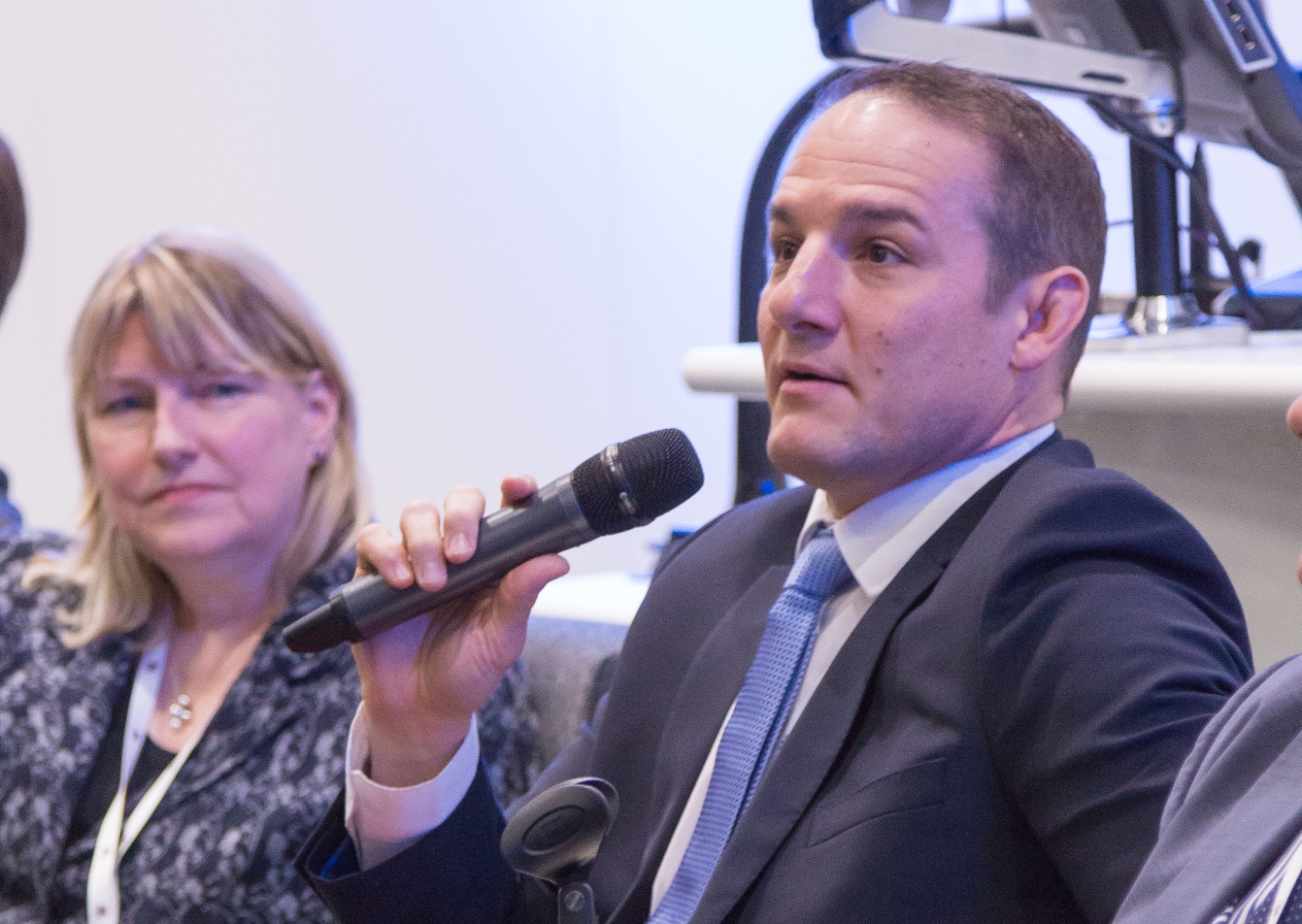
With sports bodies under mounting pressure to show good governance, the Commonwealth Games Federation (CGF) is working with International Centre for Sport Security Europe (ICSS EUROPE) in a new partnership to help promote the highest standards of good governance, transparency and integrity in sport.
The CGF will also work with ICSS EUROPE as it looks to help encourage the development of a global independent, neutral, multi-stakeholder integrity alliance for sport.
“As a values-driven movement connecting athletes and communities across the Commonwealth, we are proud to be a leading voice in the drive to protect, promote and safeguard sport and look forward to a successful collaboration with ICSS EUROPE and its partners,” said David Grevemberg CBE, Chief Executive of the Commonwealth Games Federation.
“Good governance and strategic partnerships are key pillars of Transformation 2022, and today’s announcement amplifies our responsibility and commitment to use Commonwealth sport to build peaceful, sustainable and prosperous communities globally.”
Athletics is one of the most popular sports at the Commonwealth Games but it is currently battling with mounting evidence of widespread organised doping.
“The mounting and complex challenges to the integrity of sport are more apparent than ever,” said Mohammed Hanzab, Founder and President of the ICSS.
“On behalf of the ICSS, I would like to thank the Commonwealth Games Federation for its commitment to safeguarding sport and look forward to advancing efforts with them to address the very real challenges sport now faces to its integrity and credibility.”
The agreement was signed at a reception in the UK House of Commons with key stakeholders from sport, business and government.
“Recent events have shown that there is a real and urgent need for a new approach to the integrity and governance of sport. What is also clear is that this new approach must be credible, coordinated, holistic and global.” said Dr Emanuel Macedo de Medeiros, CEO of ICSS EUROPE.
“This agreement with the Commonwealth Games Federation demonstrates a growing momentum developing across a range of sectors to protect and safeguard sport integrity. It also represents a unique opportunity for ICSS EUROPE and CGF to make a real difference to sport across the Commonwealth, as well as advance ongoing discussions with key stakeholders about establishing an independent sport integrity global alliance.”
ICSS EUROPE will also independently audit the CGF’s governance model and assist with the development of a code of conduct on sports betting and integrity to maintain the Commonwealth Games body’s position as a global leader in the field of sports policy, governance and integrity.