Four candidates have been shortlisted from nine cities bidding to host the UK’s first Great Exhibition of the North in 2018.
The shortlisted bids from Blackpool, Bradford, Newcastle-Gateshead and Sheffield will be assessed by the Great Exhibition board before a final selection is made by government ministers, with the host city to be announced in the autumn.
The government is contributing GB£5m towards the exhibition and a further GB£15 million into a legacy fund to attract further cultural investment in the North.
Despite the change of government leadership since British voters narrowly elected to leave the European Union, the UK government is fully committed to the Great Exhibition of the North.
“The exhibition, which will run for at least two months, will showcase the great creative, cultural and design sectors across the whole of the North, and boost investment and tourism in the region,” said Matt Hancock, Minister of State for Digital and Culture.
“The Great Exhibition of the North is a unique opportunity to celebrate the creativity of Northern England and I am thrilled we received so many innovative bids.
“British arts and culture are among the finest in the world. I am determined we democratise the arts and celebrate the best in every part of our nation.
“What’s more, cultural investment can bring enormous benefits for communities – it drives regeneration, promotes tourism and increases life chances.
“The shortlisted bids show just what’s on offer and highlight that we have brilliant options for hosting the Great Exhibition of the North. Whichever is successful, this exhibition will leave an important legacy to benefit the whole country.”
The shortlist includes two Yorkshire cities, Bradford and Sheffield, as well as the Lancashire resort of Blackpool and Newcastle-Gateshead in the North East.
The destinations that did not make the shortlist were Halifax (West Yorkshire), Harrogate (North Yorkshire), Scunthorpe (Lincolnshire), St Helens (Lancashire) and Whitehaven (Cumbria).
“The quality of all nine submissions was incredibly strong and I’d like to congratulate the four towns and cities who have made it through to the final shortlist,” said Sir Gary Verity, Chair of the Great Exhibition of the North Board and Chief Executive of Welcome to Yorkshire.
“I and the Great Exhibition Board are very much looking forward to meeting the teams behind the four shortlisted bids to hear their exciting proposals in person. This is an incredible opportunity to really showcase the creativity and culture we have here in the North and I know whoever wins will thoroughly embrace that vision.
“The Department for Culture, Media and Sport will work with the bidders who were not shortlisted to ensure as many people enjoy and benefit from the exhibition as possible.”
Blog
-
Four cities shortlisted for 2018 Great Exhibition of the North
-
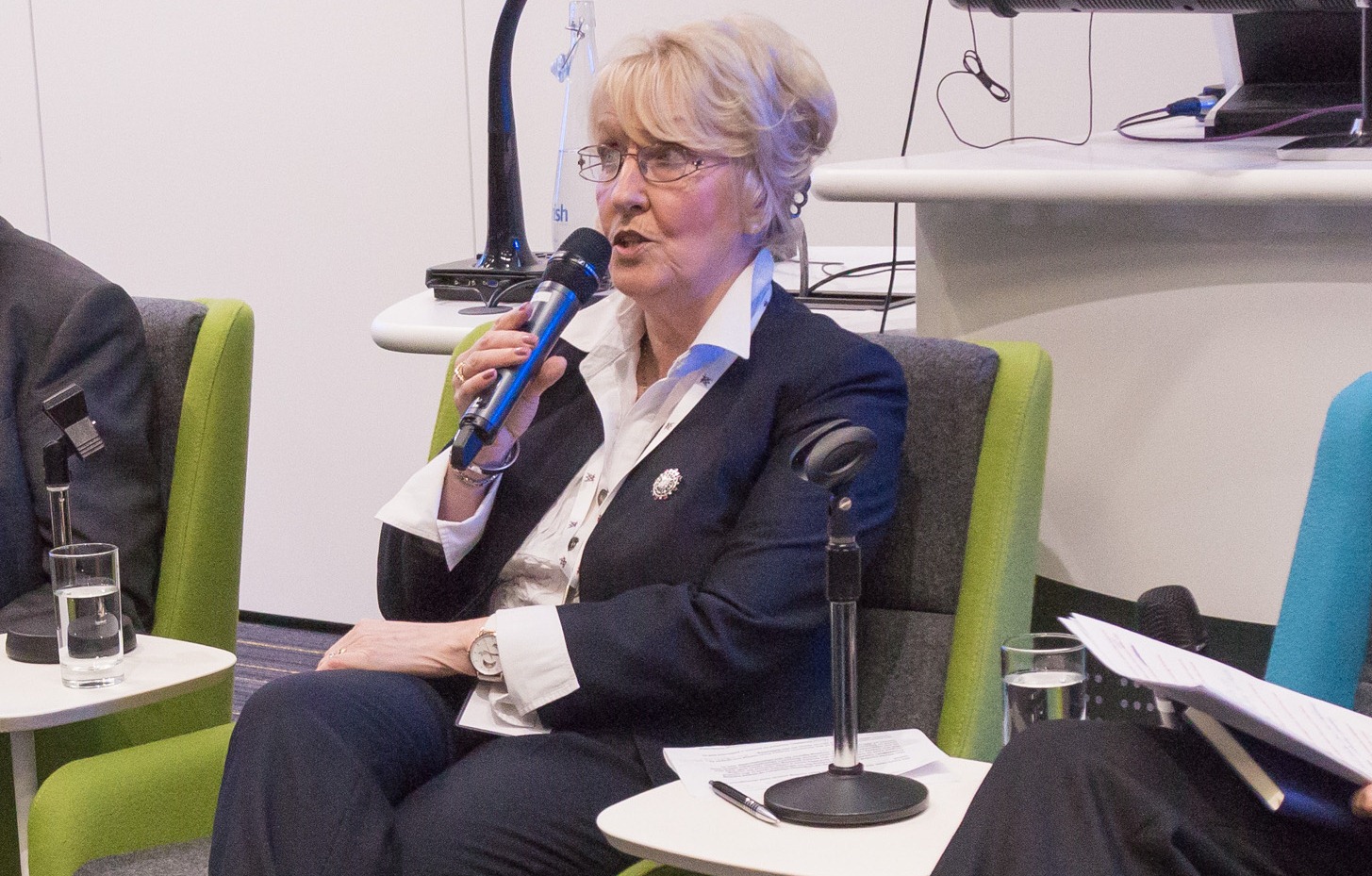
New Sportaccord Council appointed In Lausanne
The SportAccord Council met by tele-conference on Wednesday, 27 July 2016. The meeting was chaired by newly elected President, Mr. Patrick Baumann and confirmed the appointment of new Members to the SportAccord Council as proposed by its stakeholders:
– Mr. P. Baumann, FIBA Secretary General, (ASOIF)
– Ms. K. Caithness, WCF President, (AIOWF)
– Ms. M. Casado, ITU President, (ASOIF)
– Mr. R. Chiulli, UIM President (ARISF)
– Mr. S. Fox, IFMA Secretary General (AIMS)
– Mr. R. Fraccari, WBSC President (ARISF)
– Mr. G.F. Kasper, FIS President, (AIOWF)
– Mr. N. Lalovic, UWW President, (ASOIF)
– Mr. J. Perurena, IWGA President, (Associate Members)
The new SportAccord Council addressed the distribution of responsibilities within the Council and elected Mr. Raffaele Chiulli and Mr. Stephan Fox as Vice Presidents and Ms. Marisol Casado as Treasurer.
Following an internal review carried out during the month of June by SportAccord President, Mr. Patrick Baumann and SportAccord Convention President, Mr. Francesco Ricci Bitti, the Council approved the combining of the Managing Director role for both organisations. As a consequence, the Council appointed the current Managing Director of SportAccord Convention, Mr. Nis Hatt, as Managing Director of SportAccord.
Further, Mr. Philippe Gueisbuhler has been appointed as Head of Administration, overseeing the administration of both SportAccord and SportAccord Convention, and Mr. Michel Filliau as Senior Advisor to the SportAccord President in charge of Membership Relations. Mr. Matteo Vallini continues to lead the Doping-Free Sport Unit (DFSU) within SportAccord.
The SportAccord Council also took the decision to create Working Groups to analyse the feasibility of hosting specialised Multi-Sport Games in the future.
Source: SportAccord Convention -
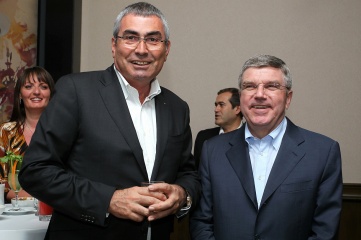
U?ur Erdener and Juan Antonio Samaranch elected IOC Vice Presidents
The International Olympic Committee has elected to change the composition of its Executive Board, promoting Prof. U?ur Erdener and Juan Antonio Samaranch to Vice Presidents.
Three new Executive Board members have been elected in Gian Franco Kasper (SUI), Angela Ruggiero (USA) and Ser Miang Ng (SIN).
The new Vice Presidents U?ur Erdener and Juan Antonio Samaranch now replace Sir Craig Reedie CBE and Nawal El Moutawakel who have served their terms, having made immense contributions to Olympism.
Sir Craig Reedie and U?ur Erdener are both set to speak at Host City 2016 alongside several other key figures from the Olympic Movement and the wider event hosting world.
A Professor of Ophthalmology, U?ur Erdener is the President of the Turkish National Olympic Committee, President of World Archery and Chair of the IOC Medical and Scientific Commission.
“I am honoured to have been elected to the position of IOC Vice President,” said Prof Dr Erdener.
“The principles of Olympism are ever-more relevant in the modern world, and I am committed to supporting the goal of the IOC in building a peaceful and better world through sport.”
Prof Dr Erdener is the second World Archery President to have become an IOC Vice President. Jim Easton served in the role from 2002 to 2006.
Juan Antonio Samaranch is Vice President of the UIPM and Chair of the Board of directors of Olympic Channel Services. His father, of the same name, was IOC President from 1980 to 2001.
The changes to the Executive Board see the departure of René Fasel, Claudia Bokel, Anita Defrantz and Gunilla Lindberg.
Ching-Kuo Wu and Patrick Hickey are resuming their seats as representatives of the Association of Summer Olympic International Federations (ASOIF) and the Association of National Olympic Committees (ANOC) respectively. Also remaining on the Executive Board are Sergey Bubka and Willi Kaltschmitt.
The US ice hockey player Angela Ruggiero replaces outgoing German fencer Claudia Bokel on both the Executive Board and the IOC Athletes’ Commission. She joins the Executive Board at the same time René Fasel, IIHF president, leaves.
“René’s leadership has been inspiring, and I hope I can represent hockey with the same pride now that he is leaving,” she said.
These changes, as well as the election of eight new IOC members, were confirmed at the IOC Executive Board meeting at the outset of the Rio 2016 Olympic Games. The newly composed Executive Board will begin its work after the Games.
-
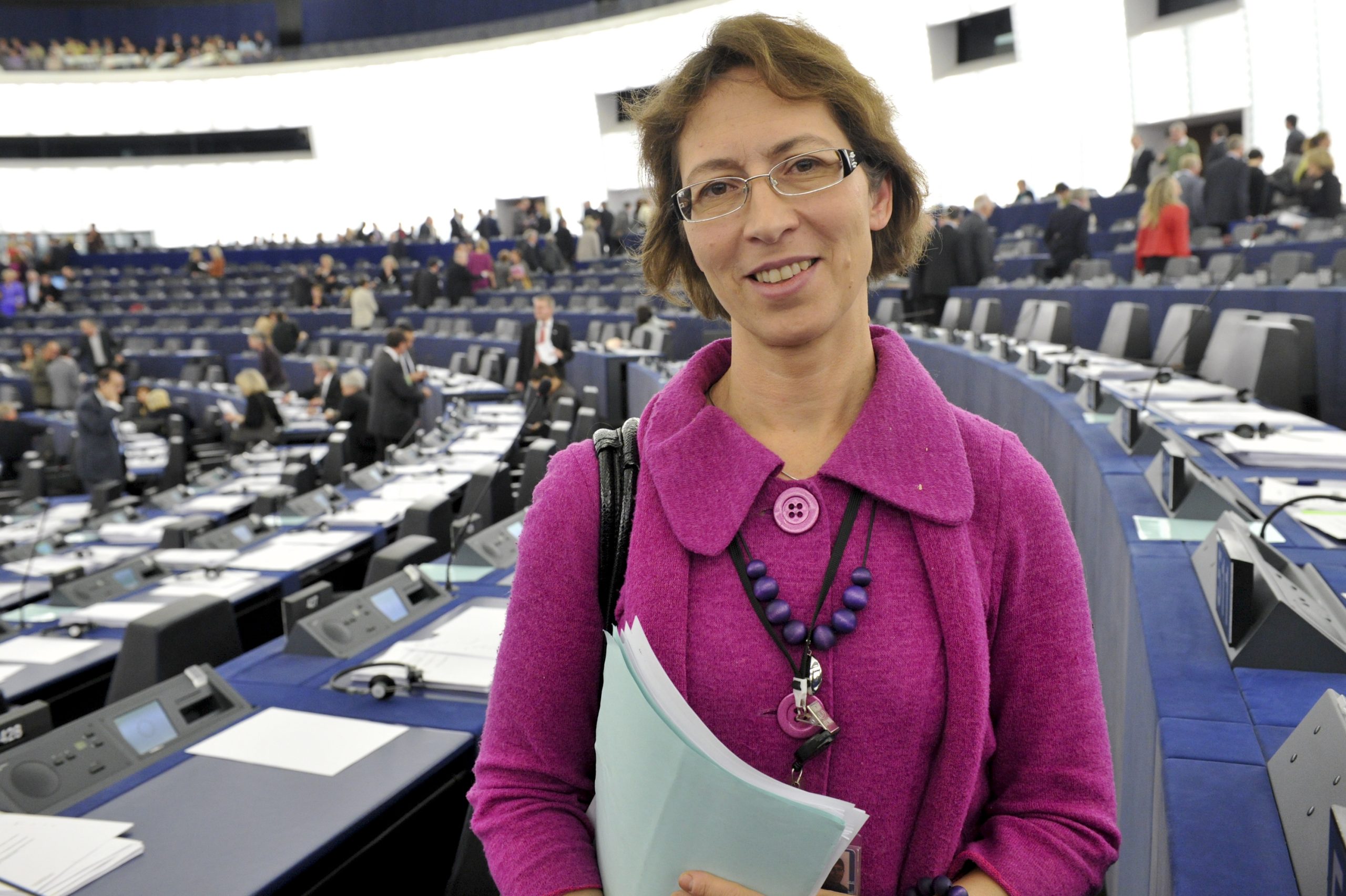
IOC votes in eight new members
At the 129th IOC Session on the eve of the 2016 Olympic Games, eight new members were elected to the International Olympic Committee by its current membership.
The new members, recommended by the IOC Executive Board on the advice of the IOC Members Election Commission, are highly diverse, representing business, politics and sports administration.
Nita Ambani, chair of the Reliance Foundation and owner of the Mumbai Indians cricket team, became the first Indian woman IOC member.
Finland also gained its first woman IOC member in the politician and former race walking champion Sari Essayah.
South African film producer Anant Singh and Colombia’s former ambassador to the U.S Luis Moreno were also elected to the IOC.
Three National Olympic Committee (NOC) leaders were elected, with Austria Olympic committee chief Karl Stoss, Canadian Olympic committee president Tricia Smith and Secretary General of the Papua New Guinea Olympic Committee Auvita Rapilla all taking up membership.
Ivo Ferriani, the Italian president of the International Bobsleigh & Skeleton Federation, was the only representative of an International Federation (IF) elected as a new member. Up to 15 NOCs and 15 IFs can be represented within the IOC membership.
The election brings the total membership to 98. IOC members vote on host cities of future Olympic Games and sports to be included in the Games, as well as providing direction for the Olympic Movement.
As part of the “Agenda 2020” programme of reform of the Olympic Movement initiated by Thomas Bach and approved by IOC members in 2014, the IOC is taking a fresh approach to bringing new members on board, to “move from an application to a targeted recruitment process”.
The IOC Members Election Commission is taking a more proactive role in identifying the right candidates to filling vacancies in order to best fulfil the mission of the IOC.
Under the new procedure, the profile of candidates must now comply with a set of criteria submitted by the Commission to the IOC Executive Board for approval.
These criteria relate to the IOC’s needs, which it identifies as including: “skills and knowledge (e.g. medical expertise, sociological expertise, cultural expertise, political expertise, business expertise, legal expertise, sports management expertise, etc.); geographic balance, as well as a maximum number of representatives from the same country” and “gender balance”.
Agenda 2020 also highlights “the existence of an athletes’ commission within the organisation for representatives of IFs/NOCs.”
The IOC Members Election Commission is chaired by Princess Anne of Great Britain, herself an IOC member. According to Reuters, she identified Moreno, Singh and Ambani as “candidates outside the Olympic and sport community who could usher in a fresh approach and new skills to the organisation”.
-
Arena Group acquires Hong Kong based Ironmonger Marquees
Global event supplier Arena Group has bought Hong Kong based event production company Ironmonger Marquees, to create Arena Hong Kong, extending its Asian capabilities with a new office and hub in Northern Asia.
Ironmonger Marquees was introduced to Arena Group in 2015, when the companies collaborated on the Art Central project in Hong Kong.
Tom Evans, Managing Director of Arena Asia said: “We worked very well together, identifying a shared ethos of giving our clients the best possible event space.
Arena Group acquired Malaysian company Asia Tent International for £3.5m in June 2013.
“Arena Middle East and Asia Tents Arena work hand in glove serving the growing events market in North Asia and identified Ironmonger as an ideal acquisition to help grow the Arena brand in the region,” said Evans.
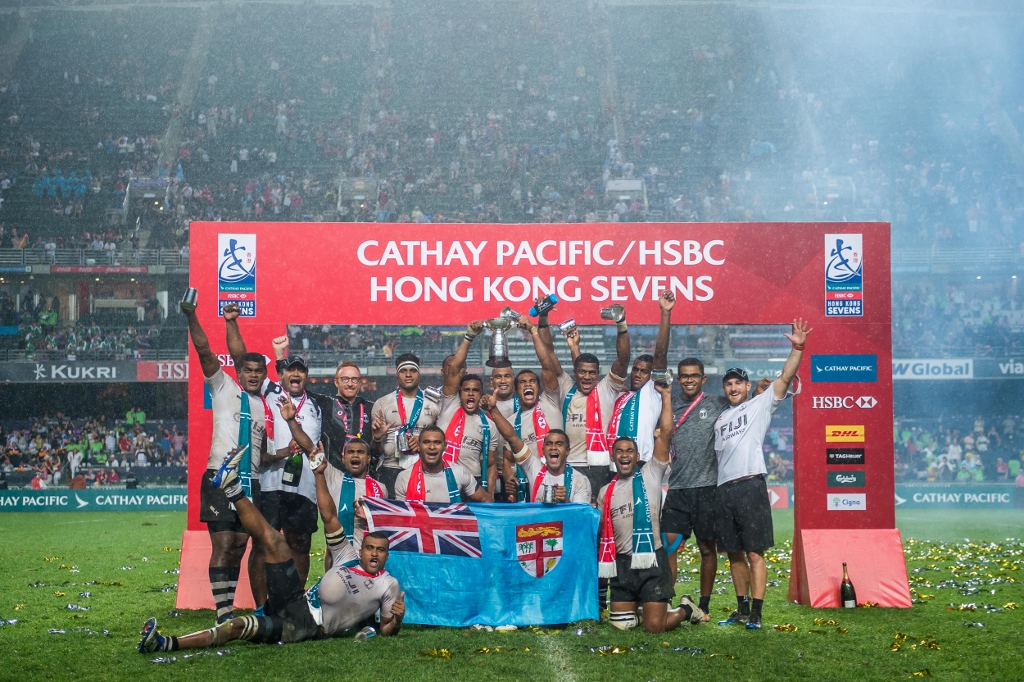
Key Ironmonger Marquee contracts that have been delivered recently include the Cathay Pacific HSBC Hong Kong Sevens, European Tour (HK Golf Open), IMG’s Taste Food Festival and shortly to be delivered by Arena Hong Kong, the new Formula E Grand Prix in Hong Kong.
Rob Derry, Arena Hong Kong Managing Director said: “Arena Group has the expertise that has seen it deliver the finest events in the world, which gives us a huge knowledge and skill base to draw on, coupled with the finest structures inventory in the world, so our Hong Kong clients will see a vast expansion in type and quality of equipment available.”
“The success of the Arena/Ironmonger Marquee collaboration over the past 18 months means that Arena Hong Kong launches as the number one event design and delivery business for major events by market share in Hong Kong. Global brands coming into Hong Kong now have a proven world class delivery partner they can trust to create their event spaces.”
Paul Berger, CEO of Arena Middle East and Asia said: “We are delighted to welcome Rob and the Ironmonger team to the Arena Middle East and Asia division and also to the Arena Group. Hong Kong is an important marketplace for the events industry and strategically very important for Arena Group to have a strong presence. Our focus is to grow our footprint in North Asia, as the region builds up to hosting the Olympic Games in 2020.” -
Inclusion at work: why Adecco supports the Paralympics
How long has the Adecco Group been involved with the IPC/the Paralympics and in what capacity?
“The Adecco Group has been working with the IPC since 2007 through our co-operation on the IPC Athlete Career Programme (IPC ACP) which helps Paralympic athletes achieve life-long success both on and off the field of play. The main goals of the Programme are to support para-athletes during and post their sport careers with careers advice and training, as well as job placement support. In addition, the Programme aims to make the labour market and companies more inclusive for para-athletes and all people with different abilities. The focus on everyone’s abilities will allow companies to access the best employees. The IPC ACP prepares and exposes talented individuals to the world of work, making them thrive on another field of play.”
Why did the Adecco Group want to become a Partner of the IPC Academy Campus’ Inclusion Summit?
“The Adecco Group chose to be a partner to support the success of the IPC Inclusion Summit and increase awareness on the benefits of an inclusive workforce as an extension of our contribution to the IPC ACP. The event will provide a unique platform for the Adecco Group, business leaders, governments, sports and other organisations including members of the Paralympic Movement to discuss inclusion and accessibility during the Paralympic Games – the world’s largest and most inspiring sporting event. The Paralympic Games have great power to drive societal change as we saw with the London Paralympic Games. The special time and setting of the Summit – allowing main stakeholders to meet in Rio – will provide a learning and sharing experience like no other, looking at government policies, workplace standards, social awareness, inclusive best practices and testimonials from Paralympic athletes about their challenges and ability to contribute to an inclusive society.”
Who is speaking on Adecco Group’s behalf during the Inclusion Summit at the Campus and what will they be speaking about?
“Shanthi Flynn, the Adecco Group’s Chief HR Officer, will attend and speak at the IPC Academy Campus’ Inclusion Summit on the topic ‘Testimony of Change’. She will talk about the importance of workplace inclusion for everyone and how a programme such as the IPC ACP can drive and promote needed societal and mind-set change. She will also touch upon the long-standing experience the Adecco Group has in markets such as France, Italy, Spain, Belgium and the US – when it comes to providing everyone who has the will and passion to work with an opportunity to contribute. Inclusiveness is not about charity but about supporting companies be more innovative, creative, productive and attractive for employees. It is about changing perceptions, understanding unconscious bias and stereotypes that are the main barriers currently with regards to labour market inclusion.”
How important is the subject of inclusivity to the Adecco Group from your internal perspective (i.e. within the context of how you recruit and engage with your own employees?)
“Being an inclusive workplace for all has been an important topic for the Adecco Group for many years. Not only has legislation driven progress in many countries, it often can be a critical parameter for change. Personal experience on what it means to have people from all different backgrounds and abilities has been a very enriching experience for us. Moreover, knowing that 1 billion or 15% of the world’s population have some kind of a physical impairment means that someone in your family, a friend, or a friend of a friend could be looking for a career and would want an equal chance to contribute and to get a job. For companies considering all possible candidates, without prejudice but a focus on skills and abilities is the way to go in finding the best candidate for a position. So for every organisation, it is important to be involved and contribute to an inclusive environment.”
What trends are you seeing globally from a HR perspective regarding inclusivity in the workplace? Do you think employers are getting better at embracing inclusivity generally? Is the sports industry better at being inclusive than other industry sectors in your opinion?
“With generations Y and Z entering the workforce, we know that their experiences have made them more socially tolerant, environmentally aware with a focus on businesses’ commitment to sustainability – core criteria in deciding what to buy, who to buy from and of course whom to work for. Therefore, these generations will definitely help to build a more inclusive labour market for everyone. I don’t think we can say that any sector is doing better in terms of inclusiveness. It rather boils down to companies’ leadership, their focus on reputation and their vision about a long-term versus a short-term business strategy, which adds value to society. It is about the creation of shared value for employees, clients, shareholders and any other stakeholders.”
What would be your advice to organisations in any industry looking to improve their inclusivity policies and procedures?
“First and foremost, workplace inclusion has to be endorsed by senior leadership. They must be role models for the company with regular communication to all employees on the importance of an inclusive workforce. In addition, educational measures on the value of an inclusive workforce are key to drive cultural change. Finally, change does not happen overnight, it takes time and needs a plan with a strategic objective and contributions by all. To achieve this objective, measurements and reward systems should be implemented and tracked in the same way as other corporate metrics are.”
This interview was conducted by the World Academy of Sport (WAoS).
About IPC Academy Campus
The IPC Academy Campus will take place in Rio de Janeiro between 6-17 September 2016, giving stakeholders of major sports events the chance to learn from their peers during the Paralympic Games. Delivered by the IPC Academy – the educational division created in 2009 as a partnership between the International Paralympic Committee (IPC) and the World Academy of Sport (WAoS) – the 2016 IPC Academy Campus is a unique event-based learning initiative that will include an Observers’ Programme, Games Experience Programme, Inclusion Summit and Closing Cocktail Reception.
The IPC Academy Campus will take place in Rio de Janeiro between 6-17 September 2016.
Its Event Partners include the Adecco Group and the UK’s Department for International Trade. Its Media Partners are Sportcal (Intelligence Partner), Major Events International (Digest Partner), Around the Rings (Online Partner), Host City (Magazine Partner) and AXS Chat (Social Media Partner).
Adecco Group is the world’s leading workforce solution provider. With more than 32,000 employees and around 5,100 branches, in over 60 countries and territories around the world, the organisation offers a wide variety of HR services, connecting around 700,000 associates with its clients every day. The services the Adecco Group offers fall into the broad categories of temporary staffing, permanent placement, career transition and talent development, as well as outsourcing and consulting. The Adecco Group is based in Zurich-Glattbrugg, Switzerland and is a Fortune Global 500 company listed on the SIX Swiss Exchange.
For further information about the the IPC Academy Campus, please visit www.ipcacademycampus.com or contact Claire Bennett, Project Coordinator, World Academy of Sport cbennett@worldacademysport.com
-
FIFA Secretary General to address Soccerex
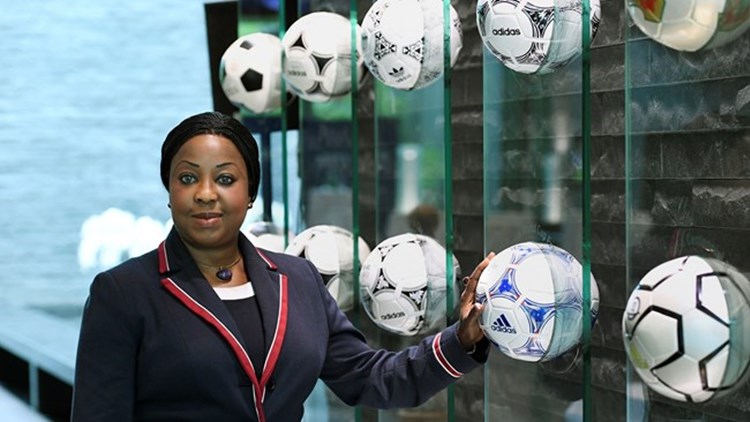
FIFA have confirmed that new Secretary General, Fatma Samoura, will deliver an exclusive keynote address as part of the opening of this year’s Soccerex Global Convention (26 – 28 September, Manchester) to update the football industry on the future plans of FIFA. She will be staying on to present the inaugural FIFA Diversity Awards which will take place at the end of the first day of the Convention.
Her appearance at Soccerex will give the football industry a rare opportunity to hear from one of the new leaders at FIFA and now, one of the highest profile female administrators in global sport.
Ms Samoura, who was appointed to the post at the FIFA Congress in May, is the first female Secretary General in the organisation’s 112 year history. She is a 21-year veteran of United Nations programmes and was, in her last position, the UN’s Resident/Humanitarian Coordinator and UNDP Resident Representative in Nigeria. Commenting at the time FIFA President Gianni Infantino said:
“Fatma is a woman with international experience and vision who has worked on some of the most challenging issues of our time. She has a proven ability to build and lead teams, and improve the way organisations perform. Importantly for FIFA, she also understands that transparency and accountability are at the heart of any well-run and responsible organisation.”
Commenting on her upcoming Soccerex appearance, Ms Samoura said: “I am very excited to attend Soccerex – it is a great platform for football stakeholders and I am looking forward to speaking with delegates about my thoughts and vision for our game and the work we have started at FIFA to ensure football enters a new era of greater transparency and good governance. I am also very excited to present on the occasion of the convention the first FIFA Diversity Award, which will recognise an outstanding organisation, group initiative or personality that is standing up for diversity and anti-discrimination in football.”
Soccerex CEO, Duncan Revie commented: “It is a huge honour to welcome Fatma to this year’s Convention – given her impressive background and her role at FIFA, she is someone our delegates will be fascinated to hear from and her address will undoubtedly be one of the highlights of the event.”
Ms Samoura’s address and the FIFA Diversity Awards are just part of a high level conference agenda at the Global Convention that will feature senior representatives from organisations such as NFL, LaLiga, Facebook, Vauxhall, The Chinese Football Association, Fox Sports, Leicester City and Atletico Madrid tackling a wide range of subjects spanning everything from social media and sponsorship, to stadia technology and how virtual reality is changing football. For more information on the conference programme please go to www.soccerex.com/global.
The three day football business event, which is supported by LaLiga, The English Football League and Serie A, will also feature a market leading international exhibition and a programme of structured and informal networking events.
For more information on Soccerex please visit www.soccerex.com, call +44 (0)20 8987 5522 or email us at enquiry@soccerex.com.
Source: Soccerex
-

Smart Cities: Tackling traffic congestion at the source
It represents perfect recipe for a traffic jam: bring thousands of cars with tens of thousands of spectators converge on a single site at a specific time. This is what happens during major sports events.
Pure science offers a way to ease the pain. Research funded by the European Research Council will underpin next-generation traffic management systems that anticipate traffic jams, rather than reacting to them
No matter how real-time the data feeding into them, existing traffic management systems are essentially reactive, switching traffic lights, opening motorway hard shoulders, or setting up diversions, after the event.
For ERC grantee Ludovic Leclercq, of the French Institute of Science and Technology for Transport, Planning and Networks (IFSTAR) and professor at the University of Lyon, this is the wrong way to look at the problem. Rather than amass and analyse the huge volumes of data that flow in as a city’s streets become congested, the transport management systems for smart cities of the future should focus on the underlying causes of congestion.
Existing technologies rely too much on a never-ending process of collecting data from cars and road sensors. For example, IBM and Volkswagen are working together to build what they call an ‘Internet of cars’ in which sensors in vehicles generate geospatial data that indicates traffic density and patterns in real time. IBM has also worked with the city of Eindhoven to implement a system that collects data on braking, acceleration and location from sensors placed in cars and on the road.
Meanwhile, Amsterdam has a congestion management system called TrafficLink, which monitors the national road network to help reduce congestion in the capital. The city plans to expand the system and to connect it to satellite navigation systems inside cars as they drive into the Dutch capital and its metro area.
Such traffic management systems may be getting smarter, but they continue to rely on collecting and analysing massive amounts of data, which is then passed onto traffic managers, who then attempt to inform driver behaviour after the event.
Collecting so much data is both “difficult and poses ethical questions,” says Leclercq. Traffic managers use it to assess traffic flow, and to identify and remove bottlenecks from the system. But notes Leclercq, this does provide any insight into what caused the congestion in the first place.
He hypothesises that knowing more about how people choose departure times and routes would make traffic management systems much more effective.
At the heart of his ERC project, MAGNUM (Multiscale and Multimodal Modelling Approach for Green Urban Traffic Management) is the creation of a citizen science simulation game, which will be made available in the first half of 2016. Volunteer users will be able to sign up and input their preferences for traffic routes. Leclerq will combine this information with existing traffic data to determine which journeys cause the most congestion in a system.
Users will also be asked what kinds of incentives would lead them to alter their departure times or routes, or to choose to travel by public transport rather than by car. Factoring driver behaviour (demand) into road network capacity (supply) models, will provide the inputs for efficient and green traffic management.
Based on the information, traffic management systems will become truly smart and traffic managers will be able to adjust their strategy and switch, “from user equilibrium to system equilibrium,” Leclercq says.
This article was written by Florin Zubascu of Science/Business -
The chemistry behind the Rio 2016 Olympics
As the world convenes in Brazil for the excitement of the Rio 2016 Olympic Games, The Dow Chemical Company (NYSE: Dow), the Official Chemistry Company of the Olympic Games and Official Carbon Partner of Rio 2016, is proud to provide innovative, science-based solutions for one of the most respected and prestigious global events. Celebrating 60 years of presence in the region, Dow is involved in more than 20 projects connected to the Games, spanning from field-of-play technologies to venue construction, transportation, city infrastructure, and carbon mitigation.
“With our knowledge and broad portfolio of solutions, Dow is demonstrating how science can power the world of sports,” said Louis A. Vega, Dow global vice president of Olympic & Sports Solutions. “Our technologies are present in all key competition clusters for the Rio 2016 Games, as well as the city’s extended infrastructure. As the Official Chemistry Company of the Olympic Games, we are able to address the needs of organizers, athletes, media and spectators in order to help make the Rio 2016 Games a success.”
With solutions incorporated throughout numerous Olympic venues, Dow is proud to mark 60 years of operation in Brazil and further expand its business in a highly strategic and important region.
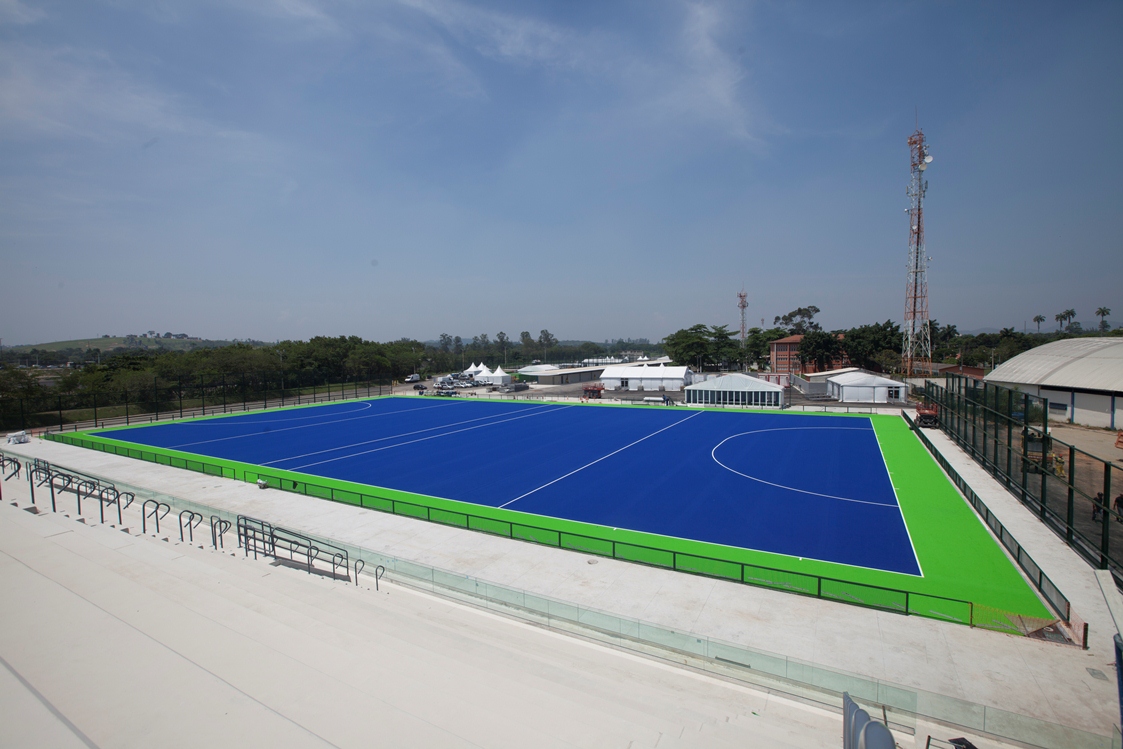
Field-of-Play TechnologiesRio 2016’s hockey competition at the Deodoro Park is being played on a high performance innovative synthetic turf system which uses DOWLEX™ linear low density polyethylene resins in the yarns as well as Dow’s polyurethanes technologies for the backing of the carpet.
Dow Plastic resins were utilized in the pipes from the draining and irrigation system underneath the natural grass pitch of Maracanã stadium, venue of the Opening and Closing ceremonies and key football matches. Additionally, Dow technologies were used in flooring applications and waterproofing systems for concrete and metal structures within the stadium.Athletes’ Village
Construction chemicals and paints formulated with coating technologies from Dow were used in buildings in the Athletes’ Village to provide beautiful, long-lasting protection and finishing.
The 28 modular water tanks will help provide a reliable water supply system for athletes, coaches, officials and referees participating in the Games were manufactured with resins from Dow’s Propylene Glycol.
More sustainable waterborne acrylic epoxy road markings were applied on bike lanes inside and around the Village in the neighborhood of Barra da Tijuca, as well as at the iconic Copacabana beach.
Athletes from 200+ countries competing in Rio will sleep on comfortable, mattresses made with polyurethane technology from Dow.Olympic Park
Dow Wire and Cable technologies provide protection and durability to the energy and data cables installed at venues including the Olympic Tennis Centre, Olympic Aquatics Stadium and the Main Press Centre/International Broadcast Centre (MPC/IBC) complex, where media tell the stories of Rio 2016 to billions of fans.
The IBC building also features Dow technologies in the Exterior Insulation and Finishing Systems (EIFS) panels of the building façade. This innovative system enabled completion of the façade in 30 days, while standard technologies take up to six months to be installed.Infrastructure solutions in and around Rio
The roof at the city’s novel Museum of Tomorrow (Museu do Amanhã) is protected with 100% acrylic resin to provide waterproofing and exterior durability to this iconic structure. In addition, the reflective roof helps keep the building up to five degrees cooler.
Flooring solutions and polyurethane insulation panels from Dow were utilized in the major renovation that took place at Viracopos International Airport in Campinas, São Paulo, one of the main cargo transportation hubs for the Games.
On the most important road connecting Rio to São Paulo, Rodovia Presidente Dutra, road marking solutions based on Dow’s FASTRACK™ coatings technologies provide reliable pavement markings.
DLP™ and WALOCEL™ solutions for adhesive mortar were utilized in some of Rio’s new hotels, as well as in the Olympic Park and Athletes’ Village.“From infrastructure solutions to an innovative carbon mitigation program, we are excited to showcase our technologies in Brazil and share our successes with our customers and partners on a global stage,” said Fabian Gil, president of Dow Latin America. “Rio 2016 marks the 60th anniversary of Dow Brazil and also inaugurates a new chapter of meaningful collaborations and business success for the Company across the region.”
This article was contributed by Dow. For more information on their artificial turf at the Rio 2016 Olympic Games, visit www.dow.com/artificialturfsolutions/rio
-
China’s e-brands buy into global sports
The worldwide rise of digital media is concurrent with the growth of the middle class – and nowhere is this more evident than in China. Millennials are consuming content primarily through digital media, and their appetite for sport is immense. China’s investments in sports and entertainment will be a key theme of Host City 2016, the largest meeting of cities and cross-sector events, which takes place in Glasgow on 21 and 22 November.
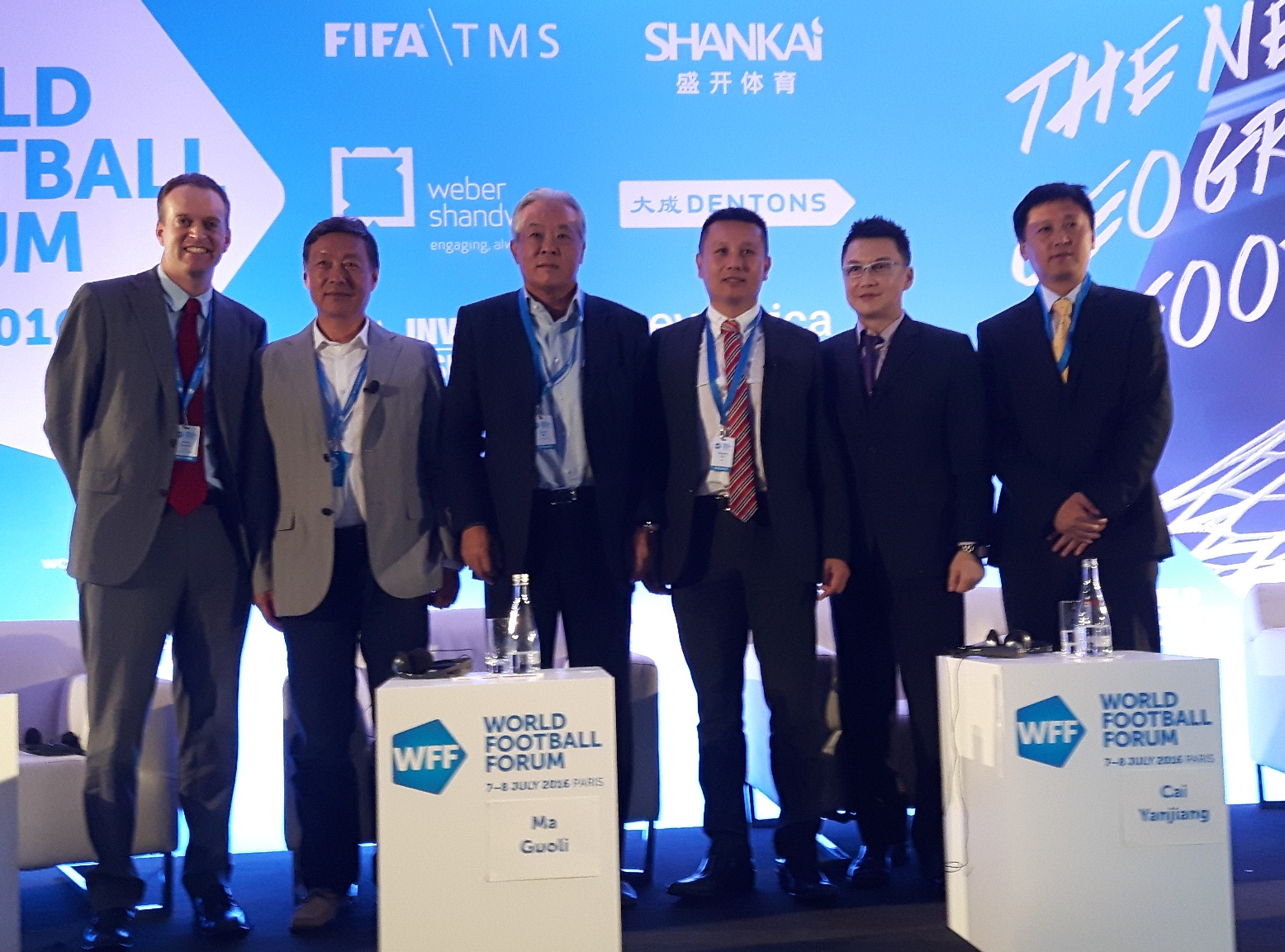
The distribution of sports content in China is being driven largely by internet companies. The long and growing list of online companies in China involved in the sports market includes Wanda Group, Tencent, Sina Sports, and PPTV. Two of the most recent and nimblest arrivals on the scene are Alisports and LeSports, the leaders of which shared their ideas with Host City at World Football Forum.
Alisports’ disruptive innovation
Alibaba Group amassed a US$200bn fortune primarily by connecting global buyers with the Chinese supply chain. But the company realised there was a large missing piece from its giant online jigsaw.
Wang Dong, Vice President of Alisports says, “In order to complete its ecosystem, sports is one of the elements initially they missed and they want to put this last puzzle piece right there to complete this whole situation.”
In December 2015, Alibaba’s newly formed “E-Auto” connected car brand signed an eight-year Presenting Partnership with the FIFA Club World Cup.
“This nine month old company signed a deal with the FIFA Club World Cup as really part of the way to make its presence felt,” Wang Dong tells Host City.
“By aggressively being involved in the world sports arena, the presence of China will be strongly felt.”
In April 2016, Alibaba Group launched its dedicated sports brand, Alisports, to tap into the growing market opportunity.
“I think the overall environment of the sports industry is getting stronger and stronger. And overall we see that, given the boost of economy of China and around the world, the sports industry is certainly a way to reach out more,” says Wang Dong.
Private sector investment in China is running in tandem with a massive government drive to boost sports. “I think that given that we have a very football-loving President Mr Xi, showing leadership there, all the elements are on the table – and this is a way to really find out more business opportunities.”
Alisports will use its online platform and connections not only to broadcast existing events but also to launch new innovative formats.
“We are acting as a service provider, with the eplatform for everybody to launch their business on. And also we do our own sports activities as well by operating events, by running events and by actually being closely in touch with associations around the world to, if you will, be a little bit disruptive, to create some new events, formats and leagues and regulations, to attract the younger crowd.
“It could be three-a-side or five-a-side street football or basketball – a bit different to the traditional leagues that include more people.”
LeSports – accessing users through sports
LeSports is the sports brand of China’s largest online video company LeEco, broadcasting online for mobile, for OTT (over-the-top) TV and laptop.
“LeSports is maybe the most ambitious sports company in China,” Ma Guoli, Deputy Chairman of LeSports tells Host City. “We are concentrating not only on the media but also events and products – everything related to sports.”
LeSports won the broadcasting rights in China for three matches of the International Champions Cup, including a match between Manchester United and Manchester City in the National “Bird’s Nest” Stadium on 25 July.
LeSports owns the online broadcasting rights in China to the qualifying rounds of 2018 World Cup. The company is also investing in businesses outside the People’s Republic of China, having bought the media rights in Hong Kong for the Premier League and the World Cup in 2018.
“We have our own platform in Hong Kong – so we telecast it ourselves and also sublicense some rights to local TV platforms. And we have subsidiaries in the US but we are just getting started there.”
More than 40 sports disciplines are broadcast on LeSports. “We’ve got a joint venture with Lagardere Sports Asia; for the future we would like to do more partnerships.
“In terms of investment, at the stage mostly we prefer to buy. To get a joint venture with an existing sport organisation is not easy. Because if you are the organiser you like to sell the rights – it’s better than to joint venture.”
Competition between digital platforms in China is strong, he says. “For the new media platform, a view means a user and a user means a potential consumer. The key point for the digital platform is to get more and more users. And they need media rights to get more users.”
Why digital is booming in China
Ma Guoli says China presents immediate opportunities for internet broadcasting that do not exist in the western world. “In Europe and the US, I believe traditional TV has no competition from online in the next ten years, mainly because they own many rights until 2030.
Digital media companies are growing much more quickly in China, Ma Guoli says, because there is no competition for TV from commercial broadcasters.
“In China we lost the opportunity to develop the pay TV business. It is such an important source of revenue for sports organisations.
“Because in China there is only one TV network for sports, people need more – then online companies have a chance. If people want to watch golf but they can’t get it on traditional TV, now the online companies own rights.
“The technology is developing so quickly today, so new media platforms can provide more content to the people, who can then choose a platform to select an event that would like to watch. It’s a combination of traditional TV and new media platform – that’s the role that digital platforms play in China.
“And the technology is so good now; with the OTT TV set, the quality of the picture is better than cable TV.”
According to Cai Yanjiang, Director ABU Sports, Asia-Pacific Broadcasting Union, the rise of new media is an incentive for broadcasters to develop their own digital media broadcasting.
“CCTV started their new media before 2000, but unfortunately CNTV – the digital media platform for sports broadcasting – didn’t work very well. CCTV can develop to make better digital broadcasting of sports events on their own platforms,” he tells Host City.
The national broadcaster is aware of the changing consumer demands. Zhang Xing, Deputy Controller of CCTV Sports says, “We are seeing that the older generation of viewers still uses television sets, but younger views use their phones. We need to guarantee that we still broadcast events on TV but we need to give more importance to social media.”
Disruption across Asia
Of course, the phenomenon of digital media transformation is not restricted to China. “Disruption is happening everywhere,” says Cai Yanjiang.
“For me it is good when western companies rush into the Asia Pacific region with new technology and help broadcasters in a new way through the internet and internet plus – that is something that the Chinese broadcasters are adopting.
“And more and more internet companies are taking over the dominant role. In the past it was CCTV dominating, but it’s actually changing now in China. That will also happen in surrounding countries, in south Asia, it has already happened in Japan and Korea, where traditional TV is facing a great challenge from internet companies.
“So from my perspective, serving for the Asian broadcasting union, we’ve got a lot of underdeveloped nations and they don’t have enough facilities or logistic support and telecom standard won’t support them to do internet broadcasting at the moment.
“But they are building up, so I would advise our members, the broadcasters in Asia Pacific region, to go forward, to take up the new way of internet broadcasting, because we all know that digital is the trend in the broadcasting world – not only in football but in everything.
“That is good; that will set a model for our members in underdeveloped countries and state broadcasters to follow. That’s undergoing now in countries like Malaysia, Singapore and Thailand – everywhere they are developing new digital broadcasting solutions.”
However, Asian broadcasters need investment to undergo digital transformation. “What they don’t possess is funds, because in the past traditional television got government funding. Now they need to find a new way to develop their own digital broadcasting. At the same time, telecom companies and digital media companies – especially international ones – are trying to enter the market.
“There is huge potential for example in Myanmar, in the Philippines – everything is changing fast. So although at the moment it’s not really developed, but we can see in the future they have potential.
“In some countries traditional television and new media work together very well; in other countries they are trying to kill each other.”
According to Dong Wang of Alisports, digital media companies have the potential to overtake domestic broadcasters within five years.
“The faster the domestic broadcasters realise how important digital media and platforms are to them and their government and local companies, if they invest in digital media then they can win over in the future because they have government support.
“But if they are not doing anything on this, when the foreign investors, telecom companies or digital broadcasters enter the market, there will be no room for domestic broadcasters any more.
“It can be a great leap to transform from the traditional broadcasting way to the digital way. It will just take five years or so and the whole thing will be changed – so it’s like a race.”
The question is – who’s going to win? “It’s really hard to say. It depends on the vision and understanding of governments,” he says.
“Governments must support their own domestic broadcasters by setting up some regulations – even state laws to protect broadcasting. It’s quite important for the improvement of local companies. Otherwise they will be taken over by all those internationals.”
This article was based on exclusive interviews with Host City and panel discussions at World Football Forum 2016