The United Nations Office on Drugs and Crime (ONODC) and the International Centre for Sports Security (ICSS) have launched a new resource guide to help law enforcement and sports organisations better detect and investigate match-fixing and cases of sports-results manipulation.
“The joy that sports bring to billions of fans around the world can so easily be marred by crooked practices such as match-fixing,” writes Yuri Fedotov, Executive Director of the UNODC in the foreword to the guide. “The best way to tackle these threats is through a multi stakeholder approach.”
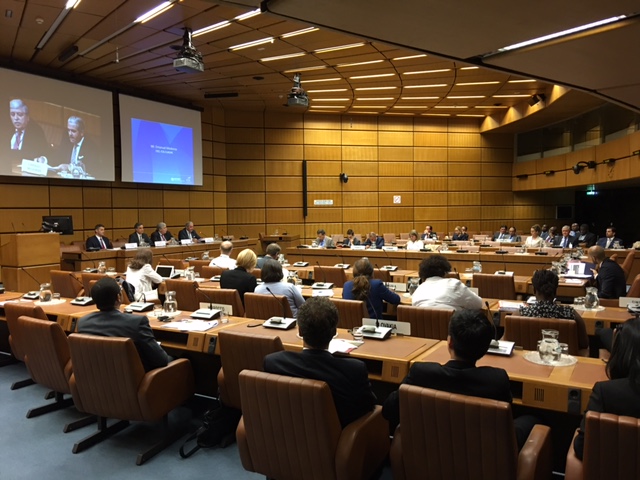
The Resource Guide on Good Practices in the Investigation of Match-Fixing was launched on Tuesday alongside a meeting of the Open-ended Intergovernmental Working Group on the Prevention of Corruption, attended by representatives of the 178 States parties to the United Nations Convention against corruption.
“The problem of match-fixing is such that it undermines integrity in sport with the significant illicit profits it generates allowing organized crime and corruption to thrive,” John Brandolino, UNODC Director for Treaty Affairs said at the launch of the resource guide.
“In addition, the investigative skills of both law enforcement agencies and sports organizations around the world which are needed to identify and apprehend those responsible, are relatively underdeveloped.
“The Resource Guide represents UNODC’s and ICSS’s efforts to address this shortage in skill among investigators in both law enforcement and sports organizations and to raise awareness among policy makers about the threat of match-fixing. It serves as an important tool for those seeking to understand the problem and to learn how to effectively investigate it.”
More than 40 experts contributed to the development of the resource guide, including officials from FIFA, the International Olympic Committee, INTERPOL, the European Commission, Hong Kong Jockey Club, World Snooker, Council of Europe, Ministries of Justice from France and the Republic of Korea, and EUROPOL.
“This handbook provides a comprehensive range of case studies, investigation techniques and approaches to combat match-fixing as well as providing valuable guidance on how to disrupt the international organized crime syndicates that now operate in sport,” said Mohammed Hanzab, President of ICSS.
“As the ICSS looks to build on this launch and work alongside the UNODC to develop a series of workshops and training courses in this area, this handbook will hopefully provide sport federations and law enforcement agencies with an important go-to-guide to detecting, investigating and prosecuting match-fixers and organized crime.”
The full Resource Guide can be read and downloaded on the UNODC website.
Blog
-
UNODC and ICSS launch guide to tackling “crooked practices” in sport
-
Belek prepares for the second edition of Gloria Ironman 70.3 Turkey
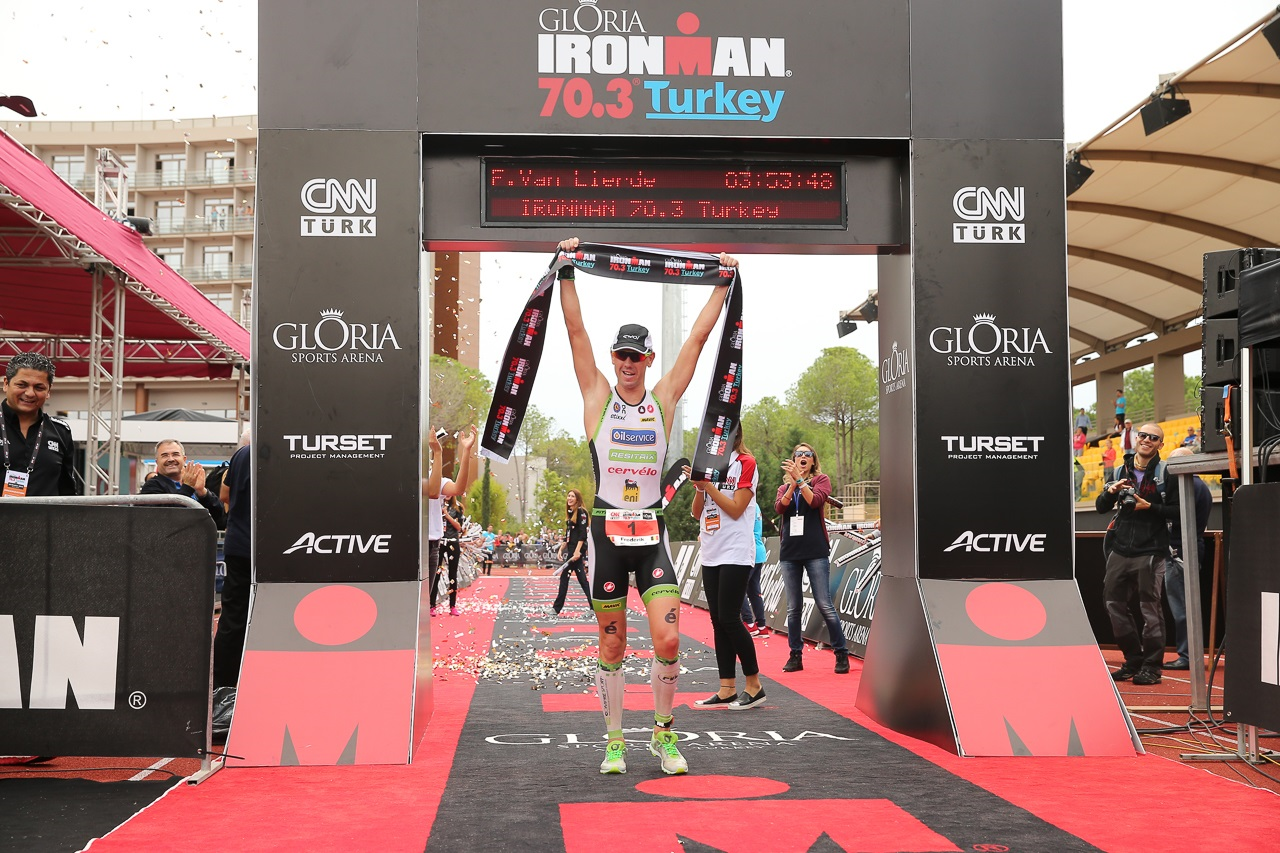
In just less than two months the second Ironman 70.3 starts in Turkey under the patronage of the brand Gloria: On 23rd October 2016 more than 2.500 athletes from over 60 nations are expected to Belek. The second edition of the Gloria Ironman 70.3 Turkey will be held in the memory of Nuri Özalt?n, Özalt?n Holding Chairman and Owner of the Gloria Hotels & Resorts, which sadly passed away a few weeks ago. Start and final is once again in the beautiful premises of the Gloria Hotels & Resorts: While swimming starts at the beach of Gloria Serenity Resort the finish line awaits the athletes at the Gloria Sports Arena, the largest sports facility of the country.
This race gives 20 qualifying slots for the 2017 Ironman 70.3 World Championship. In 2015 the premiere of the Gloria Ironman 70.3.Turkey attracted 1.224 triathletes from over 60 countries, among them 25 percent of women. Thus, Gloria Hotels & Resorts could write a piece of history. More than 1.000 volunteers supported the event on 25th October in all areas. Together with the Gloria-Team more than 5.000 spectators shared the excitement onsite, while whole Turkey could follow the event on CNNTürk live.
“This year we dedicate the second edition of Gloria Ironman 70.3 Turkey to our Nuri Özaltin, who sadly passed away a few weeks ago. His contribution to tourism and sports in the country is significant”, says Mutlu Sagsözlü, Head of Sales & Marketing of the Gloria hotel group. “It is clear enough that sports is the best way to connect cultures and we will continue to work on this branch.”
Again this year Gloria is promoting these four disciplines: “Swim, Bike, Run, and Holiday”. Gloria Hotels & Resorts target athletes, who not only want to train on-site for the triathlon, but also want to enjoy a relaxing holiday with the family after the challenging event. With its Five-Star resorts Gloria provides a wide choice of accommodation: The bed capacity of all four hotels alone (Gloria Sports Arena Hotel, Gloria Golf Resort, Gloria Serenity Resort, and Gloria Verde Resort) amounts to 3.000. Moreover, there are numerous hotels around the premises of Gloria, which have profited from the event last year clear enough.
The courses of Gloria Ironman 70.3 Turkey
The Ironman-Triathlon in Antalya and Belek will once again be challenging: The swim will start at the beautiful sandy beach of the Gloria Serenity Resort with a 1,9k one loop course in the calm and crystal clear water of the Turkish Riviera. From there the bike will be on a 90k one loop course, parallel to the Mediterranean, taking past the Expo 2016-area – this course has been optimized for this year´s event – and ends at the Gloria Serenity Resort. A 21,1k loop run course leads the athletes on two rounds through the picturesque landscape of the 45-hole Gloria golf course and through the streets of Belek centre back to the finishing line at the Gloria Sports Arena.
Packages in the Gloria Sports Arena
The Gloria Sports Arena offers the ideal platform for athletes, who want to prepare for the triathlon. Diverse packages are available for young and old, among them complete packages for top athletes or for targeted individual training. Balance tests, gait analysis, Speedcourt training, ICELAB-units and more can be booked.
Gloria Sports Arena – the largest sports facility in Turkey
It is 105.000 sq. large – the merely two years old Gloria Sports Arena, Europe´s most comprehensive privately financed sports arena, being the largest facility of Turkey for more than 50 sports disciplines. Next to a track and field stadium for 1.600 spectators, it houses an Olympic Aquatic Centre, a sports science and performance center and further indoor and outdoor areas for trainings of all kinds. There is also a sports hotel with 100 rooms, motivating to high performances with their direct view onto the stadium. The Gloria Sports Arena also convinces with its accessibility. The international airport Antalya is only 30 kilometres away and ideally connected from all important airports of the world. With the Gloria Sports Arena the owners Özaltin Holding have started a project, that is said to be a new landmark for the country´s sport tourism.
Information and registration: www.ironman.com/turkey70.3
hotel bookings via www.gloria.com.tr. -
ITU adds Montreal to 2017 World Triathlon Series, completing calendar
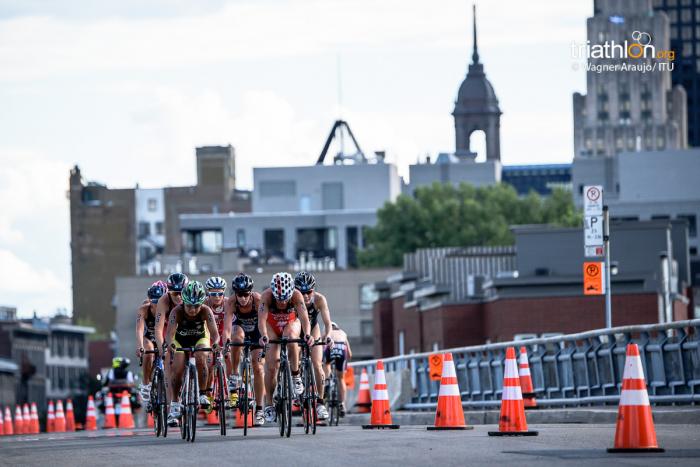
The International Triathlon Union (ITU) has added Montreal to the 2017 ITU World Triathlon Series (WTS). The Canadian city will host the WTS for the first time on 5 to 6 August 2017, completing the 2017 WTS calendar that includes eight other city events between March and September.
Montreal featured in the 2016 ITU World Cup schedule for the first time on 7 August.
“Montreal proved to be an impressive host of the World Cup this year, with an incredible turnout for a new race that met all of our standards for a world class event,” said ITU President and IOC Member Marisol Casado. “I’m pleased to welcome Montreal to the WTS, which completes our calendar for the coming season.”
The Netherlands city of Rotterdam, which hosted the 2016 ITU Paratriathlon World Championships, is also joining the World Triathlon Series for the first time on 14 to 17 September 2017.
As the final event in the series, Rotterdam will next year welcome thousands of age group athletes, along with junior, U23, paratriathlon & elite athletes to vie for world championship titles at the ITU World Triathlon Grand Final.
The full 2017 ITU World Triathlon Series calendar is: Abu Dhabi, UAE (3 to 4 March); Gold Coast, Australia (April 8 to 9); Yokohama, Japan (May 13 to 14); Leeds, England (June 10 to 11); Hamburg, Germany (July 15 to 16); Edmonton, Canada (July 28 to 30); Montreal, Canada (August 5 to 6); Stockholm, Sweden (August 26 to 27); Rotterdam, Netherlands (September 14 to 17)
The races at Abu Dhabi, Gold Coast, Hamburg and Edmonton will be contested over a sprint distance course, while the other events will be standard length. -
How transport flowed at UEFA EURO 2016
Host City: How pleased are you with how transport plans were delivered during the 2016 UEFA European Championship?
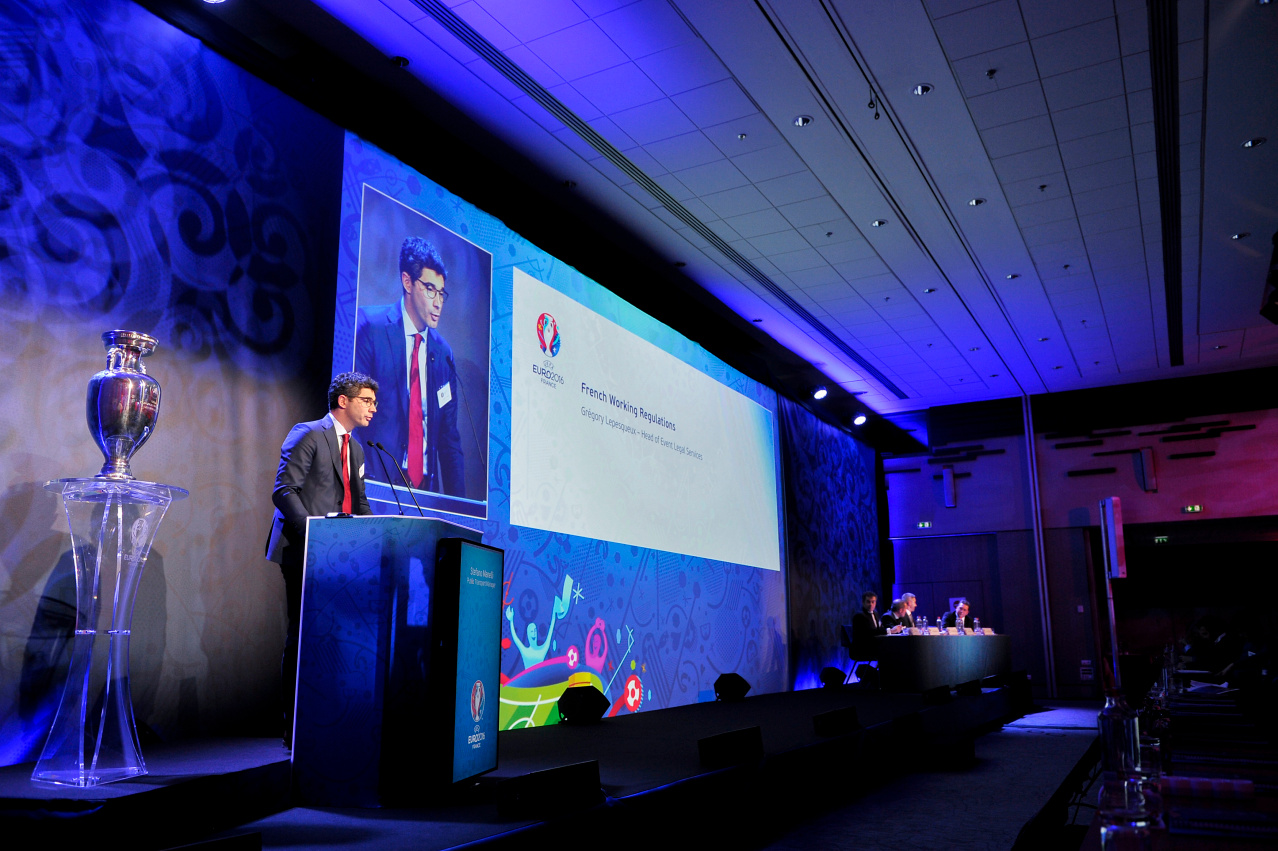
?Stefano Manelli: The UEFA EURO 2016 was a real public transport success. The use of public transport to get to stadiums was even higher than during previous editions, with more than 60 per cent of spectators using public transport, even when the stadium was in the outskirts.
Trains (both regional and high speed) were used by 1.5 million spectators, of which many were international. These are very good figures that are testament to the work conducted over the last three years.
I am satisfied with the working relationships with the local and national authorities, which took more than two years to be fully established.
At the national level, we had a tight cooperation with the railway company SNCF, national partner of the event, in order to define a specific Euro railway time schedule: the efforts made were crucial to provide the necessary ease to the spectators’ flows moving between the host cities. A total of 950 TGV trains were identified as “Euro trains”, including special night TGVs after matches.
We need to put the UEFA EURO 2016 in the very challenging security context, which required increasing the level of attention around the venues, fan zones and stadium in particular. In this context, I am satisfied of the overall transport and mobility planning and operations.
The only regret was the fact that we could not implement, contrary to the past two editions, free transport for ticket holders (combi-ticket): it was not part of the original engagements of the bid and we could not achieve a uniform solution among the 10 host cities. In the end, all cities proposed individual solutions to spectators with a limited impact on operations.
Host City: Did any of the host cities pose particular challenges?
Stefano Manelli: UEFA EURO 2016 was the first 24-team European Tournament; this was the first considerable difference from the past. Ten instead of eight host cities were needed and 51 matches instead of 31, for 2.5 million spectators.
Even in a big European country like France, the level of equipment, size and experience in hosting events is not the same among all cities. Transport demand forecast was extremely challenging, for many reasons related to the size of the event. We observed less pressure on airports than in the past editions, probably as France is one of the most touristic countries in the world and offers multimodal transport opportunities.
The UEFA EURO is one event, even if it takes place in 10 different cities. The challenges were in the capability to deploy the necessary resources within each host city and to ensure a uniform approach to planning and delivering the “product”, the event. This required a very articulated coordination, which took some time to establish, but this worked very well along the whole preparation and tournament operations.
The amount of external stakeholders and private or public companies involved into the planning and operational phases was very important: in France, transport governance is decentralised and the organiser had to deal with each individually.
All activities aimed to provide a common working framework for each host city (tools, timelines etc.) and to oversee the development of transport plans and measures that were as uniform as possible, in respect of sustainability goals among others.
The support from the national authorities such as Ministry of Transport, Civil Aviation Authority and DIGES (the department of the ministry of sport in charge of integrating and activating ministerial activities around major sports events) was very important for the exchange of information and the dissemination to local level. For instance, as each participating team has an obligation to remain in the host country for the whole duration of its participation, various smaller airports around the country were impacted, where a need for additional air traffic and air safety and security conditions had to be met, requiring additional work.
Host City: What has the planning for the UEFA European Championships taught that will inform the work on Paris’ bid for the Olympic Games in 2024?
Stefano Manelli: It is certain that the UEFA EURO 2016 was a highly valuable experience and a great test both in terms of planning and operations. The good practices will be capitalised on, while the less good have already been analysed in order to improve in the future as a part of the debrief process.
France is a country with a very solid transport (and public transport) knowledge. Paris in particular has one of the first, most dense and developed public transport networks in the world. These are an excellent base already and the involvement of all relevant bodies into the process, is a very important element for the development of a robust transport plan.
Having said that, the two events are rather different and the solutions which can be implemented for a one-month multisport event in one big city are not comparable to those which could be afforded for a four to seven non-continuous days event in ten various sized cities.
There are multiple differences between UEFA EURO and a summer Olympic Games, which have a series of impacts on the transport. The overall size of UEFA EURO is more comparable to the Winter Olympic Games; the summer Olympic Games are potentially two to four times bigger. -
2016 IPC Academy Campus opens in Rio
The 2016 IPC Academy Campus is now officially underway in Rio de Janeiro, Brazil. Over the next two weeks it will welcome over 500 representatives from the Organising Committees of the forthcoming Olympic and Paralympic Games in PyeongChang, Tokyo and Beijing alongside observers from Candidate Cities, other major events, International Federations, government entities and leading commercial partners.
Delivered by the IPC Academy – the educational division created in 2009 as a partnership between the International Paralympic Committee (IPC) and the World Academy of Sport (WAoS) – the 2016 IPC Academy Campus (4-17 September) is a unique event-based learning initiative that gives stakeholders of major sports events the chance to learn from their peers during the Paralympic Games. The IPC Academy Campus features an Observers’ Programme, Games Experience Programme, Inclusion Summit and a Closing Cocktail Reception.
The Observers’ Programme is now underway with observers already experiencing what goes on behind the scenes during a run through of the Opening Ceremony for the Paralympic Games. Over the next two weeks, representatives from the IPC and Rio 2016 will be sharing their knowledge and experience through a series of venue visits, roundtable discussions and operational observation visits facilitated by programme leads from the IPC Academy, utilising WAoS Event Learning Methodologies. From Logistics, Marketing, Technology, Media Experience & Operations though to Transport, Medical & Anti-Doping and Arrivals & Departures among other areas, delegates will be able to experience first-hand how the Paralympics Games works in operations mode and garner invaluable learnings for their own major events and organisations.
“I am looking forward to seeing all participants with all their different backgrounds come together to share their sports experiences but also to learn from each other and create a unique atmosphere in Rio de Janeiro,” says Xavier Gonzalez, Chief Executive Officer of the IPC.
“Different types of programme activities will ensure that diverse individual needs will be met and that the benefits of observation will be maximised. The variety of themes have also been significantly increased throughout the years. This is the third edition of Campus and it now includes 15 days of action and a total of 80 different activities for Event Organisers.”
The aim of the Observers’ Programme is for observers’ to:
• Provide the opportunity to meet experienced OCOG Functional Managers, ‘client owners’ and venue general managers and to benefit from their expertise.
• Allow the observation of Games functions, processes and staff in Games mode.
• Understand the physical Games environment.
• Benefit from commentary and analysis by Paralympic Games’ functional specialists (IPC Staff & Advisors).
• Highlight Paralympic distinctive elements in the presentation and operations of the Paralympic Games.
The Observers Programme is tailored to the needs of Organising Committees of Olympic and Paralympic Games and other major event organisers. The Games Experience Programme meanwhile features event learnings for governments and those within the supply chain of major event delivery and the Inclusion Summit showcases the remarkable work that the Paralympics can create towards a more inclusive and harmonious society.
“Each of these programmes provides unique learning opportunities and it is within this context that we have created the IPC Academy Campus 2016 for us all to learn and share experiences throughout these Paralympic Games,” says Gonzalez.
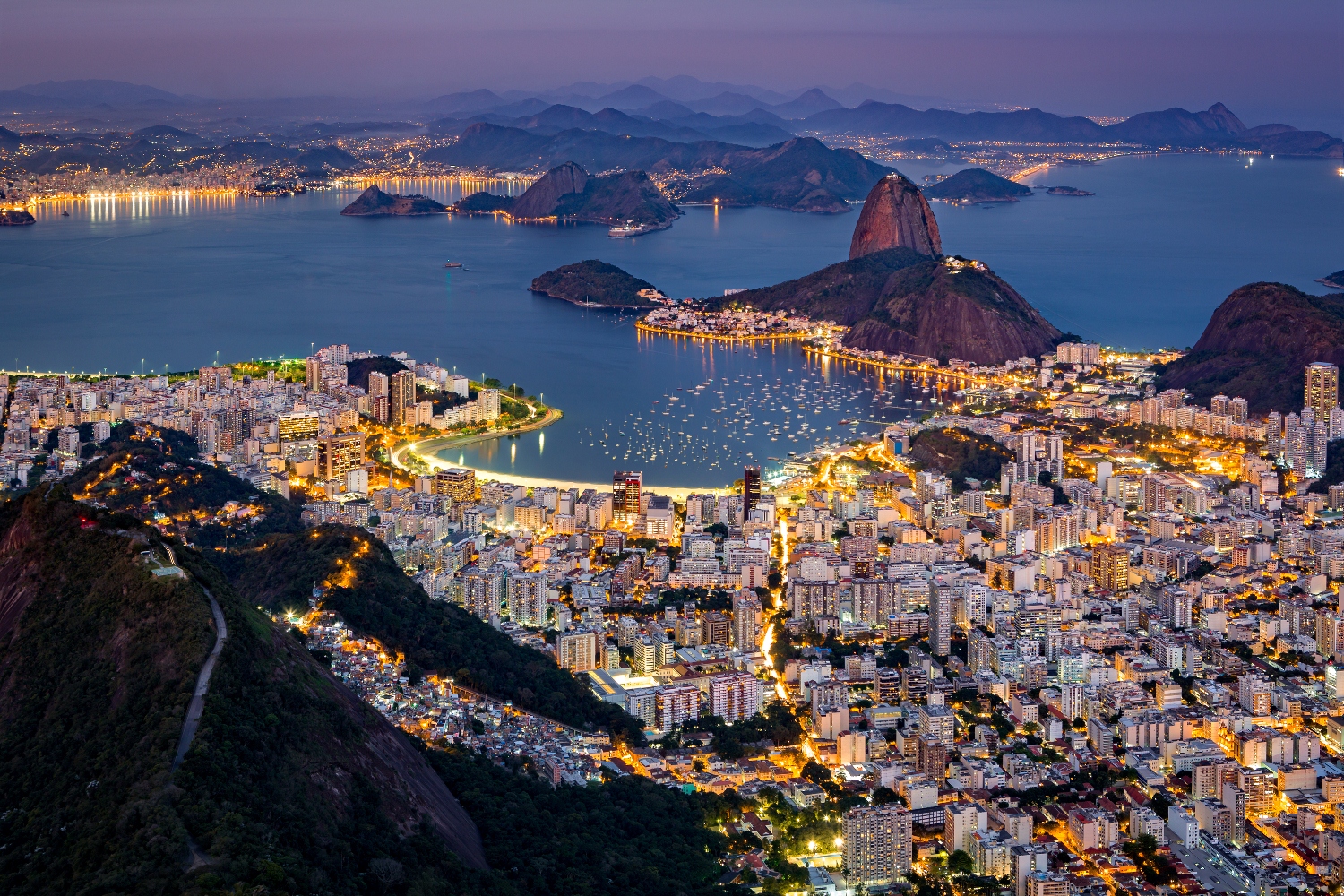
Looking ahead to the Games themselves, he adds: “Rio will provide a perfect backdrop for the Games with its stunning landmarks, from Sugar Loaf Mountain to Christ the Redeemer, the Lago and much more. I also hope that the Brazilians will create a special atmosphere, cheering on their athletes in the city and in the venues.”
About IPC Academy Campus
The IPC Academy Campus is taking place in Rio de Janeiro between 4-17 September 2016.
Its Event Partners include the Adecco Group and the UK’s Department for International Trade. Its Media Partners are Sportcal (Intelligence Partner), Major Events International (Digest Partner), Around the Rings (Online Partner), Host City (Magazine Partner) and AXS Chat (Social Media Partner).
For further information about the the IPC Academy Campus, please visit www.ipcacademycampus.com or contact Claire Bennett, Project Coordinator, World Academy of Sport cbennett@worldacademysport.com. Tweets can be shared using: #CampusRio2016 and/or #inclusionsummit -
Adidas CEO pleased Russia is hosting 2018 FIFA World Cup
Russia’s suitability to host major international sports events has been called into question by recent events, with the IOC having withdrawn its support for events in the country over evidence of organised doping. But the CEO of FIFA sponsor Adidas has given a positive appraisal of the benefits of staging the 2018 World Cup in Russia.
“Russia is a very sport enthusiastic population. A lot of sport activities happen here in Russia: we had the winter Olympics, we have the upcoming World Cup and Adidas is the brand which has been in longest connection with the Russian population, therefore there is a big opportunity for us which we want to grab,” Adidas Group CEO Herbert Hainer told state broadcaster RT on a recent visit to Moscow.
Adidas has Official Partner, Supplier and Licensee rights for the FIFA World Cup and all FIFA events until 2030. As well as partnering with FIFA, Adidas sponsors Russia’s national football team and Moscow teams CSKA and Lokomotiv.
“Football is the biggest sport in the world and the World Cup will enhance this. But I think there is a huge opportunity for all the different sports, Russia is great in track and field, ice hockey, gymnastics, and I definitely think that this will further continue,” said Hainer.
Russia’s economy has been hit by the collapse in oil price, with GDP contracting -3.7 per cent in 2015, according to World Bank figures. The budget for staging the World Cup has correspondingly been reduced by 4.4 per cent to US$9.5 billion, of which private investment accounts for 32 per cent.
But Hainer, who was in Moscow for the opening of a new Russia and CIS Adidas headquarters, said the World Cup will give the country a lift.
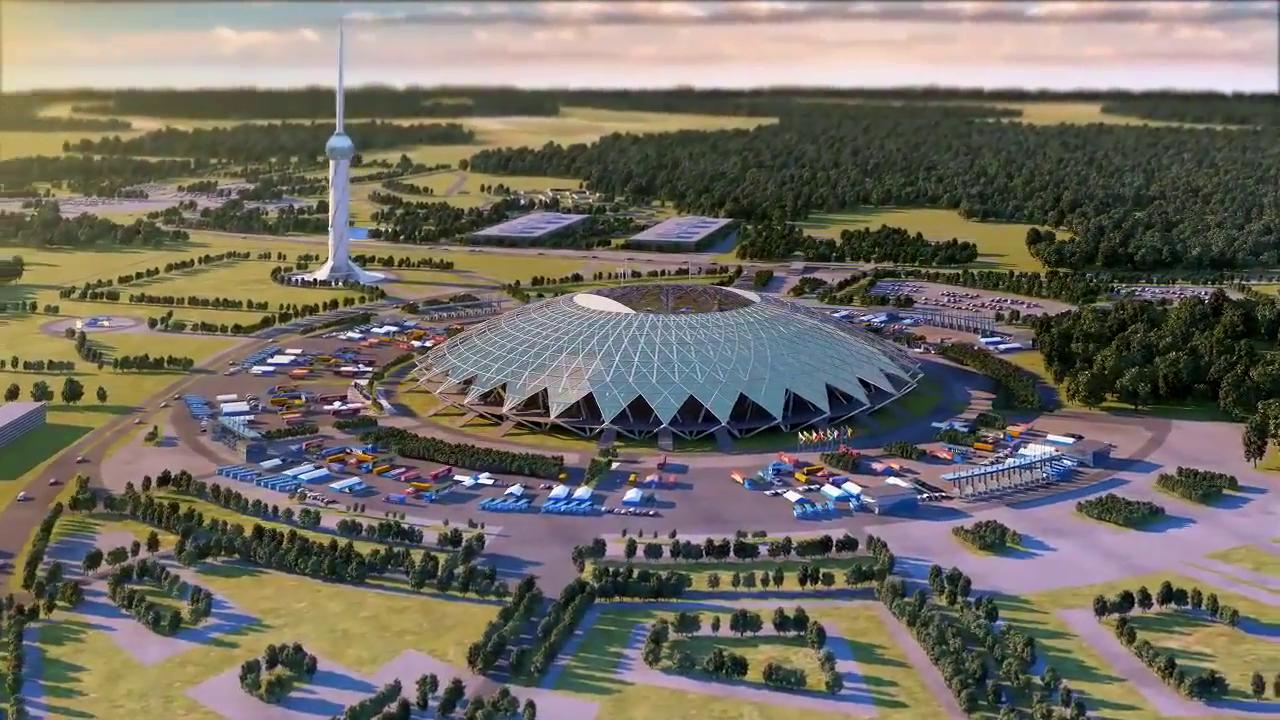
“A World Cup always leaves a huge legacy in a country, and I’m absolutely convinced this will happen here in Russia. I mean, just look at the newly built stadia, they will be much more modern, have much more comfort and they will also shift the demographics in the stadium, because we saw it in Germany after 2006, much more women coming into the stadium, much more kids, much more families, and this will definitely give a huge boost to football and to sport here in Russia.
“Of course there are some challenges at the moment in the economic development but this will be overcome and I think sport really will drive the whole mood in the country and the whole optimism of the people – therefore I am quite happy that the World Cup in 2018 is here in Russia.”
The 2018 FIFA World Cup takes place from 14 June to 15 July in the cities of Ekaterinburg, Kaliningrad, Kazan, Nizhny Novgorod, Moscow, Rostov-on-Don, Saint Petersburg, Samara, Saransk, Volgograd and Sochi. Adidas will be supplying the match balls, as it has done since 1970. -
Manchester pushes for World Expo 2025 bid
Manchester in northern England is urging the new UK government, formed after the “Brexit” referendum, to put forward its bid for the 2025 World Expo.
Greater Manchester Combined Authority (GMCA) said it is “encouraging the government to seize the opportunity for a global shop window to demonstrate that the UK is open for business and committed to international trade following the referendum vote to leave the European Union”.
“It’s more important than ever that the UK takes it places on a world stage to compete for investment, exports and visitors,” said Tony Lloyd, interim Mayor of Greater Manchester.
“World Expo 2025 would be the perfect platform on which to do so and we believe Greater Manchester would offer an ideal option.”
Other UK cities have looked into staging the event. London conducted a feasibility study following meetings in 2014, while Liverpool was the only UK city to have a presence at the 2010 World Expo in Shanghai.
The UK and any other bidding countries will need to put forward their candidate city by the 31 October 2016.
In the Netherlands, Rotterdam has been working on a bid. The project has the support of Rabobank Executive Board member Jan van Nieuwenhuizen, who says, “Young people want to give meaning to their lives… The Expo should inspire this generation of the future.”
France is considering a bid for 2025 World Expo, with Paris Mayor Anne Hildago and President Hollande having given their support. However, Paris is also bidding for the 2024 Olympic Games and staging both events in consecutive years would be an unprecedented challenge.
The Japanese city of Osaka, which hosted the 1970 World Expo, is also reported to be bidding for the 2025 edition – which would come five years after Tokyo’s staging of the Olympic Games.
Toronto, which hosted a successful Pan-American Games in 2015, is also evaluating an Expo bid. However, city mayor John Tory has said he will only back the bid if the government gives assurance that they will cover any shortfall in private sector funding, and local support for such a publicly funded project is just 22 per cent. In order to bid, Canada would also need to rejoin the BIE.
Proponents of the Manchester bid say it is an opportunity to rebalance the national economy by reviving the “Northern Powerhouse” regional development strategy proposed by the previous government.
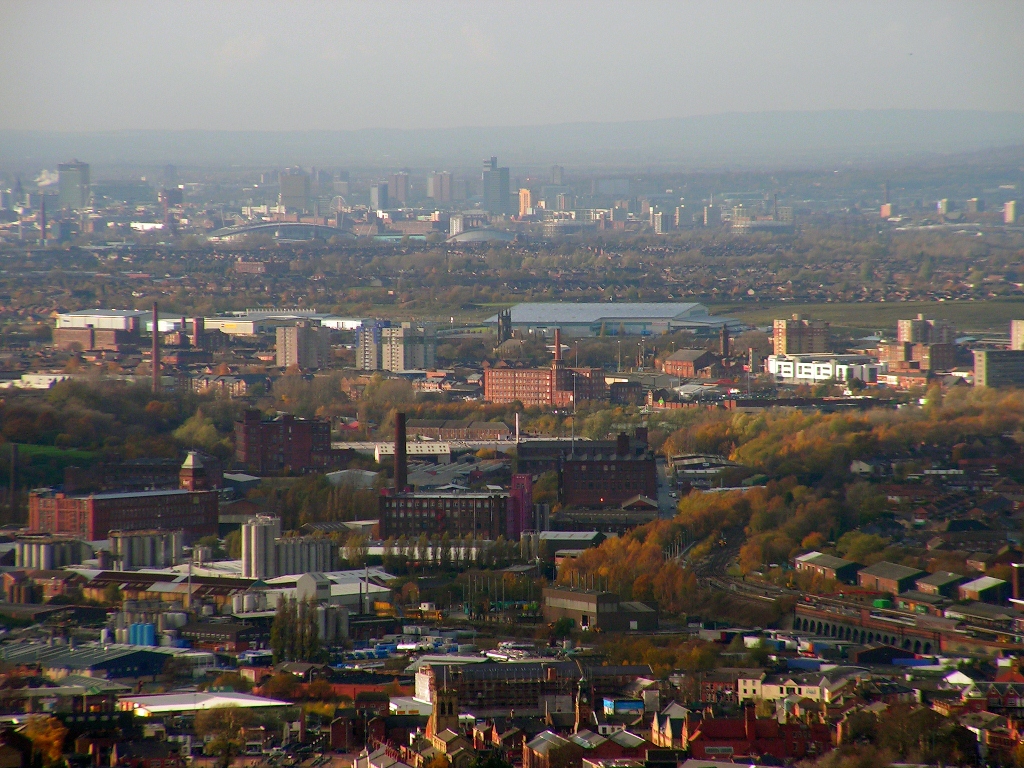
The Expo would take place on a 250-acre (110 ha) industrial site at Ashton Moss in Tameside, less than 10km from Manchester city centre and within 15km of Manchester airport.
“This bid has already been seen by Treasury who recognise its value but were not at the time of the last budget in a position to back it,” said Jake Berry, MP for nearby Rossendale and Darwen.
“If our new Prime Minister Theresa May is serious about continuing with the Northern Powerhouse it’s big ideas like 2025 Expo that the Government has to give its support to.
“This is a once in a generation opportunity to rebalance our economy and promote the Northern Powerhouse as a global brand. The Government saw fit to spend £9bn on bringing the Olympics to London. This seems to be a better investment.”
The north of England is also working towards the first “Great Exhibition of the North” in 2018, with Blackpool, Bradford, Newcastle-Gateshead or Sheffield due to be named as the host this autumn.
World Expos takes place every five years and last for six months. The cost of staging the 2025 World Expo in the UK has been estimated to be more than £1bn, but the Greater Manchester Combined Authority points out that recent World Expos have all more than covered costs through ticketing revenues and that “private sector contributions” could be explored for 2025.
The next World Expo will be held in Dubai in 2020. Looking beyond 2025, the Korean city of Busan has already stated its intention to bid for the 2030 World Expo. -
Host City 2016 speaker John Langford appointed manager of The O2
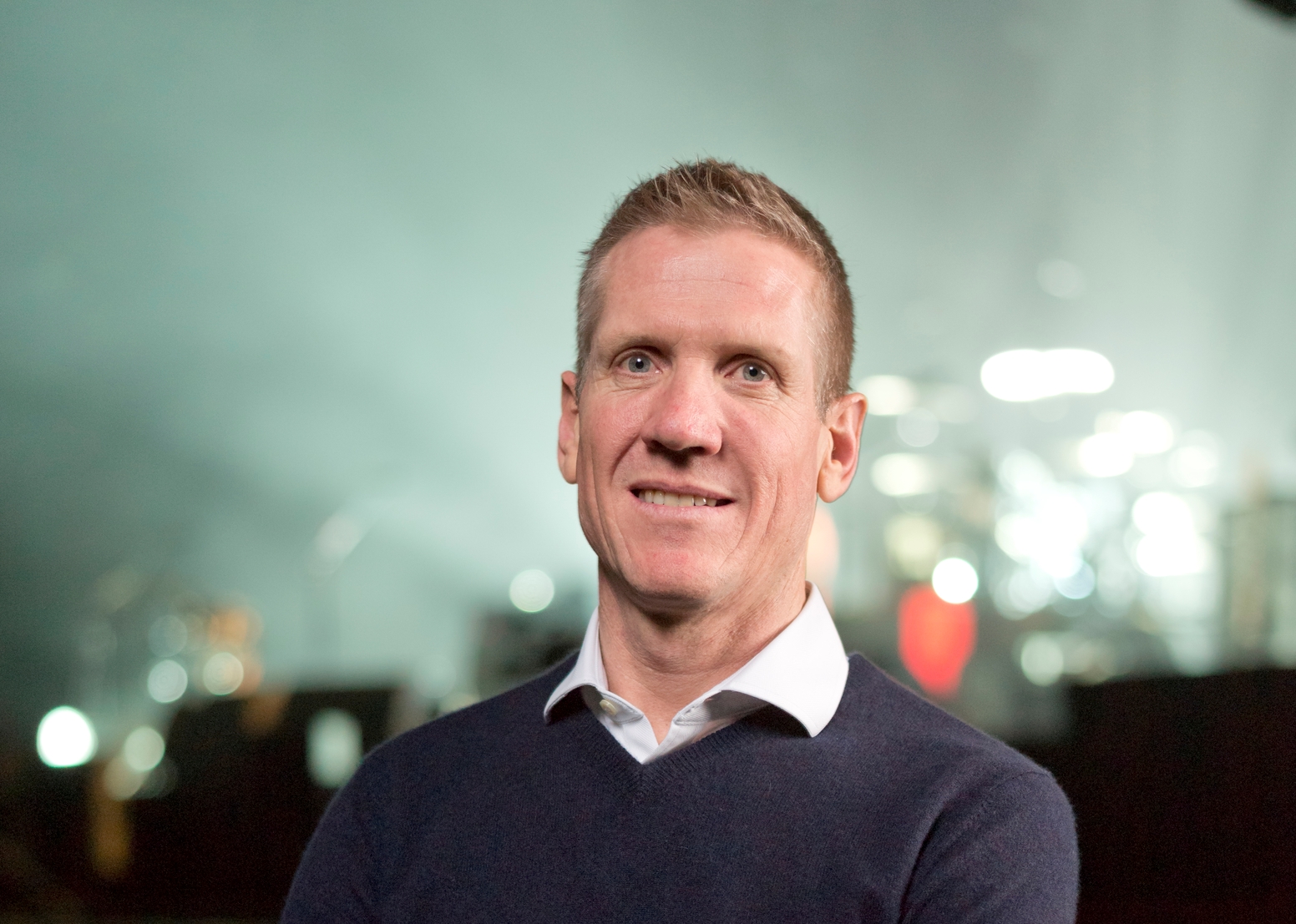
John Langford is joining AEG as Vice President and General Manager of The O2 in London on 1 November. The move follows three years as Director of Live Entertainment at The Scottish Exhibition and Conference Centre (SECC) in Glasgow, including The SSE Hydro arena.
Shortly after starting the new role he will be speaking at Host City 2016, the leading conference and exhibition for cities and sports, cultural and business events. He will be speaking on November 22 in Glasgow on the subject of “Creating Entertaining Experiences for Visitors” alongside other global leaders in staging major events.
Leading the team at The O2, Langford will be responsible for the overall operational management, commercial delivery, event booking and content creation at the London venue as well as setting the vision and strategy. Reporting directly to AEG Europe’s SVP Facilities, Richard Krezwick, he takes over as the venue approaches its tenth birthday in 2017.
John Langford also sits on the board of the European Arenas Association.
“With John’s knowledge of the music and entertainment business world and his proven track record in the venue management business, I know he’ll do a fantastic job,” said Krezwick. “John inherits a tremendously talented team at The O2 which will certainly make for a seamless transition and a bright future ahead.”
Langford’s leadership was pivotal in transforming The SSE Hydro into one of the world’s leading entertainment venues, during which time the arena significantly added to group profitably and economic impact for the City of Glasgow. Prior to the SECC, he spent seven years as Chief Operating Officer at BIG Concerts International, Africa’s premier concert promoter and previously at senior management roles in the commercial radio industry.
“I am incredibly excited to be joining the team at AEG and The O2,” he said.
“I have always admired the impact that The O2 has on the live entertainment industry and I am greatly honoured that I can play a part in the future growth of this iconic venue. I will miss my colleagues at the SECC tremendously and I wish them well as their incredibly successful journey continues.”
According to AEG, The O2 is the world’s most popular music and entertainment venue. Since opening in 2007, it has been visited by more than 60 million people and picked up awards including: Venue of the Year at the Music Week Awards, Venue of the Year at the Event Awards, Venue of the Year at the AEO Awards, Pollstar International Arena of the Year (nine consecutive years), Venue Team of the Year at the Event Awards, Best New Major Concert Venue, Venue of the Year at The Event Services Association and Favourite Venue at the TPI Awards.
In addition to the arena, The O2 is also home to indigo at The O2, a live performance space; an 11-screen Cineworld complex; Up at The O2 – an experience that allows visitors to walk across the roof of The O2; Brooklyn Bowl – a 12-lane bowling alley, 800 capacity live music space and 130 cover restaurant, and The Avenue, which features 26 bars and restaurants.
Read the exclusive Host City interview with John Langford here. -
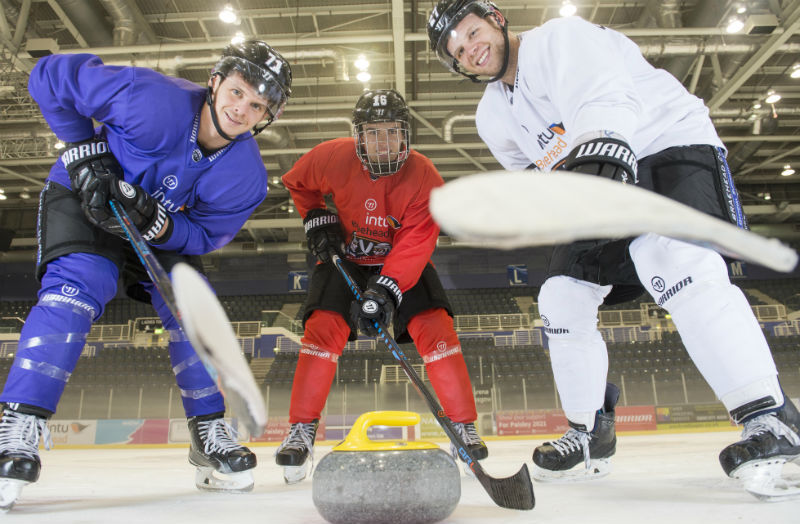
intu Braehead Arena to host European Curling Championships
Tickets went on sale on Friday 9 September for the Le Gruyère European Curling Championships, which will see the home ground of ice hockey team Braehead Clan transformed into a five sheet curling rink.
More than 25 nations are descending on Scotland for one of the biggest sporting events of the year, which takes place in Renfrewshire on the outskirts of Glasgow from 19-26 November.
“We can’t wait to bring the European Curling Championships to this venue with its great reputation for spectator ice sports,” said Susan Murrin, Event Manager for the 2016 European Curling Championships.
“Braehead Clan are renowned for their passionate following and exciting on ice displays and curling is no different with its intense competition and precision play. We look forward to staging an event here to remember and hope that everyone will enjoy a week of top flight sporting action.”
The Le Gruyère European Curling Championships will form part of EventScotland’s International Events Programme and UK Sport’s Major Event Programme and is supported by funding partners Renfrewshire Council, Glasgow City Marketing Bureau and The Royal Caledonian Curling Club.
“The European Curling Championships will see the finest players from across the continent and some of the world’s highest-ranked nations visit Scotland in November, providing a fantastic spectacle for fans at the intu Braehead Arena,” said Paul Bush OBE, VisitScotland’s Director of Events.
“We are delighted to support the event through EventScotland’s International Funding Programme and, following the success of both our men’s and women’s teams in recent years, we are confident there will be strong interest in tickets across the country for what promises to be a thrilling week of action on the ice.”
As well as crowning the European Champions in curling for both men and women, the event will determine qualification for the World Curling Championships in 2017, forming the pathway to Olympic qualification and the 2018 Winter Olympics in PyeongChang, South Korea.
Scotland’s representatives for the 2016 championships will be decided in October. Elite curlers vying for a place in Team Scotland include former European Champions and Olympic medallists Eve Muirhead and David Murdoch.
“We have regular sell-out crowds for our home games and the atmosphere in the arena is electric,” said Gareth Chalmers, Hockey & Operations Director at Braehead Clan.
“We’re sure that sports fans will enjoy watching the curling action up close and wish the European Championships every success.” -
Bristol Rovers upgrade facilities with Arena Seating
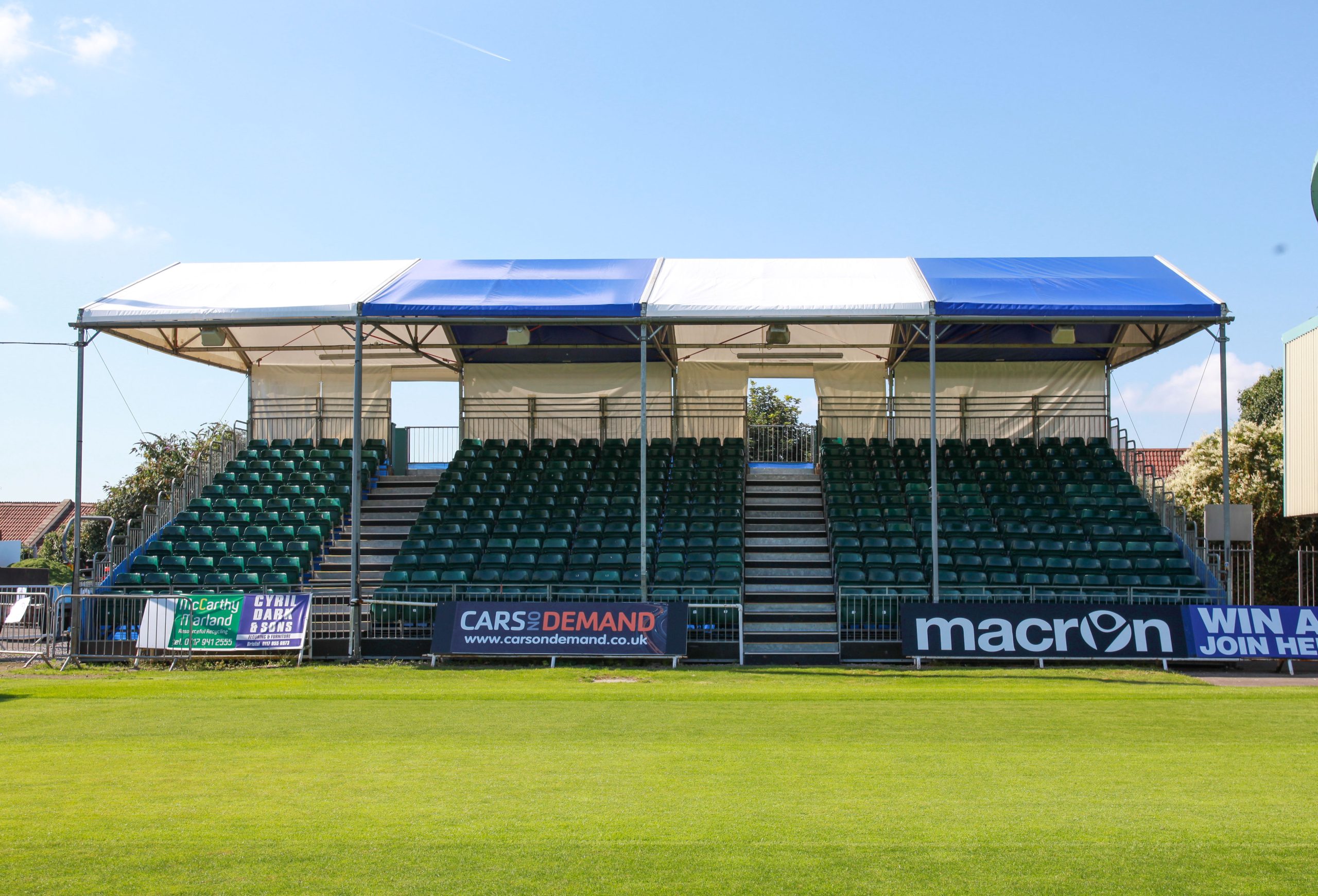
Bristol Rovers’ Memorial Stadium has an expanded capacity with two new look stands designed and installed by Arena Seating for the 2016/17 season.
The use of Arena’s demountable, or semi-permanent, seating systems meant the Club’s upgrades could be achieved quickly and economically.
Following consecutive promotions from Conference Premiership and League 2, the club was taken over by the Al Qadi family in February this year, and has since enjoyed an impressive third promotion into League 1. With the team performing well on the pitch the demand for tickets is up and the new owners have invested in upgrading the aging ground.
In line with advice from the local City Council and the Safety Advisory Group, the club took the decision to lower the control room at the cost of about £10,000 to the football club, enabling a 20 per cent increase in capacity.
“I have dealt with Arena Seating for 18 years, so there is a lot of trust and understanding between us. Their director Bradley Merchant is absolutely superb for this football club, he has always looked after us,” said Ian Holtby, Stadium General Manager.
“Arena have always made themselves available, given fantastic service and been a professional company from start to finish.”
Arena Seating’s in-house CAD design and structural engineering teams combined to ensure the plans were fully approved by the clients and local licensing authorities before the South Stand was totally refurbished and given a 20 per cent expansion in capacity from 850 to 1,056 seats. On the adjacent corner a smaller South West Stand was also installed by Arena, adding 360 seats and taking the ground’s capacity to 12,300.
Success on the pitch means Bristol Rovers has the opportunity to accommodate increased demand.
“Let’s be honest, this is an old, antiquated stadium, so Arena have once again been a very valuable part in upgrading the facilities we can offer,” said Holtby.
“We have also got 18 executive boxes and we have sold all of those, the new owners are probably spending in the region of another £100,000 to make good those facilities.
“With the new stadium plans well underway we are only planning on being here for two years all being well, and obviously we need to maximise the facilities we have, not just on a normal Rovers match day but also non-match day for conferences, meetings, weddings, banquets – that’s what we are looking to achieve. Fingers crossed we get there!”