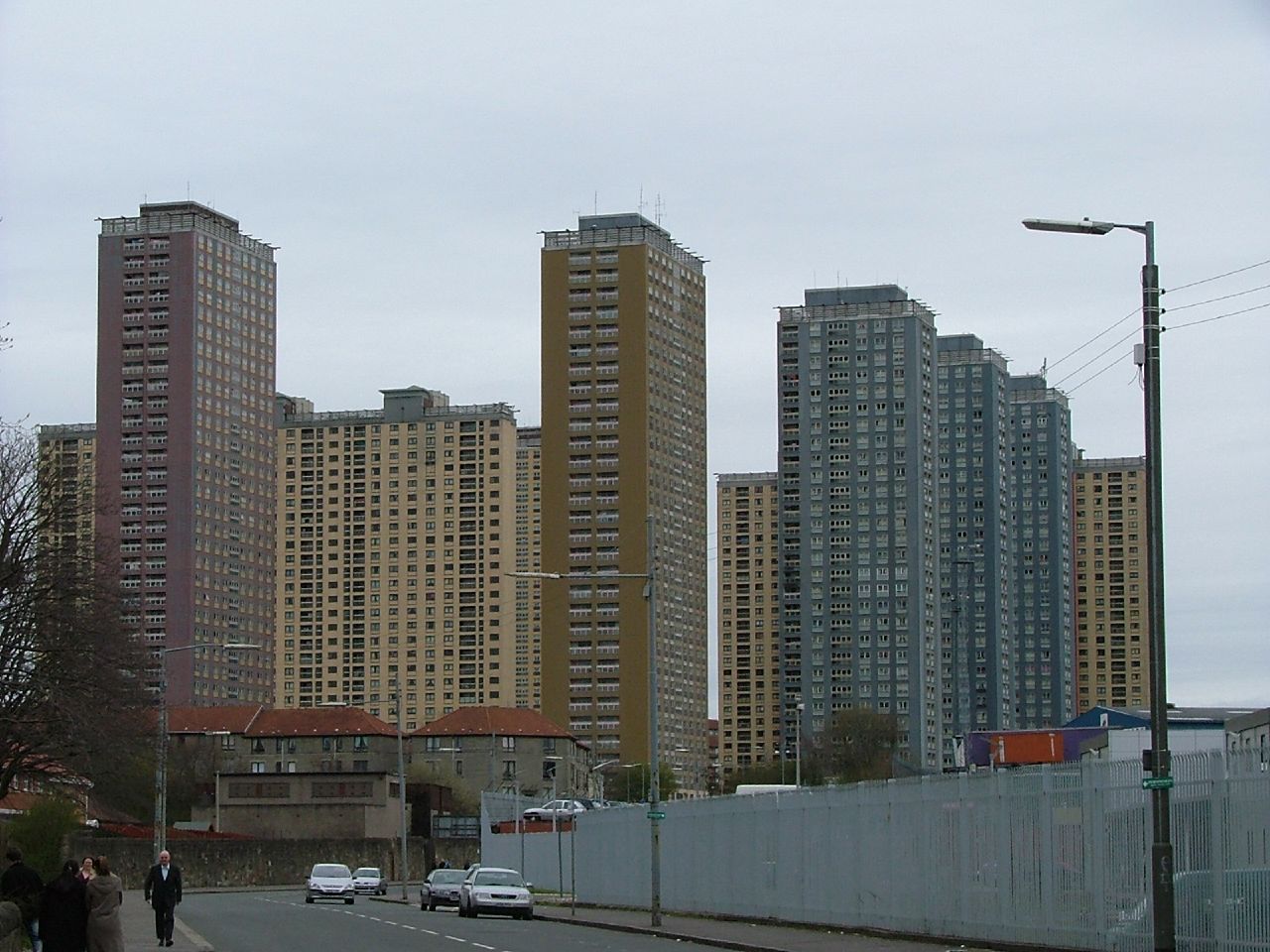
Glasgow 2014 has taken the decision to exclude the demolition of Red Road flats from the opening ceremony, concerned that public opposition might spark security incidents.
Having announced less than two weeks ago that Red Road flats would be demolished as part of the opening ceremony of the Commonwealth Games, Glasgow 2014 has abandoned the plans in the face of widespread strong feelings of opposition.
Opposition to the proposal was led by former parliamentarian Carolyn Leckie, whose online petition gathered 17,240 signatures. On hearing the news, she tweeted “huge respect to decision makers prepared to change their mind. That’s the kind of democracy I want to live in.”
The organising committee was due to meet with Leckie early this week to discuss the proposals, with the intention of standing by its bold plan. On Wednesday, a spokesperson for Glasgow 2014 told Host City: “Glasgow 2014 and Games Partners remain committed to ensuring the important story of Red Road is part of the opening ceremony of the Commonwealth Games.
“We want the story of Glasgow and Scotland to be real and authentic and reflecting the lives and history of communities such as Red Road, especially at such an important point in their regeneration.”
“We recognise the passion people feel for Glasgow and respect the wide range of views being expressed on how the city is represented in the Opening and Closing Ceremonies of the Commonwealth Games.”
On Thursday, David Grevemberg wrote to Host City readers confirming his support for the plans. “Bringing the Red Road story into the opening ceremony was opportunity to commemorate an important part of Glasgow’s social history in a unique and powerful way,” he wrote.
“There is no doubt the decision to include it in the opening ceremony is new territory. It is reflective of an opening ceremony designed to celebrate Glasgow’s authenticity, passion and ambition.”
However, in the interests of public safety, the organising committee decided to back down over the weekend. In a statement, David Grevemberg, Chief Executive of Glasgow 2014 said: “We made it clear from the outset the absolute priority was safety and that this event would only happen during the opening ceremony if it was safe to do so.
“Over the past few days it has become clear that opinions have been expressed which change the safety and security context. Glasgow 2014, Games Partners and key stakeholders, including Police Scotland and Glasgow Housing Association, are not prepared to allow what was proposed to be a positive act of commemoration to create risk for all concerned, including the communities of north east Glasgow.”
The opening ceremony will still reflect the regeneration of Glasgow, with a renewed emaphasis on public engagement. A spokesperson for Glasgow 2014 told Host City: “We are working to ensure plans for the ceremonies are properly represented and we are reviewing how we can best engage with people on this issue.
“The ceremonies create a once-in-a-lifetime opportunity to share positive aspects of city and national life with a global audience. Over coming weeks we look forward to sharing further details of the variety of different stories our Ceremonies will tell.”
Blog
-
Glasgow 2014 excludes Red Road demolition from ceremony
-
Qatar construction event attracts growth market exhibitors
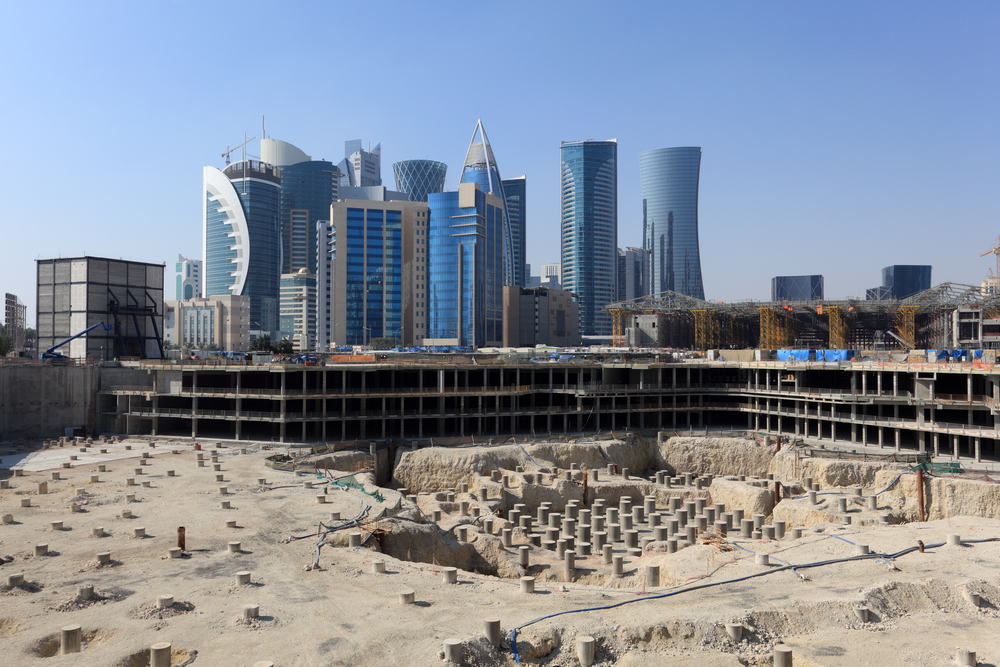
As Qatar works towards the FIFA World Cup in 2022 and the Qatar National Vision 2030, international interest in the country continues to grow. This is reflected by Project Qatar 2014, to which 2,100 companies from 47 countries expected to attend.
A total of 24 countries are setting up international pavilions at Project Qatar 2014, the International Construction Technology & Building Materials Exhibition, which takes place on 12-15 May at the Qatar National Convention Centre.
Three of these countries – Indonesia, Palestine and Romania – are taking pavilions to the event for the first time, reflecting the desire of growing markets to get involved in the construction industry in Qatar.
More established countries taking international pavilions include major event hosts Austria, Canada, China, France, Germany, Greece, India, Italy, Korea, Spain, Turkey and the United Kingdom.
“The international pavilions have been fundamental to the success of Project Qatar, which has a long history of attracting many global exhibitors and visitors. The pavilions offer international exhibitors a central platform to showcase their expertise, products and services,” said Rawad Sleem, Project Manager, Project Qatar.
“The participation of all these international pavilions demonstrates their recognition of the importance and commercial value of partnering with Project Qatar 2014, positioning their nations in Qatar amongst key global leaders in a market experiencing world leading exponential growth in infrastructure, building and construction.”
Francois Sporrer, French Trade Commissioner, Director of UBIFRANCE Middle East said, “There are many construction and infrastructure projects in Qatar, in preparation for the FIFA World Cup in 2022. In 2014, US$40 billion are going to be invested in various projects in this booming market. Project Qatar 2014 is definitely the place to be which is why the French pavilion, organised by UBIFRANCE, will gather nearly 30 French companies offering various state of the art technologies and French know-how for the building industry. Some of these companies are already active in the Qatari market and a number of others are looking forward to Project Qatar 2014 to network with partners and distributors. -
Soccerex Asian Forum attracts 12 FA presidents
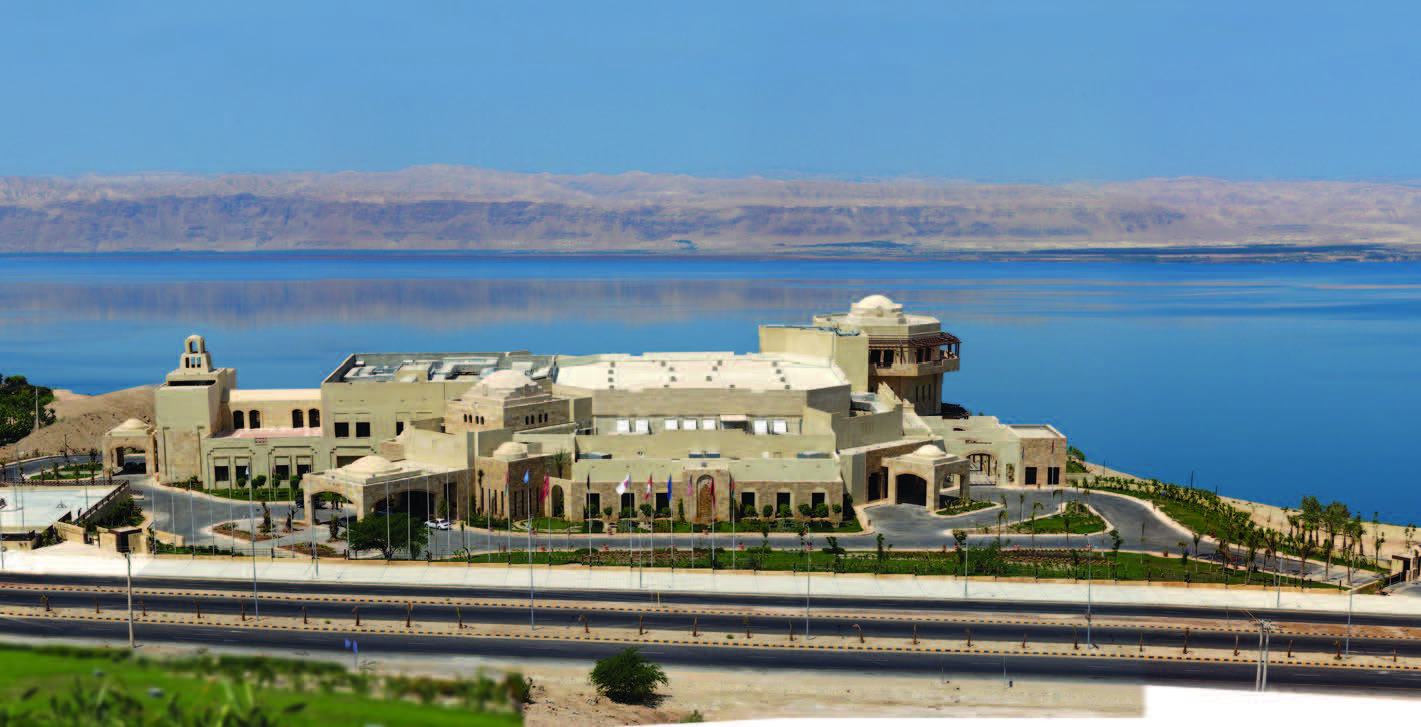
The presidents of 12 national football associations have so far confirmed their attendance at the Soccerex Asian Forum, which takes place on 13-14 May on the banks of the Dead Sea in Jordan.
These officials are the ultimate decision makers for football in major middle eastern, Asian and western markets. And with FIFA introducing new regulations on the selection of host cities for future world cups, they administrators will also have a say in some of the biggest decisions in world football.
Leading the list of FA presidents will be HRH Prince Ali Bin Al-Hussein, (Jordan), Sunil Gulati, (USA), H.E. Sheikh Hamad bin Khalifa Al Thani, (Qatar) and Chung Mong-gyu, (Korea), alongside FA presidents from the United Arab Emirates, Oman, Palestine, Yemen, Lebanon, Kyrgyz Republic, Papua New Guinea and the Honorary President for Norway. According to Soccerex, many more are expected to confirm shortly.
“The quality and quantity of the attendees singing up for the Forum is truly outstanding. As the key decision makers behind commercial and development projects for their own FAs as well as international matters such as future World Cup host selection, these presidents are amongst the most important footballing administrators on the planet,” said Duncan Revie, CEO of Soccerex.
Other senior representatives from Asia attending include AFC Vice-President and Football Federation Board Member Moya Dodd, All-India Football Federation General Secretary Kushal Das and Singapore FA General Secretary Winston Lee, as well as their counterparts from Turkmenistan and Bangladesh.
Other premier footballing institutions represented include FIFA, the Supreme Committee for Delivery and Legacy, The FA (UK), La Liga, Real Madrid, Liverpool, Manchester United, Barcelona, the Japan Football Association and Galatasaray.
Organised in partnership with the Asian Football Development Project (AFDP), the Forum is a unique platform for businesses looking to expand their network and to present themselves to these industry leaders.
Chaired by HRH Prince Ali Bin Al Hussein, the event brings together the leading figures from the world of Asian football as well as other international football experts to discuss the development of the game across Asia. The conference agenda will include a review of the opportunities for growth and the challenges facing Asian football.
For further details about the Soccerex Asian Forum please read the full conference programme or contact Soccerex on +44 208 987 5522 or enquiry@soccerex.com.
-
Atos to run IT systems for 2015 SEA Games
The International Olympic Committee (IOC)’s Worldwide IT Partner, Atos, has been appointed chief systems integrator for the 28th Southeast Asian (SEA) Games, which takes place in June 2015 in Singapore.
Atos will design, build and operate the technology infrastructure and IT systems for the Games, as well as managing and integrating the contributions of all technology partners to deliver the Games in a seamless and secure manner.
The contract encompasses operations, services and communications to athletes, spectators, organisers, officials, media, viewers, spectators and internet users in Southeast Asia.
Atos will draw on its many years of experience of providing technology for the Olympic Movement, including 12 years as the IOC’s Worldwide IT Partner. The company’s most recent project was the Sochi 2014 Olympic Winter Games.
“There is no other sports IT project of this magnitude and complexity,” said Herbert Leung, CEO of Atos in Asia Pacific. “Each Games has been a steep but rewarding learning curve for Atos, as we overcame the myriad of challenges unique to each new location and deliver on an extraordinary scale as the entire world watched on.”
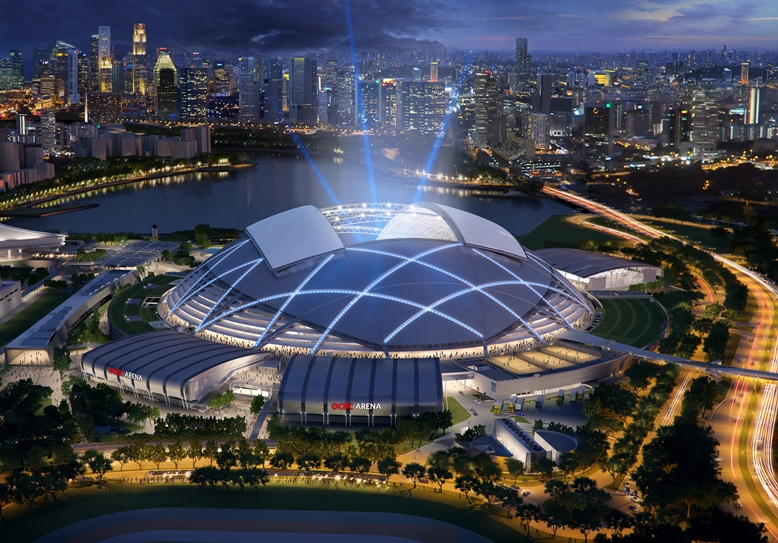
Atos delivered the IT infrastructure and systems during the inaugural Youth Olympic Games in 2010 in Singapore. Leung said “We look forward to working closely with SINGSOC again to deliver a seamless regional sporting event against the backdrop of Singapore’s brand new Sports Hub in Kallang whilst showcasing our expertise.”
Mr Toh Boon Yi, Chief of Community & Corporate Outreach, SINGSOC said “We are pleased to be working with Atos Information Technology in hosting a major multi-sport event for Singapore once again.
“As we prepare for the upcoming SEA Games in 2015 we are confident that Atos has the specialist skills to raise the bar and help us deliver an extraordinary regional sporting event.”
Atos has also recently signed a sponsorship agreement with the 2015 Pan American Games in Toronto, Canada. As Worldwide IT Partner of the IOC, the company is contracted to provide IT services for the next five Olympic Games.
The 28th SEA Games will be held from 5-16 June 2015, with Singapore Sports Hub as the main venue. The Games is held in conjunction with Singapore’s 50th anniversary and will host more than 7,000 athletes and officials from 36 sports. Singapore last hosted the SEA Games in 1993. -
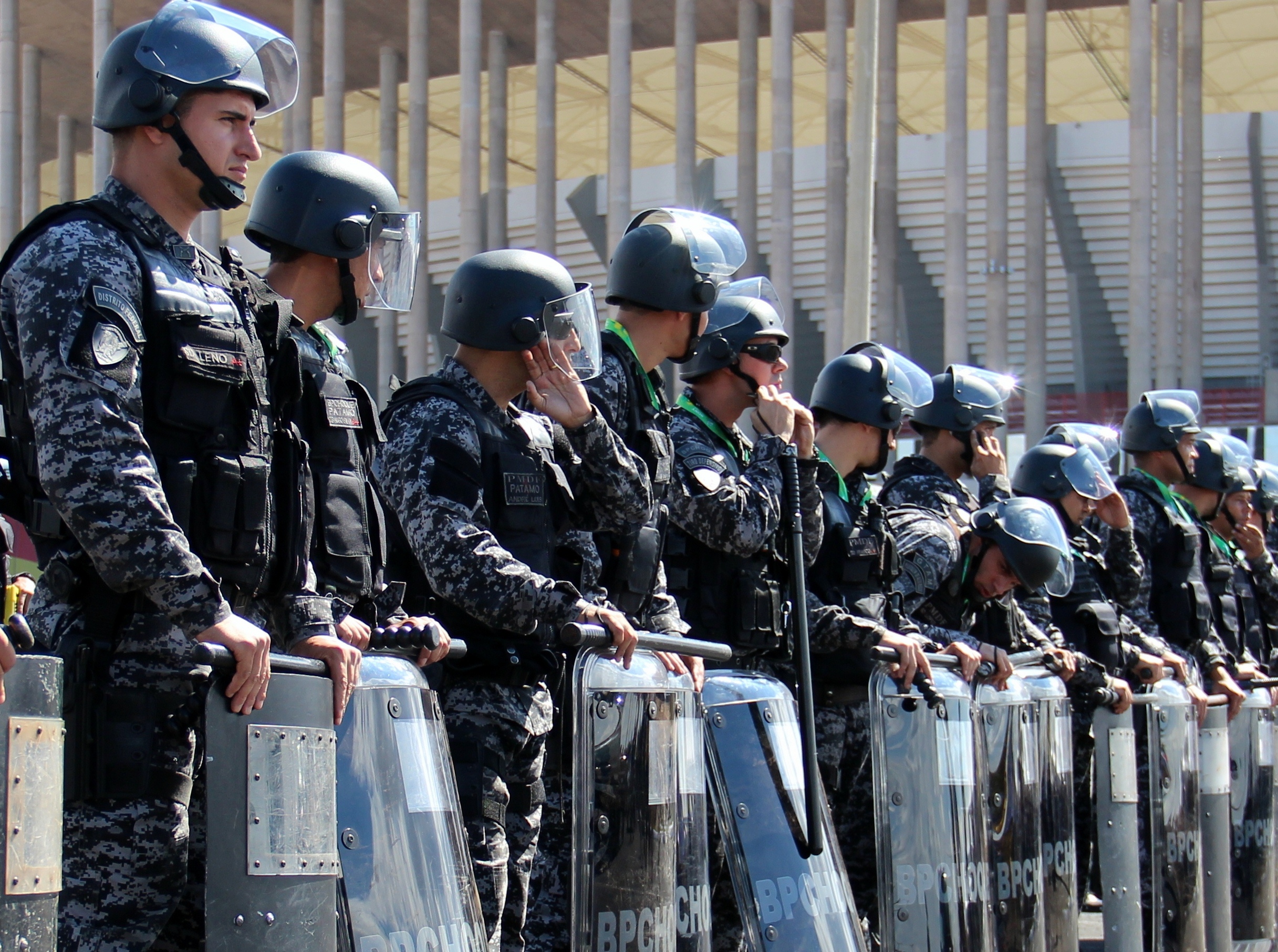
Brazil World Cup host cities hit by police strikes
In a major blow to the organisers of the World Cup, police strikes have led to Salvador being run by armed forces. Meanwhile in Rio de Janeiro, federal police officers have threatened to strike during the World Cup.
The Brazilian government sent 5,000 troops to of Salvador on Wednesday after the world cup host city was hit by police strikes and civil unrest. According to the Defence ministry, the military operation was authorised by President Dilma Rousseff based on a request from the Jaques Wagner, governor of the state of Bahia.
And on Sunday, a group of 300 people including federal police officers marched through Rio’s Avenida Atlântica carrying white elephants. “We have the same proposal colleagues of Brasilia and other states: Stopping during the World Cup,” said André Vaz de Mello, president of the federal police’s union.
The workers include forensics professionals, crucial for security control at airports. Such strike action could paralyse the World Cup.
Describing the World Cup as “an important moment for the country,” President Rousseff has committed the government to ensuring security during the World Cup in all host cities.
“The federal government will not agree with any kind of violence and we will not let the World Cup be contaminated,” she told a meeting of the council for economic and social development in Brasilia on Wednesday. “The armed forces will participate, we will use the Federal Police and the Federal Highway Police and we have partnerships with all state governors.”
Meanwhile, construction workers continue to strike on Rio’s Olympic Park. The widespread strike action coincides with a period of intense scrutiny on the progress of these hugely important mega events.
-
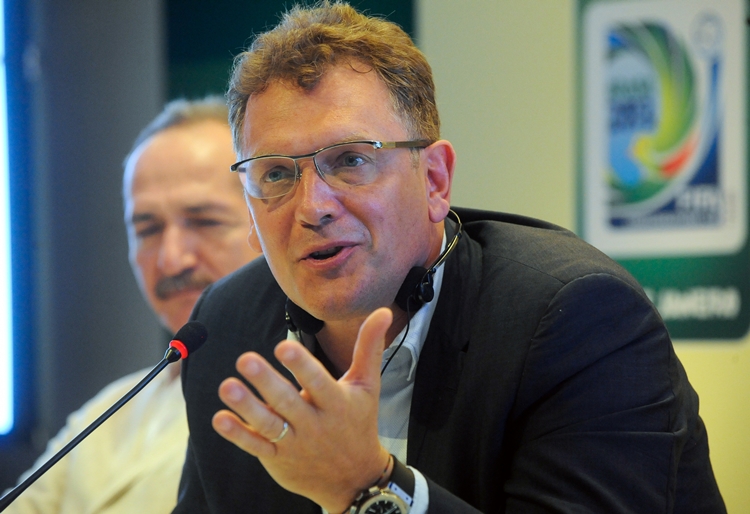
Valcke and Felli to discuss Brazil’s legacy in Lausanne
Gilbert Felli, the IOC Olympic Games executive director and Jérôme Valcke, the General Secretary of FIFA, are to share the stage with other major figures in sports events to discuss the legacy of the 2014 World Cup and the 2016 Olympic Games.
The conference, which is hosted by the International Centre for Sports Studies (CIES), takes place in French on 6 May at the Expo Beaulieu Lausanne. Other speakers include CIES director and IOC member Denis Oswald, lawyer and former IOC executive director François Carrard and sports architect Miranda Kiuri.
The meeting comes at a time when both Valcke and Felli have been closely scrutinising the progress of the FIFA 2014 World Cup and the 2016 Olympic and Paralympic Games. Both events are experiencing serious delays that have threatened to impact the successful delivery of Brazil’s mega-sports events. Any problems in event delivery would reflect badly on the host nation and have a knock-on effect on legacy plans.
“The results of such major sporting events are never guaranteed and therefore the legacy is always a theme of discussion, notably because of the costs incurred,” the CIES said in a news release on Thursday.
“It is true that some countries have been able to deal with legacy better than others and for this reason CIES has decided to host this round table and gather experts just before the FIFA World Cup and the 2016 Olympics. This conference will allow everyone to better understand this challenge and its related issues, as well as the real legacy to these two major Brazilian competitions.
More information about the event is available at http://www.cies.ch/cies/agenda/ -
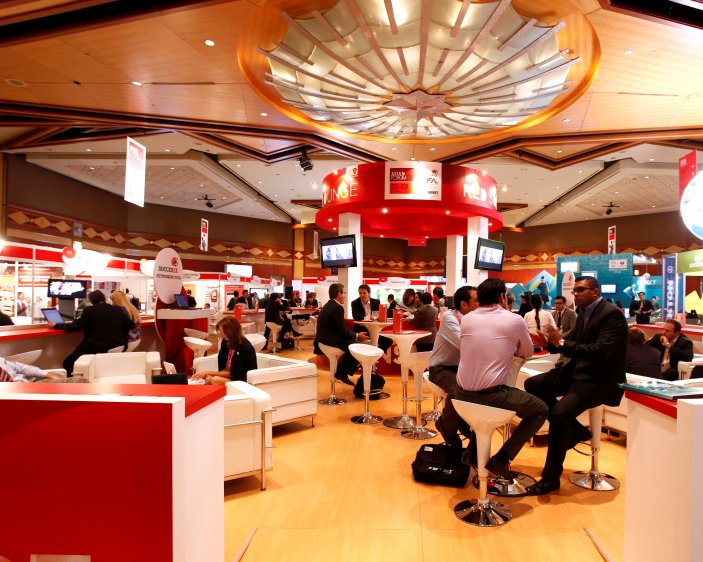
Global brands support Soccerex Asian Forum
Soccerex has announced that the Asian Football Confederation (AFC), Royal Jordanian Airlines, PepsiCo and the Jordan Tourism Board have committed to the Soccerex Asian Forum, which takes place from 13-14 May on the banks of the Dead Sea in Jordan, in partnership with the Asian Football Development Project (AFDP).
Royal Jordanian Airlines – voted Airline of the Year by Air Finance Journal in 2007 – is now the official airline partner of the Forum. PepsiCo, the official sponsor of the AFC, and the Jordan Tourism Board have signed up as official event supporters.
Pepsi (PepsiCo) will act as official drinks supplier of the event while the Jordan Tourism Board will sponsor a social evening taking place at the Marriott Dead Sea Spa & Resort on Tuesday 13 May.
“We are very excited to bring this impressive selection of global brands to the event,” said Soccerex CEO Duncan Revie. “These are first-class organisations that bring the sport and the community together, and we believe will help Jordan and the rest of the continent become a destination for the global industry and soccer fans alike for many years to come.”
The local organising committee of the 2015 Asian Cup will be partnering with Austrade, the Australian Trade Commission, to host Café Australia, the networking hub at the heart of the exhibition hall.
Australia is joined by India, Korea and other Asian federations, demonstrating the Asian Forum’s status as a significant gateway to Asia for the global industry. In addition to national associations, a number of premier footballing institutions including FIFA, The Supreme Committee for Delivery & Legacy, The FA, La Liga, Real Madrid, Liverpool, Manchester United, Barcelona, the Japan Football Association and Galatasaray, have signed up for the event.
The AFC is also involved in the content of the event, updating delegates on the delivery of the Cup in a panel dedicated to major events. AFC Vice-President Moya Dodd will provide an outlook on the issues surrounding women’s football in Asia.
The Forum, held in partnership with the AFDP founded and chaired by HRH Prince Ali Bin Al Hussein, brings together leading figures from the world of Asian football as well as other international football experts to discuss the development of the game across Asia. The conference agenda includes a review of the opportunities and challenges facing Asian football. -
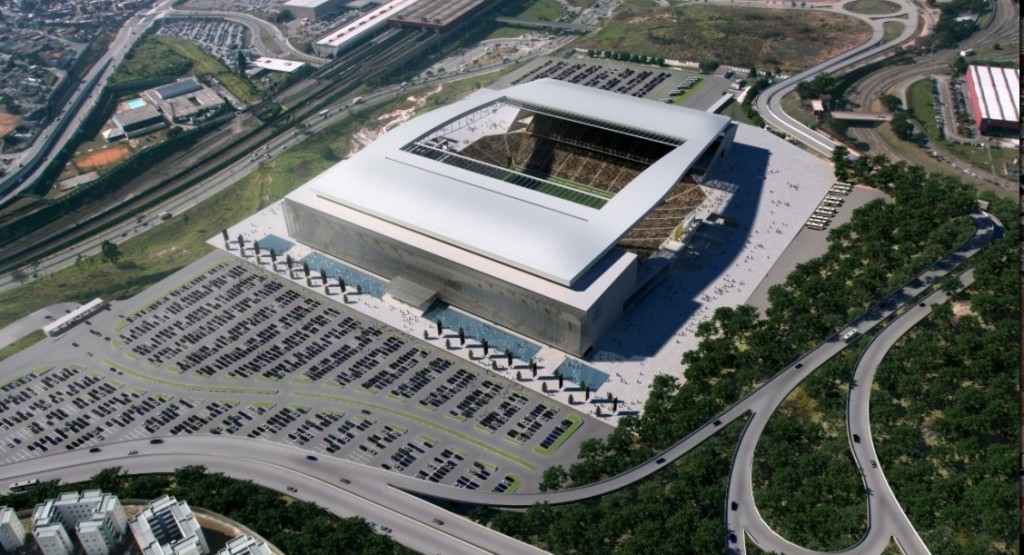
São Paulo World Cup stadium faces tight deadlines
FIFA secretary general Jerome Valcke met with key figures in delivering the World Cup in Brazil on Wednesday to establish a rigorous framework for completing outstanding infrastructure work around Itaquerão stadium.
Construction works surrounding the stadium have to be completed be ready by 28 April, while temporary seating inside the stadium must be installed by 10 May, according to local media attending the meeting. A number of test events, starting on 28 April, will take place to ensure the readiness of the venue, which is also known as Arena Corinthians.
Valcke surveyed Itaquerão on Tuesday with Sports Minister Aldo Rebelo and Ronaldo Nazario, board member of the Local Organising Committee. “There is still much work to do; it’s a race against time, but I can say that the opening match will take place here in the Corinthians stadium,” Valcke is reported to have said.
At a meeting on Wednesday, the deadline for construction work outside the stadium, for which responsibility is shared between the municipal and the state government was set for 28 April. The deadline for completing temporary seating was set for 10 May.
A walkway that connects the subway station to the stadium will also be completed in May, according to Julius Semeghini, state secretary of planning and regional development.
FIFA has also been monitoring road works around the stadium. According to local media, Rebelo said at the meeting “I had the opportunity to move around the vicinity of the stadium before entering to see the urban mobility works underway. I saw some completed, others in an advanced stage.”
Some small events to test the structure of the stadium have been scheduled for the 26 April, 1 May and 10 May, before FIFA’s evaluation. “The important date is the FIFA test game on 17 or 18 May. We will able to find out if everything is working and we will still have a period of three weeks to solve problems,” Valcke is reported to have said.
50,000 people are expected to come to the FIFA test event. According to Semeghini, the event will serve to assess the functioning of the integrated command and control centre, the security strategy established for the World Cup host cities. -
Rio Olympic spending rises as race begins
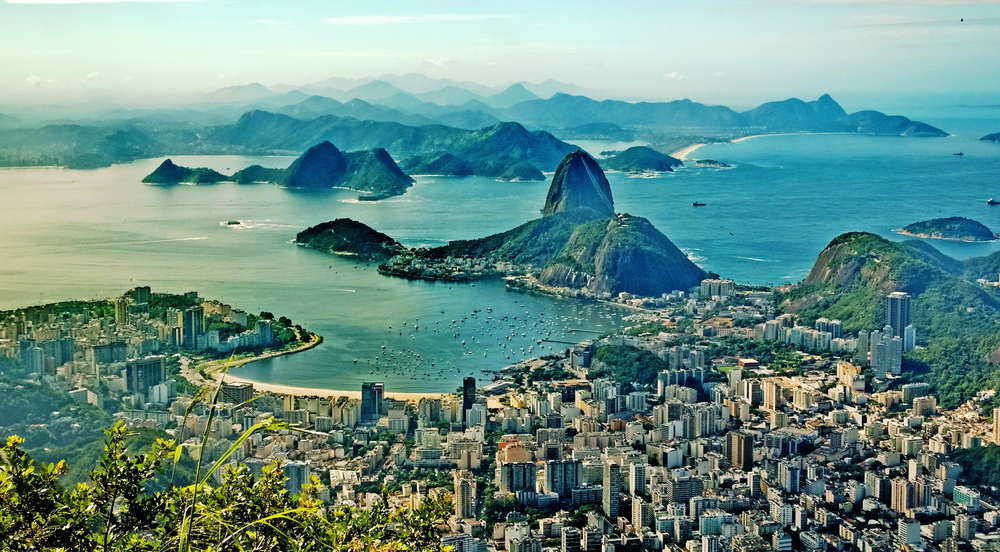
The mayor of Rio de Janeiro on Thursday announced opportunities for construction companies on the Deodoro Sports Complex, admitting there is no time to spare.
Meanwhile, the Brazilian authorities have announced a US$10.8bn budget for civic infrastructure works, amid widespread concerns about the city’s readiness. Gilbert Felli, director of Olympic Games at the IOC, has introduced an unprecedented level of oversight over preparations.
Speaking to Bloomberg News on Wednesday, Paes said “[The IOC’s] presence is very good, because we are going to show them we have no reason for concern.”
Construction work is now moving forwards quickly. The Mais Rio construction consortium announced on Thursday that a two-week-long strike at the Olympic Park was over. Speaking at a press conference, Paes said “The Olympic Park is going so well that even with the strike, we haven’t noticed a deviation [from the timeline].”
The biggest concern is over the Deodoro Sports Complex. “We’re left without any time to lose in Deodoro; we can’t have any errors there,” said Paes.
The government of Rio de Janeiro formally invited companies to bid for construction work on Deodoro on Thursday. The work is being divided into two blocks. Contracts will be awarded to the lowest bidders and are expected to go for a total of US$358m of public funds.
Paes said “We ended up without time to burn, but the equipment is much simpler than at the Olympic Park.”
Rugby sevens
One of the sports to feature at the delayed Deodoro Sports Complex is rugby sevens, which will take place in a 20,000 temporary venue to be built nearer the time.
“Following a constructive meeting with the other sports in the Deodoro Zone and Rio 2016 at SportAccord last week, we believe that the location has the potential to deliver a vibrant festival hub and a great experience for athletes and fans,” a spokesperson for the International Rugby Board (IRB) told HOST CITY on Thursday.
“However, for this to be achieved, it is essential that planning and preparations for the Zone and required infrastructure now move forward rapidly.
“As a new sport on the programme, we do not get a second chance to make a first impression. It is important all involved maintain an on-going and fully collaborative dialogue regarding venue planning, schedule integration, logistics and overall fan experience and we will continue to do all we can to support Rio 2016 and the delivery of a spectacular and memorable debut for Rugby Sevens at the Games.”
The IRB’s statement follows their chief executive Brett Gosper’s comments to the Daily Telegraph on Wednesday that “We’re more worried about actual infrastructure, public transport from other parts of Rio, to get teams and spectators out to that Deodoro Zone area.”
Conscious that civic infrastructure also needs to be upgraded quickly, Brazilian authorities have announced an infrastructure budget for the Games of US$10.8bn. The budget is 25 per cent more than originally planned, accounting for a new fourth metro line and other new projects that have pushed costs up for the host city.
-

Qatar World Cup could be hosted in three cities
The number of host cities and venues scheduled to host World Cup matches in 2022 is under review and may not be confirmed until September, a spokesperson for the Supreme Committee Delivery and Legacy told HOST CITY.
“In due course, the final proposal for stadia will be submitted to the FIFA Executive Committee for approval. The requirement is a minimum of eight and a maximum of 12 stadia,” the Supreme Committee for Delivery and Legacy said in a statement emailed to HOST CITY.
Qatar’s World Cup bid originally proposed an event with 12 venues encompassing all seven municipalities in Qatar. Four venues were planned for Doha, three for Al Rayyan and five for each of the other municipalities.
One possible outcome of the review would be to only use four venues in Doha, three in Al Rayyan and one in Al Wakrah – where the first new stadium is for the World Cup is already being built. This would mean that just three of Qatar’s seven municipalities could host World Cup matches.
“Once a country is chosen as host, a review of the bid plans is made with the organisers to propose the final host cities and stadia projects, which then need to be approved by the FIFA Executive Committee,” the Committee’s statement said.
“For Qatar, the process of selecting the final proposed line-up of host venues is ongoing.”
Asked when the venue selection would take place, the spokesperson said “It is logical to assume that the decision by the FIFA Executive Committee will occur after the 2014 FIFA World Cup in Brazil. In comparison, Russia’s Host City Selection occurred on 29 September 2012.”
Russia’s bid for the 2018 World Cup originally proposed 16 stadiums in 14 host cities, which was reduced to 12 stadiums in 11 cities.
The spokesperson declined to comment on what factors might influence a decision to reduce the number of host cities. Possible reasons include the time and investment required for venue construction, coupled with the scale of civic infrastructure work scheduled for Qatar over the next decade.
The need to safeguard legacy use for all World Cup stadiums after 2022 is also likely to influence the review.