The International Congress and Convention Association (ICCA) 56th Congress will take place in Prague from 12 to 15 November 2017.
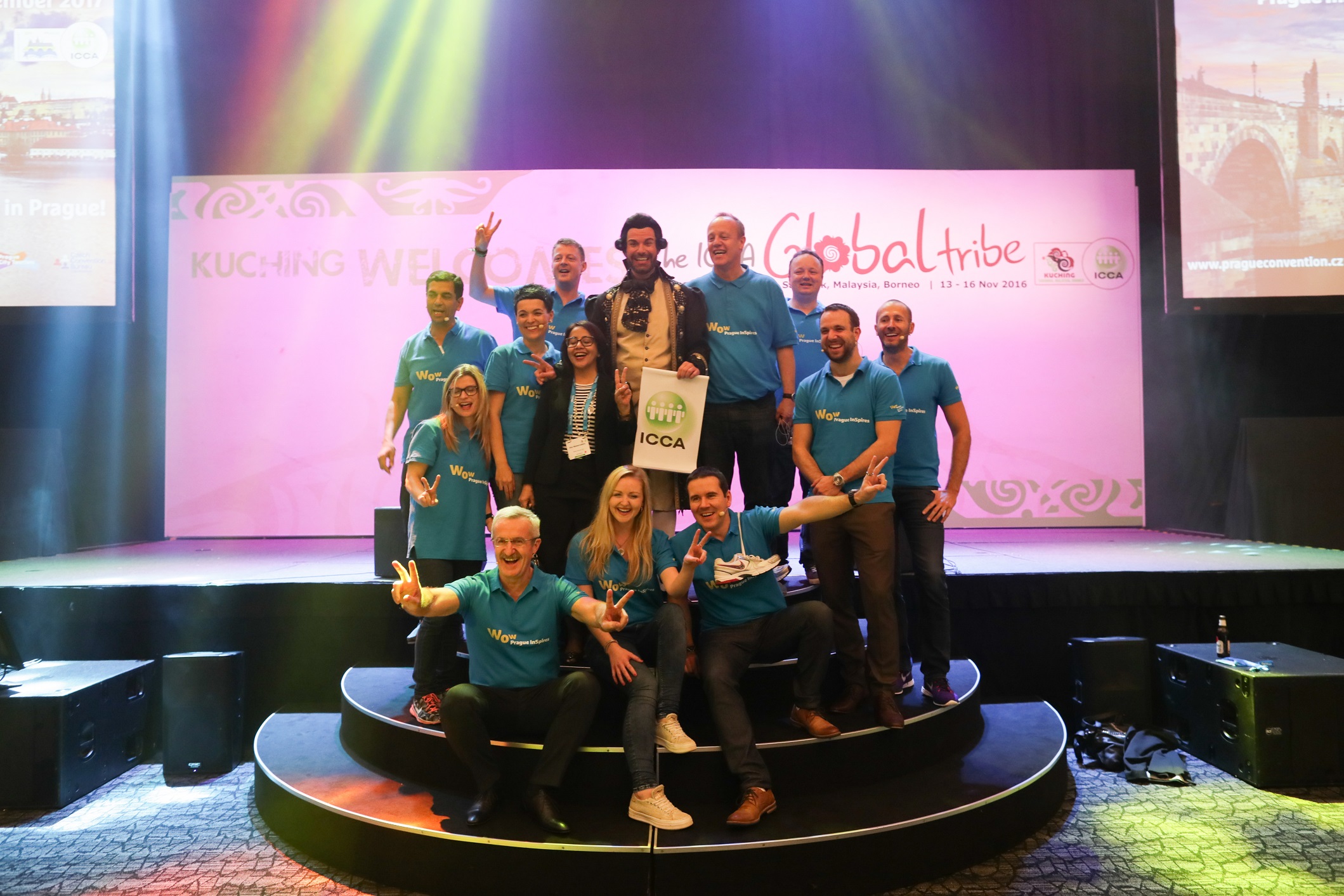
The Prague Convention Bureau and other Local Host Committee representatives received the formal handover from the 2016 Congress hosts during the Congress Closing Ceremony on 16 November 2016 in Kuching, Malaysia.
Martin Sirk, ICCA CEO said: “Our Czech hosts really grabbed the opportunity to showcase why they were awarded the chance to host the ICCA Congress, not only highlighting Prague’s cultural appeal, but also by supporting the presence of a particularly impressive Czech technology expert speaker in this year’s education programme, to let our members know they will be intellectually stimulated at the 2017 Congress as well as inspired by the city itself.”
The handover was symbolised by the passing over of the ICCA Congress flag. Delegates at the closing ceremony in Kuching were treated to world-class opera singing from Martin Matoušek, a short introduction on why Prague has become one of Europe’s top meetings destinations, and an authentic Czech lunch menu.
“Based on our estimates, around 1,200 event planners and association representatives could attend the Congress in Prague, which would be a record number in the whole ICCA Congress history,” said Roman Muška, Managing Director at Prague Convention Bureau.
“A key contribution of this event to Prague lies in increasing awareness about MICE opportunities of Prague and the Czech Republic and not only among the Congress’s delegates, but thanks to the communication accompanying the next edition of the Congress among the professional community as well.”
Prague Convention Bureau has also launched also a year-long marketing campaign and social media contest “Bridge to Prague” to promote the capital as an important historical, cultural and business crossroad.
The campaign builds on the celebrations of the 660th anniversary of the laying foundation stone of Charles Bridge – one of Prague’s famous monuments.
ICCA is a global community and knowledge hub for the international association meetings industry. ICCA represents specialists in organising, transporting, and accommodating international meetings and events, and comprises over 1,000 member companies and organisations in over 90 countries worldwide.
The annual ICCA Congress serves as a platform for networking, education and best practice sharing for the association’s members and pre-selected association delegates from the meetings industry.
Source: Prague Convention Bureau
Blog
-
Prague prepares to host 2017 ICCA Congress
-
How the stage was set for a “world class” ATP Tour Finals
The ATP World Tour Finals at the O2 in London took on special significance in 2016, with Andy and Jamie Murray creating tennis history by achieving World Number One rankings in singles and doubles.
Behind the scenes, UK-based Arena Group supported the event rights holder ATP and venue operator AEG to produce a new look for the tournament, having secured a three year contract with the ATP Tour.
After the 2015 Barclays ATP World Tour Finals, AEG informed the ATP that the space previously used for the Fan Zone was no longer available and conversations between the ATP and Arena Group began to redesign the event’s footprint. It was decided to relocate the Fan Zone inside the venue and move the players and sponsors facilities, including the practice courts and players restaurant, to a temporary facility adjacent to The O2.
Arena Group responded to this brief to create over 8,500sqm of temporary venues in keeping with the environment. The new I-Novation system was used to create a flat-roof structure for the VIP reception and security area.
“There was a lot of consultation, planning, investment, innovative engineering and creative thought behind this project and I think it has paid off with the best structure we’ve ever produced for an event,” says project manager Dan Bluff.
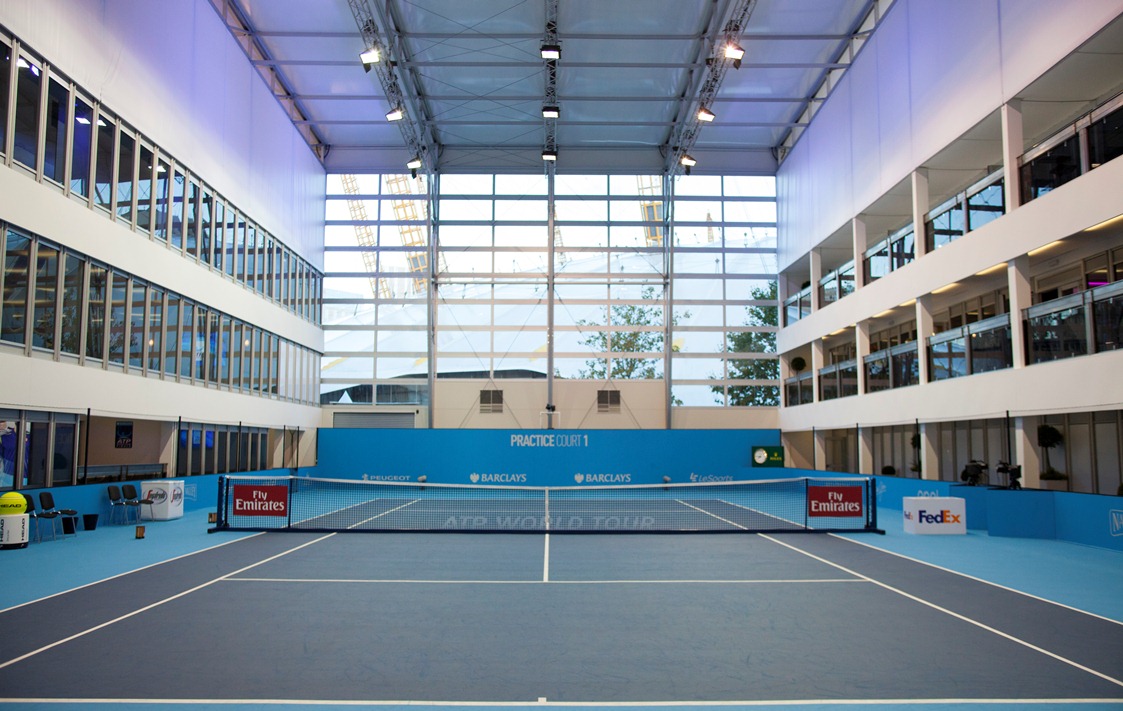
Using its I-Novation system, Arena Group designed and built a 40m x 50m structure with 13m high legs, giving the headroom the client requested and delivering a temporary venue with a permanent feel.
This external building mirrored the style of The O2 arena, forming an outer skin comfortably accommodating the players and sponsors’ facilities inside it, which were comprised of two 40m x 15m Arena triple-decker hospitality structures either side of a practice court.
Arena Interiors created well-appointed players’ lounges and bespoke sponsors’ hospitality suites, with Arena Group supplying event furniture from Spaceworks.
I-Novation’s improved insulation properties were appreciated in the November climate, as were Arena’s new wooden staircases and walling system, all of which contributed to the overall quality of the temporary venue.
Guests arrived through a VIP reception and a security area. These new structures were designed in line with the client’s wish to have a building that didn’t have an apex, to fit in with the local environment. Arena Structures’ in-house structural engineers adapted the company’s triple deck base system to create a flat roof venue covering a 250sqm area with no internal pillars.
The second practice court was housed within the O2 Arena’s Tensile Fabric Structure at the core of the relocated Fan Zone, alongside the double decker media facility.
Three broadcast studios were installed over the seating at one end of the O2 Arena. The event was broadcast to millions of viewers, who enjoyed a spectacular week of tennis culminating with Andy Murray being crowned both Barclays ATP World Tour Finals champion and the year-end world number one.
“The Barclays ATP World Tour Finals is the climax of the men’s professional tennis season. As such, we strive to deliver the best possible experience for all stakeholders at the tournament, whether that be the players, sponsors, media or fans,” says event director Adam Hogg.
“Working closely this year with AEG and Arena Group we were able to deliver a world-class event that provided all of these groups with an enhanced offering and a positive experience for their time at The O2.” -
China’s foreign minister visits IOC president, strengthening cooperation
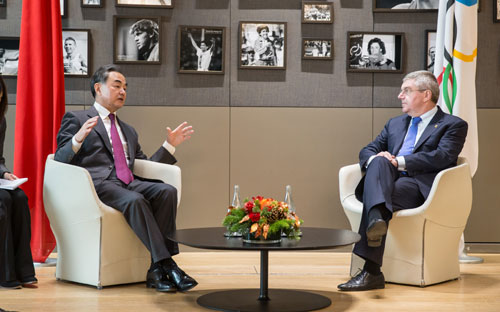
The Foreign Minister of China, Wang Yi, met with International Olympic Committee (IOC) president Thomas Bach in Lausanne on December 11 to discuss how China can strengthen its cooperation with the global sports organisation.
On his visit to Switzerland Wang also met with the director-generals of the United Nations (UN) and the World Health Organisation (WHO), as well as the president of Switzerland.
According to China Daily, Wang told Bach, “China is willing to strengthen cooperation with the IOC while upholding the Olympic spirit.”
Wang also expressed his confidence in the Beijing and Zhangjiakou’s ability to stage the Winter Olympic Games in 2022, highlighting the success of the Beijing 2008 Olympic Games and the Nanjing 2014 Youth Olympic Games.
“With the all-out efforts of the Chinese people and the substantial help of the IOC, I am confident that the 2022 Winter Olympics will be another huge success,” he said.
According to Yutang Sports Marketing, Wang stressed the importance of sports in human and national development, recognising the great contributions the IOC has made to promoting global sports development and strengthening the friendship among people from different countries.
Bach reportedly said China’s plans for sports development are at one with the IOC’s, noting the tremendous contributions China has made to the IOC and expressing gratitude to China for its cooperation with the IOC.
The IOC also looks set to strengthen this cooperation beyond the hosting of the Winter Games. “The IOC will be a full helping hand in delivering a fruitful 2022 Winter Olympics, while expecting to team up on further cooperation with China,” Bach said.
In the meeting with UN Director General Michael Moller, Wang said “Against the backdrop that the global situation is continuously becoming more complicated, the role of the United Nations can only be strengthened instead of weakened.”
Margaret Chan, director-general of the World Health Organization, told Wang “China has set an excellent example in poverty alleviation and health undertakings, and I believe it will contribute more to improving global public health and sustainable development.” -
IOC approves venues for Tokyo 2020 additional events
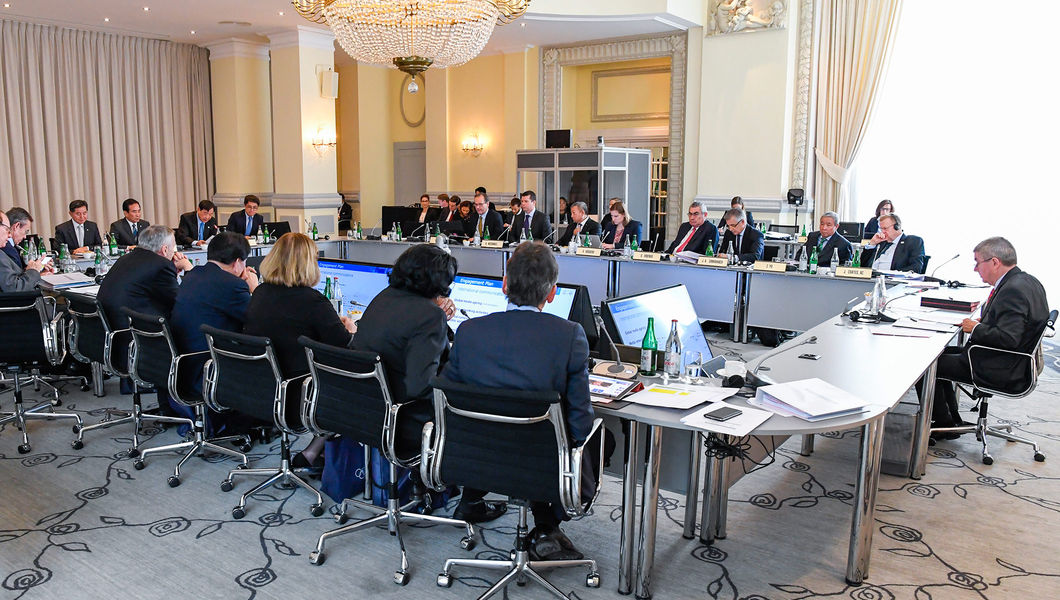
The International Olympic Committee (IOC)’s Executive Board (EB) today approved the venues for the five sports – baseball/softball, karate, skateboarding, sport climbing and surfing – that had events approved during the IOC session in Rio de Janeiro this year for the Tokyo 2020 programme only.
These additional events were proposed by the Tokyo 2020 Organising Committee using the new flexibility given by Olympic Agenda 2020 for host cities to propose events only for their edition of the Games.
The IOC EB agreed to the following venue proposals from the Tokyo 2020 organisers:
The baseball/softball competitions will be held in the Yokohama Stadium (Yokohama, Kanagawa Prefecture), which is one of Japan’s best-loved baseball venues.
Karate will take place at the Nippon Budokan (Chiyoda Ward, Tokyo), which is already hosting judo in 2020 and, as Japan’s mecca for martial arts, is a legacy venue from the 1964 Games.
Skateboarding and sport climbing will be hosted at the Aomi Urban Sports Venue, which will be a dynamic and innovative temporary facility situated in a spectacular location with Tokyo Bay as a backdrop.
Finally, surfing competitions will be located on Tsurigasaki Beach, which is situated at the southern end of the Kujukuri Beach in Chiba prefecture. The beach is a popular surfing destination and has hosted a number of international and national surfing competitions.
This brings the total number of venues for the Tokyo 2020 Games to 39, including 8 new permanent venues, 22 existing sites and 9 temporary venues, most of which are located in two zones of the city -the Heritage Zone and the Tokyo Bay Zone. These two zones will offer a unique look at Tokyo and Japan to spectators attending the Olympic Games Tokyo 2020.
In addition to updating the EB on operational matters and the new venues, the Tokyo delegation also spoke about the success of their participation in the Olympic Games Rio 2016, with 300 staff taking part in the observer programmes run by the IOC and IPC; Japan House with its 82,000 visitors; and an acclaimed handover segment. The homecoming parade of Japan’s 87 Rio medallists was also seen by a record 800,000 people on the streets of Tokyo, which underlined further the support of the Japanese people for the Games.
The Rio 2016 Organising Committee made its first presentation to the IOC EB since the “Marvellous Games” came to a close this August. In particular, they spoke about the legacy of the Games with 200,000 passengers per day now using Metro Line 4 and 450,000 being carried on the three new BRT lines built using the Games as a catalyst. In addition, according to reports published after the Games, Rio 2016 also delivered an economic impact of USD 21.66 billion, created 1.79 million jobs and had an important tourism impact with 1.2 million visitors during the Rio Olympic Games, who spent USD 304.1 million.
With 428 days to go until the Opening Ceremony of the Olympic Winter Games PyeongChang 2018, the President of the PyeongChang 2018 Organising Committee (POCOG), Hee-beom Lee, presented the status of Games preparations in the next Olympic host city. President Lee reported about the large number of activities taking place in PyeongChang this winter, including the World Press Briefing, the World Broadcaster Meeting, the Chef de Mission meeting, the One-Year-to-Go celebrations, the numerous visits by the National Olympic Committees (NOCs) and International Federations (IFs), and the 24 test events that will see some of the world’s best winter athletes take to the snow and ice already this season in the Republic of Korea.
Finally, Beijing 2022 gave an impressive report on their progress, as the Organising Committee takes shape with 176 staff now in place – 50 of whom participated in the Rio 2016 Observer Programme. The Committee underlined the efforts being made to develop winter sports in China and promote the Games. One example of this promotion was the figure shared by the Beijing organisers that last winter, the number of residents practising winter sports in Beijing and Zhangjiakou alone increased by over 30%, reaching 6.8 million people.
Source: International Olympic Committee -
Glasgow 2015 World Gymnastics Championships named Sport Event of the Year
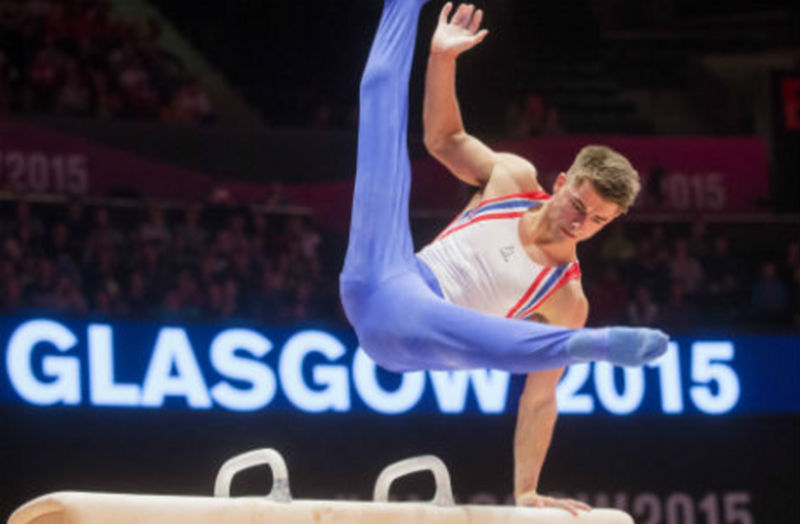
The 2015 FIG World Gymnastics Championships, hosted by Glasgow, received the award for Sports Event of the Year, one of several awards issued at the International Sports Awards 2016 in Geneva.
The 2015 FIG World Gymnastics Championships had already been hailed as superlative by the most influential figures in world sport. In his keynote address at Host City 2016 in Glasgow in November, WADA President and IOC member Sir Craig Reedie CBE – who was himself the recipient of the “Lifetime Achievement” award – described it as “the best presentation of indoor sports that I have ever seen”.
FIG President Bruno Grandi described the event, which sold more than 55,000 tickets, 60 per cent of which were sold outside Scotland, as “even better than the Olympic Games”.
This award marks a hat-trick for the 2015 World Gymnastics Championships, as the event already collected The Sunday Mail Scottish Sport Award for Event of the Year 2015, and the West Regional Scottish Thistle Award for Best Sporting Event of the Year 2016/17.
Other awards at the International Sports Convention included: International Equestrian Federation (FEI) for “International Sports Federation of the Year”; STAIRS for the “Sports Community of the Year”; IMG Productions for “Sports Media”; Laureus for “CSR Campaign of the Year”; and Parc des Princes Stadium for “Sports Venue of the Year”.
The 2015 World Gymnastics Championships were held in The SSE Hydro from 23 October – 1 November 2015 and delivered in partnership between Federation Internationale de Gymnastique (FIG), Glasgow Life, Glasgow City Council, EventScotland, British Gymnastics and UK Sport.
Not only was the Championships one of the largest single-sport events ever to be hosted in the UK, with a record 594 gymnasts from 87 nations travelling to Glasgow to compete, but it also provided a number of historic moments for gymnasts including record All-Around titles for both Japan’s Kohei Uchimura and USA’s Simone Biles.
Following the event, Glasgow cited a dramatic increase in participation levels at gymnastics clubs and development programmes across the city. Attendances at pathways programmes went up by 15% between 2014/15 and 2015/16, and participation at the city’s seven gymnastics clubs increased by 28%.
Councillor Archie Graham OBE, Depute Leader of Glasgow City Council and Chair of Glasgow Life, said: “To win the International Sporting Award for Sports Event of the Year only reinforces what we’ve known all along – that the 2015 World Gymnastics Championships truly was one of the best sporting events Glasgow has ever seen.
“Bringing more than 50,000 spectators and a massive £4.9million economic benefit to our city, it’s safe to say the event was one of a kind and more than worthy of the many rewards it has received to date!
“Here in Glasgow we’re still feeling the benefits of the 2015 World Championships, with participation in our gymnastics classes and programmes significantly increasing since the event – showing that major sporting events really do deliver lasting legacy benefits for the local community.”
Paul Bush OBE, VisitScotland’s Director of Events, said: “The World Gymnastics Championships was supported through EventScotland’s International Programme and is without doubt one of the most successful events that Scotland has ever seen.
“Not only did the event promote Scotland as the perfect stage for events to a worldwide audience through widespread broadcast and media coverage, it raised the bar in terms of the championships’ delivery, speaking to Scotland’s ever-strengthening capacity as an elite host of major events.
“I am delighted the event now has the International Sports Awards Sports Event of the Year to add to a growing list of accolades and would like to congratulate all partners on their outstanding contribution to the historic success of the event.”
Jane Allen, CEO of British Gymnastics, said: “The 2015 World Gymnastics Championships, held in Glasgow’s SSE Hydro, was a historically successful event for British Gymnastics and for the sport as a whole. It is also a breath-taking example of an excellent world-class event that was so successfully held in Scotland, with the help of many, including the FIG, UK Sport, Glasgow City Council, through Glasgow Life, and EventScotland.
“We delivered an event that has propelled gymnastics into a brand new and exciting era in the UK. We also delivered an event that has set such a high standard for future World Gymnastics Championships events to aspire to.”
Simon Morton, Chief Operating Officer at UK Sport, said: “The 2015 World Gymnastics Championships in Glasgow was genuinely a pioneering event that set new benchmarks in the way this inspiring sport is showcased.
“Its success demonstrated the enduring power of hosting big sporting events in the UK, with packed crowds, outstanding British athletes, many of whom went on to make the nation proud at Rio 2016, and an incredible economic impact.” -
Muscat, Katowice and Geneva bid for WADA’s 2019 World Conference on Doping in Sport
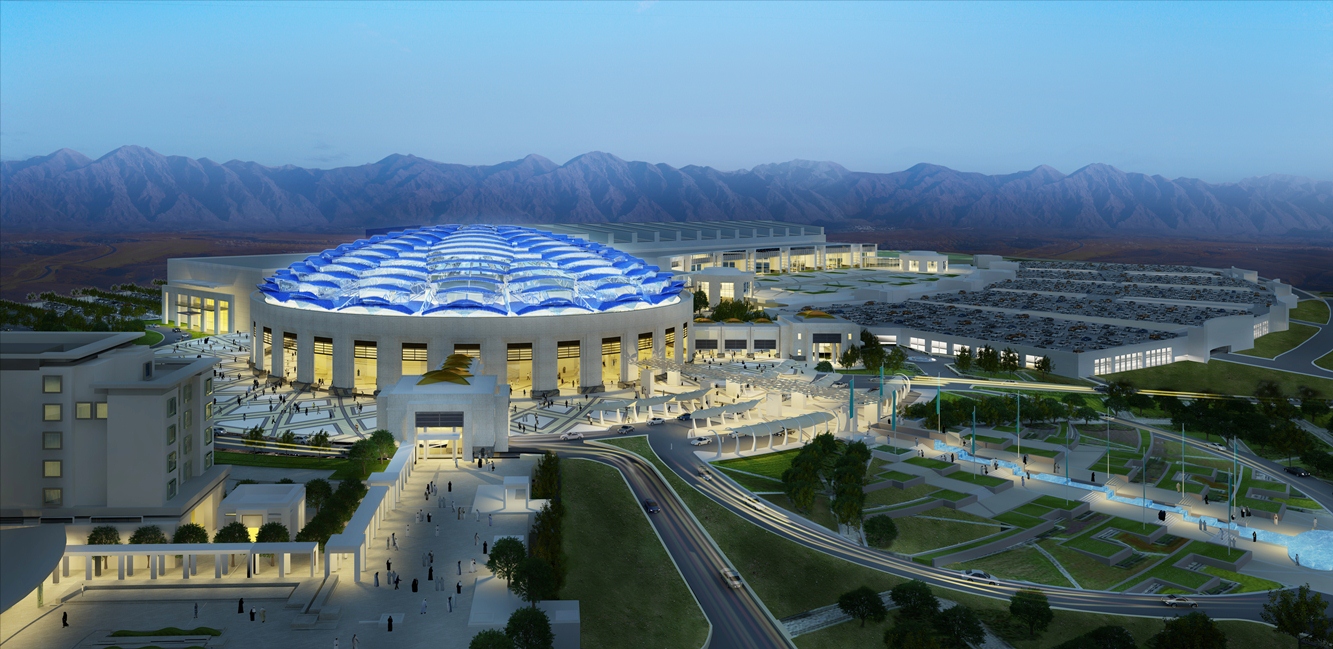
The World Anti-Doping Agency (WADA) has received expressions of interest from three cities to host the next World Conference on Doping in Sport, due to take place in November 2019 subject to the progress of three working groups.
Muscat in Oman, Katowice in Poland and Geneva in Switzerland all submitted before the deadline of 25 November 2016.
WADA will now evaluate the submissions, including “possible site visits”, before the host city is determined by a vote at its Foundation Board meeting on 12 May 2017 in Montreal.
“WADA is delighted to have received such a strong level of interest from three outstanding cities for what promises to be a crucial World Conference on Doping in Sport,” said WADA President, Sir Craig Reedie.
“The World Conference will represent the culmination of active stakeholder consultation that is already underway concerning WADA’s path forward as it relates to compliance, governance and other matters of importance to clean sport. We look forward to appointing the host city during our May 2017 Foundation Board meeting.”
The date of the next World Conference on Doping in Sport is subject to the progress of three new working groups.
These groups, established at the last WADA Foundation Board meeting in Glasgow on 20 November, are reviewing the Agency’s governance structure and lab accreditation process and evaluating the establishment of an Independent Testing Authority.
They are due to complete their work by the November 2017 Foundation Board meeting in PyeongChang.
“The Board upheld that a World Conference be organized for end-2019 with the timing being revisited at the end of 2017 in light of the progress of the Working Groups,” WADA said in a statement.
The World Conference on Doping in Sport is set to be the fifth event of its kind, following similar events in Lausanne (Switzerland) in February 1999; Copenhagen (Denmark) in March 2003; Madrid (Spain) in November 2007; and Johannesburg (South Africa) in November 2013. -
Königssee to host 2017 IBSF World Championships after Sochi stripped
The International Bobsleigh and Skeleton Federation (IBSF) has chosen an alternative to Sochi for hosting its 2017 World Championships.
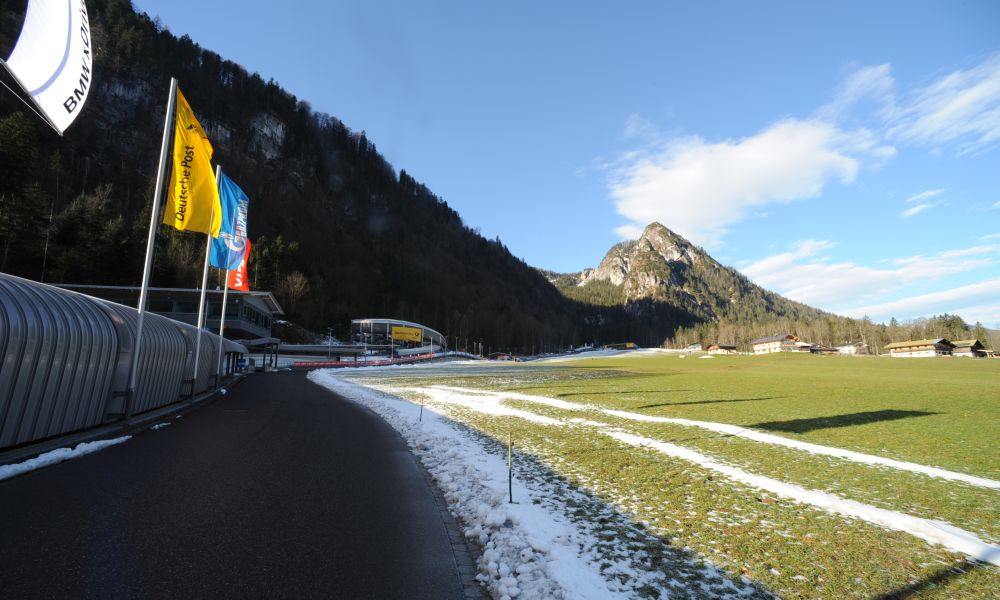
The BMW IBSF Bobsleigh & Skeleton World Championships will now take place in Königssee, home to the oldest permanent bobsleigh, luge and skeleton track in the world, from 13 to 26 February 2017.
Critical factors taken into consideration when selecting the surrogate host were, according to an IBSF statement, “Minimal financial impact on teams regarding travel and organisation; Keep the dates and timing of the original schedule; Experience on the operational and logistic level to host a two-week event at such a short notice; Availability of the track during the two-week time period.”
The federation said it prioritised a European host because most of the teams will be racing in Europe on the BMW IBSF World Cup Series just before participating in the BMW IBSF World Championships.
And as Königssee hosted the IBSF World Cup in February 2016, it will not need to undergo an “international training period” usually required of the host race organiser.
The IBSF said it was “very impressed by the solidarity and commitment shown immediately by the IBSF Race Organisers to support this effort in any possible way.”
The decision to move the event from Sochi was made amid ongoing investigations into the integrity of sport in Russia.
“The IBSF Executive Committee felt that during this difficult time it is prudent not to organise such an event in Russia,” the IBSF said in a previous statement, issued a few days before announcing Königssee as the host.
The IBSF said it was moving the event out of Russia “to allow athletes and coaches from all nations to participate in a competition that focuses on sport rather than accusations and discussions – whether justified or not.”
It said “The Russian Bobsleigh Federation has put a great effort in the preparation of the World Championships, but the current climate would make it nearly impossible to appreciate the efforts of the Organising Committee to host a great event or the quality of the Sanki Sliding Centre as one of the best tracks in the world.”
The IBSF also “asked all members and athletes for fair play and respect, which also includes the assumption of innocence for any athlete, regardless of national affiliation, until proven guilty.”
The International Olympic Committee (IOC) Executive Board had in July asked all Winter Olympic Sports Federations to find alternative host nations for any upcoming events.
“Because of the detailed references to the manipulation of samples during the Olympic Winter Games Sochi 2014 the IOC asks all International Olympic Winter Sports Federations to freeze their preparations for major events in Russia, such as World Championships, World Cups or other major international competitions under their responsibility, and to actively look for alternative organisers,” the IOC said.
Adam Pengilly, IBSF Vice President International Affairs, was the only IOC member to raise his hand to vote for a blanket ban on the Russian national team competing in the Rio 2016 Olympic Games.
“I’m an athletes’ representative, so I don’t want innocent athletes to have a consequence that’s nothing to do with them,” he explained to delegates at Host City 2016 in Glasgow during the panel discussion “Has Sport Lost Its Integrity?” on November 21.
“But in a bigger picture of what’s right for the long term of clean sport and the Olympic movement – and to protect that 12 to 14 year old Russian athlete that would in previous system have been forced to take drugs at some point in their career – based on the information I had, I was of the view that there should have been ineligibility for the whole team.”
All other IOC members – close to 100 – voted in favour of passing on to international federations the responsibility of deciding whether to allow Russian athletes in their sports to compete at Rio 2016.
“I can certainly accept the idea to give international federations the opportunity to look at individual athletes, and find out which ones had been part of a robust anti-doping system outside of the Russian one – I thought that was a reasonable approach,” Pengilly said at Host City 2016.
“But when someone abuses the Olympic Games, which as a movement is held so dearly, it in the way that it was abused in Sochi there should be some sort of symbolic consequence. For me, that was that we let those athletes that we deemed to be clean to come in, but not allow the Russian flag to be flown.
“I was in the minority within the IOC. I had a lot of people come up to me afterwards, both fellow members and within the sporting movement, to say well done. Some said: well done, I don’t agree; others said I do agree – and I’m like, OK you could have put your hand up as well! We need to develop our systems so it’s OK to disagree.”
For Sochi, the loss of the IBSF World Championships will be another blow to the legacy of the 2014 Winter Olympic Games – already said to be the most expensive Games in history due to reports of expenditure of US$51bn on infrastructure. -
Rotterdam: the young sports city with ambition
Over the course of last year, over 1.5 million people visited the forty different elite sports events happening in the city. These numbers say a lot about the attractive force sports have in Rotterdam, a sports city with ambition. This has not gone unnoticed: Rotterdam is ranked eleventh in the world ranking for sports cities.
A pier in the middle of the Port of Rotterdam was once the location of a prestigious Davis Cup tennis court; and on the gangways in front of the monumental SS Rotterdam cruise ship rose a beach volleyball stadium. Both were unexpected spots to experience sports, but the locations were enthusiastically received by both athletes and visitors alike.
Out of the stadium and into the city has been Rotterdam’s philosophy for years. This tradition of placing the sports arenas in the city centre and involving the public with the event has been wildly successful in the city on the banks of the Meuse. These events come with great practical challenges, but those challenges are faced head-on in Rotterdam.
Take the Rotterdam Marathon for example: the center is locked-down for an entire day, but every single person in the city sees it not as a disruption, but as cause for celebration. On such days every resident is inspired by sports.
It should be clear: Rotterdam and sports go hand in hand. This is a city where three clubs play in the Dutch premier league: Feyenoord, Sparta, and Excelsior. A city with three football stadiums, a hockey stadium, an internationally acclaimed rowing course, a baseball stadium and a large indoor events arena (Ahoy Rotterdam), Rotterdam offers elite athletes a world-class stage.
A full calendar
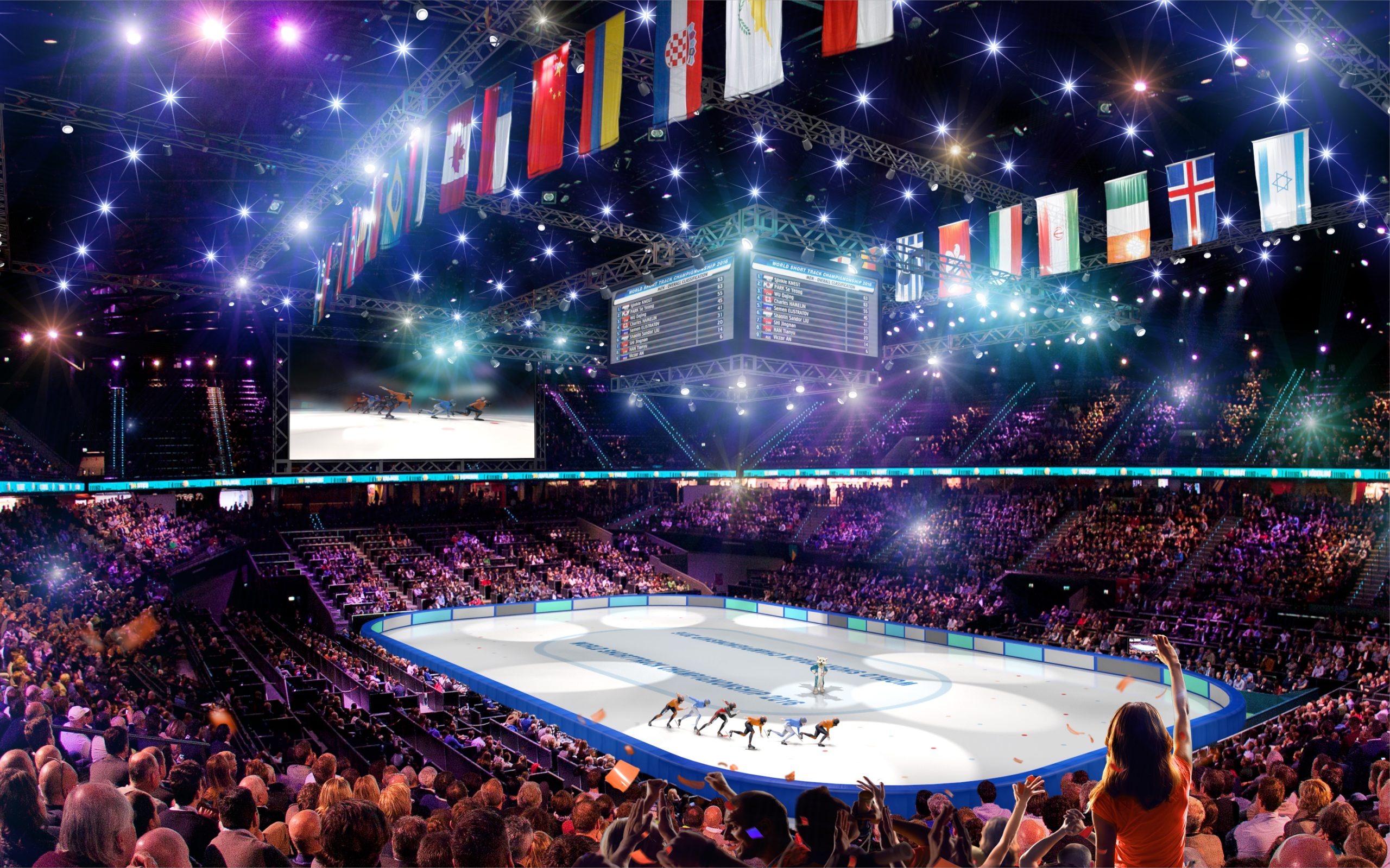
Every year the city aims to attract one or two European or World Championships, but for the following two years we have already added a third to the agenda. Next year Rotterdam is the backdrop for the World Short Track Championships in Ahoy, EURO2017 for Women in Sparta Stadium, and the World Triathlon Grand Final. Rotterdam is exceptionally happy with such a packed agenda, with events that yield benefits for both the city and its residents.
These positive benefits resonate through the results of the impact research done after each major event. Who visited? How much was spent? The city uses these results to learn, grow, and become better with each event.
Participate!
Engaging events do not stand alone. In the months leading up to the “main event” the city gets a taste of what is to come through various side-events. This way, everyone is abuzz when the next event hits the city. Posters, flags, even massive billboards brighten up the streets and bring attention to the event: city dressing is key.
Elite sports inspire the city to get up and be active. With different activities in each neighborhood the local residents are inspired to exercise. Recreational sports teams flourish, as do the professional ones; special attention is paid to young talents with great potential.
Rotterdam is a very young city, and the sports on offer highlight that. Next to more conventional sports such as football, basketball and hockey, increasing attention is being paid to urban sports like skateboarding and BMX. These spectacular sports can always count on much attention from the public. Behind the scenes the city is already planning for urban sport’s inevitable rise.
But first: 2017. With two World Championships and one European Championships the city has an incredible year to look forward to.
For more information, please contact Rotterdam Topsport info@rotterdamtopsport.nl tel. +31 10 497 1212 -
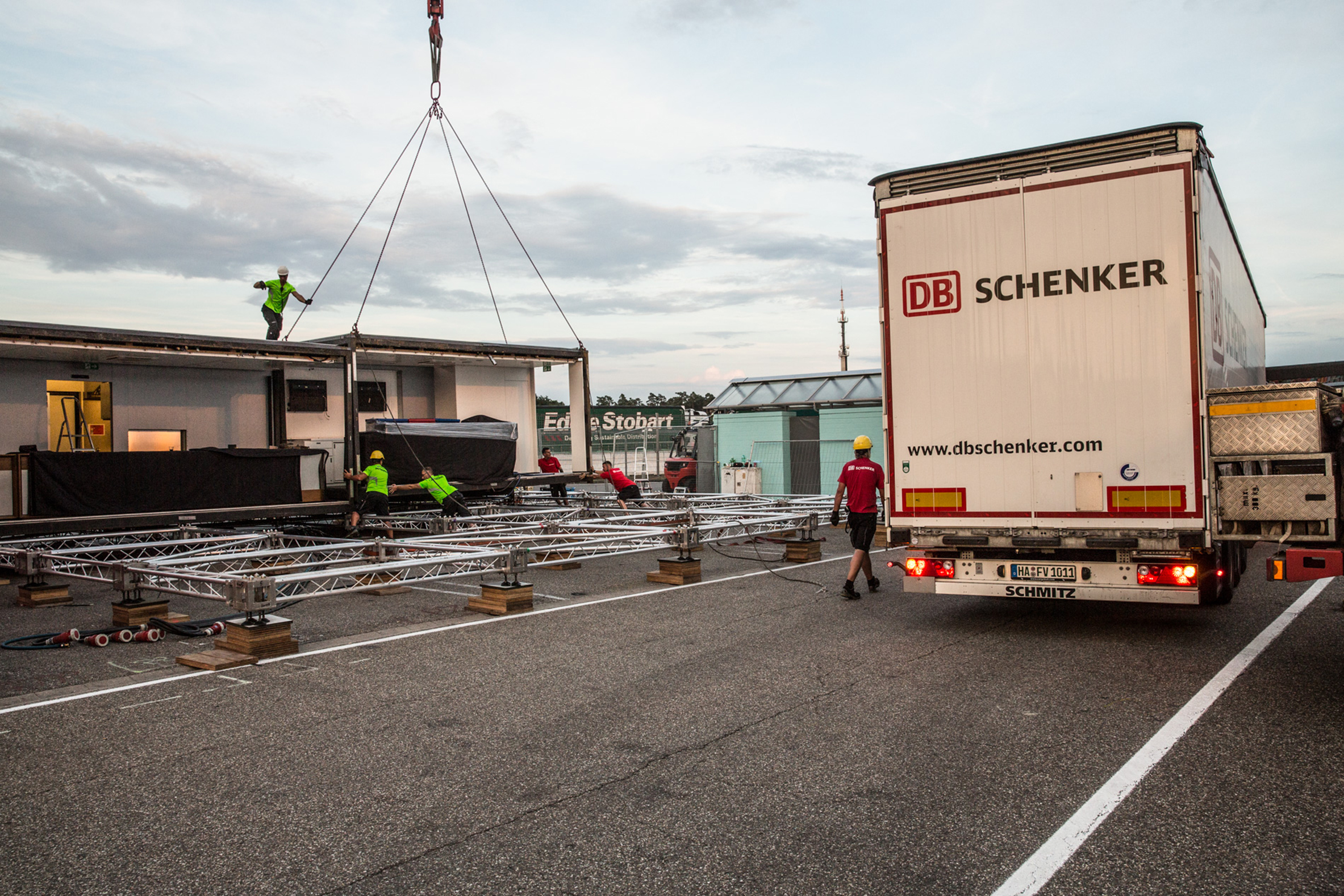
Logistics for winners
By the time the time the athletes on the track hear the starting pistol, the team from DB SCHENKERsportsevents has already completed most of its work. The logistics experts are organisation specialists for major sports events. They begin their preparations long in advance, developing logistics plans for management committees, associations, hospitality firms, sponsors, and service providers.
DB Schenker is the leading name in international sports and events logistics. Its partners come from every sporting discipline – football, winter games, sailing, athletics, motorsport and a lot more besides. Around the globe, DB SCHENKERsportsevents employs some 150 people who put their expertise at their customers’ disposal, combining precision logistics with a passion for sporting pursuits of all stripes.
Always on the ball
In sports terms, 2016 was a superlative year. DB SCHENKERsportsevents toured the planet as it delivered logistics services at the Olympics and Paralympics in Rio, the UEFA EURO tournament in France, and a host of big-name tracks for the Formula One season.
These major events required months of preparations, which covered everything from long-distance planning to on-site services, and which were then followed up by the necessary activities following the events’ conclusion.
An Olympian task
From delivering canoes for the competition itself to champagne for the party afterwards, the German team at DB SCHENKERsportsevents dispatched over 1,030 shipping containers of material to Rio. They contained essential provisions for the Olympic Village, the German national team, the house that served as their residence during the Games, as well as for the opening and closing celebrations and the VIP catering service organised for every stadium.
“As long ago as September 2015, i.e. almost a full year before the Games, one of our team was already in Rio to coordinate and oversee our planning activities on-site,” Christian Schultze, SVP at DB SCHENKERsportsevents.
“The most intense period for us was just before the Games, and then the whole team was involved. The Olympics and Paralympics represent a challenge, but it’s one that we enjoy taking on time and again.”
The Olympic Village has accommodated some 17,000 athletes during the course of the Olympic and Paralympic Games. DB Schenker sent some 940 containers of material to Rio to equip the village, which is often described as the “heart” of the Games. At no other sporting event do so many world-class athletes live in such close proximity, and the village is designed to provide every possible service from accommodation and catering to training facilities and platforms for meetings and events.
Similarly, the German house served as a place where athletes and figures from the worlds of sport, politics, business and the media could congregate. DB SCHENKERsportsevents had 100 per cent responsibility for all logistics activities at the site. As the exclusive logistics partner for the German house at Rio 2016, DB SCHENKERsportsevents planned and performed everything connected with the logistics pertaining to this traditional hub for meetings and mingling at the event.
As the official logistics partner of the Olympic teams from Austria, Norway, Portugal and Switzerland, DB Schenker made use of its respective national offices to make sure that the athletes’ equipment made it to Rio on time. Similarly, DB Schenker staff in China, Japan and South Korea played a role in transporting television equipment from these countries, while employees in Singapore organised the transportation of the Singaporean sailing team’s boats and other equipment.
Following the end of the Rio Olympic and Paralympic Games, the work of DB SCHENKERsportsevents continues. Once the television broadcasts stopped and after the last athletes embarked on their homeward journeys, the logistics specialists spent about two months working on returning and forwarding the items sent to Brazil for the Games.
A race between racing events
DB SCHENKERsportsevents is also responsible for the pan-European logistics needs of the MERCEDES AMG PETRONAS Formula One™ Team, which relies on the experts for support between Formula One races. Whenever an event is held somewhere in Europe, DB SCHENKERsportsevents is in the thick of things.
Sometimes, races are just one week apart, a week during which the racing team needs to have a new home built for them at their next destination. When the MERCEDES AMG PETRONAS drivers, cars, mechanics and other team members arrive for the new racing challenge, their motorhome needs to be ready and waiting for them.
In other words, everything has to be dismantled, loaded and transported to the next destination in the shortest time possible. It’s the logistics provider’s very own race between races. The moment the equipment arrives, 18 experts set to work in several shifts to complete the motorhome’s construction in around 36 hours. Every step of this process has to run completely according to plan so that the construction team can hand over the keys on time. -
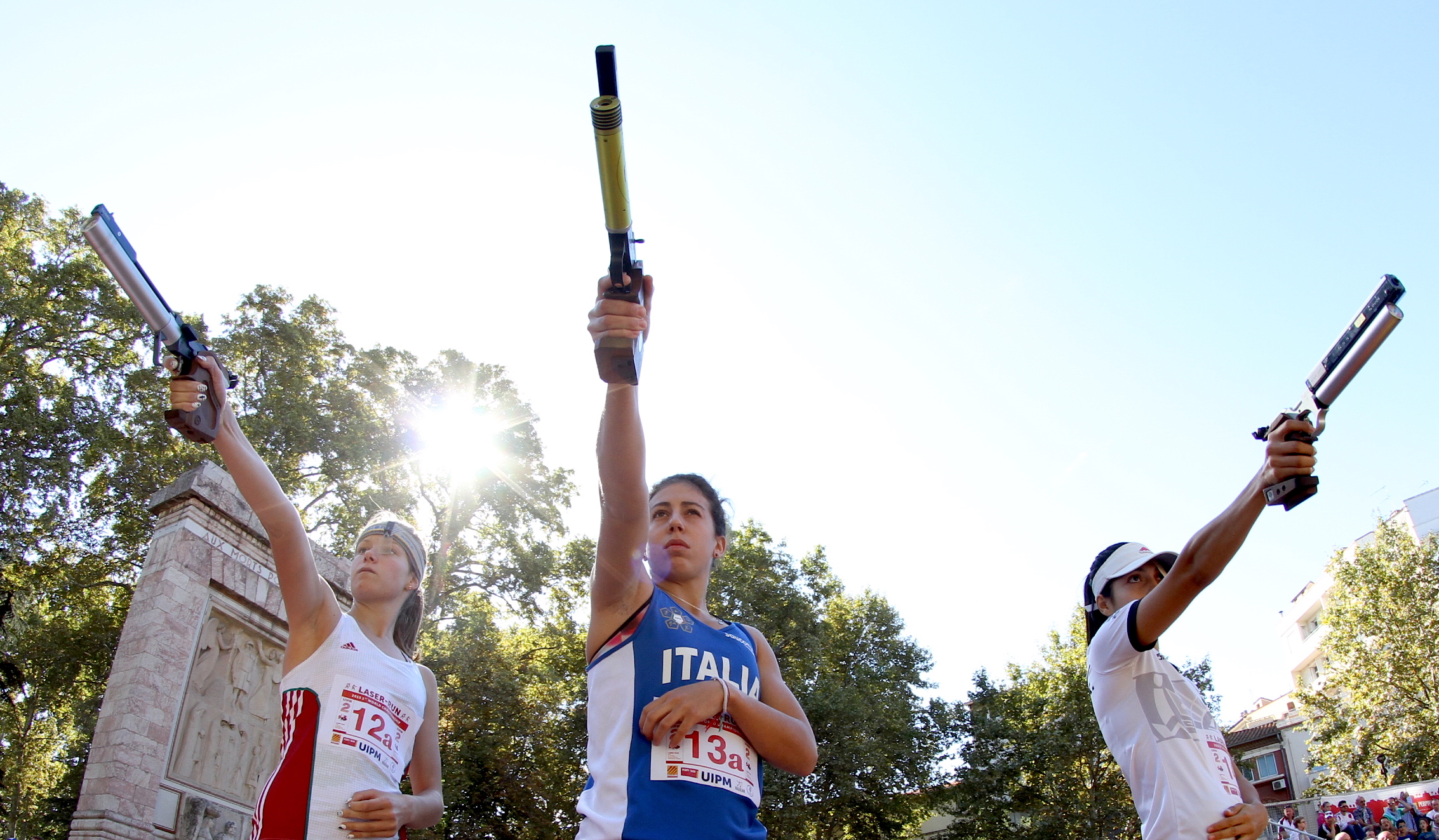
The thrill of the Laser-Run
Take Modern Pentathlon and remove the dynamism of Swimming, the dexterity of Fencing and the heroism of Horse Riding. What do you have left?
What you have left is a sport with two disciplines, Running and Laser Shooting, and too big an audience to be counted.
A sport that can take place on a beach, in a park or in a city centre.
A sport where Olympians, beginners and veterans can test themselves on the same terrain, in the same conditions, with the same equipment and with the same sense of enjoyment through competition.
A sport whose compact format creates the possibility for organizing cities to enjoy extensive outreach and exposure, aligning sport with culture and entertainment.
What you have left is Laser-Run.
This sport, this new offspring of the core Olympic sport of Modern Pentathlon, was conceived in 2014 and born in 2015, when the 1st UIPM Laser-Run World Championships were held in the south of France.
There, in downtown Perpignan, the sun shone through the fountains to create a kaleidoscope effect in harmony with the diversity of the competitors: women, men, girls, boys, competing individually and in concert, all ages, nationalities and races.
Twelve months later, in the capital of Portugal, another armada of athletes – 421 from 22 countries – gathered once more to transmit the message that this is a sport for everyone, and that rule applies to spectators as well as athletes.
Perpignan 2015 and Lisbon 2016. The Laser-Run World Championships. Two disciplines, two cities, two success stories.
So why does this format work so well?
By common consent, for spectators the most gripping stage of a Modern Pentathlon competition is the Combined Event. The Run/Shoot. The climax.
Laser-Run is the Combined Event with the slate wiped clean. It is Modern Pentathlon stripped of the complications of water, epees and horses. Laser-Run is not about elegant posture on horseback or razor-like reflexes or continuity of stroke, it is back-to-basics sport and it pulls off the trick of generating a thrilling spectacle with a simple format.
Everyone starts at the same time and the winner is he or she who finishes first. The laws of combat are straightforward. Run smartly, conserve energy, pick up your pistol and don’t miss. Don’t get stuck on the range, or you will be left behind and there will be no second wind. No tired legs to hunt down.
It is a concept that marries the most attractive aspects of running and gaming. Laser-Run combines outdoor athleticism and electronic fun to offer the best of both worlds.
What more could an active young audience wish for?
Well, they might also wish to be able to try out their Laser-Run skills against their friends, and ultimately chase national and international titles, and they might wish to do this in front of their families and other spectators and receive the acclaim on the finish line that they see elite athletes enjoy on TV.
Dr Klaus Schormann, President of UIPM, says: “As we saw during the inauguration of this competition in Perpignan in 2015, and again in Lisbon in 2016, the combination of Running and Shooting which replicates the climax of a Modern Pentathlon competition creates its own exciting World Championships.
“The Laser-Run World Championships has been another big step for the development of Modern Pentathlon and UIPM Sports.”