Blog

  • England to host 2021 Rugby League World Cup

    England to host 2021 Rugby League World Cup

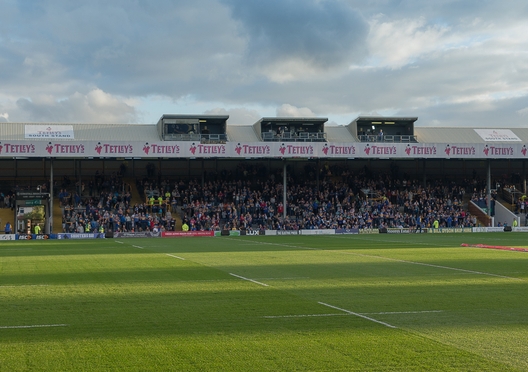
    England has beaten a rival bid from USA/Canada to host the Rugby League World Cup in 2021, the Rugby League International Federation (RLIF) announced on Thursday.
    As well as hosting the 31-game Men’s tournament, England will host the Women’s and Wheelchair tournament.
    “The news today that England has won the right to host the Rugby League World Cup in 2021 is transformative for our sport,” said Brian Barwick, Chairman of the Rugby Football League in England.
    “Our commitment to grow the game internationally, attract more spectators than ever before and put on the biggest and best event in the sports history has clearly been recognised by the RLIF.
    “With a sold out game between England and New Zealand this weekend in the Ladbrokes Four Nations it is clear that there is a real passion for international Rugby League in this country. The UK has a proud reputation for delivering world class sporting events and the Rugby League World Cup in 2021 will round off an incredible decade of major events in our country that began with the London Olympics in 2012. The hard work starts now, but we are confident that we can deliver.
    “Finally, we would like to thank the government for their steadfast support for the bid. Their pledge to help financially support the staging of this event and their commitment to provide up to an additional £10m investment in infrastructure for the sport of Rugby League, has undoubtedly helped to bring yet another iconic world class sporting event to this country.”
    The tournament will benefit from central government backing.
    “I am delighted that England has been chosen to stage the Rugby League World Cup in 2021, said Minister for Sport, Tracey Crouch.
    “The government is investing up to £15 million to put on a world class show and up to a further £10 million into the game’s infrastructure as part of the Northern Powerhouse agenda – and to help Rugby League grow outside its traditional home.
    “The tournament will be a fantastic festival of rugby, enjoyed by a million spectators, and bringing economic benefits to host towns and cities. I look forward to working alongside the RLIF, RFL and UK Sport on an outstanding event.”
    The bid was supported by The Sports Consultancy, who worked closely with the RFL and UK Sport from concept design through to development of the bid book.
     “We are very grateful to The Sports Consultancy for their outstanding contribution in helping us to develop a high quality bid book that told a compelling story and ultimately won the RFL the rights,” said Jon Dutton, England 2021 Bid Lead.
    “We believe it will be a transformative tournament for the sport both domestically and globally.

    The 2021 Rugby League World Cup will be the biggest edition since 2000, with 16 teams and 31 matches and plans to stage 80% of games in Lancashire and Yorkshire with “showpiece fixtures” proposed for London, the Midlands and the north east of the country.
    “Firstly congratulations to the team at the RFL who have worked tirelessly to bring this flagship event to England and we are hugely proud to have played a pivotal role,” said Robert Datnow, Joint Managing Director, The Sports Consultancy.
    “I would also like to offer congratulations to our bid consulting team for their part in another winning bid and who from initial workshop through to bid book submission have demonstrated their professional, passionate and collaborative approach.”
    The 2017 Rugby League World Cup will take place in Australia & New Zealand.

  • Respecting human rights at mega sports events

    Respecting human rights at mega sports events

    Mega Sporting Events (MSEs) are not just about huge amounts of money being lavished on glamorous international competitions, as is often perceived by the general public; they are also about values.
    Events such as the World Cup or the Olympic Games carry positive values for children. Practising sport can contribute greatly to the harmonious development of a child and thus, within this perspective, big events can constitute a driving force for social development.
    However, large-scale sporting events pose risks for children as well. The need to create new sports infrastructure, and the subsequent obligation to relocate whole communities, can tear families apart, as shown in Rio since the city was awarded the Olympic Games in 2009. During preparations for the 2016 Olympics, and before it the 2014 World, 22,000 families were evicted from their original location.
    Further to this, children in a street situation were removed and placed in overcrowded detention centres for the duration of the sporting event. Production of footballs or clothing linked to MSEs may bring cases of child labour down the value chain. Construction, with a high concentration of workers, or the event itself, with an increased number of visitors, can increase the risk of sexual exploitation for minors.
    Therefore it is in the interest of all stakeholders involved in the organisation of MSEs that the positive values and benefits for children should be preserved and the risks mitigated. To that end, Terre des Hommes, a global child rights organisation active in almost 70 countries, launched a campaign called Children Win in 2014.
    The campaign is based on a threefold strategy. Firstly, it documents the impacts of Mega Sporting Events on children (according to the United Nations’ Convention on the Rights of the Child, a child is defined as anyone under 18), as most recently in the case of the Rio Olympics (see the briefing paper “Breaking Records”).
    Secondly, it engages in a dialogue as constructive as possible, in particular with sport governing bodies, in order:

    that the organisation, from bidding to legacy, of a sporting event comply with human rights and children rights’ criteria;
    that the bidding process is conducted in a transparent and open manner;
    that security measures inherent to the organisation of MSEs do not infringe the rights of the local population, in particular to the most vulnerable groups such as children.

    Thirdly, the campaign monitors the implementation of the criteria and the steps taken by stakeholders connected to MSEs.
    It is clear that the world of international sports has some way to go. Over the last two years, various sport governing bodies and MSE organisers have shown encouraging signs in taking into consideration the human rights and children rights dimensions in the bidding process. Efforts need to be pursued at two levels:

    To monitor the situation for the MSE awarded to a host before this last two years, when human rights and children rights were taken into consideration, such as the World Cup in Russia or the Summer Olympics in Tokyo.
    To work on bidding documents edited by sport governing bodies to frame the process of awarding the MSE of 2024, or 2026 and beyond.

    If sport governing bodies still want host countries to be interested in receiving a Mega Sporting Event, the argument of sustainability not only in environmental terms, but as well in regards to the respect for human rights, needs to be strengthened and advertised. Such elements certainly influence the choice of potential host to start preparing a bidding file and take the long road towards the organisation of inspiring global events.
    It is too early to tell if this wind of change , which demands that human rights considerations are part of the process during the organisation of MSEs, will blow steadily and bring about the required change of mindset. However Terre des Hommes and its campaign Children Win will continue unabated to work so that children rights get respected by Mega Sporting Events.
    This article was written by Terre des Hommes. To know more about the Children Win campaign, please go to www.childrenwin.org. To know more about Terre des Hommes, please go to www.terredeshommes.org. You can support their action and follow them on Facebook and Twitter.
    Ignacio Packer, CEO of Terre des Hommes, is speaking at Host City 2016 in Glasgow on 21 November on the panel “Has Sport Lost its Integrity and How Can it Win Confidence Back”

  • China’s PPTV pays most ever for Premier League TV rights

    China’s PPTV pays most ever for Premier League TV rights

    The English Premier League has sold its broadcasting rights in China for a record sum to online streaming service PPTV.
    The Chinese internet broadcaster is paying US$700m for the rights to screen the 2019-20 season, according to an anonymous Associated Press source.
    The figure dwarfs the US$145m reportedly paid by Super Sports Media Group for the broadcast rights to the Premier League for six years from the 2012/13 to 2017/2019 seasons.
    “We were successful in our bid, but it hasn’t formally been signed yet,” PPTV spokesman Sun Xiaobo told Reuters.
    PPTV is the media division of Suning retail group, which also owns Italian club Inter Milan and the broadcast rights to Spain’s La Liga games live in China .
    China is investing $850bn in sports by 2025 and is looking for global partners to develop its entertainment and cultural sectors.
    The rapid development of sports, entertainment and digital media in China is high on the agenda at Host City 2016, which kicks off in Glasgow on Monday 21st November.
    Speakers from China include Wang Dong, Vice President of Alisports – which has the online broadcasting rights from World Rugby – and Olivier Glauser, CFO and co-founder of Shankai Sports.

  • Challenges for brands running their own events

    Challenges for brands running their own events

    Sponsorship will often be a brand marketing director’s first thought when considering a sports-related campaign. Thankfully, the old school “brand slap” model is dying a death and the sponsorships of today tend to be significantly more sophisticated than those we used to see in the “Noughties” and before. Companies seek increased authenticity and better connections with their ever more fickle and savvy target audience. And so the partnerships themselves have become subtler, deeper and more cleverly activated.
     Some brands, rather than seeking an association with someone else’s event, bravely decide to run their own. The advantages are clear. Much greater control of the event and the branding associated with it, better access to the data generated and the increased sense of authenticity that comes from running the event rather than linking a brand to it.
    But there are also significant challenges. For the most part, the planning and execution of a sporting event requires specialist skills, knowledge and contacts. These can all be hired in but good advice does not come cheap. Even if volunteers can be used to help “on the ground”, they need to be identified, trained, kitted out and managed.
    Venue is of course a key issue too. Deals may need to be done with the owner of a stadium or with a host city or local authority. Roads may need to be closed and traffic plans drawn up and implemented. With some events, the police may need to be consulted.
    There may be a need to confer with the relevant sports governing body too, for example to secure official sanction for the event.
    Away from the operational nitty gritty, there are IP issues to consider too. What will the event be called? Is the name capable of trade mark protection and if so, in what territories should filings be made? Trade mark searches may be necessary to see what prior marks are on the register that may cause problems. Even generic sounding terms like “WORLD CHAMPIONSHIPS” or “10K” may be incorporated into third party registrations.
    Customer data is likely to be another vital issue. How is the business to go about obtaining the details of new potential customers? With respect to those already on its marketing database, does the business have the necessary freedom under its privacy policies and under electronic marketing laws to promote the event to them?
    Any brand running its own sports event will want to maximise media coverage. Some companies may have the facilities and skills in house to arrange their own audio visual production. For many though, it will be necessary to appoint a specialist production company or, if more appropriate, a host broadcaster. The question of distribution must then be tackled. For bigger events, deals may need to be negotiated with broadcasters, potentially internationally as well as locally. Alternatively, the organisers may prefer to stream the event online, either through their own media player and website or potentially through a third party site like YouTube or Facebook.
    In a short blog post like this it is hard to do much more than touch on a handful of the key issues a brand must consider and address in order to run its own successful sports event. There is a huge amount to be taken into account and the challenges can be immense for a business whose core focus is in another area, be it selling soft drinks, cars or insurance. Many a wise person, though, has found an eloquent way of making this point: Nothing truly valuable was ever easy.

  • The risk manager

    The risk manager

    HOST CITY: Marsh is more than an insurer – the aim of your work is also to analyse risk and to evaluate risk. What sort of risks are you looking for?
    Patrick Vajda: We are an insurance broker but we are also a risk manager, and for big sports events our speciality is in fact to analyse risk and propose solutions – not only to place insurance.
    As an insurance broker we place insurance. We cannot avoid this, particularly because a lot of event “owners” such as the IOC, FIFA, UEFA and the majority of the international federations are obliged to ask for high levels of insurance included in the host city contract.
    But we prefer for example to find solutions to prevent the risk happening, than to settle a claim and to cancel the event. This is the real philosophy we have in sports: to avoid risk and to decrease the global cost of the risk.
    We have developed a unique risk management especially for mega events which we have implemented for several Olympic Games and World Cups. We also have expertise on the ground on more than 300 events.
     
    HOST CITY: What is your view of the current level of instability in world cities today?
    Patrick Vajda: The risks are always moving – it’s not a new story. Now they are moving faster because of the internet and the quality and speed of information. Some risks are totally new. When you spoke about the cyber risk five years ago it was more or less a joke; now it’s not a joke, it’s a serious matter. If you take drones for example: five years ago nobody knew anything about drones, now it’s a risk and a real one.
    Therefore, on the one side we have some new risks and on the other side, old risks but with a higher level than 20 years ago. If you take the example of terrorism, the security budget of Salt Lake City has increased by almost 10 times as a result of September 11.
    In the past you allocated U$30m or US$35m for security; now you need several hundred USD. This is completely crazy, but we need to expend those amounts – we have no other solution to be able to protect the public, the athletes and to protect the event.
     
    HOST CITY: What is the aim of risk management in major events?
    Patrick Vajda: When managing risk for sport events, you have three targets. We try to protect the life of human beings; to protect the finances of the organising committee, and to protect the time schedule. Terrorism is a risk that can impact on all three.
    With regard to security, there is not only a question of security in the field. With modern means, one can easily detect upstream specific movements of someone who you would perhaps prefer not to see at the event. Security is not only a question of “heavy muscle” on site, but also carrying out studies long before the event and cooperating closely with the world’s different police forces.
    We have fewer problems with counterfeit tickets or credentials and increasingly more problems with fan zones, because they are free. I heard recently that if you want to go to a fan zone, you go on the internet and get a free ticket by filling in your name, credit card number and so on. It is a very good protection and prevention system since you need to complete a form giving your personal information.
    You register your data and it is therefore possible to know who is at the venue which is very important for security reasons. We can also check to see if somebody has a false or stolen credit card – it’s an interesting system. Though it does not provide 100 per cent protection, all the same it is a good system.
     
    HOST CITY: Have you been working with fan zones for the 2016 European Football Championships?
    Patrick Vajda: Yes, we have done several risk analyses for this particular area. It was clear that this is particularly dangerous and to protect it correctly, it will require heavy expenditure and a large security team.
     
    HOST CITY: What if the worst case scenario happens and an event has to be moved or cancelled?
    In terms of cancellation, it’s becoming an incredible problem for several reasons. The first is the pricing of the cancellation policy, which before September 11 was around 1.5 per cent of the sum insured. Just after September 11 it was 3 per cent without terrorism, and now is between 2.8 and 3.8 per cent with terrorism.
    Imagine, if you have an event which costs 600 million, the price of the cancellation policy is the price of a small stadium. So perhaps you will hesitate to buy this policy; it’s very costly and does not cover 100 per cent of the risk. Nevertheless it is useful. Insurance is always expensive…..before the claim.
     
    HOST CITY: So there is no legal obligation for organisers to buy a policy?
    Patrick Vajda: In substance, no, except for FIFA and UEFA who ask for a compulsory cancellation policy.
    Take the example of the Olympics. The price of the Olympics – what we call the internal budget, of US$2.6 billion – it’s impossible to find this on the insurance market. The total capacity worldwide is perhaps US$1.5bn– if you took all the insurance companies in the world, you couldn’t find more than this.
    Even if you could find it, the price of the policy would be a little less than $100 million just to insure cancellation. So you wouldn’t spend US$100m to insure cancellation, it is incredibly costly. The fact that the capacity is extremely rare has a very high impact on the pricing of this policy.
    Capacity is very low and is often taken by the owners of the event. Therefore the organiser is often faced with a predicament: buying insufficient cover at a very high cost. In other words cover that will not protect you 100 percent.
    Knowing this, the question is whether to insure cancellation? The answer is not simple. And a risk analysis is compulsory before making any decision. For example do we need to insure the total cancellation of the event? Or do we need to insure just ticketing? Or just TV rights? As you can see the answer is not automatic and the risk analysis will give us the answer.
    I personally feel it is much more useful to spend money on risk management, to find the best possible solution, to eliminate the risk and to decrease the global cost of the risk.
     
    This article first appeared in the Summer 2016 issue of Host City. Patrick Vajda is speaking at Host City 2016 conference and exhibition in Glasgow on 21st November on the panel “How Cities Can Be Secure Hosts”

  • Join the charge to Host City 2016

    Join the charge to Host City 2016

    Host City 2016 takes place in Glasgow on 21 and 22 November and it’s not too late for you to join the most important gathering of cities and sports, business and cultural events.
    Just when you thought the line up couldn’t get any better, new VIPs continue to come on board, including:

    Adam Pengilly, IOC Member and VP of International Affairs, International Bobsleigh & Skeleton Federation
    Angela Ruggiero, USA IOC member and Chair of the IOC Athletes Commission
    Jean-Francois Martins, Deputy Mayor of Paris
    Attila Szalay-Berzeviczy, Chairman, Budapest Olympics Foundation
    Mike Lee OBE, Chairman of VERO

    At Host City 2016 Cities, Event Owners and Suppliers will exhibit alongside a truly outstanding conference programme that includes top-level speakers from some of the most influential organisations worldwide, alongside representatives from businesses with experience of all aspects of event hosting. 
    These new speakers join a star-studded cast that includes city leaders from New Zealand, Odense, Rotterdam, Paris, as well as: Sir Craig Reedie CBE, President, World Anti-Doping Agency; Paul Bush OBE, Director of Events, Visit Scotland; Francesco Ricci Bitti, President of the Association of Summer Olympic Sports Federations (ASOIF); Sarah Lewis, Secretary General of the International Ski Federation (FIS); Ugur Erdener, Vice President, IOC; David Grevemberg CBE, CEO, Commonwealth Games Federation; Bridget McConnell, CEO, Glasgow Life; Dimitri Kerkentzes, deputy Secretary General, BIE (World Expos); Simon Clegg CBE, Chief Operating Officer, World Expo Dubai 2020;  Reinhard Pfeiffer, Deputy CEO, Messe Munich; and many more.
    View the full speaker line-up on the Host City website.
    Don’t miss this opportunity to attend Host City 2016! Get your pass today to attend the leading meeting of cities and sports, business and cultural events in Glasgow on 21-22 November. Register online
    For further information please contact Ben Avison on +44 (0) 7876 682072 or ben.avison@hostcity.com

  • Glasgow to host leading International Meeting of Cities and Sports, Business and Cultural Events

    Glasgow to host leading International Meeting of Cities and Sports, Business and Cultural Events

    Glasgow prepares to welcome a unique collection of city and government leaders, cross-sector rights holders, event owners and suppliers to explore the challenges and benefits of bidding for major global events on 21st and 22nd November.
    Sir Craig Reedie CBE, President of the World Anti-Doping Agency will give a keynote address on Monday morning followed by other headline speakers Jean-François Martins, Deputy Mayor of Paris and Angela Ruggiero, IOC Executive Board Member.
    Prof. Dr. Ugur Erdener, President of the World Archery and NOC of Turkey and Vice President of the IOC will give a keynote address on “Rio 2016 and Beyond: How Events Showcase Cities” and Attila Szalay-Berzeviczy, Chairman of Budapest Olympics Foundation will address the topic “Creating Safe and Engaging Events”.
    Other speakers include Francesco Ricci Bitti, President, ASOIF (Association of Summer Olympic Sports Federations); Sarah Lewis, Secretary General, FIS and AOIWF (Association of Winter Olympic Sports Federations); David Grevemberg, CBE, CEO, Commonwealth Games Federation; Dimitri Kerkentzes, Deputy Secretary General, BIE (World Expos) and Yves Le Lostecque, Head of Sport, European Commission.
    The format of Host City 2016 is structured into separate segments with Day One dedicated to panel discussions and keynote addresses including ample opportunities for networking and a dinner reception in the evening. After three opening plenary sessions on Day Two, participants will split into concurrent roundtables discussing “Hosting Opportunities: How to Make Your City and Event Stand Out” and “Delivery and Legacy: How to Maximise Sustainability, Security and Revenues” which will be interactive sessions actively encouraging audience participation.
    Other topics on the agenda include:

    What Does the Future Hold for Major Events?
    Has Sport Lost Its Integrity And How Can It Win Confidence Back?
    Building Sports and Entertainment Brands; China’s Investment Strategy
    Transformations in Multi-City and Multi-Sports Events
    A Safe Pair of Hands: How Cities Can be Secure Hosts
    Creating Entertaining Experiences for Visitors
    Making Event Infrastructure More Sustainable
    Business Events and Economic Development

    For further information about Host City 2016 please visit www.hostcity.com or contact Ben Avison, Editorial and Conference Director, Host City ben.avison@hostcity.com.

  • International major event leaders debate future at Host City 2016 in Glasgow; Asian edition announced

    International major event leaders debate future at Host City 2016 in Glasgow; Asian edition announced

    Leading figures from the world of sport governance and major event ownership convened in Glasgow on Monday and Tuesday for the Host City 2016 Exhibition and Conference to discuss how to attract and host secure and engaging sports, business and cultural events.
    It was also announced that an additional “Host City Asia” event will take place in Beijing on 18 October 2017. 
    “In its third year, Host City conference and exhibition is firmly established as the leading international meeting of cities and sports, business and cultural events. We are delighted to see Host City continuing to grow in Glasgow, Scotland,” said Matthew Astill, CEO of Cavendish Group.
    “In response to incredible market demand, we are pleased to launch an additional Host City Asia event in Beijing in 2017, where international event owners and suppliers will meet Chinese and Asian hosts and investors.”
    Speaking at Host City 2016, Wang Dong, Vice President of Chinese sports media company Alisports: said “This is the spring of the Chinese sports industry… we want to get more people involved in the beauty of sport.”
    Host City is the largest and fastest growing international meeting of its kind. At the third edition, the topics of future major events and integrity of sport were high on the agenda.
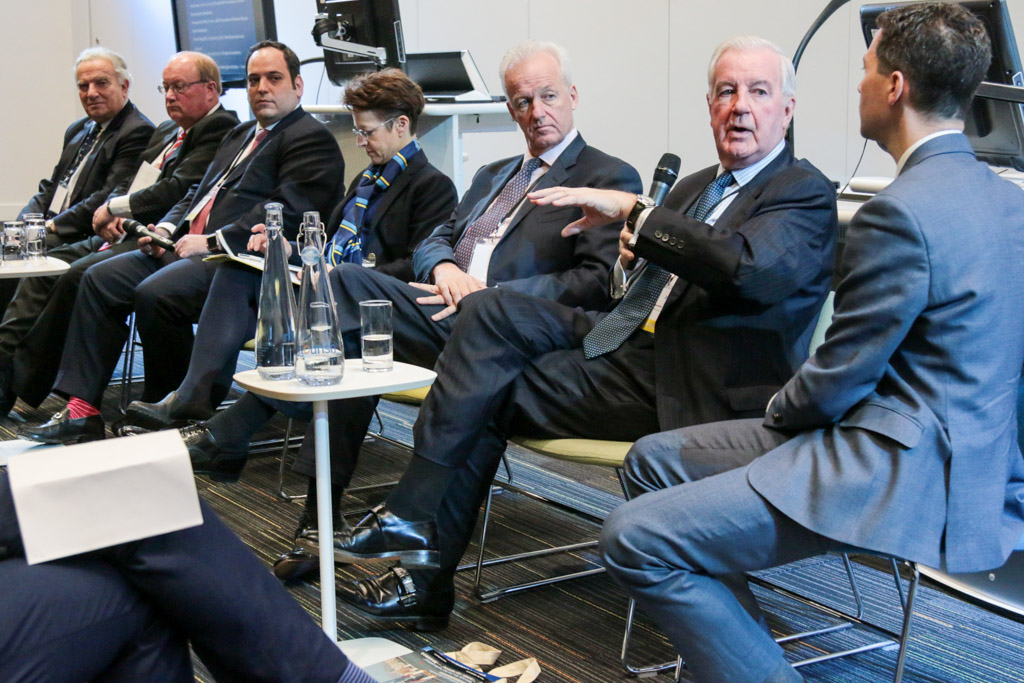
    In his opening keynote address heading up a list of world-class speakers, Sir Craig Reedie CBE, IOC member and president of the World Anti-Doping Agency talked about how in an ever-more competitive field, hosting events is a “very active place” in contrast to the major multi sports events like the Olympic Games and the Commonwealth Games who, he said, have struggled to attract bid cities in recent years.
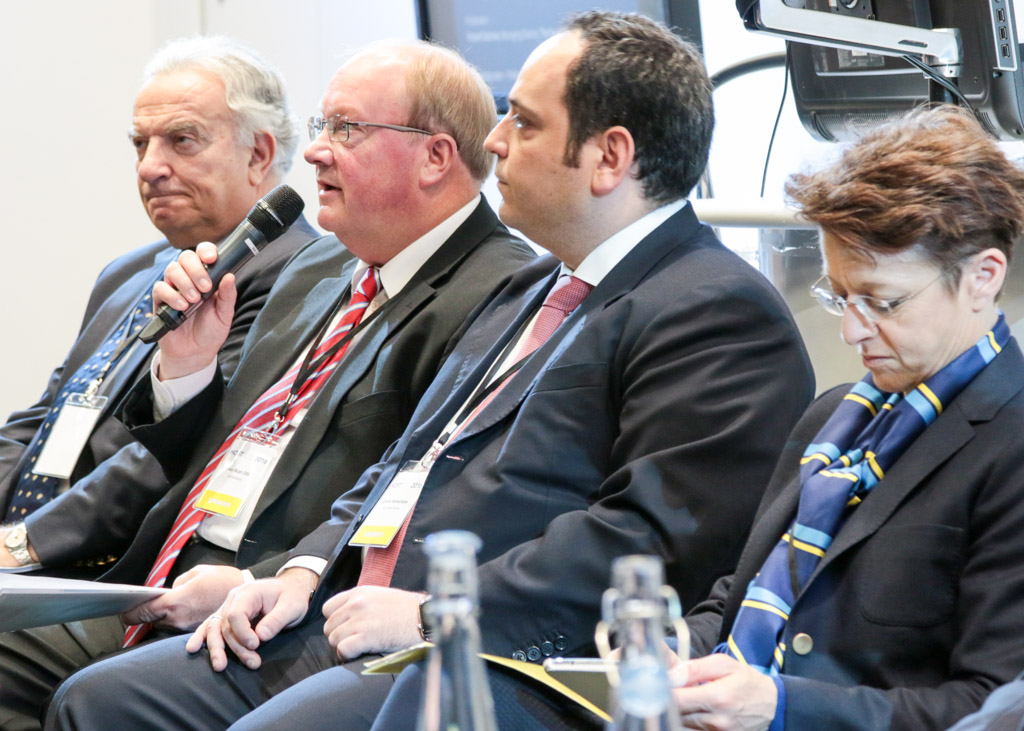
    During the first panel discussion on the topic “What does future hold for major events?” Dimitri Kerkentzes, deputy secretary general, BIE (World Expos) said: “World Expos cannot be viewed from home. They must have participation and support from the public… We need to ensure that the event will benefit people from the host cities, and that it doesn’t leave white elephants behind.”
    Simon Clegg CBE, Chief Operating Officer, World Expo Dubai 2020 highlighted the large ticket sale expectations and expansive physical set-up of World Expo Dubai 2020.
    Francesco Ricci Bitti, President, ASOIF (Association of Summer Olympic International Federations) said: “The tangible and intangible impacts of sporting events on the community are very important.
    “We need to be cautious about the fairness of the bidding process.”
    He also commented that the level of flexibility afforded by the new bidding rules set out in IOC’s Agenda 2020 programme of reform needs to be carefully considered, saying “Changing venues from the bid book is taking it too far.”
    Sarah Lewis, Secretary General of the international Ski Federation (FIS) and the Association of Olympic International Winter Federations (AOIWF) said: “It is necessary to maximize the usage of existing facilities that would change the focus on having compact events. Compact events are convenient but don’t offer the best legacy opportunities”. She said “multi-city and multi-country events may be the future”.
    Paul Bush OBE, Director of Events, VisitScotland said: “The benefits of hosting major events are both hard and soft. The soft benefits, which you have to articulate very carefully, are becoming very important.
    “The importance of transparency in the bidding process is crucial right now and is growing every year”.
    The issue of good governance was further explored in the following panel session on “Has sport lost its integrity and how can it win confidence back?”
    Dr. Bridget McConnell CBE, Chief Executive, Glasgow Life said: “A city’s values must shape and drive what you bid for and how you do it. If you lose public confidence in sport integrity you lose countries and cities bidding.”
    When asked whether cities would turn their back on hosting events that can’t prove their integrity, she said “I can certainly say this of Glasgow. We would not want to be connected to any sport that had major controversy associated with it”.
    Yves Le Lostecque, Head of Sport, European Commission said “In Europe we are defending values and we have to promote them. Integrity and governance are key parts of the EU mandate for sports. Our member states are keen to have the values maintained and we can help through policy cooperation and financial support.”
    Adam Pengilly, IOC Member, VP of International affairs, International Bobsleigh & Skeleton Federation (IBSF) said: “Sport has an inherent value. The Games is loved all over the world… but sports politicians are sometimes lowly viewed.”
    He also said “the perception of sport as a utopia needs to be changed. We need to be more realistic when looking at it”.
    Risto Nieminen, President, Finnish Olympic Committee said: “We need to create standard for doping control that spans across all countries” and added “business and entertainment are not the basis of sport. Instead, inspiration, well-being, optimism, and happiness.”
    Ignacio Packer, Secretary General of children’s rights charity Terre des Hommes said: “The sport sector is opening up increasingly to the human rights sector”. He also questioned the tendency to limit the definition of “success” in hosting events to financial outcomes. “We believe that success is about people”. Ignacio also commented on his participation at the Host City Conference saying “I like coming to Host City because I am not with usual colleagues. I learn a lot here.”
    The delegates, which included several IOC members, were also addressed by senior figures involved in bidding for the 2024 Olympic Games from Budapest, Los Angeles and Paris.
    The Host City brand began life in China in 2003 as a bilingual magazine for the Beijing Organising Committee of the Olympic Games. The Deputy Mayor of Beijing in 2009 presented the CEO of Cavendish Group with the “Great Wall Friendship” award in recognition of Host City’s role in bringing foreign technology content to China and creating an Olympic infrastructure partnership.
    Cavendish Group is also known as the owner of the ICC (www.internationalcapitalconference.com ), China’s largest outbound investment event that is now in its seventh edition.
    Host City’s Editorial and Conference Director Ben Avison said: “China is investing $850bn in sports by 2025 and is looking for global partners to develop its entertainment and cultural sectors. Host City Asia provides the platform to connect the international industry with this booming market.”
    All the Host City 2016 Conference keynote addresses and plenary session content be streamed at www.hostcity.com/hc2016/audio – provided by sound-sharing platform audioBoom.

  • Major WADA and Host City conferences touch down in Glasgow

    Major WADA and Host City conferences touch down in Glasgow

    Many of the leading decision makers in the events sector gathered in Scotland in recent days, as the World Anti-Doping Agency (WADA) and annual Host City conferences took place in Glasgow.
    In a first for WADA, one of the most important bodies in sport, the decision was taken to hold its Executive Committee and Foundation Board meetings at the Scottish Exhibition and Conference Centre from 19-20 November.
    Around 100 delegates attended the weekend-long event, among whom were members of the International Olympic Committee, International Sports Federations and National Olympic Committees, to discuss how to combat doping in international sports. 
    The event, supported by VisitScotland’s Business Events team, reflects Scotland’s world-wide reputation as the deliverer of successful major business events and conferences and a world-leader in staging sporting events.
    This occasion was closely followed by the annual Host City 2016 conference, where hundreds of event owners, city representatives and suppliers from across the globe enjoyed a busy programme, including top-level speakers from some of the most influential organisations across the spectrum of sporting and cultural events.
    The event at the University of Strathclyde’s Technology and Innovation Centre, from 21-22 November, is well established as the perfect opportunity for cities and event owners to network with and learn from peers in the business of bidding for and hosting cross-sector events, from mega sporting occasions to live entertainment and congresses.
    Paul Bush OBE, VisitScotland’s Director of Events, said:  “The decision by both WADA and Host City to bring these crucial and high-profile conferences to Scotland at this time is representative of our status as the Perfect Stage for events of all varieties.
    “Scotland has a wealth of state-of-the-art facilities which allow us to host major conferences year round, generating significant value for the national economy, and I am delighted we continue to offer the ideal solution for many of the world’s most important organisations.”
    “In its third year, Host City conference and exhibition is firmly established as the leading international meeting of cities and sports, business and cultural events. We are delighted to see Host City continuing to grow in Glasgow, Scotland,” said Matthew Astill, CEO of Cavendish Group and Host City.

  • IAEH (International Association of Event Hosts) meet at Host City in Glasgow

    IAEH (International Association of Event Hosts) meet at Host City in Glasgow

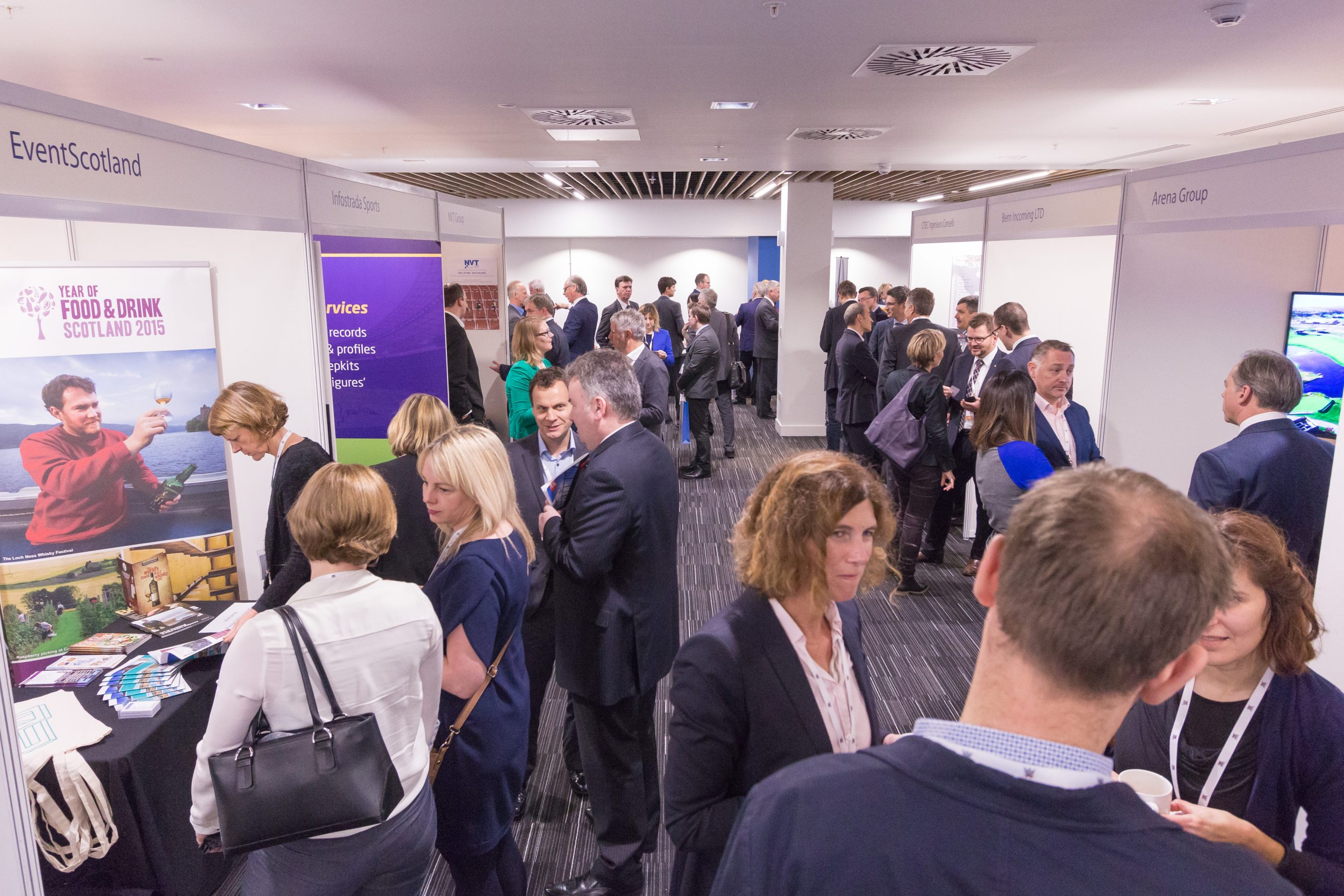
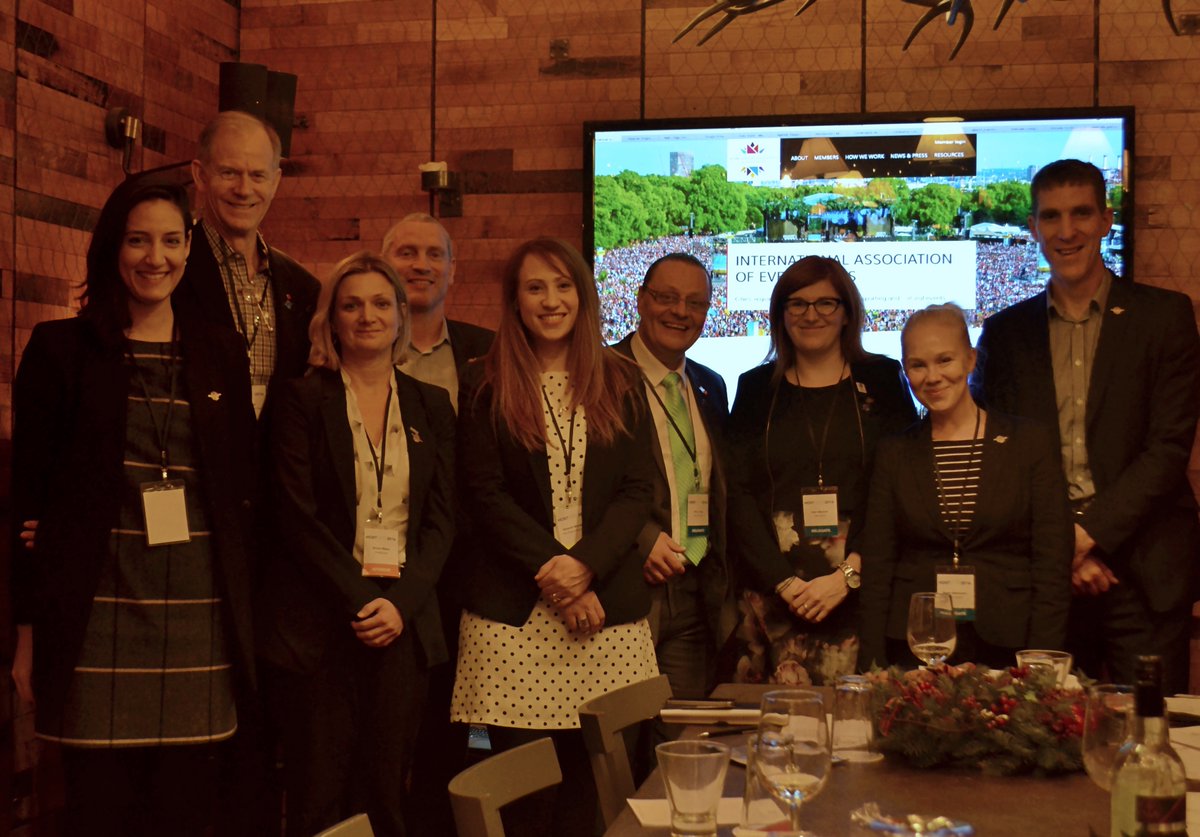
    On the evening of the 21st of November 2016 IAEH (International Association of Event Hosts) members met in Glasgow after a day of activities at the Host City Conference. The closed meeting happened at a private room at the Corinthian Club in the city.
    Steering Group members from six of the founding organisations were represented at the meeting: London & Partners, New Zealand Major Events, Fáilte Ireland, Visit Tampere, Canadian Tourism Sport Alliance and EventScotland. Iain Edmondson, from London, chaired the meeting, which also included other invitees from Finland and Ireland.
    The IAEH members attending were: Iain Edmondson, London & Partners; Devorah Blumberg, New Zealand Major Events; Rick Traer, Canadian Sports Tourism Alliance; Perttu Pesa, Visit Tampere; Edel Mitchell, Fáilte Ireland; Stuart Turner, EventScotland; Emma Wilson, EventScotland; Saara Saarteinen, Visit Tampere; Saila Machere, City of Helsinki Sport Department; and Azeta Seery, Fáilte Ireland.
    Updates on membership, content sharing and partnerships were the main points on the agenda. Future meetings and further actions were also discussed. IAEH is actively signing up new members and establishing partnerships to share expertise via its network and online portal (www.eventhosts.org).
    Since the last formal meeting of IAEH, in August 2016 at Rio de Janeiro during the Olympic Games, the number of IAEH members has doubled. The Association now has 20 members representing cities, regions and countries across the world. Glasgow Life, represented by Ian Hooper, joined the Association during the Host City Conference and further members, including representatives in Asia and Africa, are expected to be confirmed in the near future.
    Members will next be attending the International Sports Convention in Geneva, Switzerland on the 7th of December 2016, and the next formal meeting of the Association will be the Annual Forum scheduled to be held on 3rd & 4th April 2017 in Aarhus, Denmark.