Tag: Rio 2016

  • Delays and ambiguity could harm Rio 2016 delivery

    Delays and ambiguity could harm Rio 2016 delivery

    Major delays to Rio 2016 Olympic Games projects leave no room for further hold-ups, while responsibilities and funding for projects must be clarified to avoid problems in delivering the Games, the IOC said on Friday. 
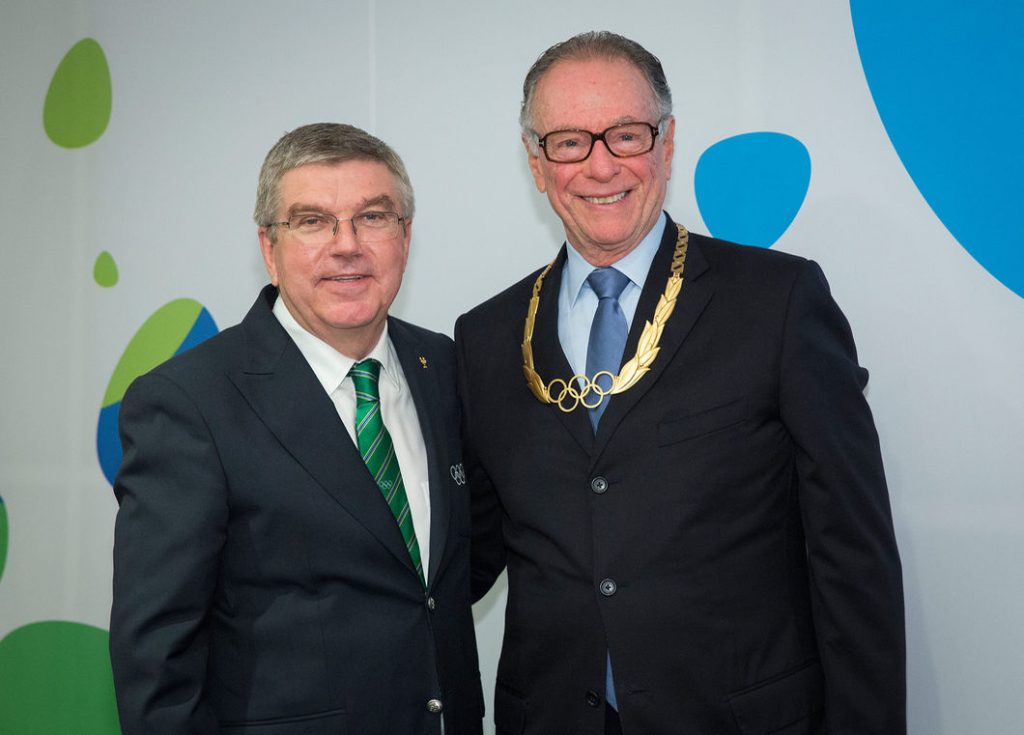
    The Organising Committee president Carlos Nuzman admitted there is “not a minute to lose”.
    At the conclusion of the IOC’s Coordination Commission visit, chair Nawal El Moutawakel said “The Rio 2016 Olympic Games have a great potential for being a very exciting event which leaves many legacies. But although progress is being made, each decision that is postponed and each subsequent delay will have a negative impact on delivery – total focus and dedication are therefore required.”
    In a strongly-worded public statement, the IOC said “Every second counts… The delivery timelines of some of the venues for test events and the Games have faced delays and now leave no margin for any further slippages.”
    Nuzman said “We enter this crucial phase of our journey without a minute to lose, and certain that our partners in government share this vision”.
    Rounding up a full day of site visits to the Barra and Deodoro clusters, the Coordination Commission made it clear that decisive action is required to avoid setbacks, saying “A number of important decisions remain to be made.”
    A crucial meeting between the federal authorities and key Games stakeholders has been called on 27th March in the Brazilian capital, Brasilia, where “it is expected that the responsibilities for each Games related project will be clarified along with the associated funding in order to avoid further significant delays in the delivery of the project.”
    The Coordination Commission did, however, acknowledge that the organising committee has made progress in a number of areas since its last visit in September 2013 and IOC President Bach’s visit in February 2014. 
    The overall venue masterplan has been finalised, the event’s “lifetime budget” has been validated and federal government efforts have been integrated under President Rousseff’s Chief of Staff, Aloizio Mercadante.
    The commission also commended city authorities for rapid progress since taking over responsibility for the second Olympic Park in Deodoro, where construction work has yet to begin.
    During its three day tour, the commission received updates from the organisers and their partners in areas such as athletes and National Olympic Committees (NOC) services, sport and international federations’ services, venues and infrastructure, accommodation, media operations, spectators, ticketing, transport, test events, marketing, and the Paralympic Games.
    The IOC visit overlapped with a tour of World Cup venues by FIFA officials, who are currently in Brazil. Many 2014 World Cup projects are behind schedule.
    The coordination commission’s next visit to Rio de Janeiro takes place in September 2014.
     

  • Rubgy wins popularity contest at World Games

    Rubgy wins popularity contest at World Games

    The organisers of last year’s World Games, which was held in the Colombian city of Cali, have announced that Rugby Sevens was the event’s most popular sport.
    The news is a boost to Rugby Sevens as it prepares to feature in the Olympic Games for Rio 2016 and Tokyo 2020. 
    Cali 2013 was Rugby Sevens’ fourth and final appearance in the World Games. The multi-sport event, held in each year that follows the Summer Olympic Games, includes sports that are not currently on the Olympic Programme. 
    The largest attendance out of all the sports events was recorded at the final of the Rugby Sevens tournament. 17,950 fans went to the Pascual Guerrero Stadium to watch South Africa and Argentina compete on 2 August. 
    IRB Chairman Bernard Lapasset said: “Rugby is excited to be at the top of this list and we are proud that we helped to make the World Games such a popular success.
    “As we prepare to introduce Sevens to the Olympic Games summer programme at Rio de Janeiro in 2016, it is encouraging for us that we are proving to be a hit at other multi-sport events, especially given this was also in South America.”
    South America is an important growth market for rugby.
    The largest crowds of all were recorded for the flagship non-sports events, the opening and closing ceremonies, which each attracted 31,000 spectators.
    A total of 408,198 tickets were sold for World Games events, with crowds averaging 76 per cent of venue capacity. The majority of events were virtually sold out, with 64 out of a total 106 events selling more than 97 per cent of tickets.
    The next World Games takes place in the Polish city of Wroclaw in 2017.

  • IOC puts all energy into averting Rio2016 failure

    IOC puts all energy into averting Rio2016 failure

    The President of the IOC, Dr Thomas Bach, confirmed at SportAccord Convention on Thursday that a series of measures have immediately been put in place to safeguard the success of the Rio 2016 Olympic Games. 
    The IOC has asked leaders in Brazil to form a high-level decision making body to coordinate the delivery of the Games. The IOC is also going to appoint a local project manager, with task forces focusing on specific areas.
    Gilbert Felli, Director of Olympic Games at the IOC will head up a more frequent schedule of visits, starting on Monday. International federations have also been asked to play a more hands-on role in monitoring progress.
    “We know about these concerns because of the excellent work of our coordination commission, which had a visit to Rio not too long ago,” President Bach said at the SportAccord Convention in Belek. “We believe Rio can and will deliver excellent Olympic Games if the appropriate actions are taken.”
    Leaders from within the IOC met with the Rio 2016 organising committee on Wednesday at SportAccord Convention. “We had a very constructive atmosphere with our partners in Rio,” said Bach. “We then decided some measures – how we can accelerate the works in Rio, how we can work even closer with the organising committee and the different levels of government.”
    The organising committee has been asked to put in place a high-level decision making body representing different levels of government, communication between which is a particular area of concern. 
    “We will use our experience in organising Games to show how different levels of government can work better together; how seamless cooperation can be done; how can you then benefit from experience of previous organisers or experts.”
    Bach cited Sochi as a good example. “We would enhance the collaboration with international federations and other key stakeholders in the way we had also done for Sochi, where we had dedicated project teams from different international federations going to Sochi on a regular basis.”
    The three task forces to be established will focus on construction, operations and engaging population behind the Games. Mindful of recent protests directed towards the FIFA World Cup, Bach stressed that the benefits of hosting the Games would be communicated to the local population. “We have a very good message to send to the Cariocas because these Games will leave a great legacy for the city.”
    Bach was keen to emphasise that the supervisory measures have not been enforced onto the Brazilian organisers. “We have informed the organisers and the major of Rio. The measures were very much welcomed. The strong commitment by the IOC to the success of these Games is very well appreciated by our Brazilian partners. 
    Gilbert Felli is due to meet with Mayor Eduardo Paes and the organising committee on Monday 14th April. “A couple of days later he will have his first assessment,” said Bach. “This is not a measure being imposed by the IOC; this measure has been appreciated by the Organising Committee and the mayor.”
    Unwilling to apportion blame at this stage, Bach said: “This is about 2016 and we have to look to the future, and not start a blame game for the past. We need all our energy; we share their concerns to make the games a success. 
    “After the closing ceremony of the Olympic Games we can come back to this question of responsibility. But now we would not act in a responsible way if we were to look too much into the past.”

  • Rio Olympic spending rises as race begins

    Rio Olympic spending rises as race begins

    The mayor of Rio de Janeiro on Thursday announced opportunities for construction companies on the Deodoro Sports Complex, admitting there is no time to spare.
    Meanwhile, the Brazilian authorities have announced a US$10.8bn budget for civic infrastructure works, amid widespread concerns about the city’s readiness. Gilbert Felli, director of Olympic Games at the IOC, has introduced an unprecedented level of oversight over preparations.
    Speaking to Bloomberg News on Wednesday, Paes said “[The IOC’s] presence is very good, because we are going to show them we have no reason for concern.” 
    Construction work is now moving forwards quickly. The Mais Rio construction consortium announced on Thursday that a two-week-long strike at the Olympic Park was over. Speaking at a press conference, Paes said “The Olympic Park is going so well that even with the strike, we haven’t noticed a deviation [from the timeline].”
    The biggest concern is over the Deodoro Sports Complex. “We’re left without any time to lose in Deodoro; we can’t have any errors there,” said Paes. 
    The government of Rio de Janeiro formally invited companies to bid for construction work on Deodoro on Thursday. The work is being divided into two blocks. Contracts will be awarded to the lowest bidders and are expected to go for a total of US$358m of public funds. 
    Paes said “We ended up without time to burn, but the equipment is much simpler than at the Olympic Park.”
     
    Rugby sevens
    One of the sports to feature at the delayed Deodoro Sports Complex is rugby sevens, which will take place in a 20,000 temporary venue to be built nearer the time. 
    “Following a constructive meeting with the other sports in the Deodoro Zone and Rio 2016 at SportAccord last week, we believe that the location has the potential to deliver a vibrant festival hub and a great experience for athletes and fans,” a spokesperson for the International Rugby Board (IRB) told HOST CITY on Thursday.
    “However, for this to be achieved, it is essential that planning and preparations for the Zone and required infrastructure now move forward rapidly.
    “As a new sport on the programme, we do not get a second chance to make a first impression. It is important all involved maintain an on-going and fully collaborative dialogue regarding venue planning, schedule integration, logistics and overall fan experience and we will continue to do all we can to support Rio 2016 and the delivery of a spectacular and memorable debut for Rugby Sevens at the Games.”
    The IRB’s statement follows their chief executive Brett Gosper’s comments to the Daily Telegraph on Wednesday that “We’re more worried about actual infrastructure, public transport from other parts of Rio, to get teams and spectators out to that Deodoro Zone area.”
    Conscious that civic infrastructure also needs to be upgraded quickly, Brazilian authorities have announced an infrastructure budget for the Games of US$10.8bn. The budget is 25 per cent more than originally planned, accounting for a new fourth metro line and other new projects that have pushed costs up for the host city.
     

  • Rio 2016 Olympic situation is “critical”

    Rio 2016 Olympic situation is “critical”

    Preparations for the Rio 2016 Olympic and Paralympic Games are “the worst I have experienced” and “worse than Athens”, according to IOC Vice President John Coates.
    “The situation is critical on the ground,” he said at an Olympic Forum in Sydney on Tuesday.
    While the IOC is taking “unprecedented” action in an attempt to resolve “critical” construction delays, there is “no plan B” for the possibility of Rio not being ready to host the Games in 2016.
    Coates has been involved in the Olympic movement for 20 years and has made six visits to Rio as a member of the IOC Coordination Commission, overseeing Rio’s preparations.
    According to a statement from the Australian Olympic Committee, of which Coates is the president, IOC experts have been embedded in the organising committee, including construction project manager to ensure that works progress at the faster pace needed.
    “The IOC has formed a special task force to try and speed up preparations,” said Coates. 
    The Rio 2016 organising committee has not responded directly to Coates’ comments, but it has said that it welcomes the intervention from the IOC. 
     
    “Very concerned”
    “I’ve become very concerned, to be quite frank,” said Coates. “The last Coordination Commission visit earlier this month showed that they are really not ready in many, many ways. 
    “And then we followed that up with a meeting in Turkey two weeks ago when 18 of the federations said the organisers were not ready in respect of their venues, particularly in the case of the eight sports in the second Olympic Park at Deodoro. Really, construction hasn’t commenced there apart from a bit of ground clearance.”
    Speaking on the BBC World Service on Tuesday night, Jefferson Puff, a BBC correspondent in Brazil said “If Deodoro was their only concern I think the IOC would be in heaven, because it’s so much more than that.
    “The subway in the city was supposed to be extended, and that has been delayed. The bay in which some of the maritime competitions are supposed to take place is completely polluted. Critics say it will be very hard to clean it up in time. 
    “The budget for the Olympics is also a concern. You could argue that it’s basically a case of mismanagement of planning, of the money involved.”
    “The challenges for sport leaders and team management is that they’re not getting answers to the questions when they go over,” said Coates. 
    “Can they use the car parks in the village for recovery centres? What will be the time to take from this venue to this venue? All of those things, they’re being fobbed off. No one is able to give answers at the moment.”
     
    “No plan B”
    Despite the very real possibility that Rio might not be ready in time, there has been no mention of any other cities that might be ready to host if necessary.  
    “The IOC has adopted a more hands on role. It is unprecedented for the IOC but there is no plan B. We are going to Rio,” Coates said. “From my experience it’s the worst that I have experienced but we just have to make it happen and that’s the IOC’s approach.
    “You can’t walk away from this. And if this comes off, the first Games in the South American continent in the magical city in so many ways it will be a wonderful experience for the athletes.”
    Comparisons have been drawn between Rio’s Olympic projects and Brazil’s last minute rush to host the 2014 World Cup, which starts on 12 June. 
    “I think maybe the organisers of the Olympics are actually betting with destiny, betting with the future – hoping that they can accomplish the same,” said Puff. “Only for the critics, the delays for the Olympics are bigger than for the World Cup already, so one could argue that the game they are playing is quite risky.”

  • Rio 2016 organisers say 11 venues are ready

    Rio 2016 organisers say 11 venues are ready

    With more than two years to go until the Rio 2016 Olympic Games begin, 38 per cent of the competition venues are ready for the event, the organsing committee has announced amid widespread concern over construction progress. 
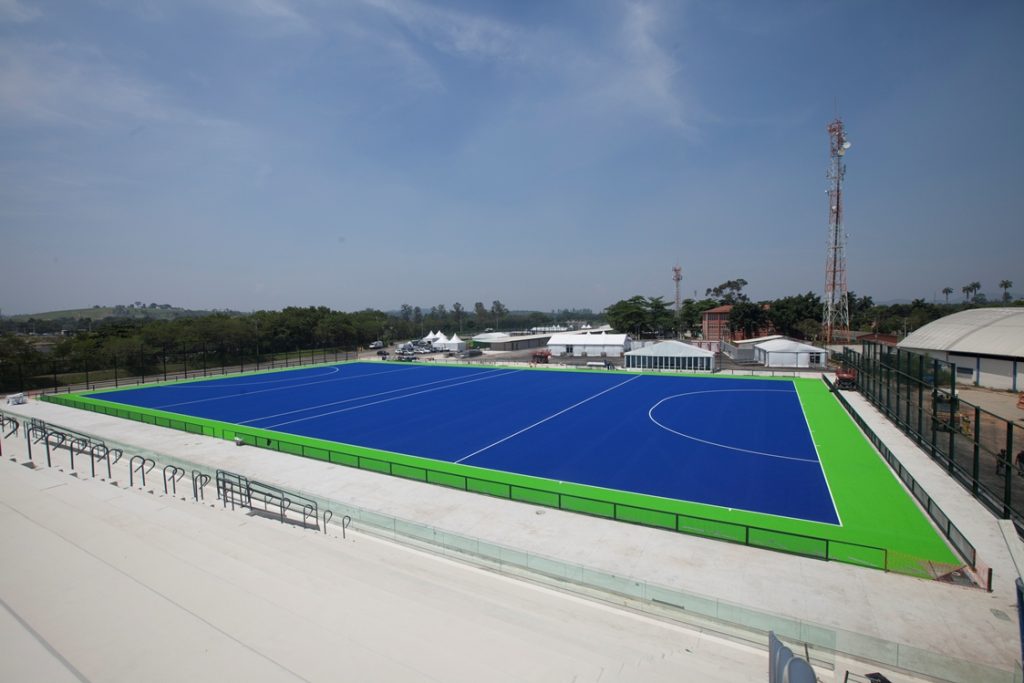
    Of the 29 permanent venues, 11 are operational, while eight require some renovation work and the other 10 will form part of the sporting legacy that is being constructed in the city. Eight temporary venues will also be used to host competitions.
    Construction progress can be seen in the four Rio 2016 competition zones. While work on the Barra Olympic Park advances, with the conclusion of the foundations of Olympic Halls 1, 2 and 3, the Olympic Golf Course site is being irrigated in order to allow grass planting to begin.
    At Lagoa Rodrigo de Freitas, the venue for rowing and canoe sprint, depth studies have been completed, while at Flamengo Park, the design of the integrated route for the athletics, road cycling and paracycling courses has started.
    “We are advancing in the construction of competition venues for the Rio 2016 Games, with all of the basic and executive projects concluded or in the conclusion phase, and with foundation works in full flow. Even though they may not be highly visible, the preparative groundwork and foundation construction, that occurs underground, are extremely important for the final structure and often account for 20 per cent of the total volume of construction,” said Alexandre Techima, the Rio 2016 Infrastructure Integration Director.
    In Deodoro, the tender process for the Games’ second largest venue cluster is underway, with construction scheduled to start in the second half of the year. Three existing competition venues– the National Shooting Centre, National Equestrian Centre and Modern Pentathlon Aquatics Centre – will be renovated, four new venues will become part of the important sporting legacy the Games will leave to the city, and two temporary venues will also be installed. At the same time, the legendary Maracanã Stadium is ready to stage matches at the FIFA World Cup, which kicks off next month.
     
    Bid deadline for Temporary Arena extended
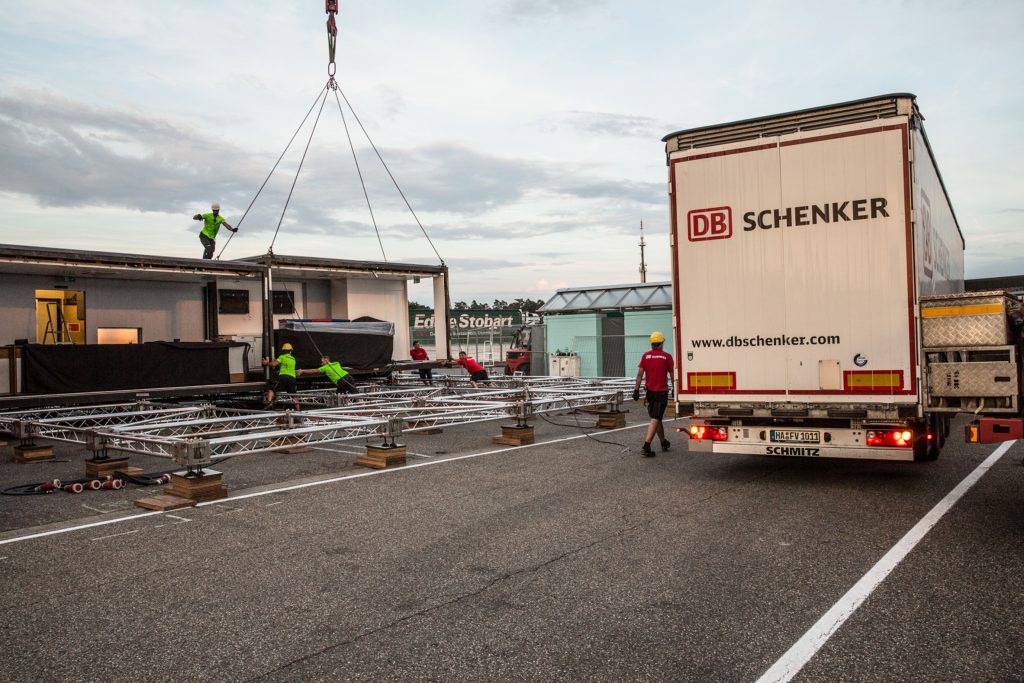
    Rio 2016 has extended the deadline for suppliers interested in applying to participate in the project ‘C547 – Temporary Arena with Overlay’.
    The bid is aimed at a company “specialized in temporary structures for supplying a Temporary Arena in turnkey mode, including all adjacent temporary structures.”
    The new deadline is 24 May 24 2014, 12h Brasilia’s time.
     
    Source: Rio 2016

  • Brazil must make the benefits of hosting clearer

    Brazil must make the benefits of hosting clearer

    Speaking to a select group of international media including HOST CITY on Wednesday, Brazil’s deputy sports minister Luis Fernandes said the federal government should have worked more closely with the local organising committee in the earlier stages of preparing for the World Cup. 
    The government also made the mistake of assuming that the Brazilian public would support the event and understand the benefits of hosting it, he said, acknowledging that these mistakes should not be repeated in the run up to the Olympic Games in 2016.
    “We should have communicated more strongly the benefits that the World Cup brings to the country,” Fernandes said.
    “I think basically we thought that the benefits were evident and that the World Cup addresses our main sport, which is football or soccer in the US, so that support and understanding of the benefits in the event would be almost automatic.
    “That’s something that we will have to communicate stronger for the Olympic Games.”
    The government should also have made it clearer that investments in civic infrastructure are not part of the cost of hosting the World Cup, Fernandes said. 
    “In a lot of infrastructure investments, which are not essential for the event, but which the Brazilian government decided to anticipate, were sometimes understood as costs of the World Cup. 
    “So, we’ve learned from that lesson and for the Olympic Games, we’re separating in our communications these two aspects. The matrix of responsibility will only include for the Olympic Games those investments that are specifically directed to the event, to the global sporting events.
    “All communication about separate investments in infrastructure that will spur national and regional development are in a different plan, which is a plan for anticipation and exploration of investments in public policy. So, that’s maybe a lesson we learned from the World Cup experience.”
    He also admitted that the federal government should have been more closely integrated with the local organising committee at an earlier stage.
    “We were only included in the board of the local organising committees of representation of the federal government a little bit more than two years ago. I think that if we had been included from the very beginning, the level of integration in World Cup preparation would have been greater, and that would have been better.”

  • Budget a “real concern” for Rio 2016

    Budget a “real concern” for Rio 2016

    The scale of Rio 2016’s infrastructure projects is immense and partnership with experienced suppliers from London 2012 will be crucial for success – but budgets must be carefully monitored. 
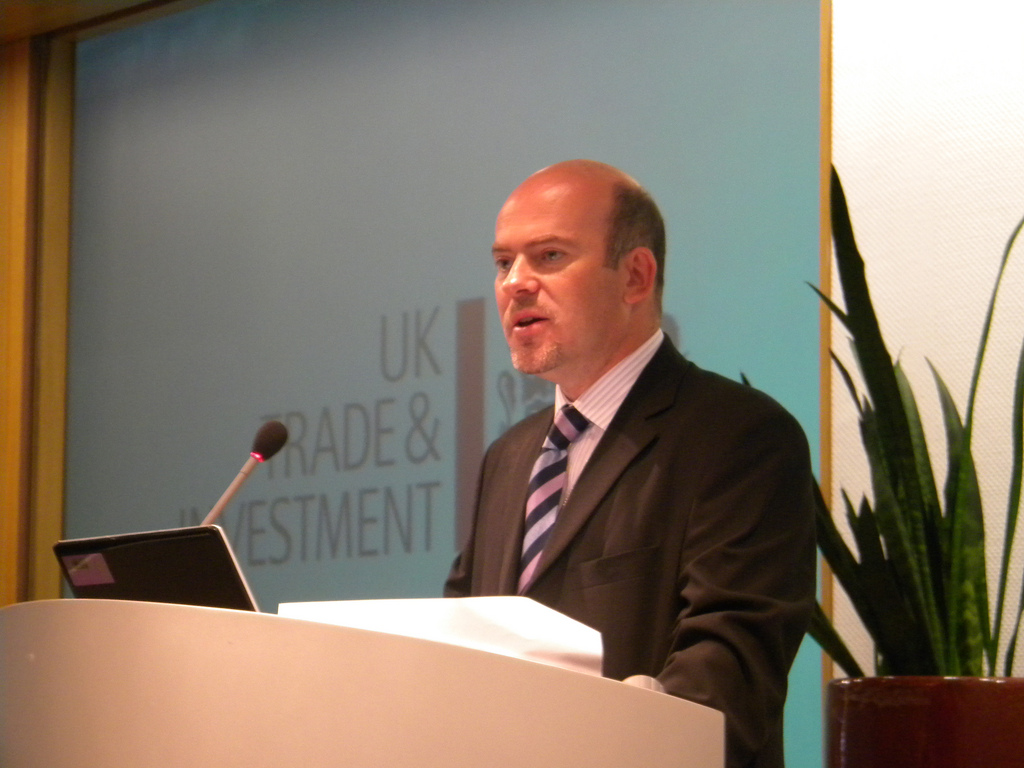
    This was the message given by Rio 2016’s head of procurement, Fernando Cotrim, in an exclusive interview with HOST CITY at the South American Sport Events Seminar, organised by UK Trade and Investment during the Commonwealth Games in Glasgow.
    “If you consider that you have the greatest combination of needs in terms of materials and services in one event, you can imagine the size of challenge,” Cotrim told HOST CITY. “We are looking for around 2,500 suppliers to be in place for 2016.”
    Cotrim’s major area of focus is temporary construction. “The hardest part is to get the right suppliers at the right time and to build a temporary and sustainable supply chain, he said.
    “That’s the challenge – the temporary part is the most important.”
    London 2012 has set the template of a mega event where the majority of infrastructure is temporary. “We are taking a similar approach. Probably around 60 per cent of constructions will be temporary.”
    Not only is the concept similar to London 2012; Rio 2016 is targeting the same companies. “We will use similar suppliers. The ideal for us is to bring the same suppliers but they come to Brazil, partner with local companies and help our country to grow in this business.”
    Cotrim cited Arena Group, who provided temporary venues for London 2012 and Glasgow 2014, as an example of a company with expertise in this area. Other notable suppliers include ES Global, also present at the UKTI event.
    Asked what his biggest concern was, Cotrim replied “Always to be monitoring – to have the best suppliers and to stay on budget. That’s a real concern. What we’ve learned from other Games is that if you don’t manage the budget you can go to infinity.
    “So you have to be very cautious about the budget. We are always seeking innovative solutions, but at the same time low cost and sustainable.”
    Rio 2016 has been under fire for severe delays to its construction projects, particularly the Deodoro Park cluster of venues. Cotrim says the tide of opinion is changing in the wake of a largely successful FIFA World Cup. 
    “What people saw, what the media saw in the World Cup changed this mindset. Deodoro was a concern, but the suppliers are starting to work and so I think this mindset has changed a little bit. The last comment from the IOC is that we have got back on track and we are in a good shape.”
    However, the IOC is still keeping a very watchful eye on Rio 2016 projects. IOC Vice President Craig Reedie confirmed to HOST CITY that the IOC’s head of Olympic Games, Gilbert Felli, will be focused 100 per cent on ensuring a successful Games in 2016.

  • Rio’s transformation will be best ever – Nuzman

    Rio’s transformation will be best ever – Nuzman

    As venue construction finally starts to shift up a gear in Rio, the president of the Rio 2016 organising committee has pointed out that the wider developments in the city will have a bigger impact on Rio than any other Olympic city in history. 
    Speaking on the two year countdown to the Games, Carlos Nuzman said “The Games will leave a huge legacy for both Rio and Brazil, and are starting to take shape. No other host city will have had such big transformational benefits from the Games as Rio.”
    Carlos Nuzman is the latest of many distinguished speakers confirmed to speak at HOST CITY’s Bid to Win conference on 28th October in London, where he will give an exclusive presentation. 
    The civic developments include a massive facelift of the historic port area, major transport upgrades, sanitation improvements, anti-flood measures as well as new educational facilities. These projects are being accelerated through 27 government initiatives in the areas of infrastructure, the environment and social improvement. 
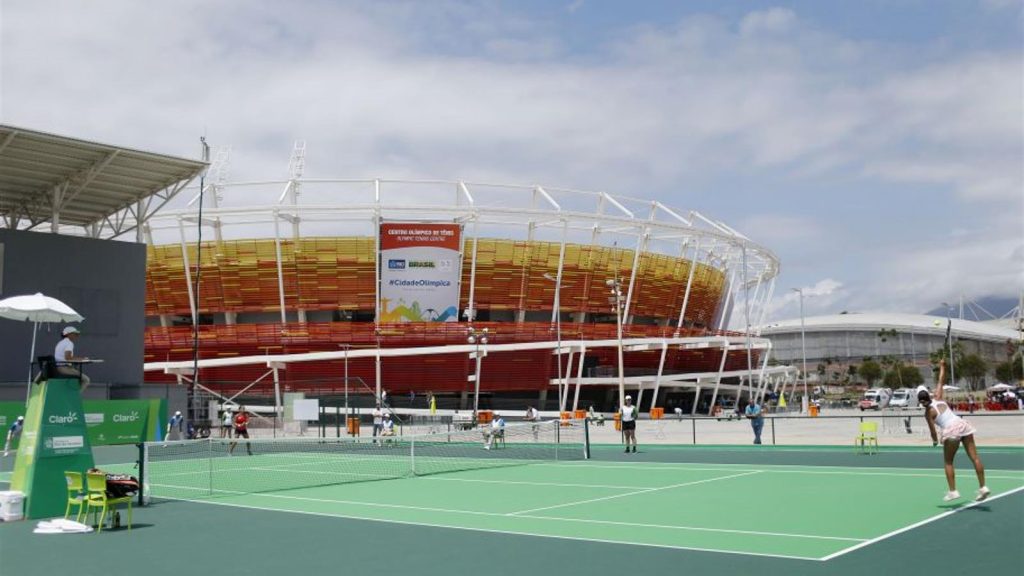
    The future of the Olympic sports facilities are also being taken into consideration as part of the legacy plans. The Olympic Park’s three sports halls – the Maria Lenk Aquatic Centre, the Rio Olympic Velodrome and the Olympic Tennis Centre – will remain in use after the Games, collectively forming Brazil’s first Olympic Training Centre (OTC) for high-performance athletes.
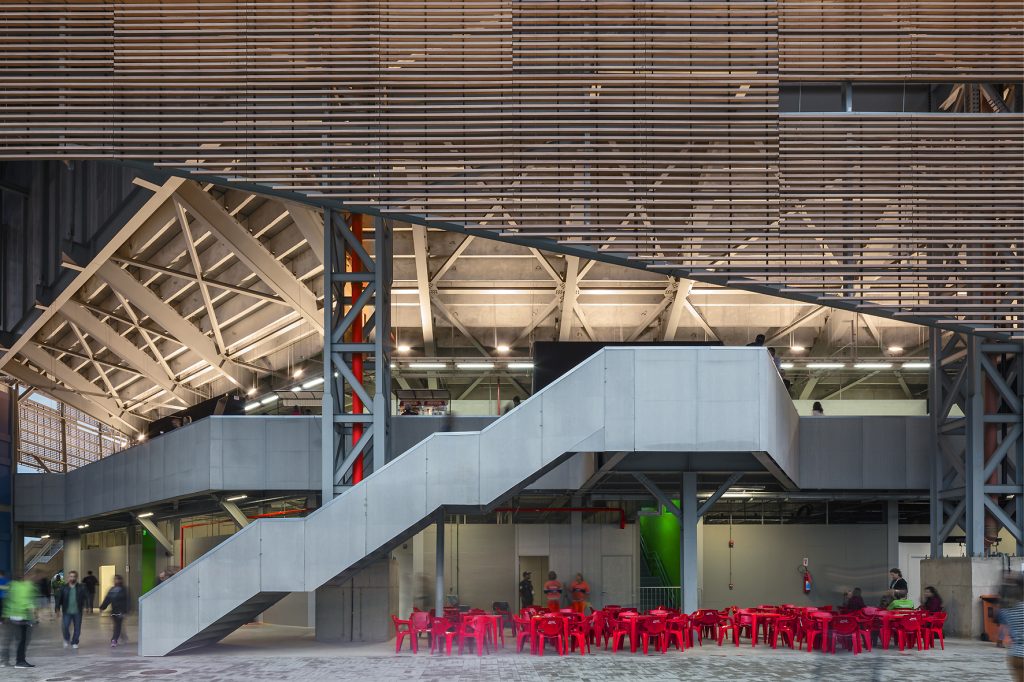
    The fourth Olympic hall, which will host handball matches during the Games – will be repurposed into four schools. “Converting the Rio 2016 handball arena into four schools after the Games is an excellent example of Rio’s commitment to ensuring the 2016 Games leave tangible benefits for the local community,” said Nuzman.
    “The ‘nomadic architecture’ concept defined by our government partners is a first for the Games and we are proud that 2,000 Brazilian schoolchildren will benefit from it for many years to come.”
     
    Transport overhaul
    Sports events in 2016 will take place in widely dispersed areas in Rio. The Maracanã stadium is 13km north of Copacabana and Ipanema; the Barra Olympic Park is about 25km west of central Rio; while the Deodoro cluster is in a similarly distant part of town with little in the way of hospitality services.
    Barra is already connected to the international airport via the Transcarioca BRT, which was built in time for World Cup, complementing another BRT service to Barra that opened in 2012. 
    A 32km Transbrasil bus rapid-transit (BRT) scheme will connect Deodoro to central Rio, benefitting 900,000 passengers daily. However, Transbrasil’s tender date has been delayed and work will not start until October at earliest. 
    A new 26km Transolímpica, due to open in January 2016, will link the competition centres in Barra and Deodoro and is expected to be used by 400,000 people per day.
    The major transport upgrades also include the creation of a light rail transit (LRT) service in the city centre and the extension of the underground metro system. A new 16km underground line, Linha 4, is due to open early in 2016, linking central Rio to Barra with a predicted journey time of 34 minutes.
    To find out more, attend HOST CITY: Bid to Win (www.bidtowin-hostcity.net) and experience the exclusive update from Rio 2016 President Carlos Nuzman

  • Rio 2016 appoints Eventim as ticketing provider

    Rio 2016 appoints Eventim as ticketing provider

    The company was selected following an international tender process.
    Under its partnership with Rio 2016, Eventim will provide a ticketing platform for Brazilian and international customers. The company has previous Olympic experience having served the 2006 and 2014 winter Games, in Turin, Italy and Sochi, Russia, respectively. 
    Rio 2016 runs from August 5-21, with the Paralympic Games following from September 7-18. A total of nine million tickets are expected to be issued across the event’s sporting programme.
    Eventim said: “In its partnership with Rio 2016, Eventim will continue to contribute to the Olympic and Paralympic movement by providing a robust, state-of-the-art ticketing platform, building on those which have been delivered for Torino 2006 and Sochi 2014 and embracing technological and operational know-how.
    “Through their cooperation, Eventim and Rio 2016 shall ensure the delivery of a fair and transparent system for the distribution of tickets for Brazilian and international customers.”
    Rio 2016 last month marked the two-year countdown to the opening of the Olympic Games by vowing that the delays and cost overruns which hit preparations for the 2014 Fifa World Cup will not be repeated.
    Brazil’s staging of the World Cup was widely judged to be a major success, but the build-up saw significant delays in the delivery of stadia and price increases in preparing the venues.
    This led to fears over Rio 2016, but local organising committee chief executive, Sidney Levy, told the Bloomberg news agency: “The time has come for the Brazilian people to deliver something on time, on budget, with full transparency. We can always fail, but that’s what we are willing to do.” 
    Rio 2016 said construction across the four competition zones stood at 55 per cent completion on August 5.
    In advance of his presentation at HOST CITY: Bid to Win, Carlos Nuzman says Rio’s regeneration will outshine that of any previous host city.
    For more information about attending HOST CITY: Bid to Win, visit www.bidtowin-hostcity.net