The International Olympic Committee (IOC) has backed Rio de Janeiro to deliver a successful Olympic Games in August.
At the close of its final Coordination Commission visit to the host city, the IOC said the Rio 2016 organising committee is set to resolve “thousands of details” to produce a “great Games”.
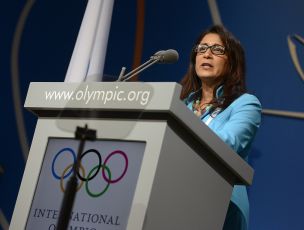
“As we enter the final 114 days until the opening of the Olympic Games Rio 2016, and despite the complex political and economic context, we are confident that Brazil and the Brazilians are on track to deliver successful Olympic Games with an outstanding legacy,” said IOC Coordination Commission Chair Nawal El Moutawakel.
“The last stretch is always the hardest. During the operational phase that we are entering now, there are thousands of details still to manage, and their timely resolution will make the difference between average Games and great Games. The Rio 2016 team is ready to rise to this challenge and deliver Olympic and Paralympic Games that will reflect Brazilians’ warmth, hospitality and passion for sports. We believe that Rio 2016 will make the host nation proud.”
Preparations for the Rio 2016 Olympic Games, which begin on 5 August 2016, have been beset by organisational problems that have threatened to derail the massive project.
But in a statement, the IOC said many of the venues are now finished, with the venues 98% complete overall; that 33 test events had been successfully completed with positive feedback from the competing athletes; and that popular backing for the Games remains strong, with over 70% support in Rio de Janeiro – demonstrating that the majority of local citizens see the Games as a positive element in the development of their city and country.
Brazil’s economy was booming when Rio was awarded the Games, but the country is now in the grip of recession.
“Thanks to the solidarity and support from the IOC, International Federations, and National Olympic Committees during this difficult time for Brazil, we will be ready,” said Rio 2016 President Carlos Arthur Nuzman.
“We will not be complacent in the last mile. We know that we still have important elements to finalise before the Opening Ceremony on 5 August. We are working hard with all of our partners on each of these points and we are more confident than ever that Brazilians will deliver great Games.”
The IOC cited a number of lasting benefits that will result from Rio hosting the Games, such as improved public transport, better waste management, better city operations, job training, state-of-the-art sports facilities and new schools.
“The strong support from the local authorities, as well as the partnership and solidarity shown by the IOC, International Federations, National Olympic Committees, and other Olympic partners, in line with Olympic Agenda 2020, has been invaluable to the Rio organisers, as they finalise their preparations. I’d like to thank all of those involved for their hard work and dedication to this project,” said El Moutawakel.
Category: Event Management
-
Rio can deliver great Games, with hard work – IOC
-
FIFA still needs to change culture, says reform chair
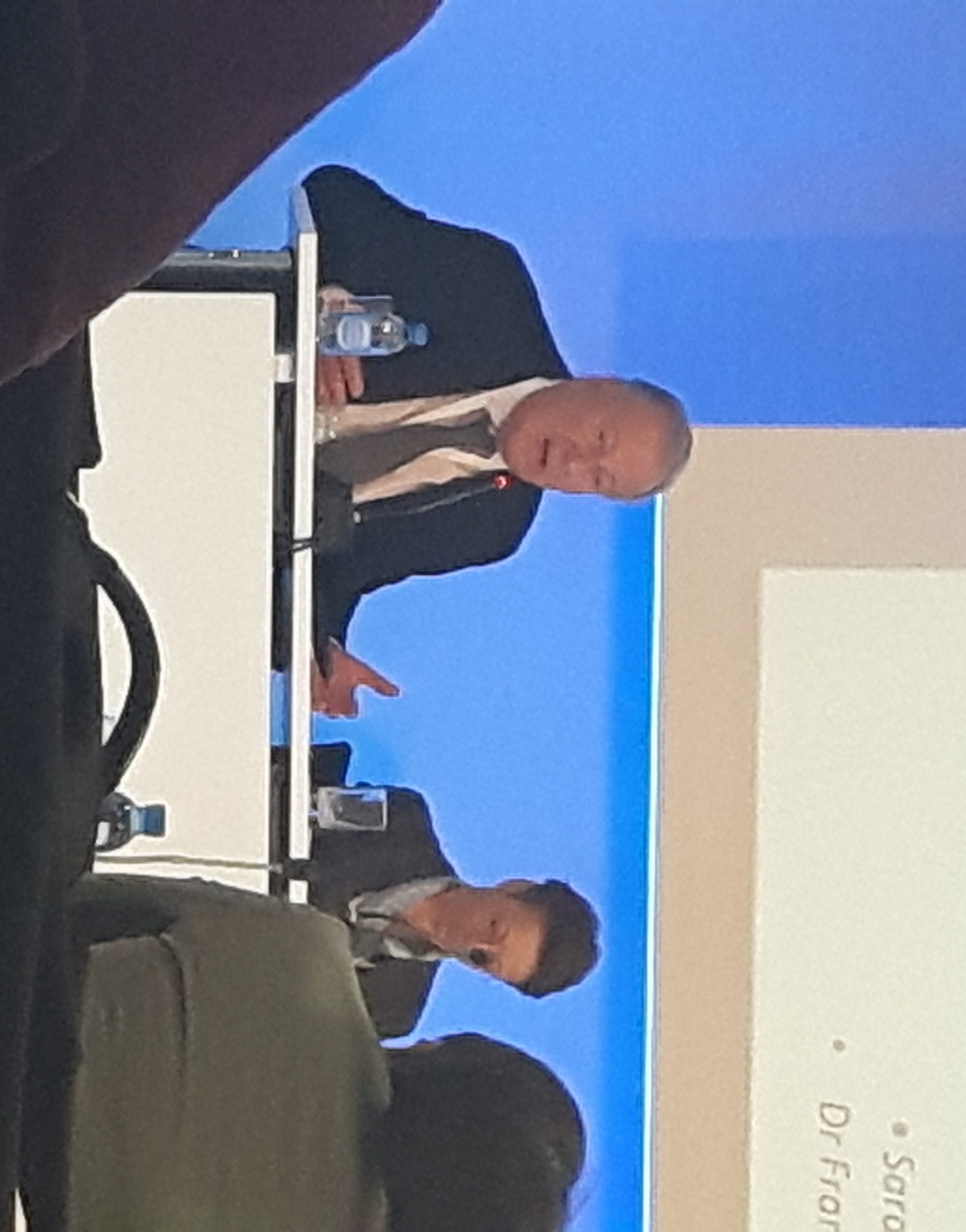
Appointing a new president and amending statutes are important steps for FIFA but a change of culture will be essential for significant transformation, the independent chairman of the 2016 FIFA reform committee Dr François Carrard told HOST CITY.
“By passing the reform of its statutes at the Congress in February in Zurich, I think FIFA has achieved a very important step towards substantial reform. In my opinion, together with the election of the new president, this it is to be considered as the starting point of a reform process,” Carrard told HOST CITY at SportAccord Convention in Lausanne.
“But I think it’s a starting point also for what is essential in my opinion, which is a change of culture.”
Carrard also spoke on a panel with FIS Secretary General Sarah Lewis at the LawAccord conference during SportAccord Convention, where he shared his experiences of working with FIFA throughout criminal investigations.
“I have been observing from inside in the last months the ‘schizophrenic’ work of the various institutions involved in the FIFA scandals. There were the internal institutions – I started working under president Blatter, when I wanted to report to him the police were there, then I had Ayatou, then I finished with Infantino.”
HOST CITY asked Carrard if he believed FIFA members had voted the right way in electing UEFA secretary general Gianni Infantino as president.
“As independent chairman I haven’t been involved deeply in FIFA organisational structures before, but my personal experience of president Infantino is such that he is the right man,” he told HOST CITY.
“I think with a new leadership, with adjusted statutes, the path is now there to achieve but any reform process takes time.
“You cannot expect that in a couple of months you solve everything. But at least now the door is open for progress.”
-
When to mediate or litigate in sports events
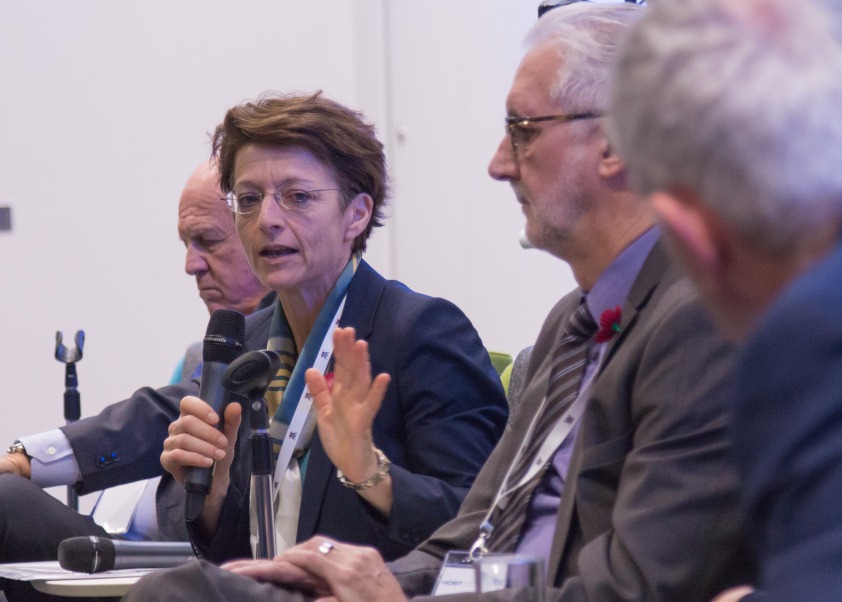
“It’s important to draw a distinction where you actually can use mediation or an alternative dispute resolution method other than litigation.
“Competition rules and doping offences are not areas where you can mediate, negotiate and so on; these have clear rules and they have to be respected for the integrity of the sport.
“What you do need, when it comes to competition rules, is a solid internal procedure to have the possibility to appeal to a higher instance than the competition jury – they can make mistakes, so that needs to be verifiable.
“And then you also need the commitment that there will be an appeal possibility to the Centre for Arbitration of Sport (CAS), as the overall instance to check externally that your internal regulatory procedures are working in the correct way.
“From my perspective, as far as anti-doping offences are concerned, it’s a similar situation: an International Federation has to uphold the WADA rules. Then you have to defend those in an internal doping panel procedure and if there is an appeal, again can be appealed externally to CAS; that’s what is given in the code.
“Then the areas where we have a certain experience where there could be room for negotiation concerns disputes – we’ve had dealings in two particular areas. One has been with a couple of serious accidents that have taken place in international competitions, which are organised under the FIS rules, that are overseen by the technical delegate appointed for the assignment by FIS.
“Then there have been out of court discussions and negotiations, of course together with the insurance company who plays an important role there. In the one case we found a very good solution that involved supporting a foundation set up by the family in the athlete’s memory dedicated to supporting youngsters in his sport and improving safety measures.
“The other area has been with non-competition regulations: interpretation of regulations connected to commercial branding and visibility; is a manufacturer a manufacturer or is it a commercial entity; what’s allowed and what isn’t allowed? That is also quite closely connected to Olympic rules.”
This exclusive interview was conducted by HOST CITY at LawAccord during the 2016 SportAccord Convention
-
Anti-Corruption Summit welcomes International Sports Integrity Partnership
The International Anti-Corruption Summit, hosted by UK Prime Minister Cameron on Thursday in London, welcomed the efforts of sports organisations in the fight against corruption.
The conference issued a communiqué that said: “We welcome the work of the international sports organisations to strengthen openness and improve governance so that they meet global best practice. We urge them to achieve the highest global standards and regain public trust through a culture of good governance. We recognise the autonomy of international sports organisations conferred under national laws. We believe this must be exercised responsibly and be earned by continually demonstrating good governance in a spirit of openness.”
The conference specifically welcomed the initiative of the IOC to launch “an International Sport Integrity Partnership in the margins of a meeting of the International Forum for Sport Integrity in Lausanne in early 2017.”
IOC President Thomas Bach said: “We appreciate that this summit has acknowledged the efforts of the IOC and sports organisations. The IOC has all the instruments in place and the resolution to fight effectively against corruption. But like any other organisation we are not immune to wrongdoing. In such cases we have a proven record of swift action. The reforms of Olympic Agenda 2020 have strengthened our position to implement our zero tolerance policy in this respect. As welcomed by the Summit, we will take the fight against corruption further by launching the International Sports Integrity Partnership.”
The Summit coincided with confirmation from French financial prosecutors that they are investigating allegations that payments exceeding $2m connected to the Tokyo 2020 Olympic bid were made to a bank account linked to the son of former IOC member and IAAF President Lamine Diack.
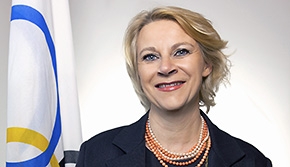
IOC Chief Ethics and Compliance Officer Paquerette Girard-Zappelli spoke at the conference. In an IOC-issued statement she said: “We used this opportunity to present all the measures undertaken by the IOC in the fight against corruption.
“Through Olympic Agenda 2020 the position of the IOC Ethics Commission has been strengthened and transparency has been increased. This includes a Consultants Register for the Olympic Games Bid Process and many other measures.
“We have proven that we are actively fighting against corruption. For instance, the IOC took immediate action against Lamine Diack already in November 2015 when the first allegation arose against him. As a result of our action he no longer has any position in the IOC. Nevertheless, we continue to actively look into the matter and have become a civil party to the French investigation.”
IOC Member and President of the International Paralympic Committee Sir Philip Craven chaired a panel on sport at the summit. Girard-Zappelli was joined on the panel by Angel Gurria, Secretary-General of the OECD, Jaimie Fuller of Australian sportwear brand SKINS, and Isha Johansen, president of the Sierra Leone Football Association and FIFA board member.
“I have a mission and a vision, to force good governance into football. Because I believe it can help with the growth and prosperity of that nation,” said Johansen.
“Corruption is a deadly killer disease. Having lived in Sierra Leone through the ebola crisis, I know the destruction a disease can cause in a society, it can rip through it, it can kill a society.”
After the summit, Sir Philip Craven said: “Sport is under greater scrutiny than ever before and rightly so; sport is a multi-billion Euro industry that reaches and impacts billions of people around the world on a daily basis.
“There are absolutely no doubts that recent scandals involving some international sport federations have greatly tarnished the image and reputation of sport. This has led sport to quickly realise that it is not immune from being accountable for its actions, just like any other industry.
“It should not take a high profile scandal however to act as the catalyst to organisational reform. Sport organisations must be proactive in improving their athlete centred governance. They must seek out corruption and deal with it swiftly and effectively. It cannot be brushed under the carpet in the hope it will go undiscovered.
“Eliminating corruption in sport needs to be a real team effort. That is why the IPC fully supports the work of the IOC, the reforms of Olympic Agenda 2020, the launching of International Sports Integrity Partnership in early 2017 and the recommendations of the Association of Summer Olympic International Federations (ASOIF) Governance Task Force.”
The conference also dealt with issues such as corporate secrecy, government transparency, the enforcement of international anti-corruption laws, and the strengthening of international institutions.
The summit adopted a “Global Declaration Against Corruption”, which reads: “Corruption is at the heart of so many of the world’s problems. We must overcome it if our efforts to end poverty, promote prosperity and defeat terrorism and extremism are to succeed.
“Today’s Summit has demonstrated the deep commitment of a significant number of countries, businesses and members of civil society to work together to tackle this scourge.”
-
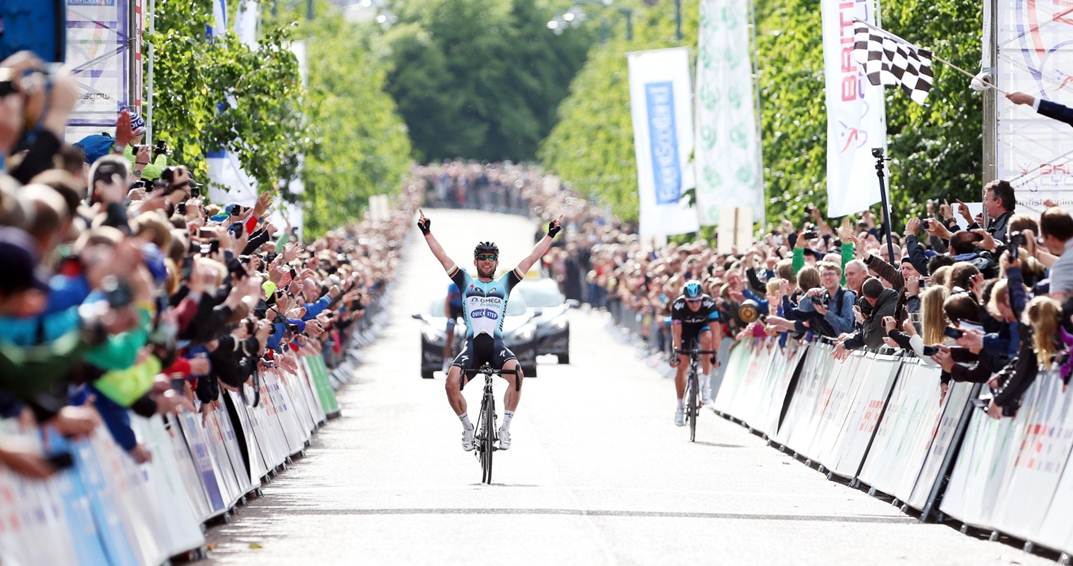
European Championships – challenger or champion of Olympic sports?
A new fixture has appeared on the calendar of international multi-sports events. The European Championships, taking place for the first time on 1-12 August 2018, has been described by observers as either a repackaging of existing championships or a serious challenger to the European Games – the continental mega event initiated by the European Olympic Committees (EOC) at Baku in 2015.
The organisers themselves describe the event as a “coming together of existing championships”. Six sports – aquatics, cycling, golf, gymnastics, rowing and triathlon – will be hosted in Glasgow, with athletics taking place in Berlin from 7-12 August.
The concept is run by and on behalf of the European Federations: European Athletics; Ligue Européenne de Natation (LEN, or European Aquatics); the European Cycling Union (UEC); World Rowing (FISA), the European Triathlon Union (ETU); the European Union of Gymnastics (UEG); and the European Tour and the Ladies European Tour as Golf Europe combined.
The broadcast partners for the event are the European Broadcasting Union (EBU)’s free to air members.
“We were very happy to see that Glasgow and Berlin were supporting the idea and particularly that the federations took this major step forward to agree to this concept of having their European championships under one umbrella in the two cities,” says Stefan Kürten, Director of Eurovision Services & Sports Rights at the EBU.
Elevating sports together
“For us, this is a milestone in the development of sports in Europe. This concept will clearly contribute to maintaining European sports on this level where it belongs,” says Kürten.
“We want the public in Europe to focus on the top Olympic sports in Europe. We want to show to the public the top athletes in these sports that are already visible on free to air, and we want to centralise that.
“By centralising them we are not creating an additional event; it is bundling existing events. We as broadcasters are not interested in more events. There is sometimes the belief that the more you create, the more interest you generate. I can say from a broadcaster’s perspective this is wrong. You have to focus on the top events and make them even more valuable.
“Therefore we think there will be an increase in audience by these multi-sports events so that will be to the benefit of the sports and of the host cities and clearly also to our benefit.
“On top of that, we think by putting these events together we also want to emphasise the relevance and importance of European sports, because the cradle of the Olympic sports is Europe and we are afraid that if that part falls, gets weaker, that has an impact on world sports and we don’t want that. We think as broadcasters: let’s promote the strongest, push it further, and be creative and innovative.
“The message that we got back from the members was that the broadcasters were extremely pleased with such a milestone event. We have 23 broadcasters with us already – the top broadcasters – and they will be all the main channels.”
Frank Kowalski, Managing Director of the Berlin 2018 local organising committee says: “Working together with Glasgow, we are really proud to be in the first move of this European project.
“For the city and for us it wasn’t easy because the situation came after awarding the 2018 European Athletics championships to Berlin. But we are totally convinced that this is the right step for the summer sports to get the power against other sports like football.
“We all have to learn not to produce what we like to produce, but what our clients like to have. I am convinced that we will have a lot of synergies and will take every opportunity we have for us, for the European Athletics Championships and for the city of Berlin. We have strong partners and we are getting closer and closer through the collaboration – and it makes sense.”
Scheduling around the crown jewels
“In athletics it’s very important that our time schedule is respected,” says European Athletics President Svein Arne Hansen. “We have a long tradition in having our biennial Championships in this week and we made very sure from the beginning that our prime time had to be protected. We agreed that with LEN and with our Glasgow friends.
“This is the jewel in the crown for European Athletics and we have to protect that jewel and I think we have achieved this – we’ll soon be ready to give out the timetable.”
Paolo Barelli, President of LEN says: “What we are doing is very easy, it is not so complicated. The first period, the first part of the Championships, is for aquatics. The second part is for track and field, with one day of overlapping.”
“It is a coordinated approach,” says Kürten. “The idea is to have as few overlaps as possible but to have a natural flow of medal ceremonies and heats so we have on-going interest that is well coordinated.”
Colin Hartley, Championships Director of Glasgow 2018 says: “The collaboration to create a schedule that works for as many reasons as possible is already at version one. When we unveil that schedule it will be as good as we can achieve in terms of city, sport and of course for the broadcast viewers.”
The challenge of selling tickets
Tickets go on sale on 22 August 2016 – the day after the Rio 2016 Olympic Games finishes. Berlin has the biggest sales challenge, in filling the 74,475 seat Olympiastadion.
“For us it’s a very big task to fill the Olympic stadium in Berlin,” says Arne Hansen. “But I hope that all the excitement of what’s happening up in Glasgow will carry over to people in Berlin, so people will see next week we are in Berlin to see the athletics.
“We have gone into it with open eyes, even if this contract was signed before my election, which was one year ago. I am fully enthusiastic and behind it.
“We all remember Berlin 2009 and that incredible atmosphere. It was really something, because of one thing; you had the local athletes plus some superstars from Jamaica. But local athletes are what you need.
“I am sure that the German federation will bring the best out in this Championships. 74,000 is a very big thing to sell, but if somebody can do it in Europe, Berlin can do it. We hope that they will have bigger viewership and more people coming to the stadium than ever.”
In Glasgow, the organisers are looking into possibilities for ticketing across the different sports.
“On the back of the Commonwealth Games in Glasgow, the appetite for sports is very much there,” says Colin Hartley, Championships Director of Glasgow 2018.
“People going to sports they haven’t seen before is a proven thing that they are interested. So on the back of that, we will definitely bring ticketing together. And we’ll be promoting the events in Berlin as they will in Glasgow. For the spectators, online and social media will be very much a seamless experience.”
A threat to the European Games?
The next European Games is due to take place in 2019, with EOC President Patrick Hickey having stated in November 2015 that Russia would be the preferred host.
However, Russia’s Sports Minister Vitaly Mutko is reported to have said that Russia never applied to host the Games and would be too busy to host any other major events until 2020. And with Russia’s participation in athletics at the Rio 2016 Olympic Games under threat from doping revelations, the country’s suitability to host the European Games is also under scrutiny.
Hickey and EOC Vice President Janez Kocijancic both contacted Host City to say the EOC would not be making a statement on this matter “for the moment”.
Hickey also referred Host City to a letter he sent to the European Federations in which he stated that their contract with the European Championships management company would violate EU competition law, as it seeks to restrict them from “competing in another multi-sport continental event within a year of the conclusion of the 2018 European Sport Championships”.
“I haven’t spoken with Patrick Hickey since the latest news about Russian internal things going on there,” said Arne Hansen at SportAccord. “We have an agreement with the EBU; our best athletes will be in Berlin. And if the conditions are right we will also be in the European Games.
“There will not be a European Athletics Championships of any kind in the European Games – no youth, junior, under 23, or senior. But I don’t say it will be low level. Athletics is a big sport; hopefully we can find other interesting things to put in the Games. I am not saying no to new competitions; that would be against my nature.”
It is also uncertain whether the EBU will put its weight behind the European Games. “We have had discussions, we have looked into it,” says Kürten. “It was difficult to follow the European Games on TV, there was not such broad interest in Europe. We think this is a bit of a different event, so for us it was clearly relevant to focus on the top sports.”
Barelli is keen to stress that the European Championships is not a threat to the activities of the European Olympic Committees or the other European Federations. “We are not creating any European Games. I know that someone tried to make some misunderstanding about that. Track and field manages its own championship; I don’t want to interfere with its championship, and track and field is not permitted to interfere with my championship.
“What we are doing is putting together seven sports, with the help of EBU, with the help of the family, with the help of Glasgow, just to have something more to add to the value of each discipline. It was very difficult to create but when someone put their mind to this project is was easy to answer the question why. We think this is going to be a good format for the future.”
Big host city sought for 2022
No additional sports are being considered for the 2018 event, says Kürten. “We didn’t want to overcharge; the idea was to go with specific group of sports that couldn’t clash; it couldn’t be too long. If you have the first edition of such an event it’s good to start with quality and not to overload it.”
If 2018 is successful, the European Championships will take place again in 2022. Arne Hansen says: “We have, together with EBU, together with other partners, set criteria for 2018. I that is fulfilled, we will go along with 2022.”
European Athletics already has 11 countries bidding for their 2022 Championships, in a process that was launched before the possibility of the combined event arose.
“It is a huge thing that we already have 11 countries in Europe bidding for the 2022 European Athletics Championships. We will go out to them, together with the other sports, to find potential bidders from the 11,” says Arne Hansen. “We have already started a bidding process, so it would be very hard to go outside those 11 countries to find the next organiser for the next European Athletics Championships.”
Kürten says the aim is to award the 2022 European Championships to a major European city. “The interest when looking at host cities is clearly there; in this respect we expect this to materialise in a big city – that’s what we are trying to achieve.
Asked if the next edition will take place in just one city next time, Kürten said “It’s too early to say. That’s open; probably one city”.
This article is Host City’s coverage of a European Championships media roundtable at SportAccord Convention, with further input from the EOC. -
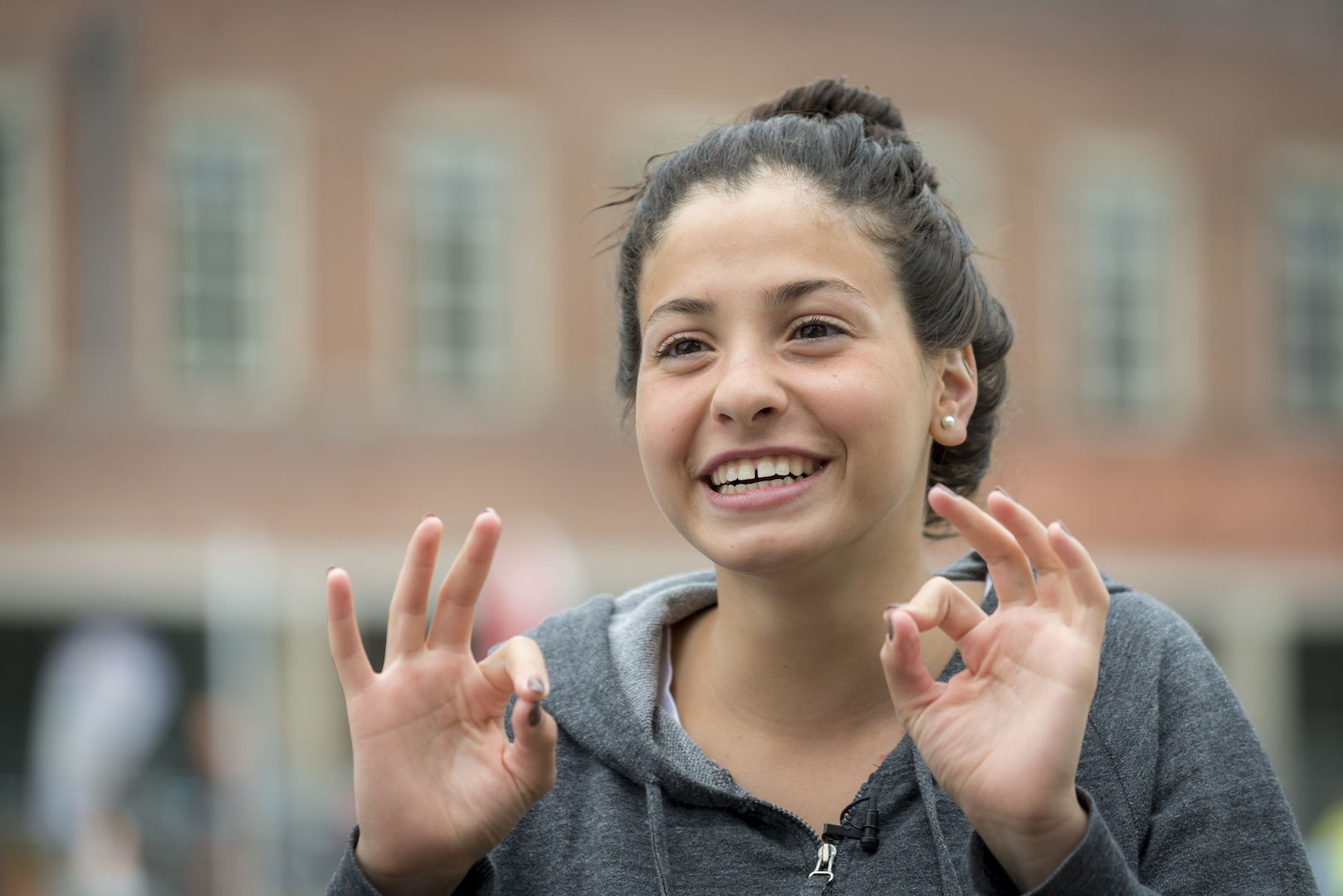
Ten refugees to compete at Rio 2016 under Olympic flag
Ten refugee athletes will take part in the Olympic Games Rio 2016 this summer in the first ever Refugee Olympic Team (ROT), the International Olympic Committee announced on 3 June.
Rami Anis, Yiech Pur Biel, James Chiengjiek, Yonas Kinde, Anjelina Lohalith, Rose Lokonyen, Paulo Lokoro, Yolande Mabika, Yusra Mardini and Popole Misenga will march with the Olympic flag immediately before host nation Brazil during the Opening Ceremony.
“These refugees have no home, no team, no flag, no national anthem. We will offer them a home in the Olympic Village together with all the athletes of the word. The Olympic anthem will be played in their honour and the Olympic flag will lead them into the Olympic Stadium,” said IOC President Thomas Bach.
”This will be a symbol of hope for all the refugees in our world, and will make the world better aware of the magnitude of this crisis. It is also a signal to the international community that refugees are our fellow human beings and are an enrichment to society. These refugee athletes will show the world that despite the unimaginable tragedies that they have faced, anyone can contribute to society through their talent, skills and strength of the human spirit.”
As part of the IOC’s pledge to aid potential elite athletes affected by the worldwide refugee crisis, NOCs around the world were asked to identify any refugee athlete with the potential to qualify for the Olympic Games Rio 2016. Such candidates could then receive funding from Olympic Solidarity to assist with their preparations and qualification efforts.
Forty-three promising candidates were initially identified. Selection of the ten athletes was based on consultation with their host National Olympic Committees (NOCs), International Federations, the UNHCR and the NOCs of their countries of origin. Nomination criteria included sporting level, official refugee status verified by the United Nations, and personal situation and background.
Five of the athletes originate from South Sudan, two from Syria, two from the Democratic Republic of the Congo and one from Ethiopia. Five are hosted by the National Olympic Committee of Kenya, two by Brazil, one by Germany, one by Luxembourg and one by Belgium.
Six of the athletes will compete in athletics running events, two in swimming and two in judo.
Like all teams at the Olympic Games, the ROT will have its own entourage to meet all the required technical needs of the athletes. Olympian and former marathon world record-holder Tegla Loroupe (Kenya) was named the team’s Chef de Mission, while Isabela Mazão (Brazil), who was proposed by the UNHCR, will act as the Deputy Chef de Mission. They will lead a crew of five coaches and five other team officials.
The team will be housed in the Olympic Village like all the other teams and will get its own welcome ceremony at the Olympic Village, like all other teams. Team uniforms will be provided by the IOC.
For all official representations of the team (including possible medal ceremonies), the Olympic flag will be raised and the Olympic Anthem will be played.
A proper doping control process will be introduced through the World Anti-Doping Agency (WADA). Olympic Solidarity will cover preparation, travel and other participation expenses for the team and will continue to support the athletes of the team after the Olympic Games.
The IOC will also continue to support the refugee athletes after the Games.
Through Olympic Solidarity and its Olympic Scholarships for Athletes programme, the IOC aims to help smaller NOCs prepare and qualify their athletes for the Olympic Games. The IOC’s priority is to focus primarily on athletes who need the assistance the most and to place them on an equal footing with their competitors from more developed regions of the world. In the lead-up to London 2012, for example, 1,264 Olympic scholarships were allocated to athletes from 171 NOCs in 21 sports. 657 ‘scholars’ eventually took part in the Games. They won a total of 72 medals.
Following the approval of Olympic Agenda 2020, the IOC’s strategic roadmap for the future of the Olympic Movement, and in light of the current global refugee crisis, the IOC also created a special fund of USD 2 million to develop relief projects through sport in collaboration with NOCs around the world. Over 15 NOCs have already made use of this fund.
The IOC already works with a number of United Nations agencies to help refugees around the world. For the last 20 years, the IOC and UNHCR in particular have been using sport to support healing and development among young refugees in many camps and settlements around the world. They have consequently seen thousands of refugees benefit from sports programmes and equipment donated by the IOC.
The biographies of all athletes and their entourage are available here.
-
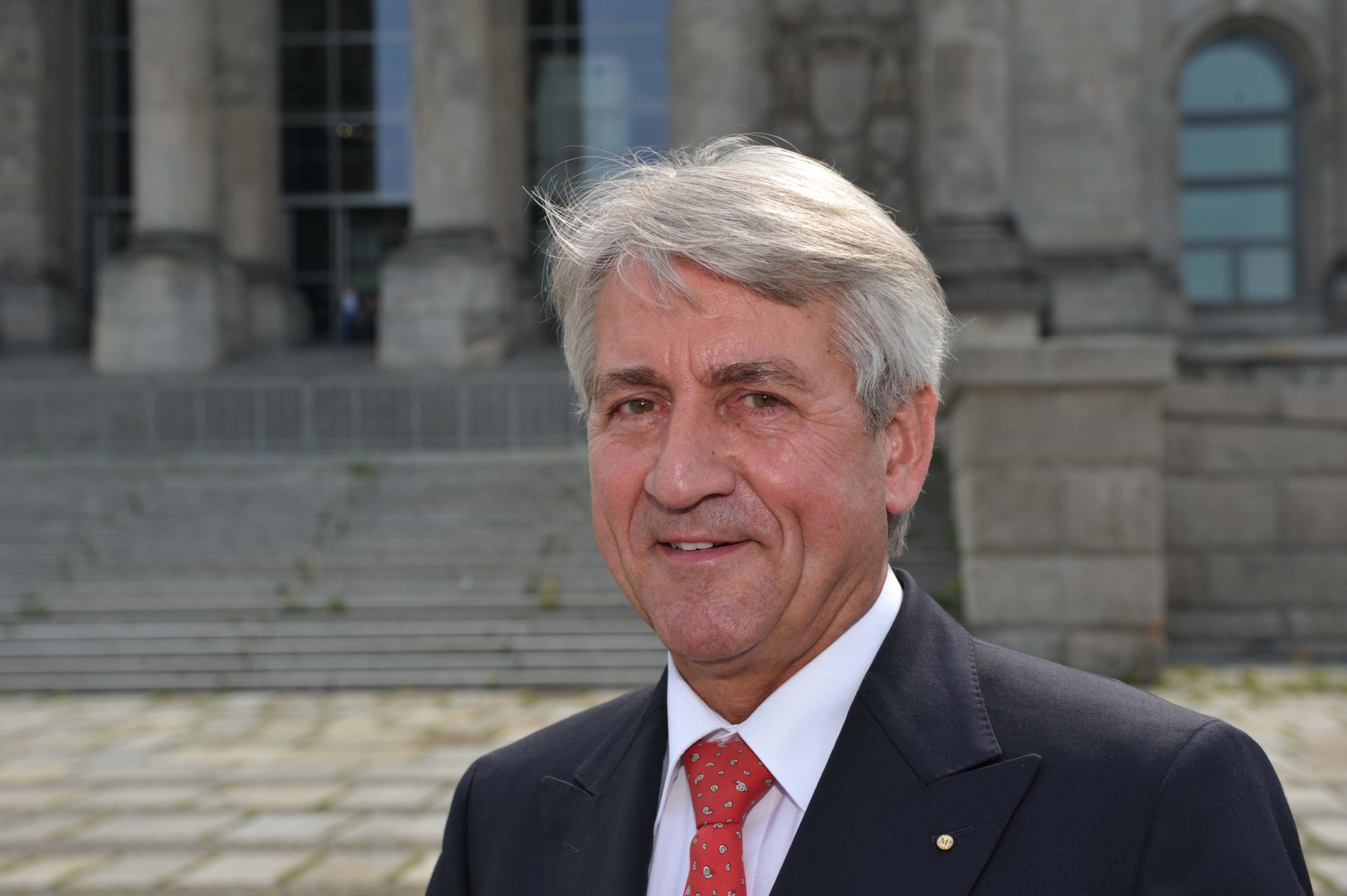
Modern Pentathlon and de Courbertin’s enduring vision
HOST CITY: Pierre De Coubertin said Modern Pentathlon “tested a man’s moral qualities as much as his physical resources and skills”. How does Modern Pentathlon achieve this and why is this still important today?
Dr. Klaus Schormann: Modern Pentathlon first appeared on the Olympic programme in Stockholm in 1912 when De Coubertin’s wish was to devise a test suitable only for the “complete athlete”. In pursuit of this aim he created the ultimate test of an athlete’s fitness, courage and skill – a sporting challenge like no other. Modern Pentathlon combines five traditional disciplines in a one-day format and is unique in sport as a complex mental and physical examination.
Today it remains as important as ever in the Olympic Movement. Pierre de Coubertin’s vision has its roots in the Ancient Games of 708 where Lampis of Sparta was the first winner of Pentathlon and received the prestigious status of “Victor Ludorum”. In this time, Pentathlon consisted of discus, long jump, javelin, stadium run and wrestling. The format has changed beyond recognition but the principle remains the same: it is the complete sporting challenge.
HOST CITY: Competition for inclusion in the Olympic programme is strong. What are the key factors that have enabled Modern Pentathlon to retain its place in the programme?
Dr. Klaus Schormann: Modern Pentathlon has been a core sport of the Olympic Games ever since 1912. Although it has had to justify its inclusion in the Olympic programme several times, it has retained a constant presence and this is because of two things: strong Olympic heritage and modern innovation. First we had to shorten the Modern Pentathlon from five days in duration to one day, because it was not compatible with the demands of the mass media, viewers and spectators.
To make it a more compelling spectacle, we introduced several changes and developments. We introduced Laser Pistols at the Youth Olympic Games in Singapore in 2010. We created a running/shooting Combined Event (like winter biathlon) that made the sport safer for athletes and spectators, allowing them to get closer to the action than ever before. Most recently, in addition to the fencing round robin, pentathletes have the opportunity to win extra points in a new bonus round. In less than an hour, all of the athletes compete on one piste in front of the spectators to win bonus seconds for the Combined Event.
To make our sport more compact and exciting, we had to adapt our format as we are living in a fast changing world with a modern, diverse and digital society. You can inspire others to change, only if you are ready to change yourself. Our new format is compact, media and spectator friendly with entertainment in between. It is not only a competition anymore – it is five sports brought together to create one big event. As De Coubertin wrote in 1918, “the individual who truly deserves that name ‘Olympian’ is the competitor in the modern pentathlon”. We are certain that he would have approved of Modern Pentathlon’s proven ability to move with the times and stay fresh.
HOST CITY: As a member of the IOC Commission on Culture and Olympic Heritage, do you think modern pentathlon can play a role in helping the IOC to realise its Agenda 2020 aim of further blending sport and culture?
Dr. Klaus Schormann: UIPM can, like all of the International Federations in the Olympic Movement, play a role in helping the IOC to realise this goal. Only together can we implement another of Pierre de Coubertin’s visions: to “blend sport with culture and education” as in the Ancient Games.
Due to the concentration on sport, the influence of the Olympic Movement’s cultural activities has been limited even though many committed institutions and communities like museums, academies, historians, collectors or artists for instance have been established. However, our mission as members of the IOC Commission on Culture and Olympic Heritage is to develop concepts and programmes to further blend sport and culture at each Olympic Games and in the years between. This only goes hand in hand with the whole Olympic Family to create values with culture.
HOST CITY: And how can the values of UIPM and Olympism help with the education and personal development of young people worldwide?
Dr. Klaus Schormann: In our fast changing world, education has an important role in society. As Nelson Mandela said “Sport has the power to change the world” and currently we need to change and act against crime, hate and discrimination more than ever before.
Modern Pentathlon is not only a big event but it has remained through 100 years of history very traditional and unique in the Olympic Movement. The Olympic Agenda 2020 clearly demonstrates our decision to live up to our values and principles. The values of “excellence, respect, friendship, dialogue, diversity, non-discrimination, tolerance, fair play, solidarity, development and peace” should be demonstrated through our sport around the world. Our Unity in Diversity is important to make those values and principles remain relevant in society.
Through Modern Pentathlon with the five different skills you have a platform for education, integration of all religions and cultural societies with the message for a more friendly, humanitarian and peaceful world.
HOST CITY: How do the UIPM’s other events, such as the new Laser Run format, help to engage new athletes and audiences?
Dr. Klaus Schormann: The Laser-Run is the latest original creation of UIPM, derived from the Combined Event and launched in 2015 as a non-Olympic sub-sport. The simple format of running/shooting helps introduce and engage new athletes and new audiences as athletes of all ages from 8 to 80 can participate and the event can be staged on beaches, in cities and in the countryside.
The Laser Run is the basis of the UIPM Pyramid and for many is the first step on the way to participating in Modern Pentathlon. The bigger the basis, the more athletes will find their way to the top. Modern Pentathlon keeps the legacy of Pierre de Coubertin as a strong heritage. -
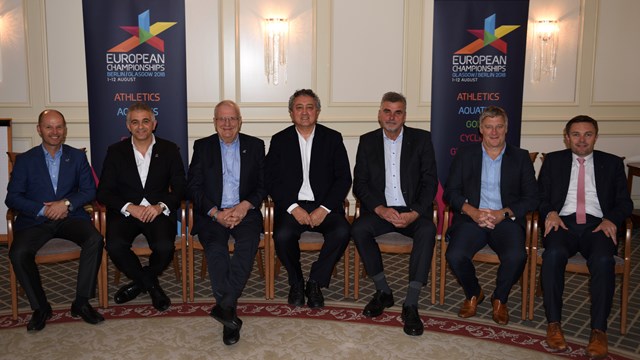
Sports federations confirm joint 2022 European Championships
The European Sports Federation members of the European Championships Board have confirmed their intentions to take part in the 2022 edition of the new “European Championships” multi-sport event, which takes place for the first time in Glasgow and Berlin in August 2018.
The Board members of the European sports federations of athletics, swimming, cycling, gymnastics, rowing, triathlon and golf all committed in principle to participating in 2022 after preliminary discussions on the host venue selection process for future editions of the championships.
European Athletics President Svein Arne Hansen, co-chair of the European Championships Board, said there is already great interest from cities, regions and countries in hosting the 2022 European Championships following Berlin-Glasgow in 2018.
“This shows the value of our innovative concept – for the sports and the future bidding cities,” said President Hansen. “It is obvious why all the participating sports want to carry on in 2022 as the European Championships is a sustainable event that brings together our existing championships without adding to a crowded calendar, and this is very attractive and affordable to a wide range of host cities.”
Fellow co-chair Paolo Barelli, President of the Ligue Europe?enne de Natation (European Aquatics), said: “The inaugural edition in 2018 will deliver to the participating sports huge benefits in terms of aggregation, through a higher profile and reach through our media agreements with the European Broadcasting Union. This will ensure our long-term financial security as we are confident the championships will go from strength-to-strength through 2022 and beyond.”
In 2018, the existing senior European Championships of athletics, aquatics, cycling, gymnastics, rowing and triathlon will be brought together for the first time in Berlin and Glasgow, with a new Golf Team Championships also being introduced onto the European stage.
Around 1,500 athletes will compete in Berlin through 7-12 August 2018 as part of the European Athletics Championships. Approximately 3,025 athletes will compete in Glasgow in the other six events between 1-12 August.
The European Championships is collectively run by the participating European Sports Federations and all decisions are made by the European Championships Board, which is jointly chaired by European Athletics and LEN. Each Federation is independently responsible for their own sport within the concept and all decisions to participate are taken in full compliance with the decision-making processes and governance rules of each Federation.
The European Broadcasting Union (EBU), which holds the broadcast rights on all platforms, has already confirmed coverage across the top five markets for 2018, with BBC in the United Kingdom, ARD/ZDF in Germany, France Televisions in France, RAI in Italy and TVE in Spain. These countries represent a major part of the potential television audience of 1.03 billion.
Meanwhile, a dispute between the European Championships organisers and the European Olympic Committees (EOC) continues. In response to a request for information from Host City, the EOC issued a statement on 31 May in which it cited a clause in a contract issued to the European Federations by the European Sports Championship Management (ESCM) which said: “EF shall not enter into any agreement for the integration of the Event and/or any other official EF competition requiring the participation of national federations and elite athletes in any other multisport event during the term of this Agreement and until one (1) year after the end of ESC 2018”.
In the statement, the EOC said “our stance is taken to ensure that new commercial entities cannot be allowed to erode the longstanding right of Olympic Movement stakeholders to stage their own established events.”
The support of the federations for the 2022 edition was announced at the European Championships Board meeting in Berlin on Monday. The Board also received updates from 2018 hosts Berlin and Glasgow and Working Groups related to the overall timetable, brand, and ceremonies, celebrations and shared experiences. The next Board meeting will be in Rome on 27 October 2016.
-
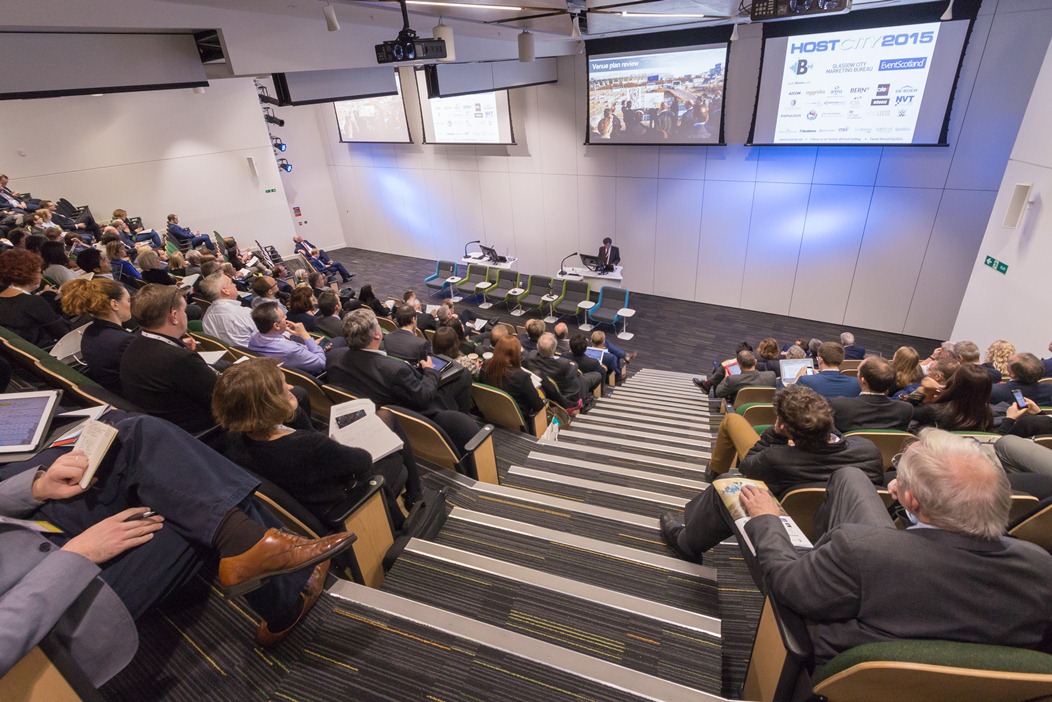
Agenda and first speakers revealed for Host City 2016 conference and exhibition
Now in its third year of rapid expansion, Host City is the largest meeting of cities and sports, business and entertainment events. More than 350 delegates from cross-sector events, cities and suppliers are set to attend and exhibit at Host City 2016.
The Host City 2016 agenda is now published on the new www.hostcity.com website, with an impressive and rapidly growing initial list of speakers participating. The owners, organisers, hosts and enablers of the greatest events will address the critical issues and opportunities they face.
Confirmed speakers so far include:
Sir Craig Reedie CBE, Vice President, IOC and President, WADA
Paul Bush OBE, Director of Events, Visit Scotland
Sarah Lewis, Secretary General, FIS and AIOWF (Association of Winter Olympic Sports Federations)
Dimitri Kerkentzes, Deputy Secretary General, BIE (World Expos)
Dr. Reinhard Pfeiffer, Deputy CEO, Messe Munich
Adriaan Visser, Vice Mayor of Rotterdam
Prof Dr Ugur Erdener, President, NOC of Turkey; Executive Board Member, IOC and WADA
Carine Saloff-Coste, Head of Economic Development, City of Paris
John Langford, Director of Live Entertainment, SSE Hydro & SECC
Michael Nagy, Director, Rio Convention & Visitors Bureau
Kulveer Ranger, Vice-President, Public Affairs and Strategic Communications, Atos UK
Sooad Islam, Associate, Populous
David de Behr, Head of Global Events, Aggreko
Ignacio Packer, Secretary General, Terre des Hommes International Federation
Session topics include “Has Sport Lost Its Integrity and How Can It Win Confidence Back?”; “How Hosts can be Safe and Secure”; “Creating Entertaining Experiences for Visitors”; “Harnessing Disruptive Innovation and Digital Transformation”; and “Business Events and Economic Development”.
Host City is the world’s largest international forum where global decision makers for event destinations, international federations, event owners, rights holders and suppliers can connect, create new business opportunities, generate media attention and foster new working partnerships across sporting, cultural, entertainment and business event sectors.
Please note that the date of Host City has changed from 16-17th to 21st-22nd November, through dialogue with ANOC and WADA to maximise synergy with their activities.
Cavendish Group looks forward to welcoming you to Host City 2016 at the whiskey tasting reception on 20th November, 2016.
For more information and to register visit www.hostcity.com
For speaking opportunities please contact Ben Avison on +44 (0) 7876 682072 or ben.avison@hostcity.net -
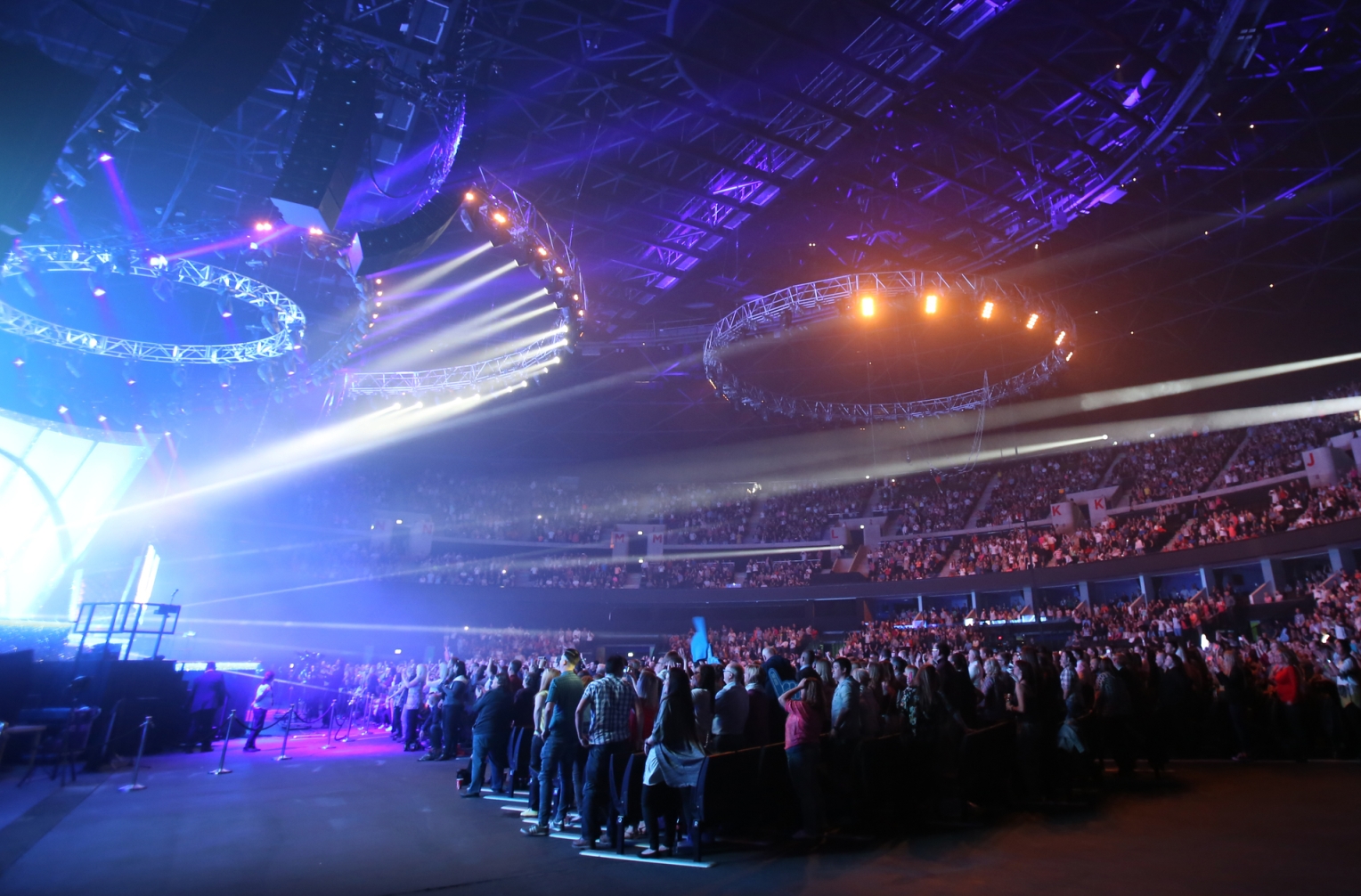
How to create a music tourism hotspot
Host City: We are very much looking forward to your participation in Host City 2016. What do you think is most interesting about the conference agenda?
John Langford: I think it’s a much needed conversation piece, realising the economic impact that big events can deliver. In particular I think there’s a growing focus on cultural events.
Host City: Are we seeing a greater convergence of sport and entertainment?
John Langford: Yes we are definitely seeing more of that and I think there are two reasons. The first is that the lines between sport and non-sport entertainment are becoming blurred. We are expecting it to be integrated: whether it’s a Super Bowl half time show or an opening or closing ceremony of Formula 1 Rocks, it’s becoming expected.
The second reason is that it adds value to sponsors and consumers. It brings in additional people and additional money. My wife will come with me to sport events if she knows there is going to be some kind of entertainment that she is going to be interested in. That brings in more eyeballs and more sponsors.
Host City: In relation to your experiences as a promoter and venue manager, what do you think are the critical issues for customer experiences?
John Langford: The first thing is truly understanding what the customer experience is. In our case, the customer experience begins the moment the person starts looking for tickets, not when they arrive at the venue.
And if you take that to a city context, it’s the whole experience that someone has. If they are a music tourist, it’s not just seeing Coldplay at the arena or the stadium; it’s the whole experience that leads up to that: the travel, the hotel, the food, the whole lot.
Secondly, we are all striving to exceed expectation and for me that’s a measure of great customer experience – we need to truly understand what the customer is expecting and then exceed that.
Thirdly, this really means that all the players need to work in a synchronised approached and that is a real challenge for cities – how do we work better with transport hosts, airports, hotels etc. to deliver a city-wide customer experience?
Host City: How does SECC work with the city of Glasgow to achieve this?
John Langford: Fortunately, the city of Glasgow is quite progressive in the way it approaches big events, more so than most other cities around the world. It’s always had a big drive to lead on hosting events, whether that’s conferences – they’ve got a very successful conference team at the city marketing bureau – or the major events team, who we worked with very closely on events like the MTV European Music Awards and Radio 1’s Big Weekend. We’ve got the MOBO awards coming up at the end of the year – those are driven by the city as opposed to promoters.
The real benefit of Glasgow is that there is a city strategy to drive cultural tourism. And it works both ways: the city can drive things to us, and if we have an idea we can drive it back to the city. A good example is the Ignition Motoring Festival in August, which is a concept that we came up with and the city bought into it and essentially it’s a whole campus-wide festival of motoring.
Host City: How do you go about programming content at SECC and SSE?
John Langford: We are quite fortunate in a way in that we don’t have major competition for our size in a good 200 mile radius. And Glasgow audiences are great; they are some of the best audiences in the world and we know from the research we’ve seen that they buy about 50 per cent more tickets that the UK average for live music events.
Typically anything that comes to the SSE Hydro is booked in the same way that the O2 is booked in London: a big artist like Madonna, U2 or Timberlake will typically book the O2 and the Hydro and then fill in the rest of UK and Europe on the back of that. So we are very fortunate in that we get a lot of proactive bookings; promoters will come to us.
We do however have challenges outside those busy periods where we try and create our own content and that requires working with promoters and artists and festival organisers to create events.
We are very cautious not to be promoters. Some venues feel differently but we feel we are not in the business of promoting. We would rather be in the business of coming up with concepts, taking a share of the risk, but we’d rather work with an established promoter to actually deliver the event.
We work very closely with AEG that owns the O2 in London on a country music festival called Country to Country. We are working on another music festival, the genre of which I can’t share just yet.
Host City: So you are moving towards “festivalisation” as well?
John Langford: Yes, I think that’s an audience trend. People are expecting bang for their buck. Way Out West in Gothenburg is an example of an urban festival, or the Great Escape in Brighton – those are examples of things that we would certainly like to see more of in Glasgow, not just on our campus. We feel that we are part of the fabric of Glasgow, just as much as Barrowlands or Hampden Park stadium.
Host City: How important is nurturing local talent for cities to develop themselves as cultural hubs?
John Langford: I think it’s all part of the same ecosystem. You need record labels, promoters, managers, recording studios; you need a whole ecosystem that creatively feeds itself.
Some of the research that I’ve seen on developing music cities is that it’s important to have all of the aspects working together; and ideally that it’s driven by the city and I think that’s probably the biggest challenge for a lot of cities.
It’s a bit like herding cats, particularly in the creative industries; there are a lot of entrepreneurs and independent thinkers and I think the challenge is creating an environment within which they can work. You need to lead without pushing and I think that’s a real challenge for cities.
Host City: How important is venue planning in creating entertainment hubs – not just physical venues but also using open spaces?
John Langford: Glasgow has a good range of venues, indoor and outdoor, sports and entertainment. I think it’s key that cities have that.
Secondly it’s licensing and I think a lot of cities need to work harder on this. You need to get all the city structures working together if the object is to bring more events into the city. Whether its occasional licenses for drinking, food or capacity, everything needs to work together.
You need a progressive planning regime in the city. In the UK there are a lot of traditional music venues that are being squeezed by pressure from residents. The gentrification of areas is causing a lot of venues to shut down, so there is a big drive, certainly from the music industry, to protect those venues.
But what you’re talking about is going that extra step. It takes a liberal, forward thinking city to recognise that there is going to be a bit of pain sometimes, whether it’s noise or hundreds of thousands of people coming to your city for an event – the progressive cities realise that’s where the economic impact comes from. You need to take a bit of pain sometimes to get the gain.
*UK Music report “Wish You Were Here 2016”
John Langford, Director of Live Entertainment at SECC and SSE Hydro, is speaking on 22nd November at Host City 2016 conference and exhibition on the subject of “Creating Entertaining Experiences for Visitors”.