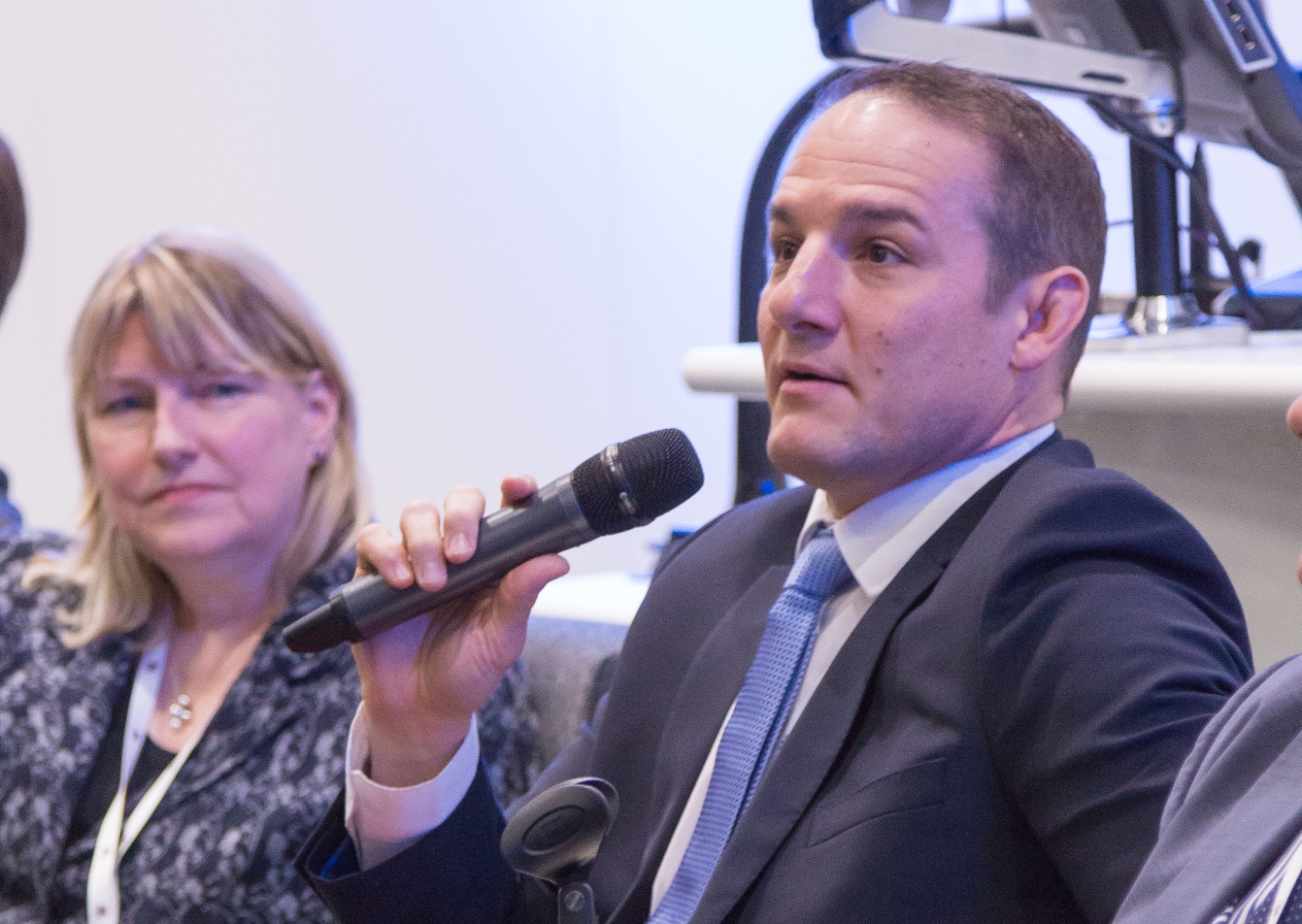
With sports bodies under mounting pressure to show good governance, the Commonwealth Games Federation (CGF) is working with International Centre for Sport Security Europe (ICSS EUROPE) in a new partnership to help promote the highest standards of good governance, transparency and integrity in sport.
The CGF will also work with ICSS EUROPE as it looks to help encourage the development of a global independent, neutral, multi-stakeholder integrity alliance for sport.
“As a values-driven movement connecting athletes and communities across the Commonwealth, we are proud to be a leading voice in the drive to protect, promote and safeguard sport and look forward to a successful collaboration with ICSS EUROPE and its partners,” said David Grevemberg CBE, Chief Executive of the Commonwealth Games Federation.
“Good governance and strategic partnerships are key pillars of Transformation 2022, and today’s announcement amplifies our responsibility and commitment to use Commonwealth sport to build peaceful, sustainable and prosperous communities globally.”
Athletics is one of the most popular sports at the Commonwealth Games but it is currently battling with mounting evidence of widespread organised doping.
“The mounting and complex challenges to the integrity of sport are more apparent than ever,” said Mohammed Hanzab, Founder and President of the ICSS.
“On behalf of the ICSS, I would like to thank the Commonwealth Games Federation for its commitment to safeguarding sport and look forward to advancing efforts with them to address the very real challenges sport now faces to its integrity and credibility.”
The agreement was signed at a reception in the UK House of Commons with key stakeholders from sport, business and government.
“Recent events have shown that there is a real and urgent need for a new approach to the integrity and governance of sport. What is also clear is that this new approach must be credible, coordinated, holistic and global.” said Dr Emanuel Macedo de Medeiros, CEO of ICSS EUROPE.
“This agreement with the Commonwealth Games Federation demonstrates a growing momentum developing across a range of sectors to protect and safeguard sport integrity. It also represents a unique opportunity for ICSS EUROPE and CGF to make a real difference to sport across the Commonwealth, as well as advance ongoing discussions with key stakeholders about establishing an independent sport integrity global alliance.”
ICSS EUROPE will also independently audit the CGF’s governance model and assist with the development of a code of conduct on sports betting and integrity to maintain the Commonwealth Games body’s position as a global leader in the field of sports policy, governance and integrity.
Category: Event Management
-
Commonwealth Games partners with ICSS to promote good governance
-
New IOC Director of Public Affairs and Social Development through Sport Department to start in March
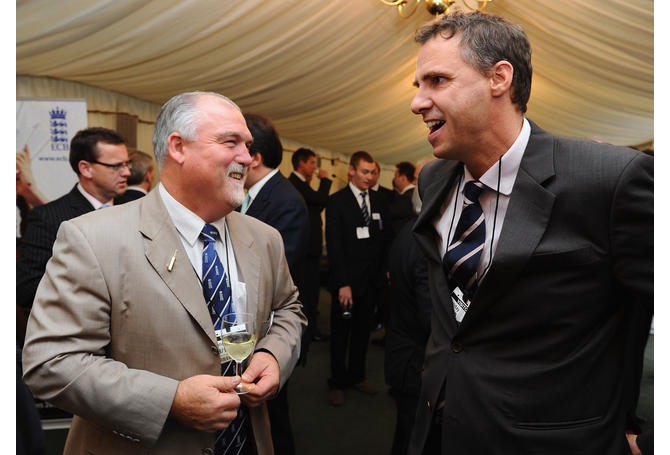
The International Olympic Committee (IOC) has appointed Philip French as its new Director of Public Affairs and Social Development through Sport Department (PASD), to start work on 1 March.
A British national, French is joining the IOC from the England and Wales Cricket Board where, as Director of Public Policy and International Relations, he was responsible for overseeing the organisation’s strategic development in public affairs and managing key external relationships.
The IOC says it has developed a comprehensive programme using sport as a tool for local socio-economic development and for humanitarian assistance.
“The PASD is central in defining the strategies for the development and implementation of such grassroots and peace projects around the world, as well as for advocating for the integration of sport and physical activity in national and international policies and programmes,” the IOC said in a statement.
“It is also responsible for fostering partnerships with a wide range of organisations specialised in development and humanitarian aid, including the agencies of the United Nations (UN) and non-governmental organisations (NGOs), in a bid to build a better world through sport.”
Before working at the England and Wales Cricket Board, Philip French held the position of Chief Adviser on Sport at the Department for Culture, Media and Sport of the United Kingdom government. With responsibilities ranging from grassroots and elite athlete funding ahead of the Olympic Games London 2012, the National Lottery, broadcasting and gambling, French led on drafting and delivering the government’s key strategic policies on behalf of the Secretary of State for Culture, Media and Sport.
Mr French was previously Chief Executive of Supporter Trusts, a British non-profit organisation which aims to provide a platform for fans to influence the running of their clubs, and Director of Public Policy at Premier League, where he had responsibility for public affairs, corporate communications and community development. He previously wrote for the Guardian newspaper and was a consultant to UEFA in the UK.
A graduate in Economics with Government of the London School of Economics and Political Science, Philip French has acquired over his career extensive experience in public affairs, international relations, community development and stakeholder management. He is very well acquainted with the world of sport, from both the media and management sides, and will be a valuable addition to the IOC’s team of directors.
A fan of athletics, football, cricket and tennis, Mr French is also involved in a number of grassroots and charity projects.
-
Soccerex announce Dein, Houllier, Torres, Mendieta, Movistar and Fox Sports for Mexico Forum
At a Soccerex press conference in Mexico City on Wednesday, a panel of distinguished guests announced the plans for the Soccerex Americas Forum 2016 and confirmed the first selection of VIPs set to attend the event, including Carlos Alberto Torres, captain of the legendary 1970 FIFA World Cup winning Brazil team, lifting the trophy in Mexico’s famous Azteca Stadium.
The Soccerex Americas Forum, held in partnership with leading sports marketing agency Global W Mexico and the Mexico City Government (CDMX), will be taking place at the Camino Real Hotel in Mexico City on 11-12 May. The event will bring together over 700 senior decision makers from the global football industry, with international experts delivering over 10 hours of top level business insight through a programme of conference panels and presentations and over 24 hours of unrivalled networking opportunities provided through an exhibition, featuring over 40 companies and a series of networking and social events.
Duncan Revie expressed his excitement at holding the first Soccerex in Mexico in partnership with the team at Global W Mexico and announced that the Americas Forum will see David Dein, one of the founders of The Premier League, look at the secrets of establishing league growth alongside representatives from MLS, Liga MX and LaLiga, who are partners of the event.
Revie also confirmed that the Forum will include a star studded session looking at the development of players, both in Mexico and globally, which will feature Gerard Houllier, former Liverpool FC Manager and now Head of Global Football, Red Bull, alongside Gaizka Mendieta and Carlos Alberto Torres. Torres is an ambassador for Soccerex and confirmed his attendance at the Forum via a specially recorded video message at the press conference.
Some of the topics to be addressed at the Forum include digital marketing, international growth, player transfers and the Hispanic influence on football business in the US.
Other topics to be addressed at the Forum include the impact of digital marketing in football, the international growth of the game, player transfers and the Hispanic influence on football business in the US.
Rodrigo Lopez Jurado welcomed Soccerex to Mexico and announced that Movistar will be partners of the event. He also spoke with former players Kikin Fonseca and Gaizka Mendieta about their experiences of Soccerex events and the impact they felt it could make on Mexico’s football industry.
With the support of key figures like Fonseca and Mendieta and football clubs such as Inter Milan, Manchester City, Manchester United, Barcelona and Valencia already signed up to join leading international brands such as Telefonica and Fox Sports, the Americas Forum will be a must attend event for anyone interested in doing business in the football industry.
For more information on the Soccerex Americas Forum, please go to www.soccerex.com/americas, call +44 (0)20 8987 5522 or email enquiry@soccerex.com.
Source: Soccerex
-
Exclusive: IOC VP Sir Craig Reedie on realising Agenda 2020 and clean sport
When the International Olympic Committee (IOC) approved Agenda 2020, its “strategic roadmap for the Olympic Movement” in 2014, the most evidently urgent issue was to boost the appeal of hosting the Olympic Games. Four European cities had pulled out of bidding for the 2022 Winter Olympic Games, leaving Almaty and Beijing as candidates.
The first three of Agenda 2020’s “20+20” recommendations focussed on reforming the bidding process. These changes have been quickly implemented and the results are evident in the strong field of cities bidding for the 2024 Olympic Games.
But Agenda 2020 is about much more than this, focusing on areas such as sustainability, blending sport and culture, launching an Olympic TV channel, engaging with communities – and an issue that has become extremely pressing for the Olympic Movement in recent months: the protection of clean athletes.
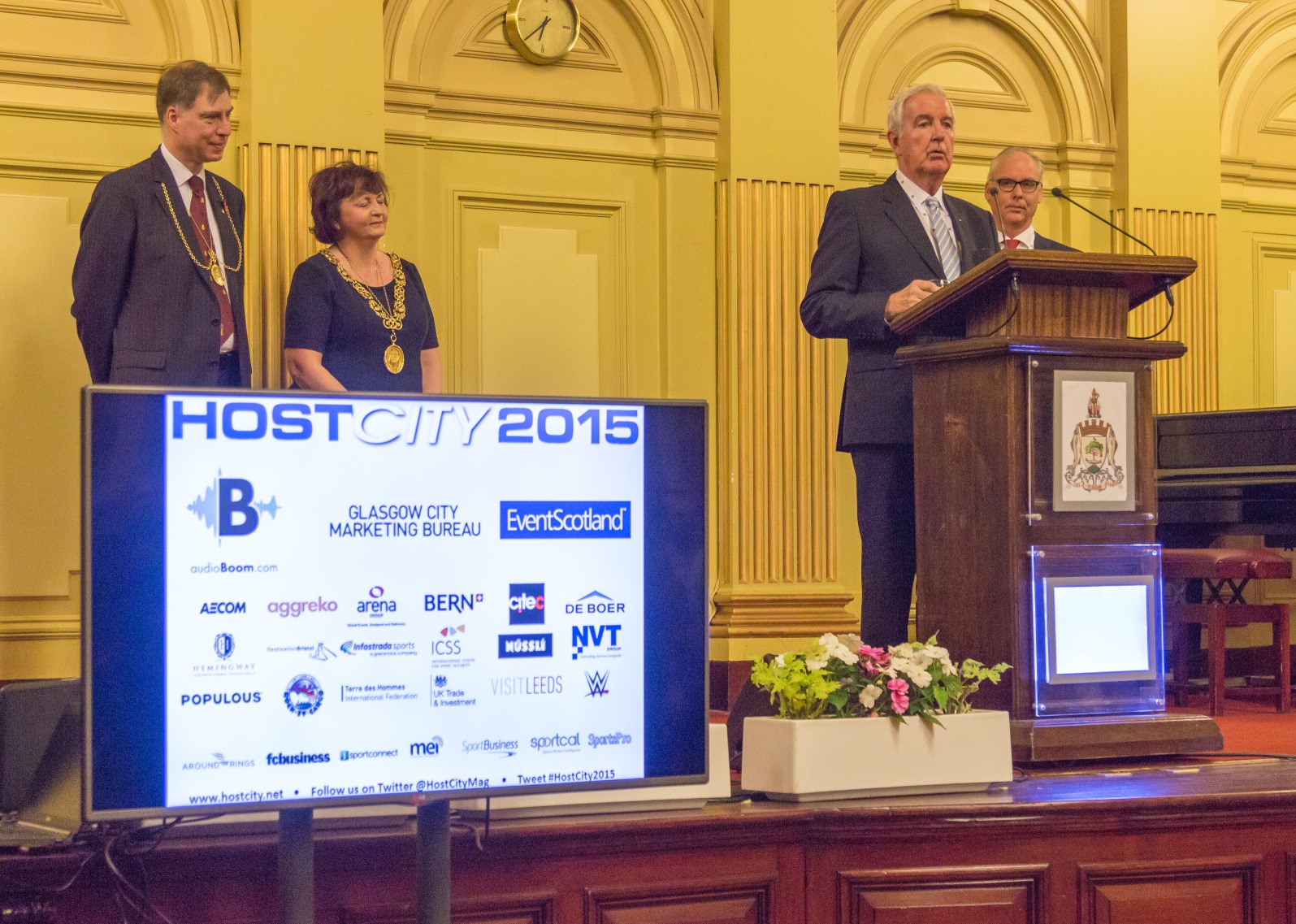
Sir Craig Reedie, in his dual roles as Vice President of the International Olympic Committee and President of the World Anti-Doping Agency, spoke exclusively to Host City about the challenges and opportunities ahead for the Olympic Movement and how the IOC is implementing Agenda 2020.
HOST CITY: How is the IOC encouraging organising committees to boost sustainability and reduce the cost of event delivery?
Sir Craig Reedie: Sustainability covers a wide range of operations. It effectively started under Agenda 2020 with the first two or three proposals, which were to shape the bidding process as an invitation; and then evaluating the cities, assessing key opportunities and risks; reduce the cost of bidding; and then to include sustainability in all aspects of the Olympic Games and the Olympic movement.
By framing the Games bidding process under the invitation, we get the opportunity to speak to a National Olympic Committee which wants to submit a city, and the city itself, right at the start of the programme. We can set out quite clearly that we wish them to consider a sustainability strategy, to develop a plan and to integrate and implement sustainability measures that cover the economic side, the social side and the environmental sphere in all stages of the project. And so far I have to say that seems to be working.
The Winter Games are sometimes a bit more complicated than Summer Games, because by the very nature of Winter Games there are some indoor facilities that are very sports specific – for example long track speed skating. A lot of work needs to be done by organising committees and candidate cities to make sure that what they build is sustainable after the Games.
For a summer Games it’s probably a little bit easier, because the facilities that have been built can frequently be used for more than one sport or more than one purpose. It’s certainly an integral part of the Agenda 2020 process and it’s underway.
We certainly wish to reduce the cost of bidding and that is clearly underway at the moment for the 2024 bidding process. The cities have far fewer presentations to make and they work very closely with the IOC. There are three specific stages and we are just at the beginning of stage one.
We want what is built to be sustainable; we don’t want any white elephants and we want cities to plan all that carefully all the way through.
HOST CITY: Looking ahead to Tokyo 2020 do you have confidence that their stadium will be a sustainable solution?
Sir Craig Reedie: Yes, they looked hard at the original plans for the main stadium primarily on the basis of cost and they have come back, as far as I can see, with a revised and more cost effective plan.
It’s more sustainable and it will be finished earlier, which is a good thing so you can fit that stadium with all the bits and pieces that are necessary for an Olympic Games; you’ve got not just sport taking part there but you’ve got major ceremonies.
Most recently there was a report from Tokyo on the whole sustainability structure and that gives me some confidence that what we wanted to happen is actually happening.
HOST CITY: A USD 20m fund was set aside to protect clean athletes through Agenda 2020. In the light of recent revelations in athletics, is this enough or are further measures necessary?
Sir Craig Reedie: The US$20m fund is clearly working. It was split into two parts. The first was US$10m for advanced anti-doping research; it was made available to WADA provided we got governments to match the US$10m. We managed to collect about US$6.5m, so we have received or are in the process of receiving US$6.5m of the original ten. So there is a new fund of about US$13m which WADA is dealing with.
The remaining US$3.5m, which was not matched by governments, is being invested by the IOC itself; and we clearly cooperate on the applications we get for that scientific research to make sure we don’t do the same thing. That process is working extremely well.
The second US$10m under the heading “protecting clean athletes” wasn’t anti-doping – it was for any forms of manipulation and corruption. Clearly that’s been in the media recently with accusations about wrongdoing in tennis several years ago, and the tennis authorities are clearly looking at that.
The IOC have invested some of that US$10m in an intelligence gathering system to which almost all the International Federations have signed up. So that process is underway as well.
HOST CITY: It must be very costly looking into and investigating the integrity of all the Olympic Sports combined. Is working with the International Federations (IFs) a way forward there?
Sir Craig Reedie: They are an integral part of the Olympic movement. The IOC itself, the IFs and the NOCs are the three pillars of the movement, so we are structured to deal with the IFs. Certainly in the anti-doping field, from WADA’s point of view, we work closely with all the IFs.
There is a debate at the moment about the creation of a new independent testing agency to take away the perceived conflict that IFs might have, who are supposed to develop and organise their sport, and at the same time to police their sport. The more we speak to people the more the feeling there is that this is a good idea and it might well happen.
So this is a major project, the whole anti-doping effort is a major effort and quite clearly there are major problems in sport of manipulation and corruption and the IOC are well aware of that and effectively putting their money where their mouth is.
HOST CITY: What’s the outlook for Russia’s involvement in Rio?
Sir Craig Reedie: Well, from the WADA perspective our job is, having removed the accreditation of the Moscow laboratory because it was criticised in the independent commission report, and having declared the Russian anti-doping agency to be non-compliant, our job is to deal with both of these situations so that the accreditation of the laboratory can be renewed and above all that the Russian anti-doping agency becomes compliant again.
Our job is not to do this so that people can take part in the Rio Games; our job is to assist Russia in becoming compliant again. It’s other people who decide whether they go to Rio. The one national federation at the moment that is suspended is the Russian athletics federation; it’s the responsibility of the IAAF to make sure that that particular national federation is compliant with all aspects of the world anti-doping code – plus other conditions that it has applied – these will all have to purified before they can be declared compliant and by definition then available to come to the Rio Games. There is a lot of work to be done.
HOST CITY: How will the IOC itself continue to show leadership in the good governance of its own affairs?
Sir Craig Reedie: As leaders of the Olympic movement, we start with ourselves. We now produce a very comprehensive and detailed annual report which is very transparent; it tells everybody everything we are doing, it tells what people are paid, and tells everybody that we produce the accounts under the international financial reporting system – even though that’s not a legal obligation on us.
We have imposed time limits on membership, time limits on periods that you can stay on committees. So we’ve looked very hard at our own governance.
We also speak regularly to the associations of international federations and encourage them to do the same – and many of them do.
As far as National Olympic Committees are concerned, they again are given guidelines – there are basic standard of good governance with which we expect them to comply. At the moment they self-monitor, but we try to ensure that across the whole movement high standards of good governance will apply.
HOST CITY: How will the Olympic movement engage with society and communities in the future?
In many cases the reform process was a serious think-tank. We did look very carefully at, and have a recommendation on, how we deal with communities.
The first one that is being worked on is to create a virtual hub for our athletes and we are quite a long way down the line in doing that.
We’re looking at doing the same for volunteers; we’re looking at ways we can engage the general public. Much of this is social media and how we can improve our website and how we can encourage people to keep in touch with us. We need to have a very clear policy ourselves on how we engage with young people – all of that work is underway.
We’re also going to develop, at no little expense, a television programme called the Olympic Channel, which is going to be a digital programme in its initial form that can then spread into being a full television programme if needs be at a later date, and if countries want it. That will allow us to inform, educate, hopefully excite, entertain and amuse millions and millions of people. All of that is quite an exciting prospect as we move forward.
HOST CITY: It’s interesting that it’s going digital first, because the majority of young people are now watching more on the internet than on traditional television.
Sir Craig Reedie: Yes, I suspect that that piece of statistical information was warmly welcomed in the offices of the digital channel in Madrid.
HOST CITY: Why is it so important to further strengthen the blending of sport and culture at the Olympic Games and in-between?
Sir Craig Reedie: At the end of the day it’s one of the absolutely defining characteristics of the Olympic movement and the Olympic Games – that there is this clear mix, this blend of sport and culture.
We’re trying to develop that; we’re looking at creating an Olympic Laurel award to celebrate any outstanding contribution to Olympism through culture, education, development and peace. We are looking to develop an Olympic House, to welcome the general public to engage in a dialogue with the Olympic movement.
There’s a programme called artists in residence which is being examined; that’s a very specific cultural connection. We’re looking at a curators committee composed of various global cultural players.
We also try as best we can to take the Olympic Museum out on the road: for example, specific Olympic Museums created in host cities at times of the Games. I think that’s quite an exciting project; it’s one of the projects I’m trying to develop, as I think it’s part of our heritage and it’s something we should celebrate.
HOST CITY: How is Agenda 2020 being implemented within the IOC?
Sir Craig Reedie: The whole Agenda 2020 process appears to have been warmly welcomed and we now work on it regularly at the Executive Board meetings. We look at the implementation plan to see what else we have to do; so it’s not just been a question of thinking through what we want to do, putting it down on paper and then hoping that it happens. There is a specific and detailed implementation plan that we look at on a very regular basis.
A lot of this will fall, in several years’ time, into our new headquarters in Lausanne, so everybody working for the IOC in Lausanne works under one roof. It’s a huge investment in the Olympic movement, it’s a huge investment in sport and it’s also a huge investment in Lausanne – particularly when you look at the way we’ve made a similar investment in the complete remodelling of the Olympic Museum. So we hope to be good citizens.
The IOC Executive Board will meet in Lausanne on 1 to 3 March 2016 to discuss the implementation of Olympic Agenda 2020
-
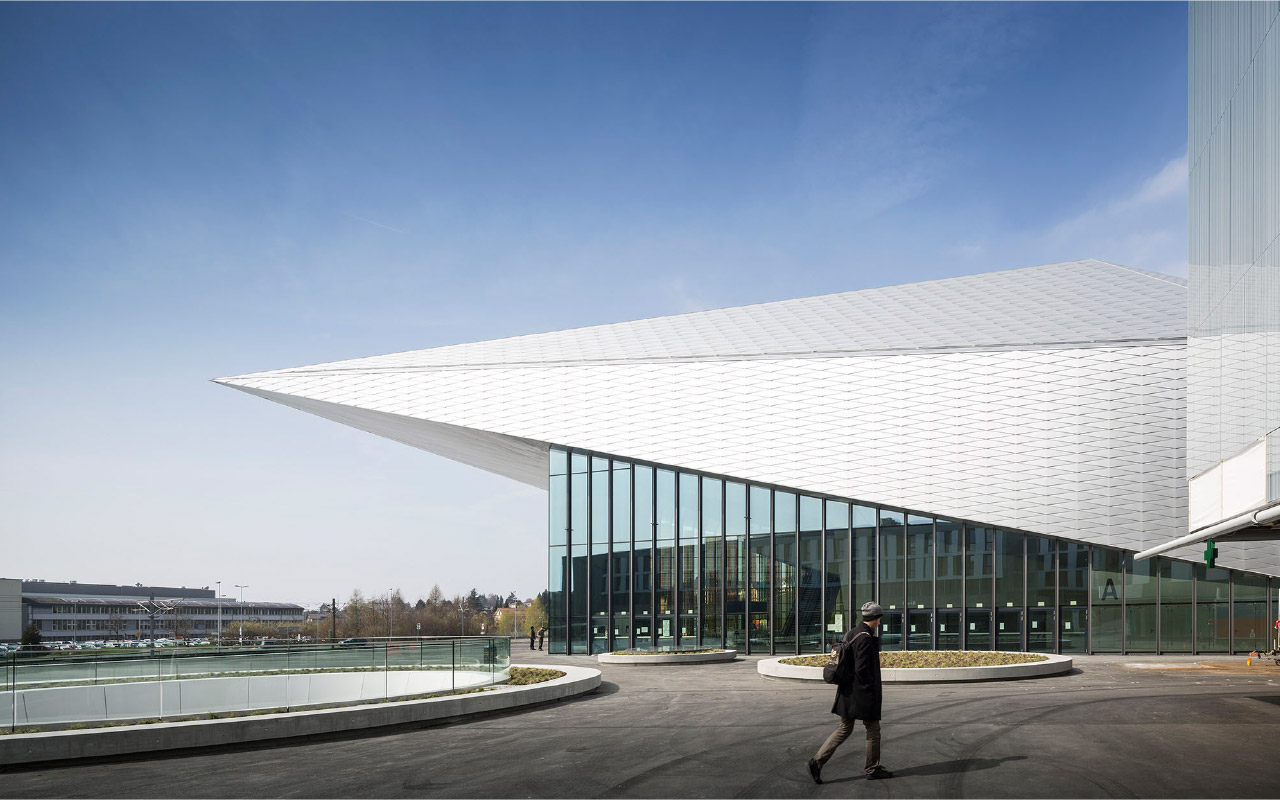
SportAccord Convention City Forum is back stronger than ever “assessing the impact of sport” on cities
[Source: SportAccord Convention] City Forum, one of the ‘go-to’ events hosted by SportAccord Convention is back stronger than ever and will assess the impact of sport on cities. Set to take place on the afternoon of Tuesday 19 April at the SwissTech Convention Center in Lausanne, Switzerland, this year’s City Forum sees the return of the legendary Don Schumacher to lead the event. A cities champion and supporter, and known to many worldwide, Don has worked closely with SportAccord Convention to put together a thought-provoking programme for delegates.
“City Forum has always been popular and this year’s event has been given renewed focus following feedback from cities around the world,” said Don Schumacher, Executive Director and one of the Founders of the National Association of Sports Commissions (NASC). “Packed with practical advice, key insights and case studies, the sessions will be more interactive, enabling cities to come away with fresh ideas and know-how, as well as providing a valuable learning experience.”
City Forum will begin with a session on The Current State of Affairs for cities presented by Sportcal. A Principal Media Partner of SportAccord Convention, they have developed an impact methodology to assist cities in valuing the various benefits of hosting sports events. Many of these benefits extend beyond economics, and each of the beneficial impacts will be examined and discussed. In addition, City Forum delegates will also receive an exclusive printed Summary. This will cover some of the highlights of the recently published Global Sports Impact (GSI) Report 2015, as well as gain some early insights from the next GSI Report due to be published on 1 June 2016.
Delegates will also be able to share their insights, thoughts and know-how in this year’s Group Project challenge and given an event-bidding issue to examine and debate. Groups will determine a course of action, reporting back to the City Forum on their decisions, and the reasoning behind them.
As a precursor to the City Forum, the Convention will once again host the City-to-City gathering the morning of the City Forum. City-to-City is designed to give cities and regions a platform for free discussion on the needs and challenges faced in looking to host sport events.
To find out more about the 4-day Conference Programme including City Forum, or to register for SportAccord Convention, visit: www.sportaccordconvention.com
Source: SportAccord Convention
-
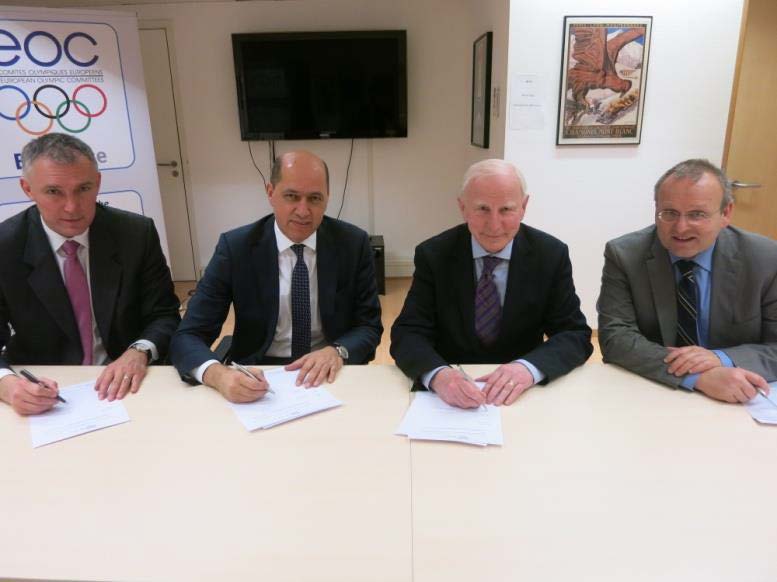
FIBA Europe to address policy challenges with EOC EU Office
FIBA Europe, the European governing body for basketball, has joined seven other sports federations by becoming a partner of the European Olympic Committees (EOC) EU Office in Brussels.
The EOC EU Office represents the EOC to European institutions, working with towards a European Sports policy. It also represents the interests of the International Olympic Committee (IOC) at national, European and international level.
“I am extremely pleased to welcome the prestigious organisation of FIBA Europe as our latest partner. When we established the EOC EU Office, it was organisations such as FIBA Europe that we wanted to target in order to build a strong network of Olympic Movement sports’ organisations to partner with the EU’s institutions,” said EOC President Patrick Hickey.
“The European Union brings a number of challenges as well as opportunities for the field of sport. The EOC EU Office is our answer to facing these challenges and to taking full advantage of these opportunities. With basketball being one of the major team sports in Europe, I am sure that this partnership will be of mutual benefit to FIBA Europe and to the EOC in many EU policy areas, but also beyond the EU institutions.”
FIBA Europe is the sixth European Federation to partner with the EOC EU Office, following European Athletics, European Aquatics, the European Handball Federation, the European Volleyball Confederation and Rugby Europe. The EOC EU Office has also partnered with two International Federations: FIFA and the International Ice Hockey Federation (IIHF).
“At FIBA Europe, we are always looking to build partnerships with institutions that share our commitment to sport and the positive impact it has on young people and our societies,” said FIBA Europe President Turgay Demirel.
“The EOC EU Office is one such institution. Basketball is one of Europe’s leading sports, and this relationship will allow us to work more effectively towards our goal of strengthening the game in each of our member countries and beyond.”
Basketball has been featured in every edition of the European Youth Olympic Festival, dating back to the inaugural games in 1991.
“FIBA Europe’s commitment to the European Olympic family grew last summer in Baku when our exciting new format, 3×3, proved to be one of the biggest hits with fans at the inaugural European Games,” said FIBA Executive Director Europe Kamil Novak.
“Now, becoming a partner of the EOC EU Office is the next logical step in our mutually beneficial relationship.”
A full list of the EOC EU Office’s partners can be found at http://www.euoffice.eurolympic.org/partners
-
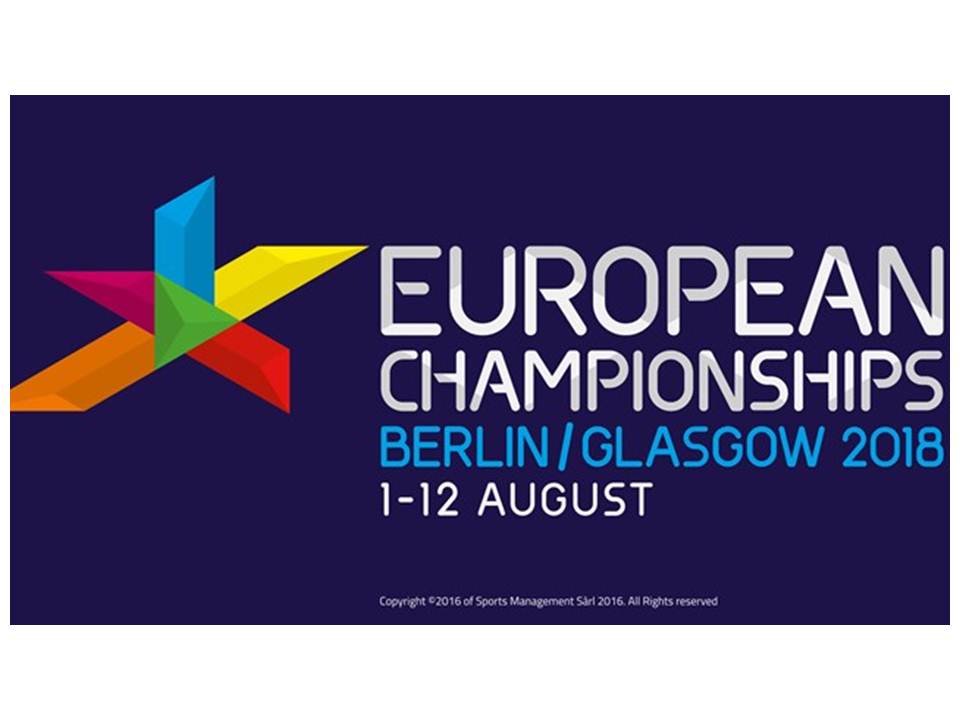
Glasgow and Berlin unite under new European Championships brand
The hosts and rights holders of the innovative event taking place in Glasgow and Berlin in 2018 have unveiled a new, unifying brand identity under the name “European Championships” – shortened from the previous title of “European Sports Championships”.
The multi-sport event in August 2018 brings together the existing European Championships of athletics, aquatics, cycling, gymnastics, rowing and triathlon, and also introduces a new golf team championship onto the European stage.
The brand is represented by a new logo, the star-like “Mark of a Champion” said to represent the vision at the heart of the new multi-sport championships, the aim of which is said to “create a must-attend, must-watch experience that elevates the status of European Champions”.
The logo was created in partnership by the sports federations, Host Cities Glasgow and Berlin and broadcast partner the European Broadcasting Union (EBU).
“The launch of this impressive brand is the starting gun for a European Championships concept that will help elevate the Berlin 2018 European Athletics Championships to a scale we have never seen before,” said European Athletics President Svein Arne Hansen, co-chair of the 2018 European Championships Board.
“In Berlin we have a fantastic host city for our Championships, and in the German athletics federation, we have a committed partner who have produced a great generation of athletes. We are all committed to delivering the best-ever European Athletics Championships.”
The organising partners said the event will take place every four years, anticipating a television audience of around 1 billion, plus multiple digital and radio platforms in 2018.
Around 1500 athletes are expected to compete in Berlin from 7-12 August as part of the European Athletics Championships, while approximately 3025 athletes are set to visit Scotland for the other six events between 1 and 12 August.
“I am delighted that Glasgow’s vibrant personality shines through this new brand,” said Councillor Frank McAveety, Leader of Glasgow City Council.
“We have worked together with these amazing sports to create something that reflects all of our values by embracing our ambition, our strength in unity and our ongoing journey to provide opportunities for all of our citizens through the power of sport and culture.”
Senator Frank Henkel, City of Berlin, said: “We are really pleased to see the unveiling of the umbrella brand for the European Championships of which we are part. Our city is well underway in its preparations for the European Athletics Championships, and our own Berlin 2018 mark will be unveiled soon.”
Each of the participating sports are due to unveil their own event logos in the coming months.
-
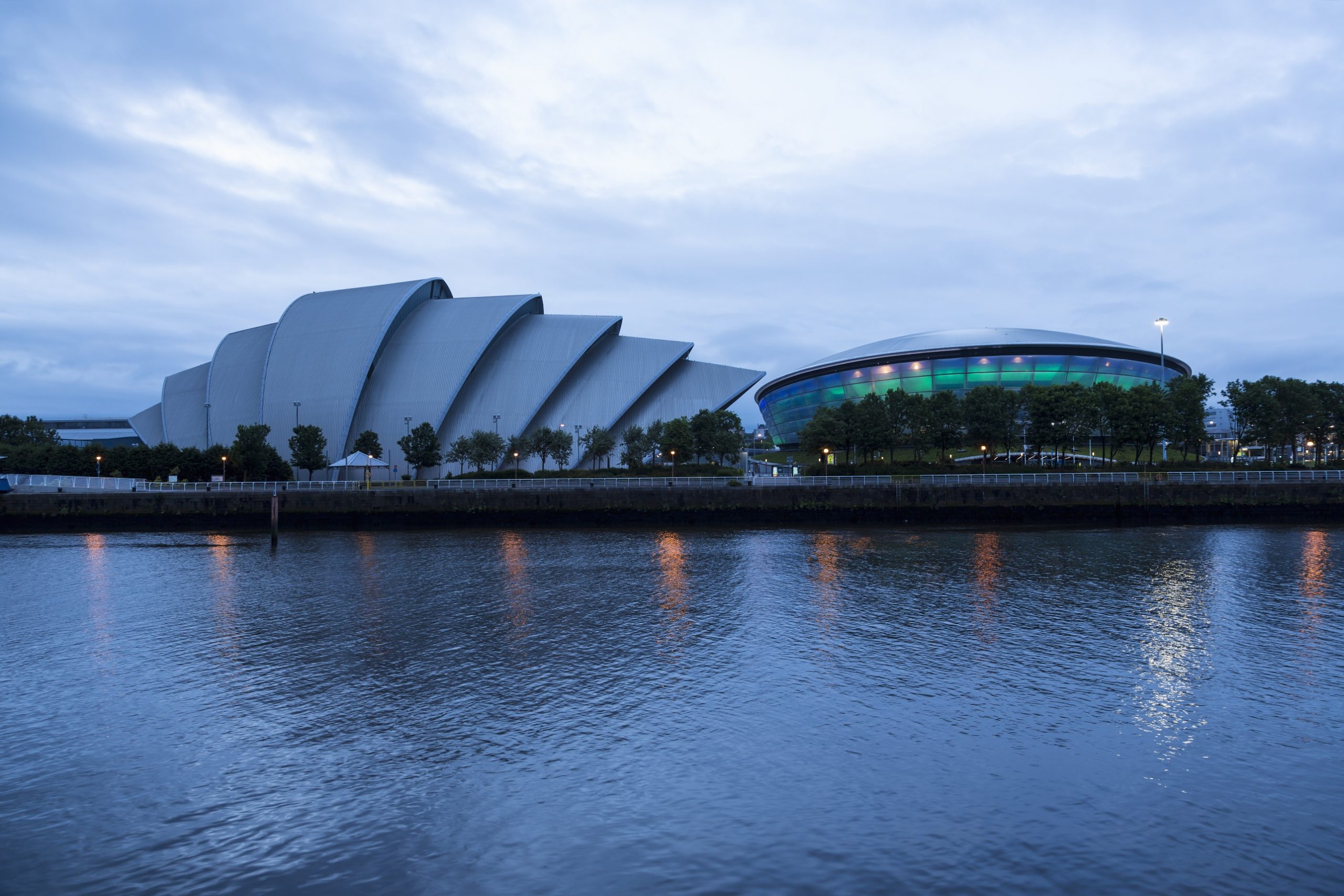
Glasgow becomes the hub of ITS this June
Glasgow will be hosting the largest annual event of ITS professionals in Europe during the first week of June. In addition to the picturesque scenery, world class architecture and a vibrant nightlife and shopping scene, the city will be bustling with over 2,500 ITS professionals coming from around the continent to meet, discuss, and learn from each other.
Glasgow has a rich and varied background in ITS, being one of the very first to deploy several intelligent transport solutions and has since been constantly developing these solutions year after year in hope of becoming one of the smartest cities in Europe today. Over decades, Glasgow has transformed itself into a smarter, safer, and more environmentally friendly city with smart street lights able to record pollution levels or below the surface road sensors detecting traffic flow.
What better destination for the European ITS community get together?
Whether you come from a background of policy, research or business, or consider yourself an amateur transport enthusiast, we invite you to join us in Glasgow 6 to 9 June for the 11th ITS European Congress. The theme of this year’s Congress is “Delivering Future Cities Now”; with focus on increasing connectivity, bringing new services to users and improving communication, in a sustainable way.
After a highly successful call for papers the European Program Committee met in Brussels at the beginning of March to finalise this year’s Congress programme. The selected papers have been organised into over 100 sessions in accordance with the 5 key topics ranging from automation through sustainability and environmental impact to satellite services and user centric service initiatives.
“The Congress is designed to provide insight into the real life ITS solutions of today and showcase the ideas of tomorrow with an interactive and wide array of programmes and activities”, Didier Gorteman, Director of Congress and Chair of the European Programme Committee, explained. “In addition to the session discussions, demonstrations will give participants the chance to experience technological advancements first-hand while the exhibition will provide the opportunity to stumble on some of the ingenious ideas revolutionising transport today”, he continued.
The growing list of exciting events include a Mayor Summit on Wednesday 8 June, where leaders of European cities big and small can discuss and share knowledge on deploying ITS solutions in urban environments. Building on the success of previous years, a special student programme is also under way where the organisers are preparing events appealing to the younger generation in addition to offering special discounted rates for students.
For those looking for a more hands-on experience, several technical visits are planned on 7 and 8 June including a visit to the Glasgow Operations Centre (GOC), a state-of-the-art integrated traffic and public safety management control room; a tour of the Traffic Scotland National Control Centre (TSNCC); and the United Kingdom’s largest bus depot.
Glasgow will surely match up to one of the most anticipated social highlights of the Congress with a gala dinner held in the Kelvingrove Art Gallery & Museum. In addition to a spectacular dinner and entertainment, visitors will have a chance to visit the extensive collection of over 8000 objects providing a rich insight into the history and arts of Scotland.
The 11th European ITS Congress 2016 is organised by ERTICO – ITS Europe in partnership with the European Commission, and hosted by Glasgow City Council and Transport Scotland. Visit Scotland, the Scottish Exhibition and Conference Centre (SECC), ITS United Kingdom and the Glasgow City Marketing Bureau strongly support the event.
Registrations are now open, with exceptional early bird rates until 18 April!
-
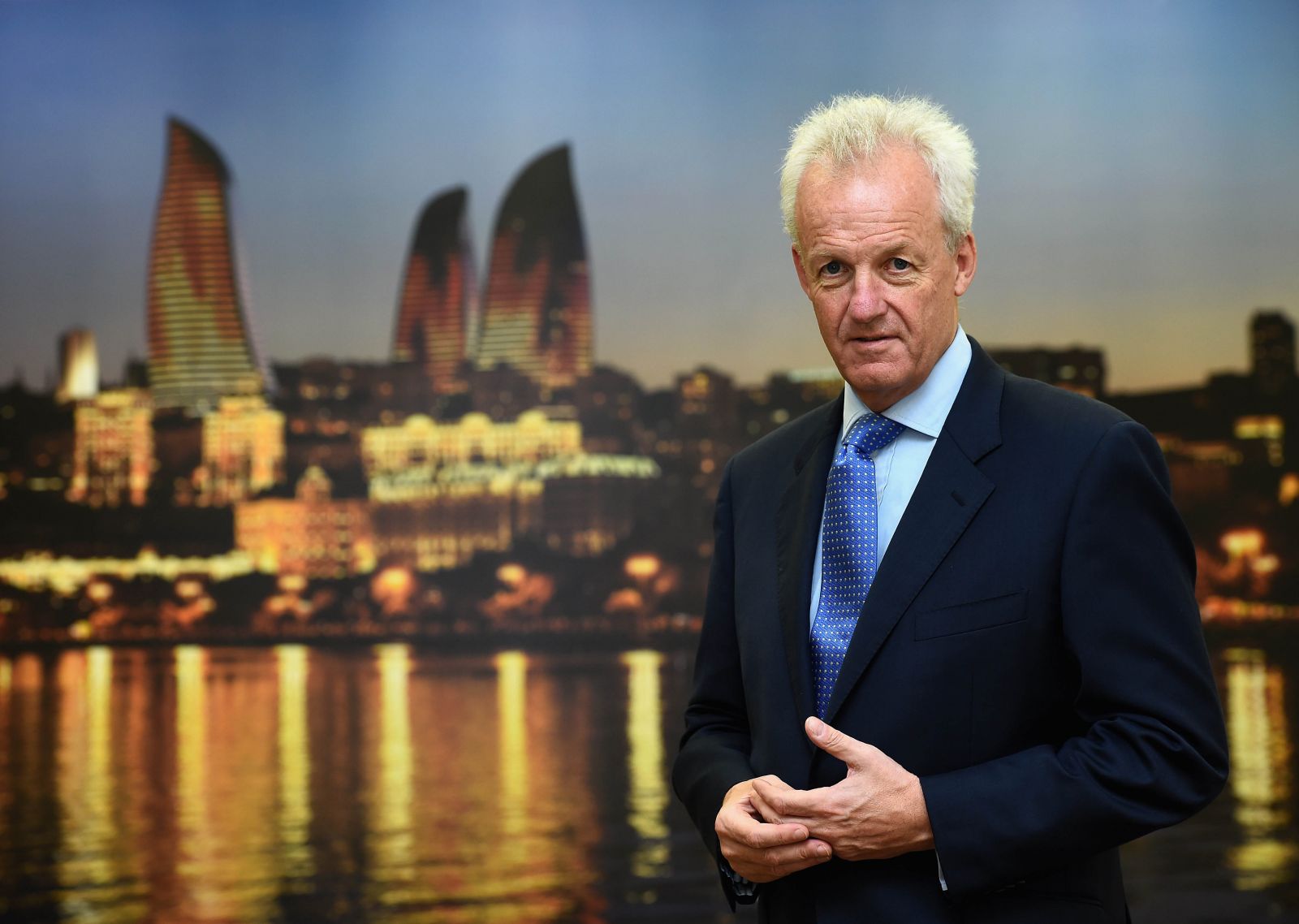
Simon Clegg excited to join Dubai Expo 2020 as COO
Dubai Expo 2020 has appointed Simon Clegg as Chief Operating Officer, the title he also held for the Baku 2015 European Games.
As a speaker at Host City 2015 in November, Clegg shared his experiences of organising the inaugural European Games in Baku.
He led a team of 2,500 full time staff, supported by 12,000 volunteers, to deliver a mega event in an unprecedented compressed time frame and broadcast to an estimated 832 million households.
This is the first time Clegg has been appointed to run a major non-sports event.
“I am very excited about joining the team at Expo 2020,” said Clegg.
“The vision and ambition of the project will make it a stunning experience for the expected 25 million visitors, 70% of whom will come from overseas.
“Within each country’s pavilion visitors will be able to experience the rich diversity and culture that makes up our planet as well as seeing the latest technological developments around each of our chosen themes.
“Dubai is already one of the world’s greatest tourist destinations and its position will be further cemented through the hosting of this truly global event”
Clegg’s previous roles include managing Team GB at Beijing in 2008 – its most successful Olympic Games in a century – and leading the campaign to persuade the British government and Mayor of London to bid to host the 2012 Olympic Games. He was subsequently appointed a board member of the London 2012 Olympic Games bid and Organising Committees.
“I am delighted to have someone of Simon’s caliber, leadership skills and considerable management experience of large global events join our team,” said Expo 2020 Director General and UAE Minister of State for International Cooperation, Her Excellency Reem Al-Hashimy.
“His management and commercial skills will strengthen our team and help ensure the successful delivery of our 1,082 acre site. I look forward to working with him on this hugely important event for Dubai, the UAE and the entire region.”
-
London’s light fantastic
London’s first Lumiere light festival closed on Sunday 17th January at 10.30pm, having transformed the city’s streets and buildings with 30 spectacular artworks. First estimates put the numbers of visitors at over 1 million attending the festival over four evenings.
Developed by creative producers Artichoke and supported by the Mayor of London, Lumiere London turned King’s Cross and London’s West End, including Leicester Square, Piccadilly, Regent Street, St James’s and Carnaby into a magical pedestrian playground and encouraged Londoners and tourists alike to explore the heart of the capital and view it in a new light.
“I am thrilled by the success of Lumiere London, which has brought a wonderful burst of imagination, colour and creativity to our city’s streets in the middle of cold, dark January. It could not have happened without the input and support of the many businesses and agencies who helped to make it happen,” said the Mayor of London Boris Johnson.
“We have been astounded by the crowds, which exceeded all our expectations and brought a boost to the West End and King’s Cross and are delighted by the response, not just from Londoners, but visitors from around the world.”
Lumiere was created by Artichoke in Durham in 2009, and has been recommissioned by Durham County Council every two years since then. In 2013, Artichoke also produced Lumiere in Derry~Londonderry UK City of Culture, commissioned by Culture Company 2013. In November 2015, the festival returned to Durham for the fourth time, attracting an estimated 200,000 visitors to the city.
“It’s been an unprecedented four nights for London and the turnout has been extraordinary,” said Helen Marriage, Director of Artichoke.
“Over a million people came to experience something truly magical and unusual: this great world city turned into a temporary pedestrian playground.
“While the success of the festival did mean that contingency measures had to be put into place occasionally to help keep the crowds moving, the atmosphere has always been amazing. This festival has been about more than seeing the art. It’s about people sharing public space and re-discovering the city’.”
Over 200 volunteers from across the capital were recruited to support the festival through Team London, the Mayor’s volunteering programme for London.
Business boost
The festival is said to have brought a significant year-on-year uplift in food and beverage sales to businesses in London’s West End and King’s Cross, with anecdotal reports of double digit growth from restaurants, cafes and bars.
With founding support from Atom Bank, Bloomberg Philanthropies, Heart of London Business Alliance, London & Partners and King’s Cross, plus additional support from a host of partners and sponsors, including Westminster City Council, Lumiere London presented installations by 30 international artists, at some of the city’s most iconic locations.
The creative power of Lumiere was accompanied by a boost to business in the city. Karen Baines, Heart of London Business Alliance representing over 500 businesses and 100 property owners in Leicester Square, Piccadilly and St James’s said “The atmosphere in Leicester Square, Piccadilly and St James’s has been absolutely electric with footfall increasing by 18% year on year on Thursday and Friday from 6pm to 11pm, as visitors flocked from far and wide to see our globally renowned cultural landmarks transformed.
“Our vibrant evening economy saw a significant boost with West End restaurants, cafes and bars reporting double digit growth in sales as visitors made the most of what was on offer to make it a night out and an evening to remember.”
How London came to life
Audiences from across the world were enthralled by artworks including a glowing tropical garden filled with giant plants in Leicester Square Gardens and a technicolour animation featuring the faces of some of the UK’s best-loved TV and film stars, projected onto BAFTA, 195 Piccadilly. At Oxford Circus, which was closed to traffic during the festival, people lay on their backs gazing up at 1.8 London, Janet Echelman’s beautifully illuminated aerial sculpture strung between buildings at Oxford Circus.
Along Regent Street, pedestrianised for the event, crowds gathered to see Elephantastic!, a 3D, larger-than-life projected elephant stomping through the Air Street arch, while in St James’s visitors gazed at the ethereal Les Voyageurs – sculpted human forms flying high above the buildings. At Westminster Abbey, audiences stood mesmerized by The Light of the Spirit, a digital painting by French artist Patrice Warrener, who had bathed the Abbey’s West Gate in an electric riot of colour.
In Carnaby, on Broadwick Street, visitors gathered around Julian Opie’s animated LED monolith – Shaida Walking. The piece has been commissioned as a permanent installation and will be illuminated during the day as well as at night.
Aquarium, Benedetto Bufalino & Benoit Deseille’s iconic red telephone box filled with exotic fish at Grosvenor Square, was a firm festival favourite, drawing audiences to the leafy garden square in Mayfair. The square was also a temporary home to Elaine Buckholtz’s abstract digital painting, which uses light and music to re-imagine Van Gogh’s painting All Night Café.
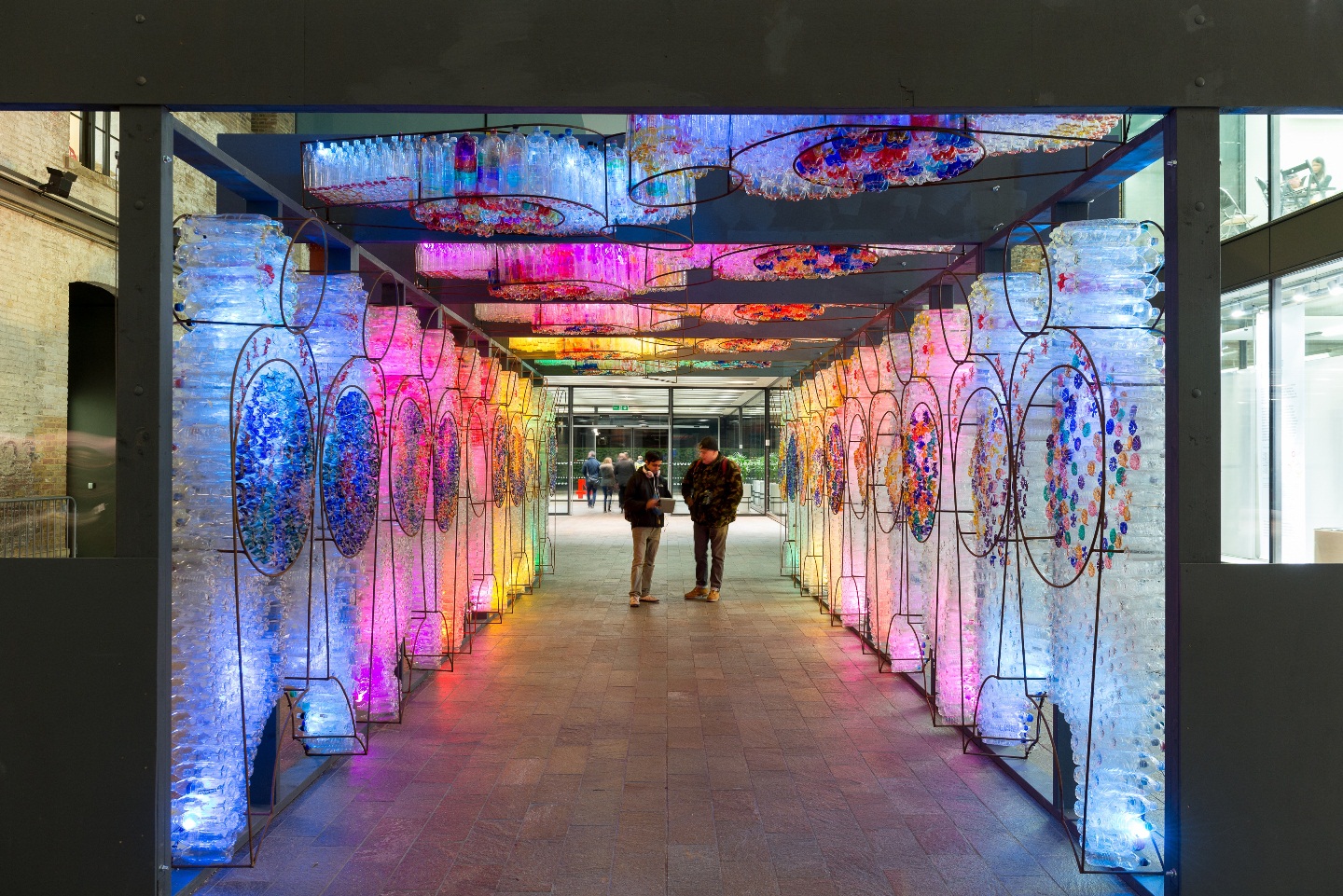
Hundreds of Londoners of all ages played their part in the festival: from donating a recycled plastic bottle to the glowing Plastic Islands installation by Luzinterruptus in the Trafalgar Square fountains, to appearing on film in the spectacular Circus of Light projected onto the Granary Building at King’s Cross. 500 children also took part in workshops at schools in the area to help make Joining the Dots and Litre of Light, both also at King’s Cross.
Founding Partner Bloomberg Philanthropies and Artichoke also hosted a sold-out Lumiere London Symposium, “The Heart and Soul of the City”. Speakers including Lumiere London artists, cultural pioneers and leading policy makers, shared their visions for the public realm, and how artists and communities can transform it.